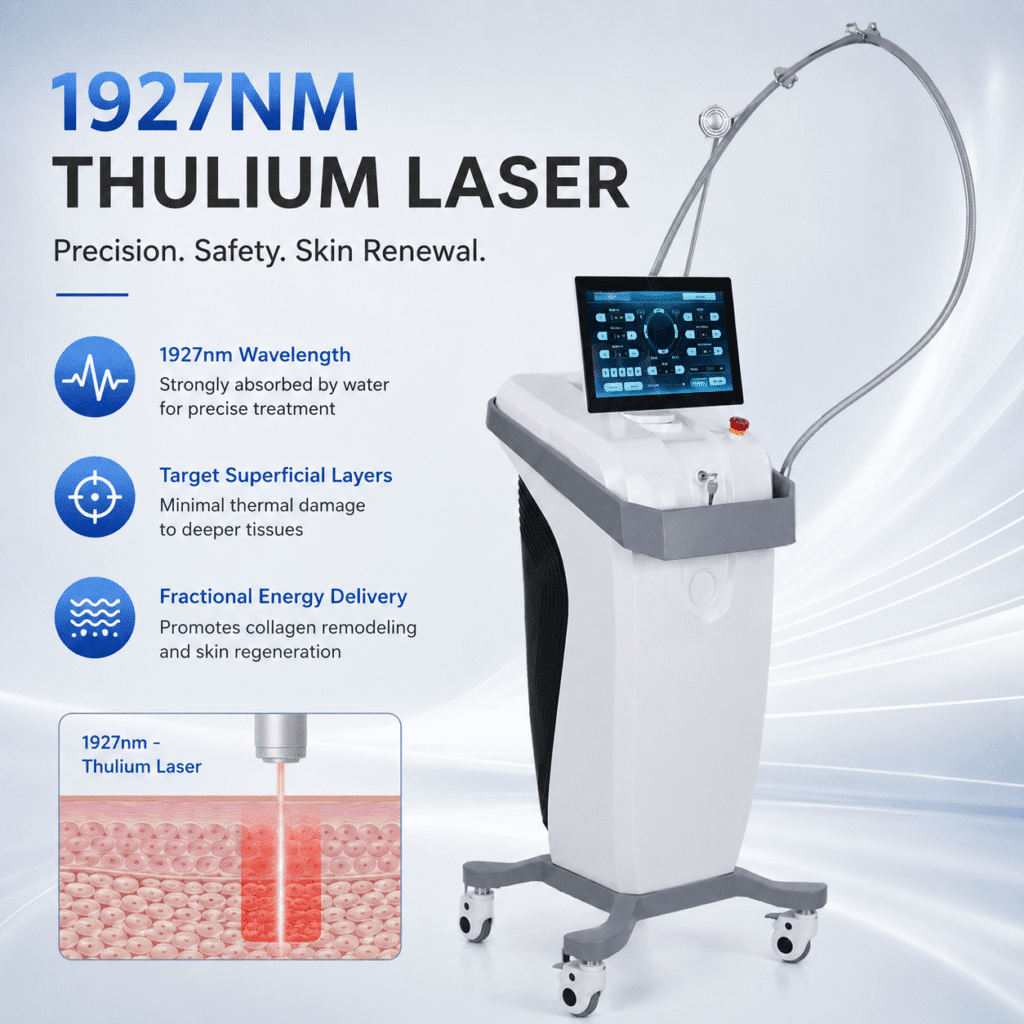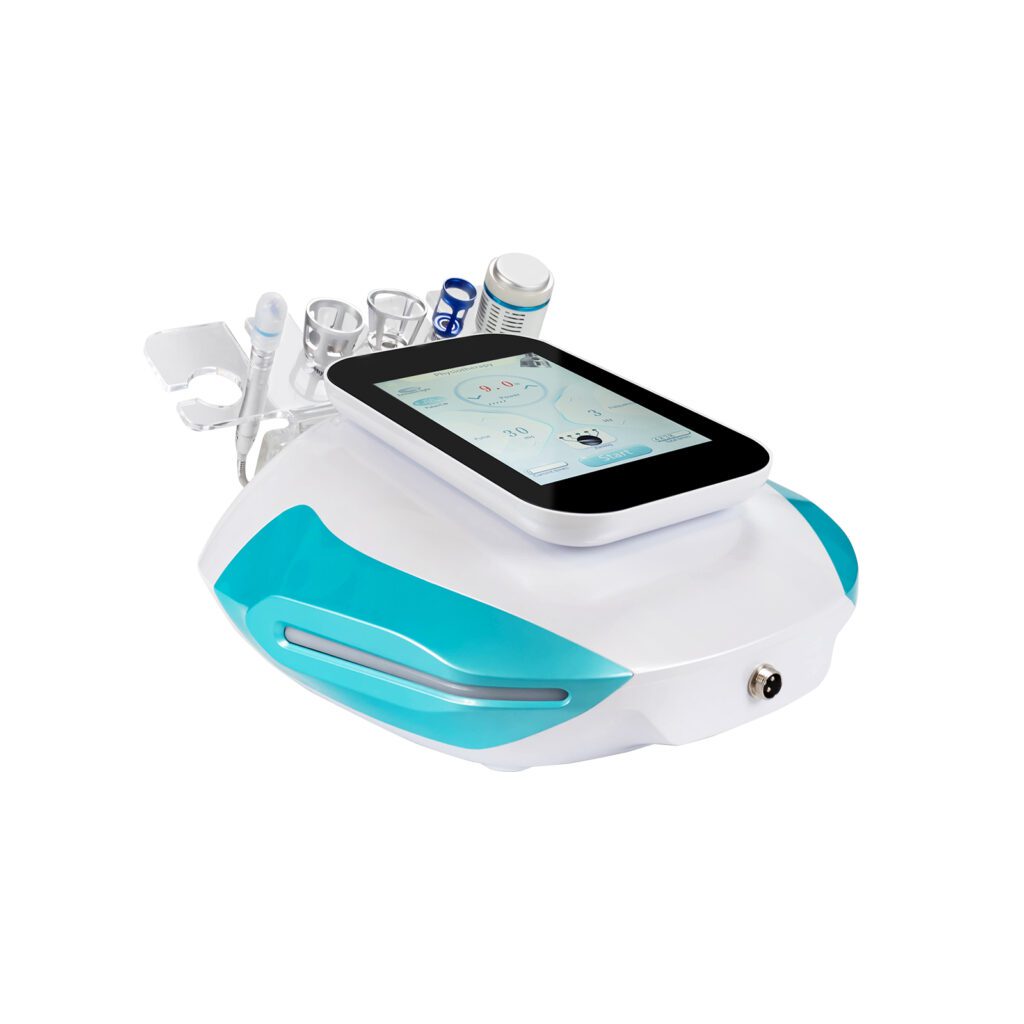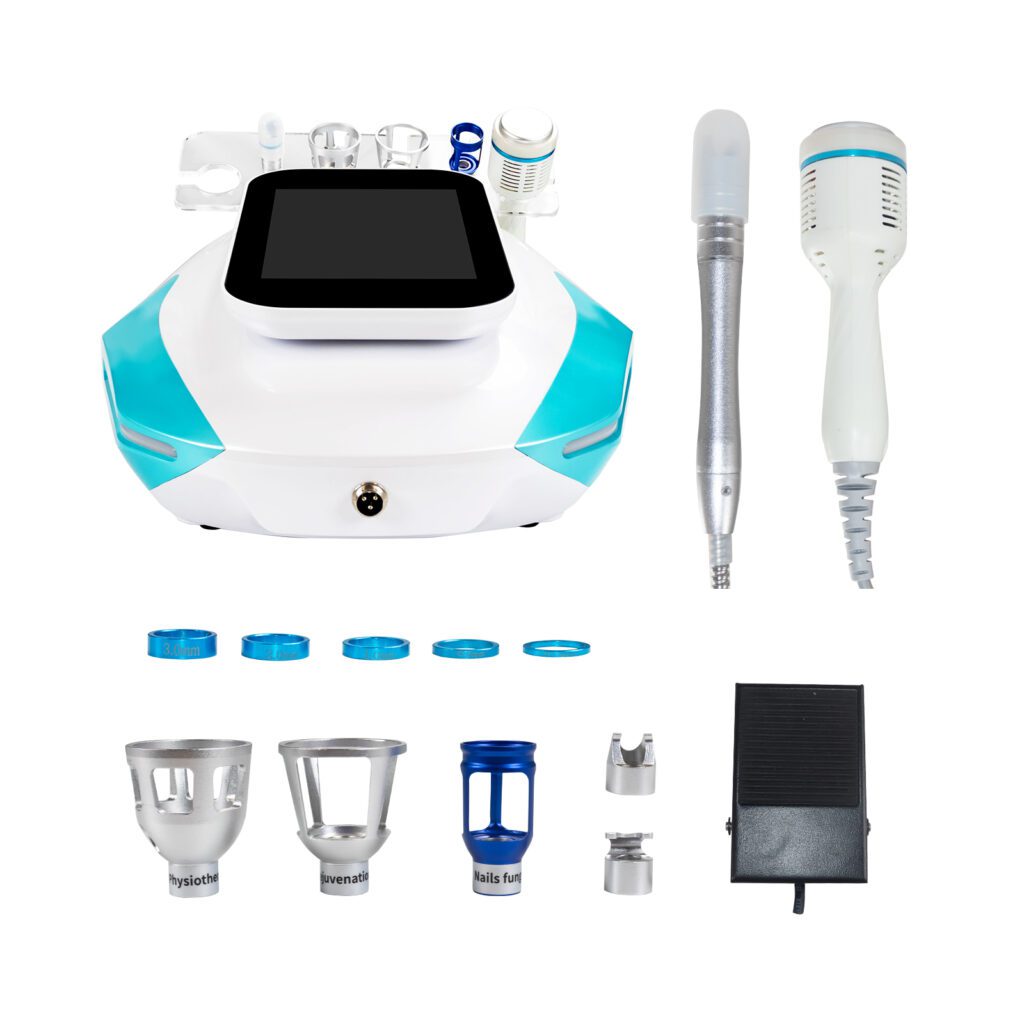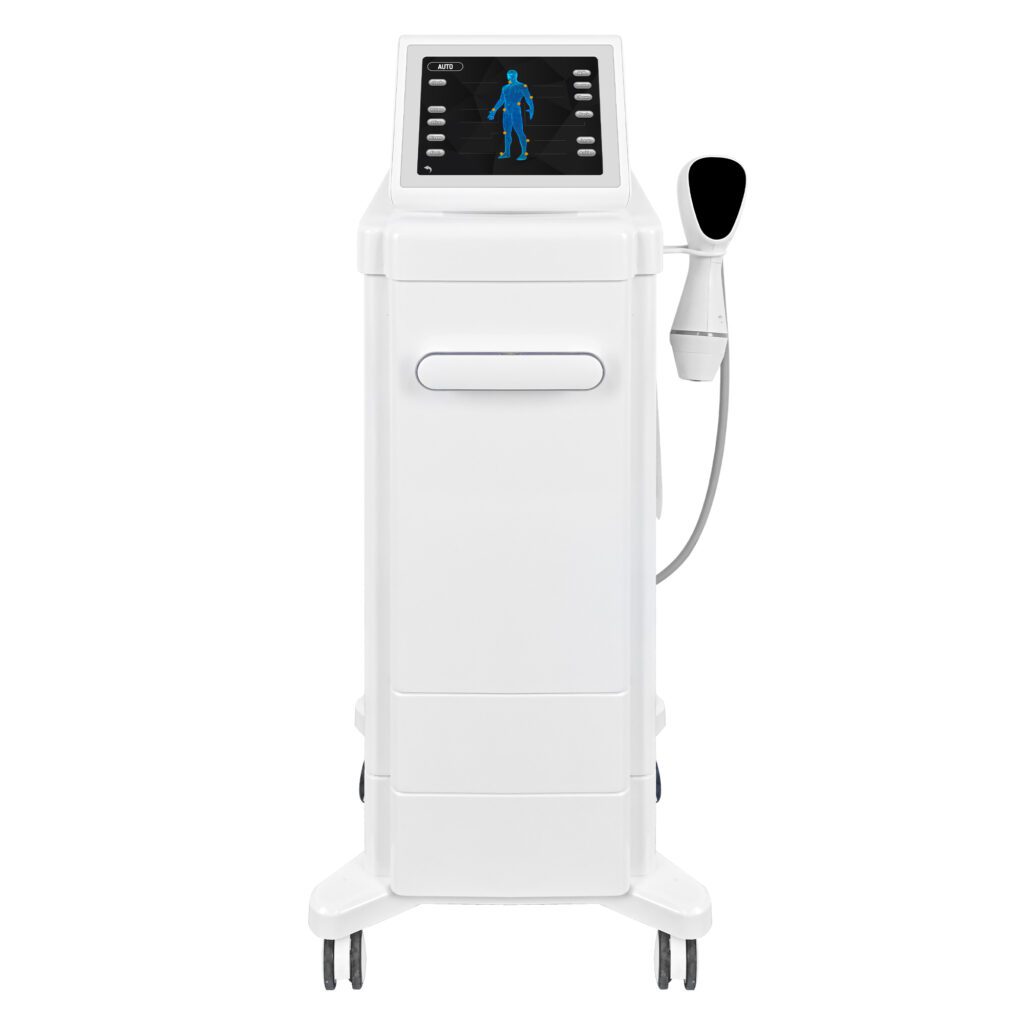








メディカルスパを経営するのは、数台の機械を備えた美容院を開業するよりも難しい。.
メディカルスパは、美容、医療美容、スキンケア製品の販売、顧客サービス、法令遵守、テクノロジー、そして高い期待を持つ顧客といった、様々な要素が複雑に絡み合った場所に位置することが多い。.
それは機会を生み出す一方で、深刻な経営上の課題も生み出す。.
最大の課題は通常以下のとおりです。
- 地域におけるライセンスとプロバイダーの範囲
- 医療ディレクターまたは監督要件
- スタッフの採用と研修
- 患者の安全と有害事象への対応
- 感染制御と鋭利器具の管理
- 機器の選定と投資収益率
- 機器の保守、保証、スペアパーツ
- 顧客獲得と顧客維持
- 広告の主張とビフォーアフター写真
- 価格設定、パッケージ、キャッシュフロー
- 文書化および治療記録
- サロン、クリニック、チェーンブランドとの競争
簡潔に答えると次のようになります。
メディカルスパ経営で最も難しいのは、機器を購入することではない。機器を中心に据え、安全で法令遵守に則り、かつ収益性の高いサービスシステムを構築することだ。.
この記事では、メディカルスパのオーナーが直面する最大の課題と、クリニック、販売業者、機器購入者がより現実的な計画を立てる方法について解説します。.
概要:メディカルスパが直面する最大の課題
| チャレンジ | なぜ難しいのか | 何が役に立つか |
|---|---|---|
| コンプライアンス | ルールは場所とサービスの種類によって異なります。 | 現地の法的審査、プロバイダーの業務範囲チェック、文書化されたプロトコル |
| 人材配置 | 熟練した医療従事者は高額で、確保も難しい。 | 研修、明確な役割分担、業績評価システム |
| 安全性 | 医療機器や処置によって怪我が発生することがあります。 | スクリーニング、同意、標準作業手順書、緊急対応 |
| 感染対策 | メディカルスパでは、注射針、血液、医療機器の使用、相部屋などが伴う場合があります。 | CDC方式の感染管理ワークフロー、個人用保護具(PPE)、消毒 |
| 設備投資対効果 | 機械は高価で、十分に活用されない場合がある。 | サービス計画、利用目標、パッケージ設計 |
| マーケティング | 主張はすぐに誇張される可能性がある | 根拠のある主張、現実的な表現、写真ポリシー |
| 顧客の期待 | 顧客は、迅速で劇的、かつリスクの低い結果を求めている。 | 相談、期待値の設定、段階的な計画 |
| アフターサポート | システム停止は収益と評判に損害を与える | 保証、スペアパーツ、リモートサポート、メンテナンス記録 |
これらの課題は相互に関連している。.
例えば、不十分な研修は安全上の問題を引き起こす可能性があります。安全上の問題は評判の低下につながり、評判の低下はマーケティング費用の増加につながります。機器の稼働停止はキャッシュフローに悪影響を及ぼします。不十分な文書管理は、あらゆる苦情への対応を困難にします。.
課題1:コンプライアンスは地域によって異なり、常に変化している
メディカルスパにおける法令遵守は、世界共通の統一ルールが存在しないため、最も難しい課題の一つです。.
要件は以下によって異なる場合があります。
- 国
- 州または地方
- 市または地方自治体
- サービスタイプ
- 医療ディレクターの要件
- 施設認可
- オペレーターの範囲
- 処方箋のルール
- レーザールール
- 注入可能なルール
- 広告ルール
- 保険要件
ハイドラフェイシャルを提供するメディカルスパは、注射剤、RFマイクロニードリング、CO2レーザーリサーフェシング、レーザー脱毛などを提供するクリニックとはリスクプロファイルが異なります。.
FDAの情報によると、美容機器は用途に応じて規制される場合があり、FDAの医療用レーザーに関する情報では、レーザー治療に伴うリスクについて説明されている。.
実践的な教訓は次のとおりです。
メディカルスパのオーナーは、提供するサービスの選択、スタッフの雇用、機器の購入を行う前に、地域の規制を確認する必要があります。.
販売代理店は、ライセンスに関する一つの回答がどこでも通用すると購入者に伝えることも避けるべきである。.
課題2:業務範囲と医療監督
各治療は誰が行うことが許可されていますか?
その問いは、メディカルスパのビジネスモデル全体を決定づける可能性がある。.
場所や提供するサービスによっては、メディカルスパには以下のようなものが必要になる場合があります。
- 医療ディレクターの監督
- 医師による監督
- 看護師または医師助手による関与
- 登録看護師の手術
- 資格を持つエステティシャンのサポート
- レーザー技術者認定
- 注射剤提供者の資格情報
- 文書化された委任プロトコル
- 施設登録
課題は、サービスメニューは顧客にとってはシンプルに見えるかもしれないが、法的には医療上の意思決定に関わる可能性があるという点だ。.
例えば:
- ボツリヌス毒素とフィラーは、一般的な美容サービスではありません。
- レーザー治療には、州ごとに異なる施術者要件がある場合があります。
- RFマイクロニードリングには医療レベルのリスクが伴う可能性があります
- 処方薬には、認可を受けた医療管理が必要となる場合があります。
安全なビジネスルールは以下のとおりです。
サービスメニューを先に設計してから、後からコンプライアンスに関する問題を検討するようなことはしないでください。サービスメニューは、法的に認められ、適切な訓練を受けたサービス提供者を中心に構築してください。.
課題3:適切なチームの採用と育成
メディカルスパでは、臨床スキル、美容サービススキル、そして販売能力の組み合わせが求められる。.
これは難しい問題です。なぜなら、一人の人間がこれら三つの能力すべてに優れているとは限らないからです。.
メディカルスパには以下のようなものが必要になる場合があります。
- 医療ディレクター
- インジェクター
- レーザーオペレーター
- エステティシャン
- 治療コーディネーター
- フロントデスクスタッフ
- ソーシャルメディアまたはマーケティング担当者
- オペレーションマネージャー
- デバイス技術者またはサポート担当者
研修内容は以下のとおりです。
- 相談
- 禁忌事項
- デバイス設定
- 感染制御
- 同意書
- 緊急対応
- アフターケアの説明
- 写真の基準
- ドキュメント
- 顧客サービス
- 準拠した販売言語
研修が不十分な場合、メディカルスパは以下のような問題に直面する可能性があります。
- 一貫性のない結果
- 再予約がうまくいかない
- 顧客からの苦情
- 火傷または怪我
- 従業員の離職率
- 無駄な設備投資
SHEFMONのアフターサービスサポートでは、トレーニング資料、ビデオトレーニング、ライブリモートサポート、設置サポート、保証、技術ガイダンスなどを重視しています。機器の成功は、スタッフが機器を正しく使用・保守できるかどうかにかかっているため、このようなサプライヤーサポートは非常に重要です。.
課題4:患者安全と有害事象管理
メディカルスパのサービスは、実際にリスクを伴う可能性があります。.
起こりうる有害事象には以下が含まれます。
- 火傷
- 腫れ
- あざ
- 感染
- 傷跡
- 色素の変化
- アレルギー反応
- 治癒の遅延
- 眼の損傷
- 神経損傷
- 期待外れによる不満
FDA(米国食品医薬品局)の医療用レーザーに関する情報によると、医療用レーザー治療には、痛み、感染症、出血、瘢痕形成、皮膚の色素沈着などのリスクが伴う可能性がある。.
FDAが発表したRFマイクロニードリングに関する安全情報には、火傷、瘢痕形成、脂肪減少、変形、神経損傷など、特定の用途における深刻な合併症についても記載されている。.
これは、メディカルスパがすべての高度な施術を避けるべきだという意味ではない。.
つまり、彼らは以下の条件を満たしていなければならないということです。
- クライアントスクリーニング
- インフォームドコンセント
- 訓練を受けたオペレーター
- 安全なパラメータ
- アフターケアの説明
- 有害事象対応プロトコル
- 紹介プロセス
- ドキュメント
- フォローアップワークフロー
メディカルスパは、問題が発生する前に、問題が発生した場合に何が起こるかを把握しておくべきだ。.
課題5:感染管理とクリーンな作業手順
多くのメディカルスパのサービスでは、皮膚、体液、注射針、鋭利な器具、機器の先端、または施術台との接触が伴います。.
したがって、感染対策は深刻な運営上の課題である。.
CDC(米国疾病予防管理センター)の外来患者向け感染予防ガイドラインは、外来診療における安全な医療提供のための最低限の要件を定めています。CDCの中核的実践には、医療現場全体における標準的な感染管理対策も含まれています。.
メディカルスパは次のような計画を立てるべきです。
- 手指衛生
- 個人用保護具(PPE)
- 表面消毒
- 器具の洗浄
- 治療室の回転率
- 該当する場合は安全な注射方法
- 鋭利物の廃棄
- 廃棄物処理
- 洗濯作業の流れ
- デバイスのクリーニング
- スタッフ研修
注射剤、採血、PRP療法、マイクロニードリング、または針を用いた施術を提供する場合は、労働者の保護のため、OSHA(米国労働安全衛生局)の血液媒介病原体に関する要件も適用される可能性があります。.
課題は一貫性を保つことだ。.
消毒剤を棚に置いておくだけでは十分ではない。.
メディカルスパには、スタッフが実際に遵守する文書化されたワークフローが必要です。.
課題6:機器の選定と投資対効果(ROI)
多くのメディカルスパが経営難に陥るのは、サービス経済性を考慮せず、宣伝文句に基づいて機器を購入しているためだ。.
よくある間違いは次のとおりです:
- 開業前に機械を買いすぎる
- 需要が十分でない高額機器を購入する
- スタッフの研修準備が整う前に高度な機器を購入する
- 消耗品を無視する
- メンテナンスを無視する
- 治療費の過小評価
- パッケージの販売に失敗する
- アフターサービスが弱いデバイスを選ぶ
- 地元の需要を理解せずに競合他社のメニューを模倣する
機械は見た目が立派でも、十分に活用されていなければ損失を出す可能性がある。.
医療スパのオーナーは、機器を購入する前に以下の点を自問すべきです。
- 投資回収には、月に何回の治療が必要ですか?
- 1件の治療あたりの粗利益はいくらですか?
- 必要な消耗品は何ですか?
- 各診察時間はどれくらいですか?
- 誰が合法的にそれを操作できるのか?
- どの程度のトレーニングが必要ですか?
- 保証内容は?
- 交換部品は入手可能ですか?
- ハンドピースやカートリッジはどのくらいの頻度で交換する必要がありますか?
- このサービスはパッケージ販売できますか?
多くの新規メディカルスパにとって、最初に導入する最も実用的な機器は、必ずしも最先端の機器とは限らない。.
チームの準備が整っていない場合、ハイドラフェイシャル、ダイオードレーザー脱毛、HIFU、RFフェイシャル、またはボディコンタリング機器をパッケージ化して導入する方が、CO2レーザーやRFマイクロニードリングにいきなり取り組むよりも容易かもしれません。.
課題7:デバイスのダウンタイムとアフターサービスサポート
機器の稼働停止は、直接的な収益問題となる。.
レーザーハンドピース、HIFUカートリッジ、RFマイクロニードリングチップシステム、ハイドラフェイシャルポンプ、またはクライオリポリシスアプリケーターに不具合が生じた場合、メディカルスパは予約をキャンセルする必要が生じる可能性があります。.
これにより、以下が生まれます。
- 失われた収益
- 不満な顧客
- スタッフの勤務スケジュールに支障が生じる
- 払い戻しや日程変更の圧力
- 評判の低下
- 緊急輸送費用
だからこそ、アフターサービスは決して些細なことではないのです。.
メディカルスパでは以下の点を確認する必要があります。
- 保証期間
- 付属品保証
- 消耗品の入手可能性
- スペアパーツのリードタイム
- リモートトラブルシューティングプロセス
- 修復ワークフロー
- メンテナンス要件
- 保証期間後のサポート
- 販売代理店サポート連絡先
SHEFMONの公開されているアフターサービス情報には、遠隔診断、修理ガイダンス、交換推奨、保証サポート、トレーニング、および一部のサービスへのアクセス方法が記載されています。これらは、クリニックが日々の収入を機器に依存している場合に重要な要素となります。.
課題8:マーケティング上の主張とビフォーアフター写真
メディカルスパのマーケティングは、容易にリスクを伴う可能性がある。.
市場競争は激しく、多くの企業が競合他社よりも優れた成果を約束したがっている。.
リスクの高い主張には以下のようなものがある。
- 結果保証
- 恒久的な持ち上げ
- 傷跡除去
- 誰もが脂肪を落とせる
- リスクなし
- ダウンタイムなし
- 痛みのない治療
- 医学的治療
- 手術と同じ結果
- すべてのお客様にとって安全
連邦取引委員会(FTC)の広告根拠に関する方針では、広告主は明示的および暗示的な客観的主張について根拠を示す必要があると規定されている。.
メディカルスパの場合、これはマーケティング上の主張が、裏付けがあり、具体的で、現実的であるべきだということを意味する。.
ビフォーアフター写真も慎重に取り扱う必要があります。
- 一貫した照明を使用する
- 類似の角度を使用する
- 誤解を招くような編集は避ける
- 同意を得る
- すべてのクライアントが同じ結果を得るという意味ではありません
- 写真に複数回のセッションや複合治療が写っている場合は開示する
優れたマーケティングメッセージは、奇跡ではなくプロ意識を売り込むものだ。.
課題9:顧客の期待はしばしば非現実的である
顧客は、劇的な変化を約束するソーシャルメディアの投稿を見て来店することがある。.
彼らは次のようなことを期待するかもしれない:
- 1回のセッションの結果
- 痛みなし
- ダウンタイムなし
- リスクなし
- 永続的な結果
- 完全な対称性
- 瞬時に持ち上げる
- ニキビ跡除去
- 確実に体型が変わる
メディカルスパがこうした期待を早期に修正しなければ、苦情が発生する可能性が高くなる。.
相談では以下の点を説明する必要がある。
- 治療がサポートできること
- それができないこと
- 何回のセッションが必要になるか
- どのようなダウンタイムが発生する可能性があるか
- どのようなリスクが存在するのか
- どのようなアフターケアが必要ですか?
- 結果が表示される場合
- 結果が異なる理由
- 別の治療法の方が良い場合もある
一流のメディカルスパは、カウンセリング時に過剰なサービスを勧めたりはしない。.
彼らは現実を明確に説明することで信頼を築く。.
課題10:価格設定とキャッシュフロー
メディカルスパは固定費が高額になる場合がある。.
費用には以下が含まれる場合があります。
- 家賃
- 構築
- スタッフ給与
- 医療ディレクターの報酬
- 保険
- デバイスの資金調達
- 消耗品
- 注射剤在庫
- マーケティング
- ソフトウェア
- トレーニング
- メンテナンス
- 免許証と許可証
- 支払い処理
同時に、顧客需要は季節によって変動する可能性がある。.
キャッシュフローが困難になるのは次のような場合です。
- 一度に資金提供を受けるデバイスが多すぎる
- パッケージの割引率が高すぎる
- 消耗品は追跡されません
- 高価な在庫が期限切れになる
- スタッフの稼働率が低い
- 顧客一人当たりのマーケティング費用が高すぎる
- クライアントは再予約しない
- 高度なデバイスは十分に活用されていない
最も有力なメディカルスパの実績:
- 客室1室当たりの収益
- プロバイダーあたりの収益
- デバイスの利用状況
- サービスごとの粗利益
- パッケージ変換
- 再予約率
- 小売業の付着率
- 顧客獲得コスト
- 無断キャンセル率
数字がなければ、ビジネスは当て推量に過ぎない。.
課題11:在庫と消耗品
メディカルスパでは、多くの消耗品を管理することが多い。
- 注射剤
- 注射針と注射器
- RFマイクロニードリング用チップ
- ハイドラフェイシャルのヒントとフィルター
- HIFUカートリッジ
- レーザーアクセサリー
- スキンケア小売
- 消毒剤
- 個人用保護具(PPE)
- リネン類
- 治療用ジェル
- 凍結脂肪分解膜
- ボディコンタリングアクセサリー
在庫問題は2つのリスクを生み出す。
- 在庫不足は治療の遅延につながる
- 在庫が多すぎると、資金が滞留したり、期限切れになったりする。
メディカルスパは以下を知っておくべきです。
- 治療1回あたりの費用
- 再発注点
- 有効期限
- サプライヤーのリードタイム
- 保管要件
- 最小注文数量
- サービスごとの利益率
消耗品は最初から価格設定に含めるべきだ。.
課題12:競争と差別化
メディカルスパは以下のようなものと競合しています。
- 皮膚科クリニック
- 美容整形手術
- 美容院
- レーザー脱毛チェーン
- 注射専門のスタジオ
- ウェルネスクリニック
- ボディコンタリングスタジオ
- 家庭用デバイス
- オンラインスキンケアブランド
価格だけで競争するのは危険だ。.
メディカルスパは以下の点で差別化を図るべきです。
- コンサルティングの質
- プロバイダーの認証情報
- 治療の安全性
- 現実的な結果
- デバイスの品質
- アフターケア
- 会員プログラム
- 複合治療計画
- 顧客体験
- フォローアップ
- サービスの一貫性
目標は、単に価格が安いことではなく、信頼されることだ。.
課題13:文書化と記録管理
適切な記録は事業を守る。.
治療記録には以下を含める必要があります。
- 顧客履歴
- 同意書
- 禁忌事項
- 該当する場合は写真も掲載します。
- 使用されたデバイス
- 設定
- 治療領域
- 該当する場合は製品ロット番号
- オペレーター名
- クライアントからの回答
- アフターケアの説明
- 有害事象
- フォローアップメモ
記録が不十分だと、苦情の解決が難しくなる。.
また、スタッフの研修、結果の検証、手順が責任を持って実施されたことの証明も困難になる。.
文書作成はサービスの一部として扱うべきであり、後付けの事務作業であってはならない。.
販売代理店がメディカルスパのオーナーをどのように支援できるか
販売代理店は、無作為に機器を販売するのではなく、すぐにビジネスに活用できるパッケージを販売することで、メディカルスパを支援できる。.
販売代理店向けの便利なサポート内容は以下のとおりです。
- サービスメニューによるデバイス選択
- トレーニング資料
- 治療プロトコルテンプレート
- 保証と修理に関する説明
- スペアパーツの計画
- 消耗品コストの計算
- マーケティングで安全な表現
- パッケージデザイン
- アフターサービスワークフロー
- 文書チェックリスト
- OEM/ODMブランドオプション
これは、購入者が機器が事業にどのように適合するかを理解するのに役立ちます。.
また、これにより販売代理店は低価格販売業者よりも価値が高まる。.
SHEFMONがメディカルスパ機器の計画をどのようにサポートできるか
SHEFMONは、サロン、メディカルスパ、クリニック、販売代理店、OEM/ODMバイヤー向けに、プロ仕様の美容・エステ機器を提供しています。.
関連するデバイスカテゴリは以下のとおりです。
- ハイドラフェイシャルマシン
- ダイオードレーザー脱毛機
- HIFUシステム
- RFおよびMNRF機器
- CO2フラクショナルレーザー
- ピコ秒レーザー
- EMSボディスカルプティングデバイス
- 凍結脂肪分解システム
- RFキャビテーション装置
- 衝撃波装置
- 肌の管理と回復のための機器
SHEFMONは、メディカルスパの購入者を以下の点でサポートします。
- 製品選択
- デバイス構成
- OEM/ODMカスタマイズ
- トレーニング資料
- 保証に関するガイダンス
- スペアパーツおよび消耗品のサポート
- リモートサポート
- グローバル物流
- アフターサービス調整
メディカルスパのオーナーにとって、このようなサポートは重要です。なぜなら、機器の性能は成功の一要素に過ぎないからです。.
また、この事業には、研修、メンテナンス、消耗品、文書作成、そして長期的なサービス計画も必要となる。.
最終回答
メディカルスパを経営する上で最大の課題は、顧客を集めることや機械を購入することだけではありません。.
真の課題は、法令遵守、安全性、そして収益性を兼ね備えた事業運営を構築することである。.
メディカルスパのオーナーは、地域の免許取得、施術範囲、医療監督、スタッフ研修、感染管理、有害事象への対応、機器の投資対効果、メンテナンス、マーケティング上の主張、顧客の期待、在庫管理、文書化など、あらゆることを管理しなければなりません。.
最も成功しているメディカルスパは、単なる美容小売業としてではなく、医療に隣接するサービス事業として事業を運営している。.
最も安全な運用心構えは次のとおりです。
すべての治療には、資格のある施術者、明確な手順、現実的な請求額、文書化された記録、安全管理手順、および機器のサポート計画が不可欠である。.
よくある質問
メディカルスパを経営する上で、最も大変なことは何ですか?
最も難しいのは、法令遵守、患者の安全、スタッフの研修、収益性、そして顧客の期待を同時にバランスよく満たすことです。.
メディカルスパが失敗する理由は?
一般的な理由としては、コンプライアンス計画の不備、キャッシュフローの悪化、設備の活用不足、不適切なマーケティング主張、訓練不足の従業員、高額な固定費、顧客維持率の低さなどが挙げられる。.
メディカルスパの設備が主な課題なのでしょうか?
設備は重要だが、より大きな課題は、適切な訓練、手順、メンテナンス、そして顧客のニーズに基づいて、それを安全かつ収益性の高い方法で活用することである。.
なぜコンプライアンス遵守はこれほど難しいのか?
規則は、場所、サービスの種類、提供者の業務範囲、医療監督、施設の要件によって異なります。メディカルスパは、サービスを開始する前に地域の規則を確認する必要があります。.
メディカルスパはどのような安全上のリスクに直面しているのか?
リスクとしては、火傷、感染症、瘢痕、色素沈着、あざ、アレルギー反応、治癒の遅延、非現実的な期待による不満などが挙げられます。.
メディカルスパにおいて、感染対策が重要な理由は何ですか?
多くのメディカルスパの施術では、皮膚接触、鋭利な器具、医療機器、体液への曝露が伴います。CDC(米国疾病予防管理センター)が定める感染管理、個人用保護具(PPE)、消毒手順は、リスク軽減に役立ちます。.
メディカルスパは、設備投資の投資対効果(ROI)に関する問題をどのように回避できるでしょうか?
機器を購入する前に、治療件数、粗利益、消耗品費、人件費、維持費、投資回収期間を計算すべきである。.
メディカルスパが避けるべきマーケティング上の主張とは?
効果保証、リスクなし、無痛、永久的、傷跡除去、手術と同等の効果、または根拠のない主張は避けてください。.
販売代理店はメディカルスパをどのように支援できるのでしょうか?
販売代理店は、機器の選定、トレーニング、消耗品の計画、保証サポート、スペアパーツ、マーケティングに適した表現、アフターサービスワークフローなどを提供できます。.
SHEFMONはメディカルスパのオーナーをどのようにサポートできますか?
SHEFMONは、ハイドラフェイシャル、ダイオードレーザー、HIFU、RF、MNRF、CO2レーザー、ピコ秒レーザー、ボディコンタリング機器、OEM/ODMカスタマイズ、トレーニング資料、保証、アフターサービスなど、メディカルスパ機器のプランニングをサポートします。.