





美容機器販売業者は、レーザー機器のライセンス取得要件がどこでも同じであると顧客に伝えてはならない。.
その発言は危険であり、不正確であり、買い手の事業に損害を与える可能性がある。.
レーザーのルールは、以下の要因によって異なる場合があります。
- 国
- 州または地方
- 市または地方自治体
- デバイスクラス
- 意図された用途
- 治療の種類
- 医療と美容のポジショニング
- オペレーターライセンス
- 医師の監督要件
- 施設登録
- トレーニング要件
- 保険条件
ダイオードレーザー脱毛器、ピコ秒レーザー、CO2フラクショナルレーザー、IPLシステム、血管レーザーなどは、市場によって扱い方が異なる場合があります。.
同じ国内であっても、規則は同じとは限らない。.
販売業者にとって最も安全なメッセージは次のとおりです。
レーザー機器の購入前および治療開始前に、現地の免許、操作者の業務範囲、および設備要件を確認する必要があります。.
この記事では、販売代理店が包括的なライセンスの主張を避けるべき理由と、レーザー規制への準拠を専門的かつ販売促進に役立ち、より安全な方法で伝える方法について説明します。.
短い答え
販売業者は、レーザーのライセンス制度はどこでも同じだと決して言ってはならない。なぜなら、レーザー規制は単一のグローバルルールによって管理されているわけではないからだ。.
市場によっては、機器の輸入や製品の安全性に重点を置いているところもあります。施術者を規制しているところもあれば、施設を規制しているところもあります。医師の監督を義務付けているところもあります。レーザーやIPLの施術を医療行為と分類しているところもあります。脱毛、タトゥー除去、皮膚再生、血管治療に関して、それぞれ異なる規則を設けているところもあります。.
例えば:
| 市場事例 | 何が見えるか |
|---|---|
| アメリカ合衆国 | FDAはレーザー製品と医療機器を規制しているが、オペレーターの免許は多くの場合、州の規則に左右される。 |
| テキサス | テキサス州免許規制局は、個人および施設向けにレーザー脱毛の認定証を発行しています。 |
| カリフォルニア | カリフォルニア州医療委員会は、医師はレーザー/IPLを使用できるとし、医師助手/看護師は医師の監督下で使用できると規定している。 |
| オーストラリア | ARPANSAによると、美容レーザーの規制は州や地域によって異なる。 |
| カナダ | カナダ保健省は放射線放出製品規則に基づきレーザー製品を規制しており、他の当局も要件を追加する可能性がある。 |
| 欧州連合 | 特定の美容用レーザー/IPL製品は医療機器と同様の規制の対象となる場合があるが、地域ごとの専門家による運用規則は異なる場合がある。 |
| ウェールズ | ウェールズ医療検査局は、クラス3B/4レーザーおよびIPL機器を使用する独立系医療機関を検査する。 |
これらの例は、重要な点を証明している。
証明書、機械マニュアル、またはサプライヤーによる研修を受けたからといって、購入者がすべての地域市場でレーザーを操作する法的許可を自動的に得られるわけではありません。.
ライセンス取得は製品コンプライアンスとは異なります
よくある間違いの一つは、製品ドキュメントと操作許可を混同することです。.
機械には次のような機能がある可能性があります。
- CE関連の文書
- FDA関連の文書
- テストレポート
- ユーザーマニュアル
- レーザー安全ラベル
- ISO関連の工場文書
- 保証
- サプライヤー向けトレーニング資料
これらの書類は、売買契約、輸入審査、および購入者の信頼を裏付けるものとなる。.
しかし、それらは自動的に答えるわけではありません。
- 誰が合法的にレーザーを操作できるのか?
- そのクリニックは施設許可証が必要ですか?
- 医師の監督は必要ですか?
- エステティシャンはこの機器を使用できますか?
- タトゥー除去は脱毛とは異なる扱いを受けるのでしょうか?
- 美容院でCO2レーザーを使用することはできますか?
- 現地の法律でレーザー安全講習の受講が義務付けられていますか?
- 購入者は保険の承認が必要ですか?
販売業者にとって、この区別は極めて重要である。.
製品の適合性は、その機器が文書化されていることを証明するのに役立つ。現地のライセンスは、購入者がそれを合法的に使用できるかどうかを決定する。.
この2つのテーマは関連しているが、同じものではない。.
なぜこのミスが販売リスクを生み出すのか
「レーザーライセンスはどこでも同じだ」と言うと、購入者と販売業者の双方にとって問題が生じる可能性がある。.
考えられるリスクには以下が含まれます。
- 購入者が合法的に操作できない機械を購入する
- クリニックが間違ったタイプのオペレーターを雇用した
- 施設登録情報が欠落しています
- 事故後、保険会社が補償を拒否する
- 広告の主張は地域の規則に違反する
- 地元の規制当局がクリニックを調査する
- 火傷や色素沈着の問題の後、顧客からの苦情が増加する。
- 販売代理店が誤った指導を行ったとして非難されている。
- 販売店ネットワークが誤ったメッセージを繰り返す
- ブランドの評判が損なわれる
レーザー機器は、責任の軽い製品カテゴリーではない。.
購入者が誤ったライセンスに関するアドバイスを受けた場合、その費用は機械の価格をはるかに上回る可能性がある。.
だからこそ、販売業者は普遍的な約束ではなく、地域の法令遵守チェックリストを添えてレーザーを販売すべきなのだ。.
レーザーサービスの種類によって異なる規則が適用される場合があります
免許制度が地域によって異なるもう一つの理由は、レーザー治療の種類によって規制が異なる場合があるためです。.
例:
- レーザー脱毛
- IPL脱毛
- タトゥー除去
- 色素沈着治療
- 血管治療
- ニキビ跡の再表面化
- 肌の若返り
- CO2分画表面再生
- レーザー補助手術
市場によっては、ある種の光線療法を美容施設で許可する一方で、別の種類の光線療法は医療従事者のみに限定している場合がある。.
例えば、脱毛、タトゥー除去、アブレーションによる皮膚再生治療は、リスクレベルが必ずしも同じとは限りません。.
CO2フラクショナルレーザーは、一般的に基本的なIPL脱毛サービスよりも高い操作閾値を必要とする。.
ピコ秒レーザーによるタトゥー除去は、ダイオードレーザーによる脱毛とは異なる訓練や目の保護に関する要件が必要となる場合があります。.
だからこそ、販売業者は決してこう言ってはいけないのです。
“「レーザーを1つ操作できれば、すべてのレーザーを操作できる。」”
より安全な説明は次のとおりです。
“「施術の種類、機器の種類、および地域の規則によって、事業者および施設の要件が異なる場合があります。ご利用のサービスメニューに合った要件を必ずご確認ください。」”
アメリカ合衆国の例:連邦機器規制と州の認可制度は異なる
米国は、流通業者がなぜ慎重にならなければならないのかを示す良い例である。.
FDA(米国食品医薬品局)は、放射線を放出する製品および医療用レーザーを連邦レベルで規制しています。FDAの資料では、レーザー製品および医療用レーザーは、安全性および規制要件が課せられた放射線放出製品として記載されています。.
しかし、美容レーザーを操作できる人は、多くの場合、州レベルの規則、専門委員会、または免許機関によって決まります。.
つまり、販売代理店は単にこう言うだけではいけないということです。
“「これはFDA関連の文書なので、米国では誰でも使用できます。」”
それは安全な発言とは言えません。.
州の事例を見れば、その違いがよく分かる。.
テキサス州免許規制局は、個人、施設、研修プログラム、および認定機関に対する認定を含むレーザー脱毛プログラムを実施しています。.
カリフォルニア州医師会の美容医療に関するFAQによると、医師は脱毛、クモ状静脈瘤、タトゥーの治療にレーザーまたは強力パルス光(IPL)装置を使用できるとされており、医師助手および登録看護師は医師の監督下でレーザー/IPLを使用できるとされている。.
これらの例は、米国のレーザー規制が州や職業によって異なることを示している。.
販売業者にとっての安全なメッセージは次のとおりです。
“「FDA関連の文書は製品の適合性を裏付けるものとなり得るが、施術者の免許や治療範囲については、関係する州の委員会または地方自治体に確認する必要がある。」”
オーストラリアの例:州や準州によって規則が異なる場合がある
オーストラリアもまた、参考になる例の一つです。.
オーストラリア国立公衆衛生・栄養・保護基準局(ARPANSA)は、美容レーザー、IPL、LED光線療法を提供する事業者に対する規制監督は、オーストラリア全土で地域によって異なると述べている。美容目的のレーザーは一部の州でのみ規制されており、IPLの規制はさらに限定的であると指摘している。.
これは、全国的な売上統計だけでは不十分である可能性を示している。.
オーストラリアのある州の購入者は、別の州の購入者とは異なる義務を負う可能性がある。.
販売業者にとって、これは次のことを意味します。
- オーストラリアの購入者全員に同じライセンスに関する回答をしてはいけません
- 購入者がどの州または地域で事業を行っているかを尋ねる
- 購入者に州の放射線当局または保健当局に確認するよう促す
- その機器がレーザー式、IPL式、またはLED式かを確認してください。
- オペレーターのトレーニングと法的許可は別個のものである。
安全な販売方法とは:
“オーストラリアにおけるレーザーおよびIPL機器の規制は、州または準州によって異なる場合があります。ご購入および施術開始前に、必ず現地の規制をご確認ください。”
カナダの例:製品規制およびその他の権限
カナダ保健省は、放射線放出機器に関する規制に基づき、レーザー製品に関するガイダンスを提供しています。.
カナダ保健省はまた、クラス3Bおよびクラス4の携帯型レーザーなどの一部のレーザー製品は、カナダ消費者製品安全法に基づき、人の健康または安全に危険を及ぼすものとみなされ、販売、輸入、広告、製造に制限が課されていると述べている。.
販売業者にとって重要な教訓は、レーザー規制への対応には、製品分類、輸入規則、ラベル表示、安全情報、そして場合によっては他の当局からの追加要件が含まれる可能性があるということだ。.
美容機器サプライヤーは、これを次のような単純な一文に矮小化してはならない。
“「カナダは米国と同じ規則を採用している」”
それはプロらしくない。.
より安全なメッセージは次のとおりです。
“「輸入、宣伝、および運用を行う前に、カナダのレーザー製品に関する要件と現地の専門家の要件を確認する必要があります。」”
欧州連合の例:デバイス規則はローカルオペレーター規則に取って代わるものではない
欧州連合では、医療目的を意図していない一部の美容機器であっても、医療機器と同様の規制の対象となる場合がある。.
欧州委員会は、レーザーやIPL機器など、脱毛やスキンケアに使用される高強度電磁波機器を含む、特定の非医療用美容製品をリスククラスに分類している。.
これはEU市場における製品展開にとって重要な意味を持つ。.
しかし、たとえ機器が適切なEU文書を備えていたとしても、現地での使用は、国または地域の規則、専門家の資格、保険、および治療範囲によって左右される場合があります。.
販売代理店にとって重要なポイントは次のとおりです。
CEマーク関連の文書があるからといって、EU加盟国のすべてのサロンが、現地の検査を受けることなく、あらゆるレーザーサービスを提供できるとは限りません。.
責任ある販売業者は、購入者が以下の点を区別できるよう支援すべきである。
- デバイスの適合性
- 輸入者の責任
- ラベル表示およびユーザー情報
- オペレーター研修
- 診療所または施設の要件
- 全国的な専門職規則
- 治療に関する広告の主張
英国の例:イングランド、ウェールズ、および地方の規則は異なる場合があります
英国の事例は、なぜ販売業者が包括的な発言を避けるべきなのかを示すものでもある。.
ウェールズ医療検査局は、治療を受ける人々の安全性を確認するため、クラス3B/4のレーザーおよびIPL機器を使用する独立系医療サービスを検査していると述べている。.
英国の他の地域や地方自治体では、異なる免許制度や登録制度を設けている場合があります。.
つまり、販売業者は次のように言ってはならない。
“「英国のレーザー免許制度は、一つのシンプルな国家規則に過ぎない。」”
より良いアプローチは次のとおりです。
“「要件は、購入者がイングランド、ウェールズ、スコットランド、北アイルランドのいずれに居住しているか、また治療内容や提供者の種類によって異なる場合があります。購入者は、関係する規制当局または地方自治体に確認する必要があります。」”
販売代理店が代わりに言うべきこと
販売代理店は引き続き自信を持ってレーザー機器を販売できます。.
彼らに必要なのは、もっと安全な言葉遣いだけだ。.
| 危険な発言 | より安全な販売業者の文言 |
|---|---|
| レーザーの免許制度はどこでも同じです | レーザーの免許および操作要件は市場によって異なります。 |
| ライセンスは不要です | 現地の事業者、施設、治療要件をご確認ください。 |
| CE/FDA認証は、どこでも使用できることを意味します。 | 製品ドキュメントはローカルライセンスに代わるものではありません |
| このレーザーはどのサロンのスタッフでも操作できます。 | オペレーターの要件は、地域の規則と治療の種類によって異なります。 |
| この研修修了証はどこでも十分です | サプライヤー研修は安全な使用を支援するが、現地のライセンス要件を満たさない可能性がある。 |
| すべてのレーザーは同じように規制されています | 機器や治療法によって要件が異なる場合がある |
| 配達後すぐに開始できます | 発売前に、ライセンス、トレーニング、保険、部屋のセットアップを確認してください。 |
この表現は販売代理店を保護し、真剣な購入者に対してよりプロフェッショナルな印象を与える。.
レーザー機器を購入する前に購入者が確認すべきこと
販売代理店は購入者に簡単なチェックリストを提供することができます。.
| 質問 | なぜそれが重要なのか |
|---|---|
| この機械はどの国、州、または地域で使用される予定ですか? | 規則は地域によって異なる場合があります |
| どのような治療が提供されますか? | 脱毛、タトゥー除去、肌の再生は、それぞれ異なる場合があります。 |
| どのようなタイプのレーザーまたはIPL機器を購入予定ですか? | デバイスクラスと使用目的によって要件が変わる |
| 誰がその装置を操作するのか? | オペレーターライセンスまたは専門業務範囲が適用される場合があります。 |
| 医師の監督は必要ですか? | 一部の市場では医療監督が義務付けられている。 |
| その施設は登録が必要ですか? | 管轄区域によっては、診療所や施設を規制しているところもある。 |
| レーザー安全講習は必須ですか? | 研修は、法律上または職業上求められる場合がある。 |
| 保険でこのサービスはカバーされますか? | 保険会社は、研修修了証または免許証の証明を要求する場合があります。 |
| マーケティング上の主張は法令に準拠しているか? | 広告に関する規則は市場によって異なる場合があります。 |
| デバイスのドキュメントは入手可能ですか? | 輸入および製品審査には、証明書またはマニュアルが必要となる場合があります。 |
このチェックリストは、販売代理店が責任ある販売を行うのに役立つと同時に、購入者が現地での確認を行う責任を負わせることにも役立ちます。.
サプライヤー研修が依然として重要な理由
たとえサプライヤー研修が政府の認可と同じではないとしても、それは依然として非常に重要である。.
サプライヤー研修は、バイヤーが以下の点を理解するのに役立ちます。
- マシンのセットアップ
- レーザー安全ラベル
- 波長とエネルギーの設定
- ハンドピースの使用
- 肌質に関する考慮事項
- 目の保護
- 禁忌事項に関する注意事項
- メンテナンス
- トラブルシューティング
- アフターケアに関するガイダンス
- 現実的なサービスの説明
トレーニングは操作ミスを減らし、より安全な日常使用をサポートします。.
しかし、販売業者はサプライヤー研修を普遍的な法的ライセンスと呼ぶべきではない。.
より安全な説明は次のとおりです。
“「当社の研修は、オペレーターが機器を理解し、より責任を持って使用するのに役立ちます。ただし、お住まいの地域における免許取得要件や専門資格要件については、別途ご確認ください。」”
これが販売代理店の利益をどのように守るのか
一部の販売代理店は、コンプライアンスに関する文言が販売を困難にするのではないかと懸念している。.
実際には、責任あるコンプライアンスに関するコミュニケーションは、販売の質を向上させることができる。.
これは、販売代理店が以下のような点を重視する真剣なバイヤーを引き付けるのに役立ちます。
- 長期運用
- 保険
- スタッフ研修
- 法律サービスの開始
- クリニックの評判
- アフターサポート
- プロフェッショナルなポジショニング
また、最も安価な機械だけを求める購入者に販売し、後々現地の法的問題が発生した場合に販売代理店を非難されるリスクも軽減されます。.
ライセンスについて丁寧に説明する販売業者は、次のように言う販売業者よりもプロフェッショナルに見える。
“「心配しないでください、どこも同じです。」”
プロのバイヤーは、このような答えはあまりにも単純すぎると知っている。.
販売代理店は営業チームをどのように育成すべきか
レーザー機器を販売するすべての販売代理店は、営業チームに対し、安全基準遵守に関する用語について研修を実施すべきである。.
営業担当者は以下を理解しておく必要があります。
- 製品認証とオペレーターライセンスの違い
- サプライヤー研修と法的資格の違い
- 美容と医療のポジショニングの違い
- 現地の規制当局による確認の必要性
- 普遍的な主張のリスク
- 法的助言を与えずにライセンスに関する質問に答える方法
有用な内部ルールは次のとおりです。
検証していない市場について、法的に正しいか否かを断言してはいけません。.
代わりに、販売スタッフは次のように言うことができます。
“「要件は地域によって異なります。弊社では機械関連書類、マニュアル、トレーニングサポートを提供できますが、オペレーターの免許、施設規則、広告に関する要件については、地域の規制当局または専門アドバイザーにご確認ください。」”
これは分かりやすく、役に立ち、より安全です。.
SHEFMONがレーザー機器販売代理店をどのようにサポートできるか
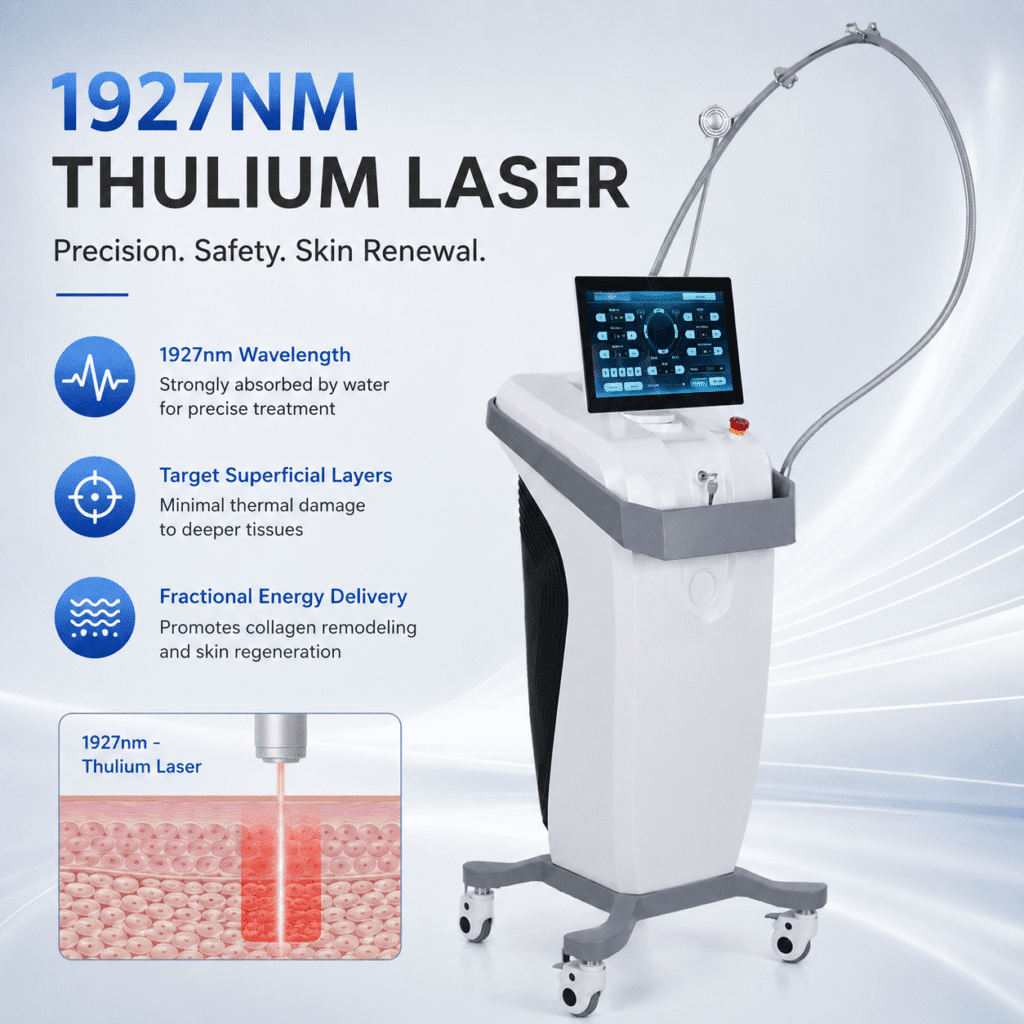
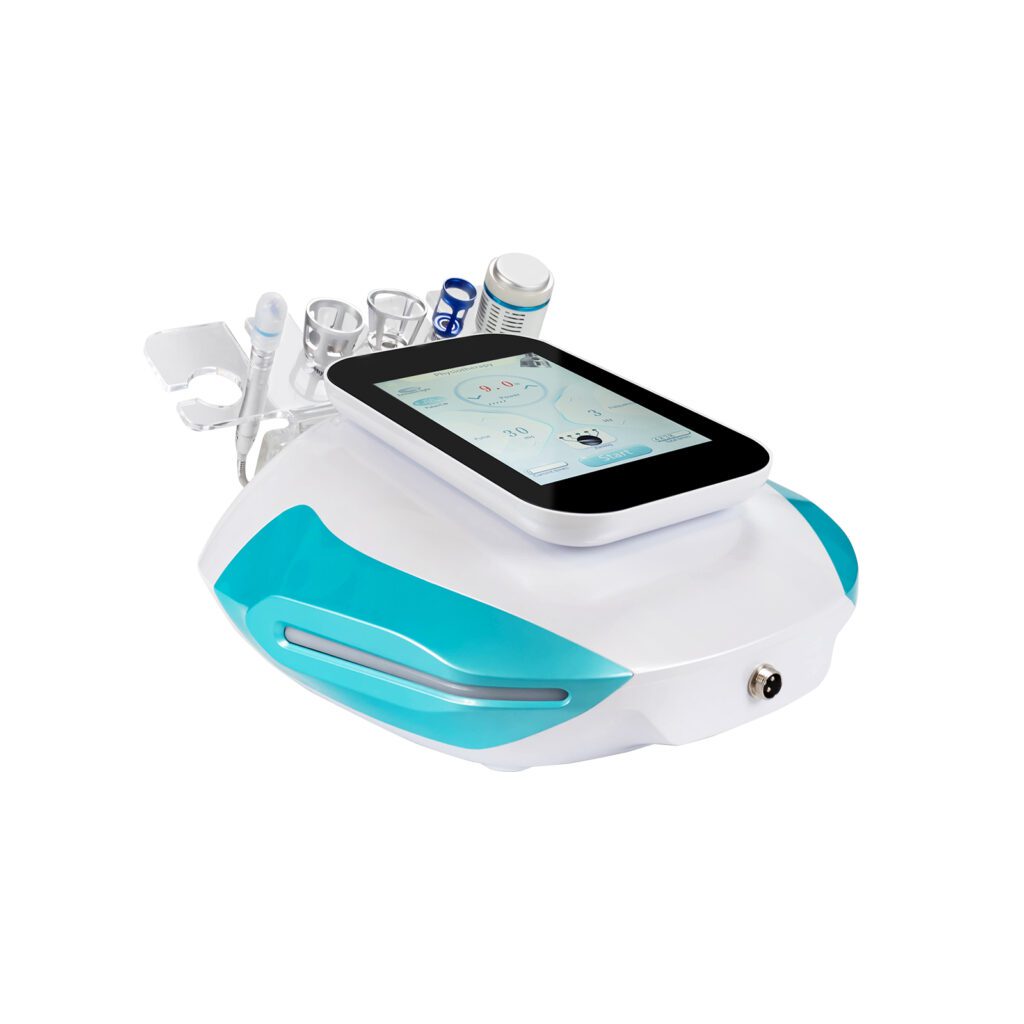
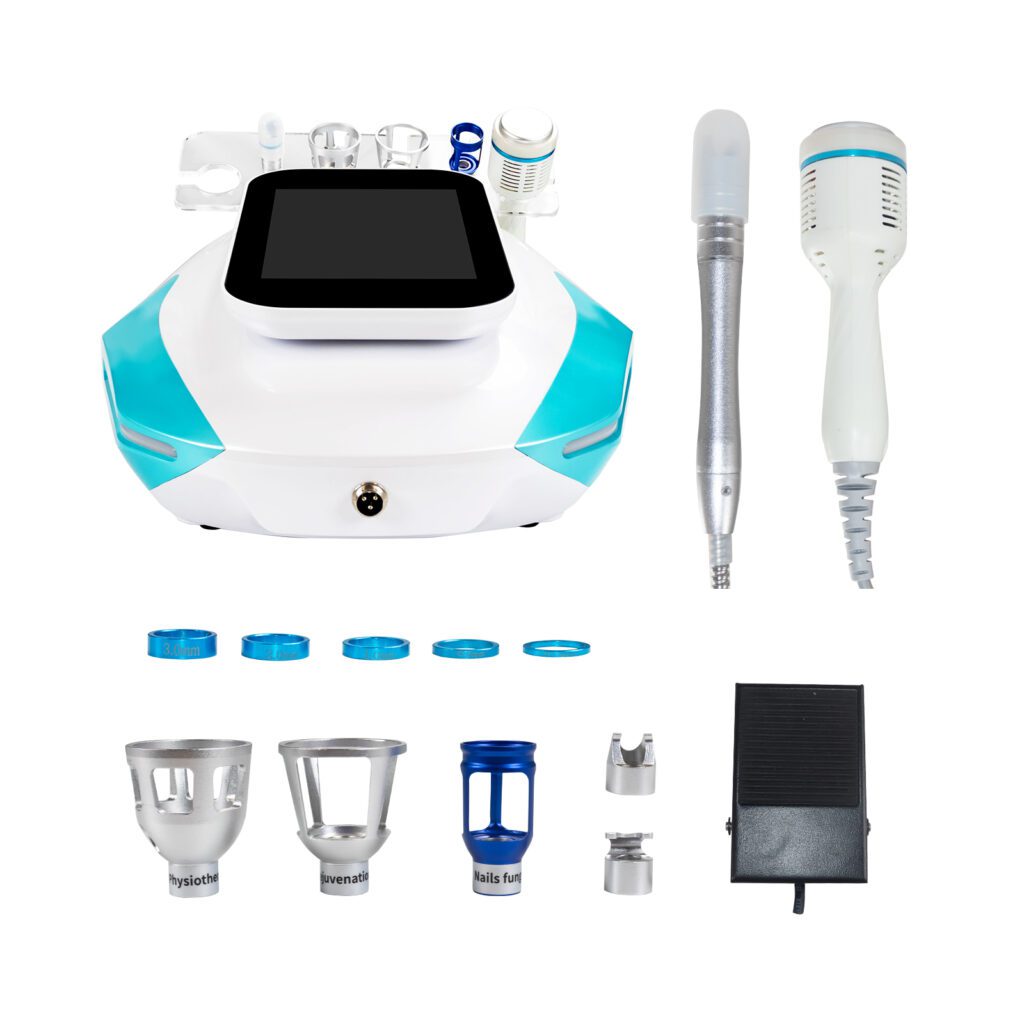
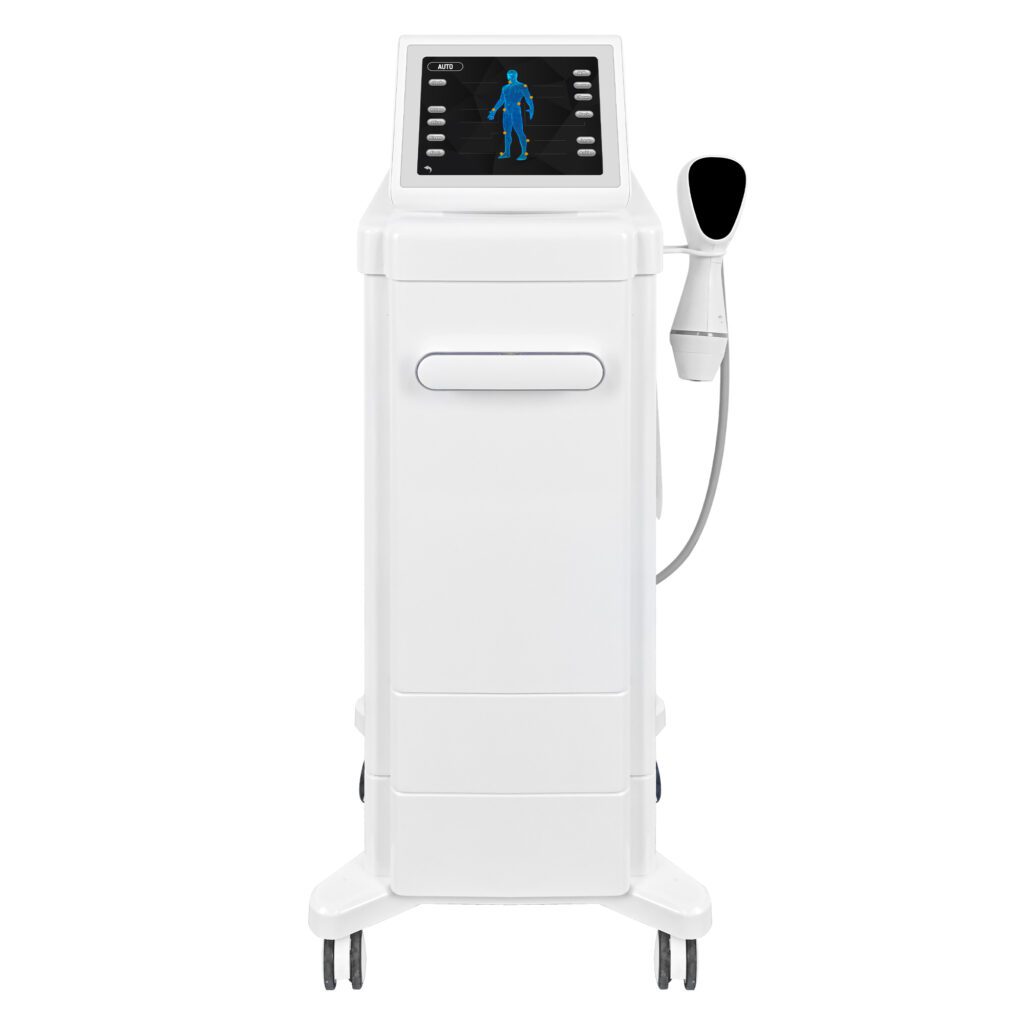
シェフモン ダイオードレーザー、IPL、ピコ秒レーザー、CO2フラクショナルレーザー、その他のエネルギーベースの機器カテゴリーを含む、プロ仕様のレーザーおよび美容機器ソリューションを提供することで、国際的な美容機器の購入者および販売業者をサポートします。.
レーザー販売業者にとって、SHEFMONは以下の点で役立ちます。
- 製品仕様
- ユーザーマニュアル
- トレーニング資料
- 操作ガイド
- 安全に関する注意喚起
- 保証情報
- スペアパーツおよび消耗品のサポート
- 入手可能な場合は証明書類
- OEM/ODMカスタマイズ
- グローバル物流およびアフターサービス調整
しかし、購入者と販売業者は、サービスを開始する前に、現地のライセンス、事業者の業務範囲、設備要件、広告規則などを必ず確認する必要があります。.
最高のセールスメッセージは、次のものではありません。
“「このレーザーはどこでも使えます。」”
より良いメッセージは次のとおりです。
“「当社はプロ仕様のレーザー機器、関連書類、トレーニング、アフターサービスを提供しています。治療開始前に、お住まいの地域における免許取得要件およびオペレーターの要件をご確認ください。」”
最終回答
販売業者は、レーザーの免許制度はどこでも同じだと決して言ってはいけません。レーザーに関する規則は、国、州、地域、治療の種類、機器の種類、施術者の役割、施設環境によって異なるからです。.
レーザー機器には適切な製品説明書が付属している場合でも、サロン、クリニック、または従業員がすべての市場で合法的にその機器を操作できるとは限りません。.
販売代理店の仕事は、普遍的な法的助言を与えることではない。.
販売代理店の役割は、正確な製品情報、トレーニングサポート、書類、保証、アフターサービスを提供するとともに、購入者に対し、現地のライセンス、施設登録、監督、保険、広告に関する要件を確認するよう促すことである。.
最も安全な販売ルールは次のとおりです。
レーザー機器を販売する際は、グローバルなライセンス取得を約束してはいけません。現地の法令遵守に関する知識、トレーニングサポート、そして明確なドキュメントを提供して販売しましょう。.
よくある質問
レーザーの免許制度はどの国でも同じですか?
いいえ。レーザーの免許および操作に関する規則は、国、州、地方自治体によって異なります。.
CEマークやFDAマークを取得すれば、サロンはどこでもレーザーを使用できるということですか?
いいえ。製品ドキュメントは、法令遵守や輸入に関する議論を支援することはできますが、現地の事業者免許や施設規則に自動的に取って代わるものではありません。.
サプライヤー研修修了証は、現地の免許証の代わりになりますか?
必ずしもそうとは限りません。サプライヤーによる研修は、オペレーターが機械を理解するのに役立ちますが、地域の免許取得要件や専門資格要件が適用される場合もあります。.
なぜルールはこれほどまでに異なるのか?
レーザー機器の規制は、市場によって異なり、医療委員会、放射線規制機関、美容免許機関、地方自治体、保健局、保険要件など、さまざまな制度を通じて規制されているため、規則も異なります。.
販売代理店はライセンスに関する質問に答えるべきでしょうか?
彼らは一般的な注意喚起や製品に関する資料を提供することはできるが、要件が地方自治体によって確認されていない限り、法的助言を与えることは避けるべきである。.
販売代理店は購入者に何を伝えるべきか?
購入および治療開始前に、現地の免許、事業者の業務範囲、施設登録、監督、保険、広告に関する規則を確認する必要があると明記すべきである。.
レーザー治療はすべて同じように規制されているのですか?
いいえ。脱毛、タトゥー除去、血管治療、色素沈着治療、CO2レーザーによる肌再生治療には、それぞれ異なる規則やリスクレベルが適用される場合があります。.
なぜこれが販売代理店の評判にとって重要なのでしょうか?
購入者がレーザーを購入した後、合法的に使用できない場合、販売店は誤ったアドバイスをしたとして責任を問われる可能性があります。慎重な言葉遣いは、長期的な信頼関係を守るために不可欠です。.
販売代理店はどのような書類を提供すべきでしょうか?
販売代理店は、製品仕様、マニュアル、入手可能な証明書、トレーニング資料、保証条件、スペアパーツ情報、アフターサービスの詳細を提供できます。.
SHEFMONはどのように役立つのでしょうか?
SHEFMONは、レーザー機器のオプション、製品資料、トレーニング資料、操作ガイド、保証情報、スペアパーツのサポート、グローバルな物流調整など、販売代理店へのサポートを提供できます。.