








Gerir um centro de estética médica é mais difícil do que abrir um salão de beleza com algumas máquinas.
Um centro de estética médica geralmente se situa entre os setores de beleza, estética médica, venda de produtos para a pele, atendimento ao cliente, conformidade, tecnologia e clientes com altas expectativas.
Isso cria oportunidades, mas também desafios de gestão sérios.
Os maiores desafios geralmente incluem:
- licenciamento local e âmbito de atuação do prestador de serviços
- requisitos de diretor médico ou supervisão
- Contratação e treinamento de pessoal
- segurança do paciente e gestão de eventos adversos
- Controle de infecções e gerenciamento de materiais perfurocortantes
- Seleção de equipamentos e retorno do investimento
- Manutenção, garantia e peças de reposição do dispositivo
- aquisição e retenção de clientes
- Alegações publicitárias e fotos de antes e depois
- Preços, pacotes e fluxo de caixa
- documentação e registros de tratamento
- concorrência de salões de beleza, clínicas e marcas de grandes redes.
A resposta curta é:
A parte mais difícil de administrar um centro de estética médica não é comprar equipamentos. É construir um sistema de serviços seguro, em conformidade com as normas e lucrativo, que funcione com base nesses equipamentos.
Este artigo explica os maiores desafios enfrentados pelos proprietários de clínicas de estética médica e como clínicas, distribuidores e compradores de equipamentos podem planejar de forma mais realista.
Visão geral rápida: Os maiores desafios dos centros de estética médica
| Desafio | Por que é difícil? | O que ajuda |
|---|---|---|
| Conformidade | As regras variam conforme a localização e o tipo de serviço. | Revisão jurídica local, verificação da abrangência do serviço prestado, protocolos escritos |
| Pessoal | Profissionais qualificados são caros e difíceis de manter. | Treinamento, funções claras, sistemas de desempenho |
| Segurança | Dispositivos e procedimentos podem causar lesões. | Triagem, consentimento, POPs (Procedimentos Operacionais Padrão), resposta a emergências |
| Controle de infecção | Clínicas de estética médica podem envolver agulhas, sangue, dispositivos e salas compartilhadas. | Fluxograma de controle de infecção no estilo CDC, EPI, desinfecção |
| Retorno sobre o investimento em equipamentos | As máquinas podem ser caras e subutilizadas. | Planejamento de serviços, metas de utilização, design de pacotes |
| Marketing | As alegações podem ser exageradas rapidamente. | Alegações comprovadas, linguagem realista, políticas com fotos. |
| Expectativas do cliente | Os clientes querem resultados rápidos, impactantes e de baixo risco. | Consulta, definição de expectativas, planos por etapas |
| Suporte pós-venda | O tempo de inatividade prejudica a receita e a reputação. | Garantia, peças de reposição, suporte remoto, histórico de manutenção |
Esses desafios estão interligados.
Por exemplo, treinamento inadequado pode gerar problemas de segurança. Problemas de segurança podem causar danos à reputação. Danos à reputação podem aumentar os custos de marketing. Tempo de inatividade dos equipamentos pode prejudicar o fluxo de caixa. Documentação deficiente pode dificultar o gerenciamento de cada reclamação.
Desafio 1: A conformidade é local e está em constante mudança.
A conformidade com as normas de spas médicos é um dos maiores desafios, pois não existe uma regra global única.
Os requisitos podem variar em:
- país
- estado ou província
- cidade ou autoridade local
- tipo de serviço
- Requisito de diretor médico
- licenciamento de instalações
- escopo do operador
- regras de prescrição
- regras de laser
- regras injetáveis
- regras de publicidade
- requisitos de seguro
Um centro de estética médica que oferece serviços de Hydra Facial apresenta um perfil de risco diferente de uma clínica que oferece injetáveis, microagulhamento com radiofrequência, resurfacing a laser de CO2 ou depilação a laser.
As informações da FDA explicam que os dispositivos estéticos podem ser regulamentados dependendo da finalidade de uso, e as informações da FDA sobre lasers médicos descrevem os riscos associados aos procedimentos a laser.
A lição prática é:
Os proprietários de spas médicos devem verificar os requisitos locais antes de escolher os serviços, contratar funcionários ou comprar equipamentos.
Os distribuidores também devem evitar dizer aos compradores que uma única resposta de licenciamento se aplica a todos os casos.
Desafio 2: Âmbito de atuação e supervisão médica
Quem está autorizado a realizar cada tratamento?
Essa pergunta pode definir todo o modelo de negócios de um centro de estética médica.
Dependendo da localização e do serviço, um centro de estética médica pode precisar de:
- supervisão do diretor médico
- supervisão médica
- envolvimento de enfermeiro(a) de prática avançada ou assistente médico
- operação de enfermeira registrada
- suporte de esteticista licenciada
- certificação de técnico em laser
- credenciais de fornecedor de injetáveis
- protocolos de delegação por escrito
- registro de instalações
O desafio reside no fato de que o menu de serviços pode parecer simples para os clientes, mas, legalmente, pode envolver tomada de decisões médicas.
Por exemplo:
- A toxina botulínica e os preenchimentos não são serviços de beleza comuns oferecidos em estabelecimentos comerciais.
- Os tratamentos a laser podem ter requisitos específicos para o operador, que variam de estado para estado.
- A microagulhamento por radiofrequência pode envolver riscos de nível médico.
- Produtos sujeitos a prescrição médica podem exigir controle médico licenciado.
A regra de segurança nos negócios é:
Não elabore primeiro o menu de serviços e só depois se preocupe com questões de conformidade. Elabore o menu de serviços com base nos profissionais que estão legalmente autorizados e devidamente capacitados para realizá-los.
Desafio 3: Contratar e treinar a equipe certa
Clínicas de estética médica precisam de uma combinação de habilidades clínicas, habilidades em serviços de beleza e capacidade de vendas.
Isso é difícil porque uma pessoa pode não ser forte em todas as três áreas.
Um centro de estética médica pode precisar de:
- diretor médico
- injetor
- operador de laser
- esteticista
- coordenador de tratamento
- equipe da recepção
- equipe de mídias sociais ou marketing
- gerente de operações
- entre em contato com o técnico ou suporte do dispositivo.
O treinamento deve abranger:
- consulta
- contraindicações
- configurações do dispositivo
- controle de infecção
- formulários de consentimento
- resposta de emergência
- instruções de cuidados posteriores
- padrões de fotografia
- documentação
- atendimento ao Cliente
- linguagem de vendas em conformidade
Se o treinamento for fraco, o centro de estética médica poderá enfrentar os seguintes problemas:
- resultados inconsistentes
- remarcação ruim
- reclamações de clientes
- queimaduras ou ferimentos
- rotatividade de pessoal
- investimento em equipamentos desperdiçado
As informações de suporte pós-venda da SHEFMON enfatizam materiais de treinamento, treinamento em vídeo, suporte remoto ao vivo, suporte à instalação, garantia e orientação técnica. Esse tipo de suporte do fornecedor é importante porque o sucesso do equipamento depende da capacidade da equipe de usá-lo e mantê-lo corretamente.
Desafio 4: Segurança do Paciente e Gestão de Eventos Adversos
Os serviços de spa médico podem apresentar riscos reais.
Possíveis eventos adversos incluem:
- queimaduras
- inchaço
- hematomas
- infecção
- cicatrizes
- alterações de pigmentação
- reações alérgicas
- cicatrização retardada
- lesão ocular
- lesão nervosa
- insatisfação decorrente de expectativas frustradas
As informações da FDA sobre lasers médicos alertam que os procedimentos a laser podem envolver riscos como dor, infecção, sangramento, cicatrizes e alterações na cor da pele.
A comunicação de segurança da FDA sobre o microagulhamento por radiofrequência também relata complicações graves com certos usos, incluindo queimaduras, cicatrizes, perda de gordura, desfiguração e danos nos nervos.
Isso não significa que as clínicas de estética médica devam evitar todos os procedimentos avançados.
Significa que eles devem ter:
- triagem de clientes
- consentimento informado
- operadores treinados
- parâmetros seguros
- instruções de cuidados posteriores
- protocolos de eventos adversos
- processo de encaminhamento
- documentação
- fluxo de trabalho de acompanhamento
O centro de estética médica deve saber o que fazer quando algo dá errado, antes que algo dê errado.
Desafio 5: Controle de Infecção e Fluxo de Trabalho Limpo
Muitos serviços de spa médico envolvem contato com a pele, fluidos corporais, agulhas, objetos cortantes, pontas de dispositivos ou macas de tratamento.
O controle de infecções é, portanto, um sério desafio operacional.
As diretrizes do CDC para prevenção de infecções em pacientes ambulatoriais descrevem as expectativas mínimas para um atendimento seguro nesses ambientes. As práticas essenciais do CDC também incluem práticas padrão de controle de infecções em todos os serviços de saúde.
Um centro de estética médica deve planejar:
- higiene das mãos
- EPI
- desinfecção de superfície
- limpeza de instrumentos
- rotatividade da sala de tratamento
- práticas de injeção seguras, quando aplicável
- descarte de objetos cortantes
- gestão de resíduos
- fluxo de trabalho de lavanderia
- limpeza de dispositivos
- treinamento de pessoal
Caso sejam oferecidos procedimentos injetáveis, coleta de sangue, PRP, microagulhamento ou outros serviços com agulhas, os requisitos da OSHA para patógenos transmitidos pelo sangue também podem ser relevantes para a proteção do trabalhador.
O desafio é a consistência.
Não basta ter desinfetante numa prateleira.
O centro de estética médica precisa de um fluxo de trabalho escrito que a equipe realmente siga.
Desafio 6: Seleção de Equipamentos e Retorno sobre o Investimento
Muitos centros de estética médica enfrentam dificuldades porque compram equipamentos baseados em propaganda em vez de considerarem a rentabilidade do serviço.
Erros comuns incluem:
- comprar máquinas demais antes de abrir
- comprar dispositivos caros sem demanda suficiente
- Comprar equipamentos avançados antes que o treinamento da equipe esteja pronto
- ignorando consumíveis
- ignorando a manutenção
- subprecificação de tratamentos
- falha na venda de pacotes
- Escolher um dispositivo com suporte pós-venda fraco é um erro.
- Copiar o cardápio de um concorrente sem entender a demanda local.
Uma máquina pode parecer impressionante e ainda assim dar prejuízo se for subutilizada.
Antes de comprar equipamentos, os proprietários de clínicas de estética médica devem perguntar:
- Quantas sessões de tratamento por mês são necessárias para que o tratamento seja recuperado?
- Qual é o lucro bruto por tratamento?
- Quais são os materiais de consumo necessários?
- Qual a duração de cada consulta?
- Quem pode operá-lo legalmente?
- Quanto treinamento é necessário?
- Qual é a garantia?
- Há peças de reposição disponíveis?
- Com que frequência é necessário substituir a peça de mão ou o cartucho?
- Este serviço pode ser vendido em pacotes?
Para muitas clínicas de estética médica recém-inauguradas, os equipamentos iniciais mais práticos nem sempre são os mais avançados.
Tratamentos faciais com hidratação, depilação a laser de diodo, HIFU, radiofrequência facial ou equipamentos para contorno corporal podem ser mais fáceis de implementar do que partir diretamente para o laser de CO2 ou microagulhamento por radiofrequência, caso a equipe não esteja preparada.
Desafio 7: Tempo de inatividade do dispositivo e suporte pós-venda
A inatividade dos equipamentos representa um problema direto de receita.
Caso um aplicador de laser, cartucho HIFU, sistema de ponta de microagulhamento por radiofrequência, bomba Hydra Facial ou aplicador de criolipólise apresente defeito, a clínica de estética médica poderá precisar cancelar os agendamentos.
Isso cria:
- receita perdida
- clientes insatisfeitos
- interrupção da escala de trabalho dos funcionários
- pressão para reembolsos ou remarcação
- danos à reputação
- custo de envio de emergência
Por isso, o suporte pós-venda não é um detalhe insignificante.
Um centro de estética médica deve confirmar:
- período de garantia
- garantia de acessórios
- disponibilidade de consumíveis
- prazo de entrega de peças de reposição
- processo de resolução de problemas remotos
- fluxo de trabalho de reparo
- requisitos de manutenção
- suporte pós-garantia
- Contato de suporte ao distribuidor
As informações públicas de pós-venda da SHEFMON descrevem diagnósticos remotos, orientações para reparos, recomendações de substituição, suporte de garantia, treinamento e acesso a serviços selecionados. Esses são fatores importantes quando uma clínica depende dos equipamentos para sua receita diária.
Desafio 8: Alegações de marketing e fotos de antes e depois
O marketing de clínicas de estética pode facilmente se tornar arriscado.
O mercado é competitivo e muitas empresas querem prometer resultados melhores do que os concorrentes.
As alegações de risco incluem:
- resultados garantidos
- elevação permanente
- remoção de cicatrizes
- perda de gordura para todos
- sem risco
- sem tempo de inatividade
- tratamento indolor
- cura médica
- mesmo resultado que a cirurgia
- Seguro para todos os clientes
A política de comprovação de publicidade da FTC (Comissão Federal de Comércio dos EUA) estabelece que os anunciantes precisam de comprovação para alegações objetivas, sejam elas expressas ou implícitas.
Para clínicas de estética médica, isso significa que as alegações de marketing devem ser fundamentadas, específicas e realistas.
As fotos de antes e depois também exigem um manuseio cuidadoso:
- usar iluminação consistente
- usar ângulos semelhantes
- Evite edições enganosas
- obter consentimento
- Não significa que todos os clientes obtenham o mesmo resultado.
- Informe se as fotos mostram múltiplas sessões ou tratamentos combinados.
Uma boa mensagem de marketing vende profissionalismo, não milagres.
Desafio 9: As expectativas dos clientes são frequentemente irrealistas.
Os clientes podem chegar após verem publicações nas redes sociais que prometem transformações drásticas.
Eles podem esperar:
- resultados de uma sessão
- sem dor
- sem tempo de inatividade
- sem risco
- resultado permanente
- simetria perfeita
- elevação instantânea
- remoção de cicatrizes de acne
- mudanças corporais garantidas
Se a clínica de estética médica não corrigir essas expectativas logo no início, as reclamações se tornam mais prováveis.
A consulta deve explicar:
- o que o tratamento pode suportar
- o que não pode fazer
- Quantas sessões podem ser necessárias?
- que tempo de inatividade pode ocorrer
- Quais são os riscos existentes?
- Que cuidados pós-operatórios são necessários?
- quando os resultados podem aparecer
- por que os resultados variam
- quando outro tratamento pode ser mais adequado
Os melhores centros de estética médica não tentam vender serviços desnecessários durante a consulta.
Eles constroem confiança explicando a realidade com clareza.
Desafio 10: Precificação e Fluxo de Caixa
Clínicas de estética médica podem ter custos fixos elevados.
As despesas podem incluir:
- aluguel
- construção
- folha de pagamento dos funcionários
- honorários do diretor médico
- seguro
- financiamento de dispositivos
- consumíveis
- estoque de injetáveis
- marketing
- software
- treinamento
- manutenção
- licenças e autorizações
- processamento de pagamentos
Ao mesmo tempo, a demanda do cliente pode ser sazonal.
O fluxo de caixa se torna difícil quando:
- Muitos dispositivos são financiados ao mesmo tempo.
- Os pacotes estão com descontos excessivos.
- Os consumíveis não são rastreados.
- Estoque caro expira
- A taxa de utilização da equipe é baixa.
- O custo de marketing por cliente é muito alto.
- Os clientes não remarcam.
- Dispositivos avançados são subutilizados
A trilha mais forte para spas médicos:
- receita por quarto
- receita por fornecedor
- utilização do dispositivo
- margem bruta por serviço
- conversão de pacotes
- taxa de remarcação
- taxa de adesão no varejo
- custo de aquisição de clientes
- taxa de não comparecimento
Sem números, a empresa está apenas fazendo suposições.
Desafio 11: Inventário e Consumíveis
Clínicas de estética médica geralmente gerenciam muitos materiais de consumo:
- produtos injetáveis
- agulhas e seringas
- pontas de microagulhamento por radiofrequência
- Dicas e filtros para o rosto hidratado
- Cartuchos HIFU
- acessórios a laser
- varejo de produtos para cuidados com a pele
- desinfetantes
- EPI
- lençóis
- géis de tratamento
- membranas de criolipólise
- acessórios de modelagem corporal
Problemas de estoque criam dois riscos:
- Pouco estoque causa atrasos no tratamento.
- Excesso de estoque imobiliza capital ou expira.
O centro de estética médica deve saber:
- custo por tratamento
- ponto de reabastecimento
- datas de validade
- prazo de entrega do fornecedor
- requisitos de armazenamento
- quantidade mínima de pedido
- margem por serviço
Os materiais de consumo devem ser incluídos na precificação desde o início.
Desafio 12: Competição e Diferenciação
Os spas médicos competem com:
- clínicas de dermatologia
- clínicas de cirurgia plástica
- salões de beleza
- correntes de depilação a laser
- estúdios que realizam apenas procedimentos injetáveis
- clínicas de bem-estar
- estúdios de modelagem corporal
- dispositivos domésticos
- marcas de cuidados com a pele online
Competir apenas com base no preço é perigoso.
Um centro de estética médica deve se diferenciar por meio de:
- qualidade da consulta
- credenciais do provedor
- segurança do tratamento
- resultados realistas
- qualidade do dispositivo
- cuidados pós-operatórios
- programas de associação
- planos de tratamento combinados
- experiência do cliente
- seguir
- consistência do serviço
O objetivo é ser confiável, não apenas ter o preço mais baixo.
Desafio 13: Documentação e Arquivamento
Bons registros protegem o negócio.
Os registros de tratamento devem incluir:
- histórico do cliente
- formulário de consentimento
- contraindicações
- fotos quando aplicável
- dispositivo usado
- configurações
- área de tratamento
- Número do lote do produto, quando aplicável.
- nome do operador
- resposta do cliente
- instruções de cuidados posteriores
- eventos adversos
- notas de acompanhamento
A documentação inadequada dificulta a resolução de reclamações.
Isso também dificulta o treinamento da equipe, a avaliação dos resultados ou a comprovação de que os procedimentos foram realizados de forma responsável.
A documentação deve ser tratada como parte integrante do serviço, e não como um mero acréscimo burocrático.
Como os distribuidores podem ajudar os proprietários de clínicas de estética
Os distribuidores podem apoiar clínicas de estética médica vendendo pacotes prontos para uso, e não dispositivos aleatórios.
O suporte útil do distribuidor inclui:
- Seleção de dispositivo por menu de serviço
- materiais de treinamento
- modelos de protocolo de tratamento
- explicação sobre garantia e reparo
- planejamento de peças de reposição
- cálculo do custo de consumíveis
- linguagem segura para marketing
- design de embalagem
- fluxo de trabalho pós-venda
- lista de verificação de documentação
- Opções de marca OEM/ODM
Isso ajuda os compradores a entender como o equipamento se encaixa no negócio.
Isso também torna o distribuidor mais valioso do que um vendedor com preços baixos.
Como a SHEFMON pode apoiar o planejamento de equipamentos para clínicas de estética
A SHEFMON fornece equipamentos profissionais de beleza e estética para salões de beleza, spas médicos, clínicas, distribuidores e compradores OEM/ODM.
As categorias de dispositivos relevantes incluem:
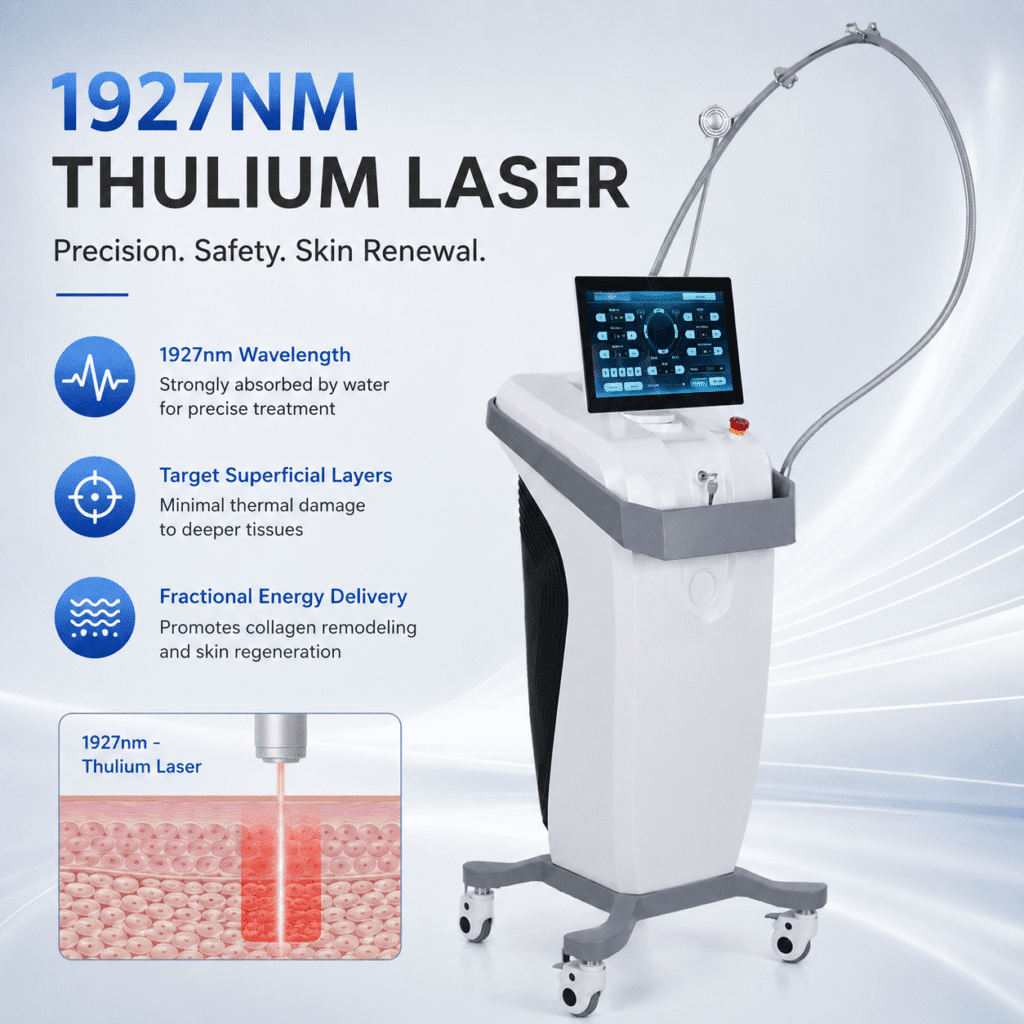
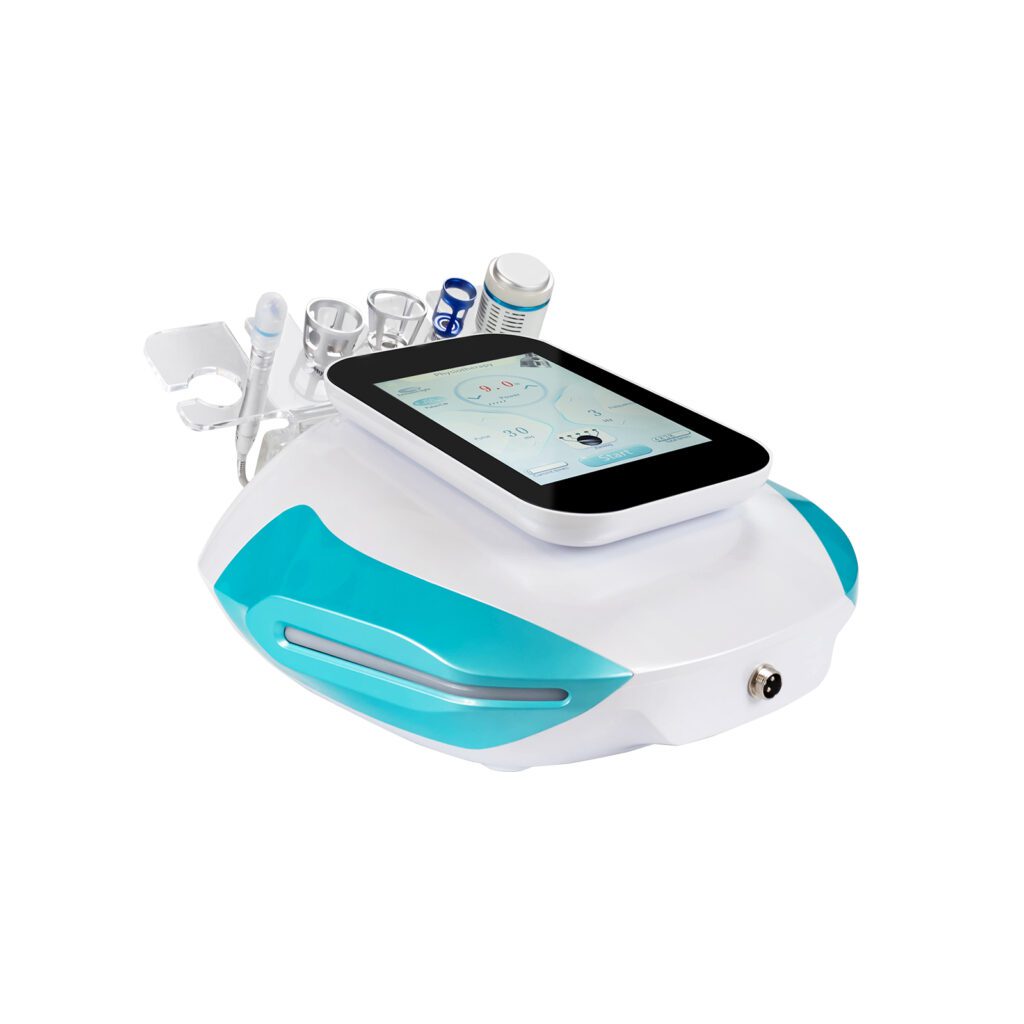
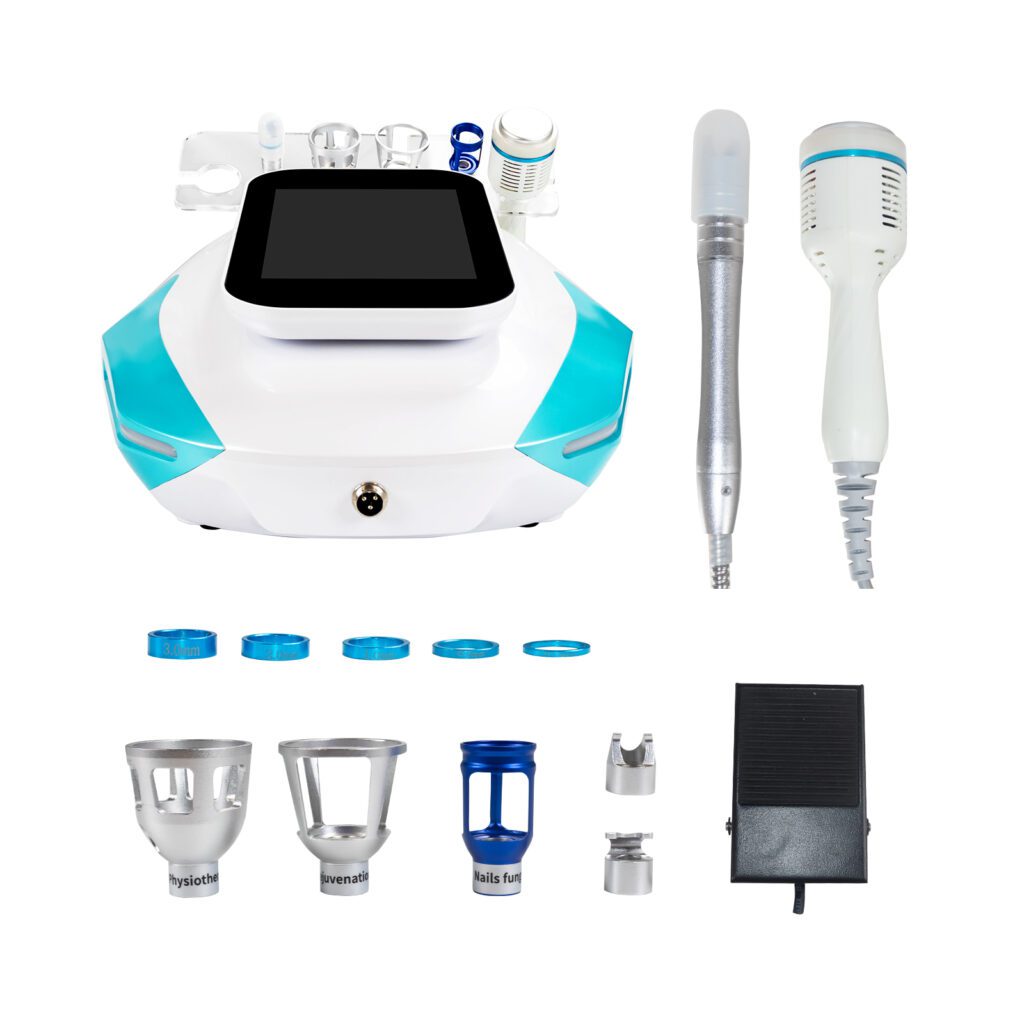
- Máquinas faciais Hydra
- máquinas de depilação a laser de diodo
- Sistemas HIFU
- Equipamentos de RF e MNRF
- lasers fracionários de CO2
- lasers de picossegundos
- Aparelhos de modelagem corporal EMS
- sistemas de criolipólise
- dispositivos de cavitação de radiofrequência
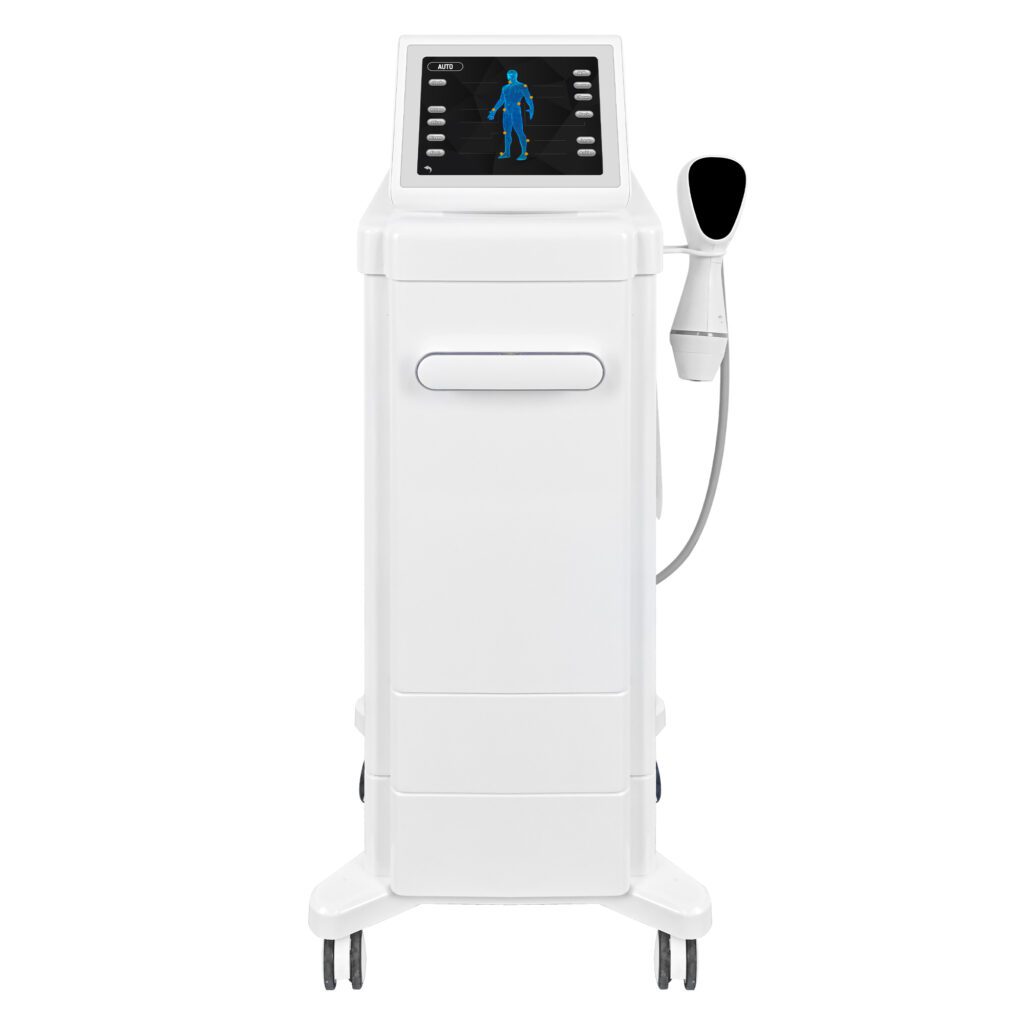
- dispositivos de ondas de choque
- dispositivos para tratamento e recuperação da pele
A SHEFMON pode auxiliar os compradores de clínicas de estética médica com:
- seleção de produtos
- configuração do dispositivo
- Personalização OEM/ODM
- materiais de treinamento
- orientações sobre garantia
- suporte para peças de reposição e consumíveis
- suporte remoto
- logística global
- coordenação pós-venda
Para os proprietários de clínicas de estética médica, esse suporte é importante porque o desempenho dos equipamentos é apenas uma parte do sucesso.
A empresa também precisa de treinamento, manutenção, materiais de consumo, documentação e planejamento de serviços a longo prazo.
Resposta final
Os maiores desafios de administrar um centro de estética médica não são apenas atrair clientes ou comprar equipamentos.
Os verdadeiros desafios são construir uma operação que esteja em conformidade com as normas, seja segura e lucrativa.
Os proprietários de spas médicos devem gerenciar o licenciamento local, o escopo de atuação dos profissionais, a supervisão médica, o treinamento da equipe, o controle de infecções, a resposta a eventos adversos, o retorno sobre o investimento em equipamentos, a manutenção, as estratégias de marketing, as expectativas dos clientes, o estoque e a documentação.
Os spas médicos mais bem-sucedidos tratam o negócio como uma operação de serviços adjacente à área da saúde, e não apenas como uma loja de produtos de beleza.
A mentalidade operacional mais segura é:
Todo tratamento deve contar com um profissional qualificado, um protocolo claro, uma justificativa realista, um registro documentado, um fluxo de trabalho seguro e um plano de suporte para o dispositivo.
Perguntas frequentes
Qual é a parte mais difícil de administrar uma clínica de estética médica?
A parte mais difícil é equilibrar, simultaneamente, a conformidade com as normas, a segurança do paciente, o treinamento da equipe, a lucratividade e as expectativas do cliente.
Por que os spas médicos falham?
Os motivos mais comuns incluem planejamento de conformidade deficiente, fluxo de caixa ruim, equipamentos subutilizados, alegações de marketing enganosas, equipe sem treinamento adequado, altos custos fixos e falta de retenção de clientes.
O principal desafio é o equipamento para clínicas de estética médica?
O equipamento é importante, mas o maior desafio é utilizá-lo de forma segura e rentável, com treinamento adequado, protocolos, manutenção e atenção às demandas dos clientes.
Por que a conformidade é tão difícil?
As regras variam de acordo com a localização, o tipo de serviço, a área de atuação do profissional, a supervisão médica e os requisitos das instalações. Um centro de estética médica deve confirmar as normas locais antes de iniciar os serviços.
Quais são os riscos de segurança que os spas médicos enfrentam?
Os riscos podem incluir queimaduras, infecções, cicatrizes, alterações na pigmentação, hematomas, reações alérgicas, cicatrização tardia e insatisfação devido a expectativas irreais.
Por que o controle de infecções é importante em uma clínica de estética médica?
Muitos serviços de spa médico envolvem contato com a pele, objetos cortantes, dispositivos ou exposição a fluidos corporais. Protocolos de controle de infecção, EPIs e desinfecção, seguindo as diretrizes do CDC, ajudam a reduzir os riscos.
Como os centros de estética médica podem evitar problemas de retorno sobre o investimento em equipamentos?
Antes de adquirir os equipamentos, devem calcular o volume de tratamento, o lucro bruto, os materiais de consumo, os custos com pessoal, a manutenção e o retorno do investimento.
Que alegações de marketing os spas médicos devem evitar?
Evite promessas de resultados garantidos, sem riscos, indolores, permanentes, remoção de cicatrizes, resultados equivalentes à cirurgia ou alegações que não podem ser comprovadas.
Como os distribuidores podem ajudar os spas médicos?
Os distribuidores podem fornecer seleção de dispositivos, treinamento, planejamento de consumíveis, suporte de garantia, peças de reposição, linguagem adequada para marketing e fluxos de trabalho pós-venda.
Como a SHEFMON pode apoiar os proprietários de clínicas de estética médica?
A SHEFMON oferece suporte no planejamento de equipamentos para clínicas de estética médica, incluindo tratamentos como Hydra Facial, laser de diodo, HIFU, RF, MNRF, laser de CO2, laser de picossegundos, equipamentos para contorno corporal, personalização OEM/ODM, materiais de treinamento, garantia e suporte pós-venda.