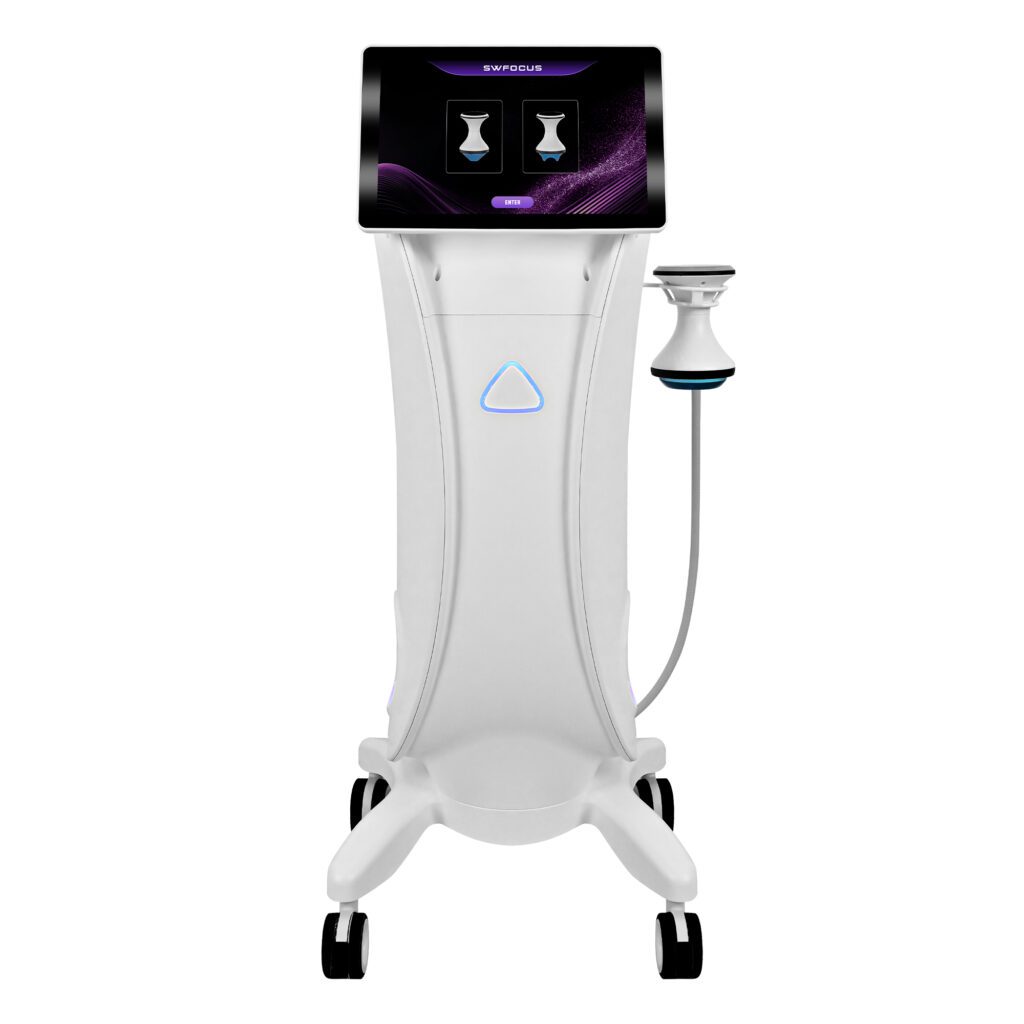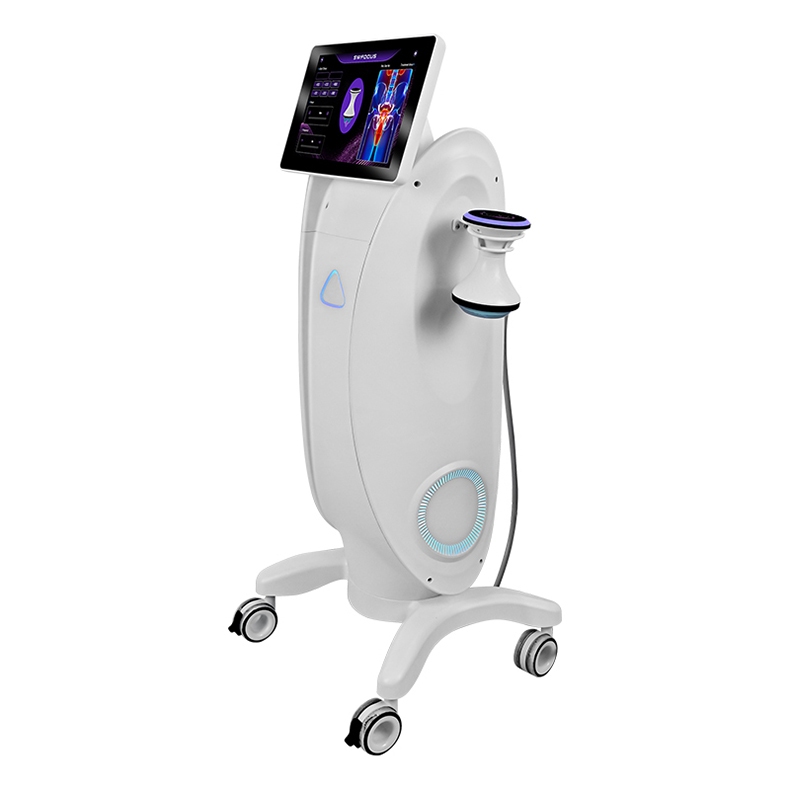










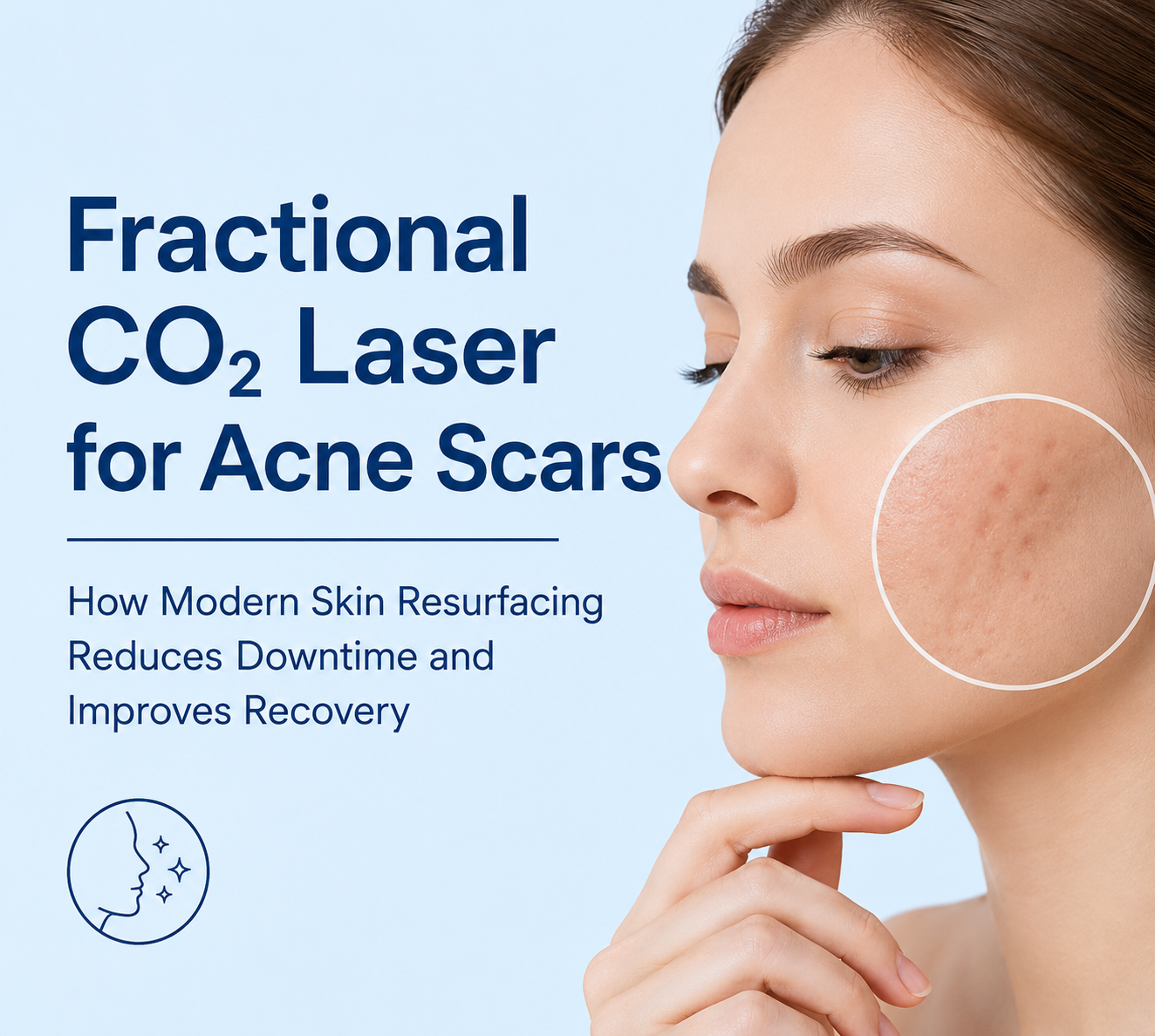
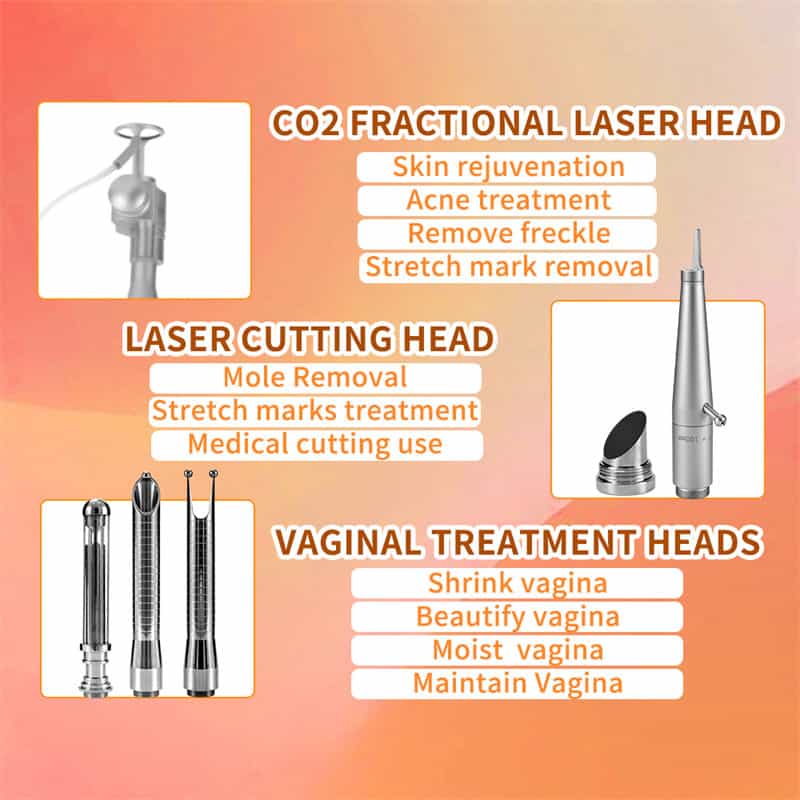
ニキビ跡は、皮膚の複数の層に同時に影響を与えることが多いため、治療が最も難しい皮膚疾患の一つです。クリームや表面的なフェイシャルケアは一時的に肌の質感を改善するかもしれませんが、より深いニキビ跡には通常、皮膚表面下のコラーゲン再構築を促進する治療が必要です。そのため、フラクショナルCO2レーザーリサーフェシングは、美容クリニックで最も広く議論されている技術の一つであり続けています。しかし、多くの人は依然として痛み、長い回復期間、そして皮膚へのダメージのリスクを心配しています。 10600nm分画CO2レーザーシステム これらの懸念は、制御された皮膚再生とより精密な熱伝達を組み合わせることで解消されつつあり、ニキビ跡の改善に役立ち、不必要な皮膚へのダメージやダウンタイムを軽減します。.
1. ニキビ跡の治療が難しい理由
ニキビ跡は、炎症が治癒過程で皮膚内部のコラーゲン構造を損傷することで形成されます。皮膚が滑らかなコラーゲンの支持を失うと、凹みや凹凸が生じることがあります。.
一般的なニキビ跡の種類には以下のようなものがあります。
- アイスピックの傷跡
- 有蓋車の傷跡
- 転がる傷跡
- 炎症後色素沈着
- 肌の質感の不均一
これらの傷跡は表皮の下まで及ぶことが多いため、外用スキンケア製品だけでは、より深い皮膚の再生には効果が限定的である可能性がある。.
そのため、エネルギーを利用した皮膚再生技術は、中等度から重度のニキビ跡治療によく用いられます。.
2. フラクショナルCO2レーザーによる皮膚再生治療の仕組み
フラクショナルCO2レーザー技術は、制御されたレーザーエネルギーを用いて皮膚内部に微細な治療ゾーンを作り出し、周囲の組織はそのまま残します。.
広範囲の皮膚を連続的に除去する従来の完全アブレーション式皮膚再生術とは異なり、フラクショナル技術では、1回の施術で皮膚表面のごく一部のみを治療します。.
このアプローチは、皮膚の深層部のリモデリングを促進しながら、より迅速な治癒をサポートします。.
2.1 治療中に皮膚内部で何が起こるか
最新の10600nmフラクショナルCO2レーザーは、2つの主要な治療効果を同時に生み出します。
表面再舗装
レーザーは、損傷した皮膚の表層を優しく除去し、以下の改善に役立ちます。
- ざらざらした質感
- 毛穴の拡大
- 表面的なニキビ跡
- 色調が均一でない
- くすんだ肌
深層コラーゲンリモデリング
同時に、制御された熱エネルギーが真皮のより深い層に到達し、以下の刺激を与えます。
- 新たなコラーゲン生成
- 皮膚再生
- 組織リモデリング
- 傷跡を柔らかくする
- 弾力性の向上
この二重作用プロセスは、フラクショナルCO2レーザーによる肌再生治療がニキビ跡の治療に広く用いられ続けている理由の一つである。.
3.分割型技術が復旧への懸念を軽減した理由
従来のCO2を用いた表面再生工法における最大の懸念事項の一つは、操業停止期間が長引くことだった。.
旧式の完全アブレーションレーザーは、しばしば以下のような問題を引き起こしました。
- 長引く赤み
- 著しい皮むけ
- 不快感の増加
- 色素沈着の問題のリスクが高まる
- 回復期間が長くなる
3.1 フラクショナル治療が肌の回復に与えた影響
フラクショナルシステムは、微細なレーザーチャネルの間に未照射の皮膚を残します。.
これらの未処置領域は、組織の修復を促進することで治癒を早めるのに役立ちます。.
その結果、現代の多くの分画CO2処理は以下のような特徴を持つ。
- ダウンタイムの短縮
- 肌の回復が早まる
- 表面損傷の軽減
- 合併症のリスクが低い
- より制御された治療強度
この改良により、レーザーによる肌再生治療は、外科手術を伴わない肌の若返りを求める顧客にとって、より受け入れやすいものとなった。.
4.ニキビ跡治療において精密さが重要な理由
ニキビ跡の治療強度は、すべて同じではありません。.
現代の分画CO2システムは、施術者がカスタマイズできる調整可能な設定にますます重点を置いています。
- エネルギー出力
- スキャンパターン
- 浸透深さ
- スポットサイズ
- 処理密度
4.1 制御されたエネルギー供給が重要な理由
より精密なエネルギー制御は、施術者が瘢痕組織を効果的に標的とし、周囲の皮膚への不必要な損傷を最小限に抑えるのに役立つ可能性がある。.
これは特に以下の場合に重要になります。
- 敏感肌
- 肌の色が濃い
- 顔の薄い部分
- 複合型瘢痕
複数のスキャンモードとスキャン形状を備えた先進的なシステムにより、施術者はさまざまな瘢痕パターンや顔の部位に応じて治療を調整することができます。.
5.コラーゲンリモデリングが長期的な改善に不可欠な理由
多くの人は、治療後すぐにニキビ跡が改善することを期待します。しかし、コラーゲンの再構築は、徐々に進行する生物学的プロセスです。.
5.1 レーザー治療後の経過
分画CO2処理後:
- 微細な温熱ゾーンが、皮膚の治癒反応を誘発する。.
- 線維芽細胞が活性化する。.
- 新しいコラーゲンとエラスチンが形成され始める。.
- 瘢痕組織は徐々に柔らかくなり、再編成される。.
- 肌の質感は時間とともに改善され続けます。.
コラーゲン生成は徐々に進行するため、治療後数ヶ月間は効果がさらに向上し続けることが多い。.
このリモデリングプロセスの遅延は、深いニキビ跡に対して複数回の施術が一般的に推奨される理由の一つです。.
6.フラクショナルCO2レーザーがニキビ跡治療以外にも使用される理由
ニキビ跡は依然として主要な適応症ではあるものの、最新のフラクショナルCO2システムは、より広範な肌の若返りを目的として使用されることが増えている。.
6.1 一般的な顔面への応用
部分的な表面修復は、以下の改善にも役立つ可能性があります。
- 細かいシワ
- 日焼けによるダメージ
- 肌の質感の不均一
- 毛穴の拡大
- 色素沈着異常
- 皮膚のたるみ
6.2 併用療法が増加傾向にある理由
現在、一部のクリニックでは、フラクショナルCO2レーザーによる肌再生治療に加えて、追加のスキンケアやエネルギーベースの施術を組み合わせることで、肌全体の再生を促進している。.
複合的なアプローチでは、以下の点に重点を置く場合があります。
- 色素沈着補正
- テクスチャの洗練
- コラーゲン刺激
- 水分補給サポート
- 瘢痕リモデリング
これは、美容医療における個別化された治療計画への傾向の高まりを反映している。.

7.治療前に患者が知っておくべきこと
分画CO2レーザーによる皮膚再生治療は、従来の完全アブレーション法に比べて侵襲性が低いものの、適切な治療計画は依然として重要である。.
7.1 回復の見込み
一時的な影響としては、以下のようなものが考えられます。
- 赤み
- 暖かさ
- 軽度の腫れ
- 剥がれ落ちる
- 乾燥
回復期間は、治療の強度や個々の肌の状態によって異なります。.
7.2 専門家による評価の重要性
専門家による肌診断は、以下の点を判断するのに役立ちます。
- 適切なエネルギーレベル
- 傷跡の深さ
- 皮膚の敏感さ
- 色素沈着リスク
- 治療頻度
このような個別対応は、より安全で一貫性のある結果を得るために重要である。.
結論
現代のフラクショナルCO2レーザーリサーフェシングは、表面の再生と深層コラーゲンのリモデリングを組み合わせることで、ニキビ跡治療において最も広く使用されている技術の一つとなっています。従来の完全アブレーションレーザー法と比較して、フラクショナル技術は、より制御された治療照射、より速い回復、ダウンタイムの短縮を実現しながら、より深い瘢痕組織にも作用します。 レーザーシステム 精度向上、カスタマイズ可能なスキャンモード、より制御されたエネルギー出力など、進化を続けるフラクショナルCO2レーザー治療は、非外科的な肌質改善と長期的な肌の若返りを求めるクリニックにとって、依然として重要な選択肢です。.