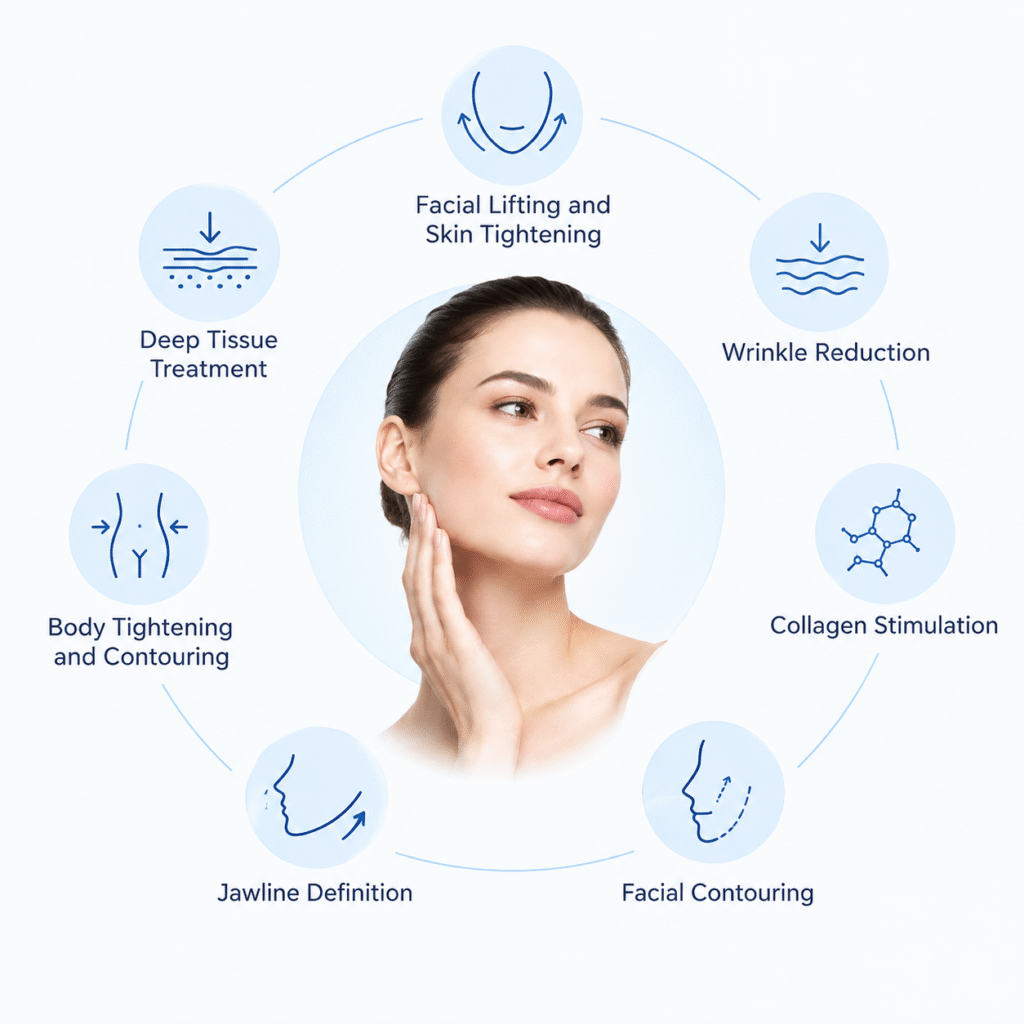
Les cicatrices d'acné demeurent parmi les problèmes cutanés les plus difficiles à traiter, car elles affectent souvent plusieurs couches de la peau simultanément. Si les crèmes et les soins superficiels peuvent améliorer temporairement le grain de peau, les cicatrices d'acné profondes nécessitent généralement des traitements stimulant le remodelage du collagène en profondeur. C'est pourquoi le resurfaçage au laser CO2 fractionné reste l'une des technologies les plus discutées en clinique esthétique. Cependant, de nombreuses personnes s'inquiètent encore de la douleur, de la durée de la convalescence et du risque d'endommager la peau. Systèmes laser CO2 fractionnés de 10600 nm Ces techniques permettent de remédier à ces problèmes en combinant un resurfaçage cutané contrôlé à une application thermique plus précise, contribuant ainsi à améliorer les cicatrices d'acné tout en réduisant les traumatismes cutanés inutiles et le temps de convalescence.
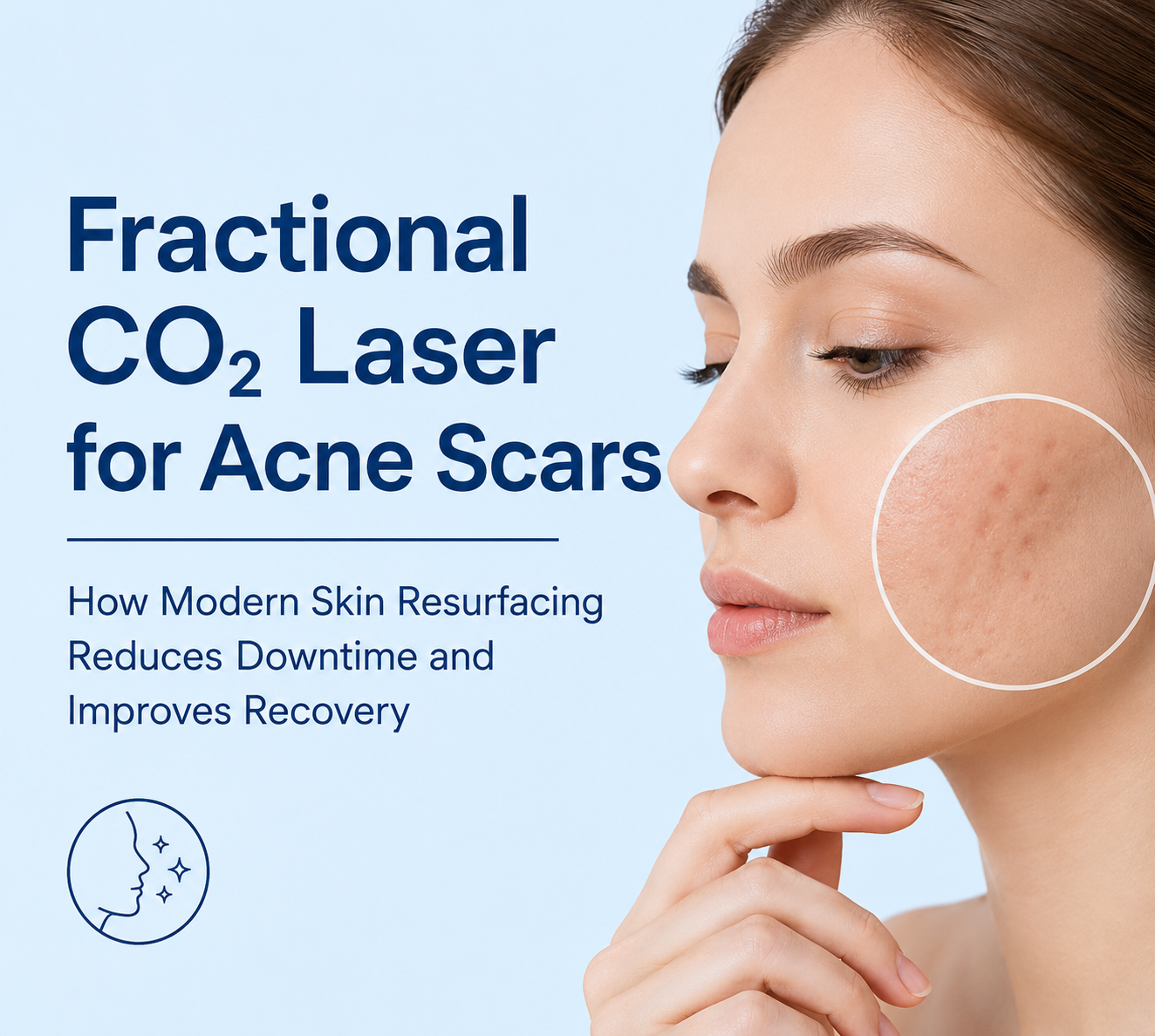
1. Pourquoi les cicatrices d'acné sont-elles difficiles à traiter ?
Les cicatrices d'acné se forment lorsque l'inflammation endommage les structures de collagène à l'intérieur de la peau pendant le processus de cicatrisation. Une fois que la peau perd son soutien en collagène lisse, des creux et une texture irrégulière peuvent apparaître.
Les types courants de cicatrices d'acné comprennent :
- cicatrices de pic à glace
- cicatrices de wagon
- cicatrices roulantes
- pigmentation post-inflammatoire
- Texture de peau irrégulière
Étant donné que ces cicatrices s'étendent souvent sous l'épiderme, les produits de soins cutanés topiques seuls peuvent avoir des effets limités sur le remodelage cutané en profondeur.
C’est pourquoi les technologies de resurfaçage cutané à base d’énergie sont fréquemment utilisées pour le traitement des cicatrices d’acné modérées à sévères.
2. Comment fonctionne le resurfaçage au laser CO2 fractionné ?
La technologie laser CO2 fractionnée utilise une énergie laser contrôlée pour créer des zones de traitement microscopiques au sein de la peau tout en laissant les tissus environnants intacts.
Contrairement aux anciennes méthodes de resurfaçage entièrement ablatives qui enlevaient de grandes zones continues de peau, la technologie fractionnée ne traite qu'une fraction de la surface cutanée à chaque séance.
Cette approche favorise une cicatrisation plus rapide tout en stimulant le remodelage cutané en profondeur.
2.1 Que se passe-t-il à l'intérieur de la peau pendant le traitement ?
Les lasers CO2 fractionnés modernes de 10 600 nm produisent simultanément deux effets thérapeutiques majeurs :
Resurfaçage de surface
Le laser élimine en douceur les couches superficielles endommagées de la peau pour contribuer à améliorer :
- Texture rugueuse
- Pores dilatés
- marques d'acné superficielles
- Ton inégal
- peau terne
Remodelage profond du collagène
Parallèlement, l'énergie thermique contrôlée atteint les couches dermiques plus profondes pour stimuler :
- Nouvelle production de collagène
- régénération cutanée
- Remodelage tissulaire
- atténuation des cicatrices
- Élasticité améliorée
Ce procédé à double action est l'une des raisons pour lesquelles le resurfaçage fractionné au CO2 reste largement utilisé pour la gestion des cicatrices d'acné.
3. Pourquoi la technologie fractionnée a réduit les préoccupations liées au recouvrement
L'une des principales préoccupations concernant le resurfaçage traditionnel au CO2 était la durée d'arrêt prolongée.
Les anciens lasers ablatifs complets provoquaient souvent :
- Rougeur prolongée
- Desquamation importante
- Inconfort accru
- Risque accru de problèmes de pigmentation
- Des périodes de convalescence plus longues
3.1 Comment le traitement fractionné a transformé la régénération cutanée
Les systèmes fractionnés laissent de la peau non traitée entre les canaux laser microscopiques.
Ces zones non touchées contribuent à accélérer la guérison en favorisant une réparation tissulaire plus rapide.
De ce fait, de nombreux traitements modernes au CO2 fractionné sont associés à :
- Temps d'arrêt plus court
- Régénération cutanée plus rapide
- réduction des traumatismes superficiels
- Risque moindre de complications
- Intensité du traitement plus contrôlée
Cette amélioration a contribué à rendre le resurfaçage laser plus acceptable pour les clients recherchant un rajeunissement cutané non chirurgical.
4. Pourquoi la précision est importante dans les traitements des cicatrices d'acné
Toutes les cicatrices d'acné ne nécessitent pas la même intensité de traitement.
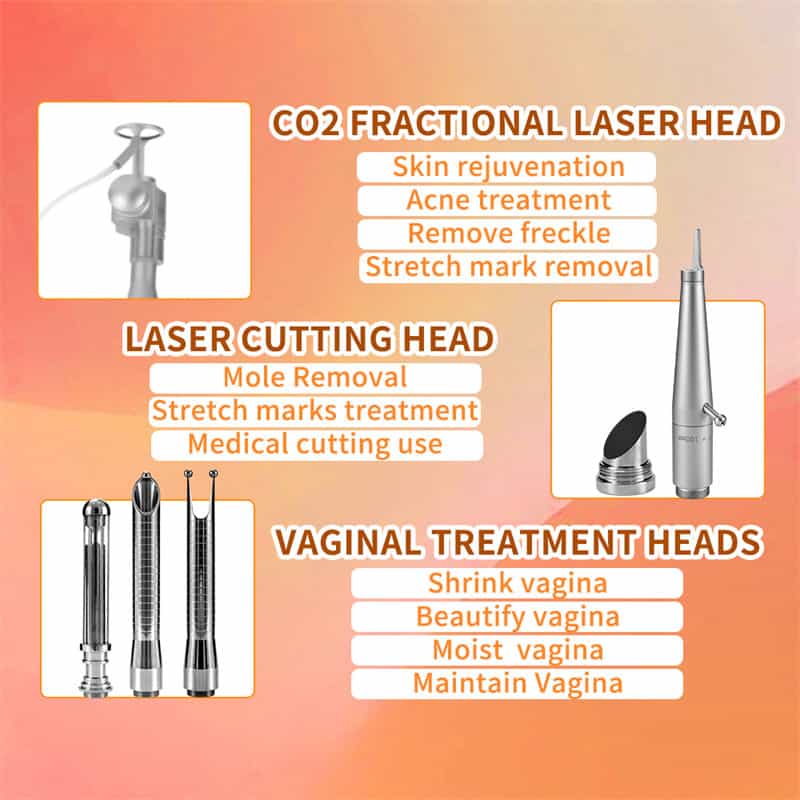
Les systèmes modernes de CO2 fractionné mettent de plus en plus l'accent sur des réglages ajustables qui permettent aux praticiens de personnaliser :
- Production d'énergie
- Modèles de balayage
- Profondeur de pénétration
- taille du spot
- Densité de traitement
4.1 Pourquoi la distribution contrôlée d'énergie est importante
Un contrôle plus précis de l'énergie pourrait aider les praticiens à cibler efficacement les tissus cicatriciels tout en minimisant les lésions inutiles de la peau environnante.
Cela devient particulièrement important pour :
- Peau sensible
- Teints plus foncés
- Zones du visage fines
- types de cicatrices mixtes
Les systèmes avancés dotés de multiples modes et formes de balayage permettent aux praticiens d'adapter les traitements en fonction des différents types de cicatrices et des régions du visage.
5. Pourquoi le remodelage du collagène est essentiel pour une amélioration à long terme
Nombreuses sont les personnes qui s'attendent à une amélioration immédiate des cicatrices d'acné après le traitement. Cependant, le remodelage du collagène est un processus biologique progressif.
5.1 Que se passe-t-il après un traitement au laser ?
Suite au traitement fractionné au CO2 :
- Des zones thermiques microscopiques déclenchent la réponse de cicatrisation de la peau.
- Les fibroblastes s'activent.
- Du nouveau collagène et de l'élastine commencent à se former.
- Le tissu cicatriciel s'assouplit et se réorganise progressivement.
- La texture de la peau continue de s'améliorer avec le temps.
Comme la production de collagène se développe progressivement, les résultats continuent souvent de s'améliorer pendant plusieurs mois après le traitement.
Ce processus de remodelage retardé est l'une des raisons pour lesquelles plusieurs séances sont généralement recommandées pour les cicatrices d'acné profondes.
6. Pourquoi le CO2 fractionné est également utilisé au-delà du traitement des cicatrices d'acné
Bien que les cicatrices d'acné restent une indication majeure, les systèmes CO2 fractionnés modernes sont de plus en plus utilisés pour des objectifs de rajeunissement cutané plus larges.
6.1 Applications faciales courantes
Le resurfaçage fractionné peut également contribuer à améliorer :
- Lignes fines
- dommages causés par le soleil
- Texture de peau irrégulière
- Pores dilatés
- Irrégularités de pigmentation
- relâchement cutané
6.2 Pourquoi les traitements combinés sont-ils en plein essor ?
Certaines cliniques associent désormais le resurfaçage fractionné au CO2 à des soins de la peau supplémentaires ou à des procédures énergétiques pour favoriser le renouvellement global de la peau.
Les approches combinées peuvent se concentrer sur :
- Correction des pigments
- raffinement de la texture
- Stimulation du collagène
- Soutien à l'hydratation
- Remodelage des cicatrices
Cela reflète la tendance croissante à la personnalisation des plans de traitement en médecine esthétique.

7. Ce que les patients doivent savoir avant le traitement
Bien que le resurfaçage fractionné au CO2 soit moins agressif que les anciennes méthodes entièrement ablatives, une planification de traitement appropriée reste importante.
7.1 Perspectives de reprise
Les effets temporaires peuvent inclure :
- Rougeur
- Chaleur
- léger gonflement
- Écaillage
- Sécheresse
Le temps de récupération varie en fonction de l'intensité du traitement et de l'état de la peau de chaque individu.
7.2 Importance de l'évaluation professionnelle
L'évaluation professionnelle de la peau permet de déterminer :
- Niveaux d'énergie appropriés
- profondeur de la cicatrice
- sensibilité cutanée
- Risque de pigmentation
- Fréquence du traitement
Cette approche individualisée est importante pour obtenir des résultats plus sûrs et plus cohérents.
Conclusion
Le resurfaçage laser CO2 fractionné moderne est devenu l'une des technologies les plus utilisées pour le traitement des cicatrices d'acné, car il combine le renouvellement de la surface cutanée et le remodelage profond du collagène. Comparée aux anciennes méthodes laser ablatives complètes, la technologie fractionnée permet un traitement plus précis, une récupération plus rapide et un temps d'arrêt réduit, tout en ciblant les tissus cicatriciels profonds. systèmes laser Grâce à une précision accrue, des modes de balayage personnalisables et une production d'énergie mieux contrôlée, le resurfaçage fractionné au CO2 reste une option importante pour les cliniques recherchant une amélioration non chirurgicale de la texture de la peau et un rajeunissement cutané à long terme.