









Les tensions musculaires chroniques, les douleurs liées au sport et les douleurs persistantes des tissus mous sont des problèmes courants qui ne répondent souvent pas pleinement aux massages, aux étirements ou aux traitements topiques seuls. C'est l'une des raisons pour lesquelles thérapie par ondes de choc Les ondes de choc sont de plus en plus utilisées en réadaptation, en récupération sportive et dans le cadre de traitements de bien-être non invasifs. Grâce à l'utilisation d'ondes acoustiques de haute énergie ciblant les structures tissulaires profondes, les systèmes à ondes de choc sont conçus pour favoriser la circulation, stimuler les tissus et soulager la douleur sans chirurgie ni médicaments.
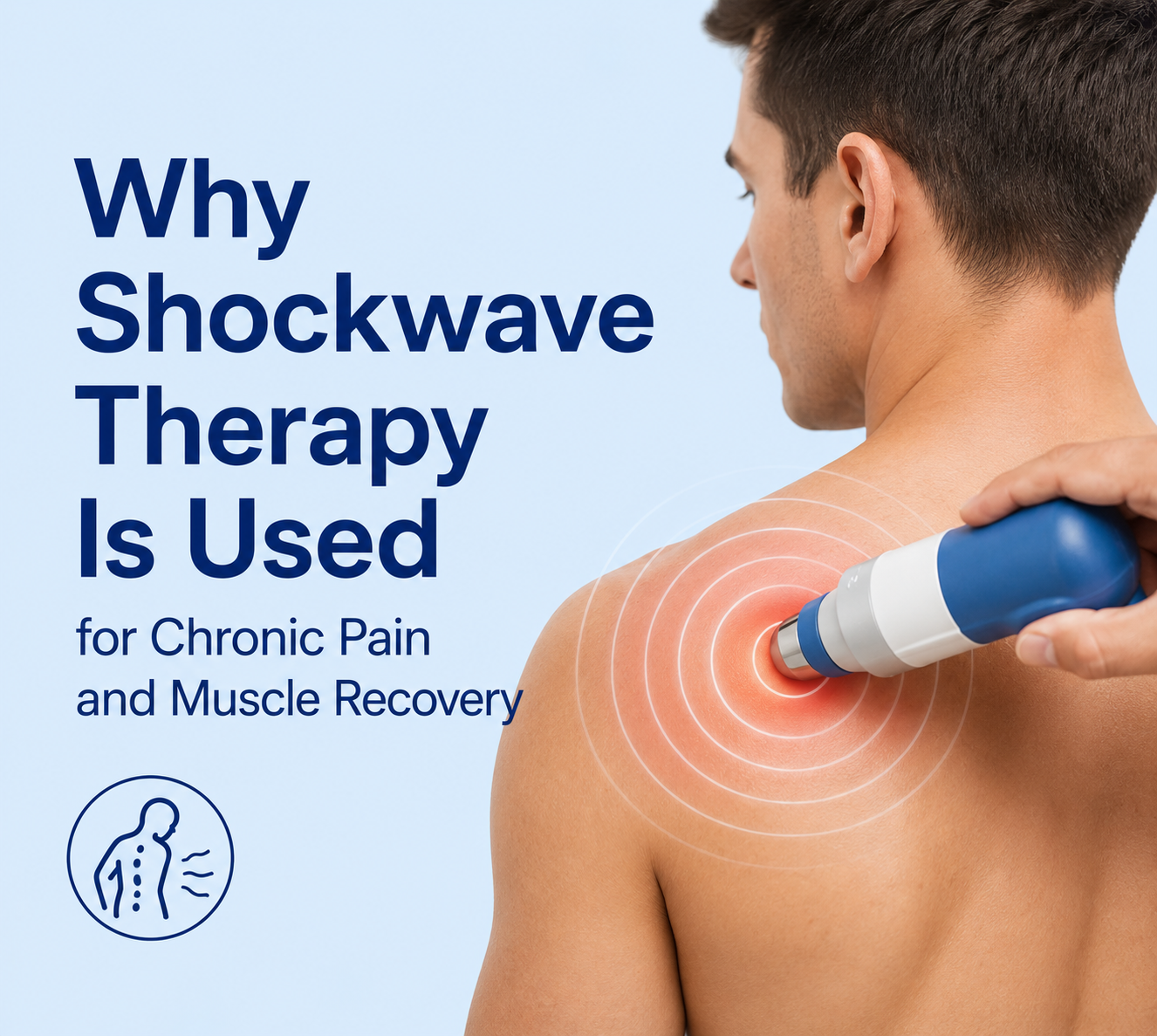
1. Pourquoi la douleur chronique persiste-t-elle souvent ?
De nombreuses douleurs chroniques impliquent plus qu'une simple inflammation passagère. Avec le temps, une circulation sanguine restreinte, une tension tissulaire accrue et une accumulation de calcium peuvent perturber le processus de guérison normal.
1.1 Diminution du flux sanguin et stress tissulaire
Lorsque les muscles ou les tissus conjonctifs restent soumis à un stress prolongé, la circulation sanguine peut diminuer dans la zone touchée. Cette réduction de l'apport sanguin peut limiter l'oxygénation des tissus et ralentir leur récupération.
1.2 Dépôts de calcium et rigidité des tissus
Certaines affections chroniques sont associées à une accumulation de calcium dans les tissus mous. Ces dépôts peuvent contribuer à :
- Mouvement restreint
- Rigidité accrue
- Inconfort persistant pendant l'activité
2. Quels sont les effets de la thérapie par ondes de choc sur le corps ?
La thérapie par ondes de choc utilise des ondes de pression acoustiques qui traversent la peau et pénètrent dans les couches tissulaires plus profondes. Ces ondes sont générées par de l'air comprimé et transmises à l'applicateur de traitement.
2.1 Transfert d'énergie mécanique
Le système génère des impulsions contrôlées qui se propagent de l'applicateur au tissu ciblé. L'énergie pouvant pénétrer à plusieurs centimètres sous la peau, elle peut avoir un effet sur :
- Muscles
- Tendons
- Fascia
- structures du tissu conjonctif
2.2 Différentes zones énergétiques au sein du tissu
L'énergie des ondes de choc n'est pas répartie uniformément. Les zones à haute énergie stimulent les tissus profonds, tandis que les zones environnantes à plus faible énergie peuvent favoriser :
- Amélioration de la circulation
- Tension réduite
- Réponses de soulagement de la douleur dans les zones tissulaires voisines
3. Pourquoi la thérapie par ondes de choc est-elle utilisée pour soulager la douleur ?
L'une des principales raisons de la large utilisation de la thérapie par ondes de choc est son approche non invasive de la gestion de la douleur chronique.
3.1 Stimulation de la circulation locale
Les ondes de choc peuvent contribuer à améliorer la circulation sanguine dans les zones traitées. Une meilleure circulation peut favoriser :
- apport d'oxygène
- Transport des nutriments
- Élimination des déchets métaboliques
Une meilleure circulation sanguine est importante pour la récupération des tissus et la fonction musculaire.
3.2 Soutien à la régénération tissulaire
La stimulation mécanique induite par l'énergie des ondes de choc peut stimuler l'activité tissulaire dans les zones soumises à un stress chronique. Ce procédé est souvent utilisé pour favoriser la cicatrisation des tissus mous à guérison lente.

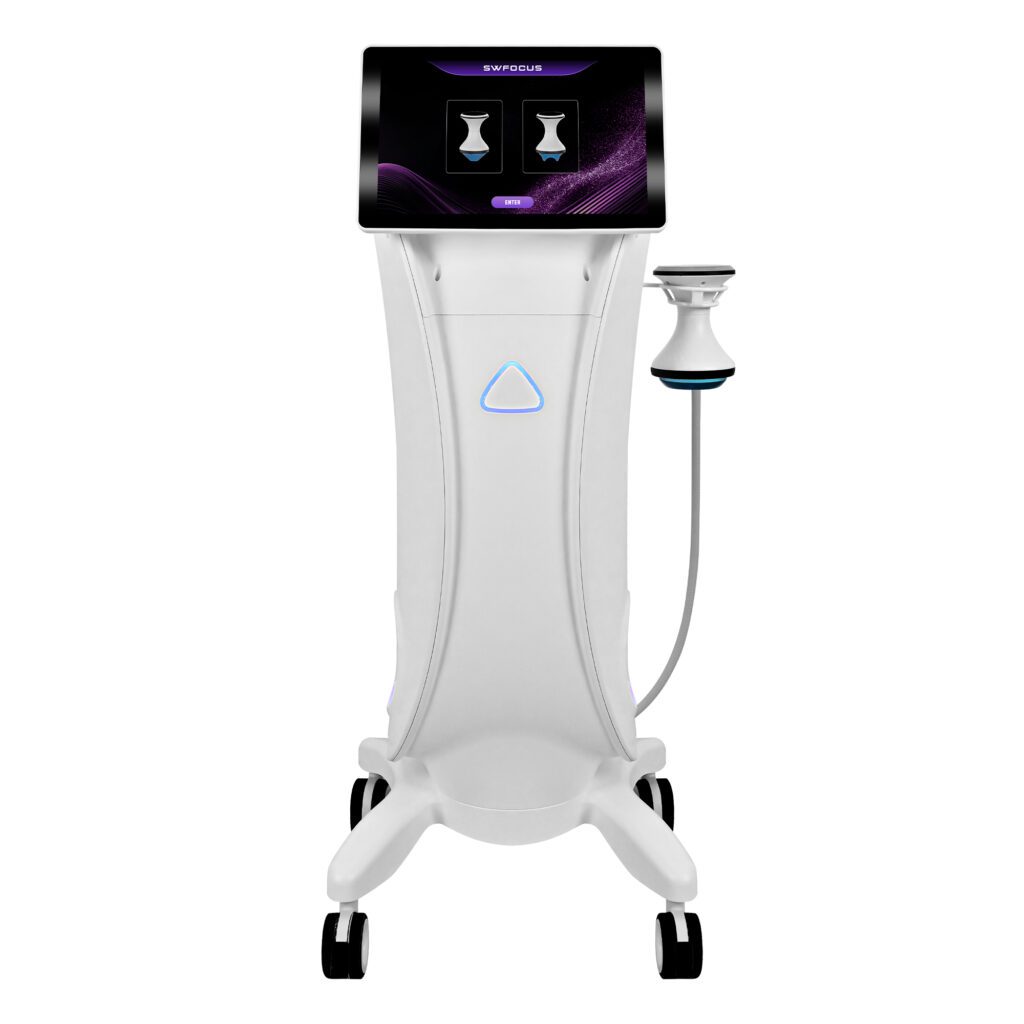
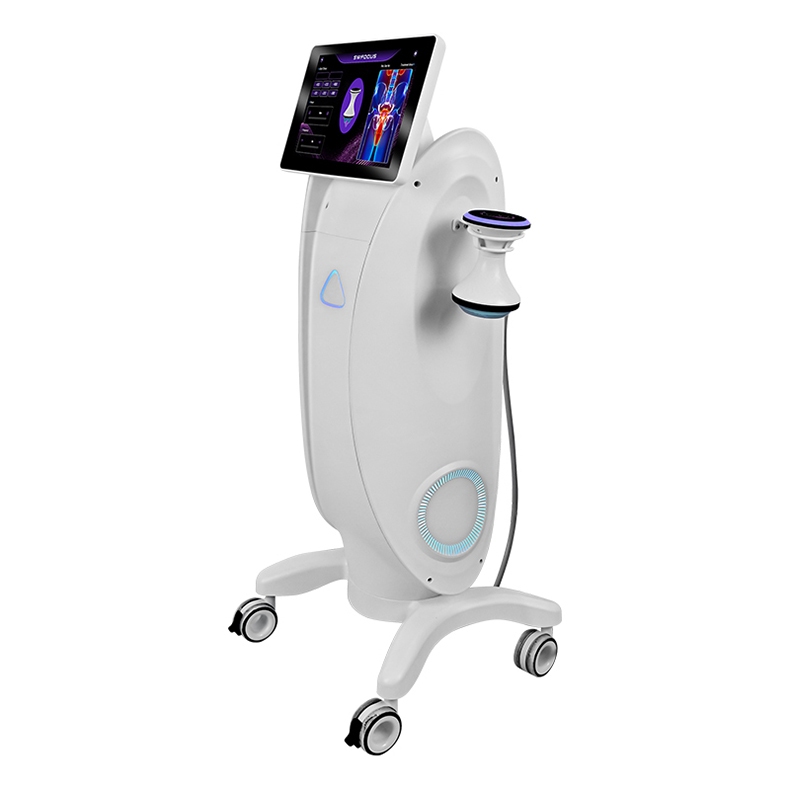
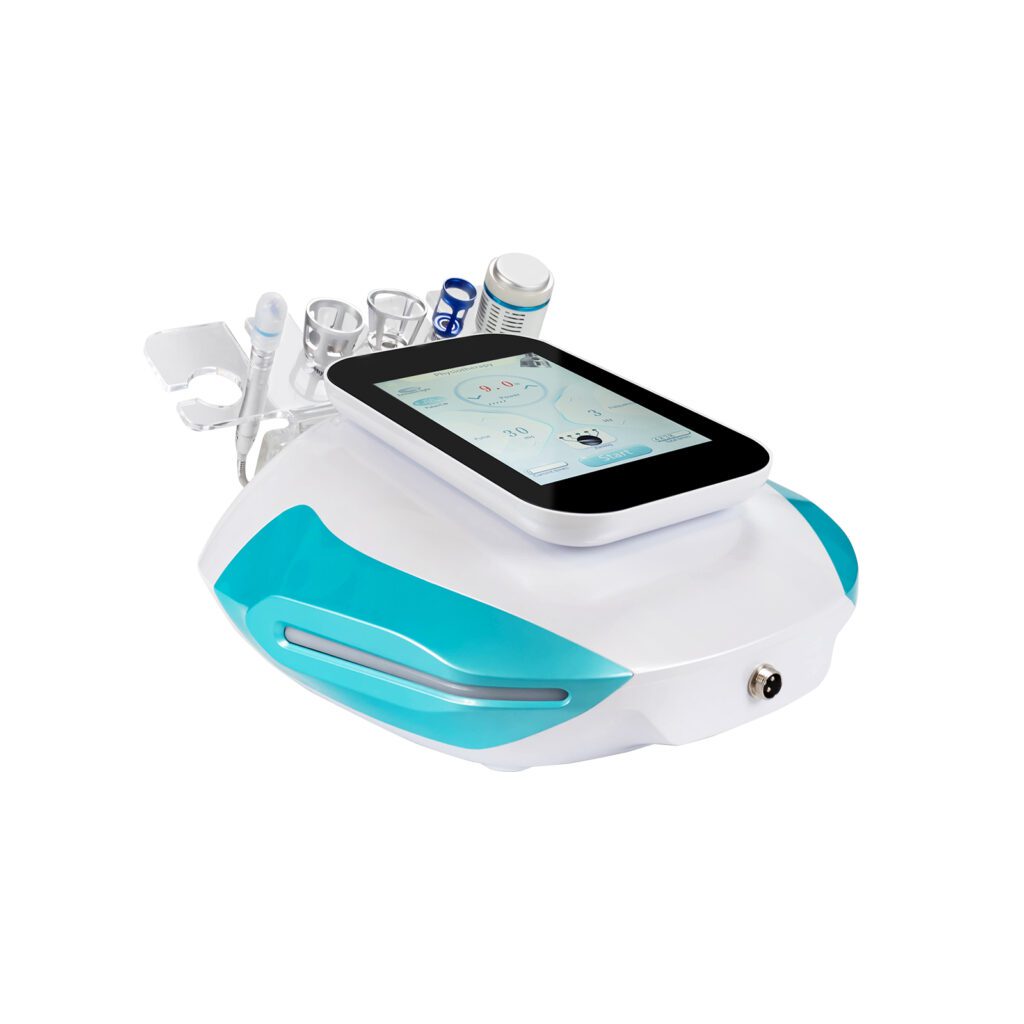
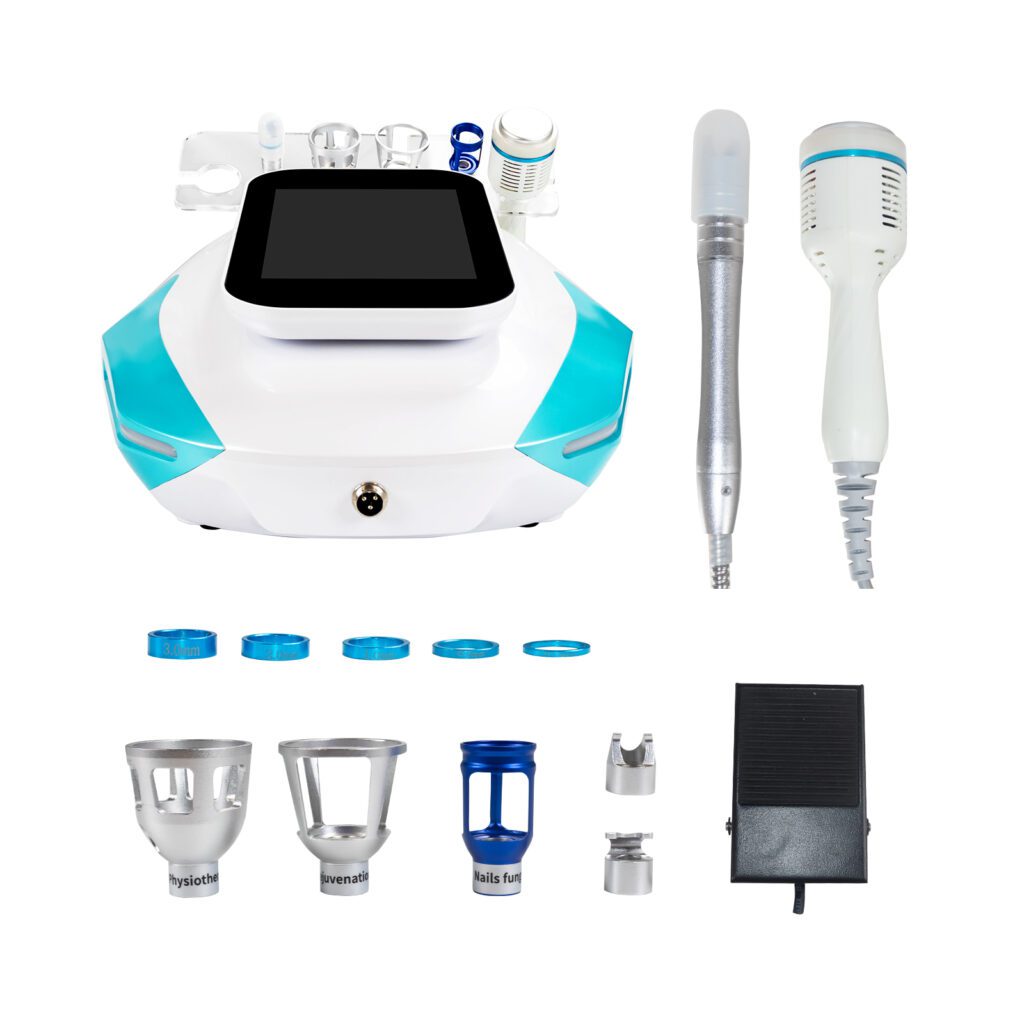
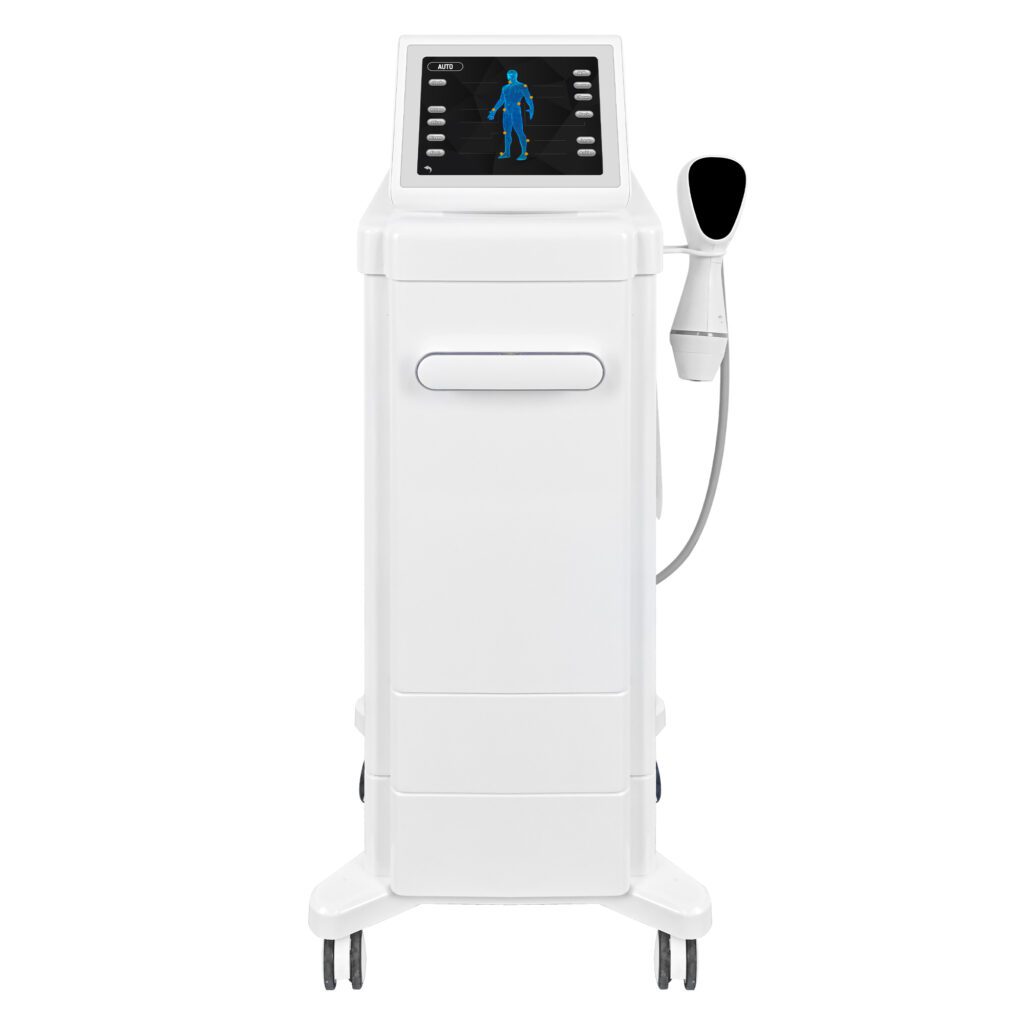
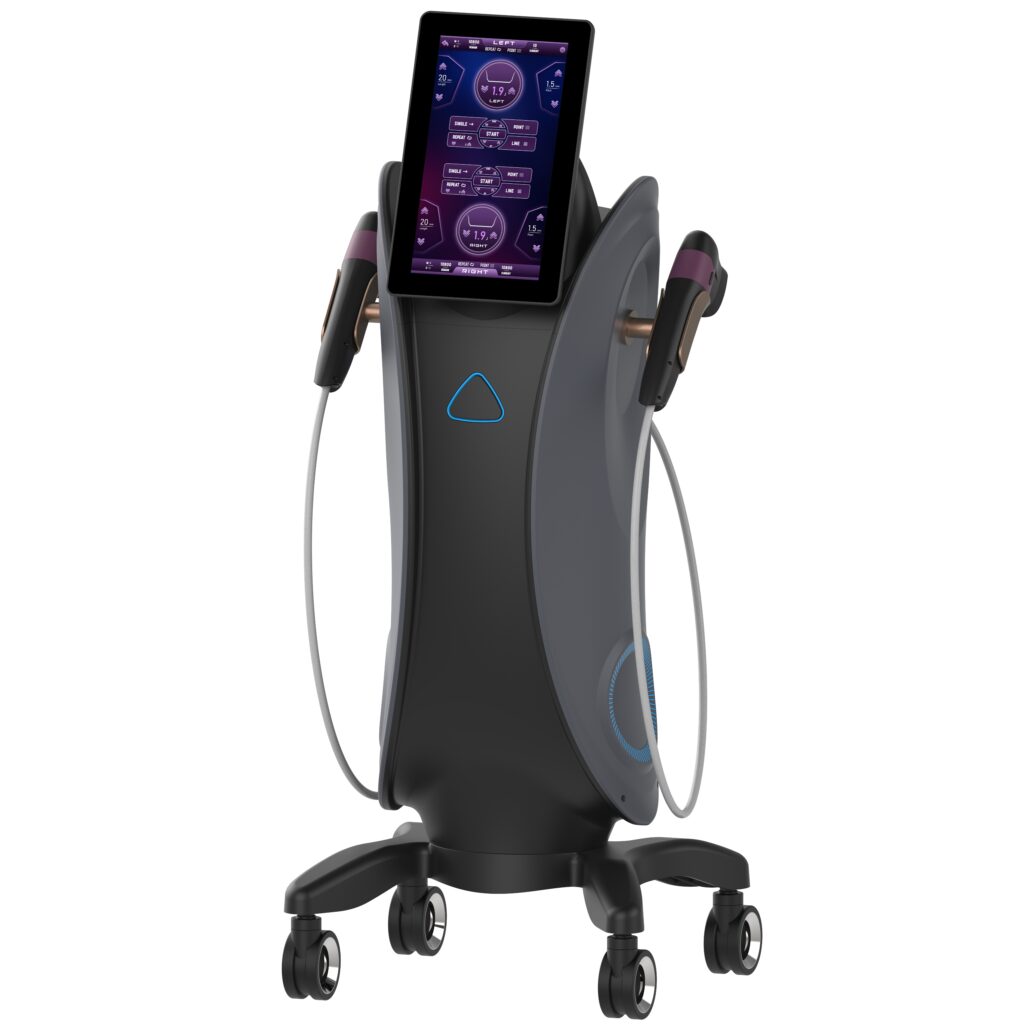
appareil de thérapie par ondes de choc SW12
4. Pourquoi la thérapie par ondes de choc est-elle populaire dans la récupération sportive ?
Les athlètes et les personnes actives ont fréquemment recours aux traitements par ondes de choc dans le cadre de leurs programmes de récupération et de réadaptation.
4.1 Récupération musculaire et flexibilité
La thérapie par ondes de choc peut contribuer à réduire les tensions musculaires et à améliorer la mobilité des tissus. Elle peut notamment favoriser :
- Meilleure amplitude de mouvement
- Réduction des courbatures après l'effort
- Amélioration de la relaxation musculaire
4.2 Assistance en cas de surutilisation
Les mouvements répétitifs et les contraintes physiques peuvent mettre à rude épreuve les tendons et les tissus conjonctifs. La thérapie par ondes de choc est souvent utilisée en rééducation pour les zones affectées par une surutilisation prolongée.
5. Le rôle de la chaleur et de la fréquence dans le traitement
Les systèmes modernes associent la diffusion d'ondes acoustiques à des fréquences de traitement réglables et à des effets thermiques.
5.1 Réglages de fréquence contrôlée
Les appareils à ondes de choc peuvent fonctionner sur une gamme de fréquences en fonction des objectifs du traitement. Des fréquences d'impulsion plus ou moins élevées peuvent influencer l'intensité et la profondeur de la stimulation tissulaire.
5.2 Réponse thermique des tissus
Lorsque l'énergie pénètre dans les couches plus profondes, la température des tissus peut augmenter temporairement. Un chauffage contrôlé peut aider :
- Détendez les muscles tendus
- Améliorer la circulation locale
- Améliorer la flexibilité des tissus pendant le traitement
6. Pourquoi certains traitements ciblent également le remodelage corporel
Outre la rééducation et le soulagement de la douleur, la thérapie par ondes de choc est parfois utilisée dans les traitements esthétiques corporels.
6.1 Circulation et stimulation cutanée
L'amélioration de la circulation sanguine et lymphatique peut contribuer à une apparence plus lisse de la peau et à une réduction temporaire de la rétention d'eau.
6.2 Stimulation mécanique et activité tissulaire
L'énergie mécanique pulsée peut également stimuler l'activité des tissus conjonctifs, ce qui explique pourquoi certains systèmes sont inclus dans des programmes de remodelage corporel ou de réduction de la cellulite.

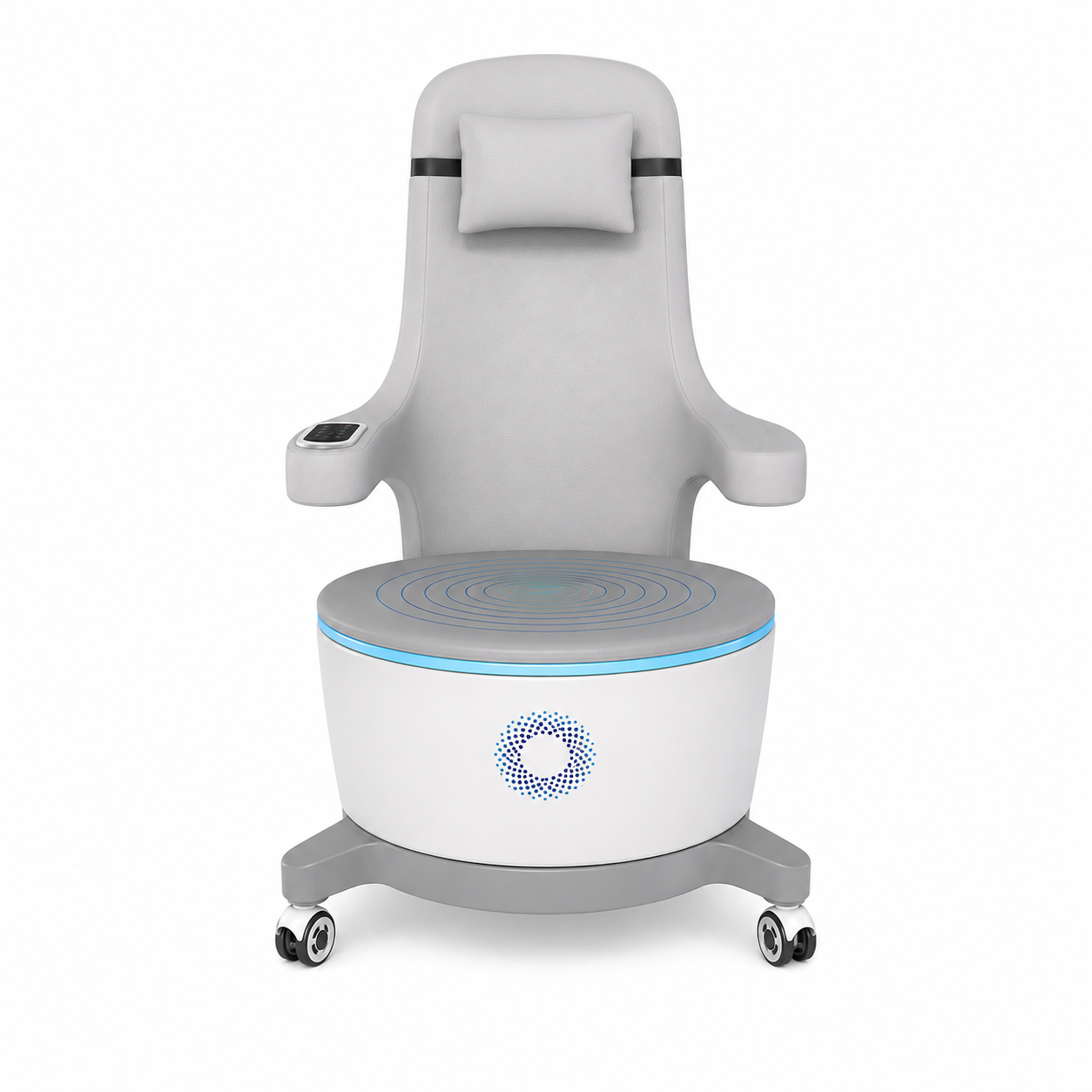
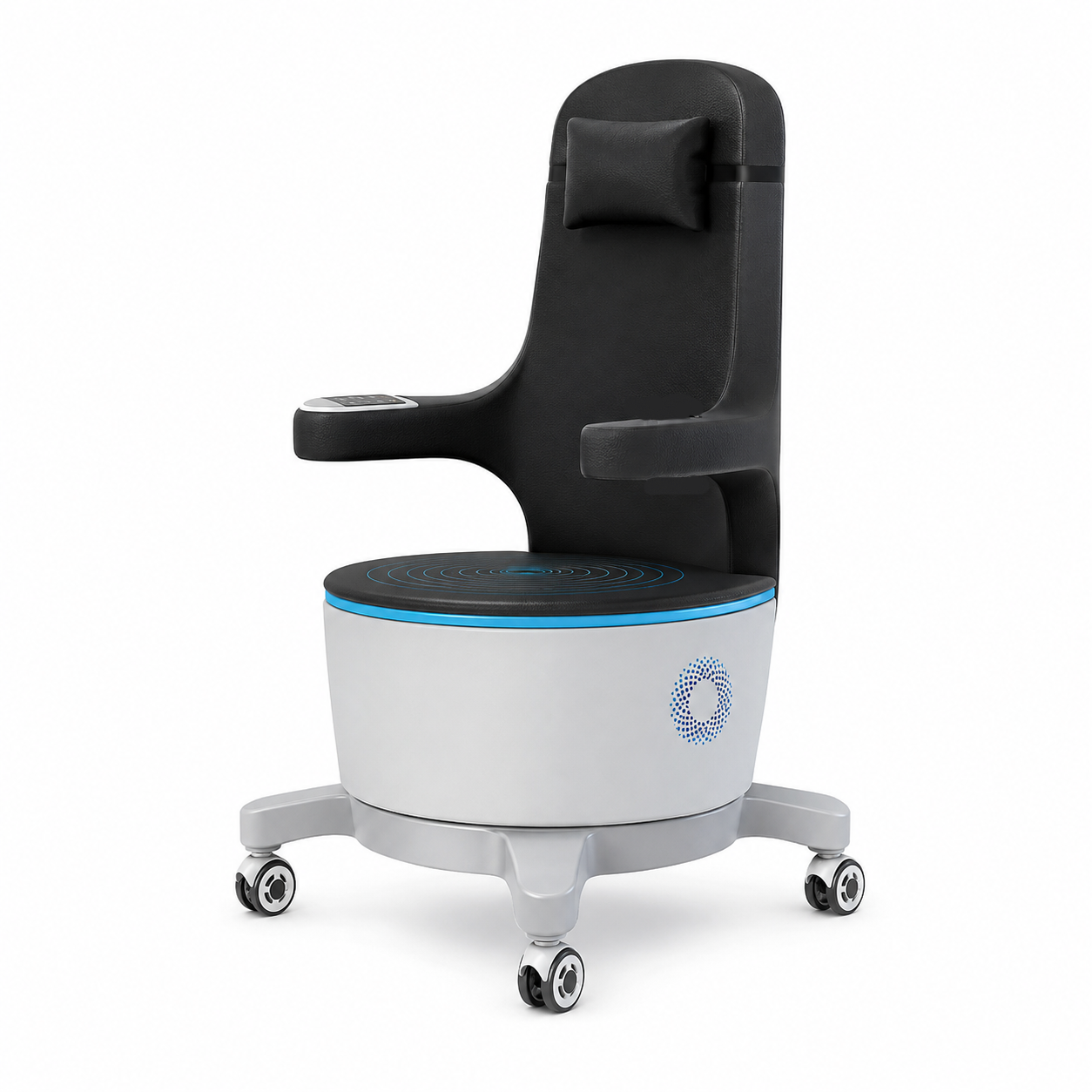
appareil de thérapie par ondes de choc SW12
7. Zones de traitement fréquemment ciblées
La thérapie par ondes de choc est couramment utilisée sur les zones affectées par des tensions chroniques ou des contraintes répétitives.
7.1 Zones musculo-squelettiques
- Épaules et haut du dos
- Lombes
- Cuisses et mollets
- Bras et coudes
7.2 Espaces esthétiques et de bien-être
Certains traitements peuvent également se concentrer sur :
- Abdomen
- Cuisses
- Fesses
- Zones présentant de la cellulite visible ou une mauvaise circulation sanguine
8. Déroulement d'une séance de traitement
La thérapie par ondes de choc est non chirurgicale, mais les sensations ressenties pendant le traitement peuvent varier en fonction du niveau d'énergie et de la zone traitée.
8.1 Sensations courantes pendant le traitement
Les utilisateurs peuvent ressentir :
- Tapotements ou pulsations répétitifs
- Sensation de vibration profonde
- Légère sensation de chaleur dans les zones traitées
- Sensibilité temporaire au niveau des zones de tissus tendus
8.2 Effets temporaires après le traitement
Les effets secondaires légers à court terme peuvent inclure :
- Rougeur
- Douleurs temporaires
- Léger gonflement des zones sensibles
Ces réactions sont généralement temporaires et liées à une augmentation de l'activité tissulaire.
9. Pourquoi les modes réglables améliorent la flexibilité
Les systèmes à ondes de choc modernes comprennent souvent des modes manuels et automatiques pour s'adapter aux différents styles de traitement.
9.1 Avantages du mode manuel
Le réglage manuel permet un traitement plus ciblé pour des zones tissulaires et des niveaux de sensibilité spécifiques.
9.2 Avantages du mode automatique
Les programmes automatiques peuvent fournir des schémas d'impulsions plus réguliers pour les zones de traitement plus étendues ou les séances de thérapie de routine.
Conclusion
thérapie par ondes de choc Les ondes de choc sont de plus en plus utilisées pour soulager la douleur chronique, favoriser la récupération sportive et proposer des soins de bien-être non invasifs, car elles ciblent les structures tissulaires profondes grâce à la stimulation par ondes acoustiques. En améliorant la circulation, en stimulant l'activité tissulaire et en contribuant à réduire la tension musculaire, les traitements par ondes de choc peuvent soulager les douleurs persistantes et faciliter la récupération, contrairement aux traitements superficiels. Bien que les résultats varient selon les individus et la régularité des séances, les systèmes modernes d'ondes de choc constituent une option non chirurgicale polyvalente, aussi bien pour la rééducation que pour des applications esthétiques.