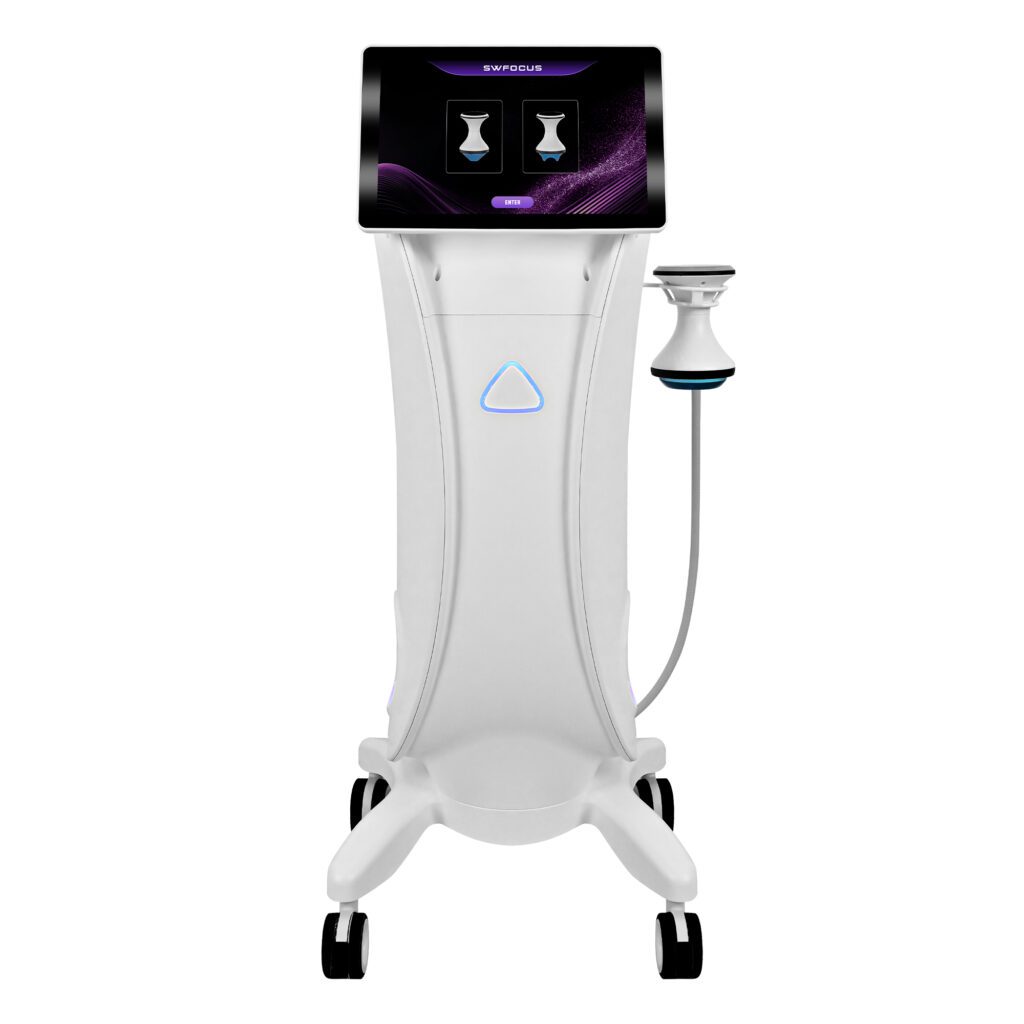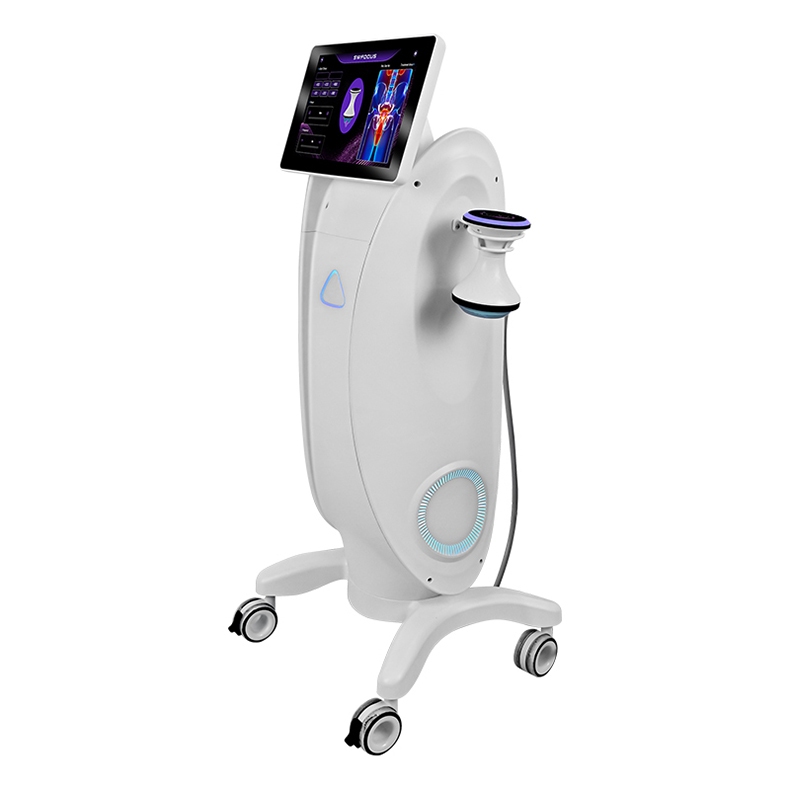










Aparelhos de beleza antienvelhecimento para clínicas
Introdução à Tecnologia Clínica Antienvelhecimento
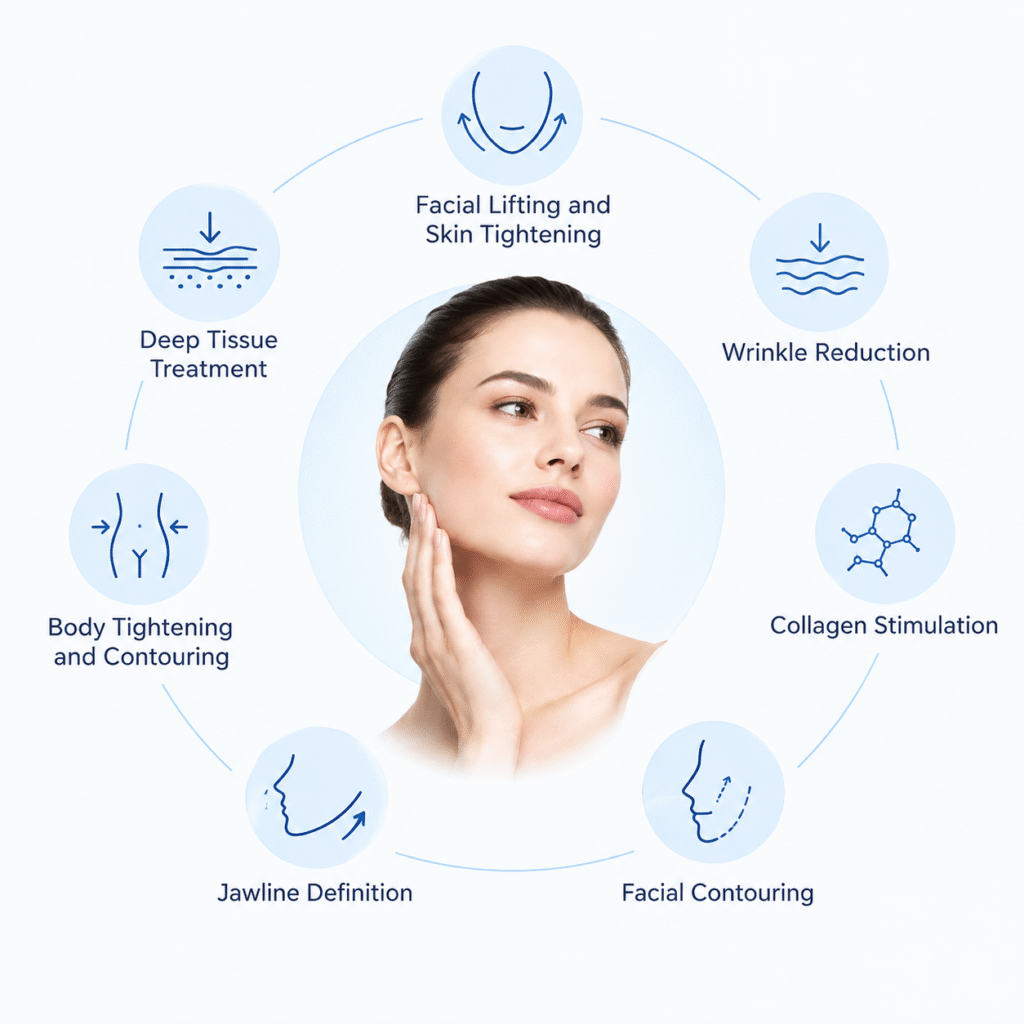
Os tratamentos antienvelhecimento em clínicas modernas não se limitam mais a cremes, tratamentos faciais ou liftings cirúrgicos. A indústria estética atual é impulsionada por tecnologias avançadas. dispositivos de beleza baseados em energia que proporcionam resultados visíveis sem bisturis ou longos períodos de recuperação. Clínicas em todo o mundo estão investindo fortemente nessas tecnologias porque os clientes desejam cada vez mais tratamentos rápidos, eficazes e minimamente invasivos.
A maior mudança no mundo da estética é o afastamento dos procedimentos cirúrgicos em direção a práticas mais naturais. sistemas não invasivos de rejuvenescimento da pele. Dispositivos que utilizam ultrassom, radiofrequência, lasers e tecnologias baseadas em luz são hoje a base da maioria dos centros de estética médica e clínicas dermatológicas. Até mesmo problemas complexos como rugas, flacidez da pele e cicatrizes de acne são agora tratados com energia controlada com precisão, em vez de cirurgia.
Essa transformação não se trata apenas de conveniência, mas sim de resultados. Os dispositivos modernos são projetados para estimular os sistemas naturais de reparação da pele, especialmente a produção de colágeno e elastina, que são os verdadeiros alicerces de uma pele jovem.
Como funcionam os aparelhos de beleza antienvelhecimento
No cerne de todos os dispositivos de beleza antienvelhecimento está um princípio biológico simples: Lesões controladas na pele levam à regeneração.. Quando a pele é exposta a calor preciso, ultrassom ou energia luminosa, ela responde ativando mecanismos de cicatrização que reconstroem as redes de colágeno.
O colágeno funciona como a estrutura de sustentação da pele. Com o passar dos anos, essa estrutura enfraquece, causando rugas, flacidez e perda de firmeza. Os dispositivos clínicos visam reconstruir esse sistema de suporte a partir do interior.
A maioria dos aparelhos profissionais funciona atingindo diferentes camadas da pele:
- O epiderme (camada superficial) para pigmentação e textura
- O derme para a produção de colágeno e elasticidade
- O Camada SMAS (tecido profundo) para lifting e firmeza
Dispositivos como o HIFU conseguem atingir camadas estruturais profundas, enquanto a radiofrequência e os lasers focam mais na remodelação dérmica. A combinação dessas tecnologias é o que torna os tratamentos antienvelhecimento modernos tão eficazes em ambientes clínicos.
Ultrassom Focalizado de Alta Intensidade (HIFU)
O HIFU é uma das tecnologias de lifting não invasivas mais poderosas utilizadas em clínicas atualmente. Ele utiliza energia ultrassônica focalizada para aquecer camadas específicas abaixo da pele sem danificar a superfície.
Essa energia controlada causa contração imediata do tecido e desencadeia a regeneração do colágeno a longo prazo. Com o tempo, os pacientes percebem uma pele mais firme, contorno facial mais definido e redução da flacidez.
O HIFU atinge as camadas dérmicas profundas para estimular a remodelação do colágeno e o tensionamento dos tecidos.
Aplicações clínicas populares
O HIFU é amplamente utilizado para:
- Lifting e contorno facial
- Rejuvenescimento da linha da mandíbula e papada
- Firmeza do pescoço
- Lifting de sobrancelhas não cirúrgico
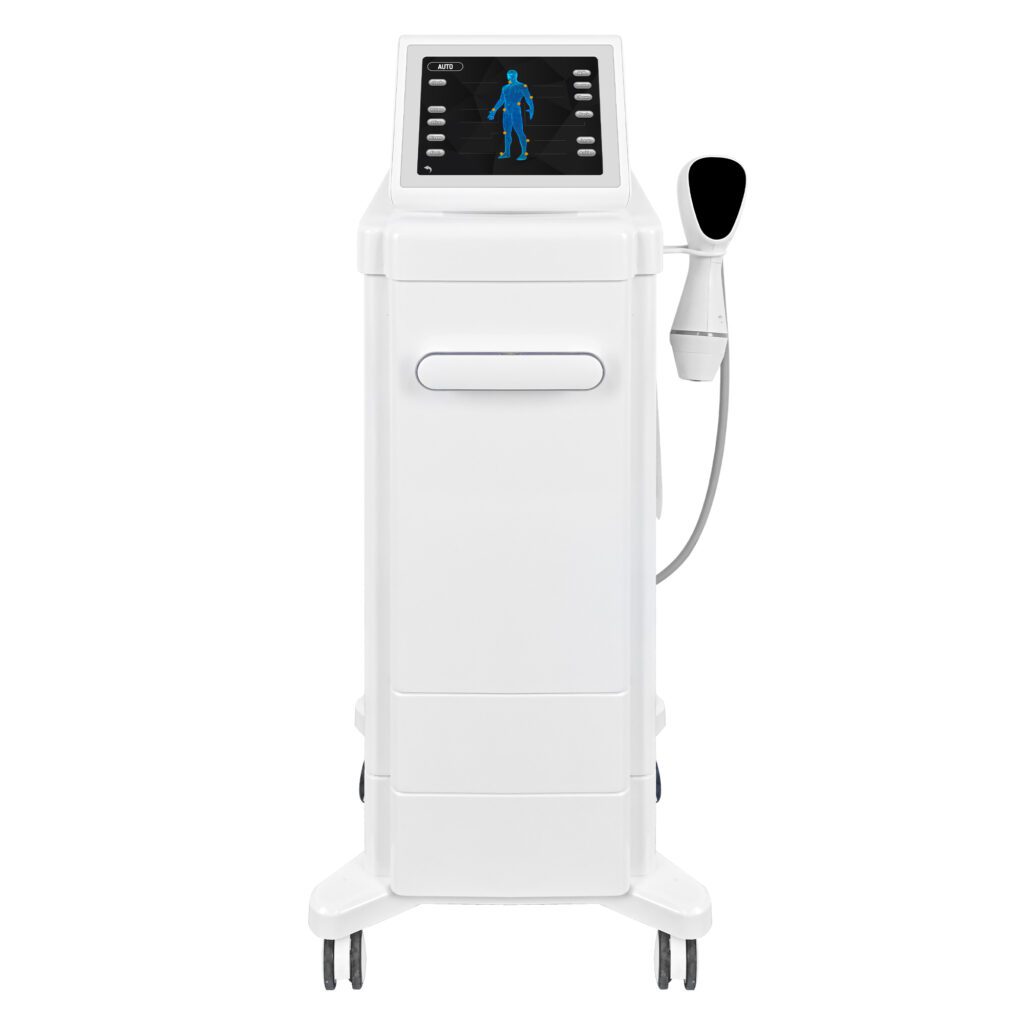
Os dispositivos modernos combinam até mesmo HIFU com tecnologias de radiofrequência (RF) ou eletroestimulação muscular (EMS), criando sistemas de tratamento multicamadas que atuam simultaneamente na redução de gordura e no rejuvenescimento da pele. Algumas máquinas avançadas integram múltiplas sondas e configurações de profundidade para planos de tratamento personalizados, adaptados à estrutura facial de cada paciente.
Dispositivos de radiofrequência (RF) para firmeza da pele
A tecnologia de radiofrequência é outro pilar fundamental das clínicas antienvelhecimento. Ao contrário do ultrassom, a radiofrequência utiliza energia elétrica para gerar calor controlado na derme. Esse calor contrai as fibras de colágeno existentes e, com o tempo, estimula a produção de novo colágeno.
Os tratamentos com radiofrequência são conhecidos por serem confortáveis, versáteis e adequados para uma ampla gama de tipos de pele.
Sistemas de RF monopolares versus bipolares
- Radiofrequência monopolar: Penetra nas camadas mais profundas da pele, ideal para firmar a pele e modelar o corpo.
- RF bipolar: Atua em profundidades menores, sendo mais adequado para o rejuvenescimento da superfície e melhoria da textura.
As clínicas costumam usar ambos os tipos, dependendo dos objetivos do tratamento.
A energia de radiofrequência induz o aquecimento dérmico, levando à desnaturação do colágeno e à neocolagênese.
Segurança e Profundidade do Tratamento
Os dispositivos de radiofrequência são geralmente considerados seguros quando usados corretamente, mas discussões clínicas recentes enfatizam a importância de operadores treinados. O uso inadequado pode causar queimaduras ou resultados irregulares, razão pela qual a certificação profissional é essencial em ambientes de estética médica.
Tecnologia de microagulhamento por radiofrequência
A microagulhamento por radiofrequência combina duas técnicas poderosas: microlesões mecânicas e energia térmica de radiofrequência. Agulhas minúsculas penetram na pele enquanto liberam energia de radiofrequência diretamente nas camadas dérmicas mais profundas.
Essa dupla ação potencializa drasticamente a remodelação do colágeno, tornando-a um dos tratamentos mais eficazes para cicatrizes de acne, rugas e flacidez da pele.
Como as microagulhas aumentam a produção de colágeno
As microlesões controladas desencadeiam o processo natural de reparação da pele, enquanto o calor da radiofrequência amplifica a contração e a regeneração do tecido. Essa combinação resulta em efeitos mais rápidos e visíveis em comparação com a microagulhamento tradicional.
Microagulhamento por radiofrequência = Microlesão mecânica + Estimulação térmica por radiofrequência
Riscos e benefícios no uso clínico
Embora altamente eficaz, o microagulhamento por radiofrequência deve ser realizado com cuidado. Relatórios na área da estética destacam riscos como queimaduras ou perda de gordura se aplicado incorretamente. No entanto, quando realizado por profissionais treinados, continua sendo um dos tratamentos antienvelhecimento mais confiáveis em clínicas.
Sistemas antienvelhecimento baseados em laser
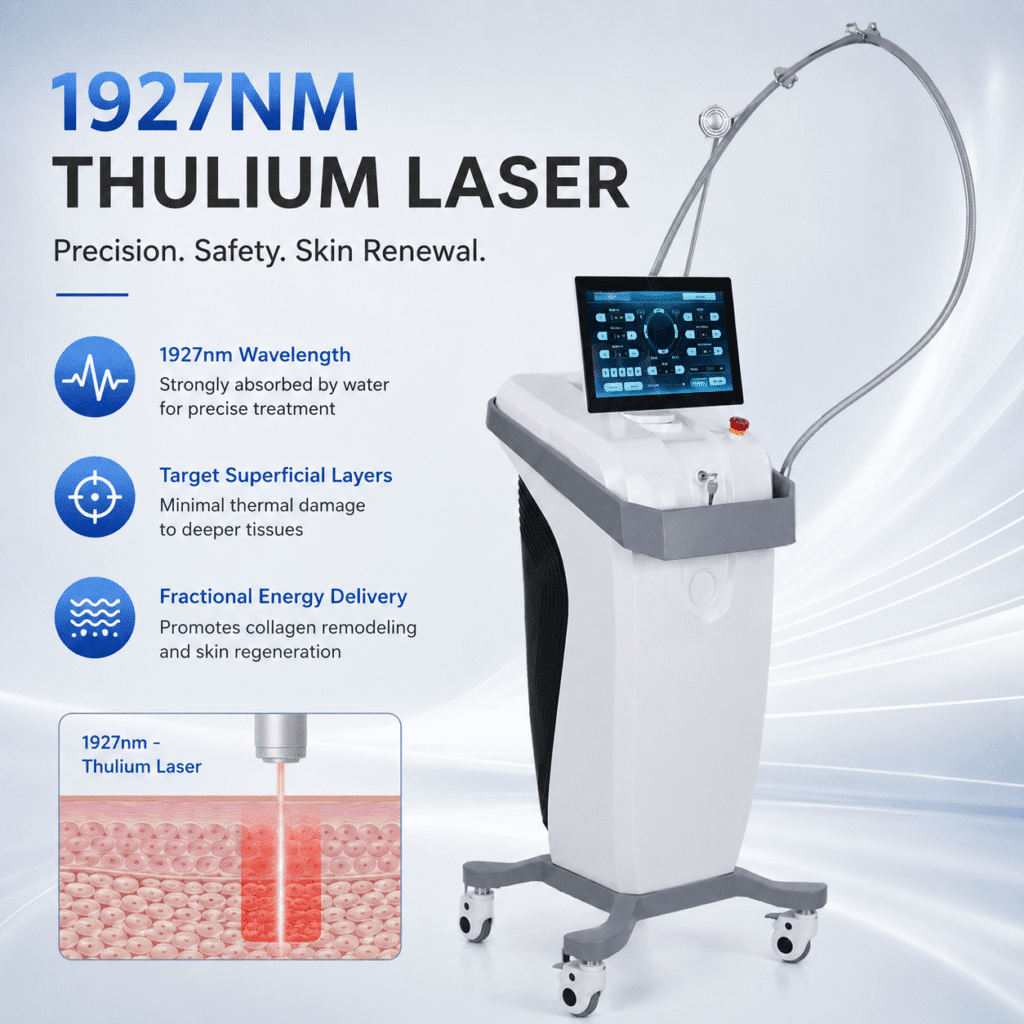
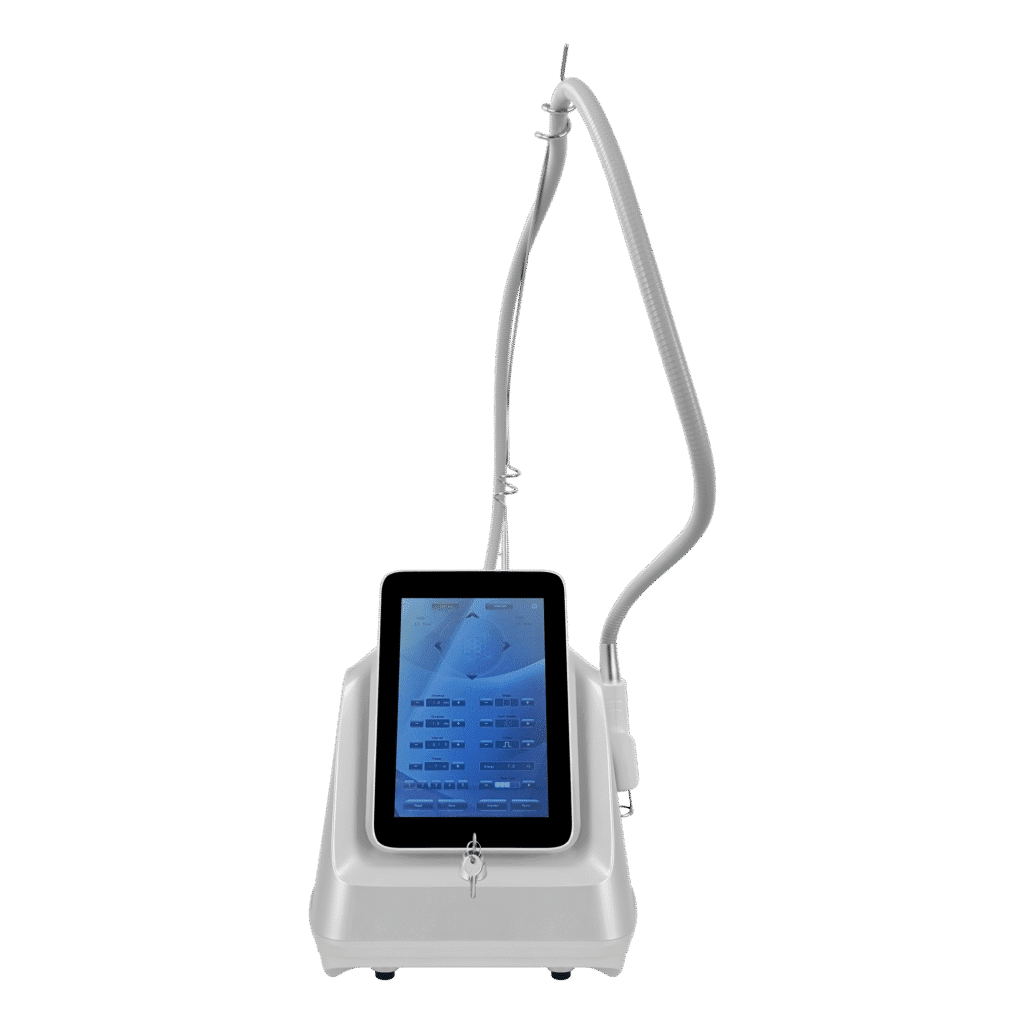
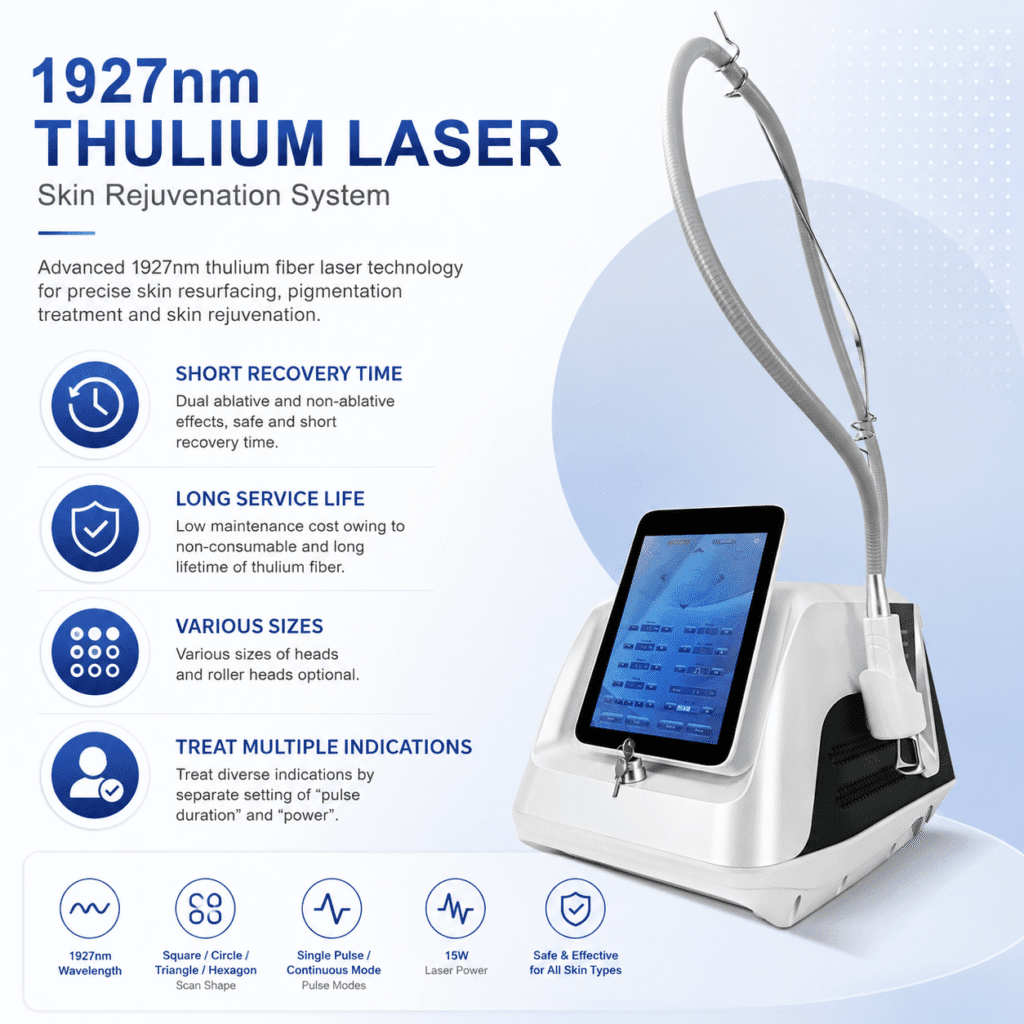
Os dispositivos a laser são amplamente utilizados em clínicas de dermatologia para o rejuvenescimento e revitalização da pele. Os lasers fracionados criam microlesões na pele, promovendo uma cicatrização rápida e a remodelação do colágeno.
Esses sistemas são particularmente eficazes para:
- Linhas finas e rugas
- Cicatrizes de acne
- Danos causados pelo sol e pigmentação
O tempo de recuperação varia dependendo da intensidade do laser. Alguns tratamentos permitem que os pacientes retornem às atividades diárias em poucos dias, enquanto lasers de resurfacing mais agressivos exigem um período de cicatrização mais longo.
Relatórios clínicos recentes destacam que lasers avançados, como os sistemas fracionados, podem proporcionar uma melhora significativa na textura da pele após apenas uma sessão, embora os resultados completos se desenvolvam ao longo de várias semanas, à medida que o colágeno se reconstrói.
Dispositivos IPL (Luz Intensa Pulsada)
A tecnologia IPL difere dos lasers porque utiliza luz de amplo espectro em vez de um único comprimento de onda. Isso a torna altamente versátil para o tratamento de pigmentação, vermelhidão e sinais precoces de envelhecimento.
As clínicas utilizam IPL para:
- Correção de manchas solares e pigmentação
- Vermelhidão e problemas vasculares
- Clareamento geral da pele
Embora a Luz Pulsada Intensa (IPL) seja menos agressiva que os lasers, ela é frequentemente usada como tratamento de manutenção para manter a pele com aparência jovem e uniforme.
Dispositivos Combinados Multifuncionais
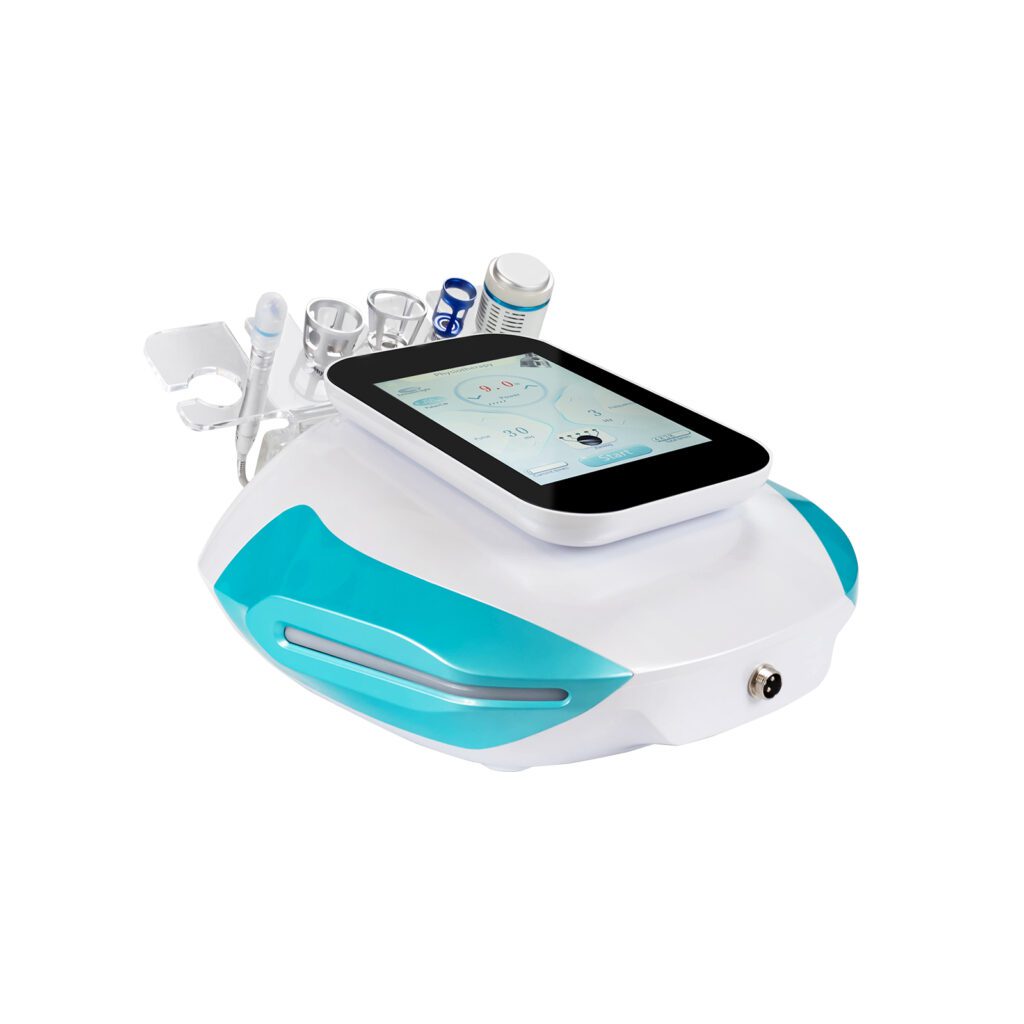
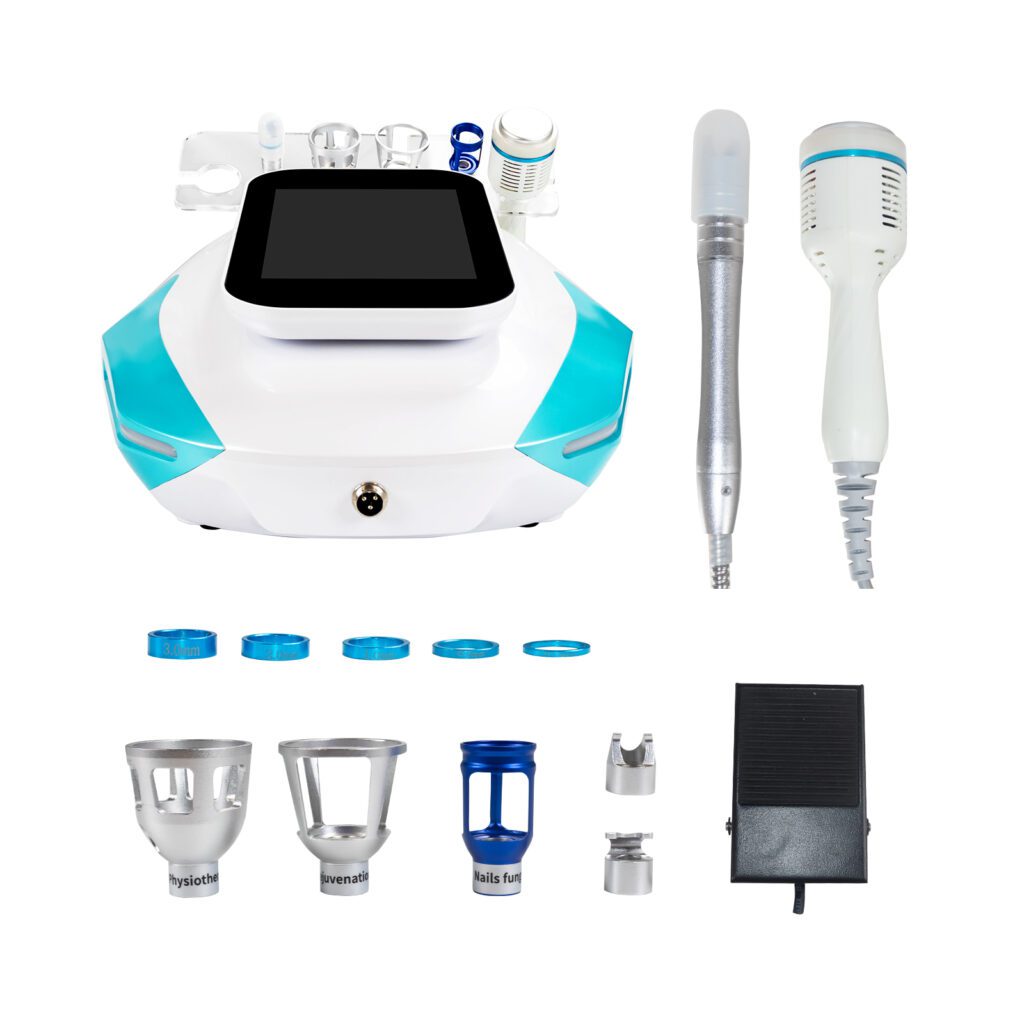
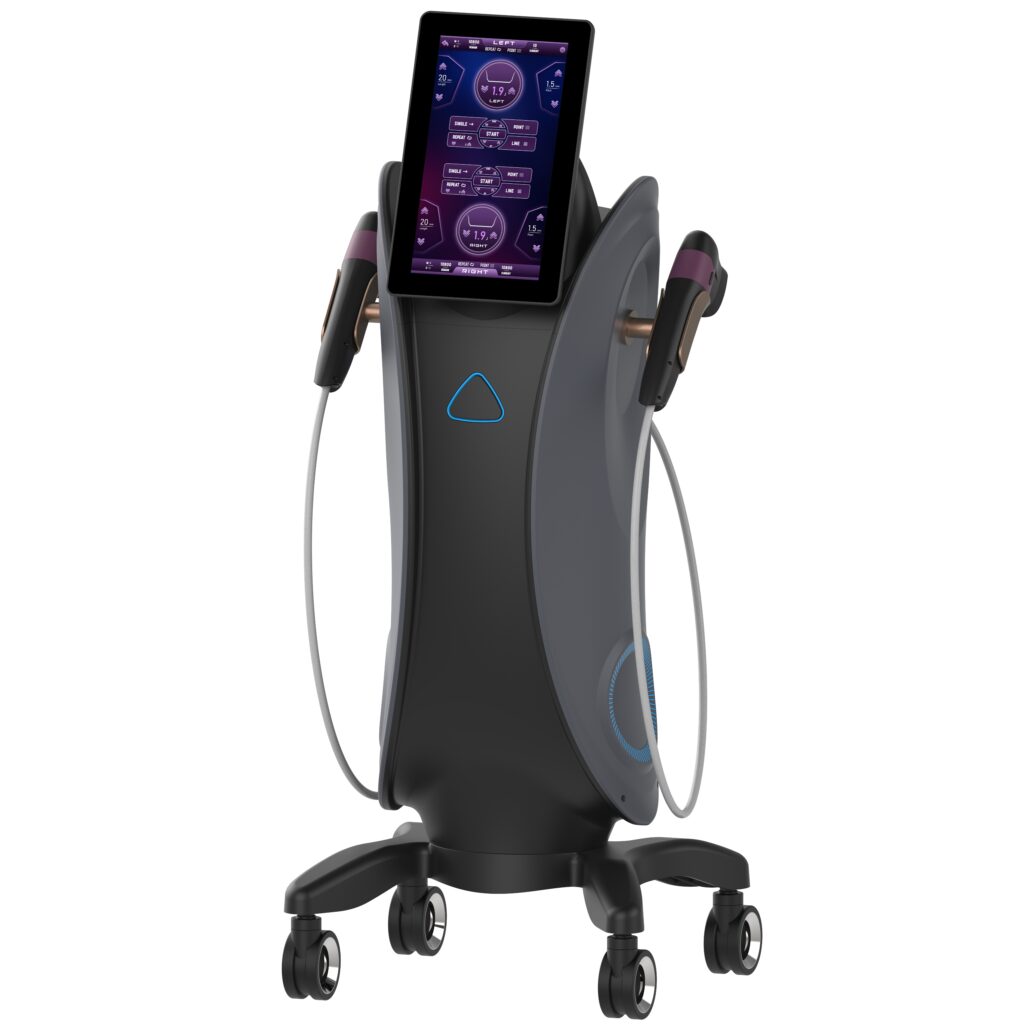
Uma das tendências mais fortes nas clínicas de estética é o aumento de plataformas multitecnológicas. Esses dispositivos combinam HIFU, radiofrequência, microagulhamento e sistemas de resfriamento em uma única máquina.
Sistemas modernos, como dispositivos estéticos multiplataforma, podem proporcionar o rejuvenescimento facial completo em uma única sessão de tratamento, atingindo várias camadas da pele simultaneamente.
Morpheus8 Pro Max - Dispositivo de beleza multifuncional 4 em 1 É um exemplo de como as clínicas estão adotando sistemas integrados para maior eficiência e capacidade de tratamento.
Por que as clínicas preferem sistemas multitecnológicos?
- Redução dos custos de equipamentos
- Ampla oferta de tratamentos
- Maior satisfação do paciente
- Retorno sobre o investimento mais rápido para proprietários de clínicas
Esses sistemas são particularmente populares em clínicas de estética médica que buscam expandir seus serviços sem investir em várias máquinas independentes.
Considerações de segurança em dispositivos clínicos
A segurança é um dos aspectos mais importantes da utilização de dispositivos antienvelhecimento em clínicas. Embora essas tecnologias sejam altamente eficazes, exigem treinamento adequado e experiência clínica.
As principais considerações de segurança incluem:
- Certificação de operador
- Calibração e manutenção de dispositivos
- Avaliação do tipo de pele do paciente
- Seleção adequada do nível de energia
Discussões clínicas recentes enfatizam que o uso inadequado — especialmente com microagulhamento por radiofrequência — pode levar a complicações como queimaduras ou danos aos tecidos. Isso torna o treinamento profissional essencial para todos os profissionais da área estética.
Como escolher o dispositivo certo para uma clínica
A escolha do dispositivo antienvelhecimento adequado depende do tamanho da clínica, do orçamento e do público-alvo. Clínicas de alto padrão costumam investir em plataformas multifuncionais, enquanto clínicas menores podem se concentrar em uma ou duas tecnologias principais, como radiofrequência ou HIFU.
Os principais fatores de decisão incluem:
- Demanda por tratamento na sua região
- Versatilidade do dispositivo
- Potencial de retorno do investimento
- Custos de manutenção e consumíveis
Clínicas que oferecem uma combinação de tratamentos de lifting, firmeza e rejuvenescimento geralmente apresentam maior fidelização de clientes e agendamentos recorrentes.
Tendências de mercado em tecnologia estética
O mercado de dispositivos estéticos está evoluindo rapidamente. Uma das maiores tendências é a integração de sistemas de análise de pele com inteligência artificial que ajudam a personalizar tratamentos com base em dados da pele em tempo real.
Outra tendência emergente é o desenvolvimento de sistemas híbridos que combinam ultrassom, radiofrequência e tecnologias de resfriamento para tratamentos mais confortáveis e eficientes.
Com o aumento da demanda por procedimentos não invasivos, as clínicas que investem em tecnologias avançadas e multicamadas estão posicionadas para liderar o mercado.
Conclusão
Os dispositivos de beleza antienvelhecimento transformaram a estética clínica em uma indústria impulsionada pela tecnologia. De HIFU e radiofrequência a lasers e sistemas IPL, cada dispositivo desempenha um papel único no rejuvenescimento da pele. Hoje, as clínicas dependem dessas tecnologias não apenas para aprimoramento estético, mas também para construir confiança e satisfação a longo prazo com seus clientes. À medida que a inovação avança, o futuro dos tratamentos antienvelhecimento se tornará ainda mais preciso, personalizado e eficiente.
Perguntas frequentes
1. Qual é o dispositivo antienvelhecimento mais eficaz para uso em clínicas?
Depende dos objetivos do tratamento, mas o microagulhamento com radiofrequência e o HIFU estão entre os mais eficazes para o rejuvenescimento e lifting da pele.
2. Os dispositivos de beleza antienvelhecimento são seguros?
Sim, quando utilizado por profissionais treinados, seguindo os protocolos e diretrizes de segurança adequados.
3. Quanto tempo duram os resultados dos dispositivos clínicos?
Os resultados podem durar de alguns meses a mais de um ano, dependendo do tipo de tratamento e do estilo de vida do paciente.
4. As clínicas precisam de vários dispositivos?
Muitas clínicas preferem sistemas multifuncionais para oferecer uma gama mais ampla de tratamentos com eficiência.
5. Qual a diferença entre tratamentos a laser e tratamentos de radiofrequência?
Os lasers atuam na pigmentação e no rejuvenescimento da pele, enquanto a radiofrequência (RF) concentra-se no tensionamento e na estimulação do colágeno.