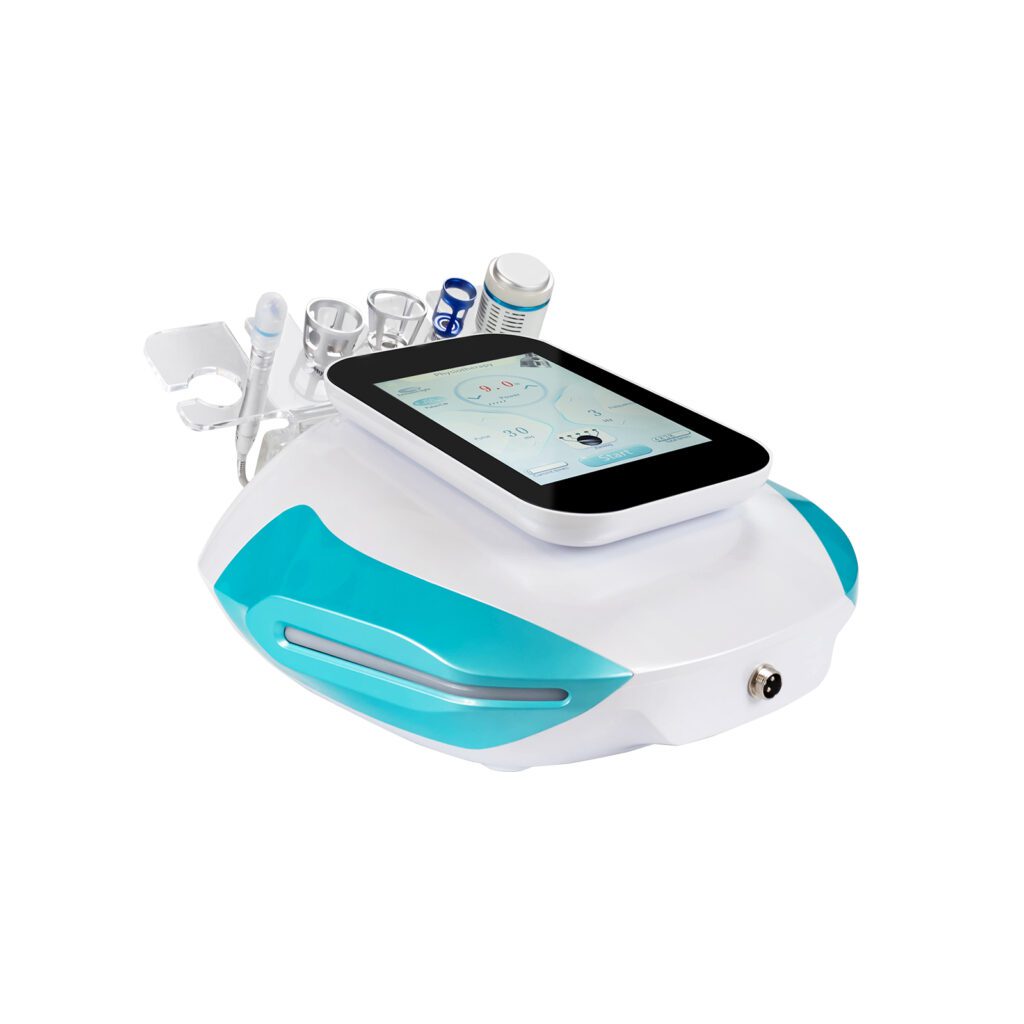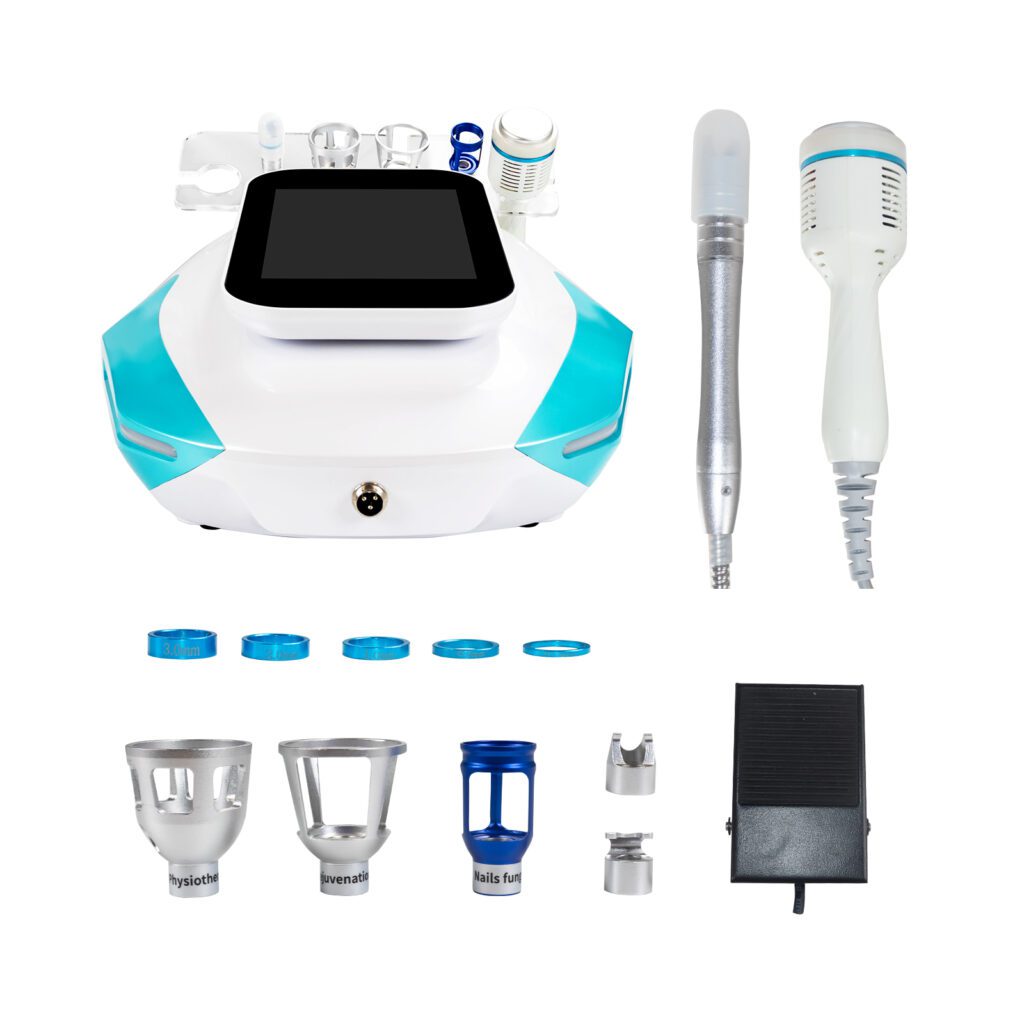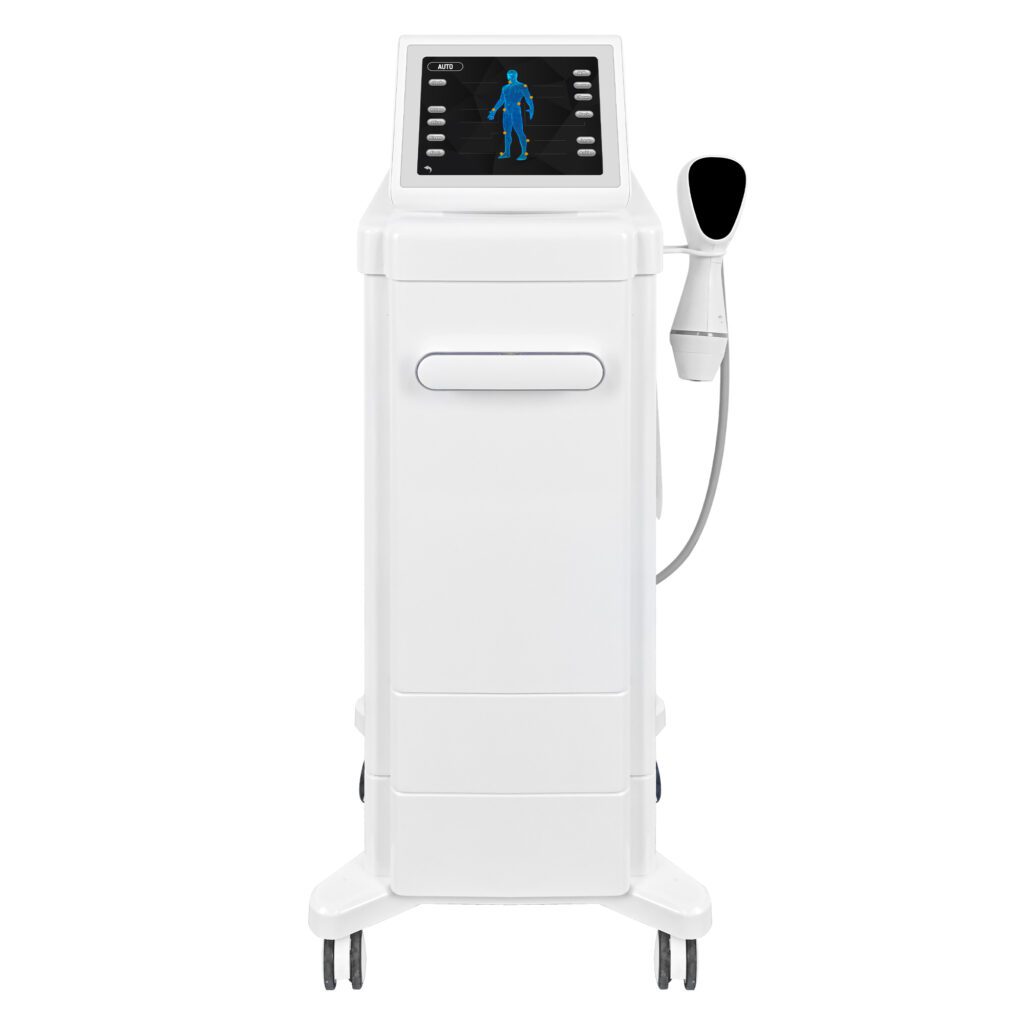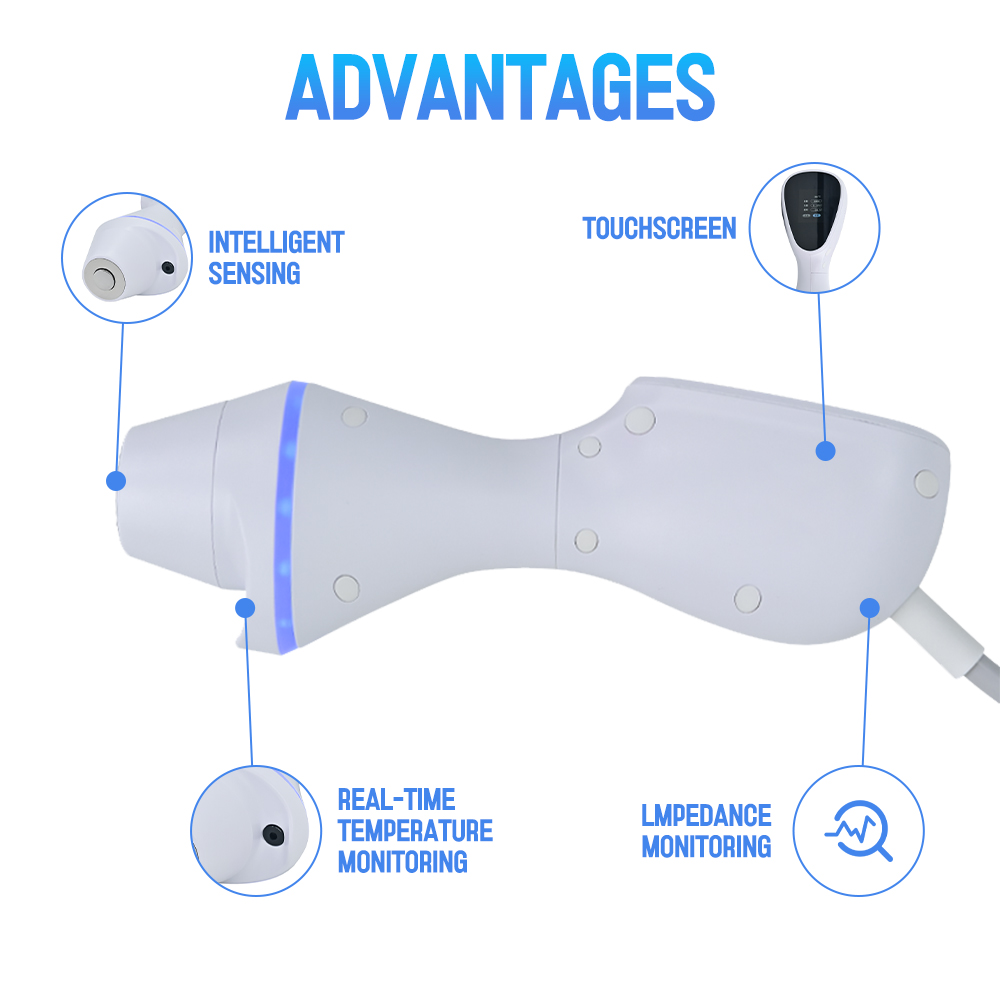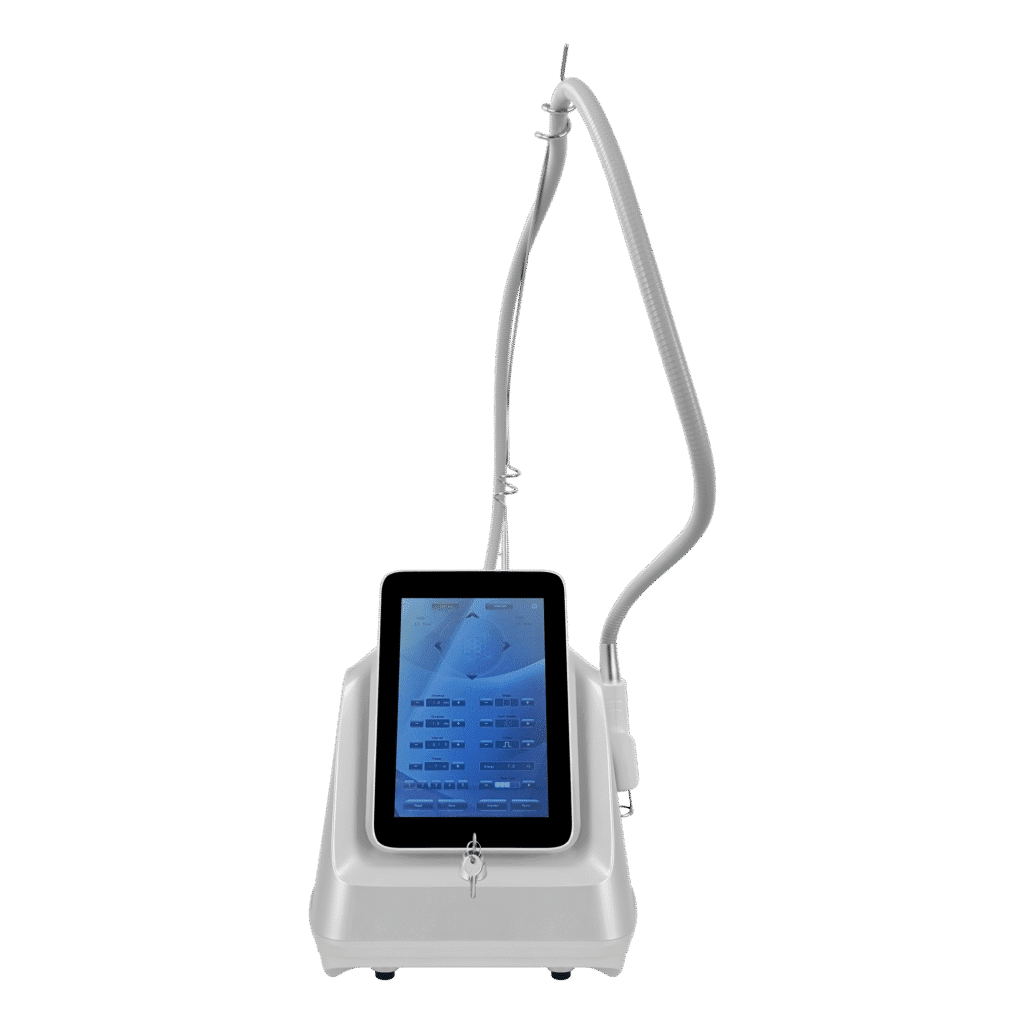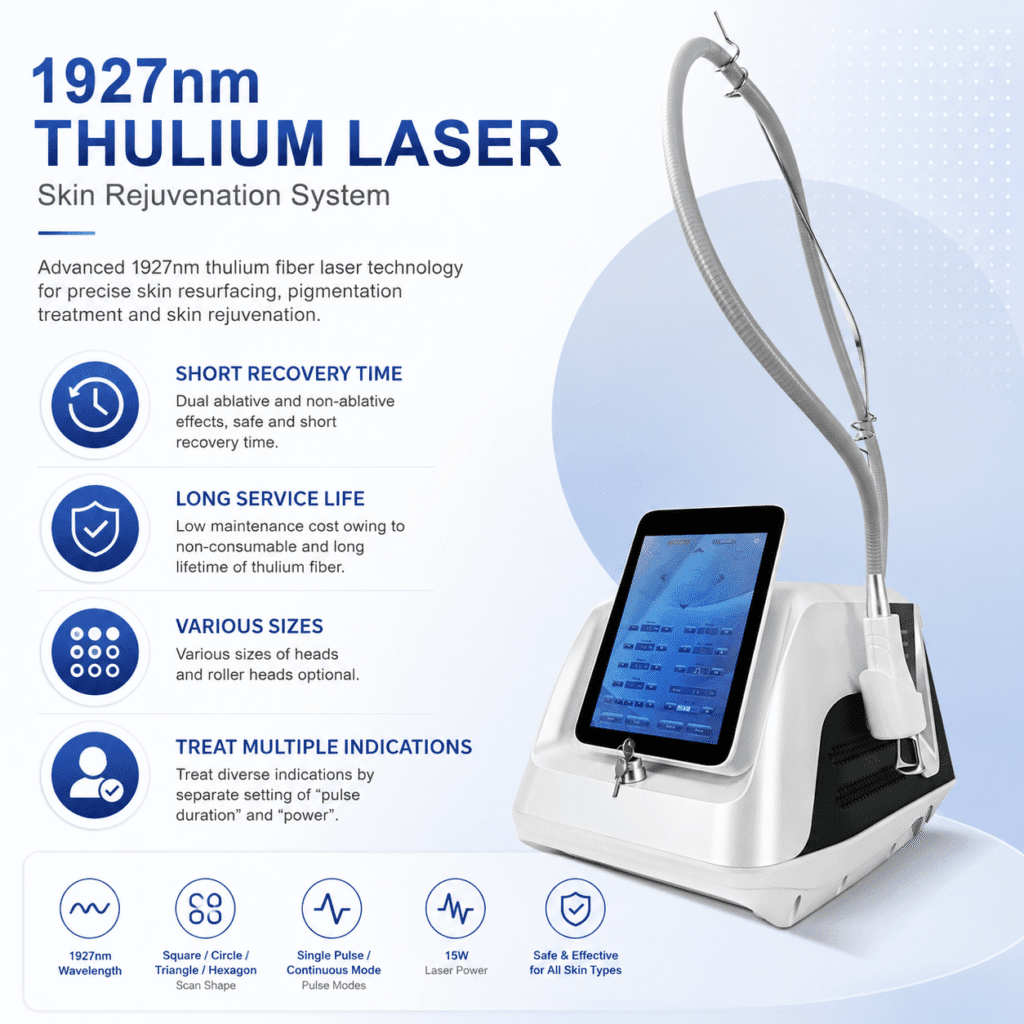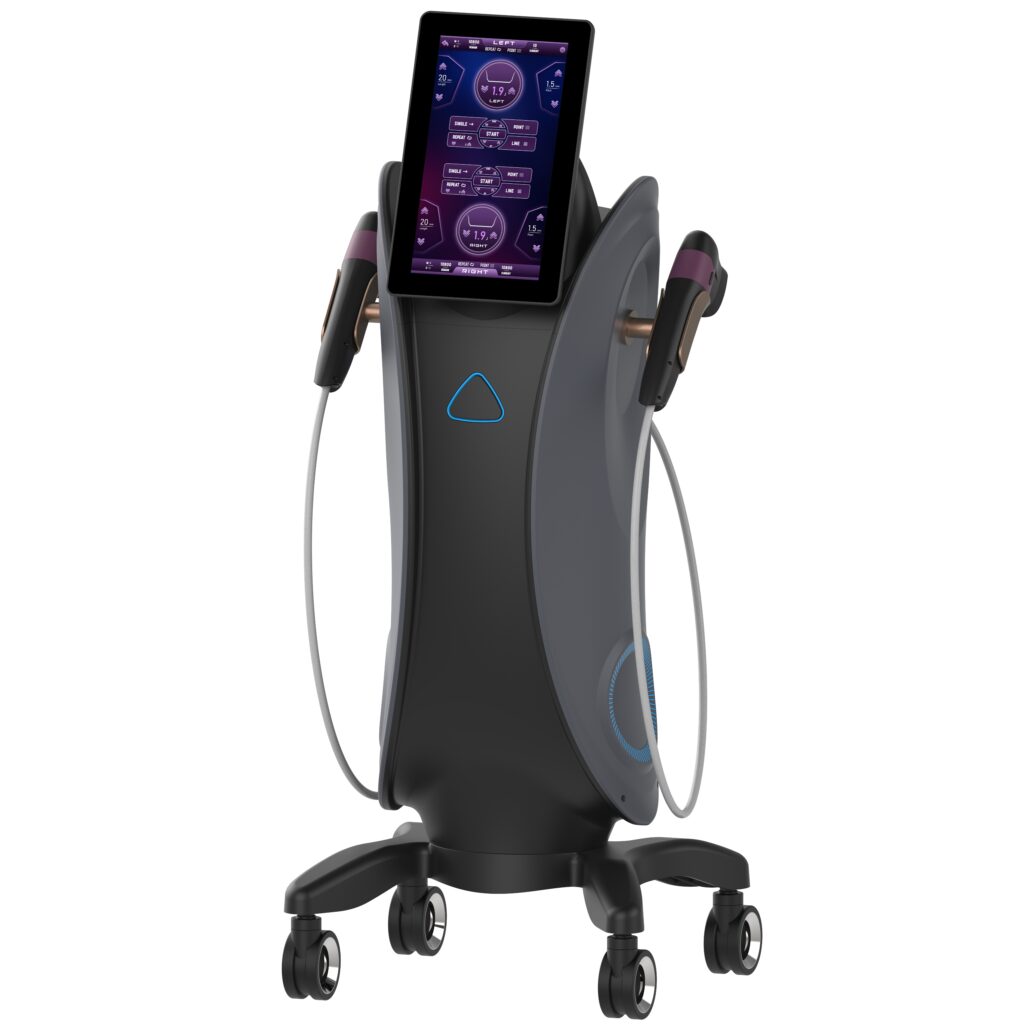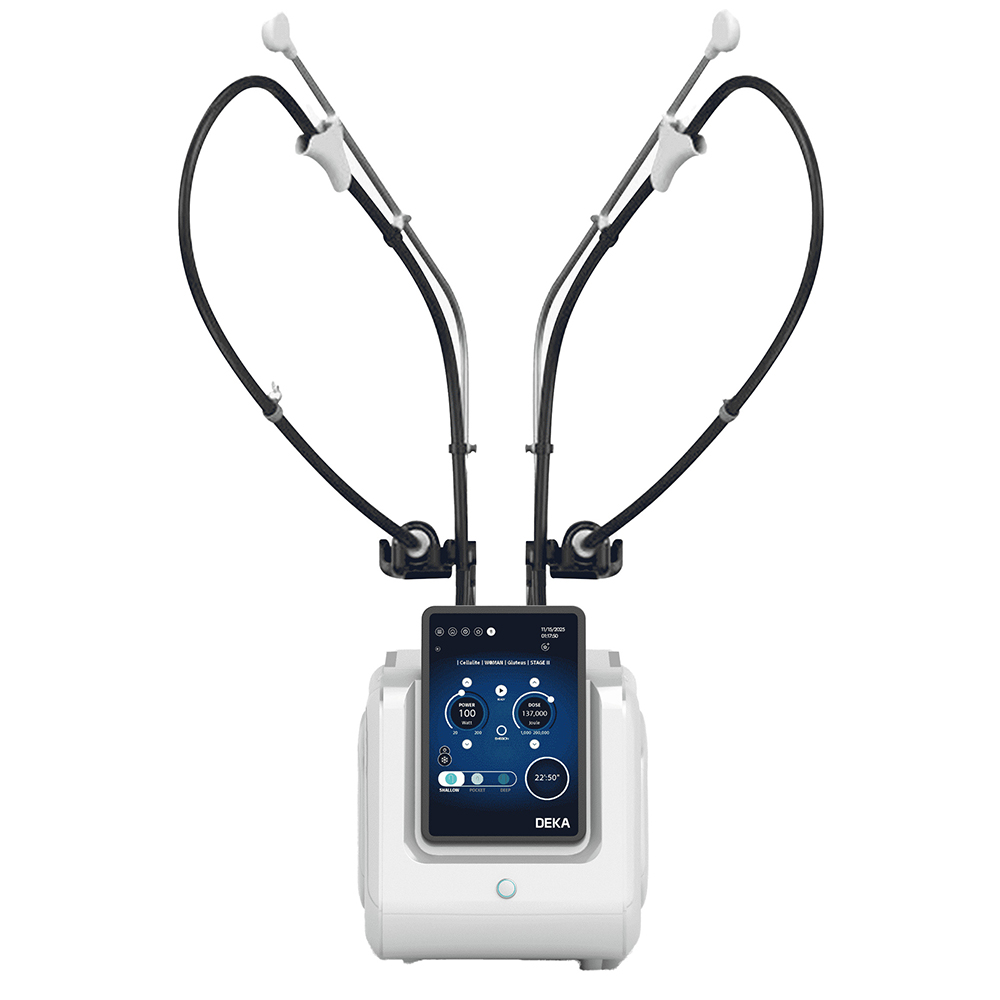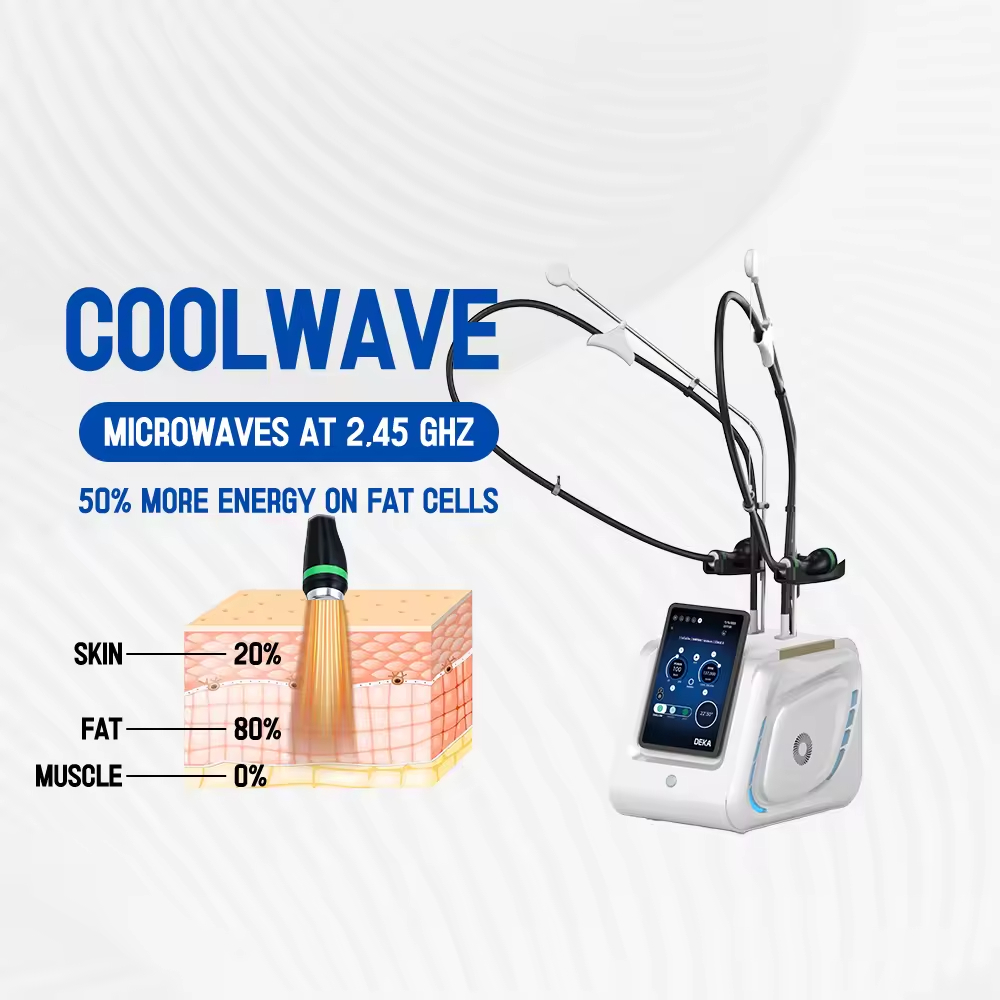











Beauty-device components are easy to misidentify when catalogs rely on broad names such as tip, needle, cartridge, or applicator. Two items may look similar and serve the same treatment category while belonging to different handles, device configurations, or hardware revisions. A distributor that maps components only to a product family can quote the wrong reorder item even when the device name appears correct.
A model-to-component map links every orderable item to the exact device and conditions it supports. It distinguishes a hydro facial tip from an RF-microneedling needle head, a HIFU cartridge from a body applicator, and a replacement handle from a standard installed component. This guide explains how to build that map for SHEFMON facial, laser hair-removal, HIFU, RF-microneedling, and body-care models.
Sumário executivo
- Give every device model, configuration, handle, tip, needle, cartridge, and applicator a stable identifier.
- Map components to exact device configurations and revisions rather than broad product categories.
- Separate the physical item, order unit, package role, compatibility status, and current availability.
- Record whether the relationship is direct, conditional, version-limited, replacement-only, pending, or incompatible.
- Support one-to-one, one-to-many, and many-to-many relationships without copying component records.
- Connect each tip, needle, cartridge, or applicator to its parent handle when a handle controls compatibility.
- Preserve opening-package quantities separately from later reorder quantities.
- Maintain successor and retirement relationships for devices already installed at customer sites.
- Use the same map in catalogs, quotations, order checks, consumable reorders, and service records.
- Confirm unclear model-to-component relationships with SHEFMON before activating them for sale.
1. Why Component Mapping Needs More Than a Product Name
A product name can tell a buyer what category a device belongs to, but it may not identify the component needed for a specific configuration.
Common mapping failures include:
- a needle head is linked to every RF-microneedling model;
- a HIFU cartridge is mapped to the console but not to its handle;
- a hydro facial tip is selected by appearance;
- a body applicator is treated as universal across platforms;
- a laser spot-size option is separated from the handle it belongs to;
- a replacement component is offered as an additional routine option;
- a current component is assumed to support every older device revision;
- an opening kit is confused with a refill pack;
- a similar local name hides two different orderable items.
Mapping makes the relationship explicit and allows the sales or order system to filter invalid choices.
2. Distinguish the Main Component Types
| Component type | Typical role | Mapping priority | Common error |
|---|---|---|---|
| Tip | Contact or delivery item connected to a handpiece | Handpiece, size/type, reusable or consumable status | Selecting by shape or generic facial-machine name |
| Needle head | Consumable or treatment head for a supported handle | Handle arrangement, pin/type, depth system, pack unit | Linking to the model family without version control |
| Cartridge | Replaceable treatment component for a specific handle or module | Handle, depth/size, line or shot definition, revision | Assuming every cartridge fits every HIFU handle |
| Applicator | Durable device component used on an area or for a defined function | Console, port, power/control requirements, quantity | Treating the body-area name as proof of compatibility |
| Handle | Powered or controlled component connected to the platform | Device model, configuration, connector/control version | Reusing one handle across similar models without evidence |
| Accessory | Supporting item such as container, cable, tube, holder, or eyewear | Function, device configuration, market profile | Using “accessory” without an exact identity |
The classification tells the distributor which fields and controls the relationship needs.
3. Create Stable Identities Before Building Relationships
Every object in the map needs a unique record.
Device model record
- official model number;
- primary category;
- approved name;
- lifecycle status;
- source page;
- owner.
Device configuration record
- parent model;
- configuration code and revision;
- installed handles or modules;
- market profile;
- data de entrada em vigor;
- active status.
Component record
- component ID;
- approved name;
- component type;
- physical or technical attributes needed for identification;
- order unit;
- reusable, consumable, replacement, or service classification;
- lifecycle status;
- successor where applicable.
Avoid identifying a component only by a descriptive phrase such as “small tip” or “body applicator.” Names can change; stable identifiers preserve order and support history.
4. Build One Relationship Row per Supported Combination
The mapping table should record a relationship rather than duplicate either product.
| Relationship field | Propósito |
|---|---|
| Relationship ID | Provides a stable audit reference |
| Modelo do dispositivo | Identifies the platform |
| Device configuration/revision | Limits the relationship to the supported version |
| Parent handle/module | Shows the immediate component dependency |
| Component ID | Identifies the tip, needle, cartridge, or applicator |
| Relationship type | Standard, optional, alternative, consumable, replacement, or service |
| Compatibility status | Confirmed, conditional, version-limited, pending, incompatible, or retired |
| Quantity rule | Defines included, minimum, maximum, or reorder quantity |
| Required companion | Adds a needed cable, adapter, handle, or module |
| Exclusion | Blocks unsupported combinations |
| Market scope | Limits electrical, document, language, or eligibility conditions |
| Evidence and date | Shows how and when the relationship was confirmed |
This structure allows one component to connect to several approved configurations without copying its item data.
5. Support Different Relationship Patterns
One device to one component
A configuration uses one specific item. The relationship is simple but still needs revision and lifecycle control.
One device to several components
A platform supports several approved tips, needles, cartridges, or applicators. Each relationship needs its own status and conditions.
One component to several devices
This is valid only when each model relationship is confirmed. Do not infer the second mapping from the first.
Component through a parent handle
The device supports a handle, and the handle supports a tip, needle, or cartridge. Preserve both relationships. A cartridge-to-console shortcut can hide handle incompatibility.
Mutually exclusive alternatives
One option replaces another in the same configuration. The system should allow one selection, not both.
Required component set
A handle or applicator needs an adapter, cable, container, or companion part. Add the dependency to the map.
6. Keep Five Status Dimensions Separate
A component relationship needs more than one status.
- Compatibility: confirmed, conditional, version-limited, pending, incompatible, or retired.
- Package role: standard, optional, alternative, special order, replacement, or excluded.
- Item class: durable component, consumable, service part, document, or accessory.
- Availability: stocked, supplied to order, temporarily unavailable, end of sale, or service only.
- Commercial treatment: included, separately priced, promotional, or not for ordinary sale.
A needle head can be a Consumable, compatible with one A0152 configuration, Standard in an opening quantity, separately priced for later reorders, and temporarily out of stock. Combining those facts into one field called “available” creates errors.
7. Define the Evidence Standard
Use model-specific and component-specific evidence such as:
- approved configuration sheet;
- current component list;
- packing list;
- approved consumable or replacement schedule;
- written model-specific confirmation;
- validated installed-device record;
- current official product page used with the configuration evidence.
Do not map items based only on:
- appearance;
- connector shape;
- product-family name;
- a shared depth or size;
- a similar wavelength or power value;
- an uncaptioned image;
- an old quotation;
- a local nickname;
- a marketplace listing.
When evidence conflicts, mark the relationship Pending Verification and remove it from routine selection.
8. Map A0648 Tips and Facial Tools
O Máquina de microdermoabrasão hidráulica A0648 is presented as a multifunction facial platform. Its map should connect the installed functions to the actual handpieces, tips, containers, tubing, accessories, and consumables used by the approved configuration.
For each tip or tool, record:
- component ID and type;
- supported A0648 configuration;
- parent handpiece;
- size or functional variant;
- reusable or consumable status;
- included opening quantity;
- reorder pack unit;
- cleaning, replacement, or service classification where applicable;
- image and catalog references;
- evidence date.
Do not map an item to “all hydro machines.” Link it to the confirmed device and handpiece combination.
9. Map A0152 Needle Heads
O actual Página A0152 de microagulhamento por radiofrequência lists different handle arrangements and multiple needle-head types. A useful map needs three levels:
- A0152 device configuration;
- installed handle arrangement;
- supported needle-head item and pack unit.
Registro:
- needle-head ID;
- approved type or pin designation;
- parent handle;
- compatible A0152 configuration and revision;
- opening quantity;
- reorder pack quantity;
- market eligibility;
- successor or retired item;
- verification source.
The customer’s installed A0152 configuration should be stored with the account. Later reorders can then show only confirmed needle-head items.
10. Map A0204 Cartridges Through Their Handles
O Página HIFU focada A0204 describes a multifunction platform with standard and optional handles or cartridges. Do not map a cartridge only to the A0204 console.
Usar:
- A0204 device configuration;
- installed handle or module;
- cartridge ID;
- depth or size;
- standard, optional, special-order, or replacement role;
- quantidade incluída;
- compatibility revision;
- required companion items;
- current lifecycle status.
If a regional package includes a fixed cartridge kit, map the kit to its child cartridge IDs and quantities. The kit does not replace the individual compatibility relationships.
11. Map B0155 Applicators and Handles
O Sistema de cuidados corporais B0155 is described with body and smaller-area handles. Create separate component records for handles that can be quoted, replaced, or tracked independently.
The relationship should state:
- supported B0155 configuration;
- handle or applicator ID;
- intended area or function label;
- included or optional package role;
- quantity;
- compatible port, control, or version where relevant;
- replacement-only condition;
- successor relationship;
- market and supply status.
The same handle may be Standard in one confirmed package and Optional in another. Store that role on the relationship rather than on the universal component record.
12. Map A0423 and A0426 Laser Handles and Spot-Size Options
The current SHEFMON pages for the Laser de diodo A0423 e Laser de diodo A0426 list choices involving wavelength arrangement, handle power, and spot size.
For each laser handle or applicator, map:
- exact device model;
- device configuration and revision;
- handle ID;
- wavelength profile;
- handle-power option;
- supported spot-size choices;
- quantidade incluída;
- cooling or electrical condition where relevant;
- standard, optional, alternative, or replacement role;
- evidence and review date.
Keep A0423 and A0426 relationships separate. Similar page values do not prove that a handle or spot-size component can move between models.
13. Distinguish Opening Package, Reorder, and Replacement
One component can appear in several transaction contexts.
Opening package
The item and quantity supplied with a new device configuration.
Additional opening stock
An optional quantity purchased with the device but not part of the standard package.
Routine reorder
A consumable or replaceable item purchased later in a defined pack unit.
Substituição
A durable handle, applicator, cable, or component supplied to replace an installed item.
Service part
An item restricted to maintenance or repair.
Do not use the opening quantity as the reorder pack size unless they are truly the same. Store these quantities on their relevant package or transaction relationship.
14. Create Component Kits Carefully
A kit can simplify ordering when the same confirmed items and quantities are supplied together.
Exemplos incluem:
- an A0648 tip or accessory starter kit;
- an A0152 needle-head starter assortment;
- an A0204 cartridge set;
- a B0155 handle package;
- a laser accessory set for one confirmed configuration.
The kit record should contain:
- kit ID;
- compatible device configuration;
- child component IDs;
- quantities;
- pack unit;
- standard, optional, replacement, or special-order role;
- market scope;
- revision and effective date.
Do not use a kit name such as “complete set” without defining its contents. A kit also must not hide an unconfirmed child relationship.
15. Map Components to Installed Units
Product-level mapping tells the distributor what is approved. Installed-unit mapping tells it what one customer actually has.
For each delivered device, record:
- installed-unit ID;
- model and configuration revision;
- original handles, applicators, cartridges, tips, and heads;
- additions made after delivery;
- replacements and dates;
- current active components;
- consumable relationships;
- removed or retired items;
- location and market profile;
- data confidence.
Use this record for consumable and replacement requests. Do not require buyers to reconstruct their configuration from a generic catalog.
16. Manage Component Revisions
When a component changes, decide whether it is:
- the same orderable item with a documentation correction;
- a revised item compatible with the same devices;
- a version-limited item;
- a conditional successor;
- a new option;
- a replacement-only item;
- incompatible with earlier units.
Create a new component identity when inventory, compatibility, ordering, fulfillment, or support must distinguish the new item. Use a revision when the commercial and technical identity remains the same.
Never reuse an old component ID for a different physical or compatibility definition.
17. Preserve Successor and Retirement Relationships
For a retiring component, record:
- last active date;
- affected models and configurations;
- installed units that still use it;
- remaining reorder or service availability;
- direct, conditional, or unavailable successor;
- required adapter or companion item;
- market limitations;
- buyer communication or support note;
- archive evidence.
A successor should not be presented as universal until every intended relationship is confirmed. Preserve the retired mapping for older installed units.
18. Control Market-Specific Mapping
Some component relationships depend on the market profile. Add fields for:
- voltage and frequency;
- plug or cable;
- interface or software language;
- manual and labeling language;
- document set;
- local eligibility;
- professional-setting conditions;
- regional availability;
- regional order unit;
- support owner.
Technical compatibility and market eligibility are separate decisions. A component can be technically supported but unavailable for routine sale in one region.
19. Use Controlled Names and Synonyms
Maintain one approved component name and a synonym table.
Incluir:
- official or approved English name;
- local-language term;
- legacy name;
- common sales nickname;
- supplier reference;
- component ID;
- prohibited ambiguous names.
Search can recognize synonyms, but catalogs and quotations should display the approved name and ID. This prevents “nano head,” “small tip,” or “body handle” from becoming several unofficial items.
20. Publish the Map in the Right Form
Different users need different views.
Buyer-facing catalog
Shows approved device options, standard contents, consumables, and a route for configuration confirmation.
Sales quotation view
Shows only components valid for the selected model, configuration, market, and transaction type.
Purchasing view
Shows item codes, order units, supplier references, availability, and successor relationships.
Service view
Shows installed version, replacements, service parts, conditions, and history.
Product-data view
Shows every relationship, status, evidence, revision, exclusion, owner, and effective date.
Do not expose every internal service part in a public catalog. Do not hide critical compatibility limits from quotation users.
21. Add Validation to Quotations and Orders
The system should:
- require a device model and configuration before component selection;
- filter components by compatible relationship;
- require the parent handle for tips, needles, or cartridges;
- block incompatible and retired relationships;
- prompt for version verification when required;
- add required companion items;
- enforce minimum and maximum quantities;
- separate opening stock from reorder packs;
- route special-order items for approval;
- preserve the mapping revision in the order.
Free-text component lines should trigger review because they bypass the controlled map.
22. Govern Mapping Changes
Use a change workflow:
- identify the source and target records;
- state the proposed relationship and reason;
- collect model-specific evidence;
- review compatibility and version scope;
- classify package role, item class, and availability separately;
- review market conditions;
- approve, reject, or mark pending;
- set effective and review dates;
- update catalogs, quotations, kits, installed-unit support, and reorders;
- withdraw conflicting relationships;
- preserve the decision record.
Do not approve a map simply because a regional team has already sold the component. Investigate the installed record and current evidence.
23. Audit the Component Map
Check whether:
- every component has one stable ID;
- every relationship names the exact model and configuration;
- tips, needles, and cartridges link through the correct parent handle;
- quantities and order units are clear;
- compatibility and package role are separate;
- market limitations are applied;
- successor relationships are evidence-based;
- retired mappings remain available for installed units;
- images and catalog labels match the records;
- quotation filters use the current map;
- synonyms do not create duplicate items;
- pending relationships are blocked from routine sale;
- evidence and review dates are current.
Sample actual quotations, reorders, and installed devices rather than auditing only table completeness.
24. Implement the Map in Phases
Phase 1: Choose high-risk components
Start with frequently reordered needles, cartridges, tips, and replacement applicators.
Phase 2: Stabilize identities
Create device, configuration, handle, component, kit, and pack-unit records.
Phase 3: Build confirmed relationships
Load only evidence-supported mappings and mark uncertain items Pending Verification.
Phase 4: Connect sales and reorders
Filter quotation and consumable-order choices through the map.
Phase 5: Add installed-unit history
Link customer devices to their original and current component sets.
Phase 6: Add lifecycle control
Track successors, replacements, retirement, regional availability, and service-only relationships.
25. Model-to-Component Mapping Checklist
- Device model and configuration have stable IDs.
- Every tip, needle, cartridge, applicator, and handle has a component ID.
- The immediate parent handle or module is recorded.
- Compatibility status and version scope are explicit.
- Standard, Optional, Special Order, Replacement, and Service roles are separated.
- Consumable status and reorder pack unit are recorded.
- Opening quantity is separate from reorder quantity.
- Required companions and exclusions are documented.
- Market conditions are applied.
- Evidence source and verification date are current.
- Kits list child items and quantities.
- Successor and retired relationships are preserved.
- Quotations and orders block invalid combinations.
- Installed units retain their component history.
Perguntas frequentes
1. What is a beauty-device model-to-component map?
It is a structured set of relationships connecting exact device models and configurations to supported handles, tips, needles, cartridges, applicators, consumables, replacements, and kits.
2. Should a tip or needle be mapped directly to the device model?
Map it to the device configuration and its immediate parent handpiece or handle when that handle controls compatibility. A direct model link alone can hide an unsupported handle relationship.
3. Can one component map to several beauty-device models?
Yes, but every model relationship must be confirmed separately. Do not copy a mapping merely because models share similar names, connectors, specifications, or treatment categories.
4. How should A0648 tips be managed?
Identify the supported A0648 configuration and parent handpiece, then record tip type, quantity, reusable or consumable status, reorder unit, market scope, and evidence.
5. How should A0152 needle heads be mapped?
Use the A0152 configuration, installed handle arrangement, needle-head ID, approved type, opening quantity, reorder pack, revision scope, and successor status.
6. How should A0204 cartridges be mapped?
Link each cartridge to its A0204 configuration and parent handle or module. Include depth or size, package role, quantity, version limit, required companion items, and lifecycle status.
7. Are opening-package quantities the same as reorder packs?
Not necessarily. Store the quantity supplied with the device separately from the later order unit or pack size.
8. How should replacement applicators be handled?
Confirm the installed device and component revision, define whether the new item is a direct or conditional successor, record required companions, and preserve both old and new relationships.
9. Should pending component mappings appear in catalogs?
No. They can remain in an internal review view but should not appear as confirmed options or routine reorder items until evidence and approval are complete.
10. Quando se deve contactar a SHEFMON?
Contact SHEFMON when current records do not confirm a tip, needle, cartridge, applicator, handle, kit, successor, or version relationship. Provide the exact model, configuration, parent handle, component, market, and intended transaction through the Página de contato da SHEFMON.
Conclusão
Accurate component mapping begins with stable identities and precise relationships. Tips, needles, cartridges, and applicators should connect to exact device configurations, parent handles, revisions, quantities, market conditions, and lifecycle states.
Build the map once and use it in catalogs, quotations, reorders, installed-device records, replacement workflows, and support materials. Review the linha de aparelhos de beleza SHEFMON e contate SHEFMON whenever a component cannot be matched confidently to current approved model-specific information.