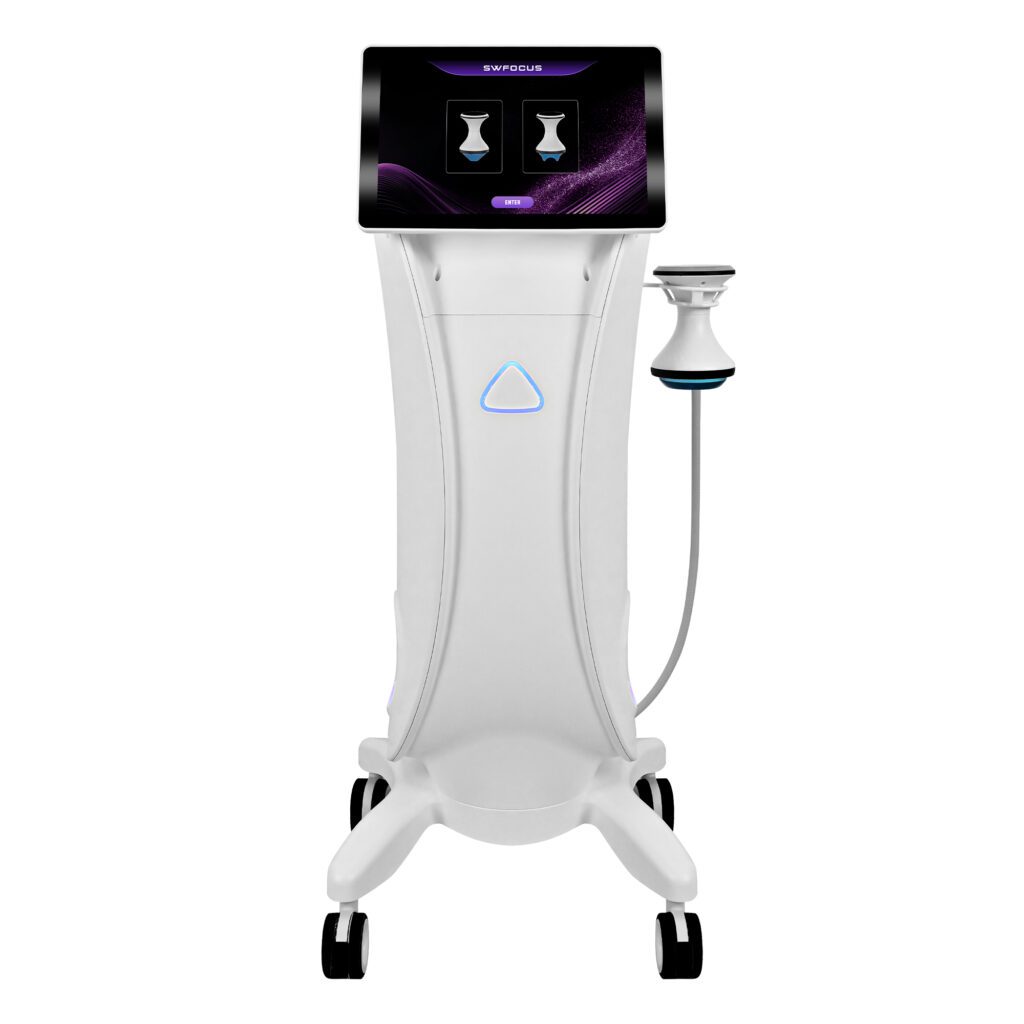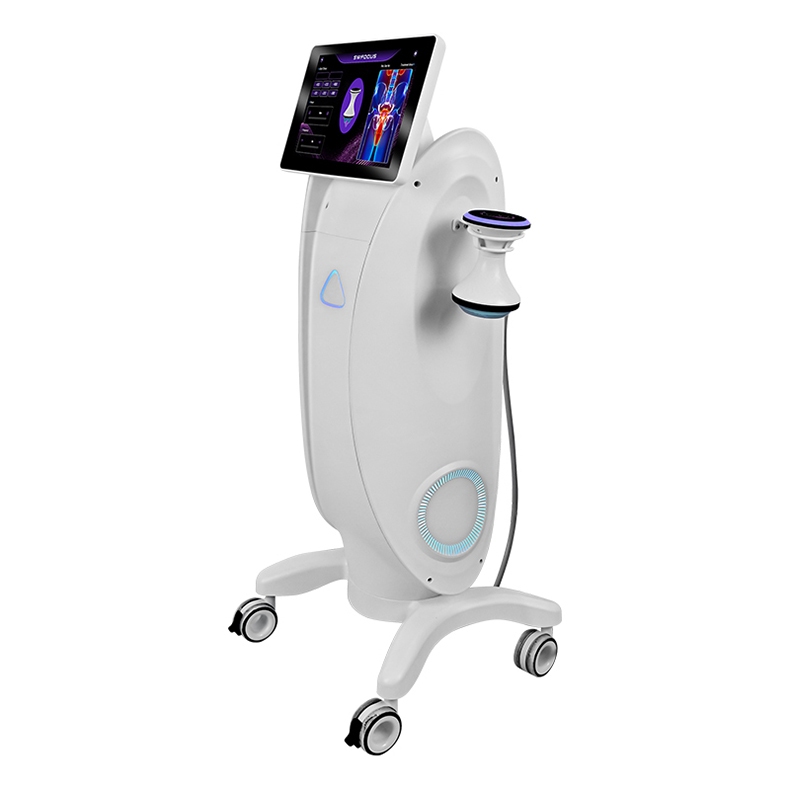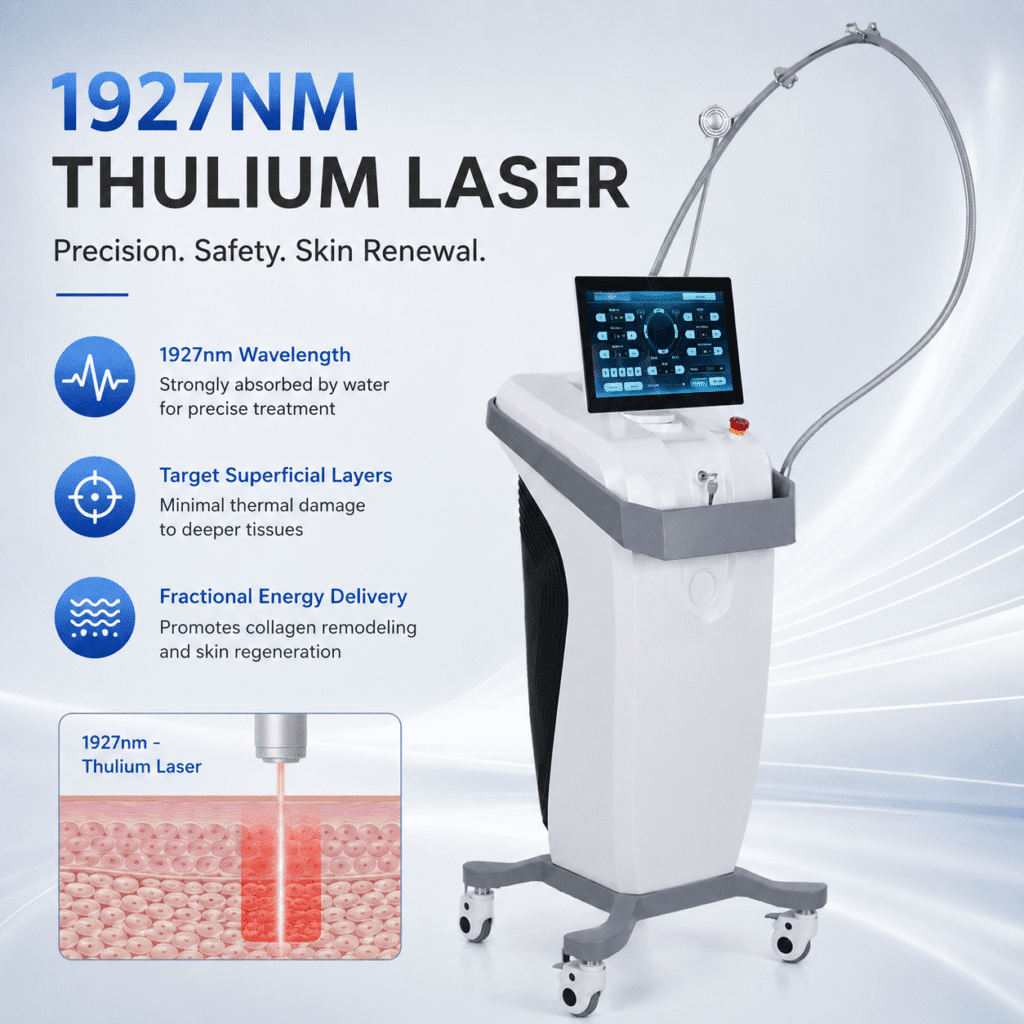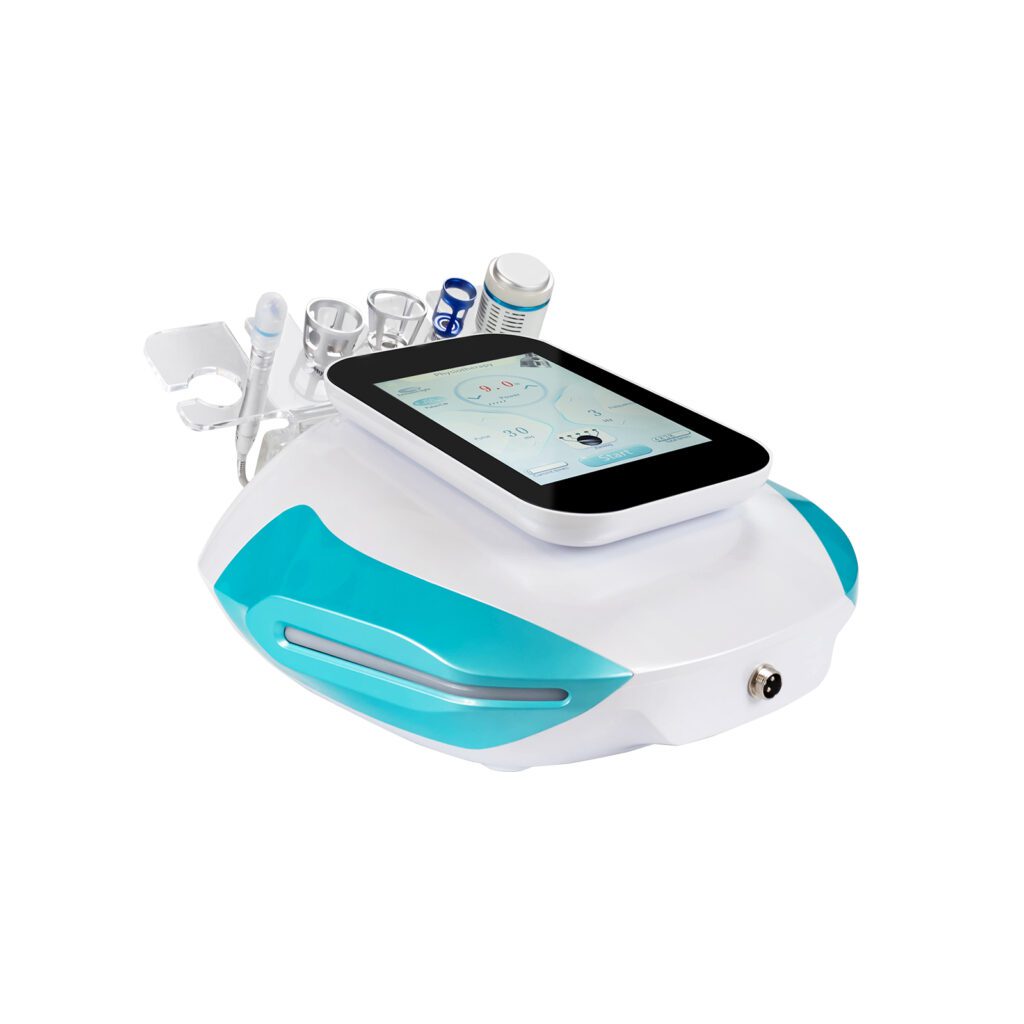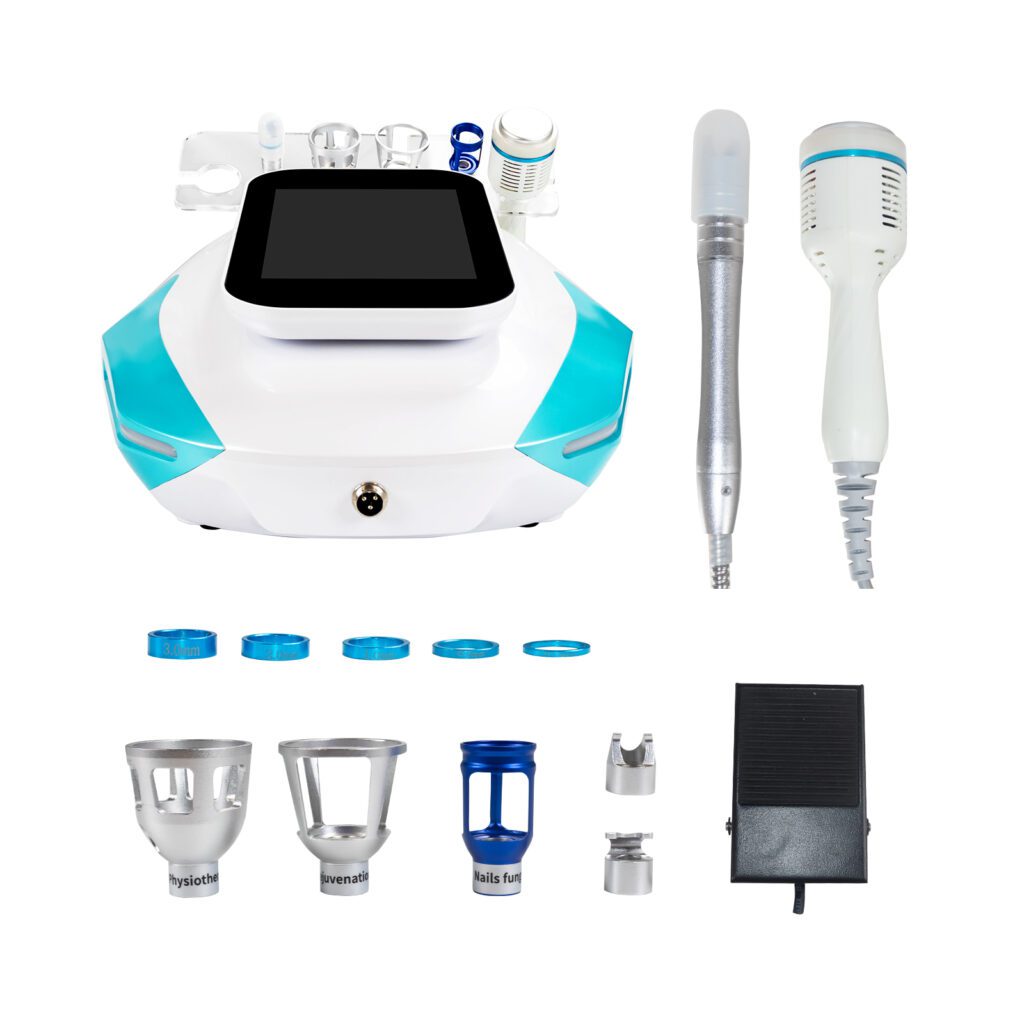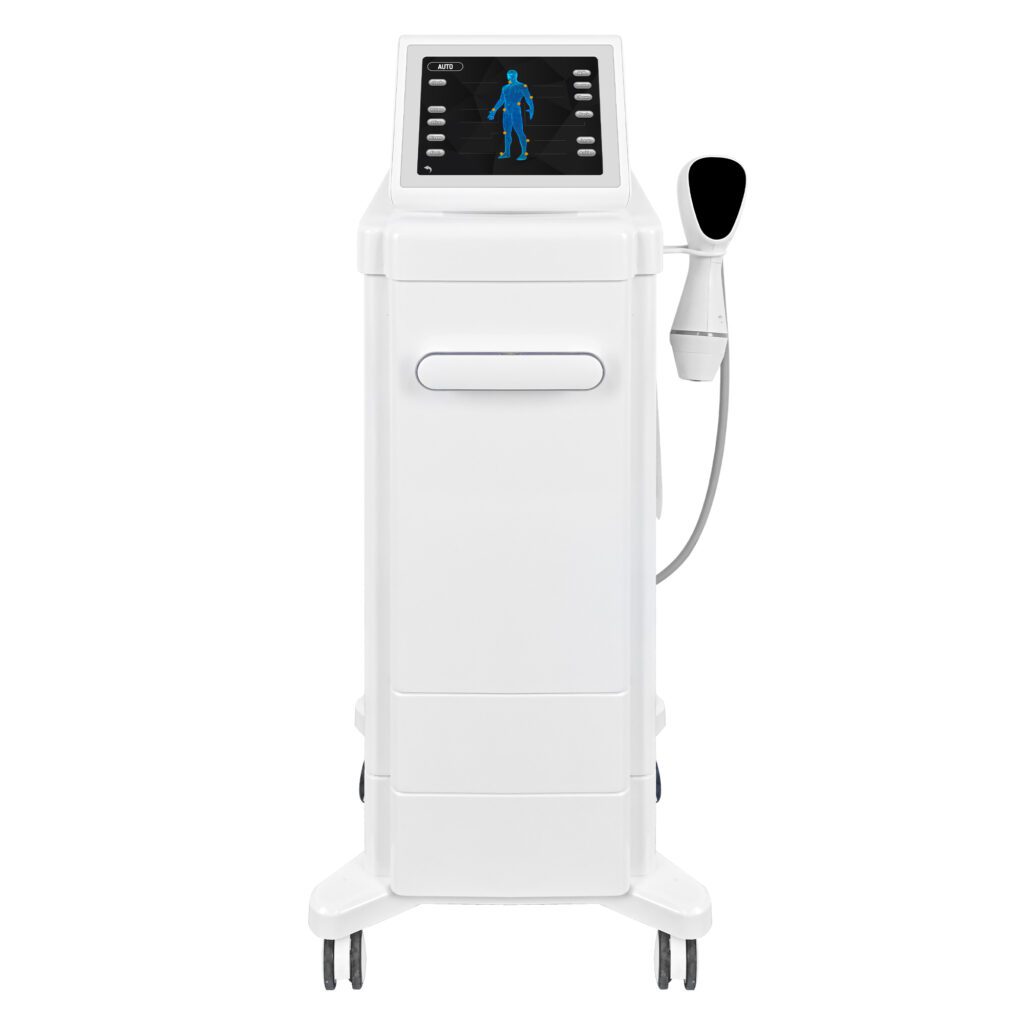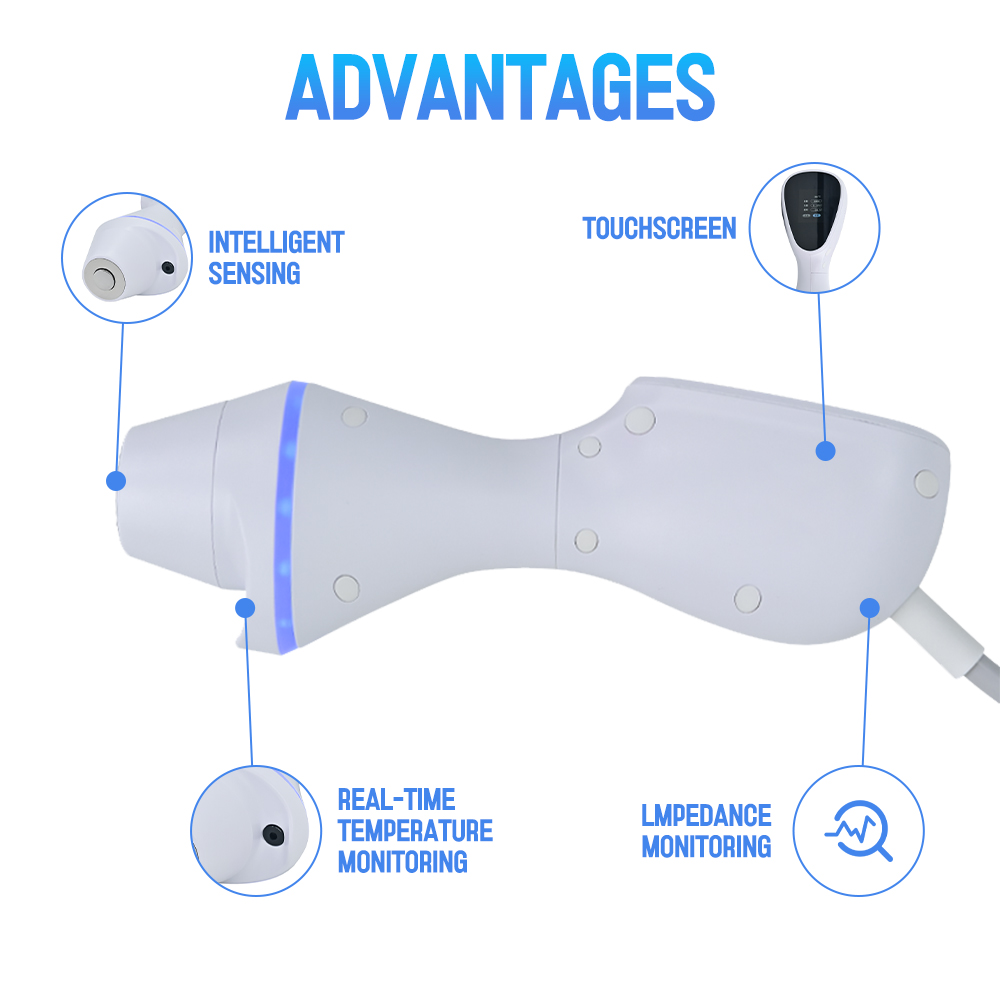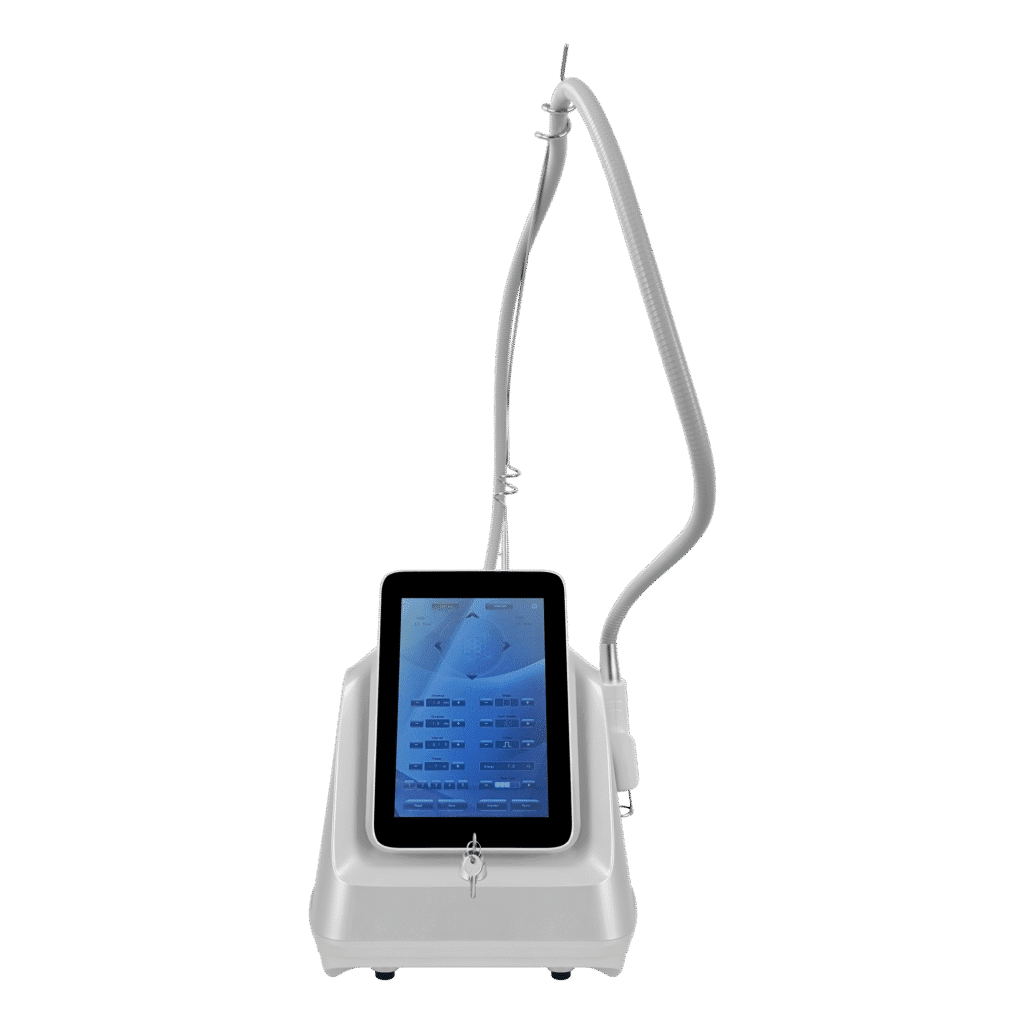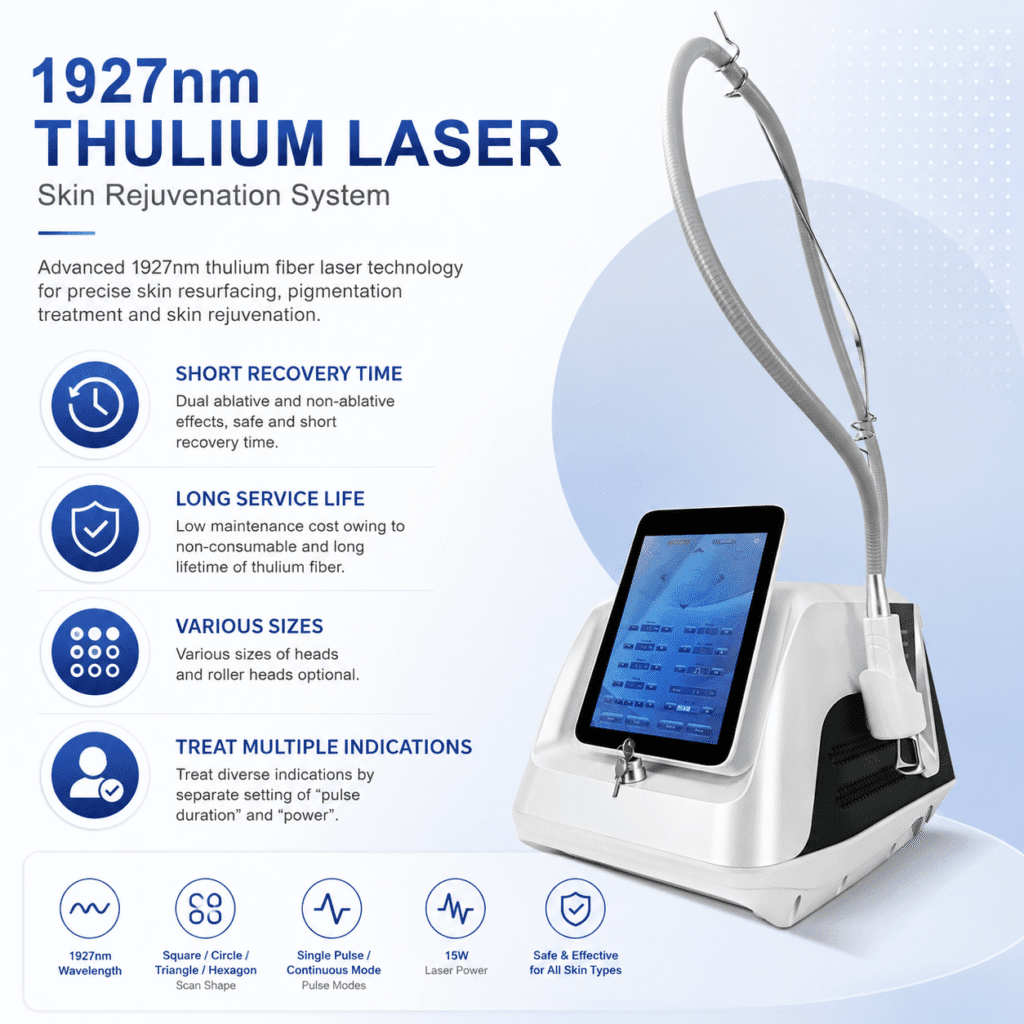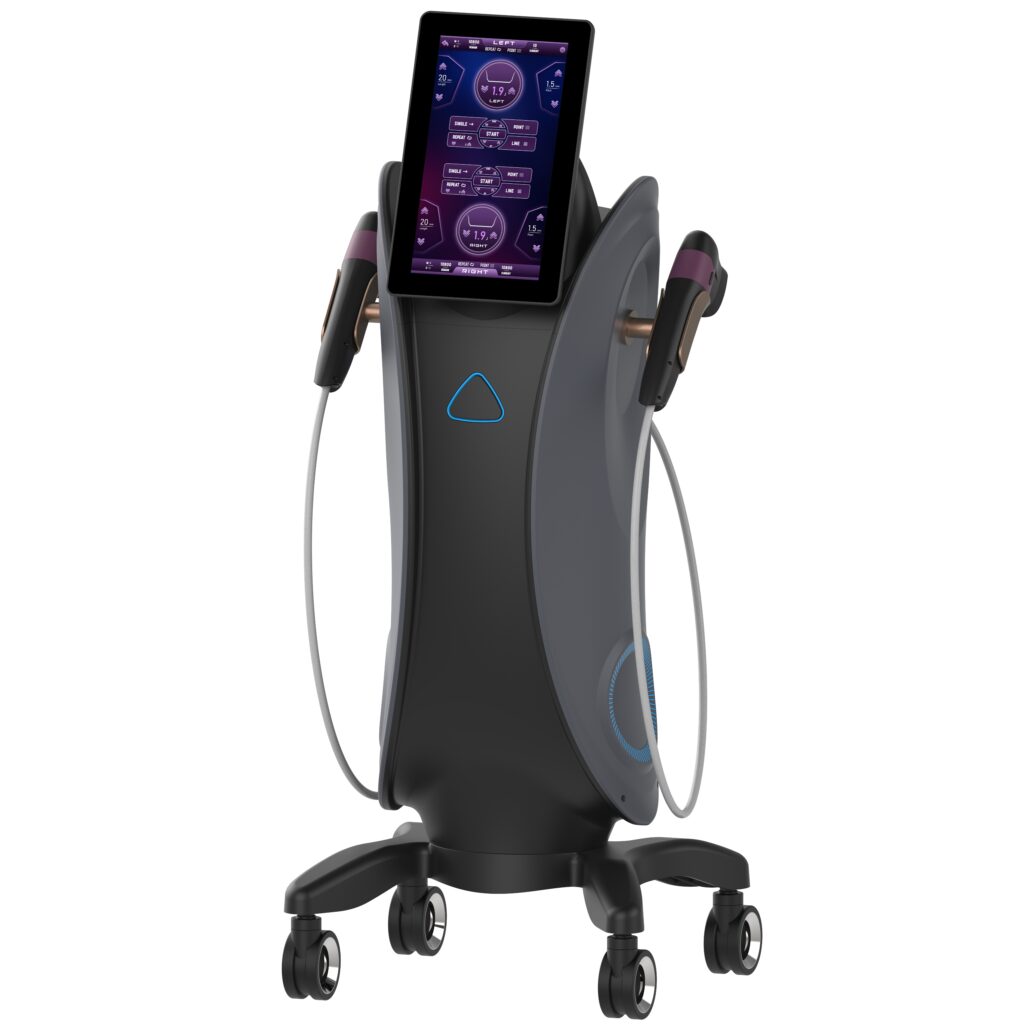











Compatibility claims appear in product pages, catalogs, quotations, comparison tables, sales decks, consumable lists, and support messages. A short phrase such as “works with this model” can influence what a distributor sells and what a buyer later reorders. If that phrase is based only on a similar connector, matching technology name, shared specification, or old quotation, it can create an incorrect component order.
Distributors need a controlled way to prove, phrase, approve, publish, and retire compatibility claims. The claim must identify the exact device, configuration, component, version, conditions, and evidence. This guide explains how to manage those claims for SHEFMON laser hair-removal, HIFU, RF-microneedling, hydro facial, and body-care equipment without treating visual or descriptive similarity as proof of interchangeability.
Sumário executivo
- Treat every compatibility statement as a controlled relationship between two identified records.
- Specify the exact device model, configuration, component, revision, and applicable market conditions.
- Use approved evidence; do not infer compatibility from appearance, connectors, dimensions, or similar specifications.
- Distinguish confirmed, conditional, version-limited, replacement-only, special-order, unverified, and incompatible states.
- Write claims with explicit scope instead of broad phrases such as “fits all machines.”
- Use the same compatibility relationship in websites, catalogs, quotations, bundles, consumable lists, and support materials.
- Block components that lack a confirmed relationship from routine quotation and ordering.
- Preserve old relationships for installed devices when a successor component or new configuration is introduced.
- Revalidate claims after a model, handle, applicator, cartridge, consumable, connector, software, electrical, or market change.
- Ask SHEFMON to confirm any relationship not supported by a current approved source before publishing it.
1. What Is a Compatibility Claim?
A compatibility claim states that one product, component, consumable, accessory, replacement, document, or market profile can be used with another identified item under defined conditions.
Exemplos incluem:
- a handle works with a specific laser model;
- a cartridge fits a named HIFU handle;
- a needle head is supported by one RF-microneedling configuration;
- a tip or container belongs to one hydro facial device version;
- a replacement applicator can be used with an installed body-care system;
- a voltage or plug profile is valid for one destination;
- a bundle contains configurations that can be ordered together as a business package.
Compatibility is not a general feature description. It is a relationship that should be testable, traceable, and limited to its approved scope.
2. Why Broad Compatibility Language Is Risky
Distributor materials often use convenient but unsupported phrases:
- compatible with all models;
- universal handle;
- works with any cartridge;
- suitable for every version;
- interchangeable applicator;
- fits the whole product series;
- replacement for the original part;
- supports all voltages;
- can be added to any package.
These phrases can hide important differences in hardware revision, connector, software, power, cooling, dimensions, treatment head, documentation, or market configuration. Even when two product pages list overlapping values, their components are not automatically interchangeable.
A reliable claim identifies what is compatible, with what, under which conditions, based on which evidence, and from what effective date.
3. Make Compatibility a Relationship, Not a Text Note
Create one structured record for each approved relationship.
| Field | Propósito |
|---|---|
| Relationship ID | Gives the claim a stable reference |
| Source item | Identifies the handle, applicator, cartridge, head, consumable, or replacement |
| Target item | Identifies the parent model or sellable device configuration |
| Relationship type | Standard, optional, alternative, consumable, replacement, or service part |
| Compatibility status | Confirmed, conditional, version-limited, pending, incompatible, or retired |
| Revision scope | States supported device or component revisions |
| Required conditions | Lists companion items, software, electrical, quantity, or market conditions |
| Exclusões | Names unsupported models, versions, or combinations |
| Evidence | Links to the approved source or confirmation |
| Effective period | Records start, review, and retirement dates |
| Owner and approver | Shows who maintains and approved the relationship |
Web copy and quotation text should be generated from or checked against this record. Do not store the only compatibility decision in a paragraph on a product page.
4. Use Clear Compatibility Statuses
| Status | Significado | Distributor action |
|---|---|---|
| Confirmed | Approved for the identified items and conditions | May be published and selected normally |
| Conditional | Approved only when stated companion, software, electrical, quantity, or market conditions are met | Publish the conditions beside the claim |
| Version-Limited | Approved only for specified revisions or production versions | Require version verification before quotation |
| Replacement Only | Approved to replace an installed component, not as an extra routine option | Route through replacement workflow |
| Encomenda especial | Relationship requires case-specific confirmation before sale | Do not show as a normal selectable option |
| Pending Verification | Evidence is incomplete or conflicting | Do not publish as compatible |
| Incompatible | The relationship is not allowed | Block selection and ordering |
| Retired | Previously approved but closed for new use | Preserve for installed-base traceability |
Avoid using “possible” or “available” as compatibility statuses. They do not tell the salesperson whether the relationship is approved.
5. Separate Compatibility from Inclusion and Availability
Three questions are often confused:
- Is the component compatible?
- Is the component included in this package?
- Is the component currently available?
A component can be compatible but optional. It can be standard but temporarily unavailable. It can be technically compatible but restricted to special order in one market. It can remain available as a replacement for older installed devices while being retired from new packages.
Use separate fields for:
- compatibility status;
- package status: Standard, Optional, Special Order, or Excluded;
- availability status: In Stock, Supplied to Order, Temporarily Unavailable, End of Sale, or Service Only;
- commercial status: Included, Separately Priced, Promotional, or Not for Sale.
Distributor materials should never use one status to imply all four.
6. Define an Evidence Hierarchy
Use the strongest current evidence available.
Recommended hierarchy:
- approved model-and-component compatibility record;
- current configuration or component specification;
- approved packing, replacement, or consumable list;
- written model-specific confirmation from SHEFMON;
- current official product page used as a clue and cross-checked against configuration evidence;
- validated installed-device or service record for a specific version.
Weak evidence includes:
- visual similarity;
- connector appearance;
- matching dimensions without a version check;
- a broad technology name;
- a photograph without a caption;
- an old quotation;
- an unattributed spreadsheet;
- a buyer’s previous assumption;
- a salesperson’s memory;
- wording copied from a marketplace listing.
When strong sources conflict, set the relationship to Pending Verification and stop routine publication until the conflict is resolved.
7. Write Claims with Explicit Scope
A controlled compatibility sentence should include the component, target model or configuration, and condition.
Fraco
“Universal cartridge compatible with all HIFU machines.”
Better structure
“Cartridge [component ID] is approved for [handle ID] used in [device configuration and revision], subject to the listed depth, quantity, and market conditions.”
Fraco
“Replacement laser handle for A0423 and A0426.”
Better structure
“Handle [component ID] is confirmed for [specific model and configuration]. Compatibility with other laser models requires separate confirmation.”
The final published sentence can be shorter, but the internal relationship record must retain the exact scope and evidence.
8. Control Claims by Material Type
Different materials need different levels of detail.
| Material | Required compatibility information | Common failure |
|---|---|---|
| Página do produto | Approved compatible options and visible conditions | Broad options appear to be universally compatible |
| Category comparison | Consistent model-level fields | Similar values are treated as interchangeability |
| Catálogo em PDF | Component status, model scope, and version date | Old relationships remain after a component change |
| Cotação | Exact selected device and component revisions | Free text bypasses compatibility rules |
| Lista de preços | Component code and eligible model/configuration | Price implies that any buyer can order it |
| Consumable list | Installed-device mapping and pack unit | Buyer selects only by product name |
| Replacement guide | Installed version, successor, and conditions | New item is assumed to replace every old version |
| Sales deck | Simplified wording linked to approved data | Marketing claim loses critical limitations |
| Material de treinamento | Decision steps and verification method | Staff memorize names instead of checking records |
The level of explanation can change. The underlying relationship must remain the same.
9. Prevent Images from Making Compatibility Claims
An image can imply that a component belongs to a device even when the text is accurate. Audit:
- hero images showing several handles;
- accessory flat lays;
- exploded diagrams;
- before-and-after configuration graphics;
- package photos;
- interface screenshots;
- connector close-ups;
- bundle images;
- translated image labels.
Map each asset to the model and configuration it represents. Caption optional or illustrative components. Do not reuse one handle image across several device pages unless its approved relationships support that use.
A visual disclaimer should be close to the image. A general footer cannot reliably correct a misleading package display.
10. Keep A0423 and A0426 Laser Relationships Separate
The current SHEFMON pages for the Laser de diodo A0423 e Laser de diodo A0426 list overlapping choices involving wavelength arrangement, handle power, and spot size. Those overlaps support comparison; they do not prove handle interchangeability.
For each laser component, record:
- exact handle or accessory ID;
- supported model;
- supported configuration or revision;
- wavelength profile;
- handle-power relationship;
- spot-size relationship;
- cooling or electrical dependency where relevant;
- standard, optional, or replacement role;
- evidence and confirmation date.
Distributor materials should say which options belong to A0423 and which belong to A0426. Avoid a combined “A0423/A0426 compatible handle” label unless a current approved record explicitly confirms both relationships.
11. Control A0204 Cartridge and Handle Claims
O Página HIFU focada A0204 describes a multifunction platform with standard and optional handle or cartridge choices. Each cartridge claim should connect to its supported handle and device configuration.
The relationship record should state:
- cartridge ID;
- handle or module ID;
- depth or size;
- supported A0204 configuration;
- included, optional, replacement, or special-order status;
- quantity and order unit;
- revision limits;
- required companion items;
- image and catalog references;
- evidence date.
Do not publish a flat list that implies every cartridge works with every handle or is included in every A0204 package.
12. Control A0152 Needle-Head Claims
O Página A0152 de microagulhamento por radiofrequência lists different handle arrangements and multiple needle-head types. A needle claim must identify the compatible handle and installed device version.
For equipment materials, separate:
- standard opening needle-head types and quantities;
- approved optional opening stock;
- routine reorder items;
- replacement or successor items;
- unverified needle heads;
- retired relationships retained for installed units.
For consumable quotations, retrieve the buyer’s installed A0152 configuration rather than asking the buyer to choose only by a broad device name. If the installed version is unknown, request identifying information and confirm the relationship before sale.
13. Control B0155 Handle Claims by Package
O Sistema de cuidados corporais B0155 is described with handles for body and smaller-area applications. The same handle can have different package roles without changing its technical compatibility.
Por exemplo:
- a handle may be Standard in a broader confirmed package;
- the same handle may be Optional in a body-focused package;
- a replacement handle may require version verification;
- a requested alternative combination may remain Special Order.
Distributor catalogs should identify the handle set within each package. Avoid treating a body-area description as proof that the handle works with every platform serving that area.
14. Control A0648 Tool, Tip, and Accessory Claims
O Máquina de microdermoabrasão hidráulica A0648 is positioned as a multifunction facial platform. Compatibility control should connect each handpiece, tip, container, tube, cable, accessory, and reorder item to the supported A0648 configuration.
Check whether:
- the tool belongs to the installed function;
- the tip or accessory fits the supplied handpiece;
- the quantity and package are defined;
- the item is standard, optional, consumable, or replacement;
- a visually similar item belongs to another version;
- the market or electrical profile affects the accessory;
- the image and catalog claim match the relationship record.
“For hydro facial machines” is too broad for a component claim when several platforms or versions exist.
15. Control Bundles Without Creating Treatment Compatibility Claims
A distributor may package devices from different categories for one salon, clinic, or body center. That commercial relationship means the products can be purchased as one business package. It does not establish that they should be used together in one appointment or treatment sequence.
Bundle materials should distinguish:
- commercial compatibility: products can be sold in one package for a defined business profile;
- component compatibility: a handle, applicator, or consumable works with an identified device;
- workflow compatibility: services can coexist in one menu or department plan;
- treatment compatibility: devices can be applied to one client in a specific sequence.
Only make the type of claim supported by the evidence. Business-package copy should not be interpreted as an unverified treatment protocol.
16. Make Quotations Enforce Compatibility
The quotation system should validate relationships rather than depend on sales memory.
Useful controls include:
- component dropdowns filtered by selected device configuration;
- blocks for incompatible or retired items;
- prompts for device revision or installed-unit identification;
- automatic addition of required companion components;
- mutually exclusive option rules;
- quantity limits;
- market-profile checks;
- special-order approval paths;
- replacement-only workflow;
- compatibility revision stored with the quotation;
- exact component codes in the included-items schedule.
Free-text additions should trigger manual technical review. A price approval should not override an invalid component relationship.
17. Control Compatibility in Price Lists
A price list can create an implied compatibility claim simply by placing a component under a model heading. Include:
- component code and approved name;
- component class;
- compatible model or configuration reference;
- pack or order unit;
- version limitation;
- special-order or replacement-only status;
- price-list effective date;
- route for confirmation.
Keep current stock and lead time separate from compatibility. A priced item is not automatically valid for every buyer’s installed device.
18. Manage Successors and Replacements Carefully
When a new component replaces an older one, classify the relationship.
Direct successor
Confirmed for every supported configuration of the previous item without additional conditions.
Conditional successor
Requires a specific device revision, adapter, software change, companion part, or market condition.
New option, not a replacement
Provides a different feature or configuration role and should not be presented as interchangeable.
Service-only legacy item
Remains available for earlier installed devices but is not used in new packages.
Do not write “new version replaces old version” until the scope is confirmed. Preserve old relationships for historical quotations, orders, and installed units.
19. Control Market-Specific Compatibility Claims
A technical component relationship may still depend on market conditions. Review:
- voltage and frequency;
- plug and cable;
- interface or software language;
- manual and labeling language;
- permitted documentation;
- approved claims;
- local professional setting;
- sales eligibility;
- replacement or service support route.
A component confirmed in one market should not automatically appear as selectable in every market catalog. Store the technical compatibility and market eligibility as separate but connected decisions.
20. Translate Compatibility Without Expanding It
Translation can unintentionally broaden a limited claim. Control terminology for:
- compatible;
- supported;
- included;
- optional;
- replacement;
- successor;
- requires confirmation;
- not compatible;
- version-limited;
- service only.
Translate from the approved relationship statement and keep model codes, component IDs, revision references, quantities, and exclusions unchanged. Re-review translated materials whenever the source claim changes.
Avoid local marketing phrases such as “universal” or “works with everything” unless the approved source explicitly supports that meaning.
21. Use a Claim Approval Workflow
- A compatibility claim is requested or discovered.
- The source and target items are identified precisely.
- Current evidence is collected.
- Technical compatibility is reviewed.
- configuration, market, and commercial conditions are added.
- Claim wording and exclusions are drafted.
- Technical and product owners approve the relationship.
- Local or market review is completed where needed.
- The claim is activated for named channels.
- Dependent pages, catalogs, quotation tools, and support records are updated.
- Old or conflicting claims are withdrawn.
- The evidence and effective date are archived.
Do not allow publication status to become the evidence. A claim is not confirmed merely because it has appeared online for a long time.
22. Handle Conflicting Claims
When two materials disagree:
- block the disputed relationship from new quotations;
- capture the URLs, files, wording, and dates;
- identify the source and target item records;
- compare revisions and market scope;
- request model-specific confirmation if needed;
- approve the correct relationship;
- update every dependent channel;
- Analisar orçamentos e pedidos em aberto;
- preserve the correction record;
- analyze why the conflict escaped earlier control.
Do not compromise by publishing both versions with vague wording. Buyers need one clear answer for the identified configuration.
23. Audit Distributor Materials
Sample materials regularly and verify:
- every claim names the correct model or configuration;
- component codes and revisions are current;
- conditions and exclusions are visible;
- standard, optional, replacement, and special-order roles are separated;
- images do not imply unsupported relationships;
- price lists do not overstate eligibility;
- quotation rules match the approved matrix;
- translations preserve limitations;
- successor claims are supported;
- retired claims are absent from new-sales materials;
- installed-device support retains historical relationships;
- evidence and review dates are complete.
Track invalid component selections, special-order confirmations, quotation corrections, consumable returns, outdated claims, and time required to resolve compatibility questions.
24. Compatibility Claim Checklist
- Source and target items have stable IDs.
- Exact models, configurations, and revisions are stated.
- The relationship type and compatibility status are explicit.
- Required conditions and exclusions are documented.
- Package inclusion is separate from compatibility.
- Availability and price are separate from compatibility.
- Evidence is current and approved.
- Images and captions match the claim.
- Website, catalog, quotation, price-list, and support wording agree.
- Market and language limitations are applied.
- Successor or replacement scope is verified.
- Unverified and incompatible items are blocked.
- Historical relationships remain available for installed devices.
- Review and retirement dates are assigned.
Perguntas frequentes
1. What is a controlled beauty-device compatibility claim?
It is an approved statement connecting an identified component to an exact device model or configuration under defined version, quantity, companion, market, and professional-setting conditions.
2. Does a similar connector prove compatibility?
No. Visual fit does not confirm power, control, cooling, software, hardware revision, performance, or market requirements. Use an approved relationship or obtain model-specific confirmation.
3. Can two models with the same listed specifications share a handle?
Not automatically. Overlapping wavelength, power, size, or technology values support comparison but do not prove cross-model interchangeability. Confirm each model-to-handle relationship separately.
4. How should A0423 and A0426 handle claims be written?
Name the exact model, configuration, handle, relevant option values, revision scope, and conditions. Avoid combined A0423/A0426 wording unless the same handle is explicitly confirmed for both.
5. How should A0204 cartridge compatibility be shown?
Map each cartridge to its supported handle, depth or size, A0204 configuration, status, order unit, revision, and required companion items. Do not present all cartridges as universally interchangeable.
6. How should A0152 needle-head compatibility be controlled?
Link each needle-head item and pack unit to the supported handle arrangement and device revision. Save the buyer’s installed configuration so later reorders can be filtered correctly.
7. Is a component compatible if it appears in a product image?
An image is not sufficient evidence. It must be mapped to an approved model or configuration, and the caption should identify whether the component is standard, optional, illustrative, or unavailable in that package.
8. Can a special-order item be described as compatible?
Only after the exact relationship and conditions are confirmed. Before that decision, describe it as requiring configuration review rather than making a compatibility promise.
9. What happens when a replacement component is introduced?
Define whether it is a direct, conditional, or limited successor. Update new-sales and support materials while preserving the older relationship for installed devices that still require it.
10. Quando se deve contactar a SHEFMON?
Contact SHEFMON when current approved records do not confirm a handle, applicator, cartridge, needle head, accessory, replacement, or market-specific relationship. Provide the exact device model, configuration, component, version, market, and intended use through the Página de contato da SHEFMON.
Conclusão
Compatibility claims should never depend on a broad product name or visual similarity. They should come from controlled relationships that identify the exact device, component, revision, conditions, evidence, and effective period.
Build one compatibility matrix, use it across websites, catalogs, price lists, quotations, sales decks, and support records, and block anything that remains unverified. Review current categories through the linha de aparelhos de beleza SHEFMON e contate SHEFMON before publishing a relationship that is not already supported by approved model-specific information.