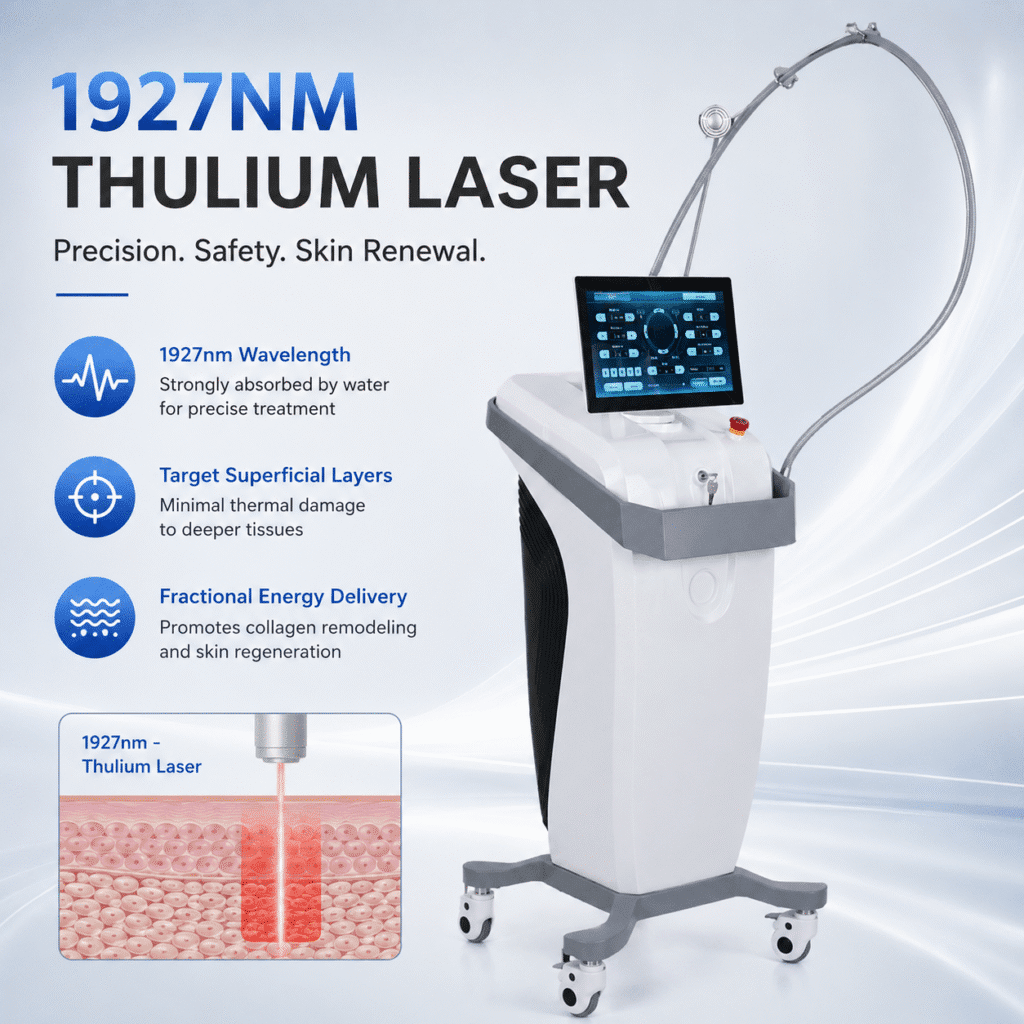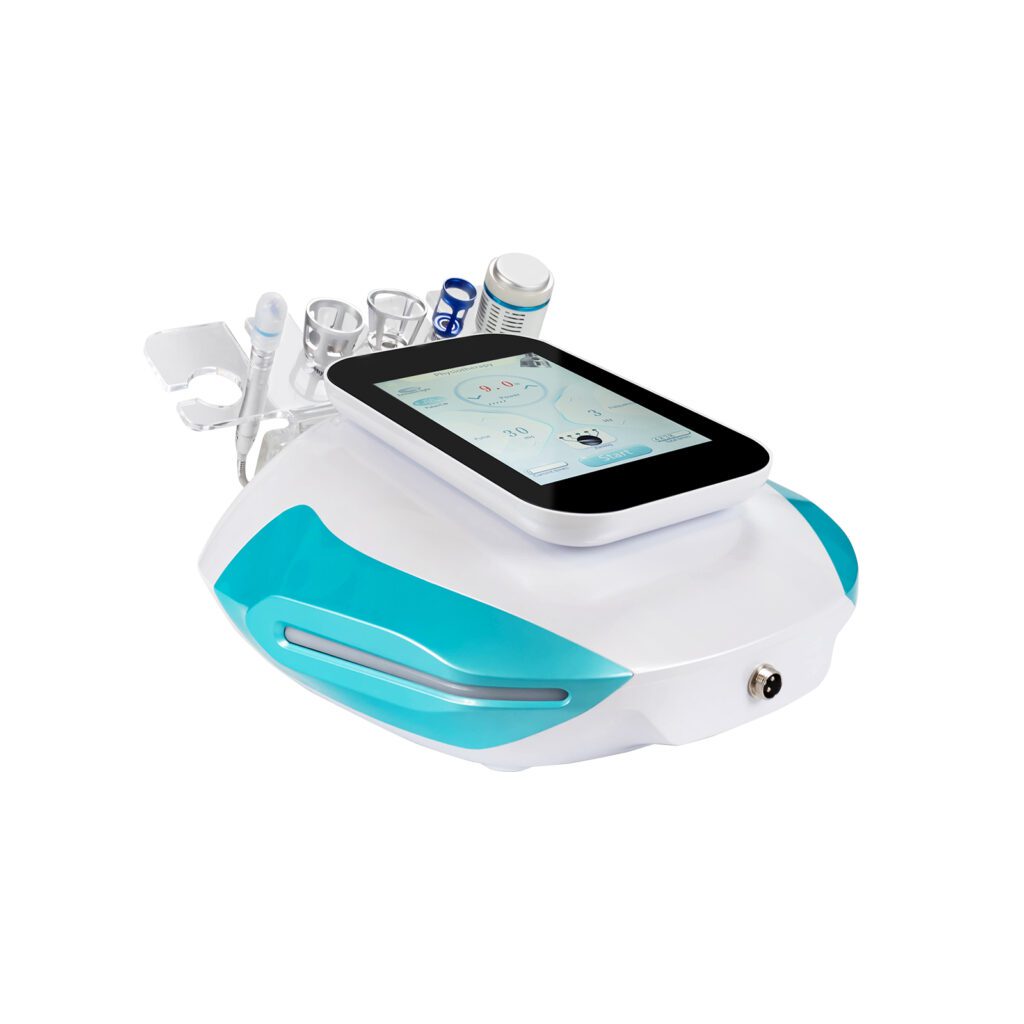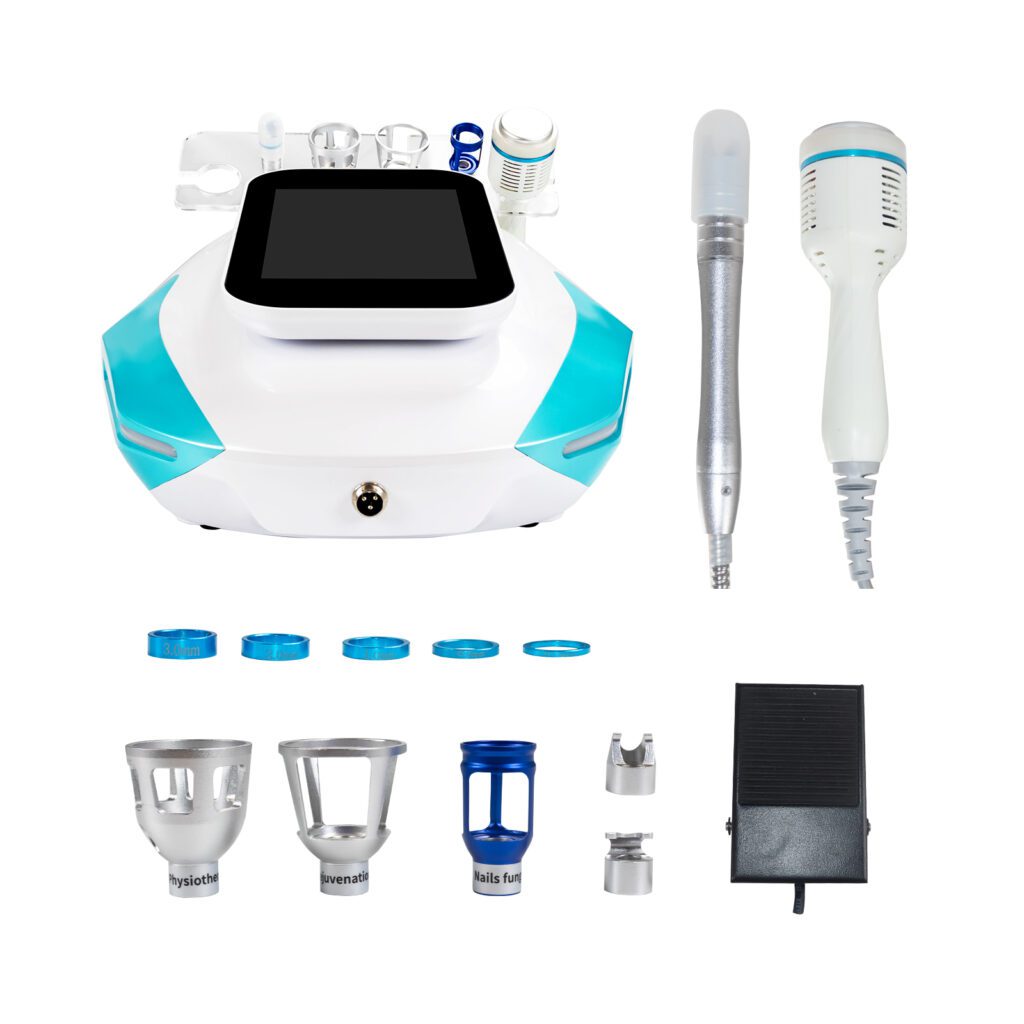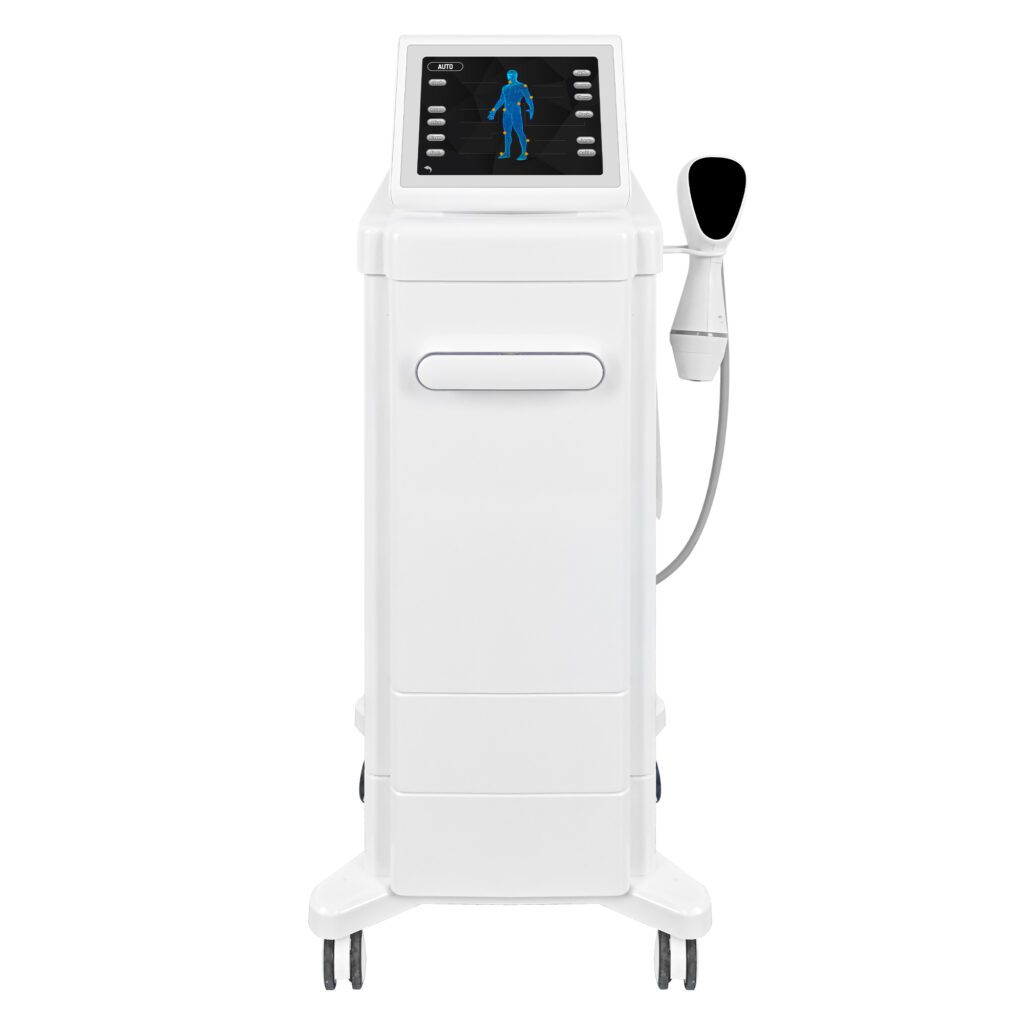
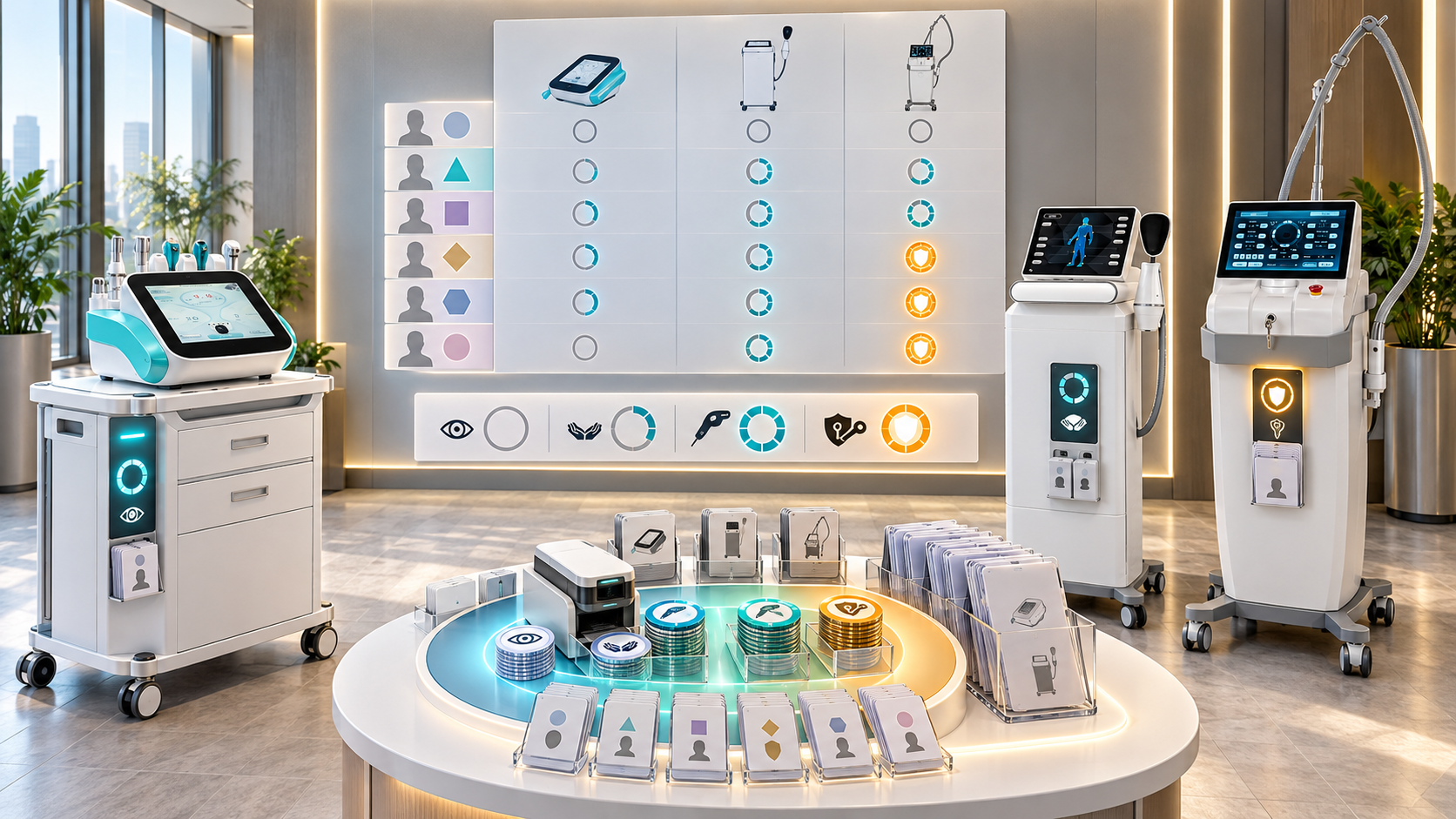
An aesthetic business needs to know more than whether an employee has attended device training. It needs a clear answer to a narrower question: which person is authorized to perform which task, on which device and configuration, for which service, at which location, and under what level of supervision?
Device authorization levels turn that answer into an operating system. They help salons, skin clinics, med spas, body studios, and multi-location groups control access to facial platforms, RF-microneedling systems, HIFU devices, diode lasers, and body-care equipment. The framework in this guide can be adapted to SHEFMON models while preserving local professional, licensing, premises, insurance, and scope requirements.
Sumário executivo
- Treat training, competency assessment, legal eligibility, and employer authorization as separate requirements.
- Authorize staff for an exact device, configuration, service, task, and location; a broad category label is not enough.
- Use levels that distinguish awareness, preparation assistance, supervised operation, independent operation, and assessor or program-lead duties.
- Keep technical maintenance and internal repair permissions on a separate track from treatment-operation authority.
- Apply local professional-scope, licensing, premises, supervision, insurance, and device-use requirements before internal authorization.
- Assess knowledge, practical skill, consultation boundaries, stop conditions, cleaning, documentation, and escalation.
- Restrict system login, device keys, booking access, and protocol selection to the person’s current level.
- Set review dates and event-based reassessment for new configurations, long gaps in use, incidents, role changes, or revised procedures.
- Suspend authorization promptly when competence, eligibility, device status, or safe operating conditions are uncertain.
- Maintain one controlled authorization register that managers, booking teams, and equipment leads can use.
1. Define Authorization Clearly
Internal device authorization is a documented business decision that permits a named person to perform defined tasks under stated conditions. It should never be inferred from job title, seniority, confidence, or possession of a course certificate.
Four gates should be satisfied:
- Eligibility: the person meets the local professional, licensing, age, supervision, insurance, and employment requirements for the task.
- Training: the person has completed the required general, device-specific, service-specific, and site-specific learning.
- Competency: an approved assessor has verified that the person can perform the permitted tasks and respond correctly within the tested scope.
- Authorization: the business has recorded the permission, limits, location, effective date, reviewer, and next review point.
Passing one gate does not replace the others. A course certificate can support training evidence, but it does not automatically prove current competence or create permission to operate at every site.
2. Authorize the Exact Work, Not a Broad Category
“Authorized for beauty devices” is too vague. Even “authorized for HIFU” or “authorized for laser” may hide important differences.
The authorization object should include:
- staff member and role;
- site and treatment room;
- exact model and installed-unit ID;
- configuration and revision;
- permitted handle, applicator, module, cartridge, tip, or needle-head family;
- permitted service or protocol family;
- allowed tasks;
- supervision level;
- client-consultation boundary;
- parameter or protocol boundary where applicable;
- cleaning and consumable duties;
- documentation duties;
- escalation and stop-use duties;
- effective and review dates.
One person may be an independent operator for a facial platform and only an observer for an advanced energy-based device. The register should show both permissions without forcing one overall label.
3. Use a Practical Authorization-Level Structure
The labels below are an internal operating example. They are not licences, professional titles, or universal legal categories.
| Nível | Internal role | Permitted activity | Main restriction |
|---|---|---|---|
| Level 0 | Awareness and administration | Understand category basics, schedule only approved services, recognize a hold status, and route questions | No device setup, operation, parameter entry, or client procedure |
| Level 1 | Preparation and room assistant | Perform listed room, stock, cleaning, and non-operating setup tasks after task-specific assessment | No independent activation or treatment delivery |
| Level 2 | Supervised operator | Perform defined steps only while the named authorized supervisor provides the required level of oversight | Cannot operate independently or exceed the supervised scope |
| Level 3 | Independent operator | Deliver listed services on the named configuration within approved procedures and escalation rules | No assessor, trainer, protocol-owner, or technical-service authority unless separately granted |
| Level 4 | Advanced operator or assessor | Perform listed advanced duties and assess defined competencies when formally appointed | Limited to the assessment and service scope recorded in the authorization |
| Program role | Authorization lead | Control the matrix, evidence, review cycle, suspensions, and approvals | Administrative approval does not create treatment or technical competence |
| Technical track | Service or maintenance permission | Perform specifically approved inspection, maintenance, or technical tasks | Separate from client-treatment authorization and never implied by a higher operator level |
A business can rename the levels, but the actions and exclusions must remain explicit.
4. Keep Legal Eligibility Outside the Level Number
An internal Level 3 does not override local law, professional scope, premises rules, insurance terms, device labeling, or clinical governance. Eligibility must be checked before practical training begins and again when circumstances change.
Verify as applicable:
- professional registration or occupational qualification;
- local licence or permit;
- required supervision or delegation;
- premises registration or room controls;
- minimum age or employment conditions;
- insurance or indemnity coverage;
- permitted service and client group;
- device classification and intended professional use;
- required safety roles for the facility;
- record retention and privacy obligations.
Requirements can vary between countries, states, provinces, municipalities, and institution types. Record the source, date checked, responsible reviewer, and any conditions. When the business cannot confirm eligibility, the status should be Not Authorized or Verification Required.
5. Separate Five Types of Permission
A strong matrix does not reduce every task to “can use” or “cannot use.” Separate:
Equipment access
Permission to enter the room, hold a device key, sign in, power up, or perform approved pre-use checks.
Client-facing operation
Permission to perform a named service under supervision or independently.
Consultation and service selection
Permission to screen within the person’s professional scope, confirm the approved service pathway, obtain the required consent, or escalate to another qualified professional.
Program authority
Permission to approve procedures, assess staff, change booking rules, suspend a service, or control the authorization register.
Technical service
Permission to inspect, open, adjust, maintain, replace, diagnose, or return equipment to service. These tasks need their own boundaries and qualified personnel.
A person can hold one permission without holding the others.
6. Build the Device-and-Service Matrix
Create one row for every meaningful combination of model, configuration, service, and task.
| Matrix field | O que gravar |
|---|---|
| Device identity | Model, installed-unit ID, configuration, revision, and site |
| Service identity | Menu name, approved protocol family, and client pathway |
| Staff identity | Name, employee or contractor ID, role, and location |
| Authorization level | Level and supervision condition |
| Permitted functions | Handles, modules, cartridges, tips, needle heads, or applicators |
| Exclusões | Functions, areas, client groups, tasks, or configurations not permitted |
| Evidências | Eligibility check, training, assessment, observed practice, and documents reviewed |
| Controls | Login, key, room, booking, parameter, and consumable permissions |
| Dates | Effective date, last use, review date, suspension, and reinstatement |
| Approvals | Assessor, service owner, authorization lead, and required professional sign-off |
Do not place several different models in one row because their interfaces or technologies appear similar.
7. Define Level 0 for Reception and Administrative Staff
Level 0 staff do not operate equipment. Their authorization supports correct booking and escalation.
They should be able to:
- identify the official service name;
- select only available services in the booking system;
- check whether an authorized operator, room, and device resource are available;
- recognize statuses such as Training Hold, Maintenance Hold, Limited Function, and Stop Use;
- avoid making clinical suitability decisions or unsupported outcome claims;
- follow the approved pre-appointment information script;
- route medical, suitability, adverse-event, or technical questions correctly;
- protect client information;
- record cancellations or transfers accurately.
Level 0 access should not allow parameter screens, device activation, treatment notes reserved for qualified staff, or removal of equipment holds.
8. Define Level 1 for Preparation and Assistance
Level 1 is task-specific. It can cover selected non-operating activities after training and assessment, such as:
- preparing the approved room;
- checking stock against the day’s bookings;
- arranging identified accessories without connecting restricted components;
- completing listed visual checks;
- cleaning external surfaces or approved reusable items under the documented process;
- disposing of designated single-use items;
- returning equipment and accessories to assigned storage;
- reporting missing, damaged, expired, or quarantined items;
- recording completion of preparation tasks.
The task list should state what Level 1 staff must not do. Prohibited work may include selecting parameters, attaching controlled treatment components, opening internal panels, overriding warnings, clearing technical faults, or delivering any part of the client procedure.
9. Define Level 2 for Supervised Operation
Level 2 allows structured practice within a narrow approved scope. “Supervised” must be defined.
The record should state:
- the approved supervisor;
- whether supervision must be direct, immediately available, or another locally permitted form;
- exact device and service;
- steps the trainee may perform;
- steps retained by the supervisor;
- permitted client and case selection;
- maximum session complexity;
- documentation and sign-off;
- number or type of assessments required by the local program;
- actions after a failed or incomplete assessment.
Do not set one universal number of supervised cases. The required evidence should reflect the device, task complexity, local rules, staff background, and assessor’s documented criteria.
10. Define Level 3 for Independent Operators
Level 3 staff can work independently only inside the recorded scope.
They should demonstrate that they can:
- verify the client pathway and their own authority;
- confirm device, configuration, room, consumables, and readiness;
- follow consultation, consent, and documentation requirements within their role;
- choose only an approved service or protocol;
- perform pre-use checks;
- operate within approved boundaries;
- monitor the client and device;
- recognize stop conditions;
- initiate the correct escalation;
- complete cleaning, stock, treatment, and follow-up records;
- place the device or service on hold when required.
Independent status does not grant permission to invent protocols, train colleagues, authorize new configurations, or perform internal technical work.
11. Define Level 4 and Assessor Duties Carefully
An advanced operator, trainer, or assessor needs more than longer service time. The business should appoint the person for named duties and verify competence in assessment itself.
Possible duties include:
- assess a specific device-service competency;
- supervise Level 2 staff;
- deliver approved refresher training;
- review deviations and near misses;
- support procedure updates;
- verify room and workflow readiness;
- recommend authorization, restriction, or further practice;
- monitor consistency across locations.
Level 4 does not automatically permit every device or service. The assessor must not approve a competency outside their own verified scope, and the authorization lead should remain separate from the assessment when local governance requires additional review.
12. Keep Technical Authorization on a Separate Track
Treatment competence and technical service competence are different. A skilled operator may perform permitted daily checks yet remain unauthorized to open the device, replace internal parts, change controlled settings, or approve return to service after repair.
The technical matrix should identify:
- operator checks;
- cleaning and user-replaceable items;
- approved first-line troubleshooting;
- component replacement permitted at site;
- tasks restricted to qualified technical personnel;
- tasks requiring off-site service;
- evidence and documentation;
- isolation and lockout controls where applicable;
- post-work functional verification;
- authority to release the device back to bookings.
Never use an advanced treatment-operator level as a shortcut for technical permission.
13. Build a Structured Training Curriculum
Training should match the person’s target authorization rather than cover every possible feature.
The curriculum can include:
- device identity, configuration, and intended business use;
- relevant technology principles at the required depth;
- installed handles, applicators, cartridges, tips, or needle heads;
- professional and local scope boundaries;
- Requisitos de espaço e utilidades;
- client consultation and escalation boundary;
- approved service workflow;
- parameter or protocol controls;
- pre-use, operation, and post-use checks;
- client monitoring and stop conditions;
- eye, skin, infection-control, electrical, or other applicable protections;
- consumable selection and traceability;
- cleaning, storage, and waste handling;
- documentation and privacy;
- incident and adverse-event response;
- equipment fault reporting;
- booking and hold statuses.
Product demonstration, theoretical learning, and supervised practice should be recorded as separate activities.
14. Assess Competency with More Than a Quiz
A complete assessment can combine several evidence types.
| Assessment method | What it can verify |
|---|---|
| Knowledge check | Device identity, warnings, limits, workflow, and escalation rules |
| Room walkthrough | Access control, utilities, protective resources, cleaning, and emergency arrangements |
| Simulation | Setup, interface navigation, booking hold, fault response, and communication without client exposure |
| Direct observation | Consultation boundary, approved operation, monitoring, technique, documentation, and post-use process |
| Record review | Complete, accurate, and traceable service notes and consumable use |
| Scenario discussion | Response to uncertainty, contraindication questions, unexpected client feedback, device alarms, or interrupted service |
| Follow-up review | Consistency after initial authorization and identification of further coaching needs |
Define critical failures that stop the assessment. These can include operating outside scope, bypassing a safety control, using an unverified component, ignoring a stop condition, or falsifying a record.
15. Control Protocol and Parameter Authority
Independent operation does not mean unlimited parameter choice.
The business should define:
- approved protocol families;
- who may select from existing approved options;
- who may make adjustments within a documented range;
- situations that require another professional review;
- configurations or client pathways excluded from the person’s authorization;
- who can approve a new protocol;
- how changes are versioned and communicated;
- how the booking and treatment record capture the selected pathway.
Avoid storing a single generic “trained” flag when the person is authorized for only part of a multifunction device.
16. Control Keys, Logins, Rooms, and Bookings
Administrative controls should support the authorization register.
Possible controls include:
- individual login rather than shared credentials;
- role-based access to device modes;
- controlled keys or activation credentials;
- room access tied to authorized shifts;
- booking rules that require an authorized operator and approved room;
- automatic blocks for expired or suspended staff authorization;
- device hold status that reception cannot remove;
- separate assessor and approval permissions;
- audit history for changes;
- immediate access removal after role change or departure.
Do not rely on a printed list alone if the booking system continues assigning unauthorized staff.
17. Apply the Framework to A0648 Facial Services
O SHEFMON A0648 hydro microdermabrasion machine is presented as a multifunction facial platform. Authorization should show which installed tools and services each person can use.
An A0648 record can distinguish:
- room and external preparation tasks;
- solution, container, tip, tubing, and handpiece checks;
- named facial-service workflow;
- suction and client-comfort monitoring within the approved process;
- function-specific cleaning and flushing;
- consumable recording;
- recognition of leakage, blockage, damaged tubing, abnormal suction, or another hold condition;
- permission for other installed tools, if separately assessed.
A person assessed on one A0648 service should not automatically receive every function on the platform.
18. Apply the Framework to B0155 Body Services
O SHEFMON B0155 body-care system is described with handles for body and smaller-area applications. Build permissions by handle and service pathway.
The record should identify:
- installed B0155 handle package;
- body or smaller-area services permitted;
- room setup and client-positioning duties;
- approved operating workflow;
- monitoring and stop conditions;
- cleaning and applicator care;
- cable, connector, vacuum, roller, RF, or physical observations relevant to the confirmed configuration;
- package documentation;
- exclusions and escalation.
Experience with a body applicator does not automatically authorize a smaller-area service or another installed handle.
19. Apply the Framework to A0152 RF Microneedling
O SHEFMON A0152 RF-microneedling page lists working-handle choices and several needle-head formats. Authorization should be specific to the confirmed configuration and the professional scope required in the buyer’s market.
Registro:
- A0152 unit and working-handle arrangement;
- needle-head formats permitted;
- approved service and treatment area scope;
- consultation, consent, and documentation duties;
- room, cleaning, single-use, and sharps or waste controls where applicable;
- protocol and parameter boundary;
- client monitoring and stop conditions;
- response to installation, recognition, or device alerts;
- escalation and follow-up duties;
- review and recency conditions.
Possession of a general microneedling certificate should not be treated as proof of authorization for every RF-microneedling device or service.
20. Apply the Framework to A0204 HIFU
O SHEFMON A0204 focused HIFU system has a configuration structure involving handles, modules, and cartridge groups. The staff record should list only the elements that were assessed and approved.
Incluir:
- unit configuration and revision;
- permitted HIFU handle or optional module;
- cartridge family and approved service role;
- professional eligibility and required supervision;
- consultation, documentation, and consent duties;
- protocol selection boundary;
- cartridge status and traceability;
- client monitoring and stop conditions;
- room and cleaning controls;
- excluded modules, areas, or service pathways.
Do not authorize the complete A0204 platform from an assessment performed on one handle or cartridge family.
21. Apply the Framework to A0426 Diode Laser Services
O SHEFMON A0426 diode laser lists choices involving wavelength arrangement, handle power, and spot size. The authorization register should preserve the exact installed configuration.
Laser authorization can include:
- verified professional and local eligibility;
- laser-specific safety learning required for the facility;
- A0426 configuration and handle;
- room access and restricted-area rules;
- protective eyewear selection and control according to the approved setup;
- client assessment and escalation boundary;
- approved hair-removal service range;
- cooling, contact, and client-monitoring duties;
- stop conditions and incident response;
- parameter and protocol boundary;
- treatment record and package documentation;
- technical hold and support escalation.
Training on another laser does not automatically create A0426 authorization. The site, model, configuration, service, and room controls should all be assessed.
22. Manage Multifunction Devices by Function
A multifunction platform can create hidden over-authorization. Staff may be confident with a frequently used function and assume the remaining functions are included.
Use a function grid:
| Function status | Significado |
|---|---|
| Authorized independently | Competency and eligibility verified for the named function and service |
| Authorized under supervision | Practice allowed only under the recorded supervision condition |
| Preparation only | Listed room, cleaning, or stock tasks permitted; no client operation |
| Training pending | Learning started, but no operational permission |
| Not authorized | No permission for the function |
| Suspended | Previous permission temporarily withdrawn pending review |
The device login, procedure list, and booking system should reflect the function grid where technically possible.
23. Set Recency and Review Rules
Competence can decline when a service is rarely performed or the person has a long absence. Create review rules that fit the device, service, staff role, and local requirements.
Review evidence can include:
- date of last independent service;
- recent case or appointment volume;
- procedure changes;
- device or configuration changes;
- incidents, near misses, or repeated documentation errors;
- supervisor feedback;
- refresher completion;
- observed reassessment;
- changes in professional status or insurance;
- room or premises changes.
Avoid a universal expiry period for every category. The program should set justified intervals and event-based triggers.
24. Reassess After Changes
Trigger a focused review when there is:
- a new device model;
- a different configuration or revision;
- a new handle, module, cartridge, tip, or needle head;
- a revised procedure or parameter range;
- a new service or client pathway;
- relocation to another room or site;
- a software or interface change;
- a long gap in use;
- a professional-role or supervision change;
- an equipment incident or unexpected client outcome;
- a change in local rules or premises conditions.
The review can be limited to the change when the existing evidence remains valid. Record why full or partial reassessment was selected.
25. Suspend and Reinstate Authorization
Suspension protects clients, staff, and equipment while facts are reviewed. It should be possible without waiting for the next scheduled renewal.
Possíveis gatilhos incluem:
- expired or unverified professional eligibility;
- use outside the recorded scope;
- repeated failure to follow procedure or documentation;
- an unresolved incident;
- unsafe room or device condition;
- an unapproved component or consumable;
- inability to demonstrate a critical skill;
- long absence or insufficient recency;
- revised service requirements not yet assessed.
The suspension record should state the affected scope, effective time, booking action, reviewer, required corrective steps, and communication. Reinstatement needs new evidence and approval; it should not occur automatically when a calendar date passes.
26. Coordinate Authorization with Booking and Scheduling
Each device-based appointment should require a valid combination of:
- approved service;
- authorized staff member;
- approved device and function;
- suitable room;
- available consumables;
- correct appointment duration;
- required consultation or professional review;
- active device and staff status.
Create clear responses when the combination fails. Reception can move the appointment to another authorized operator, request a review, or reschedule. It should not assign the service to a convenient but unauthorized person.
27. Manage Authorization Across Multiple Locations
Central standards can improve consistency, but site authorization still matters.
A multi-location register should show:
- person and home site;
- additional approved sites;
- model and configuration at each site;
- room-specific induction;
- local documents and emergency routes;
- permitted services and supervision;
- temporary assignment dates;
- local assessor or service owner;
- authorization changes and suspension history.
Do not assume that authorization transfers because two branches own the same model. Room, configuration, local procedures, support contacts, and premises conditions may differ.
28. Control Contractors, Temporary Staff, and Visiting Trainers
External status does not bypass site authorization.
Before access, confirm:
- identity and role;
- professional and insurance evidence where applicable;
- exact task and device;
- site induction;
- room and safety controls;
- data and privacy access;
- supervision;
- permitted client contact;
- technical boundaries;
- start and end dates;
- responsibility for records and incident reporting.
A visiting trainer may demonstrate approved functions without being authorized to deliver normal client services at the site. A technical specialist may service equipment without having any client-treatment permission.
29. Use Supplier Training as One Evidence Source
Product training can support device identity, setup, functions, user controls, cleaning, consumables, warnings, and first-line support. The buyer still needs to connect that learning to local eligibility, service protocols, supervised practice, competency assessment, and site authorization.
For each session, record:
- trainer and organization;
- date and delivery method;
- device model and configuration;
- participants;
- topics and functions covered;
- materials and revision;
- demonstration or practice completed;
- assessment, if any;
- questions or limitations;
- follow-up actions.
Do not describe attendance as independent authorization unless the organization’s full approval process has been completed.
30. Build a Controlled Authorization Record
Each staff-device-service record should include:
- staff name and ID;
- employment or contractor status;
- professional role and verified eligibility;
- site and room;
- device model, installed-unit ID, configuration, and revision;
- permitted services, functions, and tasks;
- authorization level and supervision;
- exclusions;
- training evidence;
- assessor and assessment outcome;
- protocol or document versions;
- effective, review, expiry, suspension, and reinstatement dates;
- booking, login, and key-access changes;
- approval signatures or digital audit trail.
Archive expired records rather than overwriting them. Historical authorization can be important when reviewing an appointment, incident, or staff transfer.
31. Roll Out the System in Phases
Phase 1: Inventory
List active devices, configurations, services, rooms, staff, professional requirements, and current evidence.
Phase 2: Define levels and scope
Approve the level definitions, supervision language, technical track, and minimum evidence.
Phase 3: Map existing staff
Do not grant blanket authorization from memory. Verify records and classify gaps as Training Required, Assessment Required, Eligibility Review, or Not Authorized.
Phase 4: Assess priority services
Begin with high-use, higher-complexity, high-dependency, or newly introduced categories.
Phase 5: Connect controls
Update bookings, logins, keys, rooms, training plans, and manager dashboards.
Phase 6: Audit and improve
Review expired records, overrides, incidents, booking mismatches, and assessor consistency.
32. Avoid Common Authorization Errors
- Treating a job title as device permission.
- Accepting course attendance as proof of current competence.
- Authorizing a category without naming the model and configuration.
- Giving access to every function on a multifunction platform.
- Failing to define supervision.
- Allowing an independent operator to train or assess others without separate appointment.
- Combining treatment and technical-service authority.
- Ignoring rooms, sites, consumables, logins, and booking controls.
- Using a fixed number of cases without assessing performance.
- Leaving expired or suspended staff bookable.
- Transferring authorization automatically between branches.
- Restoring authorization without documented corrective evidence.
- Applying one jurisdiction’s role definitions to every market.
33. Device Authorization Checklist
- Local eligibility and premises requirements are verified before authorization.
- Levels describe permitted tasks and clear exclusions.
- Treatment, program, and technical permissions are separated.
- Every record names the device, configuration, service, function, site, and room.
- Supervision is defined operationally.
- Training matches the target authorization.
- Competency includes practical observation and scenario response.
- Critical assessment failures are defined.
- Protocol and parameter authority is limited and version controlled.
- Device keys, logins, rooms, and bookings reflect the current permission.
- Multifunction devices use function-level authorization.
- Recency and review rules are justified by category and role.
- Device, service, staff, or regulatory changes trigger reassessment.
- Suspension can be applied immediately and recorded clearly.
- Reinstatement requires evidence and approval.
- Contractors and visiting personnel receive site-specific authorization.
- Expired records remain archived and traceable.
- Managers audit booking mismatches, overrides, incidents, and overdue reviews.
Perguntas frequentes
1. Is a training certificate the same as device authorization?
No. A certificate can show that training occurred, but internal authorization should also verify local eligibility, practical competency, exact device and service scope, site conditions, supervision, and approval by the responsible organization.
2. Can one authorization cover every beauty device in the salon?
It should not. Record authorization by model, configuration, function, service, and site. Staff can hold different levels for different devices, and some functions on a multifunction platform may remain excluded.
3. What is the difference between a supervised and independent operator?
A supervised operator may perform only the listed tasks under the recorded form of supervision. An independent operator can deliver the listed service without that supervision but remains bound by protocol, professional scope, escalation, room, and documentation limits.
4. How many supervised treatments are required before independent authorization?
There is no universal number for every device or market. The program should set evidence requirements from local rules, device complexity, staff background, service scope, assessor criteria, and demonstrated performance. Completion of a number does not compensate for a failed critical competency.
5. Should authorization expire?
Use defined review dates and event-based triggers. The interval should reflect local requirements, device and service complexity, usage frequency, incidents, procedure changes, and professional status. A long gap in use may require reassessment before the scheduled date.
6. Can a senior operator automatically train or assess other staff?
No. Trainer or assessor duties need separate appointment and evidence. The person should be competent in the exact device-service scope and in the organization’s assessment method.
7. Can an authorized operator repair the device?
Only if a separate technical authorization permits the specific task. Routine user checks, approved component changes, internal repair, and return-to-service approval should have distinct boundaries.
8. Does authorization transfer to another salon location?
Not automatically. Confirm the model, configuration, room, local procedure, support route, premises conditions, and site induction. Record the additional site when all requirements are satisfied.
9. What happens when staff operate outside their authorization?
Protect the client and equipment, place the affected service or permission on hold, preserve records, review the event, and determine corrective action. Reinstatement should require suitable evidence and approval rather than occur informally.
10. When should SHEFMON be involved in staff authorization planning?
Contact SHEFMON when the device configuration, installed functions, handles, cartridges, needle heads, applicators, consumables, user documentation, or product-training scope needs confirmation. The buyer remains responsible for local eligibility, professional governance, competency assessment, and employment authorization.
Conclusão
Device authorization levels make staff capability visible and controllable. The strongest system connects a named person to an exact device, configuration, service, task, site, and supervision condition. It separates course attendance from demonstrated competence, independent operation from assessment authority, and client treatment from technical service.
Start with clear levels, verify local eligibility, assess real performance, connect the results to booking and access controls, and review permission whenever people, devices, procedures, or locations change. This gives aesthetic businesses a practical way to expand their service menus while keeping responsibilities clear.
Explore o Categorias de dispositivos de beleza SHEFMON ou contate SHEFMON with your current models, installed configurations, staff roles, sites, and intended services to identify the product information and training scope needed for your authorization matrix.