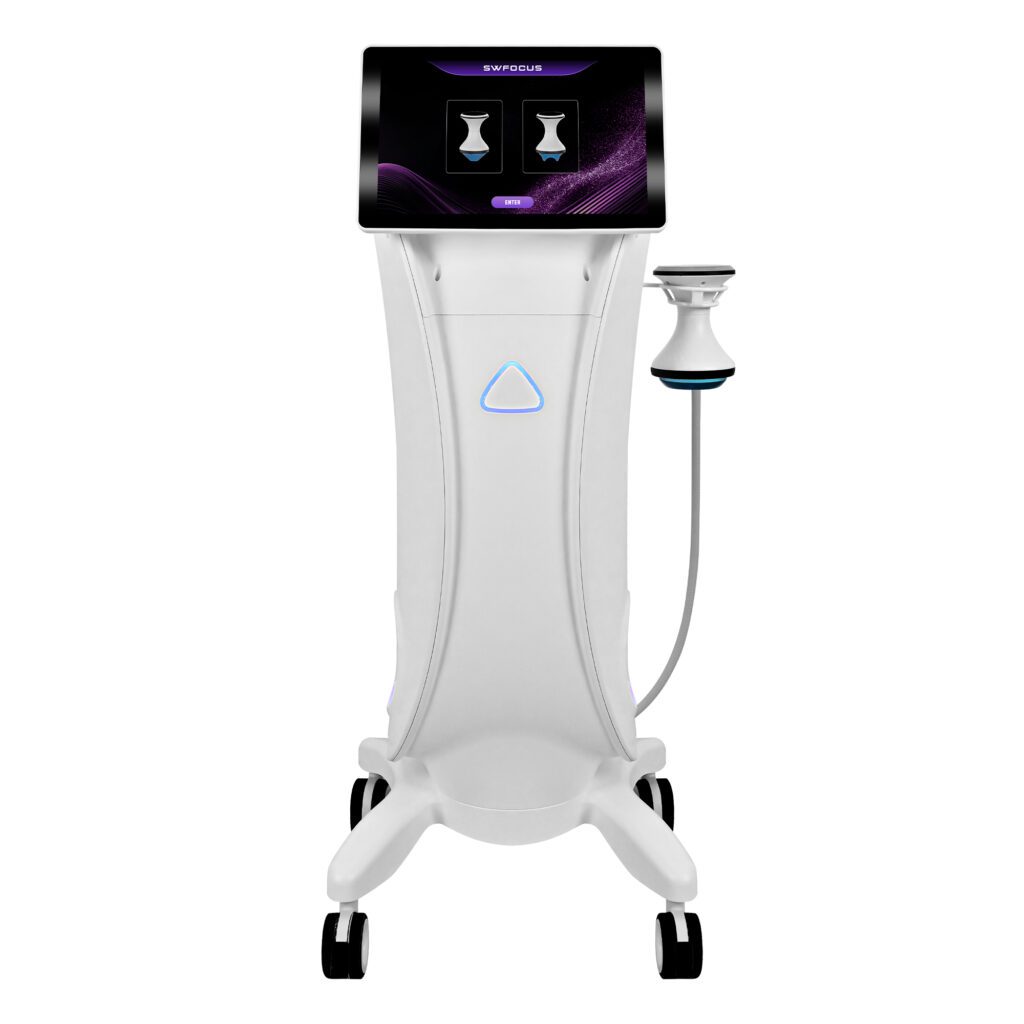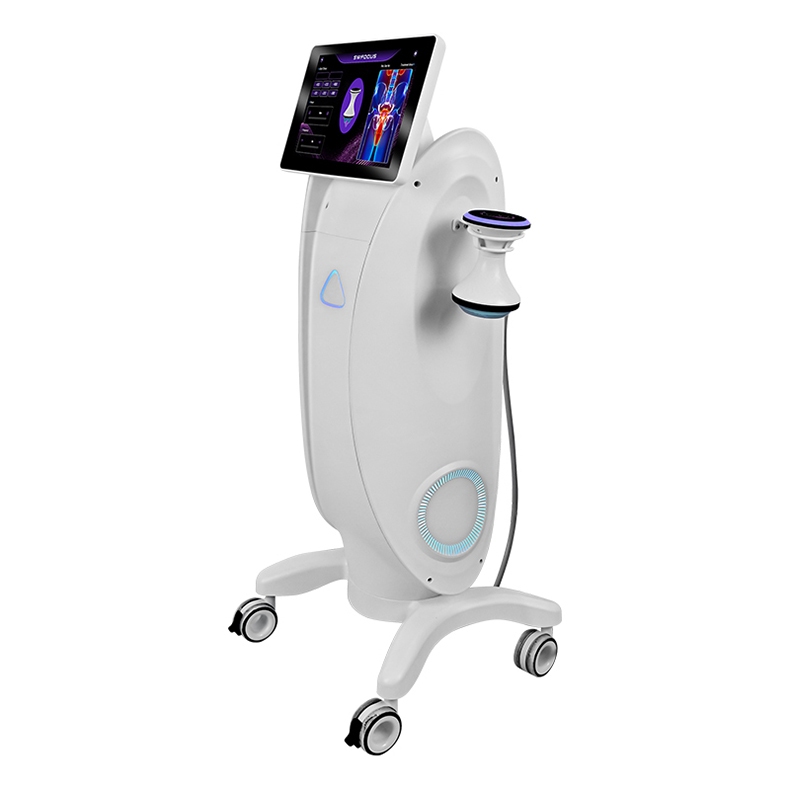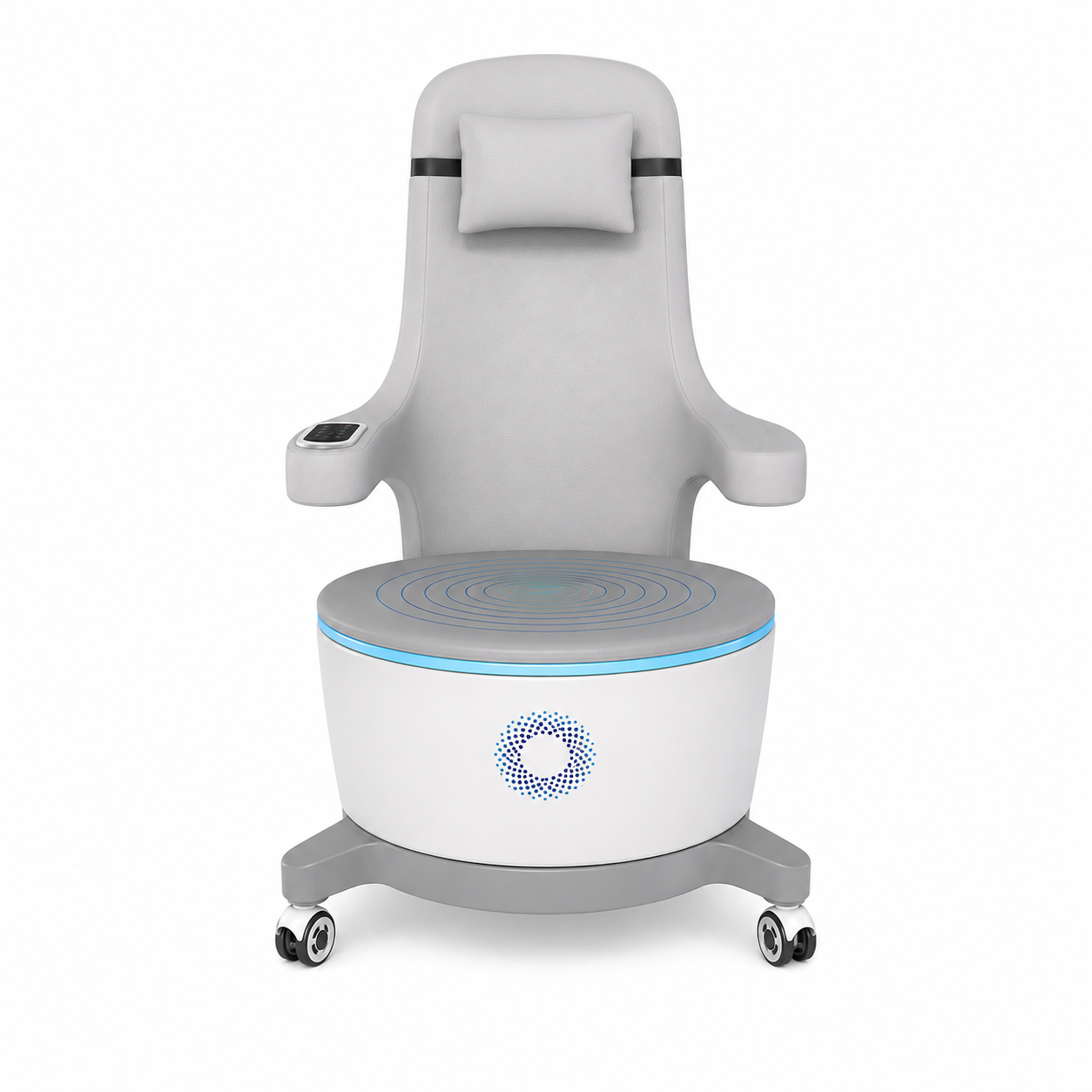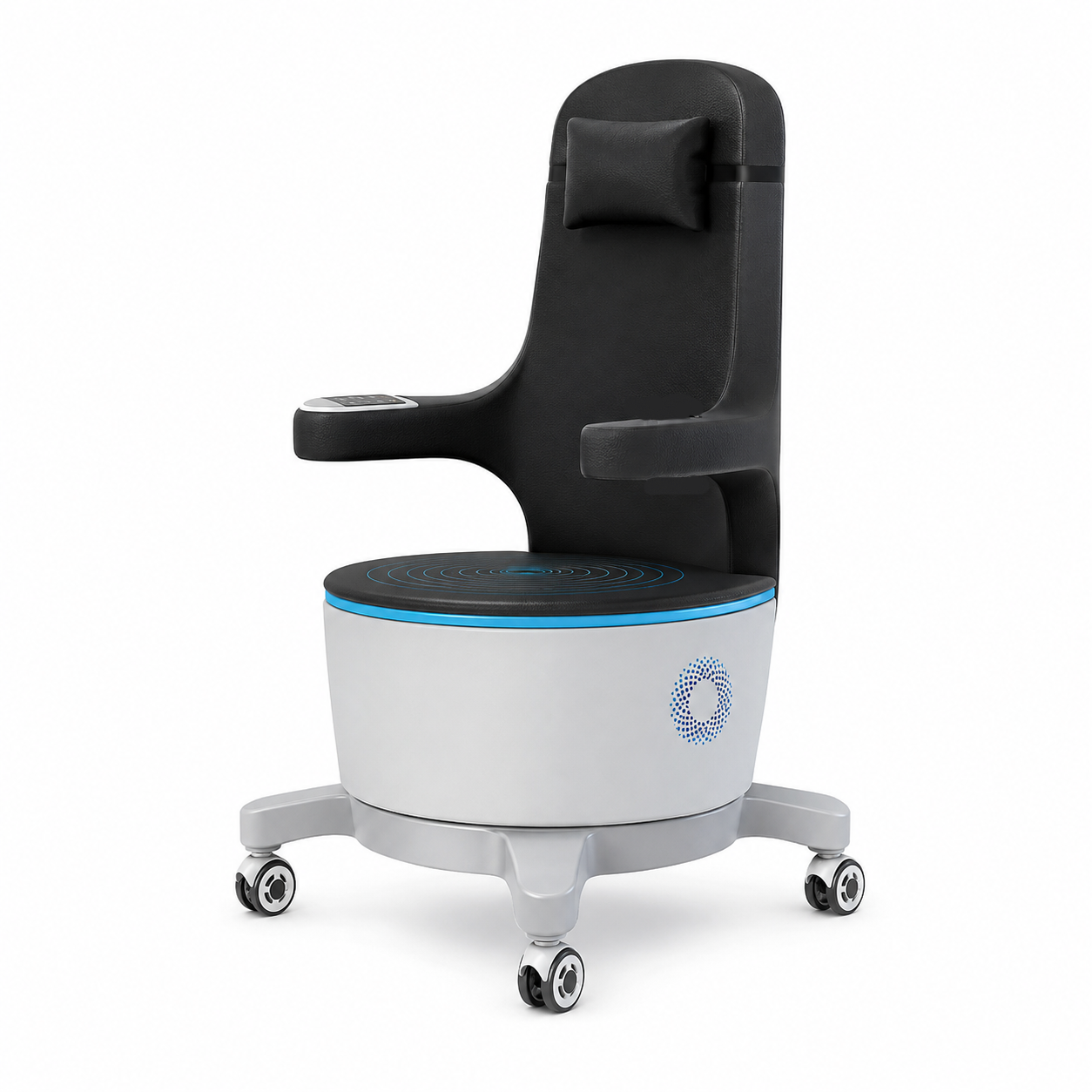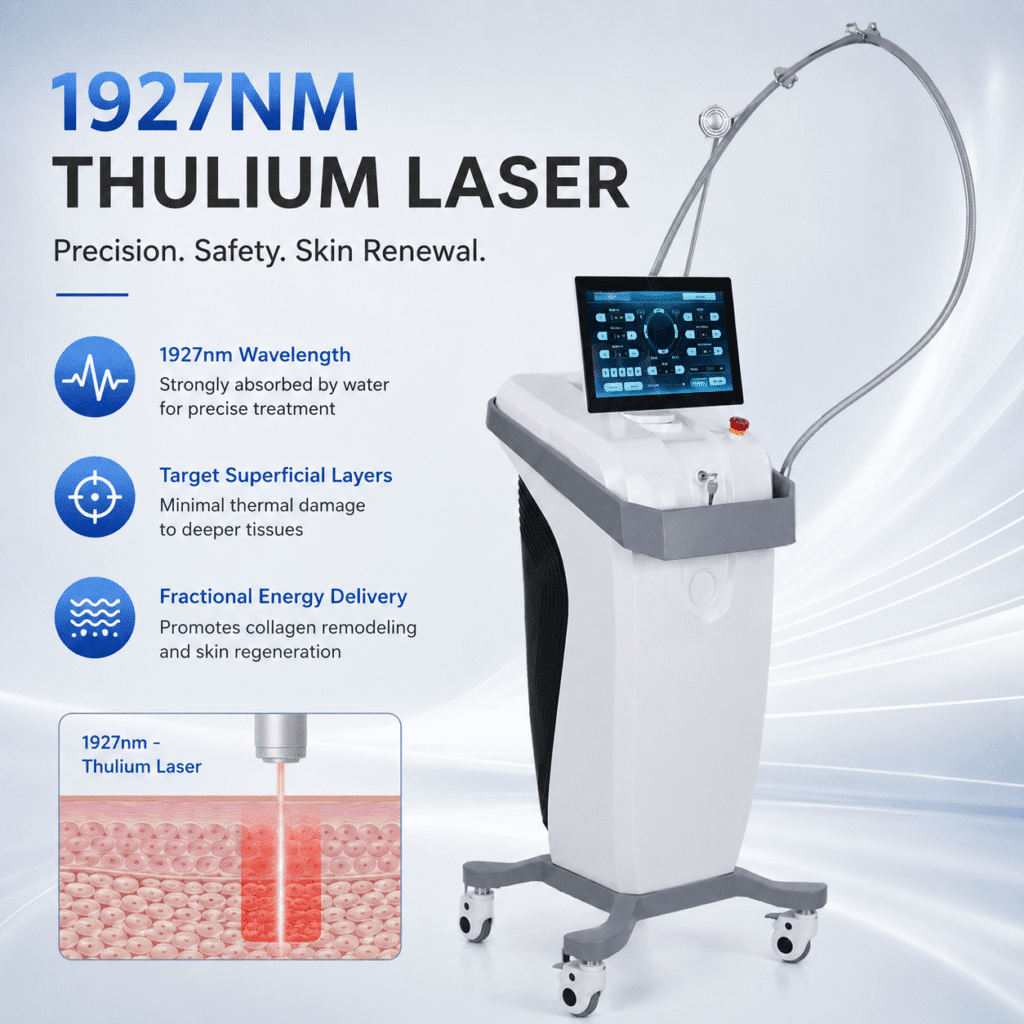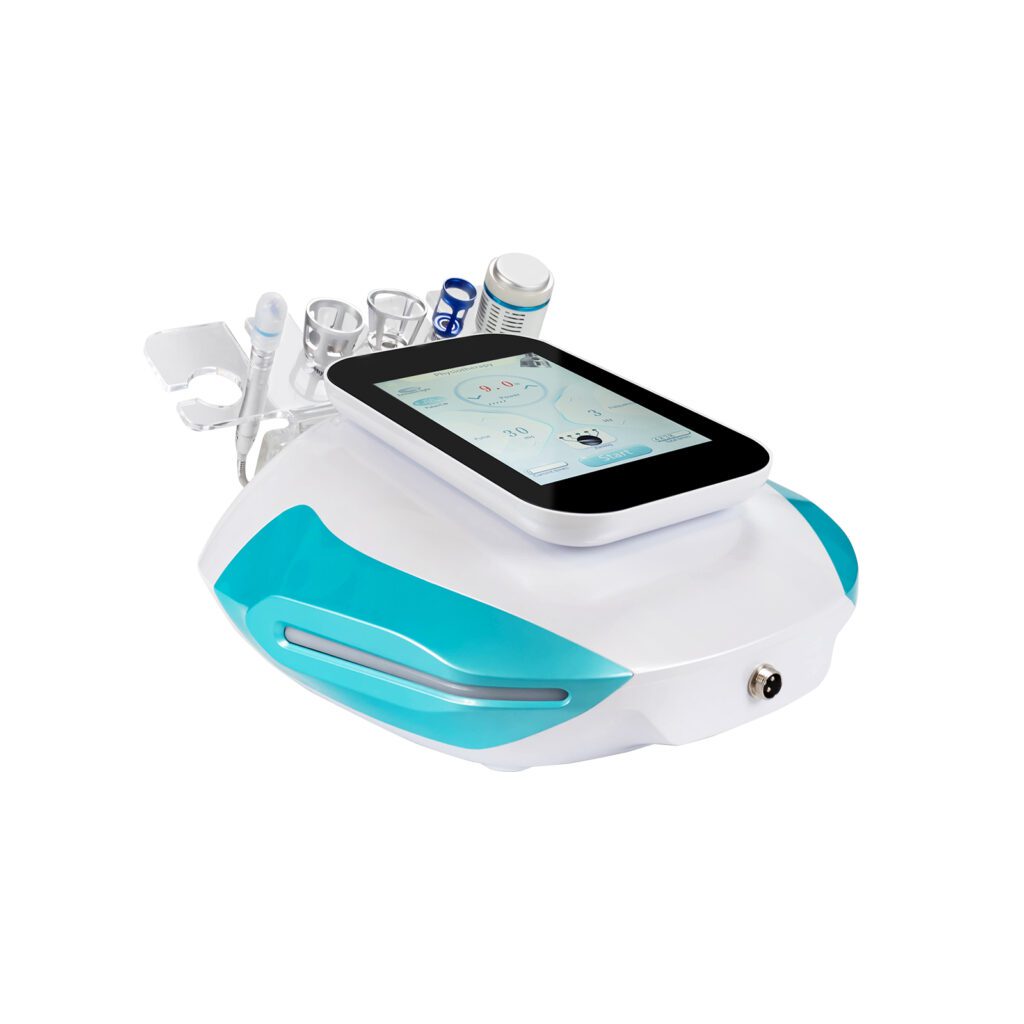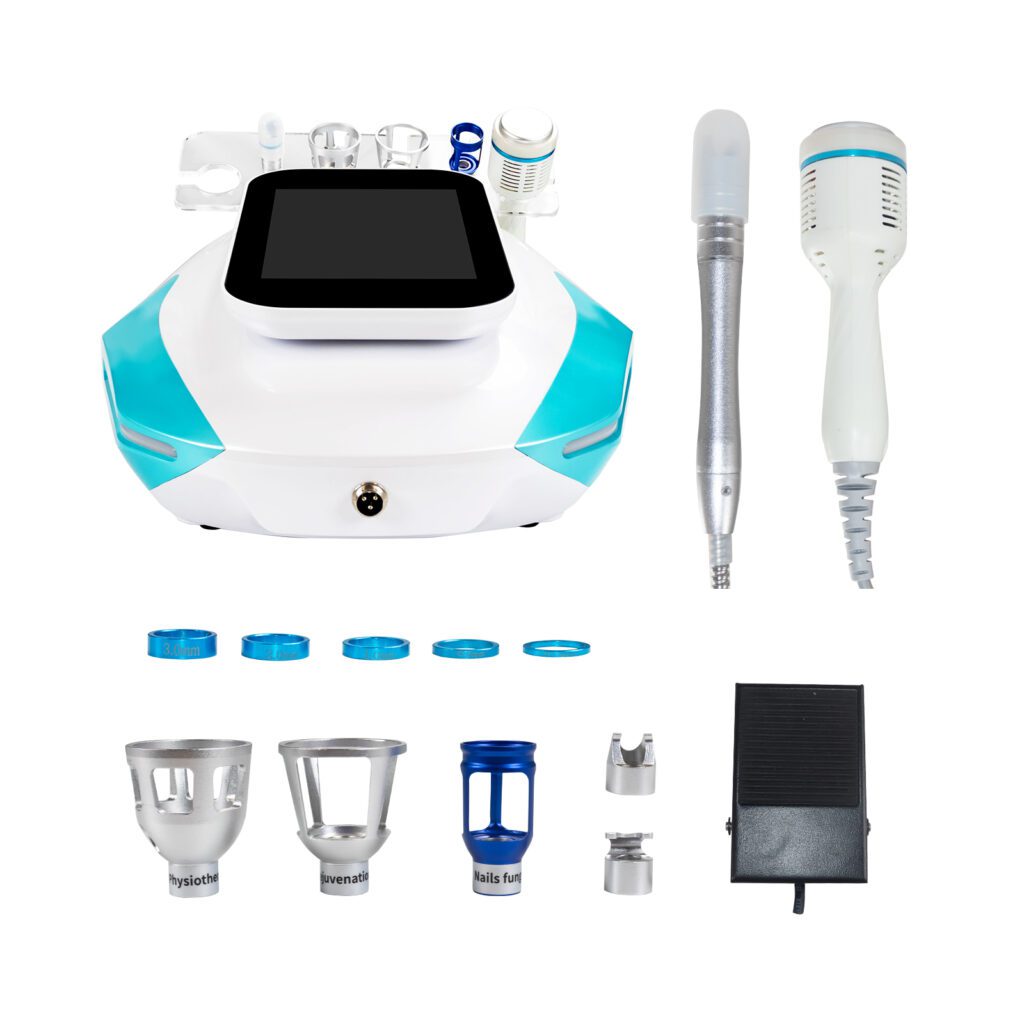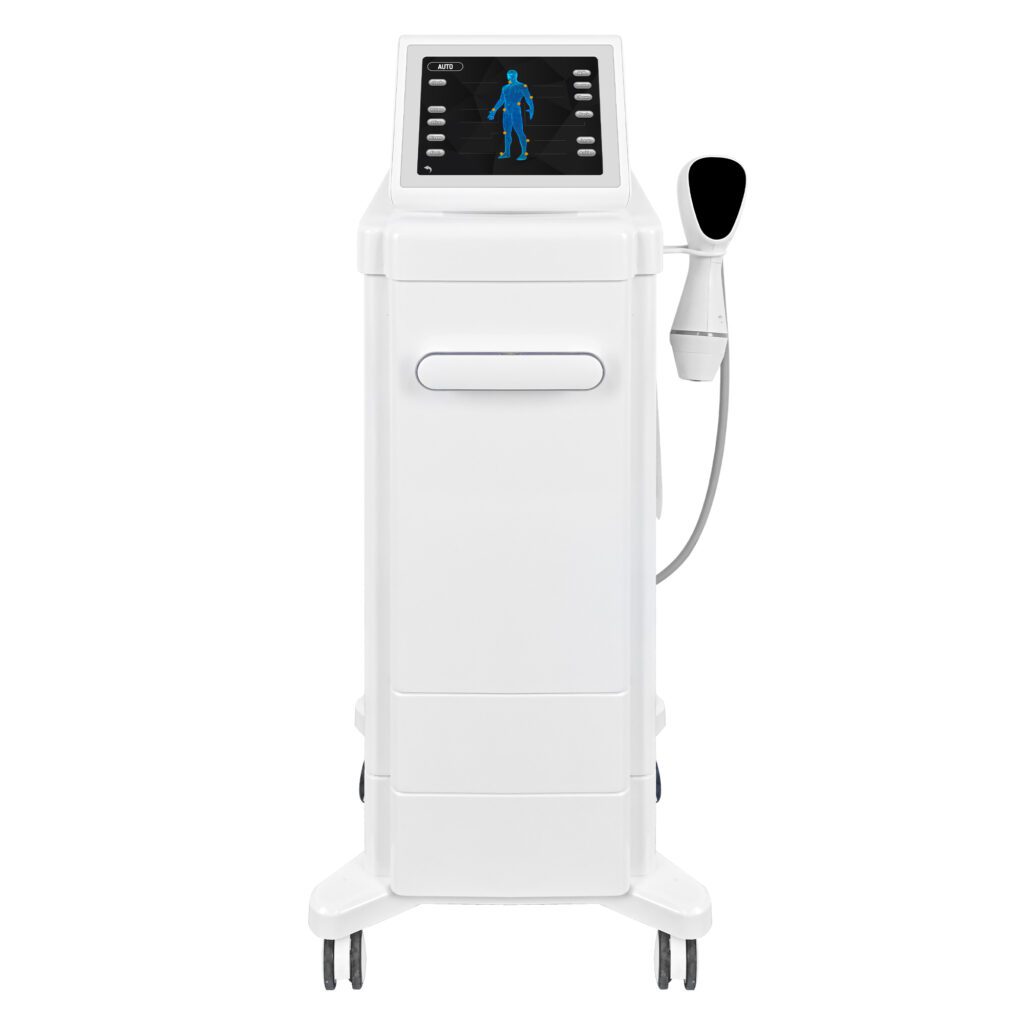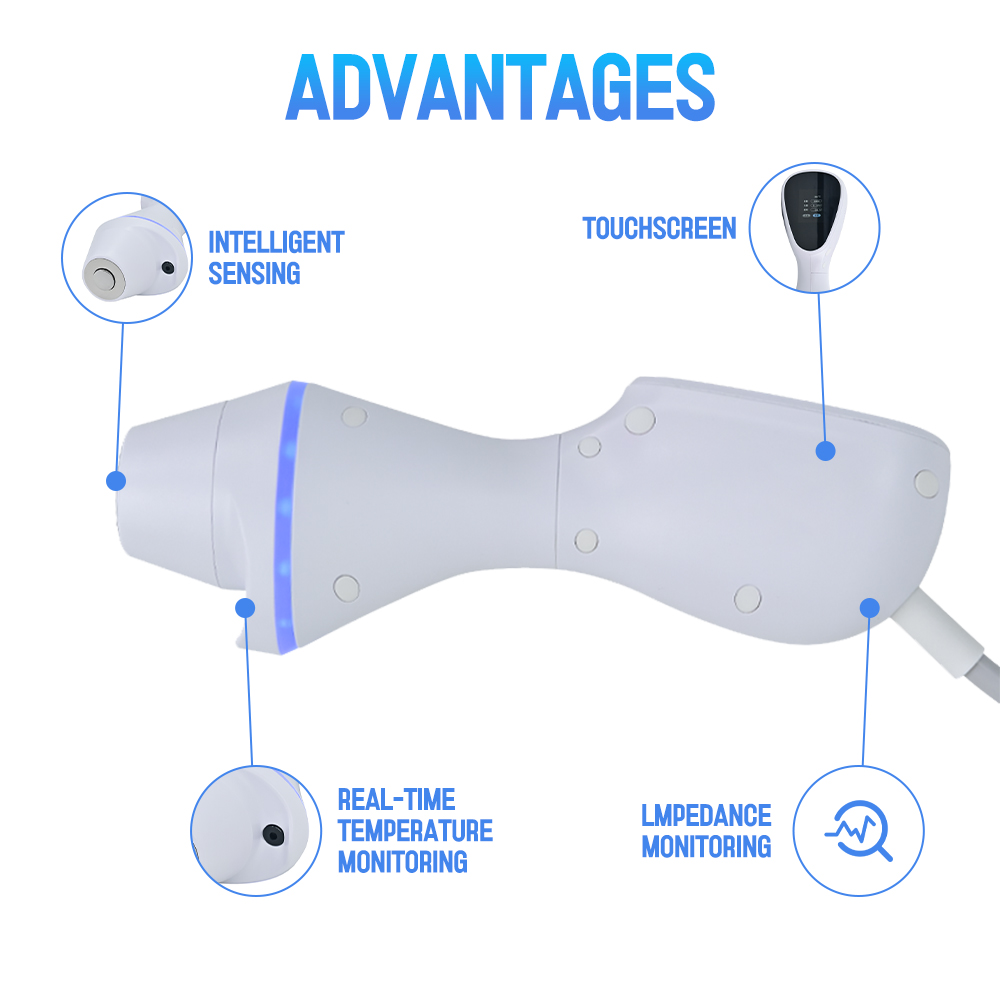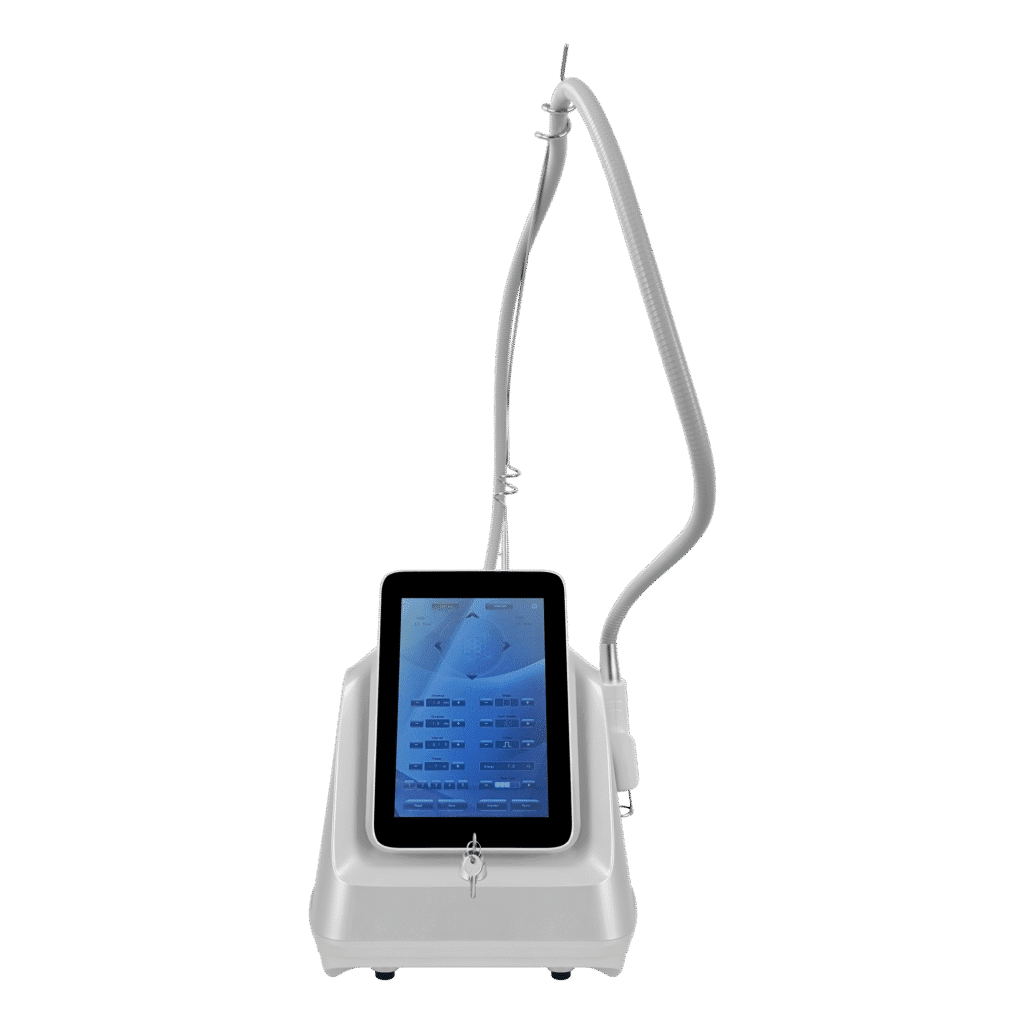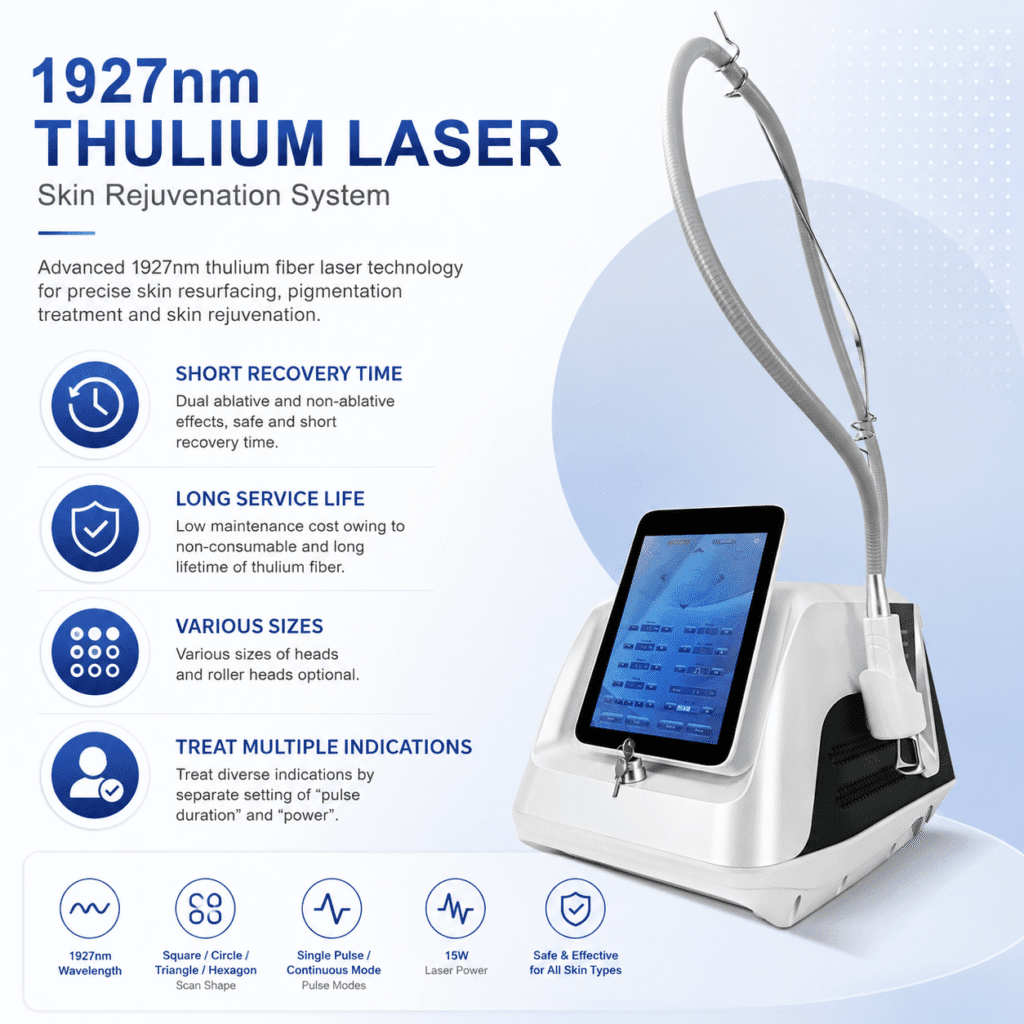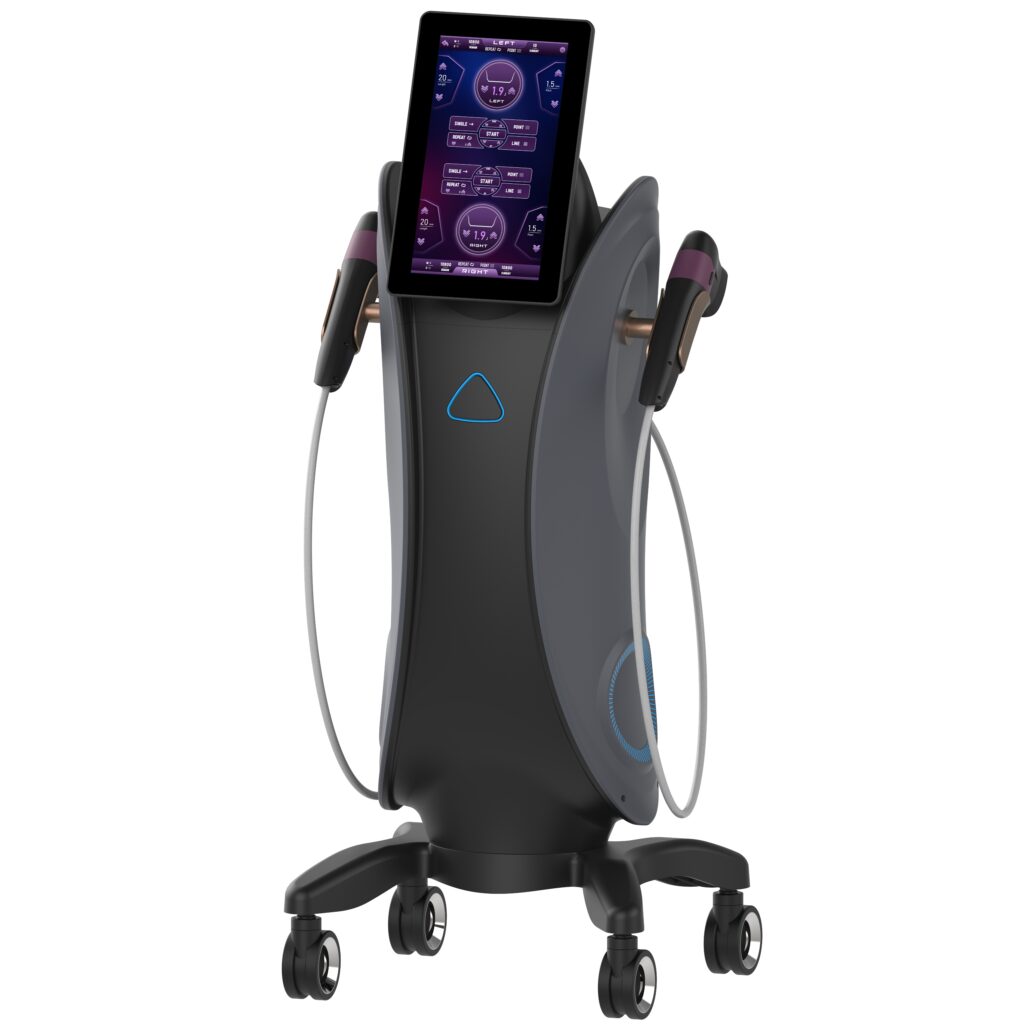










Por trás de cada confiável máquina estética Não se trata apenas de tecnologia, mas de um processo de desenvolvimento estruturado que garante desempenho, segurança e adaptabilidade às necessidades do mercado. Shefmon, O foco vai além da fabricação de máquinas padrão — a empresa construiu um sistema completo de pesquisa, design e personalização que permite aos parceiros passar do conceito ao produto final de forma eficiente, mantendo o controle sobre a marca e a funcionalidade.
1. Uma base sólida em pesquisa por trás de cada produto
A estratégia de desenvolvimento da Shefmon começa com uma base sólida de engenharia. A empresa opera com uma equipe dedicada de engenheiros, muitos com mais de oito anos de experiência em desenvolvimento de tecnologia estética.
Essa equipe conta com o apoio de investimentos contínuos em pesquisa e desenvolvimento, permitindo que a Shefmon se mantenha alinhada às demandas em constante evolução do setor. Em vez de simplesmente replicar dispositivos existentes, o foco está em aprimorar o desempenho, melhorar a usabilidade e introduzir novas combinações funcionais que respondam ao feedback real do mercado.
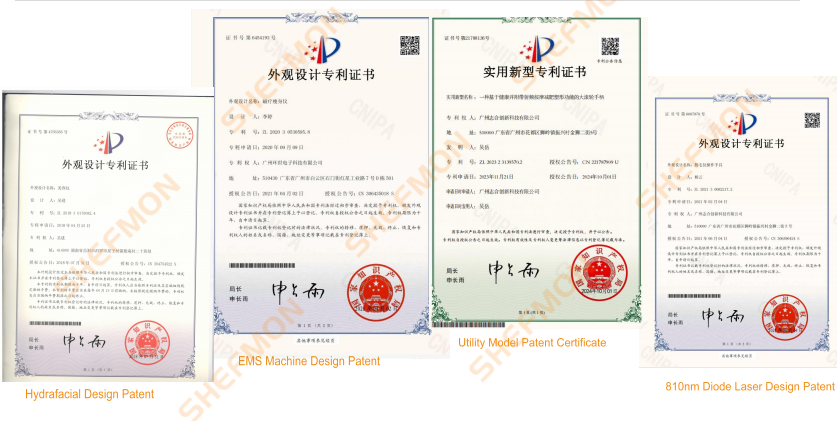
Com diversas patentes em diferentes categorias de dispositivos, a empresa demonstra um esforço consistente para proteger a inovação, ao mesmo tempo que expande suas capacidades técnicas.
2. O que significa, de fato, personalização centralizada
2.1 Do conceito ao produto final
Um dos aspectos que definem a abordagem da Shefmon é o seu sistema de personalização completo. Os clientes não se limitam a selecionar dispositivos pré-fabricados; em vez disso, podem participar na criação do produto desde a fase inicial de concepção.
A personalização pode incluir o design da carcaça da máquina, a integração do logotipo da marca, a seleção de funções, o desenvolvimento de embalagens, a configuração do idioma do sistema e o design da interface do operador. Isso permite que distribuidores e proprietários de marcas criem produtos que estejam alinhados com seu posicionamento, em vez de se adaptarem a designs genéricos.
2.2 Velocidade sem sacrificar a estrutura
Embora a personalização geralmente implique longos ciclos de desenvolvimento, o fluxo de trabalho estruturado da Shefmon permite que os projetos avancem com eficiência. Etapas claras e coordenação interna entre as equipes de design, engenharia e produção ajudam a reduzir atrasos, mantendo a consistência.
Esse equilíbrio entre flexibilidade e estrutura é particularmente valioso para empresas que buscam lançar produtos rapidamente sem comprometer a qualidade ou a identidade.
3. O Processo de P&D por Dentro, Passo a Passo
3.1 Desenvolvimento inicial e validação do conceito
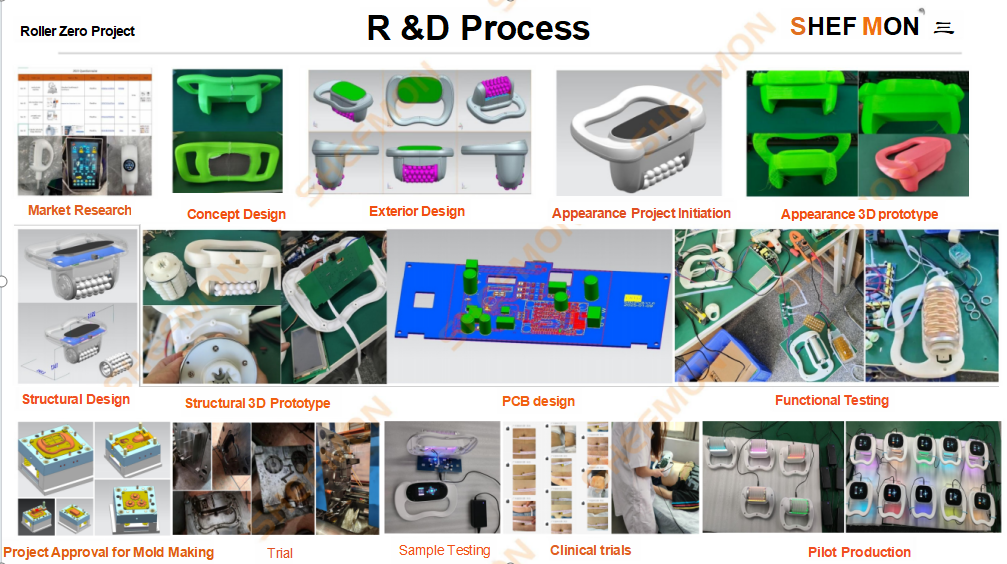
Todo projeto começa com pesquisa de mercado e desenvolvimento do conceito. Esta fase concentra-se em compreender as necessidades do usuário, identificar lacunas nos produtos existentes e definir a direção funcional do dispositivo.
Uma vez estabelecido o conceito, o design exterior e a modelagem da aparência são desenvolvidos utilizando protótipos 3D. Esses modelos visuais iniciais ajudam a alinhar as expectativas entre a equipe de desenvolvimento e o cliente.
3.2 Desenvolvimento estrutural e técnico
Após a aprovação do conceito visual, o processo avança para o projeto estrutural e a engenharia interna. Isso inclui a criação de protótipos estruturais em 3D, o projeto do sistema de placa de circuito impresso (PCB) e a preparação da estrutura funcional da máquina.
Nessa fase, o foco muda da aparência para o desempenho, garantindo que o dispositivo possa fornecer resultados estáveis e confiáveis no uso em situações reais.
3.3 Testes, validação e refinamento
Os testes funcionais são realizados antes de prosseguir com a produção do molde. Isso inclui a avaliação da estabilidade do sistema, da capacidade de resposta da interface do usuário e da consistência do tratamento.
Em seguida, são realizados testes clínicos e ensaios com amostras, permitindo que o equipamento seja testado em ambientes práticos. O feedback coletado durante essa fase é usado para aprimorar os componentes de hardware e software antes da entrada em produção.
4. O Papel dos Testes de Mercado e do Feedback
4.1 Testes em situações reais por meio da distribuição por parceiros
Antes da produção em massa, a Shefmon distribui máquinas de amostra para clientes parceiros para testes de mercado. Essa etapa garante que o produto tenha um bom desempenho não apenas em ambientes controlados, mas também em situações reais de negócios.
4.2 Resposta rápida ao feedback do cliente
O feedback dos clientes desempenha um papel direto na melhoria do produto. Por exemplo, quando foram relatados problemas relacionados à sucção ou ao desempenho da tela, soluções foram desenvolvidas e implementadas no mesmo dia.
Essa capacidade de resposta rápida reflete um sistema interno projetado para se adaptar rapidamente, reduzindo a lacuna entre a identificação e a resolução do problema.
5. Da produção piloto à fabricação em escala
Após a conclusão dos testes e ajustes, o projeto entra em fase de produção piloto. Esta etapa permite a fabricação em pequenos lotes para confirmar a consistência e identificar quaisquer problemas remanescentes antes do início da produção em larga escala.
Após a validação final, o produto entra em produção em massa, com o suporte de processos padronizados que garantem que cada unidade atenda aos mesmos padrões de qualidade estabelecidos durante o desenvolvimento.
6. Personalização na prática por meio de projetos ODM
6.1 Desenvolvimento personalizado para exclusividade da marca
Em projetos ODM, a Shefmon trabalha em estreita colaboração com clientes que exigem designs exclusivos. Por exemplo, em um projeto de radiofrequência com microagulhas, um cliente solicitou um dispositivo exclusivo que não seria vendido em outras plataformas.
O processo de desenvolvimento incluiu propostas conceituais, protótipos 3D, projeto estrutural e testes funcionais, seguidos por produção em pequenos lotes e melhorias iterativas com base no feedback do cliente.
6.2 Colaboração e transparência
Ao longo de todo o processo, os clientes participam de decisões importantes, desde a aprovação de projetos 3D até a análise de unidades de amostra. Atualizações visuais, incluindo vídeos e imagens, são compartilhadas antes da produção e envio finais, garantindo clareza em todas as etapas.
7. Suporte a serviços OEM e integração de marca
Além de projetos ODM, a Shefmon também oferece serviços OEM para clientes que desejam personalizar produtos existentes. Isso inclui a adição de logotipos da marca à interface da máquina e à carcaça externa, permitindo que as empresas mantenham uma identidade visual consistente em todas as suas linhas de produtos.
Essa flexibilidade facilita a entrada rápida das empresas no mercado, mantendo ao mesmo tempo uma identidade de marca profissional e coesa.
8. Inovação respaldada por patentes e proteção de design.
Os esforços de desenvolvimento da Shefmon são apoiados por uma série de patentes de design e utilidade, que abrangem tecnologias como sistemas hidrafaciais, dispositivos EMS e equipamentos de laser de diodo.
Essas patentes não apenas refletem a inovação técnica, mas também oferecem proteção tanto para a empresa quanto para seus parceiros, garantindo que os produtos desenvolvidos mantenham sua singularidade em mercados competitivos.
Conclusão
A abordagem da Shefmon para a construção de máquinas estéticas é definida por estrutura, flexibilidade e capacidade de resposta. Ao combinar um processo de P&D bem organizado com serviços abrangentes de personalização, a empresa permite que os clientes passem do conceito a produtos prontos para o mercado com maior eficiência e controle. Em vez de se concentrar apenas na fabricação, Shefmon A empresa se posiciona como parceira de desenvolvimento, apoiando a inovação, a diferenciação da marca e o sucesso de longo prazo dos produtos na indústria estética global.