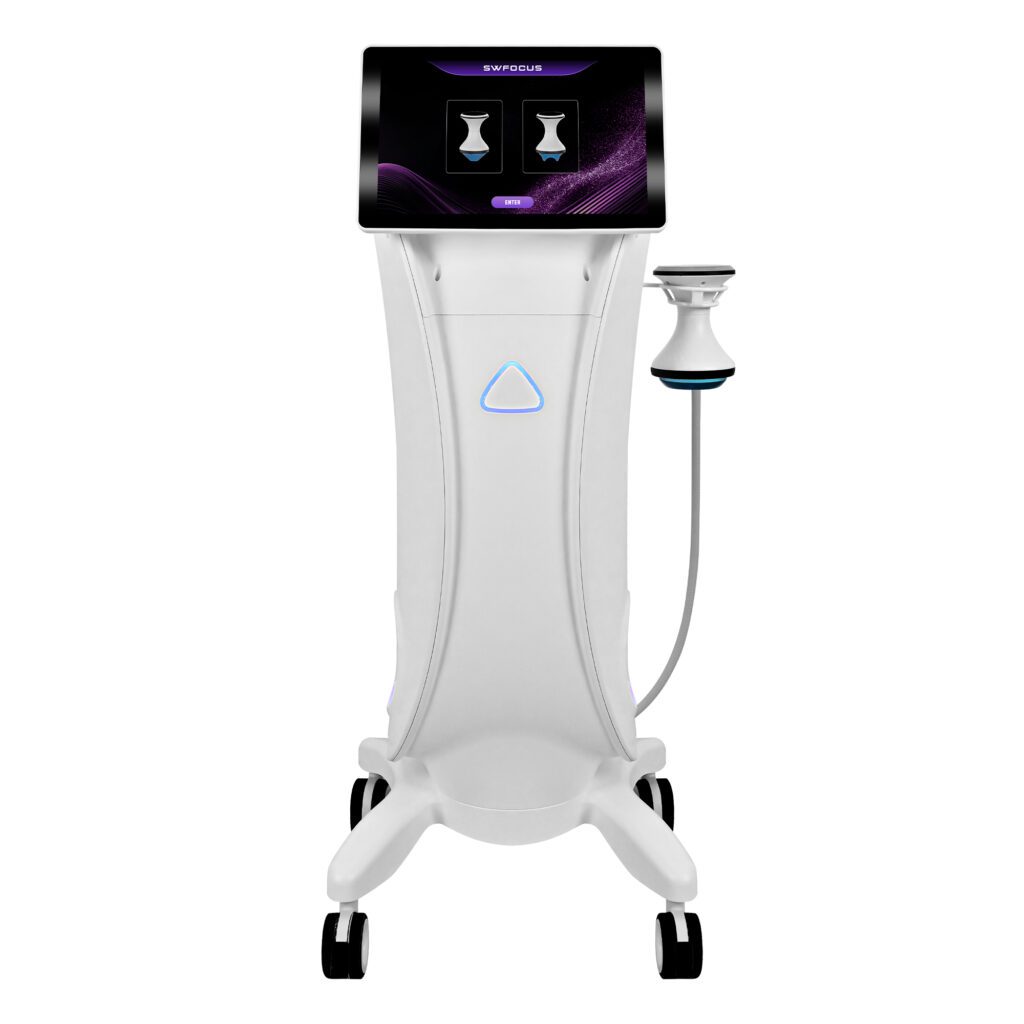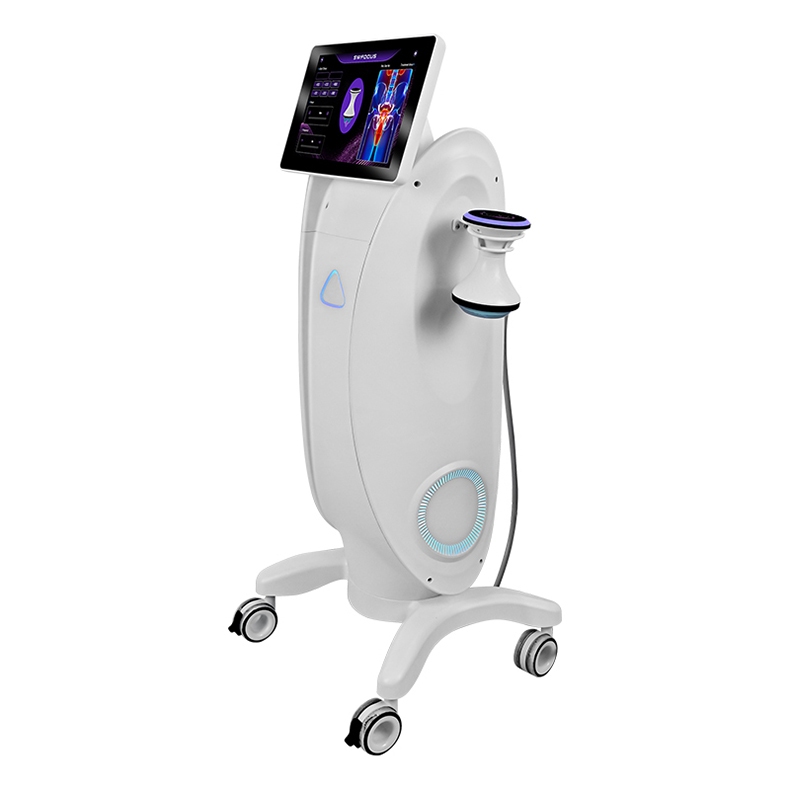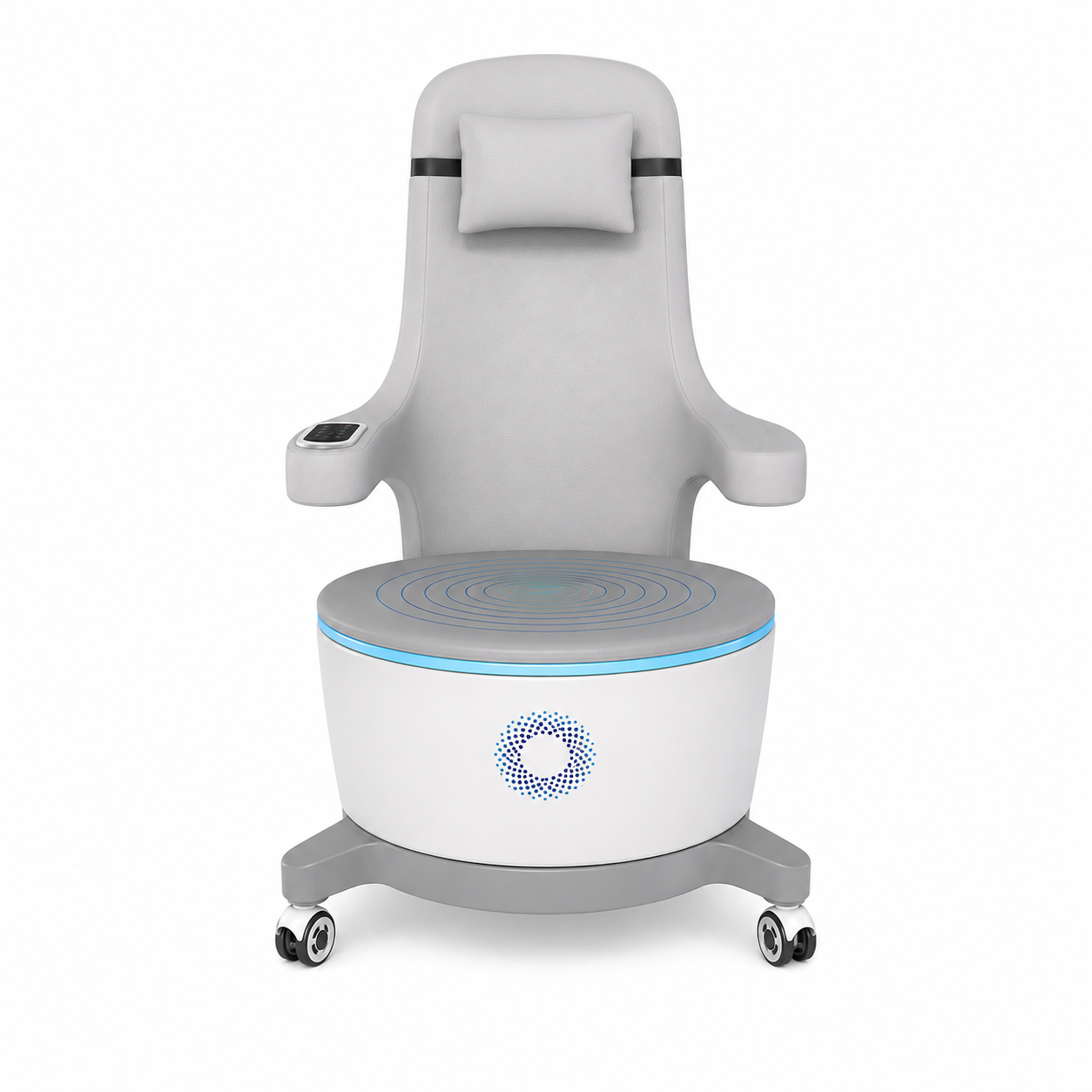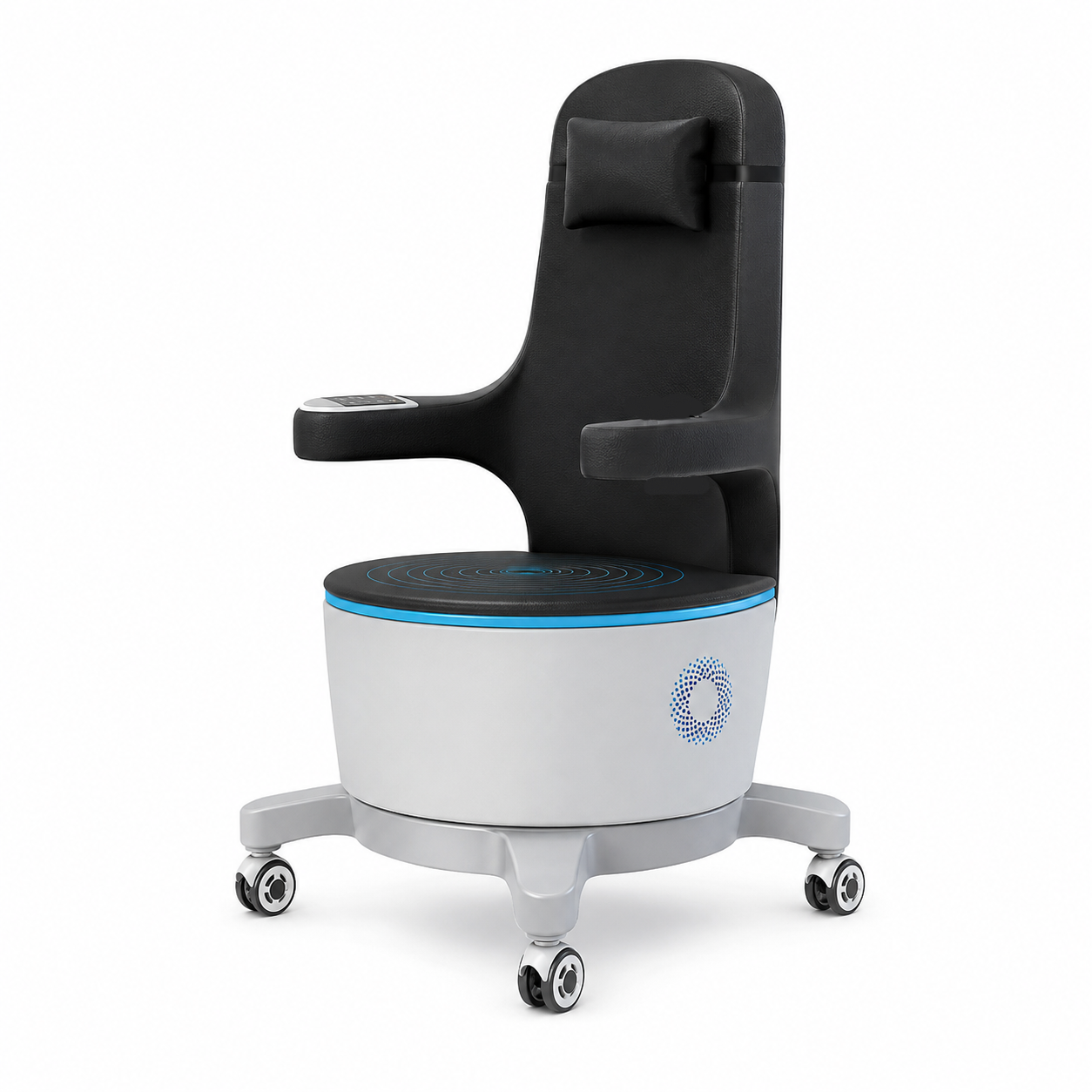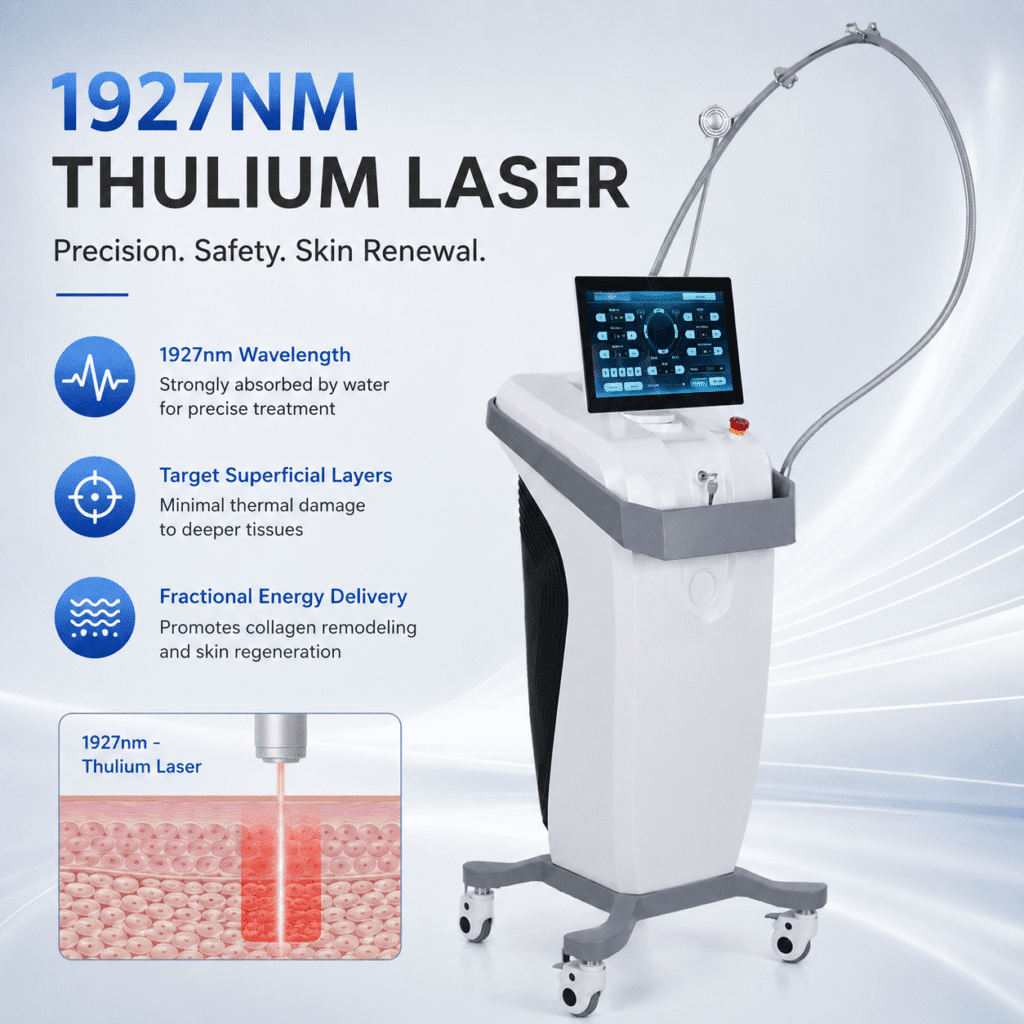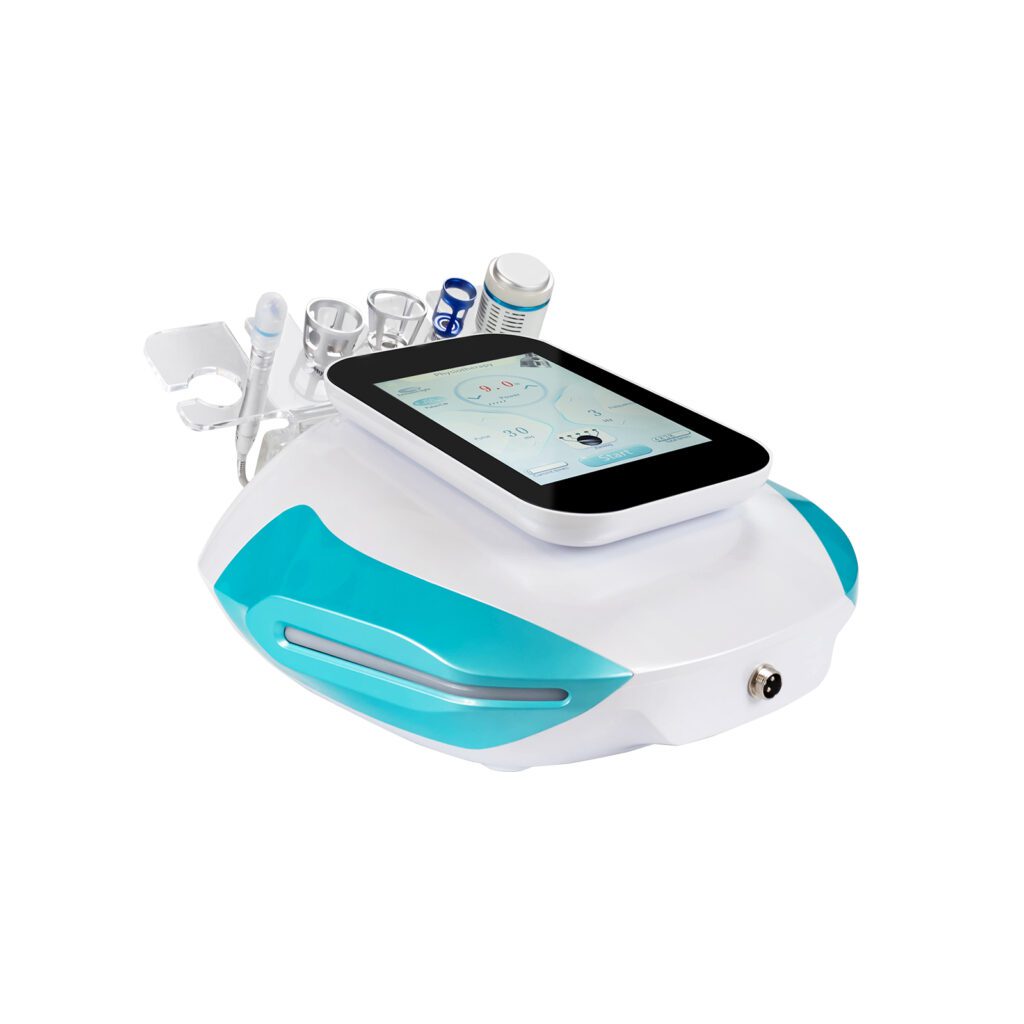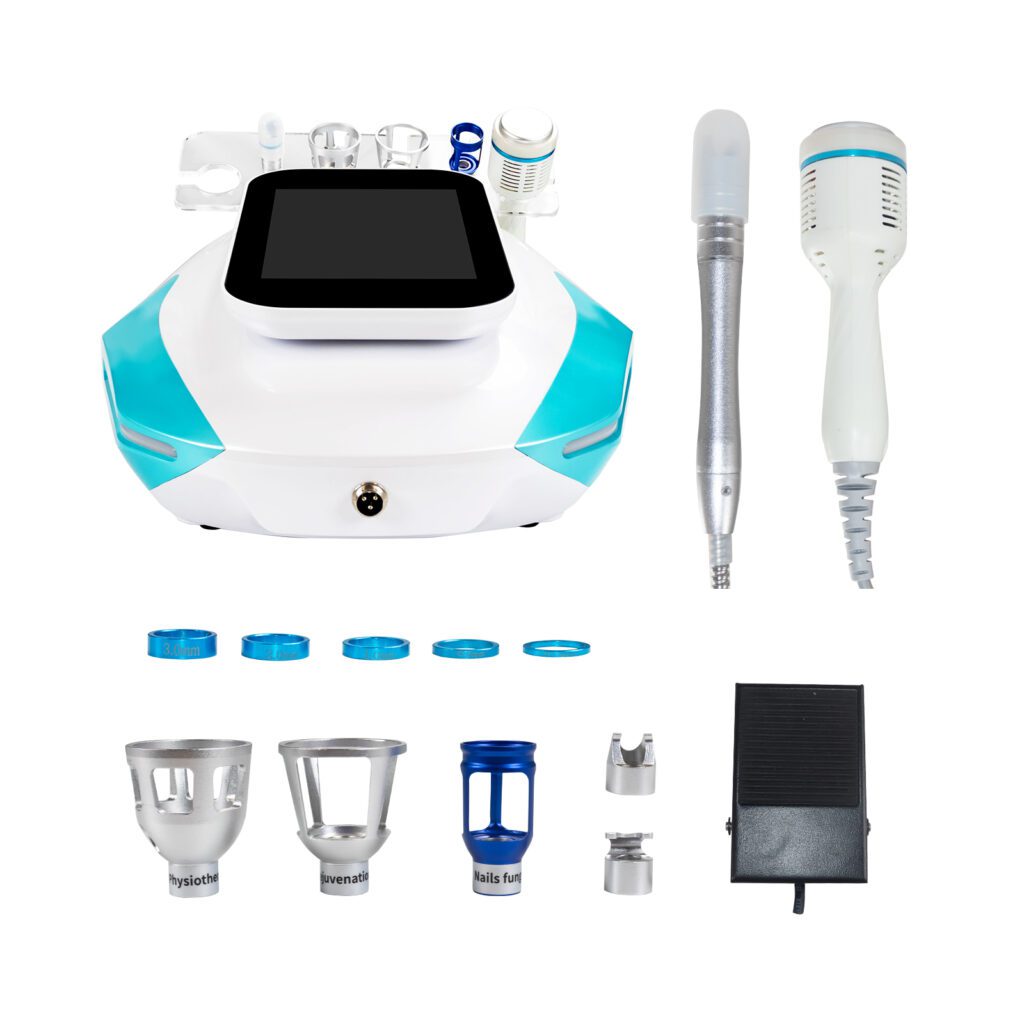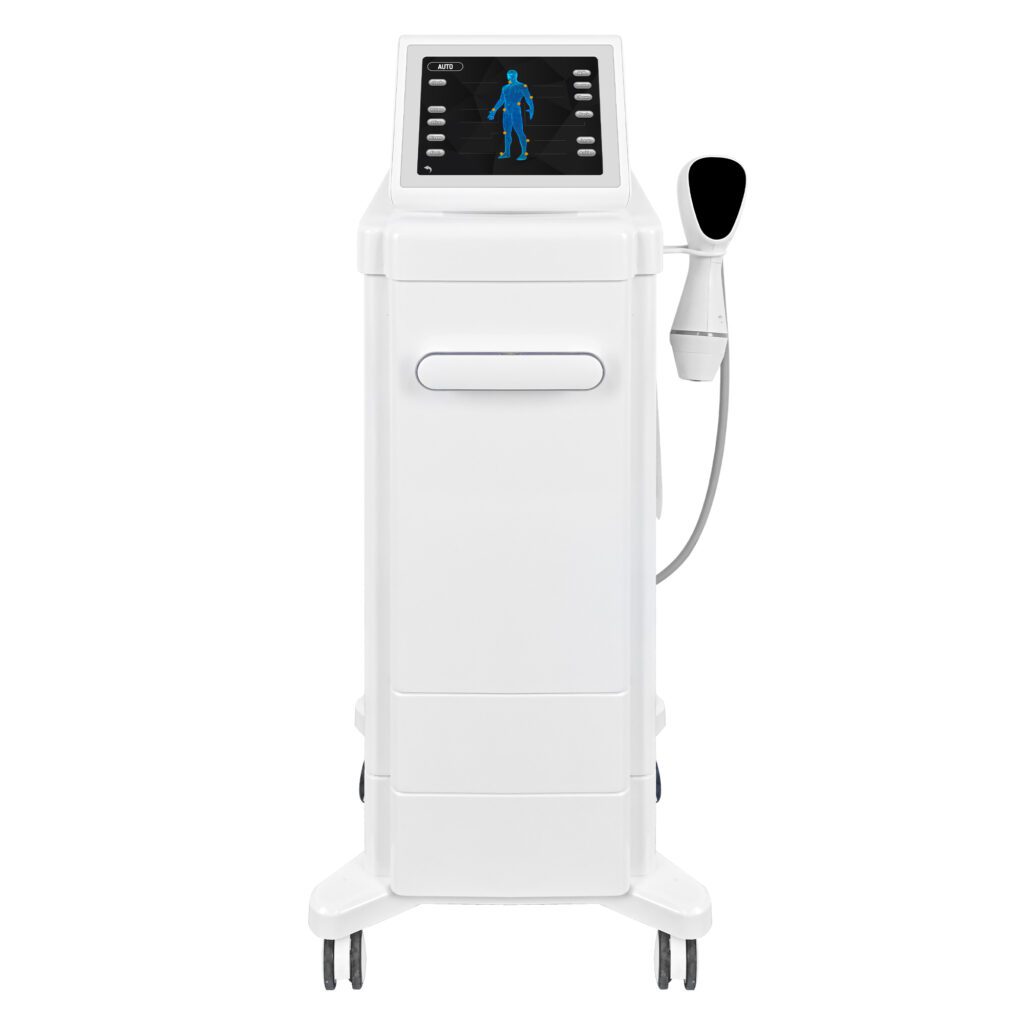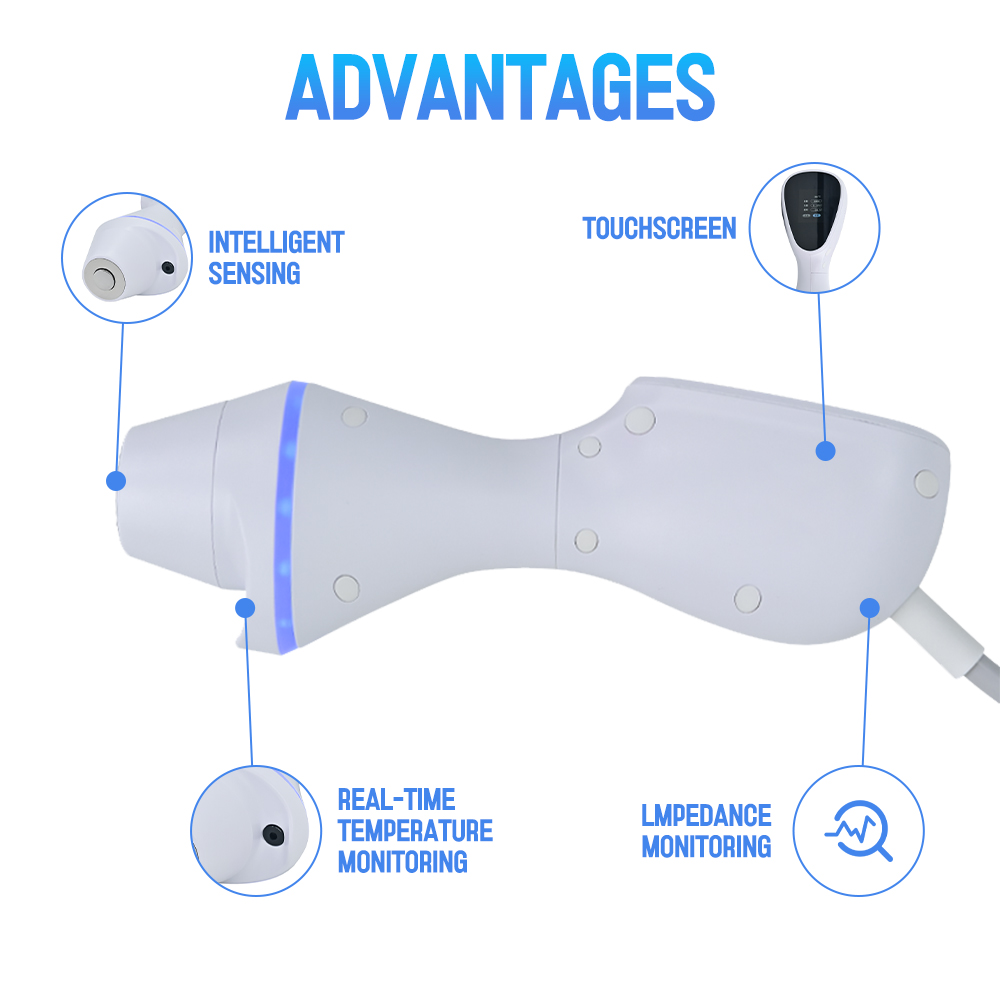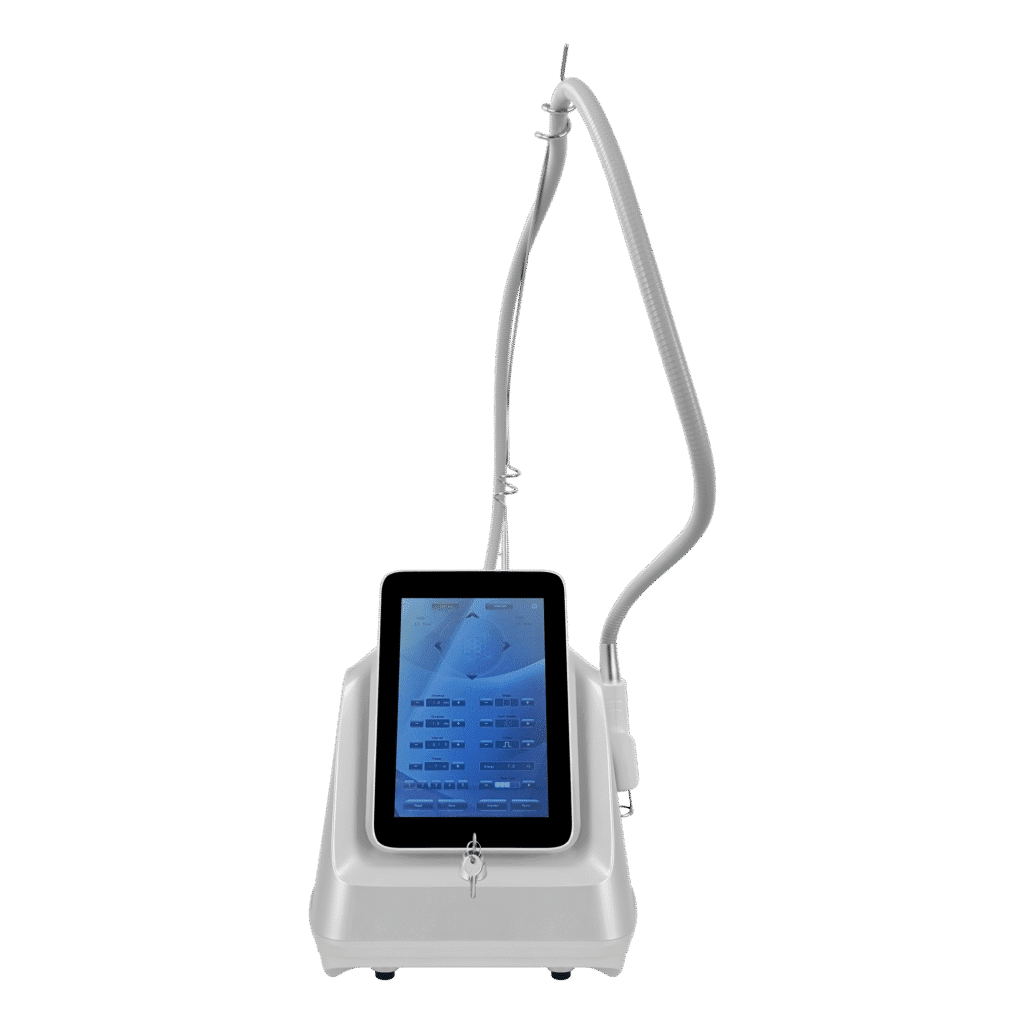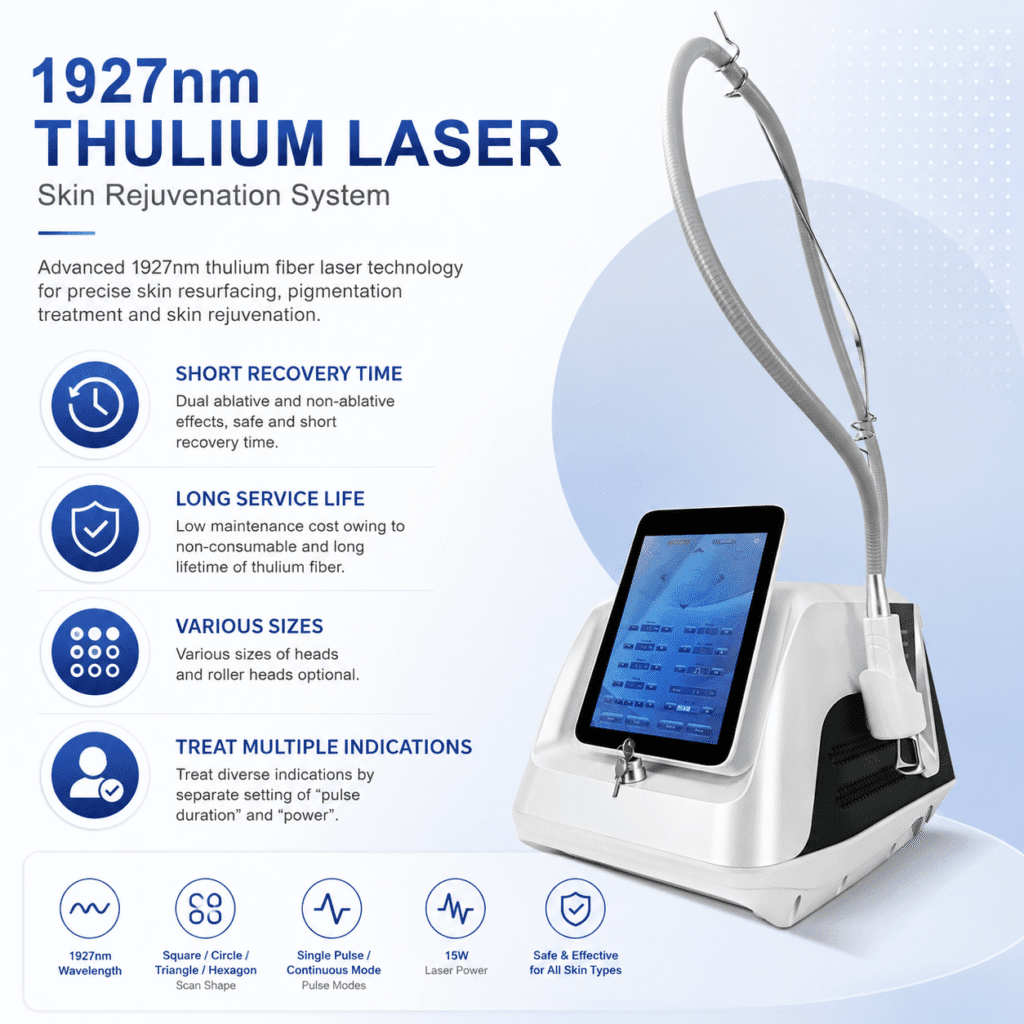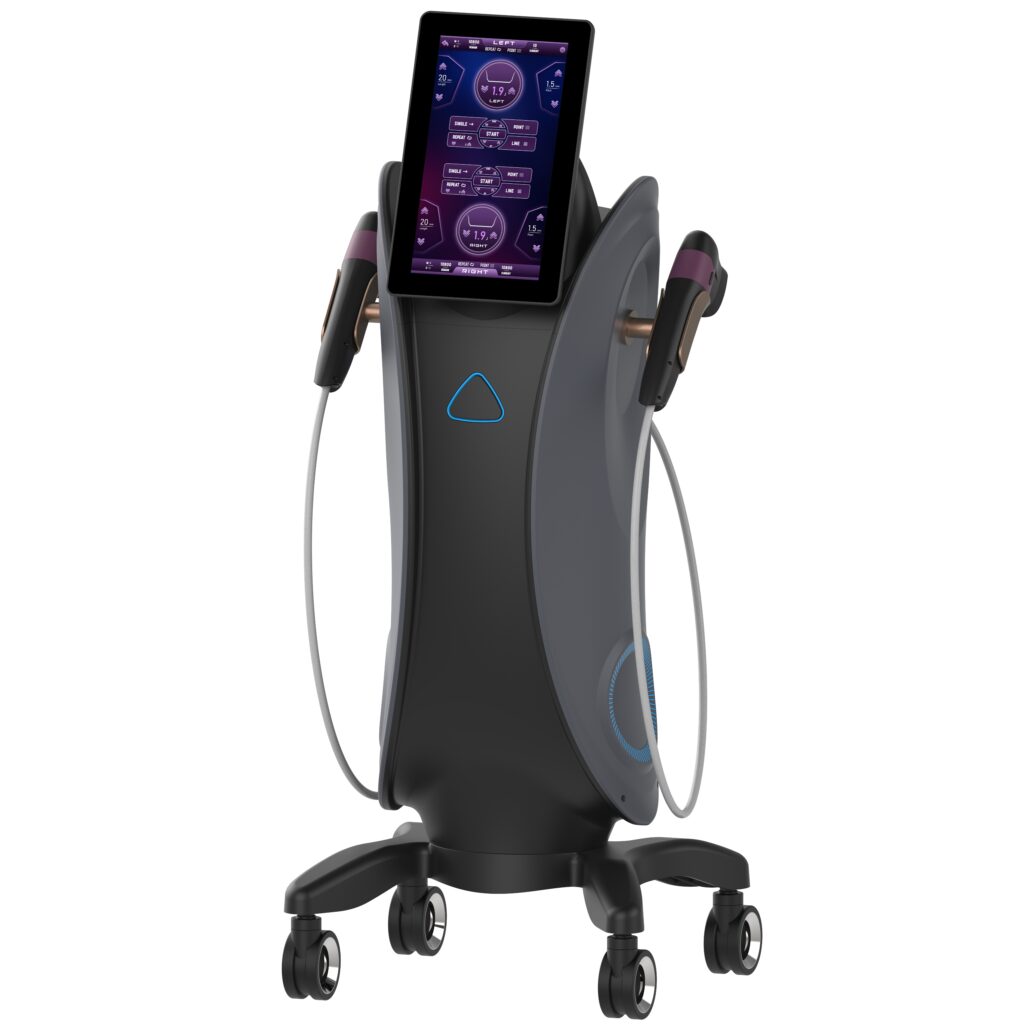










وراء كل موثوق آلة تجميلية إنها ليست مجرد تكنولوجيا، بل هي عملية تطوير منظمة تضمن الأداء والسلامة والقدرة على التكيف مع احتياجات السوق. شيفمون, ، ويتجاوز التركيز مجرد تصنيع الآلات القياسية - فقد قامت الشركة ببناء نظام كامل للبحث والتصميم والتخصيص يسمح للشركاء بالانتقال من الفكرة إلى المنتج النهائي بكفاءة مع الحفاظ على السيطرة على العلامة التجارية والوظائف.
1. أساس قائم على البحث وراء كل منتج
تبدأ استراتيجية تطوير شركة شيفمون بأساس هندسي متين. وتعمل الشركة بفريق متخصص من المهندسين، يتمتع العديد منهم بخبرة تزيد عن ثماني سنوات في تطوير التكنولوجيا التجميلية.
يحظى هذا الفريق بدعم من خلال استثمار مستمر في البحث والتطوير، مما يُمكّن شركة شيفمون من مواكبة متطلبات الصناعة المتطورة. وبدلاً من مجرد استنساخ الأجهزة الموجودة، ينصبّ التركيز على تحسين الأداء، وتعزيز سهولة الاستخدام، وتقديم تركيبات وظيفية جديدة تستجيب لآراء السوق الحقيقية.
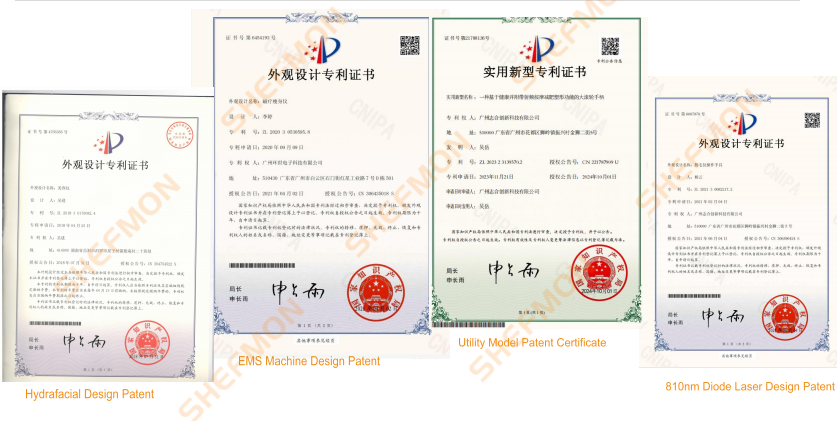
بفضل براءات الاختراع المتعددة التي حصلت عليها الشركة عبر فئات أجهزة مختلفة، فإنها تُظهر جهداً متواصلاً لحماية الابتكار مع توسيع قدراتها التقنية.
2. ما الذي تعنيه خدمة التخصيص الشاملة حقًا
2.1 من الفكرة إلى المنتج النهائي
من أبرز سمات نهج شركة شيفمون نظام التخصيص الشامل الذي توفره. فالعملاء لا يقتصرون على اختيار أجهزة جاهزة، بل يمكنهم المشاركة في تصميم المنتج منذ المراحل الأولى للفكرة.
يمكن أن تشمل خيارات التخصيص تصميم هيكل الآلة، ودمج شعار العلامة التجارية، واختيار الوظائف، وتطوير التغليف، وتكوين لغة النظام، وتصميم واجهة المستخدم. وهذا يتيح للموزعين وأصحاب العلامات التجارية ابتكار منتجات تتوافق مع مكانتهم في السوق بدلاً من التكيف مع التصاميم العامة.
2.2 السرعة دون التضحية بالبنية
على الرغم من أن التخصيص غالباً ما يستلزم دورات تطوير طويلة، إلا أن سير العمل المنظم لدى شيفمون يسمح للمشاريع بالتقدم بكفاءة. تساعد المراحل الواضحة والتنسيق الداخلي بين فرق التصميم والهندسة والإنتاج على تقليل التأخيرات مع الحفاظ على الاتساق.
يُعد هذا التوازن بين المرونة والهيكلة ذا قيمة خاصة للشركات التي تتطلع إلى إطلاق منتجاتها بسرعة دون المساس بالجودة أو الهوية.
3. داخل عملية البحث والتطوير خطوة بخطوة
3.1 التطوير في المراحل المبكرة والتحقق من صحة المفهوم
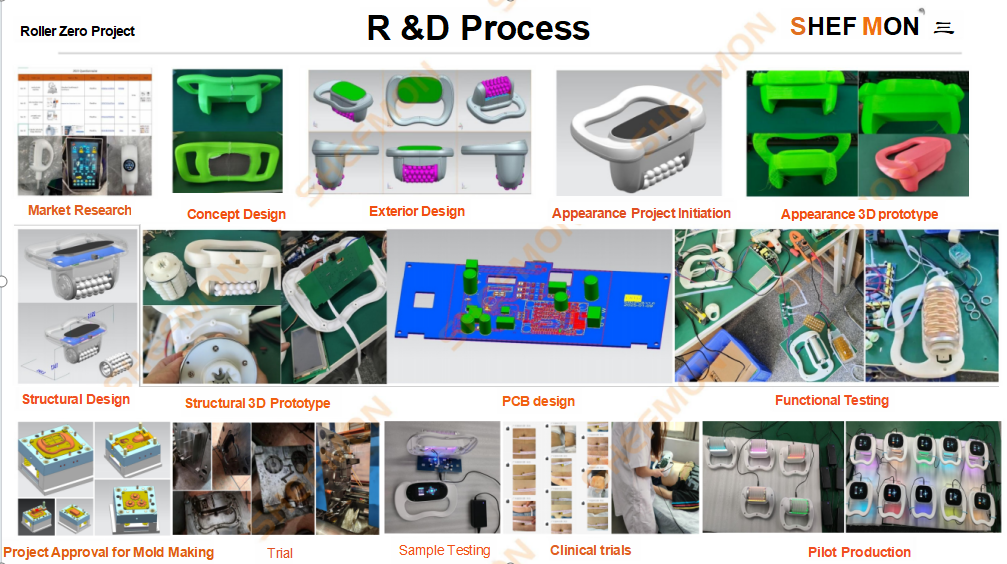
يبدأ كل مشروع بأبحاث السوق وتصميم المفهوم. تركز هذه المرحلة على فهم احتياجات المستخدمين، وتحديد الثغرات في المنتجات الحالية، وتحديد التوجه الوظيفي للجهاز.
بمجرد وضع المفهوم، يتم تطوير التصميم الخارجي ونمذجة المظهر باستخدام نماذج ثلاثية الأبعاد. تساعد هذه النماذج المرئية الأولية على مواءمة التوقعات بين فريق التطوير والعميل.
3.2 التطوير الهيكلي والتقني
بعد الموافقة على التصميم المرئي، تنتقل العملية إلى التصميم الهيكلي والهندسة الداخلية. ويشمل ذلك إنشاء نماذج هيكلية ثلاثية الأبعاد، وتصميم نظام لوحة الدوائر المطبوعة، وإعداد الإطار الوظيفي للجهاز.
في هذه المرحلة، يتحول التركيز من المظهر إلى الأداء، مما يضمن أن الجهاز قادر على تقديم نتائج مستقرة وموثوقة في الاستخدام الواقعي.
3.3 الاختبار والتحقق والتحسين
يتم إجراء اختبارات وظيفية قبل المضي قدماً في إنتاج القوالب. ويشمل ذلك تقييم استقرار النظام، واستجابة واجهة المستخدم، واتساق المعالجة.
تلي ذلك الاختبارات السريرية والتجارب على العينات، مما يسمح باختبار الجهاز في بيئات عملية. وتُستخدم الملاحظات التي يتم جمعها خلال هذه المرحلة لتحسين مكونات الأجهزة والبرامج قبل بدء الإنتاج.
4. دور اختبار السوق والتغذية الراجعة
4.1 الاختبار في العالم الحقيقي من خلال التوزيع عبر الشركاء
قبل بدء الإنتاج بكميات كبيرة، تقوم شركة شيفمون بتوزيع نماذج من الآلات على العملاء المتعاونين لاختبارها في السوق. تضمن هذه الخطوة أن المنتج يعمل بكفاءة ليس فقط في بيئات مُحكمة، بل أيضاً في بيئات العمل الحقيقية.
4.2 الاستجابة السريعة لتعليقات العملاء
تُساهم ملاحظات العملاء بشكل مباشر في تحسين المنتج. فعلى سبيل المثال، عند الإبلاغ عن مشاكل تتعلق بالشفط أو أداء الشاشة، يتم تطوير الحلول وتنفيذها في نفس اليوم.
تعكس هذه القدرة على الاستجابة السريعة نظامًا داخليًا مصممًا للتكيف بسرعة، مما يقلل الفجوة بين تحديد المشكلة وحلها.
5. من الإنتاج التجريبي إلى التصنيع القابل للتوسع
بعد اكتمال الاختبارات والتحسينات، ينتقل المشروع إلى مرحلة الإنتاج التجريبي. تتيح هذه المرحلة تصنيع دفعات صغيرة للتأكد من اتساق المنتج وتحديد أي مشكلات متبقية قبل بدء الإنتاج على نطاق واسع.
بعد التحقق النهائي، يدخل المنتج مرحلة الإنتاج الضخم، مدعوماً بعمليات موحدة تضمن أن كل وحدة تلبي نفس معايير الجودة التي تم تحديدها أثناء التطوير.
6. التخصيص عملياً من خلال مشاريع التصميم والتصنيع الأصلي
6.1 تطوير مصمم خصيصًا لحصرية العلامة التجارية
في مشاريع التصميم والتصنيع الأصلي، تعمل شركة شيفمون بشكل وثيق مع العملاء الذين يحتاجون إلى تصاميم حصرية. على سبيل المثال، في مشروع جهاز الترددات الراديوية ذي الإبر الدقيقة، طلب أحد العملاء جهازًا فريدًا لا يُباع على منصات أخرى.
تضمنت عملية التطوير مقترحات مفاهيمية، ونماذج أولية ثلاثية الأبعاد، وتصميم هيكلي، واختبار وظيفي، تلاه إنتاج دفعات صغيرة وتحسينات متكررة بناءً على ملاحظات العميل.
6.2 التعاون والشفافية
يشارك العملاء طوال العملية في اتخاذ القرارات الرئيسية، بدءًا من الموافقة على التصاميم ثلاثية الأبعاد وصولًا إلى مراجعة الوحدات النموذجية. ويتم مشاركة التحديثات المرئية، بما في ذلك مقاطع الفيديو والصور، قبل الإنتاج النهائي والشحن، مما يضمن الوضوح في كل مرحلة.
7. دعم خدمات تصنيع المعدات الأصلية وتكامل العلامات التجارية
إلى جانب مشاريع التصميم والتصنيع الأصلي، تقدم شركة شيفمون خدمات تصنيع المعدات الأصلية للعملاء الراغبين في تخصيص منتجاتهم الحالية. ويشمل ذلك إضافة شعارات العلامات التجارية إلى واجهة الجهاز وغلافه الخارجي، مما يسمح للشركات بالحفاظ على هوية تجارية متسقة عبر جميع خطوط إنتاجها.
تتيح هذه المرونة للشركات دخول السوق بسرعة مع الحفاظ على هوية علامة تجارية احترافية ومتماسكة.
8. الابتكار المدعوم ببراءات الاختراع وحماية التصميم
وتحظى جهود شيفمون التطويرية بدعم من مجموعة من براءات الاختراع الخاصة بالتصميم والاستخدام، والتي تغطي تقنيات مثل أنظمة الهيدرافيشال وأجهزة EMS ومعدات ليزر الديود.
لا تعكس هذه البراءات الابتكار التقني فحسب، بل توفر أيضًا الحماية للشركة وشركائها، مما يضمن احتفاظ المنتجات المطورة بتفردها في الأسواق التنافسية.
خاتمة
يتميز نهج شركة شيفمون في بناء الآلات الجمالية بالهيكلية والمرونة والاستجابة. ومن خلال الجمع بين عملية بحث وتطوير منظمة جيدًا وخدمات تخصيص شاملة، تُمكّن الشركة عملاءها من الانتقال من الفكرة إلى المنتجات الجاهزة للسوق بكفاءة وتحكم أكبر. وبدلًا من التركيز فقط على التصنيع،, شيفمون تتبوأ الشركة مكانة الشريك التنموي، وتدعم الابتكار، وتمييز العلامات التجارية، ونجاح المنتجات على المدى الطويل في صناعة التجميل العالمية.