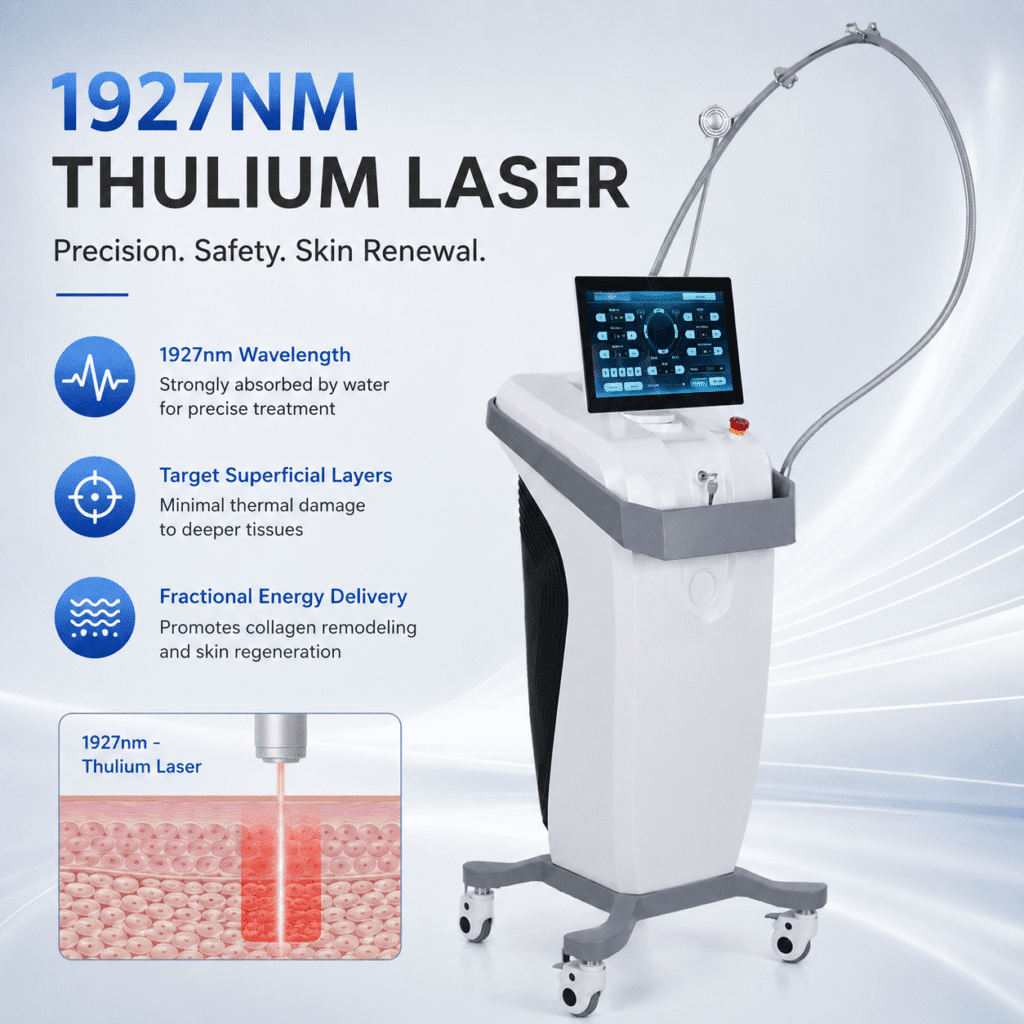
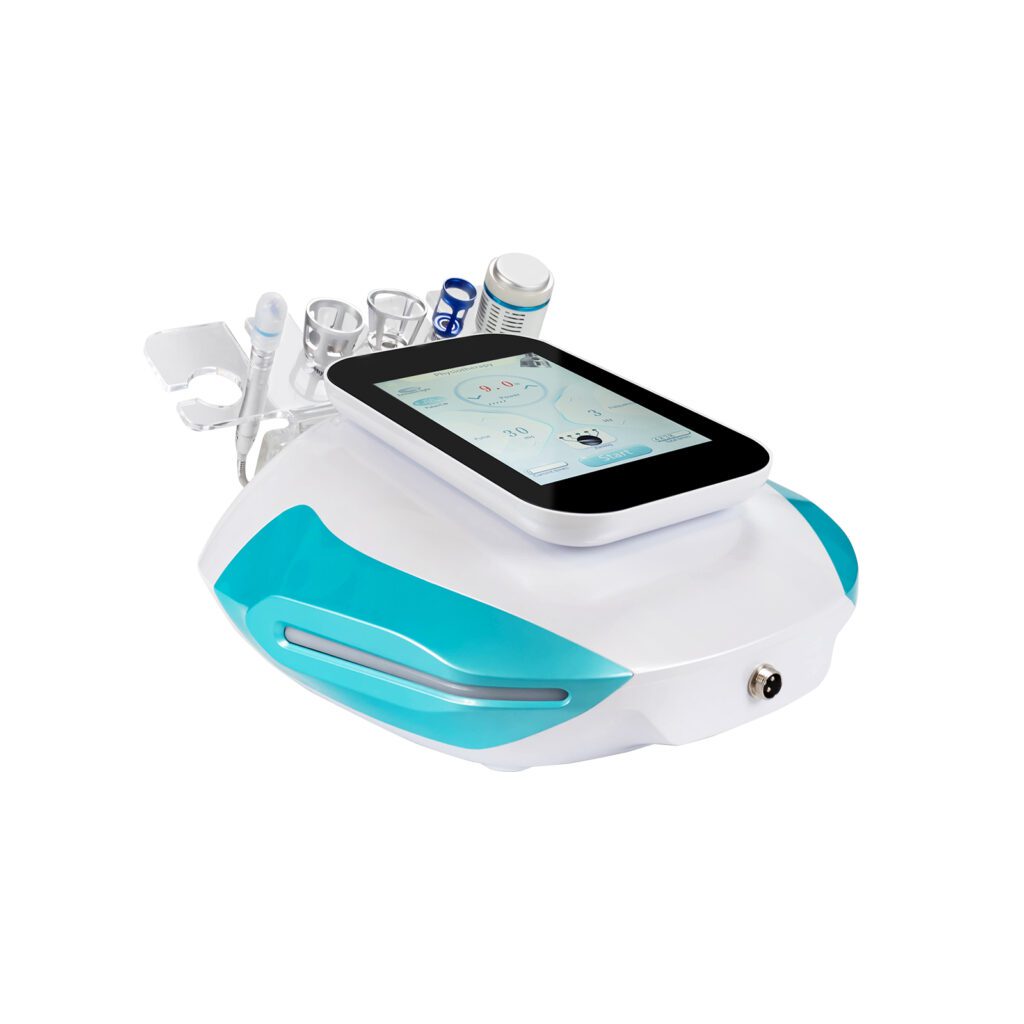
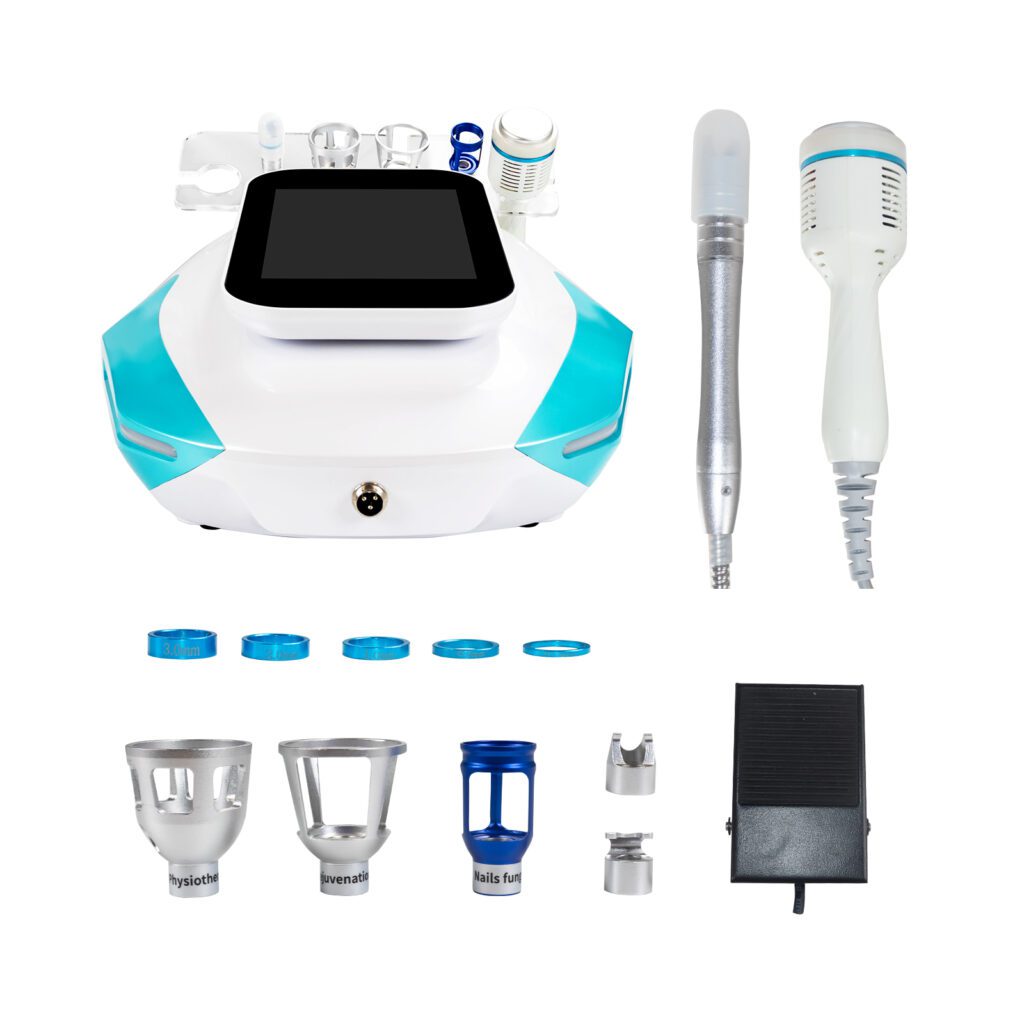
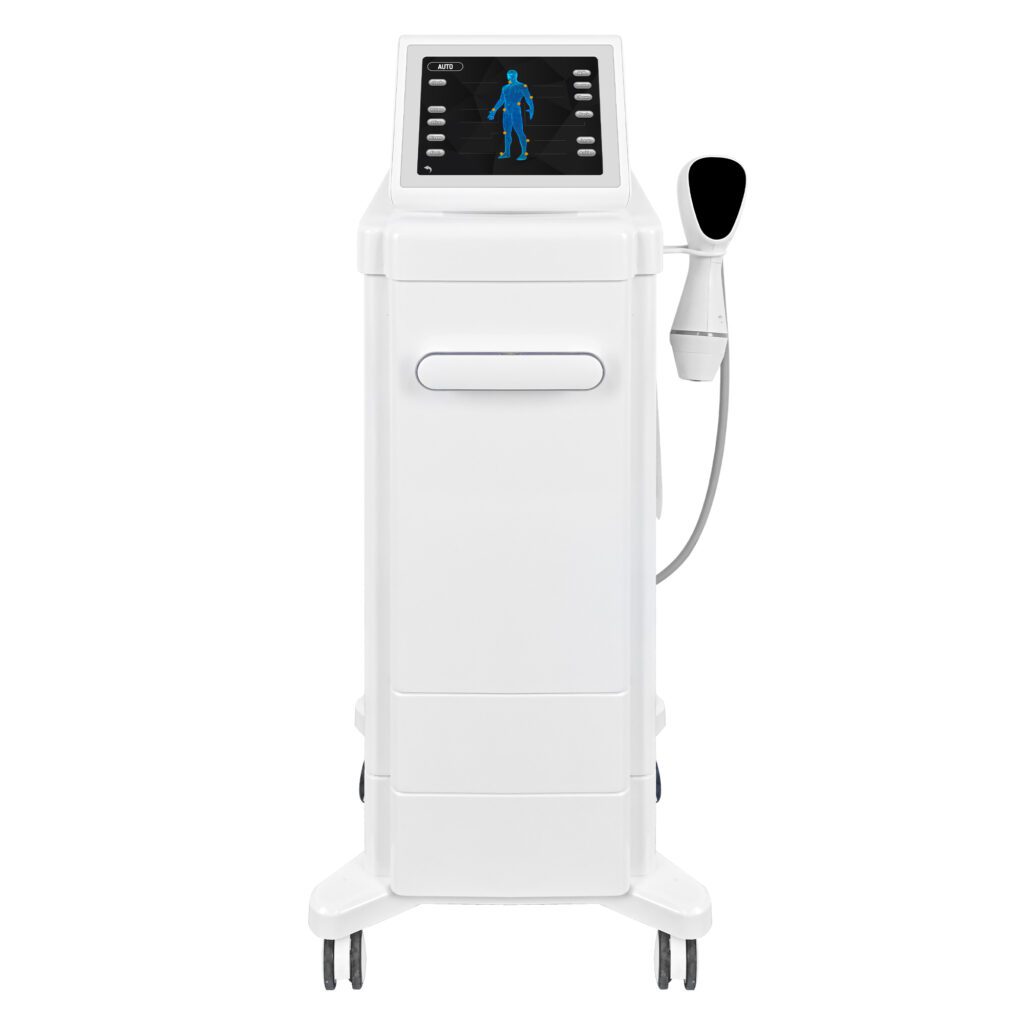
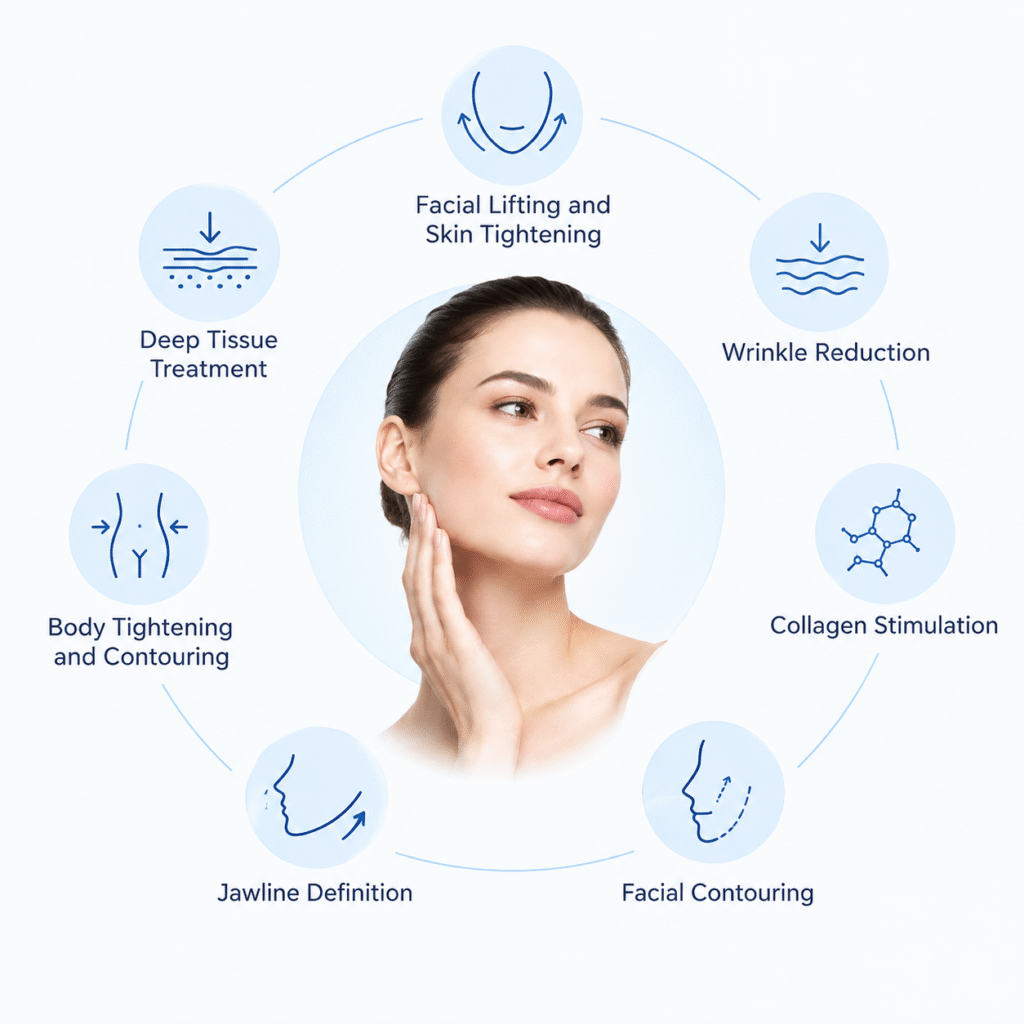
As cicatrizes de acne continuam sendo um dos problemas de pele mais difíceis de tratar, pois frequentemente afetam múltiplas camadas da pele simultaneamente. Embora cremes e tratamentos faciais superficiais possam melhorar temporariamente a textura da pele, cicatrizes de acne mais profundas geralmente exigem tratamentos que estimulem a remodelação do colágeno abaixo da superfície. É por isso que o resurfacing fracionado com laser de CO2 continua sendo uma das tecnologias mais discutidas em clínicas de estética. No entanto, muitas pessoas ainda se preocupam com a dor, os longos períodos de recuperação e o risco de danificar a pele. sistemas de laser de CO2 fracionário de 10600 nm Essas preocupações estão sendo superadas pela combinação de rejuvenescimento controlado da pele com uma aplicação térmica mais precisa, ajudando a melhorar as cicatrizes de acne e, ao mesmo tempo, reduzindo traumas desnecessários à pele e o tempo de recuperação.
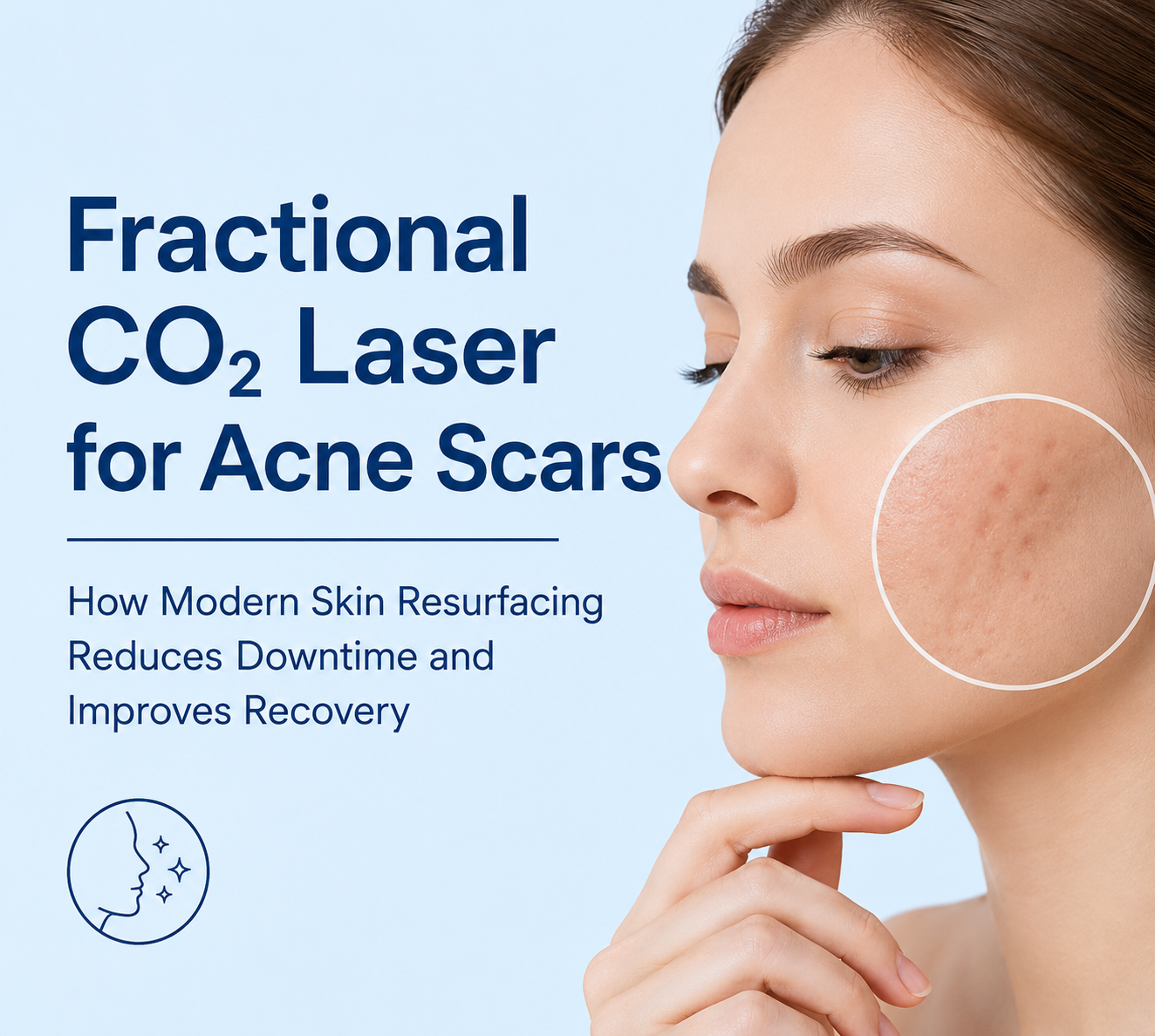
1. Por que as cicatrizes de acne são difíceis de tratar
As cicatrizes de acne se formam quando a inflamação danifica as estruturas de colágeno dentro da pele durante o processo de cicatrização. Uma vez que a pele perde a sustentação do colágeno, podem surgir depressões e uma textura irregular.
Os tipos mais comuns de cicatrizes de acne incluem:
- cicatrizes de picador de gelo
- cicatrizes de vagões de carga
- Cicatrizes onduladas
- Pigmentação pós-inflamatória
- Textura irregular da pele
Como essas cicatrizes geralmente se estendem abaixo da epiderme, o uso isolado de produtos tópicos para cuidados com a pele pode ter efeitos limitados na remodelação da pele em camadas mais profundas.
Por isso, as tecnologias de rejuvenescimento da pele baseadas em energia são frequentemente usadas para o tratamento de cicatrizes de acne moderadas a graves.
2. Como funciona o resurfacing fracionado com laser de CO2
A tecnologia de laser de CO2 fracionado utiliza energia laser controlada para criar zonas de tratamento microscópicas na pele, deixando o tecido circundante intacto.
Ao contrário dos métodos mais antigos de resurfacing totalmente ablativo, que removiam grandes áreas contínuas da pele, a tecnologia fracionada trata apenas uma fração da superfície da pele em cada sessão.
Essa abordagem favorece uma cicatrização mais rápida, ao mesmo tempo que estimula a remodelação profunda da pele.
2.1 O que acontece dentro da pele durante o tratamento
Os modernos lasers de CO2 fracionados de 10600 nm criam dois efeitos de tratamento principais simultaneamente:
Reacabamento de superfícies
O laser remove suavemente as camadas externas danificadas da pele para ajudar a melhorar:
- Textura áspera
- Poros dilatados
- Marcas superficiais de acne
- Tom irregular
- Aparência de pele sem brilho
Remodelação profunda do colágeno
Ao mesmo tempo, a energia térmica controlada atinge camadas dérmicas mais profundas para estimular:
- Nova produção de colágeno
- Regeneração da pele
- Remodelação tecidual
- Suavização de cicatrizes
- Elasticidade aprimorada
Esse processo de dupla ação é um dos motivos pelos quais o resurfacing fracionado com CO2 continua sendo amplamente utilizado no tratamento de cicatrizes de acne.
3. Por que a tecnologia fracionada reduziu as preocupações com a recuperação
Uma das maiores preocupações em relação ao recapeamento tradicional com CO2 era o tempo prolongado de inatividade.
Os lasers ablativos mais antigos frequentemente causavam:
- Vermelhidão prolongada
- Descamação significativa
- Aumento do desconforto
- Maior risco de problemas de pigmentação
- Períodos de recuperação mais longos
3.1 Como o tratamento fracionado mudou a recuperação da pele
Os sistemas fracionados deixam pele sem tratamento entre os canais microscópicos do laser.
Essas áreas intocadas ajudam a acelerar a cicatrização, favorecendo uma reparação tecidual mais rápida.
Consequentemente, muitos tratamentos modernos com CO2 fracionado estão associados a:
- Tempo de inatividade reduzido
- Recuperação mais rápida da pele
- Trauma superficial reduzido
- Menor risco de complicações
- Intensidade de tratamento mais controlada
Essa melhoria ajudou a tornar o resurfacing a laser mais aceitável para clientes que buscam rejuvenescimento da pele sem cirurgia.
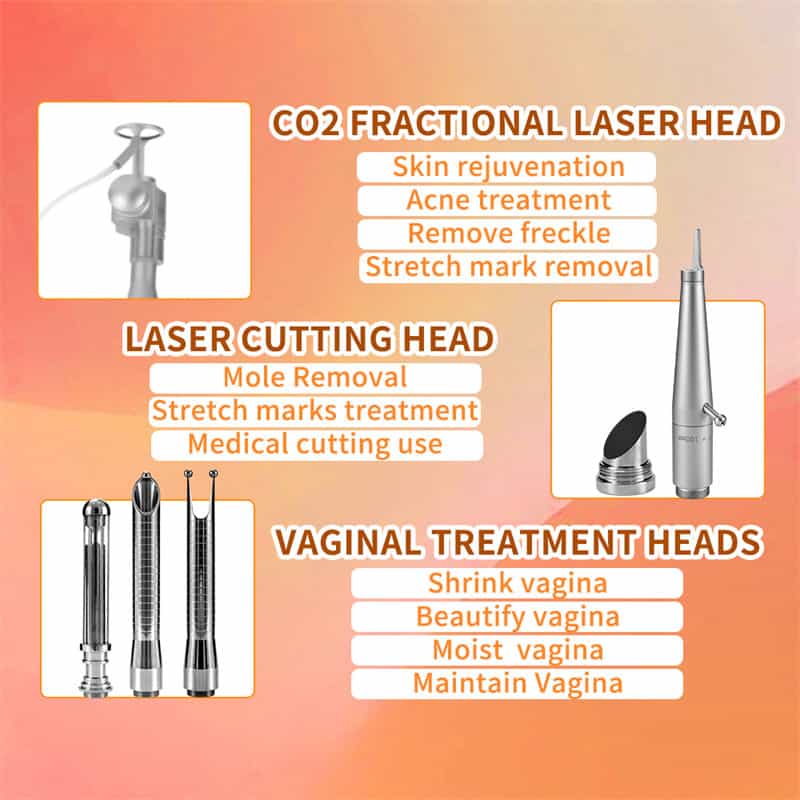
4. Por que a precisão é importante nos tratamentos de cicatrizes de acne
Nem todas as cicatrizes de acne requerem a mesma intensidade de tratamento.
Os modernos sistemas de CO2 fracionado focam cada vez mais em configurações ajustáveis que permitem aos profissionais personalizar o processo:
- Produção de energia
- Padrões de varredura
- Profundidade de penetração
- Tamanho do ponto
- Densidade de tratamento
4.1 Por que o fornecimento controlado de energia é importante
Um controle de energia mais preciso pode ajudar os profissionais a atingir o tecido cicatricial de forma eficaz, minimizando lesões desnecessárias à pele circundante.
Isso se torna especialmente importante para:
- Pele sensível
- Tons de pele mais escuros
- Áreas faciais finas
- Tipos de cicatrizes combinadas
Sistemas avançados com múltiplos modos e formatos de escaneamento permitem que os profissionais ajustem os tratamentos de acordo com diferentes padrões de cicatrizes e regiões faciais.
5. Por que a remodelação do colágeno é essencial para a melhora a longo prazo
Muitas pessoas esperam uma melhora imediata das cicatrizes de acne após o tratamento. No entanto, a remodelação do colágeno é um processo biológico gradual.
5.1 O que acontece após o tratamento a laser
Após tratamento fracionado com CO2:
- Zonas térmicas microscópicas desencadeiam a resposta de cicatrização da pele.
- Os fibroblastos são ativados.
- Começa a formação de novo colágeno e elastina.
- O tecido cicatricial amolece e se reorganiza gradualmente.
- A textura da pele continua a melhorar com o tempo.
Como a produção de colágeno se desenvolve gradualmente, os resultados geralmente continuam melhorando por vários meses após o tratamento.
Esse processo de remodelação retardado é um dos motivos pelos quais várias sessões são geralmente recomendadas para cicatrizes de acne mais profundas.
6. Por que o CO2 fracionado também é usado além do tratamento de cicatrizes de acne?
Embora as cicatrizes de acne continuem sendo uma das principais indicações, os modernos sistemas de CO2 fracionado são cada vez mais utilizados para objetivos mais amplos de rejuvenescimento da pele.
6.1 Aplicações faciais comuns
O recapeamento fracionado também pode ajudar a melhorar:
- Linhas finas
- Danos causados pelo sol
- Textura irregular da pele
- Poros dilatados
- Irregularidades de pigmentação
- flacidez da pele
6.2 Por que os tratamentos combinados estão em crescimento
Algumas clínicas agora combinam o resurfacing fracionado com CO2 com tratamentos adicionais para a pele ou procedimentos baseados em energia para promover a renovação geral da pele.
As abordagens combinadas podem se concentrar em:
- Correção de pigmentação
- Refinamento de textura
- Estimulação de colágeno
- Suporte à hidratação
- Remodelagem de cicatrizes
Isso reflete a crescente tendência em direção ao planejamento de tratamentos personalizados na medicina estética.

7. O que os pacientes devem saber antes do tratamento
Embora o recapeamento fracionado com CO2 seja menos agressivo do que os métodos ablativos completos mais antigos, o planejamento adequado do tratamento continua sendo importante.
7.1 Expectativas de Recuperação
Os efeitos temporários podem incluir:
- Vermelhidão
- Cordialidade
- Inchaço leve
- Descamação
- Secura
O tempo de recuperação varia dependendo da intensidade do tratamento e da condição individual da pele.
7.2 Importância da Avaliação Profissional
A avaliação profissional da pele ajuda a determinar:
- Níveis de energia adequados
- Profundidade da cicatriz
- Sensibilidade da pele
- Risco de pigmentação
- Frequência do tratamento
Essa abordagem individualizada é importante para alcançar resultados mais seguros e consistentes.
Conclusão
O resurfacing fracionado com laser de CO2 moderno tornou-se uma das tecnologias mais utilizadas para o tratamento de cicatrizes de acne, pois combina a renovação da superfície com a remodelação profunda do colágeno. Comparada aos métodos a laser totalmente ablativos mais antigos, a tecnologia fracionada permite uma aplicação mais controlada do tratamento, recuperação mais rápida e menor tempo de inatividade, ao mesmo tempo que atinge o tecido cicatricial mais profundo. sistemas a laser Com a evolução contínua, oferecendo maior precisão, modos de escaneamento personalizáveis e emissão de energia mais controlada, o resurfacing fracionado com CO2 permanece uma opção importante para clínicas que buscam melhorias não cirúrgicas na textura da pele e rejuvenescimento cutâneo a longo prazo.