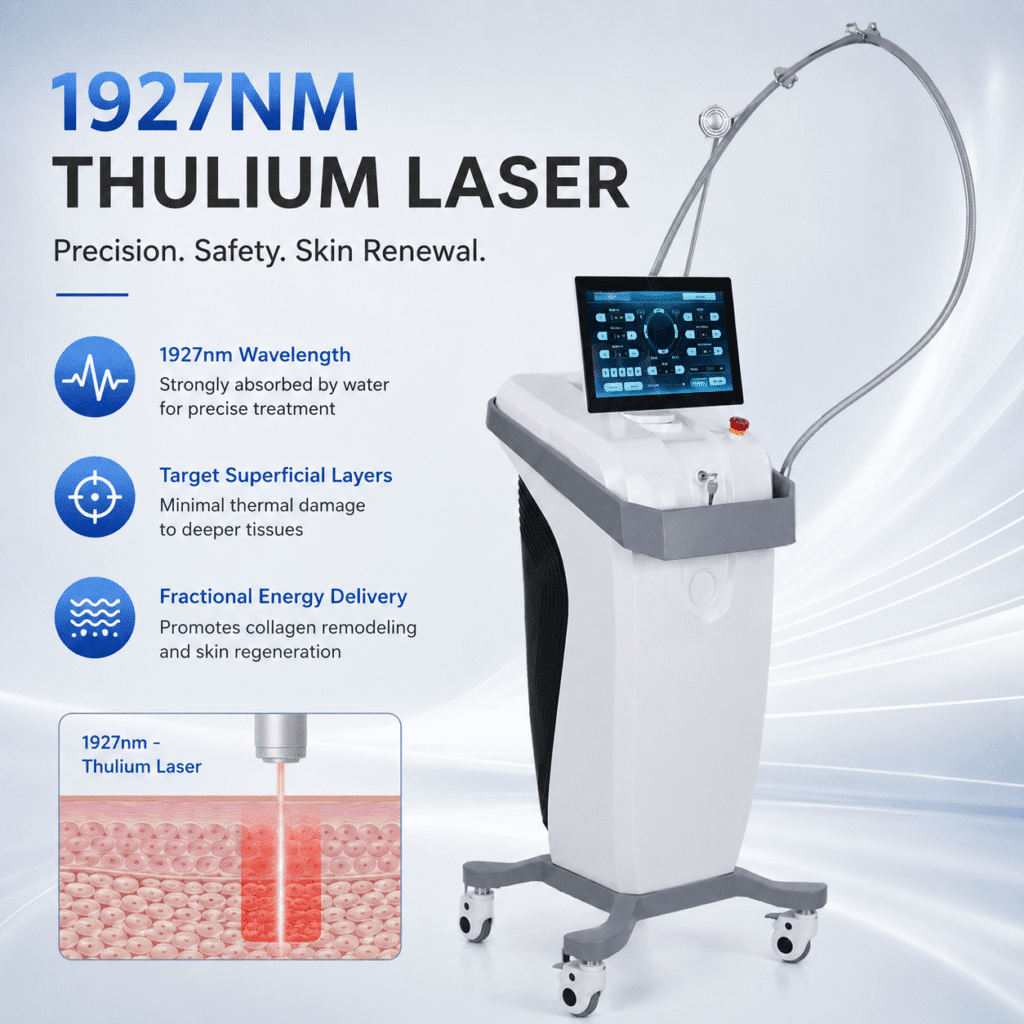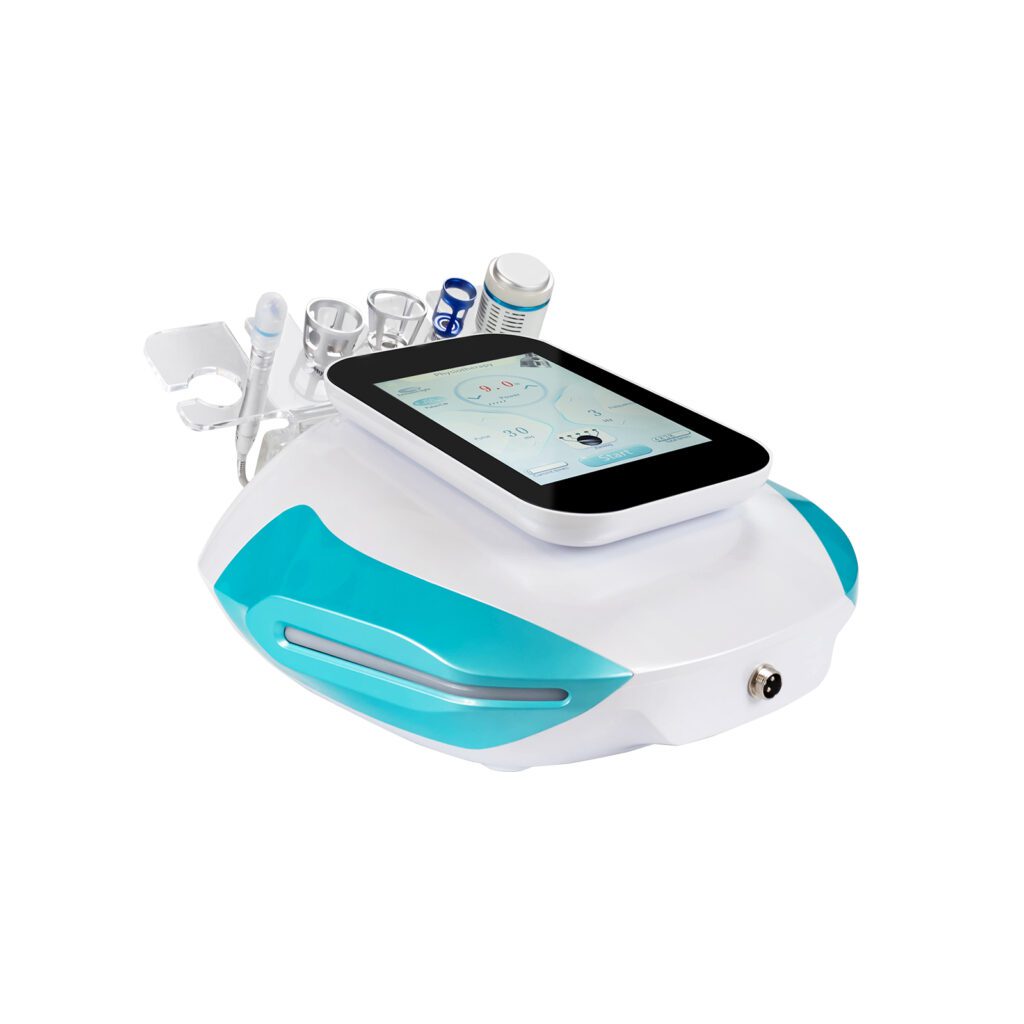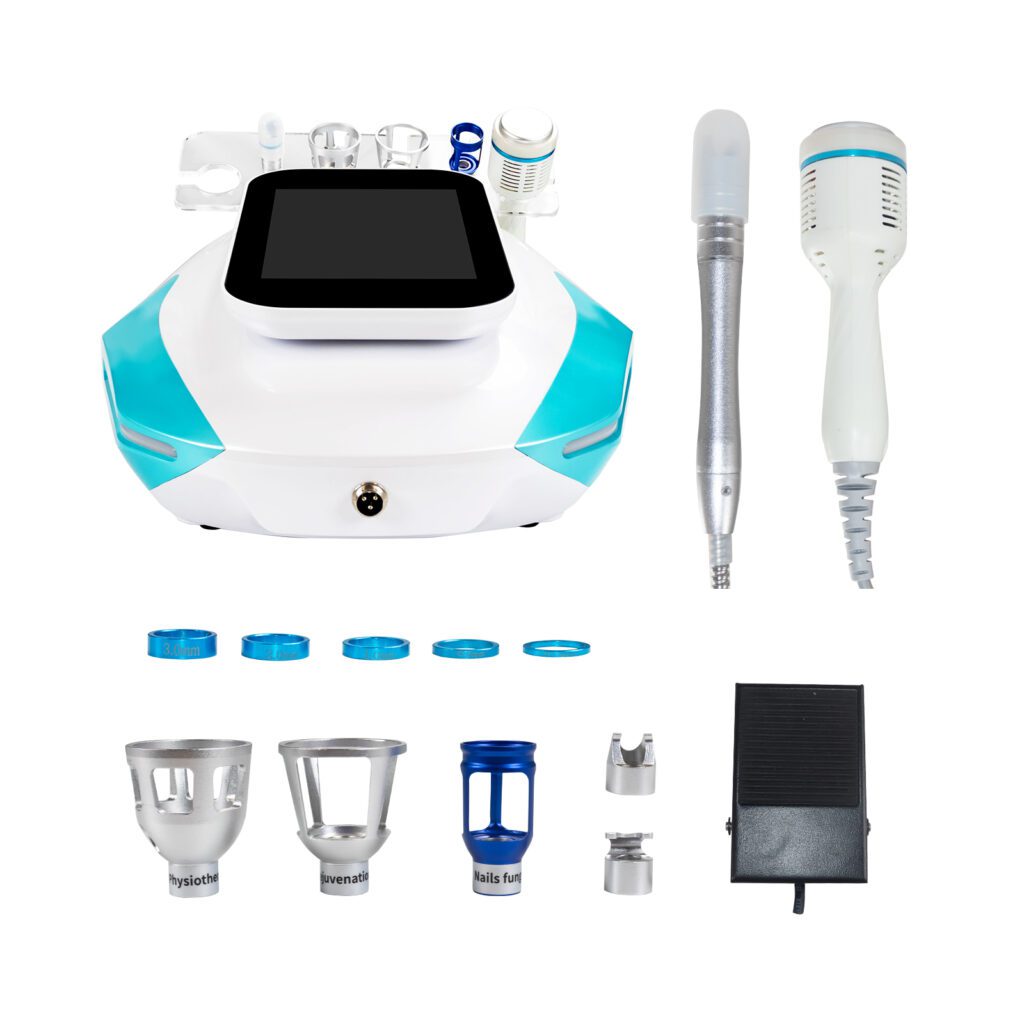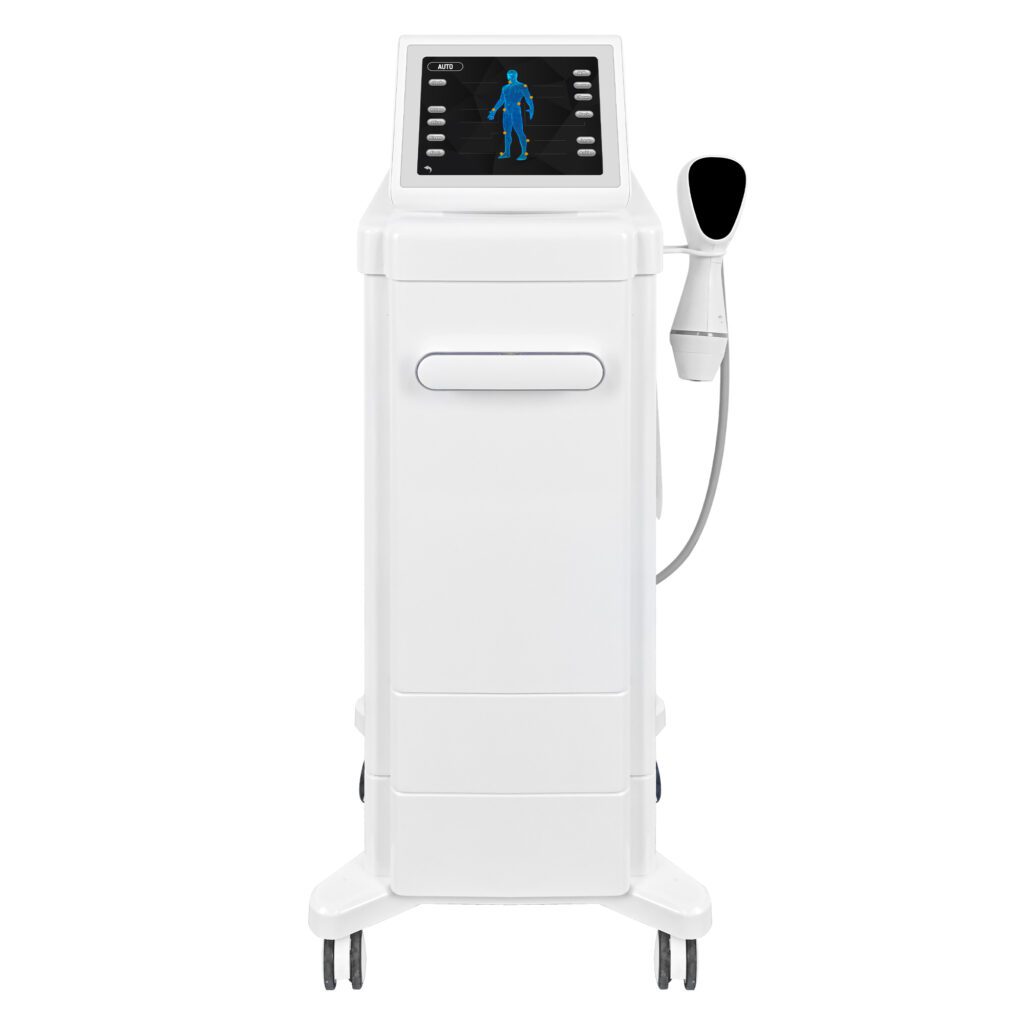





In the supply chain and distribution industry, terms such as distributor purchase price, factory price, wholesale price、 そして retail price are often used interchangeably. However, they represent different stages of product pricing.
Understanding the difference between the price a distributor pays to acquire goods and the wholesale price is important for manufacturers, distributors, agents, and retailers—especially in industries such as beauty equipment, medical aesthetics, and professional devices.
Understanding the Distributor Acquisition Price
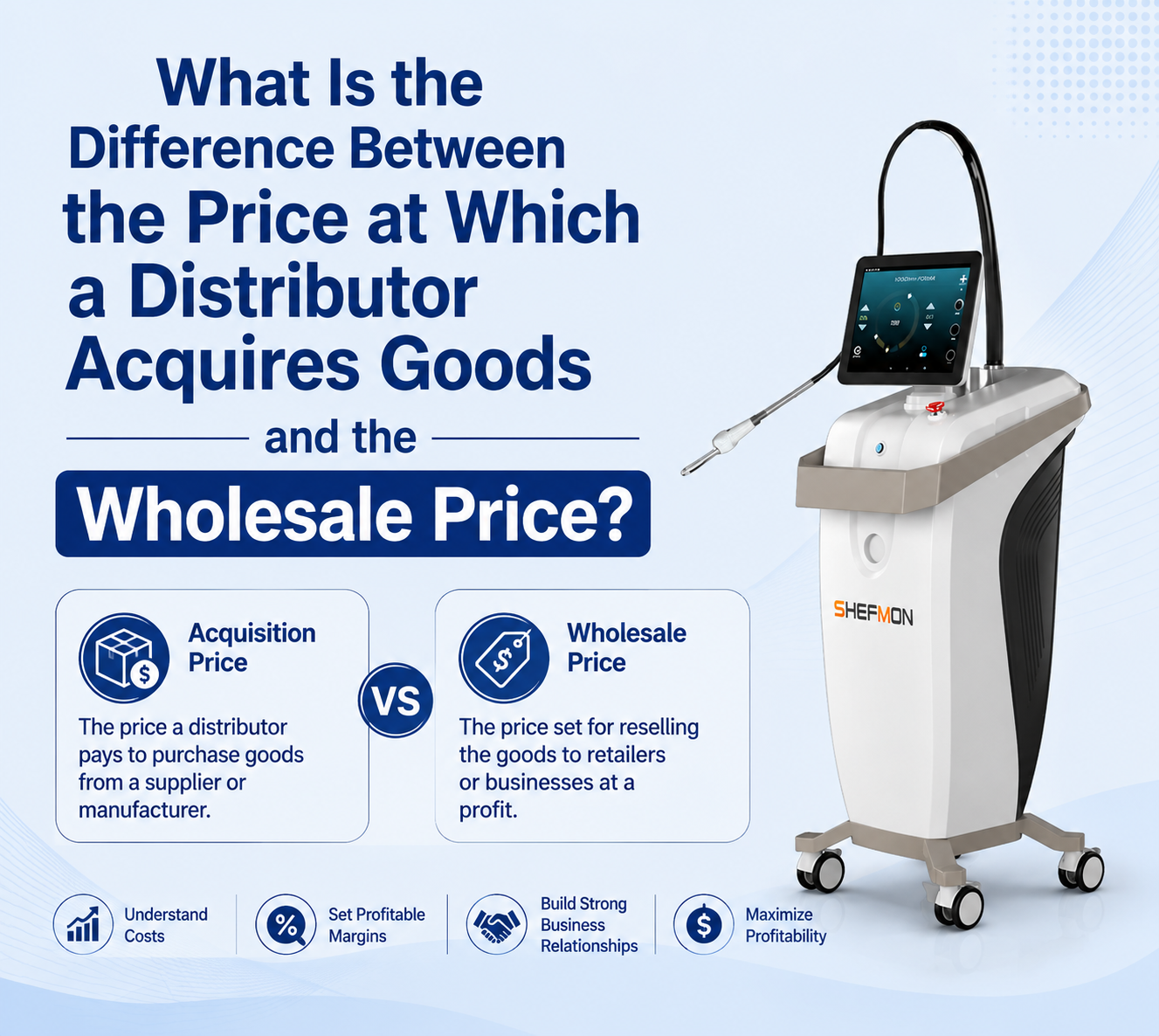
その distributor acquisition price (also called the distributor purchase price or distributor cost price) is the amount a distributor pays when purchasing products from a manufacturer or supplier.
This is usually the lowest commercial price in the supply chain because the distributor typically purchases in large quantities and helps the manufacturer expand into new markets.
例えば:
A beauty equipment manufacturer sells a professional HIFU machine to a regional distributor.
- Factory production cost: $2,000
- Distributor acquisition price: $3,500
The distributor pays $3,500 per unit to obtain the equipment.
This price may include:
- Manufacturing cost
- Quality inspection
- パッケージ
- Basic documentation
- Factory profit margin
- Export preparation costs
However, it usually does ない include the distributor’s own marketing expenses, local sales costs, storage costs, or customer service expenses.
Understanding the Wholesale Price
その wholesale price is the price at which products are sold to businesses that purchase goods for resale.
A wholesale price is usually higher than the distributor acquisition price because it may include additional costs and profit margins.
例えば:
A distributor purchases beauty equipment from a manufacturer:
Manufacturer → Distributor
Distributor acquisition price:
- HIFU machine: $3,500
The distributor then sells the same machine to a local beauty clinic:
Distributor → Beauty Clinic
卸売価格:
- HIFU machine: $5,000
The $1,500 difference covers:
- Distributor profit
- Local marketing
- 顧客コミュニケーション
- トレーニングサポート
- Transportation
- 技術支援
- 保証サービス
Key Differences Between Distributor Acquisition Price and Wholesale Price
| 比較 | Distributor Acquisition Price | Wholesale Price |
|---|---|---|
| 意味 | Price paid by a distributor to obtain products from a manufacturer | Price charged when selling products to businesses |
| Seller | Manufacturer or supplier | Distributor or wholesaler |
| Buyer | 卸売業者 | Retailer, salon, clinic, or another business |
| Price Level | より低い | より高い |
| 目的 | Supply chain entry cost | Resale price |
| Includes distributor profit? | 通常はいいえ | 通常はそうです |
| Quantity | Usually large-volume purchases | Can vary |
Example in the Beauty Equipment Industry
Imagine a manufacturer produces professional aesthetic equipment such as:
- クライオリポライシス 機械
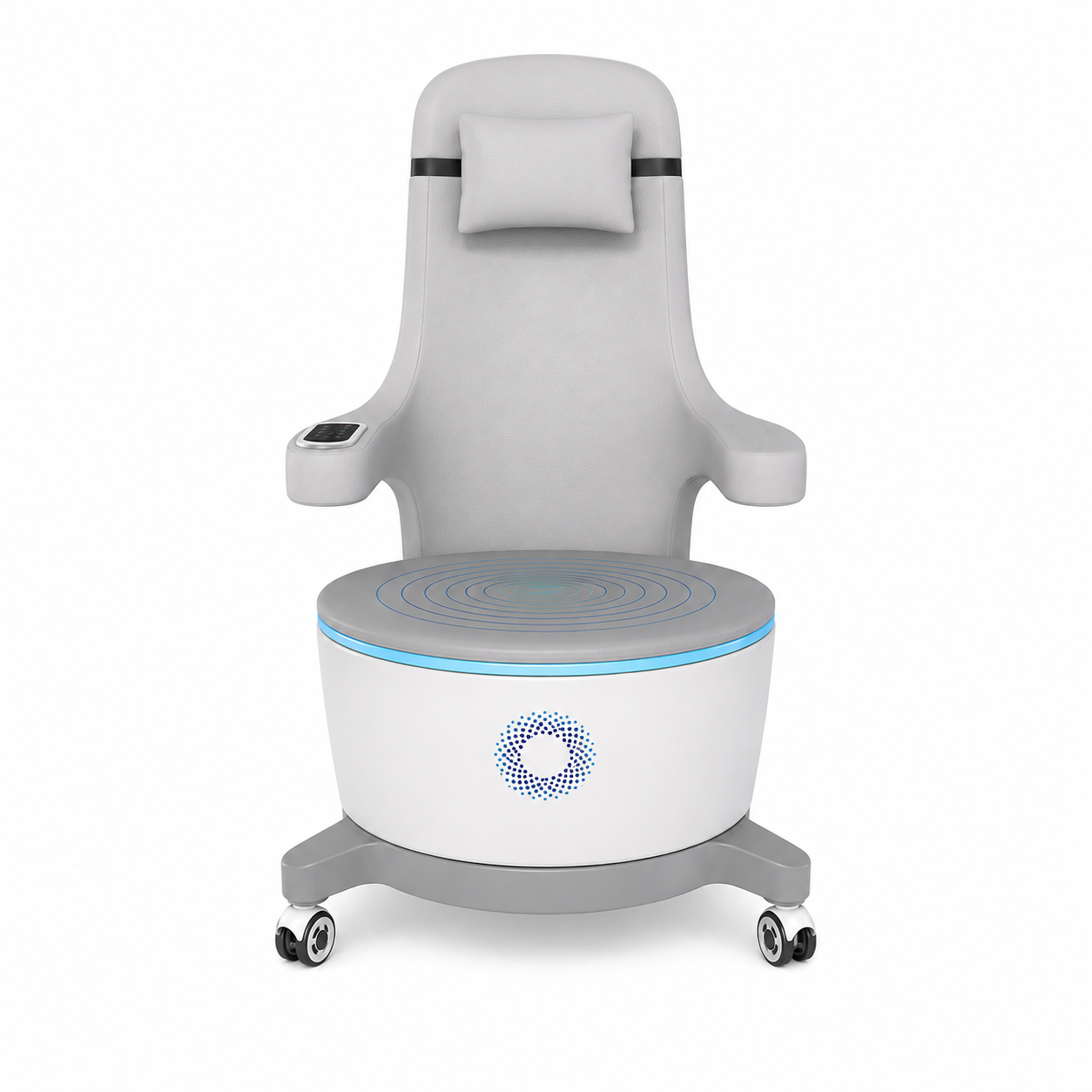
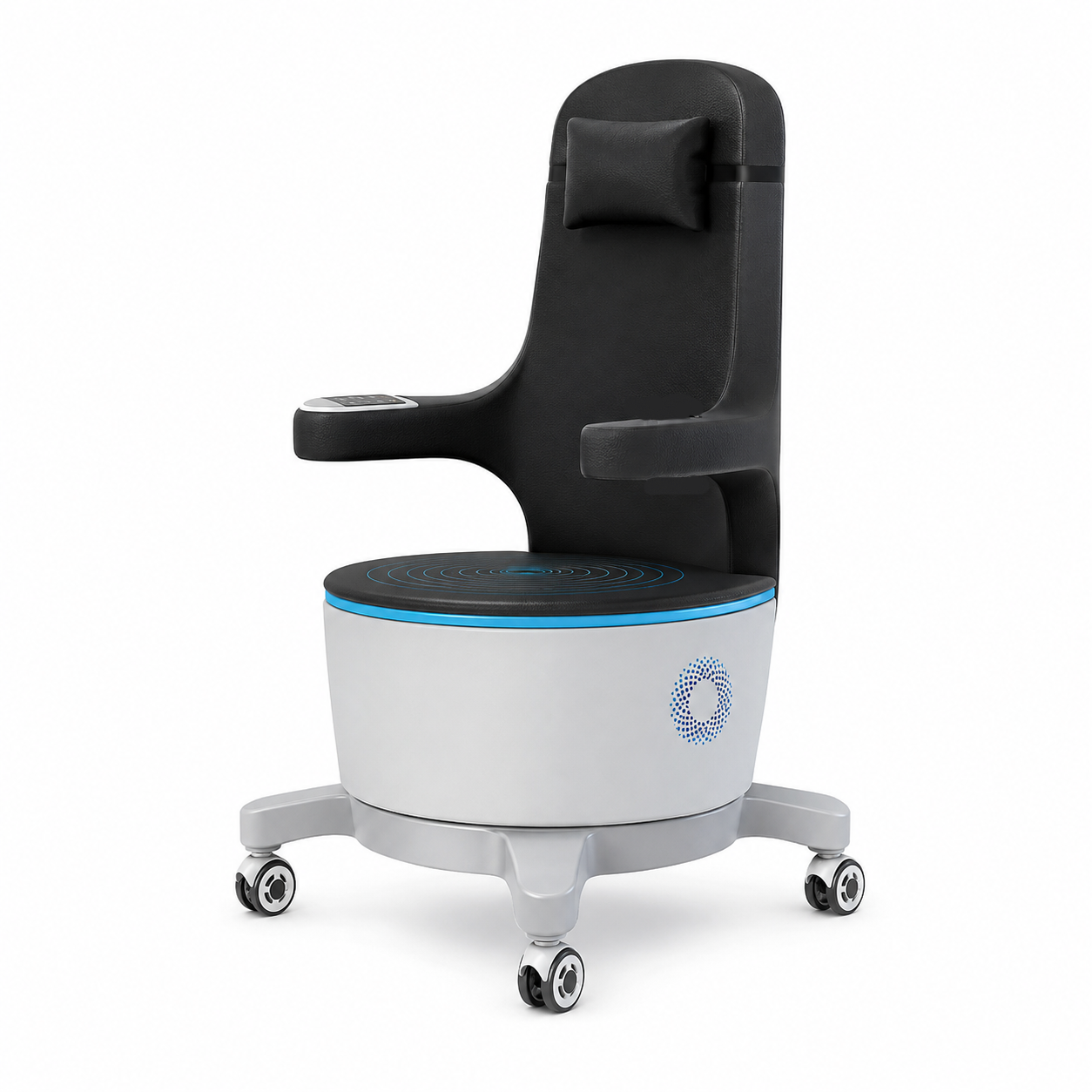
- エムスリム body shaping equipment
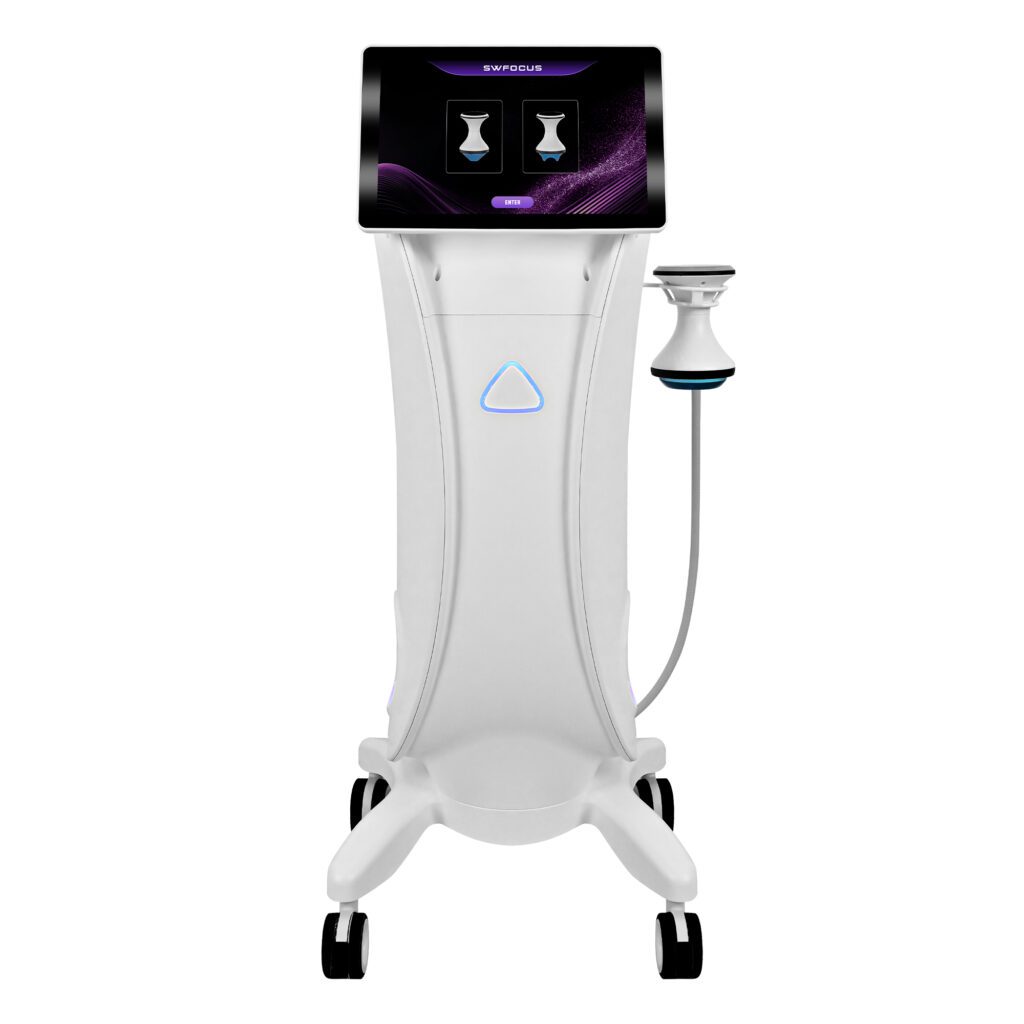
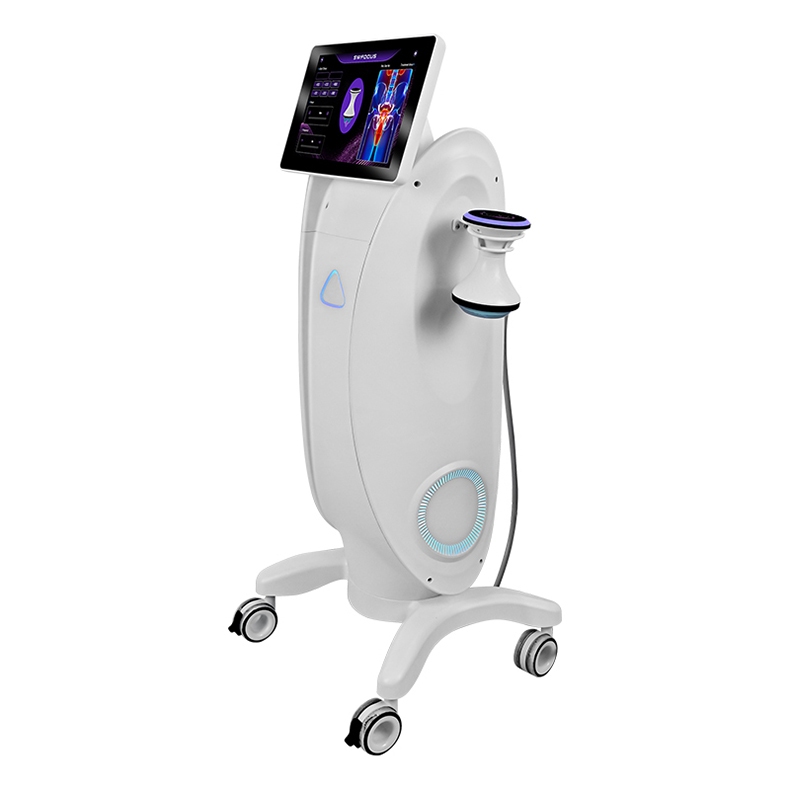
- HIFU skin tightening machines
- レーザーIPL hair removal systems
- ヒドラ facial treatment devices
The pricing structure may look like this:
Level 1: Manufacturer Price
Factory sells to an authorized distributor:
Price: $4,000
Level 2: Distributor Wholesale Price
Distributor sells to a beauty clinic:
Price: $6,000
Level 3: Retail/End User Price
Clinic purchases the equipment for business operation:
Price: $8,000
The difference between each level allows different participants in the supply chain to earn profits and provide services.
Why Is the Distributor Acquisition Price Lower?
Manufacturers usually offer lower prices to distributors because distributors provide valuable market support, including:
1. Bulk Purchasing
Distributors often purchase multiple units, reducing the manufacturer’s sales costs.
例えば:
- Single machine order: higher price
- 20–50 unit order: better distributor pricing
2. Market Development
Distributors help manufacturers enter new countries and regions.
They may handle:
- Local advertising
- Customer acquisition
- 展示会への参加
- Sales networks
3. After-Sales Support
Many distributors provide local services such as:
- インストール
- トレーニング
- メンテナンス
- テクニカルサポート
This reduces the manufacturer’s direct service burden.
Can a Distributor Set Their Own Wholesale Price?
In most cases, yes.
A distributor usually has the freedom to determine resale prices based on:
- Market demand
- Competition
- Customer purchasing power
- Service costs
- Marketing investment
- 地域の規制
However, some manufacturers may provide recommended pricing guidelines to maintain brand positioning.
Distributor Price vs Agent Price
Many people confuse distributors and agents.
Although they are similar, they are different:
Agent
An agent usually:
- Promotes products
- Finds customers
- Receives commissions
- May not hold inventory
例:
A beauty equipment agent introduces SHEFMON machines to local clinics and receives a sales commission.
卸売業者
A distributor usually:
- Purchases products directly
- Owns inventory
- Handles local sales
- Provides customer support
- Earns profit from price differences
例:
A distributor buys 20 beauty machines from SHEFMON and resells them to clinics in their country.
How Manufacturers Determine Distributor Prices
Manufacturers usually consider:
注文数量
Larger orders generally receive better pricing.
Market Potential
Exclusive distributors in important markets may receive special pricing policies.
Cooperation Level
Long-term partners may receive:
- Better discounts
- マーケティングサポート
- 優先生産
- 地域的な保護
支払い条件
Payment methods can also influence pricing.
例えば:
- Full payment before production
- Deposit + balance payment
- Long-term cooperation agreements
How to Calculate Distributor Profit Margin
基本的な公式は次のとおりです。
Profit Margin = (Selling Price – Purchase Price) ÷ Selling Price × 100%
例:
Distributor acquisition price:
$4,000
Wholesale selling price:
$6,000
Profit:
$6,000 – $4,000 = $2,000
Profit margin:
$2,000 ÷ $6,000 × 100% = 33.3%
However, the actual profit should consider:
- 送料
- Taxes
- Warehouse expenses
- マーケティング費用
- Employee salaries
- Customer service costs
How to Choose a Reliable Beauty Equipment Manufacturer
For distributors entering the beauty equipment industry, choosing the right manufacturer is critical.
A reliable manufacturer should provide:
- Competitive distributor pricing
- 安定した製品品質
- 専門的なトレーニング
- テクニカルサポート
- マーケティング資料
- 保証サービス
- OEM/ODMオプション
Working with an experienced manufacturer allows distributors to build long-term businesses rather than competing only on price.
結論
The main difference between a distributor acquisition price and a wholesale price is their position in the supply chain.
その distributor acquisition price is the cost paid by a distributor when purchasing directly from a manufacturer. The wholesale price is the resale price charged by the distributor to business customers.
The difference between these two prices creates the distributor’s profit margin and covers the costs of marketing, sales, customer service, and market development.
For beauty equipment businesses, understanding this pricing structure helps manufacturers create better partnerships and helps distributors build profitable sales strategies.
よくある質問(FAQ)
1. Is distributor price lower than wholesale price?
Yes. The distributor acquisition price is usually lower because it is the initial purchase price from the manufacturer. Wholesale prices usually include distributor profit and service costs.
2. Can a distributor buy directly from a factory?
Yes. Many distributors purchase directly from manufacturers, especially when ordering large quantities.
3. Is wholesale the same as distributor price?
No. Distributor price refers to the cost paid by the distributor, while wholesale price refers to the price charged when selling products to business buyers.
4. Which price is better for buyers?
Manufacturers usually offer the best prices to authorized distributors because they purchase in larger quantities.
5. How much profit margin can beauty equipment distributors make?
Profit margins vary depending on the product, market, competition, and service level. Professional equipment distributors often earn profits through both product sales and after-sales services.
6. What is the difference between a beauty equipment agent and distributor?
An agent usually earns commissions by promoting products, while a distributor purchases products, manages inventory, and earns profit through resale.