








最適化されたソリューション、専門的なバルブの知識、業界ニュースを共有する

ご希望の用語やキーワードを入力すると、検索結果に関連記事が表示されます。お探しの回答が見つからない場合は、お気軽にお問い合わせください。喜んでお手伝いいたします。または、beauty@shefmon.comまで直接メールでお問い合わせください。

Market Demand for Postpartum Recovery Beauty Equipment

Market demand for postpartum recovery beauty equipment is growing, but it is also becoming more professional and more regulated. The category is no longer only about simple body slimming after childbirth. It now includes postpartum body management, abdominal firming, pelvic floor wellness, EMS and magnetic stimulation, RF tightening, scar and skin care support, body contouring, wellness consultation, and long-term recovery memberships.

For beauty salons, postpartum centers, medical spas, and distributors, this creates a real opportunity. Many women are more willing to invest in recovery, confidence, comfort, and appearance after childbirth. At the same time, buyers are more cautious because postpartum care involves sensitive health conditions, recovery timing, pelvic floor concerns, breastfeeding, surgical history, and privacy. This means the market is suitable for professional service providers, not for sellers who only promote cheap machines with exaggerated claims.

The strongest opportunity is in structured postpartum recovery programs, where equipment is combined with consultation, screening, training, privacy, realistic expectations, and follow-up.

Why Postpartum Recovery Equipment Demand Is Rising

Postpartum recovery demand is rising because modern consumers are paying more attention to women’s wellness, body confidence, pelvic health, and long-term quality of life. More mothers want support for abdominal shape, loose skin appearance, pelvic floor weakness, body fatigue, stretch marks, scar care, posture, and confidence after childbirth.

Market data supports this broader demand. Grand View Research reported that the women’s wellness products market was valued at USD 289.8 billion in 2025 and projected to reach USD 549.3 billion by 2033. Its women’s health rehabilitation products market was valued at USD 5.03 billion in 2024 and projected to grow at a CAGR of 6.3% from 2025 to 2030. Grand View Research also projected the pelvic floor electric stimulator market to reach USD 539.38 million by 2030, growing at 11.9% from 2023 to 2030.

These numbers do not mean every postpartum beauty machine will sell well. They show that the larger women’s wellness and rehabilitation environment is expanding. Postpartum recovery beauty equipment can benefit from this growth if it is positioned responsibly.

The Market Is Moving From Slimming To Recovery Management

In the past, many postpartum projects were promoted mainly as slimming or quick waistline reduction. That approach is becoming less suitable. Customers today are more informed, and postpartum recovery is more complex than ordinary body contouring.

The better positioning is postpartum recovery management. This includes:

  • Abdomen firming support
  • Body contour maintenance
  • Pelvic floor awareness
  • Posture and core support programs
  • Scar and skin texture care
  • Stretch mark appearance support
  • RFボディタイトニング
  • EMS or magnetic stimulation where appropriate
  • Wellness consultation and follow-up
  • Long-term body confidence programs

This shift is important. A mother after childbirth is not the same as a normal body contouring customer. Her recovery stage, delivery type, medical history, breastfeeding status, and comfort level all matter. Salons and distributors should not sell postpartum equipment with casual weight-loss claims.

Main Categories Of Postpartum Recovery Equipment

Postpartum recovery beauty equipment can include several device categories. Each category has a different buyer channel and risk level.

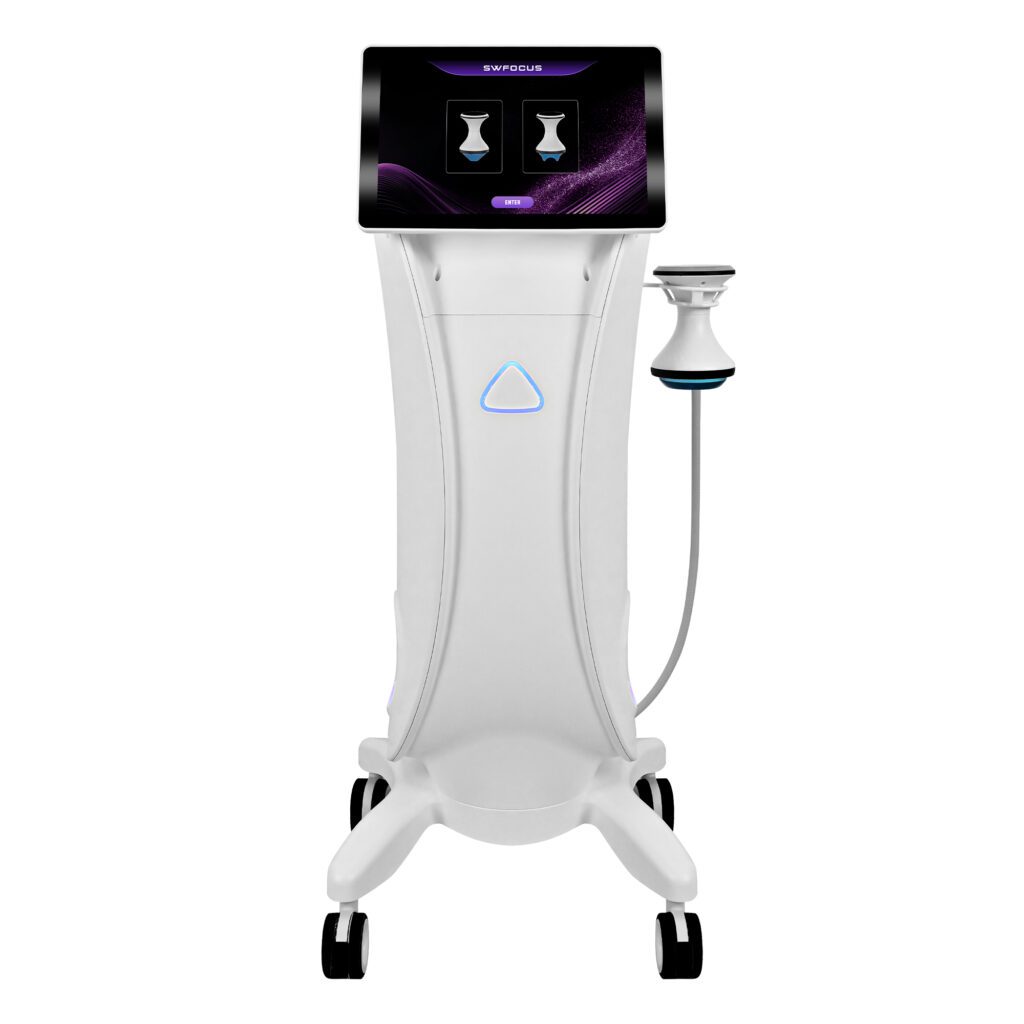
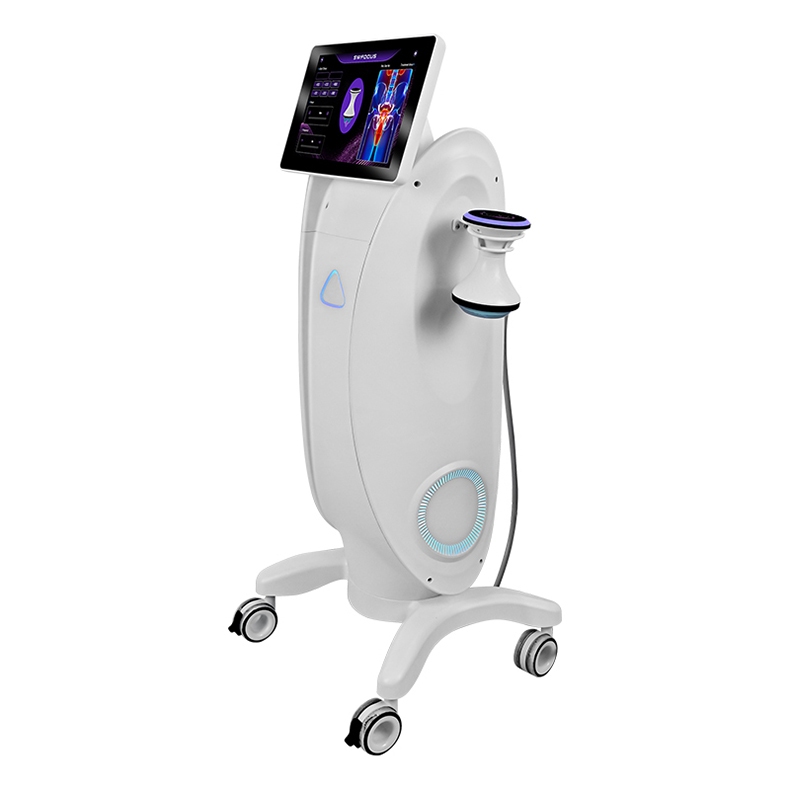
RF body firming devices are used for abdominal firming, loose skin appearance, waistline care, and post-weight-change body management. They are common in beauty salons and body care centers, but treatment timing and customer screening are important.

EMS body devices are used for muscle stimulation and body toning support. They may be used in abdomen, waist, hip, thigh, or other body management programs, depending on the device and local rules.

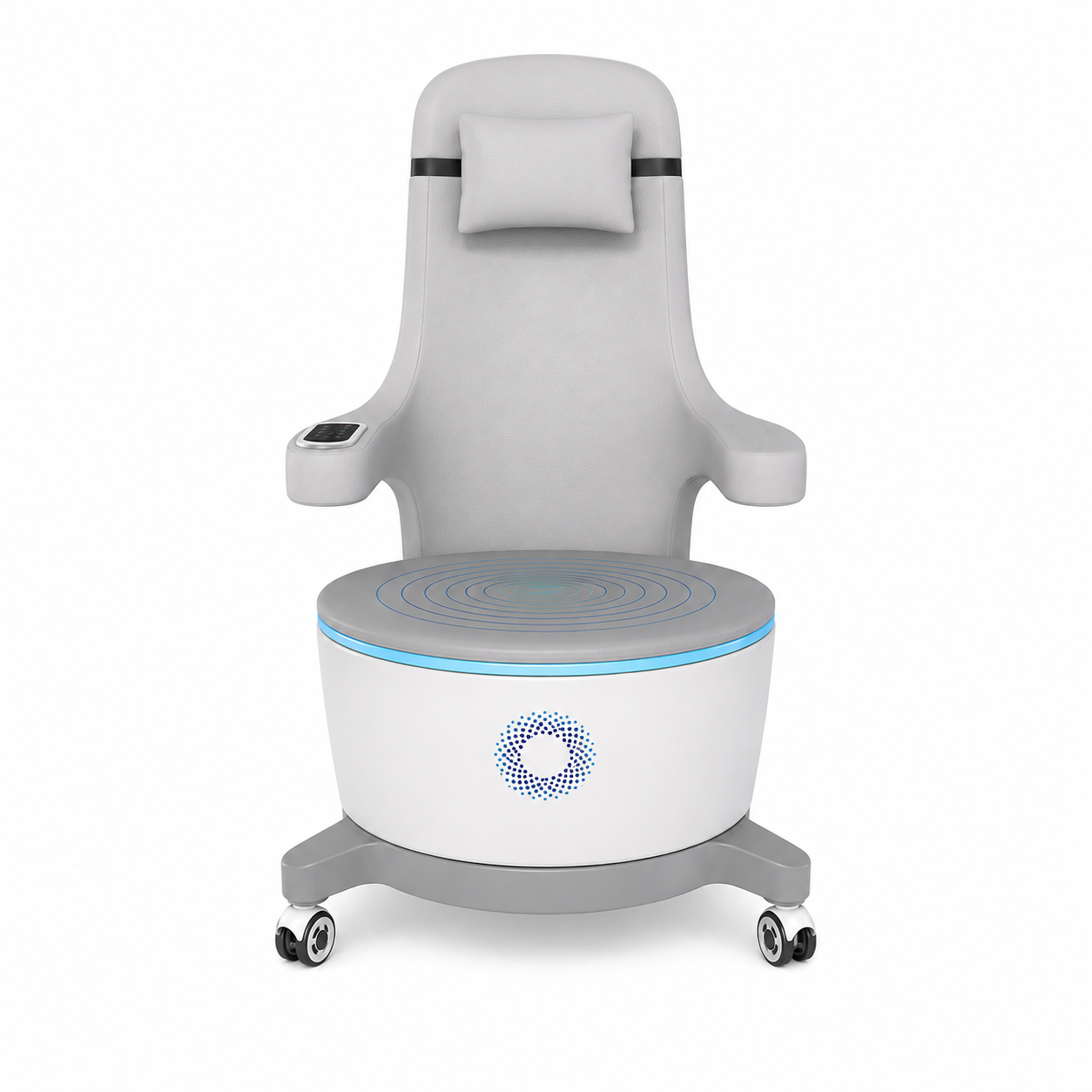
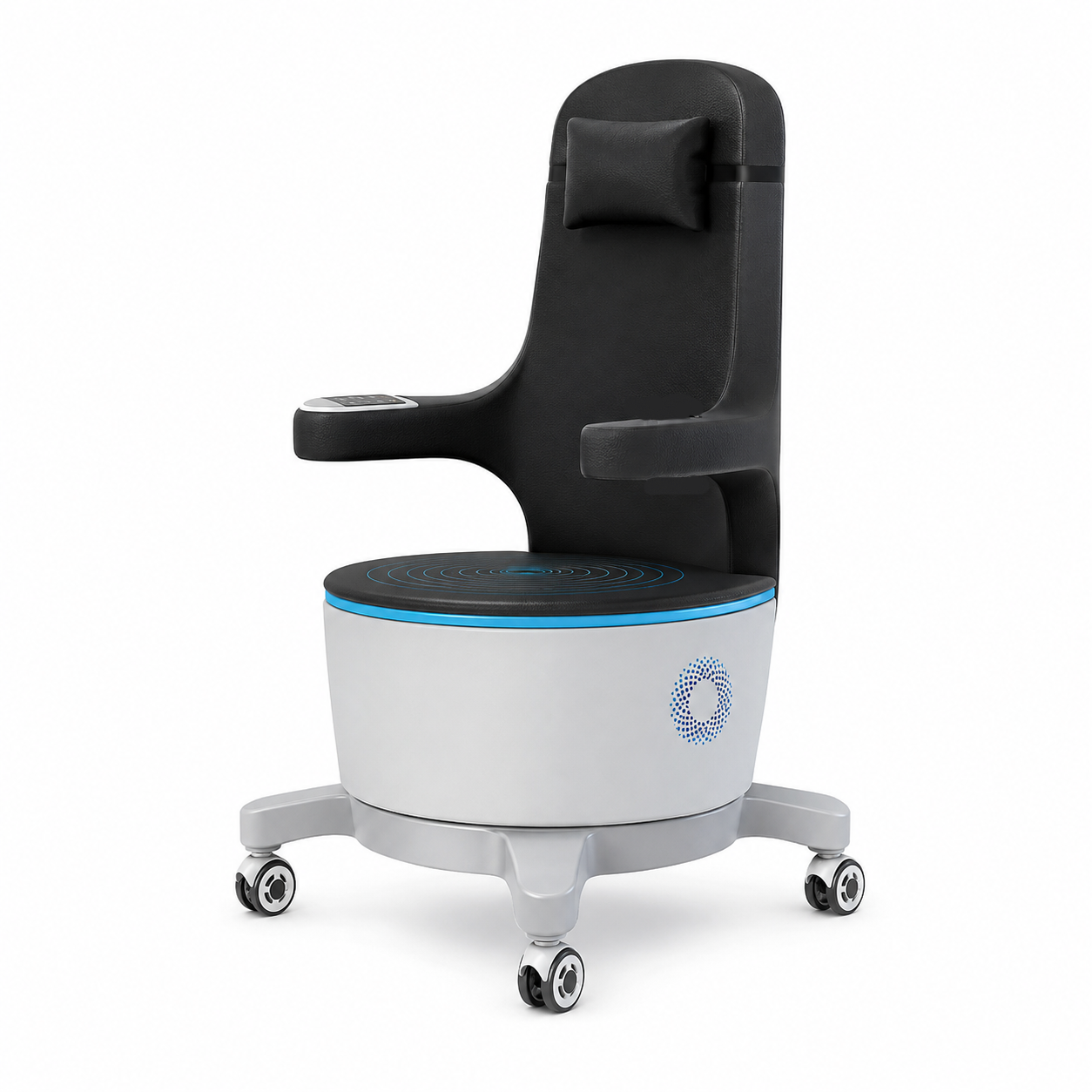
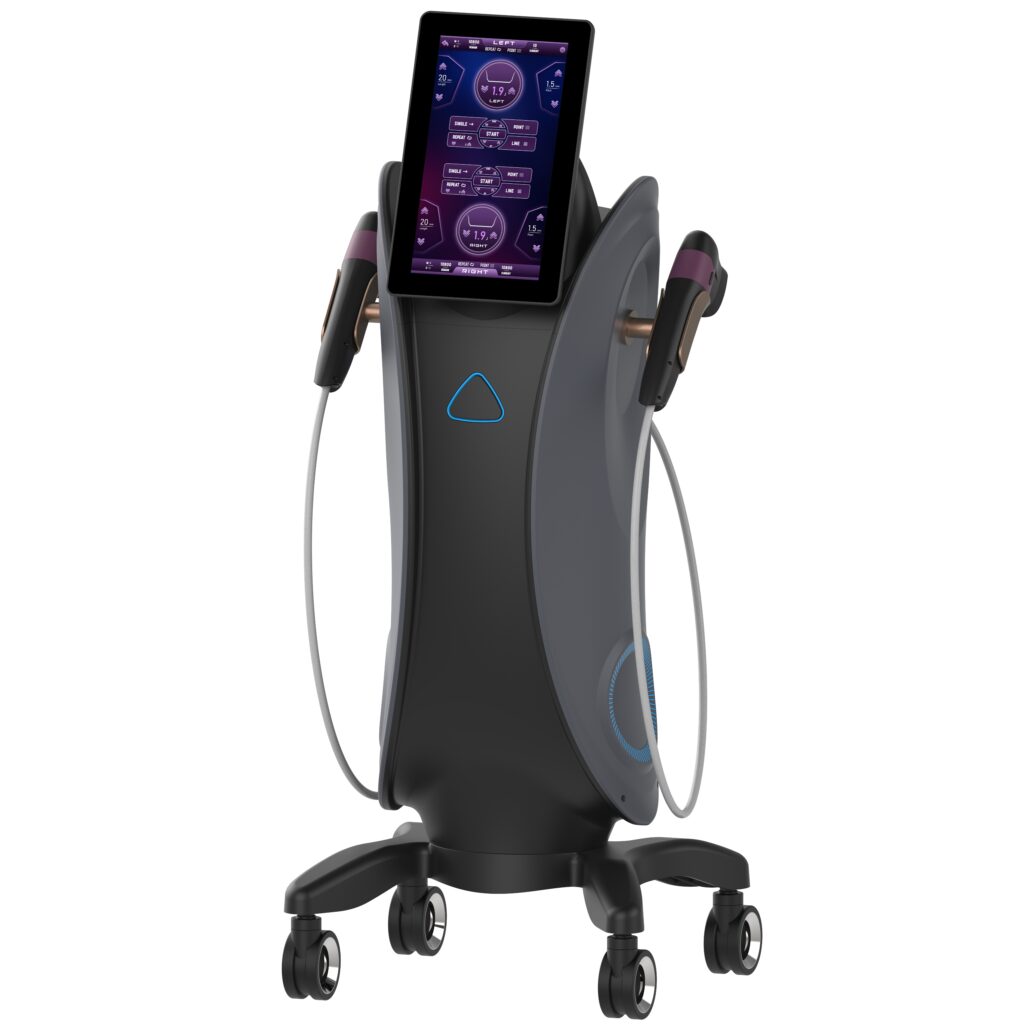
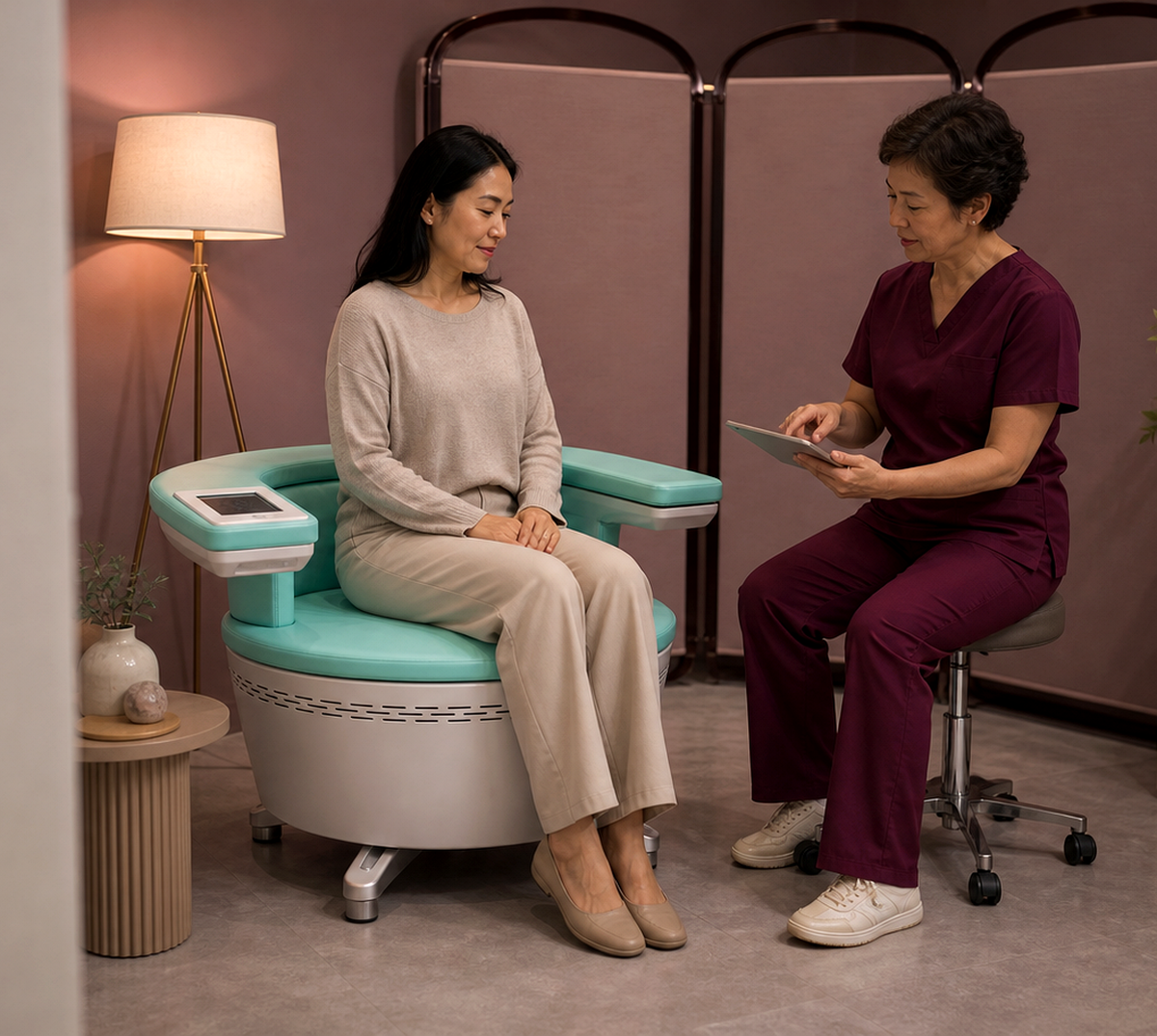
Magnetic pelvic floor stimulation chairs are used in pelvic floor wellness or rehabilitation-related settings. These products may be more regulated and may fit postpartum centers, clinics, rehabilitation centers, or qualified wellness businesses better than ordinary beauty salons.

Pelvic floor electric stimulation devices are often closer to medical or rehabilitation equipment. They require careful regulation, training, and claim control.

ボディコントゥアリング機器 such as cavitation, vacuum RF, cryolipolysis, or EMS sculpting may be used for postpartum body confidence programs, but salons must avoid treating customers too soon after childbirth or promising medical recovery.

LED and red light devices may be positioned for skin recovery support, scar appearance support, comfort, and wellness add-ons, depending on device type and claims.

Skin care and scar care devices may support C-section scar appearance, stretch mark appearance, dry skin, and skin texture care, but medical scar claims require caution.

The distributor’s job is to match the right device to the right business channel.

Which Customer Needs Drive Demand?

Postpartum customers usually have multiple concerns, not just one. This makes the category suitable for package-based services.

Common customer needs include:

  • Abdomen looseness
  • Waistline changes
  • ストレッチマークの出現
  • C-section scar appearance
  • Pelvic floor weakness or awareness
  • Body fatigue
  • Posture and core recovery support
  • Weight and body shape confidence
  • Skin laxity after pregnancy
  • Emotional need for self-care
  • Privacy and professional guidance

These needs create demand for multi-step programs. A customer may begin with consultation and gentle body care, then add RF firming, EMS support, pelvic floor awareness, skin care, and long-term maintenance.

This is why postpartum recovery equipment should usually be sold as part of a service system rather than a single machine session.

Demand Is Stronger In Professional Channels

Postpartum recovery equipment demand is stronger in channels that already have customer trust and privacy systems.

Suitable channels include:

  • 産後回復センター
  • メディカルスパ
  • Women’s wellness centers
  • リハビリテーションクリニック
  • Gynecology-related clinics
  • High-end beauty salons
  • Body care salons
  • Mother and baby care centers
  • Wellness spas
  • Fitness and recovery studios

Ordinary small beauty salons can participate, but they should start with lower-risk external body care and wellness support services. They should avoid medical-style pelvic floor claims or internal treatments unless legally allowed and professionally supervised.

For distributors, channel selection matters. A pelvic floor stimulation device may be suitable for a professional postpartum center but not for a basic facial salon. A RF body firming machine may fit a beauty salon, but the salon still needs postpartum screening and responsible marketing.

Why Beauty Salons Are Interested

Beauty salons are interested in postpartum recovery equipment because many of their customers are women in life stages where pregnancy and childbirth become relevant. Salons already have trust relationships, private treatment rooms, and experience selling body or skin care packages.

Postpartum projects can help salons:

  • Increase average transaction value
  • Build long-term service packages
  • Differentiate from basic facial competitors
  • Add body management services
  • Sell memberships instead of single treatments
  • Retain customers after pregnancy
  • Cross-sell skin care, body care, and wellness services
  • Create premium female-focused project positioning

However, the salon must operate carefully. Postpartum customers need trust, privacy, and realistic explanations. Aggressive selling can create discomfort and damage reputation.

Postpartum Recovery Works Best As A Course

Postpartum recovery equipment is most valuable when packaged into treatment courses. A single session rarely solves the customer’s concerns. A structured program feels more credible and supports better salon revenue.

Example packages include:

  • 6-session abdomen firming course
  • 8-session postpartum body management plan
  • Pelvic floor awareness and wellness program
  • RF body tightening membership
  • EMS body toning support plan
  • C-section scar appearance care package
  • Stretch mark appearance support plan
  • 90-day postpartum recovery membership

Each package should include consultation, eligibility screening, treatment steps, session frequency, homecare advice, follow-up, and progress tracking. This turns equipment into a professional recovery project.

For distributors, package templates are a major selling tool. Many salons want the machine, but they also need to know how to sell the project.

Pelvic Floor Demand Is Growing, But More Regulated

Pelvic floor devices are one of the most discussed areas in postpartum recovery. Demand is supported by greater awareness of pelvic floor health, urinary leakage concerns, sexual wellness discussions, and postpartum rehabilitation.

Grand View Research projected the global pelvic floor electric stimulator market to grow at 11.9% from 2023 to 2030. Other market reports also point to growth in pelvic floor rehabilitation and trainer devices.

However, this is also one of the highest-risk segments. Pelvic floor stimulation can move into medical or rehabilitation territory. Claims related to urinary incontinence, pelvic disorders, sexual dysfunction, or medical recovery may require regulatory clearance, licensed professionals, and local legal compliance.

For distributors, the rule is simple: do not treat pelvic floor devices like ordinary beauty machines. Check local regulations, product approvals, operator qualifications, contraindications, and claim limits before selling.

EMS And Magnetic Chairs Need Careful Positioning

EMS and magnetic stimulation chairs are popular in postpartum recovery marketing because they are easy to explain: the customer can sit or receive stimulation that supports muscle activation. This creates strong commercial appeal.

But these devices still need careful positioning. The FDA guidance for powered muscle stimulators notes that electrical stimulation may not be appropriate following recent surgical procedures when muscle contraction could disrupt healing, over a pregnant uterus, or over areas lacking normal sensation. This type of safety guidance is highly relevant to postpartum positioning because many customers may have recent childbirth, C-section wounds, altered sensation, or ongoing recovery.

Distributors and salons should therefore build screening rules:

  • How long after childbirth is the customer?
  • Vaginal birth or C-section?
  • Any recent surgery or wound healing?
  • Breastfeeding status?
  • Pain, bleeding, infection, or medical symptoms?
  • Doctor approval needed?
  • Any implanted device or contraindication?
  • Skin sensitivity or reduced sensation?

Professional screening protects customers and protects the business.

RF Firming And Body Contouring Have Practical Demand

RF body firming, vacuum RF, EMS body care, cavitation, and other body contouring devices can be practical in postpartum body management, especially after the initial recovery period. Customers may want help with abdomen looseness, waistline changes, arm or thigh shape, skin laxity, and general body confidence.

These projects are often easier for beauty salons to offer than pelvic floor medical-style devices, but they still require timing and screening. A customer who recently had a C-section or has pain, bleeding, infection, or medical complications should not be treated casually.

Responsible project positioning includes:

  • Abdomen firming support
  • Postpartum body confidence
  • RF body tightening maintenance
  • Waistline care program
  • Body contour support
  • Post-weight-change body management

Riskier positioning includes:

  • Guaranteed weight loss
  • Medical recovery claims
  • Instant abdomen repair
  • Treatment of diastasis recti without qualification
  • Pelvic floor cure claims
  • Claims that replace medical care

The safest commercial approach is body management and wellness support, not medical treatment.

Privacy Is A Major Purchasing Factor

Postpartum recovery customers may be sensitive about body image, pelvic floor issues, scar concerns, breastfeeding, and intimate health. Privacy and respect can directly affect conversion.

Salons and centers should provide:

  • Private consultation rooms
  • Female staff availability where appropriate
  • Respectful language
  • Clear consent forms
  • Confidential records
  • No public sharing of photos without permission
  • Calm and nonjudgmental consultation
  • Professional referral if medical symptoms appear

Distributors should include privacy and consultation workflow in training. In this category, sales scripts matter as much as machine specifications.

Demand Is Also Driven By Membership And Continuity

Postpartum recovery is not a one-time service. Many customers need gradual support across several months. This makes the category suitable for memberships and stage-based programs.

A salon or center can design phases:

  • Early consultation and gentle care stage
  • Body assessment and recovery planning stage
  • RF or EMS support stage, when appropriate
  • Pelvic floor awareness or professional referral stage
  • Body contouring and confidence stage
  • Long-term maintenance stage

This lifecycle model can improve retention. A customer who trusts the salon after childbirth may continue into body management, facial care, anti-aging care, and wellness memberships later.

For salons, this is commercially valuable. Postpartum recovery can become a long-term customer relationship, not only a short-term project.

Demand Varies By Region And Culture

Postpartum recovery demand is strongly influenced by culture. In some markets, postpartum care centers and “confinement” services are already common. In other markets, postpartum recovery is handled mainly through medical providers, physical therapists, or home care. In some places, customers may be interested but less willing to discuss pelvic floor or intimate concerns publicly.

販売代理店は以下を評価する必要があります。

  • Local postpartum care culture
  • Birth rate and maternal wellness spending
  • Existing postpartum centers
  • Acceptance of beauty salon body care
  • Medical device regulations
  • Availability of qualified trainers
  • Privacy expectations
  • Consumer willingness to pay
  • Competition from clinics or physical therapists

This market cannot be copied exactly from one country to another. Local adaptation is necessary.

What Buyers Care About Most

Buyers of postpartum recovery equipment usually care about more than price. They want to know whether the device can be operated safely and profitably.

購入者によくある懸念事項は以下のとおりです。

  • Is the product compliant?
  • Who can operate it?
  • どのような研修が含まれていますか?
  • What postpartum stage is suitable?
  • What contraindications exist?
  • What claims can be used in marketing?
  • How many sessions should be sold?
  • What package price is realistic?
  • What if the customer has a C-section?
  • How is privacy handled?
  • What after-sales service is available?
  • Are accessories and parts easy to replace?

Distributors who can answer these questions clearly will have stronger trust than those who only offer low prices.

Good Products Need Good Training

Training is essential in postpartum recovery equipment. Staff need more than button operation. They need to understand customer screening, treatment timing, communication, consent, comfort, and referral boundaries.

研修内容には以下が含まれるべきである。

  • デバイスの動作
  • Safety precautions
  • 禁忌
  • Postpartum stage awareness
  • C-section caution
  • Treatment intensity adjustment
  • Customer comfort communication
  • Package design
  • Privacy workflow
  • Emergency and referral rules
  • Maintenance and cleaning

Without training, even a good machine can create poor results or complaints. For distributors, training is a major competitive advantage.

Compliance And Claim Control Are Essential

Postpartum recovery equipment sits between beauty, wellness, rehabilitation, and medical care. This makes compliance important.

Distributors should avoid claims that the device can treat medical conditions unless the product is approved for that use and the buyer is qualified. Claims related to urinary incontinence, pelvic floor dysfunction, diastasis recti, sexual dysfunction, surgical recovery, or medical rehabilitation may be regulated.

Safer beauty and wellness positioning may include:

  • 産後の体型管理
  • Body confidence support
  • Abdomen firming appearance
  • Pelvic floor wellness awareness
  • External body care
  • Recovery support programs
  • Wellness consultation
  • Professional referral when needed

Every market is different. Local legal review is important before launching.

Which Products Are Better For Distributors?

Distributors should select postpartum recovery products based on channel and support capability.

美容サロン向け:

  • RF body firming devices
  • LED or red light support devices
  • External body care devices
  • EMS body support devices, where allowed
  • Body measurement tools
  • Skin and scar appearance care systems

For postpartum centers:

  • Multifunctional recovery platforms
  • EMS and magnetic stimulation systems
  • Pelvic floor awareness and training devices
  • RF body management devices
  • Body contouring and firming systems

For clinics or rehabilitation centers:

  • Pelvic floor electric stimulation systems
  • Magnetic stimulation chairs
  • Rehabilitation-oriented devices
  • Clinic-grade documentation and training packages

The distributor should not push the same product into every channel. Product fit determines long-term success.

Is This Category Suitable For Beginner Distributors?

Postpartum recovery equipment can be attractive, but it is not the easiest category for beginner distributors. Beginners may face difficulties in compliance, training, after-sales service, and claim control.

Beginner distributors can still participate if they start cautiously:

  • Begin with lower-risk external body care products
  • Avoid medical claims
  • Work with experienced manufacturers
  • Build training content
  • Partner with postpartum centers or qualified professionals
  • Learn local regulations
  • Offer clear project packages
  • Provide privacy and consent templates

Beginners should be cautious with pelvic floor electric stimulation, internal devices, advanced energy-based devices, or products making medical treatment claims.

How To Build A Postpartum Recovery Project

A strong postpartum recovery project should be structured and respectful.

Basic framework:

  • Customer consultation
  • Recovery stage screening
  • Medical history and delivery type check
  • Consent and privacy explanation
  • Body or pelvic wellness assessment
  • Treatment plan recommendation
  • Session frequency and package pricing
  • Homecare and lifestyle guidance
  • Follow-up and progress tracking
  • Referral when medical symptoms appear

Example project packages:

  • 60-day postpartum body care plan
  • Abdomen firming and waistline support course
  • C-section scar appearance care package
  • Pelvic floor wellness consultation package
  • RF body tightening membership
  • EMS body activation support program
  • Postpartum body confidence membership

This structure makes the project easier to sell and safer to operate.

Main Risks In The Market

The market has demand, but distributors and salons should watch risks.

Main risks include:

  • Overpromising medical results
  • Treating customers too soon after childbirth
  • Ignoring C-section recovery
  • Lack of contraindication screening
  • Weak staff training
  • Privacy violations
  • Selling medical devices to unqualified channels
  • Poor after-sales support
  • Low-quality machines with unstable output
  • Confusing body contouring with medical recovery

These risks can be reduced through professional training, compliance review, conservative claims, and strong customer communication.

Future Trend Of Postpartum Recovery Beauty Equipment

The future of postpartum recovery beauty equipment will likely move toward more professional, integrated, and data-supported service models.

Important trends include:

  • Growth of women’s wellness spending
  • More postpartum recovery centers
  • Higher pelvic floor awareness
  • Demand for non-invasive body management
  • Integration of RF, EMS, LED, and body measurement
  • Digital customer records and follow-up
  • More privacy-focused consultation systems
  • Stronger regulation of medical claims
  • More collaboration between salons and healthcare professionals
  • Membership-based recovery programs

The category will likely continue to grow, but the quality threshold will rise. Buyers will expect more documentation, training, protocols, and after-sales service.

結論

Market demand for postpartum recovery beauty equipment is growing because women are paying more attention to postpartum body confidence, pelvic floor wellness, abdominal firming, skin recovery, scar appearance, and long-term self-care. The opportunity is supported by growth in women’s wellness, women’s health rehabilitation, pelvic floor devices, and postpartum services.

However, this is not a simple beauty equipment category. Postpartum recovery involves safety, timing, privacy, medical boundaries, and customer trust. The strongest opportunities belong to distributors, salons, postpartum centers, and clinics that can provide responsible consultation, proper training, compliant claims, and structured recovery packages.

For distributors, the best strategy is not to sell postpartum machines as quick slimming tools. The stronger strategy is to offer a professional postpartum recovery solution: equipment, protocols, training, privacy workflow, package design, and after-sales support.

よくある質問

Is demand for postpartum recovery beauty equipment growing?

Yes. Demand is growing because women are paying more attention to postpartum body management, pelvic floor wellness, abdominal firming, skin recovery, and long-term self-care.

Which postpartum recovery devices are commonly used?

Common categories include RF body firming devices, EMS body devices, magnetic pelvic floor chairs, pelvic floor electric stimulation systems, LED or red light devices, body contouring machines, and scar appearance care tools.

Are postpartum recovery devices suitable for beauty salons?

Some external body care and wellness support devices can be suitable for beauty salons, but pelvic floor or medical-style devices may require qualified professionals, clinic settings, or regulatory clearance.

What is the biggest risk in this market?

The biggest risks are exaggerated medical claims, treating customers too soon after childbirth, poor screening, weak training, privacy issues, and selling regulated devices to unsuitable channels.

How should distributors sell postpartum recovery equipment?

Distributors should sell complete solutions: compliant product selection, training, contraindication guidance, privacy workflow, treatment packages, pricing templates, after-sales service, and responsible marketing materials.

人気商品