







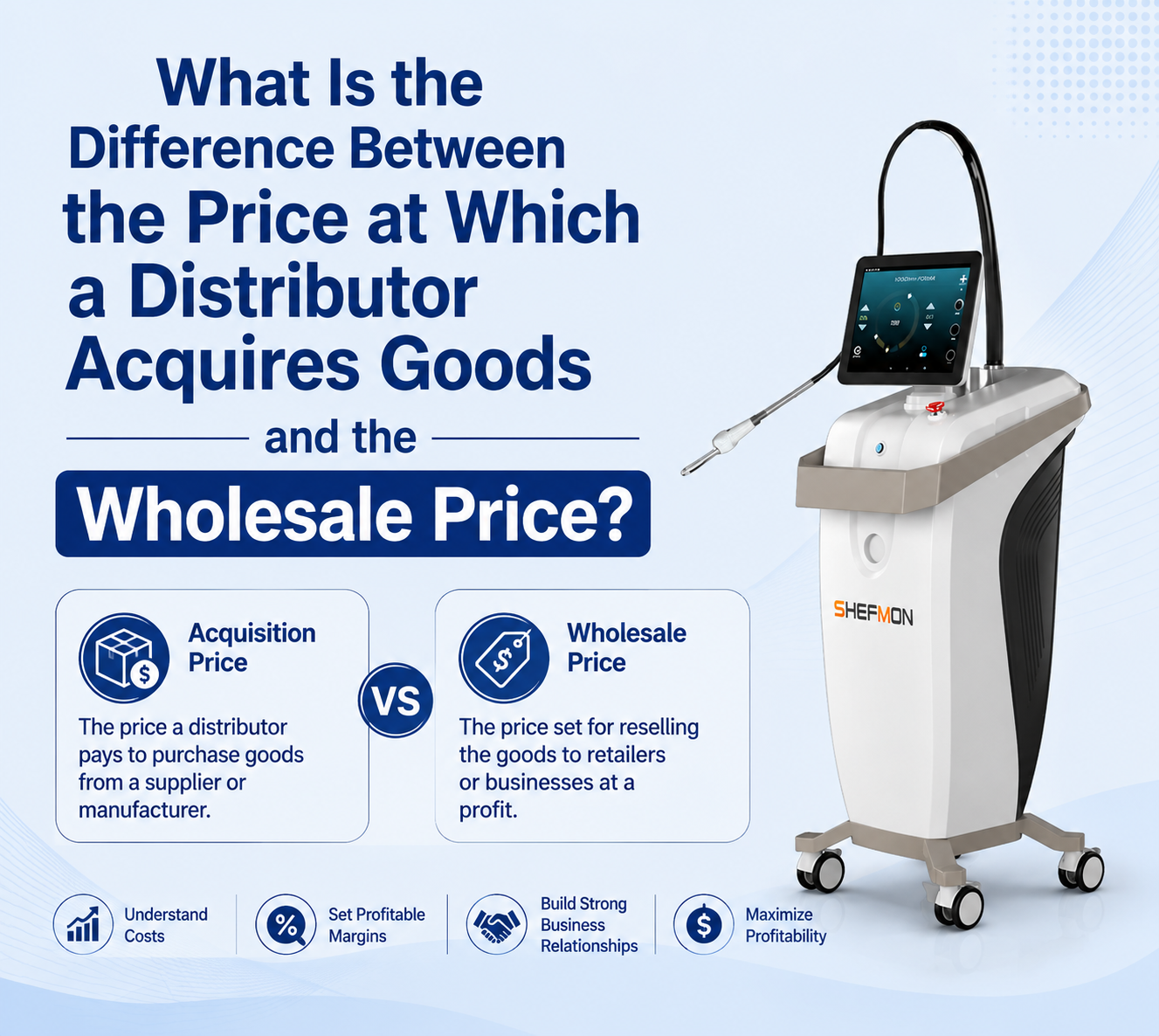
공급망 및 유통 산업에서 사용되는 용어는 다음과 같습니다. 유통업체 구매 가격, 공장 가격, 도매가, 그리고 소매가 이 두 용어는 종종 혼용되지만, 제품 가격 책정의 서로 다른 단계를 나타냅니다.
제조업체, 유통업체, 대리점 및 소매업체, 특히 미용 기기, 의료 미용 및 전문 기기와 같은 산업에서는 유통업체가 상품을 구매할 때 지불하는 가격과 도매 가격의 차이를 이해하는 것이 중요합니다.
유통업체 인수 가격 이해하기
그만큼 유통업체 인수 가격 (유통업체 구매 가격 또는 유통업체 원가라고도 함)는 유통업체가 제조업체 또는 공급업체로부터 제품을 구매할 때 지불하는 금액입니다.
이것은 보통 공급망 내 최저 상업 가격 유통업체는 일반적으로 대량으로 구매하여 제조업체가 새로운 시장으로 진출하는 데 도움을 주기 때문입니다.
예를 들어:
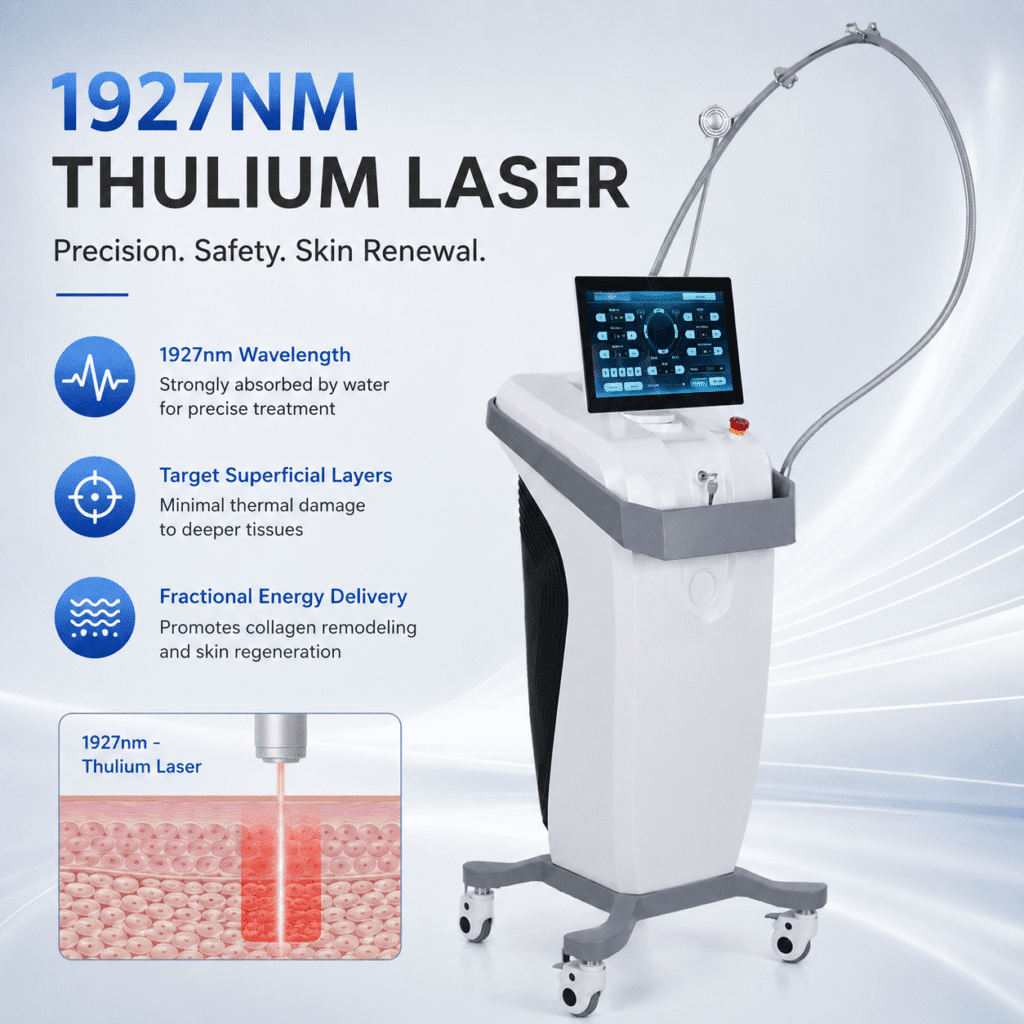
미용기기 제조업체가 지역 유통업체에 전문가용 HIFU 기계를 판매합니다.
- 공장 생산 비용: $2,000
- 유통업체 인수 가격: $3,500
유통업체는 장비를 구매하기 위해 대당 $3,500을 지불합니다.
이 가격에는 다음이 포함될 수 있습니다.
- 제조원가
- 품질 검사
- 포장
- 기본 문서
- 공장 이윤
- 수출 준비 비용
하지만 대개는 그렇습니다. ~ 아니다 여기에는 유통업체 자체의 마케팅 비용, 지역 판매 비용, 보관 비용 또는 고객 서비스 비용이 포함됩니다.
도매가 이해하기
그만큼 도매가 이는 재판매를 목적으로 상품을 구매하는 기업에 제품이 판매되는 가격입니다.
도매 가격은 일반적으로 유통업체 구매 가격보다 높습니다. 이는 도매 가격에 추가 비용과 이윤이 포함될 수 있기 때문입니다.
예를 들어:
유통업체는 제조업체로부터 미용 기기를 구매합니다.
제조업체 → 유통업체
유통업체 인수 가격:
- HIFU 기기: $3,500
유통업체는 그 후 동일한 기계를 지역 미용 클리닉에 판매합니다.
유통업체 → 뷰티 클리닉
도매가:
- HIFU 장비: $5,000
$1,500의 차이점은 다음과 같습니다.
- 유통업체 이익
- 지역 마케팅
- 고객 커뮤니케이션
- 교육 지원
- 운송
- 기술 지원
- 보증 서비스
유통업체 인수 가격과 도매 가격의 주요 차이점
| 비교 | 유통업체 인수 가격 | 도매가 |
|---|---|---|
| 정의 | 유통업체가 제조업체로부터 제품을 구매하기 위해 지불하는 가격 | 기업에 제품을 판매할 때 부과되는 가격 |
| 파는 사람 | 제조업체 또는 공급업체 | 유통업체 또는 도매업체 |
| 사는 사람 | 살수 장치 | 소매점, 미용실, 병원 또는 기타 사업체 |
| 가격 수준 | 낮추다 | 더 높은 |
| 목적 | 공급망 진입 비용 | 재판매 가격 |
| 유통업체 이익이 포함되나요? | 보통은 그렇지 않습니다. | 보통 그렇습니다 |
| 수량 | 일반적으로 대량 구매 | 다를 수 있음 |
미용기기 산업의 사례
어떤 제조업체가 다음과 같은 전문가용 미용 장비를 생산한다고 상상해 보세요.
가격 구조는 다음과 같을 수 있습니다.
1단계: 제조업체 가격
공장은 공인 유통업체에 제품을 판매합니다.
가격: $4,000
2단계: 유통업체 도매 가격
유통업체가 미용 클리닉에 제품을 판매합니다.
가격: $6,000
3단계: 소매/최종 사용자 가격
병원은 사업 운영에 필요한 장비를 구입합니다.
가격: $8,000
각 단계 간의 차이로 인해 공급망의 다양한 참여자들이 이익을 얻고 서비스를 제공할 수 있습니다.
유통업체 인수 가격이 낮은 이유는 무엇입니까?
제조업체는 유통업체가 다음과 같은 귀중한 시장 지원을 제공하기 때문에 일반적으로 유통업체에게 더 낮은 가격을 제시합니다.
1. 대량 구매
유통업체는 종종 여러 대의 제품을 구매하여 제조업체의 판매 비용을 절감합니다.
예를 들어:
- 단일 기계 주문 시 가격이 더 높습니다.
- 20~50개 주문 시 유통업체 할인 가격 적용
2. 시장 개발
유통업체는 제조업체가 새로운 국가 및 지역으로 진출하는 데 도움을 줍니다.
그들은 다음과 같은 일을 처리할 수 있습니다:
- 지역 광고
- 고객 확보
- 전시 참가
- 판매 네트워크
3. 판매 후 지원
많은 유통업체들이 다음과 같은 지역 서비스를 제공합니다:
- 설치
- 훈련
- 유지
- 기술 지원
이는 제조업체의 직접적인 서비스 부담을 줄여줍니다.
유통업체가 도매 가격을 직접 정할 수 있나요?
대부분의 경우 그렇습니다.
유통업체는 일반적으로 다음과 같은 기준에 따라 재판매 가격을 자유롭게 결정할 수 있습니다.
- 시장 수요
- 경쟁
- 고객 구매력
- 서비스 비용
- 마케팅 투자
- 지역 규정
하지만 일부 제조업체는 브랜드 포지셔닝을 유지하기 위해 권장 가격 가이드라인을 제공할 수도 있습니다.
유통업체 가격 vs 대리점 가격
많은 사람들이 유통업체와 대리점을 혼동합니다.
비슷해 보이지만, 차이점도 있습니다.
대리인
에이전트는 일반적으로 다음과 같은 역할을 합니다.
- 제품을 홍보합니다
- 고객을 찾습니다
- 수수료를 받습니다
- 재고를 보유하지 않을 수 있습니다.
예:
미용기기 판매 대리점은 지역 병원에 SHEFMON 기기를 소개하고 판매 수수료를 받습니다.
살수 장치
유통업체는 일반적으로 다음과 같은 특징을 가집니다.
- 제품을 직접 구매합니다
- 재고를 보유하고 있습니다
- 지역 판매를 담당합니다.
- 고객 지원을 제공합니다
- 가격 차이를 통해 이익을 얻습니다.
예:
한 유통업체가 셰프몬(SHEFMON)으로부터 미용 기기 20대를 구매하여 자국 내 병원에 재판매합니다.
제조업체는 유통업체 가격을 어떻게 결정하는가?
제조업체는 일반적으로 다음 사항을 고려합니다.
주문 수량
일반적으로 주문량이 많을수록 가격이 더 저렴해집니다.
시장 잠재력
주요 시장의 독점 유통업체는 특별 가격 정책을 적용받을 수 있습니다.
협력 수준
장기 파트너에게는 다음과 같은 혜택이 제공될 수 있습니다.
- 더 나은 할인
- 마케팅 지원
- 우선 생산
- 지역 보호
지불 조건
결제 방식 또한 가격에 영향을 미칠 수 있습니다.
예를 들어:
- 제작 전 전액 결제
- 보증금 + 잔금
- 장기 협력 계약
유통업체 이익률 계산 방법
기본 공식은 다음과 같습니다.
이익률 = (판매 가격 – 구매 가격) ÷ 판매 가격 × 100%
예:
유통업체 인수 가격:
$4,000
도매 판매 가격:
$6,000
이익:
$6,000 – $4,000 = $2,000
이익률:
$2,000 ÷ $6,000 × 100% = 33.3%
하지만 실제 이익을 계산할 때는 다음 사항을 고려해야 합니다.
- 배송비
- 구실
- 창고 비용
- 마케팅 비용
- 직원 급여
- 고객 서비스 비용
믿을 수 있는 미용기기 제조업체를 고르는 방법
미용기기 산업에 진출하는 유통업체에게 있어 적합한 제조업체를 선택하는 것은 매우 중요합니다.
신뢰할 수 있는 제조업체라면 다음과 같은 사항을 제공해야 합니다.
- 경쟁력 있는 유통업체 가격
- 안정적인 제품 품질
- 전문 교육
- 기술 지원
- 마케팅 자료
- 보증 서비스
- OEM/ODM 옵션
경험이 풍부한 제조업체와 협력하면 유통업체는 단순히 가격 경쟁에만 매달리는 것이 아니라 장기적인 사업 관계를 구축할 수 있습니다.
결론
유통업체 구매 가격과 도매 가격의 주요 차이점은 공급망에서의 위치입니다.
그만큼 유통업체 인수 가격 이는 유통업체가 제조업체로부터 직접 구매할 때 지불하는 비용입니다. 도매가 이는 유통업체가 기업 고객에게 청구하는 재판매 가격입니다.
이 두 가격의 차이가 유통업체의 이윤을 만들어내고 마케팅, 판매, 고객 서비스 및 시장 개발 비용을 충당합니다.
미용기기 업체에게 있어 이러한 가격 구조를 이해하는 것은 제조업체가 더 나은 파트너십을 구축하고 유통업체가 수익성 있는 판매 전략을 수립하는 데 도움이 됩니다.
자주 묻는 질문(FAQ)
1. 유통업체 가격이 도매가보다 낮은가요?
네. 유통업체 인수 가격은 제조업체로부터의 최초 구매 가격이기 때문에 일반적으로 더 낮습니다. 도매 가격에는 보통 유통업체의 이윤과 서비스 비용이 포함되어 있습니다.
2. 유통업체가 공장에서 직접 구매할 수 있나요?
네. 많은 유통업체들이, 특히 대량 주문 시에는 제조업체로부터 직접 구매합니다.
3. 도매가는 유통업체 가격과 동일한가요?
아니요. 유통업체 가격은 유통업체가 지불하는 비용을 의미하고, 도매 가격은 기업 구매자에게 제품을 판매할 때 청구하는 가격을 의미합니다.
4. 구매자에게 더 유리한 가격은 무엇일까요?
제조업체는 일반적으로 대량 구매를 하는 공인 유통업체에게 가장 좋은 가격을 제시합니다.
5. 미용기기 유통업체는 얼마나 많은 이윤을 남길 수 있을까요?
이윤폭은 제품, 시장, 경쟁, 서비스 수준에 따라 달라집니다. 전문 장비 유통업체는 일반적으로 제품 판매와 사후 서비스 모두를 통해 수익을 창출합니다.
6. 미용기기 대리점과 유통업체의 차이점은 무엇인가요?
일반적으로 판매 대리인은 제품 홍보를 통해 수수료를 받는 반면, 유통업체는 제품을 구매하고 재고를 관리하며 재판매를 통해 이익을 얻습니다.