Поделитесь оптимизированными решениями, профессиональными знаниями в области клапанов и новостями отрасли
Введите соответствующие термины или ключевые слова, которые вам нужны, и соответствующие статьи появятся в результатах поиска. Если вы не нашли нужный ответ, свяжитесь с нами, и мы будем рады помочь. Или отправьте письмо напрямую на адрес beauty@shefmon.com.
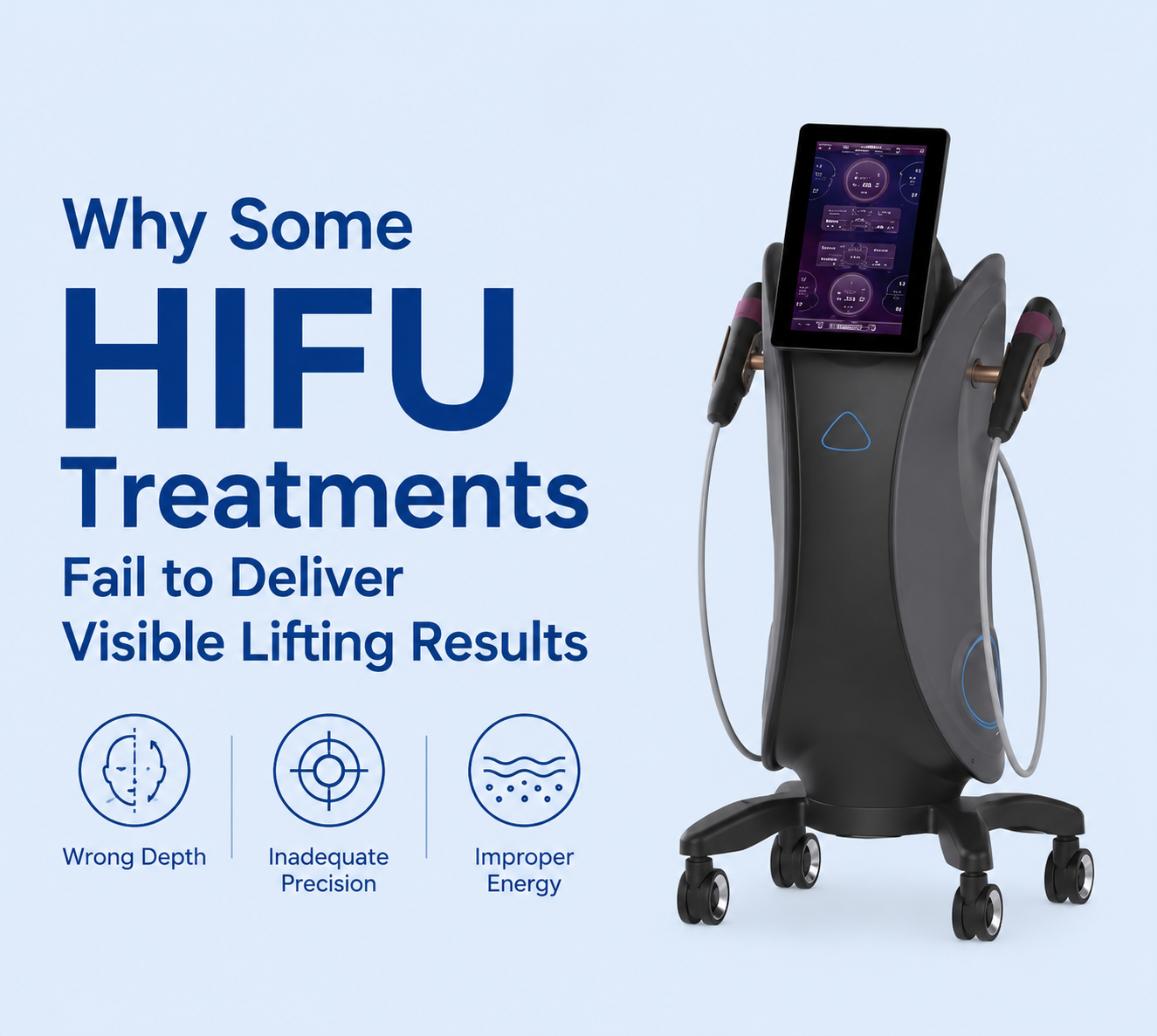
Почему некоторые процедуры HIFU не дают видимых результатов подтяжки
- Шефмон
Многие выбирают процедуры HIFU, ожидая заметного лифтинга и подтяжки кожи после одного сеанса, однако некоторые клиенты разочаровываются, когда результаты оказываются минимальными или непостоянными. В действительности, эффективность процедуры HIFU зависит от гораздо большего, чем просто от воздействия ультразвуковой энергии на кожу. Выбор глубины воздействия, точность энергии, конструкция зонда, состояние кожи и протокол лечения — все это играет важную роль в определении того, получит ли клиент видимые улучшения контуров и подтяжки. Технологии ММФУ нового поколения Чтобы выйти на рынок эстетической медицины, понимание принципов работы современных систем HIFU может помочь объяснить, почему одни процедуры дают лучшие результаты, чем другие.
1. Почему процедуры подтяжки кожи часто дают неравномерные результаты?
Одно из самых распространенных заблуждений относительно неинвазивных процедур лифтинга заключается в том, что все процедуры HIFU работают одинаково. На практике эффективность лечения значительно варьируется в зависимости от того, насколько точно энергия достигает нужного слоя ткани.
Старение кожи одновременно затрагивает множество структурных уровней, включая:
- Текстура поверхности кожи
- Плотность дермального коллагена
- Опорная конструкция SMAS
- Подкожные жировые компартменты
Если энергия воздействия достигает только поверхностных слоев, кожа может временно подтянуться без существенного эффекта лифтинга. С другой стороны, избыточное воздействие энергии на неподходящий участок может усилить дискомфорт без улучшения результатов.
Именно поэтому многоуровневые системы обработки приобретают все большее значение в современных эстетических клиниках.
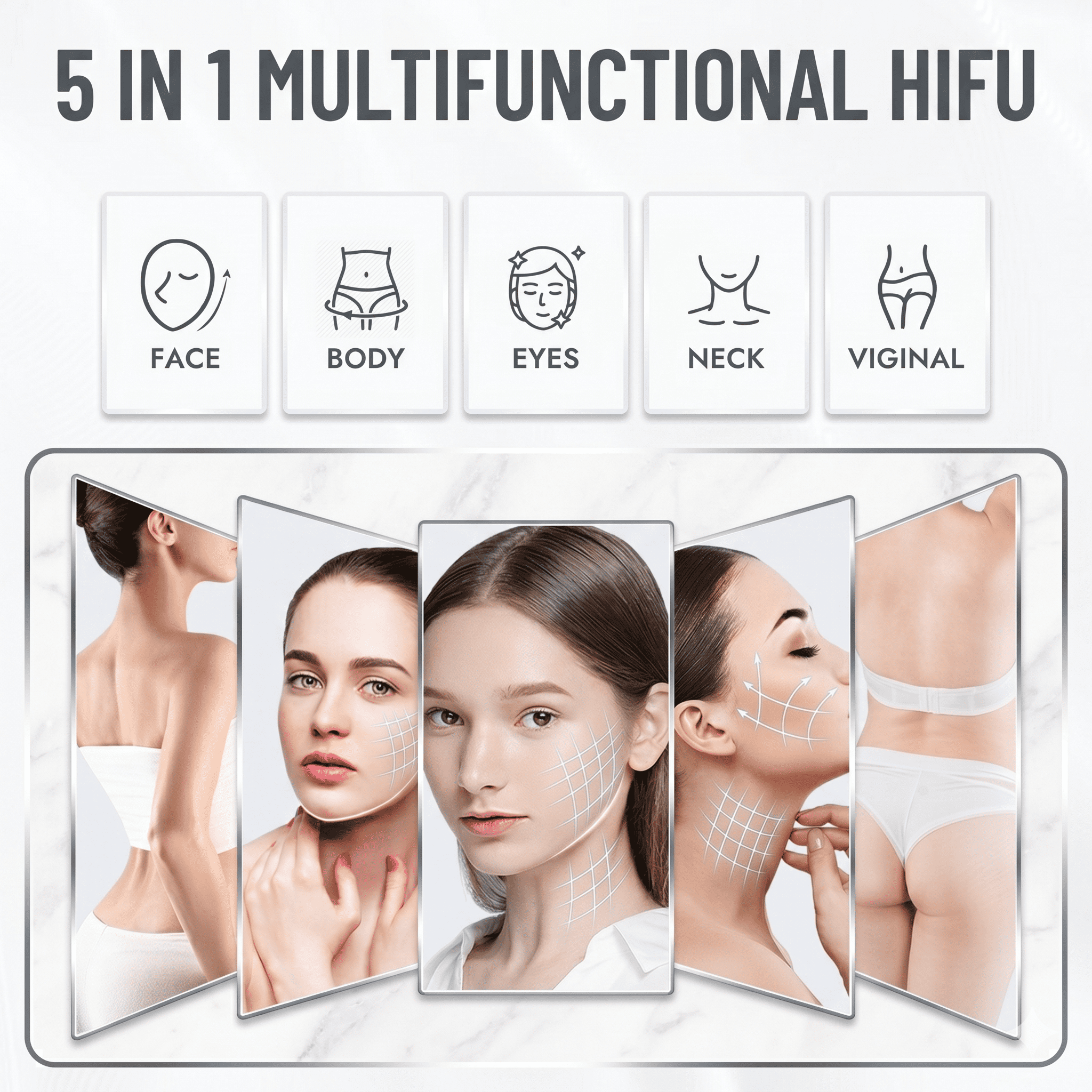
2. Важность лечения тканей на разной глубине.
Старение лица не ограничивается только поверхностью кожи. Обвисание и потеря контуров часто связаны с более глубокими структурными изменениями под дермой.
Современная технология MMFU использует различную глубину проникновения зонда для более точного воздействия на определенные анатомические слои.
2.1 Поверхностные слои и мелкие морщины
Более мелкая глубина обработки обычно используется для улучшения следующих результатов:
- Тонкие линии
- Текстура кожи
- Небольшие складки
- твердость поверхности
Как правило, эти участки реагируют на стимуляцию выработки коллагена в верхних слоях дермы.
2.2 Поддержка уровня SMAS
Слизисто-мышечный слой (SMAS) — одна из ключевых структурных опорных систем под кожей. По мере ослабления этого слоя с возрастом контуры лица могут казаться более массивными или менее выраженными.
Целенаправленная ультразвуковая терапия, воздействующая на более глубокие слои кожи, часто используется для:
- Определение линии подбородка
- Подтяжка щеки
- натяжение шеи
- Улучшение контура нижней части лица
Поскольку ремоделирование коллагена происходит постепенно, эффект подтяжки обычно продолжает улучшаться в течение нескольких месяцев.
2.3 Глубокие жировые отсеки
Определенная глубина воздействия HIFU также используется для локальной коррекции контуров тела и уменьшения жировых отложений.
Эти методы лечения могут быть направлены на такие области, как:
- Двойной подбородок
- Талия
- Живот
- Верхние части рук
- Бедра
Возможность более точного воздействия является одной из причин, по которой системы HIFU нового поколения все чаще используются как для омоложения лица, так и для коррекции фигуры.
3. Почему конструкция зонда имеет большее значение, чем многие думают.
Еще одна важная причина непостоянных результатов некоторых процедур HIFU — качество зонда и точность проведения процедуры.
Для разных участков лица требуются разные методы воздействия энергией. Деликатные зоны, такие как область вокруг глаз и линия подбородка, нельзя обрабатывать так же, как более плотные ткани тела.
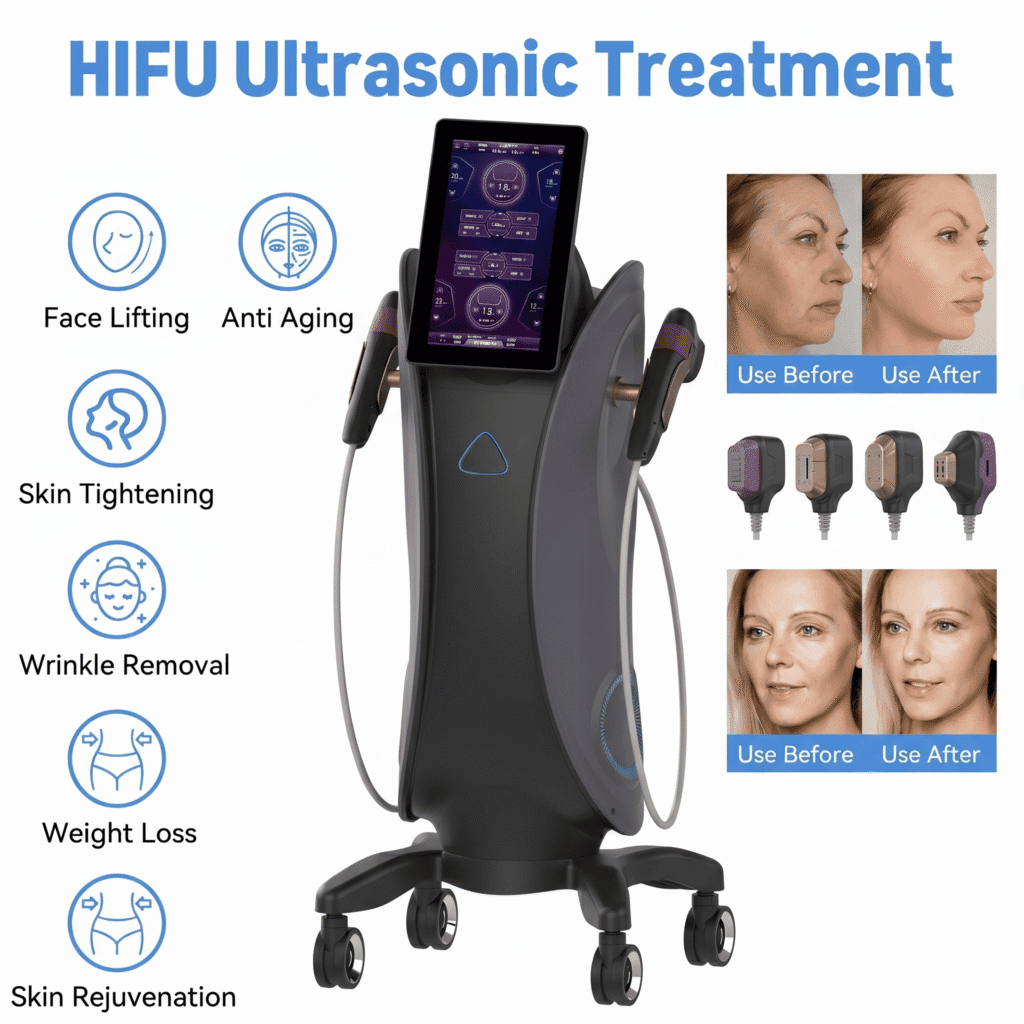
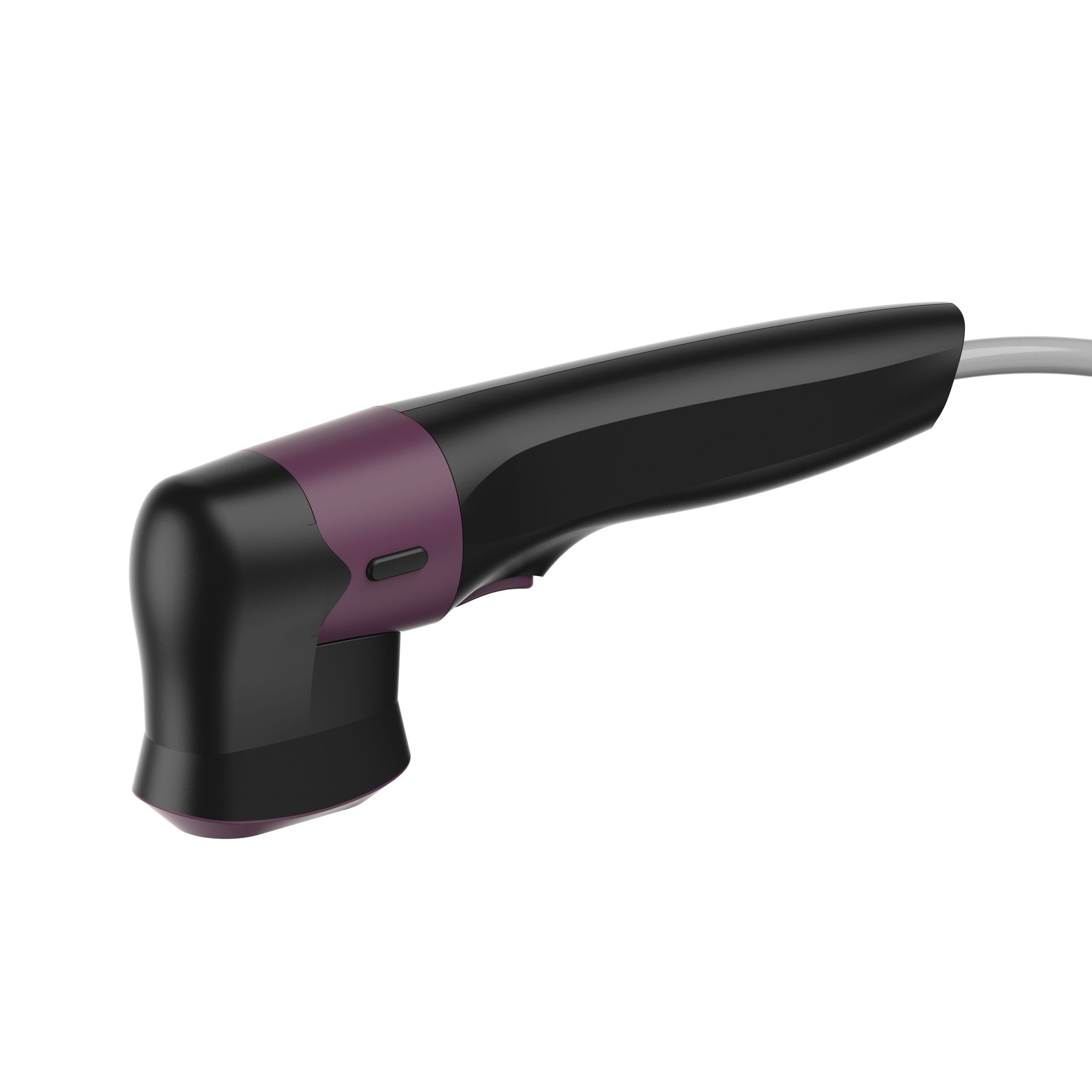
В современных системах используются специализированные зонды, предназначенные для конкретных зон лечения, в том числе ультратонкие зонды для периорбитальной области.
Эти усовершенствованные конструкции зондов могут помочь улучшить:
- Точность энергии
- Комфорт лечения
- Безопасность вблизи деликатных зон.
- Постоянство точек термической коагуляции
Область вокруг глаз особенно чувствительна, поскольку кожа там тоньше и более подвижна. Правильно разработанные зонды позволяют специалистам более точно работать в области «гусиных лапок», зон подтяжки бровей и под глазами.
4. Почему системы HIFU с двумя рукоятками повышают эффективность лечения
Более ранние платформы HIFU часто требовали от специалистов многократно прерывать лечение для смены зондов на разных глубинах. Этот процесс мог увеличивать время процедуры и нарушать рабочий процесс.
Системы с двумя рукоятками были разработаны для повышения эффективности лечения за счет возможности одновременного подключения двух зондов.
Данная разработка помогает специалистам:
- Более быстрое переключение между глубинами обработки
- Обрабатывайте несколько участков непрерывно.
- Сократить перерывы в лечении
- Повышение эффективности рабочих процессов
- Упростите настройку протоколов.
Для клиник, выполняющих как процедуры по коррекции контуров лица, так и тела, сокращение времени лечения может повысить как производительность врача, так и комфорт пациента.
5. Почему результаты продолжают проявляться спустя месяцы после лечения?
В отличие от филлеров или хирургических процедур, HIFU не создает мгновенного эффекта увеличения объема. Вместо этого, сфокусированная ультразвуковая энергия создает точки термической коагуляции под кожей, которые стимулируют ремоделирование коллагена с течением времени.
Этот постепенный процесс регенерации объясняет, почему клиенты часто замечают постепенные улучшения, а не мгновенные кардинальные изменения.
Регенерация коллагена может продолжаться в течение:
- 8–12 недель
- от 3 до 6 месяцев
- Иногда дольше, в зависимости от состояния кожи.
Постепенный характер результатов — одна из причин, по которой многие предпочитают омолаживающие процедуры на основе ультразвука. Улучшения состояния кожи лица часто выглядят более естественно, поскольку кожа подтягивается постепенно, а не резко.
6. Почему индивидуальный подход к лечению необходим для достижения лучших результатов
У двух разных пациентов не бывает одинаковой толщины кожи, строения лица или признаков старения. Протокол лечения, который хорошо подходит одному человеку, может не дать таких же результатов другому.
К факторам, влияющим на планирование лечения методом HIFU, относятся:
- степень выраженности дряблости кожи
- Распределение жировой ткани на лице
- Толщина ткани
- Возрастная потеря коллагена
- Чувствительность области лечения
- Цели ухода за телом
Современные многоуровневые системы ММФУ позволяют врачам настраивать глубину лечения, параметры энергии и последовательность процедур в соответствии с индивидуальными потребностями.
Такой уровень индивидуализации становится все более важным, поскольку клиенты стремятся к более естественному и персонализированному эстетическому лечению.
Заключение
Эффективность HIFU-терапия Эффективность процедуры во многом зависит от точности воздействия, глубины проникновения в ткани, конструкции зонда и индивидуального подхода к лечению. По мере развития эстетических технологий, системы MMFU нового поколения помогают клиникам проводить более комплексные процедуры подтяжки лица и коррекции контуров тела, воздействуя одновременно на несколько структурных слоев. Понимание причин успеха одних процедур HIFU и ограниченных результатов других может помочь пациентам принимать более обоснованные решения о неинвазивных процедурах подтяжки и коррекции контуров кожи.
Часто задаваемые вопросы
Почему некоторые процедуры HIFU дают слабые результаты?
Нестабильные результаты часто связаны с неправильной глубиной облучения, недостаточной подачей энергии, низкой точностью зонда или ограниченными возможностями индивидуальной настройки лечения.
HIFU только подтягивает кожу?
Нет. При определенной глубине воздействия можно также использовать локальные жировые отложения для коррекции контуров тела и уменьшения двойного подбородка.
Почему важно использовать несколько глубин зондирования?
Для эффективного устранения морщин, обвисания кожи, потери коллагена и накопления жира разные слои кожи и тканей требуют разной глубины воздействия.
Сколько времени требуется, чтобы появились результаты после процедуры HIFU?
На ранних этапах может наблюдаться некоторое подтягивание, но регенерация коллагена обычно продолжается в течение нескольких месяцев после процедуры.
Можно ли использовать HIFU-терапию в области глаз?
Да. Специализированные зонды обычно используются для деликатных зон, таких как подтяжка бровей, морщин вокруг глаз и кожи под глазами.