










Entendendo como funciona a terapia por ondas de choque
A terapia por ondas de choque, também conhecida como terapia por ondas de choque extracorpóreas (TOCE), A terapia por ondas acústicas utiliza ondas de pressão acústica para estimular a reparação de tecidos, melhorar a circulação sanguínea e reduzir a dor crônica. Imagine como se estivesse enviando "microestimulações" controladas para o tecido danificado, ativando a resposta de cura do corpo. Em vez de recorrer à cirurgia ou medicamentos, o tratamento incentiva o corpo a se reparar naturalmente.
A terapia inicialmente ganhou destaque em ambientes médicos porque ondas de choque de alta energia eram usadas para fragmentar cálculos renais. Com o tempo, pesquisadores descobriram que ondas de menor intensidade poderiam ajudar em condições musculoesqueléticas como fascite plantar, epicondilite, tendinopatia de Aquiles, dor no ombro calcificado e lesões esportivas crônicas. De acordo com o Visão geral do tratamento por ondas de choque da Clínica Mayo, A terapia por ondas de choque extracorpóreas (ESWT) pode estimular a remodelação tecidual, a regeneração celular, a neovascularização e os mecanismos de redução da dor.
Existem duas categorias principais de tratamento: terapia por ondas de choque focalizadas e terapia por ondas de choque radiais. Os sistemas focalizados penetram mais profundamente e liberam energia em uma profundidade precisa, enquanto os sistemas radiais espalham a energia de forma mais ampla pelos tecidos superficiais. Essa distinção é importante porque muitos aparelhos de baixo custo comercializados como "terapia por ondas de choque" são, na verdade, dispositivos de pressão radial com profundidade de penetração limitada. Os pacientes frequentemente presumem que todos os aparelhos funcionam da mesma maneira, mas os resultados do tratamento podem variar drasticamente dependendo da tecnologia utilizada.
Parte da razão pela qual a terapia por ondas de choque se tornou tão popular é simples: as pessoas estão cansadas de cirurgias, injeções e analgésicos. Os atletas, em especial, adoram tratamentos que prometem uma recuperação mais rápida com pouco tempo de inatividade. As clínicas anunciam a terapia por ondas de choque extracorpóreas (ESWT) como uma solução rápida, quase como reiniciar um tendão lesionado da mesma forma que se reinicia um computador travado. A realidade, no entanto, é muito mais complexa. Embora muitos pacientes se beneficiem do tratamento, outros experimentam melhora limitada, crises temporárias de dor ou nenhuma mudança mensurável.
A dor durante o tratamento é mais comum do que se anuncia.
Uma das maiores surpresas para pacientes que consultam pela primeira vez é que A terapia por ondas de choque pode ser dolorosa.. Muitos anúncios retratam o procedimento como completamente indolor, mas isso nem sempre é verdade. A intensidade do desconforto depende da área tratada, das configurações de energia, da sensibilidade do tecido e da tolerância individual à dor.
Por que dói? Porque as ondas de choque estimulam intencionalmente o tecido danificado ou inflamado. Imagine dar leves batidas repetidas em uma área já machucada do seu corpo. Mesmo que a estimulação possa, em última análise, promover a cicatrização, ainda pode causar desconforto no momento. De acordo com... Centro Médico Estadual de Ohio, Alguns pacientes descrevem a sensação como estalos de elásticos ou batidas repetidas contra tecido sensível.
Certas áreas do corpo tendem a ser mais dolorosas durante o tratamento do que outras. O calcanhar, o cotovelo, o ombro, o tendão de Aquiles e áreas com terminações nervosas densas são especialmente sensíveis. Pacientes com inflamação crônica frequentemente relatam maior desconforto durante as primeiras sessões, pois o tecido já está irritado antes mesmo do início do tratamento.
Curiosamente, sentir dor durante o tratamento não significa necessariamente que a terapia esteja funcionando melhor. Algumas clínicas ainda promovem a ideia ultrapassada de que mais dor equivale a melhores resultados. Na realidade, um tratamento excessivamente agressivo pode irritar o tecido e potencialmente atrasar a recuperação. O equilíbrio certo é fundamental. Profissionais experientes geralmente ajustam os níveis de energia com base no feedback do paciente e nos objetivos clínicos, em vez de simplesmente maximizar a intensidade.
Alguns pacientes também relatam dor que dura de um a três dias após o tratamento. Essa dor pode ser semelhante à dor muscular pós-treino ou à sensibilidade após uma massagem profunda. Para pessoas com trabalhos fisicamente exigentes, mesmo um desconforto temporário pode se tornar frustrante. Imagine um trabalhador da construção civil recebendo tratamento no calcanhar, mas precisando ficar em pé por dez horas no dia seguinte. Essa dor temporária se transforma repentinamente em um grande incômodo, em vez de um efeito colateral menor.
Efeitos colaterais temporários após terapia por ondas de choque
A boa notícia é que complicações graves decorrentes da terapia por ondas de choque quando realizada corretamente são relativamente raras. A notícia menos agradável é que Os efeitos colaterais temporários são extremamente comuns.. A maioria dos pacientes apresenta pelo menos reações leves após o tratamento.
Os efeitos colaterais típicos incluem:
| Efeito colateral comum | Descrição |
|---|---|
| Vermelhidão | Irritação cutânea temporária causada pelo aumento do fluxo sanguíneo. |
| Inchaço | Resposta inflamatória leve no tecido tratado |
| Hematomas | Irritação de pequenos vasos sanguíneos superficiais |
| Ternura | Dor temporária ou sensibilidade à pressão |
| Formigamento | Sensação de estimulação nervosa leve |
| Pulsante | Desconforto pulsante temporário após o tratamento. |
Fontes médicas como Notícias Médicas Hoje e WebMD Ambos observam que esses efeitos colaterais geralmente desaparecem em poucos dias. Mesmo assim, podem ser alarmantes para pacientes que esperavam alívio imediato.
Um dos aspectos mais incompreendidos da terapia por ondas de choque extracorpóreas (ESWT) é que os sintomas às vezes pioram antes de melhorarem. Isso acontece porque a terapia por ondas de choque desencadeia intencionalmente uma resposta de cura controlada. O aumento da circulação sanguínea e a estimulação dos tecidos podem intensificar temporariamente a inflamação antes do início da regeneração. Os pacientes frequentemente entram em pânico quando a dor aumenta após a primeira sessão, presumindo que o tratamento falhou ou causou danos.
Discussões no Reddit revelam o quão frustrante emocionalmente essa fase pode ser. Alguns usuários relataram aumento da dor no calcanhar, piora do desconforto pélvico ou crises temporárias após as sessões de tratamento. Embora experiências anedóticas nunca devam substituir evidências médicas, elas destacam uma realidade importante: as expectativas dos pacientes são frequentemente mal gerenciadas antes do início da terapia.
Outra desvantagem é que os resultados raramente são imediatos. Muitos pacientes esperam um alívio drástico após uma única sessão, mas pesquisas sugerem que melhorias significativas geralmente exigem múltiplos tratamentos ao longo de várias semanas. De acordo com o Clínica Mayo, Uma melhora duradoura pode levar de 8 a 12 semanas em alguns casos. Esse período de espera pode ser desanimador para pessoas já exaustas pela dor crônica.
A terapia por ondas de choque não funciona para todos.
Eis a verdade incômoda que muitas clínicas evitam mencionar: A terapia por ondas de choque apresenta taxas de sucesso inconsistentes.. Alguns pacientes experimentam um alívio drástico. Outros notam apenas uma melhora leve. Alguns não sentem absolutamente nada.
O sucesso depende muito da condição a ser tratada. Problemas crônicos nos tendões geralmente respondem melhor ao tratamento do que lesões agudas ou degeneração estrutural grave. Por exemplo, a fascite plantar e a tendinopatia calcificada do ombro frequentemente apresentam evidências mais robustas de melhora em comparação com condições de dor crônica mais complexas.
Os resultados das pesquisas também variam bastante. Uma revisão citada por Linha de Saúde Um estudo encontrou taxas de sucesso da terapia por ondas de choque extracorpóreas (ESWT) relacionadas a tendões variando entre 65% e 91%, enquanto outra revisão em medicina esportiva relatou resultados que variam de "nenhum efeito" a uma melhora de aproximadamente 50% a 70%, dependendo da condição. Essa é uma variação enorme. Imagine comprar um produto que tem uma chance de 0,1% a 90% de te ajudar. Essa incerteza por si só já é uma desvantagem significativa.
Por que alguns pacientes não melhoram? Existem vários motivos:
- Diagnóstico incorreto
- Parâmetros de tratamento inadequados
- Degeneração tecidual grave
- Problemas biomecânicos subjacentes
- Reabilitação inadequada
- Expectativas irrealistas
- Equipamentos de baixa qualidade
Por isso, a terapia por ondas de choque extracorpóreas (ESWT) quase nunca deve ser vista como uma cura milagrosa isolada. Ela costuma ser mais eficaz quando combinada com fisioterapia, exercícios de fortalecimento, correção da mobilidade e protocolos de recuperação adequados. Tratar a dor crônica nos tendões sem abordar os padrões de movimento é como pintar uma parede rachada sem consertar a fundação.
Outro problema é que algumas condições simplesmente não respondem bem ao tratamento por ondas de choque. Rupturas graves de tendões, artrite avançada, infecções, tumores e distúrbios relacionados aos nervos geralmente exigem estratégias de tratamento completamente diferentes. O uso da terapia por ondas de choque extracorpóreas (ESWT) nessas situações pode desperdiçar tempo e dinheiro valiosos, além de atrasar o tratamento mais adequado.
As desvantagens financeiras da terapia por ondas de choque
O custo é outra grande desvantagem. A terapia por ondas de choque raramente se resume a uma única sessão. A maioria das clínicas recomenda de três a dez sessões, dependendo da condição, da gravidade e do protocolo de tratamento.
Agora faça as contas.
Se cada sessão custar entre $100 e $500, os pacientes podem facilmente gastar milhares de dólares antes de saber se a terapia realmente funcionará para eles. De acordo com Clínica Cleveland, Algumas sessões de ondas de choque relacionadas à disfunção erétil podem custar mais de £1.000 cada, e a cobertura do seguro geralmente não está disponível.
Essa incerteza financeira frustra muitos pacientes. Imagine pagar por seis sessões e obter apenas uma melhora mínima. Vários usuários do Reddit descreveram exatamente essa experiência, dizendo que gastaram muito dinheiro com pouco benefício mensurável.
A cobertura do seguro cria outro obstáculo. Embora a terapia por ondas de choque extracorpóreas (ESWT) seja aprovada pelo FDA para algumas condições, como fascite plantar e epicondilite, muitas seguradoras ainda a classificam como experimental ou eletiva, dependendo do diagnóstico e da indicação do tratamento. Isso significa que os pacientes geralmente pagam tudo do próprio bolso.
Clínicas às vezes anunciam pacotes de tratamento caros antes mesmo de avaliar se o paciente é um bom candidato. Isso gera ceticismo em relação ao setor. Alguns fornecedores promovem a terapia por ondas de choque de forma agressiva porque o equipamento gera serviços particulares com alta lucratividade. Isso não significa necessariamente que a terapia seja ineficaz, mas significa que os pacientes devem pesquisar os fornecedores cuidadosamente, em vez de presumir que toda recomendação seja puramente clínica.
Riscos da terapia por ondas de choque mal realizada
Nem toda terapia por ondas de choque é igual. A habilidade do profissional e a qualidade do equipamento fazem toda a diferença.
A terapia por ondas de choque aplicada incorretamente pode irritar o tecido em vez de auxiliar na sua cicatrização. Níveis excessivos de energia, direcionamento incorreto ou sessões muito frequentes podem agravar a inflamação e atrasar a recuperação. Em casos raros, existe até mesmo um risco teórico de lesão ou ruptura do tendão, especialmente em tecidos gravemente degenerados.
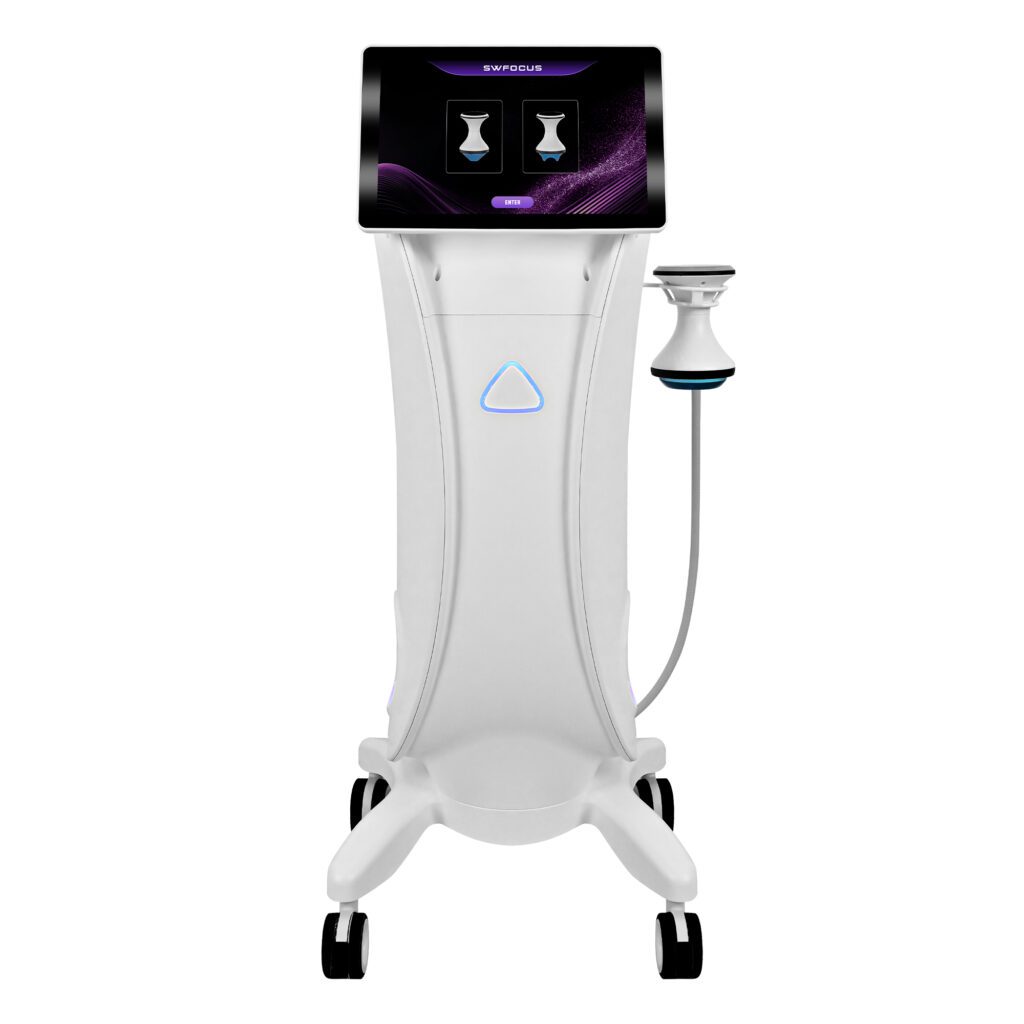
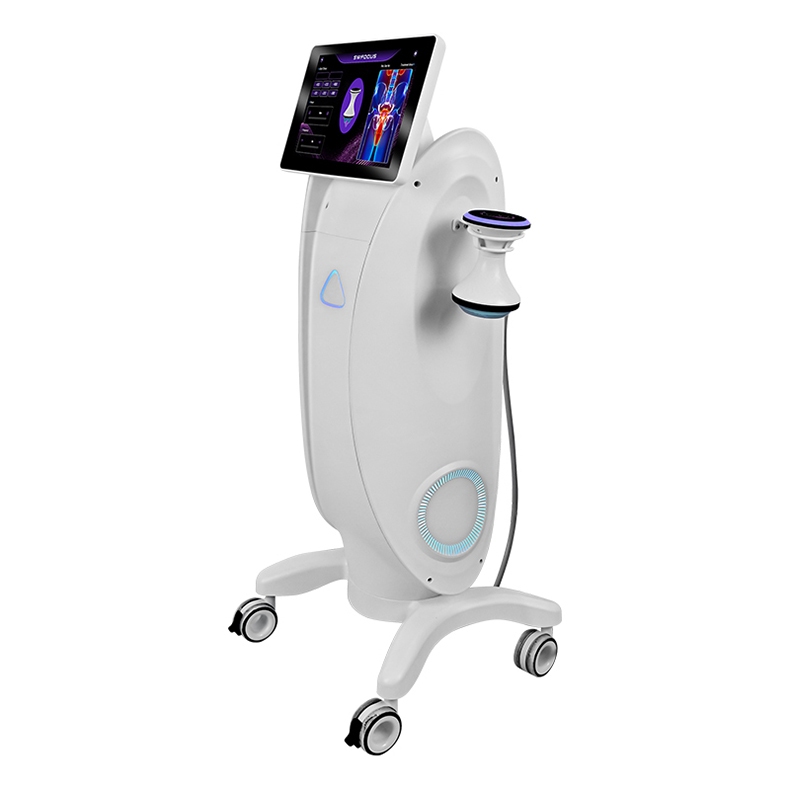
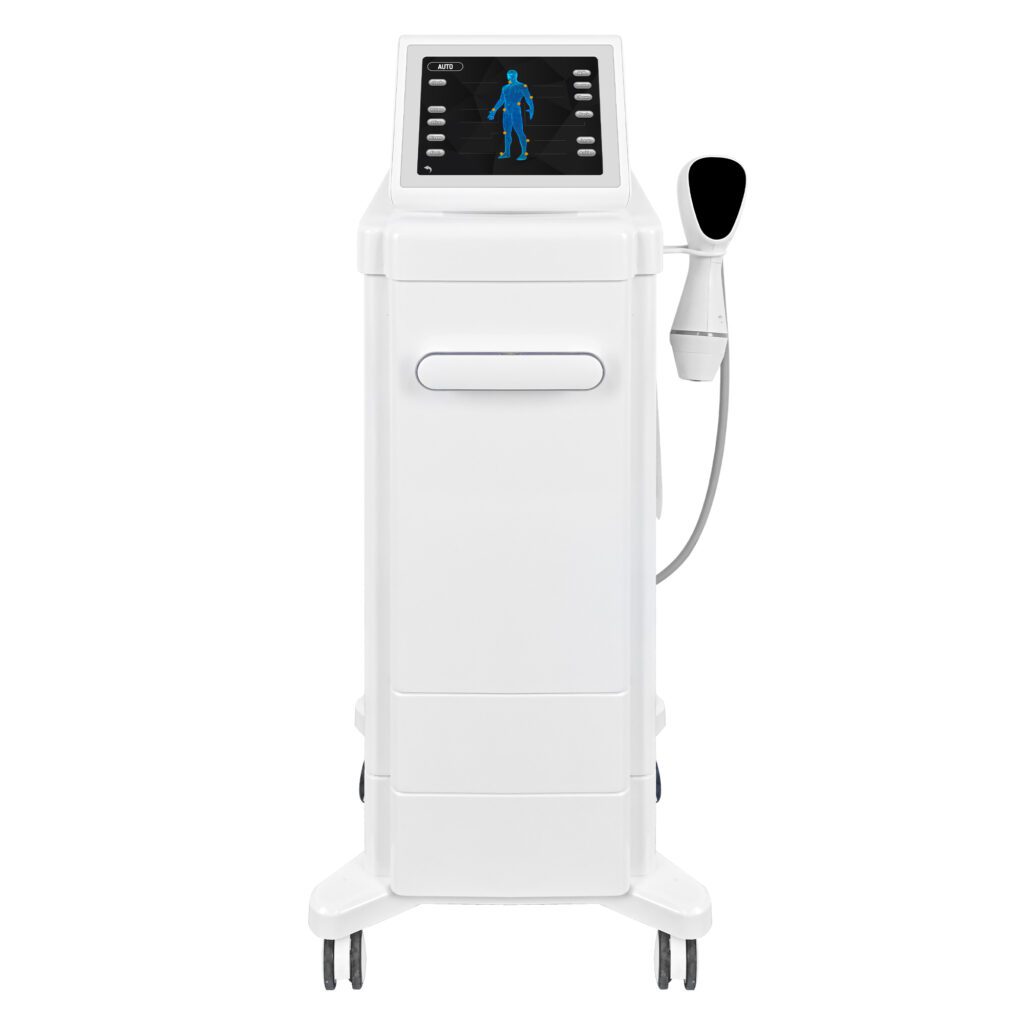
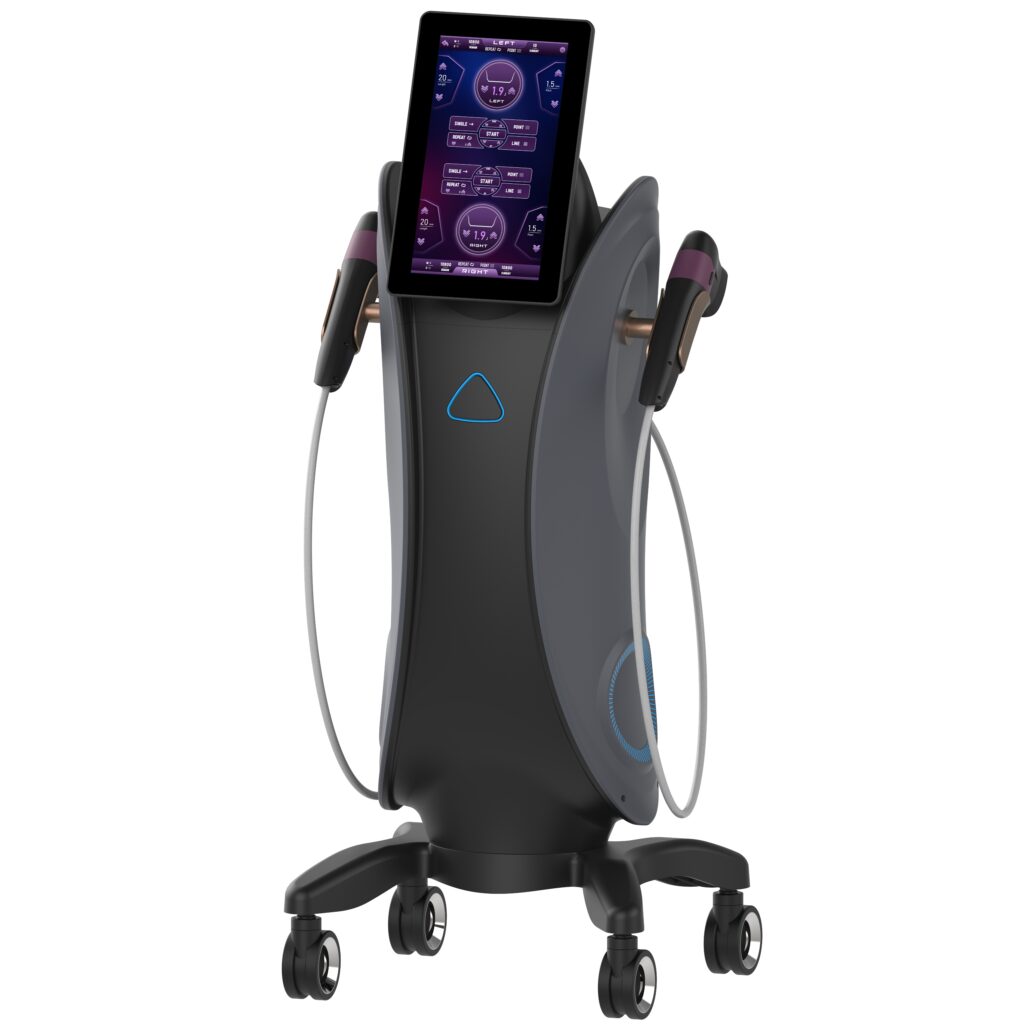
É aqui que os sistemas de nível profissional se tornam importantes. Dispositivos avançados como o Sistema de terapia por ondas de choque SHEFMON SW12 São projetados para a liberação controlada de energia e suporte integrado à reabilitação, o que pode ajudar os profissionais a personalizar os tratamentos com mais precisão. Recursos como o ajuste focalizado de energia e a terapia combinada com TECAR ou laser podem aumentar a versatilidade em ambientes clínicos.
Mesmo assim, nem mesmo os melhores equipamentos conseguem compensar um treinamento inadequado. Uma máquina potente em mãos inexperientes é um pouco como dar um carro de corrida para alguém que mal sabe dirigir. A tecnologia é importante, mas o operador é igualmente importante.
Diversos relatos anedóticos online descrevem tratamentos realizados com configurações excessivamente altas ou em áreas muito sensíveis, levando a desconforto prolongado ou agravamento dos sintomas. Novamente, essas histórias não constituem evidência científica definitiva, mas reforçam a importância de profissionais qualificados.
Outro problema frequentemente negligenciado é a terminologia de marketing imprecisa. Algumas clínicas anunciam "terapia de ondas de choque focalizadas" quando, na realidade, utilizam dispositivos radiais de baixa energia. Os pacientes podem não compreender a diferença técnica e presumir que estão recebendo o mesmo tratamento utilizado em estudos de pesquisa. Essa discrepância entre o marketing e a realidade contribui para resultados inconsistentes entre as clínicas.
Contraindicações e preocupações com a segurança
A terapia por ondas de choque é geralmente segura, mas nem todos devem recebê-la. Certas condições médicas aumentam significativamente o risco.
De acordo com o Clínica Mayo e Notícias Médicas Hoje, As contraindicações podem incluir:
- Gravidez
- Infecções ativas
- Distúrbios hemorrágicos
- Coagulopatia grave
- Tumores malignos
- Determinadas áreas nervosas ou da coluna vertebral
- Ruptura completa do tendão
- Certos dispositivos médicos implantados
Ondas de choque de alta energia próximas a órgãos sensíveis, pulmões ou nervos também exigem extrema cautela. Este não é o tipo de terapia que deve ser realizada de forma leviana em um salão de beleza ou centro de bem-estar não regulamentado, sem a devida supervisão médica.
Existe também preocupação com operadores inexperientes que utilizam configurações agressivas simplesmente para criar uma sensação mais forte para o paciente. Alguns pacientes associam erroneamente uma dor mais intensa a uma maior eficácia, de modo que as clínicas podem, sem intenção, incentivar o tratamento excessivo.
Outro problema envolve suposições irrealistas sobre segurança. Como a terapia por ondas de choque extracorpóreas (ESWT) é considerada "não invasiva", muitos pacientes presumem que ela não apresenta riscos. Mas não invasivo não significa isento de consequências. Mesmo a massagem terapêutica pode causar hematomas se realizada incorretamente. A terapia por ondas de choque proporciona uma estimulação mecânica muito mais intensa do que a massagem, portanto, respeitar os protocolos de segurança é extremamente importante.
Marketing irrealista cria falsas expectativas.
Talvez a maior desvantagem da terapia por ondas de choque não seja a tecnologia em si, mas sim a... marketing.
Algumas propagandas retratam a terapia por ondas de choque extracorpóreas (ESWT) como uma cura milagrosa capaz de resolver quase todas as dores imagináveis. Dor crônica nas costas? Ondas de choque. Dor no ombro? Ondas de choque. Disfunção erétil? Ondas de choque. Celulite? Ondas de choque. Recuperação esportiva? Ondas de choque.
Quando um tratamento começa a parecer uma solução universal, o ceticismo é saudável.
Até mesmo especialistas médicos reconhecem que a qualidade das evidências varia significativamente entre as diferentes condições. Clínica Cleveland Observa-se que algumas aplicações para disfunção erétil ainda são experimentais, enquanto discussões online sobre medicina esportiva frequentemente debatem se certas clínicas exageram as capacidades da terapia.
Isso gera decepção quando os pacientes não obtêm resultados expressivos. Alguém que sofre de dor crônica há anos pode ter a esperança desesperada de que a terapia por ondas de choque finalmente "resolva tudo". Quando a melhora é apenas parcial, a frustração se instala.
A melhor mentalidade é encarar a ESWT como uma ferramenta entre muitas, Não é mágica. Às vezes funciona muito bem. Às vezes proporciona alívio moderado. Às vezes falha completamente. Profissionais honestos explicam essa incerteza claramente, em vez de prometer curas garantidas.
Como reduzir os riscos da terapia por ondas de choque
A abordagem mais inteligente à terapia por ondas de choque é a cautela informada, em vez do otimismo cego ou do ceticismo total.
Pacientes que consideram a terapia por ondas de choque extracorpóreas (ESWT) devem primeiro confirmar se possuem um diagnóstico preciso. A terapia por ondas de choque é mais eficaz para condições crônicas específicas de tendões e tecidos moles, e não para todos os tipos de dor. Exames de imagem, avaliação ortopédica ou fisioterápica podem ser necessários antes do início do tratamento.
Escolher um prestador de serviços experiente também é extremamente importante. Procure clínicas que:
- Explique claramente os objetivos do tratamento.
- Discuta os riscos honestamente
- Utilize protocolos baseados em evidências.
- Combine a terapia por ondas de choque extracorpóreas (ESWT) com a reabilitação.
- Evite promessas exageradas de milagres.
- Utilize equipamentos de nível profissional
O tratamento também deve se encaixar em uma estratégia de recuperação mais ampla. Os melhores resultados geralmente ocorrem quando a terapia por ondas de choque é combinada com:
- Treinamento de força
- Exercícios de mobilidade
- Gerenciamento de carga
- Fisioterapia
- Otimização de recuperação
- Correção postural
Essa abordagem integrada trata a causa subjacente em vez de apenas buscar o alívio dos sintomas.
Para clínicas ou centros de reabilitação que buscam equipamentos de terapia modernos, sistemas profissionais como SHEFMON Oferecemos soluções avançadas de terapia por ondas de choque extracorpóreas (ESWT) projetadas para aplicações em fisioterapia e tratamento da dor. Tecnologia confiável, controle de energia personalizável e opções de tratamento multifuncionais podem ajudar os profissionais a fornecer um atendimento mais preciso e específico para cada paciente.
Conclusão
A terapia por ondas de choque ocupa uma posição intermediária interessante entre o tratamento conservador e os procedimentos invasivos. Ela oferece benefícios reais para muitos pacientes que sofrem de lesões crônicas nos tendões, fascite plantar, calcificações e dores musculoesqueléticas persistentes. Pesquisas de organizações como a [nome da organização] Clínica Mayo Apoia sua potencial eficácia em casos cuidadosamente selecionados.
Ao mesmo tempo, o tratamento apresenta desvantagens significativas que os pacientes devem compreender antes de iniciar a terapia. Dor durante o tratamento, desconforto temporário, taxas de sucesso inconsistentes, custos de múltiplas sessões, cobertura limitada do seguro e o risco de tratamento de baixa qualidade merecem consideração séria.
O maior erro que os pacientes podem cometer é presumir que a terapia por ondas de choque tem eficácia garantida. Não tem. Assim como a fisioterapia, injeções, cirurgias ou medicamentos, os resultados dependem da situação individual. A abordagem mais inteligente é equilibrar o otimismo com expectativas realistas.
Quando realizada corretamente por profissionais experientes e utilizando equipamentos de qualidade, a terapia por ondas de choque pode, sem dúvida, tornar-se uma ferramenta valiosa na reabilitação e no controle da dor. Mas não a confunda com uma varinha mágica.
Perguntas frequentes
A terapia por ondas de choque é perigosa?
A terapia por ondas de choque é geralmente considerada segura quando realizada corretamente por profissionais treinados. A maioria dos efeitos colaterais é leve e temporária, incluindo vermelhidão, inchaço, hematomas e dor. Complicações graves são raras, mas podem ocorrer se a terapia for aplicada incorretamente ou usada em casos inadequados.
Por que a terapia por ondas de choque às vezes piora a dor?
A terapia por ondas de choque estimula intencionalmente a reparação tecidual e a inflamação. Alguns pacientes podem apresentar picos de dor temporários antes da melhora da cicatrização. Essa reação costuma ser de curta duração, embora a piora persistente dos sintomas deva ser avaliada por um profissional de saúde.
Quantas sessões de terapia por ondas de choque são normalmente necessárias?
A maioria dos planos de tratamento envolve de três a dez sessões, dependendo da condição a ser tratada. Problemas crônicos nos tendões geralmente exigem múltiplas sessões espaçadas ao longo de várias semanas para resultados ótimos.
A terapia por ondas de choque é coberta pelo plano de saúde?
A cobertura varia bastante dependendo do país, da seguradora e da condição a ser tratada. Muitas seguradoras ainda classificam certas aplicações de ESWT como eletivas ou experimentais, o que significa que os pacientes podem ter que pagar do próprio bolso.
Quais condições respondem melhor à terapia por ondas de choque?
As pesquisas mostram evidências mais robustas para condições como fascite plantar, tendinopatia de Aquiles, tendinopatia calcificada do ombro, epicondilite e algumas lesões esportivas crônicas. Os resultados costumam ser menos previsíveis para dor neuropática, artrite grave ou danos estruturais avançados.