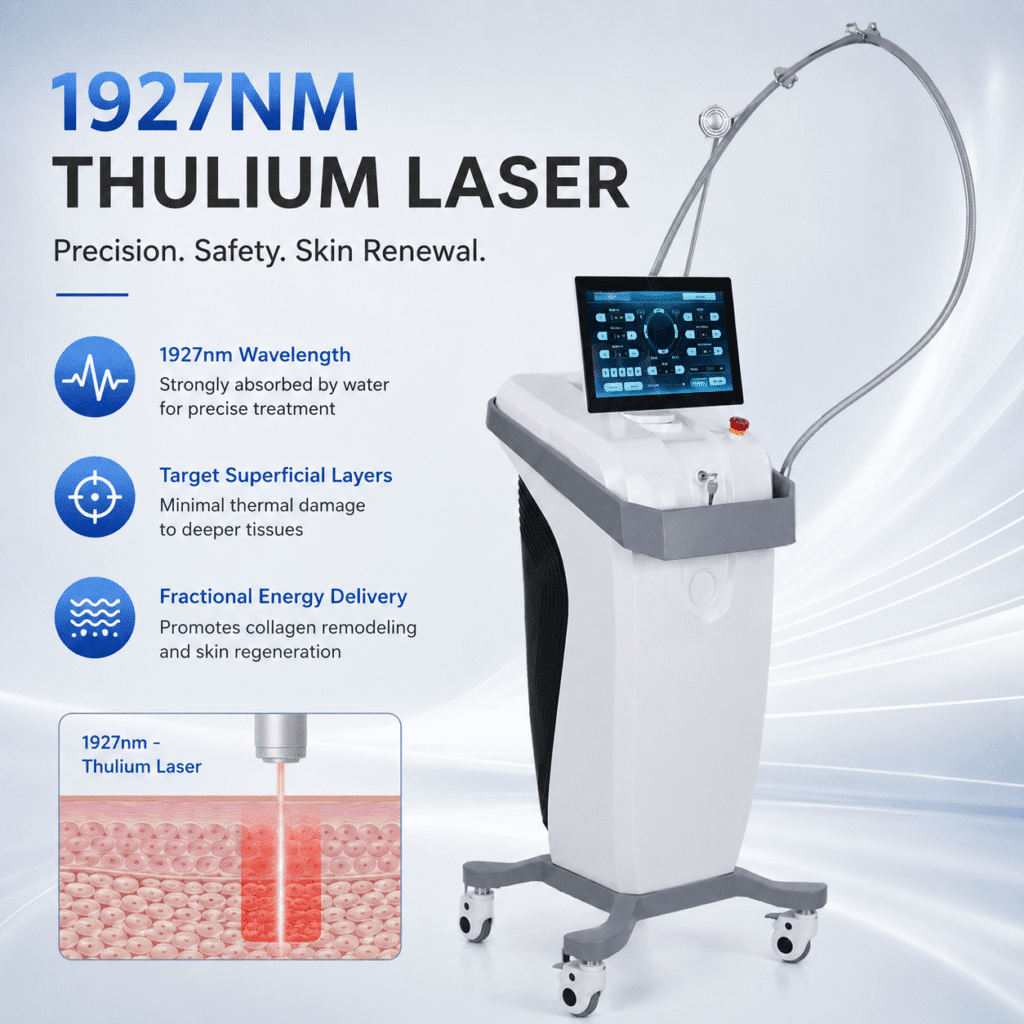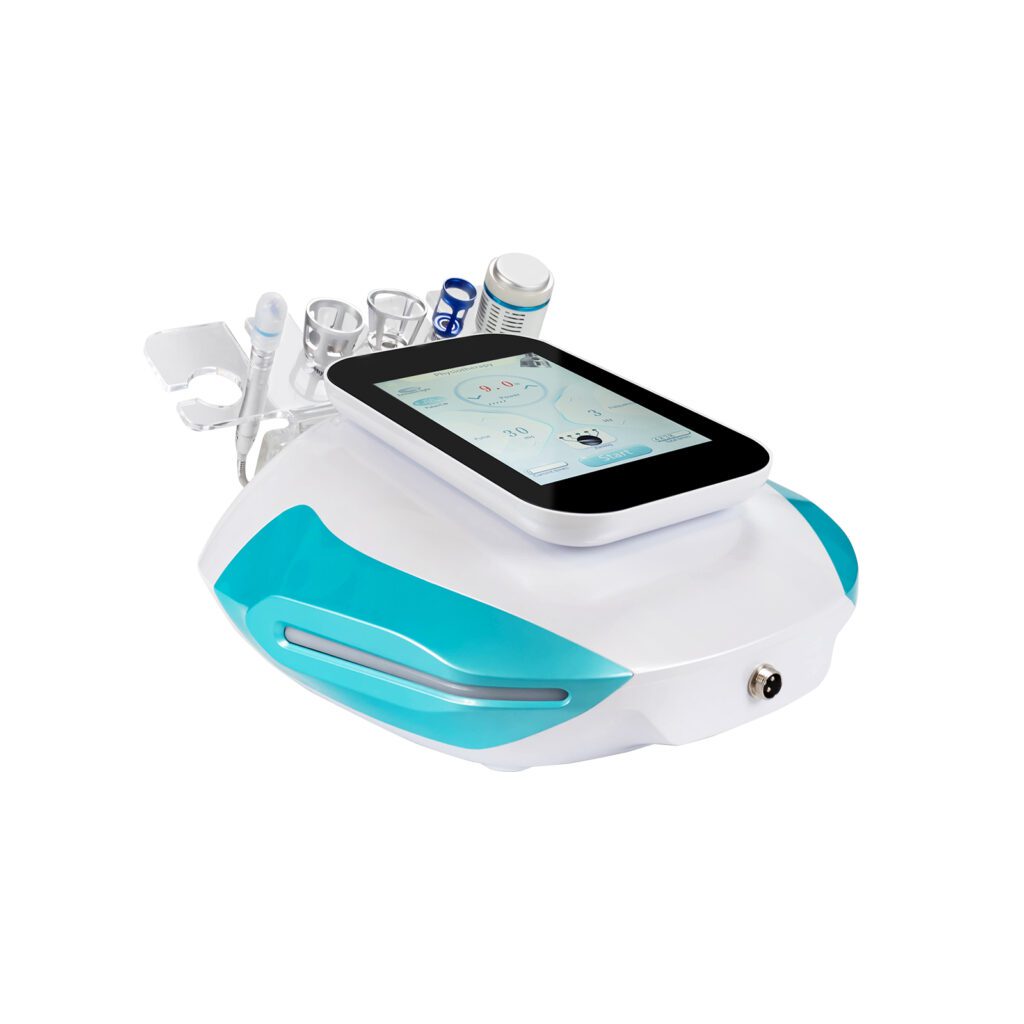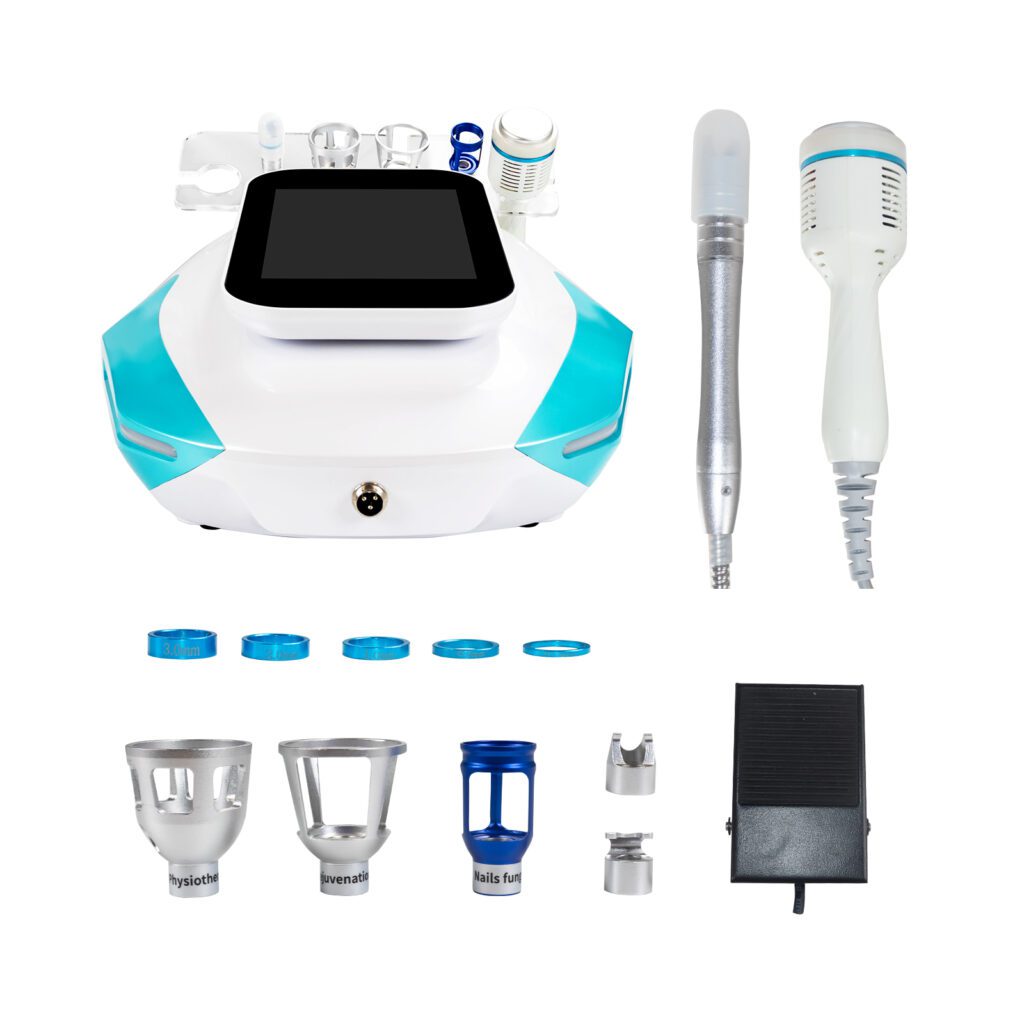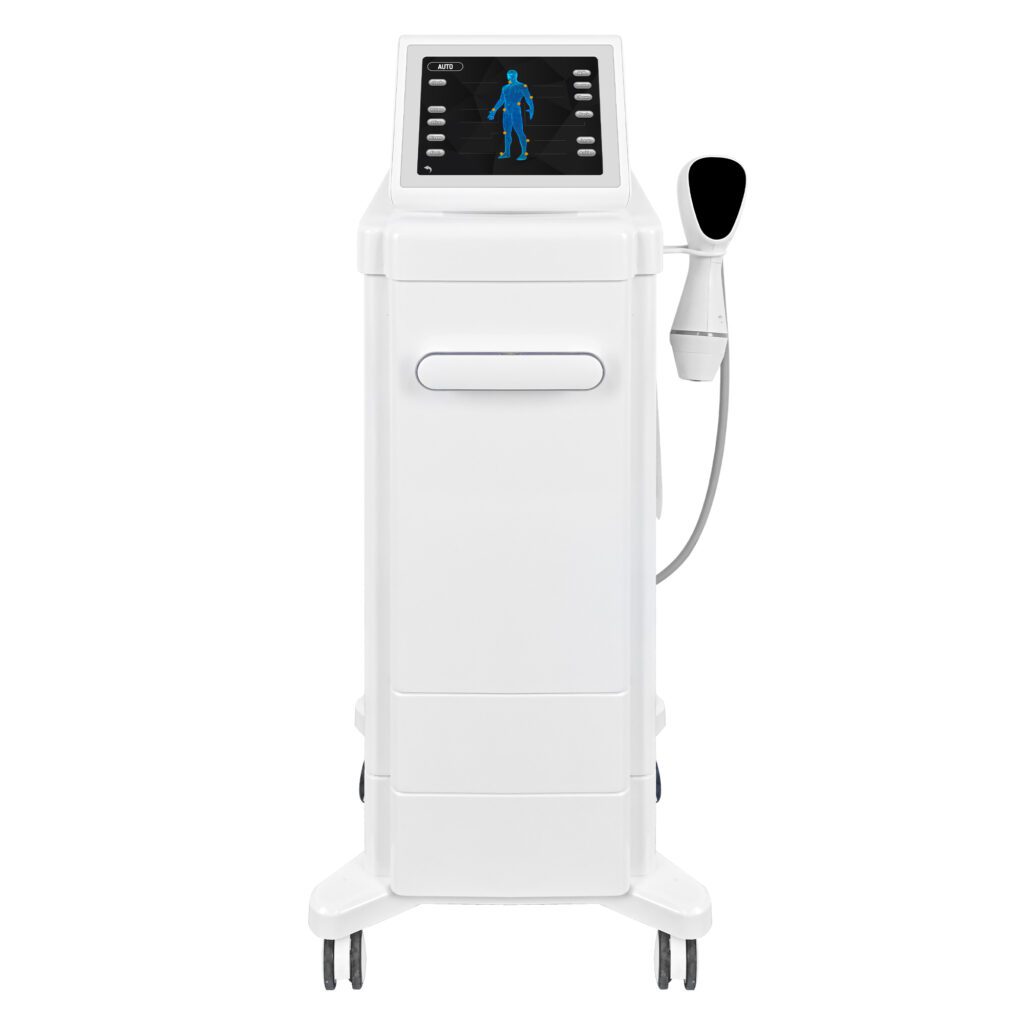










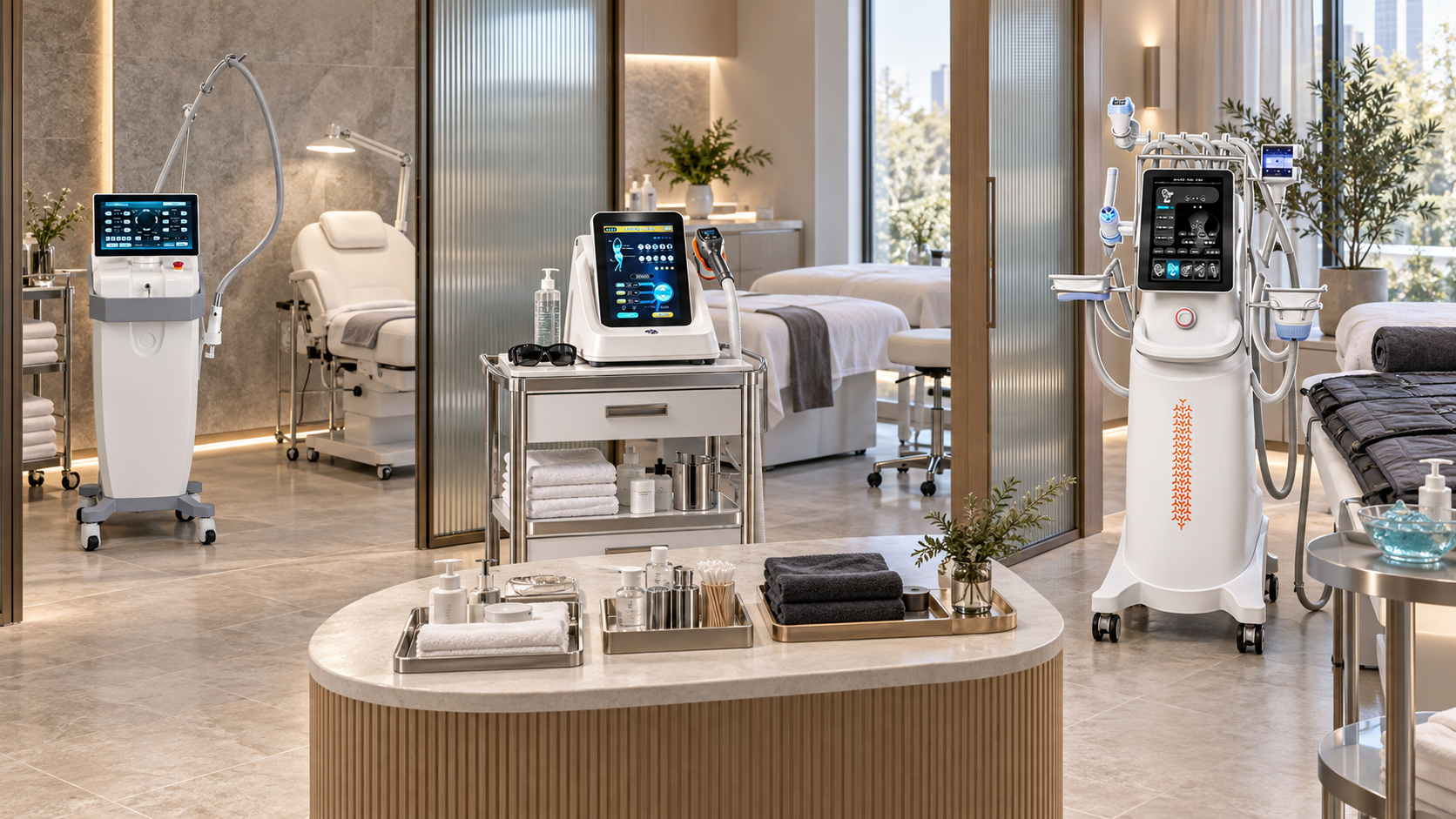
A multi-service aesthetic center needs more than a large equipment list. Facial maintenance, facial technology, hair reduction, body care, muscle-focused services, localized contouring, and advanced procedures each require a clear client purpose, suitable room, authorized staff, booking rules, consumables, records, and follow-up.
The center becomes difficult to manage when devices share vague service names, operators improvise cross-department recommendations, or advanced treatments are placed into the same workflow as routine facials. A well-designed center connects departments through a shared consultation and operating system while keeping technology-specific decisions separate.
This guide shows how selected Aparelhos de beleza SHEFMON can support a multi-service aesthetic center. It maps representative models to departments, provides scalable equipment solutions, and explains how to coordinate rooms, staff, bookings, inventory, referrals, and staged expansion.
Sumário executivo
- Build the center around service departments rather than a single list of machines.
- Use A0648 for facial maintenance, A0272-F for a separate facial technology category, and A0423 for a controlled hair-reduction department.
- Use B0155 for multifunction body care, A0241 for muscle-focused services, and S9 for consultation-led localized cooling.
- Reserve A0204 focused HIFU and A0152 RF microneedling for appropriately prepared professional pathways with separate governance.
- Centralize client registration, approved marketing language, device records, inventory, maintenance, and technical support.
- Keep technology-specific screening, consent where applicable, operator authorization, service cards, settings records, aftercare, and escalation within each department.
- Use booking gates and cross-referrals to move clients between departments; do not convert a referral into an automatic same-day service.
- Choose a three-department, four-department, or advanced-center portfolio according to demand, rooms, staff, and operating maturity.
- Equipment packages describe business architecture. They do not establish treatment combinations, order, parameters, or individual suitability.
The center is complete when its departments work together without losing their individual operating controls.
1. Define the Multi-Service Center
A multi-service aesthetic center offers several distinct service families under one business. The departments may share reception, client records, membership systems, inventory management, and technical support, but they should not share one generic consultation or treatment protocol.
| Center layer | Shared across the business | Kept specific to each department |
|---|---|---|
| Client access | Enquiry capture, registration, privacy policy, booking account, and general communication | Technology-specific consultation, suitability decision, and service authorization |
| Funcionários | Employment standards, onboarding, incident reporting, and continuing education process | Device competency, professional scope, supervision, and permitted tasks |
| Rooms | General facilities, cleaning policy, maintenance reporting, and emergency planning | Access controls, equipment layout, hygiene, electrical needs, consumables, and turnover |
| Registros | Client identity, contact details, document retention, and complaint process | Device, area, settings, component, aftercare, follow-up, and adverse-event information |
| Marketing | Brand tone, approval process, and website structure | Accurate department language, intended use, service boundaries, and claims |
This structure allows the center to feel unified to clients while remaining operationally precise.
2. Map SHEFMON Devices to Service Departments
| Department | Representative SHEFMON model | Primary role in the center |
|---|---|---|
| manutenção facial | A0648 hidro microdermoabrasão | Cleansing, exfoliation, extraction, and hydration-oriented facial care |
| Facial technology | A0272-F eletromagnético/radiofrequência facial | Consultation-led facial tone and contour-oriented service |
| redução de pelos | Laser de diodo A0423 | Professionally controlled hair-reduction department |
| Cuidados multifuncionais para o corpo | B0155 Desktop Endos Velapro | Selected mechanical and multifunction body-care services |
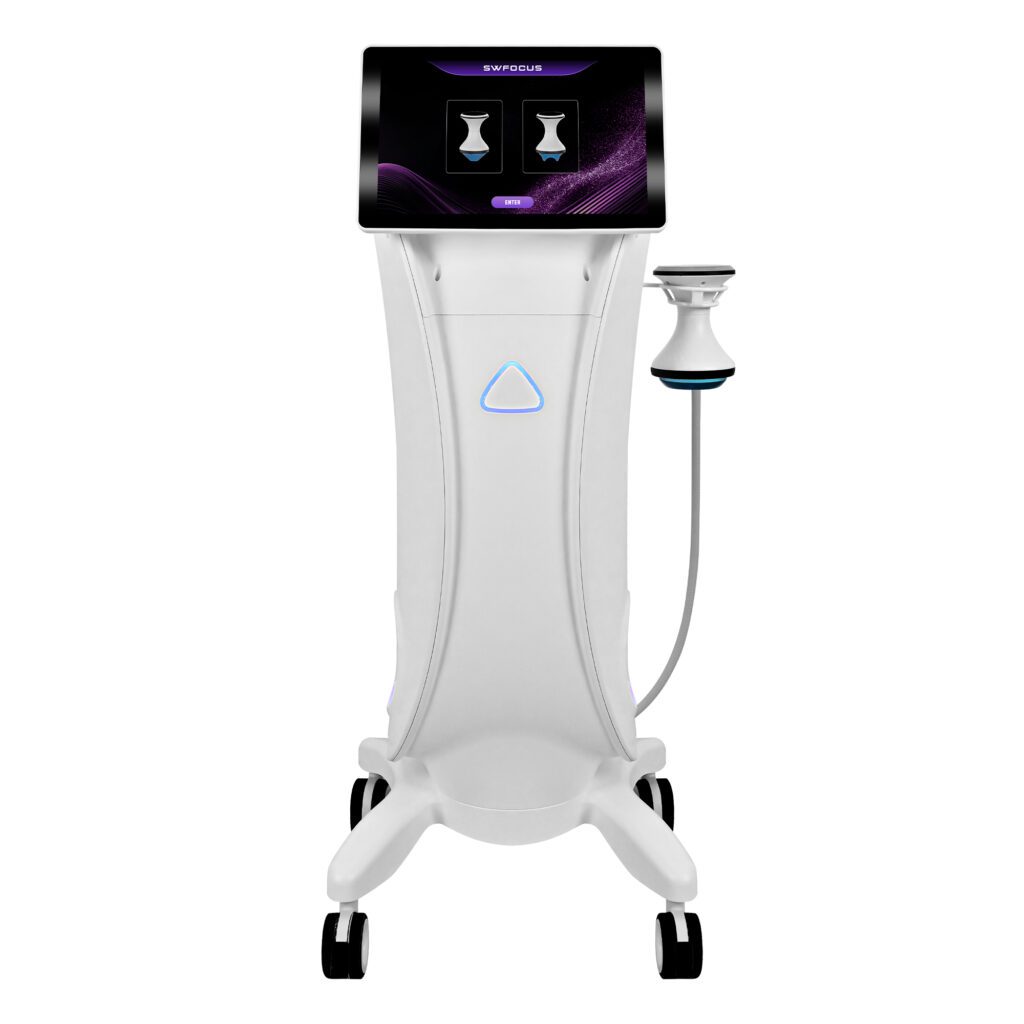
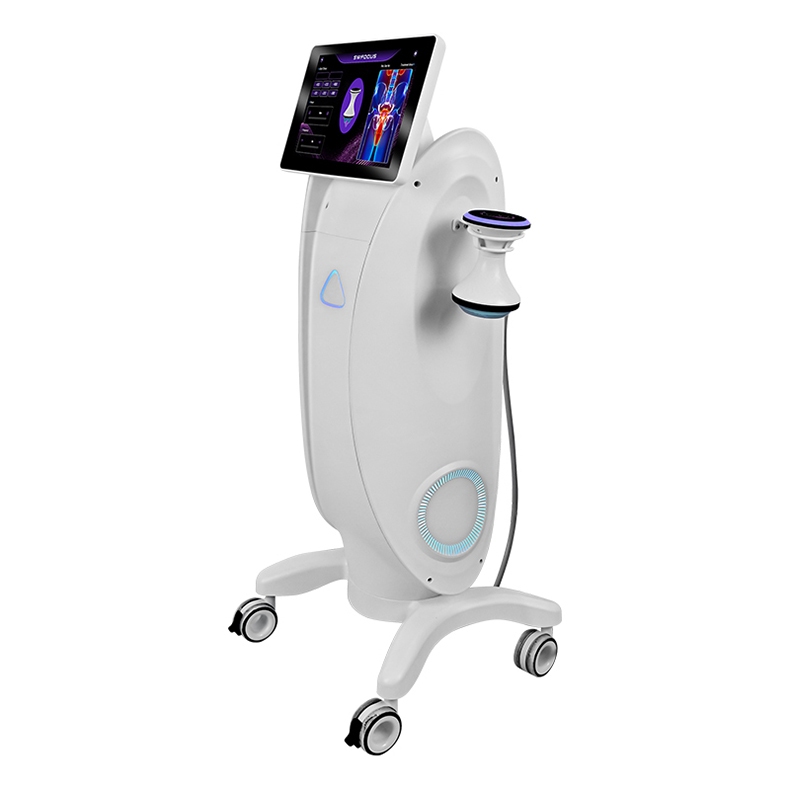
| Muscle-focused body services | Plataforma A0241 EMS/RF | Electromagnetic muscle-stimulation category |
| Resfriamento localizado | Sistema de criolipólise S9 | Vacuum-assisted cooling-based localized-contour pathway |
| HIFU focalizado | HIFU focado A0204 | Advanced focused-ultrasound consultation and service pathway |
| Microagulhamento por radiofrequência | A0152 Microagulhamento por radiofrequência | Advanced procedure category with needle-head and hygiene controls |
The map does not mean every center needs all eight models. It provides modules that can be selected according to the business’s actual departments.
3. Build a Shared Consultation Hub
The first consultation should identify the client’s goal and route the enquiry to the correct department. It should not make the final technology-specific decision for every service.
The shared intake can record:
- the main facial, hair, or body goal in the client’s own words;
- areas of interest;
- prior aesthetic services and current providers;
- relevant general health and contact information within the center’s lawful scope;
- preferred appointment times and location;
- whether the client expects maintenance, a specialist consultation, or a procedure;
- the department to which the enquiry was referred.
The receiving department then completes its own assessment. A client interested in body services should not receive the same questions for B0155, A0241, and S9 because the technologies, operating principles, suitability factors, consumables, and follow-up differ.
4. Facial Maintenance Department: A0648
The current Página do produto A0648 describes a nine-function hydradermabrasion platform and highlights cleansing, exfoliation, extraction, and hydration. These functions can anchor an accessible maintenance department.
A concise menu may include:
- Essential Cleansing Facial;
- Facial de Hidratação;
- Facial Maintenance Review.
The 9-in-1 label does not require nine service names. The department should confirm supplied handles and tips, compatible solutions, filters, fluid-path care, cleaning, storage, staff competency, and technical support.
A0648 can also be the center’s first-contact service family, but reception should avoid presenting it as appropriate for every client or as preparation for every other department.
5. Facial Technology Department: A0272-F
O A0272-F product page describes facial electrical stimulation combined with RF. Its department role should remain distinct from A0648 cleansing and hydration care.
Suggested entries include:
- Consulta de Tonificação Facial;
- Facial Tone Session under approved instructions and operator scope;
- Facial Technology Review.
Do not make A0272-F a compulsory add-on to maintenance facials. Screening, placement, accessory management, records, and operator decisions should stay within the facial technology department. Avoid copying fixed schedules, prices, universal-suitability language, or guaranteed results from promotional wording.
6. Hair-Reduction Department: A0423
The current A0423 product page lists 755/810/1064 nm configurations, optional 940 nm, multiple spot-size choices, and several cooling elements. The exact wavelength, handle, spot size, power, cooling, voltage, and included options must be identified in the quotation.
The department needs:
- appropriately trained and authorized operators;
- technology-specific client and area assessment;
- suitable eyewear and controlled room access;
- approved parameter selection and records;
- cooling and water-system checks;
- cleaning, maintenance, and fault procedures;
- aftercare and an adverse-event pathway;
- area-based booking that includes preparation and room reset.
Do not copy broad statements about all skin types, all hair colors, pain-free service, or guaranteed outcomes without appropriate evidence and authorization. Hair reduction should remain a specialist department rather than a quick add-on to a facial appointment.
7. Multifunction Body-Care Department: B0155
The current Página do produto B0155 lists a larger body vacuum roller, a smaller face/arm/neck roller, rotating handles, RF-related functions, light, and 80K cavitation.
The department can begin with:
- Body Care Consultation;
- Targeted Mechanical Body Care;
- one additional function-specific service after the purpose, training, contact materials, cleaning, and client-selection process are documented.
A multifunction platform can reduce the number of consoles, but it increases handle storage and training demands. Confirm standard and optional components, intended areas, electrical version, consumables, cleaning, maintenance, and technical support.
Avoid unsupported weight-loss, detoxification, pain-relief, lymphatic, rehabilitation, metabolic, and universal-safety claims. The body-care department should use verified aesthetic service language.
8. Muscle-Focused Department: A0241
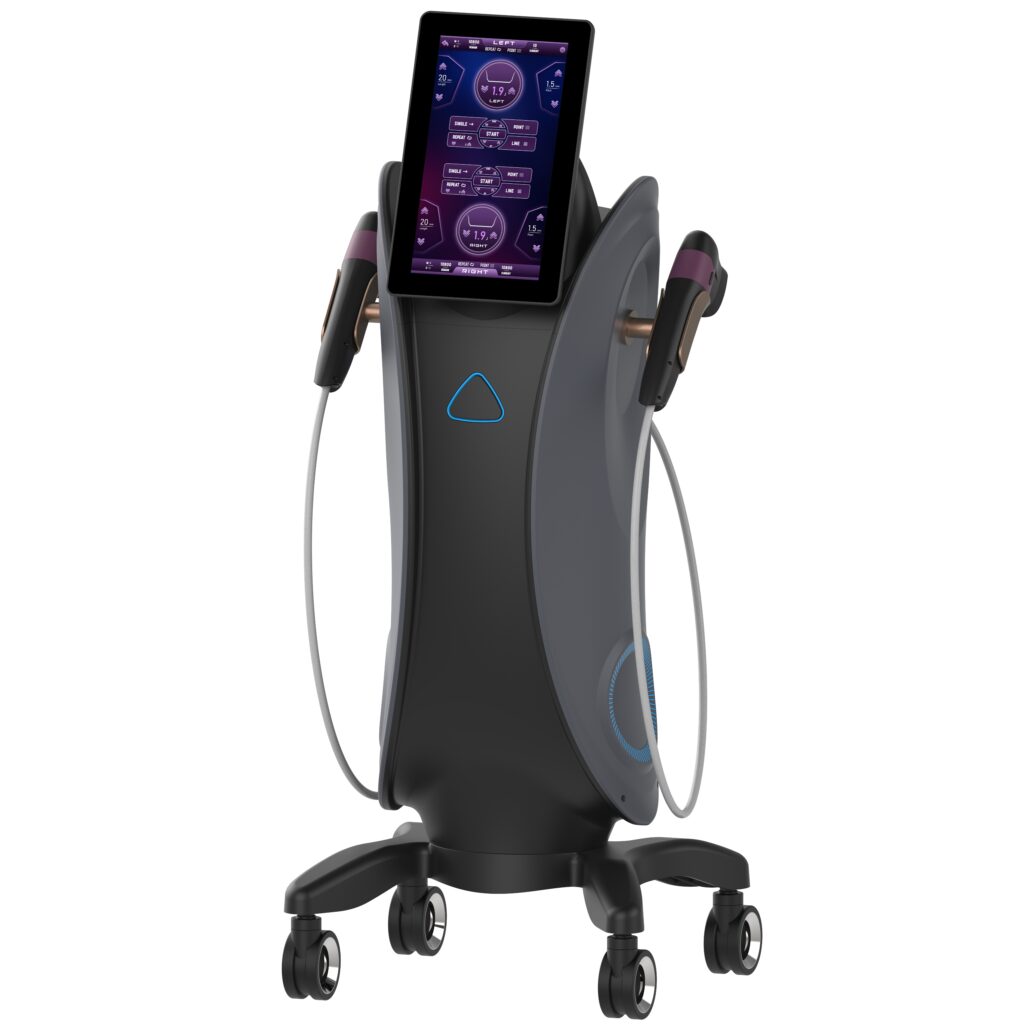
O A0241 product page positions the model around electromagnetic muscle stimulation with RF and lists body areas including the abdomen, buttocks, arms, and thighs.
The department can use:
- Consulta de Tônus Muscular Corporal;
- Sessão Corporal com Foco em Músculos under approved placement and settings guidance;
- Revisão do Programa based on continued suitability and documented response.
The current page is inconsistent about configuration: the specification section lists four handles plus an optional pelvic-floor component, while later text mentions two applicators. Require the quotation, invoice, packing list, manual, and training documents to state the same delivered configuration.
Avoid exercise-equivalent claims, fixed courses copied from promotional text, weight-loss promises, and universal-safety language. Confirm electrical capacity, applicator storage, placement training, screening, and maintenance.
9. Localized Cooling Department: S9
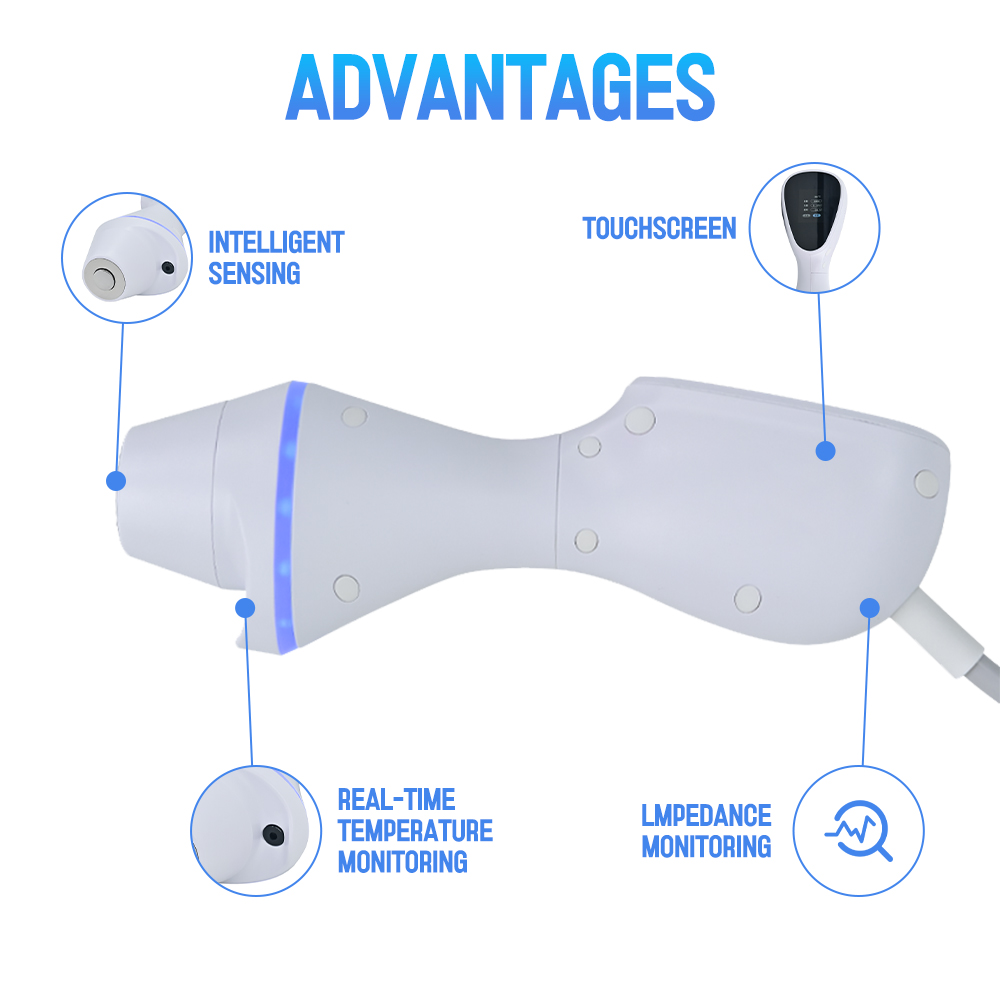
De SHEFMON S9 listing describes a vacuum-assisted cooling system. It identifies five tips as standard and up to seven as the maximum, together with adjustable cooling, vacuum, heating, and time controls.
The department should lead with Consulta de contorno localizada and include:
- cooling-specific suitability assessment;
- area and applicator selection;
- protective consumables and skin-contact procedures;
- monitoring and stop criteria;
- settings and applicator records;
- aftercare and scheduled follow-up;
- an adverse-event and escalation route.
Localized contouring should not be marketed as obesity treatment or as providing the health benefits of weight loss. Exact device status, intended use, operator requirements, areas, and permitted claims must be checked in the destination market.
S9, A0241, and B0155 should remain separate menu families. They are not three versions of one slimming service.
10. Advanced Focused-HIFU Department: A0204
O A0204 product page lists a 5-in-1 7D/9D focused HIFU platform, standard 9D cartridges at 3.0 and 4.5 mm, additional depth options, and several optional handles.
An advanced center should identify the exact supplied handpiece, cartridges, options, intended areas, electrical version, training, tracking, replacement process, records, aftercare, and professional escalation. A menu entry such as Focused HIFU Consultation keeps assessment ahead of booking.
Do not copy universal-safety claims, universal-skin statements, fixed result timelines, duration promises, or guaranteed outcomes. A0204 belongs only in a center with the professional and facility controls required for the exact service.
11. Advanced RF Microneedling Department: A0152
O A0152 product page lists computerized depth control, a 1-to-7 mm depth profile plus an additional heat profile, 12-pin, 24-pin, 40-pin, and nano heads, and selectable handle configurations.
The department needs:
- qualified assessment and operator scope;
- exact handle and compatible-head configuration;
- procedure-room hygiene and controlled access;
- single-use inventory and lot tracking where relevant;
- sharps handling and disposal;
- consent, settings, area, and photography records where applicable;
- aftercare and a complication pathway;
- maintenance, inspection, and technical escalation.
The center should independently verify intended use, approved parameters, treatment areas, device status, and local authorization. A0152 should not be added merely to make the center appear comprehensive.
12. Three Scalable Multi-Service Center Solutions
| Solution | Direção do dispositivo | Service coverage | Melhor ajuste |
|---|---|---|---|
| Three-department center | A0648 + A0423 + B0155 | Facial maintenance, hair reduction, and multifunction body care | Center seeking broad non-overlapping service families |
| Facial-led four-department center | A0648 + A0272-F + A0423 + B0155 | Facial maintenance, facial technology, hair reduction, and body care | Established salon expanding into a full aesthetic center |
| Advanced modular center | Core models plus selected A0204 or A0152 and selected A0241 or S9 | Maintenance, specialist facial or procedure care, and a defined body specialty | Professionally governed center with demand, qualified staff, and dedicated rooms |
The advanced solution uses selected modules. A center does not need both A0204 and A0152 or both A0241 and S9 at launch. Add the department supported by verified demand and operating readiness.
13. Plan Rooms by Department Risk and Workflow
| Room type | Suitable service direction | Main controls |
|---|---|---|
| Facial maintenance room | A0648 | Solution and tip storage, fluid-path cleaning, facial turnover, and routine records |
| Facial technology room | A0272-F | Screening, placement, accessories, contact materials, and documentation |
| Laser room | A0423 | Controlled access, eyewear, cooling, maintenance, settings records, and event response |
| Body room | B0155 or A0241 | Privacy, bed access, applicator or handle storage, cables, contact materials, and cleaning |
| Cooling room | S9 | Applicator fit, protective consumables, monitoring, aftercare, and follow-up |
| Advanced procedure room | A0204 or A0152 | Professional scope, configuration controls, procedure hygiene, records, aftercare, and escalation |
One room may support more than one department only when scheduling, cleaning, access, storage, electrical supply, and turnover remain suitable. Sharing a room does not merge the service pathways.
14. Create a Staff Authorization Matrix
Every employee should know which tasks they may perform.
| Staff task | Reception | General aesthetic operator | Specialist operator | Clinical or professional lead |
|---|---|---|---|---|
| Capture general enquiry | Sim | Sim | Sim | Sim |
| Assign department consultation | Under approved script | Under approved route | Sim | Sim |
| Decide technology-specific suitability | Não | Only within documented scope | Within documented scope | Within professional scope |
| Operate device | Não | Authorized models only | Authorized specialist models | Authorized models within scope |
| Approve advanced pathway | Não | Não | According to local structure | Required where applicable |
| Handle professional escalation | Não | Escalate | Escalate or manage within scope | Lead |
The actual matrix must reflect local law, insurance, professional scope, device instructions, and the center’s governance. Training attendance alone does not replace competency and authorization.
15. Build the Booking System Around Department Gates
Use different booking permissions:
- Direct booking: selected maintenance services after the center’s standard suitability process;
- Consultation required: A0272-F, body, muscle, cooling, and hair-reduction pathways where assessment is needed;
- Professional approval required: focused HIFU, RF microneedling, or other services requiring higher-level review;
- Follow-up booking: created by the responsible department according to the established pathway.
Online booking should not allow clients to select an advanced device by name without the required consultation. Reception should see the reason for the gate and the correct referral script.
16. Use Cross-Referrals Without Automatic Upselling
A multi-service center can refer clients between departments while preserving suitability decisions.
Exemplo:
“Your question relates to our body muscle service rather than our mechanical body-care menu. I can arrange a separate consultation with the authorized operator, who will review whether that category fits your goal.”
This approach is clearer than promising a combination or asking the client to book a more expensive service. Record the original goal, referring department, receiving department, and outcome of the referral.
Useful referral opportunities include maintenance reviews, completed service pathways, client-requested new goals, and referrals after a department determines that another technology is more relevant. Avoid automatic cross-selling during every appointment.
17. Prevent Service Overlap
Give every department a one-sentence role:
- A0648: facial cleansing and hydration-oriented maintenance;
- A0272-F: facial tone and contour-oriented technology;
- A0423: professional hair reduction;
- B0155: mechanical and selected multifunction body care;
- A0241: muscle-focused body service;
- S9: localized cooling-based contour assessment;
- A0204: advanced focused-HIFU pathway;
- A0152: advanced RF microneedling procedure pathway.
If two departments use the same service name, outcome promise, and consultation language, audit them before adding another device. Keep, merge, reposition, or remove overlapping entries.
18. Centralize Inventory Without Mixing Components
The center can use one purchasing system while keeping device-specific stock controlled.
Acompanhar:
- model and approved configuration;
- standard and optional handles, applicators, tips, cartridges, and heads;
- compatible solutions and contact materials;
- single-use items and lot information where relevant;
- protective materials and eyewear;
- cleaning and maintenance supplies;
- reorder points and lead times;
- issued department and storage location;
- expired, damaged, quarantined, or returned items.
Do not substitute a tip, head, contact product, or consumable between devices because it looks similar. Use the exact approved item for the delivered model and service.
19. Maintain a Center-Wide Device Register
For each device, record:
- model, serial number, voltage, and location;
- delivered standard and optional configuration;
- installation and acceptance date;
- authorized operators;
- daily or pre-use checks;
- cleaning and preventive-maintenance schedule;
- faults, downtime, service actions, and parts;
- warranty and technical-support contacts;
- current manual and training version;
- approved service cards linked to the device.
This register helps management see whether a department has the correct equipment and whether support problems are reducing capacity.
20. Measure Department Capacity and Performance
Use operating measures appropriate to each department.
| Department type | Useful measures |
|---|---|
| Manutenção facial | Relevant enquiries, first bookings, repeat interest, room turnover, consumables, and cleaning compliance |
| Consultation-led technology | Consultation attendance, suitability decisions, approved-service bookings, documentation, and follow-up |
| redução de pelos | Area-based demand, operator and room capacity, cooling checks, records, maintenance, and event reporting |
| Body care | Enquiries by goal, selected function, room use, contact products, accessory cleaning, and repeat interest |
| Advanced procedure | Professional review, procedure-room capacity, component tracking, documentation, aftercare, escalations, and audits |
Review complaints, unexpected effects, downtime, cancelled appointments, technical-response time, and operator competency across all departments. Revenue should not hide weak screening or incomplete records.
21. Launch the Center in Modules
Module 1: Facial maintenance
Stabilize A0648 services, consultation, room turnover, solutions, cleaning, and records.
Module 2: One distinct specialist department
Add A0272-F, A0423, or B0155 according to documented demand and room readiness.
Module 3: Broaden service coverage
Add a non-overlapping hair, facial, or body department. Establish department ownership and central inventory control.
Module 4: Add one advanced or specialist body pathway
Select A0204 or A0152 only with appropriate professional governance. Select A0241 or S9 when a specific body goal and technology-specific workflow are ready.
Module 5: Standardize and audit
Review authorization, configuration, service cards, rooms, consumables, maintenance, claims, referrals, records, incidents, and support. Expand only after the module operates consistently.
22. How Distributors Should Present Multi-Service Solutions
Distributors should present modular department solutions rather than one oversized catalog bundle.
For each department, include:
- buyer and client goal;
- representative model and exact base configuration;
- optional components listed separately;
- room, electrical, storage, hygiene, and turnover needs;
- operator and training requirements;
- consumables, replacement components, and reorder information;
- consultation, records, aftercare, and escalation expectations;
- warranty, maintenance, parts, and technical support;
- sample menu role without outcome guarantees.
Also provide a center-level document showing shared systems, department boundaries, staff authorization, room allocation, inventory, and staged purchasing.
23. Multi-Service Center Checklist
Before confirming the portfolio, check that:
- every device belongs to a named department;
- every department has a distinct client goal and menu role;
- the shared intake routes clients without making unsupported suitability decisions;
- technology-specific consultations and booking gates are documented;
- operator authorization and professional oversight match the service;
- rooms support power, access, privacy, hygiene, storage, cleaning, and turnover;
- exact standard and optional configurations are written into quotations;
- consumables, heads, tips, cartridges, applicators, wear parts, and reorder points are controlled;
- aftercare, follow-up, stop criteria, adverse-event, and escalation routes are ready;
- maintenance, warranty, parts, and technical-support contacts are centralized;
- marketing avoids overlapping services, guaranteed outcomes, and unsupported claims;
- cross-referrals lead to separate assessment rather than automatic treatment;
- equipment ownership is not presented as a same-day protocol;
- advanced and specialist departments can be delayed until governance and demand are ready.
Perguntas frequentes
1. Which SHEFMON device should anchor a multi-service aesthetic center?
A0648 is a practical facial-maintenance anchor for many centers. A body-led center may instead anchor its first module with B0155 or A0241. The choice should match the main client group and a complete operating workflow.
2. What is a practical three-department center package?
A0648, A0423, and B0155 can support facial maintenance, hair reduction, and multifunction body care. Each requires a separate menu, operator authorization, room workflow, consumables, documentation, and support plan.
3. Should A0272-F be part of every facial service?
No. It should remain a separate facial technology category with its own consultation, screening, placement, records, and operator decisions.
4. Can B0155 replace A0241 and S9?
No. B0155 supports multifunction body care, A0241 supports a muscle-focused category, and S9 supports localized cooling. They answer different client goals and require different workflows.
5. Should a multi-service center purchase both A0204 and A0152?
Only when it has separate demand, qualified staff, professional governance, rooms, configurations, consumables, records, aftercare, and escalation for focused HIFU and RF microneedling. One does not automatically lead to the other.
6. Can several departments share one treatment room?
They can share a room when access, hygiene, equipment layout, electrical supply, storage, cleaning, and turnover remain suitable. Shared space does not merge consultation or service protocols.
7. How should reception route clients between departments?
Reception should record the client’s goal and book the correct department consultation under an approved script. It should not decide technology-specific suitability or promise a result.
8. Can clients use membership credits across departments?
Credits may be allowed after the receiving department confirms suitability. The terms should state eligible services, consultation requirements, expiration, reassessment, cancellations, and what happens if a service is no longer appropriate.
9. Can devices from different departments be used in one appointment?
The center portfolio does not establish same-day suitability. Combination, order, areas, timing, and parameters require qualified assessment, exact device guidance, and local authorization.
10. What should a center send SHEFMON for a portfolio recommendation?
Send current departments and devices, planned service families, client demand, rooms, electrical details, staff qualifications, country, preferred configurations, consumable and training needs, professional-governance structure, and phased launch schedule.
Conclusão
SHEFMON beauty devices can support a multi-service aesthetic center when each model has a defined department and operating system. A0648 can anchor facial maintenance, A0272-F can add facial technology, A0423 can support hair reduction, and B0155 can create a multifunction body-care department. A0241 and S9 provide distinct body specialties, while A0204 and A0152 belong in separately governed advanced pathways.
The center should centralize reception, inventory, device records, maintenance, approved marketing, and technical support while preserving technology-specific assessment, authorization, documentation, aftercare, and escalation. Modular expansion keeps the service portfolio clear and manageable.
Explorar Aparelhos de beleza SHEFMON ou contate SHEFMON to compare current configurations for a multi-service aesthetic center.