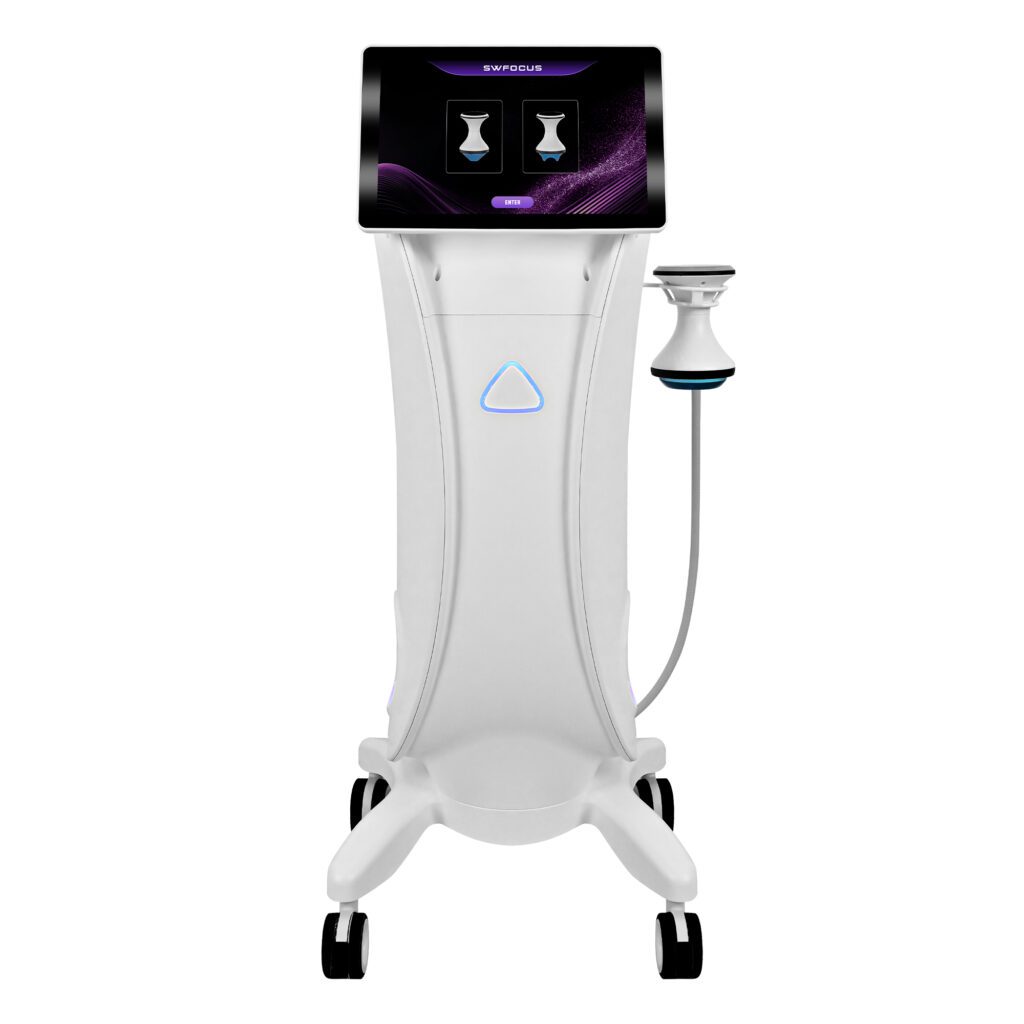
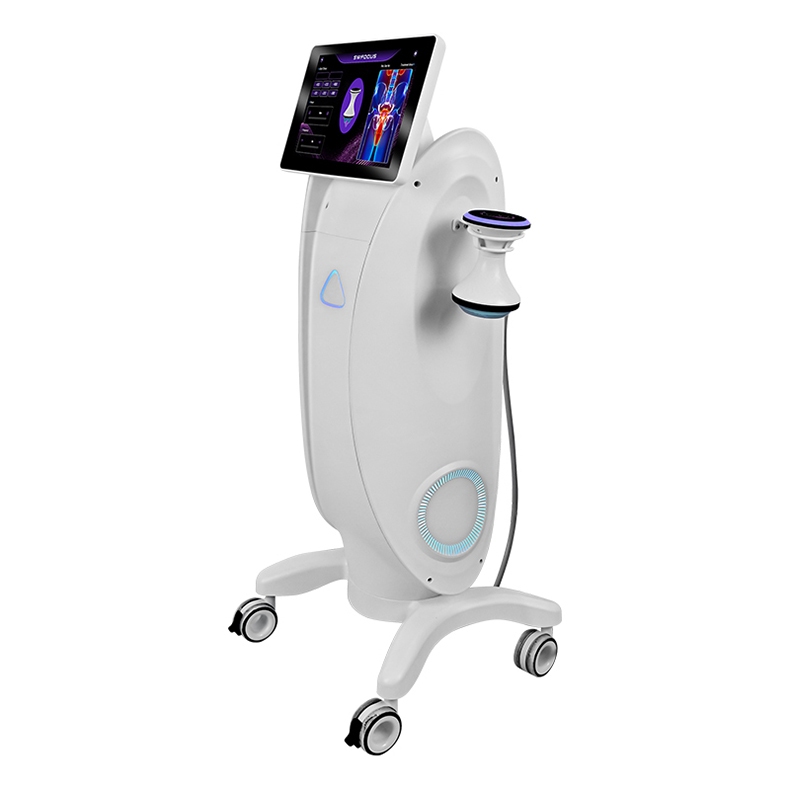
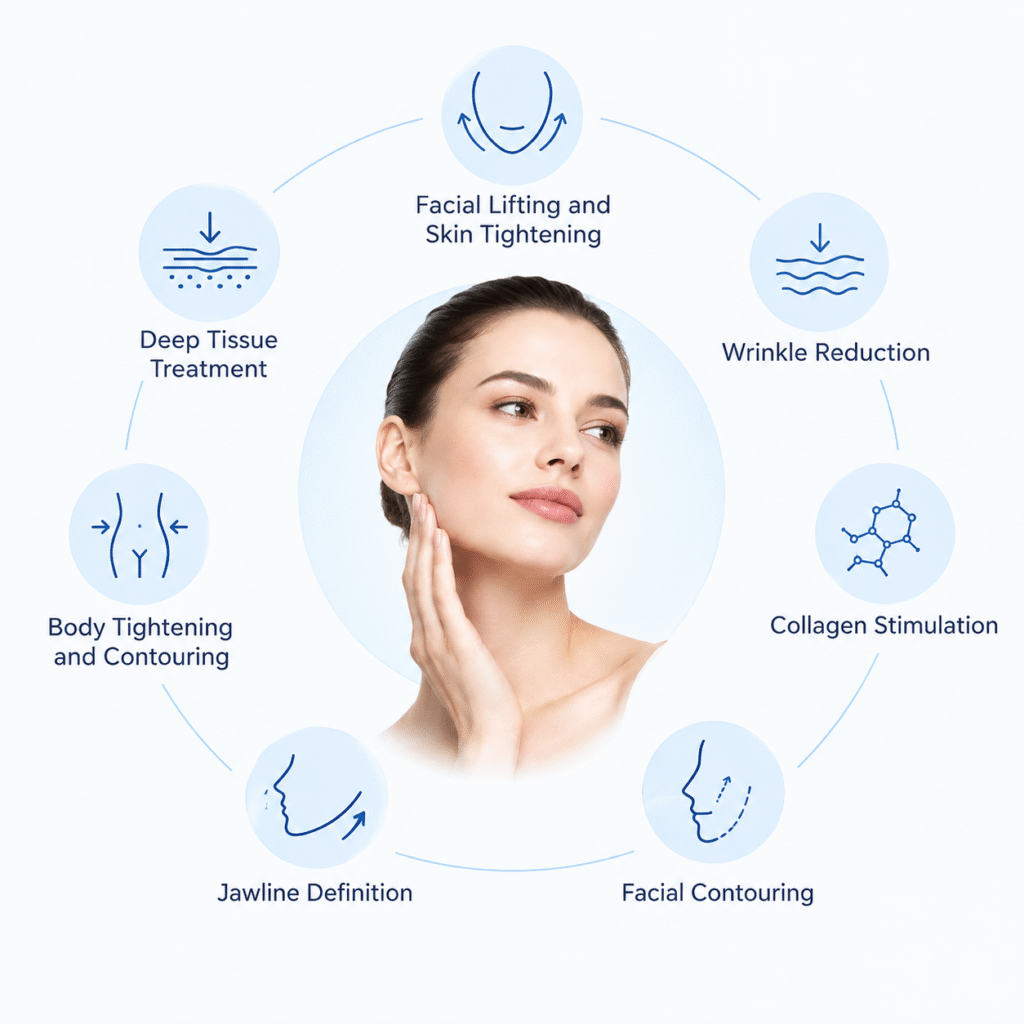
No crescente campo dos tratamentos corporais e da pele não invasivos, os sistemas mecânicos baseados em rolos tornaram-se uma opção cada vez mais popular para profissionais que buscam melhorar a qualidade da pele e o contorno corporal sem procedimentos invasivos. máquina de rolos de esferas internas É uma dessas tecnologias, projetada para aplicar estimulação mecânica controlada ao tecido mole de forma estruturada e repetível, auxiliando na circulação sanguínea, na melhora da textura da pele e no condicionamento geral do corpo.
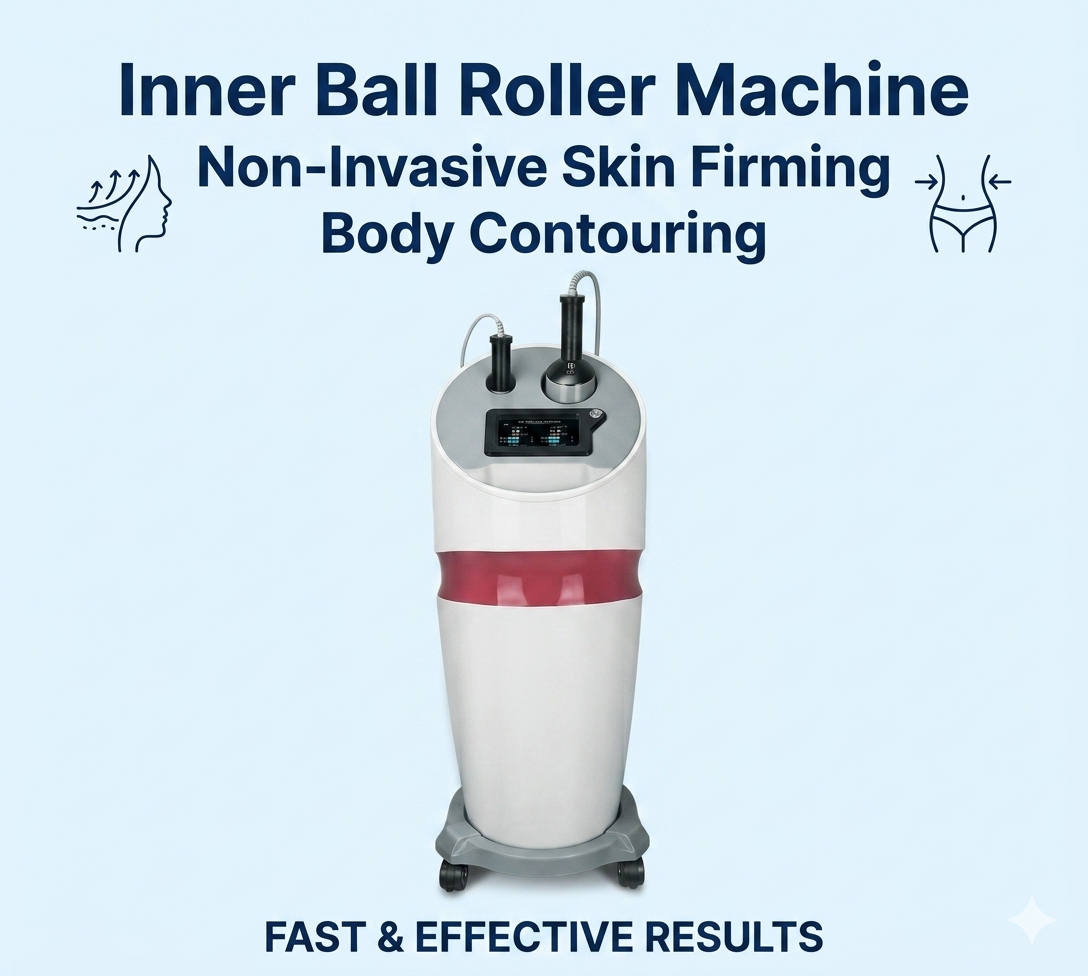
1. Para que serve a máquina de rolos de esferas internas
O aparelho de rolos internos funciona através de uma combinação de esferas de silicone rotativas e aplicação de pressão controlada. Em vez de depender de calor ou energia elétrica, utiliza movimento mecânico para interagir com a pele e o tecido subjacente.
Essa abordagem é amplamente utilizada em clínicas de estética e ambientes de bem-estar, onde o objetivo é promover a firmeza da pele, melhorar a aparência da celulite e estimular uma melhor circulação sanguínea. Pode ser aplicada em diversas áreas do corpo, bem como em zonas faciais, dependendo das necessidades do tratamento.
2. Como a máquina funciona na prática
2.1 Movimento controlado de rolamento e compressão
O dispositivo funciona através da rotação de esferas de silicone ao longo de um percurso estruturado, criando contato contínuo com a pele. Esse movimento produz ciclos alternados de compressão e relaxamento aos quais o corpo responde naturalmente.
Esse tipo de movimento é frequentemente descrito como um efeito de pulsação, onde o tecido é suavemente levantado e liberado em um padrão rítmico. A consistência desse movimento é o que o diferencia das técnicas de massagem manual.
2.2 Microestimulação de tecidos moles
À medida que os rolos se movem, criam microvibrações que se propagam pelas camadas da pele. Essas vibrações estimulam a ativação dos tecidos moles, o que pode influenciar a circulação de fluidos na área tratada.
Com o tempo, isso pode ajudar a melhorar a aparência da textura irregular da pele e reduzir a sensação de peso em áreas propensas à retenção de líquidos.
2.3 Circulação e suporte linfático
Um dos efeitos mais reconhecidos dos sistemas de rolamento mecânico é a melhora da circulação sanguínea. A pressão repetida estimula o fluxo sanguíneo nos vasos superficiais, além de favorecer a circulação linfática.
Essa combinação pode causar uma sensação temporária de leveza nas áreas tratadas, principalmente na parte inferior do corpo.
3. Por que essa máquina é usada em tratamentos estéticos?
3.1 Melhora da firmeza e da textura da pele
O aparelho é frequentemente usado para melhorar a aparência da pele, em vez de alterar a estrutura corporal. Ao estimular as camadas de tecido de forma consistente, ele ajuda a pele a parecer mais lisa e tonificada.
3.2 Redução da aparência da celulite
A celulite é influenciada pela tensão do tecido conjuntivo e pela distribuição de fluidos. O rolamento mecânico atua sobre esses fatores externos, melhorando a mobilidade do tecido e reduzindo as irregularidades da superfície.
Embora não elimine as células de gordura, pode deixar a superfície da pele com uma aparência mais uniforme e refinada.
3.3 Suporte para relaxamento e recuperação muscular
A pressão rítmica também cria um efeito profundo de massagem nos músculos. Isso é particularmente útil para aliviar a tensão em áreas como ombros, costas, coxas e panturrilhas.
Muitos usuários o incorporam em suas rotinas de recuperação após atividades físicas ou períodos prolongados de esforço muscular.
4. Principais características estruturais da máquina
4.1 Sistema de controle digital
O equipamento geralmente possui uma interface de tela sensível ao toque que permite aos operadores ajustar parâmetros de tratamento como velocidade, frequência e intensidade. Isso facilita a personalização das sessões para diferentes clientes e áreas de tratamento.
4.2 Configurações de desempenho ajustáveis
Com uma ampla faixa de frequência e potência de saída controlada, o sistema pode ser adaptado tanto para aplicações em tecidos sensíveis quanto em tecidos mais profundos. A intensidade mais baixa é frequentemente usada para tratamentos faciais, enquanto as configurações mais altas são reservadas para áreas de contorno corporal.
4.3 Sistema de rolos multiestágios
O processo de tratamento geralmente envolve diferentes tipos de rolos atuando em etapas. Rolos mais macios são usados inicialmente para preparar a pele, seguidos por rolos mais firmes que proporcionam uma estimulação mecânica mais profunda.
Essa estrutura em etapas ajuda a garantir uma experiência de tratamento mais equilibrada e controlada.
4.4 Design ergonômico do rolo
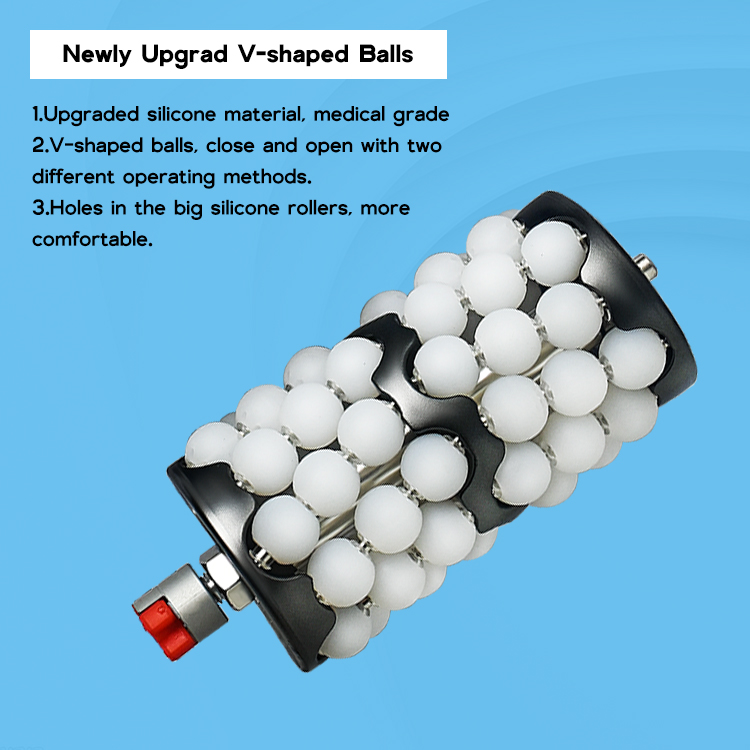
Os rolos de silicone em formato de V são comumente usados para melhorar a estabilidade do contato e a eficiência do movimento. Esse design permite que a máquina mantenha uma pressão constante enquanto se move suavemente sobre áreas curvas do corpo.
Algumas versões também incluem estruturas de rolos perfurados para reduzir o atrito e melhorar o conforto durante o uso.
4.5 Ferramentas de aplicação para o corpo e rosto
O aparelho geralmente inclui aplicadores separados para tratamentos corporais e faciais. O aplicador facial é projetado para áreas delicadas, como a região abaixo dos olhos e a linha da mandíbula, enquanto o aplicador corporal destina-se a grupos musculares maiores e zonas de contorno.
Essa separação garante uma adaptação mais precisa do tratamento, dependendo da área a ser tratada.

5. Onde a máquina é comumente usada
Em ambientes profissionais, esse tipo de aparelho é frequentemente usado nas coxas, quadris, abdômen e parte superior dos braços para fins de modelagem corporal. Essas áreas tendem a responder bem à estimulação mecânica devido à sua tendência a reter líquidos e desenvolver textura irregular.
Para uso facial, geralmente é aplicado em áreas onde se deseja estimular a circulação e obter efeitos lifting, como as bochechas, a linha da mandíbula e a região abaixo dos olhos.
Também é utilizado em ambientes de bem-estar e fisioterapia para relaxamento muscular e auxílio na recuperação pós-atividade.
6. Compreendendo Resultados Realistas
Embora o aparelho de rolos internos ofereça melhorias visíveis na textura da pele e firmeza temporária, ele não é um dispositivo para remoção de gordura ou perda de peso com fins médicos. Seus efeitos estão relacionados principalmente a alterações superficiais, como circulação sanguínea, mobilidade dos tecidos e aparência da pele.
Os resultados dependem muito da consistência e da resposta individual. Geralmente, são necessárias sessões regulares para manter as melhorias, principalmente quando o objetivo é estético.
É melhor compreendê-lo como um tratamento complementar dentro de uma rotina mais ampla de cuidados com a pele ou bem-estar corporal, em vez de uma solução de transformação isolada.
Conclusão
O máquina de rolos de esferas internas Representa uma abordagem mecânica para o cuidado moderno do corpo e da pele, focada em ritmo, pressão e estimulação tecidual. Através de rolamentos controlados e microvibrações, promove a circulação, melhora a textura da pele e realça a aparência dos contornos corporais de forma não invasiva. Embora seus resultados sejam graduais e exijam manutenção, continua sendo uma ferramenta amplamente utilizada em ambientes estéticos profissionais para clientes que buscam melhorias visíveis e naturais na firmeza da pele e na condição geral do corpo.