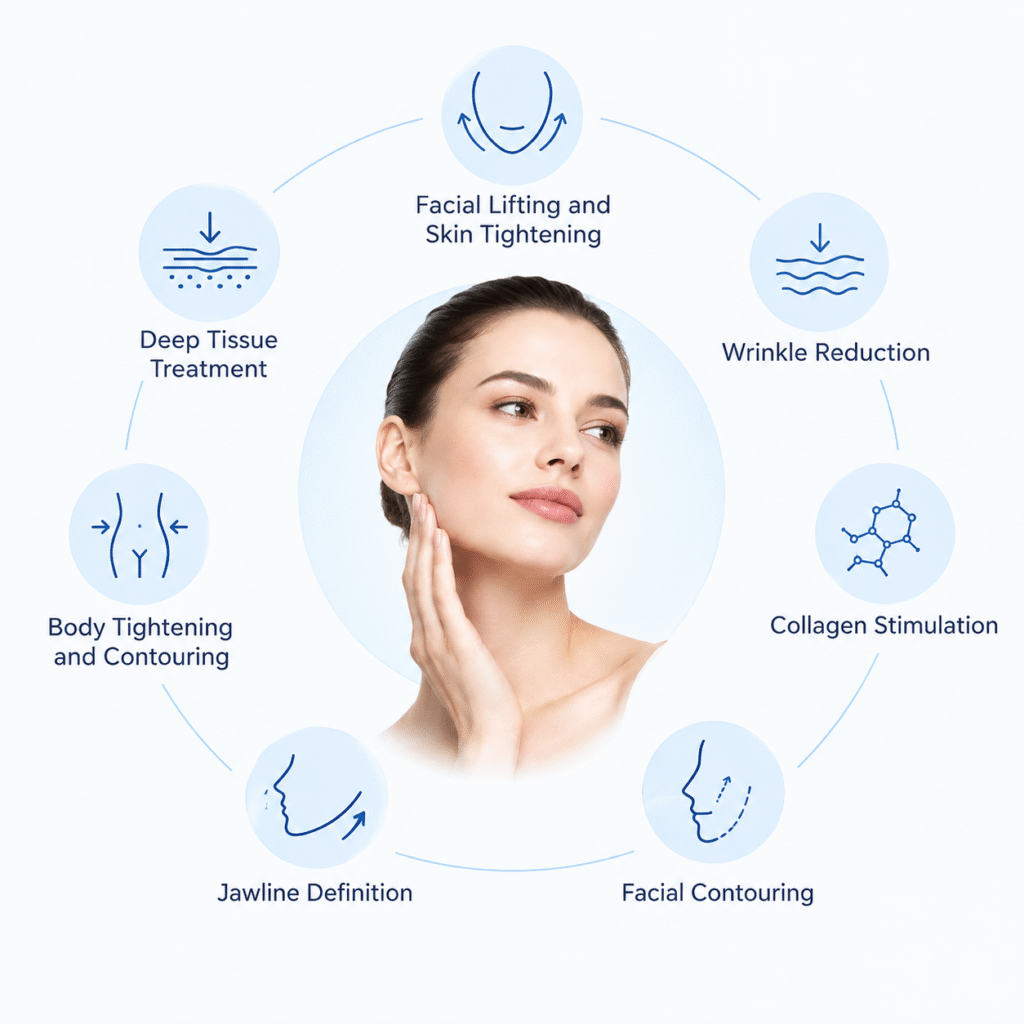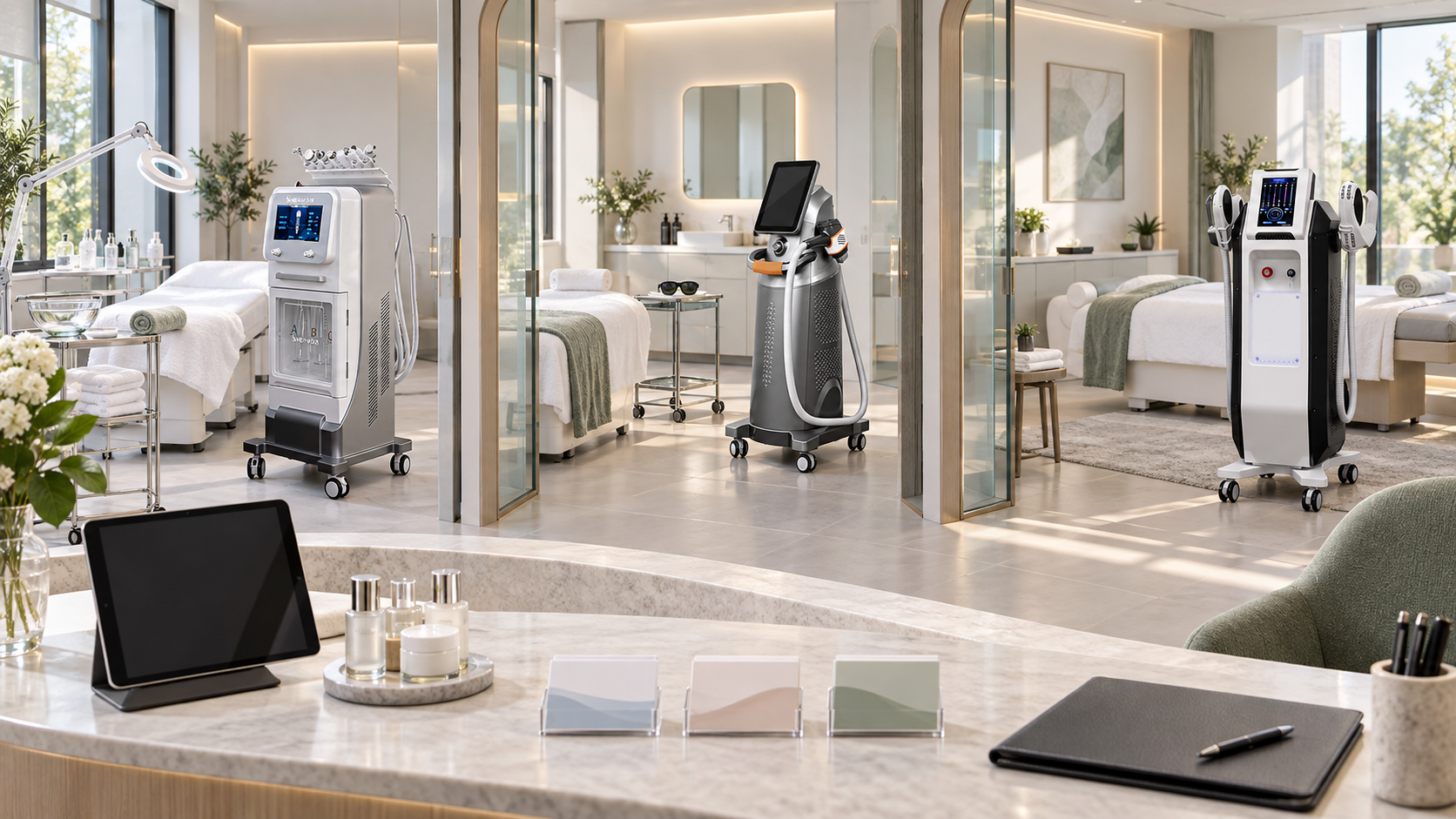
Clients do not usually choose an aesthetic service because they recognize a machine model or understand every technical term. They choose because the menu describes a concern, an experience, or a service pathway they can discuss with the provider. A device-led business must therefore translate equipment into clear client-facing categories without hiding the technology or promising results that cannot be guaranteed.
A strong menu gives each device one primary service role, explains who should request a consultation, sets realistic expectations, and keeps advanced procedures separate from routine salon care. The machine remains important, but it supports the service category instead of becoming the entire service name.
This guide uses relevant Categorias de dispositivos de beleza SHEFMON to show how salons, med spas, skin clinics, hair-removal practices, and body centers can build client-facing menus around facial, hair, body, focused HIFU, and RF microneedling equipment.
Sumário executivo
Use a five-part translation process:
- Identify the technology: Understand what the device is and which configuration is installed.
- Choose one primary service role: Define the client concern or appointment objective the device can support.
- Name the category clearly: Use simple, restrained language rather than model numbers or guaranteed outcomes.
- Add consultation and suitability information: Explain that the provider will assess the client before treatment.
- Keep protocols separate: The public menu describes the service; device settings, sequencing, and clinical decisions belong in internal professional documentation.
Exemplos incluem Cleansing and Hydration Facial for A0648, Consulta de avaliação do tônus e contorno facial for A0272-F, Laser Hair-Reduction Services for A0423, and separate body categories for B0155, A0241, and S9. A0204 can support a focused-ultrasound consultation, while A0152 should appear as an advanced RF microneedling procedure in an appropriately qualified clinical setting.
1. Why Device Names Make Weak Service Categories
A menu titled “9-in-1 Facial,” “5-in-1 Slimming,” or “Latest Laser Treatment” tells clients little about the service they are considering. Function counts and model numbers also become difficult to maintain when the business changes equipment.
A client-facing category should answer:
- What type of appointment is this?
- What concern or service objective does it address?
- What technology is involved?
- Is a consultation required?
- Who may need to postpone or choose another service?
- What should the client expect before and after the appointment?
The device model can appear in a detailed technology section or consultation material, while the menu begins with the service role.
2. Separate Four Layers of Information
| Layer | Audience | Content | Exemplo |
|---|---|---|---|
| Service category | Cliente | Clear appointment family | Cleansing and Hydration Facial |
| Service description | Cliente | Technology, experience, suitability, and consultation | Hydro-based cleansing, exfoliation, extraction, and hydration steps |
| Especificações do produto | Buyer and operator | Model, configuration, handles, consumables, and room requirements | A0648 standard package |
| Protocolo de tratamento | Qualified operator | Client-specific selection, settings, sequence, records, and aftercare | Internal controlled document |
Keeping these layers separate prevents technical detail from overwhelming the menu and prevents marketing copy from becoming an operating protocol.
3. Use a Simple Naming Formula
A practical service-category name combines:
Client objective + service type or technology qualifier
Exemplos:
- Cleansing and Hydration Facial
- Consulta de avaliação do tônus e contorno facial
- Laser Hair-Reduction Service
- Multifunction Body-Care Session
- Muscle-Focused Body Program
- Localized Cooling Contour Consultation
- Focused-Ultrasound Consultation
- RF Microneedling Skin Procedure
Avoid names that promise “permanent,” “instant,” “painless,” “risk-free,” “guaranteed,” or a fixed amount of improvement. Also avoid using a trademark-like name that the business is not authorized to use.
4. Give Each Device One Primary Menu Role
One device may contain several functions, but the public menu still needs a coherent category. Start with one primary role and add a small number of clearly differentiated services only when the operator has a defined workflow for each.
| Modelo SHEFMON | Direção tecnológica | Primary client-facing category |
|---|---|---|
| A0648 | Hydro microdermabrasion and related facial functions | Cleansing and Hydration Facial |
| A0272-F | Estimulação elétrica facial e radiofrequência | Consulta de avaliação do tônus e contorno facial |
| A0423 | Laser de diodo | Laser Hair-Reduction Services |
| B0155 | Vacuum roller, RF, rotating massage, and cavitation | Multifunction Body-Care Services |
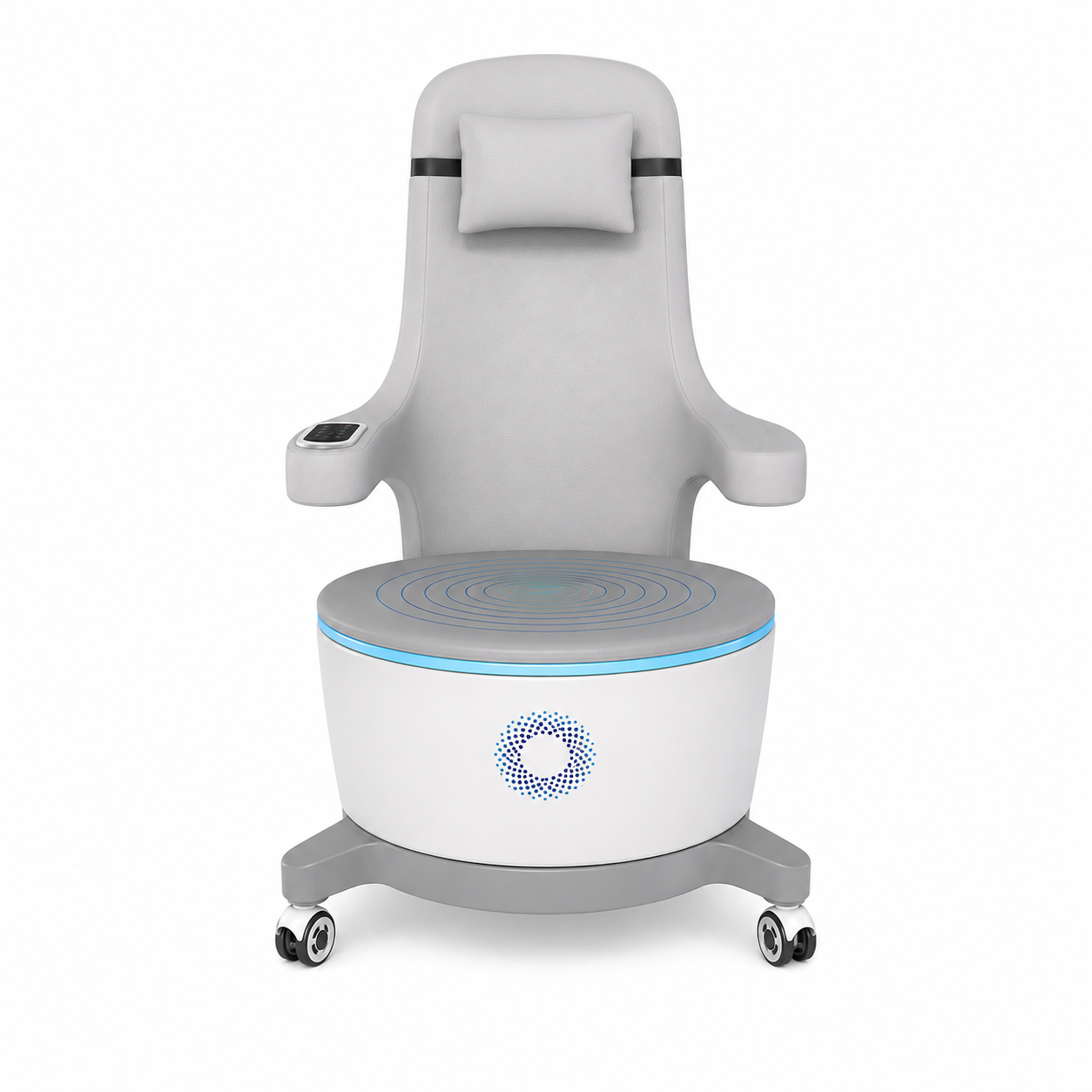
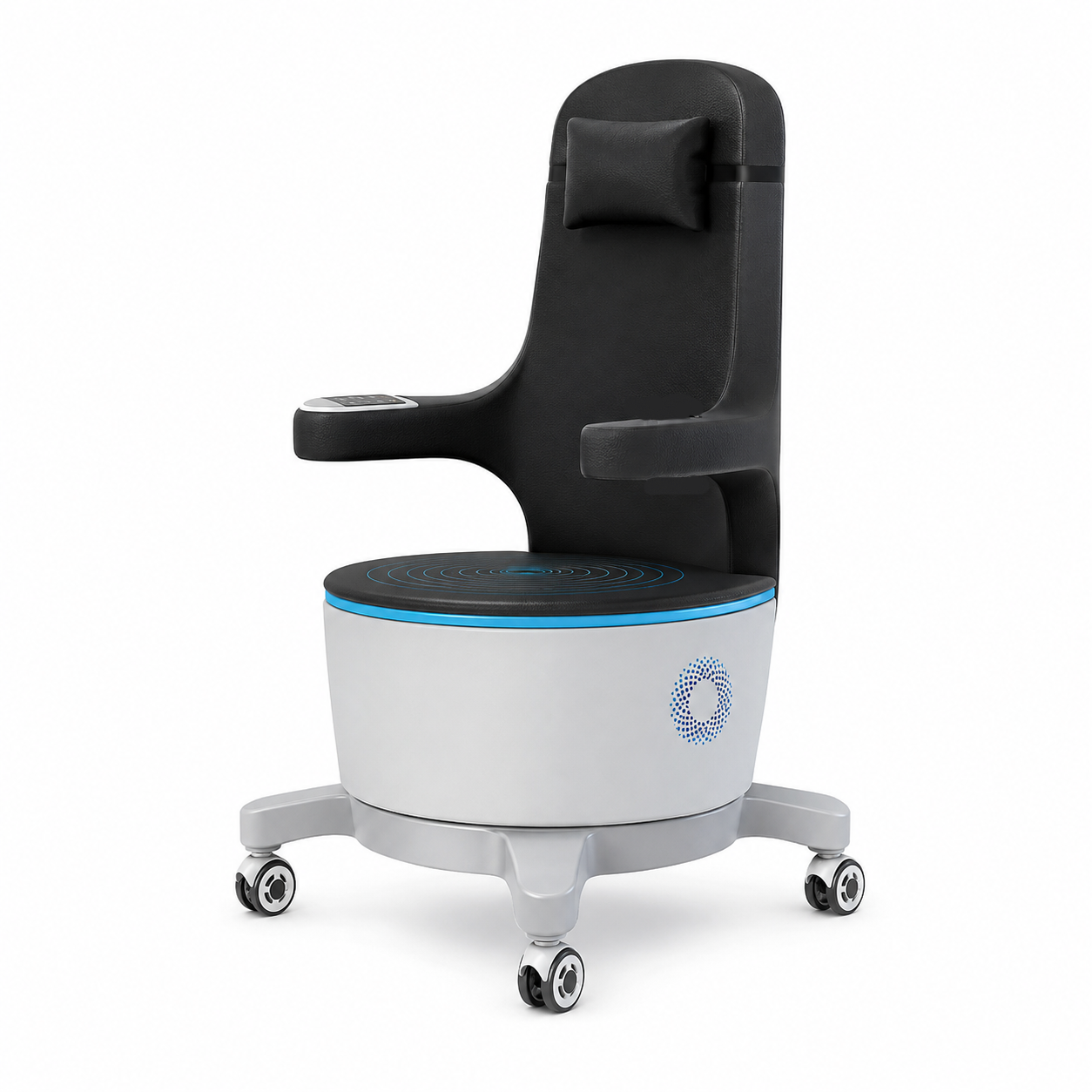
| A0241 | Estimulação eletromagnética com radiofrequência | Muscle-Focused Body Program |
| S9 | Vacuum-assisted localized cooling | Localized Cooling Contour Consultation |
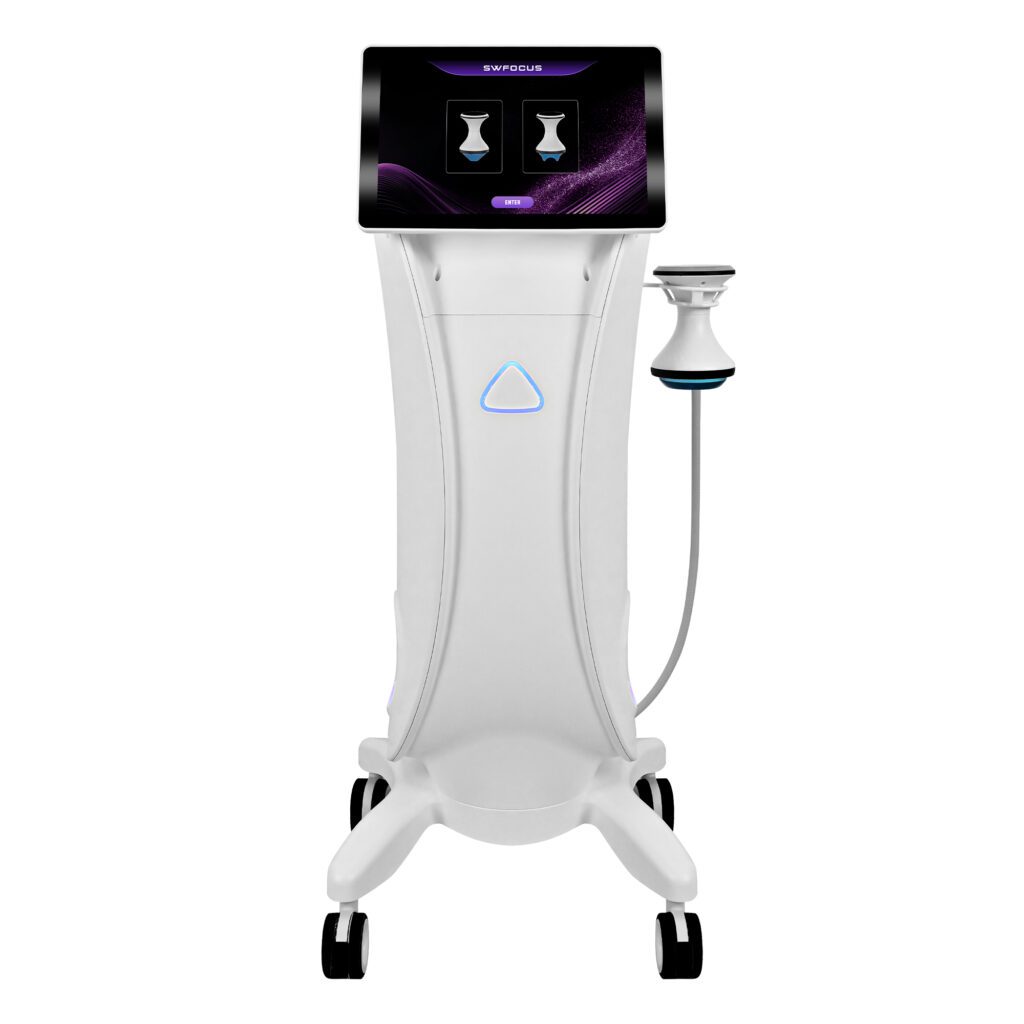
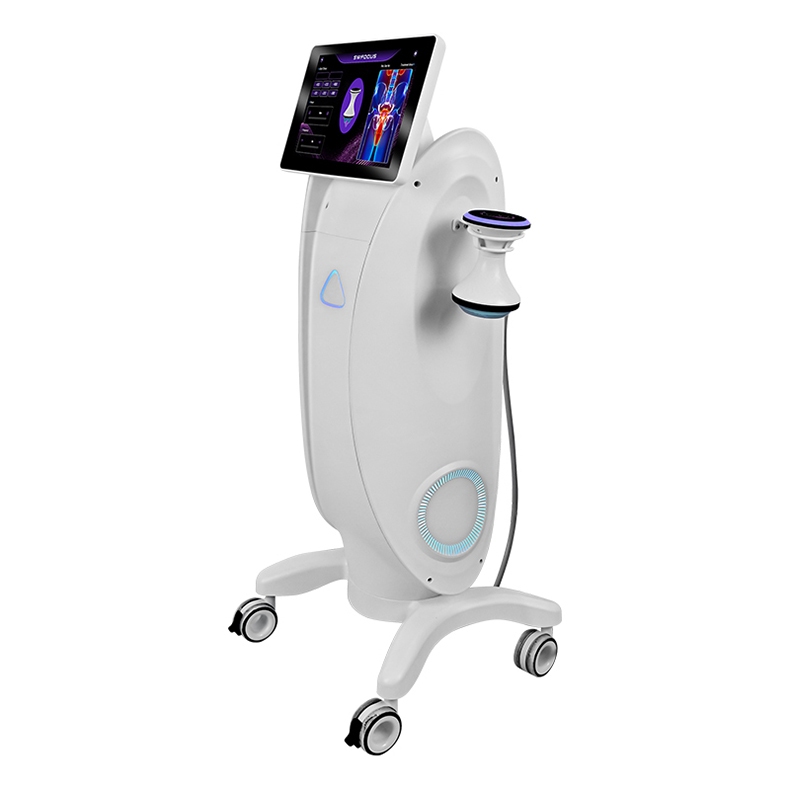
| A0204 | HIFU focalizado | Focused-Ultrasound Consultation |
| A0152 | Microagulhamento por radiofrequência | Advanced RF Microneedling Procedure |
These names are editorial starting points. The provider must adapt them to its actual configuration, scope, market, and approved claims.
5. Build a Service Card for Every Category
A client-facing service card should contain:
- clear service name;
- one-sentence purpose;
- technology used;
- suitable client concerns stated carefully;
- consultation requirement;
- reasons the service may not fit;
- what happens during the appointment at a high level;
- expected appointment and follow-up process without unsupported promises;
- preparation and aftercare information approved by the provider; and
- booking CTA.
Do not copy every product-page benefit into the service card. Select only information that helps the client make an informed booking decision.
6. Category 1: Cleansing and Hydration Facial
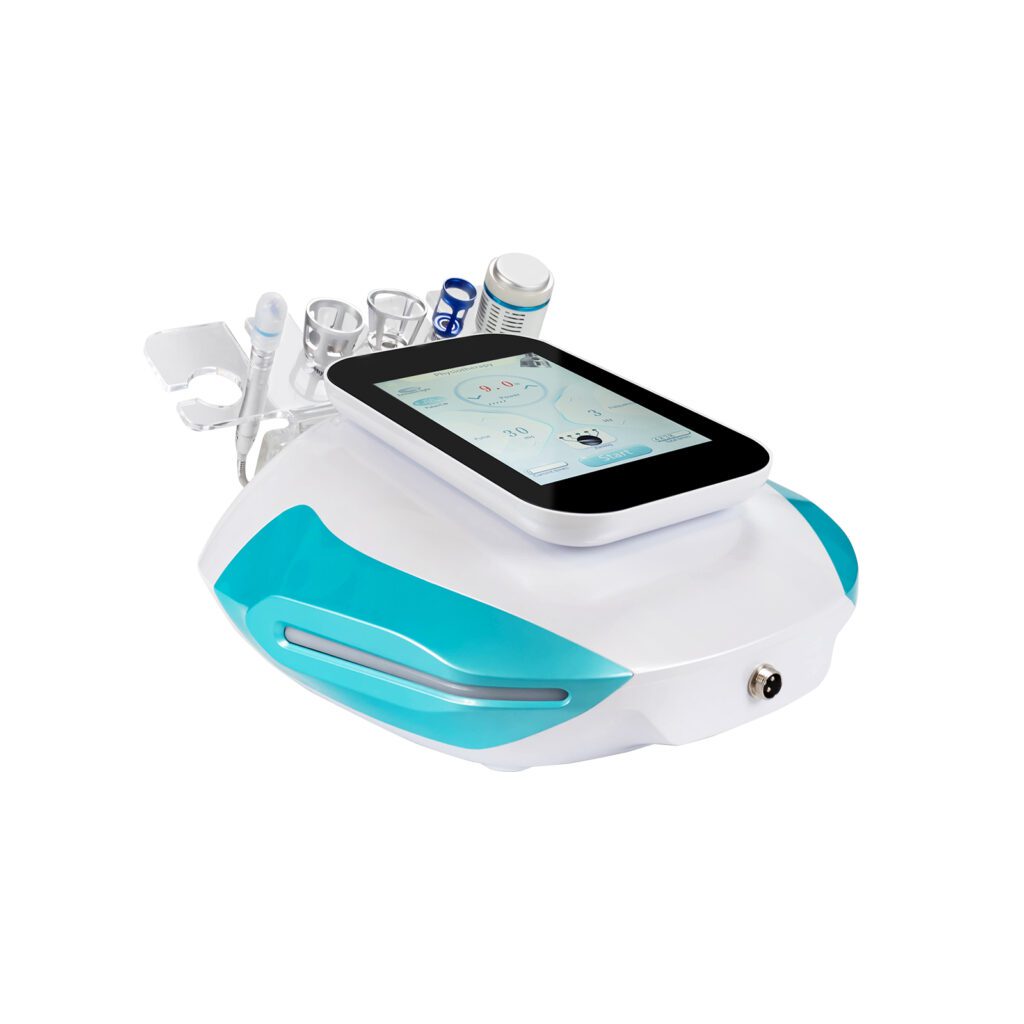
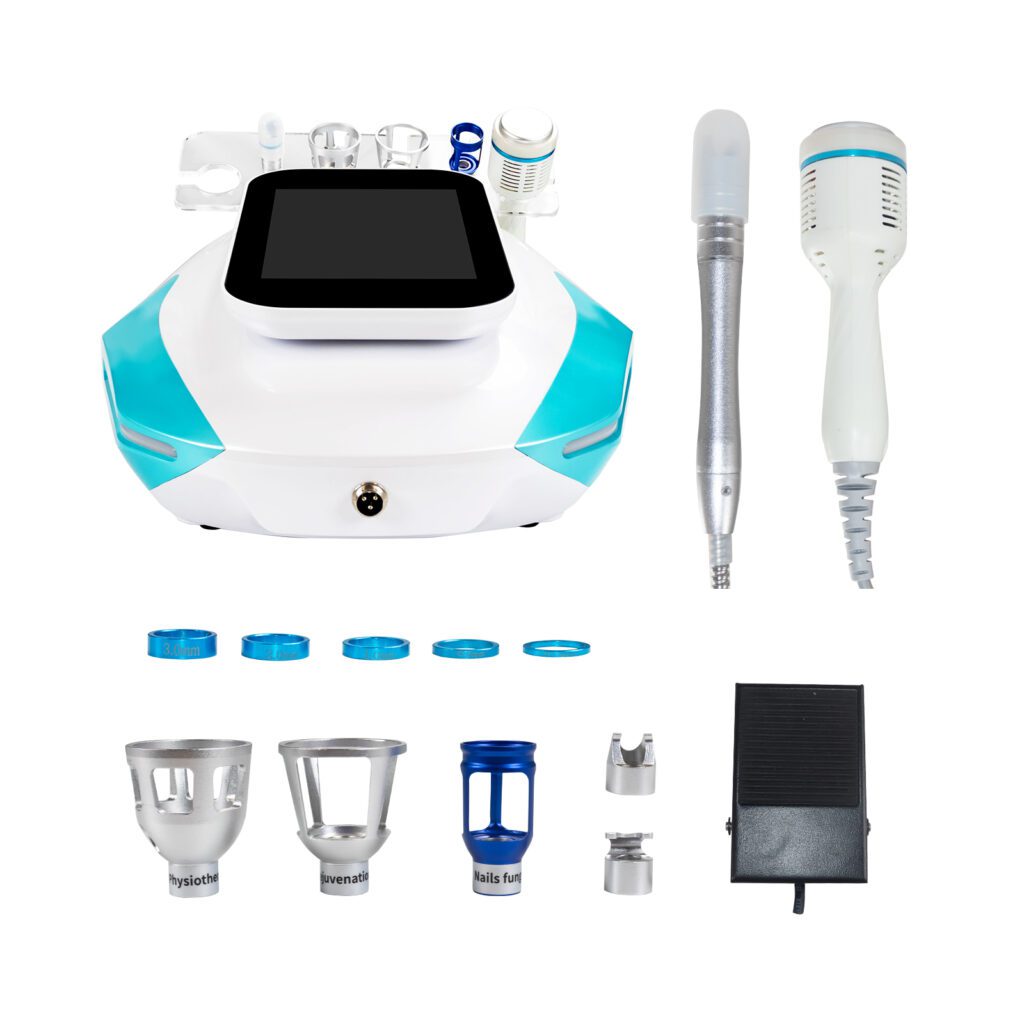
O A0648 9-in-1 hydro microdermabrasion system can support a Cleansing and Hydration Facial category. The device is positioned around exfoliation, vacuum-assisted extraction, and hydration-related steps.
A client-facing description might say that the appointment uses hydro-based and vacuum-assisted facial functions selected after a skin consultation to support surface cleansing, exfoliation, pore-focused care, and hydration.
The menu should not imply that all nine functions are used for every client. The provider should decide which steps are appropriate and keep device-specific settings in the internal protocol.
7. Create Levels Within the Facial Foundation
A salon can create several services from the same facial foundation if the differences are real and operationally defined.
| Nível do menu | Objetivo voltado para o cliente | Internal distinction |
|---|---|---|
| Essential Cleansing Facial | Focused surface cleansing and hydration | Shorter, defined selection of relevant steps |
| Complete Hydro Facial | Broader cleansing, exfoliation, extraction, and hydration pathway | Longer appointment with documented workflow |
| Consultation-Led Maintenance Facial | Customized maintenance within the salon’s scope | Step selection based on consultation and records |
Do not create three names for the same appointment merely to increase menu length. Each level needs a distinct duration, workflow, inclusion, and price logic determined by the business.
8. Category 2: Facial Tone and Contour Consultation
O A0272-F facial electrical stimulation and RF system can support a Consulta de avaliação do tônus e contorno facial categoria.
This category should remain separate from cleansing and hydration. The client-facing description can explain that the service uses facial electrical stimulation and RF within a consultation-led appointment focused on facial tone and contour concerns.
Avoid guaranteed lifting, wrinkle removal, fixed percentages, or universal suitability. Explain the assessment, application process at a high level, and follow-up plan used by the provider.
9. Keep Maintenance and Contour Menus Distinct
When a business owns both A0648 and A0272-F, it can offer two pathways:
- Skin Maintenance: cleansing, exfoliation, extraction, and hydration-oriented appointments.
- Facial Tone and Contour: electrical stimulation and RF consultations with their own suitability process.
The business may recommend one or the other after consultation. Equipment ownership does not establish that both should be used in the same appointment or that one must precede the other.
10. Category 3: Laser Hair-Reduction Services
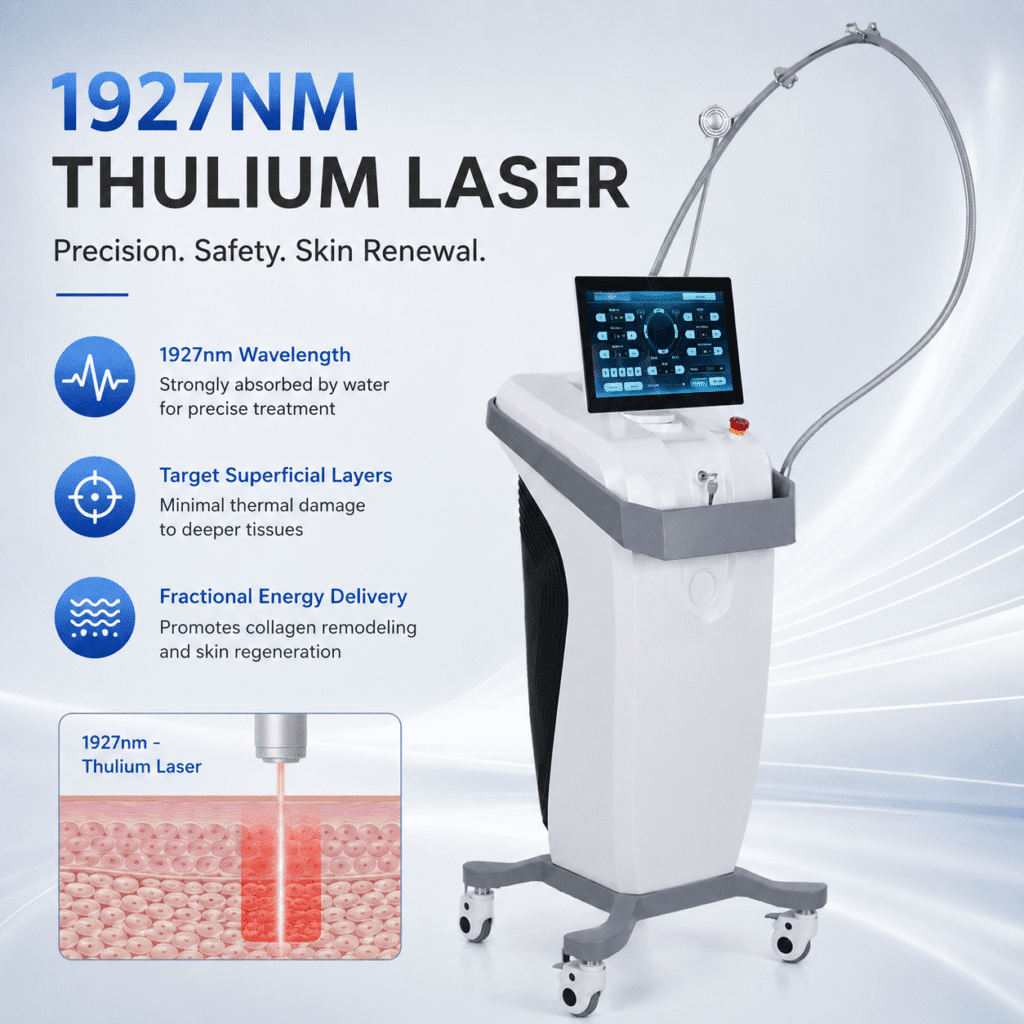
O Laser de diodo A0423 can support a Laser Hair-Reduction Services category for appropriately qualified businesses. SHEFMON’s page lists several wavelength and spot-size configurations, so the business must know which system it actually operates.
Client-facing menus can be organized by body area and consultation rather than technical configuration. The technology page can explain the diode laser and the provider’s assessment process, while internal records capture parameters and treatment details.
The American Academy of Dermatology states in its laser hair removal FAQs that treatment commonly involves multiple sessions and that results and risks vary. Avoid “permanent removal,” “painless,” or fixed-session guarantees.
11. Structure a Hair-Reduction Menu by Area
| Menu group | Exemplos | Client information to include |
|---|---|---|
| Small Areas | Provider-defined small treatment areas | Consultation, preparation, area definition, and suitability |
| Medium Areas | Provider-defined medium treatment areas | Appointment expectations and individualized plan |
| Large Areas | Provider-defined large treatment areas | Time, preparation, assessment, and follow-up process |
| Multi-Area Plan | Selected areas after consultation | Clear inclusions and a personalized schedule |
The business should define areas precisely. Do not advertise one universal session count or result for every area and client.
12. Category 4: Multifunction Body-Care Services
O B0155 Desktop Endos Velapro lists vacuum roller, RF, rotating massage, and 80K cavitation functions. It can support a Multifunction Body-Care Services category for salons and body studios.
The menu should divide services by a coherent client objective and selected handle workflow. It should not state that every appointment combines every function.
Possible category language includes Body Massage and Firming Care, Selected Vacuum-Roller Body Care, or another locally appropriate name that accurately reflects the configured technology and provider scope. Avoid medical, weight-loss, or guaranteed cellulite-removal claims.
13. Category 5: Muscle-Focused Body Program
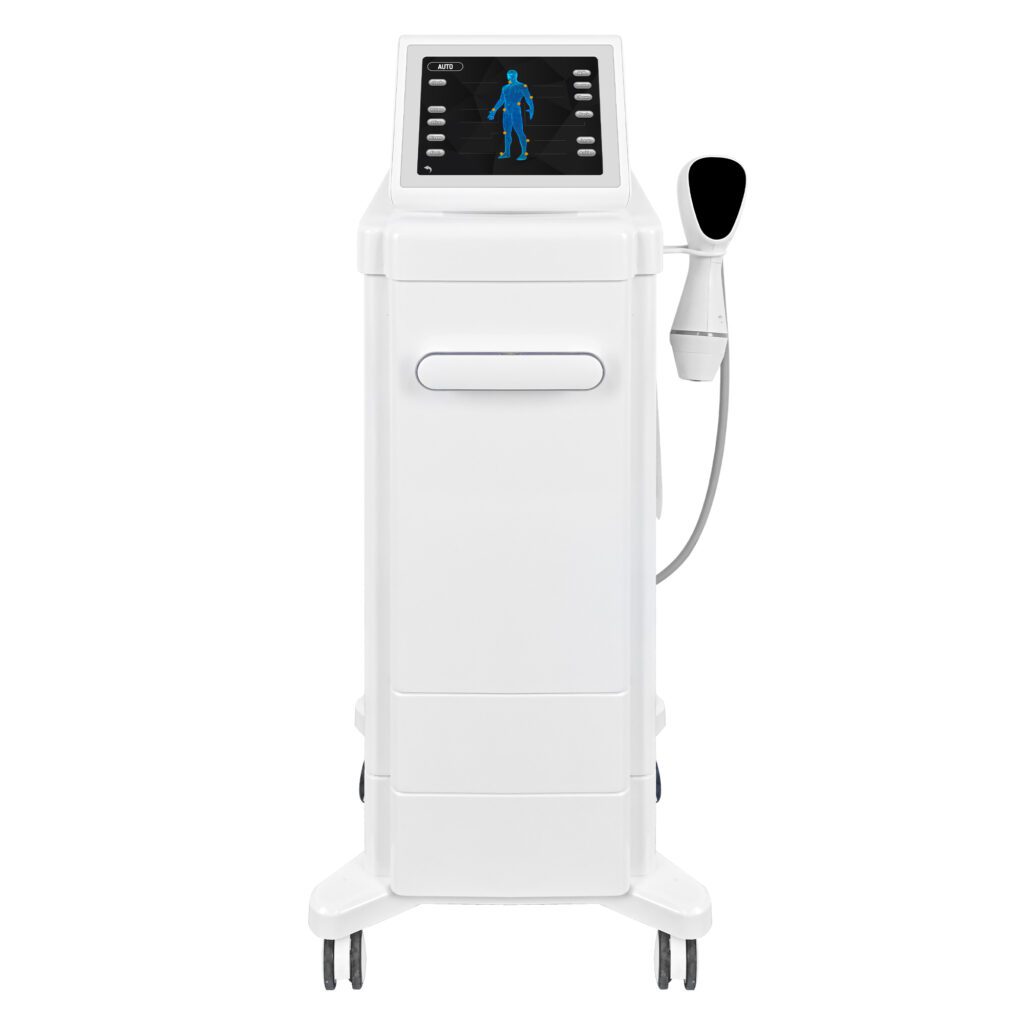
O Sistema de estimulação eletromagnética e radiofrequência A0241 can support a Muscle-Focused Body Program.
The client-facing page should explain that the service uses electromagnetic stimulation with RF, requires a suitability consultation, and follows a provider-defined program. It should state the areas offered, appointment process, preparation, monitoring, and follow-up without using exercise-equivalent claims or fixed outcome percentages.
Keep this category separate from B0155 body care and S9 localized cooling. They use different technologies and require different client communication.
14. Category 6: Localized Cooling Contour Consultation
O Sistema de criolipólise S9 can support a Localized Cooling Contour Consultation categoria.
Use client-facing language that explains vacuum-assisted cooling, applicator selection, assessment, monitoring, and follow-up. Present it as a localized contour service, not a weight-loss program.
O Visão geral da FDA sobre tecnologias não invasivas de contorno corporal discusses limitations and possible complications. The menu should direct prospective clients to consultation and avoid risk-free or permanent-result claims.
15. Compare the Three Body Categories
| Client-facing category | Modelo representativo | Direção tecnológica | Menu distinction |
|---|---|---|---|
| Multifunction Body-Care Services | B0155 | Vacuum roller, RF, massage, and cavitation | Several selected body-care workflows |
| Muscle-Focused Body Program | A0241 | Estimulação eletromagnética com radiofrequência | Specialist muscle-focused consultation and program |
| Localized Cooling Contour Consultation | S9 | Vacuum-assisted cooling | Area and applicator-based contour assessment |
Do not combine these into one vague “body slimming” category. Clients should understand that the services use different technologies and selection processes.
16. Category 7: Focused-Ultrasound Consultation
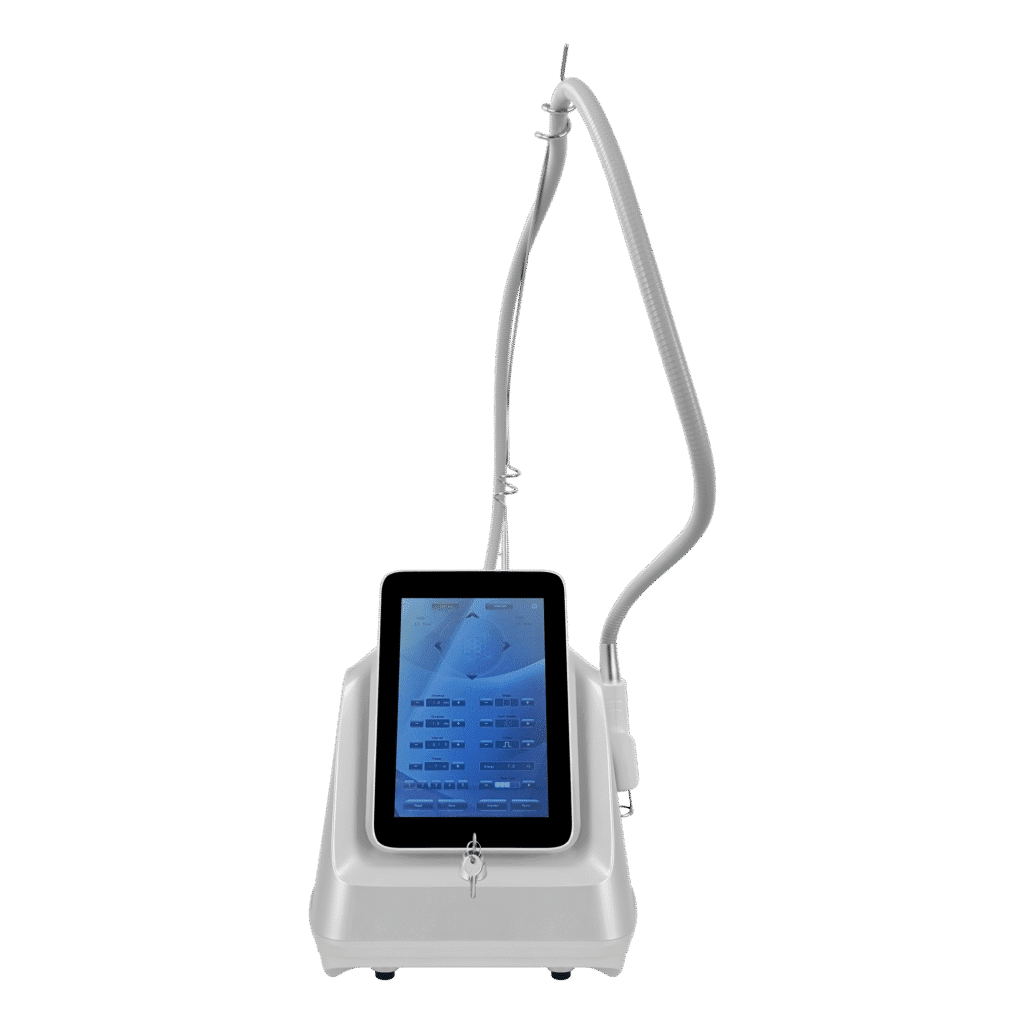
O Plataforma HIFU focada A0204 can support a Focused-Ultrasound Consultation for appropriately prepared med spas and clinics.
The product page presents standard and optional components. The public service description must reflect the handpieces, cartridges, and intended areas actually available at the business.
Explain that the provider assesses suitability, treatment area, expectations, and follow-up. Avoid calling it a universal facelift alternative, promising a fixed degree of tightening, or suggesting that every client needs the service.
17. Category 8: Advanced RF Microneedling Procedure
O A0152 Desktop MNRF Profundidade 8 can support an Advanced RF Microneedling Procedure category in an appropriately qualified clinical setting.
The service page should identify RF microneedling, state that a professional consultation is required, explain preparation and aftercare at an approved level, and describe the provider’s infection-control and follow-up process without making guarantees.
The U.S. FDA has issued a Comunicação de segurança relativa a certos usos da microagulhamento por radiofrequência.. Keep this category separate from routine salon facial menus and within applicable professional and local requirements.
18. Organize the Full Menu by Service Family
A multi-device business can use a simple hierarchy:
| Família de militares | Client-facing categories | Intended setting |
|---|---|---|
| Cuidados faciais essenciais | Cleansing and Hydration Facial | Salons, skin studios, med spas |
| Facial Tone and Contour | Facial Electrical Stimulation and RF Consultation | Established salons and med spas |
| Redução de Cabelo | Area-Based Laser Hair-Reduction Services | Qualified hair-removal businesses |
| Body Care | Selected Multifunction Body-Care Services | Salões de beleza e estúdios de estética |
| Body Programs | Muscle-Focused Program or Localized Cooling Consultation | Qualified body centers and med spas |
| Serviços Estéticos Avançados | Focused-Ultrasound Consultation | Appropriately prepared med spas and clinics |
| Procedimentos Clínicos da Pele | RF Microneedling Procedure | Ambientes clínicos devidamente qualificados |
The menu should show only categories the business is prepared and permitted to deliver.
19. Write Descriptions in Client Language
Use plain explanations of what happens and why the consultation matters. Define technical terms briefly, then return to the client journey.
Instead of: “The device uses 80K cavitation, RF, vacuum and multiple rollers for comprehensive slimming.”
Use: “This consultation-led body-care service uses selected mechanical and energy-based functions. Your provider chooses the appropriate workflow after reviewing your goals and suitability.”
The second version remains accurate, supports informed questions, and avoids turning a feature list into an outcome promise.
20. Use Technology Names Transparently
Simple language should not hide the modality. Clients should be able to identify whether the service uses hydro microdermabrasion, diode laser, RF, electromagnetic stimulation, localized cooling, focused ultrasound, or RF microneedling.
Include a “Technology Used” line on each service card. This helps clients compare categories and gives the provider a consistent place to disclose the actual device type and any relevant professional information.
21. Add a Consultation Gate Where Appropriate
Use direct booking for routine services only when that fits the provider’s workflow and local requirements. More selective categories should begin with consultation.
| Booking path | Suitable categories | CTA example |
|---|---|---|
| Direct booking with basic screening | Defined routine facial services | Book a Cleansing and Hydration Facial |
| Consultation before service | Facial contour, body programs, or laser hair reduction | Request a suitability consultation |
| Professional assessment required | Focused HIFU or advanced clinical procedure | Book a professional assessment |
The booking system should collect only the information the business is prepared to review and protect appropriately.
22. State Who May Need to Postpone
Client-facing pages should not publish an incomplete universal contraindication list. Devices, configurations, client conditions, and local practice requirements vary.
Instead, state that suitability is assessed individually and invite clients to disclose relevant health history, medications, implanted devices, recent procedures, pregnancy status where relevant, skin changes, and other information requested by the provider. The qualified operator should use the device instructions and approved clinical or professional protocols.
For higher-risk categories, provide a consultation before taking a treatment booking or deposit.
23. Explain Appointment Expectations Without Overpromising
A service page can explain:
- whether consultation occurs first;
- general preparation required;
- approximate appointment structure if verified by the provider;
- technology used;
- what the client may experience during the service in cautious language;
- immediate post-appointment guidance;
- how follow-up is handled; and
- that individual response varies.
Do not promise no discomfort, no downtime, no side effects, or a fixed result unless reliable evidence and the exact service support such wording.
24. Build Good–Better–Advanced Menus Carefully
A menu can show increasing service complexity without suggesting that advanced is automatically better.
| Menu tier | Propósito | Example category |
|---|---|---|
| Essential | Routine care with a clear, limited objective | Cleansing and Hydration Facial |
| Direcionado | A separate concern-led consultation | Facial Tone and Contour or selected Body Care |
| Especialista | Technology-specific program | Laser Hair Reduction, Muscle-Focused Program, or Localized Cooling |
| Avançado | Higher-complexity qualified pathway | Focused HIFU or RF Microneedling |
Clients should enter the tier that fits their assessment, not move automatically toward the highest-priced service.
25. Use Packages Without Creating False Protocols
Businesses can sell a commercial package of separate appointments, such as a facial-maintenance membership or an area-based hair-reduction plan. The package should identify what is included and how suitability is reviewed.
Avoid presenting several devices as a universal sequence. If a provider offers combined or staged services, it needs a justified internal protocol for client selection, timing, parameters, records, and aftercare. The public menu should not invent that protocol from the equipment list.
26. Connect Service Categories to Consultations
Train front-desk and consultation staff to ask:
- What concern brings the client in?
- Is the client looking for maintenance, a targeted service, or a specialist procedure?
- Has the client had similar services?
- Are there relevant health, medication, device, skin, or recent-procedure factors to review?
- Which qualified operator should assess the client?
- Does the requested service fit the business’s available configuration?
Staff should route advanced questions rather than giving improvised clinical advice.
27. Create Internal Menu-to-Device Maps
The public menu and internal operating system must stay connected. Maintain a controlled map containing:
- public service name;
- internal service code;
- device and exact configuration;
- approved operator roles;
- room and setup;
- consumables and application components;
- consultation and documentation requirements;
- approved description and claims;
- protocol reference; and
- aftercare reference.
Update the service page when the device configuration, operator scope, or protocol changes.
28. Review Local Advertising and Professional Rules
Before publishing a menu, check the destination market’s requirements for device classification, operator scope, facility, advertising, before-and-after images, testimonials, pricing, consent, and medical claims.
A phrase that appears on a product page or another provider’s menu may not be appropriate for the business’s setting. Use locally reviewed language for advanced and clinical categories.
29. Measure Whether Clients Understand the Categories
Useful indicators include:
- booking inquiries reaching the correct service family;
- consultation re-routing between categories;
- questions showing confusion about technology or expected outcomes;
- cancellations caused by misunderstood inclusions;
- clients selecting a suitable maintenance or specialist pathway;
- staff using approved category language consistently; and
- service pages that require repeated clarification.
If clients frequently book the wrong category, revise the name, description, comparison, or booking gate. Do not solve the problem only by adding more menu items.
30. Common Client-Facing Menu Mistakes
Naming services after model numbers
Model numbers help procurement and maintenance but rarely explain the client experience.
Using function count as the service name
“9-in-1” or “5-in-1” does not tell the client which service is appropriate.
Grouping all body equipment under slimming
B0155, A0241, and S9 have different technologies, workflows, and suitability processes.
Mixing routine facials and clinical procedures
RF microneedling and other advanced categories need clear professional separation.
Guaranteeing results or safety
Individual response and risk vary. Use consultation-led, evidence-based language.
Turning equipment ownership into a combined protocol
Owning two systems does not establish that both should be used together.
31. Service-Category Checklist
Before publishing a client-facing service, confirm:
- Does the name describe a client objective or service type?
- Is the technology named transparently?
- Does the service match the exact device configuration?
- Is the target setting and operator appropriate?
- Is the description clear without guaranteeing results?
- Does the booking path include the right level of consultation?
- Are reasons to postpone handled through an approved suitability process?
- Are preparation, expectations, and aftercare accurate?
- Is the service distinct from other menu categories?
- Does the internal menu-to-device map identify the correct protocol?
- Are device combinations avoided unless a justified protocol exists?
- Has local advertising and professional guidance been reviewed?
Perguntas frequentes
1. Should a beauty service be named after the device model?
Usually the client-facing name should describe the service role, while the model and configuration appear in the technology or detailed information section. This makes the menu clearer and easier to maintain.
2. What client-facing category fits A0648?
“Cleansing and Hydration Facial” is a practical starting name. The description can explain hydro-based cleansing, exfoliation, vacuum-assisted extraction, and hydration steps selected after consultation.
3. How should A0272-F appear on a service menu?
Present it as a separate facial tone and contour consultation using electrical stimulation and RF. Do not merge it automatically into every hydro facial.
4. How should laser hair-removal services be organized?
Use a clear laser hair-reduction category, then organize services by precisely defined areas or personalized multi-area plans. Avoid fixed session counts and guaranteed permanent removal.
5. How should body device services be separated?
Use distinct categories for multifunction body care, muscle-focused electromagnetic stimulation with RF, and localized cooling. Explain each technology and consultation process separately.
6. Can HIFU be listed as a routine facial?
It should be presented as a consultation-led focused-ultrasound category for an appropriately prepared setting, with language matching the actual A0204 configuration and local requirements.
7. How should RF microneedling appear on the menu?
List it as an advanced procedure in an appropriately qualified clinical setting. Include professional assessment, infection-control context, preparation, aftercare, and realistic risk and result language.
8. Can salons create several services from one multifunction device?
Yes, when each service has a genuine difference in purpose, duration, included functions, workflow, and suitability. Avoid creating multiple names for the same appointment.
9. Should the menu explain contraindications?
It should state that suitability is assessed and tell clients what information to disclose. The provider should use a complete, approved screening process rather than relying on a short public list.
10. What information should a business provide for a SHEFMON service-menu recommendation?
Provide the business type, country, available devices and exact configurations, operator qualifications, target clients, existing services, room workflow, booking model, and preferred client-facing categories.
Conclusão
Clear client-facing service categories begin with the appointment purpose and remain transparent about the technology. A0648 can support cleansing and hydration facials, A0272-F can create a facial tone and contour category, and A0423 can anchor laser hair-reduction services. B0155, A0241, and S9 should become separate body categories. A0204 and A0152 belong in qualified advanced and clinical pathways.
The public menu should guide clients toward an appropriate consultation. Internal materials should control the exact device, configuration, operator, protocol, consumables, records, and aftercare. Keeping those layers connected creates a service menu that is understandable without oversimplifying professional responsibilities.
Navegar Categorias de dispositivos de beleza SHEFMON ou contate SHEFMON with your business type, installed models, service goals, operator roles, and destination market to map devices into clearer client-facing categories.