










Cadeira de apoio pélvico EMS para recuperação pós-parto: O guia definitivo
Compreendendo os problemas do assoalho pélvico pós-parto
O que acontece com o assoalho pélvico após o parto
O parto é um dos processos fisicamente mais exigentes pelos quais o corpo humano pode passar, e o assoalho pélvico geralmente sofre o maior impacto. Imagine os músculos do assoalho pélvico como uma rede que sustenta a bexiga, o útero e os intestinos. Durante a gravidez e o parto, essa "rede" se estica significativamente, às vezes além de sua capacidade natural. O resultado? Fraqueza, redução da elasticidade e comprometimento da coordenação muscular que podem persistir por muito tempo após o parto.
Pesquisas mostram que a disfunção do assoalho pélvico no pós-parto é extremamente comum. Uma grande meta-análise envolvendo mais de 21.000 mulheres descobriu que o treinamento do assoalho pélvico pode reduzir a incontinência urinária em até [inserir porcentagem aqui]. 37%, Isso demonstra o quão disseminado e impactante é esse problema. Sem a reabilitação adequada, esses problemas podem evoluir para condições crônicas, como prolapso de órgãos pélvicos ou incontinência urinária crônica. É por isso que a intervenção precoce não é apenas útil, é essencial.
O desafio, no entanto, reside na consistência. Muitas mães recentes simplesmente não têm tempo, energia ou a técnica correta para realizar os exercícios tradicionais de forma eficaz. É exatamente aí que entram em cena soluções modernas como as cadeiras de eletroestimulação do assoalho pélvico, oferecendo um caminho mais inteligente e eficiente para a recuperação.
Sintomas comuns que as mulheres apresentam
Após o parto, os sintomas podem variar bastante, dependendo da gravidade da lesão muscular e de fatores individuais de saúde. Algumas mulheres sentem um leve desconforto, enquanto outras apresentam condições mais incômodas que afetam o dia a dia. A perda de urina durante atividades como tossir, rir ou se exercitar é uma das queixas mais comuns. Essa condição, conhecida como incontinência urinária de esforço, pode impactar significativamente a autoconfiança e a qualidade de vida.
Além disso, muitas mulheres relatam uma sensação de peso ou pressão na região pélvica, o que pode indicar sinais precoces de prolapso de órgãos pélvicos. Outras enfrentam dificuldades com a redução da estabilidade abdominal, dor lombar ou até mesmo alterações na função sexual. Esses sintomas não são apenas físicos — eles também podem afetar o bem-estar emocional e a autoestima.
O que agrava a situação é que esses problemas são frequentemente pouco discutidos. Muitas mulheres presumem que fazem parte da maternidade e simplesmente "convivem com isso". Mas a verdade é que, com o tratamento adequado — especialmente com tecnologias avançadas como a estimulação eletromagnética — esses problemas podem ser resolvidos de forma eficaz e segura.
O que é uma cadeira para assoalho pélvico EMS?
Tecnologia por trás da estimulação eletromagnética
Uma cadeira de eletroestimulação do assoalho pélvico utiliza tecnologia eletromagnética focalizada de alta intensidade (HIFEM) para estimular os músculos profundos do assoalho pélvico. Ao contrário dos tratamentos superficiais, essa tecnologia penetra profundamente no tecido muscular, desencadeando milhares de contrações supramáximas em uma única sessão. Para se ter uma ideia, uma sessão de 30 minutos pode replicar o efeito de milhares de exercícios de Kegel — sem nenhum esforço físico.
A ciência por trás disso é fascinante. A energia eletromagnética induz contrações musculares estimulando diretamente os neurônios motores. Isso elimina a necessidade de ativação voluntária, o que é especialmente útil para mulheres no pós-parto que podem ter dificuldade em ativar os músculos corretos. Estudos confirmam que A estimulação eletromagnética melhora significativamente a força muscular., superando até mesmo os métodos tradicionais de exercício em alguns casos. .
Isso não é apenas um truque de marketing — é uma tecnologia clinicamente comprovada que está ganhando popularidade rapidamente nas áreas médica e estética. Clínicas em todo o mundo estão adotando cadeiras EMS como uma solução não invasiva e altamente eficaz para a reabilitação do assoalho pélvico.
Como difere dos exercícios de Kegel tradicionais
Os exercícios de Kegel são considerados há muito tempo o padrão ouro para a recuperação do assoalho pélvico. Eles envolvem a contração e o relaxamento conscientes dos músculos pélvicos para fortalecê-los ao longo do tempo. Embora eficazes na teoria, apresentam uma grande limitação: a maioria das pessoas não os executa corretamente. De fato, estudos sugerem que uma porcentagem significativa de mulheres não consegue ativar adequadamente os músculos do assoalho pélvico sem orientação.
As cadeiras EMS eliminam completamente esse problema. Em vez de depender do esforço do usuário, a máquina faz o trabalho por você. Ela garante uma ativação muscular precisa e consistente a cada sessão, atingindo áreas que geralmente são difíceis de alcançar por meio de exercícios voluntários. Isso leva a resultados mais rápidos e visíveis.
Outra diferença fundamental reside na intensidade. As contrações induzidas pela eletroestimulação muscular (EMS) são muito mais intensas do que a maioria das pessoas consegue alcançar por conta própria. Isso significa uma recuperação muscular mais rápida, melhor conexão neuromuscular e resultados gerais superiores. Para mães ocupadas que conciliam inúmeras responsabilidades, essa abordagem prática e eficiente é revolucionária.
Como a terapia EMS funciona para a recuperação pós-parto
Ativação muscular sem esforço físico
Imagine poder fortalecer o seu abdômen simplesmente sentado — sem suor, sem esforço, sem rotinas complicadas. É exatamente isso que a terapia EMS oferece. Durante uma sessão, a cadeira gera pulsos eletromagnéticos que estimulam os músculos do assoalho pélvico, fazendo com que se contraiam e relaxem repetidamente.
Essas contrações não são apenas superficiais — elas atingem camadas musculares profundas que muitas vezes são negligenciadas em exercícios tradicionais. Essa ativação abrangente ajuda a restaurar o tônus muscular, melhorar a coordenação e aumentar a estabilidade pélvica geral. Para mulheres no pós-parto, isso é particularmente valioso, pois os músculos geralmente estão enfraquecidos ou desconectados do controle neural.
Evidências clínicas apoiam essa abordagem. Pesquisas indicam que a estimulação elétrica neuromuscular pode melhorar significativamente a função do assoalho pélvico e prevenir disfunções a longo prazo quando utilizada precocemente no período pós-parto. Isso faz da terapia EMS não apenas um tratamento, mas também uma medida preventiva.
Estimulação de Tecido Profundo Explicada
A verdadeira magia da EMS reside na sua capacidade de penetrar profundamente no tecido muscular. Ao contrário das terapias superficiais, a estimulação eletromagnética atinge o núcleo do assoalho pélvico, ativando fibras musculares que, de outra forma, seriam difíceis de mobilizar. Isso resulta em um fortalecimento mais eficaz e uma recuperação mais rápida.
Pense nisso como uma evolução de um treino básico para um programa de treinamento de alto desempenho. Enquanto os exercícios tradicionais podem trabalhar apenas algumas fibras musculares, a eletroestimulação muscular (EMS) ativa uma porcentagem muito maior, proporcionando resultados superiores em menos tempo. Isso é especialmente importante para mulheres que sofrem de fraqueza muscular severa ou danos nos nervos após o parto.
O processo também é completamente não invasivo. Não há agulhas, tempo de recuperação ou desconforto. A maioria dos usuários descreve a sensação como incomum, mas não dolorosa — como uma série de contrações musculares rítmicas. Com o tempo, essas sessões ajudam a recuperar a força, melhorar o controle e restaurar a confiança.
Evidências científicas que apoiam a terapia EMS
Estudos clínicos sobre a força do assoalho pélvico
Pesquisas científicas comprovam fortemente a eficácia da terapia eletromagnética (EMS) na recuperação pós-parto. Em um estudo randomizado controlado, mulheres que receberam estimulação eletromagnética apresentaram melhorias significativamente maiores na força dos músculos do assoalho pélvico em comparação com aquelas que realizaram apenas exercícios de Kegel. A diferença foi impressionante.A força muscular quase dobrou no grupo EMS. .
Outro estudo constatou que a estimulação elétrica combinada com biofeedback melhorou significativamente a função do assoalho pélvico e ajudou a prevenir disfunções a longo prazo. Essas descobertas destacam a importância da intervenção precoce e o potencial das soluções tecnológicas.
Vale ressaltar também que a terapia EMS demonstrou melhorar não apenas a força muscular, mas também a coordenação e a ativação neuromuscular. Isso significa maior controle, redução dos sintomas e melhor qualidade de vida.
Eletroestimulação muscular (EMS) versus exercícios de Kegel: qual é o melhor?
Sejamos honestos: os exercícios de Kegel são ótimos na teoria, mas exigem disciplina, consistência e técnica adequada. A eletroestimulação muscular (EMS), por outro lado, oferece uma alternativa mais eficiente e fácil de usar. Estudos sugerem que, embora ambos os métodos sejam eficazes, a EMS pode proporcionar melhorias mais rápidas e significativas na força muscular.
Eis uma comparação simples:
| Recurso | Cadeira de emergência médica | Exercícios de Kegel |
|---|---|---|
| Esforço necessário | Nenhum | Alto |
| Precisão | Automático | Dependente do usuário |
| Velocidade de Resultados | Rápido | Lento |
| Conformidade | Alto | Baixo |
Para mulheres no pós-parto que já se sentem sobrecarregadas, a EMS oferece uma solução prática e eficaz. Ela elimina as dúvidas e proporciona resultados consistentes, tornando-se a escolha ideal para uma recuperação moderna.
Principais benefícios das cadeiras de musculação para o assoalho pélvico
Melhora da incontinência urinária
Um dos benefícios mais imediatos e perceptíveis da terapia EMS é a redução da incontinência urinária. Ao fortalecer os músculos do assoalho pélvico, o tratamento ajuda a restaurar o controle da função da bexiga. Muitos usuários relatam melhorias após apenas algumas sessões, com resultados significativos após um ciclo completo de tratamento.
Isso não é apenas um relato anedótico — estudos clínicos comprovam esses resultados. A terapia EMS demonstrou reduzir os sintomas da incontinência urinária de esforço e melhorar a saúde pélvica em geral. Para mulheres que sofrem com escapes de urina constrangedores, isso pode ser uma mudança de vida.
Força do Core e Bem-Estar Sexual
Além do controle da bexiga, a terapia EMS também fortalece o core e melhora o bem-estar sexual. Um assoalho pélvico mais forte contribui para uma melhor postura, redução da dor nas costas e maior estabilidade. Ele também desempenha um papel fundamental na função sexual, resultando em maior sensibilidade e satisfação.
Muitos usuários descrevem sentir-se mais confiantes e no controle de seus corpos após o tratamento. Não se trata apenas de recuperação física, mas sim de reconquistar uma sensação de normalidade e bem-estar.
Características da cadeira para assoalho pélvico SHEFMON EMS
Design avançado e conforto
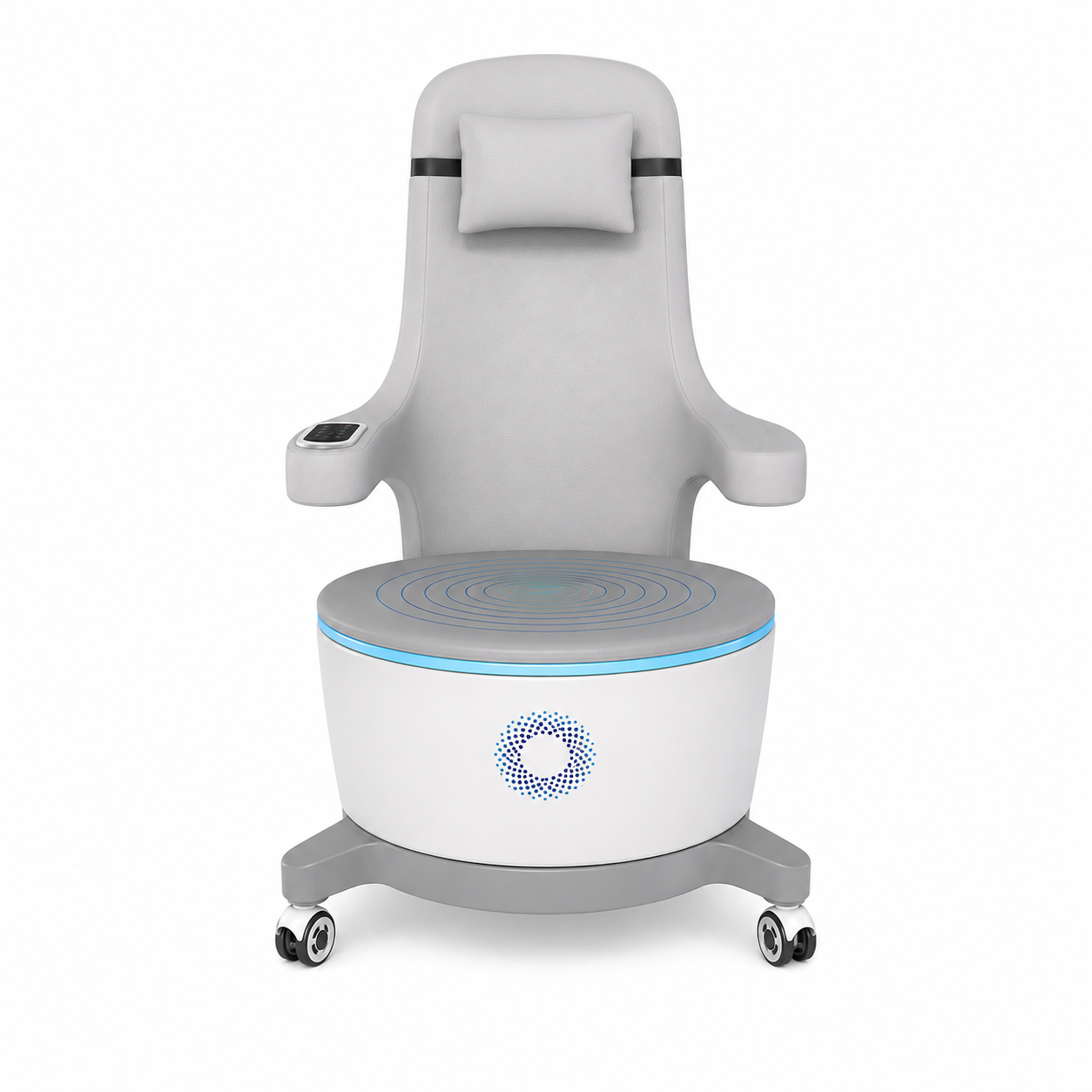
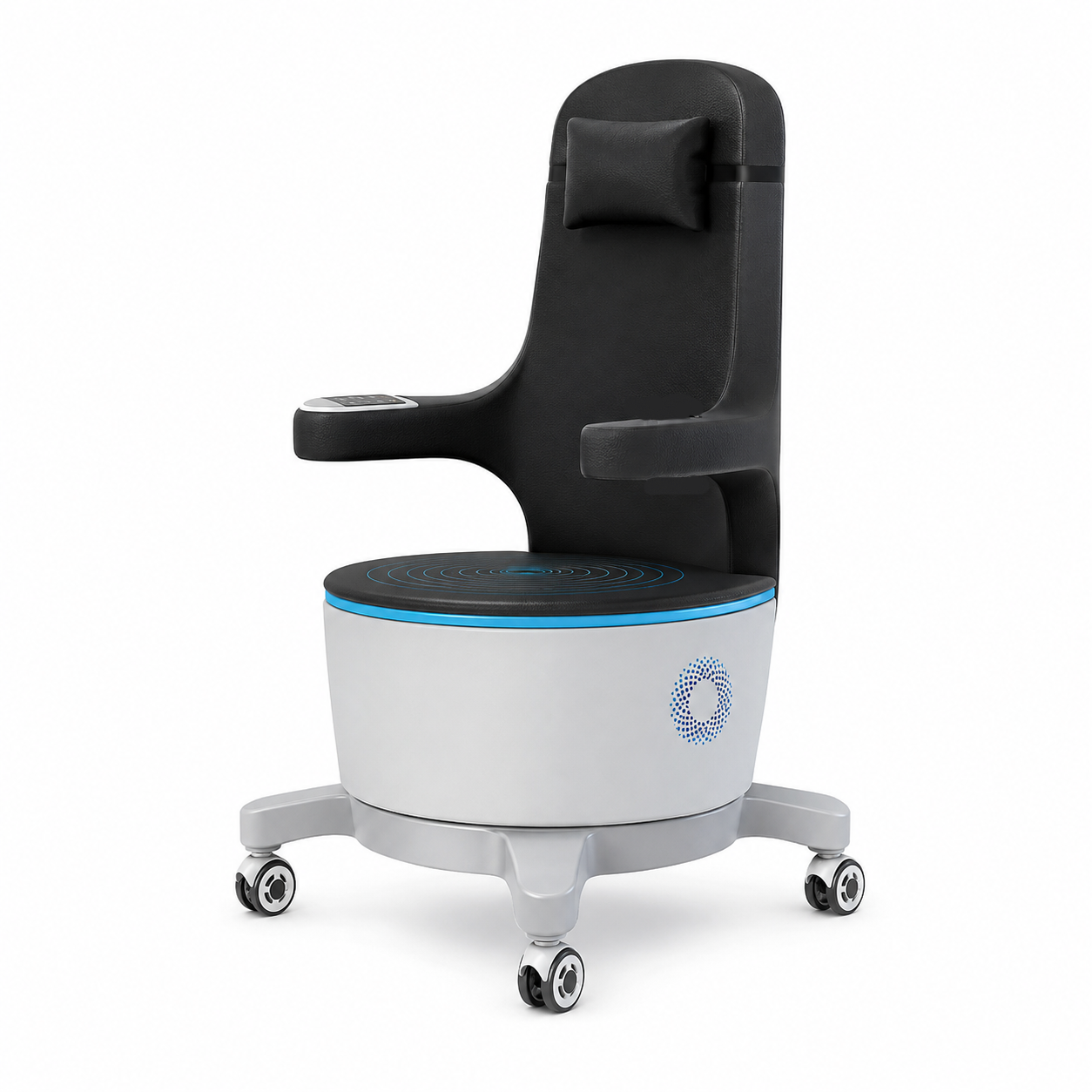
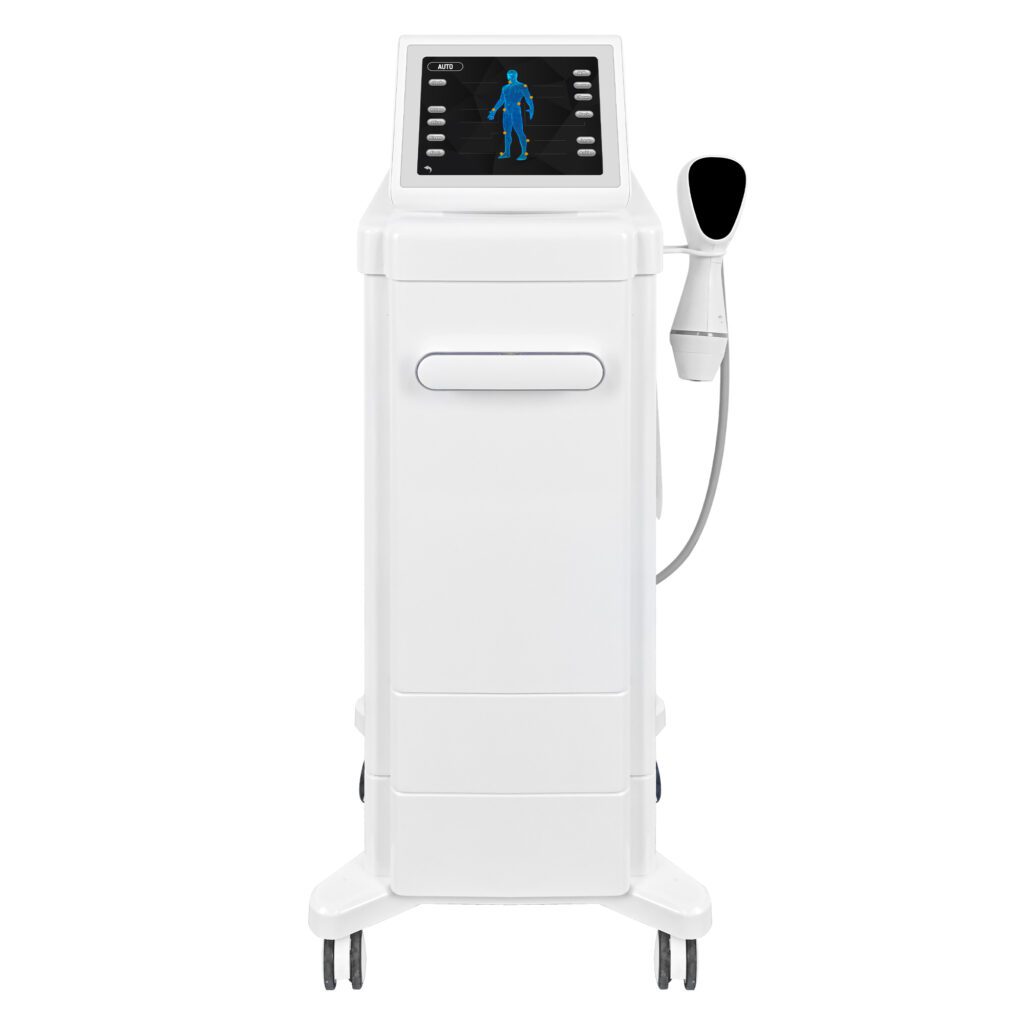
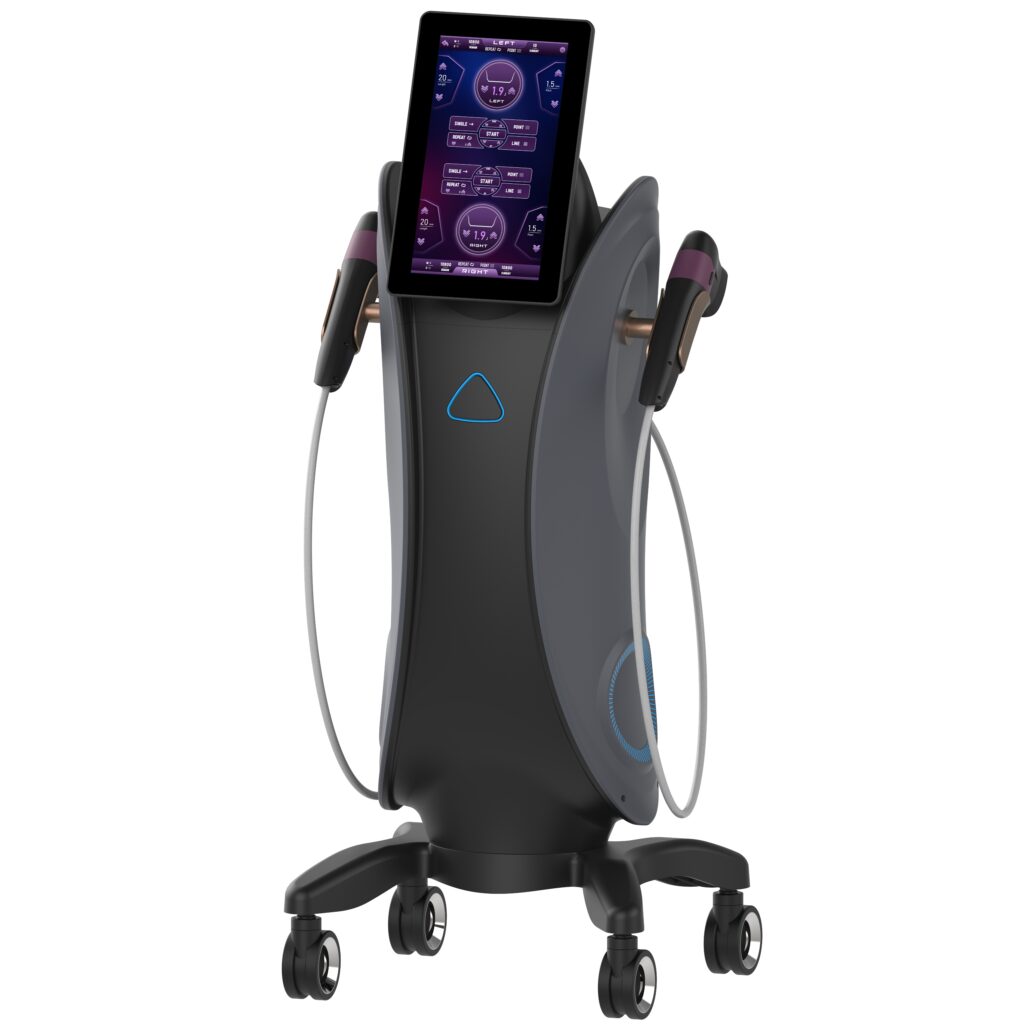
O Cadeira de assoalho pélvico SHEFMON EMS Foi projetado pensando tanto no desempenho quanto no conforto. Sua estrutura ergonômica garante o posicionamento ideal, permitindo que as ondas eletromagnéticas atinjam o assoalho pélvico com precisão. Os usuários podem permanecer totalmente vestidos durante as sessões, tornando a experiência discreta e conveniente.
Configurações de tratamento personalizáveis
Outra característica notável são os níveis de intensidade personalizáveis. Isso permite que os profissionais adaptem os tratamentos com base nas necessidades individuais, garantindo máxima eficácia e conforto. Seja para uma recuperação leve ou uma reabilitação intensiva, o dispositivo se adapta perfeitamente.
Conclusão
A jornada pós-parto não precisa incluir desconforto prolongado ou qualidade de vida comprometida. Com soluções avançadas como as cadeiras de massagem pélvica EMS, a recuperação pode ser mais rápida, fácil e eficaz do que nunca. Comprovada por pesquisas científicas e projetada para oferecer praticidade no dia a dia, essa tecnologia está transformando a maneira como as mulheres encaram os cuidados pós-parto.
Perguntas frequentes
1. A terapia eletrofisiológica do assoalho pélvico é segura após o parto?
Sim, geralmente é seguro quando usado sob orientação profissional. É um procedimento não invasivo e não requer tempo de recuperação.
2. Quantas sessões são necessárias para obter resultados?
A maioria dos usuários observa melhorias em 6 a 10 sessões, dependendo da gravidade do problema.
3. A EMS pode substituir completamente os exercícios de Kegel?
Em muitos casos, sim. A eletroestimulação muscular (EMS) pode proporcionar resultados iguais ou melhores com menos esforço.
4. O tratamento é doloroso?
Não, a sensação é como a de fortes contrações musculares, mas não é dolorosa.
5. Quem deve evitar a terapia EMS?
Pessoas com determinadas condições médicas ou implantes devem consultar um médico antes de usar o produto.