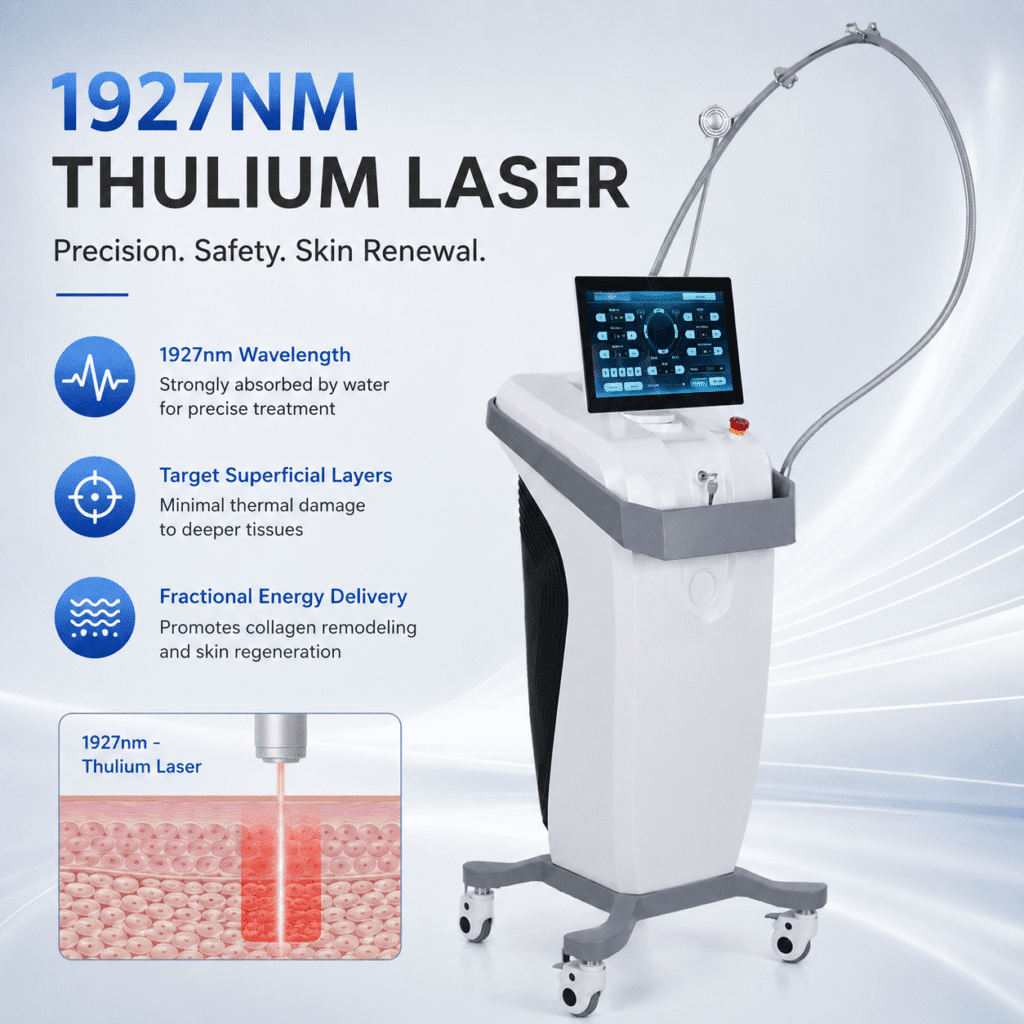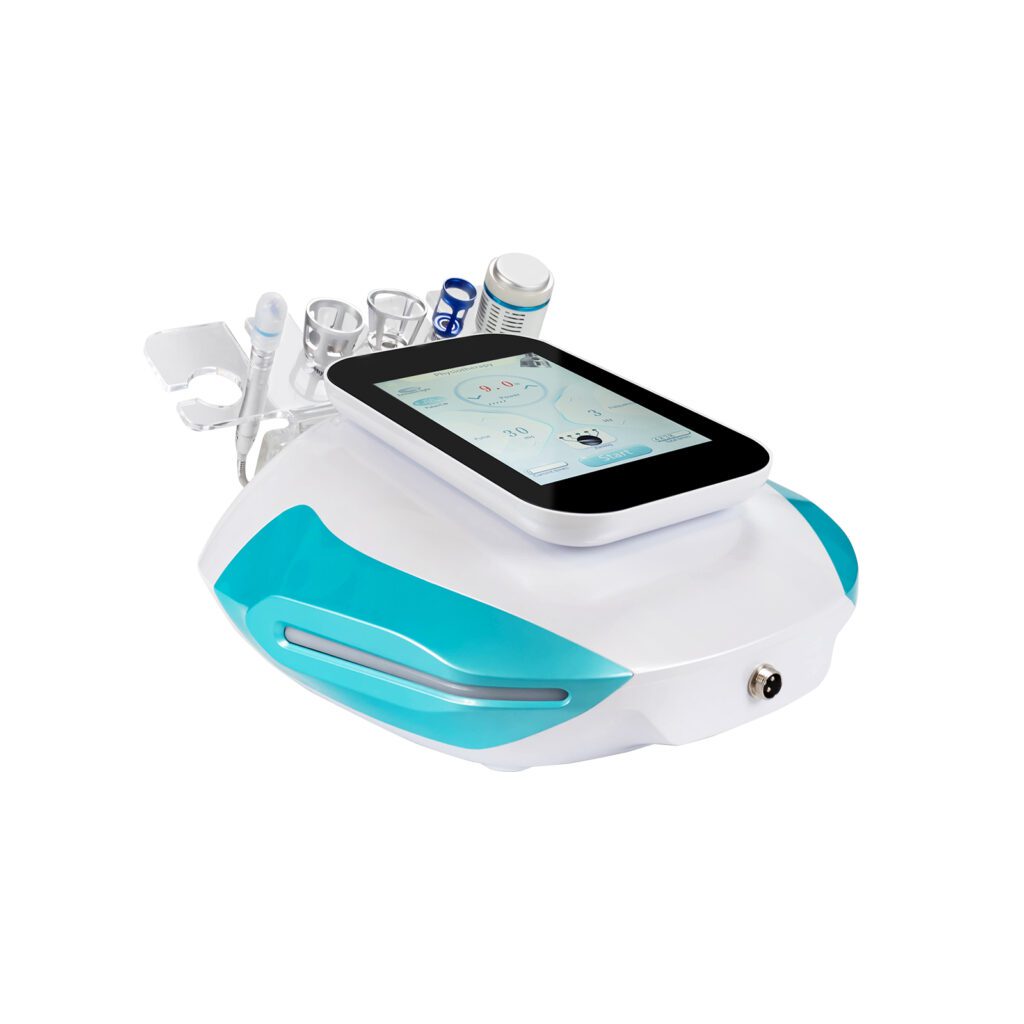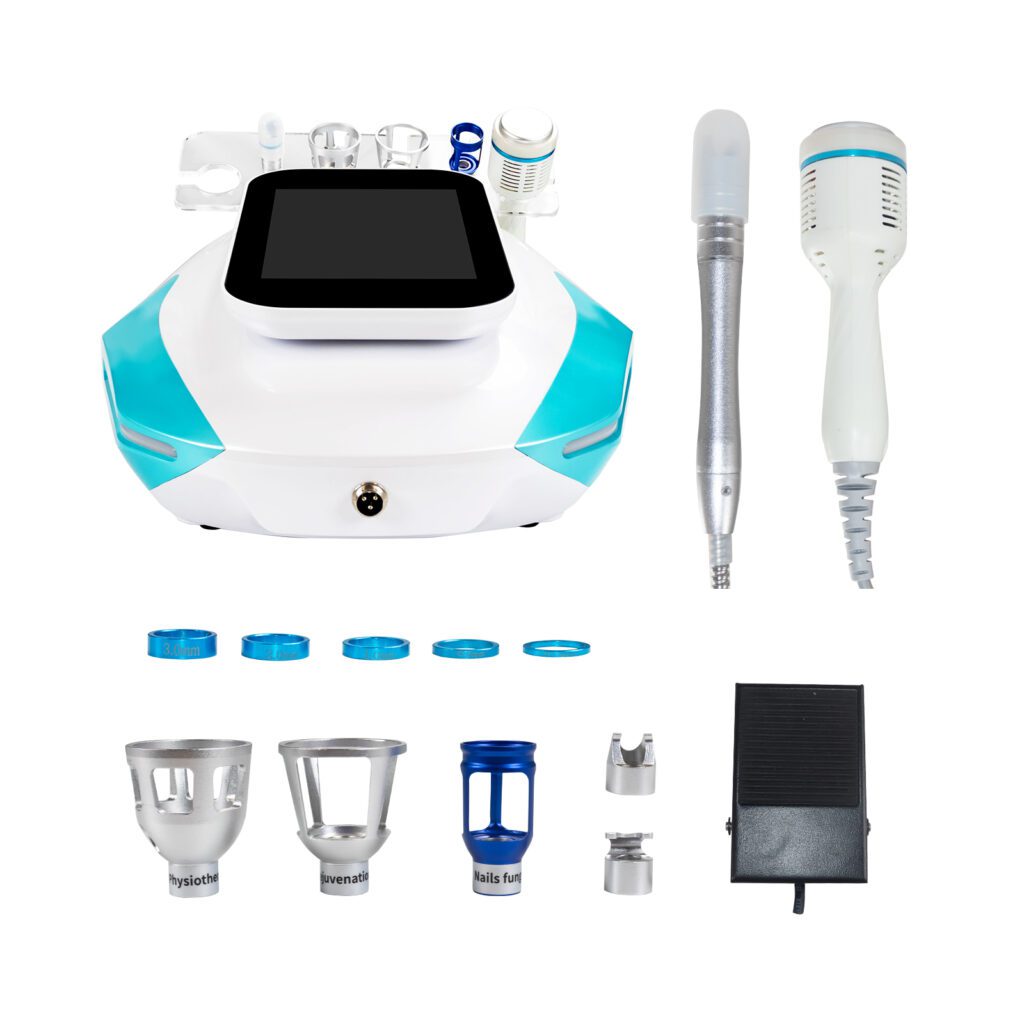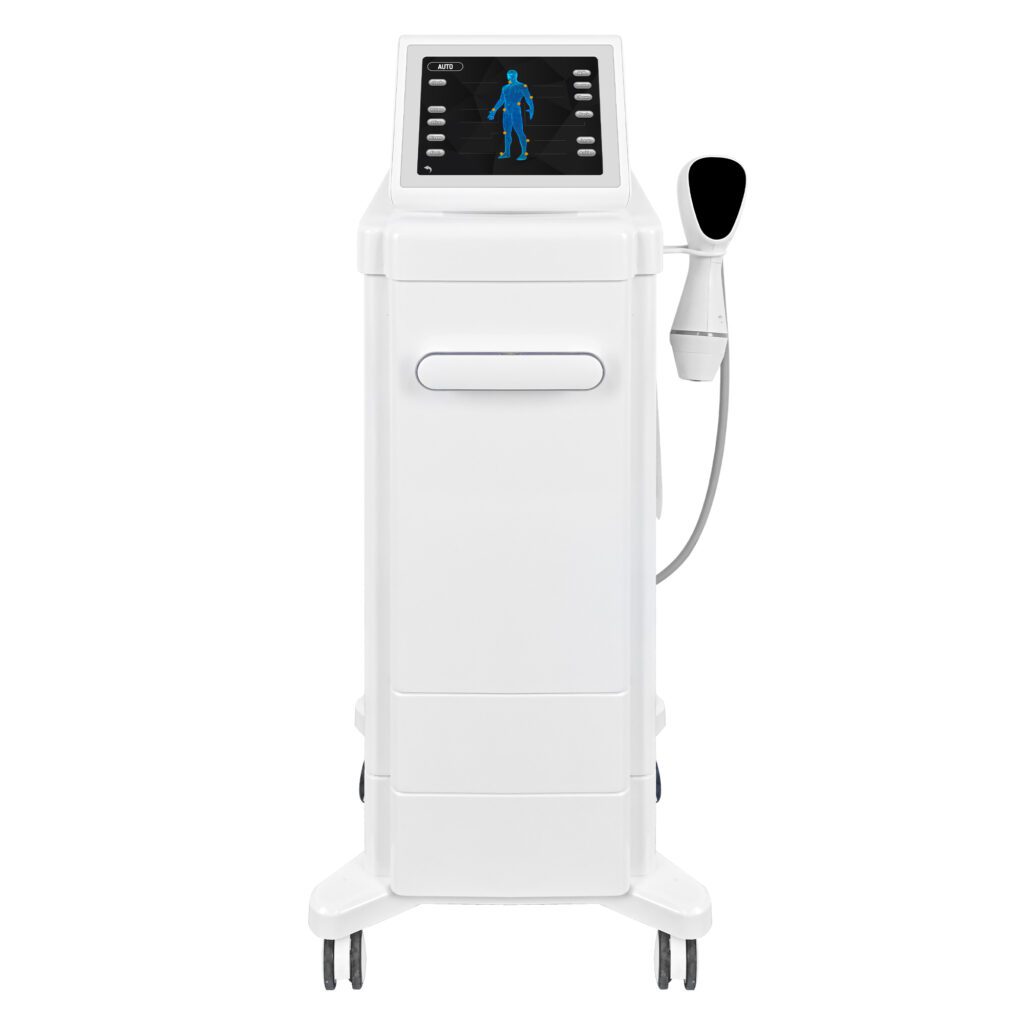








A consultation-based treatment pathway connects a client’s stated goal to the right service category, decision-maker, device, appointment, review, and exit point. It does more than place a consultation before treatment. It gives the business a repeatable way to decide whether a client should proceed, postpone, enter another department, receive a referral, or receive no device service.
This guide shows salons, med spas, skin clinics, body centers, and multi-service aesthetic businesses how to build those pathways around selected SHEFMON beauty devices. It focuses on routing logic, decision gates, device roles, cross-pathway transfers, follow-up, and equipment packages without turning a portfolio into a fixed treatment sequence.
Sumário executivo
- Begin with the client’s goal and the correct consultation route rather than asking reception to select a machine.
- Use a central consultation hub that can direct clients to facial maintenance, targeted facial technology, hair reduction, body services, advanced procedures, deferral, or referral.
- Record a clear decision at every gate: proceed, modify, postpone, refer, decline, or request more information.
- Usar A0648 hidro microdermoabrasão as a practical facial-maintenance pathway anchor.
- Give A0272-F eletromagnético/radiofrequência facial its own targeted facial consultation.
- Route A0423 ou A0426 through a specialist, area-based hair-reduction pathway.
- Separate B0155 multifunction body care, A0241 muscle-focused services, e S9 localized cooling contouring by technology goal.
- Manter HIFU focado A0204 e A0152 Microagulhamento por radiofrequência behind qualified advanced decision gates.
- Let clients enter the appropriate specialist or advanced consultation directly; do not make routine facial care a compulsory first step.
- Require a new decision when a client changes goal, area, device category, or professional pathway.
- Close completed pathways formally so old approvals do not remain active indefinitely.
- Choose devices that create clear, supportable pathways rather than a large collection of overlapping machines.
1. What Is a Consultation-Based Treatment Pathway?
A treatment pathway is a chain of controlled decisions:
Enquiry → consultation route → assessment → decision → controlled booking → service → follow-up → continue, change, refer, or close
The consultation is therefore a decision point, not a sales presentation. It should identify the client’s primary goal, establish which service family owns the enquiry, collect the information required for that category, explain practical limits, and produce a documented next step.
The pathway may end without treatment. A deferral, referral, or decision that the service is unsuitable is a valid outcome.
2. Build One Consultation Hub with Several Exits
The public website can offer one discovery consultation for clients who are unsure where to begin. Internally, that hub needs several exits.
| Objetivo do cliente | Consultation exit | Representative device direction |
|---|---|---|
| Cleansing, congestion, hydration, or facial maintenance | Core facial-care pathway | A0648 |
| Facial tone or contour | Targeted facial-technology pathway | A0272-F |
| Unwanted hair in a defined area | Specialist laser consultation | A0423 ou A0426 |
| Roller, vacuum, or selected multifunction body care | Body-care pathway | B0155 |
| Serviço corporal focado em músculos | Muscle-focused consultation | A0241 |
| Localized cooling-contouring enquiry | Cooling-contouring consultation | S9 |
| Focused-ultrasound enquiry | Qualified HIFU consultation | A0204 |
| RF microneedling or advanced texture enquiry | Clinical procedure consultation | A0152 |
| Goal outside the business’s scope | Defer, refer, or close | No device selected |
Reception can capture the goal and choose the consultation family. It should not confirm device suitability.
3. Use Six Decision Outcomes
Every consultation and review should end with one recorded outcome.
1. Proceed: approved for a defined service and configuration. 2. Modify: the service category remains appropriate, but the area, scope, component, or plan changes. 3. Postpone: time, recovery, information, authorization, or another condition is required first. 4. Refer: another department or qualified professional should assess the goal. 5. Decline: the business will not provide the requested service under the current circumstances. 6. Information pending: the exact configuration, device status, documentation, or another necessary fact must be confirmed.
“Interested,” “member,” and “paid” are commercial statuses, not treatment decisions.
4. Give Every Pathway an Owner
One named role or department should own each active pathway. Ownership includes:
- maintaining the consultation and service cards;
- deciding who may assess, approve, operate, and follow up;
- controlling booking permissions;
- confirming rooms, components, consumables, and protective items;
- reviewing incomplete records and missed follow-ups;
- handling concerns, incidents, complaints, and referrals;
- closing or transferring the pathway;
- updating the process when device instructions, configurations, or local requirements change.
Several employees can participate, but shared software does not replace accountability.
5. Build the Facial-Maintenance Pathway Around A0648
SHEFMON presents A0648 as a vertical nine-function hydro microdermabrasion system. Its listed functions support hydro and vacuum-led cleansing, exfoliation, extraction, hydration-oriented care, and related facial steps.
The pathway can follow this structure:
| Estágio | Facial-maintenance decision |
|---|---|
| Enquiry | Does the client describe a goal within facial-care scope? |
| Consulta | Which approved A0648 service card, if any, matches the goal? |
| Booking | Are the operator, room, tips, solutions, and time block available? |
| Serviço | Which approved functions and components are selected and recorded? |
| Análise | Continue maintenance, adjust within scope, reassess, or refer? |
| Closure | Has the plan ended, paused, or transferred to another consultation? |
The public menu can include an Essential Cleanse and Hydrate Facial, a Targeted Hydro Facial, and a Maintenance Review. Keep the list smaller than the number of device functions.
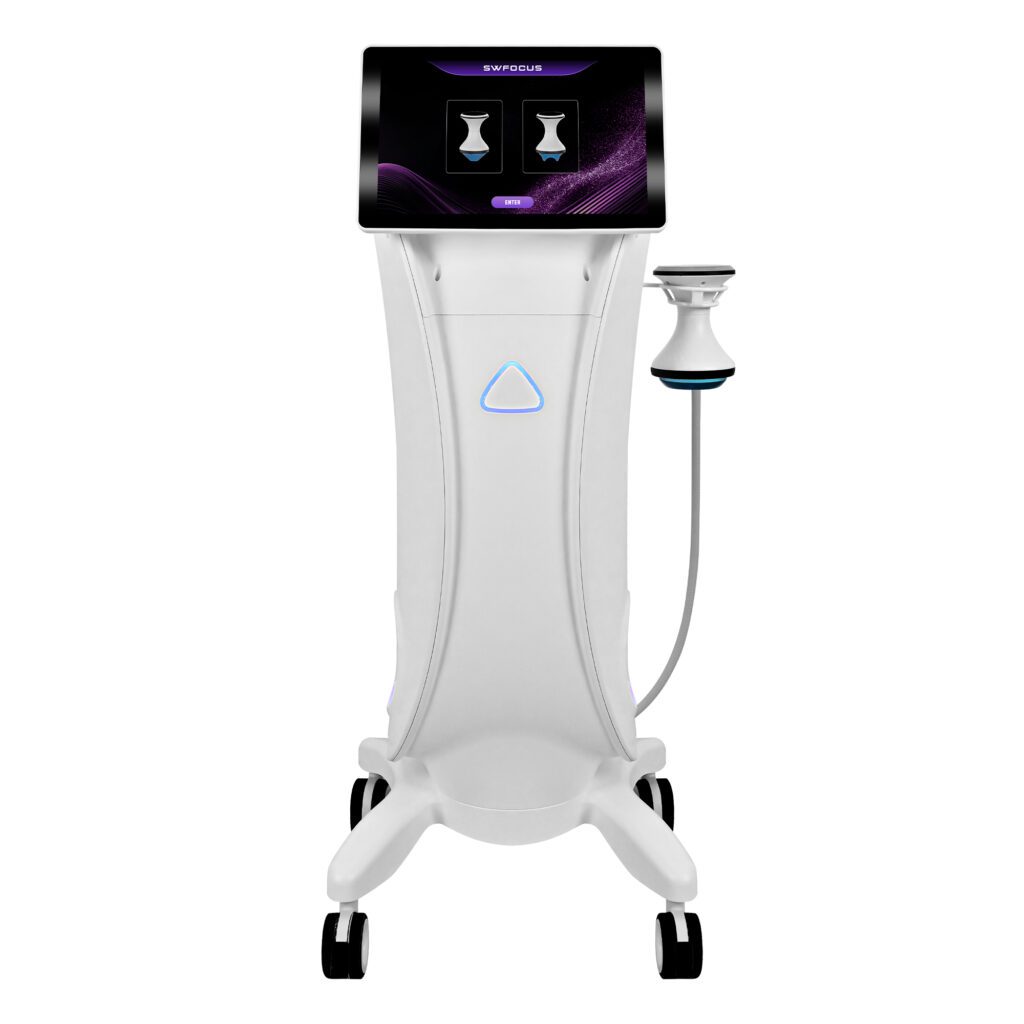
6. Create a Separate A0272-F Facial Pathway
The A0272-F product page describes high-intensity facial electrical stimulation combined with RF. This is a different technology from A0648 and should have a separate Consulta de avaliação do tônus e contorno facial.
The pathway needs its own:
- technology-specific assessment;
- authorized operator and room;
- device, accessories, placement, and contact materials;
- settings selection process;
- service record and immediate response check;
- aftercare and review;
- defer, stop, and escalation rules.
An A0648 client can be referred to this consultation, but the referral does not establish suitability. A new client can also enter the A0272-F consultation directly.
7. Build a Specialist Hair-Reduction Pathway
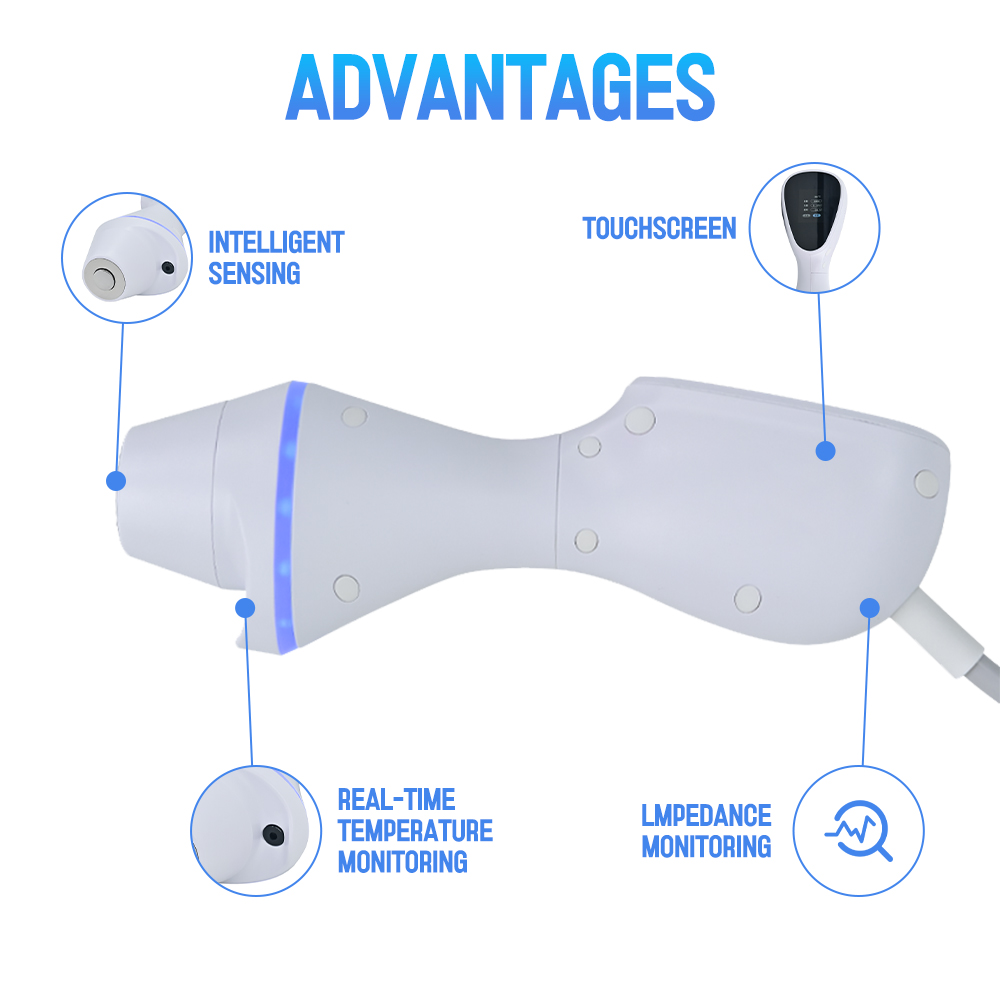
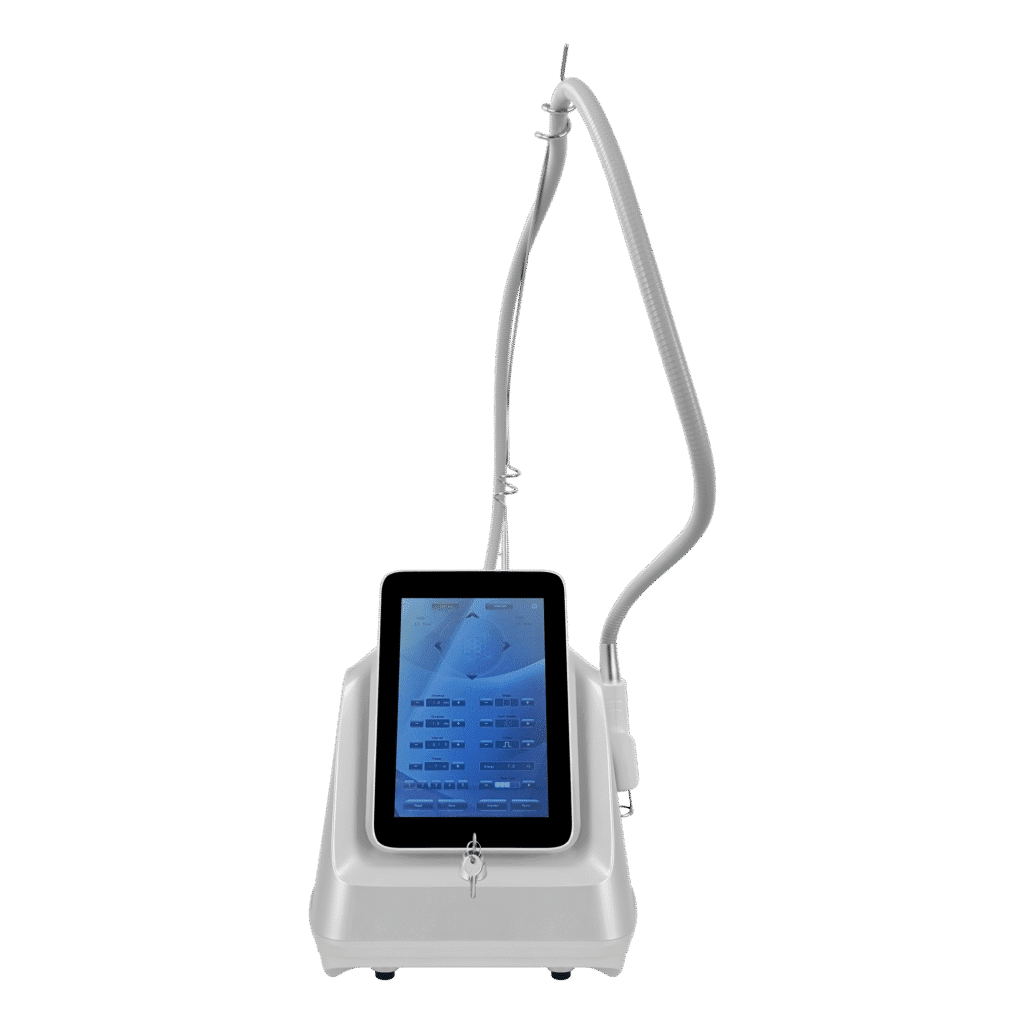
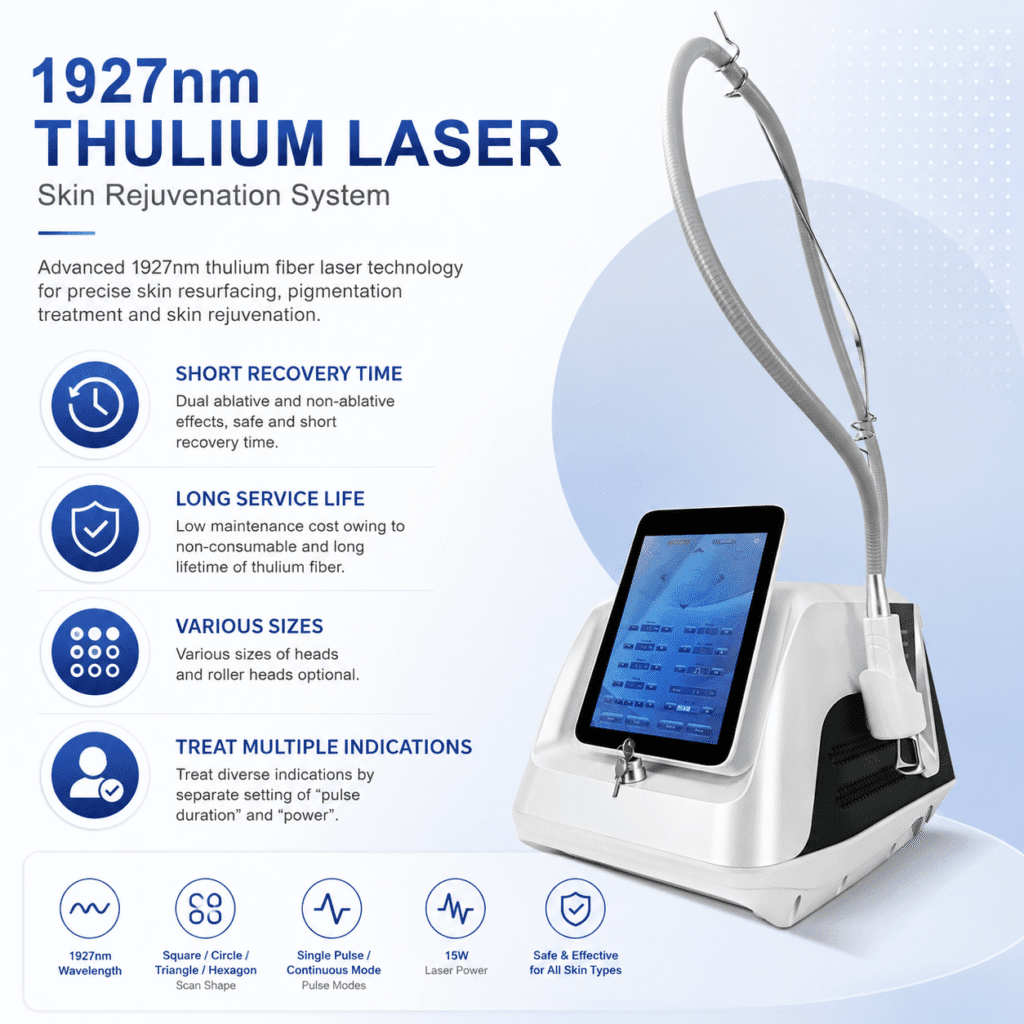
The current A0423 and A0426 pages list 600 W and 1200 W handpiece options, 15 × 15, 15 × 20, and 15 × 30 mm spot options, multiple wavelength positioning, and semiconductor, water, and TEC cooling. Confirm the exact delivered handpiece, wavelength configuration, spot options, accessories, operating footprint, electrical requirements, protective equipment, training information, warranty, and service support.
A hair pathway should include:
- laser-specific consultation;
- precise area definition;
- required test or pre-service process under the business’s rules;
- current approval for each visit;
- controlled room and authorized operator;
- exact device and configuration record;
- settings, cooling, response, and aftercare documentation;
- progress review and completion decision.
O American Academy of Dermatology laser hair removal FAQ discusses consultation, preparation, repeated sessions, variable results, and possible side effects. Do not promise permanent removal or a universal number of visits.
8. Separate Three Body Pathways
“Body contouring” or “slimming” is too broad to select a device. Build separate routes by technology goal.
B0155 multifunction body care
The B0155 page lists larger and smaller vacuum rollers, rotating handles, RF-related functions, light, and 80K cavitation. Consultation should define the body goal, area, selected function or handle, contact materials, operator, service card, cleaning, and review.
A0241 muscle-focused services
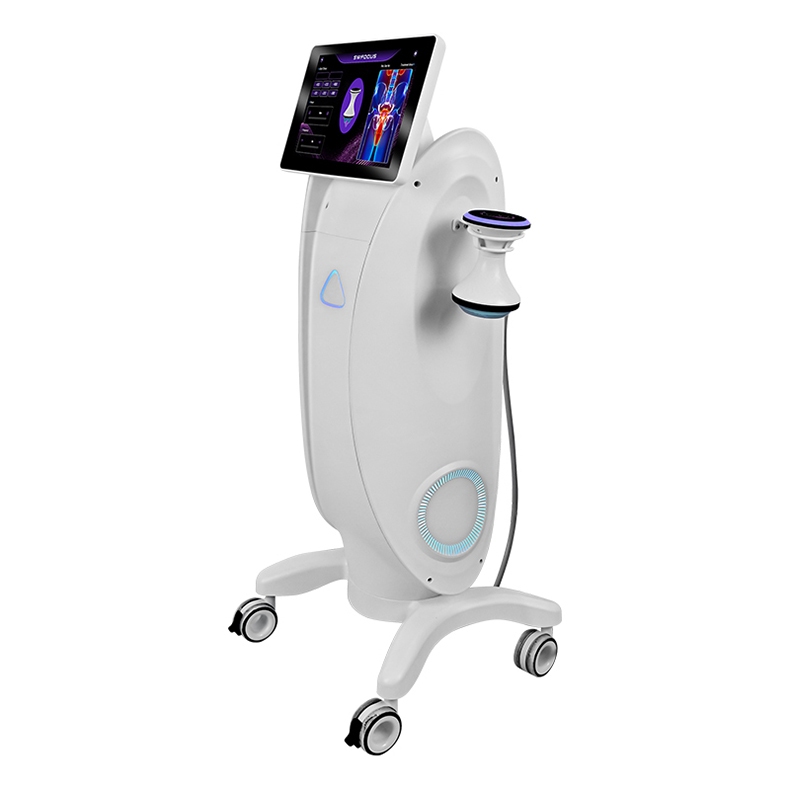
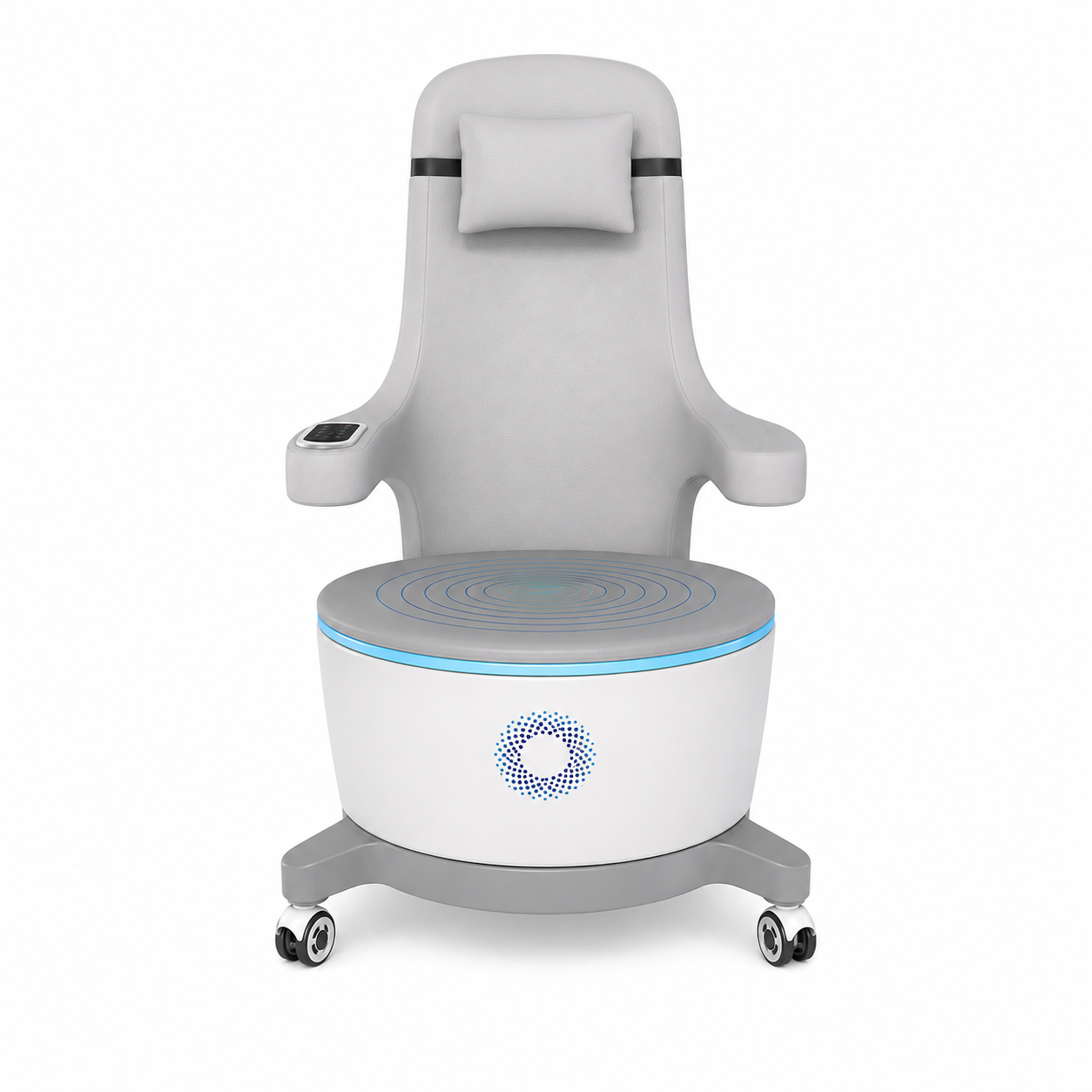
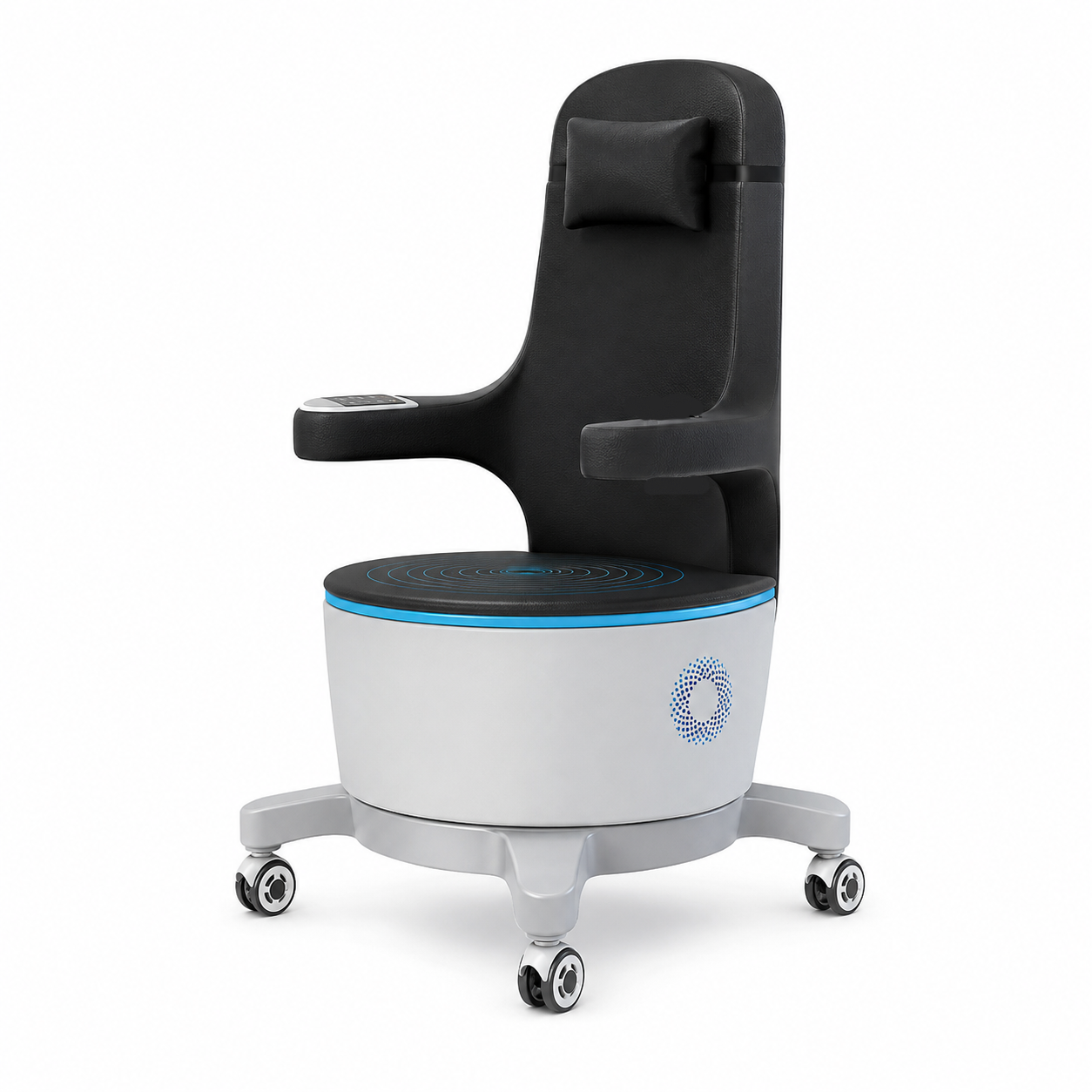
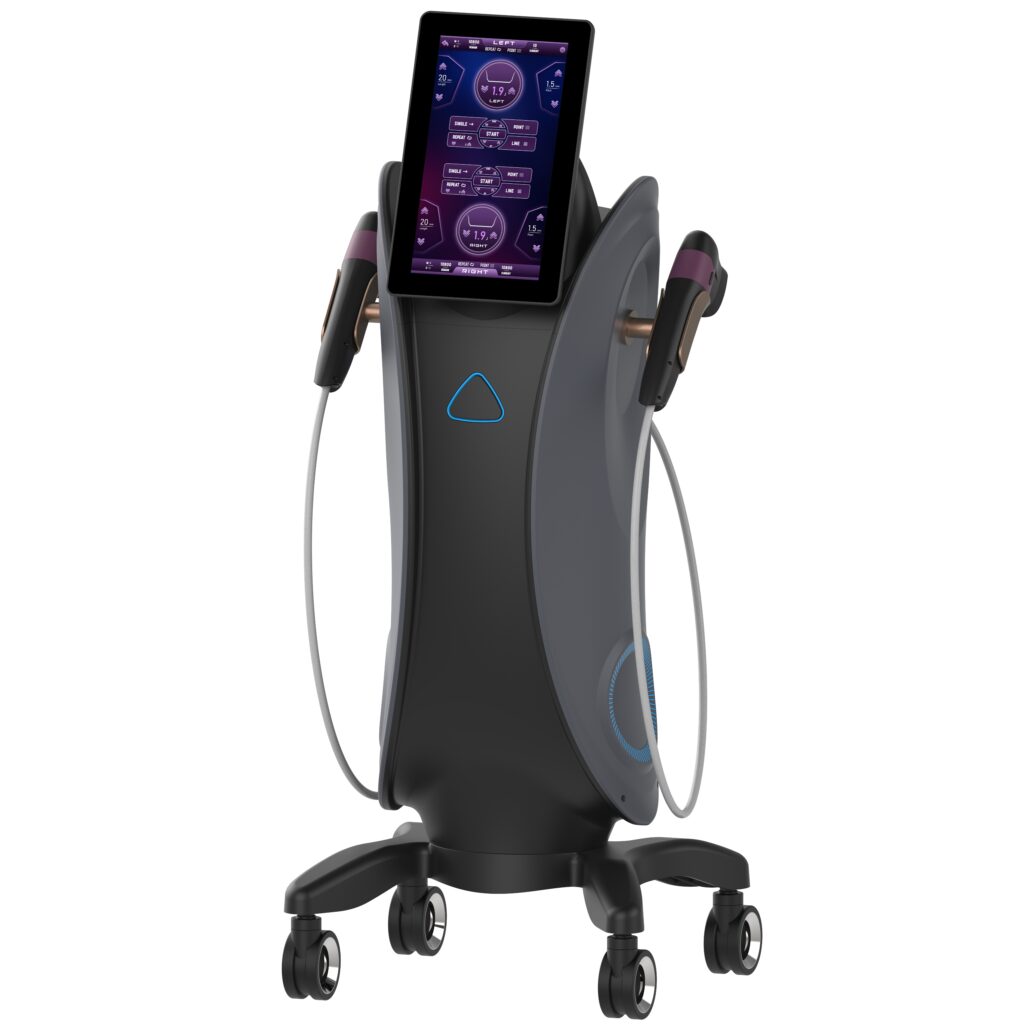
A0241 is positioned around electromagnetic muscle stimulation and RF. Its pathway needs a muscle-focused goal, exact applicator and area plan, placement, settings process, response record, and program review. Confirm the supplied configuration before publishing services.
S9 localized cooling contouring
S9 is presented as a vacuum-assisted cooling platform. Its pathway requires a defined-area consultation, applicator plan, monitoring, records, aftercare, follow-up, and escalation. Confirm the included applicator set and destination-market requirements.
The FDA’s Visão geral da modelagem corporal não invasiva explains that these technologies have different intended effects, limitations, and risks. They should not be marketed as obesity care or general weight-loss treatment.
9. Build an Advanced A0204 HIFU Pathway
The A0204 product page presents a modular focused-HIFU system with multiple standard and optional handles, cartridges, and treatment depths. Buyers should confirm exactly which components are supplied.
The public entry should be a Consulta de ultrassom focalizado. The controlled pathway should include:
- qualified assessment and decision authority;
- exact device, handle, cartridge, and depth plan;
- consent and realistic expectation discussion;
- operator, room, stock, and device readiness;
- detailed service record;
- aftercare, contact, follow-up, and escalation;
- rebooking restrictions until the required review is complete.
Do not place A0204 inside a routine facial booking or require an A0648 facial before the consultation.
10. Build a Clinical A0152 RF Microneedling Pathway
A0152 is listed with several needle configurations and adjustable depths from 0.5 to 7 mm. Its pathway needs appropriate professional oversight, procedure hygiene, single-use stock control, sharps handling, consent, detailed documentation, aftercare, follow-up, and complication response.
In its 2025 comunicação de segurança de microagulhamento por radiofrequência, the FDA identifies RF microneedling as a medical procedure and reports serious complications associated with certain uses. It advises clients to seek a licensed healthcare provider with appropriate training and experience.
The A0152 consultation should remain distinct from facial maintenance, targeted non-invasive care, and HIFU. Each category answers a different question and requires a separate decision.
11. Design the Intake in Two Layers
Use a shared general intake followed by a category-specific assessment.
Shared intake
- client identity and contact details;
- goal in the client’s own words;
- face, hair, or body area of interest;
- relevant previous services disclosed by the client;
- current department or active pathway;
- privacy, language, accessibility, and communication needs;
- preferred consultation route.
Category-specific assessment
- information relevant to the selected technology;
- exact model and configuration under consideration;
- intended area and service scope;
- authorized decision-maker and operator;
- room, stock, components, and protective requirements;
- consent or acknowledgement where applicable;
- aftercare, follow-up, and escalation plan;
- documented outcome.
One generic checklist cannot adequately control hydro facial care, diode laser, cooling contouring, HIFU, and RF microneedling.
12. Create a Pathway Decision Record
The decision record should contain enough information to create a controlled booking.
| Record field | Propósito |
|---|---|
| Objetivo principal | Preserves why the client entered the pathway |
| Resultado da consulta | Shows proceed, modify, postpone, refer, decline, or information pending |
| Service category | Prevents substitution with a similar-sounding service |
| Device and configuration | Identifies the exact technology approved |
| Area and scope | Controls duration, positioning, privacy, components, and stock |
| Authorized operator and room | Protects staffing and environmental requirements |
| Required components | Reserves tips, heads, handles, cartridges, needles, applicators, or protective items |
| Client information provided | Records boundaries, preparation, aftercare, and practical expectations |
| Review or follow-up | Creates the next decision rather than an open-ended plan |
Do not pre-fill technical settings before the required day-of checks and operator process.
13. Convert the Decision into a Controlled Booking
The booking system should receive structured permissions, not a free-text note alone.
- approved service code;
- department and room type;
- authorized operator group;
- dispositivo e configuração;
- area or service scope;
- fully loaded appointment block;
- required stock and components;
- reassessment flag;
- consent or documentation status where applicable;
- follow-up type.
If a required field is missing, return the booking to the pathway owner. Reception should not fill the gap by guessing.
14. Add a Day-of Reconfirmation Gate
Previous approval does not remove the need to check current information. Before service, confirm:
- client identity and booked pathway;
- current goal and approved area;
- relevant changes since consultation or the previous visit;
- responsible operator and room;
- device, configuration, components, stock, and maintenance status;
- consent or acknowledgement status;
- whether the plan should proceed, pause, or return to assessment.
The day-of gate should be proportionate to the category but never absent.
15. Design Cross-Pathway Transfers
A transfer occurs when the client’s goal moves outside the current pathway. Examples include an A0648 client requesting facial contour technology, a B0155 client asking about muscle-focused services, or a facial client asking about RF microneedling.
A safe transfer records:
1. the new or unresolved goal; 2. why the existing pathway does not cover it; 3. the receiving department or professional; 4. what information may transfer under the privacy process; 5. whether the current pathway continues, pauses, or closes; 6. that the receiving consultation must make a new decision.
The client relationship can continue smoothly without treating the previous approval as permission for another device.
16. Handle Clients with Several Goals
Use a primary-goal rule:
- ask which goal matters most now;
- identify whether another goal changes the appropriate department;
- choose the first consultation owner;
- record secondary goals without promising treatment;
- assess each technology independently;
- coordinate timing only through device instructions, current client status, professional judgment, and local requirements.
A multi-goal discovery consultation is useful. A universal multi-device session is not the default answer.
17. Use Follow-Up as Another Consultation Gate
Follow-up should produce a decision rather than merely ask whether the client is satisfied.
Registro:
- service and date being reviewed;
- expected and reported response within the team’s scope;
- concerns or contact since the service;
- whether escalation is required;
- whether the pathway should continue, change, pause, refer, or close;
- whether a new category-specific consultation is needed;
- next responsible owner and due action.
A completed appointment does not automatically approve the next one.
18. Create Separate Concern-Led Follow-Up
A client reporting an unexpected response should not enter a routine booking or sales consultation. Create a named concern route with:
- clear contact information;
- reception instructions for prompt routing;
- an accountable professional or department;
- documentation and response targets appropriate to the service;
- escalation and emergency information where applicable;
- device, configuration, operator, area, and service-record access;
- closure and learning review.
This is especially important for laser, HIFU, cooling contouring, and RF microneedling pathways.
19. Close and Reopen Pathways Properly
Close a pathway when the goal is complete, the client stops, the business declines further service, a referral takes ownership, or the plan is no longer active. Record the reason and outstanding follow-up.
When a client returns after a long absence, treat the request as re-entry. Review changes, intervening services, the current goal, expired documentation, device configuration changes, and whether the old approval remains sufficient. “Returning client” should not operate as permanent authorization.
20. Build Device Packages Around Pathway Coverage
Package A: Core facial pathway
Device: A0648
Best for a compact facial salon or clinic building one complete consultation-to-maintenance route.
Package B: Core plus targeted facial pathway
Dispositivos: A0648 + A0272-F
Creates separate hydro-based facial care and facial tone-and-contour consultations.
Package C: Facial plus hair pathways
Dispositivos: A0648 + A0423 or A0426
Supports an approachable facial department and a controlled area-based laser department.
Package D: Facial plus body pathways
Dispositivos: A0648 + B0155
Creates separate facial and selected body-care routes with different forms, rooms or room modes, and records.
Package E: Body center pathways
Dispositivos: B0155 + either A0241 or S9
Combines recurring selected body care with one differentiated muscle-focused or cooling-contouring pathway.
Package F: Three-lane skin clinic
Dispositivos: A0648 + A0272-F + either A0204 or A0152
Supports maintenance, targeted non-invasive facial technology, and one qualified advanced route.
Package G: Multi-service aesthetic center
Dispositivos: A0648 + A0423/A0426 + B0155, with advanced equipment added only when governance is ready
Creates facial, hair, and body departments. Add A0204 or A0152 after the center has a qualified owner, room, records, aftercare, and escalation capacity.
21. Match the Package to Business Readiness
| Negócios | First pathway to stabilize | Next pathway | Readiness question |
|---|---|---|---|
| Salão de beleza facial | A0648 core care | A0272-F targeted facial | Can clients and staff explain the technology difference? |
| Hair-reduction practice | A0423 or A0426 laser pathway | A0648 only if a real facial department is planned | Are area definitions, room controls, and reviews complete? |
| Estúdio de corpo | B0155 selected body care | A0241 or S9 | Is there demand and capacity for a separate modality? |
| Spa médico | Core plus targeted facial | A0204 when professionally ready | Are consent, cartridges, follow-up, and escalation controlled? |
| Clínica de pele | A0648 + A0272-F | Either A0204 or A0152 | Which one advanced goal can the clinic support completely? |
| Distribuidor | Packages by pathway maturity | Buyer-specific configuration | Does the buyer have the staff, room, and workflow for the category? |
22. Measure Pathway Quality
Track indicators that reveal whether decisions and handoffs work:
- enquiries routed to the correct consultation;
- consultations ending with a documented outcome;
- bookings created from complete decision records;
- day-of checks that trigger appropriate reassessment;
- cross-pathway referrals completed without automatic approval;
- follow-up tasks completed by the responsible owner;
- concern-led contacts handled through the correct route;
- closed pathways with a recorded reason;
- services delayed by missing rooms, staff, stock, or device readiness;
- client questions caused by unclear pathway names.
High device utilization alone does not demonstrate a good consultation system.
23. Common Pathway Mistakes
Letting clients select a device before consultation
Online booking should capture the goal and route the consultation. It should not ask clients to establish suitability.
Using one form for every category
Shared intake is useful, but each technology needs its own decision fields.
Treating consultation as a sales step
Deferral, referral, decline, and no treatment are legitimate outcomes.
Making routine facial care the gateway to everything
A client can enter a relevant hair, body, HIFU, or RF microneedling consultation directly.
Allowing one approval to cover several devices
Changing technology, area, goal, or professional pathway requires a new decision.
Turning a package into a treatment sequence
Owning several devices does not establish same-day compatibility, order, timing, or settings.
24. Consultation-Pathway Checklist
Before launch, confirm that:
1. every public enquiry route has a named owner; 2. reception captures goals without deciding suitability; 3. each device category has a separate assessment section; 4. consultation outcomes are recorded consistently; 5. decision records transfer into structured bookings; 6. day-of reconfirmation is built into every service; 7. cross-pathway transfers require a new decision; 8. follow-up, concern, and escalation routes are distinct; 9. closed and lapsed pathways cannot be booked as active plans; 10. devices, configurations, rooms, roles, stock, and records are controlled; 11. client-facing descriptions state realistic boundaries; 12. equipment packages remain separate from treatment protocols.
Perguntas frequentes
1. What is a consultation-based treatment pathway?
It is a controlled sequence that begins with a client goal, routes the correct assessment, records a decision, creates an approved booking, and continues through service, follow-up, reassessment, referral, or closure.
2. Which SHEFMON device is a good starting point for a facial pathway?
A0648 is a practical facial-maintenance anchor because it can support clear cleansing and hydration-oriented service cards. The business still needs assessment, trained operators, tips and solutions, fluid-path cleaning, records, and review rules.
3. Why does A0272-F need a different consultation from A0648?
A0272-F combines facial electrical stimulation and RF, while A0648 centers on hydro and vacuum-based facial care. Their functional principles, accessories, placement, service records, and decision questions differ.
4. Should hair-reduction clients start with a facial consultation?
No. They should enter a laser-specific consultation that defines the area, current suitability, exact device pathway, controlled room, authorized operator, records, aftercare, and reviews.
5. How should B0155, A0241, and S9 be separated?
B0155 supports selected multifunction body care; A0241 is positioned around muscle stimulation and RF; S9 uses vacuum-assisted cooling. Give each model a different goal, assessment, component plan, service card, and follow-up route.
6. Can clients book A0204 HIFU directly online?
They can book the relevant consultation if the business allows online consultation booking. The procedure itself should remain blocked until the qualified assessment, exact configuration, consent, operator, room, stock, aftercare, and follow-up are complete.
7. Why must A0152 RF microneedling have a clinical pathway?
RF microneedling is a medical procedure according to the FDA safety communication. It requires appropriate professional oversight, infection control, single-use stock, sharps handling, consent, detailed records, aftercare, follow-up, and complication response.
8. Does every consultation need to produce a treatment booking?
No. Proceed, modify, postpone, refer, decline, and information pending are all valid results. A consultation system should make no-treatment decisions clear and traceable.
9. Can several devices be included in one pathway package?
Yes, when each device has a clear menu role and separate decision gate. The package describes business coverage; it does not establish that the devices should be used together or on the same day.
10. What should a buyer send SHEFMON for a pathway-based recommendation?
Share the business type, country or market, leading client goals, existing services, desired pathways, available rooms, staff roles, professional scope, expected workload, and shortlisted models. Ask for exact configurations, included components, operating requirements, training information, consumables, cleaning and maintenance needs, warranty, technical documentation, service process, and shipping details.
Conclusão
Consultation-based pathways turn a device menu into a controlled decision system. A0648 can anchor facial maintenance; A0272-F can support targeted facial technology; A0423 or A0426 can form a specialist hair route; B0155, A0241, and S9 can serve different body goals; and A0204 or A0152 can support qualified advanced pathways.
Explorar SHEFMON beauty-device categories e contate SHEFMON with your client goals, proposed pathway map, rooms, staff roles, and professional scope. This information will help compare suitable devices and confirm the exact configuration for each decision route.