









B2B beauty equipment buyers need more than product images and feature lists. They need to understand which category fits their business, what service it can support, who should operate it, which configuration is included, and what must happen before they can launch it.
A useful presentation turns a broad beauty device catalog into a decision path. It begins with the buyer and service application, introduces a small number of relevant categories, explains how those categories differ, and then connects each one to a representative model, operating requirements, supply status, and clear next step.
This guide shows how to present Categorias de dispositivos de beleza SHEFMON to salons, med spas, clinics, body centers, hair-removal businesses, and distributors without turning the discussion into a general corporate overview or an unstructured product dump.
Sumário executivo
An effective B2B category presentation should answer six questions in order:
- Who is the category for? Define the buyer type and business stage.
- What service role does it fill? Use a menu or application description buyers can understand.
- Which technology and representative model fit? Introduce only models relevant to the buyer’s goal.
- What must be configured? Separate the standard package from optional wavelengths, handles, cartridges, heads, or applicators.
- What does the buyer need to operate it? Cover staff, room, consumables, cleaning, training, screening, and support.
- What is the next step? Invite the buyer to compare models, request a demonstration, confirm a configuration, or complete a professional review.
The category sequence can begin with A0648 for facial cleansing and hydration, move to A0272-F for a separate facial tone and contour direction, present A0423 as a specialist hair-removal system, distinguish B0155, A0241, and S9 within body services, and reserve A0204 and A0152 for appropriately prepared med-spa or clinical buyers.
1. Present Decisions, Not a Wall of Machines
A category presentation should help a buyer narrow options. If the first page shows dozens of models with similar claims, the buyer must build the category logic alone. That usually creates price-first questions and poor comparisons.
Begin with a small decision tree:
- Do you need a facial, hair-removal, body, or advanced skin category?
- Are you launching your first device service or expanding an established menu?
- Is the service suitable for a salon workflow, or does it require a qualified med-spa or clinical setting?
- Do you need a standard platform or a configuration-specific system?
- Do you want available stock, a demonstration, or an order-led solution?
The answers determine which product pages and models the buyer should see next.
2. Understand What Each B2B Buyer Wants to Know
Different buyers interpret the same category through different business questions.
| Comprador | First question | Evidence needed | Useful next step |
|---|---|---|---|
| New salon | What service can I launch first? | Clear workflow, room fit, supplies, and starter configuration | Compare one or two foundation models |
| Salão estabelecido | What new category adds a distinct booking reason? | Difference from current menu, staff and room needs | Review an expansion package |
| Spa médico | Which category fits our treatment ladder and professional scope? | Technology, client pathway, configuration, screening, and follow-up | Consultoria técnica |
| Clínica de pele | Which procedure-specific system matches our governance? | Clinical context, consumables, infection control, records, and support | Professional buyer review |
| Body center | Which modality matches our service identity? | Technology comparison, applicators, workflow, and suitability | Modality-specific demonstration |
| Distribuidor | Which categories can we sell, configure, stock, and support? | Buyer coverage, SKU structure, training, demo and supply policy | Build a market-specific range |
A single generic brochure rarely answers all of these questions. Keep a shared technical source, then create buyer-specific routes into it.
3. Use a Consistent Category Card
Every category in a catalog, sales deck, or landing page should use the same information order:
- category name in buyer-friendly language;
- primary service role;
- suitable business types;
- representative SHEFMON model;
- technology direction;
- standard and optional configuration;
- room, operator, and workflow considerations;
- acessórios e consumíveis;
- supply status and support; and
- next-step CTA.
Consistency makes comparisons easier. It also reveals missing information before a salesperson sends the page to a buyer.
4. Lead with the Service Role
Technical names are important, but they should not be the only entry point. Pair the technology with a concise commercial role.
| Technology label | Buyer-facing service role |
|---|---|
| Hidro microdermoabrasão | Base facial com foco em limpeza e hidratação. |
| Estimulação elétrica facial e radiofrequência | Facial tone and contour consultation |
| Laser de diodo | Specialist hair-reduction service |
| Vacuum roller, RF, massage, and cavitation | Multifunction body-care menu |
| Estimulação eletromagnética com radiofrequência | Muscle-focused body category |
| Vacuum-assisted localized cooling | Localized contour consultation |
| HIFU focalizado | Consultation-led focused-ultrasound category |
| Microagulhamento por radiofrequência | Advanced skin-texture procedure category |
The service role should remain accurate and restrained. It should not promise results, safety, profit, or universal suitability.
5. Show Who the Category Fits—and Who It Does Not
Positive fit alone is not enough. A strong B2B page also states when the buyer should postpone the category.
For example, a hydro facial platform can fit a salon establishing a maintenance menu. RF microneedling does not belong as a routine add-on for every salon because it requires an appropriately qualified setting, infection control, screening, and aftercare. A diode laser may fit a hair-removal specialist but not a buyer without suitable operators, room controls, or local authorization.
A “Consider this category if…” and “Review before proceeding if…” section improves lead quality and gives sales teams a responsible qualification script.
6. Present Facial Cleansing and Hydration with A0648
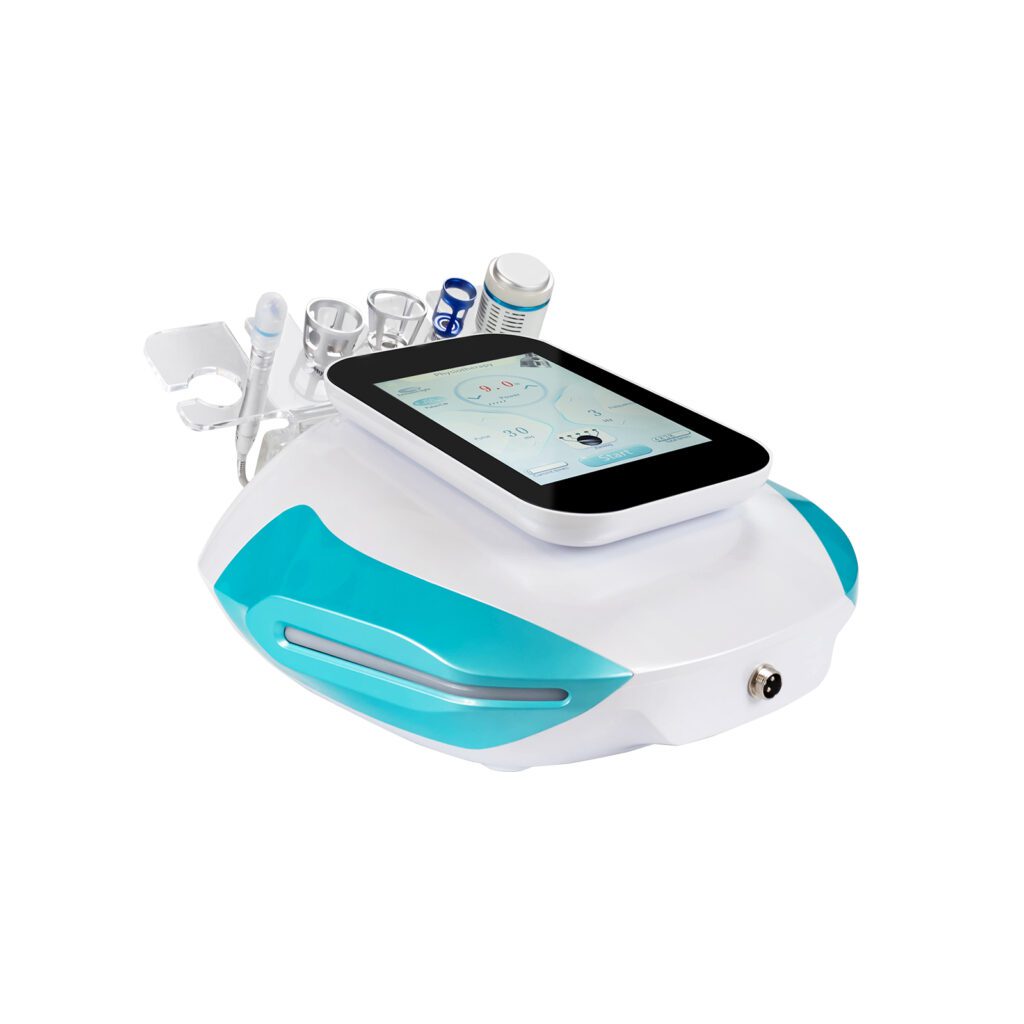
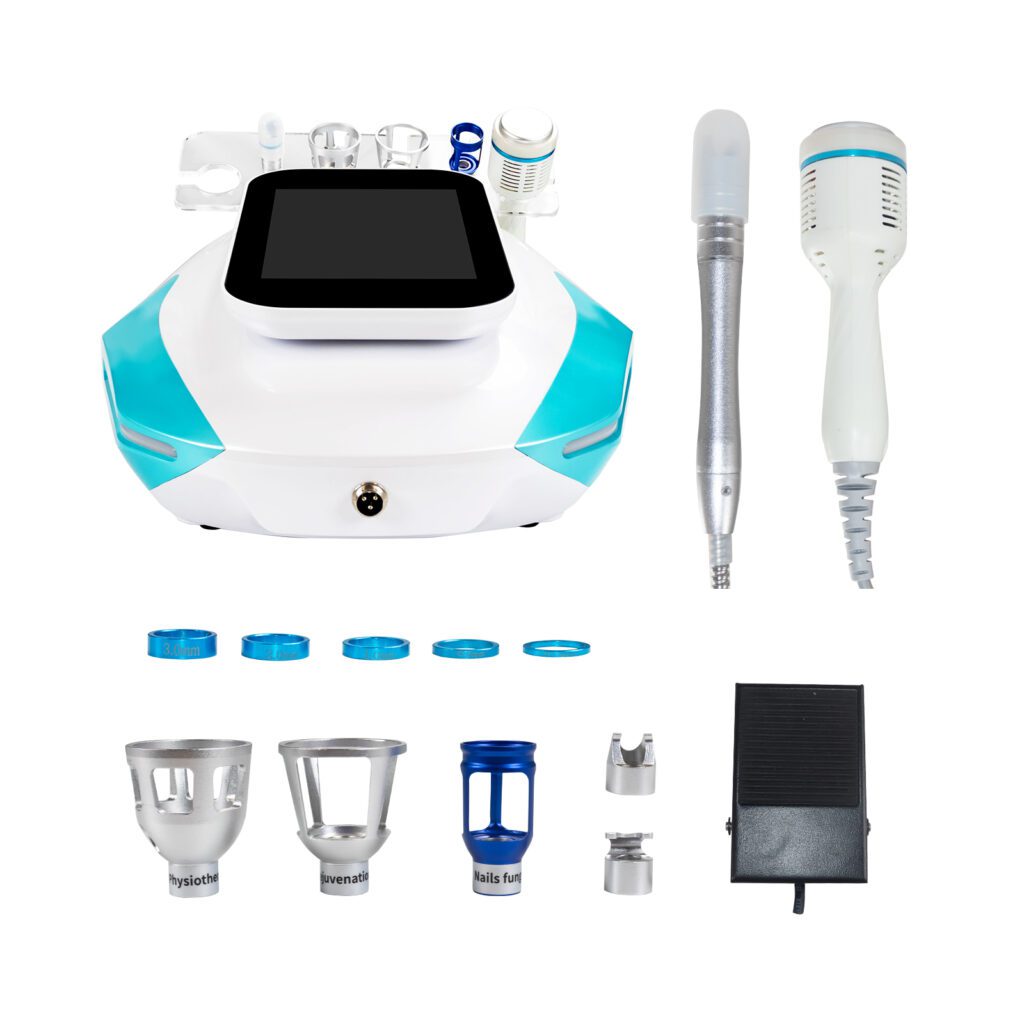
O Máquina de microdermoabrasão hidráulica 9 em 1 A0648 can represent the facial cleansing and hydration foundation. Present it to facial salons, beauty studios, and med spas that need a structured maintenance category.
The category page should explain its role around exfoliation, vacuum-assisted extraction, and hydration steps rather than leading only with “9-in-1.” Show the included functions and accessories, solution and consumable plan, cleaning requirements, room fit, voltage and plug, staff familiarization, and proposed menu position.
Suggested CTA: Compare a facial starter configuration. This is more useful than a generic “buy now” button for a professional buyer.
7. Present Facial Tone and Contour with A0272-F
O A0272-F facial electrical stimulation and RF system should appear as a separate facial category for established salons and med spas. Its role is a facial tone and contour consultation, not an additional hydro-cleansing function.
The presentation should compare A0272-F with the buyer’s current facial menu. Explain application setup, operator workflow, room requirements, suitability review, and how the service can be named without guaranteeing an outcome.
If A0648 and A0272-F appear together, describe two independent service families. Do not imply that every client should receive both devices or that they must be combined in one appointment.
8. Present Diode Laser Hair Removal with A0423
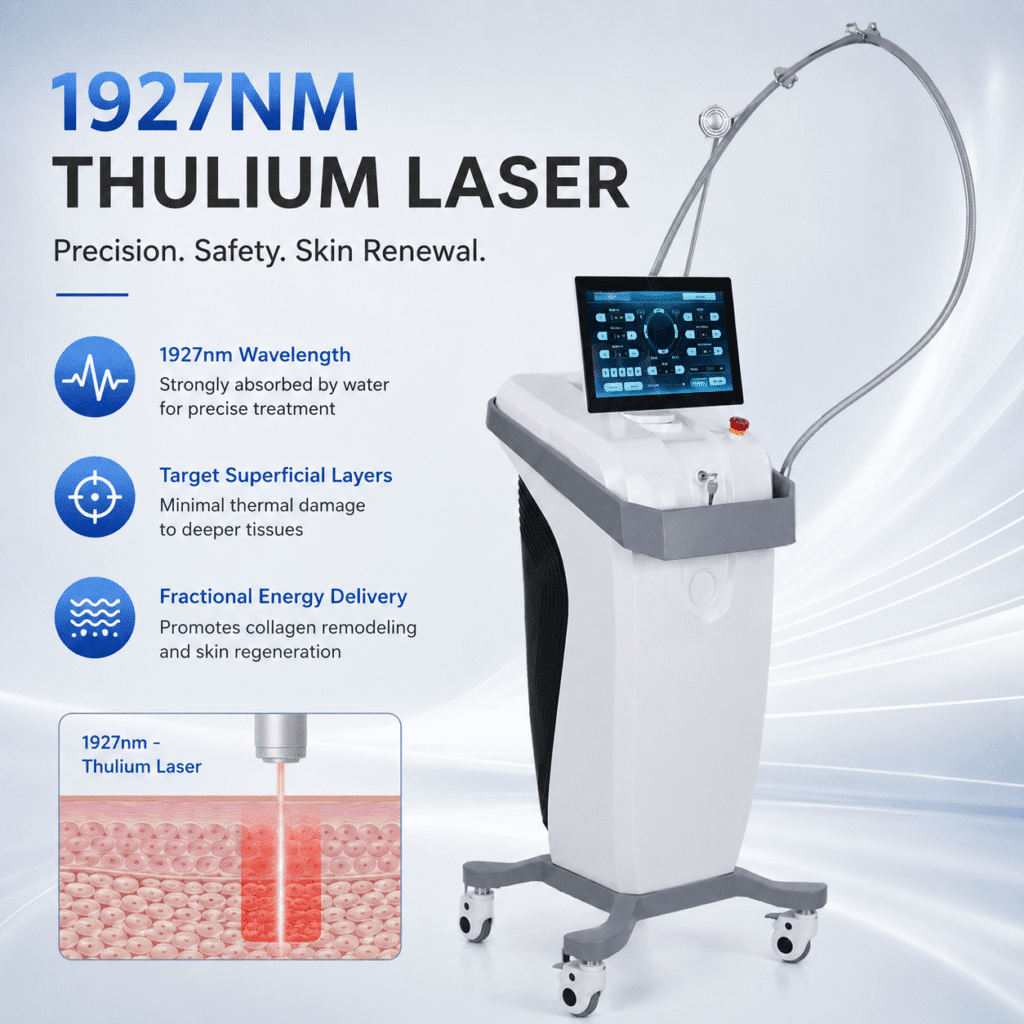
O Laser de diodo A0423 belongs in a specialist hair-removal category. The product page lists multiple wavelength and spot-size choices, so the category presentation should make configuration visible early.
Include fields for wavelength selection, spot size, handle power, cooling arrangement, electrical requirements, supplied protective items, intended service areas, and documentation. State that the final package is confirmed through a technical quotation.
The American Academy of Dermatology explains in its laser hair removal FAQs that treatment commonly requires multiple sessions and that results and risks vary. Present the system to buyers prepared for experienced operation, individual suitability assessment, protective measures, and applicable local requirements.
Suggested CTA: Request an A0423 configuration review.
9. Present Multifunction Body Care with B0155
O B0155 Desktop Endos Velapro lists vacuum roller, RF, rotating massage, and 80K cavitation functions. Present it as a multifunction body-care platform for salons and body studios that want several related functions in one system.
Use a handle map rather than one long benefit list. For each handle, show the technology, proposed menu role, setup, cleaning, storage, and operator preparation. Explain that the buyer should select functions according to service design and client suitability; not every handle belongs in every appointment.
Suggested CTA: Plan a body-care demonstration and handle workflow.
10. Present Muscle-Focused Body Services with A0241
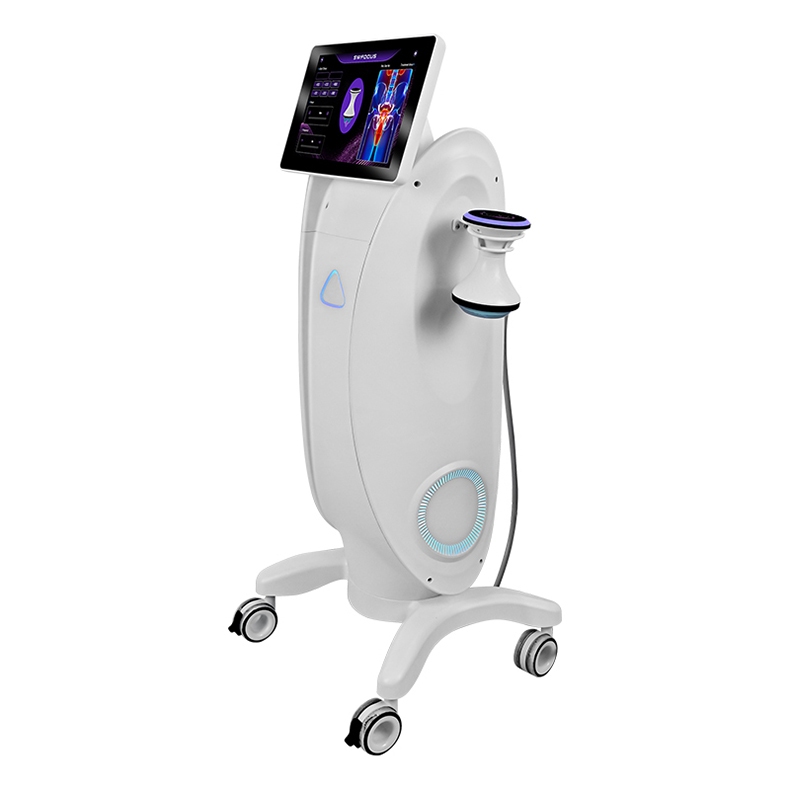
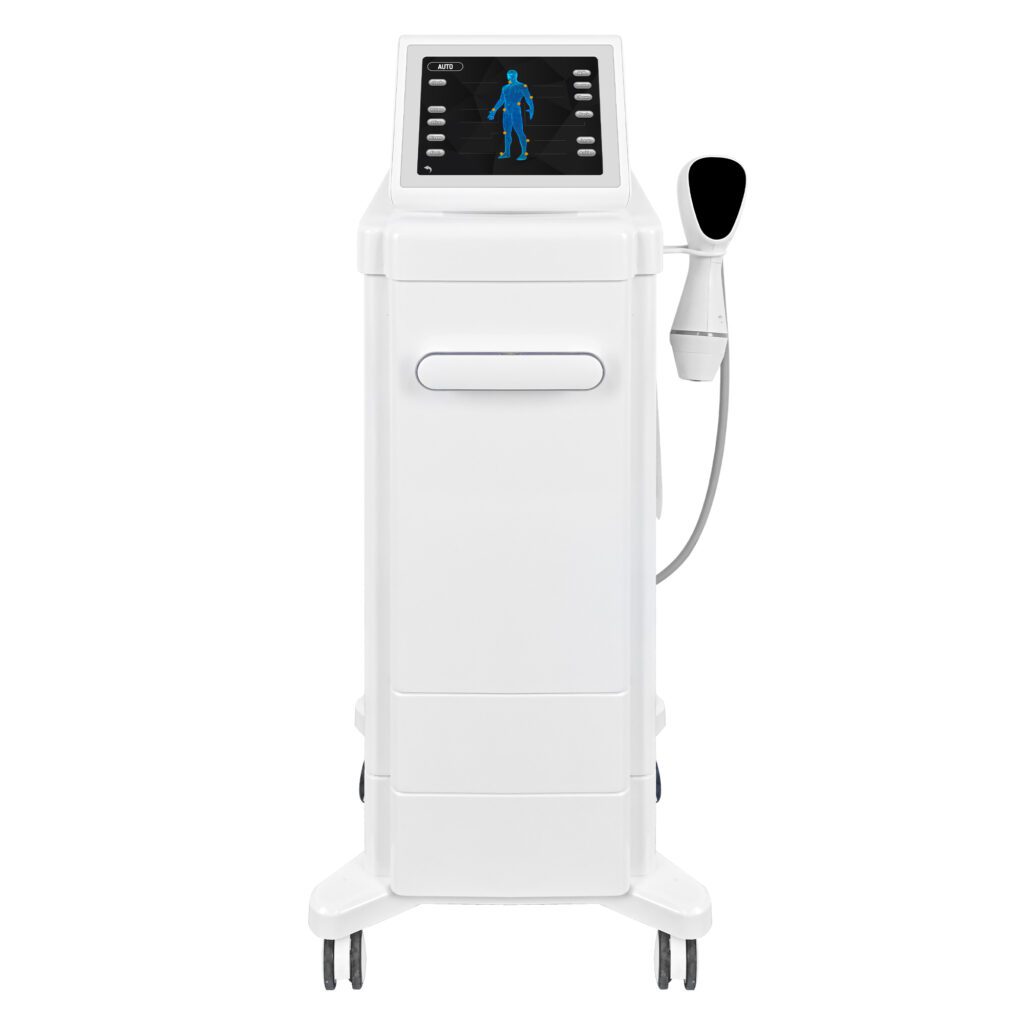
O Sistema de estimulação eletromagnética e radiofrequência A0241 should appear in a muscle-focused body category. Its page should be separate from multifunction mechanical body care and localized cooling.
Show the included and optional handles, application setup, room and power needs, operator preparation, screening responsibilities, and supply status. Avoid dramatic exercise-equivalent statements, fixed percentages, and universal-result language.
Suggested CTA: Confirm the A0241 handle package and room requirements.
11. Present Localized Cooling with S9
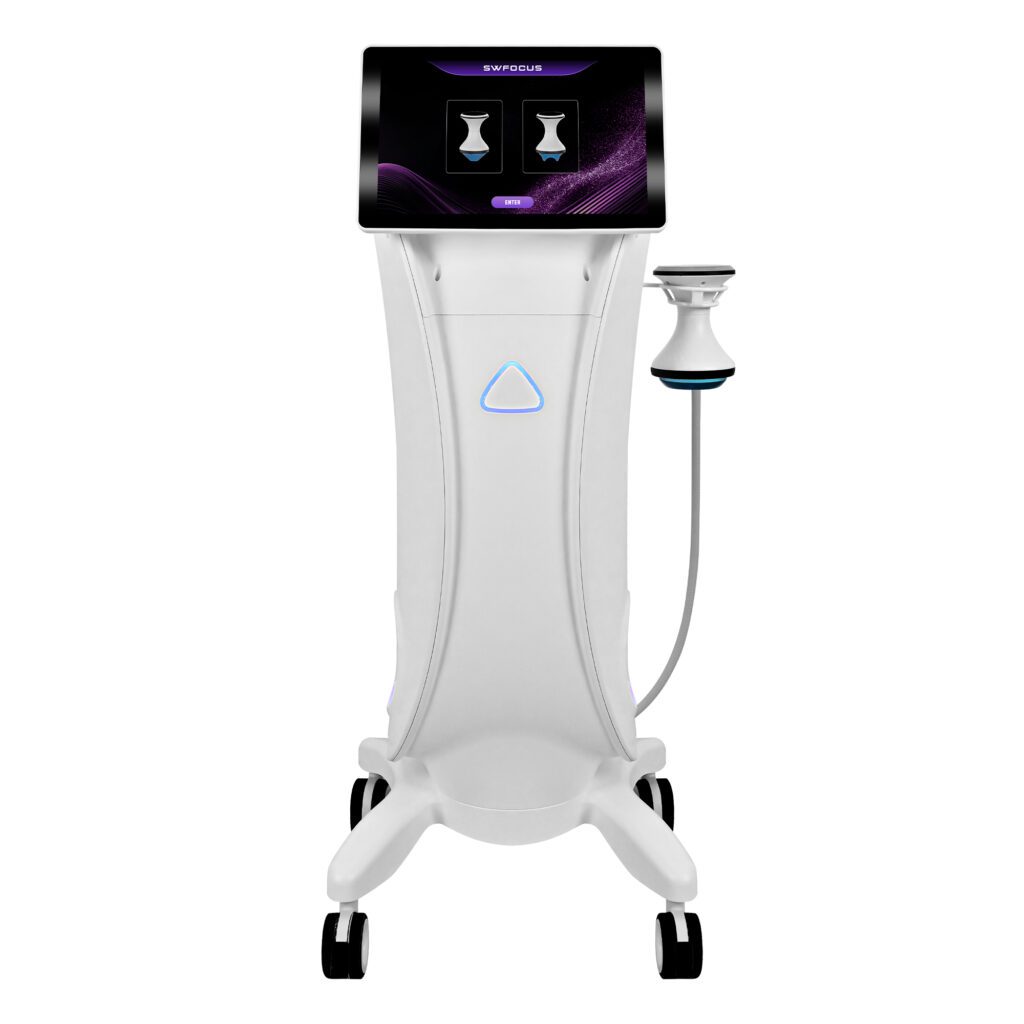
Use o Sistema de criolipólise S9 to introduce the vacuum-assisted localized cooling category and its range of applicator options.
Present the category through localized contour consultation, applicator selection, client screening, monitoring, and follow-up. Show the standard applicator package separately from optional components, and avoid positioning the device as a general weight-loss solution.
O Visão geral da FDA sobre tecnologias não invasivas de contorno corporal discusses limitations and possible complications. The buyer presentation should acknowledge that suitability and results vary and that appropriate operating procedures are required.
Suggested CTA: Review the S9 applicator configuration.
12. Present Focused HIFU with A0204
O Plataforma HIFU focada A0204 belongs in an advanced, consultation-led section for appropriately prepared med spas and clinics. SHEFMON’s page presents standard and optional components, so the sales material should not make every handle or cartridge look included.
Lead with the focused-ultrasound category, then show intended buyer, proposed menu position, handpiece and cartridge choices, treatment-area planning, consumables, room needs, operator qualifications, screening, documentation, and follow-up.
Suggested CTA: Complete a focused-HIFU technical consultation. This signals a more careful buying path than an entry-level facial inquiry.
13. Present RF Microneedling with A0152
O A0152 Desktop MNRF Profundidade 8 should appear in a clinical buyer section. Its page lists multiple needle-head choices and selectable handle configurations.
Present A0152 as an RF microneedling procedure system for appropriately qualified settings. Address professional scope, infection-control practices, component and sterile consumable supply, client screening, records, parameter education, aftercare, and adverse-event escalation.
The U.S. FDA has issued a Comunicação de segurança relativa a certos usos da microagulhamento por radiofrequência.. The sales presentation should not place this device beside routine salon facials without a clear clinical boundary.
Suggested CTA: Request a clinical configuration and support review.
14. Compare Categories by Business Role
| Categoria | Modelo representativo | Primary buyer | Função de serviço | Presentation priority |
|---|---|---|---|---|
| Hydro facial care | A0648 | Salons, beauty studios, med spas | Cleansing and hydration foundation | Workflow, supplies, and starter configuration |
| Facial stimulation and RF | A0272-F | Established salons and med spas | Facial tone and contour expansion | Difference from maintenance facials |
| Depilação a laser de diodo | A0423 | Qualified hair-removal businesses | Specialist hair-reduction category | Wavelength, spot size, cooling, and professional readiness |
| Cuidados multifuncionais para o corpo | B0155 | Salões de beleza e estúdios de estética | Flexible body-care menu | Handle map and service design |
| Electromagnetic stimulation and RF | A0241 | Body-focused studios and med spas | Muscle-focused body category | Handle package, room setup, and screening |
| Localized cooling | S9 | Qualified body-contouring centers | Localized contour consultation | Applicators, monitoring, and follow-up |
| HIFU focalizado | A0204 | Qualified med spas and clinics | Advanced focused-ultrasound category | Configuration and buyer qualification |
| Microagulhamento por radiofrequência | A0152 | Ambientes clínicos devidamente qualificados | Procedimento avançado de textura da pele | Clinical governance and consumables |
This table helps a buyer compare roles. It does not state that every business in the listed segment is automatically authorized to use the device.
15. Organize Body Categories by Technology
Body-equipment pages often become confusing because several different technologies are grouped under “slimming.” Present B0155, A0241, and S9 side by side with their actual service directions.
| Pergunta | B0155 | A0241 | S9 |
|---|---|---|---|
| Main direction | Cuidados corporais multifuncionais, mecânicos e baseados em energia. | Estimulação eletromagnética com radiofrequência | Vacuum-assisted localized cooling |
| Função do menu | Flexible body-care services | Muscle-focused program | Localized contour consultation |
| Configuration focus | Handle workflows | Included and optional handles | Applicator package |
| Operational emphasis | Staff handling of multiple functions | Setup, placement, screening, and room planning | Screening, monitoring, applicator selection, and follow-up |
The comparison should help the buyer choose one relevant modality. It should not imply that a complete body business needs all three systems.
16. Present Standard and Optional Configurations Visually
Configuration information should be visible before the buyer requests a price. Use a simple three-column structure:
- Standard package: everything included in the quoted base configuration;
- Optional components: handles, cartridges, heads, applicators, or accessories selected separately; and
- Buyer-provided items: room supplies, protective equipment, furniture, or locally sourced materials.
Give each configuration an internal SKU or code. Carry the same description into the product page, quotation, invoice, packing list, and handover. This prevents a product image from suggesting that all displayed components are included.
17. Show Operating Requirements Beside Product Features
Features tell the buyer what a system contains. Operating requirements tell the buyer whether the business can use it. Every category presentation should address:
- operator background and training expectations;
- room size, privacy, ventilation, storage, and cleaning workflow;
- power, voltage, frequency, and plug;
- setup and pre-use checks;
- application components and consumables;
- client suitability and screening boundaries;
- records and follow-up where relevant; and
- technical support and maintenance.
This information may shorten the lead list, but it improves the quality of the remaining opportunities.
18. Show Supply Status Clearly
B2B buyers need to know how the product is supplied. Use specific availability labels:
| Status | Significado | Best CTA |
|---|---|---|
| Standard Configuration in Stock | A defined SKU is locally available | Confirm current allocation and delivery details |
| Demo Available | A working unit can be shown; sale units may be ordered separately | Book a qualified demonstration |
| Configure conforme sua necessidade | The buyer must select technical options before supply | Complete a configuration form |
| Encomenda especial | Professional review and project confirmation are required | Request a technical or clinical consultation |
Avoid stating “in stock” when the unit still lacks the buyer’s voltage, accessories, documentation, or required configuration.
19. Adjust Category Depth to Buyer Readiness
A first-time salon buyer needs a short path: service role, workflow, standard package, supplies, room checklist, and launch support. An established buyer may need category comparisons, expansion logic, and demonstration options.
A med spa or clinic needs deeper information on technology, configuration, professional scope, client selection, documentation, consumables, follow-up, and technical escalation. A distributor needs all of this plus SKU, stock, demonstration, localization, training, and service planning.
Keep the facts consistent while changing the order and depth. Do not use the same short sales card for a salon starter platform and an advanced clinical procedure system.
20. Build Buyer-Specific Landing Pages
Technology categories and buyer pages should work together. Useful buyer routes include:
- Beauty Devices for New Facial Salons
- Facial Menu Expansion for Established Studios
- Hair-Removal Systems for Qualified Practices
- Non-Invasive Categories for Med Spas
- Advanced Skin Devices for Clinical Settings
- Body Technologies for Contouring Centers
- Product-Line Planning for Distributors
Each page should introduce only the relevant categories, explain differences, and link to detailed model pages. Avoid copying the entire catalog into every landing page.
21. Design a Sales Deck Around Buyer Decisions
A B2B sales deck can follow this sequence:
- buyer profile and stated objective;
- current menu and identified gap;
- two or three relevant device categories;
- category comparison;
- recommended model and alternative;
- standard and optional configuration;
- room, operator, and support requirements;
- supply status and implementation steps;
- quotation assumptions; and
- next decision.
Remove unrelated products before sending the deck. A tailored 10-page presentation is often more useful than a 100-page catalog.
22. Make Demonstrations Category-Specific
A demonstration should show the buyer how the system fits the intended business. Create a planned agenda covering physical format, interface, supplied components, setup, cleaning, workflow, routine care, and the questions that determine configuration.
For B0155, demonstrate the handle map and service separation. For A0423, focus on configuration, cooling, safety-related setup, and room planning. For A0204 or A0152, conduct the session only for appropriately qualified prospects and clarify the scope of product training.
Measure whether demonstrations lead to a complete configuration, quotation, or explicit decision. Attention alone is not a useful outcome.
23. Build Quotations That Continue the Presentation
The quotation should not discard the logic established in the sales material. It should repeat:
- buyer objective and intended category;
- exact model and configuration;
- included and optional components;
- voltage, plug, software, and documentation;
- initial consumables and replacements;
- training, installation, and after-sales scope;
- supply status and delivery assumptions;
- freight, taxes, or locally payable items where applicable; and
- exclusions.
This makes the quotation a decision document rather than a model number and total price.
24. Use Proof Carefully
B2B presentations benefit from evidence, but it must match the claim. Product specifications can support statements about included technology or configuration. Training records can show that familiarization occurred. Verified service data can support internal decisions about stock and support.
Do not call a category a bestseller without reliable sales data. Do not present unverified before-and-after images, revenue forecasts, outcome percentages, safety guarantees, or certification claims. When medical or risk-related context matters, use authoritative sources and keep the wording within what they support.
25. Write CTAs for the Buying Stage
One CTA does not fit every category. Match it to the next decision:
- Explore the category for early research;
- Comparar modelos for buyers choosing a format or service role;
- Book a demonstration when physical workflow matters;
- Confirm configuration for option-sensitive products;
- Request a technical consultation for advanced systems;
- Complete a professional buyer review for clinical categories; and
- Build a distributor range for multi-model sourcing.
A good CTA tells the buyer what information to prepare and what the seller will provide next.
26. Train Sales Teams to Present Categories Consistently
Give representatives a one-page category brief with:
- the one-sentence service role;
- suitable buyer profiles;
- disqualifying or postpone conditions;
- representative model;
- main technology distinction;
- configuration questions;
- operating and support needs;
- approved claims and prohibited shortcuts;
- supply status; and
- escalation contact.
Role-play conversations in which a buyer asks for the wrong category, compares unrelated models, or wants an option not included in the standard package. Consistency protects both conversion quality and buyer expectations.
27. Measure Whether the Presentation Works
Track behavior that shows buyers are making better decisions:
- qualified inquiries reaching the correct category;
- fewer requests for unrelated models;
- category-page-to-configuration-form completion;
- demonstration-to-quotation progression;
- time required to finalize specifications;
- quotations revised because of misunderstood inclusions;
- orders by exact configuration;
- support cases caused by unclear sales information; and
- buyers returning for a logical second category.
If buyers repeatedly ask basic questions that the page should answer, revise the content. If they reach the wrong model, improve navigation and buyer-fit language.
28. Common B2B Presentation Mistakes
Leading with function count
Buyers need to understand the service role and workflow before evaluating the number of functions.
Showing every model to every buyer
Large lists shift the burden of qualification to the customer and encourage unsuitable price comparisons.
Mixing salon and clinical categories
Advanced procedure systems need clear professional boundaries, deeper content, and a different CTA.
Hiding configuration choices until quotation
Early visibility prevents buyers from assuming all pictured handles, wavelengths, or applicators are standard.
Presenting bundles as treatment protocols
Owning multiple devices does not establish same-day use, sequencing, suitability, or parameters.
Making the presentation end at price
Professional buyers also need implementation, consumables, training, documentation, and support information.
29. B2B Category Presentation Checklist
Before publishing or presenting a category, confirm:
- Is the target buyer named?
- Is the service role clear in one sentence?
- Is the representative model relevant to that role?
- Are technology and menu position separated from broad outcome claims?
- Are standard and optional components identified?
- Are operator, room, consumable, cleaning, and support needs visible?
- Does the page state when the category may not fit?
- Is the supply status accurate?
- Does the CTA match the buying stage?
- Are salon, med-spa, body, hair-removal, and clinical pathways distinguished?
- Are comparisons based on meaningful differences?
- Can the quotation continue the same product story?
- Are claims supported and appropriately limited?
- Is performance measured through qualified buyer behavior?
Perguntas frequentes
1. What information should a B2B beauty device category page include?
Include the buyer type, service role, representative model, technology, configuration, operating requirements, accessories, consumables, training, support, supply status, reasons to postpone, and next step.
2. Should B2B catalogs lead with technical specifications?
Specifications matter, but first explain the buyer and service role. Then present the technical details that affect selection, configuration, operation, and support.
3. How should A0648 be presented to salon buyers?
Present it as a facial cleansing and hydration foundation. Explain the workflow, included functions, supplies, cleaning, room fit, standard configuration, and how it becomes a clear salon service.
4. How should A0272-F differ from the hydro facial category?
A0272-F should appear as a separate facial electrical stimulation and RF category for tone and contour consultations. It should not be described as another cleansing device or a mandatory hydro facial add-on.
5. What should distributors show when presenting A0423?
Show the specialist hair-removal role, wavelength and spot-size choices, handle power, cooling, room and operator requirements, protective planning, exact configuration process, and supply status.
6. How should body device categories be compared?
Compare B0155, A0241, and S9 by technology, service role, target buyer, components, screening, room workflow, and support needs. Avoid grouping them under a generic slimming claim.
7. How should clinical beauty devices appear in a catalog?
Place them in a separate professional or clinical section with deeper qualification, infection-control or procedural requirements, consumables, records, aftercare, and a consultation-led CTA.
8. Should prices appear on B2B category pages?
That depends on the distributor’s sales model. Configuration-sensitive products often need a technical review before final pricing. If prices are shown, identify the exact configuration and exclusions.
9. Can the same device appear on several buyer pages?
Yes. A0648 may be a salon foundation and a med-spa maintenance platform. Keep the core facts consistent while adapting the menu role and buying context.
10. What should buyers send before requesting a recommendation?
Send the business type, country, current services and devices, staff qualifications, client priorities, room and power details, preferred category, launch schedule, and required support.
Conclusão
Beauty device categories become easier to buy when they are presented through business roles rather than model lists. A facial salon can recognize A0648 as a cleansing and hydration foundation and A0272-F as a separate facial expansion. A hair-removal buyer can see why A0423 needs configuration review. Body centers can distinguish B0155, A0241, and S9, while med spas and clinics can evaluate A0204 and A0152 through appropriate professional pathways.
The presentation should keep service role, technology, configuration, operating requirements, supply status, and next action connected. That gives B2B buyers enough context to ask better questions and gives sales teams a consistent route from inquiry to quotation.
Navegar Categorias de dispositivos de beleza SHEFMON ou contate SHEFMON with your business type, market, target services, current equipment, and preferred configuration to receive a focused category comparison.