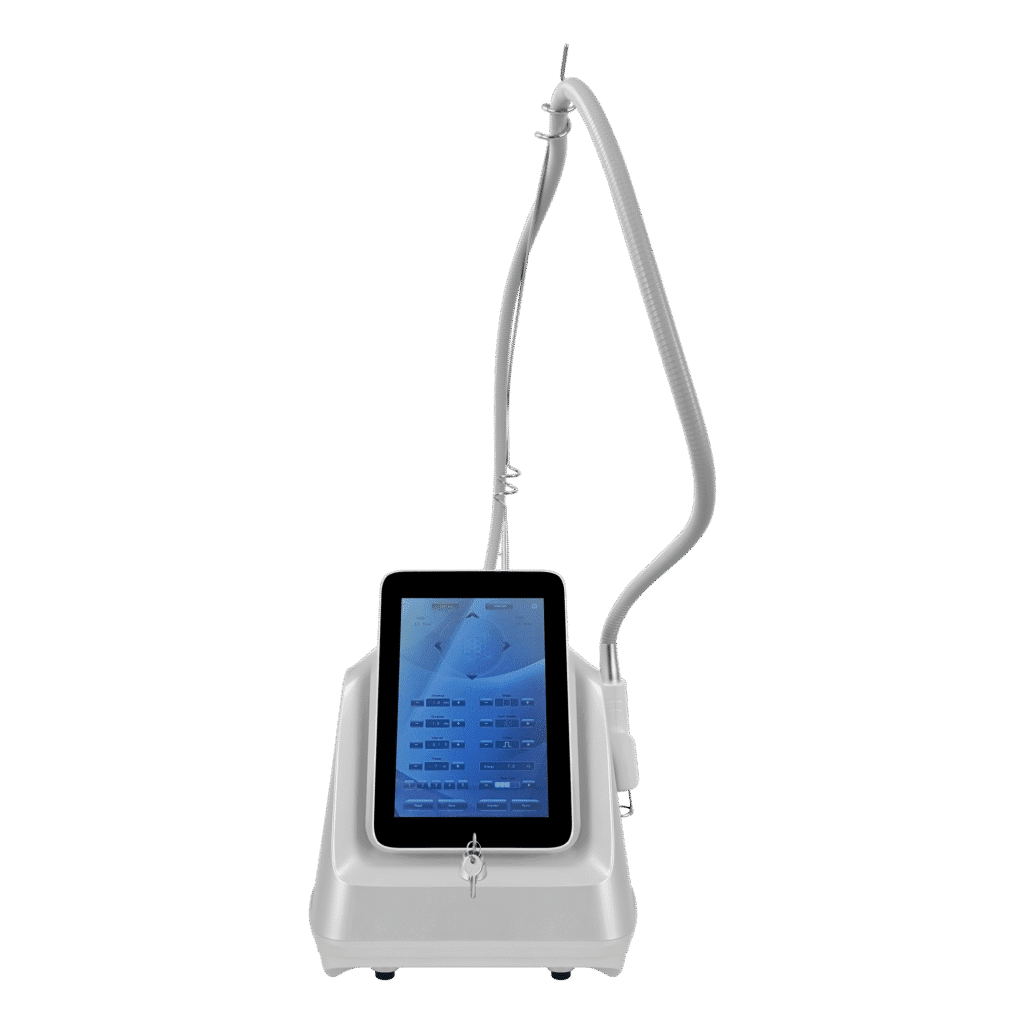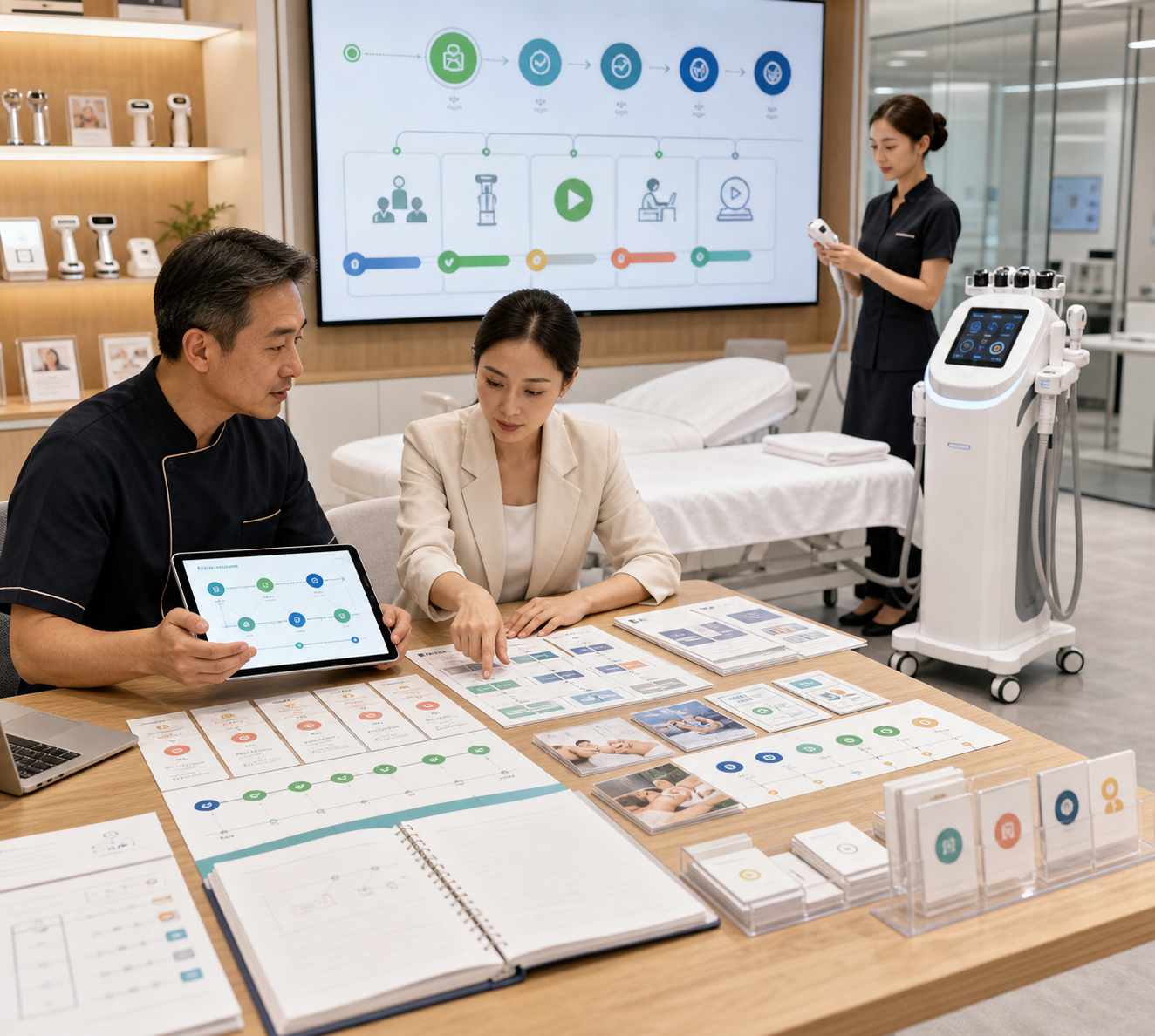
Alguns fabricantes de equipamentos de beleza atualizam regularmente os cursos de operação e os planos de projeto, mas nem todos os fornecedores fazem isso. Fabricantes profissionais e distribuidores consolidados geralmente atualizam os materiais de treinamento quando novos modelos são lançados, o software muda, peças de mão são adicionadas, as regras de manutenção são alteradas, o feedback dos clientes revela problemas comuns ou a demanda do mercado se altera. Fornecedores com serviços de menor qualidade podem oferecer apenas uma sessão de treinamento básico e deixar que os salões se virem sozinhos para descobrir o resto.
Para salões de beleza, cursos de operação atualizados ajudam a equipe a usar as máquinas de forma mais consistente e a reduzir erros de operação. Planos de projeto atualizados auxiliam o salão a criar pacotes de serviços com equipamentos, elaborar cartões de visita, melhorar a conversão e aumentar a fidelização. Para distribuidores, atualizações contínuas tornam os produtos mais fáceis de vender e de prestar suporte pós-venda.
O essencial é confirmar o sistema de atualização antes da compra. Os compradores não devem perguntar apenas se o treinamento é fornecido. Devem questionar se o treinamento é atualizado, com que frequência, qual conteúdo é atualizado, se as atualizações são gratuitas, quem as recebe e se os materiais podem ser utilizados por novos funcionários ou clientes finais.
Resposta curta: Bons fabricantes atualizam seus produtos regularmente, mas os compradores devem verificar.
Em um mercado consolidado de equipamentos de beleza, o treinamento não deve ser um evento isolado. Máquinas, softwares, consumíveis, preferências dos clientes e métodos de operação do salão mudam com o tempo. Bons fabricantes sabem que, se os salões não souberem como operar e vender o produto, a máquina pode ficar sem uso.
As atualizações regulares podem incluir:
- Novos vídeos de operação.
- Manuais do usuário atualizados.
- Etapas de tratamento revisadas.
- Novas listas de verificação de manutenção.
- Explicações dos códigos de erro.
- Orientações atualizadas sobre limpeza e substituição de consumíveis.
- Tutoriais de software e aplicativos.
- Sessões de reciclagem para funcionários.
- Novos modelos de pacotes de projetos.
- Planos de promoção sazonal.
- Modelos de cartões de experiência.
- Roteiros para consultas com clientes.
- Padrões para fotos de antes e depois.
- Instruções de cuidados posteriores.
- Materiais de treinamento para distribuidores.
No entanto, os compradores não devem presumir que isso esteja incluído automaticamente. O fornecedor deve ser capaz de mostrar exemplos de cursos atualizados, datas de versão, calendários de treinamento e materiais do projeto.
Cursos operacionais e planos de projeto são diferentes.
Muitos salões usam a expressão "suporte de treinamento", mas geralmente ela inclui dois tipos diferentes de suporte.
Cursos de Operação
Os cursos de operação ensinam os funcionários a usar a máquina corretamente. Eles se concentram no uso técnico, manutenção, limpeza, solução de problemas e limites de segurança do tratamento.
O conteúdo do curso de Operações pode incluir:
- Estrutura da máquina.
- Inicialização e desligamento.
- Conexão da alça e da sonda.
- Configuração de parâmetros.
- Etapas do tratamento.
- Sensação normal do cliente.
- Contraindicações e precauções.
- Limpeza e desinfecção.
- Substituição de consumíveis.
- Cronograma de manutenção.
- Tratamento de códigos de erro.
- Operação do software.
- Sinais de interrupção de uso.
- Processo de garantia e assistência técnica.
Esse tipo de treinamento ajuda a prevenir operações incorretas e problemas pós-venda.
Planos de projeto
Os planos de projeto ensinam os salões a transformar a máquina em receita. Eles se concentram no posicionamento do cliente, design de pacotes, precificação, roteiros de vendas, marketing e recompra.
O conteúdo do plano de projeto pode incluir:
- Nomes dos projetos.
- Grupos-alvo de clientes.
- Formulários de consulta.
- Design de cartão de experiência.
- Pacotes de tratamento.
- Referências de preços.
- Combinação com cuidados manuais.
- Roteiros de acompanhamento de clientes.
- Ideias para posts em redes sociais.
- Padrões de comunicação antes e depois.
- Planos de campanha sazonais.
- Planos de upgrade de assinatura.
Esse tipo de suporte ajuda o salão a vender o projeto. Um salão pode saber operar uma máquina, mas ainda assim não conseguir converter clientes se o planejamento do projeto for fraco.
Por que as atualizações regulares são importantes
Projetos de equipamentos de beleza podem se tornar obsoletos se o treinamento permanecer o mesmo por anos. Uma máquina pode até continuar funcionando, mas a equipe pode não saber como usar as novas funções, explicar o projeto, lidar com objeções ou fazer a manutenção correta do equipamento.
Atualizações regulares são importantes porque ajudam os salões:
- Treine novos funcionários mais rapidamente.
- Reduzir erros operacionais.
- Mantenha a limpeza e a manutenção em dia.
- Compreender as novas funcionalidades do software.
- Utilize corretamente os novos acessórios ou consumíveis.
- Renove projetos antigos que os clientes já não consideram interessantes.
- Melhorar a conversão de pacotes.
- Evite alegações de venda exageradas ou desatualizadas.
- Responder às perguntas mais frequentes dos clientes.
- Reduzir as disputas pós-venda.
Para os distribuidores, cursos e planos de projeto atualizados também reduzem a pressão por serviços repetitivos. Se todos os salões fazem a mesma pergunta sobre o funcionamento, o fornecedor deve atualizar o curso em vez de responder a cada uma delas indefinidamente.
O que leva um fabricante a atualizar os cursos?
Os fabricantes podem atualizar os cursos de operação por diversos motivos.
Novo produto ou nova versão
Quando um novo modelo, interface de tela, peça de mão, versão de software ou acessório é lançado, o treinamento deve ser atualizado. Se materiais de treinamento antigos forem usados para um novo modelo, a equipe pode selecionar configurações incorretas ou interpretar mal as novas funções.
Atualização de software ou aplicativo
Analisadores de pele, sistemas de detecção por IA, aparelhos de beleza inteligentes e dispositivos conectados à nuvem podem precisar de tutoriais atualizados quando o software for alterado. Isso inclui login de conta, exportação de relatórios, configuração de idioma, registros de clientes, atualizações de firmware e funções de assinatura.
Problemas comuns no pós-venda
Se muitos clientes cometem o mesmo erro, o fabricante deve aprimorar o treinamento. Por exemplo, uma sucção fraca pode ser causada por obstrução do filtro, conexão incorreta do tubo ou vedação inadequada do frasco. Um breve vídeo de atualização pode reduzir significativamente a necessidade de assistência técnica.
Lembrete de segurança ou manutenção
Quando um fornecedor identifica limpeza incorreta, substituição de filtro não realizada, uso indevido do alarme de resfriamento ou danos na peça de mão, deve atualizar o treinamento de manutenção imediatamente. O suporte técnico deve prevenir falhas, e não apenas repará-las.
Novo consumível ou acessório
Ao introduzir um novo cartucho, lâmpada, ponteira, filtro, soro, gel, membrana ou sonda, o fornecedor deve explicar a compatibilidade, o ciclo de substituição, o armazenamento, a instalação e o custo por tratamento.
Feedback de distribuidores e salões
Os salões de beleza frequentemente descobrem problemas práticos no uso real. Bons fabricantes coletam feedback dos distribuidores e atualizam o treinamento com base em problemas reais, não apenas em suposições de fábrica.
O que desencadeia atualizações nos planos do projeto?
Os planos do projeto devem ser adaptados às mudanças do mercado. Os clientes podem demonstrar maior interesse em tratamentos antienvelhecimento, reparação da barreira cutânea, modelagem corporal, cuidados para pele acneica, pele sensível, detecção de alterações da pele por IA, cuidados com o couro cabeludo ou manutenção sazonal.
As atualizações do plano do projeto podem ser desencadeadas por:
- Nova demanda de clientes.
- Promoções sazonais.
- Campanhas de férias.
- Nova função do equipamento.
- Novo produto consumível.
- Feedback do cliente.
- Baixa taxa de conversão.
- Baixa taxa de recompra.
- Dificuldade de vendas para funcionários de salão de beleza.
- Alterações no projeto do concorrente.
- Feedback do mercado de distribuidores.
Por exemplo, um equipamento de radiofrequência pode ser oferecido de forma diferenciada para clientes que o utilizam pela primeira vez para tratamentos antienvelhecimento, clientes que buscam tratamentos faciais de alta qualidade, membros antigos ou clientes de salões comunitários. Uma boa atualização de projeto ajuda o mesmo equipamento a agregar valor aos serviços oferecidos.
Com que frequência as atualizações devem ocorrer?
Não existe um cronograma de atualizações universal. A frequência ideal depende da complexidade da máquina, das mudanças no software, da velocidade do mercado e da capacidade de atendimento do fornecedor.
Uma referência prática:
- **Atualização imediata:** Aviso de segurança, problema grave de funcionamento, bug de software, código de erro importante ou alteração do produto.
- **Atualização mensal ou sazonal:** Campanhas de marketing, cartões de experiência, embalagens de projetos e conteúdo para redes sociais.
- **Atualização trimestral:** Perguntas frequentes sobre o funcionamento, roteiros de vendas, feedback do salão, lembretes de materiais de consumo e otimização de pacotes.
- **Atualização semestral:** Treinamento de reciclagem, requalificação da equipe, revisão de produtos do distribuidor e melhoria do desempenho do projeto.
- **Atualização anual:** Revisão completa do curso, revisão do manual, atualização dos vídeos, revisão da política de peças de reposição e atualização da estratégia do projeto.
O fornecedor não precisa atualizar todos os arquivos todos os meses. Mas deve haver um processo claro para atualizações técnicas e de mercado importantes.
O que deve incluir um bom curso de operações?
Um bom curso de operação deve ajudar os funcionários a trabalharem de forma independente, e não apenas a assistirem à apresentação do produto.
Deve incluir:
- Visão geral do produto e sua utilização prevista.
- Nomes de peças e acessórios de máquinas.
- Inicialização e desligamento.
- Interface de tela e lógica de menu.
- Preparação para o tratamento.
- Triagem de adequação do cliente.
- Lembretes sobre contraindicações.
- Lógica de ajuste de parâmetros.
- Etapas de tratamento por área ou projeto.
- Sensações normais e anormais do cliente.
- Limpeza e desinfecção.
- Substituição de consumíveis.
- Manutenção diária, semanal e mensal.
- Códigos de erro comuns.
- Solução de problemas.
- Condições de suspensão de uso.
- Processo de solicitação de garantia.
- Método de contato com o serviço.
Para equipamentos de alta energia ou complexos, o curso também deve explicar medidas de proteção, verificações de resfriamento, condições de manuseio, questões de estabilidade de saída e quando o reparo remoto não é suficiente.
O que deve incluir um bom plano de projeto?
Um plano de projeto deve ajudar os salões a venderem de forma profissional, sem fazer promessas irrealistas.
Deve incluir:
- Perfil do cliente-alvo.
- Dificuldades enfrentadas pelos clientes.
- Nome do projeto.
- Posicionamento do projeto.
- Fluxo de tratamento.
- Duração sugerida do curso.
- Combinações adicionais.
- Lógica de precificação.
- Plano de cartão de experiência.
- Perguntas para consulta.
- Padrões para fotos de antes e depois.
- Roteiro de explicação para o cliente.
- Tratamento de objeções.
- Instruções de cuidados posteriores.
- Mensagem de acompanhamento.
- Plano de recompra.
- Cálculo do custo de materiais de consumo.
- Acompanhamento do desempenho da equipe.
Um bom plano de projeto deve ser prático. Se um fabricante oferece apenas pôsteres bonitos, mas não um fluxograma de tratamento, lógica de precificação ou roteiro de vendas, o suporte é incompleto.
Que formatos os fabricantes devem fornecer?
Cada salão aprende de uma maneira diferente. Um bom fornecedor deve oferecer treinamento em diversos formatos.
Formatos úteis incluem:
- Manual do usuário em PDF.
- Guia de início rápido.
- Vídeos curtos de operação.
- Vídeos de treinamento completos.
- Treinamento em vídeo ao vivo.
- Treinamento presencial, se disponível.
- Fluxogramas de resolução de problemas.
- Listas de verificação de manutenção.
- Questões para teste de funcionários.
- Modelos de pacotes de projetos.
- Formulários de consulta ao cliente.
- Texto para redes sociais.
- Cartões de cuidados pós-operatórios para imprimir.
- Avisos de atualização de serviço.
- Registros de atualização de versão.
O melhor sistema de suporte é aquele que é fácil de reutilizar. Quando novos funcionários entram para a equipe do salão, o gerente deve ser capaz de treiná-los sem precisar esperar pelo fornecedor a cada vez.
As atualizações costumam ser gratuitas?
Depende da política do fornecedor.
Algumas atualizações geralmente são gratuitas:
- Correção de operação básica.
- Atualizações manuais durante o período de garantia.
- Esclarecimento do código de erro.
- Lembretes de segurança ou manutenção.
- Orientações sobre erros de software, caso estejam incluídas na política de serviço.
- Materiais básicos para treinamento remoto.
Algumas atualizações podem ser pagas ou ter limitações:
- Reciclagem no local de trabalho.
- Treinamento avançado em operação de projetos.
- Planos de marketing personalizados.
- Treinamento para certificação de distribuidores.
- Novos módulos de software.
- Funções de assinatura na nuvem.
- Materiais de treinamento com a marca do fabricante original (OEM).
- Tradução para o idioma local.
- Treinamento para grandes grupos.
- Assistência técnica pós-garantia.
Os compradores devem perguntar com clareza. Um fornecedor que afirma oferecer atualizações contínuas pode estar se referindo a arquivos PDF gratuitos, e não a treinamento presencial gratuito para sempre.
Como os compradores devem verificar se as atualizações são reais.
Antes da compra, os compradores devem solicitar ao fornecedor a apresentação de comprovantes de compra.
Pedir:
- Exemplo do curso de operação mais recente.
- Exemplo de plano de projeto mais recente.
- Lista de vídeos de treinamento.
- Data da versão do manual.
- Atualizar registro.
- Exemplo de atualizações de campanhas de projetos anteriores.
- Política de requalificação de pessoal.
- Notas sobre a atualização de software.
- Grupo do WeChat, portal, e-mail ou plataforma usada para atualizações.
- Calendário para treinamento ao vivo.
- Independentemente de os materiais estarem em chinês, inglês ou no idioma local.
- Se os distribuidores podem compartilhar materiais com os salões de beleza finais.
- Se os compradores OEM podem personalizar os materiais com a sua marca.
Caso o fornecedor não possa apresentar nenhuma atualização recente, o comprador deve considerar as atualizações regulares como uma promessa de venda, e não como um serviço confirmado.
Perguntas a fazer antes da compra
Salões de beleza e distribuidores devem perguntar:
- Você atualiza os cursos de operação após a compra?
- Com que frequência os materiais de treinamento são atualizados?
- O que desencadeia uma atualização?
- As atualizações são gratuitas durante o período de garantia?
- As atualizações são gratuitas após o período de garantia?
- Vocês oferecem treinamento de reciclagem para funcionários?
- Existem vídeos de treinamento disponíveis para novos funcionários?
- Você fornece atualizações do plano do projeto?
- Os planos do projeto incluem preços e design de embalagem?
- Você atualiza os materiais de marketing sazonalmente?
- Vocês fornecem roteiros de consulta atualizados?
- Os materiais estão disponíveis em chinês?
- Como você notifica os compradores sobre atualizações?
- Existe algum número de versão ou data em cada documento?
- Os distribuidores podem compartilhar os materiais com os clientes do salão?
- Os compradores de equipamentos originais (OEMs) podem adicionar seu logotipo aos materiais de treinamento?
- A atualização de software requer pagamento adicional?
- Com quem o comprador deve entrar em contato se os materiais estiverem desatualizados?
Essas questões diferenciam os verdadeiros sistemas de treinamento do suporte de vendas pontual.
Como os salões devem usar materiais de treinamento atualizados
Mesmo que o fabricante atualize os materiais, os salões precisam de um sistema para utilizá-los.
Boas práticas em salões de beleza incluem:
- Designe uma pessoa para gerenciar os arquivos de treinamento.
- Mantenha manuais, vídeos e avisos de atualização em uma única pasta.
- Registre quais funcionários concluíram o treinamento.
- Revisar as atualizações durante as reuniões mensais da equipe.
- Atualize o procedimento operacional padrão da loja quando as orientações do fabricante forem alteradas.
- Remova as versões antigas do uso diário.
- Equipe de teste após atualizações importantes.
- Utilize planos de projeto atualizados em simulações de vendas.
- Acompanhe a conversão após o lançamento de novos pacotes de projeto.
Se as atualizações ficarem restritas a um grupo de bate-papo e ninguém treinar a equipe, elas não gerarão valor.
Como os distribuidores podem usar as atualizações para melhorar a retenção de clientes
Para os distribuidores, atualizações regulares sobre cursos e projetos são uma ferramenta poderosa de fidelização.
Os distribuidores podem fornecer:
- Treinamento online mensal.
- Atualizações trimestrais do plano do projeto.
- Modelos de promoção sazonal.
- Treinamento de reciclagem para novos funcionários, visando o atendimento aos clientes do salão.
- Compartilhamento de casos de sucesso de lojas selecionadas.
- Solução de problemas em transmissões ao vivo.
- Lembretes para substituição de consumíveis.
- Boletins informativos com atualizações de produtos.
- Grupos de serviços privados.
- Arquivos de treinamento com a marca do distribuidor.
Isso faz do distribuidor mais do que um vendedor de máquinas. Faz do distribuidor um parceiro operacional de longo prazo.
Como os fabricantes podem criar um sistema de atualização melhor
Os fabricantes podem tornar as atualizações mais úteis criando um sistema de treinamento estruturado.
Algumas práticas úteis incluem:
- Números de versão nos manuais.
- Notas de lançamento para atualizações de treinamento.
- Vídeos curtos para problemas comuns.
- Bibliotecas de cursos específicos para cada produto.
- Cursos separados para iniciantes e avançados.
- Certificação de treinamento para distribuidores.
- Coleta de feedback dos salões.
- Atualizações mensais de perguntas frequentes.
- Modelos de plano de projeto por tipo de salão.
- Análise clara das alegações publicitárias.
- Avisos de atualização de software.
- Calendário de lembretes de manutenção.
O objetivo não é criar conteúdo infinito. O objetivo é tornar os equipamentos mais fáceis de usar, mais fáceis de vender e mais fáceis de dar suporte.
As alegações publicitárias precisam ser atualizadas com cuidado.
Os planos de projeto e os roteiros de marketing devem ser cuidadosamente revisados. Os materiais de venda de equipamentos de beleza devem evitar promessas exageradas, alegações médicas sem comprovação, resultados garantidos, efeitos permanentes ou exemplos enganosos de antes e depois.
Os materiais atualizados do projeto devem usar uma linguagem cuidadosa:
- Explique o que uma sessão pode e não pode mostrar.
- Evite resultados garantidos.
- Note que os resultados podem variar.
- Utilize padrões de comparação verdadeiros para o antes e o depois.
- Evite insinuar o tratamento de doenças, a menos que seja devidamente respaldado e legalmente permitido.
- Mantenha as alegações consistentes com o uso pretendido do produto.
Isso protege o salão, o distribuidor e o fabricante. Um bom planejamento de projeto deve impulsionar as vendas, mas não deve gerar riscos para a publicidade.
Sinais de alerta a serem observados
Tenha cuidado se:
- O fornecedor afirma que o treinamento está atualizado, mas não possui materiais desatualizados.
- Apenas um vídeo antigo está disponível.
- O manual não corresponde ao modelo atual.
- O plano do projeto é apenas um pôster sem fluxograma de tratamento.
- Não há treinamento de reciclagem disponível para a equipe.
- As atualizações são enviadas aleatoriamente, sem controle de versão.
- O software foi alterado, mas o tutorial não foi atualizado.
- Os códigos de erro não são explicados.
- As alegações de marketing parecem exageradas ou sem fundamento.
- O distribuidor não pode compartilhar materiais com os salões finais.
- Os compradores OEM não podem revisar o conteúdo de treinamento personalizado.
- O fornecedor se recusa a incluir a política de atualização de treinamento no contrato.
Esses indícios sugerem que o fornecedor pode não ter um sistema de atualização eficiente.
Como incluir o suporte para atualizações no contrato
O suporte para treinamento e atualização do projeto deve estar incluído no contrato de compra ou no documento de pós-venda.
Termos úteis incluem:
- Conteúdo inicial do treinamento.
- Período de atualização gratuito.
- Política de atualização paga.
- Formato de treinamento.
- Frequência de reeducação.
- Idioma de suporte.
- Método de notificação de atualização.
- Política de atualização de software.
- Escopo da atualização do plano do projeto.
- Direitos de compartilhamento do distribuidor.
- Direitos de marca OEM.
- Controle de versão.
- Tempo de resposta para perguntas sobre treinamento.
- Se o treinamento presencial está incluído.
- Se a revisão das alegações de marketing está incluída.
Termos escritos evitam disputas futuras. Se atualizações regulares são um diferencial do fornecedor, elas devem fazer parte do contrato.
Perguntas frequentes
Os fabricantes de equipamentos de beleza costumam atualizar os cursos de operação?
Fabricantes profissionais costumam atualizar seus cursos de operação quando há mudanças em produtos, softwares, acessórios, regras de manutenção ou problemas comuns de pós-venda. No entanto, alguns fornecedores oferecem apenas um treinamento único, portanto, os compradores devem verificar essa informação antes da compra.
Os fabricantes atualizam os planos de projeto para salões de beleza?
Alguns sim, especialmente fornecedores que dão suporte às operações de salões de beleza e distribuidores. As atualizações podem incluir fichas de experiência, pacotes de tratamento, ideias de preços, roteiros de consulta, campanhas sazonais e modelos de acompanhamento de clientes.
Os materiais de treinamento atualizados são gratuitos?
Depende do fornecedor. Atualizações digitais básicas podem ser gratuitas durante o período de garantia, enquanto treinamento presencial, consultoria avançada de projetos, módulos de software, materiais personalizados e suporte pós-garantia podem ser cobrados.
Como um salão de beleza pode saber se as atualizações são úteis?
As atualizações úteis devem ser específicas para cada modelo, estar atualizadas, serem práticas, fáceis de implementar e estarem relacionadas a problemas reais do salão. Devem incluir etapas de operação, manutenção, solução de problemas, fluxo de projetos, lógica de precificação e comunicação com o cliente.
Os distribuidores devem solicitar cursos atualizados aos fabricantes?
Sim. Os distribuidores precisam de cursos e planos de projeto atualizados para treinar os clientes de salão de beleza, reduzir a pressão pós-venda, lançar campanhas sazonais e manter os produtos competitivos no mercado.
Conclusão
Os fabricantes de equipamentos de beleza podem atualizar regularmente os cursos de operação e os planos de projeto, mas o nível de suporte varia de fornecedor para fornecedor. Os fabricantes mais robustos atualizam o treinamento técnico, as orientações de manutenção, os tutoriais de software, os materiais de solução de problemas e os planos de projeto com base nas mudanças de produto, no feedback do mercado, nas necessidades dos salões e nos dados de serviço.
Para salões de beleza, atualizações regulares ajudam a equipe a operar as máquinas corretamente e a transformar os equipamentos em projetos lucrativos. Para distribuidores, as atualizações contribuem para a fidelização de clientes e reduzem a carga de trabalho pós-venda. Antes da compra, os compradores devem confirmar o cronograma de atualizações, o escopo do conteúdo, o período gratuito, o formato do treinamento, o idioma, o controle de versão e se os materiais do projeto podem ser reutilizados para treinamento da equipe ou suporte ao cliente final.