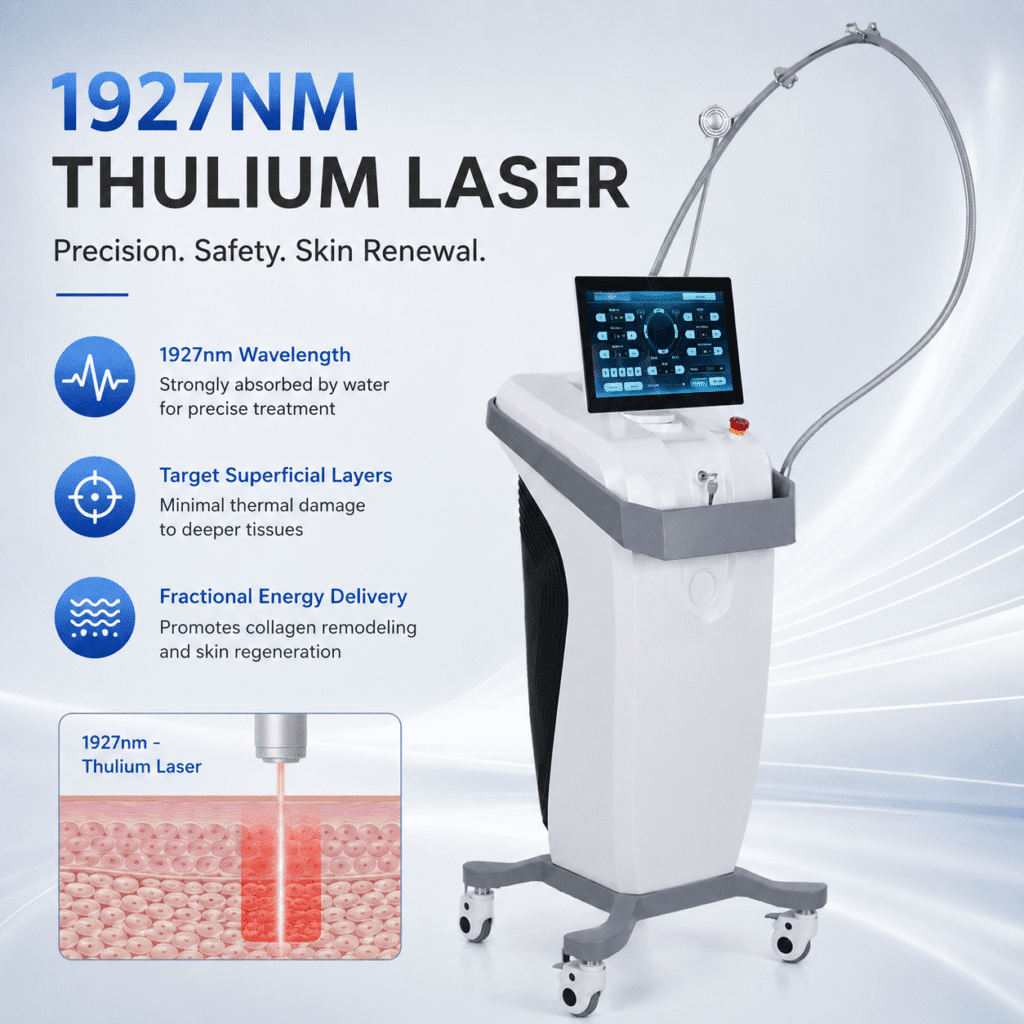
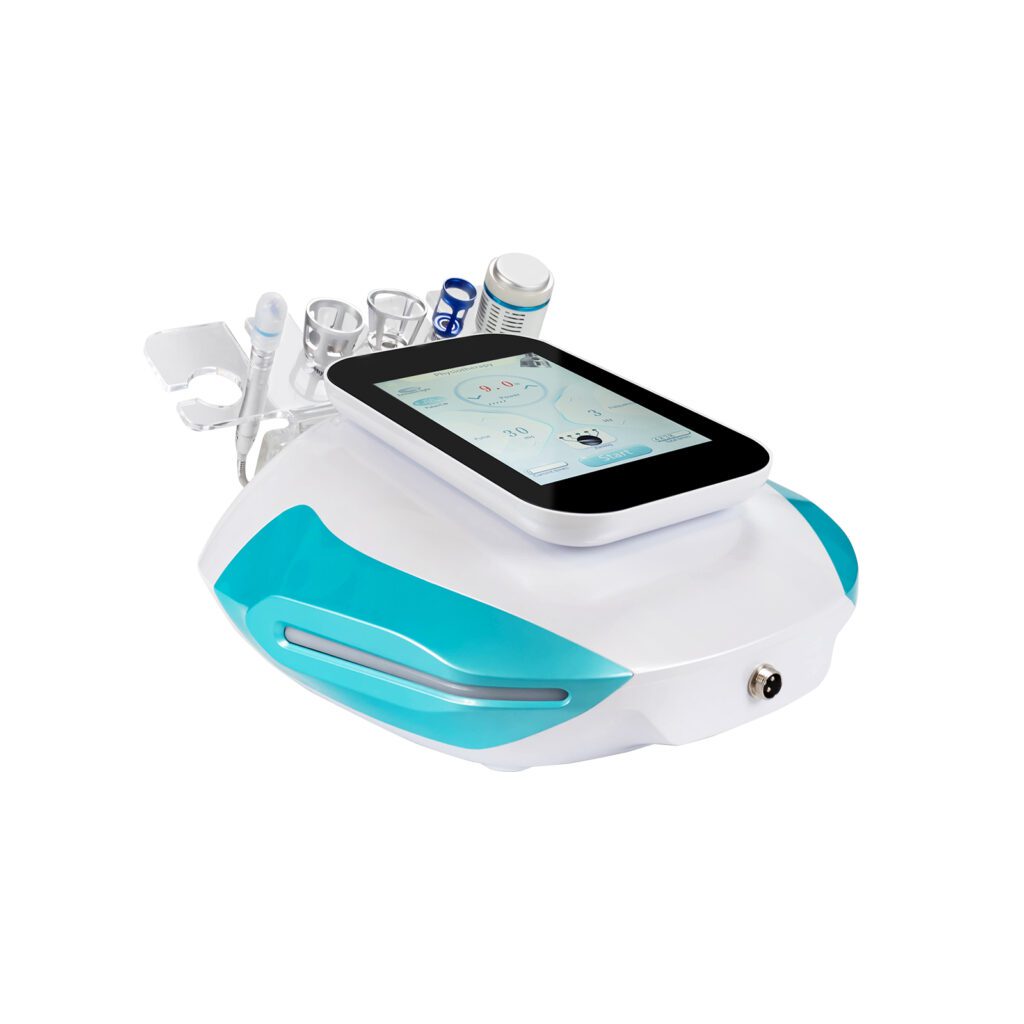
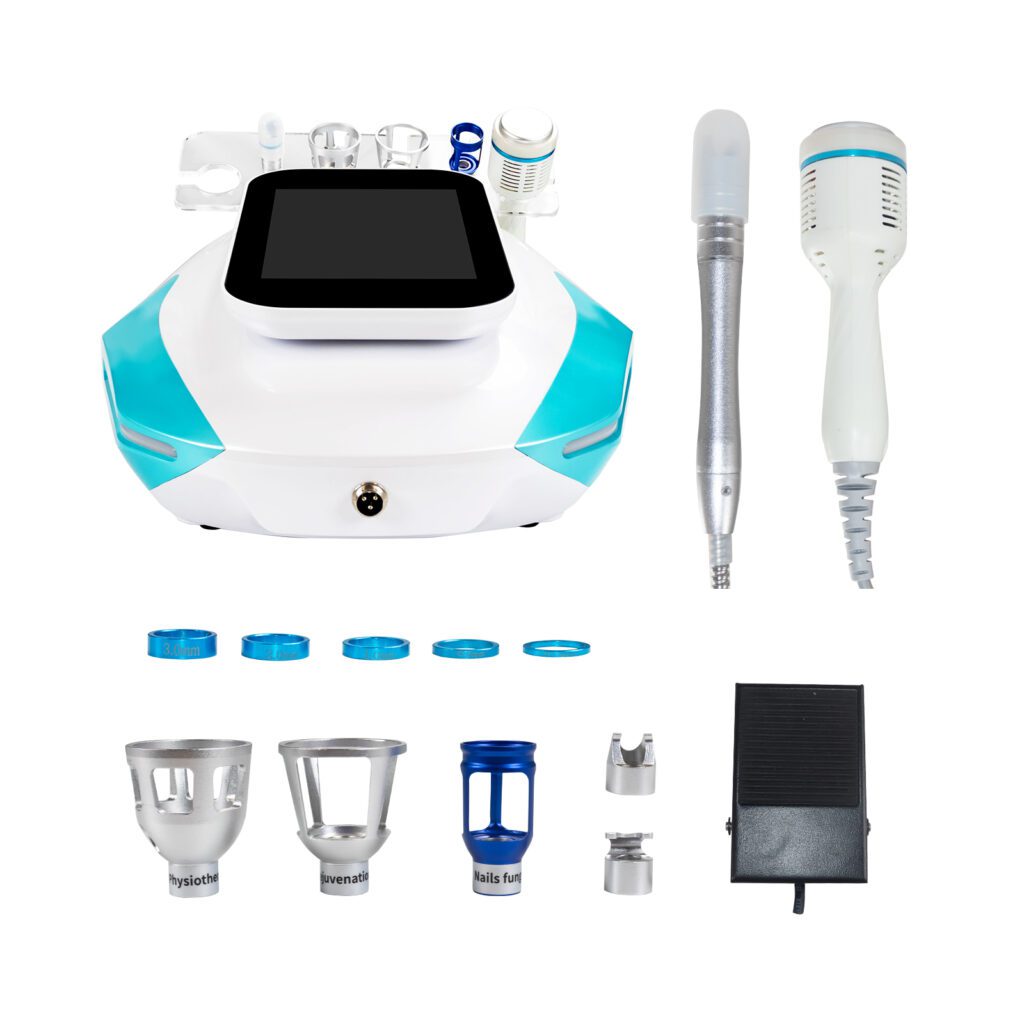
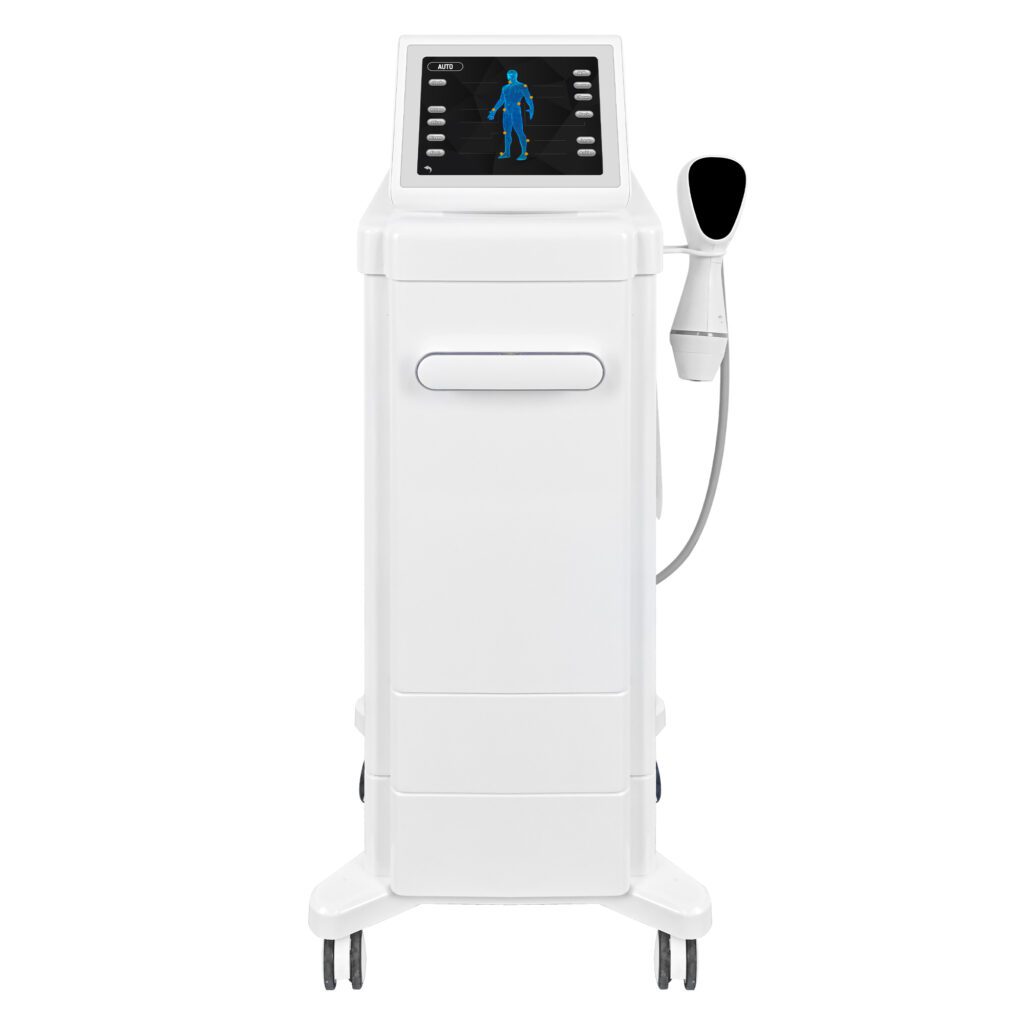
Para distribuidores de equipamentos de beleza e proprietários de salões, o ciclo de vida do produto é uma questão importante de investimento.
Um comprador pode gostar das funções atuais de um laser de diodo, aparelho facial, sistema de contorno corporal, plataforma HIFU ou dispositivo de ondas de choque, mas ainda assim ter dúvidas:
Será que esse equipamento ficará obsoleto antes que eu recupere meu investimento?
Essa preocupação é compreensível. A tecnologia de beleza se desenvolve rapidamente, os fornecedores lançam novos modelos com frequência, as interfaces de software melhoram e o marketing muitas vezes apresenta cada nova máquina como uma grande inovação.
No entanto, um novo modelo não torna automaticamente um dispositivo existente comercialmente inútil.
Para a maioria das categorias consolidadas de equipamentos de beleza, a tecnologia central de tratamento muda mais lentamente do que a aparência do produto, o design da tela ou a linguagem de marketing. Um dispositivo bem selecionado e com suporte adequado pode permanecer comercialmente útil por vários anos, desde que ainda atenda aos requisitos locais, receba manutenção, tenha peças de reposição disponíveis e continue a satisfazer os clientes do salão.
A pergunta mais pertinente não é apenas: "Qual a idade da máquina?"“
A pergunta mais pertinente seria:
O dispositivo ainda oferece um serviço relevante e o fornecedor pode continuar a dar suporte a ele?
Não existe um número único de ciclo de vida para todos os dispositivos de beleza.
Os equipamentos de beleza não possuem uma data de validade única.
A vida útil de um dispositivo depende de sua tecnologia, construção, frequência de uso, peças de mão, sistema de refrigeração, software, manutenção, regulamentação local e suporte do fornecedor.
Para o planejamento de distribuição, é útil separar cinco ciclos de vida diferentes:
- vida útil física
- vida útil comercial
- relevância da tecnologia
- Suporte de software e cibersegurança
- ciclo de vida regulatório e de documentação
Essas linhas temporais estão conectadas, mas não são idênticas.
Uma máquina pode continuar funcionando após oito anos, mas já não ser comercialmente atrativa. Outra máquina pode parecer visualmente antiga após quatro anos, mas continuar oferecendo serviços lucrativos porque os clientes ainda desejam o tratamento. Um terceiro dispositivo pode ter hardware funcionando, mas tornar-se difícil de dar suporte porque sua peça de mão ou placa de controle não está mais disponível.
Por isso, o ciclo de vida deve ser avaliado como um sistema de negócios completo.
1. Vida útil física: Por quanto tempo o hardware pode operar?
A vida útil física refere-se ao período durante o qual a máquina pode operar de forma confiável com uso e manutenção adequados.
Para muitas plataformas de salão de beleza fabricadas profissionalmente, um período de espera de aproximadamente cinco a oito anos pode ser razoável, e alguns equipamentos permanecem úteis por mais tempo. Isso não é uma promessa de garantia nem uma regra universal. O uso frequente, o transporte, o ambiente, a qualidade da manutenção e o design dos componentes podem encurtar ou prolongar a vida útil real.
As peças que podem exigir atenção antecipada incluem:
- peças de mão de tratamento
- barras ou lâmpadas de laser
- filtros e sistemas de água
- bombas e componentes de vácuo
- cabos e conectores
- módulos de resfriamento
- telas sensíveis ao toque
- fontes de alimentação
- aplicadores e dicas de tratamento
Um salão que realiza dez tratamentos por dia exerce mais pressão sobre o equipamento do que um pequeno estúdio que realiza dez tratamentos por semana.
Portanto, os distribuidores devem questionar os fornecedores sobre a manutenção esperada, as peças de reposição e os procedimentos de serviço, em vez de apenas solicitar uma estimativa geral da vida útil.
2. Vida útil comercial: o salão ainda pode vender o tratamento?
A vida útil comercial costuma ser mais importante do que a vida útil física.
Um dispositivo permanece comercialmente relevante quando:
- Os clientes ainda entendem e solicitam o serviço.
- o salão pode precificar o tratamento de forma lucrativa
- Os funcionários podem operá-lo com confiança.
- O tratamento oferece pacotes ou visitas repetidas.
- Os concorrentes não forçaram o serviço a adotar descontos insustentáveis.
- A máquina ainda proporciona uma experiência aceitável ao cliente.
Categorias consolidadas como depilação a laser de diodo, IPL, radiofrequência, tratamentos faciais do tipo Hydra, modelagem corporal, HIFU e Shockwave normalmente não desaparecem simplesmente porque um novo modelo é lançado.
Seu valor comercial depende da capacidade dos salões locais de continuarem a desenvolver serviços atrativos em torno deles.
Por exemplo, um laser de diodo mais recente pode oferecer um tamanho de ponto maior, resfriamento aprimorado ou uma interface mais moderna. Essas mudanças podem melhorar a velocidade ou o conforto do tratamento, mas não eliminam automaticamente a demanda por um laser de diodo existente com bom desempenho.
Da mesma forma, uma nova plataforma facial Hydra pode ter alças adicionais ou um sistema de gerenciamento de frascos aprimorado, mas uma plataforma mais antiga e funcional ainda pode suportar serviços de limpeza e hidratação de alta frequência.
3. Relevância da Tecnologia: O Princípio Fundamental Ainda é Aceito?
A relevância da tecnologia questiona se o princípio funcional central continua sendo útil no mercado.
Algumas tecnologias de beleza são consolidadas, e não tendências passageiras.
Exemplos incluem:
- Fototermólise seletiva para aplicações em laser e IPL
- Energia de radiofrequência para aplicações de aquecimento e cuidados com a pele.
- ultrassom focalizado em fluxos de trabalho adequados para elevação e tensionamento.
- Resfriamento controlado para serviços de criolipólise e contorno corporal.
- sistemas de limpeza facial a vácuo e à base de fluidos
- estimulação eletromagnética para serviços focados nos músculos
- Tecnologia acústica ou de ondas de choque para canais adequados de recuperação e cuidados corporais.
Esses princípios podem continuar a evoluir, mas é improvável que fundamentos consolidados se tornem irrelevantes da noite para o dia.
Nos próximos dois a três anos, muitas atualizações provavelmente serão incrementais em vez de revolucionárias.
As áreas com maior probabilidade de desenvolvimento incluem:
- Resfriamento aprimorado e maior conforto para o cliente.
- velocidade de tratamento mais rápida
- tamanhos de ponto maiores ou mais flexíveis
- fornecimento de energia mais estável
- monitoramento de segurança adicional
- interfaces de software simplificadas
- protocolos de tratamento predefinidos
- peças de mão modulares
- Diagnóstico remoto e suporte de software
- melhor integração de múltiplas funções de serviço
- Sugestões de parâmetros ou fluxos de trabalho de consulta assistidos por IA
Essas melhorias podem facilitar a venda de novos modelos, mas não necessariamente tornam um dispositivo atual inutilizável.
Os equipamentos de beleza ficarão obsoletos nos próximos 2 a 3 anos?
Para um dispositivo bem selecionado, baseado em tecnologia consolidada, a obsolescência completa em dois ou três anos é geralmente improvável.
A máquina pode não ser mais o modelo mais recente, mas "não ser a mais recente" e "não ser comercialmente útil" são condições diferentes.
É mais provável que um dispositivo permaneça relevante se:
- A categoria de tratamento já possui demanda do consumidor.
- A máquina tem um desempenho estável.
- O software pode ser mantido ou atualizado quando necessário.
- Peças de reposição e peças de mão continuam disponíveis.
- O fornecedor continua a prestar suporte técnico.
- Os requisitos de conformidade locais ainda são atendidos.
- O salão criou pacotes de tratamento de sucesso em torno disso.
O risco de obsolescência precoce é maior quando:
- A tecnologia depende principalmente de uma tendência passageira nas redes sociais.
- O fornecedor muda constantemente de modelos e abandona peças antigas.
- O dispositivo utiliza consumíveis proprietários não substituíveis.
- O software é fechado e não tem suporte.
- A máquina não pode ser reparada localmente nem remotamente.
- O tratamento exige alegações que os órgãos reguladores podem restringir.
- O produto apresenta baixa demanda por parte dos clientes fora das campanhas promocionais.
Portanto, os distribuidores não devem apenas perguntar: "Uma máquina mais recente será lançada?"“
Quase sempre haverá uma máquina mais nova.
Eles deveriam questionar se a plataforma atual oferece suporte e um modelo de serviço rentável.
As atualizações de software podem prolongar o ciclo de vida comercial.
O software está se tornando cada vez mais importante em equipamentos de beleza.
As plataformas modernas podem usar software para controle de parâmetros, predefinições de tratamento, contas de usuário, diagnósticos, idioma da interface, lembretes de manutenção e suporte técnico remoto.
O suporte de software pode prolongar a vida útil de um dispositivo quando fornece:
- correções de interface
- atualizações de protocolo ou parâmetros
- atualizações de idioma
- Melhorias na geração de relatórios de erros
- compatibilidade com novas peças de mão
- diagnóstico remoto
- atualizações de segurança para dispositivos conectados
No entanto, os distribuidores não devem presumir que todas as máquinas suportam atualizações over-the-air.
Antes de fazer o pedido, pergunte:
- O software pode ser atualizado?
- A atualização é realizada remotamente, via USB ou por um técnico?
- As atualizações de rotina são gratuitas ou pagas?
- O dispositivo pode funcionar se os serviços online forem interrompidos?
- Por quanto tempo a versão atual do software terá suporte?
- Os dados do cliente ou do tratamento são armazenados?
- Como são tratadas as questões de segurança relacionadas a dispositivos conectados?
Para dispositivos regulamentados como dispositivos médicos em um mercado local, a manutenção de software e a segurança cibernética também podem se tornar responsabilidades ao longo do ciclo de vida. O FDA (Food and Drug Administration) dos EUA considera a segurança cibernética como uma questão contínua ao longo do ciclo de vida do dispositivo, enquanto as normas europeias para dispositivos médicos enfatizam o monitoramento pós-comercialização e as responsabilidades contínuas do fabricante.
Os distribuidores devem confirmar as regras que se aplicam ao produto e país específicos, em vez de presumir que todos os dispositivos de beleza têm o mesmo status regulatório.
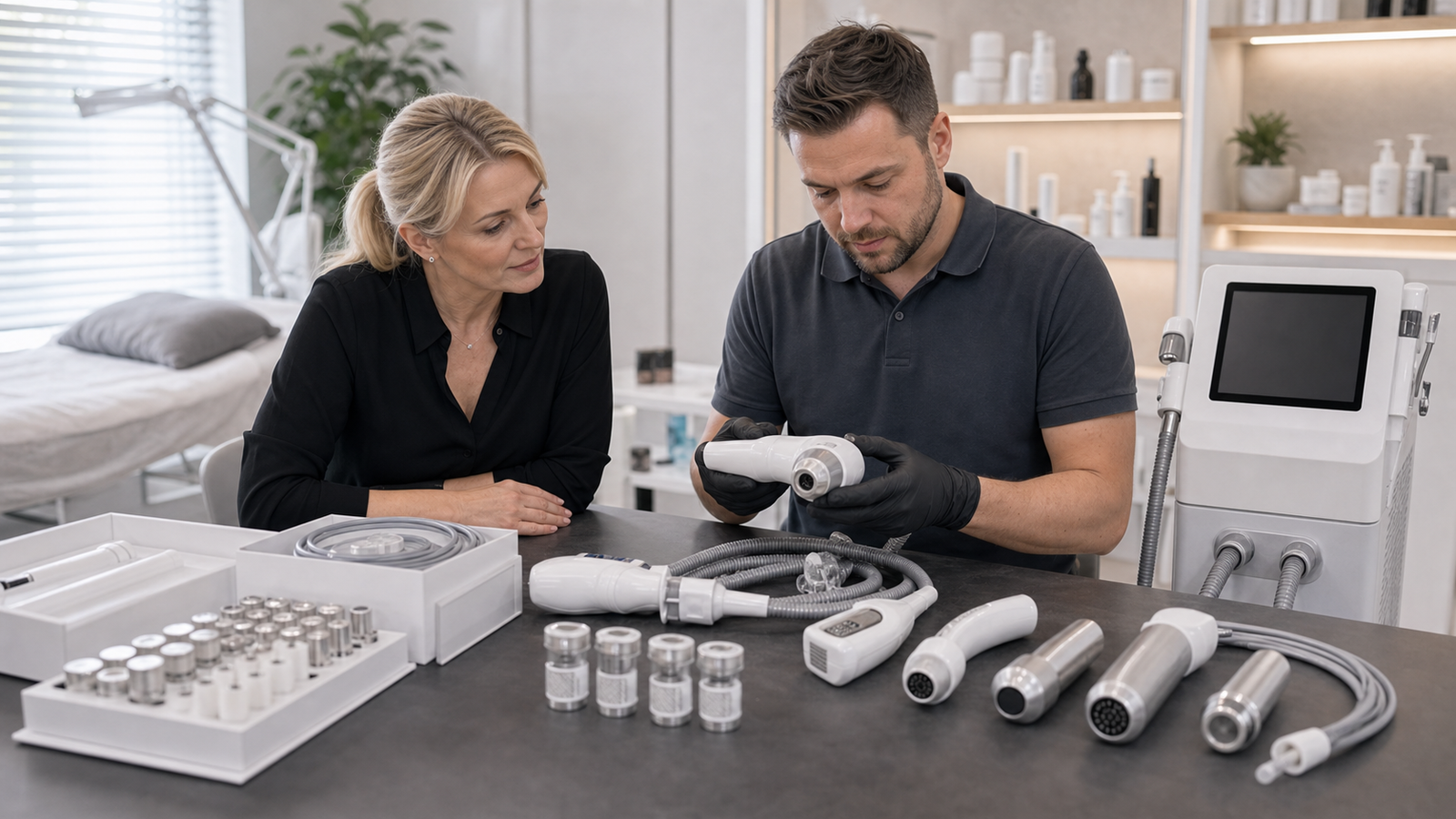
Muitas vezes, as peças de reposição determinam se um dispositivo se torna obsoleto.
Na prática, uma máquina pode se tornar difícil de usar devido à indisponibilidade de peças antes mesmo que sua tecnologia principal se torne obsoleta.
Isso torna o planejamento de peças de reposição essencial.
Os distribuidores devem confirmar a disponibilidade de:
- peças de mão e aplicadores
- telas e placas de controle
- fontes de alimentação
- bombas e válvulas
- filtros e componentes de água
- cabos e conectores
- componentes de resfriamento
- pontas e cartuchos de tratamento
- acessórios de proteção
- consumíveis específicos do dispositivo
A promessa de um fornecedor de oferecer suporte a peças por vários anos é mais valiosa quando é específica.
Pergunte quais peças estão em estoque, quais são produzidas sob encomenda, qual o prazo normal de entrega e se as versões de substituição compatíveis continuarão disponíveis após uma atualização do modelo.
Para os distribuidores, manter um pequeno estoque local de peças comuns também pode reduzir o tempo de inatividade e fortalecer a confiança do cliente.
A regulamentação pode encurtar o ciclo de vida de um produto no mercado.
A tecnologia pode permanecer funcional enquanto a regulamentação local muda.
Dependendo do mercado e da categoria do dispositivo, os requisitos futuros podem afetar:
- documentação de importação
- segurança elétrica
- compatibilidade eletromagnética
- software e cibersegurança
- evidência clínica ou de desempenho
- alegações publicitárias
- qualificações do operador
- vigilância pós-comercialização
- gestão de reclamações e incidentes
Os distribuidores que atuam na Europa, nos Estados Unidos ou em outros mercados regulamentados devem verificar a classificação e os requisitos específicos de cada dispositivo.
A estrutura regulatória da Comissão Europeia para dispositivos médicos exige que fabricantes e operadores econômicos gerenciem os dispositivos ao longo de todo o seu ciclo de vida no mercado, quando os produtos se enquadram na regulamentação de dispositivos médicos. A FDA também espera atenção ao longo do ciclo de vida do software e da cibersegurança em dispositivos médicos conectados aplicáveis.
Isso não significa que uma máquina de salão de beleza se tornará automaticamente ilegal após dois anos.
Significa que os distribuidores devem escolher fornecedores que consigam manter a documentação e comunicar as alterações regulamentares, em vez de desaparecerem após a primeira encomenda.
Quais categorias de equipamentos de beleza têm menos probabilidade de se tornarem obsoletas rapidamente?
Dispositivos baseados em demanda consolidada e serviços recorrentes geralmente apresentam maior longevidade comercial.
Depilação a laser de diodo e IPL
A demanda por depilação a laser está bem estabelecida em muitos mercados internacionais. Novas plataformas podem aprimorar os comprimentos de onda, o resfriamento, o tamanho do ponto de aplicação e a velocidade do tratamento, mas um dispositivo estável continua sendo útil quando seu aplicador, sistema de resfriamento e componentes apresentam bom desempenho.
Aparelhos Hydra Facial e de cuidados com a pele
Os serviços de limpeza facial, hidratação e manutenção têm potencial para fidelizar clientes. O ciclo de vida comercial depende dos materiais de consumo, da estabilidade da sucção, do fluxo de trabalho higiênico, da qualidade dos aplicadores e da capacidade dos salões de manter o menu de serviços atrativo.
Plataformas de RF e HIFU
Essas tecnologias podem continuar relevantes nos canais de antienvelhecimento e cuidados com a pele. Seu ciclo de vida depende muito do treinamento do operador, do suporte de cartuchos ou peças de mão, dos controles de segurança, da conformidade com as normas locais e de uma comunicação realista com o cliente.
Equipamentos para modelagem corporal
Criolipólise, radiofrequência, vácuo, eletroestimulação muscular e outras plataformas de cuidados corporais podem continuar sendo comercialmente viáveis quando o salão conseguir vender pacotes com preços justos. O risco, muitas vezes, não é o desaparecimento da tecnologia, mas sim o posicionamento inadequado do serviço ou promessas exageradas.
Equipamentos de terapia por ondas de choque e fisioterapia
Equipamentos de terapia por ondas de choque e recuperação podem ser utilizados nas áreas de reabilitação, esportes, bem-estar e cuidados corporais. A longevidade comercial depende da durabilidade do aplicador, da disponibilidade do mesmo, do treinamento técnico e do posicionamento regulatório local.
Como os distribuidores devem avaliar um dispositivo antes da importação
Antes de fazer um pedido maior, os distribuidores podem usar a seguinte lista de verificação do ciclo de vida.
1. A tecnologia principal está madura?
Tecnologias maduras geralmente têm uma demanda mais clara e um menor risco de desaparecerem rapidamente.
2. O serviço é repetível?
Um dispositivo com cursos de tratamento, planos de manutenção ou pacotes tem uma vida útil comercial mais longa.
3. As peças principais são substituíveis?
Evite plataformas onde um único componente proprietário com defeito torne toda a máquina inutilizável.
4. O suporte de software é claro?
Confirme os métodos de atualização, os custos e as condições de operação a longo prazo.
5. O fornecedor pode explicar seu plano de desenvolvimento de produtos?
Pergunte se os modelos futuros manterão a compatibilidade com peças de mão, componentes ou suporte de software.
6. Há treinamento disponível?
A confiança do operador protege o valor comercial da máquina.
7. O aparelho pode ser reparado?
Diagnóstico remoto, manuais técnicos e módulos substituíveis podem reduzir o tempo de inatividade.
8. Os documentos são mantidos?
Para mercados regulamentados, a documentação atual faz parte do suporte ao ciclo de vida do produto.
9. O fornecedor se compromete com o fornecimento de peças de reposição?
Peça que esclareçam suas expectativas de suporte, em vez de se contentarem com uma promessa vaga.
10. A máquina pode continuar lucrativa sem ser o modelo mais recente?
Se o serviço continuar a gerar demanda por parte dos clientes e margens aceitáveis, o dispositivo poderá manter seu valor comercial.
Como explicar o ciclo de vida aos clientes do salão de beleza
Os distribuidores devem evitar prometer que uma máquina nunca ficará obsoleta.
Uma explicação equilibrada é mais persuasiva:
“Os equipamentos de estética estão em constante evolução, por isso novos modelos surgirão. No entanto, tecnologias consolidadas normalmente não se tornam comercialmente obsoletas apenas com o lançamento de uma nova tela ou peça de mão. Os pontos importantes são o desempenho estável, a demanda por tratamentos, a manutenção, o suporte de software, as peças de reposição e o serviço do fornecedor.”
Você pode então explicar:
- Quais peças são substituíveis?
- como a manutenção é realizada
- se o software pode ser atualizado
- Que tipo de treinamento está incluído?
- Por quanto tempo se espera que as peças permaneçam disponíveis?
- Como o salão pode manter o menu de serviços comercialmente atrativo?
Essa resposta é mais crível do que afirmar que o dispositivo é "à prova de futuro".“
Quais mudanças são mais prováveis nos próximos 2 a 3 anos?
Do ponto de vista de um distribuidor, os próximos dois a três anos têm maior probabilidade de trazer melhorias práticas do que o desaparecimento repentino de categorias de tratamento já consolidadas.
As mudanças prováveis incluem:
- orientação de parâmetros mais inteligente
- maior integração dos registros de consulta e tratamento
- diagnóstico remoto aprimorado
- melhor refrigeração e conforto
- Plataformas modulares com mais opções de peças de mão
- tratamentos mais rápidos
- interfaces de usuário aprimoradas
- maior atenção à segurança de software
- requisitos de documentação regulamentar mais rigorosos
- mais competição em torno de pacotes de serviços do que apenas de hardware
A IA pode auxiliar em consultas, sugestões de parâmetros, treinamento e gestão de clientes. No entanto, os salões ainda precisarão de operadores treinados, avaliação responsável dos clientes e equipamentos confiáveis.
Os distribuidores mais resilientes não irão atrás de todas as novas funcionalidades. Eles selecionarão plataformas que possam ser mantidas, atualizadas e vendidas como serviços lucrativos.
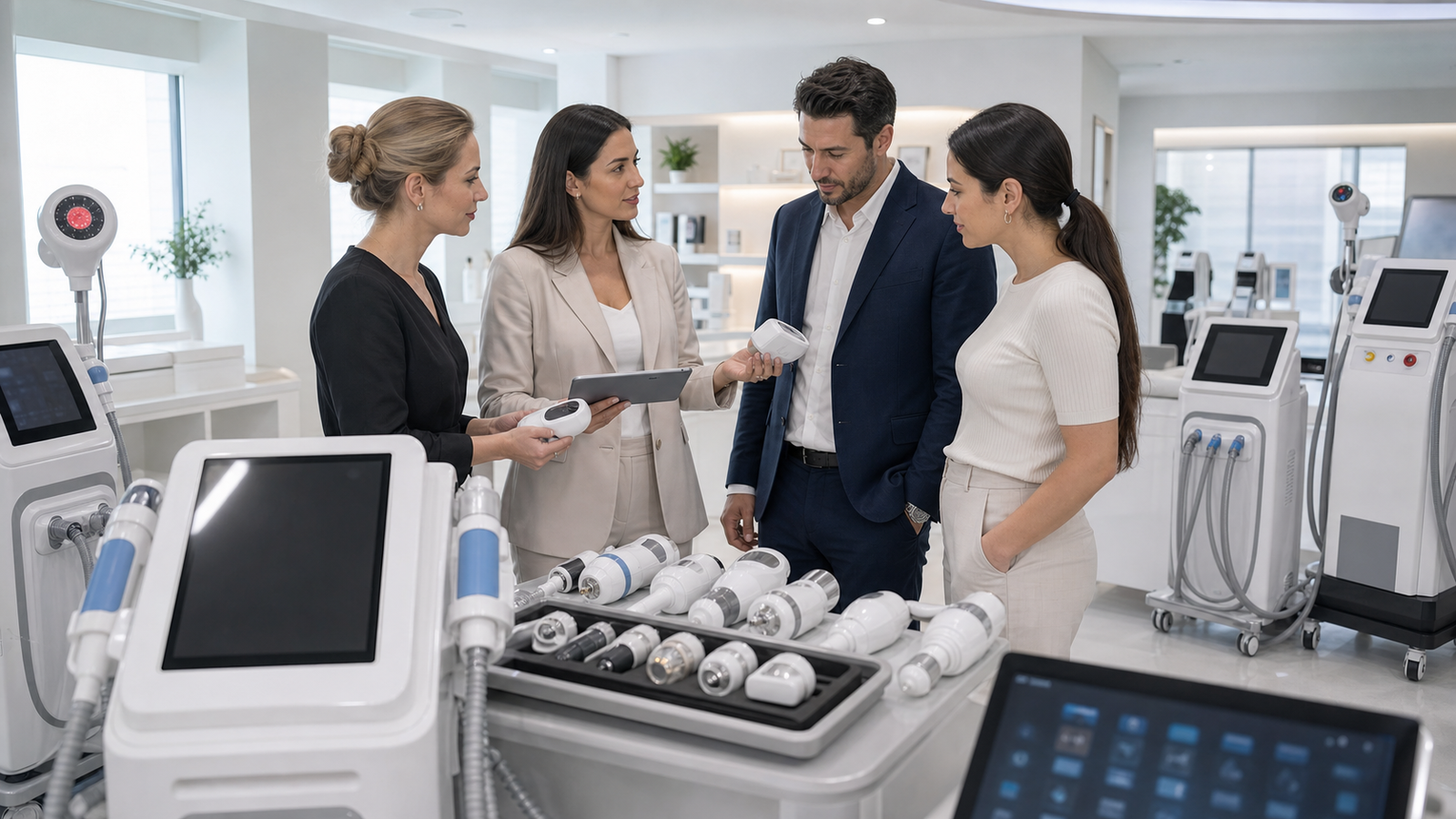
Como os distribuidores da SHEFMON podem reduzir o risco de obsolescência
Os distribuidores da SHEFMON podem reduzir o risco ao longo do ciclo de vida do produto, associando cada dispositivo a um canal de assistência local real e confirmando o suporte antes de efetuar a encomenda.
Questões importantes incluem:
- Qual categoria possui demanda local estável?
- Quais peças de mão ou consumíveis precisam ser substituídos?
- Que tipo de treinamento está disponível?
- Como os problemas técnicos são diagnosticados?
- Quais peças de reposição podem ser fornecidas?
- A plataforma suporta atualizações de software quando aplicável?
- O que acontece quando um modelo mais recente é lançado?
- O salão pode continuar usando o modelo atual de forma lucrativa?
As páginas úteis da categoria de produtos SHEFMON incluem:
- Máquinas de beleza SHEFMON
- Equipamento a laser IPL
- Equipamento facial Hydra
- Equipamento de criolipólise
- Equipamento HIFU
- Equipamentos de terapia por ondas de choque e fisioterapia
Conclusão
Os equipamentos de beleza normalmente não se tornam inúteis simplesmente por terem dois ou três anos de uso.
Para tecnologias consolidadas, a relevância comercial geralmente depende mais da demanda de tratamento, da estabilidade do equipamento, da manutenção, do software, das peças e do suporte do fornecedor do que apenas do ano do modelo.
Um prazo de planejamento prático para muitas plataformas profissionais de salão de beleza pode ser de vários anos, mas não existe uma vida útil garantida universalmente. Os distribuidores devem avaliar separadamente a durabilidade física, a demanda comercial, o suporte de software, a conformidade e a disponibilidade de peças.
A melhor proteção contra a obsolescência precoce é não comprar a máquina mais recente, independentemente do preço.
Trata-se de escolher uma plataforma funcional de um fornecedor que possa dar suporte ao dispositivo após a venda.
Perguntas frequentes
1. Qual é o ciclo de vida tecnológico típico de equipamentos de beleza?
Não existe um número universal. Muitas plataformas com suporte profissional podem permanecer fisicamente e comercialmente úteis por aproximadamente cinco a oito anos, às vezes mais. A vida útil real depende do uso, da manutenção, dos componentes, da demanda de tratamento, do software, da regulamentação e do suporte de peças.
2. Um aparelho de beleza comprado hoje ficará obsoleto em dois ou três anos?
É improvável que uma tecnologia consolidada se torne completamente obsoleta em dois ou três anos. Novos modelos podem oferecer maior conforto, velocidade, interfaces ou peças de mão, mas um dispositivo estável já existente pode continuar gerando receita se os clientes ainda desejarem o serviço.
3. Qual fator causa a obsolescência precoce com mais frequência?
As causas comuns incluem indisponibilidade de peças de reposição, software sem suporte, consumíveis proprietários, mudanças nas regulamentações, demanda local fraca e fornecedores que deixam de dar suporte a modelos mais antigos.
4. Um novo modelo torna o modelo anterior inútil?
Não. Um novo modelo pode melhorar a usabilidade ou o apelo de marketing, mas o modelo anterior pode continuar lucrativo se tiver um desempenho confiável e oferecer um serviço que os clientes continuem a comprar.
5. As atualizações de software devem ser consideradas na decisão de compra?
Sim, especialmente para equipamentos conectados ou controlados por software. Pergunte como as atualizações são instaladas, se há custo adicional, por quanto tempo o software terá suporte e se a máquina pode continuar operando sem serviços online.
6. Por quanto tempo as peças de reposição devem permanecer disponíveis?
Os distribuidores devem buscar um plano claro de suporte de peças com duração de vários anos. O período exato varia de acordo com o fornecedor e o modelo, portanto, os compradores devem confirmar a disponibilidade de peças de mão, telas, placas, bombas, componentes de refrigeração e consumíveis antes de fazer o pedido.
7. Quais tecnologias geralmente têm relevância comercial por mais tempo?
Categorias consolidadas com demanda recorrente, como depilação, cuidados faciais, radiofrequência, HIFU, modelagem corporal e tecnologias de recuperação adequadas, geralmente têm maior longevidade do que produtos impulsionados principalmente por uma tendência de marketing passageira.
8. A manutenção pode prolongar a vida útil do equipamento?
Sim. A limpeza correta, os cuidados com o sistema de refrigeração, a substituição do filtro, a manutenção da peça de mão, o suporte de software e a substituição oportuna de peças desgastadas podem reduzir o tempo de inatividade e prolongar a vida útil do produto.
9. Quais melhorias são prováveis nos próximos dois a três anos?
As melhorias prováveis incluem orientação de parâmetros mais inteligente, melhor refrigeração, tratamento mais rápido, peças de mão modulares, diagnóstico remoto, interfaces aprimoradas e suporte de segurança de software mais robusto. É mais provável que essas melhorias aprimorem as categorias existentes do que as substituam completamente.
10. Como os distribuidores devem explicar o risco do ciclo de vida aos clientes do salão de beleza?
Explique que nenhuma máquina é permanentemente à prova de futuro. Em seguida, mostre ao comprador o plano de suporte: peças de reposição, manutenção, treinamento, opções de software, garantia, processo de serviço e como o tratamento pode continuar sendo lucrativo.