









Compartilhe soluções otimizadas, conhecimento profissional sobre válvulas e notícias do setor
Insira os termos ou palavras-chave relevantes que você precisa consultar e os artigos relevantes aparecerão nos resultados da busca. Se não encontrar a resposta que procura, entre em contato conosco e teremos prazer em ajudar. Ou envie um e-mail diretamente para beauty@shefmon.com
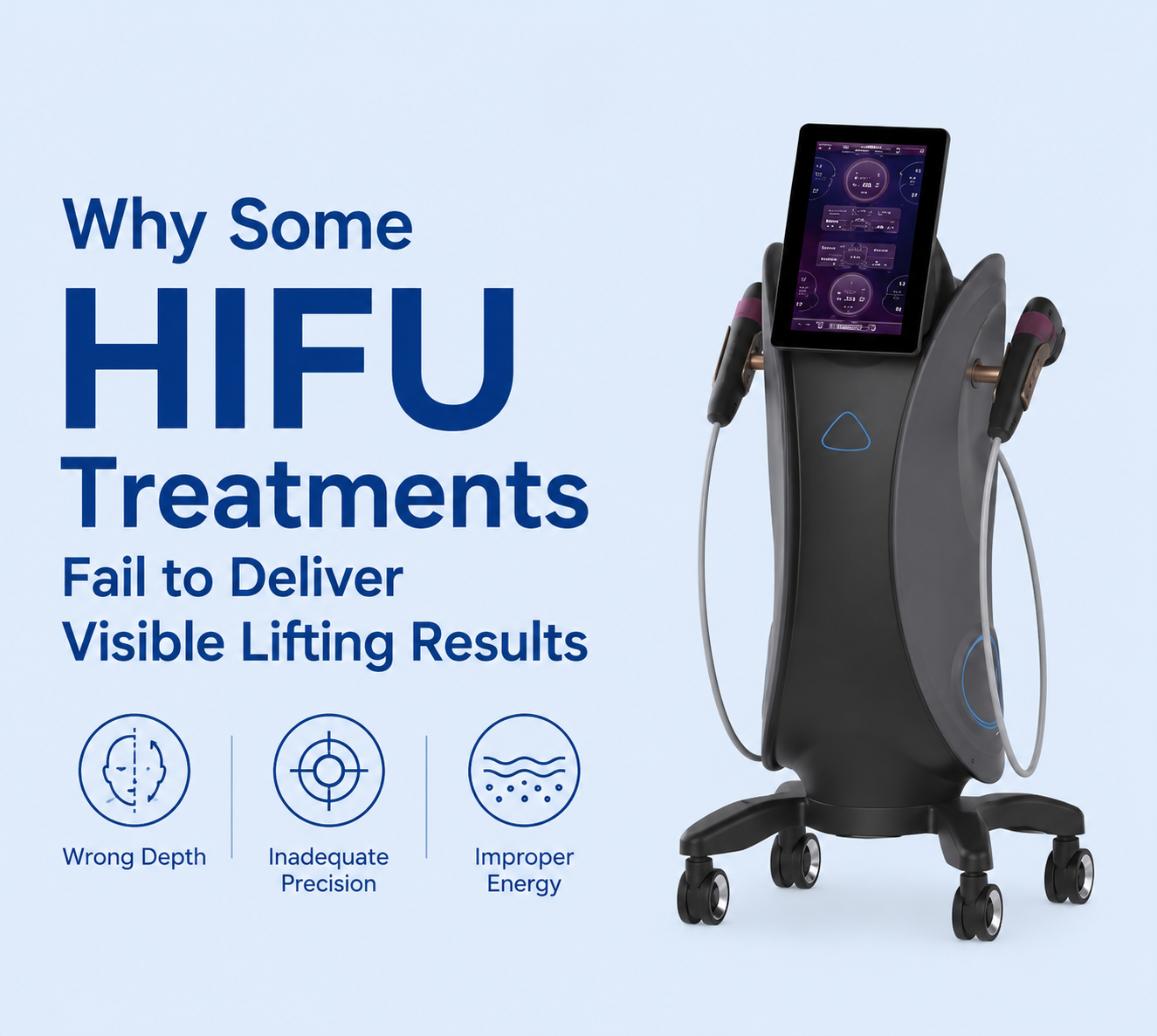
Por que alguns tratamentos HIFU não conseguem proporcionar resultados visíveis de lifting?
- Shefmon
Muitas pessoas optam por tratamentos HIFU esperando um lifting e firmeza dramáticos após uma única sessão, porém alguns clientes ficam desapontados quando os resultados parecem mínimos ou inconsistentes. Na realidade, a eficácia de um procedimento HIFU depende de muito mais do que simplesmente aplicar energia ultrassônica na pele. A seleção da profundidade do tratamento, a precisão da energia, o design da sonda, a condição da pele e os protocolos de tratamento desempenham papéis fundamentais para determinar se um cliente alcançará melhorias visíveis no contorno e na firmeza da pele. tecnologias MMFU de nova geração Para entrar no mercado de estética, entender como funcionam os modernos sistemas HIFU pode ajudar a explicar por que alguns tratamentos produzem melhores resultados do que outros.
1. Por que os tratamentos de firmeza da pele frequentemente produzem resultados irregulares
Um dos equívocos mais comuns sobre procedimentos de lifting não invasivos é que todos os tratamentos com HIFU funcionam da mesma maneira. Na prática, a eficácia do tratamento varia significativamente dependendo da precisão com que a energia atinge a camada de tecido desejada.
O envelhecimento da pele afeta múltiplos níveis estruturais simultaneamente, incluindo:
- textura da superfície da pele
- densidade de colágeno dérmico
- estrutura de suporte SMAS
- Compartimentos de gordura subcutânea
Se a energia do tratamento atingir apenas as camadas superficiais, a pele pode ficar temporariamente mais repuxada sem produzir efeitos lifting significativos. Por outro lado, o excesso de energia na área errada pode aumentar o desconforto sem melhorar os resultados.
É por isso que os sistemas de tratamento com múltiplas profundidades se tornaram cada vez mais importantes nas clínicas de estética modernas.
2. A importância de tratar diferentes profundidades de tecido
O envelhecimento facial não se limita à superfície da pele. A flacidez e a perda de contorno estão frequentemente relacionadas a alterações estruturais mais profundas, abaixo da derme.
A tecnologia MMFU moderna utiliza diferentes profundidades de sonda para atingir camadas anatômicas específicas com maior precisão.
2.1 Camadas superficiais e rugas finas
Profundidades de tratamento mais superficiais são comumente usadas para melhorar:
- Linhas finas
- Textura da pele
- Leve vinco
- Firmeza da superfície
Essas áreas normalmente respondem à estimulação de colágeno nas camadas dérmicas superiores.
2.2 Suporte à camada SMAS
A camada SMAS é um dos principais sistemas de suporte estrutural sob a pele. À medida que essa camada enfraquece com a idade, os contornos faciais podem parecer mais pesados ou menos definidos.
Os tratamentos com ultrassom focalizado direcionados às camadas mais profundas da pele são frequentemente usados para:
- Definição de linha da mandíbula
- Lifting das bochechas
- Aperto no pescoço
- Melhoria do contorno da parte inferior do rosto
Como a remodelação do colágeno ocorre gradualmente, os efeitos de lifting geralmente continuam a melhorar ao longo de vários meses.
2.3 Compartimentos de Gordura Profunda
Determinadas profundidades de tratamento com HIFU também são utilizadas para aplicações localizadas de contorno corporal e redução de gordura.
Esses tratamentos podem ter como alvo áreas como:
- Queixo duplo
- Cintura
- Abdômen
- Braços superiores
- Coxas
Essa capacidade de atingir alvos mais profundos é um dos motivos pelos quais os sistemas HIFU de nova geração são cada vez mais utilizados tanto para o rejuvenescimento facial quanto para a modelagem corporal.
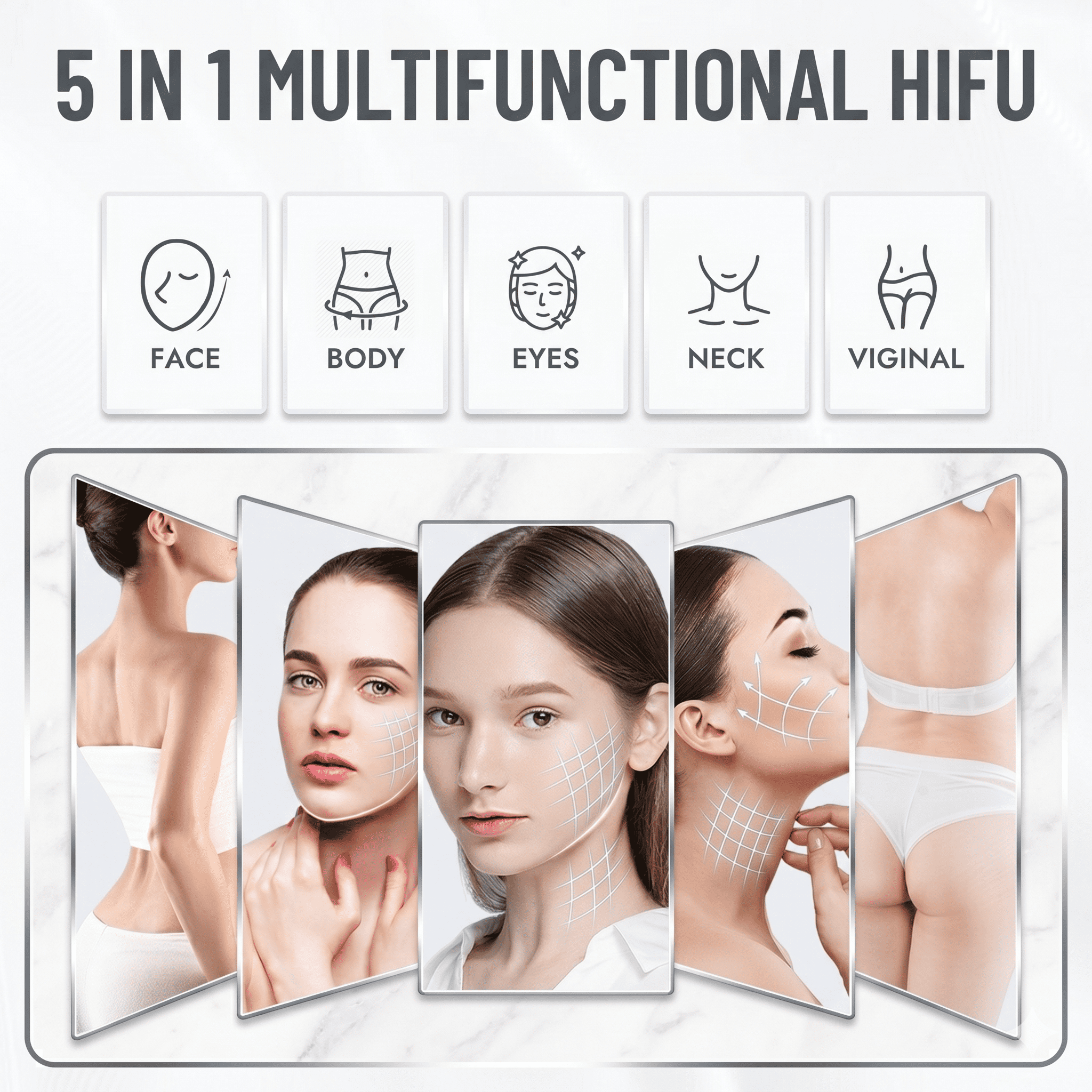
3. Por que o design da sonda é mais importante do que muitas pessoas imaginam
Outro motivo importante para alguns tratamentos HIFU apresentarem resultados inconsistentes é a qualidade da sonda e a precisão do tratamento.
Diferentes áreas do rosto requerem diferentes métodos de aplicação de energia. Áreas delicadas como os olhos e a linha da mandíbula não podem ser tratadas da mesma forma que tecidos corporais mais espessos.
Os sistemas modernos agora utilizam sondas especializadas projetadas para áreas de tratamento específicas, incluindo sondas ultrafinas para a região periorbital.
Esses designs de sonda avançados podem ajudar a melhorar:
- Precisão energética
- Conforto durante o tratamento
- Segurança em áreas sensíveis
- Consistência dos pontos de coagulação térmica
A área dos olhos é particularmente sensível porque a pele é mais fina e mais móvel. Sondas adequadamente projetadas permitem que os profissionais trabalhem com mais precisão ao redor dos pés de galinha, na região das sobrancelhas e na área abaixo dos olhos.
4. Por que os sistemas HIFU de duplo aplicador melhoram a eficiência do tratamento?
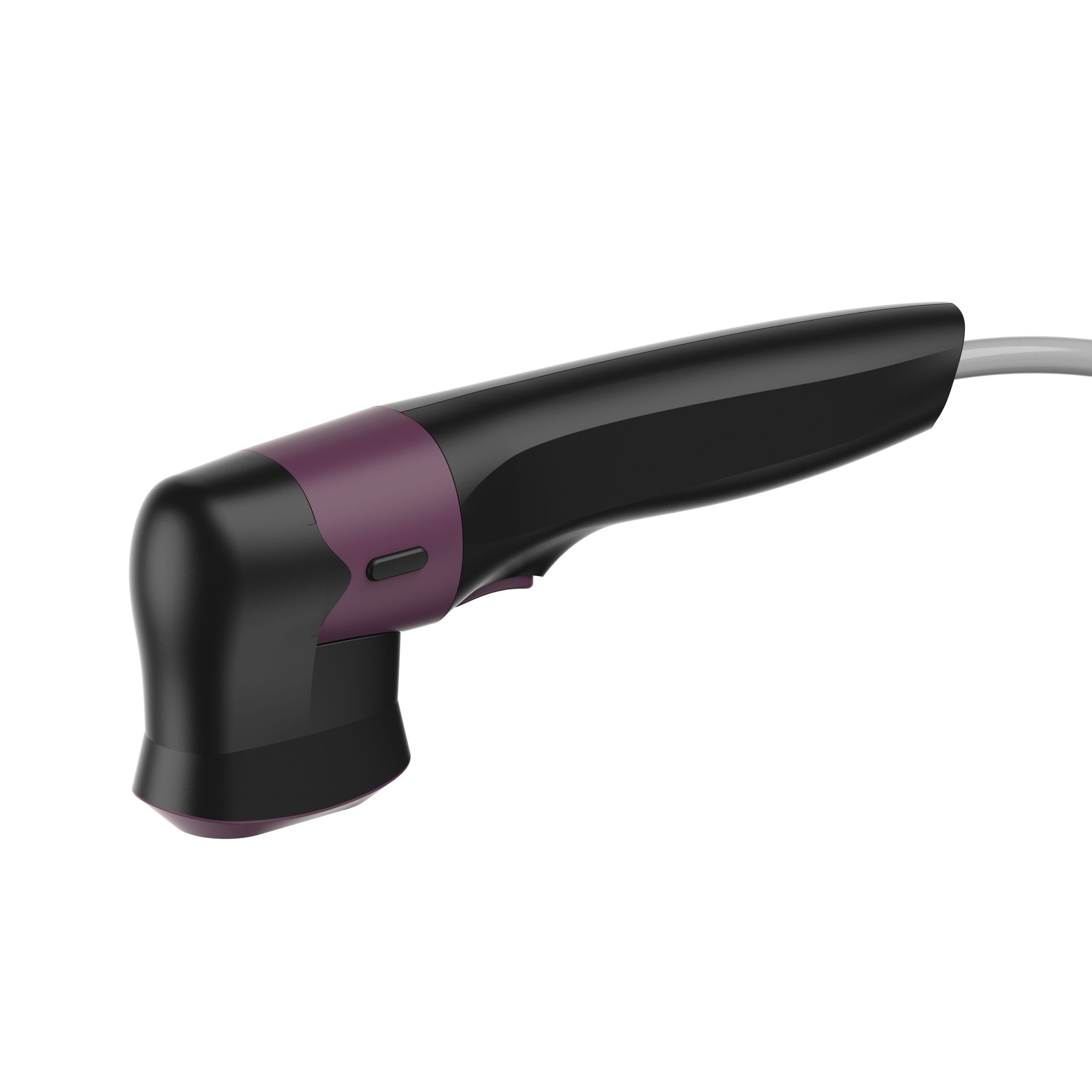
As plataformas HIFU mais antigas frequentemente exigiam que os profissionais interrompessem os tratamentos repetidamente para trocar as sondas entre as diferentes profundidades. Esse processo podia aumentar o tempo do procedimento e interromper o fluxo de trabalho.
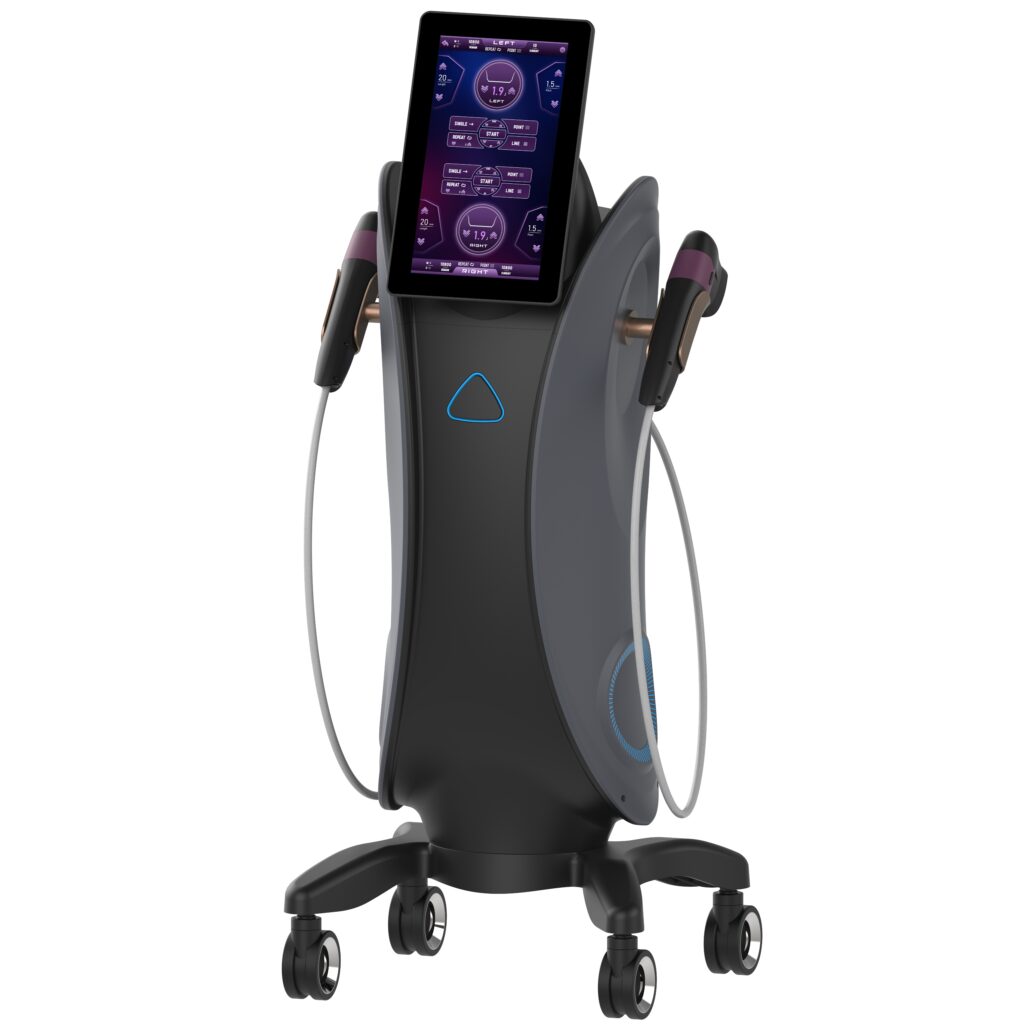
Os sistemas de dupla alça foram desenvolvidos para melhorar a eficiência do tratamento, permitindo que duas sondas permaneçam conectadas simultaneamente.
Este design ajuda os profissionais:
- Alterne entre as profundidades de tratamento mais rapidamente.
- Tratar várias áreas continuamente
- Reduzir as interrupções do tratamento
- Melhorar a eficiência do fluxo de trabalho
- Personalize protocolos com mais facilidade.
Para clínicas que realizam procedimentos de contorno facial e corporal, tempos de tratamento mais curtos podem melhorar tanto a produtividade do profissional quanto o conforto do cliente.
5. Por que os resultados continuam a se desenvolver meses após o tratamento?
Diferentemente de preenchimentos ou procedimentos cirúrgicos, o HIFU não cria efeitos de volumização imediatos. Em vez disso, a energia ultrassônica focalizada cria pontos de coagulação térmica sob a pele que estimulam a remodelação do colágeno ao longo do tempo.
Esse processo regenerativo gradual explica por que os clientes geralmente notam melhorias progressivas em vez de mudanças drásticas instantâneas.
A regeneração do colágeno pode continuar por:
- 8 a 12 semanas
- 3 a 6 meses
- Às vezes, o tempo pode ser maior, dependendo da condição da pele.
A natureza gradual dos resultados é um dos motivos pelos quais muitas pessoas preferem os tratamentos de rejuvenescimento baseados em ultrassom. As melhorias faciais costumam parecer mais naturais porque a pele se retrai progressivamente, em vez de mudar repentinamente.
6. Por que a personalização do tratamento é essencial para melhores resultados
Não existem dois clientes com a mesma espessura de pele, estrutura facial ou padrões de envelhecimento. Um protocolo de tratamento que funciona bem para uma pessoa pode não produzir os mesmos resultados para outra.
Os fatores que influenciam o planejamento do tratamento com HIFU incluem:
- gravidade da flacidez da pele
- Distribuição de gordura facial
- Espessura do tecido
- Perda de colágeno relacionada à idade
- Sensibilidade da área tratada
- Objetivos do tratamento corporal
Os modernos sistemas MMFU de múltiplas profundidades permitem que os profissionais personalizem a profundidade do tratamento, as configurações de energia e as sequências de tratamento de acordo com as necessidades individuais.
Esse nível de personalização tornou-se cada vez mais importante à medida que os clientes buscam tratamentos estéticos com aparência mais natural e personalizados.
Conclusão
A eficácia de Tratamentos HIFU Depende muito da precisão do tratamento, da profundidade de aplicação no tecido, do design da sonda e da personalização do tratamento. À medida que a tecnologia estética continua a evoluir, os sistemas MMFU de nova geração estão ajudando as clínicas a oferecer tratamentos mais abrangentes de lifting facial e contorno corporal, atuando em múltiplas camadas estruturais simultaneamente. Compreender por que alguns procedimentos HIFU são bem-sucedidos enquanto outros produzem resultados limitados pode ajudar os pacientes a tomar decisões mais informadas sobre tratamentos não invasivos de firmeza e contorno da pele.
Perguntas frequentes
Por que alguns tratamentos com HIFU produzem resultados insatisfatórios?
Resultados inconsistentes geralmente estão relacionados à profundidade de tratamento incorreta, fornecimento insuficiente de energia, baixa precisão da sonda ou personalização limitada do tratamento.
O HIFU serve apenas para firmar a pele?
Não. Determinadas profundidades de tratamento também podem atingir compartimentos de gordura localizados para contorno corporal e redução da papada.
Por que é importante sondar em múltiplas profundidades?
Diferentes camadas da pele e dos tecidos requerem diferentes profundidades de tratamento para combater eficazmente rugas, flacidez, perda de colágeno e acúmulo de gordura.
Quanto tempo demora para os resultados do HIFU aparecerem?
Alguma sensação de firmeza pode surgir precocemente, mas a regeneração do colágeno geralmente continua por vários meses após o tratamento.
Os tratamentos HIFU podem ser usados na região dos olhos?
Sim. Sondas especializadas são comumente usadas para áreas delicadas, como lifting de sobrancelhas, pés de galinha e firmeza da região abaixo dos olhos.