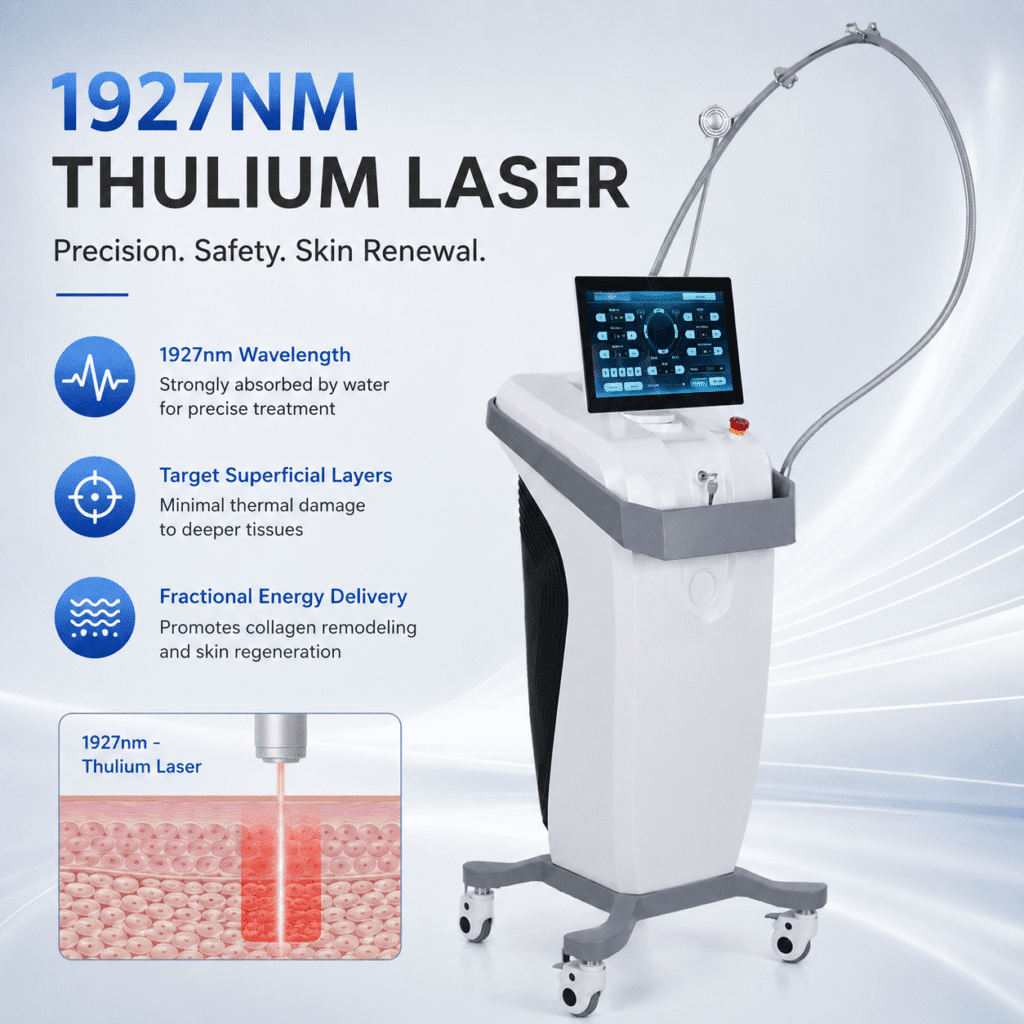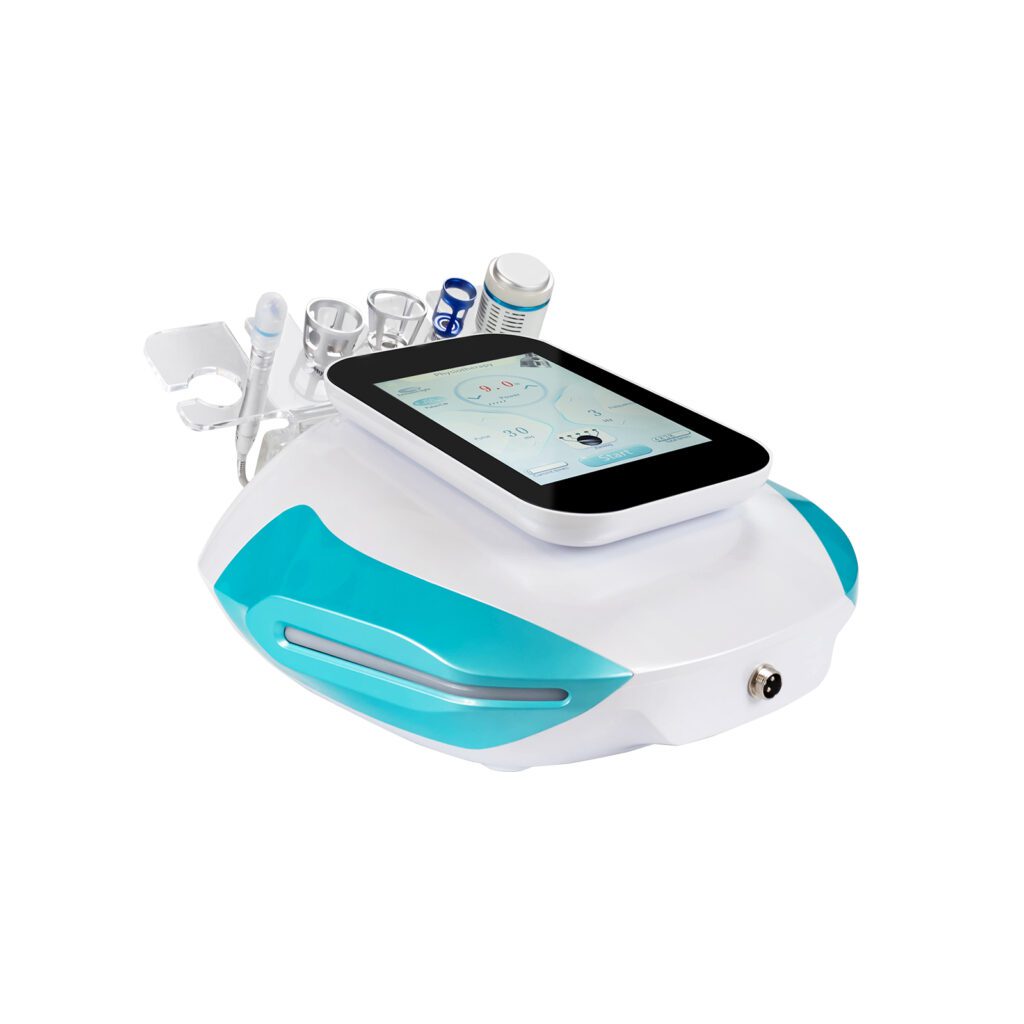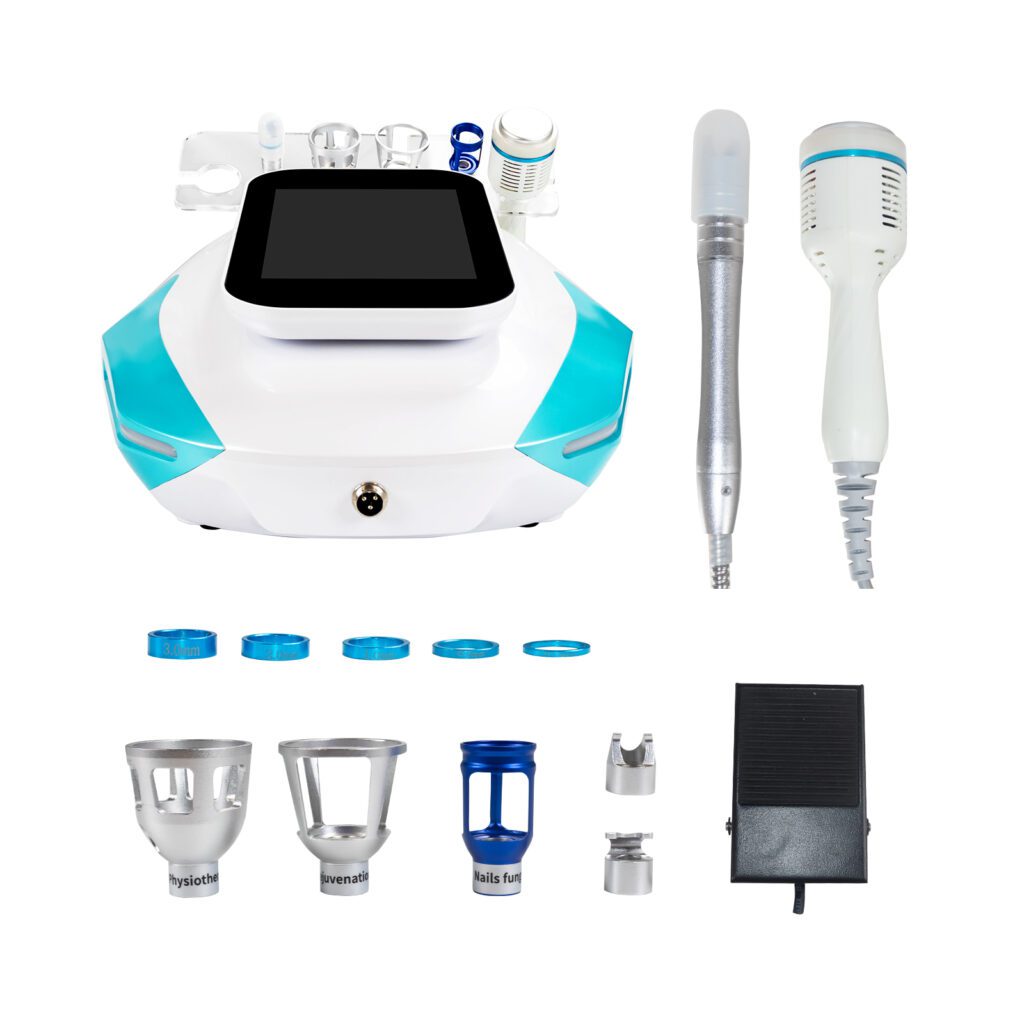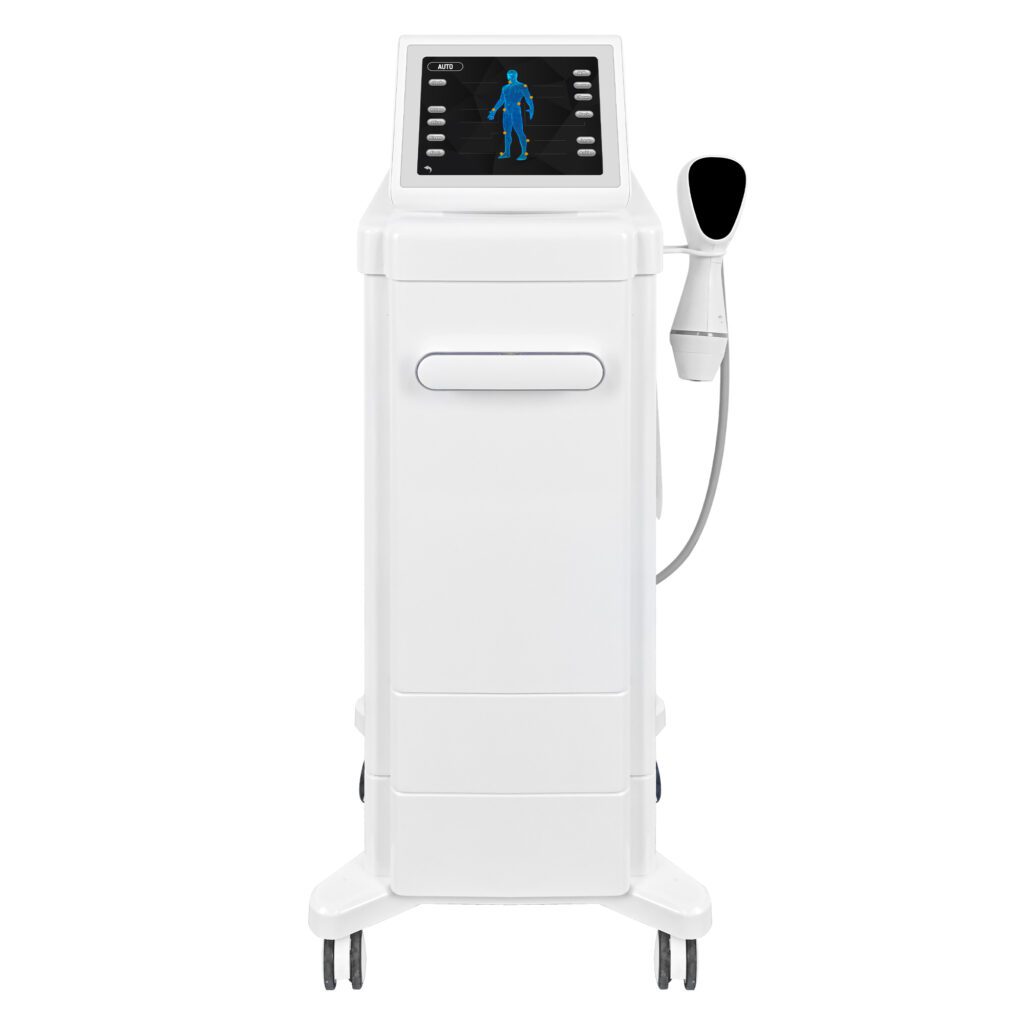










サロン、クリニック、または販売代理店が業務用美容機器を購入した場合、購入は納品後も継続されます。.
機器の真の価値は、機械が到着した後に何が起こるかによって決まる。
- 購入者は正しく設置できるだろうか?
- スタッフは業務を迅速に習得できるか?
- 保証範囲は明確ですか?
- 付属品やスペアパーツは入手可能ですか?
- 技術的な問題は遠隔で診断できますか?
- 保証期間終了後も修理を受ける方法はありますか?
- 販売代理店は、地元のサロン顧客を自信を持ってサポートできるだろうか?
プロ仕様の美容機器におけるアフターサービスとは、単に「故障した時の修理」にとどまりません。購入者が機器の運用、保守、販売促進、そして投資の保護を支援する包括的なサポートシステムです。.
これは、ダイオードレーザー脱毛機、HIFUシステム、脂肪冷却装置、EMSlim機器、ハイドラフェイシャル機器、RFマイクロニードリングシステム、CO2フラクショナルレーザー、衝撃波装置、その他のサロンやクリニックで使用される機器にとって特に重要です。.
充実したアフターサービスパッケージには、トレーニング、ドキュメント作成、保証、リモート診断、スペアパーツ供給、修理ワークフロー、物流調整、メンテナンス指導、長期的なビジネスサポートが含まれるべきです。.
この記事では、美容機器のアフターサービスに何が含まれるべきか、また購入者が注文前にサプライヤーを評価する方法について解説します。.
アフターサービスが購入者の考える以上に重要な理由
多くの購入者は、美容機器を価格、出力、画面サイズ、ハンドピースの数、または製品の外観だけで比較します。.
これらの要素は重要だが、それだけでは十分ではない。.
機器が正しく設置できない場合、スタッフが操作方法を理解していない場合、スペアパーツの入手が困難な場合、または技術サポートが遅い場合、購入価格が安くても後々高くつく可能性があります。.
アフターサービスが不十分だと、以下のような問題が発生する可能性があります。
- 治療開始の遅延
- スタッフの混乱
- 不安定な治療品質
- 顧客からの苦情
- ピーク時の業務停止
- 修理費用が高額になる
- 未使用の機器
- 投資収益率の低下
- 販売代理店の評判が損なわれた
充実したアフターサービスは、こうした問題を未然に防ぐのに役立ちます。.
サロンやクリニックにとっては、日々の業務を守ります。.
販売業者にとっては、顧客との関係とリピート注文を守ることにつながります。.
メーカーにとっては、長期的なブランド信頼を強化することにつながる。.
アフターサービスチェックリスト
業務用美容機器のアフターサービスシステムは、機器のライフサイクル全体を網羅するべきである。.
| サービスモジュール | 含めるべき内容 | なぜそれが重要なのか |
|---|---|---|
| 納品前サポート | マニュアル、セットアップに関する注意事項、配送状況の更新、準備チェックリスト | 機械が届く前に購入者が準備できるようにサポートします |
| インストールガイド | 接続、付属品、給水またはフィルターの設定、初回起動 | 初回使用時のエラーを削減します |
| オペレーターのトレーニング | 操作手順、安全上の注意、パラメータ、クライアントスクリーニング | スタッフがデバイスを正しく使用できるようサポートします |
| 保証条件 | 補償期間、付属品、除外事項、必要書類 | 購入後の紛争を防止します |
| 遠隔診断 | 動画サポート、エラーチェック、写真、使用状況レビュー | 多くの問題をより迅速に解決します |
| 修復ワークフロー | 部品、現地修理、工場修理または交換のための明確な道筋 | ダウンタイムを削減 |
| スペアパーツ供給 | ハンドル、ケーブル、フィルター、ボトル、チップ、アプリケーター、ボード(該当する場合) | 機械を長期間使用可能に保つ |
| メンテナンスガイド | 清掃、点検、保管、冷却、日常的な手入れ | 機器の寿命を延ばします |
| 消耗品サポート | チップ、フィルター、メンブレン、カートリッジ、その他繰り返し必要となる消耗品 | リピートサービスによる収益を促進する |
| 物流支援 | 追跡、通関書類、交換部品の発送 | 購入者に情報を提供する |
| 保証期間後のサポート | 有料修理に関するガイダンス、交換に関する推奨事項、アップグレードに関するアドバイス | 長期的な価値を守る |
| 販売代理店サポート | トレーニング資料、マーケティング資料、技術的なエスカレーション、ディーラー向けガイダンス | 地元の販売者の成長を支援します |
供給業者がこれらの点を明確に説明できない場合、購入者は注意すべきである。.
1. 納品前サポート
優れたアフターサービスは、機械が納品される前から始まっている。.
出荷前に、購入者は以下のような基本的な準備情報を受け取る必要があります。
- 製品モデルと構成
- パッケージ一覧
- 電源とプラグの要件
- 施術室の準備
- 取扱説明書
- 基本的な使用上の注意
- トレーニング資料
- 配送スケジュール
- 追跡情報が入手可能な場合は、その情報も併せてお知らせします。
- サポート担当者
SHEFMONが公開しているアフターサービス情報によると、顧客は納品前に操作マニュアル、基本的な使用方法、トレーニング資料を受け取ることができる。また、サービスプロセスの一環として、生産状況、出荷予定日、追跡情報の更新についても説明されている。.
これは重要な点です。なぜなら、多くのサロンは納品後すぐにサービスを開始したいと考えているからです。.
購入者が箱を開けてから初めて使い方を学び始める場合、発売が遅れる可能性がある。.
納品前のサポートは、購入者が部屋、スタッフ、サービススケジュールをより早く準備するのに役立ちます。.
2. インストールと初回セットアップの手順
業務用美容機器の設置方法は、すべて同じではありません。.
ハイドラフェイシャルマシン、クライオリポリシス装置、ダイオードレーザーマシン、HIFUシステム、EMSlimマシン、RFマイクロニードリングプラットフォームは、それぞれ異なるセットアップ手順が必要となる場合があります。.
インストール手順には以下が含まれる場合があります。
- 開梱検査
- 電圧とプラグの確認
- ハンドル接続
- アクセサリーの取り付け
- 水を入れる、または冷却の準備
- ボトルまたはフィルターのセットアップ
- カートリッジまたはチップの取り付け
- パラメータチェック
- 該当する場合の初回校正
- 安全スイッチまたは緊急停止の説明
- 起動およびシャットダウンのワークフロー
購入者はこれらの手順を推測すべきではありません。.
優れたサプライヤーは、購入者が初回セットアップを完了できるよう、マニュアル、ビデオ、またはライブリモートサポートを提供するべきです。.
販売代理店にとって、設置サポートは販売上の利点にもなります。販売代理店はサロンの顧客に次のように伝えることができます。
“「私たちは機械を納品するだけでなく、設置から初回使用まで、お客様のチームをサポートいたします。」”
3. オペレーター研修
研修はアフターサービスにおいて最も重要な要素の一つです。.
プロ仕様の美容機器には、エネルギー、温度、吸引力、圧力、カートリッジ、ハンドピース、針、冷却システム、施術パラメータなど、様々な要素が関わっています。たとえ美容サロン向けに販売されている製品であっても、スタッフには体系的なトレーニングが必要です。.
オペレーターのトレーニングには以下が含まれるべきである:
- マシンインターフェースの説明
- 機能選択
- 基本パラメータ設定
- ハンドルまたはアプリケーターの使用
- 治療領域の計画
- クライアントとの相談リマインダー
- 該当する場合の禁忌事項に関する注意喚起
- 衛生管理と清掃手順
- 不快感やエラーメッセージが発生した場合の対処法
- 日常的なシャットダウンプロセス
- メンテナンス手順
トレーニングはモデルごとに行うべきである。.
例えば、ダイオードレーザー脱毛機は、冷却脂肪分解システムやHIFU装置とは異なるトレーニングを必要とします。CO2フラクショナルレーザーは、ハイドラフェイシャルマシンとは全く異なる動作閾値を持っています。.
優れたアフターサービスシステムは、複数のトレーニング形式を提供します。
- マニュアル
- クイックスタートガイド
- ビデオチュートリアル
- ライブリモートトレーニング
- 録画済みトレーニングライブラリ
- 技術的な質疑応答
- 現地チーム向け販売代理店研修
SHEFMONが公開しているサポート情報には、アフターサービスシステムの一環として、マニュアル、ビデオベースのトレーニング、ライブリモートトレーニング、および技術的なインストールサポートが記載されています。.
4. 明確な保証規定
保証内容は支払い前に明確に記載されるべきである。.
購入者は以下のことを知っておくべきです。
- 本体の保証期間
- 付属品の保証期間
- 対象となるもの
- 対象外となるもの
- 消耗品が除外されるかどうか
- 送料がカバーされるかどうか
- どのような証拠が必要か
- 修理か交換かどちらが提供されるか
- 診断の取り扱い方
- 保証期間が切れた後はどうなりますか?
SHEFMONの公開されているアフターサービスページによると、機械には主要機器に1年間、付属品に3ヶ月間の保証が付いており、保証期間中は診断と解決策のガイダンスによる技術サポートが提供されるとのことです。.
付属品、消耗品、特注部品には異なる保証条件が適用される場合があるため、購入者は特定のモデル、注文、構成に応じた正確な保証条件を必ず確認する必要があります。.
優れた保証規定は、曖昧ではなく具体的であるべきだ。.
次のように言う代わりに:
“「ご心配なく、私たちはあらゆることをサポートいたします。」”
専門のサプライヤーは、以下の点を説明する必要があります。
“「こちらが本体の保証期間、こちらが付属品の保証期間、これらは消耗品、そしてこちらが保証請求の手続きです。」”
5. リモート診断とトラブルシューティング
すべての機械の不具合がメーカーへの返品を必要とするわけではありません。.
多くの問題は遠隔診断によって確認できる。.
リモートサポートでは、購入者に以下の情報の提供を求める場合があります。
- 機械モデル
- シリアルナンバー
- 注文番号
- 接続の写真
- 問題の短いビデオ
- 画面エラーメッセージ
- 使用履歴
- メンテナンス記録
- 環境情報
- オペレーターの説明
リモート診断は、問題の原因が何であるかを特定するのに役立ちます。
- セットアップエラー
- 接続不良
- 付属品の問題
- パラメータの使用方法が間違っています
- メンテナンスの怠慢
- ソフトウェア設定
- 消耗品の交換が必要
- 部品の故障
このプロセスは、買い手と供給者の双方にとって時間の節約になります。.
また、不必要な配送コストを削減するのにも役立ちます。.
海外の購入者にとって、遠隔診断は特に重要です。なぜなら、機械を往復輸送するのは時間と費用がかかるからです。.
6. 修復ワークフロー
診断後、購入者は明確な修理手順を必要とする。.
プロの修理手順書には、以下の内容が記載されているべきです。
- 問題の報告方法。.
- 購入者が提出すべき証拠とは?.
- 誰が最初に事件を確認するのか。.
- リモートでのトラブルシューティングが試みられるかどうか。.
- 交換部品が必要かどうか。.
- その部品が現地で交換可能かどうか。.
- 工場での修理が必要かどうか。.
- 送料が発生する場合、誰が負担しますか?.
- そのプロセスにかかる時間。.
- 事件の記録方法。.
ワークフローがなければ、あらゆる問題が混乱した交渉になってしまう。.
ワークフローがあれば、双方とも何をすべきかが明確になる。.
販売代理店は、独自の修理記録システムを構築する必要があります。各事例ごとに、機種名、シリアル番号、顧客名、問題の説明、写真、動画、診断結果、解決策、交換部品、最終結果を記録する必要があります。.
これは、販売代理店が将来のサービスを改善し、繰り返し発生する問題を特定するのに役立ちます。.
7. スペアパーツおよび付属品の供給
美容機器には、時間の経過とともに交換が必要になる部品が含まれていることが多い。.
機械の種類によっては、以下のようなものが含まれる場合があります。
- ハンドピース
- アプリケーター
- フィルター
- ボトル
- ヒント
- 膜
- カートリッジ
- ケーブル
- スクリーン
- フットスイッチ
- 冷却部品
- 治療ヘッド
- 内部ボード
- コネクタ
購入者は以下の点を尋ねるべきです。
- 消耗品はどの部品ですか?
- どの部分が付属品ですか?
- 保証の対象となる部品はどれですか?
- 一般的に在庫されている部品はどれですか?
- 交換部品の納期はどれくらいですか?
- 販売代理店は現地でスペアパーツの在庫を保有できますか?
- 部品はモデル間で互換性がありますか?
- 製造中止になった部品はまだ入手可能ですか?
スペアパーツの入手可能性は、機器の長期的な価値に影響を与える。.
部品供給のない機械は、たとえ最初の購入価格が魅力的であっても、メンテナンスが困難になる。.
8. メンテナンスに関するガイダンス
メンテナンスはアフターサービスの一環であり、オプションではありません。.
適切なメンテナンスガイドには、以下の内容が含まれるべきです。
- 日常清掃
- ハンドル検査
- フィルター交換
- 必要に応じて水換えを行う
- 冷却システムのメンテナンス
- ケーブル保護
- 保管環境
- 換気要件
- 粉塵防止
- ソフトウェアまたはパラメータのチェック
- 消耗品交換スケジュール
- 使用前に安全点検を行ってください。
保守研修は、回避可能な故障を減らすのに役立ちます。.
それはまた、サロンのスタッフに責任感を与えることにもなる。.
例えば、機械に給水装置、冷却装置、吸引装置、カートリッジ、使い捨てチップなどが付いている場合、購入者は日常的なメンテナンスが性能にどのような影響を与えるかを理解しておく必要があります。.
販売代理店は、顧客向けオンボーディングパッケージにメンテナンスチェックリストを含めるべきです。.
9. 消耗品および継続的な供給サポート
美容機器の中には、消耗品に依存するものもある。.
例としては以下のようなものが挙げられます。
- ハイドラフェイシャルのヒント
- フィルター
- ボトル
- 血清容器
- 凍結脂肪分解膜
- HIFUカートリッジ
- RFマイクロニードルチップ
- 治療用パッド
- 保護カバー
- 交換用チューブまたはコネクタ
完全なアフターサービスシステムでは、以下の点を説明する必要があります。
- 必要な消耗品は何ですか
- 機械にはいくつ付属していますか?
- 予想交換サイクル
- 再注文価格
- 最小注文数量
- 配送リードタイム
- 保管要件
- 地元産の在庫が推奨されるかどうか
これはサロンにとって重要です。なぜなら、消耗品は施術費用に影響するからです。.
消耗品はリピートビジネスを支えることができるため、販売業者にとっても重要です。.
優れたサプライヤーは、機械の価格だけでなく、継続的なコストについても購入者が理解できるよう支援すべきである。.
10. 物流および配送サポート
アフターサービスには、物流に関する連絡も含まれます。.
海外の美容機器購入者向けの配送サポートには、以下が含まれる場合があります。
- 生産進捗状況の更新
- 梱包写真(該当する場合)
- 配送方法の確認
- 追跡番号
- 到着予定時刻
- 税関書類
- 包装内容明細書
- 請求書
- 証明書またはコンプライアンスファイルが入手可能な場合は、それらも併せて提出してください。
- 交換部品の発送
- 紛失、遅延、破損した貨物に対するサポート
部品の交換が必要な場合、物流サポートの重要性はさらに高まります。.
購入者は、供給業者が交換部品を迅速に発送できるかどうか、また海外にサービス拠点や倉庫があるかどうかを知っておく必要がある。.
SHEFMONが公開しているアフターサービス情報には、迅速な対応と必要な場合の現地修理ソリューションをサポートするため、米国と東南アジアに海外倉庫とサービス拠点を設けていることが記載されている。.
購入者は、注文前に自国で利用可能なサポート内容を確認する必要があります。.
11. 保証期間後のサポート
業務用美容機器は何年も使用できる。.
保証期間は、機器のライフサイクルのほんの始まりに過ぎません。.
保証期間終了後も、購入者は以下のようなニーズを抱えている可能性があります。
- 遠隔診断
- 有料修理に関するガイダンス
- 交換部品の見積もり
- アップグレードの提案
- アクセサリー交換
- 技術コンサルティング
- メンテナンスのリマインダー
- モデル互換性に関するアドバイス
SHEFMONのサポート情報によると、技術チームは保証期間終了後も、リモート診断、修理に関するガイダンス、交換に関する推奨事項を提供し続けるとのことです。.
これは重要な点です。なぜなら、サロンやクリニックは保証期間終了後にサポート関係が終了することを望んでいないからです。.
販売代理店にとって、保証期間後のサポートは、顧客との関係を維持したり、修理が経済的でない場合にアップグレードや新製品を紹介したりする機会にもなります。.
12. マーケティングおよびビジネスサポート
アフターサービスは技術的なものだけではありません。.
販売代理店やエージェントにとって、アフターサービスには事業成長のためのリソースも含まれる場合があります。.
これには以下が含まれる可能性があります。
- 商品写真
- マーケティングビデオ
- 顧客事例資料
- ローカルカタログのサポート
- 治療メニューの提案
- ソーシャルメディア用素材
- 展示会サポート
- ディーラー研修
- プライベートブランド対応
- パッケージングまたは手動カスタマイズ
- 地域販売戦略に関する議論
SHEFMONが提供するサービスシステムには、マーケティングリソース、ブランディングおよびデザインサポート、代理店サポート、共同プロモーションキャンペーン、展示会サポート、長期的なビジネス協力などが含まれます。.
販売業者にとって、これは単に機械を輸入するだけでなく、地域に根ざした製品とサービス事業を構築しているという点で非常に価値があります。.
13.苦情処理と顧客記録
本格的なアフターサービスシステムには、顧客からの苦情を受け付け、記録し、解決するための明確なプロセスが含まれているべきである。.
ISO 10002は、製品およびサービスに関する苦情処理のガイドラインを提供する規格です。顧客中心のフィードバック、苦情解決、人員配置、およびサービス向上のための苦情分析を重視しています。.
美容機器販売業者は、このアイデアを実践的に応用することができる。.
各サポートケースには以下を記録する必要があります。
- 顧客名
- 連絡担当者
- 製品モデル
- シリアルナンバー
- 購入日
- 発行日
- 問題の説明
- 受信した写真と動画
- 診断
- 解決策が提示されました
- 交換部品の詳細
- 追跡調査結果
- お客様確認
これは、同じ説明を繰り返すことを避けるのに役立ちます。.
また、販売代理店が同じ問題が頻繁に発生しているかどうかを追跡するのにも役立ちます。.
優れたアフターサービス記録は、苦情をサービス改善のためのデータへと変える。.
14. 法令遵守に基づく安全な運用および販売に関するガイダンス
アフターサービスは、購入者が機器を責任を持って使用し、宣伝できるよう支援するものでもある。.
これは、エネルギーベースの機器、レーザー機器、HIFU、RFマイクロニードリング、ボディコンタリングシステム、および女性向けウェルネス機器にとって特に重要です。.
責任ある指導には以下が含まれる可能性があります。
- 操作上の警告
- 禁忌事項に関する注意事項
- クライアントスクリーニングに関する提案
- 現実的な治療の説明
- 研修記録の維持
- 地域における法令遵守に関する注意喚起
- 広告表示に関する注意喚起
- 誇張された約束は避けるべきだというアドバイス
販売代理店は、顧客が以下のようなリスクの高いクレームを避けるよう支援すべきである。
- 結果保証
- 永続的な結果
- リスクなし
- トレーニングは不要です
- 誰にとっても安全
- 1回のセッションで修復
- 医学的治療が適切でない場合
より適切な表現としては、以下のようなものがあります。
- プロの美容サービスプログラムを支援する
- 訓練を受けたオペレーターが使用する必要があります
- 顧客の適性はまず評価されるべきである
- 結果は異なる場合があります
- 現地の規則を確認する必要があります
- 長期使用にはメンテナンスとトレーニングが重要です
これは、サロン、販売業者、供給業者を保護するものです。.
購入者がサプライヤーのアフターサービスを評価する方法
美容機器を注文する前に、購入者は直接質問をするべきです。.
| 質問 | なぜそれが重要なのか |
|---|---|
| 納品前にどのような研修が含まれていますか? | サプライヤーがバイヤーの早期準備を支援しているかどうかを示します |
| ライブ形式のリモートトレーニングは利用可能ですか? | インストール時や初回使用時に便利です |
| 本体の保証期間はどれくらいですか? | コアカバレッジを明確化 |
| 付属品の保証期間はどのくらいですか? | 誤解を防ぐ |
| 消耗品はどの部品ですか? | 長期的なコストの計算に役立ちます |
| 技術的な問題はどのように診断されますか? | リモートサポートが存在するかどうかを示します |
| 支援に必要な写真や動画は何ですか? | トラブルシューティングを迅速化します |
| 交換部品の発送は可能ですか? | 機械の長期使用を保護します |
| スペアパーツは国内在庫ですか、それとも海外在庫ですか? | ダウンタイムに影響します |
| 保証期間が切れた後はどうなりますか? | 長期的な責任感を示す |
| マーケティング資料は入手可能ですか? | 販売代理店が地元で販売するのを支援します |
| 文書をローカライズすることは可能ですか? | 現地での販売およびトレーニングをサポートします。 |
供給業者が明確な回答をすれば、買い手はより良い判断を下すことができる。.
供給業者が「心配しないでください」と言うだけなら、購入者は書面での詳細を求めるべきです。.
完全なアフターサービスパッケージとはどのようなものか
優れたアフターサービスパッケージは、次のように提示できます。
| パッケージエリア | 付属資料 |
|---|---|
| ドキュメント | ユーザーマニュアル、仕様書、保証条件、梱包リスト |
| トレーニング | ビデオチュートリアル、ライブリモートトレーニング、クイックスタートガイド、メンテナンスガイド |
| テクニカルサポート | リモート診断、エラーチェック、セットアップガイダンス、トラブルシューティング |
| 修理 | 修理手順、交換部品のプロセス、現地または工場での修理に関するガイダンス |
| 消耗品 | 消耗品リスト、再発注サイクル、コスト説明 |
| ロジスティクス | 配送状況の更新、追跡、通関書類、交換部品の配送 |
| ビジネスサポート | マーケティング資料、製品写真、カタログコピー、販売店サポート |
| 記録 | シリアル番号記録、サポートケースログ、トレーニング記録 |
このパッケージは、購入者がサプライヤーの真の価値を理解するのに役立ちます。.
また、販売代理店が機械の価格だけで競争するのではなく、包括的なソリューションを販売するのにも役立ちます。.
SHEFMONが美容機器購入者をどのようにサポートするか
SHEFMONが公開しているアフターサービスシステムは、機器のライフサイクル全体を通して、クリニック、販売代理店、およびエージェントをサポートするように設計されています。.
SHEFMONの公開情報に基づくと、支援内容には以下が含まれる可能性があります。
- 生産および出荷に関する最新情報
- 操作マニュアル
- 基本的な使用上の注意
- 納品前のトレーニング資料
- インストールおよび技術的なセットアップのサポート
- 動画ベースのトレーニング
- ライブリモートトレーニング
- 保証サポート
- 遠隔診断
- 修理ガイド
- 交換推奨事項
- 一部地域における海外倉庫およびサービス拠点
- マーケティングリソース
- ブランディングおよびデザインサポート
- 代理店事業開発支援
- 消耗品およびスペアパーツの供給
購入者は、自社製品、国、注文数量、および協力モデルに応じた正確なサポート内容を確認する必要があります。.
販売代理店にとって、主なメッセージは明確です。
美容機器サプライヤーは、単に機械を出荷するだけでなく、販売、設置、トレーニング、メンテナンス、修理、そして事業拡大まで、あらゆる面でサポートしてくれるべきです。.
最終回答
美容機器のアフターサービスには、基本的な保証以上のものが含まれるべきです。.
包括的なアフターサービスシステムには、納品前の準備、設置に関するガイダンス、オペレーターのトレーニング、明確な保証条件、リモート診断、修理ワークフロー、スペアパーツの供給、メンテナンスに関するガイダンス、消耗品のサポート、物流に関する連絡、保証期間後のサービス、マーケティングサポート、および苦情処理が含まれるべきです。.
サロンやクリニックにとっては、これによりダウンタイムが短縮され、スタッフがより自信を持って機器を操作できるようになります。.
販売代理店にとっては、地域における評判を守り、顧客維持率を向上させ、トレーニング、消耗品、スペアパーツ、アップグレードなどを通じてリピートビジネスを生み出すことにつながります。.
美容機器のサプライヤーを評価する際には、口頭での約束だけでなく、書面による詳細な説明を求めるべきです。プロのサプライヤーであれば、納品前、設置中、保証期間中、そして保証期間終了後の対応について、明確に説明できるはずです。.
よくある質問
保証とアフターサービスは同じものですか?
いいえ。保証はアフターサービスの一部にすぎません。包括的なシステムには、トレーニング、設置ガイダンス、リモート診断、修理プロセス、スペアパーツ、メンテナンス、長期サポートも含まれます。.
購入者は支払い前に何を確認すべきでしょうか?
購入者は、保証期間、付属品の適用範囲、トレーニング資料、設置サポート、修理手順、スペアパーツの入手可能性、消耗品の費用、および保証期間後のサポートについて確認する必要があります。.
なぜオペレーター研修はアフターサービスの一部なのでしょうか?
機械の不具合の多くは、設置、操作、またはメンテナンスに関連しているためです。トレーニングはミスを減らし、より安定した日常的な使用をサポートします。.
付属品は本体と同じ保証期間であるべきでしょうか?
必ずしもそうとは限りません。本体、付属品、消耗品にはそれぞれ異なる保証規定が適用される場合が多いです。購入者は、機種ごとの保証内容一覧を請求する必要があります。.
リモートサポートだけで十分でしょうか?
リモートサポートは、セットアップ、診断、および多くのトラブルシューティングに役立ちます。ただし、問題によっては、部品交換、現地修理、または工場修理が必要となる場合があります。.
スペアパーツが重要な理由とは?
スペアパーツがあれば、機械は長期間稼働した後でも使用可能です。部品供給がなければ、たとえ優れた機械でもメンテナンスが困難になる可能性があります。.
販売代理店はどのようなアフターサービスを必要としているのでしょうか?
販売代理店には、技術研修、修理に関するガイダンス、現地語の資料、スペアパーツのサポート、マーケティング資料、保証規定、およびサプライヤーへのエスカレーションチャネルが必要です。.
アフターサービスにはマーケティングサポートを含めるべきでしょうか?
販売代理店やエージェントにとっては、確かに役立ちます。製品写真、動画、治療メニューの提案、販促資料などは、彼らが地元市場で機器をより効果的に販売するのに役立ちます。.
保証期間が切れた後はどうすべきでしょうか?
供給業者は、引き続き技術相談、有料修理に関するガイダンス、交換部品の推奨、および可能な場合はアップグレードの提案を提供するべきである。.
SHEFMONは、商品配送後に購入者をどのようにサポートできますか?
SHEFMONの公開アフターサービス情報には、トレーニング資料、マニュアル、ビデオトレーニング、ライブリモートサポート、保証サポート、リモート診断、修理ガイダンス、交換推奨事項、厳選された海外サービス拠点、および代理店向けビジネスサポートが含まれます。.
使用した資料
- SHEFMONの包括的なアフターサービスサポートシステム: https://shefmon.com/complete-after-sales-support-system-for-aesthetic-equipment-training-warranty-and-global-service-network/
- SHEFMON サポート&ロジスティクス カテゴリー: https://shefmon.com/category/business-center/support-logistics/
- SHEFMONについて: https://shefmon.com/about/
- ISO 10002:2018 顧客満足と苦情処理: https://www.iso.org/standard/71580.html