







タトゥーと色素性病変とは何ですか?
タトゥーと色素沈着は、どちらも皮膚に色素を注入するという点で似ているように見えるかもしれませんが、その起源と構造は根本的に異なります。タトゥーは、皮膚の真皮層深くにインクを注入することで意図的に作られるため、長持ちし、自然に色褪せることもありません。一方、色素性病変には、肝斑、日光黒子、そばかす、炎症後色素沈着などがあり、これらはメラニンの過剰生成によって引き起こされます。.
ここからが興味深い点です。タトゥーインクの粒子は天然の色素分子よりもかなり大きいため、体内で排出されにくくなっています。臨床研究によると、タトゥーの粒子は最大970nmの大きさに達することがあり、免疫細胞が自然に処理するのは困難です。そのため、タトゥーは一度入れると、外部からの処置を施さない限り、そのまま残る傾向があります。.
しかし、色素沈着の問題は時間の経過とともに薄れることもありますが、完全に消えることは稀です。日光への曝露、加齢、ホルモンバランスの変化、炎症などは、これらの症状を悪化させる可能性があります。そのため、より早く確実な効果を得るために、多くの人が高度な美容治療を受けるのです。.
人々はなぜ除去治療を選択するのか?
正直に言おう――後悔は大きな要因だ。研究によると、 タトゥーを入れた人の約25%が最終的に後悔する, そのため、タトゥー除去ソリューションへの需要が高まっている。もはや重要ではなくなった名前、時代遅れに感じるデザイン、あるいは単に個人のスタイルの変化など、理由は様々だが、タトゥー除去はますます人気が高まっている。.
色素沈着除去には、それなりの理由があります。肌の色ムラ、シミ、変色は、特に外見を重視する現代社会において、自信に影響を与える可能性があります。ソーシャルメディアや高解像度カメラの普及により、完璧な肌はもはや贅沢品ではなく、誰もが求めるものとなっています。.
美的理由だけでなく、医学的、職業的な理由もあります。職場によっては依然として厳しい外見基準を設けている場合があり、特定の色素沈着は皮膚疾患の兆候である可能性もあります。つまり、色素沈着除去治療はもはや単なる美容目的ではなく、実用的、感情的、そして時には必要不可欠なものなのです。.
タトゥーと色素沈着の除去方法
レーザー技術の背後にある科学
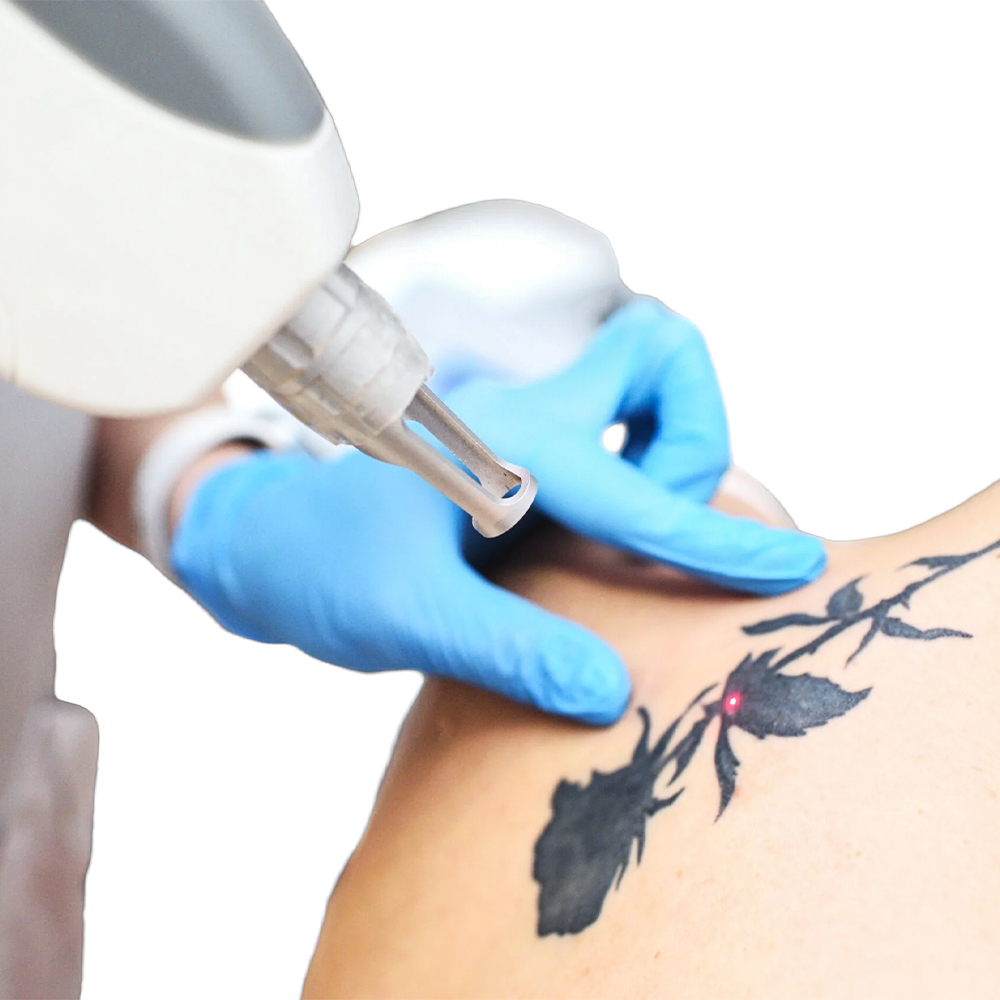
光だけを使って岩を砂に変えようとするのを想像してみてください。レーザー除去とはまさにそれと同じ原理です。最新のレーザーシステムは、高濃度の光エネルギーを照射し、皮膚の奥深くまで浸透させて色素粒子を標的にしながら、周囲の組織を傷つけることなく色素を除去します。.
その秘密は波長の精度にある。顔料によって吸収する光の波長が異なるのだ。例えば、黒インクはほとんどの波長を吸収するため除去しやすいが、黄色や緑などの色は除去しにくい。.
Qスイッチレーザーやピコ秒レーザーといった最新のシステムは、色素を微細な断片に粉砕する超短パルスを照射することで、この分野に革命をもたらしました。これらの断片は、その後、体の免疫システムによって徐々に除去されます。.
選択的光熱分解の説明
この技術の中核には、 選択的光熱分解. 複雑そうに聞こえますよね?では、もっと簡単に説明しましょう。.
このコンセプトは、レーザーが色素(発色団)のみを標的とし、周囲の皮膚には影響を与えないことを意味します。レーザーエネルギーは色素に吸収され、熱と機械的な衝撃波を発生させて色素を分解します。.
この精度の高さこそが、現代のレーザー治療が、傷跡や肌の凹凸を引き起こすことが多かった従来の皮膚剥削術や外科的切除術といった方法よりもはるかに安全な理由である。.
タトゥー除去技術の種類
Qスイッチレーザー技術
Qスイッチレーザーは長年にわたり、標準的な治療法として広く用いられてきました。それには正当な理由があります。ナノ秒単位のパルスでエネルギーを照射するため、皮膚を過熱させることなく色素を分解できるのです。.
これらのレーザーは黒や青などの濃いインクに特に効果的で、研究によると 理想的な条件下では、90%を超えるクリアランス率が得られます。 . しかし、タトゥーのサイズ、深さ、色の複雑さによっては、通常複数回の施術が必要となり、場合によっては6回から12回以上かかることもあります。.
Qスイッチレーザーは、信頼性が高く、実績があり、世界中の医療機関で広く使用されている、まさに頼れる主力機器と言えるでしょう。.
ピコ秒レーザー技術
さて、次に次世代のピコ秒レーザーについてお話ししましょう。これらの装置は、従来のシステムよりも1,000倍速い速度で動作し、1兆分の1秒という極めて短い時間でエネルギーを供給します。.
なぜこれが重要なのか?それは、パルスが短いほど色素の分解効率が高くなるからである。臨床研究では、 ピコ秒レーザーは、わずか数回のセッションで75%を超えるクリアランスを達成できます。 .
これらは特に以下のような場合に効果的です。
- 多色のタトゥー
- 頑固な色素沈着
- 治療期間の短縮
Qスイッチレーザーが主力製品だとすれば、ピコ秒レーザーはスポーツカーのようなものだ。より高速で、より高精度であり、需要がますます高まっている。.
色素沈着除去技術
色素沈着に対するレーザー治療
色素沈着除去は同様の原理に基づいていますが、インクではなくメラニンを標的とします。レーザーエネルギーが過剰なメラニンの塊を分解し、体が自然にそれらを排出できるようにします。.
治療対象となる一般的な疾患には以下のようなものがあります。
- 肝斑
- 太陽黒点
- シミ
- ニキビ跡
ここでの重要な課題は、有効性と安全性のバランスを取ることです。メラニンは通常の皮膚にも存在するため、不適切な治療は色素沈着低下や火傷を引き起こす可能性があります。.
IPLとレーザー、どちらが良い?
簡単に比較してみましょう。
| 特徴 | レーザ | IPL(強力パルス光) |
|---|---|---|
| 精度 | 高い | 適度 |
| 深度浸透 | 深い | 表面レベル |
| 最適な用途 | タトゥーと濃い色素沈着 | 軽度の色素沈着 |
| セッションが必要です | (高性能レーザーの)数が少ない | もっと |
IPLは投光器のようなもので、エネルギーを広範囲に拡散します。一方、レーザーは狙撃銃のようなもので、精密かつ的確に標的を定めます。.
治療プロセスのステップバイステップ
診察と皮膚の状態評価
あらゆる治療の成功は、綿密なカウンセリングから始まります。専門家が肌質、色素沈着の深さ、病歴などを評価し、最も安全で効果的な治療法を決定します。.
このステップは非常に重要です。なぜなら、肌の色やタトゥーの色といった要素が結果に大きく影響するからです。例えば、肌の色が濃い人は合併症を起こしやすく、専門的な環境が必要となります。.
治療セッションとスケジュール
タトゥー除去は一度で終わるものではありません。ほとんどの場合、皮膚の治癒と免疫系による色素の分解を促すため、数週間間隔を空けて複数回の施術が必要です。.
一般的なタイムライン:
- タトゥー施術には6~12回のセッションが必要です。
- 色素沈着治療には3~6回の施術が必要です。
ここでは忍耐が鍵となります。体が分解された粒子を処理して排出するには時間が必要です。.
有効性と結果
成功率と期待値
現実的な期待を持ちましょう。完全な除去は必ずしも保証されるわけではありません。研究によると、約 381人のTP3T患者の完全寛解を達成, 一方、著しい退色を経験するものもある。 .
黒色のタトゥーは最も効果が高く、黄色や緑色などは定着しにくい場合があります。色素沈着治療は一般的に成功率が高いものの、定期的なメンテナンスが必要となる場合があります。.
結果に影響を与える要因
結果に影響を与える要因はいくつかあります。
- インクの色と深さ
- 肌タイプ
- 使用されている技術
- 実践者のスキル
料理に例えて考えてみてください。同じ材料を使っても、料理人が作ると全く違う結果になることがあります。.
リスク、副作用、安全性
一般的な副作用
ほとんどの治療法は安全ですが、副作用が発生する場合があります。
- 赤みと腫れ
- 水ぶくれ
- 一時的な色素沈着の変化
ほぼ 97%の患者に局所的な反応が見られる, ただし、ほとんどは軽度で一時的なものです。 .
リスクを最小限に抑える方法
安全性の要点は以下のとおりです。
- 認定機器を使用する
- 経験豊富な専門家を選ぶ
- アフターケアの指示に従ってください
紫外線対策は特に重要です。紫外線にさらされると、色素沈着の問題が悪化する可能性があるからです。.
適切な美容機器の選び方
注目すべき主な特徴
タトゥー除去マシンを選ぶ際には、以下の点を考慮してください。
- 複数の波長
- パルス持続時間を調整可能
- 冷却システム
- ユーザーフレンドリーなインターフェース
これらの機能により、さまざまな肌質や肌の状態において、汎用性と安全性が確保されます。.
プロ仕様の機器が重要な理由
安価な機器や旧式の機器は、性能低下、あるいは最悪の場合、永久的な損傷につながる可能性があります。高品質な機器への投資は、単に性能向上のためだけではなく、顧客を守り、信頼関係を築くためにも重要なのです。.
SHEFMONタトゥー除去マシン
高度な機能とメリット
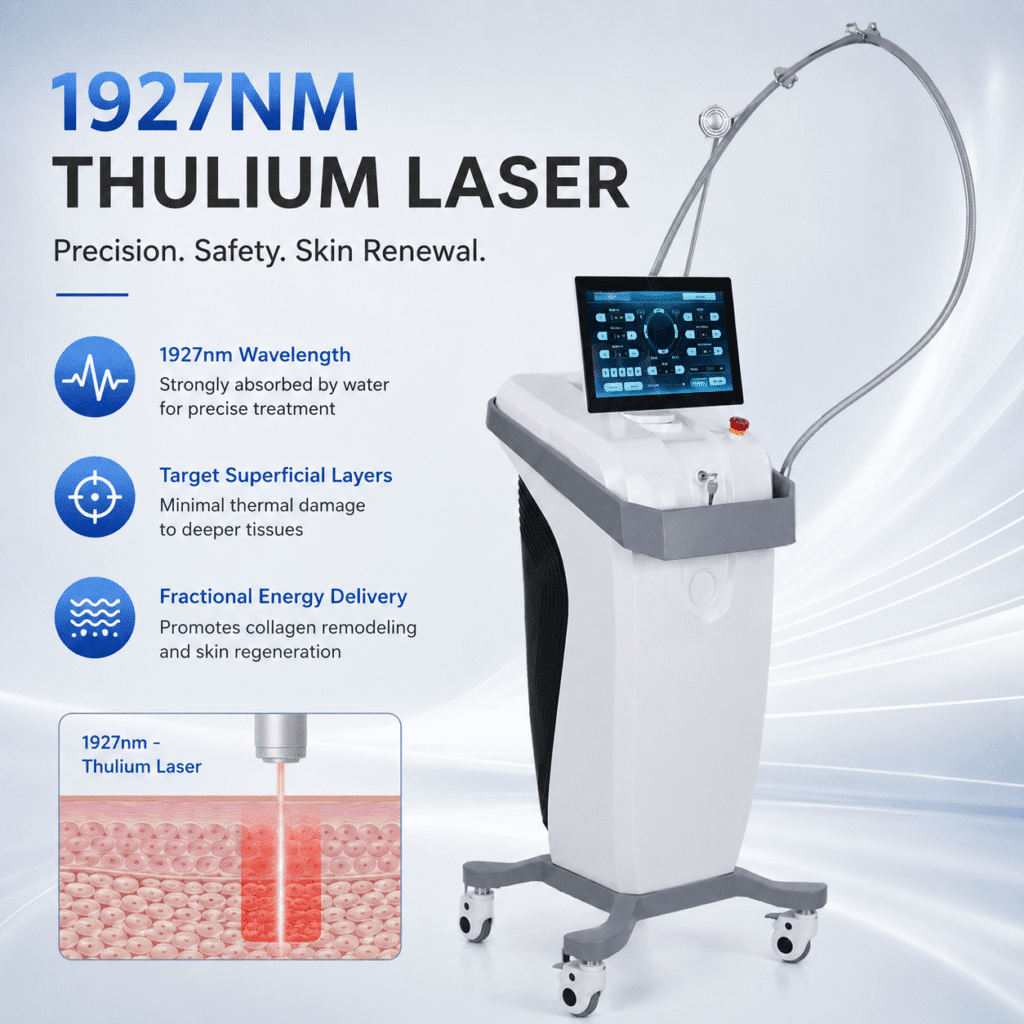
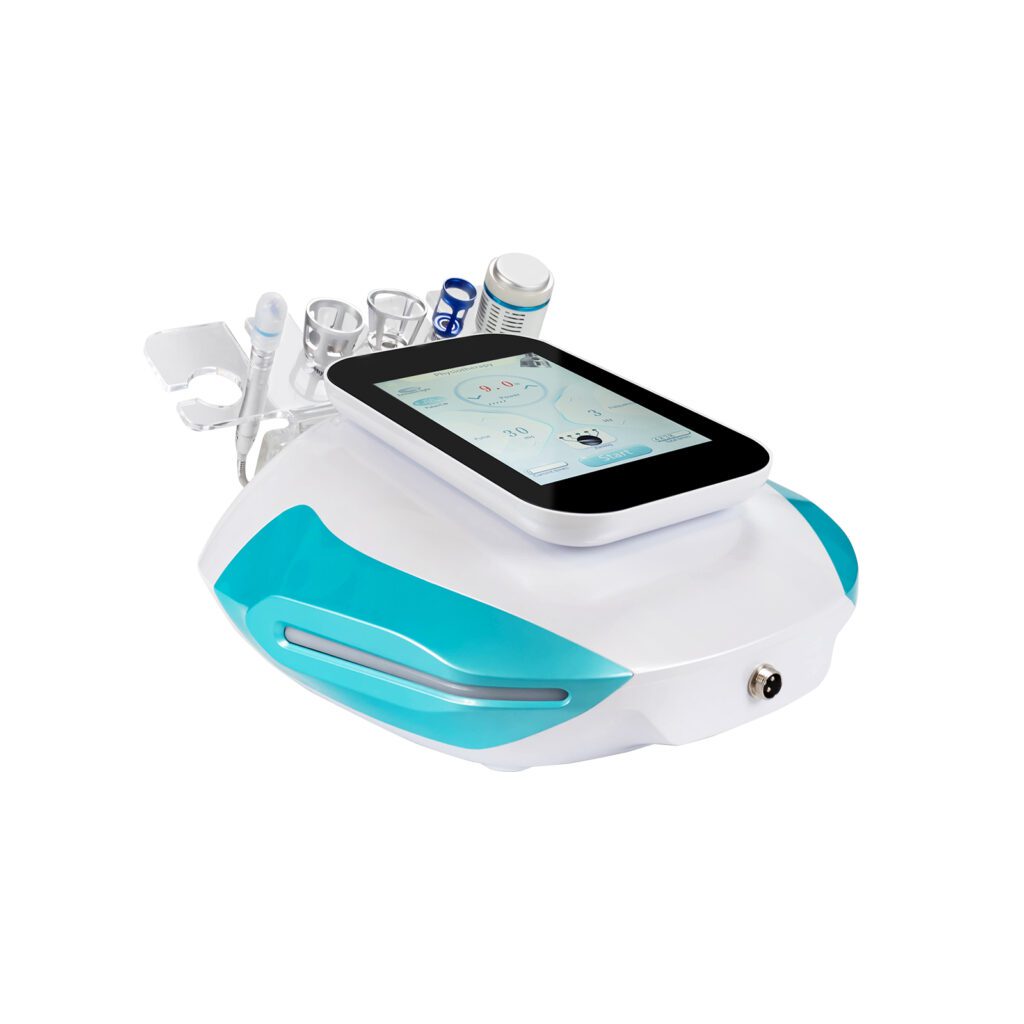
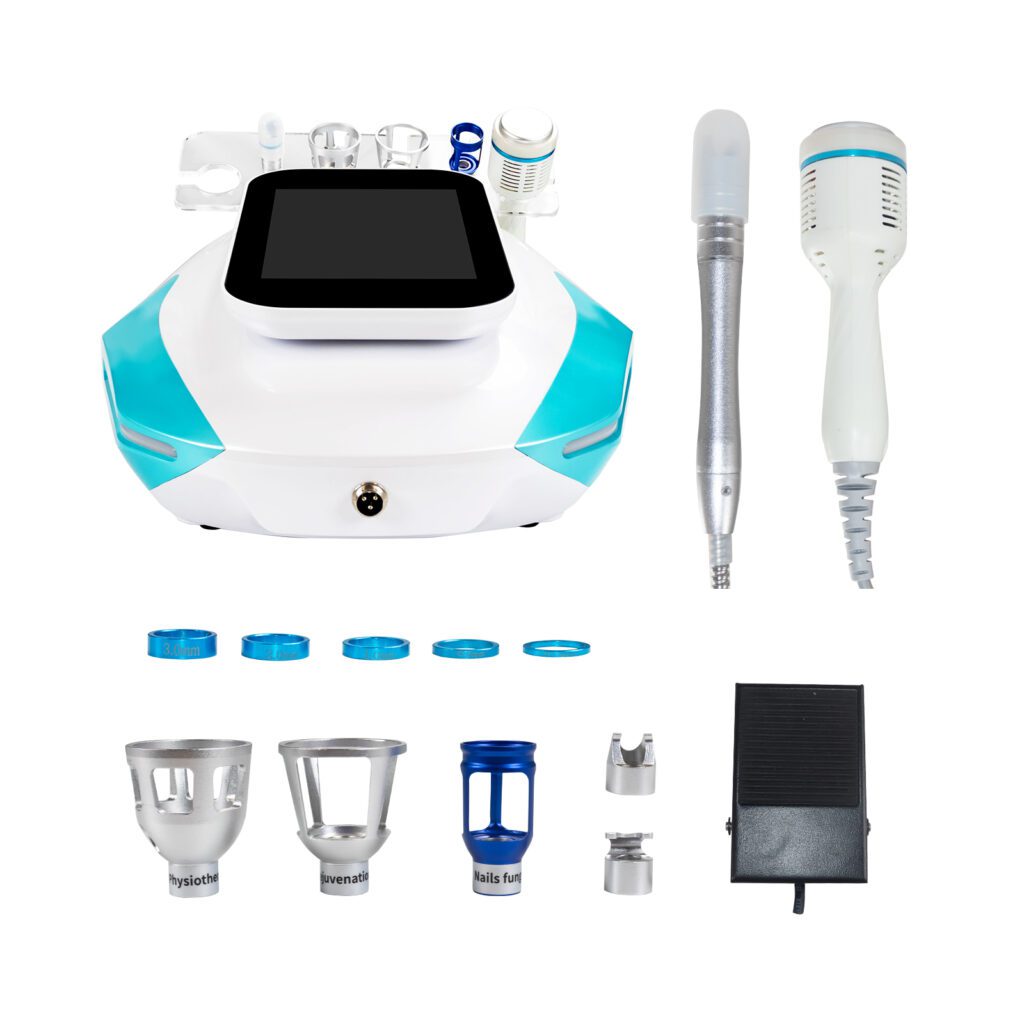
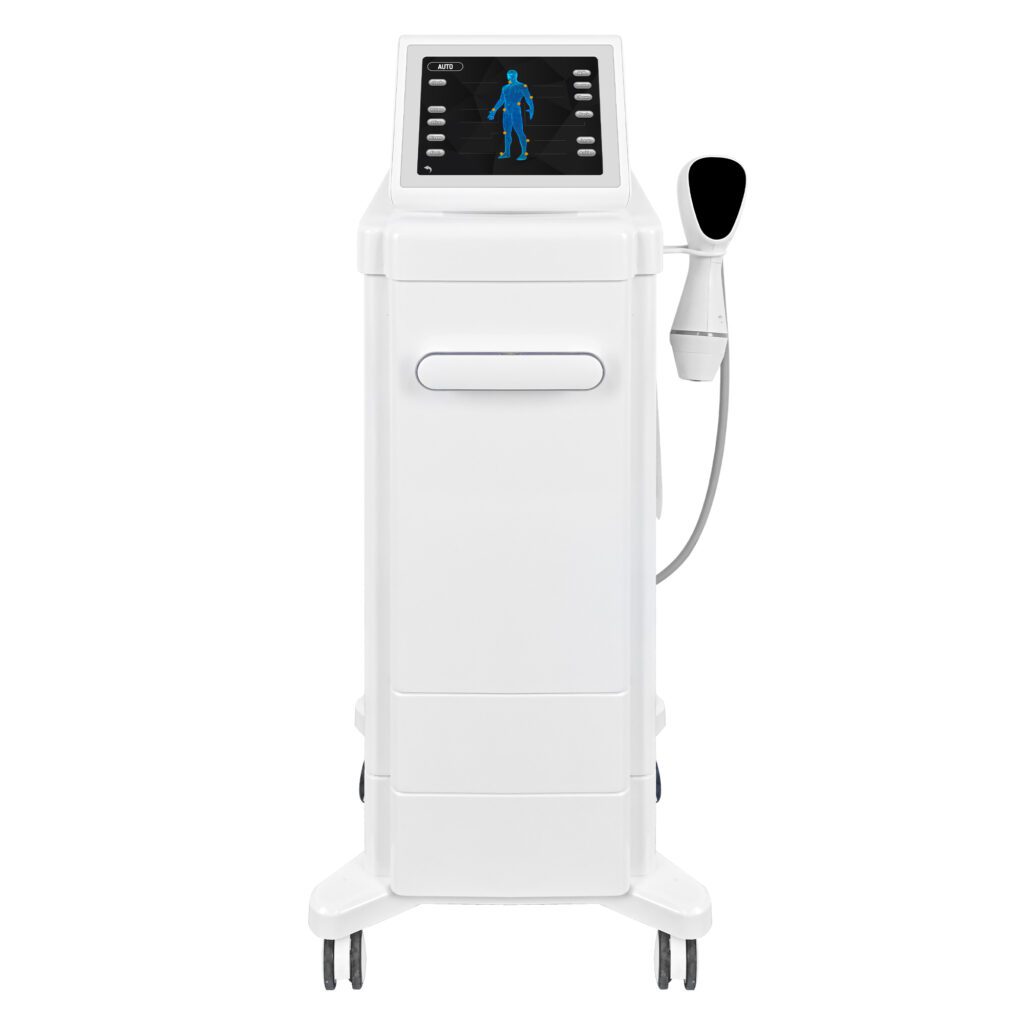
最先端のソリューションをお探しなら、 SHEFMONのタトゥーおよび色素沈着除去システム:
👉 https://shefmon.com/beauty-machines/tattoo-and-pigmentation-removal/
SHEFMON BEAUTYの機器はプロのクリニック向けに設計されており、以下の特長を備えています。
- 先進的なレーザー技術(Qスイッチおよびピコレーザーオプション)
- あらゆる顔料タイプに対応するマルチ波長機能
- OEMおよびODMカスタマイズ(ロゴ、システム、インターフェース)
- 高エネルギー出力でより迅速な治療が可能
SHEFMONは、10年以上にわたる経験とグローバルな流通網を活かし、美容関連ビジネス向けに信頼性が高く拡張性の高いソリューションを提供しています。.
クリニックのコストと投資対効果
価格概要
タトゥー除去は単なる治療ではなく、収益性の高いビジネスモデルです。施術は通常、 1回の治療につき$500~$1,500, サイズと複雑さによって異なります。 .
診療所にとって、これは次のことを意味します。
- 高い投資収益率
- リピーターのお客様のご来店
- 市場需要の高まり
これは双方にとってメリットのある関係だ。顧客は結果を得られ、クリニックは安定した収益を得ることができる。.
結論
タトゥーや色素沈着の除去は、かつての痛みを伴う侵襲的な処置から、精密でハイテクなソリューションへと大きく進化しました。ピコ秒レーザーなどの技術革新により、治療はこれまで以上に迅速、安全、そして効果的になっています。.
サービス拡大を目指すクリニック経営者の方も、インプラント除去を検討されている方も、技術を理解することが鍵となります。適切な機器、適切なアプローチ、そして適切な期待値が、大きな違いを生み出すのです。.
よくある質問
1. タトゥー除去には何回の施術が必要ですか?
ほとんどのタトゥーは6~12回の施術で済みますが、複雑なデザインやカラータトゥーの場合はそれ以上の回数が必要になる場合があります。.
2. レーザータトゥー除去は痛いですか?
ゴムバンドで皮膚をパチンと弾かれたような感覚に似ているかもしれませんが、麻酔クリームを使うと不快感を軽減できます。.
3. タトゥーの色はすべて除去できますか?
黒色は最も簡単に除去できるが、黄色や緑色などは完全に除去するのがより難しい。.
4.色素沈着の除去は永久的なものですか?
効果は長期間持続する可能性があるが、日光への曝露や生活習慣によって再発する可能性がある。.
5.タトゥー除去マシンはクリニックにとって利益になるのか?
はい、高い需要、リピート利用、そしてプレミアム価格設定により、これは強力な収益源となります。.