









最適化されたソリューション、専門的なバルブの知識、業界ニュースを共有する
ご希望の用語やキーワードを入力すると、検索結果に関連記事が表示されます。お探しの回答が見つからない場合は、お気軽にお問い合わせください。喜んでお手伝いいたします。または、beauty@shefmon.comまで直接メールでお問い合わせください。
6.78 MHz vs 2 MHz RF: What Is the Difference in XERF Technology?
- シェフモン
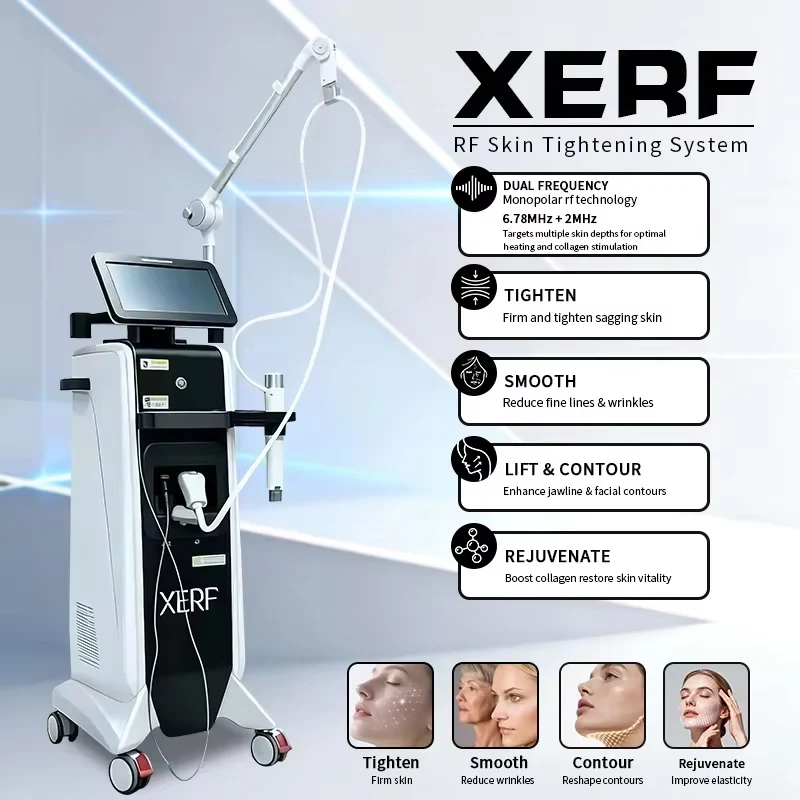
Radiofrequency (RF) technology has long been used for non-invasive skin tightening and tissue remodeling. Traditional monopolar RF machines commonly operate at a single frequency, while XERF technology introduces a dual-frequency approach using 6.78 MHz and 2 MHz RF. The purpose is not simply to use two frequencies, but to create different patterns of energy distribution and support treatment across multiple tissue depths. Understanding the difference between 6.78 MHz and 2 MHz helps explain why XERF can be configured for shallow, middle, and deep treatment applications. Research on XERF and dual-frequency monopolar RF has also investigated how these frequencies interact with the dermis, fibrous structures, and subcutaneous tissue.
1. What Is XERF Dual-Frequency RF Technology?
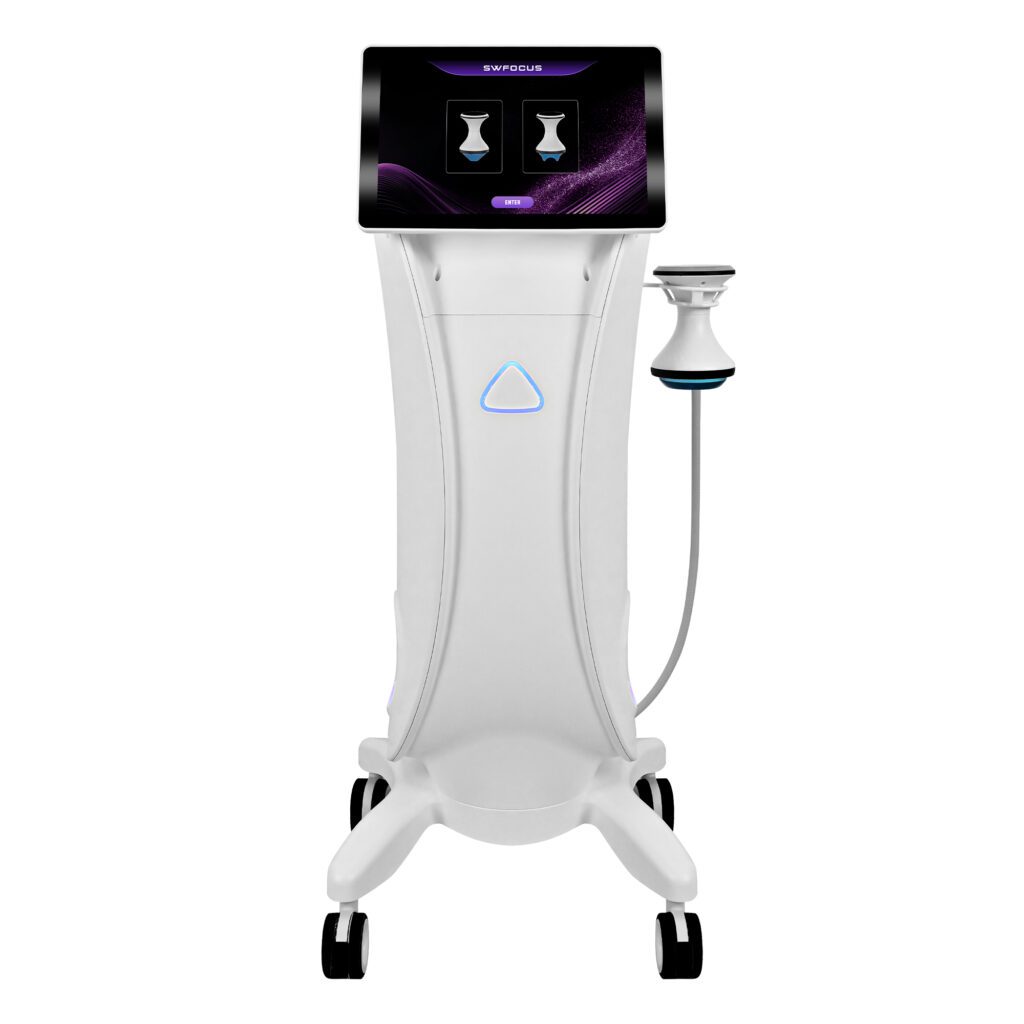
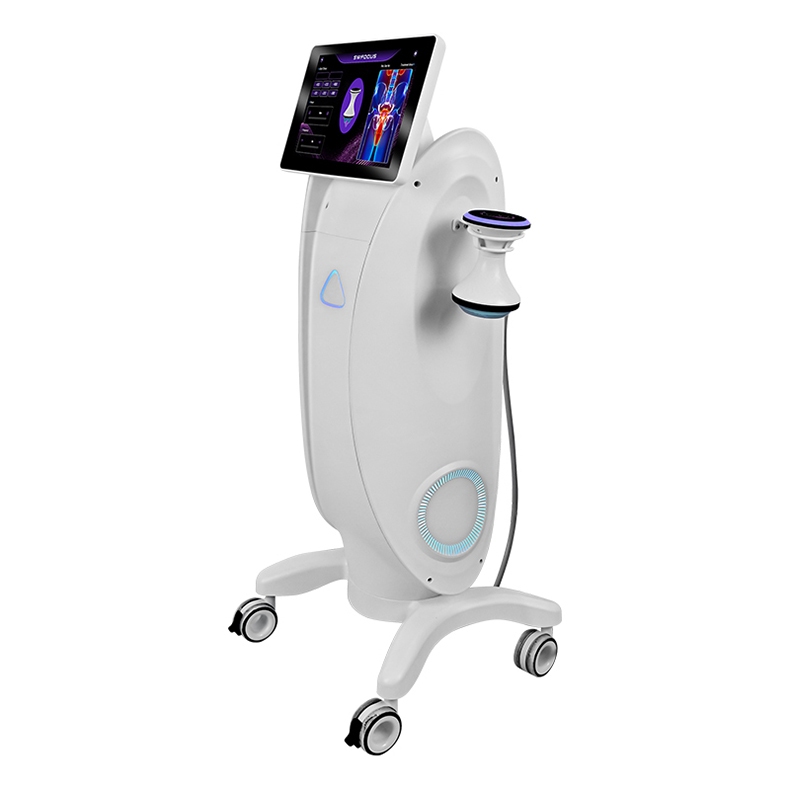
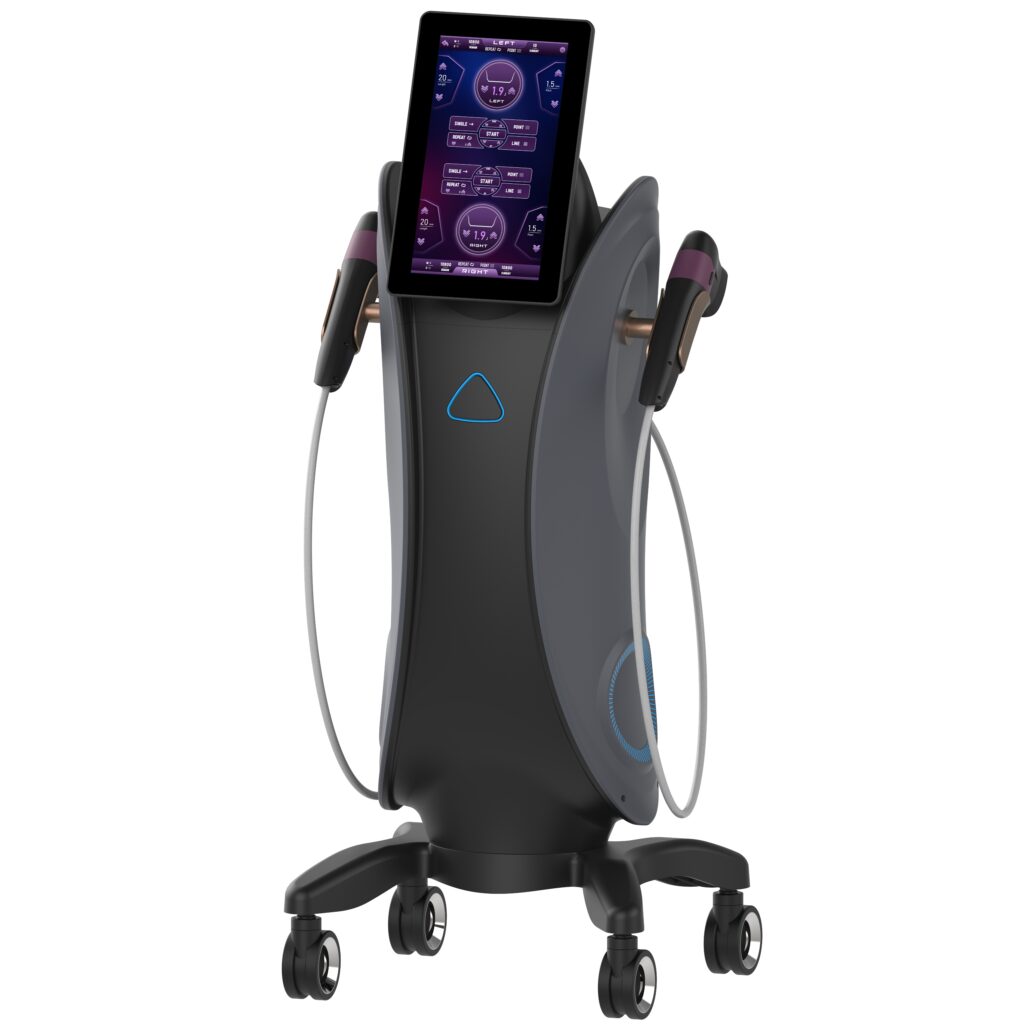
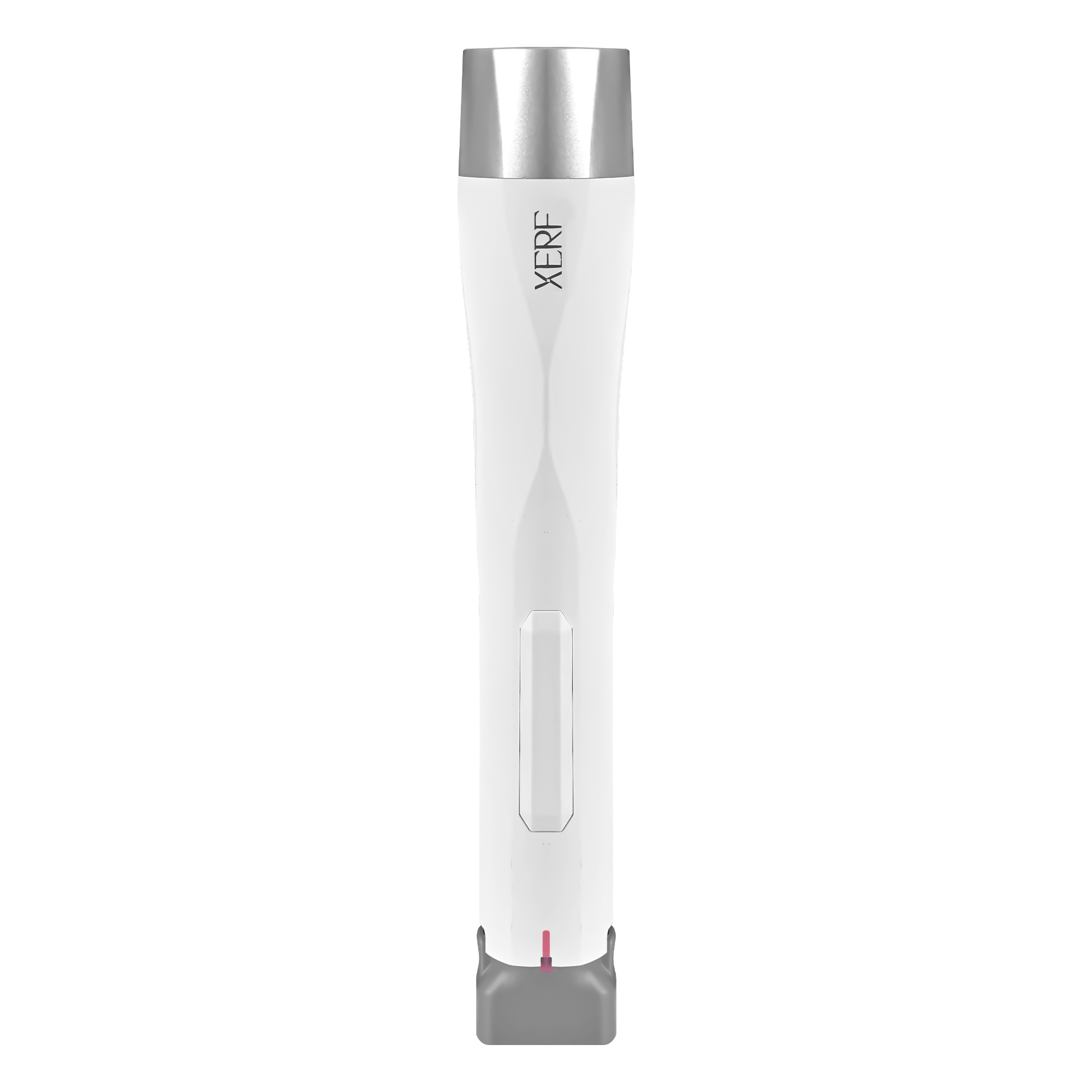
XERF is a non-invasive monopolar RF technology that combines 6.78 MHzと2 MHzの周波数 within its treatment system. Unlike conventional RF platforms that primarily rely on one frequency, XERF uses frequency selection and treatment modes to influence how RF energy is distributed through different tissue layers.
This approach is particularly relevant for skin tightening because facial and body tissues are not uniform. The superficial dermis, deeper dermal structures, subcutaneous tissue, and fibrous connective structures have different electrical and thermal characteristics.
Instead of treating every area in exactly the same way, a multi-frequency RF system can provide more flexibility when selecting treatment depth and energy delivery.
2. How Does 6.78 MHz RF Work in XERF?
2.1 6.78 MHz for Superficial and Intermediate Tissue
その 6.78 MHz frequency is associated with more localized heating in the dermal and fibrous tissue regions. Clinical research describes 6.78 MHz RF as supporting superficial-to-intermediate dermal heating, while experimental modeling has shown more localized thermal effects along fibrous septa compared with 2 MHz.
This makes 6.78 MHz particularly relevant when the treatment objective involves:
- Skin texture and firmness
- Fine lines and superficial skin concerns
- Dermal collagen remodeling
- Superficial-to-middle tissue tightening
Traditional monopolar RF systems have also commonly used 6.78 MHz, so this frequency itself is not new. The key difference in XERF is how it is combined with 2 MHz to expand the available treatment depth.
3. How Does 2 MHz RF Differ?
3.1 2 MHz for Deeper Energy Distribution
その 2 MHz frequency has a different interaction with tissue. Computational modeling and experimental research have found that 2 MHz RF can produce a broader and deeper thermal distribution, particularly within subcutaneous tissue.
In XERF, this lower frequency is used when deeper tissue heating is desired. Research describing dual-frequency monopolar RF identifies 2 MHz as supporting deeper subdermal heating compared with conventional 6.78 MHz treatment alone.
Therefore, 2 MHz can be relevant for treatment goals such as:
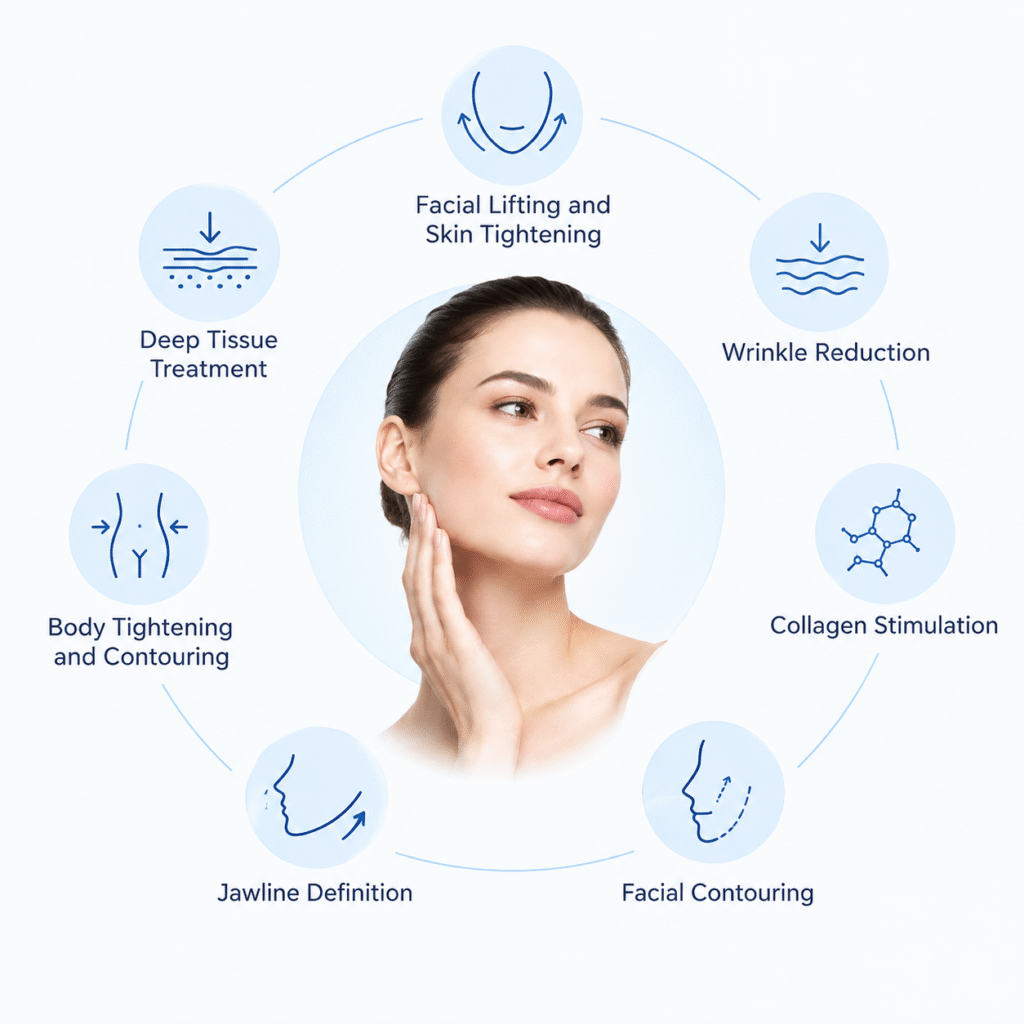
- Deeper tissue tightening
- 顔の輪郭領域
- 顎のラインの定義
- Areas with greater tissue thickness
- Supporting treatment of deeper structural tissues
However, it is important not to interpret frequency alone as a simple “penetration depth” switch. Actual energy distribution also depends on applicator design, treatment settings, tissue characteristics, contact, cooling, and the specific treatment mode.
4. Why Combine 6.78 MHz and 2 MHz?
4.1 Different Frequencies, Different Tissue Effects
The main advantage of dual-frequency technology is that 6.78 MHz and 2 MHz can contribute different thermal distribution characteristics.
Experimental research comparing the two frequencies found that 6.78 MHz produced more localized heating associated with fibrous septa, while 2 MHz generated broader and deeper thermal effects in the tissue model. When combined, the two frequencies produced more extensive thermal reactions across the dermal and subdermal regions.
This provides a technical basis for using multiple RF frequencies rather than relying on a single-frequency approach.
4.2 Supporting Multi-Depth Treatment
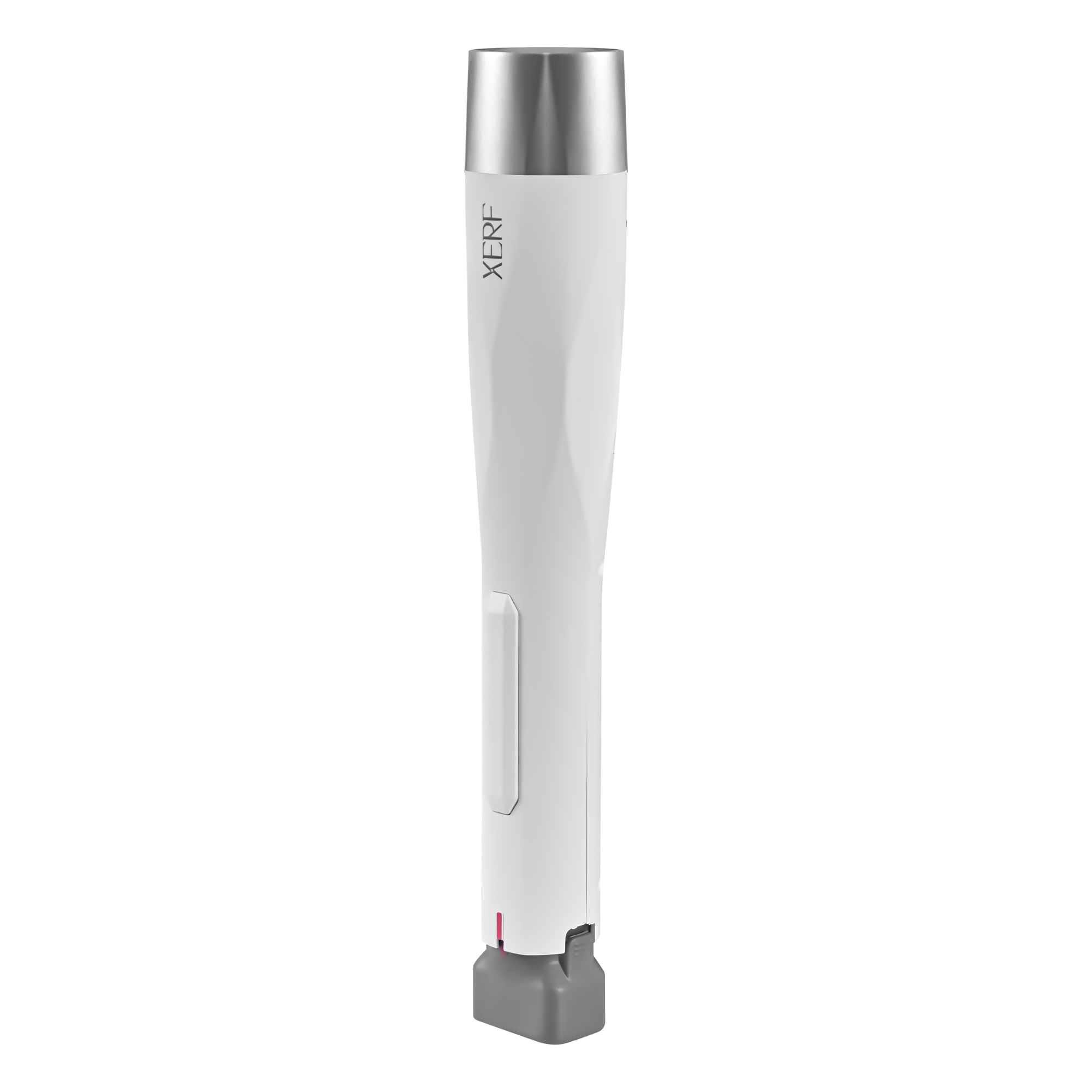
XERF uses this dual-frequency concept together with shallow, middle, and deep treatment settings. The manufacturer describes its system as combining 6.78 MHz and 2 MHz to deliver RF energy at different depths according to the selected treatment approach.
For equipment users, this means one RF platform can be configured for different anatomical areas and treatment objectives instead of using exactly the same energy pattern everywhere.
5. How Does Dual-Frequency RF Support Collagen Remodeling?
RF energy works by converting electrical energy into heat as it encounters tissue resistance. Controlled thermal exposure can cause changes in collagen structure and stimulate longer-term tissue remodeling processes.
A 2024 study of XERF using a porcine model reported immediate changes in collagen bundles following dual-frequency treatment, including thickening and shortening of collagen structures and changes in deeper fascial layers.
More recent research comparing 6.78 MHz, 2 MHz, and dual-frequency RF also reported collagen and elastic fiber remodeling in experimental tissue models. These findings help explain the interest in dual-frequency RF for skin tightening, although laboratory and animal findings should not be treated as identical to clinical outcomes in humans.
6. 6.78 MHz vs 2 MHz RF: What Is the Key Difference?
| 特徴 | 6.78 MHz RF | 2 MHz RF |
|---|---|---|
| General application | Superficial to intermediate treatment | Deeper tissue treatment |
| Thermal distribution | More localized | Broader and deeper |
| Main tissue focus | Dermis and fibrous structures | Deeper subdermal tissue |
| Typical treatment goals | Texture, firmness, collagen remodeling | Deeper tightening and contour support |
| Role in XERF | Shallow/middle and combined treatment | Deep or combined treatment |
The important point is that 6.78 MHz and 2 MHz are complementary rather than competing frequencies. XERF uses their different tissue interactions to provide a broader range of RF treatment possibilities.
結論
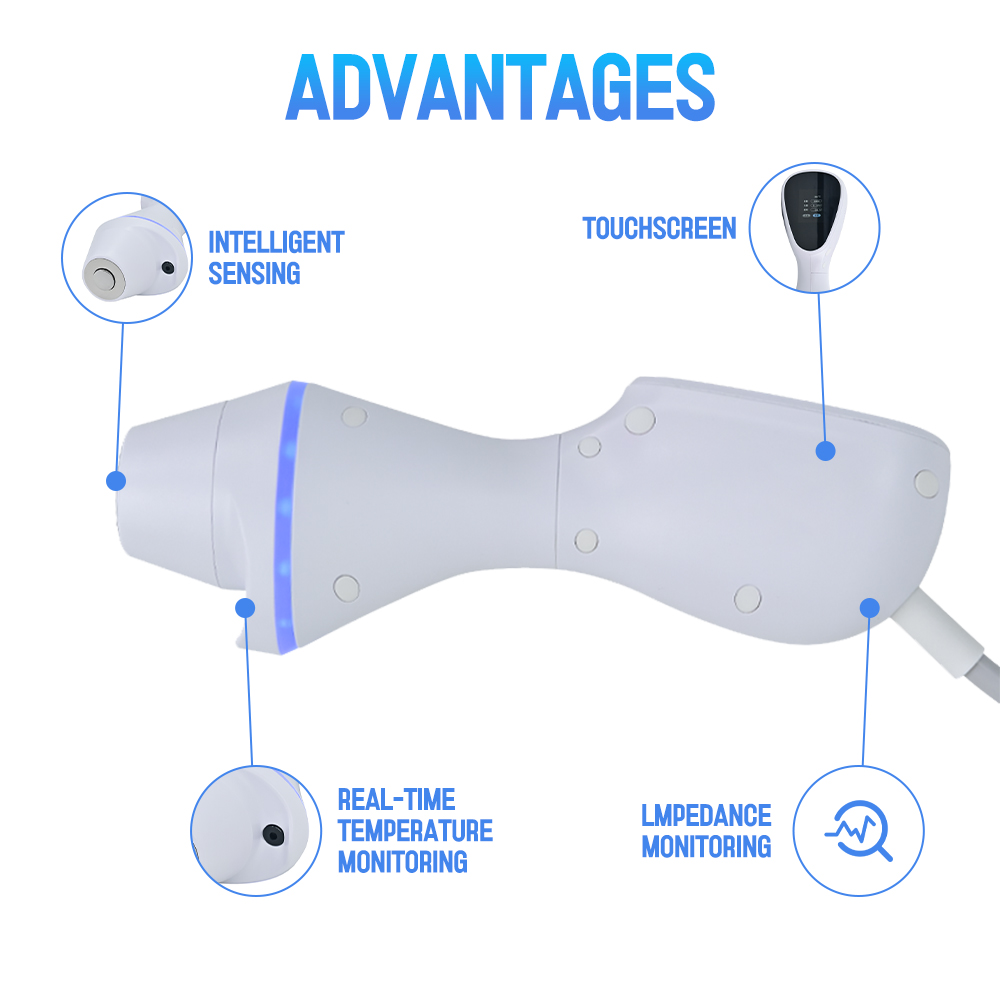
For beauty equipment distributors, salons, and professional treatment centers, understanding the difference between these frequencies is useful when evaluating a dual-frequency RF machine. A system offering multiple frequencies and treatment depths can provide greater flexibility for different facial and body areas. Features such as adjustable intensity, temperature monitoring, cooling, applicator selection, and treatment modes should also be considered alongside frequency specifications.
Ultimately, the value of XERF technology is not simply that it uses 6.78 MHz + 2 MHz. Its key concept is the coordinated use of different RF frequencies to support multi-depth energy delivery, while control technologies help manage how that energy is delivered. This combination distinguishes dual-frequency RF from conventional single-frequency approaches and provides a more flexible framework for non-invasive skin tightening treatments.