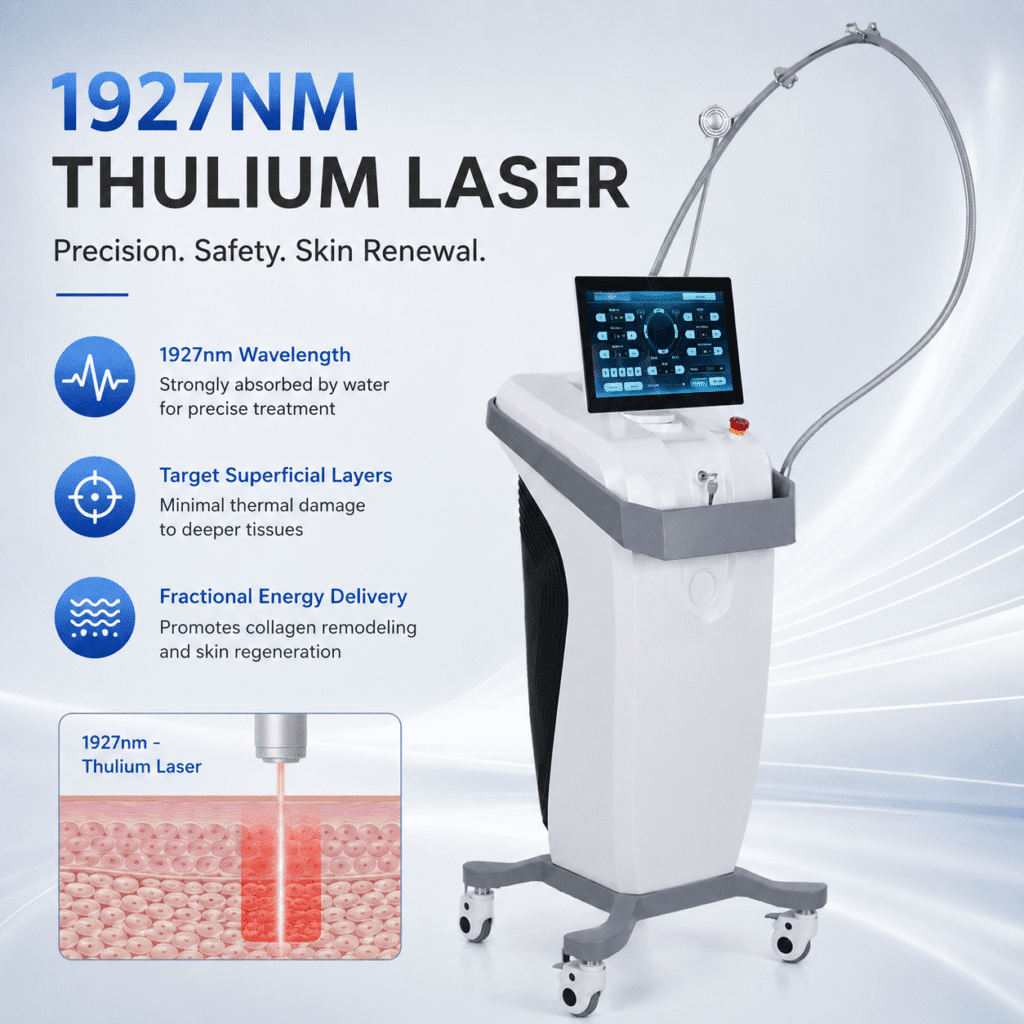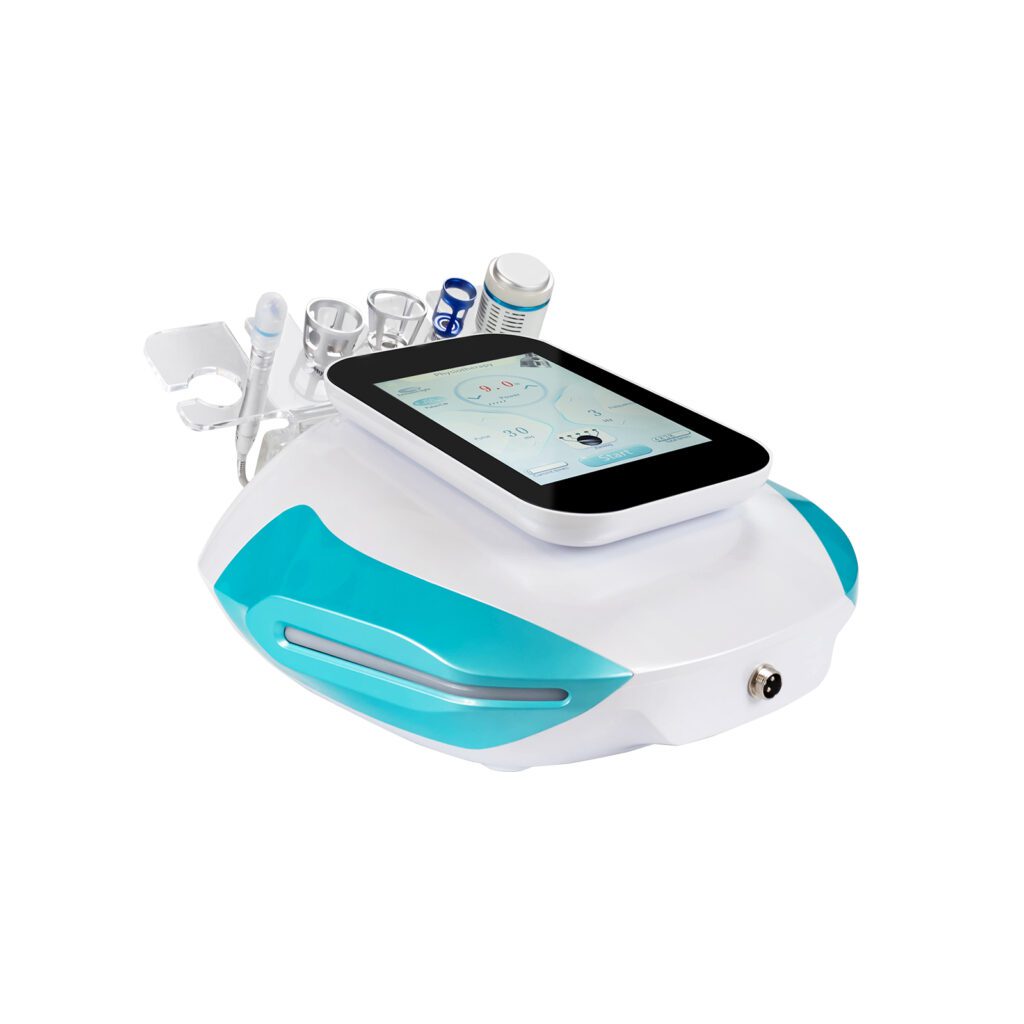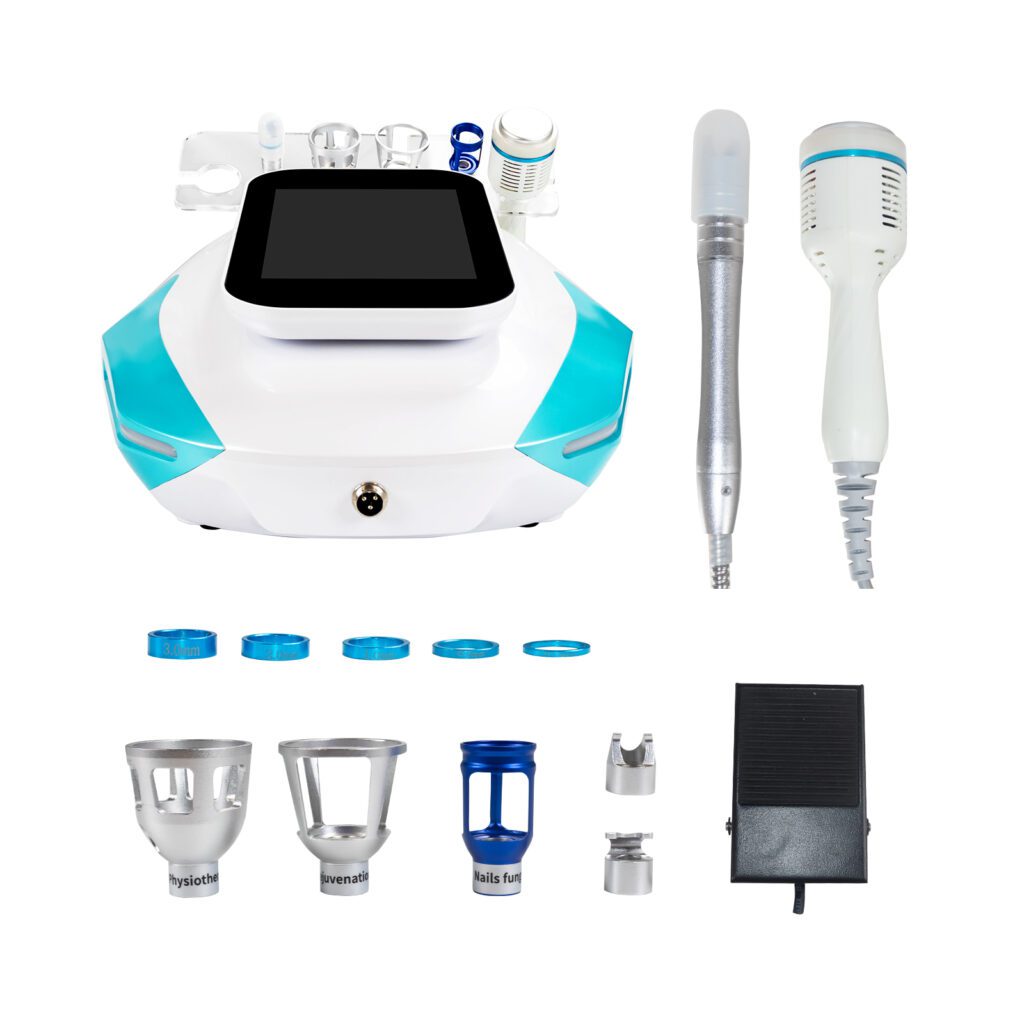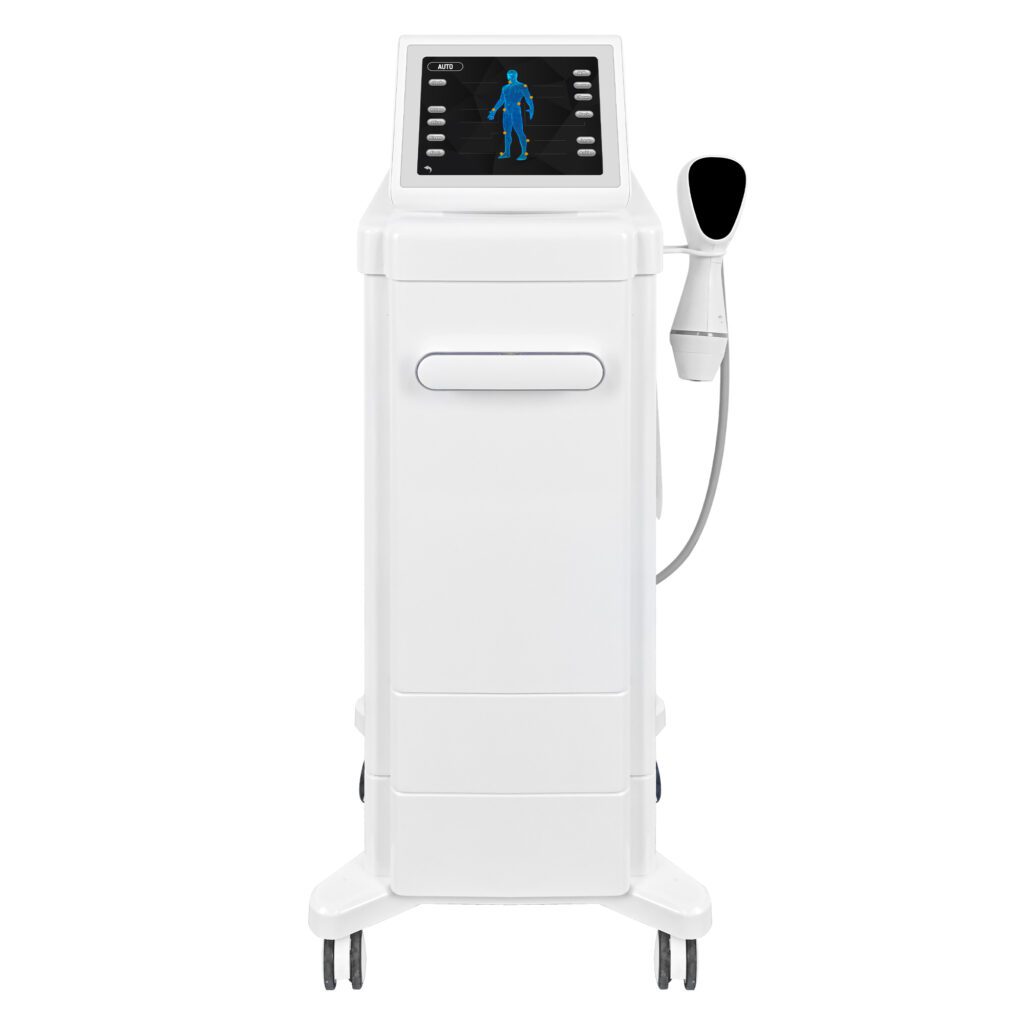










Pairing beauty devices starts with a clear question: what does the second device add for this client? A facial cleansing system, a facial-tone platform, and a body-contouring device address different goals. Owning them together can create a more useful service range, but using more equipment does not automatically produce a better clinical outcome.
For salons, med spas, skin clinics, body contouring centers, and distributors, effective pairing means selecting complementary capabilities, assessing suitability, and reviewing progress before expanding a treatment plan. This guide connects relevant シェフモンの美容機器 to practical service combinations while explaining where evidence and device-specific guidance are needed.
エグゼクティブサマリー
- Define the primary goal before selecting a second technology.
- 考慮する A0648 + A0272-F for separate cleansing/hydration and facial-tone services.
- 考慮する A0648 + B0158 for a facial-care and mechanical body-care portfolio.
- 考慮する A0241 + B0158 when muscle-focused services and massage-style body care both have demand.
- 考慮する S9 + A0241 for distinct localized-contour and muscle-tone pathways.
- 考慮する A0272-F + A0241 for a face-and-body tone menu with dedicated equipment for each area.
- These are proposed service and equipment pairings. No comparative clinical evidence is presented here establishing that these exact model combinations outperform either device alone.
The practical objective is better treatment selection and follow-up. Any claim of superior combined efficacy requires evidence for the actual technologies, indications, and protocol being used.
1. Define What a Better Result Would Look Like
Before pairing devices, write down the outcome the client wants to discuss. “Rejuvenation” or “slimming” is too broad to guide a useful decision.
| 顧客の懸念 | Clarify first | Possible primary service | Reason to assess another service |
|---|---|---|---|
| Facial skin feels congested or needs routine care | Current condition and expectations | Cleansing/hydration-oriented facial | A separate facial-tone concern remains relevant |
| Facial contour concern | What change is expected? | Facial-tone consultation | Another distinct skin-care need exists |
| Body looks less toned | Muscle tone, skin laxity, or localized fat? | Appropriate goal-specific consultation | Assessment identifies a second, separate concern |
| Localized body bulge | Suitability for contour treatment | Localized contour consultation | A muscle-focused goal is also present |
| Interest in face and body care | Which services are actually desired? | Independently suitable facial or body service | Convenient coordination benefits the client |
The FDA distinguishes localized fat changes, muscle tone, and cellulite appearance within body contouring. It also explains that these procedures do not treat obesity or provide the health benefits of weight loss. That distinction is useful when translating a broad client request into a specific service goal. See the FDA body contouring overview.
If one suitable service addresses the main concern, a second device may add cost and complexity without a clear reason to use it.
2. Understand Three Different Types of Pairing
Equipment pairing
A business purchases two devices to offer different services. They may serve different clients and never be used together. This is primarily a purchasing and menu decision.
A coordinated client plan
One client has two separately assessed needs and books suitable services over time. Each component has its own purpose, instructions, and review points.
A combined treatment protocol
Two technologies are used within a defined sequence, possibly on the same area or during one visit. This requires evidence and guidance beyond the fact that the devices are individually available.
Confusing these levels creates misleading packages. A useful equipment bundle is not proof of safe same-day use, and a coherent client plan is not proof of synergistic effects.
3. Functional Principle: Choose Complementary Roles
Hydro microdermabrasion belongs to cleansing, exfoliation, extraction, and hydration-oriented care. It offers a different service role from muscle stimulation.
Facial electrical stimulation with RF combines a facial stimulation component with radiofrequency energy. Its facial configuration and intended use should be evaluated independently of body equipment.
Body electromagnetic stimulation produces muscle contractions. A muscle-focused pathway differs from care aimed at a localized fat area or surface texture.
Mechanical roller care uses movement and pressure to deliver a massage-style service. It should not be assumed to remove fat or enhance another procedure’s effect.
クライオリポライシス uses controlled cooling for appropriate localized body-contour concerns. It is a dedicated category with its own screening and follow-up requirements.
Complementary roles give each service a reason to exist. Repeating similar energy exposure or adding another function merely because it is available does not establish an advantage.
4. SHEFMON Models and Their Proposed Pairing Roles
| モデル | Supplier positioning | Role in a paired service range | Confirm before purchase |
|---|---|---|---|
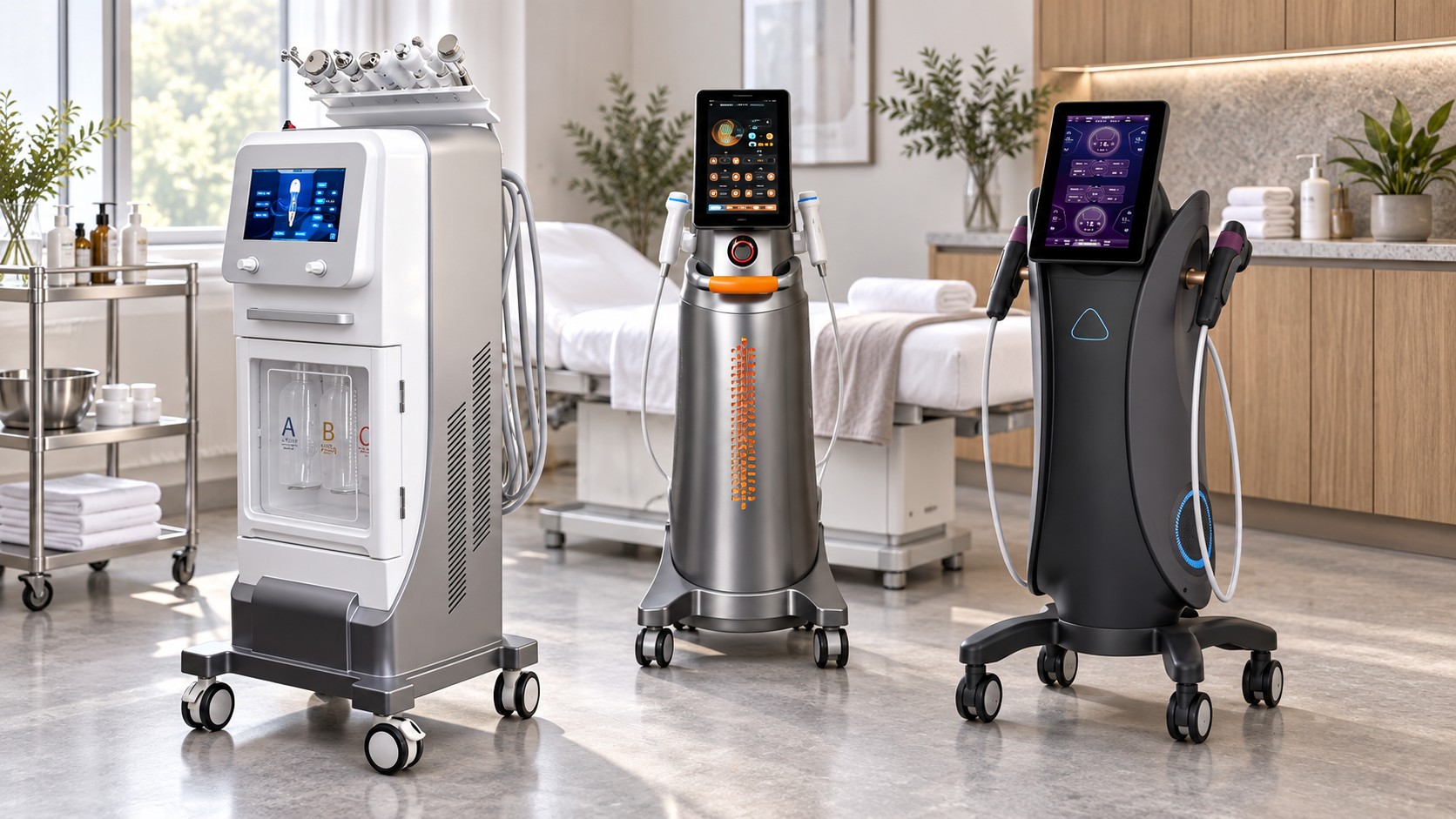
| A0648 ハイドロマイクロダーマブレーション | Cleansing, exfoliation, extraction and hydration | Facial-care foundation | Complete handpiece, solution and consumable list |
| A0272-F facial device | Facial electrical stimulation and RF | Facial-tone service | Current applicators and intended facial areas |
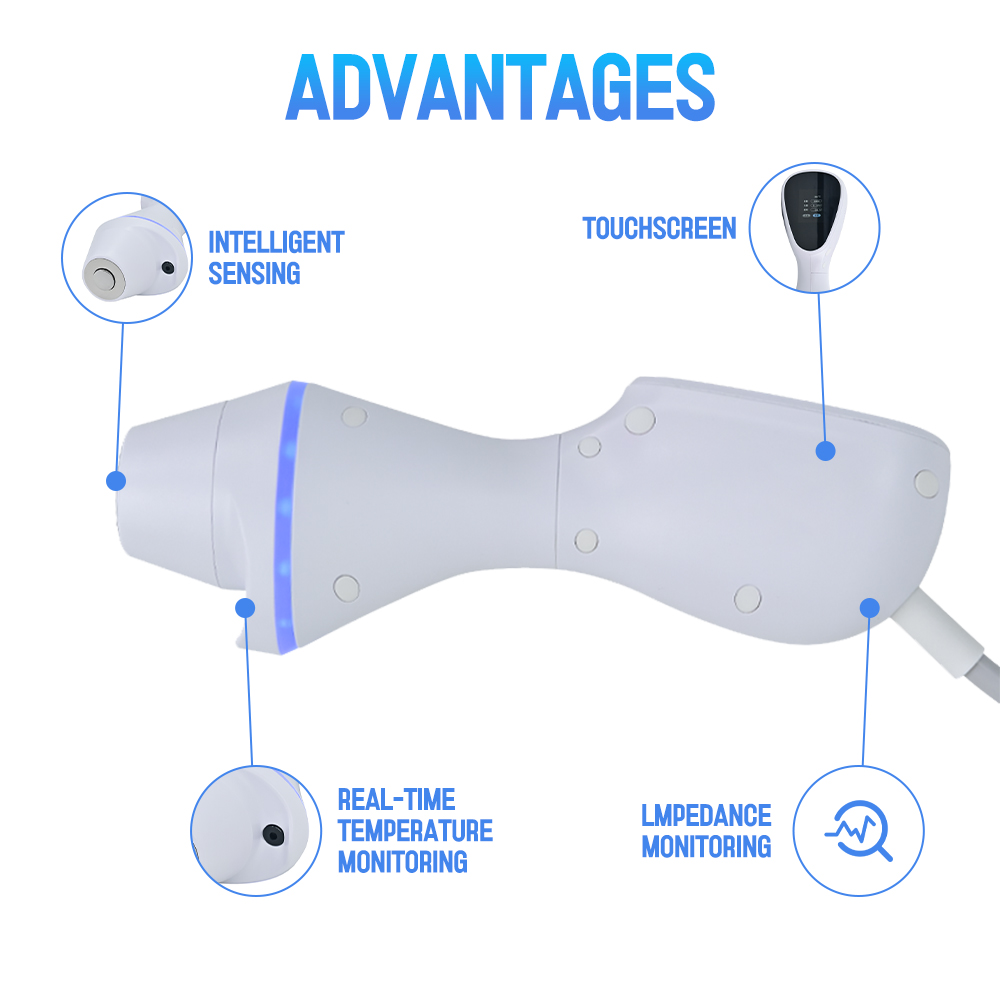
| B0158 inner-ball roller | Mechanical compression micro-vibration | Mechanical body-care category | Supplied handpieces and permitted areas |
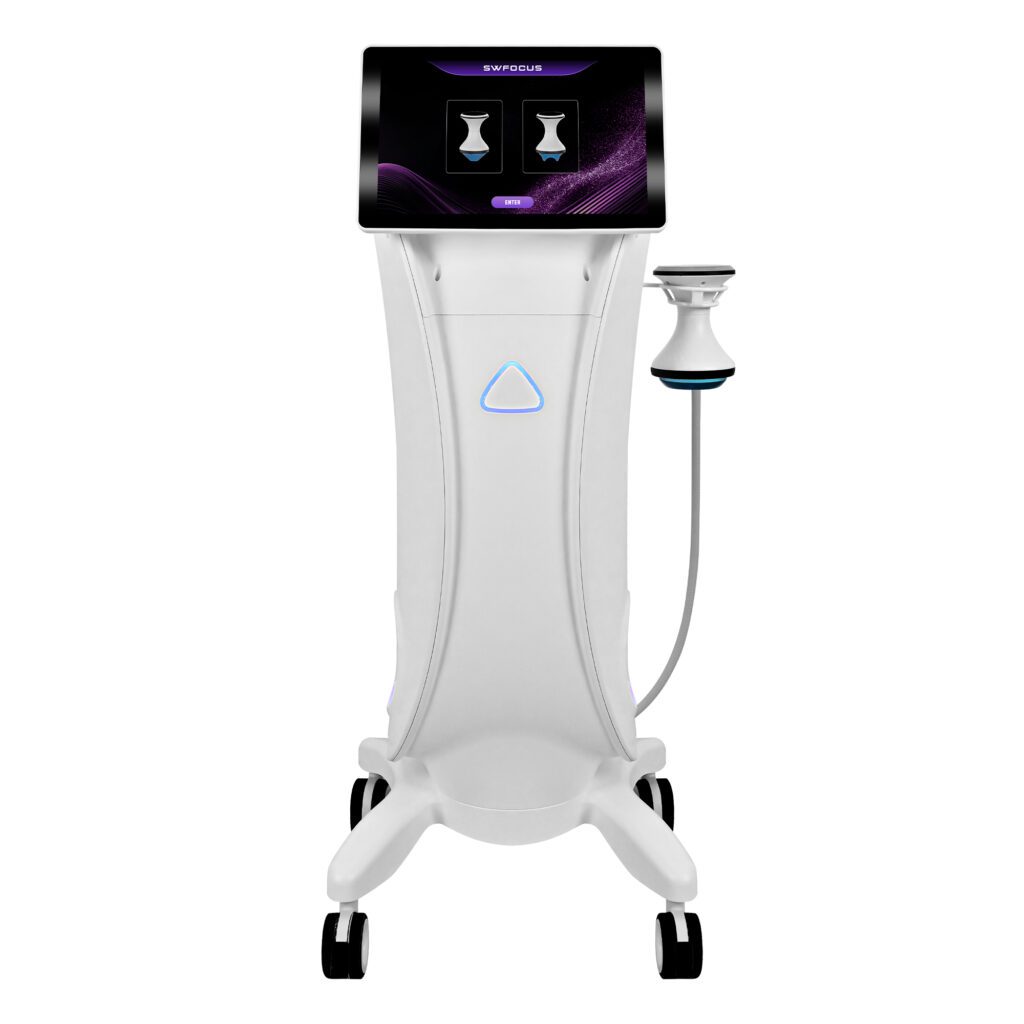
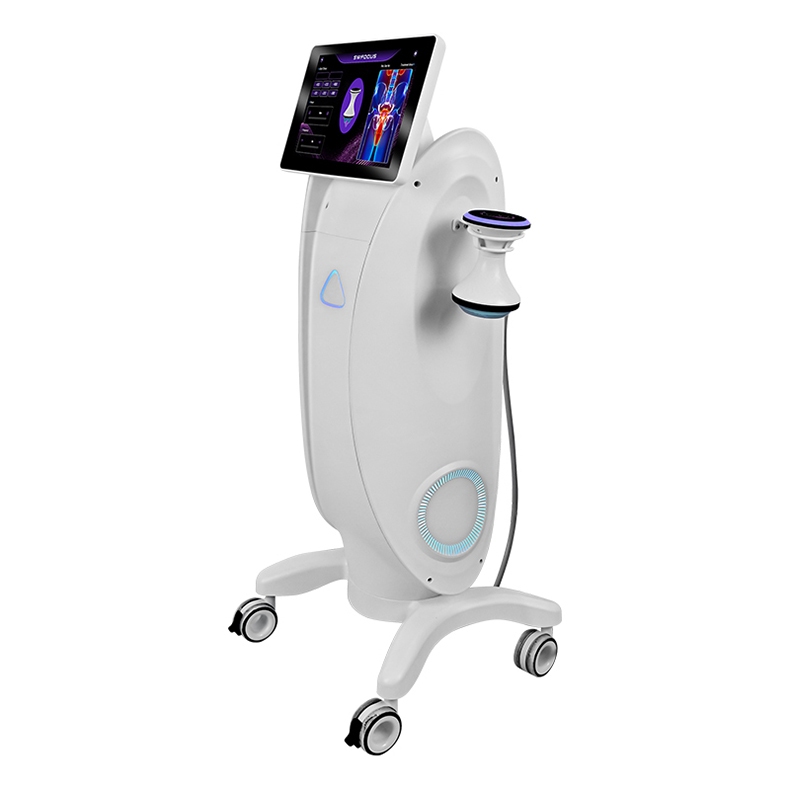
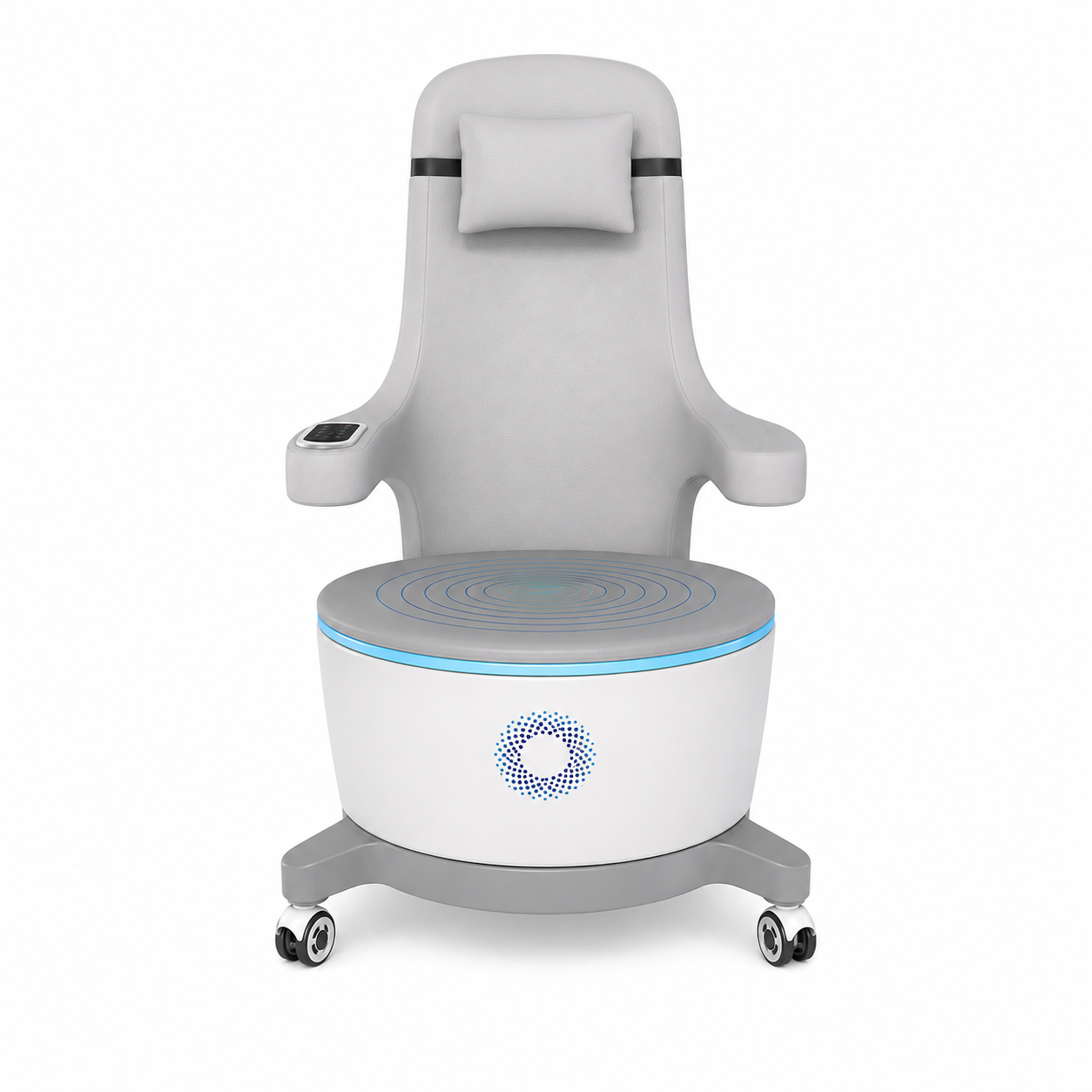
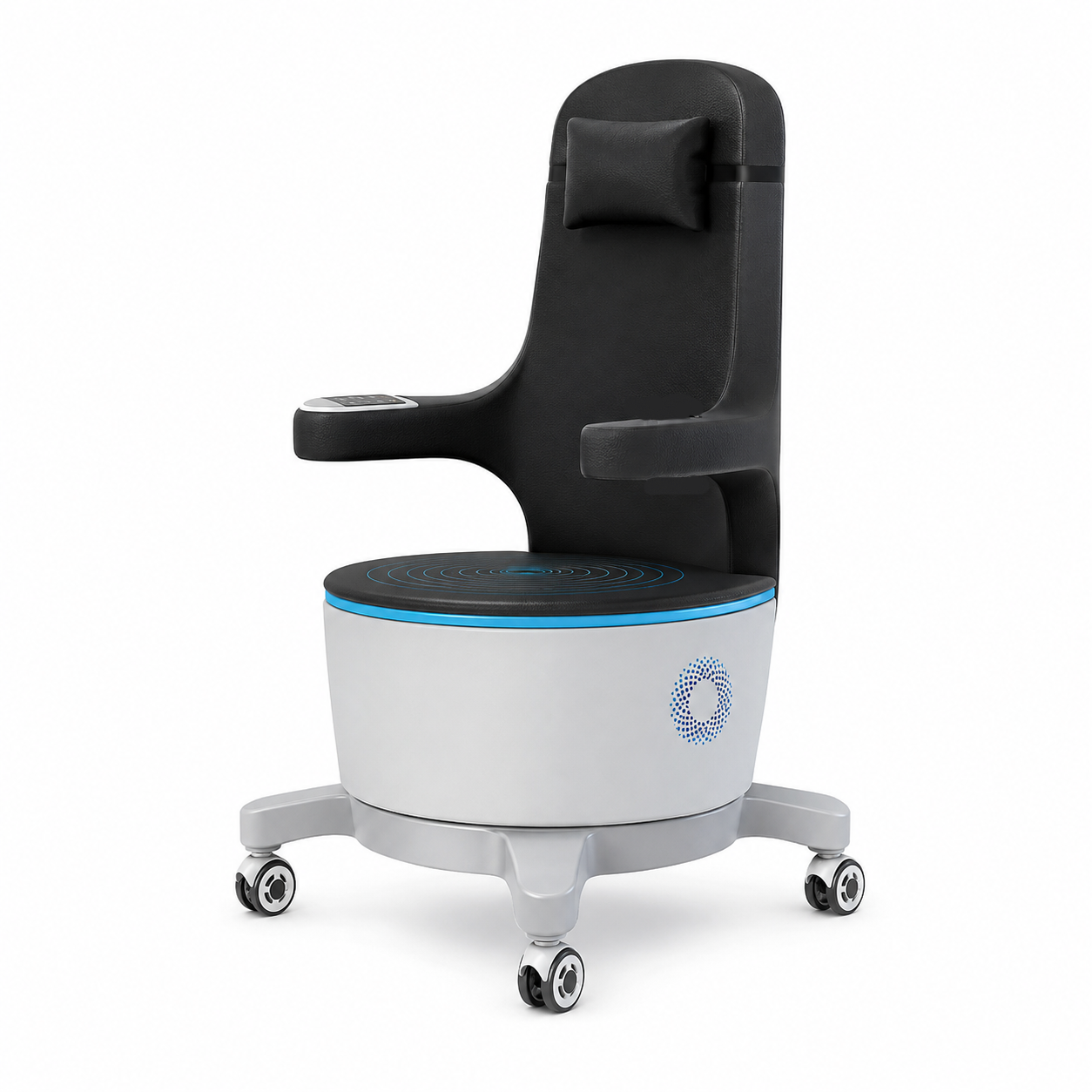
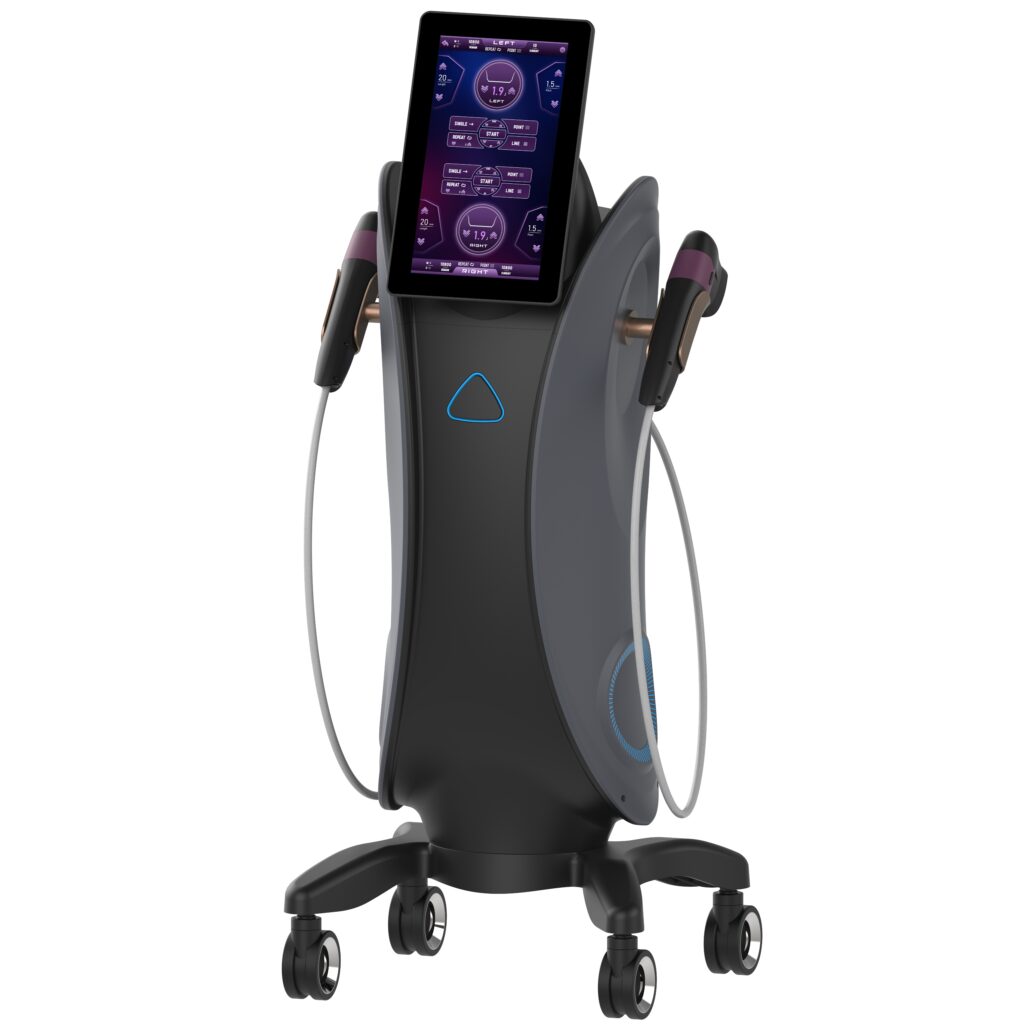
| A0241 EMS/RF | Electromagnetic stimulation with RF positioning | Body muscle-tone pathway | Exact configuration and applicator count |
| S9 cryolipolysis | Vacuum-assisted controlled cooling | Localized-contour pathway | Applicator fit and protective consumables |
These are role-based examples rather than an efficacy ranking. Buyers should evaluate the supplied documentation and local operating requirements before turning the proposed roles into advertised services.
5. Pairing One: A0648 and A0272-F for Two Facial Goals
最適なフィット感: a facial practice with demand for both routine skin care and a separate facial-tone service.
A0648 creates the cleansing/hydration-oriented route; A0272-F provides a different facial technology category. The proposed menu could contain Facial Care そして Facial Tone Consultation, with a shared planning discussion for clients interested in both.
The reason to pair them is service coverage. Do not describe hydro microdermabrasion as a required preparation step for RF or claim it improves the second device’s energy delivery without appropriate evidence.
A client interested only in cleansing-oriented care may not need the second service. A client seeking a particular contour change may need further assessment rather than an automatic two-device package.
For business planning, confirm that the two offerings are sufficiently different for staff to explain clearly. If both are described with the same generic promise, refine the menu before purchasing.
6. Pairing Two: A0648 and B0158 for Face and Body Care
最適なフィット感: a salon expanding from one service category into another.
A facial-care platform and a mechanical body-care platform can support two distinct appointment types. A proposed Face and Body Care Plan can coordinate suitable bookings without promising that one changes the outcome of the other.
This is a practical portfolio choice when existing facial clients ask for body care, or when a body-focused studio has demonstrable facial demand. Assess staffing, room use, and cleaning workflows before committing to expansion.
Avoid turning the package into a mandatory same-day routine. Facial and body services may be scheduled separately. The value can be clear planning and convenient access rather than extra device exposure.
If demand is limited to one category, begin there. The second platform should solve a real service gap.
7. Pairing Three: A0241 and B0158 for Muscle Tone and Mechanical Care
最適なフィット感: a body-focused practice with separate demand for muscle-tone and massage-style appointments.
A0241 supplies the proposed muscle-focused pathway, while B0158 provides mechanical care. The menu might list Body Muscle Tone Consultation そして Selected-Area Roller Care independently.
The distinction matters because “firmness” can mean several things to a client. Clarify the concern before assigning either service. Do not claim that roller care automatically improves muscle-stimulation results or is necessary after every session.
For a client interested in both, document each goal separately. Review response to the individual service before assuming that an additional treatment is needed.
A shared package should allow adjustment if only one component remains appropriate. It should not force the provider to deliver both simply because the package was prepaid.
8. Pairing Four: S9 and A0241 for Localized Contour and Muscle Goals
最適なフィット感: a suitably qualified contouring practice serving different body-goal inquiries.
This pairing separates a localized cooling pathway from a muscle-tone pathway. It can help staff avoid treating all body concerns as the same “slimming” service.
The proposed menu is Localized Contour Assessment alongside Body Muscle Tone Assessment. A client with both concerns may be considered for an individualized plan, but neither service is a default next step after the other.
Do not invent a cooling-to-stimulation interval or recommend overlapping treatment areas from a general product comparison. The required timing depends on the documented protocol, the client, and the actual devices.
For buyers, this combination is easier to justify when both categories have established demand. If most clients ask about only one goal, choose the corresponding platform first and evaluate expansion later.
9. Pairing Five: A0272-F and A0241 for a Face-and-Body Tone Menu
最適なフィット感: a practice that wants distinct facial and body-tone services.
Dedicated systems help define the treatment areas and avoid treating facial and body applicators as interchangeable. A Face and Body Tone Plan can begin with separate suitability assessments under one consultation process.
A similar service name does not establish identical mechanisms, settings, or indications. Each device needs its own documentation and trained operator workflow.
Do not advertise simultaneous use merely because the treatments involve different areas. The practitioner must be able to supervise each procedure, follow the instructions, and respond appropriately.
This pairing offers breadth for clients with more than one goal. It does not establish that treating the body improves facial results or vice versa.
10. Decide Whether a Second Device Is Justified
Use a short decision process before recommending another service:
- Name the remaining concern. What is not addressed by the primary service?
- Assign a distinct role. What exactly would the second technology contribute?
- Check suitability. Is that service appropriate for the person and area?
- Check compatibility. What supports the proposed timing and sequence?
- Define review. How will the practitioner decide whether to continue, change, or stop?
| Finding | Practical response |
|---|---|
| One service matches the goal | Keep the plan focused |
| A second independent concern exists | Assess a separate service pathway |
| Two devices appear to duplicate the same role | Examine the rationale before combining |
| Compatibility information is missing | Do not improvise a same-day protocol |
| The client’s expectations exceed the available service | Discuss limitations or referral |
| A concern has resolved or priorities change | Reassess rather than automatically completing every component |
This process should make the recommendation simpler to explain. If the second device has no clear purpose, it does not belong in the plan.
11. What Evidence Should Support a Combined Protocol?
Product pages help identify categories and configurations. They do not, by themselves, demonstrate that two models work better together.
For a combined clinical protocol, the reviewing professional should examine whether the evidence matches the actual technology, intended indication, treatment area, client characteristics, and sequence. Results from another device or an unrelated procedure should not be transferred without justification.
A useful comparison also needs a relevant alternative. Showing improvement after a multi-device course does not establish that the second device added benefit: the first service, natural variation, concurrent care, and other factors may have contributed.
Keep claims proportionate to the evidence. A practice can accurately describe the services offered without promising a synergy that has not been demonstrated.
12. Sequence and Spacing Require Device-Specific Decisions
There is no universal order such as “cleanse, heat, stimulate, massage” that applies to every device pairing. Treatment areas, current skin condition, recent procedures, contraindications, and response all matter.
Do not assume that visible comfort immediately after one procedure establishes readiness for another. Follow documented guidance and qualified assessment rather than filling remaining appointment time with another device.
The FDA describes technology-specific body-contouring risks, including burns and paradoxical adipose hyperplasia after fat freezing. Its body-contouring guidance supports informed selection but does not validate the model combinations proposed here.
Where combination guidance is unavailable, the appropriate response is to obtain it or keep the services separate, not to invent settings or intervals.
13. Track Results Without Confusing Service Quality with Efficacy
Decide what will be recorded before treatment begins. Use a consistent approach appropriate to the service and the practice’s scope.
| Record | 目的 |
|---|---|
| Client’s stated goal | Establish what success means to that person |
| Baseline observations and consented photographs where appropriate | Support a fair comparison over time |
| Device, area and treatment record | Identify what was actually delivered |
| Relevant concurrent treatments and changes | Avoid attributing every change to one device |
| Tolerability and unexpected effects | Inform review and next steps |
| Follow-up findings | Decide whether continuation is justified |
Keep photographic conditions consistent and avoid filters or selective comparisons. Record the planned review point rather than judging a long-term goal immediately after an appointment.
Client satisfaction and convenient scheduling matter, but they are not proof of superior clinical efficacy. Likewise, a higher package value does not demonstrate a better treatment result.
14. Choose Pairings for Your Business Type
| Buyer | Pairing direction to evaluate | Main purchasing criterion |
|---|---|---|
| フェイシャルサロン | Facial foundation plus a distinct facial-tone route | Clear service differentiation and operator scope |
| Salon adding body care | Facial platform plus mechanical body-care platform | Established demand in both categories |
| Body-focused studio | Muscle-focused and mechanical-care categories | Separate client goals and sustainable room workflow |
| Contouring center | Localized cooling plus muscle-tone options | Qualified assessment and support for both pathways |
| Skin clinic or med spa | Selected technologies matching clinical expertise | Evidence, training and follow-up capacity |
| 卸売業者 | Goal-based two-device bundles | Accurate inclusions and buyer suitability |
Confirm local requirements before recommending any professional equipment. A business label does not establish that staff may operate every technology.
For quotations, separate standard components from options. Resolve inconsistent specifications in writing, and compare the full costs of consumables, maintenance, training, and room use.
15. Build Packages That Preserve Individual Choice
Name the services and explain why they are offered together. A package can include two consultations, separately scheduled services, and a review without promising that all clients will receive every component.
Define what happens when one service is unsuitable or no longer needed. Avoid unlimited-device packages that encourage treatment without a clear purpose.
For a new service range, start with one pairing and review demand and delivery capacity before adding more. This makes it easier to identify whether the second platform improves the business’s ability to serve clients rather than simply increasing complexity.
よくある質問
1. Does using two beauty devices always produce better results?
No. A second device needs a clear purpose and appropriate supporting guidance. Two suitable services may address different goals, but that does not prove greater efficacy than one device alone for a particular outcome.
2. Which pairing fits a salon offering facial and body care?
A facial foundation and a mechanical body-care platform are one portfolio option to evaluate. Choose them only when demand, staff competence, and local scope support both categories. The services can be booked independently.
3. Can hydro microdermabrasion be used before every energy treatment?
Do not assume so. A hydro facial includes more than basic preparation and may involve exfoliation or other selected functions. Compatibility with a subsequent procedure requires the relevant instructions and qualified assessment.
4. Can RF and muscle stimulation be paired?
Some platforms are positioned around both functions, but that does not validate any combination of separate devices. Check the actual model, configuration, intended use, and documented protocol before planning treatment.
5. Should roller care always follow cryolipolysis?
No universal recommendation is made here. A mechanical body-care service can exist separately in the menu. Do not substitute a different roller device for a procedure-specific step without appropriate guidance.
6. How long should clients wait between different devices?
There is no single interval that applies to all pairings. Timing depends on the devices, area, indication, response, and individual factors. Use documented guidance rather than a generic schedule copied from a package description.
7. Can facial and body treatments happen simultaneously?
Different treatment areas do not automatically establish compatibility. Device instructions, individual suitability, supervision, and staffing must support the workflow. A commercial package does not require simultaneous treatment.
8. How can a practice tell whether the second device added value?
Define the second service’s purpose, record what was delivered, and review the relevant outcome. Improvement after a combined plan alone cannot prove additional efficacy; a valid comparison is needed to support that claim.
9. Is a multifunction machine better than two separate devices?
It depends on the required functions, included configuration, room use, maintenance, and staffing. A shared chassis may be convenient, while dedicated systems may support separate services. Neither arrangement proves better clinical results.
10. What should distributors provide with pairing recommendations?
Provide clear model configurations, proposed service roles, training and consumable requirements, and accurate limitations. Keep equipment bundles separate from clinical protocols, and avoid claims of improved combined results without relevant evidence.
結論
To pair different beauty devices thoughtfully, begin with the client’s goal, give each technology a distinct role, and establish how progress will be reviewed. Add a second service when assessment and guidance justify it, rather than treating a larger package as inherently better.
SHEFMON offers relevant facial, mechanical body-care, muscle-stimulation, and cooling categories for building a focused service range. SHEFMONへのお問い合わせ with your existing equipment, intended services, operator background, and configuration needs to discuss an appropriate device portfolio.