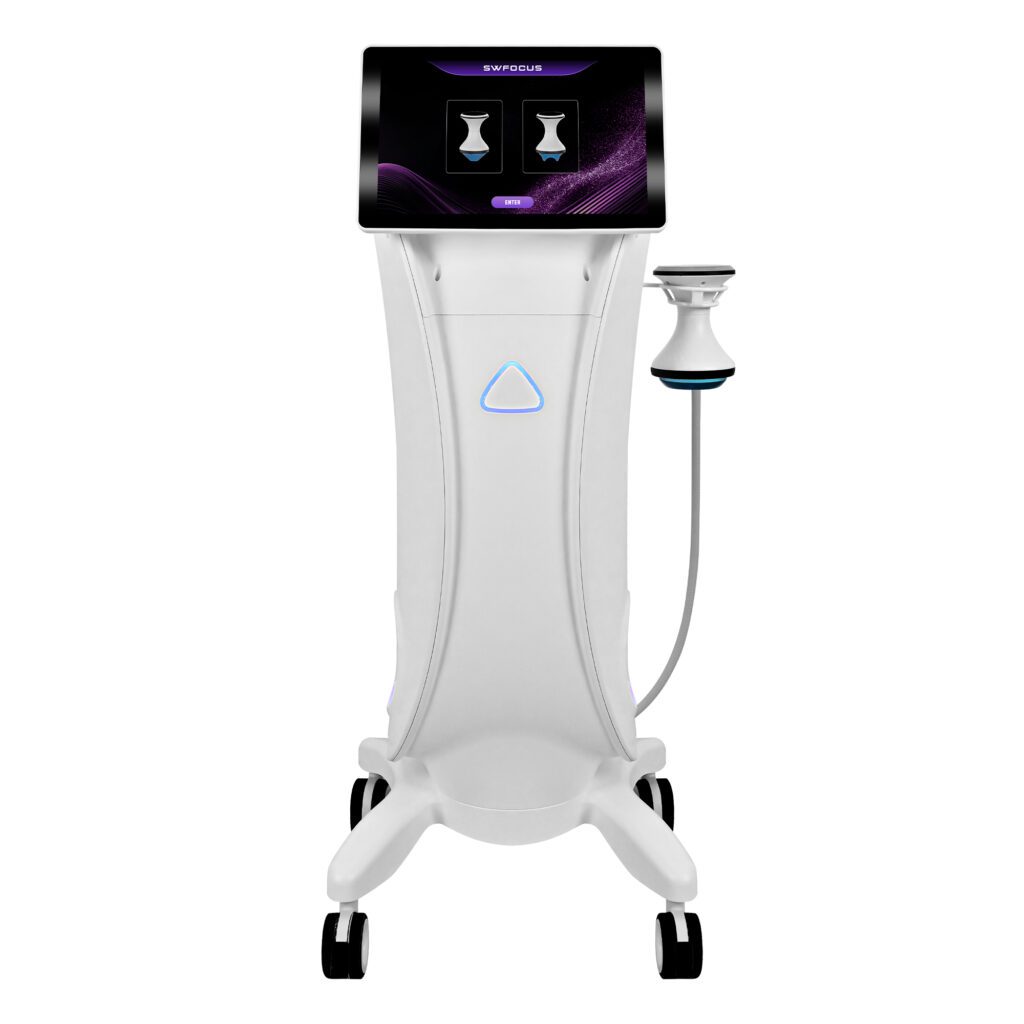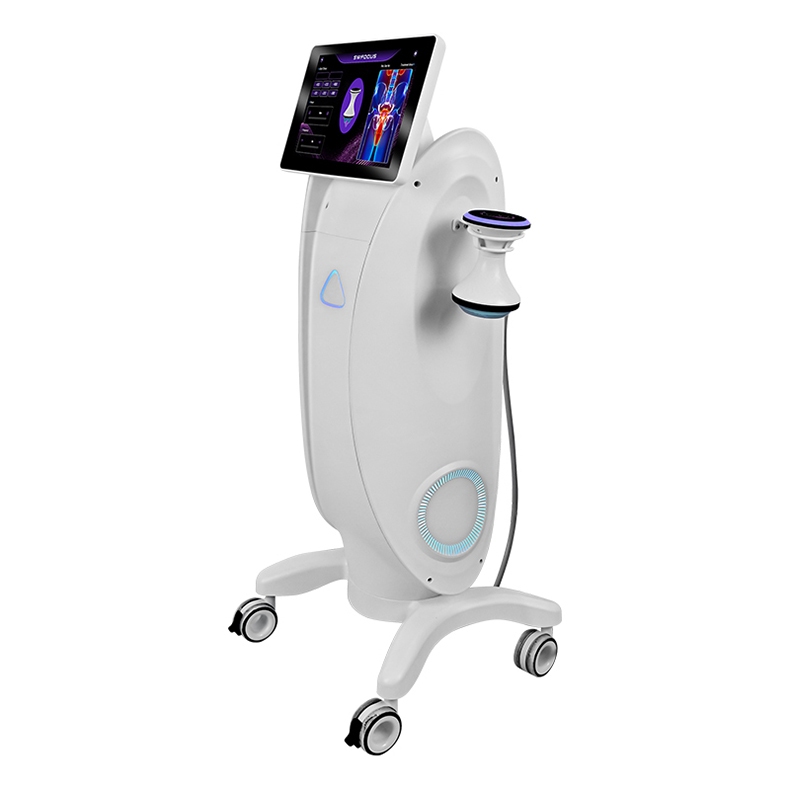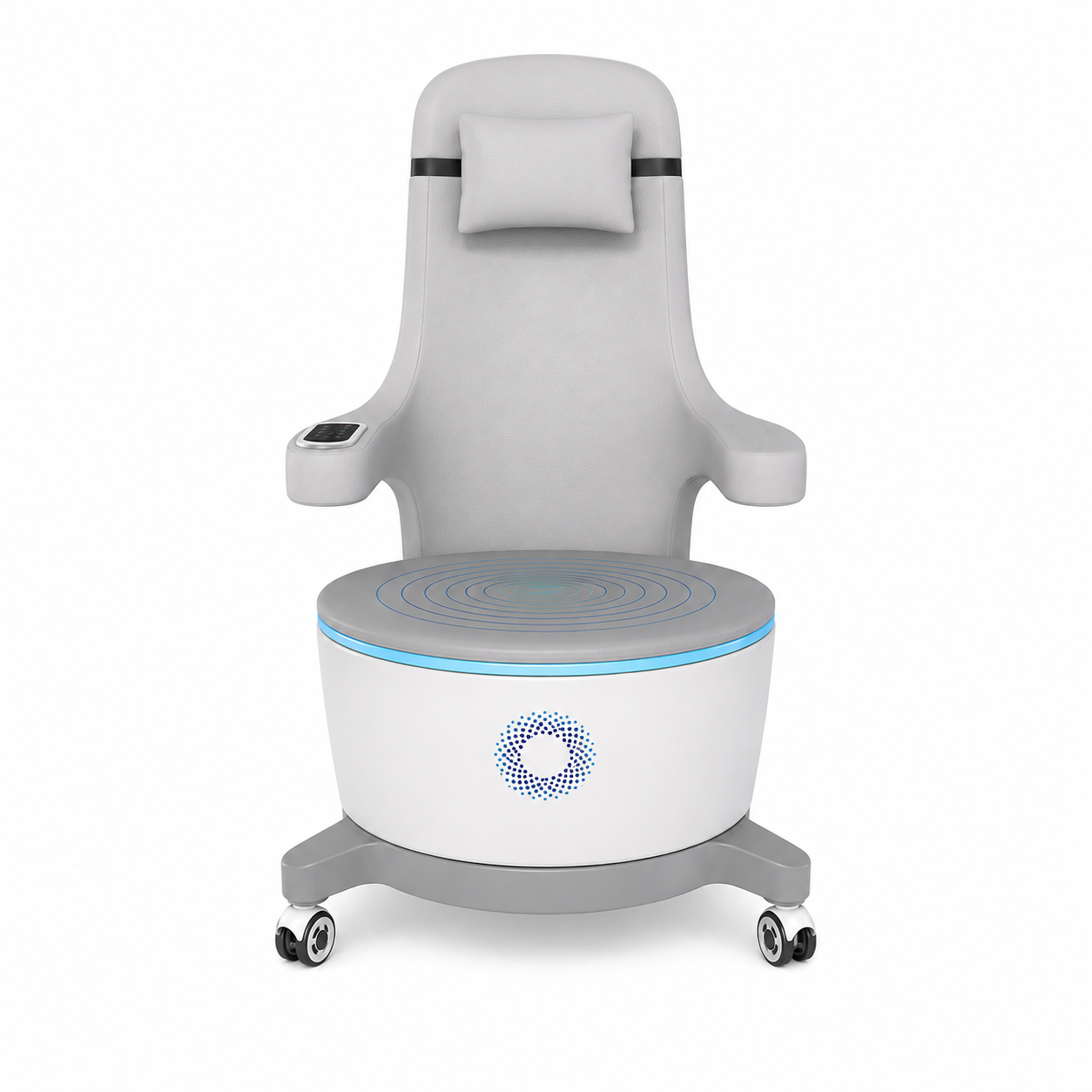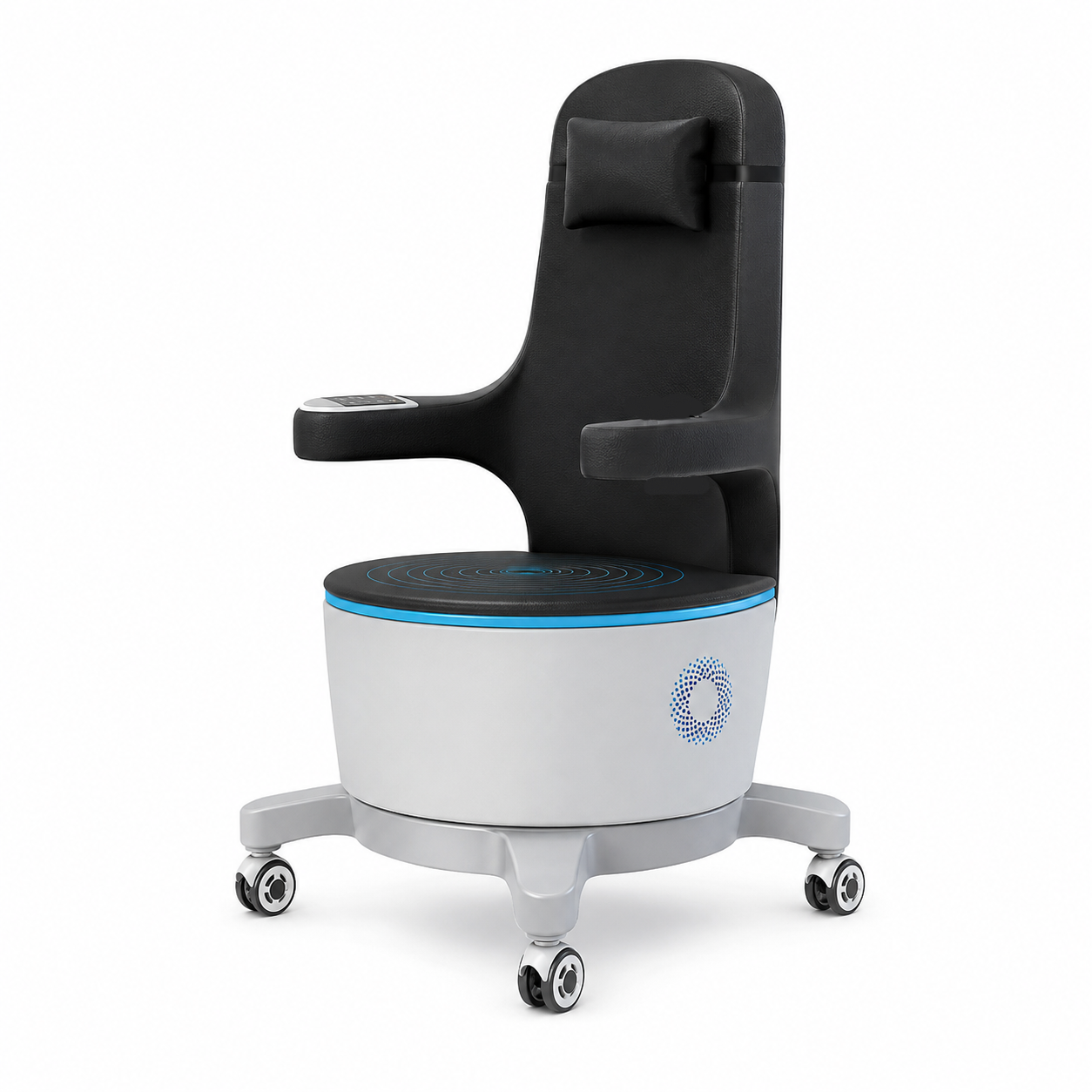









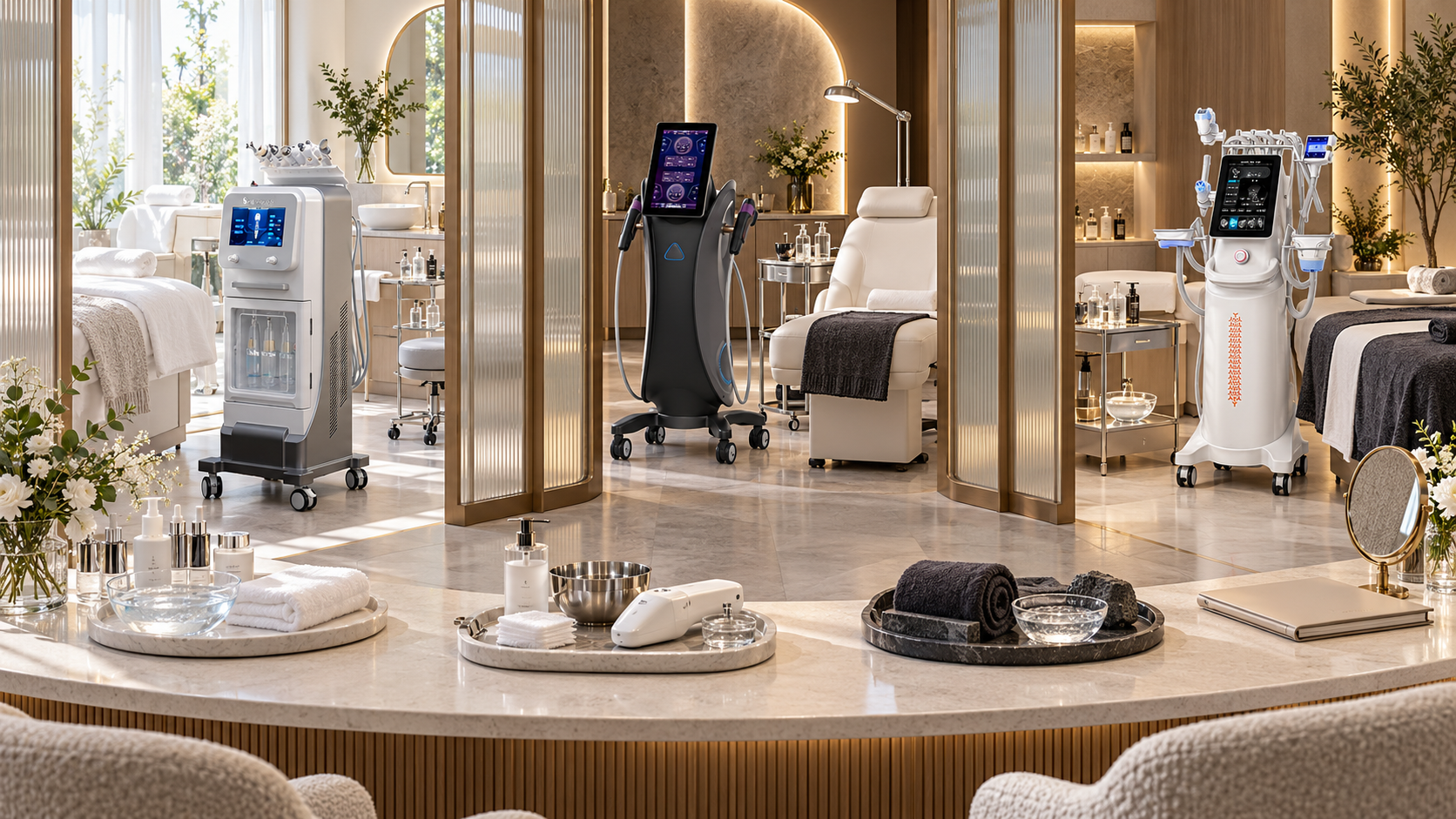
A signature beauty service should be easy for clients to recognize and easy for the business to reproduce. Its identity comes from a clear client goal, a carefully selected device category, a controlled service card, a consistent consultation, and a memorable but honest experience. It does not need the largest number of machines or the longest list of functions.
This guide explains how salons, med spas, skin clinics, hair-reduction practices, body studios, and distributors can build signature services around selected SHEFMON beauty devices. It covers service positioning, device selection, menu naming, internal standardization, packages, staff roles, and launch measurement without turning an equipment bundle into an unsupported treatment protocol.
エグゼクティブサマリー
- Define a signature service by its repeatable client journey and clear goal, not by a luxury name alone.
- Give each signature service one primary device category and one accountable service owner.
- 使用 A0648 ハイドロマイクロダーマブレーション to build an approachable cleansing and hydration-oriented signature facial.
- 使用 A0272-F フェイシャルEMS/RF for a separate signature facial tone and contour category.
- Build an area-based signature hair-reduction pathway around A0423 または A0426, with consultation and review as part of the service design.
- 使用 B0155 for a selected multifunction body-care service and A0241 for a distinct muscle-focused program.
- 保つ A0204 集束型HIFU そして A0152 RFマイクロニードリング as qualified signature pathways, not premium add-ons.
- Standardize the decisions that protect quality while leaving appropriate room for individualized professional judgment.
- Name the service around the goal and experience; explain the technology transparently in the description.
- Test one signature service before creating a whole signature collection.
- Treat device packages as menu architecture. Same-day sequencing requires separate evidence, assessment, and professional approval.
1. What Makes a Device Service “Signature”?
A signature service has five characteristics:
1. Recognizable purpose: clients can explain why they would book it. 2. Distinct technology role: the main device solves a clear menu gap. 3. Repeatable delivery: trained staff follow a current service card and documentation process. 4. Consistent experience: consultation, communication, room preparation, service flow, aftercare, and follow-up feel connected. 5. Honest boundaries: the menu does not guarantee outcomes, hide a clinical procedure behind luxury language, or imply universal suitability.
The service can still be individualized. Repeatability means that the decision process and operating controls remain consistent, not that every client receives identical settings, components, or timing.
2. Start with One Client Goal
The strongest signature services are built around one primary reason for booking.
| クライアントの目標 | Possible signature direction | 代表的なSHEFMONモデル |
|---|---|---|
| Cleansing, exfoliation, extraction, and hydration-oriented facial care | Signature hydro facial | A0648 |
| 顔のトーンと輪郭 | Signature facial technology consultation | A0272-F |
| Defined-area unwanted-hair reduction | Signature consultation-led laser plan | A0423 または A0426 |
| Selected roller, vacuum, RF-related, light, or cavitation body care | Signature body-care service | B0155 |
| 筋肉に特化したボディサービス | Signature muscle-focused program | A0241 |
| Qualified focused-ultrasound enquiry | Signature advanced consultation | A0204 |
| Clinical RF microneedling enquiry | Signature clinical pathway | A0152 |
Avoid combining several goals into a name such as “Ultimate Detox Lift, Resurface, and Sculpt.” A broad promise makes consultation, device selection, service timing, and result communication harder to control.
3. Use a Signature Service Blueprint
Build the complete service on paper before writing the marketing description.
| Blueprint element | 答えるべき質問 |
|---|---|
| Primary audience | Which buyer or client group is the service intended to route? |
| 主な目標 | What single request does the service consider? |
| Hero technology | Which device category has the leading role? |
| Entry requirement | Is a separate consultation or current approval required? |
| Service owner | Who assesses, approves, delivers, documents, and follows up? |
| Controlled choices | Which approved functions, areas, handles, heads, tips, cartridges, or applicators may be selected? |
| Experience standards | What room, communication, privacy, timing, and hospitality elements are consistent? |
| Clinical or operational boundary | What should clients and staff not assume? |
| Record | What information proves the correct pathway was followed? |
| レビュー | How does the business decide whether to continue, change, pause, refer, or close? |
If the business cannot complete the blueprint, the service is not ready for a signature label.
4. Choose One Hero Device
The hero device gives the service its technical identity. Supporting steps can improve flow and comfort where appropriate, but they should not obscure the main category.
One hero device helps the business:
- write a concise client description;
- train staff around one decision framework;
- reserve the right room and appointment duration;
- forecast the correct components and consumables;
- document a recognizable service;
- compare demand and performance over time;
- maintain the device and protect continuity during downtime.
A signature service does not become stronger merely because two or three machines are active in one appointment. Add another device only when there is a supported reason, a clear role, a compatible individual plan, and a properly controlled protocol.
5. Build a Signature Hydro Facial with A0648
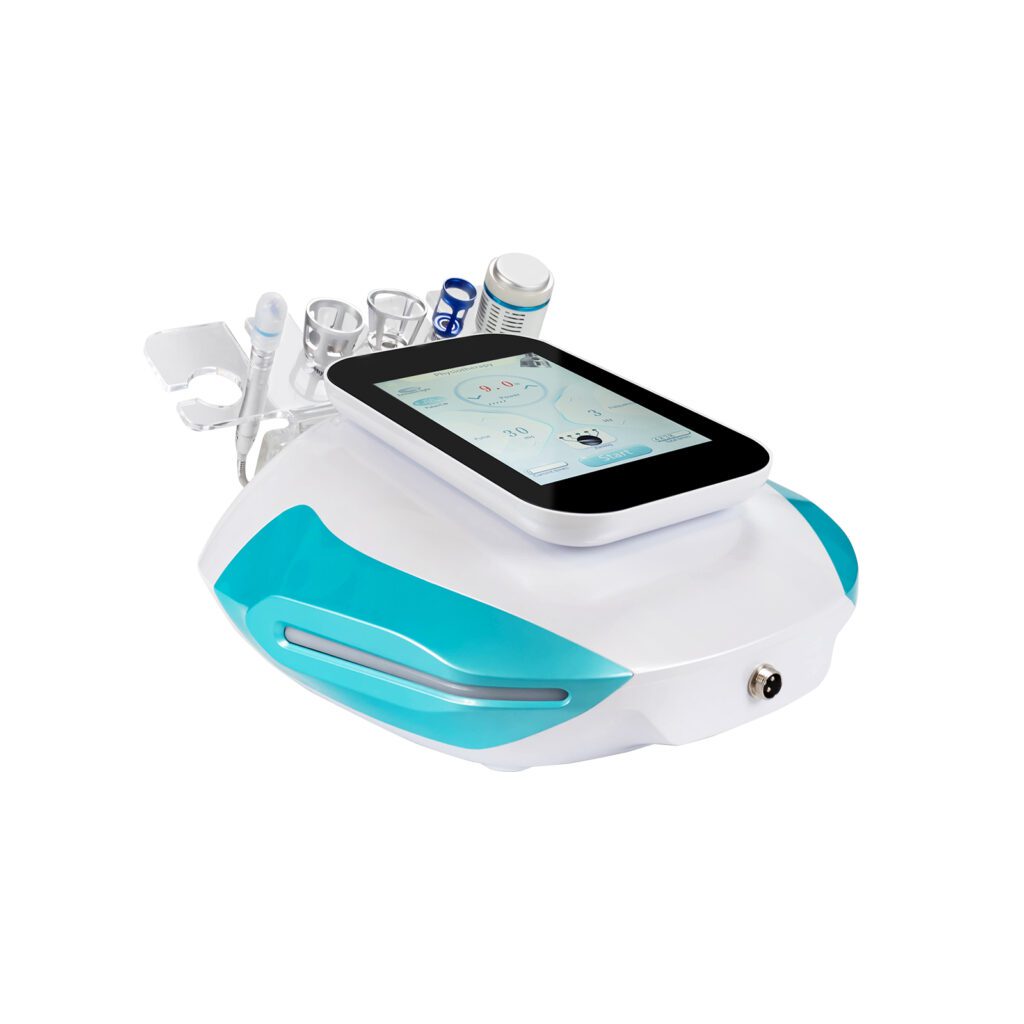
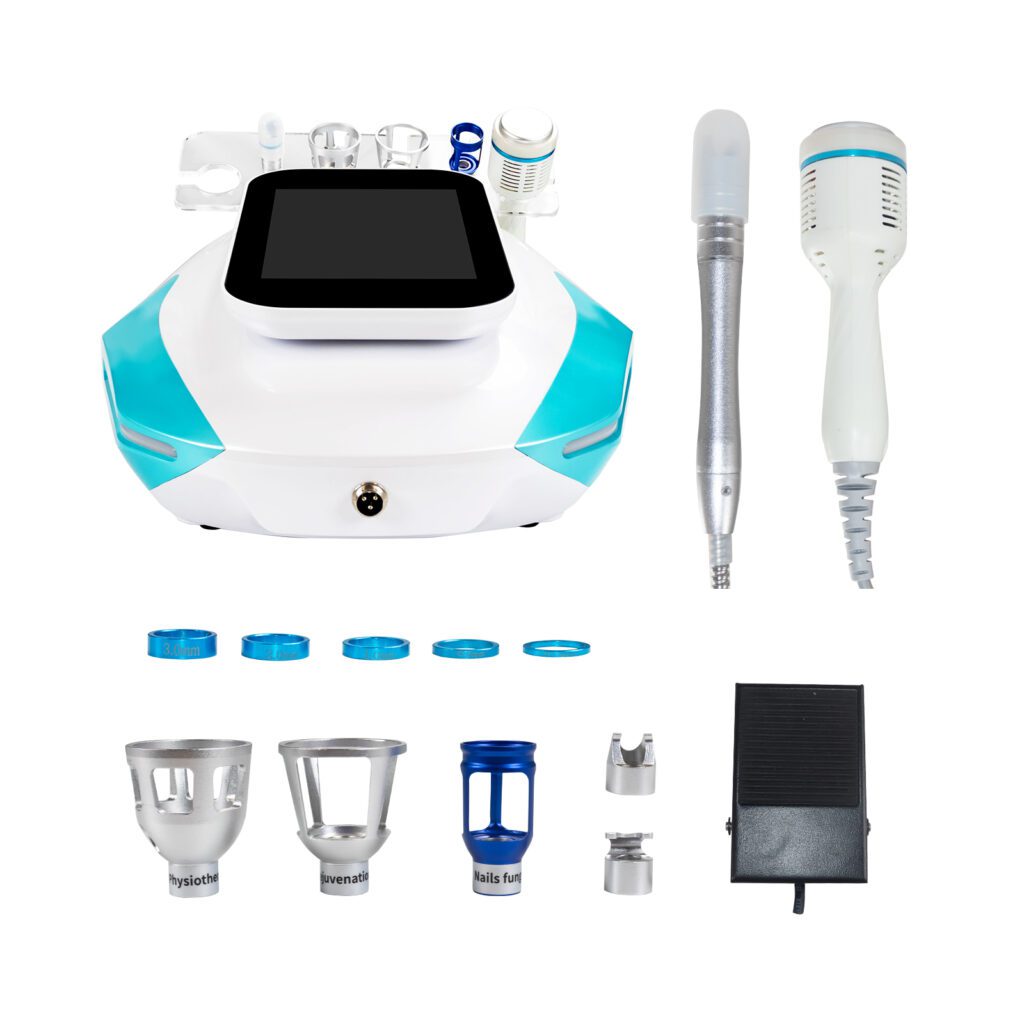
The vertical A0648 is presented as a nine-function hydro microdermabrasion platform. Its current product page centers on hydro and vacuum-based cleansing, exfoliation, extraction, hydration-oriented care, and supporting facial functions.
That breadth is useful internally, but the client-facing service should be simple. A signature concept might be Complete Cleanse and Hydrate Facial. The description can state that a trained operator selects from approved A0648 functions after a facial-care assessment.
Standardize these elements
- the consultation and current change check;
- approved service scope and optional function sets;
- tips, solutions, contact materials, and stock;
- room preparation and client positioning;
- fluid-path and handpiece cleaning;
- service record and immediate response check;
- aftercare and maintenance review route;
- conditions requiring deferral or referral.
Keep these elements individualized
- whether the service is appropriate;
- which approved functions belong in the booking;
- product or solution selection under the business’s process;
- service adjustments and timing under device guidance;
- the next review or maintenance decision.
Do not build the signature around using all nine functions. Build it around a reliable cleansing and hydration-oriented experience.
6. Build a Signature Tone and Contour Service with A0272-F
The A0272-F product page describes high-intensity facial electrical stimulation combined with RF. It should have a separate identity from A0648 hydro-based care.
A suitable public entry is 顔のトーンと輪郭に関するカウンセリング. After approval, the business can use a named signature service that transparently describes electrical stimulation and RF in its details.
The blueprint should control:
- technology-specific assessment;
- authorized operator and room;
- device, accessories, placement, and contact materials;
- settings selection process rather than preset marketing promises;
- appointment duration and response monitoring;
- records, aftercare, and review;
- conditions that stop, defer, or redirect the booking.
A regular A0648 client does not automatically qualify for the A0272-F service. The two can appear in one facial portfolio without becoming a compulsory sequence.
7. Build a Signature Hair-Reduction Pathway
A signature hair service is more than a memorable appointment name. Its value comes from a consistent consultation, precise area definitions, controlled delivery, and reliable review.
The current A0423 and A0426 pages list 600 W and 1200 W handpiece options, 15 × 15, 15 × 20, and 15 × 30 mm spot options, multiple wavelength positioning, and semiconductor, water, and TEC cooling. Buyers should verify the delivered handpiece, wavelength configuration, spot options, accessories, power needs, operating footprint, protective equipment, training information, and support.
Use one public service family with:
- laser hair-reduction consultation;
- small-, medium-, and large-area bookings based on an exact internal dictionary;
- permitted multi-area bookings;
- active-plan visits;
- progress or completion reviews.
その American Academy of Dermatology laser hair removal FAQ discusses consultation, preparation, repeated sessions, variable outcomes, and possible side effects. A signature program should not promise permanent removal, universal suitability, or an identical number of visits for every client.
8. Build a Signature Body-Care Service with B0155
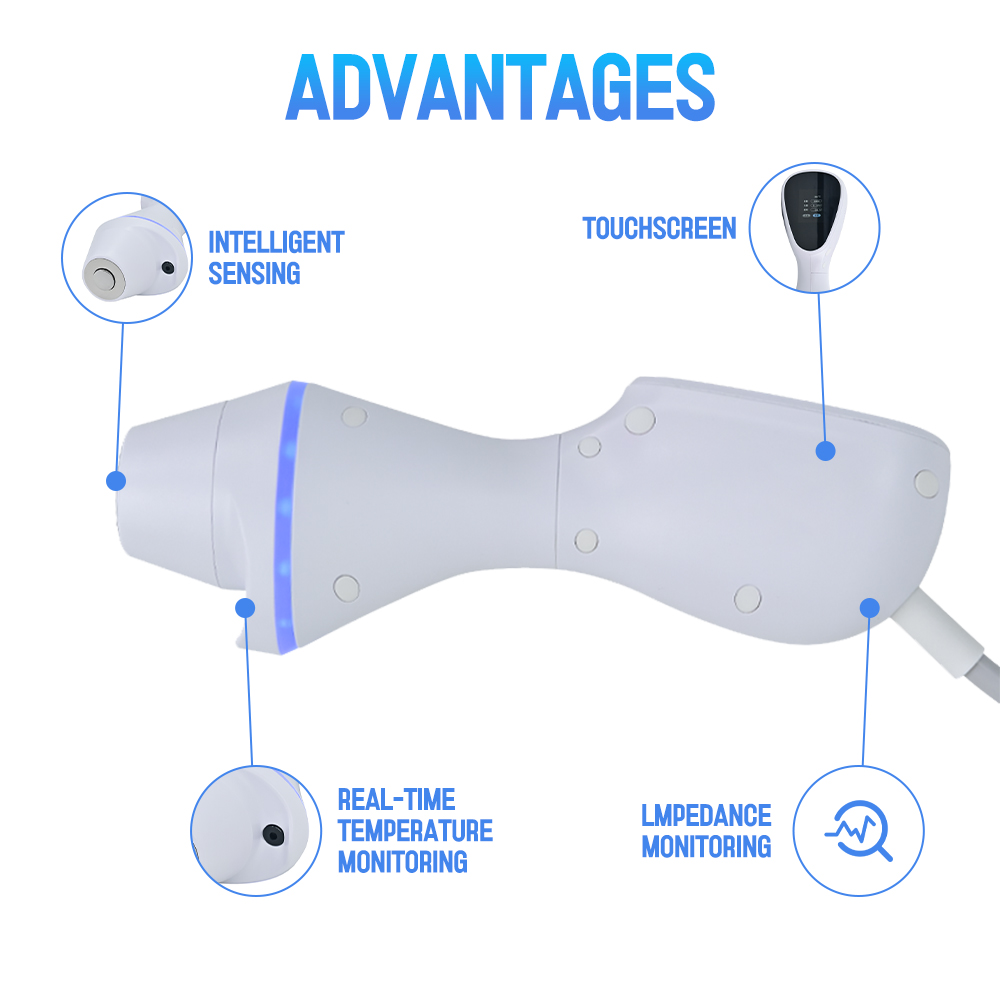
The B0155 product page lists larger and smaller vacuum rollers, rotating handles, RF-related functions, light, and 80K cavitation. A body studio can use the platform to create a strong signature category if it narrows the public promise and controls function selection internally.
Possible directions include:
- a selected-area roller and vacuum-oriented body service;
- a separately assessed RF-related body-care service;
- a separately assessed cavitation-based service where appropriate;
- a structured return plan with review points.
Do not describe one appointment as using every handle and function. The internal card should identify the selected body goal, area, handle or function, contact materials, operator, positioning, settings process, cleaning, documentation, and review.
The signature should also state what it is not. Avoid claims of general weight loss, obesity treatment, guaranteed measurements, or permanent change.
9. Build a Muscle-Focused Signature Program with A0241
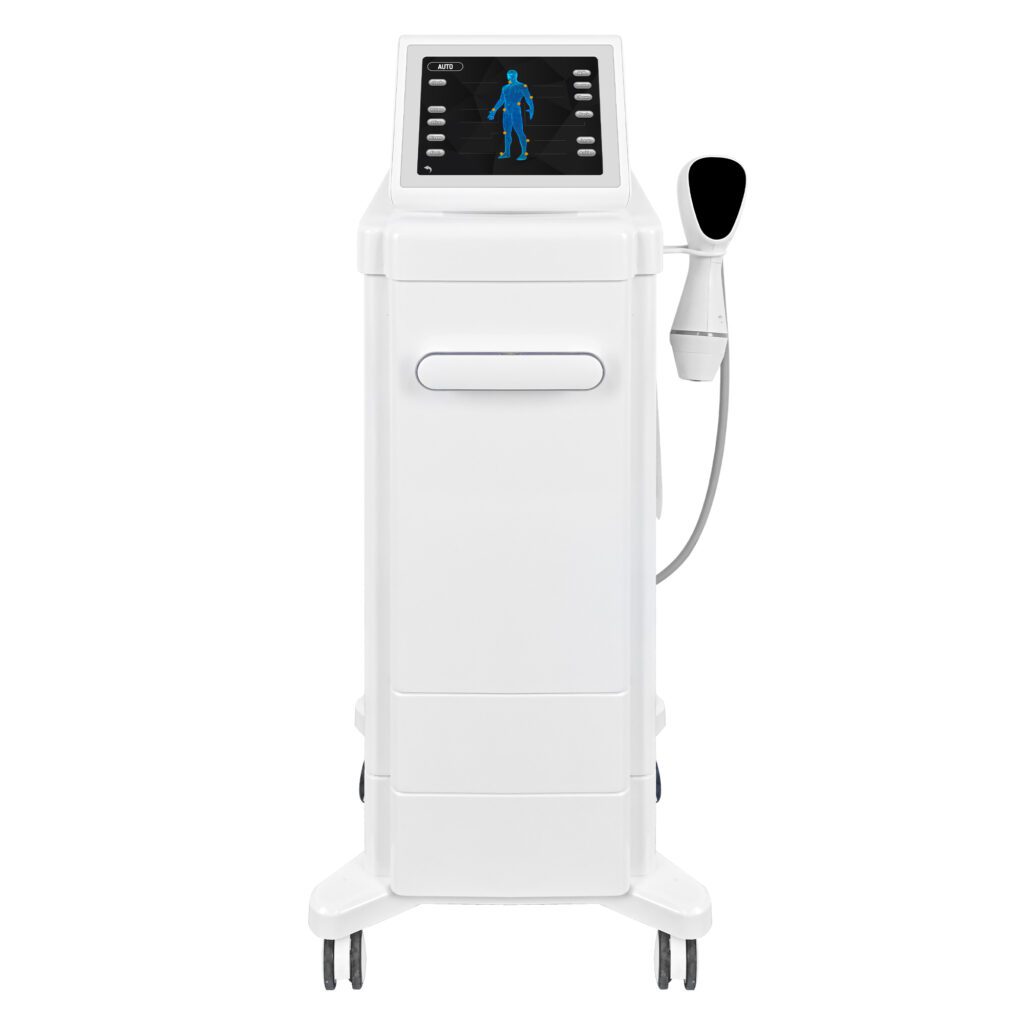
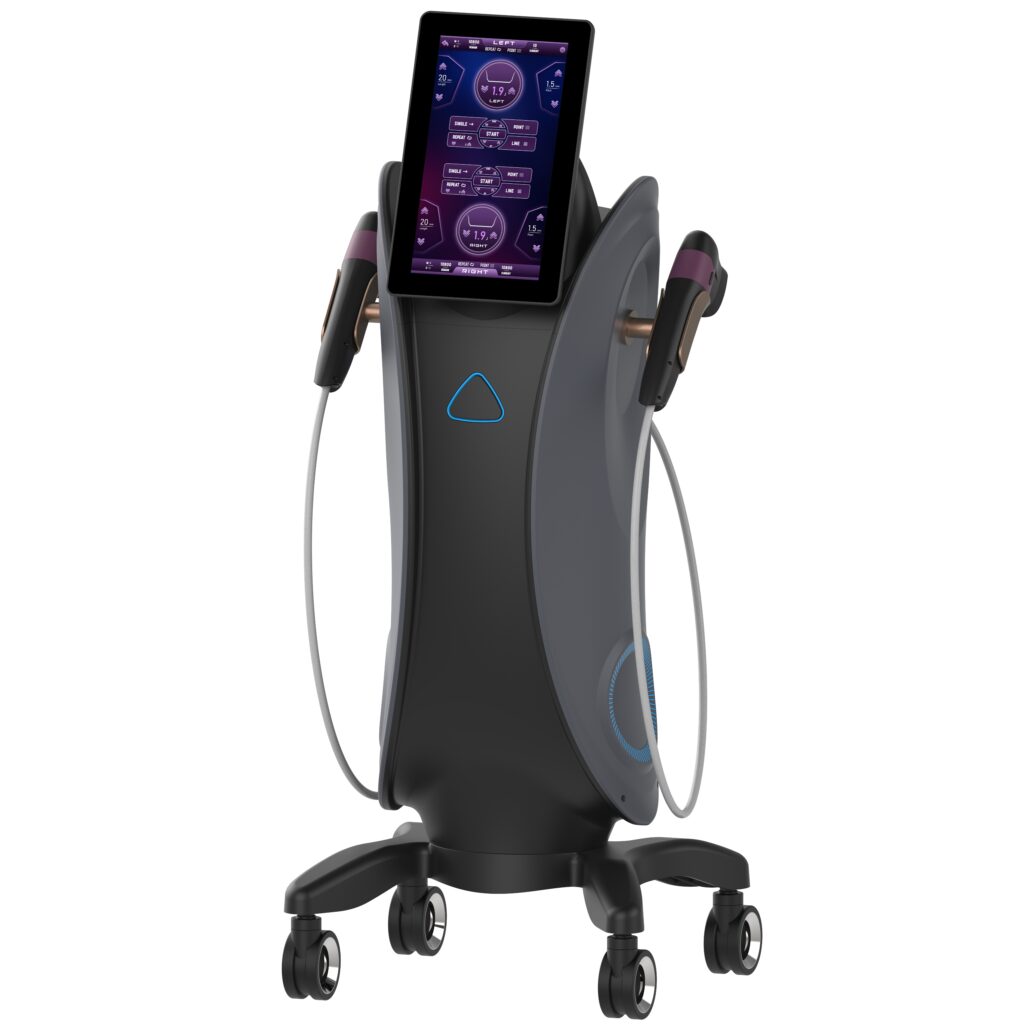
The A0241 is positioned around electromagnetic muscle stimulation and RF. Its service identity should remain separate from B0155 multifunction body care.
A signature program can begin with a Muscle-Focused Body Consultation and continue through defined area or applicator bookings for suitable clients. Confirm the exact supplied applicator and handle configuration before writing the menu.
The program blueprint should include:
- the client-stated muscle-focused goal;
- technology-specific assessment;
- approved area and applicator plan;
- placement and operator process;
- room, privacy, and appointment timing;
- settings decision and response records;
- review points and completion criteria;
- maintenance, cleaning, and downtime planning.
Avoid exercise-equivalent claims, guaranteed body measurements, or a universal program schedule. A signature service is credible because its route is clear, not because its promise is extreme.
10. Keep Advanced Signature Services Professionally Controlled
Advanced services can be distinctive, but “signature” should never dilute their governance.
A0204 集束型HIFU
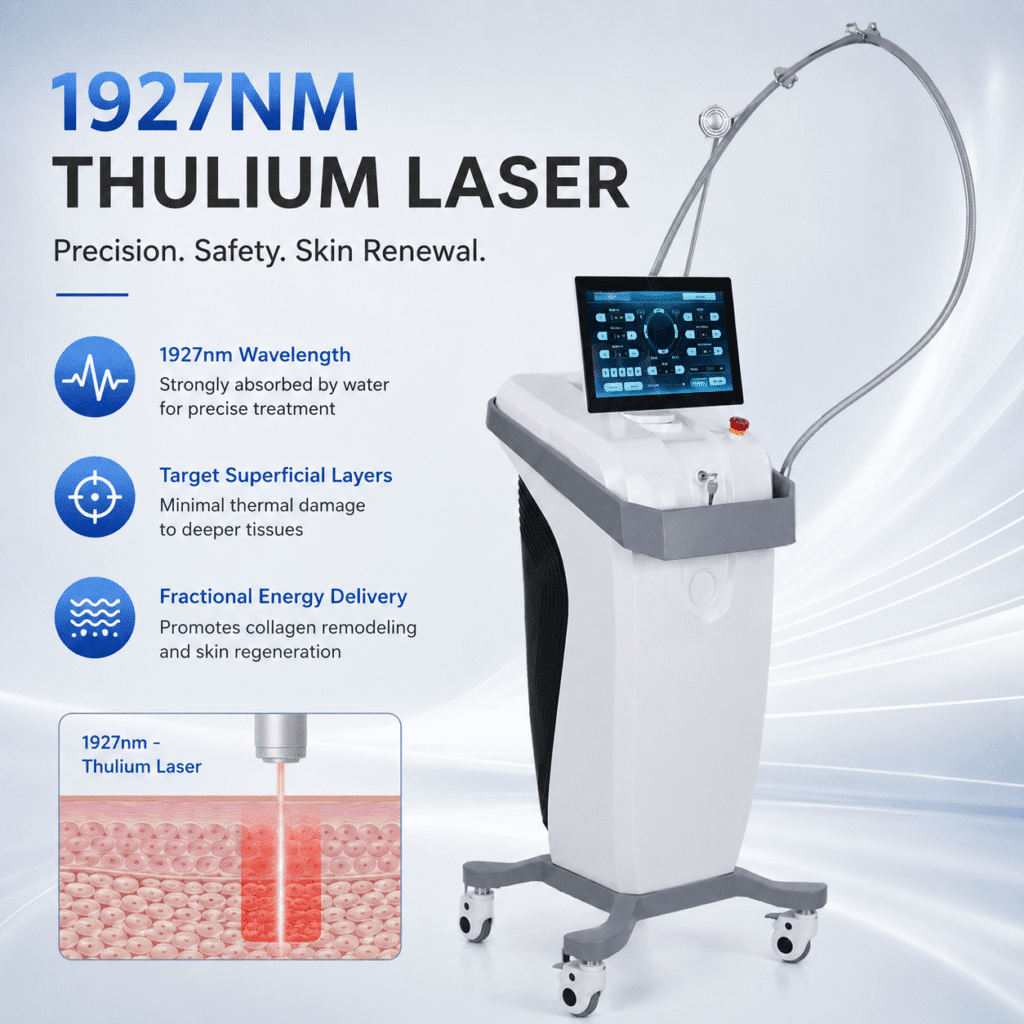
The A0204 page presents a modular focused-HIFU platform with multiple standard and optional handles, cartridges, and treatment depths. The signature service should begin with a 集束超音波検査 and maintain a qualified decision-maker, exact configuration record, cartridge inventory, consent, aftercare, follow-up, and escalation process.
A0152 RFマイクロニードリング
The A0152 page lists several needle configurations and adjustable depths from 0.5 to 7 mm. A signature RF microneedling pathway requires appropriate professional oversight, procedure hygiene, single-use stock control, sharps handling, consent, detailed records, aftercare, and complication response.
The FDA’s 2025 RFマイクロニードリングの安全性に関する情報 identifies RF microneedling as a medical procedure and notes reports of serious complications with certain uses. It advises clients to seek a licensed healthcare provider with relevant training and experience.
Do not rename either pathway as a luxury facial. The public identity can be distinctive while the technology and professional level remain explicit.
11. Name the Service Around the Goal
A good naming formula is:
Distinctive brand cue + primary goal + service family
Examples of structure, not registered product names, include:
- Studio Name Complete Cleanse Facial;
- Studio Name Tone and Contour Consultation;
- Studio Name Defined-Area Hair Plan;
- Studio Name Roller and Vacuum Body Care;
- Studio Name Muscle-Focused Program.
Before publishing, check that the name:
- does not guarantee the result;
- does not imply diagnosis or treatment beyond the business’s scope;
- does not hide the technology category;
- differs meaningfully from other menu entries;
- can be explained in one sentence by reception;
- works across the website, booking system, service card, consent or acknowledgement, and follow-up message;
- is reviewed for applicable naming, advertising, and trademark requirements.
Avoid model numbers in the public name unless the market specifically benefits from them. The device model should remain visible in transparent service information and internal records.
12. Write a Client-Facing Signature Service Card
Use a consistent six-part structure.
| Public card section | 含めるべきもの |
|---|---|
| サービス目標 | The main request the service is designed to consider |
| テクノロジー | The device category in clear, accurate language |
| 相談 | Whether assessment is separate or included and who makes the decision |
| 経験 | High-level appointment flow without publishing technical settings |
| Boundary | Individual suitability, variable response, and what the service does not promise |
| Next step | The exact consultation or service booking to request |
例えば:
> Complete Cleanse and Hydrate Facial uses an A0648 hydro and vacuum-based facial platform. A trained team member reviews your current goal and selects from the studio’s approved facial-care functions where appropriate. Suitability and service details vary. Book the facial consultation or approved maintenance appointment.
The public card creates clarity. It does not replace the internal procedure.
13. Build the Internal Signature Service Card
The internal version needs more detail.
| Internal field | Required control |
|---|---|
| Service code and version | Links the booking to the current approved card |
| Device identity | Model, serial or asset reference, and exact configuration |
| Decision route | Assessment outcome and current approval status |
| Authorized roles | Who may assess, approve, operate, review, and escalate |
| Service scope | Approved area, function, handle, head, tip, cartridge, needle, or applicator |
| Room and timing | Setup, service, records, cleaning, reset, and contingency time |
| Stock | Consumables, contact materials, protective items, and minimum levels |
| Delivery record | Settings process, selected components, area, operator, and response |
| Completion | Aftercare, contact route, follow-up, and next decision |
| 例外 | Stop, defer, refer, incident, complaint, and equipment-fault routes |
Version control matters. If the delivered configuration, device instructions, service scope, staff authorization, or local requirement changes, update the card and retrain affected roles.
14. Create Signature Value Without Making Unsupported Claims
Signature value can come from elements the business can control:
- a focused consultation and clear explanation;
- consistent room setup and privacy;
- enough time for assessment, service, records, and questions;
- an assigned service owner;
- reliable documentation and comparison method where appropriate;
- transparent aftercare and contact information;
- a planned review rather than a sales-led upgrade;
- easy rebooking under a current service plan;
- consistent staff communication across locations.
The signature should not depend on claims such as guaranteed lifting, permanent hair removal, instant fat loss, pore elimination, or risk-free treatment. Strong operating design is more durable than an exaggerated promise.
15. Decide Whether Supporting Steps Belong in the Service
Some signature services include preparation, finishing, hospitality, or non-device steps. Add them only when they have a clear role and fit the business’s authorized process.
聞く:
- Does the step support the stated service goal or client experience?
- Is it compatible with the hero device and current client plan?
- Is it optional or required?
- Does it change the assessment, consent, duration, stock, cleaning, or aftercare?
- Can all trained operators deliver it consistently?
- Does its name imply a result that the business cannot support?
Do not add another beauty device simply to make the service appear more valuable. Device timing and compatibility require separate review.
16. Build Signature Device Packages by Business Type
Package A: Signature facial foundation
Device: A0648
Best for a new facial salon or treatment room that wants one recognizable cleansing and hydration-oriented service. Prove the consultation, service card, cleaning, records, maintenance, and demand before expanding.
Package B: Two signature facial directions
デバイス: A0648 + A0272-F
This package supports one hydro-based signature facial and one separate tone and contour service. It works when the business can explain and operate the difference.
Package C: Signature facial and body studio
デバイス: A0648 + B0155
This combination creates two departments: a facial-care signature and a selected body-care signature. It does not imply use of both devices in one appointment.
Package D: Signature facial and hair practice
デバイス: A0648 + A0423 or A0426
This package combines recurring facial care with a controlled area-based hair-reduction pathway. Compare laser formats using the exact configuration, room, workload, service access, and support requirements.
Package E: Signature body studio
デバイス: B0155 + either A0241 or another demonstrated specialist gap
B0155 can anchor selected body care, while A0241 adds a distinct muscle-focused program. Add a second modality only when clients can understand the difference and staff can maintain its own pathway.
Package F: Clinic signature portfolio
デバイス: A0648 + A0272-F + either A0204 or A0152
The clinic can offer maintenance, targeted non-invasive facial technology, and one qualified advanced signature pathway. Keep the advanced service outside automatic membership upgrades.
17. Make One Service the Hero of the Menu
A signature service needs visibility. Give it:
- a dedicated website page or clear menu card;
- one primary call to action;
- a consultation link where required;
- an accurate description of the technology;
- transparent service boundaries;
- relevant before-booking information;
- a consistent booking code;
- a staff explanation that matches the published copy.
Avoid labeling every service “signature.” If five services compete for the same attention, none provides a clear entry point. A business can have one signature facial and one signature service in a genuinely separate department.
18. Train Staff Around Decisions, Not a Sales Script
Reception should be able to explain the goal and book the correct entry point. It should not decide technology-specific suitability.
Consultation staff should know:
- which client phrases route to the service;
- which requests belong to another department;
- the technology principle in plain language;
- the possible assessment outcomes;
- what the service includes and excludes;
- when to defer or refer;
- how to explain variable response and review points;
- how to document the handoff to the operator.
Operators should be trained and authorized for the exact device, configuration, service card, cleaning process, records, aftercare, and escalation route. Hospitality consistency cannot compensate for weak technical competency.
19. Test the Service Before the Full Launch
Run an internal and limited launch in stages.
Stage 1: Blueprint review
Confirm the model, configuration, device instructions, service scope, local requirements, claims, room, staff, stock, cleaning, records, aftercare, maintenance, and fault process.
Stage 2: Booking simulation
Ask staff to route several realistic enquiries. Verify that they select the right consultation, duration, operator, room, and service code.
Stage 3: Controlled launch
Open a limited number of appointments. Review incomplete records, delays, stock problems, client questions, cleaning time, follow-up tasks, and any need for clarification.
Stage 4: Full publication
Update the client description and internal card from what the test revealed. Then expand availability according to demonstrated capacity.
20. Measure Whether the Service Is Truly Signature
有用な指標としては、以下のようなものがあります。
- enquiries that correctly identify the service goal;
- consultations routed to the right department;
- consistent use of the current service card;
- completed records and follow-up tasks;
- appointment blocks that cover setup, service, cleaning, and documentation;
- client questions caused by unclear descriptions;
- repeat bookings that include the required change check;
- deferrals and referrals handled through the approved process;
- consumable availability and device uptime;
- variation among operators or locations;
- demand that justifies additional capacity or another signature category.
Revenue and booking volume matter commercially, but they do not measure whether the service is clear, appropriate, and consistently delivered.
21. Protect Consistency Across Multiple Locations
For a multi-location business, maintain a master signature-service specification covering:
- approved device model and configuration;
- minimum operator competency and authorization;
- current consultation and service cards;
- approved products, components, and substitutions;
- room and privacy requirements;
- cleaning, maintenance, and downtime controls;
- service names, descriptions, and booking codes;
- record fields, aftercare, follow-up, and escalation;
- audit process and version history.
A location should not change the device, shorten the appointment, remove a review, or substitute components while continuing to use the same signature name without formal approval.
22. Common Signature-Service Mistakes
Renaming an ordinary service without improving the design
A signature label needs a distinct, documented client journey and consistent operating system.
Building the service around function count
More functions do not create a clearer goal. Select only the functions that belong in the approved service card.
Making every client follow the same upgrade path
A signature facial can remain the right long-term service. Loyalty does not establish a reason for HIFU, RF microneedling, laser, or another device.
Hiding advanced procedures under luxury language
Focused HIFU and RF microneedling require transparent technology descriptions and qualified pathways.
Combining devices to justify the price
Additional machines add workflow and compatibility questions. Price should reflect the defined service, resources, and experience rather than an unnecessary device count.
Launching several signature services at once
Start with one service, stabilize it, and use real demand to choose the next category.
23. Signature Service Checklist
Before launch, confirm that:
1. the service has one primary client goal; 2. one hero device has a clear role; 3. the exact delivered configuration is verified; 4. the name does not guarantee an outcome or hide the technology; 5. public copy and internal records describe the same service; 6. assessment outcomes include defer, refer, decline, or information pending; 7. staff roles, room, time, components, and stock are assigned; 8. cleaning, maintenance, and downtime procedures are ready; 9. records, aftercare, follow-up, and escalation are complete; 10. supporting steps have a justified role; 11. the package does not imply an unsupported same-day combination; 12. the service has been tested before full promotion.
よくある質問
1. What is a signature beauty service?
It is a recognizable, repeatable service built around one clear client goal, a defined device category, a consistent consultation and experience, an internal service card, and an honest review pathway. A distinctive name alone is not enough.
2. Which device is best for a first signature facial?
A0648 is a practical starting point for many facial salons because it can support a clear cleansing and hydration-oriented service. The business should publish a compact menu and control function selection, tips, solutions, cleaning, records, and maintenance internally.
3. Can A0648 support more than one signature service?
It can support several approved service cards, but the public menu should avoid too many overlapping names. Choose one hero signature service and use simpler supporting options only when clients can understand the difference.
4. How can A0272-F become a signature service?
Give it a distinct facial tone and contour consultation, explain its electrical-stimulation and RF technology accurately, and standardize the assessment, accessories, placement, contact materials, operator process, records, aftercare, and review.
5. How should a hair-reduction practice build a signature program?
Start with a laser-specific consultation, define every service area, select A0423 or A0426 after confirming the exact configuration, and standardize room controls, protective equipment, operator authorization, records, aftercare, and progress reviews. Avoid universal visit counts and guaranteed removal claims.
6. Can B0155 support a signature body service?
Yes. Select one clear body-care goal and define the approved handle or function, area, positioning, contact materials, settings process, cleaning, documentation, and review. Do not promise that every B0155 function will be used in one booking.
7. Is A0241 a premium version of B0155?
No. A0241 is positioned around electromagnetic muscle stimulation and RF, while B0155 offers roller, vacuum, RF-related, light, and cavitation functions. They should have separate goals, consultations, service cards, and records.
8. Can HIFU or RF microneedling be a signature service?
Yes, in an appropriately qualified and governed setting. A0204 needs a focused-ultrasound pathway with exact cartridge and handle control. A0152 requires a clinical RF microneedling pathway with licensed or otherwise appropriate oversight, infection control, sharps management, consent, aftercare, and complication response.
9. Does a signature service need several devices?
No. One well-chosen hero device often creates a clearer and more repeatable service. Multiple-device use requires a separate compatibility, sequencing, timing, documentation, and professional review; it should not be inferred from an equipment package.
10. What should a buyer send SHEFMON for a signature-service recommendation?
Share the business type, country or market, target client, primary service goal, current menu, available rooms, staff roles, expected workload, desired experience, and shortlisted device. Ask for the exact configuration, included and optional components, operating requirements, training information, consumables, cleaning and maintenance needs, warranty, technical documentation, service process, and shipping details.
結論
A professional signature service combines a clear goal with a hero device, a recognizable experience, and an operating process that staff can reproduce. A0648 can anchor a signature hydro facial; A0272-F can support a separate tone and contour service; A0423 or A0426 can support an area-based hair program; B0155 and A0241 can serve different body goals; and A0204 or A0152 can form qualified advanced pathways.
探検する SHEFMON プロフェッショナル美容機器 そして シェフモンに連絡してください with your proposed signature goal, business type, rooms, team, and service blueprint. This information will help identify a suitable hero device and confirm the exact configuration needed for a consistent service.