









エグゼクティブサマリー
美容機器の保証期間は、製品カテゴリー、ブランド、メーカーの方針、機器の複雑さ、地域市場、販売代理店との契約内容によって異なりますが、通常は6ヶ月から24ヶ月です。多くの一般的なサロン用美容機器では、12ヶ月が最も一般的な目安となっています。低価格帯またはベーシックな機器の中には、6ヶ月から12ヶ月の保証期間が設定されているものもあります。ハイエンドの業務用機器、輸入品、または高機能なエネルギーベースのシステムの中には、12ヶ月から24ヶ月の保証期間が設定されているものもあります。延長保証は、追加料金で利用できる場合もあります。.
しかし、保証期間だけでは全てがわかるわけではありません。ハンドル、スクリーン、ポンプ、ランプ、ソフトウェア、送料、工賃が保証対象外であれば、24ヶ月保証は不十分と言えるでしょう。一方、メーカーが迅速なスペアパーツの提供、明確なトラブルシューティング、現地代理店によるサービス、そして確実な交換サポートを提供していれば、12ヶ月保証は十分な保証と言えるでしょう。.
実用的なB2B参考資料として:
- 基本的な顔用具:通常6~12ヶ月。.
- 一般的なサロン用フェイシャル機器:通常12ヶ月。.
- RF、EMS、LED、ハイドロフェイシャル、および多機能サロン機器:多くの場合12ヶ月、場合によっては12~18ヶ月。.
- 皮膚分析装置およびソフトウェアベースのデバイス:ハードウェアのサポート期間は通常12ヶ月で、ソフトウェアのサポート期間は別途定められています。.
- IPL、レーザー、ボディコンタリング、および高額なエネルギーベースの機器:通常12~24ヶ月の保険適用となりますが、詳細な除外事項があります。.
- ハンドル、プローブ、バッテリー、ランプ、ポンプ、および消耗部品:サプライヤーによって異なりますが、保証期間は3ヶ月から12ヶ月と比較的短い場合が多いです。.
- 消耗品および使い捨て部品:通常、通常の保証の対象外です。.
- 初期不良(DOA)期間:サプライヤーによって異なりますが、通常7日から30日です。.
- 生涯テクニカルサポート:提供される場合もありますが、部品の無料提供や修理が永久に無料になるという意味ではありません。.
これらは実務上の業界基準であり、法的基準ではありません。すべての販売代理店は、注文前に保証条件を文書で確認する必要があります。契約書には、保証開始日、保証対象部品、保証対象外部品、修理手順、スペアパーツ費用、輸送費、人件費、初期不良時の対応方針、交換規定、保守義務、誤使用時の保証除外事項、および延長保証オプションを明記する必要があります。.
1. 簡潔な回答
ほとんどのサロン用美容機器には、12ヶ月の保証期間が一般的です。低価格帯の機器では6ヶ月の保証期間が提供される場合もあります。プロ仕様または高級機種では18ヶ月または24ヶ月の保証期間が提供される場合もあります。高級輸入機器でも12ヶ月から24ヶ月の保証期間が提供される場合がありますが、修理の迅速性や部品の入手可能性を確認する必要があります。.
シンプルな答えは役立ちますが、販売店やサロンはそこで止まってはいけません。保証の真の価値は、以下の点によって決まります。
- どの部分が対象となりますか。.
- どの部分が除外されるのか。.
- 送料は誰が負担するのか。.
- 誰が労働に賃金を支払うのか。.
- サプライヤーの対応の速さ。.
- スペアパーツが入手可能かどうか。.
- 現地での修理が可能かどうか。.
- 訓練および保守に関する要件が明確であるかどうか。.
- 販売代理店がメーカーからの書面によるサポートを受けているかどうか。.
保証期間は約束です。保証制度とは、問題を解決する能力のことです。.
2. 保証期間が重要な理由
美容機器はサロンの収益に直結しています。機器が故障すると、サロンは予約を失ったり、施術コースを延期したり、顧客からの苦情を受けたり、返金対応を迫られたりする可能性があります。販売代理店にとっても、保証に関する問題は顧客の信頼を損ない、リピート注文の減少につながる恐れがあります。.
保証期間が重要なのは、以下の点に影響するからです。
- サロンでの購買に対する信頼。.
- 販売代理店の売上コンバージョン率。.
- アフターサービス費用。.
- 製品価格設定。.
- 在庫リスク。.
- 顧客満足度。.
- ブランドの評判。.
- 修理責任。.
- スペアパーツの計画。.
美容機器市場は成長を続けていますが、成長に伴い競争も激化し、顧客の期待も高まっています。Grand View Researchは、世界のエネルギーベースの美容機器市場を2025年には75億米ドルと推定し、2026年の81億米ドルから2033年には157億米ドルに成長すると予測しています。Fortune Business Insightsは、美容ツール市場を2025年には735億3000万米ドルと推定し、2026年の763億3000万米ドルから2034年には1172億9000万米ドルに成長すると予測しています。成長市場においては、アフターサービスの信頼性が大きな差別化要因となります。.
3. 保証期間はサービス品質とは異なります
多くの購入者は「保証期間は何年ですか?」としか尋ねませんが、それでは不十分です。.
2つのサプライヤーがどちらも12ヶ月と言っているとしても、サービスの質は大きく異なる可能性がある。.
サプライヤーAは以下を提供する可能性があります。
- 書面による保証。.
- 迅速な交換部品提供。.
- 動画のトラブルシューティング。.
- 現地代理店によるサポート。.
- 明確なDOA(到着時死亡)ポリシー。.
- 交換用ハンドル。.
- メンテナンス手順書。.
サプライヤーBは以下を提供する可能性があります:
- 曖昧な1年間の約束。.
- スペアパーツリストはありません。.
- 反応が遅い。.
- 労働支援はありません。.
- 貨物輸送に関する規定はありません。.
- 書面による除外規定はありません。.
どちらも12ヶ月を謳っているが、実際の価値は同じではない。.
4. デバイスカテゴリ別の一般的な保証期間
保証期間はカテゴリーによって異なります。.
基本的な顔用ツールや小型機器は、価格が安く交換も容易なため、保証期間が6ヶ月から12ヶ月であることが多い。.
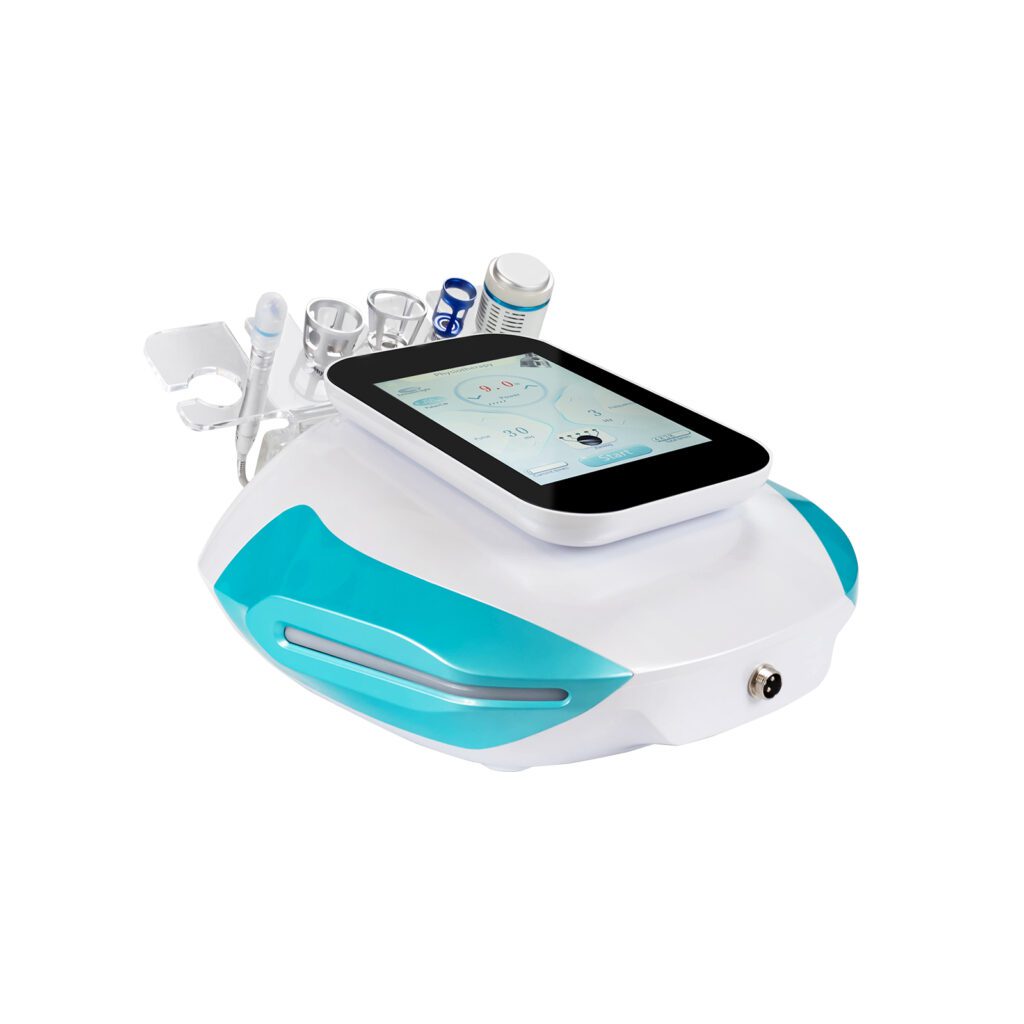
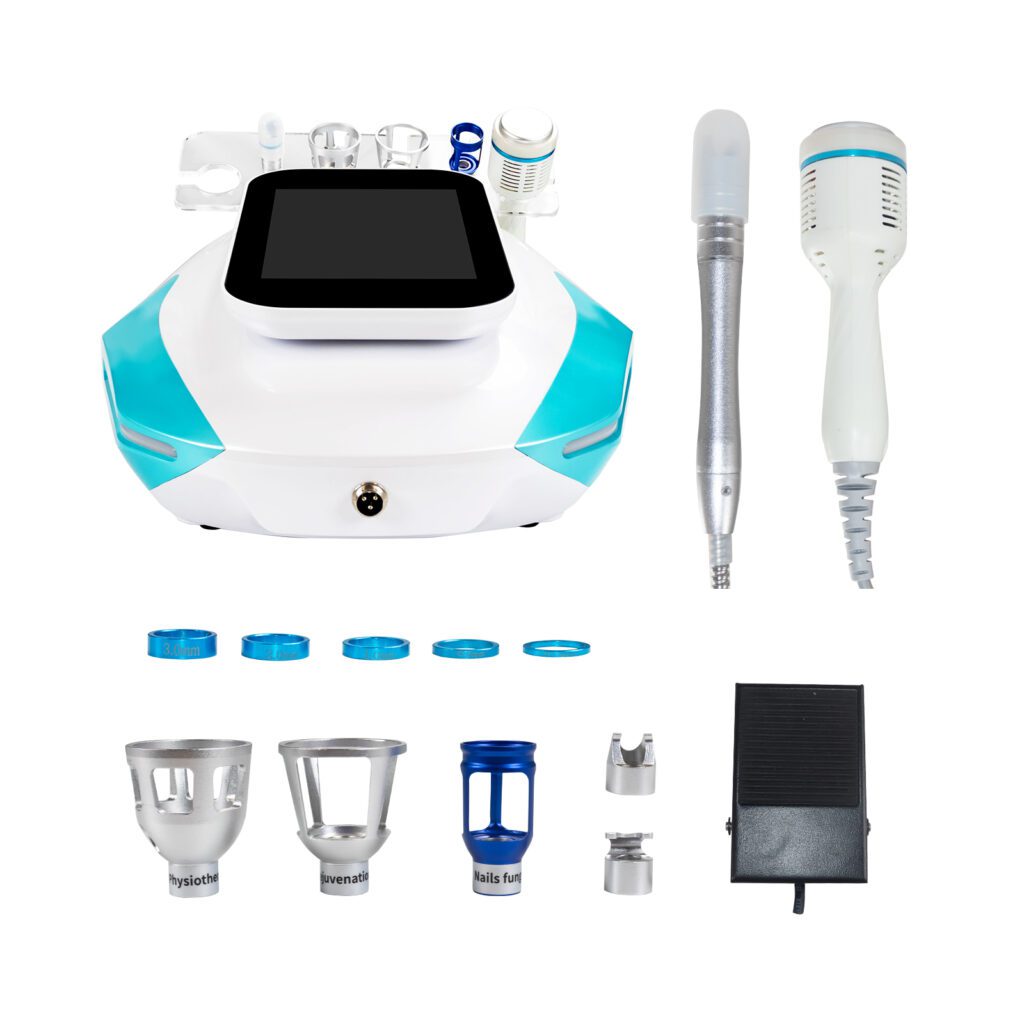
一般的なサロン機器の保証期間は通常12ヶ月です。これには、ハイドロフェイシャルマシン、小型バブルマシン、酸素スプレー装置、LEDパネル、超音波入出力装置、冷温ハンマー装置、コンパクト多機能フェイシャルマシンなどが含まれます。.
中級クラスの業務用機器の保証期間は、通常12~18ヶ月です。これには、RF機器、EMSマイクロカレント機器、高性能LEDシステム、エレクトロポレーション機器、痩身補助機器、肌分析装置などが含まれます。.
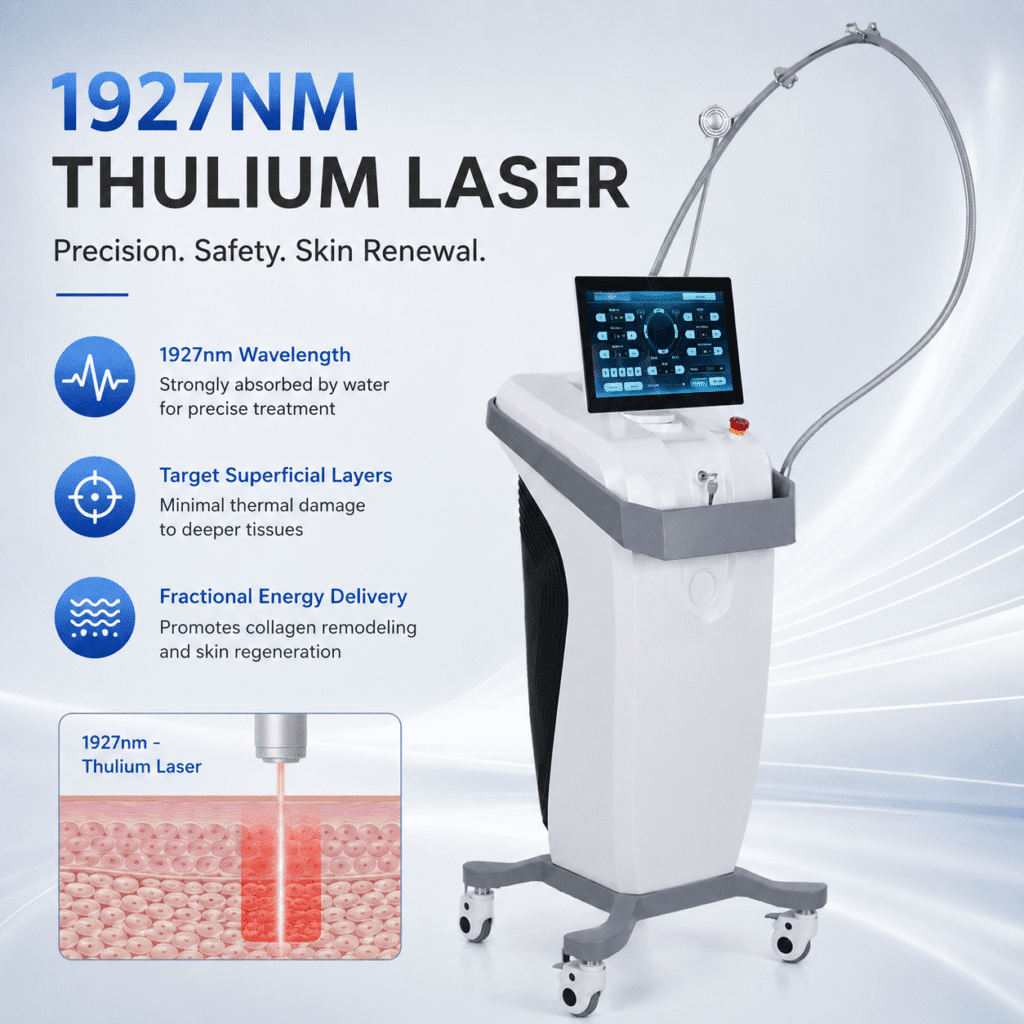
高性能なエネルギーベースの機器の耐用年数は、通常12ヶ月から24ヶ月です。これには、レーザー、IPL、高度なRF、プレミアムボディコンタリング、冷却脂肪分解式機器、および高級輸入システムが含まれます。.
家庭用美容機器の標準的なプライベートブランド製品の場合、保証期間は6ヶ月から12ヶ月程度ですが、小売ブランドによっては、市場の法律やブランドの方針に応じて、消費者向けの保証期間が異なる場合があります。.
5. 基本的な顔面治療機器の保証
基本的なフェイシャル機器は、価格が安く競争が激しいため、通常は保証期間が短かったり、標準的な期間しか設定されていない。.
例:
- 超音波フェイシャルツール。.
- 冷間ハンマー装置と熱間ハンマー装置。.
- 酸素噴霧装置。.
- 小型の気泡発生装置。.
- シンプルなハイドロフェイシャル機器。.
- 基本的なLEDランプ。.
- 小型多機能フェイシャル機器。.
一般的な保証基準:
- 低価格モデルの場合は6~12ヶ月。.
- サロンでの使用に適したモデルは、12ヶ月間お使いいただけます。.
- 消耗品および使い捨てアクセサリーは対象外です。.
販売代理店は、ポンプ、チューブ、ハンドル、スクリーン、電源アダプターが保証対象に含まれているかどうかを確認する必要があります。.
6. RFおよびEMS機器の保証
RF機器やEMS機器には通常12ヶ月の保証期間が付いており、より高性能な業務用モデルでは12ヶ月から18ヶ月の保証期間が付く場合もある。.
保証に関する主なポイント:
- 主要ユニットのカバー範囲。.
- 対応範囲を管理する。.
- プローブのカバー範囲。.
- ケーブルテレビの受信範囲。.
- エネルギー出力の安定性。.
- ソフトウェアまたはモードのサポート。.
- 過熱または誤った使用による損傷。.
- ジェルやパッドなどの消耗品。.
ハンドルとプローブは頻繁に使用する部品なので重要です。メーカーによっては本体の保証期間が12ヶ月でも、ハンドルの保証期間がそれより短い場合があります。購入前にこの点を確認しておくべきです。.
7. LED光線療法機器の保証
LED機器の保証期間は、一般的なサロン用機器の場合、12ヶ月程度です。より高品質なLEDシステムでは、より長い保証期間が提供される場合もありますが、保証期間は機器の構造によって異なります。.
重要な保証内容:
- LEDビーズまたはパネル。.
- 電源。.
- コントロール画面。.
- スタンドまたはブラケット。.
- 目の保護用アクセサリー。.
- 冷却または熱管理。.
- ランプモジュールの交換費用。.
販売代理店は、光源の劣化が保証対象かどうか、またどのような条件で保証されるのかを確認すべきである。.
8. ハイドロフェイシャルおよび小気泡機器の保証
ハイドロフェイシャルや小型バブルデバイスには、ポンプ、チューブ、フィルター、タンク、ハンドル、チップなどがよく使用されます。これらの部品は、保証に関して特別な問題を引き起こす可能性があります。.
一般的な保証に関する参照事項:
- 基本単位:通常12ヶ月。.
- ポンプまたは主要な内部部品:供給業者によって異なります。.
- 持ち手:短いか、長さが限られていることが多い。.
- チューブ、フィルター、チップ、消耗品:多くの場合、対象外となります。.
水力システムの不具合の多くは、清掃不良、フィルターの詰まり、不適切な溶液の使用、またはメンテナンス不足に起因します。保証書には、メンテナンス義務を明確に記載する必要があります。.
9. スキンアナライザーの保証
肌分析装置は、ハードウェア、カメラ、照明、ソフトウェア、そして場合によってはクラウドサービスを組み合わせたものです。ハードウェアの保証は通常、ソフトウェアのサポートとは異なります。.
共通参照:
- ハードウェア保証期間:通常12ヶ月。.
- カメラまたは照明モジュール:定義する必要があります。.
- タブレットまたはコンピューターが含まれる場合:別途規定が適用される場合があります。.
- ソフトウェアアップデート:一定期間は無料の場合もあれば、サブスクリプション制の場合もある。.
- クラウドストレージ:多くの場合、別個に提供される。.
- AIレポート機能:アクティブなアカウントまたはソフトウェアサービスが必要となる場合があります。.
販売代理店は、保証がハードウェアのみを対象とするのか、それともソフトウェアサポート、アカウントサポート、レポート機能のトラブルシューティングも含まれるのかを確認すべきです。.
10. IPLおよびレーザー機器の保証
IPLやレーザー機器は、より高度な技術を要し、安全性への配慮もより重要です。保証期間は12ヶ月から24ヶ月ですが、保証対象外となる項目にも注意が必要です。.
重要な保証事項:
- 本体。.
- ハンドピース。.
- ランプの発光回数、またはカートリッジの寿命。.
- 冷却システム。.
- 水道システム。.
- フィルター。.
- レーザーモジュール。.
- エネルギー校正。.
- 目の保護用アクセサリー。.
- オペレーターの誤用。.
- メンテナンス要件。.
IPLの場合、ランプ寿命は時間だけでなく照射回数で定義される場合があります。レーザー機器の場合、モジュールやハンドピースには特別な保証条件が適用される場合があります。販売代理店は、すべての部品が同じ期間保証されると決して思い込まないでください。.
11. ボディコンタリング機器の保証
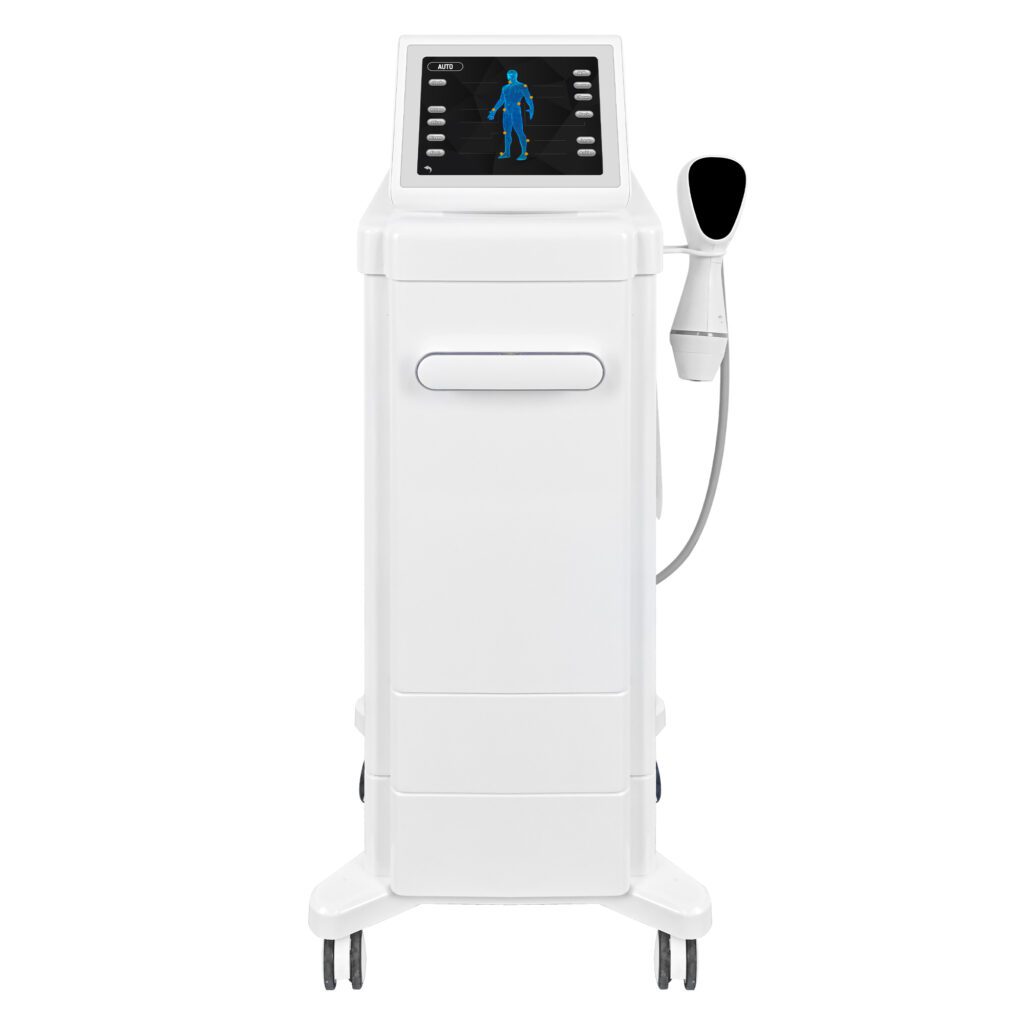
ボディコンタリング機器には、RF(高周波)、真空吸引、キャビテーション、EMS(電気筋肉刺激)、クライオリポリシス(冷却療法)、筋肉刺激、または多機能プラットフォームなどが含まれる。.
共通参照:
- 主な年齢層:通常12~24ヶ月。.
- ハンドル:供給業者によって異なりますが、通常6~12ヶ月です。.
- 真空ポンプおよび冷却モジュール:明確に定義する必要があります。.
- パッド、ストラップ、チューブ、フィルター、メンブレン、消耗品:多くの場合、対象外となります。.
身体装着型医療機器は、治療時間が長く、顧客の期待値も高いため、メンテナンスに多くの時間と労力を要します。保証は、トレーニングとメンテナンスと連動させる必要があります。.
12. 輸入美容機器の保証
輸入機器には12ヶ月から24ヶ月の保証が付いている場合もあるが、本当に重要なのは現地でのサービス体制だ。.
販売代理店は以下を確認してください。
- 認可された地元のサービスセンターはありますか?
- スペアパーツは現地に保管されていますか?
- 国際貨物輸送費は誰が負担するのか?
- 修理にはどれくらい時間がかかりますか?
- 人件費は含まれていますか?
- ソフトウェアの地域サポートはありますか?
- 消耗品はブランドによって管理されていますか?
- 地元の技術者による修理は許可されていますか?
輸入保証は書類上は強力に見えるかもしれないが、部品を他国から取り寄せなければならない場合は問題が生じる可能性がある。.
13. 国内美容機器保証
国産機器は、スペアパーツの供給が速く、修理費用も低いことが多いが、保証にはやはり書面による条件が必要となる。.
販売代理店は以下を確認してください。
- 本体保証。.
- 保証対応.
- 部品価格表。.
- 修理先住所。.
- 交換に関する規則。.
- オンラインサポートの応答時間。.
- 工場がモデルチェンジ後にスペアパーツを販売しているかどうか。.
- 地域代理店がより迅速な保証サポートを受けられるかどうか。.
国内メーカーが組織的で透明性のある企業であれば、国産機器でも優れたアフターサービスを提供できる。.
14. OEMおよびプライベートラベル保証
OEM製品およびプライベートブランド製品の保証は、製品に販売代理店のブランド名が付いているため、より一層の注意が必要です。.
2つの層があります。
- 販売代理店に対するメーカー保証。.
- サロンまたは小売店の購入者に対する販売代理店保証。.
これらを混同してはいけません。メーカーが12ヶ月の部品保証を提供しているのに、販売代理店が24ヶ月の完全保証を約束している場合、追加のリスクは販売代理店が負うことになります。.
OEM契約では以下を規定すべきである:
- メーカー保証期間。.
- 保証開始日。.
- カバーされている部分。.
- 除外部品。.
- 型式変更後の部品供給について。.
- 欠陥処理。.
- バッチ発行の責任範囲。.
- ラベル表示および取扱説明書に関する責任。.
- 責任を認めなさい。.
プライベートブランドはブランド管理を強化するが、同時にサービスに対する責任も増大させる。.
15. 本体保証と部品保証の違い
多くの美容機器の保証は、本体と付属品を分けて規定しています。.
主要ユニットには以下が含まれる場合があります。
- 内部電源システム。.
- メインボード。.
- 画面。.
- ソフトウェア制御。.
- 内部構造。.
部品および付属品には以下が含まれる場合があります。
- ハンドル。.
- プローブ。.
- ランプ。.
- 電池。.
- パンプス。.
- ケーブル。.
- チューブ。.
- フィルター。.
- ヒント。.
- パッド。.
- アダプター。.
本体の保証期間は12ヶ月または24ヶ月の場合がありますが、部品の保証期間はそれよりも短い場合があります。必ず部品ごとの保証期間表を確認してください。.
16. ハンドルとプローブは通常、別々の用語で表記する必要がある
ハンドルやプローブは使用頻度の高い部品です。触ったり、動かしたり、掃除したり、接続したり、取り外したり、加熱したり、冷却したり、時には落としたりすることもあります。そのため、多くのサプライヤーは、ハンドルの保証期間を本体よりも短く設定しています。.
共通参照:
- 保証期間:デバイスの種類によって異なりますが、通常3~12ヶ月です。.
- 検査間隔:通常3~12ヶ月。.
- ケーブルとコネクタ:制限がある場合があります。.
- 落下、ねじれ、液体による損傷、または無許可の修理による損傷は、多くの場合、補償対象外となります。.
販売代理店は、ハンドルの交換費用を把握せずに機械を販売すべきではない。.
17.消耗品は通常、保証対象外です
消耗品は通常、機器の保証対象外です。.
例:
- 使い捨てチップ。.
- フィルター。.
- ゲル。.
- 解決。.
- 治療用パッド。.
- 保護フィルム。.
- 綿の部分。.
- 膜。.
- 場合によってはチューブ。.
- カートリッジの場合もある。.
購入者は、どの商品が消耗品で、どのくらいの頻度で交換する必要があるかを把握しておくべきです。消耗品のコストはサロンの投資収益率(ROI)に影響します。.
18. バッテリー保証
家庭用機器、携帯機器、タブレット、手持ち工具などにはバッテリーが付属しているものがあります。バッテリーの保証期間は、本体の保証期間よりも短い場合が多いです。.
共通参照:
- バッテリーの保証期間は6ヶ月から12ヶ月です。.
- 通常の使用においては、バッテリー性能の劣化は認められない。.
- アダプターの誤用による充電時の損傷は保証対象外となる場合があります。.
- 膨張、過熱、または充電不良が発生した場合は、直ちに報告してください。.
家庭用プライベートブランド製品の場合、バッテリーに関する条項は特に明確に記載する必要がある。.
19. ソフトウェア保証およびサブスクリプションサポート
スマート美容機器には、ソフトウェア、AIレポート、アカウント、クラウドストレージ、アプリ接続、ファームウェアアップデートなどが含まれる場合があります。.
保証には以下を定めるべきである:
- ソフトウェアのバグが保証対象かどうか。.
- アップデートは無料かどうか。.
- クラウドサービスが無料か、それともサブスクリプション制か。.
- 報告書が含まれているかどうか。.
- 口座振替が可能かどうか。.
- 古いデバイスがソフトウェアアップデートを受けられるかどうか。.
- サーバーへのアクセスが保証されているかどうか。.
肌分析装置やAI機器においては、ハードウェアの保証よりもソフトウェアのサポートの方が重要となる場合がある。.
20. DOAポリシー
DOAとは、到着時に欠陥があることを意味します。これは、機械が到着した時点で、実際に使用する前に正常に動作しない場合に該当します。.
共通参照:
- DOA(到着時死亡)報告期間:通常7~30日。.
- 必要な証拠:写真、動画、シリアル番号、梱包状態。.
- 解決策:ポリシーに応じて、修理、部品交換、交換、または返品となります。.
- 運送責任:明記する必要があります。.
初期不良品は、顧客が使用可能な機械を受け取っていないため、通常の保証よりも迅速に対応されるべきである。.
21. 保証開始日
保証開始日を明確に定める必要があります。.
開始予定日は以下のとおりです。
- 請求書発行日。.
- 支払日。.
- 出荷日。.
- 配送日。.
- インストール日。.
- 顧客承認日。.
- 保証登録日。.
販売代理店にとって最適な契約条件は、メーカーのデフォルト設定とは異なる場合があります。メーカーが出荷時から保証を開始する場合でも、販売代理店が3か月後に機器を販売した場合、サロンが受けられる実質的な保証期間は短くなる可能性があります。この点については交渉が必要です。.
22. 貨物と労働はしばしば別々である
保証は部品代のみを対象とし、送料や工賃は対象外となる場合があります。.
重要な質問:
- 部品の輸送費は誰が負担するのですか?
- 返品送料は誰が負担しますか?
- 国際貨物輸送費は誰が負担するのか?
- 現地技術者の人件費は誰が支払うのか?
- 設置費用または再設置費用は誰が負担するのか?
- 不正使用が問題となった場合、誰が費用を負担するのか?
- 製造上の欠陥の場合、誰が費用を負担するのですか?
連邦取引委員会(FTC)の消費者保証に関するガイドラインでは、修理の際に工賃や送料が別途必要となるかどうかを購入者が理解しておくべきであると強調している。この原則は、B2Bの美容機器販売においても同様に有効である。.
23. 保証を無効または除外する事項
供給業者は責任逃れのために曖昧な表現を用いるべきではない。ただし、誤用や通常使用範囲外の状況によって生じた損害については、保証の対象外とすることは合理的である。.
一般的な除外事項は以下のとおりです。
- 物理的な損傷。.
- 取っ手を落とす。.
- 水害。.
- 電圧が間違っています。.
- 無断改変。.
- 許可されていない修理によって損害が発生した場合。.
- 外部のマニュアルを参照してください。.
- 清掃やメンテナンスが不十分。.
- ブロックされたフィルター。.
- 不適切な消耗品の使用により、損傷が発生した。.
- 保証期間後の故障。.
- 消耗品の通常の摩耗。.
「開封後は保証無効」といった包括的な文言は、消費者によっては法的問題となる可能性があります。より安全なビジネス表現としては、保証対象外となる損害とその原因を具体的に定義することが挙げられます。.
24.メンテナンス作業は保証に影響する
保証内容によっては、適切なメンテナンスが行われているかどうかが条件となる場合があります。.
保守業務には以下が含まれる場合があります。
- 毎日の清掃。.
- フィルター交換。.
- 水道システムの清掃。.
- 消毒処理を行ってください。.
- ケーブルのお手入れ。.
- ソフトウェアのアップデート。.
- 保管環境。.
- 正しい解決策を使用する。.
- 過熱を避ける。.
- 定期点検。.
サロンがメンテナンスを怠ると、サプライヤーは無償修理を拒否する可能性があります。そのため、販売代理店はメンテナンスに関する研修とチェックリストを提供する必要があります。.
25. 延長保証
一部のメーカーや販売代理店は、延長保証を提供しています。.
延長保証には以下が含まれる場合があります。
- さらに6ヶ月。.
- さらに12ヶ月。.
- 2年間または3年間のサービスプラン。.
- 保証期間終了後の部品割引。.
- 労働支援。.
- 年間メンテナンス。.
- 優先的な技術対応。.
延長保証は、高額商品、チェーン展開しているサロン、地域代理店にとって有益です。ただし、その条件は明確でなければなりません。延長保証は、消耗品、ハンドル、輸送費、誤用による損傷を必ずしもカバーするとは限りません。.
26. 生涯テクニカルサポート
多くのサプライヤーは、生涯にわたる技術サポートを提供すると謳っています。これは便利な場合もありますが、生涯保証と混同してはいけません。.
生涯テクニカルサポートとは通常、以下のことを意味します。
- 遠隔での回答。.
- 操作手順書。.
- トラブルシューティングのアドバイス。.
- メンテナンスに関するアドバイス。.
- 修理手順書。.
それは通常、次のような意味ではありません。
- 交換部品は永久に無料です。.
- 永久に無償労働。.
- 永久無料交換。.
- 永久無料ソフトウェア購読。.
- 国際配送料は永久無料です。.
販売代理店は、この点をサロンに明確に説明すべきです。.
27.販売代理店向け保証とサロン向け保証
メーカーが販売代理店に提供する保証内容と、販売代理店がサロンに提供する保証内容は異なる場合があります。.
例えば:
- メーカーは販売代理店に対し、12ヶ月間の部品保証を提供します。.
- 販売代理店はサロンに対し、12ヶ月間の地域密着型サービスを提供します。.
- 販売代理店は、自社のサービスパッケージに工賃とスペアパーツ代金を含めています。.
- 販売代理店は有料の延長保証を提供しています。.
販売代理店は、サービス内容に見合った価格設定を行うべきである。事業規模に見合わない過剰な約束はしてはならない。.
28.保証とアフターサービス利益
保証は利益に直接影響する。粗利益率の高い製品でも、保証費用が高額になると採算が合わなくなる可能性がある。.
費用には以下が含まれます。
- スペアパーツ。.
- 交換用ハンドル。.
- 技術者の労働。.
- 貨物。.
- 貸出用機器。.
- 顧客訪問。.
- トレーニングの反復。.
- 払い戻し。.
- 信頼を失った。.
販売代理店は価格設定に保証引当金を含めるべきです。低価格で高いサービス保証を提供すると、損失につながる可能性があります。.
29.保証と製品の品質
長期保証はメーカーの自信の表れと言えるが、それは製品が実際に安定している場合に限る。一部のサプライヤーは受注を成立させるために長期保証を約束するものの、実際にはスペアパーツや修理能力を備えていない。.
長期保証を信頼する前に、以下の点を確認してください。
- 故障率はどれくらいですか?
- 交換部品は在庫がありますか?
- どの部分が対象となりますか?
- 誰がその機械を修理するのか?
- 修理には通常何日かかりますか?
- 同じ故障が繰り返された場合はどうなるのでしょうか?
- 保証書は書面で発行されていますか?
- 既存の販売代理店はサービス品質を保証できますか?
保証の約束は、運用能力によって裏付けられなければならない。.
30.保証および規制に関する考慮事項
美容機器の中には、用途、効能、市場によって規制されるものがある。FDAのガイダンスでは、美容機器は身体の構造や機能に影響を与えるかどうかによって規制される可能性があるとされている。FDAのQMSRは、医療機器を商業的に販売する完成品製造業者に適用される。FDAのサービスおよび再製造に関する資料では、修理およびサービスに関する情報が、継続的な安全性と有効性にとって重要であることも強調されている。.
販売業者にとって、これは次のことを意味します。
- 規制対象機器または高エネルギー機器は、製造元の指示なしに改造しないでください。.
- 必要に応じて、承認済みのスペアパーツを使用してください。.
- サービス記録を保管してください。.
- メンテナンス手順に従ってください。.
- 根拠のない主張は避けてください。.
- 日常的な保守作業と、性能や本来の用途を変更するような変更作業は区別して行う。.
保証リスクと規制リスクは重複する可能性がある。.
31. 保証書チェックリスト
優れた美容機器の保証書には、以下の内容が含まれているべきです。
- 製品モデル。.
- シリアルナンバー。.
- 保証開始日。.
- 保証期間。.
- 主要ユニットのカバー範囲。.
- 対応範囲を管理する。.
- 消耗品は除外。.
- 該当する場合、バッテリーに関する規約が適用されます。.
- 該当する場合、ソフトウェアの利用規約が適用されます。.
- DOA(到着時死亡)ポリシー。.
- 修理プロセス。.
- 交換に関する規則。.
- 貨物運送責任。.
- 労働者の責任。.
- 保守業務。.
- 不正使用に関する除外事項。.
- 連絡方法。.
- 応答時間。.
- 延長保証オプション。.
供給業者がこの情報を提供できない場合、保証は不完全となります。.
32.販売代理店が製造業者に尋ねるべき質問
注文前に、販売代理店は以下の点を確認する必要があります。
- 本体の保証期間はどれくらいですか?
- 取っ手の保証期間はどれくらいですか?
- どの部分が除外されますか?
- 消耗品は保証対象ですか?
- DOA期間とは何ですか?
- 運賃は誰が支払うのか?
- 労働力に賃金を支払うのは誰か?
- 交換部品は提供していますか?
- モデルの生産終了後、どのくらいの期間スペアパーツを供給できますか?
- 修理方法に関する動画は提供していますか?
- 地元の技術者で機械を修理できますか?
- 平均修理時間はどれくらいですか?
- 延長保証はありますか?
- 保証期間はいつから始まりますか?
- 保証期間は販売代理店の販売日から開始されますか?
これらの質問は、販売後の紛争を防ぐのに役立ちます。.
33.サロンが販売業者に尋ねるべき質問
機器を購入する前に、サロンは以下の点を尋ねるべきです。
- 保証期間はどのくらいですか?
- 具体的に何が補償対象となりますか?
- 取っ手は覆われていますか?
- 消耗品は対象外ですか?
- 機械が故障した場合、誰に連絡すればよいですか?
- どれくらいの速さで対応できますか?
- 予備部品は地元で保管していますか?
- 送料は誰が負担するのですか?
- 労働は無料ですか?
- どのようなメンテナンスが必要ですか?
- もし機器に不具合があった場合はどうなりますか?
- 延長保証を購入できますか?
- トレーニングは含まれていますか?
保証内容が不十分な場合、価格が最も安いことが必ずしも最良の買い物とは限らない。.
34.よくある保証に関する間違い
よくある間違いは次のとおりです:
- 口頭での保証のみ受け付けます。.
- 保証期間のみを尋ねています。.
- ハンドルとプローブは無視します。.
- 運賃と人件費は考慮しない。.
- ソフトウェアサポートは無視する。.
- 予備部品は無視する。.
- メンテナンス業務を怠る。.
- メーカーのサポート以上のことをサロンに約束する。.
- インストール手順を文書化していない。.
- シリアル番号は保管していません。.
- 修理記録を保管していない。.
- 生涯にわたる技術サポートを、生涯にわたる無料修理として扱う。.
こうしたミスは、アフターサービスにおける紛争を引き起こす。.
35.新規代理店向け推奨保証戦略
新規の美容機器代理店は、保証リスクを低く抑えるべきである。.
推奨される対策:
- まずは安定した製品から始めましょう。.
- 支払い前に書面による保証書を請求してください。.
- 試験サンプル。.
- 予備部品を確認してください。.
- 保証内容が曖昧な業者は避けるべきです。.
- 無制限のサービスを約束してはいけません。.
- 訓練および設置に関する記録を保管してください。.
- 標準的な保証書テンプレートを使用してください。.
- 各販売価格に少額の保証費用を上乗せしておく。.
- 技術サポートのない高リスク機器の使用は避けてください。.
新規代理店は、サプライヤー選定の基準として保証の質を考慮すべきである。.
36.地域代理店向け推奨保証戦略
地域代理店は、より強固な保証制度を構築すべきである。.
推奨される対策:
- 部品ごとの保証表について交渉する。.
- よく使う予備部品は保管しておきましょう。.
- 現地の技術者を育成する。.
- シリアル番号による追跡を利用してください。.
- DOA(到着時死亡)ポリシーを作成する。.
- 労働および貨物に関する規則を定義する。.
- 有料の延長保証を提供します。.
- モデル別の故障率を追跡する。.
- 保証請求については、製造元と確認してください。.
- チェーン顧客向けのサービスレベル契約を作成する。.
保証は、専門的に管理すれば、競争上の優位性となり得る。.
37.メーカー向け推奨保証戦略
メーカーは保証条件を明確かつ実用的なものにすべきである。.
推奨される対策:
- 機種ごとに書面による保証書を提供してください。.
- 本体および付属品の用語を定義してください。.
- スペアパーツリストを提供してください。.
- 修理方法の動画を提供する。.
- 販売代理店を訓練する。.
- DOA(到着時死亡)に関する規定を明確にしてください。.
- 繰り返し発生する不具合を追跡する。.
- バッチ処理における不具合解決をサポートします。.
- メンテナンス手順を記載してください。.
- 非現実的な保証の約束は避けるべきです。.
明確な保証は流通チャネルにおける紛争を減らし、販売代理店の信頼を高めます。.
38.危険信号
以下の場合は注意してください:
- 供給業者は「1年間保証」と言っているが、詳細な保証内容は書面で示していない。.
- ハンドルについては言及されていない。.
- 交換部品は入手できません。.
- DOA(到着時死亡)に関する規定は不明確である。.
- 運送業者の責任範囲は不明確である。.
- 労働者の責任は不明確である。.
- 供給業者はサンプル検査を拒否している。.
- 保証はほぼすべての項目を対象外としています。.
- 供給業者は説明もなく永久保証を約束している。.
- 修理プロセスはありません。.
- シリアル番号を追跡している人はいません。.
- 売主はメンテナンス要件を説明できない。.
こうした危険信号は、後々高額な出費につながることが多い。.
結論
美容機器の保証期間は一般的に6ヶ月から24ヶ月です。多くの標準的なサロン機器では、12ヶ月が最も一般的です。ベーシックな機器は6ヶ月から12ヶ月、中級および高級の業務用機器は12ヶ月から24ヶ月の保証期間が提供される場合があります。ハンドル、プローブ、バッテリー、ランプ、ポンプ、消耗部品の保証期間は短くなる場合があり、消耗品は通常保証対象外です。.
しかし、最も重要な質問は「保証期間はどれくらいですか?」だけではありません。より重要な質問は「保証は実際に何をカバーしているのか、問題はどれくらいの速さで解決できるのか、部品代、工賃、送料は誰が負担するのか?」です。“
販売代理店にとって、保証は製品選定と価格設定の一部です。サロンにとって、保証は購入時の安心感の一部です。メーカーにとって、保証はブランドへの信頼の一部です。明確な保証制度は、これら3者すべてを保護し、アフターサービスを長期的なビジネス価値へと変えます。.
よくある質問
美容機器の一般的な保証期間はどのくらいですか?
多くの一般的なサロン向け美容機器には、約12ヶ月の保証期間が付いています。ベーシックな機器では6ヶ月から12ヶ月、ハイエンドの業務用機器では12ヶ月から24ヶ月の保証期間が付く場合があります。.
美容機器のハンドル部分も、同じ保証の対象となりますか?
必ずしもそうとは限りません。ハンドル、プローブ、ランプ、バッテリー、ポンプなど、使用頻度の高い部品は、本体よりも保証期間が短い場合があります。販売代理店は、部品ごとの保証期間表を請求する必要があります。.
美容機器の保証には消耗品も含まれますか?
通常は保証対象外です。使い捨てのチップ、フィルター、ジェル、溶液、パッド、メンブレンなどの消耗品は、通常、機器の保証対象外となります。.
美容機器の初期不良に対する対応規定は何ですか?
DOAとは、到着時に欠陥があることを意味します。多くのサプライヤーは、購入者に対し、到着時に欠陥があった場合、写真、動画、シリアル番号、梱包状態などの証拠を添えて、7日から30日以内という短い期間内にDOAを報告することを求めています。.
生涯テクニカルサポートは、生涯保証と同じですか?
いいえ。生涯テクニカルサポートとは通常、リモートでのガイダンスとトラブルシューティングのアドバイスを意味します。部品の無料提供、工賃の無料提供、交換の無料提供、または送料の無料提供を永久に意味するものではありません。.