



美容機器販売業者にとって、競合他社が皆同じ外観、同じ商品写真、同じサプライヤーブランドの同じ機器を販売している場合、長期的な成長は困難です。.
価格はすぐに主要な比較基準となる。サロンの購買担当者は、オンラインでオリジナル製品を検索し、複数の販売業者に問い合わせて、販売業者に利益率の引き下げを迫ることができる。.
OEMおよびODMによるカスタマイズは、このビジネスモデルを変える可能性がある。.
販売代理店は、単なる再販業者として活動するのではなく、独自のポジショニング、外観、言語、パッケージ、トレーニングシステム、顧客体験を備えた、認知度の高い地域密着型の製品ラインを構築することができる。.
しかし、プライベートブランドとは、単に機械にロゴを貼ることだけを意味するものではない。.
製品、ドキュメント、サービス内容、技術サポート、そして市場における位置付けのすべてが一貫した体験を提供することで、強力なローカルブランドが構築されます。.
この記事では、OEM/ODMによるカスタマイズが、美容機器販売業者が海外市場でブランド資産を構築する上でどのように役立つかを解説します。.
OEMとODMの違いは何ですか?
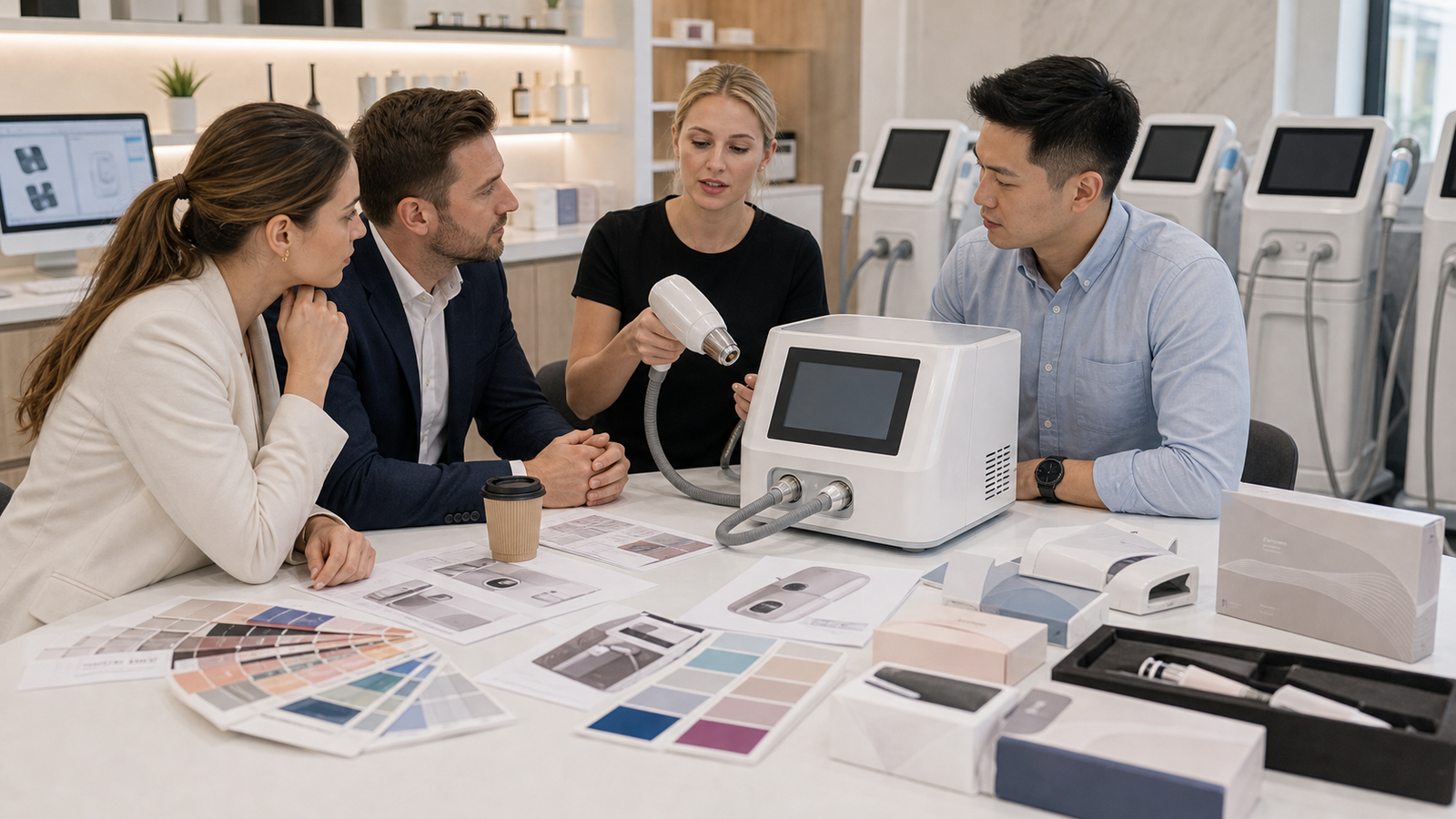
OEMとODMという用語はしばしば一緒に使われますが、これらはカスタマイズのレベルが異なることを表しています。.
OEMカスタマイズ 通常は既存の工場プラットフォームをベースに開始します。販売代理店は、以下のような要素を選択してカスタマイズできます。
- ロゴとネームプレート
- デバイスの色
- パッケージ
- マニュアルとラベル
- システム言語
- 起動画面
- アクセサリーの組み合わせ
- 保証書
- マーケティング資料
この方法は通常、より迅速で、コアとなるマシンが既に存在するため、開発投資も少なくて済みます。.
ODM開発 より深い製品変更を伴います。プロジェクトによっては、以下のような内容が含まれる場合があります。
- 新しい外観デザイン
- 内部レイアウトの変更
- カスタマイズ機能
- 新しいハンドピースの組み合わせ
- インターフェースとワークフローの設計
- 構造変化
- ユニークなアクセサリー
- 特定のチャネル向け製品開発
ODMはより強力な差別化を実現できるが、通常は最低発注数量の増加、設計コストの増加、サンプル承認の必要、そしてより長い開発期間が必要となる。.
多くの販売代理店にとって、OEMは現実的な第一歩です。ODMは、販売代理店が市場の需要を確認し、現地の顧客のニーズを理解した後に重要になります。.
メリット1:販売代理店が顧客との関係を所有する
サロンが仕入先の目に見える工場ブランドを購入する場合、顧客との関係の一部はその工場ブランドに属することになる。.
サロンは後日、同じ製品を検索したり、国際価格を比較したり、同一の機械を販売している別の販売代理店に問い合わせたりする可能性がある。.
適切に管理されたプライベートブランド製品ラインがあれば、現地の販売代理店は以下の主要な参照点となります。
- 製品選択
- 販売コンサルティング
- トレーニング
- 保証
- 消耗品
- スペアパーツ
- ソフトウェアサポート
- 今後のアップグレード
これにより、販売業者は単なる輸入業者以上の存在となる。.
販売代理店は、現地におけるブランド所有者およびサービス提供者となる。.
価値はロゴだけではありません。顧客が機器、トレーニング、アフターサービス体験を販売代理店のビジネスと結びつけて考えることこそが価値なのです。.
メリット2:カスタマイズにより直接的な価格比較が軽減される
同一の機械が複数のウェブサイトで同じ名前で掲載されている場合、購入者は価格を簡単に比較できる。.
OEMによるカスタマイズは、より明確な製品プレゼンテーションを生み出すことで、直接的な比較を減らすことができる。.
有用な差別化要因としては、以下のようなものが挙げられます。
- 一貫した製品カラーシステム
- 現地市場向けに設計されたモデル名
- コーディネートされたパッケージ
- ローカライズされたマニュアル
- 厳選されたハンドピースパッケージ
- チャネル固有のサービスバンドル
- 地域限定の保証およびトレーニングプラン
これは、製品の原産地を隠したり、誤解を招くような主張をしたりすることを意味するものではありません。.
販売業者は製造工程について透明性を保ち、ブランドの約束に対して責任を負うべきである。.
目標は、互換性のある箱型の製品を販売するのをやめ、地域に根ざした包括的なソリューションを販売することだ。.
メリット3:一貫性のあるブランドイメージはよりプロフェッショナルに見える
販売代理店は、複数の製品カテゴリーから、レーザー機器、フェイシャル機器、ボディコンタリング機器、理学療法機器などを販売する場合があります。.
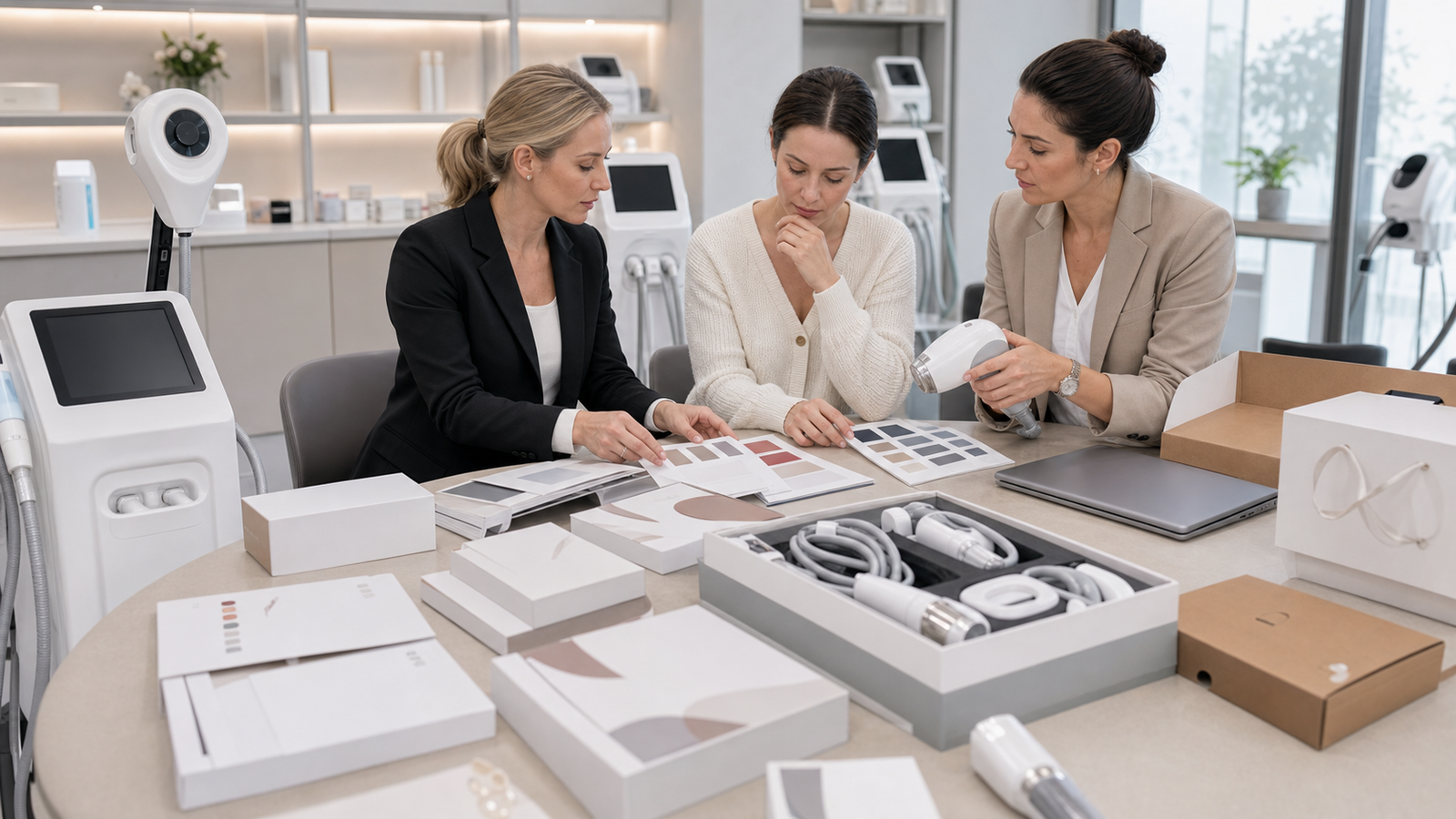
ブランド戦略がなければ、機械の色、マニュアル、パッケージ、インターフェースなどがバラバラになってしまう可能性があります。カタログも、統一されたプロ仕様の製品群というより、複数のサプライヤーの製品を寄せ集めたような印象になってしまうかもしれません。.
OEMのカスタマイズにより、以下の点において一貫性が生まれます。
- デバイスの外観
- 商品写真
- パッケージ
- マニュアル
- 保証書
- 研修プレゼンテーション
- ウェブサイトのページ
- ショールーム展示
- ソーシャルメディアコンテンツ
- アフターサービスコミュニケーション
この一貫性によって、サロンの顧客はブランドを記憶しやすくなり、販売代理店が安定した製品システムを持っていると感じるようになる。.
メリット4:ローカライズによって製品の販売が容易になる
海外のサロンでは、必ずしも同じ言語、サービス用語、施術の流れを使用しているとは限りません。.
現地化によって、機器を現地のオペレーターが受け入れやすくなる。.
製品や工場の能力に応じて、販売代理店は以下のようなカスタマイズを行う場合があります。
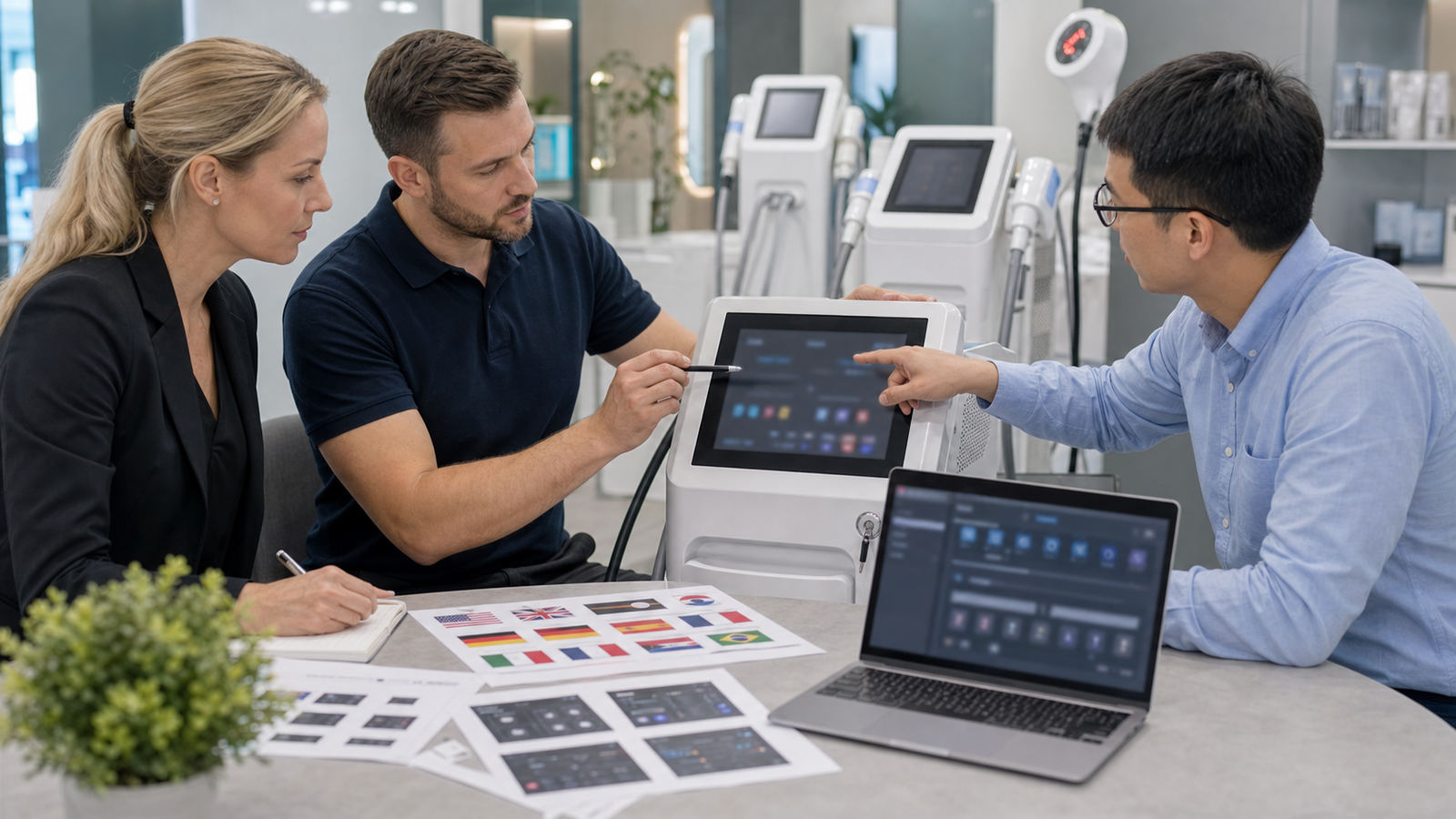
- インターフェース言語
- 取扱説明書
- 警告ラベル
- 治療名
- パラメータの説明
- トレーニング資料
- 包装情報
- 電圧とプラグの要件
- サービスメニューのおすすめ
優れたローカライゼーションとは、単なる翻訳以上のものです。.
現地のサロンスタッフや顧客が既に理解している用語を使用すべきです。また、目的地の市場で不適切または規制されているような主張は避けるべきです。.
地域ユーザー向けに設計されたと感じられる機械は、デモンストレーション、トレーニング、サポートが容易である。.
メリット5:OEM/ODMは販売代理店の利益率を守ることができる
プライベートブランドは必ずしも高収益を生み出すわけではないが、販売業者に価値提案に対するより大きなコントロール権を与える。.
販売代理店は、機械の仕様だけを販売するのではなく、以下の要素を組み合わせることができます。
- 装置
- ローカルブランドポジショニング
- インストール
- スタッフ研修
- 治療プロトコル
- マーケティングサポート
- 保証
- スペアパーツサービス
- 消耗品供給
その販売価格は、無名の工場からの見積もりと比較するのが難しくなる。.
これは、販売代理店が真に地域に根ざした価値を提供している場合に、利益率を守ることにつながる。.
販売代理店は、価格を上げるためだけにOEM製品を使用すべきではありません。ブランド製品には、真のサービスとサポートが不可欠です。そうでなければ、サロンの顧客はプライベートブランドを、付加価値のない表面的な変更とみなしてしまう可能性があります。.
メリット6:製品ラインは現地の流通チャネルのニーズに対応できる
放送局によって求める機材パッケージは異なります。.
小規模な美容サロンは、コンパクトな多機能フェイシャル機器を好むかもしれません。レーザー治療スタジオは、集中的な脱毛プラットフォームを必要とするでしょう。ボディコンタリングセンターは、複数のアプリケーターを必要とするかもしれません。リハビリテーション施設の購入者は、耐久性の高いハンドピースと技術サポートを優先するでしょう。.
OEM/ODMにより、販売代理店はこれらの特定の販売チャネル向けにパッケージを設計することが可能になります。.
例:
- サロン開業準備パッケージ
- プレミアムスキンケアパッケージ
- レーザー脱毛スタジオパッケージ
- ボディコンタリングセンターパッケージ
- 健康増進と回復のためのパッケージ
- トレーニングアカデミー用装備一式
その機械は実績のある技術プラットフォームを共有している可能性があるが、構成や販売促進方法は対象となる購入者に合わせて調整されている。.
これにより、販売代理店は誰にでも汎用的な機械を提供するのではなく、明確な販売チャネル戦略に基づいて販売を行うことができるようになります。.
メリット7:地元ブランドは顧客ロイヤルティを高めることができる
販売代理店が機器のライフサイクル全体をサポートすると、サロンの顧客ロイヤルティは向上する。.
プライベートブランドの顧客は、以下の理由で同じ販売業者に再び依頼する可能性が高い。
- 互換性のあるハンドピース
- 消耗品
- 修理
- トレーニング
- ソフトウェアサポート
- 追加デバイス
- 製品のアップグレード
これにより、最初の機械販売後も継続的なビジネスが生まれます。.
しかし、販売代理店は供給の継続性を維持しなければなりません。交換部品、マニュアル、技術サポートが途絶えると、ローカルブランドはあっという間にダメージを受けてしまう可能性があります。.
ブランドを所有することは機会を生み出すが、同時に責任も生み出す。.
メリット8:製品フィードバックは競争優位性になり得る
販売代理店は地元のサロンの近くにあり、有益な情報を収集できる。
- クライアントが要求する機能
- どのインターフェース用語がオペレーターを混乱させるか
- どのハンドピースが最もよく使われますか
- どのアクセサリーが頻繁に故障するか
- どのデバイスサイズがローカルルームに合うか
- どのサービスパッケージがよく売れるか
- どの価格帯が最も早く動くか
強力なOEM/ODMパートナーシップにおいては、このフィードバックは将来の改訂の指針となる。.
工場はエンジニアリングと製造能力を提供し、販売代理店は地域市場に関する知識を提供する。.
両者が協力することで、どちらか一方だけが単独で取り組むよりも、より効果的に製品ラインを改善できる。.
メリット9:ブランド製品の発売は市場の注目度を高める
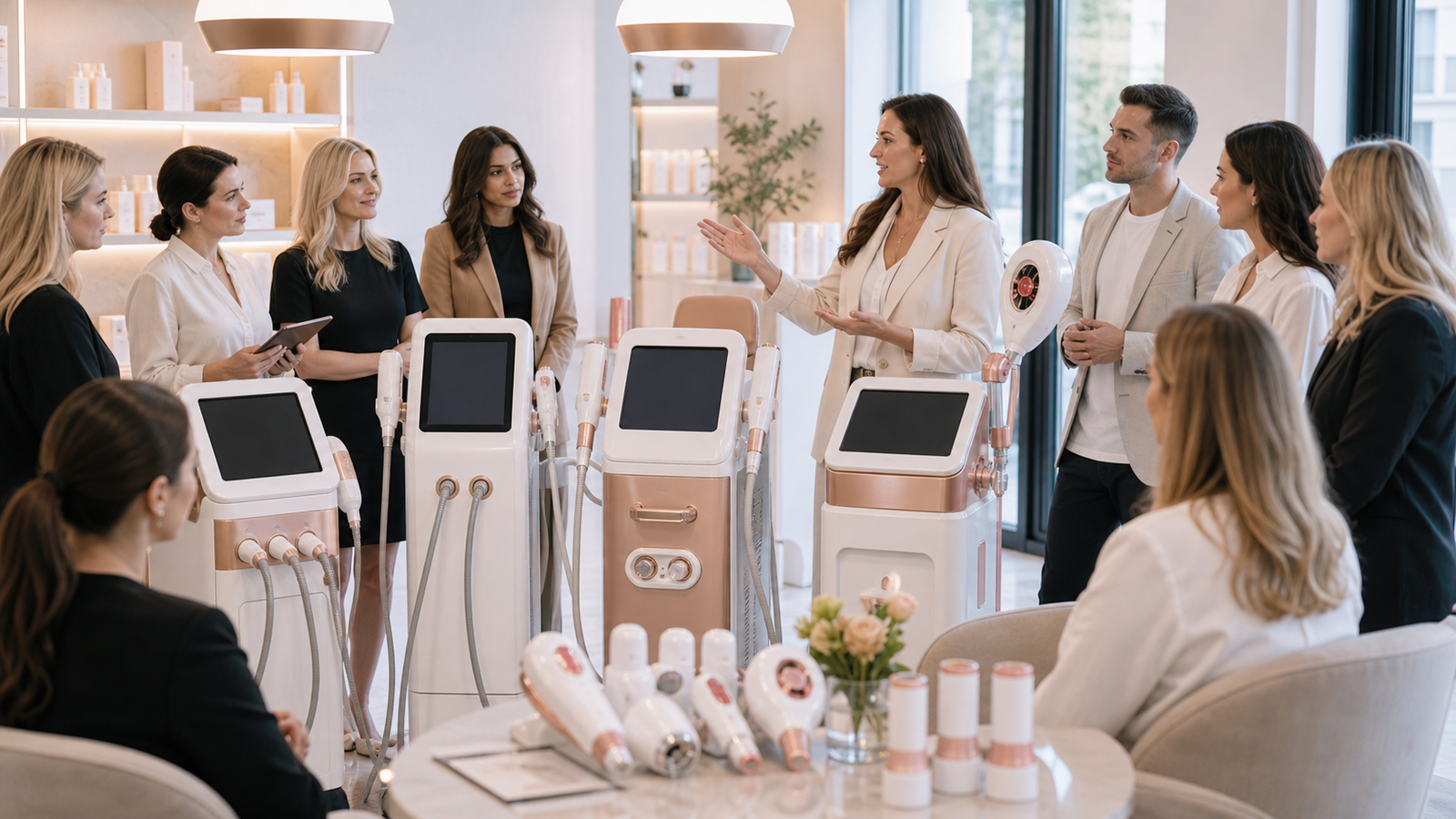
プライベートブランド製品は、地域に合わせた統一的な発売を支援することができる。.
販売代理店は以下を準備できます。
- ブランドショールームの展示
- 製品デモンストレーション
- トレーニングイベント
- ディーラー向けプレゼンテーション
- 起動パッケージ
- 現地語の動画
- サロン事例研究
- サービスメニューテンプレート
これは、ウェブサイトに一般的な商品ページをもう1つ追加するよりも、より強い印象を与えます。.
今回の発表は、単なる新しいロゴではなく、真の顧客価値を示すものでなければならない。.
その製品がサロンのどのような問題を解決するのか、どのようなトレーニングが含まれているのか、そしてそのサービスがどのようにリピーターを生み出すのかを説明してください。.
最初にカスタマイズすべき項目は何ですか?
販売代理店は、最初の注文ですべてをカスタマイズする必要はありません。.
実践的な手順は以下のとおりです。
ステージ1:基本的なOEM
- ロゴ
- ネームプレート
- デバイスの色
- パッケージラベル
- マニュアル言語
- サポートされている場合は起動画面
ステージ2:商用構成
- モデル命名システム
- 選択されたハンドピースバンドル
- 現地のプラグと電圧
- トレーニングパッケージ
- 保証書
- 消耗品スターターキット
ステージ3:より高度なODM
- 専用の外観
- インターフェースワークフロー
- カスタムアクセサリー
- 構造変化
- 新機能の組み合わせ
- チャンネル限定プラットフォーム
この段階的なアプローチはリスクを軽減します。販売代理店は、金型、設計変更、または大量の在庫に投資する前に、需要を検証することができます。.
OEM/ODMプロジェクトを開始する前に確認しておくべきことは何ですか?
手付金を支払う前に、以下を確認してください。
- 正確なカスタマイズ範囲
- 最小注文数量
- 金型および設計費用
- サンプル費用
- サンプル製作時間
- 量産リードタイム
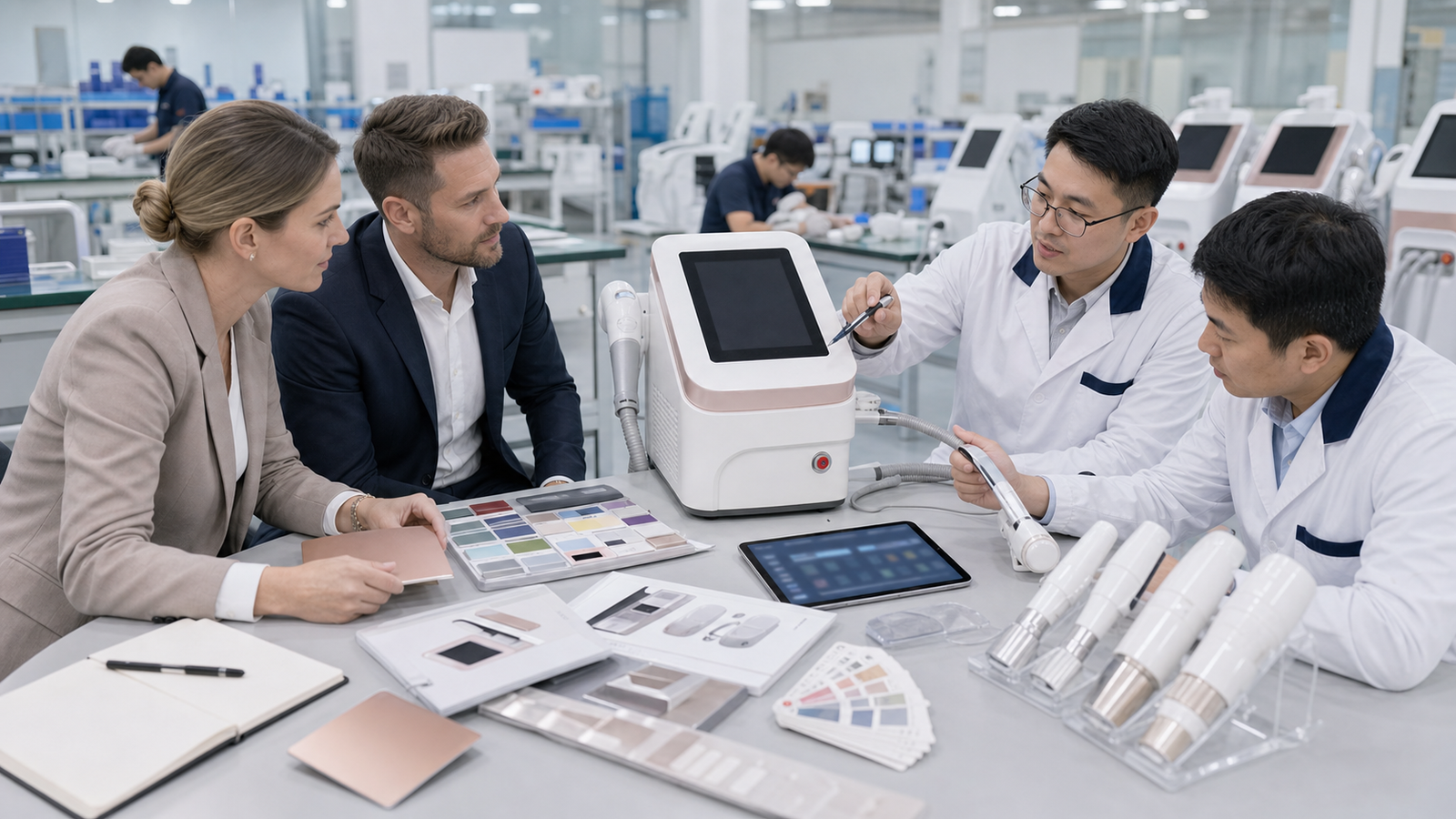
- 色と素材の基準
- ロゴファイルと配置
- 梱包仕様
- インターフェース言語
- 手作業による責任
- 証明書およびラベルの責任
- ソフトウェア所有権
- 知的財産権の所有権
- 独占条項
- 改訂承認プロセス
- 保証およびスペアパーツのサポート
- 将来のモデル変更に関するルール
承認されたすべての詳細は文書化されるべきである。.
写真だけでは、色、素材、インターフェースの承認には不十分です。可能な限り、バージョン管理された仕様書と署名済みのサンプルを使用してください。.
品質管理はブランド保護の一環です
製品に販売代理店のブランドが付いている場合、品質に関するあらゆる問題は、その現地ブランドに直接影響を与える。.
販売代理店は、以下の事項について承認ポイントを設定する必要があります。
- 試作品
- ロゴの位置
- 色の均一性
- インターフェースと言語
- アクセサリ構成
- マニュアルとラベル
- 包装強度
- 機能テスト
- 最終検査
工場が部品、ソフトウェアのバージョン、または外観デザインを変更する場合、販売代理店は通知を受け取り、それがブランド仕様に影響を与える場合は改訂を承認する必要があります。.
規制上の責任は新しいロゴでは解決できない
OEM/ODMによるカスタマイズは、法的責任および法令遵守責任を免除するものではありません。.
ブランド名、ラベル表示、用途、または市場における主張を変更すると、仕向け地市場において、誰が製造業者、輸入業者、または責任ある経済事業者とみなされるかに影響を与える可能性があります。.
販売代理店は以下を確認する必要があります。
- 地域産品の分類
- 輸入要件
- 電気的およびEMC要件
- ラベル表示規則
- 言語要件
- 該当する場合の認定代理人の要件
- 広告および治療に関する主張
- 苦情およびインシデントに関する責任
- 文書の所有権とアクセス
デバイスにローカルブランドを付ける際に、工場の一般文書が自動的にすべての市場とクレームを網羅していると考えてはいけません。.
特定の製品や国によっては、専門家によるコンプライアンスに関するアドバイスが必要となる場合があります。.
OEM/ODMでよくある間違い
販売業者は以下を避けるべきです。
- 需要を検証する前にカスタマイズする
- ロゴを入手するためだけに大量の最小発注数量を注文する
- 信頼性よりも外観を優先する
- スペアパーツの互換性を確認できなかった
- 一貫性のないモデル名を使用する
- 質の低い翻訳を受け入れる
- 承認されていない医療上の主張を行う
- 商標権の保護を怠る
- 知的財産権の所有権を定義しない
- 通知なしでコンポーネントの変更を許可する
- 工場の担当者1名のみに依存する
- アフターサービス体制のないままブランドを立ち上げる
プライベートブランドは、必ずしもブランドとは限らない。.
ブランドは、顧客体験が一貫している場合にのみ価値を持つようになる。.
販売代理店向け実践的なブランド構築プラン
1. 対象チャネルを定義します。.
そのブランドが、サロン、メディカルスパ、レーザースタジオ、ボディセンター、ウェルネス関連企業、またはリハビリテーション関連の顧客を対象としているかどうかを選択してください。.
2. 2つまたは3つの主要製品カテゴリーを選択してください。.
関連性のないマシンを一度に多数起動することは避けてください。.
3.明確なブランドポジショニングを確立する。.
そのブランドが、手頃な価格、専門的なサポート、プレミアムなデザイン、多機能性、あるいは特定のサービスカテゴリーのどれを象徴しているのかを判断してください。.
4. まずは、管理されたOEMカスタマイズから始めましょう。.
本格的なODM投資を行う前に、販売実績を検証すべきだ。.
5.研修およびアフターサービス体制を構築する。.
これらのシステムは信頼を築き、リピートビジネスを生み出す。.
6.商標および製品関連文書を保護する。.
現地での登記および契約上の所有権を確認してください。.
7.市場からのフィードバックを収集する。.
実際のサロンからのフィードバックを参考に、今後のODM改訂に役立てましょう。.
SHEFMONのOEM/ODMが販売代理店をどのようにサポートできるか
SHEFMONのOEM/ODM情報によると、カスタマイズオプションには、製品やプロジェクトに応じて、外観、色、ロゴ、パッケージ、システム言語、操作インターフェース、マニュアルなどが含まれる場合があります。.
販売代理店は、注文前に各モデルの正確な範囲、最小注文数量(MOQ)、納期、および該当する文書を確認する必要があります。.
SHEFMONの便利なページには以下が含まれます。
結論
OEM/ODMによるカスタマイズは、美容機器販売業者が価格重視の再販から、地域ブランドの所有へと移行するのに役立ちます。.
主なメリットとしては、差別化、地域に合わせたユーザーエクスペリエンス、利益率の確保、チャネルごとのパッケージ、顧客ロイヤルティの向上、そしてより一貫性のある製品ラインなどが挙げられます。.
しかし、機械にロゴを付けるだけでは始まりに過ぎない。.
持続可能な地域ブランドには、製品の品質、文書化された仕様、規制遵守、研修、スペアパーツ、そして信頼できるアフターサービスが不可欠です。.
最良のOEM/ODM戦略は、実績のある製品と明確な現地市場のニーズから始まり、その後、段階的にカスタマイズを加えていくものです。.
よくある質問
1. OEMカスタマイズとは、ロゴを追加するだけのことですか?
いいえ。基本的なOEMには、ロゴ、色、パッケージ、マニュアル、インターフェース言語、アクセサリ構成などが含まれます。優れたプライベートブランドプロジェクトには、トレーニング、保証、アフターサービスの一貫性も含まれます。.
2. OEMとODMの主な違いは何ですか?
OEMは通常、既存の工場プラットフォームをカスタマイズするものです。ODMはより高度な設計や機能開発を伴い、通常はより多くの時間、エンジニアリング作業、そしてより多くの注文数量を必要とします。.
3. プライベートブランドは、販売代理店の利益率をどのように保護するのでしょうか?
これにより、同一製品との直接比較が減り、販売代理店はトレーニング、保証、サポートを含む包括的なローカルパッケージを販売できるようになります。付加価値は、単なるロゴの変更ではなく、真の価値でなければなりません。.
4. 新規販売代理店はODMから始めるべきでしょうか?
通常はそうではありません。専用金型や大規模な設計変更に投資する前に、標準製品や管理されたOEMカスタマイズを通じて需要を検証する方が安全です。.
5. OEM/ODM契約にはどのような内容を記載すべきでしょうか?
仕様、最小発注数量(MOQ)、料金、サンプル承認、納期、品質基準、知的財産権の所有権、独占権、変更通知、保証、およびスペアパーツサポートを含めてください。.
6. ソフトウェアとインターフェース言語はカスタマイズ可能ですか?
プラットフォームによっては、多くの場合可能です。利用可能な言語、翻訳の責任範囲、更新プロセス、カスタマイズされたソフトウェアのサポート継続の有無を確認してください。.
7.プライベートラベルは規制上の責任を生み出すのか?
可能性はあります。ブランド、ラベル表示、使用目的、および市場における主張は、国によっては法的役割に影響を与える可能性があります。特定の製品および販売先の市場における要件を確認してください。.
8. 販売業者はどのようにして一貫した製品品質を維持できるのでしょうか?
試作品を承認し、バージョン管理された仕様書を使用し、重要な部品、ソフトウェア、または外観の変更を行う前に通知を義務付ける。.
9. 新しいローカルブランドには、まずどの製品を組み込むべきでしょうか?
まずは、地域における強い需要に合致し、明確なブランドイメージ、研修制度、アフターサービス体制を共有できる少数のカテゴリーから始めましょう。.
10. OEM/ODMはどのようにして顧客ロイヤルティを高めるのでしょうか?
販売代理店が信頼性の高いライフサイクルサポートを提供すれば、顧客は互換性のある消耗品、トレーニング、修理、アップグレード、追加機器などを求めて、地元のブランドに再び依頼するようになる。.