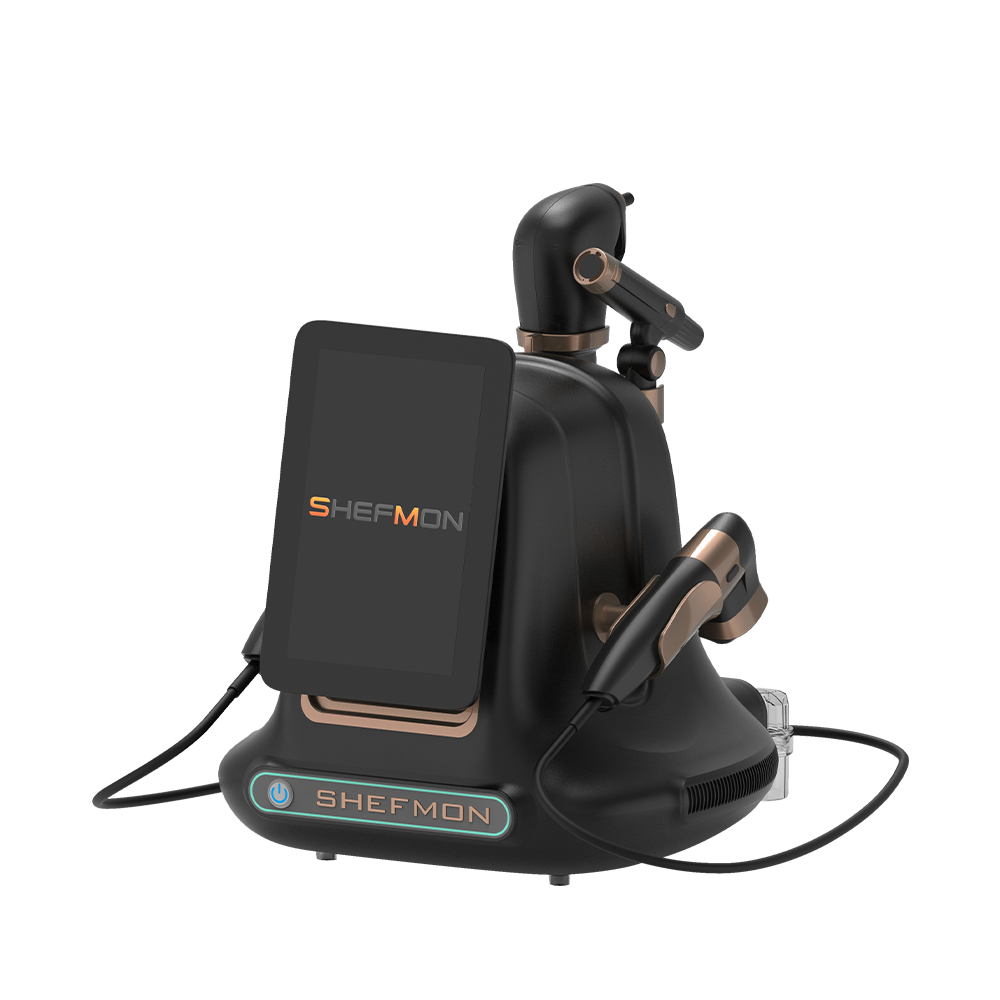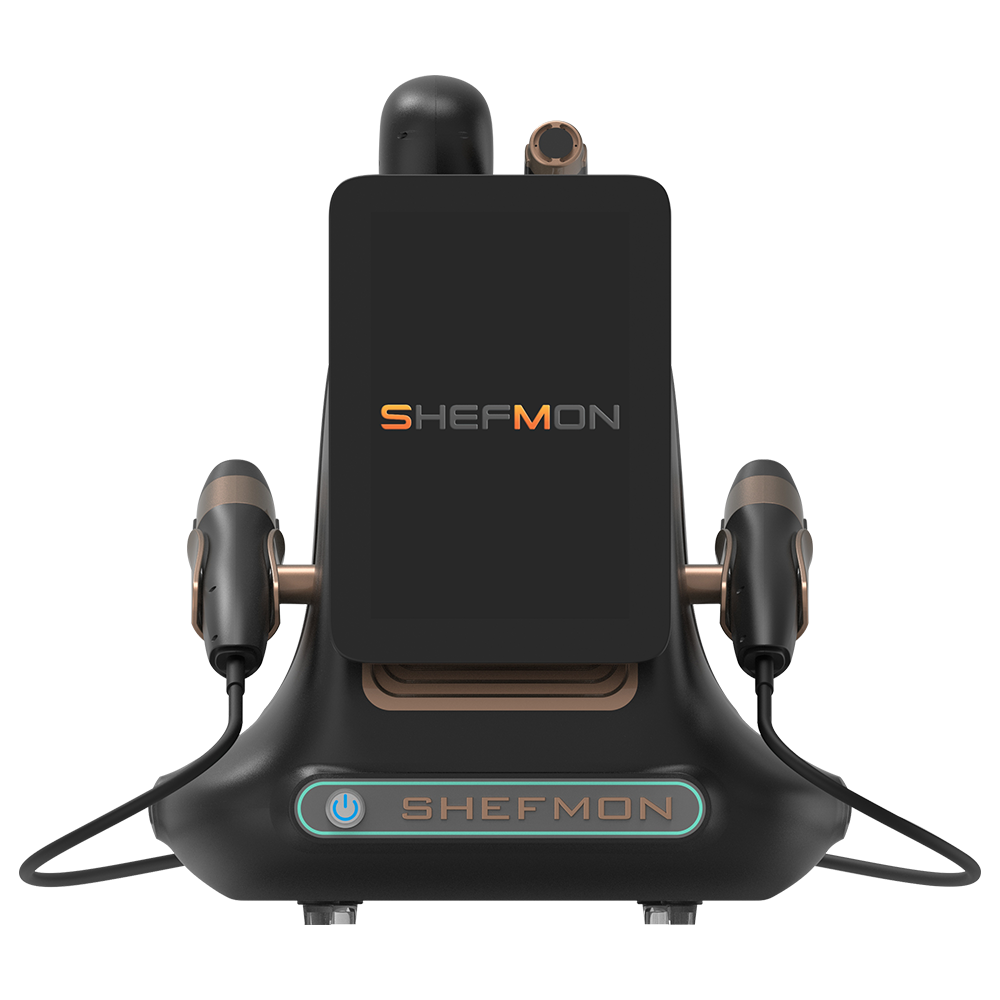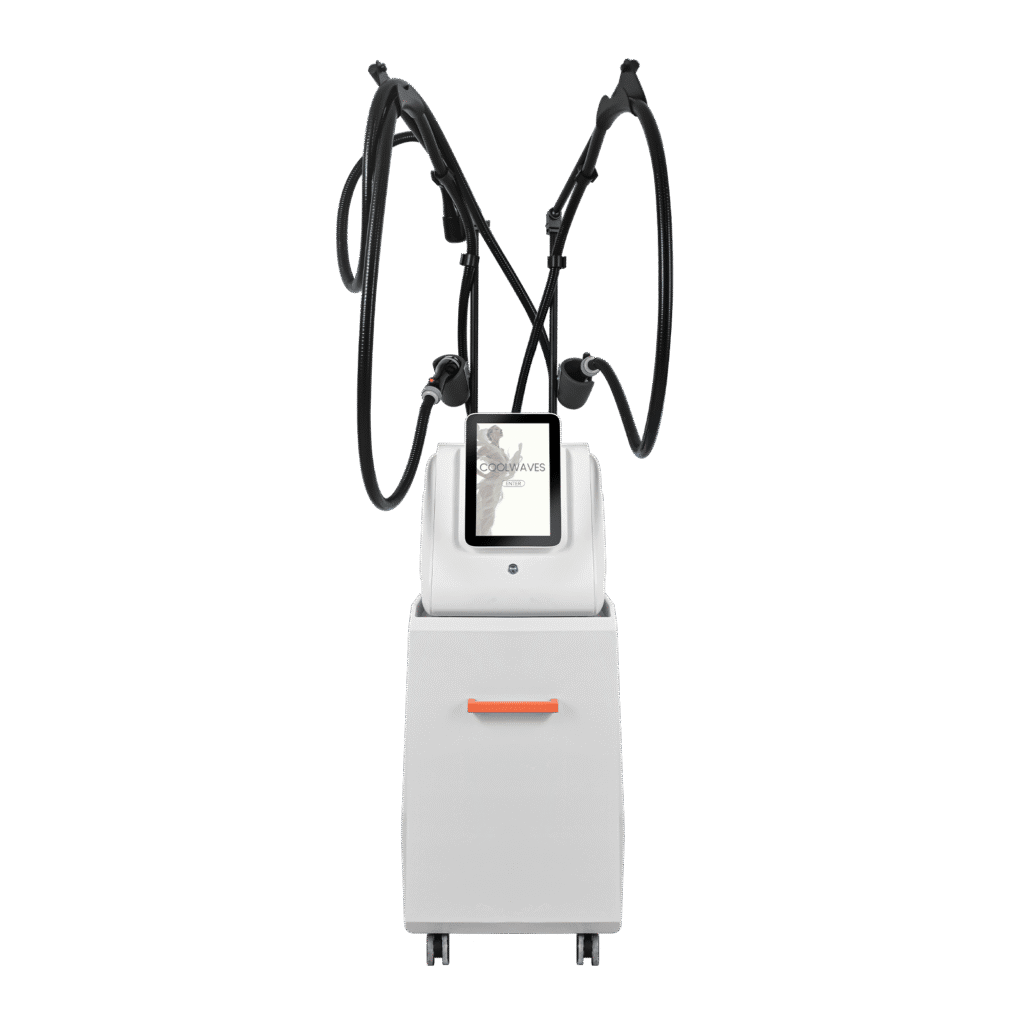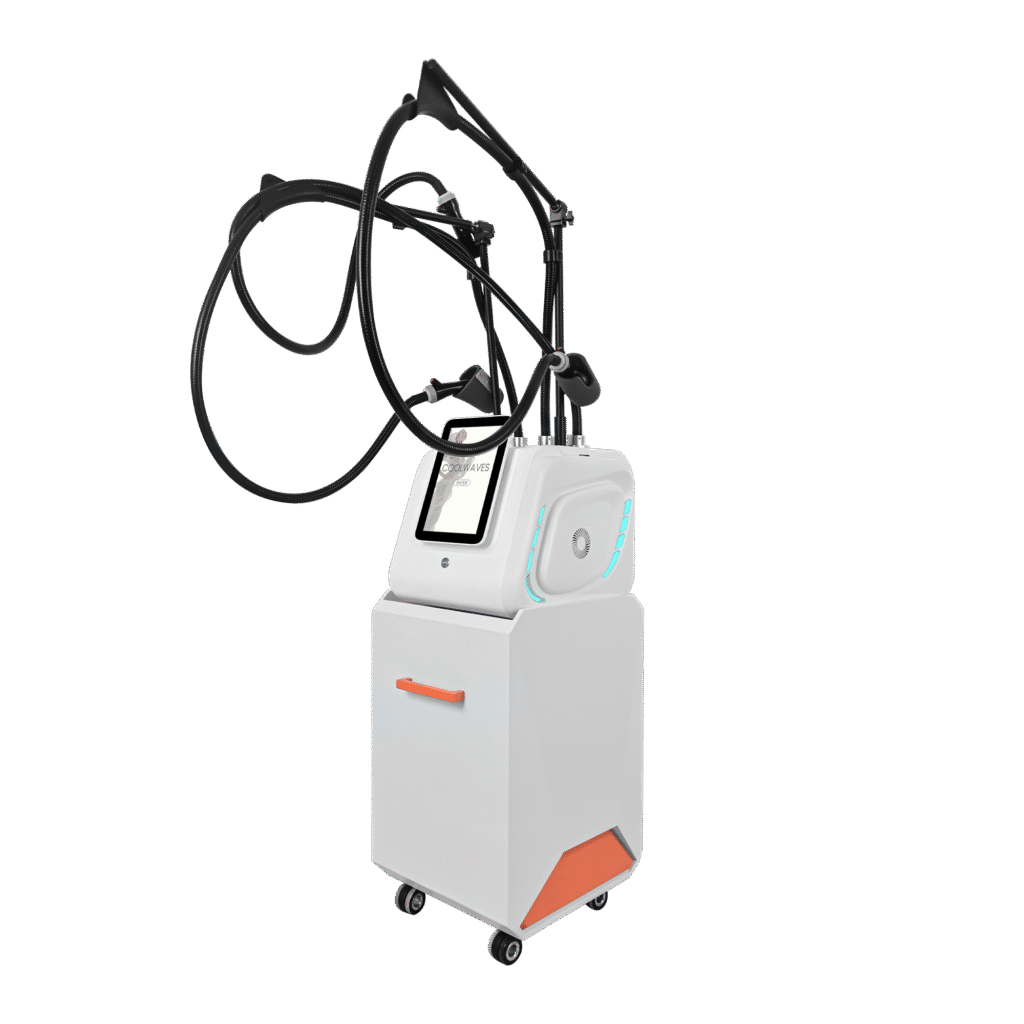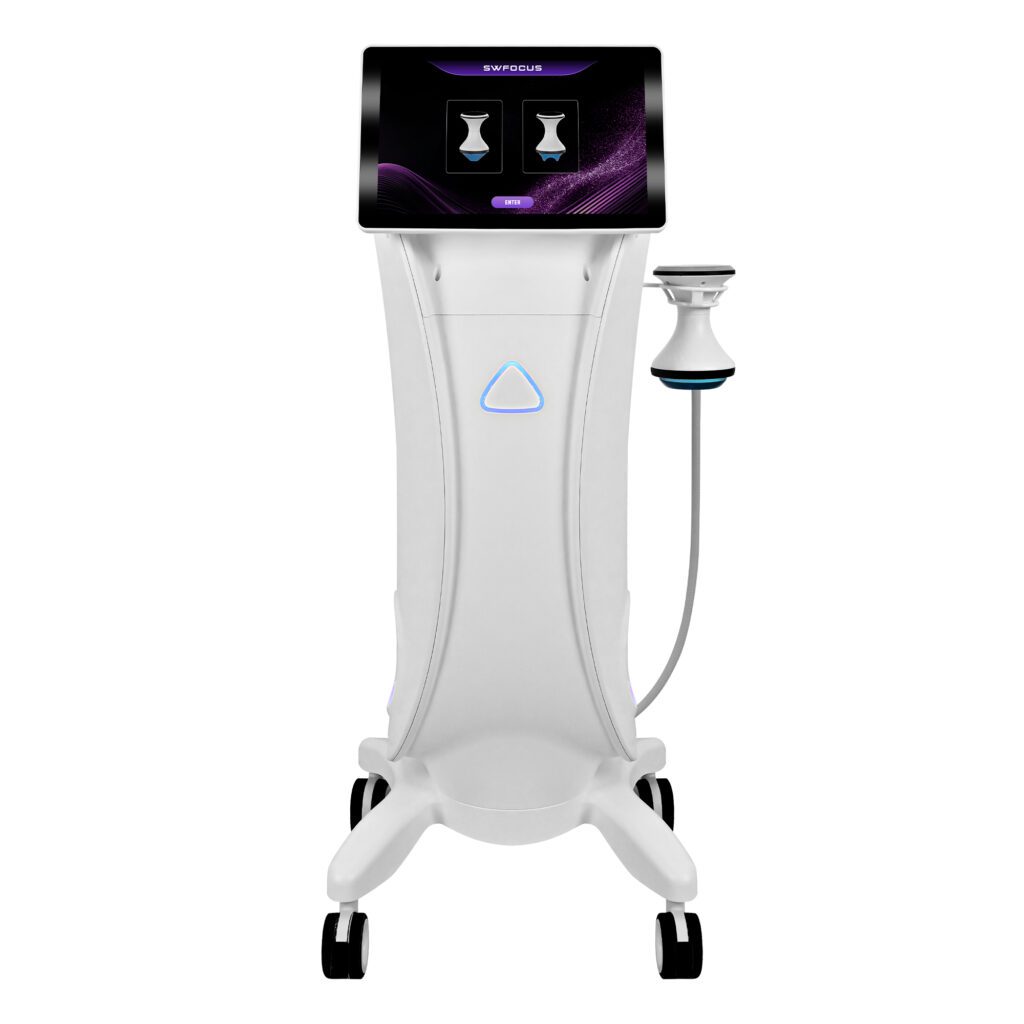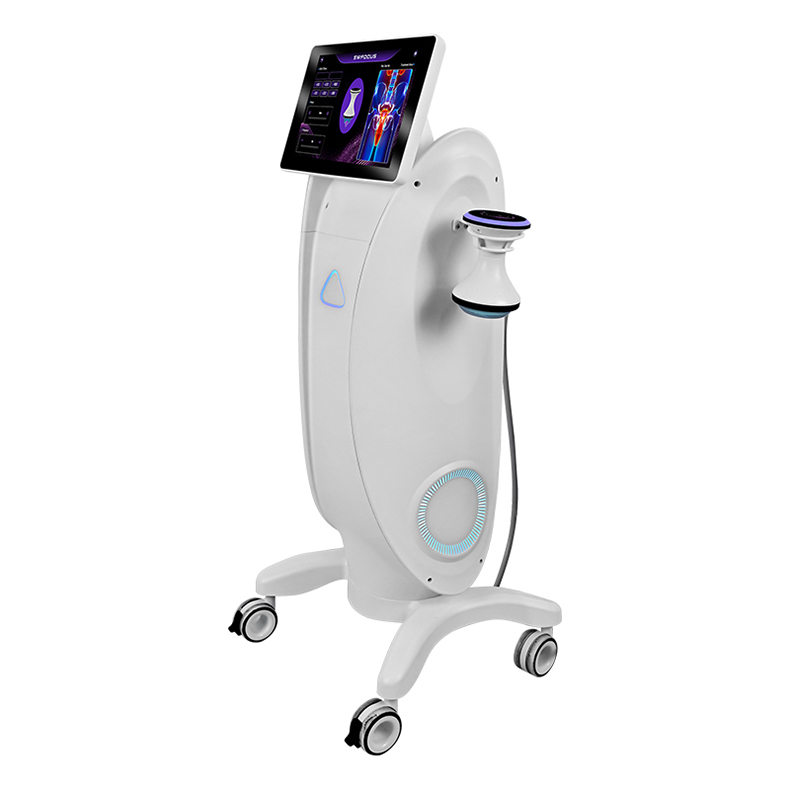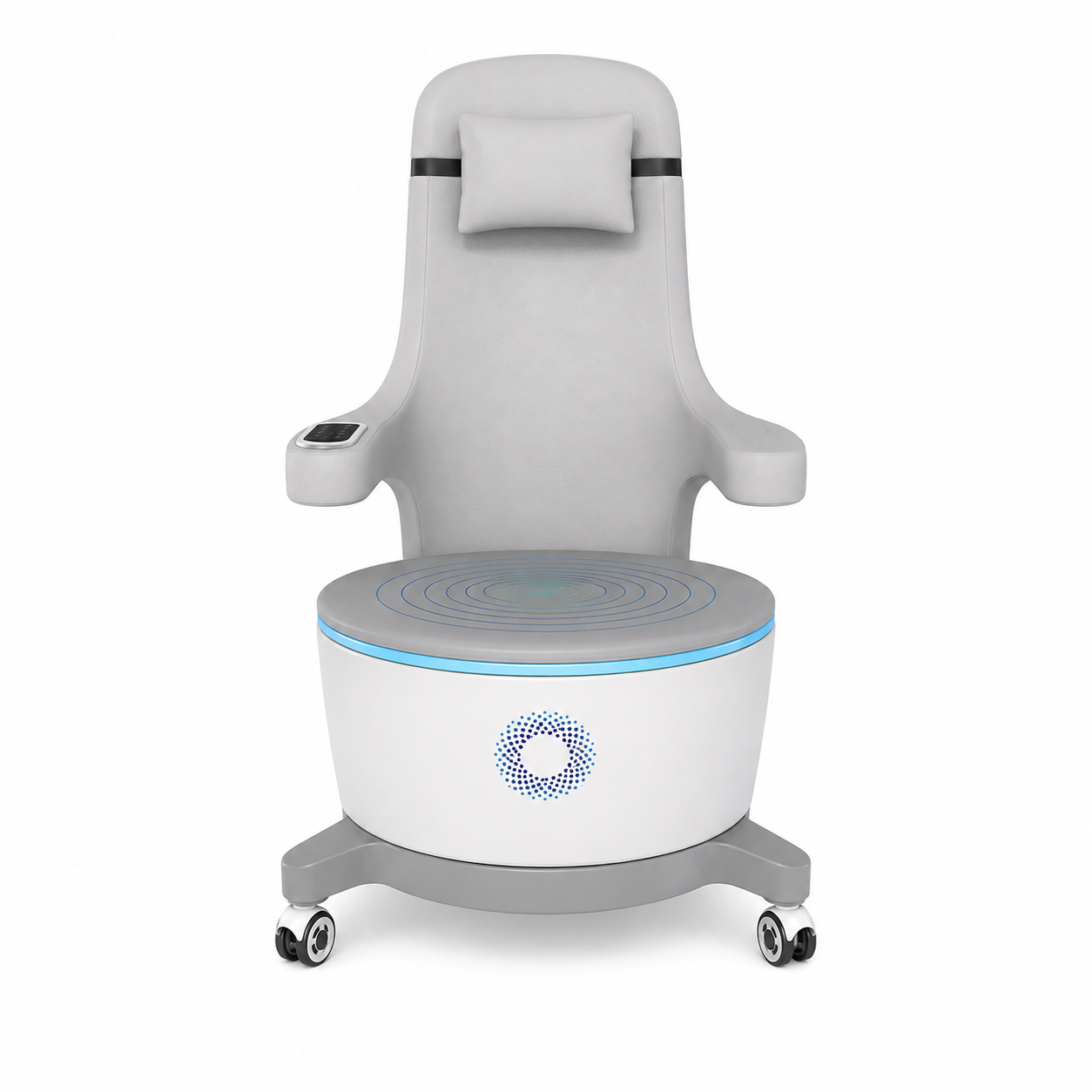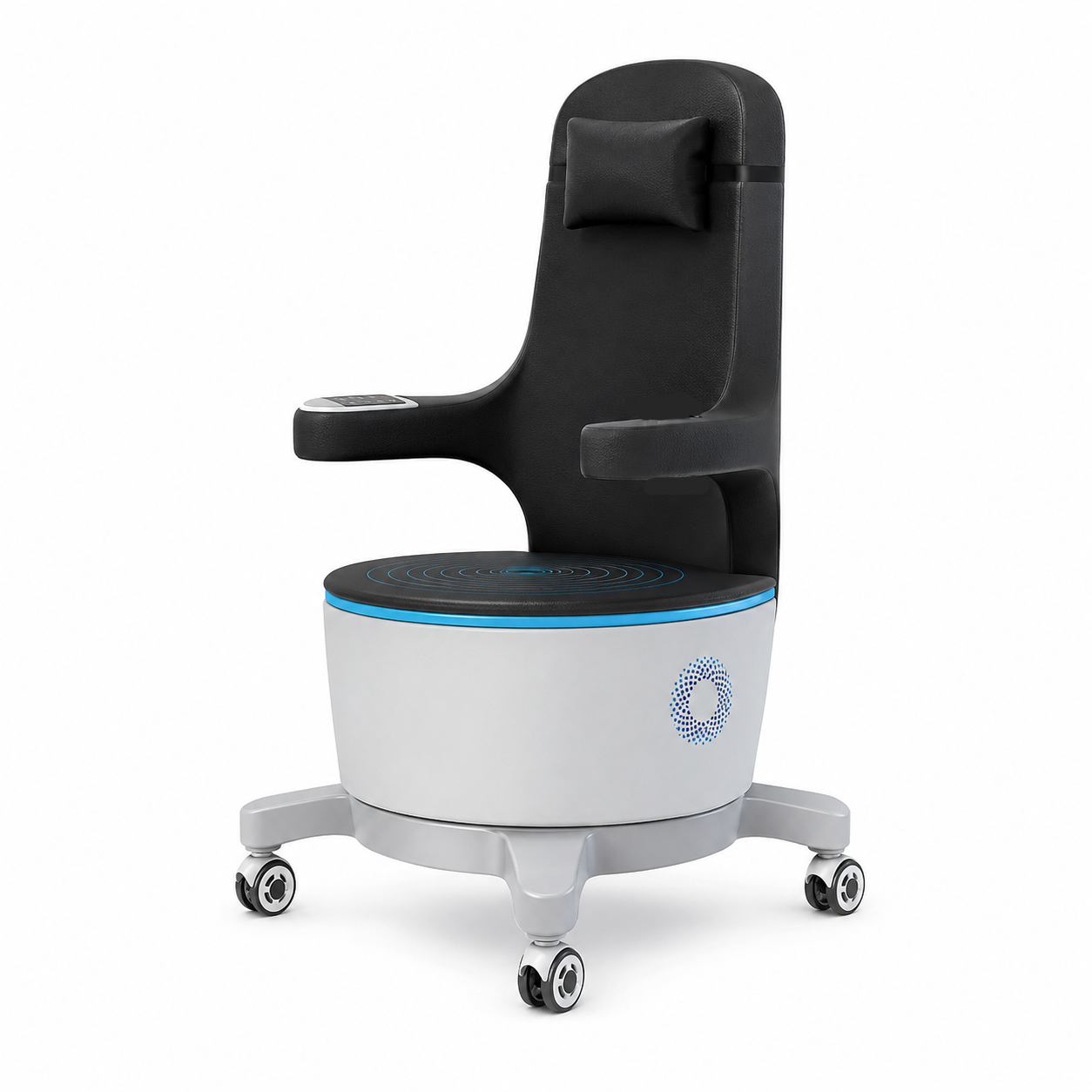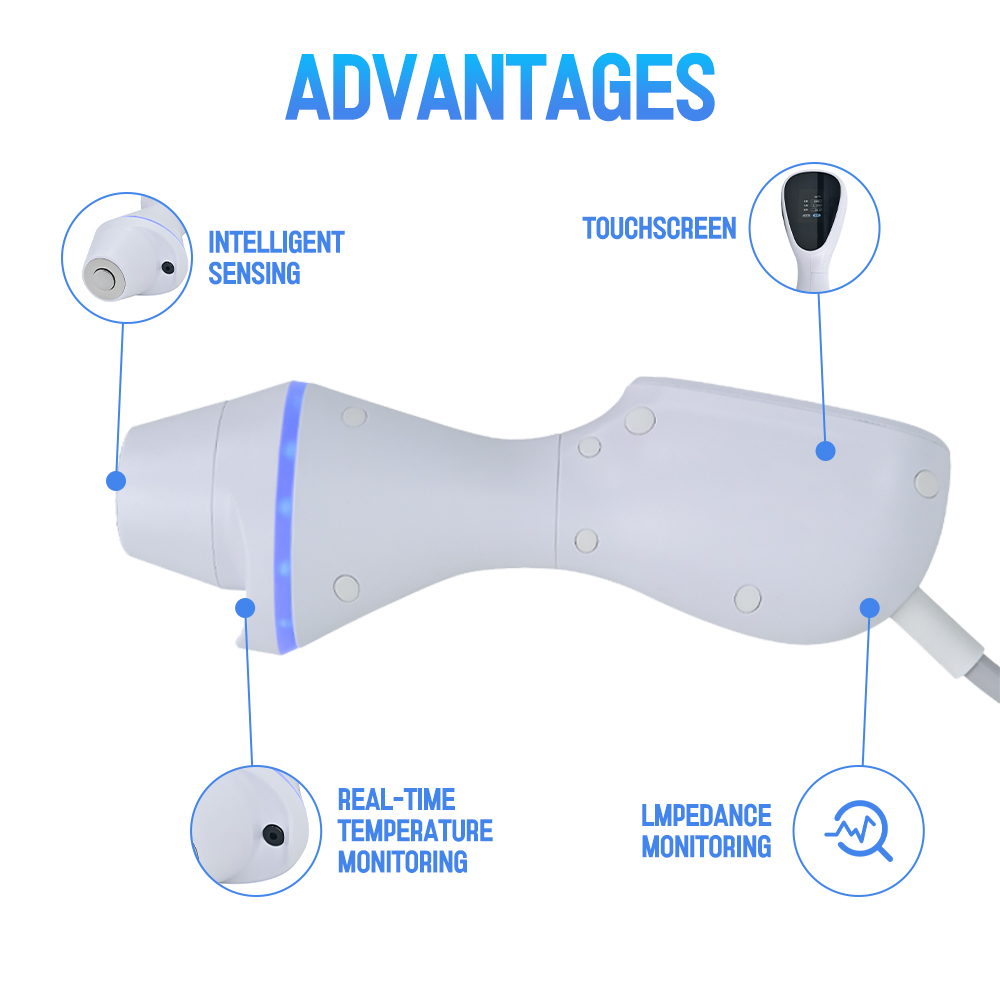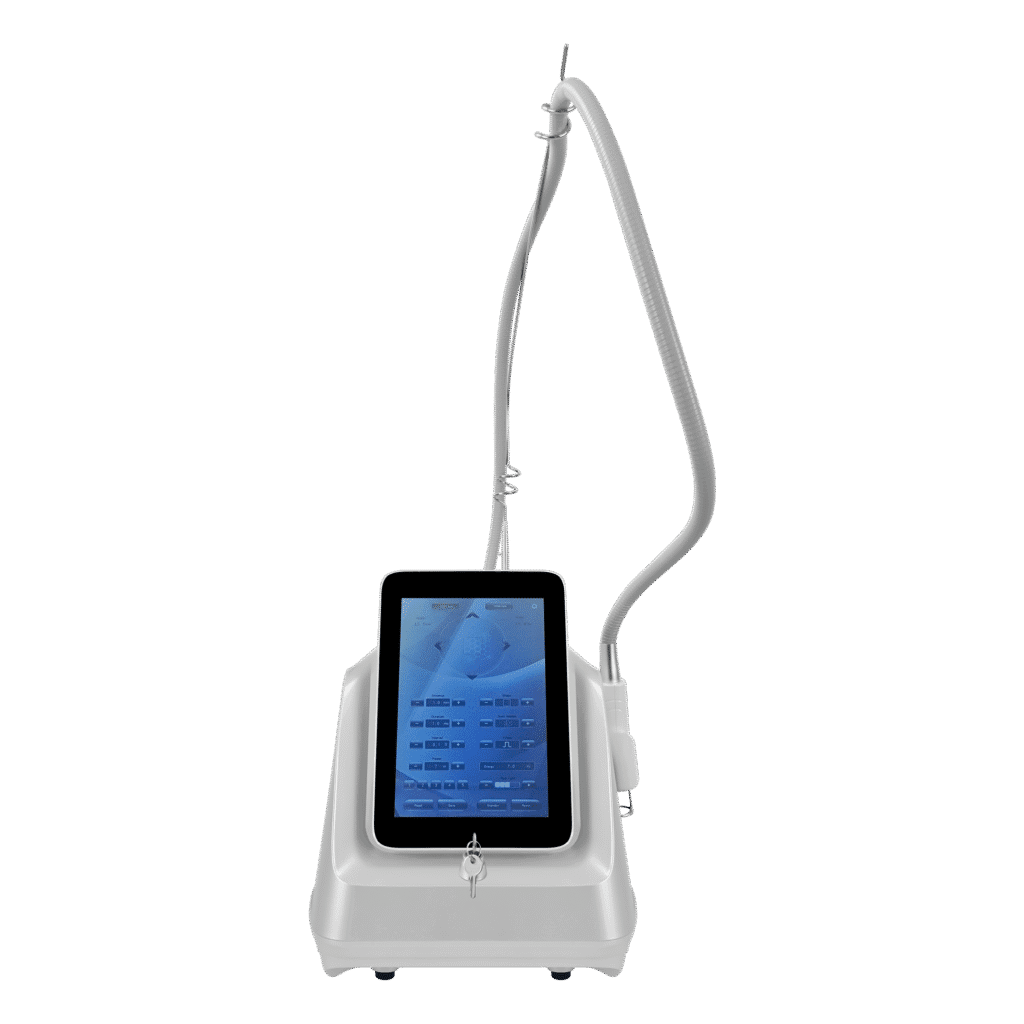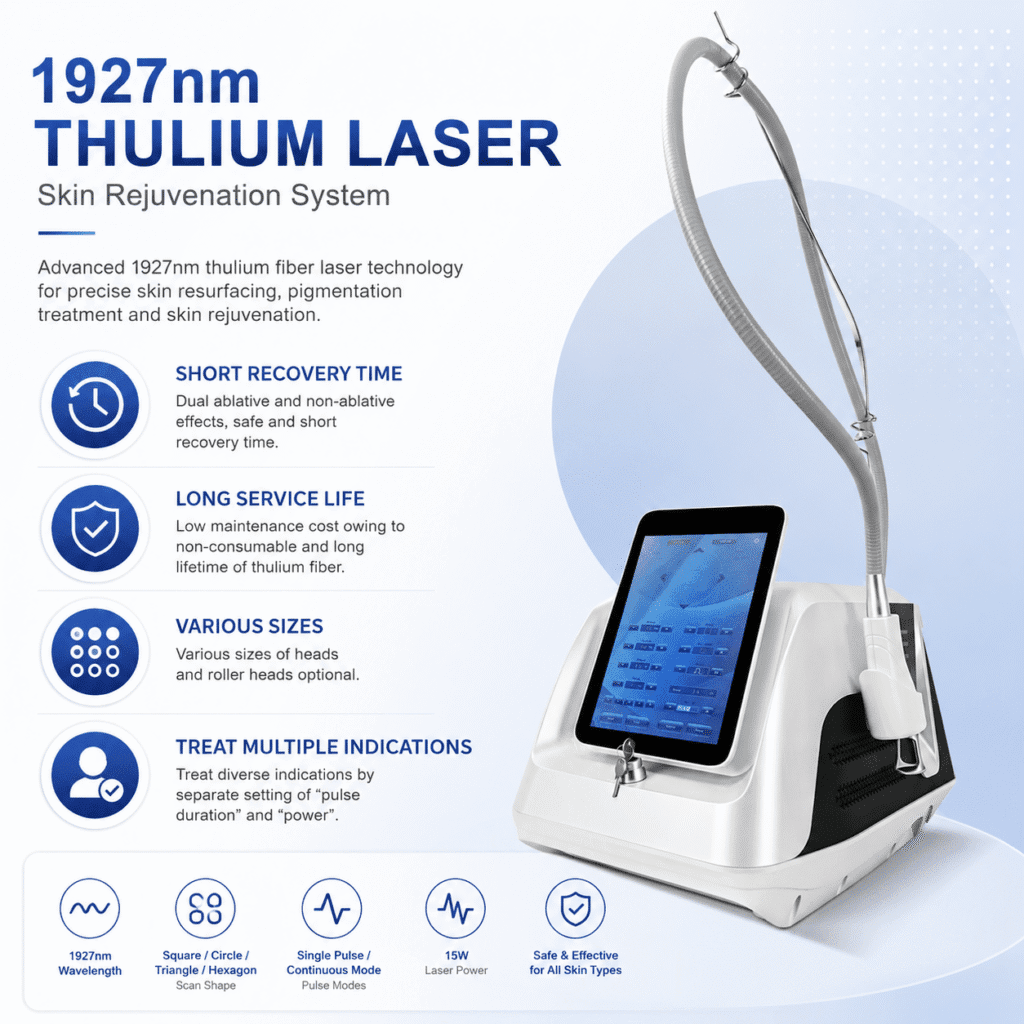







Building a beauty equipment brand involves much more than adding a logo to a machine. Distributors, importers, aesthetic brands, salon groups and clinic networks must decide how much customization they actually need, which product platform can support it, how samples will be approved and how quality, documentation and after-sales support will remain consistent after launch.
SHEFMON’s beauty equipment OEM and ODM service covers several levels of customization. The published service scope includes exterior and mechanical design, product development, engineering prototypes, machine housing, brand logos, system languages, operator interfaces, function configuration and customized instruction manuals. This makes it possible to start with a light private-label project or discuss a more differentiated product with the engineering team.
This guide explains how to choose between OEM and ODM, what to include in a customization brief, how to approve a sample and which commercial, quality and compliance questions to resolve before mass production.
エグゼクティブサマリー
- OEM is normally the practical starting point for a new beauty equipment brand because it adapts an existing platform through branding, localization, documents, packaging or approved configuration choices.
- ODM is suitable when a buyer needs deeper differentiation, such as a new housing, revised internal layout, custom handpiece, different interface flow or engineering changes.
- SHEFMON publicly describes customization of housing shape, color, material finish, logo, screen language, interface graphics, operating flow, selected functions and manuals.
- The factory’s page also describes mechanical work involving airflow, wiring, moisture protection, shock absorption, handpiece connections and structural frames.
- A written product brief should separate cosmetic requests from technical changes. The distinction affects tooling, testing, documentation, cost and schedule.
- A physical sample or prototype should be approved against a controlled checklist before production. Photos alone cannot confirm every function, accessory, label and software detail.
- Quality control for a customized order must verify both the machine and the customization: correct housing, logo, language, interface, accessories, documents and packaging.
- Buyers should confirm model-specific documentation and destination-market responsibilities instead of assuming that a general factory certificate covers every private-label or modified product.
- The strongest launch strategy is staged: validate a standard platform, add essential OEM localization and move into deeper ODM only when market evidence justifies the added complexity.
1. What Is Beauty Equipment OEM?
Beauty equipment OEM usually starts with an established factory platform. The buyer selects a machine and requests a defined set of changes without redesigning the complete product.
Common OEM requests include:
- a private-label logo and model name;
- housing color or surface finish;
- branded startup screen;
- system language and localized interface text;
- labels, cartons, manuals and warranty materials;
- destination-market voltage and plug;
- an approved handpiece or accessory package;
- a consistent visual system across several product categories.
OEM can reduce development time because the main platform already exists. It is still a controlled product project, however. The buyer must approve the exact model, software, accessories, artwork, labels, manual and packing list that will be supplied.
Private labeling is one part of OEM, not the whole process. A machine carrying the buyer’s brand also needs accurate product claims, operator training, warranty communication, spare-parts planning and a clear support route.
2. What Is Beauty Equipment ODM?
Beauty equipment ODM involves a greater level of design or engineering input. The project may begin with an existing platform that needs substantial modification or with a buyer concept that requires feasibility work and prototypes.
Depending on technical feasibility, ODM requests may include:
- a new enclosure or exterior design;
- revised internal component placement;
- changes to cooling, airflow or cable routing;
- different handpiece geometry or balance;
- a customized electrode or connector arrangement;
- revised fluid or air pathways for suitable systems;
- a different operator-interface layout or workflow;
- selected function or operating-mode changes;
- engineering prototypes and small-batch trial production.
Deeper customization creates more differentiation, but it also adds engineering decisions. Tooling, component sourcing, software control, verification, documentation, intellectual property and future change management should therefore be agreed in writing.
3. OEM vs ODM Beauty Equipment
| 意思決定領域 | OEM route | ODM route |
|---|---|---|
| Starting point | Existing beauty machine or product platform | Modified platform or new design concept |
| 標準的な範囲 | Logo, color, language, labels, manual, packaging and approved accessories | Housing, mechanics, handpiece, interface flow, internal layout or selected technical functions |
| Development work | 通常は限定的 | Engineering review, design work and prototypes are more likely |
| ツーリング | Often little or no new tooling | New molds, fixtures or custom parts may be required |
| Sample | Branded or localized sample | Engineering prototype followed by an approval sample |
| ドキュメント | Brand and market documents must match the selected model | Technical and market documents may need broader revision |
| スケジュール | Generally shorter after artwork approval | Longer because design, sourcing and verification are involved |
| 最適なフィット感 | New distributors, regional localization and private-label launches | Established brands with validated demand and a clear product gap |
| Main management risk | Assuming a logo is enough to create a supported product line | Underestimating engineering, validation, tooling and change-control work |
The labels “OEM” and “ODM” are used differently across the industry. A buyer should rely on a written scope rather than the project name alone.
4. Which Customization Level Fits Your Business?
Private-label launch
A new distributor often needs a recognizable brand without changing the underlying platform. A practical first scope may include a logo, nameplate, localized manual, carton label and support contact. This route keeps the approval process focused and allows the buyer to test demand.
Regional localization
Importers selling into several language or power-standard regions may need different screen languages, plugs, voltage configurations, labels and manuals. Each regional version should have a clear configuration code so that ordering, training and service teams can identify it correctly.
Product-family development
An established distributor may want consistent colors, logo placement, interface styling, model naming and documents across facial, body and recovery equipment. The objective is not to make unrelated machines look identical. It is to build a coherent brand while preserving the correct technical identity of each product.
Differentiated ODM platform
ODM becomes relevant when customer feedback reveals a specific unmet need. Examples might include better handpiece storage, a different workflow, improved access for service, a revised enclosure or a carefully defined function package. The buyer should describe the user problem and acceptance criteria rather than asking only for a machine that “looks unique.”
5. SHEFMON Beauty Equipment Customization Capabilities
その SHEFMONのOEM/ODMページ describes customization from appearance and branding to mechanical and engineering work.
Exterior and machine housing design
The published scope includes casing shape, color matching, material finishes, indicator lights and button layout. Housing design should be evaluated for more than appearance. Stability, ventilation, cleaning access, connector placement, handpiece storage and shipping protection all affect daily use.
Logo and brand presentation
SHEFMON describes logo application methods including screen printing, laser engraving and metal plating. The appropriate method depends on the housing material, surface finish, cleaning method and visual goal. Buyers should approve logo dimensions, color, location and production proof before the full order begins.
System language and operator interface
The service page describes multilingual integration and customization of interface layouts, graphics, icons, colors and user flow. Localization should include mode names, units, warnings, alarms, maintenance prompts and manual screenshots—not only the home screen.
Mechanical design
SHEFMON states that its mechanical design work can address circuit-board placement, airflow, moisture protection, internal wiring, shock absorption, electrode interfaces, handpiece connections and structural frames. These changes can affect assembly and reliability, so they require a defined engineering review and approval process.
Engineering prototypes
The page also describes 3D modeling, prototype testing and engineering validation. For relevant technologies, engineering customization may cover handpiece balance, electrode shapes, fluid or air pathways and circuit calibration. A prototype should answer defined questions and record the exact version being evaluated.
Function configuration
The service scope mentions adjustment, addition or removal of selected technologies and operating modes. Any request involving energy delivery, electronics, cooling, alarms or treatment parameters should be treated as a technical change rather than a simple branding request. Feasibility and required testing must be confirmed for the exact project.
Customized instruction manuals
SHEFMON describes branded, multilingual printed or digital manuals. A useful manual needs to match the final screen, accessories, labels and configuration. It should not be copied from a different model merely because the products appear similar.
6. Choosing a Product Category for an OEM Line
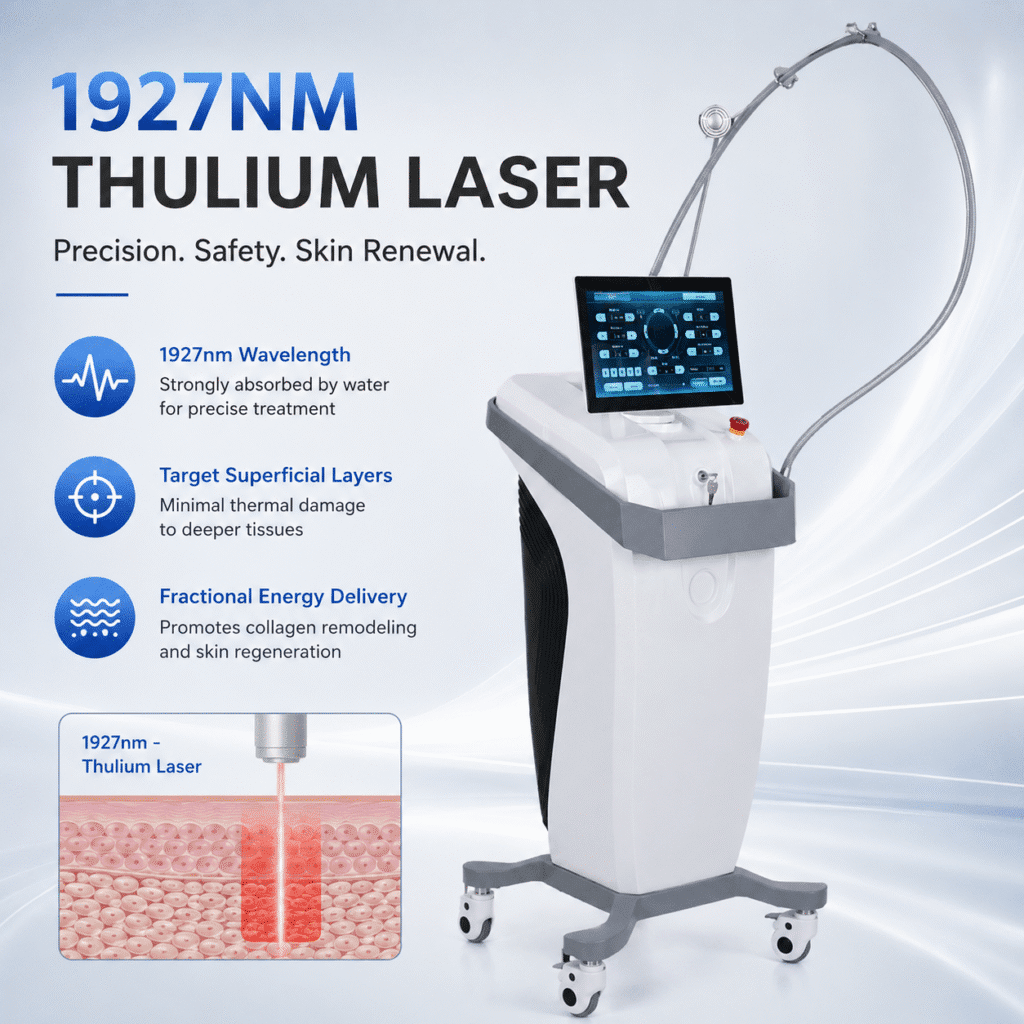
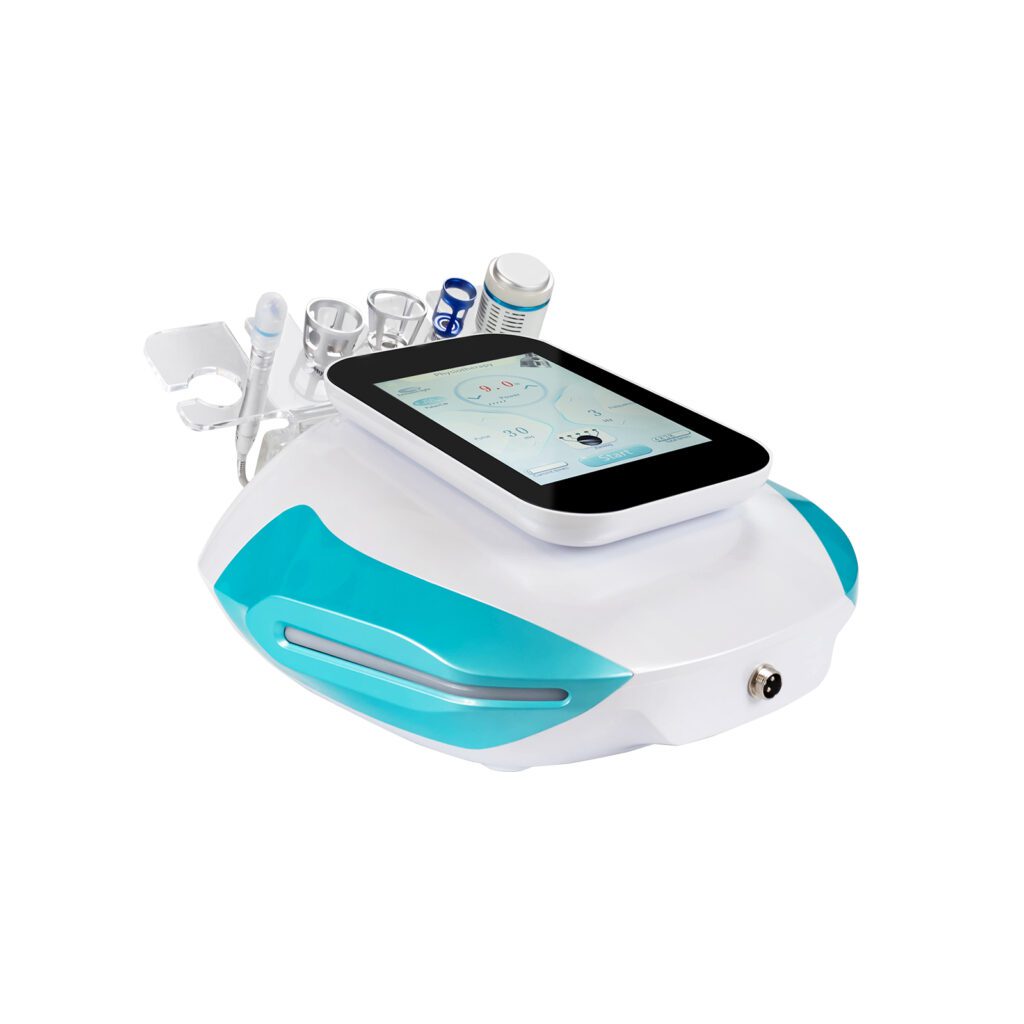
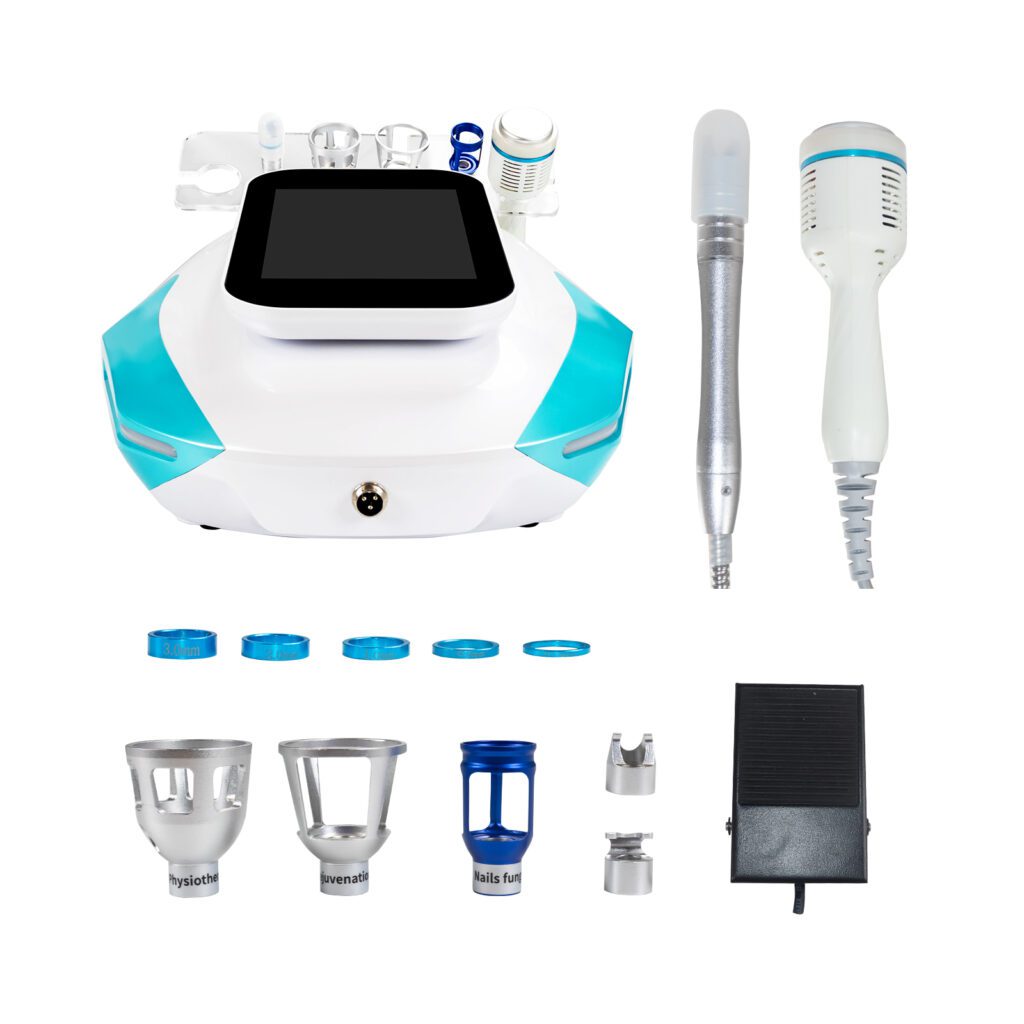
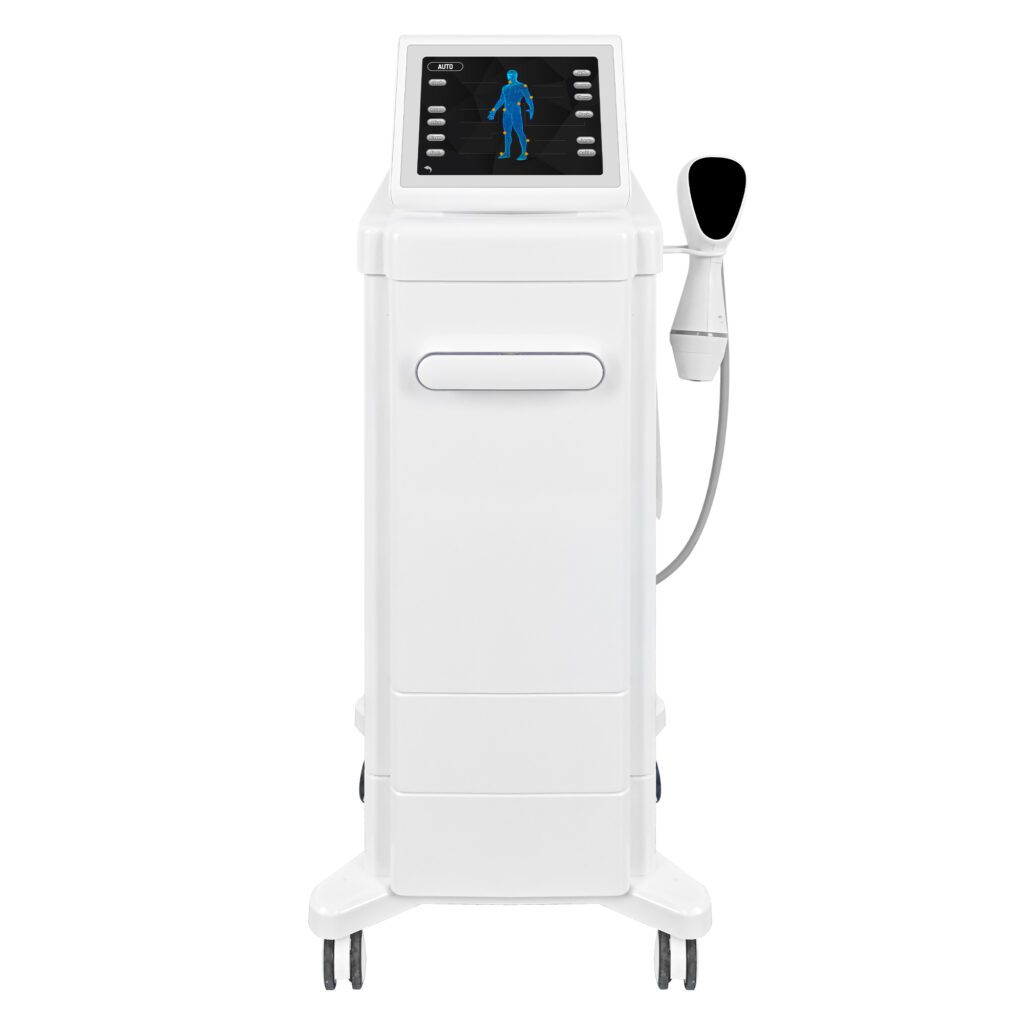
SHEFMON’s current beauty machine portfolio includes categories such as laser and IPL, EMS body shaping, HIFU, roller body care, RF microneedling, shockwave and physiotherapy, cryolipolysis, hydro facial equipment and RF cavitation.
| 製品の方向性 | Practical OEM focus | Questions before deeper ODM |
|---|---|---|
| Hydro facial and multifunction facial systems | Logo, housing color, bottles, tips, language, manual and starter consumables | Will a changed fluid path, pump, handpiece or enclosure require new verification? |
| HIFUプラットフォーム | Branding, language, cartridge package and documents | Are handpiece, cartridge, interface or operating-mode changes technically supported? |
| RFマイクロニードリングシステム | Logo, interface, language, cartridge package and training materials | How will handpiece, electrode, software or energy-control changes be tested? |
| レーザーおよびIPL機器 | Branding, language, approved handpiece options, eyewear and documents | What engineering and market requirements apply to optical, cooling or software changes? |
| 凍結脂肪分解システム | Logo, color, applicator package, language and consumables | How will applicator, cooling-control or internal-pathway changes be validated? |
| EMS body-shaping systems | Housing, handle count, interface, language and accessory package | Will changes to coils, power, RF combinations or modes alter the technical baseline? |
| Roller body-care systems | Color, logo, roller or handpiece package and garments | Do mechanical, motor, vacuum or enclosure changes require new prototypes and durability checks? |
| 衝撃波および回復装置 | Branding, applicator package, language and manuals | How will changes to probes, energy delivery or combined technologies be controlled? |
A focused product line is usually easier to launch and support than a large catalog assembled only for keyword coverage. Select categories that match the target buyer, local operator qualifications, expected service menu and after-sales capacity.
7. The Beauty Equipment OEM and ODM Process
Step 1: Define the market and buyer
State the destination country, sales channel and intended user. A distributor selling to med spas has different training, documentation and service needs from a salon chain standardizing equipment across its own locations.
Step 2: Select the base product
Compare existing models before requesting a redesign. The best base platform should fit the required service role, room workflow, operator level, accessory needs and maintenance capacity.
Step 3: Separate standard options from custom development
List each requested change and ask the manufacturer to classify it as standard, configurable, cosmetic or engineering development. This prevents a housing-color request from being managed like a new function—and prevents a technical change from being treated like simple artwork.
Step 4: Approve the commercial and technical scope
The quotation should identify the exact model, configuration, quantity, customization items, sample or prototype cost, tooling, included accessories, documentation, estimated milestones, payment terms and shipping basis.
Step 5: Review designs and artwork
Approve drawings, renderings, color references, logo files, labels, interface mockups, terminology, manuals and packaging artwork through version-controlled files.
Step 6: Build and evaluate the sample or prototype
Light OEM may use a branded production-intent sample. ODM may need several prototypes for appearance, integration and function. Each build should have a defined purpose and a recorded list of open issues.
Step 7: Confirm production readiness
After corrections and retesting, freeze the approved configuration. The factory and buyer should hold the same references for hardware, software, accessories, labels, documents and packaging.
Step 8: Manufacture, inspect and ship
Production controls should verify the standard machine and all customized details. The SHEFMONの注文プロセス also describes contact, requirement discussion, packaging, shipment, training and after-sales support. Project-specific timing should be confirmed in the quotation because customized orders may not follow the same schedule as stocked products.
8. What to Put in an OEM or ODM Requirement Brief
A clear brief makes feasibility and quotation discussions more useful. Include:
- company, country and main sales channel;
- target customers and intended professional setting;
- selected product category or preferred base model;
- planned service role and approved marketing position;
- trial quantity and estimated repeat-order volume;
- required voltage, plug and system language;
- brand files, color references and model-name rules;
- requested interface and workflow changes;
- handles, cartridges, tips, garments, consumables and accessories;
- packaging and carton requirements;
- manual, quick-start and training requirements;
- destination-market document questions;
- desired sample and launch milestones;
- warranty, repair, spare-parts and consumables expectations.
For every requested feature, state why it matters and how acceptance will be judged. “Add a premium interface” is subjective. “Use the approved brand colors, display the specified language and keep the confirmed warning and parameter screens” is testable.
9. How to Approve a Beauty Machine Sample
A sample is the physical reference for production. Approval should cover the complete deliverable rather than appearance alone.
| Approval area | Items to confirm |
|---|---|
| 製品アイデンティティ | Model name, serial-label format, configuration and software version |
| 外観 | Housing, color, finish, logo method, logo position and surface condition |
| Electrical configuration | Voltage, plug, cable, fuse information and supplied adapters where applicable |
| インタフェース | Language, startup screen, icons, units, modes, warnings and error messages |
| 機能 | Every approved handpiece, applicator, button, mode and safety control |
| アクセサリー | Exact quantity, compatibility, holders, protective items and consumables |
| 文書 | Manual, quick guide, packing list, warranty information and training files |
| パッケージ | Inner protection, accessory placement, carton labels and shipping marks |
| Service readiness | Spare-parts list, fault-reporting route and replacement instructions |
Record discrepancies with photos, videos and revision numbers. After corrections, approve a final specification and packing list. When practical, retain a reference unit from the approved configuration.
10. Quality Control for Customized Beauty Equipment
Customization creates additional points where an otherwise functional machine can be wrong. A unit may pass a basic power test but still carry the wrong language, logo, accessory package or manual.
その SHEFMON品質管理ページ describes raw-material inspection, circuit-board aging and power testing, computer burn-in, assembly checks, functional aging and multiple mechanical inspections. For an OEM or ODM order, these controls should connect to the approved custom specification.
The order-specific inspection plan should check:
- correct housing parts, colors and surface finish;
- approved logo, nameplate and labels;
- controlled board, component and software versions;
- wiring, connectors, airflow and mechanical fit;
- correct language and interface package;
- operation of every supplied handpiece and accessory;
- alarms, buttons and safety-related controls;
- manual, packing list and carton identity;
- packaging protection and shipment configuration.
Ask what evidence will be provided before shipment. Depending on the order, this may include inspection records, configuration photos, function videos, serial lists or an agreed third-party inspection.
11. Documentation, Claims and Destination-Market Responsibilities
Private labeling changes how a product is presented in the market. A deeper ODM change may also affect the technical basis on which the device was evaluated. Before approval, the buyer and manufacturer should define:
- the legal manufacturer shown on the product and documents;
- the private-label brand and model identity;
- intended use and permitted marketing claims;
- destination countries and required languages;
- which certificates or test reports apply to the exact model and configuration;
- importer, representative or distributor responsibilities;
- required labels, warnings and instructions;
- complaint, repair and safety-escalation processes;
- how product changes will be communicated after launch.
Do not assume that a certificate shown for one model automatically covers a renamed, reconfigured or redesigned product. The required evidence depends on the product, intended use and destination market. Buyers should obtain qualified regulatory guidance where the equipment is subject to medical-device or other market-specific rules.
Marketing claims also need discipline. The ability to customize a mode, accessory or interface does not by itself prove a clinical outcome. Product pages, training materials and distributor advertising should remain consistent with the approved device information and available evidence.
12. Commercial Terms That Need Written Agreement
最小注文数量
There is no meaningful single MOQ for every customization type. A logo, custom carton, screen language, molded enclosure and new engineering project may each have different minimum quantities. Ask for separate sample, trial-order and repeat-order terms.
Tooling and development fees
Confirm which costs cover design, prototype parts, molds, fixtures, software, testing and samples. The agreement should state whether the fee is refundable, credited to production or paid once.
Ownership and exclusivity
Define who owns the logo files, appearance design, molds, drawings, custom software and newly developed components. If exclusivity is important, specify the product, territory, duration, volume commitments and exceptions.
変更管理
Repeat orders should not drift from the approved sample. Agree how component substitutions, firmware updates, interface changes and document revisions will be reviewed and communicated.
Warranty and service
Confirm the written warranty scope, excluded items, diagnostic process, return or repair route, parts availability and responsibility for shipping costs. A distributor should also decide what it will handle locally and what must be escalated to the factory.
13. Training, Spare Parts and After-Sales Support
The finished product is only one part of a commercial equipment line. Buyers also need a support system that can continue after the first shipment.
その SHEFMON ordering and service process describes live or in-person instruction, tutorial videos, inspection of returned items, repair and contact with after-sales staff. For a customized project, confirm the exact support package in writing.
Training should distinguish three audiences:
- sales teams need accurate product positioning and configuration information;
- operators need setup, use, cleaning and routine-maintenance instruction;
- service personnel need fault-reporting rules, approved replacement steps and parts identification.
A starter support kit may include frequently used consumables, wear parts, fuses, filters, cables or other model-specific items recommended by the manufacturer. The correct list depends on the equipment and should match the service capability of the buyer.
14. Common OEM and ODM Mistakes
- Choosing a product because it looks attractive before confirming the target user and service role.
- Requesting too many product categories before building training and service capacity.
- Approving only a logo mockup instead of a complete production-intent sample.
- Using automatic translation for warnings and technical interface terms without expert review.
- Treating a changed function, handpiece or internal layout as a cosmetic update.
- Failing to identify who owns molds, design files and customized software.
- Accepting a general certificate without checking the exact model and configuration.
- Launching sales materials before the manual, accessory list and software are frozen.
- Ordering no spare parts or consumables with the first shipment.
- Allowing repeat orders to change without documented approval.
- Promising treatment outcomes that the approved product evidence does not support.
15. How to Evaluate a Beauty Equipment OEM Manufacturer
A strong supplier discussion should produce specific answers rather than general assurances.
Ask the manufacturer to explain:
- which existing platform fits the project and why;
- which requested changes are standard, configurable or newly engineered;
- how drawings, software, artwork and samples are approved;
- what prototype stages are required;
- how custom parts and software versions are identified;
- which inspections are performed before shipment;
- what model-specific documents are available;
- how nonconforming units and repeat-order changes are controlled;
- which training, repair and spare-parts support is included;
- who will manage technical questions after delivery.
SHEFMON states that it has manufactured beauty equipment since 2014 and describes a 10,000-square-meter facility with design, engineering, production and quality capabilities. Buyers should still evaluate the exact team, model and project controls that will apply to their order.
16. A Lower-Risk Launch Strategy
| ステージ | Recommended scope | Decision before moving forward |
|---|---|---|
| 1. Platform validation | Test a standard sample and assess operator, customer and service fit | Does the category solve a real market need? |
| 2. Light OEM | Add logo, nameplate, labels, manual and packaging | Can the buyer support the branded product consistently? |
| 3. Localization | Add approved language, interface branding, plug, voltage and regional documents | Are regional sales and support requirements stable? |
| 4. Product-family system | Standardize colors, naming, documents, training and service across selected categories | Is there enough demand to manage several products? |
| 5. ODM development | Develop a justified housing, mechanical, handpiece, interface or function change | Does the differentiation justify engineering, tooling and validation? |
This staged approach allows the brand to learn from real users before committing to expensive development. ODM should solve a documented product or workflow problem, not simply make the catalog appear different.
17. What to Send in Your First SHEFMON Inquiry
Before contacting the factory, prepare a short project brief containing:
- target country and customer group;
- preferred beauty equipment category or base model;
- intended professional setting and service role;
- required branding, color and model naming;
- system language, voltage and plug;
- interface, handpiece, accessory and consumable requirements;
- packaging and documentation needs;
- estimated sample, trial and repeat quantities;
- desired milestones;
- compliance questions for the destination market;
- training, warranty, repair and spare-parts expectations.
使用する SHEFMON連絡先ページ to request feasibility feedback and separate quotations for the sample, customization, tooling, production and shipping. A precise brief helps both sides identify what is already available and what requires engineering work.
よくある質問
1. Does SHEFMON offer private-label beauty equipment?
Yes. SHEFMON’s OEM/ODM page describes logo, housing, color, system language, interface, function and manual customization. The available options, cost and minimum quantity depend on the selected model and scope.
2. What is the difference between OEM and private label?
Private label usually refers to selling a product under the buyer’s brand. OEM is broader and can include the logo, product identity, language, packaging, manuals, approved configuration and other factory changes to an existing platform.
3. When should a buyer choose ODM instead of OEM?
Choose ODM when the market requires meaningful design or engineering differentiation that a standard platform cannot provide. The buyer should have validated demand, a clear problem statement, acceptance criteria and budget for prototypes, tooling and verification.
4. Can SHEFMON customize the machine housing and color?
The published service scope includes casing shape, color, material finish, indicator lights, button layout and machine-housing design. Structural changes may require engineering review, tooling and prototype approval.
5. Can the software language and interface be customized?
SHEFMON describes multilingual system integration and customization of interface layout, graphics, icons, colors and user flow. Buyers should approve the complete terminology, warnings, units, screenshots and software version.
6. Can functions and handpieces be customized?
The OEM/ODM page describes selected function, electrode, handpiece and pathway customization. Feasibility varies by technology and model. Changes affecting energy delivery, electronics, cooling, alarms or intended use require technical review and appropriate testing.
7. What is the MOQ for beauty equipment OEM orders?
MOQ depends on the machine and customization. Logo application, packaging, custom colors, language, tooling and engineering work may have different minimums. Request separate terms for a sample, trial order and repeat production.
8. How long does a beauty equipment OEM or ODM project take?
The schedule depends on the base model, artwork, localization, design work, prototype rounds, testing, documentation, production and shipping. Confirm milestones after the requirements and approval gates are defined.
9. What should be checked before mass production?
Approve the exact hardware, software, language, accessories, logo, labels, manual, packing list and packaging. Close prototype issues, confirm order-specific quality checks and verify which documents apply to the destination market.
10. How can a distributor start an OEM project with SHEFMON?
Send the target market, customer type, product category, base model preference, quantities and a written list of branding, localization, accessory, documentation and support needs. SHEFMON can then review feasibility and prepare project-specific terms.
結論
Beauty equipment OEM gives distributors and professional brands a practical way to create a localized product line from an existing platform. ODM goes further by introducing exterior, mechanical, interface, handpiece or selected technical development. The correct route depends on the market problem, available evidence, development budget and ability to support the finished product.
SHEFMON’s published capabilities cover the main stages of a customization project, from exterior and mechanical design to prototypes, branding, language, interface, functions, manuals, production and quality control. A successful project turns those capabilities into a controlled specification, an approved sample and a repeatable support system.
現状を確認する SHEFMON OEM and ODM capabilities, explore the beauty machine portfolio そして シェフモンに連絡してください with a detailed brief to confirm the suitable base model, customization scope, MOQ, schedule, documentation and after-sales plan.