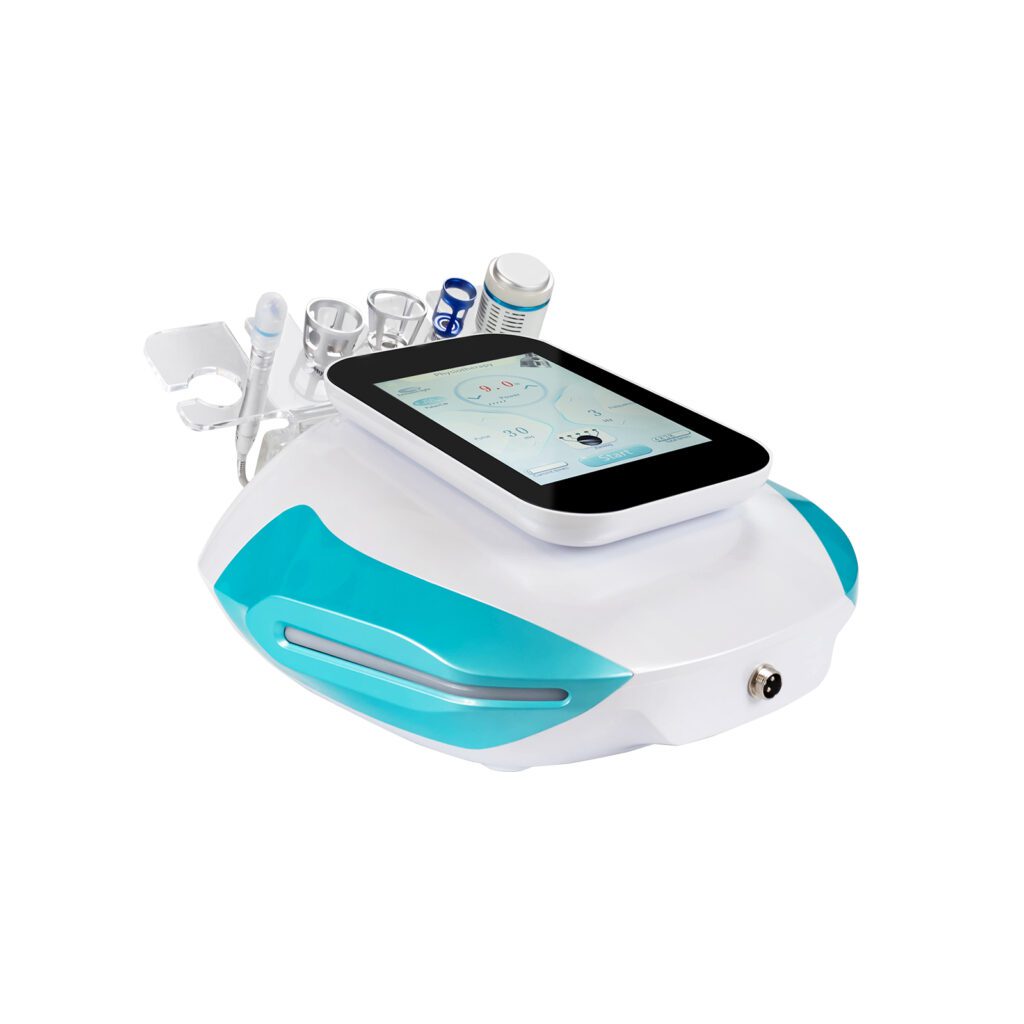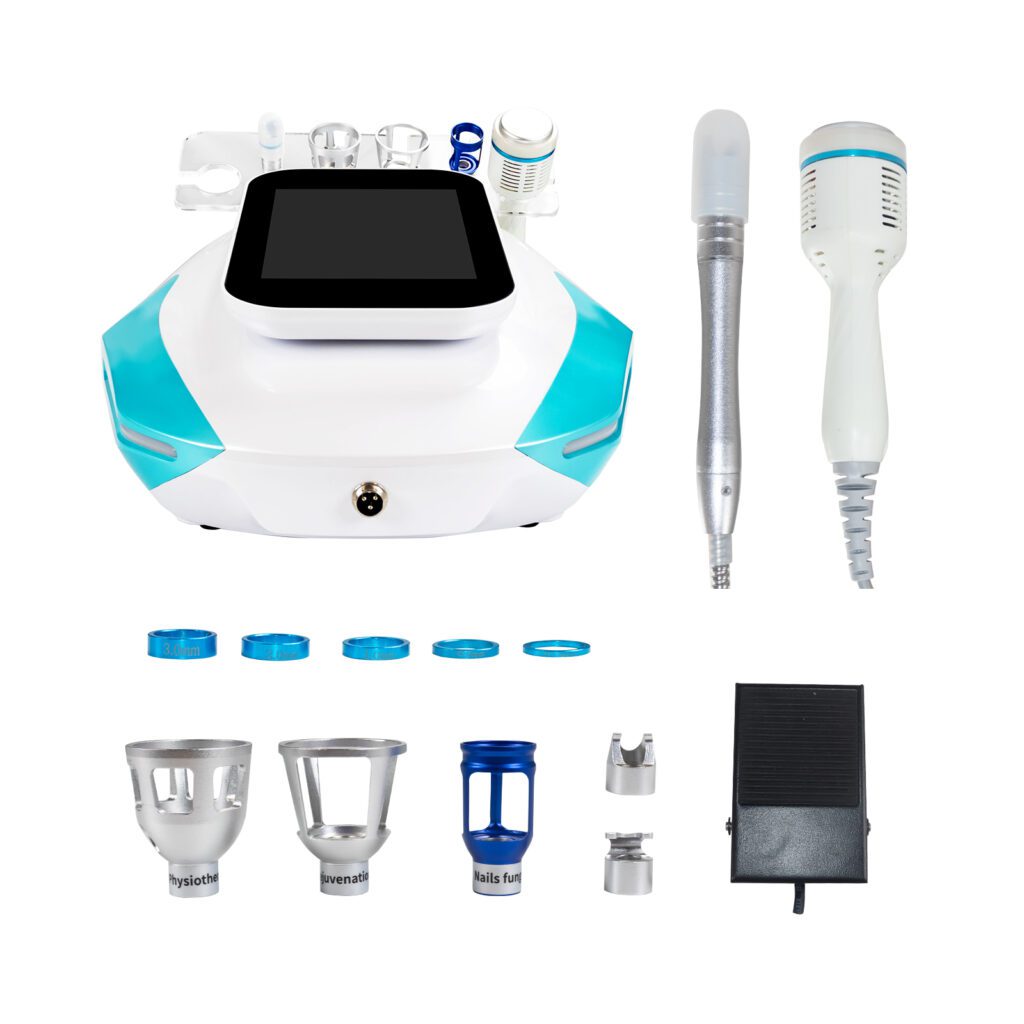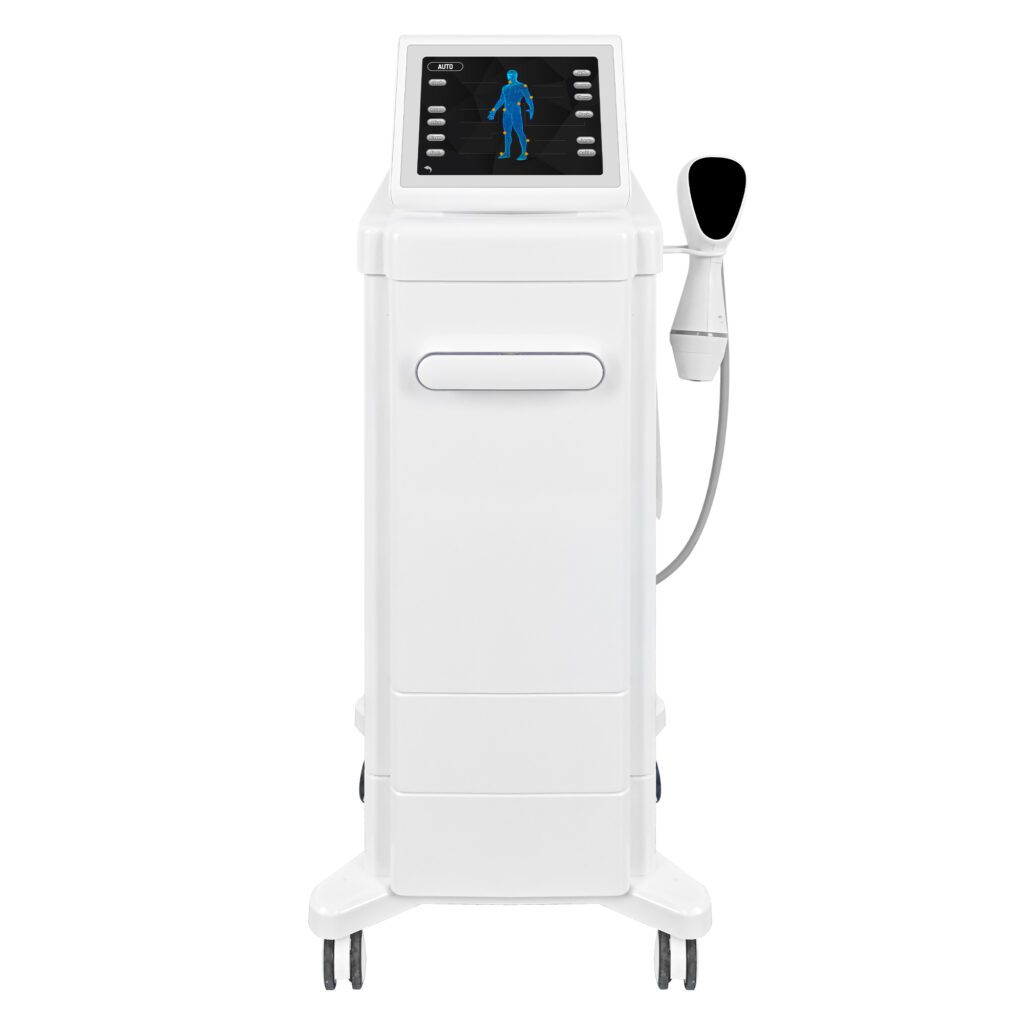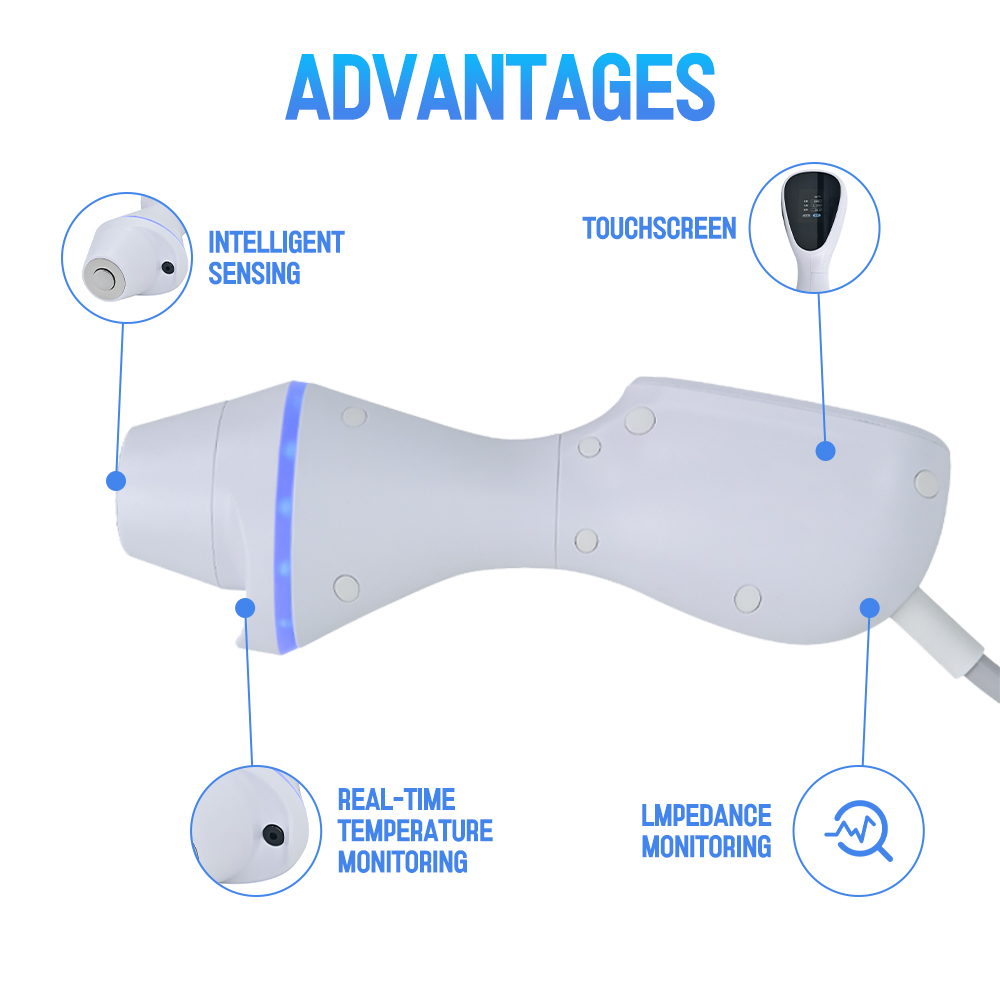
Choosing a professional beauty machine supplier is not the same as choosing one attractive device. Salons, clinics, body centers, wellness businesses and regional distributors need a supplier that can define the exact configuration, explain the technology, provide consistent product information, support customization when needed, document quality controls and remain available after delivery.
シェフモン presents itself as a beauty equipment designer and manufacturer established in 2014, with standard equipment and OEM/ODM services across facial care, lasers, HIFU, RF microneedling, body contouring, muscle stimulation and physiotherapy-related categories. For global aesthetic businesses, the important question is how those capabilities translate into a controlled purchasing process.
This guide explains what a professional beauty machine supplier should provide from the first enquiry through configuration confirmation, sample review, production, inspection, shipment, training, after-sales service and repeat orders. It also shows how buyers can evaluate SHEFMON without relying on unverified promises or treating one certificate as proof for every product.
エグゼクティブサマリー
- A professional supplier should match equipment to the buyer’s business model, local scope, target services and support capacity before recommending a model.
- SHEFMON’s public portfolio covers facial, laser, HIFU, RF microneedling, cryolipolysis, EMS, roller body care, shockwave and related equipment categories.
- Standard products, configured products and OEM/ODM developments require different quotation, approval and production processes.
- Public quality information is a starting point. Buyers should request evidence for the exact model, configuration, batch and destination market.
- Product name, handpieces, wavelength or energy options, voltage, plug, language, software, accessories, consumables, manuals, labels and packaging should be frozen before payment and production.
- Global buyers should verify local device classification, import requirements, operator scope and approved claims rather than relying on generic statements about compliance.
- Training, troubleshooting, spare parts and warranty procedures should be defined in writing before the machine ships.
- The strongest supplier relationship uses controlled product records, approved samples, change management and repeat-order consistency.
1. What Makes a Beauty Machine Supplier Professional?
A professional supplier does more than send a price list. It helps the buyer turn a business requirement into a clearly defined product order.
That process includes:
- understanding whether the buyer is a salon, clinic, body center, physiotherapy business, brand owner or distributor;
- identifying the intended service category and operator qualifications;
- recommending a suitable technology rather than the model with the longest feature list;
- confirming the exact standard and optional configuration;
- explaining electrical, room, consumable and maintenance requirements;
- providing accurate product, manual and marketing information;
- documenting customization and approval responsibilities;
- maintaining inspection, shipment and after-sales records;
- controlling changes between samples and bulk orders;
- supporting repeat orders with consistent model identification.
The supplier should also be willing to say when a device is unsuitable for the buyer’s market or professional scope. A sale that creates regulatory, training or service problems is not a strong long-term supply relationship.
2. SHEFMON as a Professional Beauty Machine Supplier
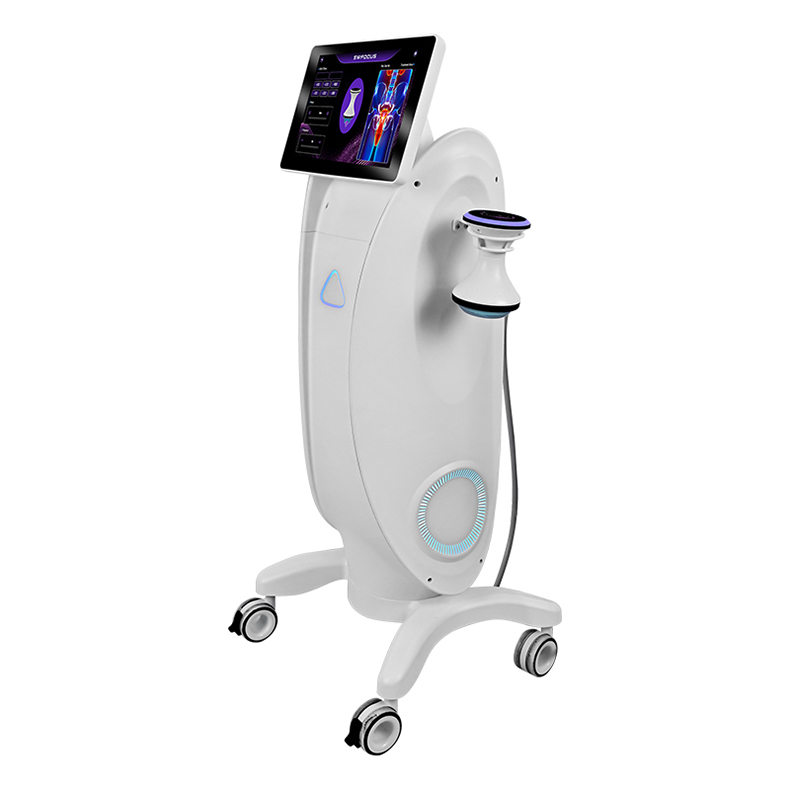
現在 SHEFMON About page states that the company was founded in 2014 and works in beauty machine design, production and OEM/ODM. Its public beauty machine portfolio includes categories for cryolipolysis, EMSlim, Endos Velapro, HIFU, Hydra, laser and IPL, MNRF microneedling, RF cavitation, shockwave and physiotherapy, hair removal and several application-based groups.
For a global buyer, product breadth is useful only when it is organized into a manageable purchasing plan. A distributor may need a foundation range and selected specialist systems. A small salon may need one facial platform and a realistic upgrade path. A clinic may need fewer devices but more detailed technical documents, training and consumable control.
SHEFMON’s role as supplier should therefore be evaluated in five areas:
- product-range fit;
- configuration accuracy;
- OEM/ODM and branding control;
- quality and release evidence;
- training, service and repeat-order support.
3. Product Range for Different Aesthetic Businesses
The product line should be presented by buyer need and working principle, not as one unstructured catalog.
| 購入者タイプ | Relevant equipment direction | Representative SHEFMON example | Main purchasing question |
|---|---|---|---|
| Facial salon or skin-management center | Hydro facial and multifunction skin care | A0648 ハイドロマイクロダーマブレーションマシン | Can the salon manage the handpieces, solutions, cleaning and daily service workflow? |
| Hair-removal studio or qualified clinic | ダイオードレーザー脱毛 | A0426 多波長ダイオードレーザー | Which wavelengths, spot size, power, cooling and handpiece configuration are actually included? |
| Aesthetic clinic or med spa | RFマイクロニードリング | A0157 MNRF 深度 8 | Does the clinic have the professional scope, infection-control process and cartridge supply? |
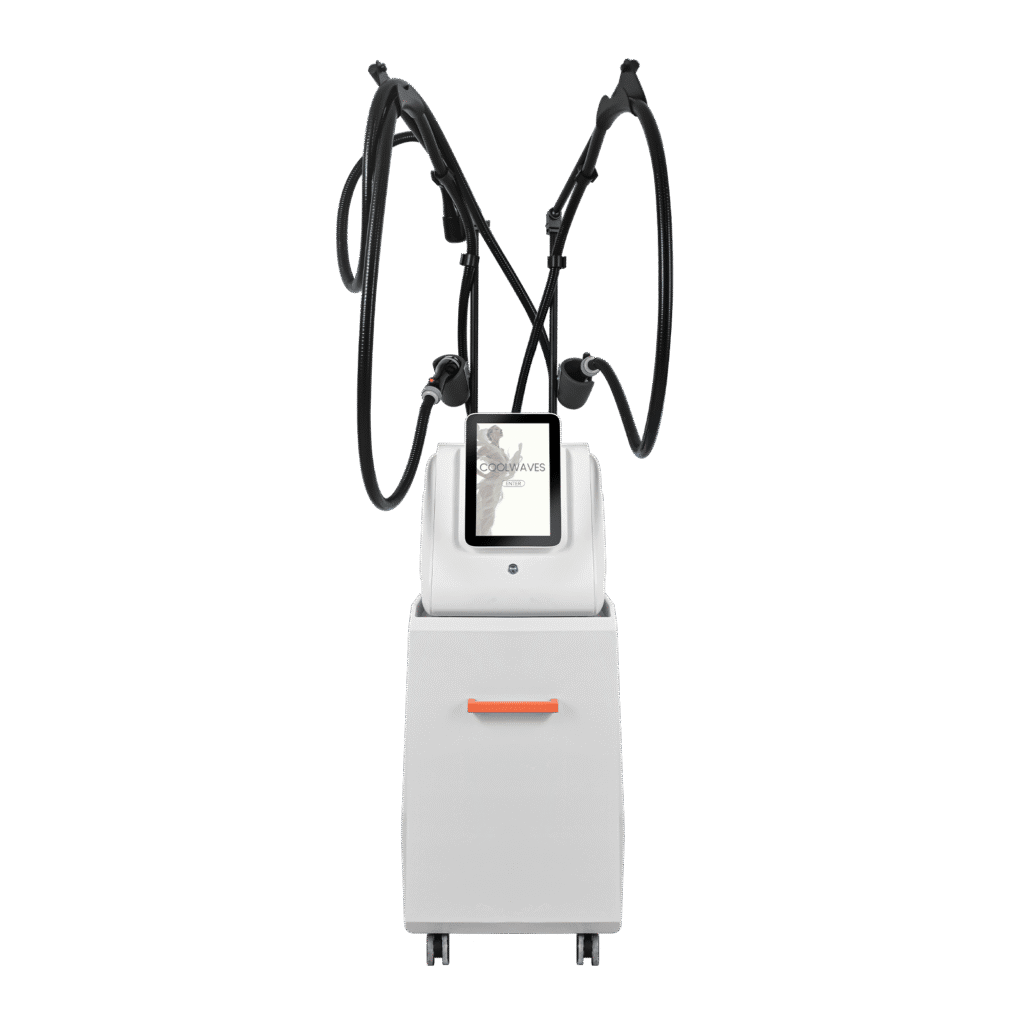
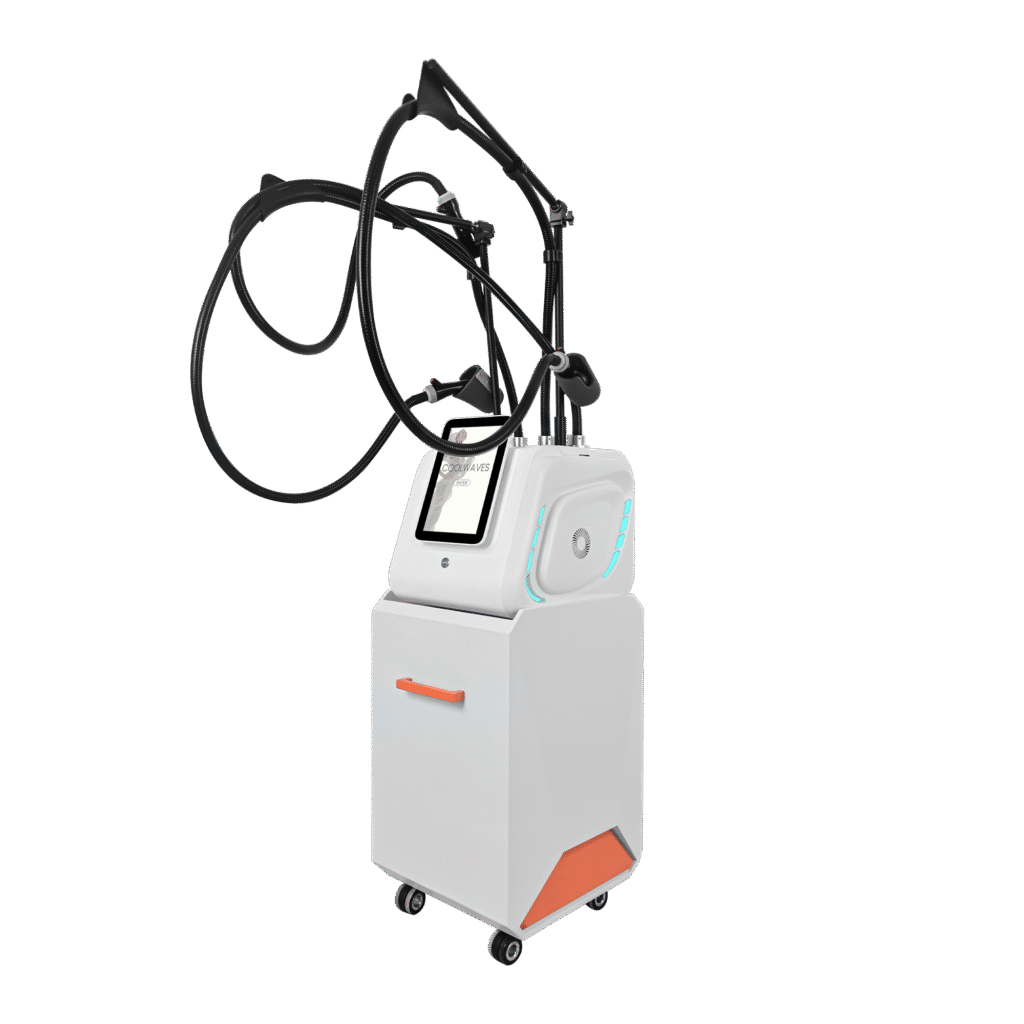
| ボディコンタリングセンター | Controlled cooling | S9クライオリポリシスシステム | Which applicators, membranes, cooling controls and room workflow are required? |
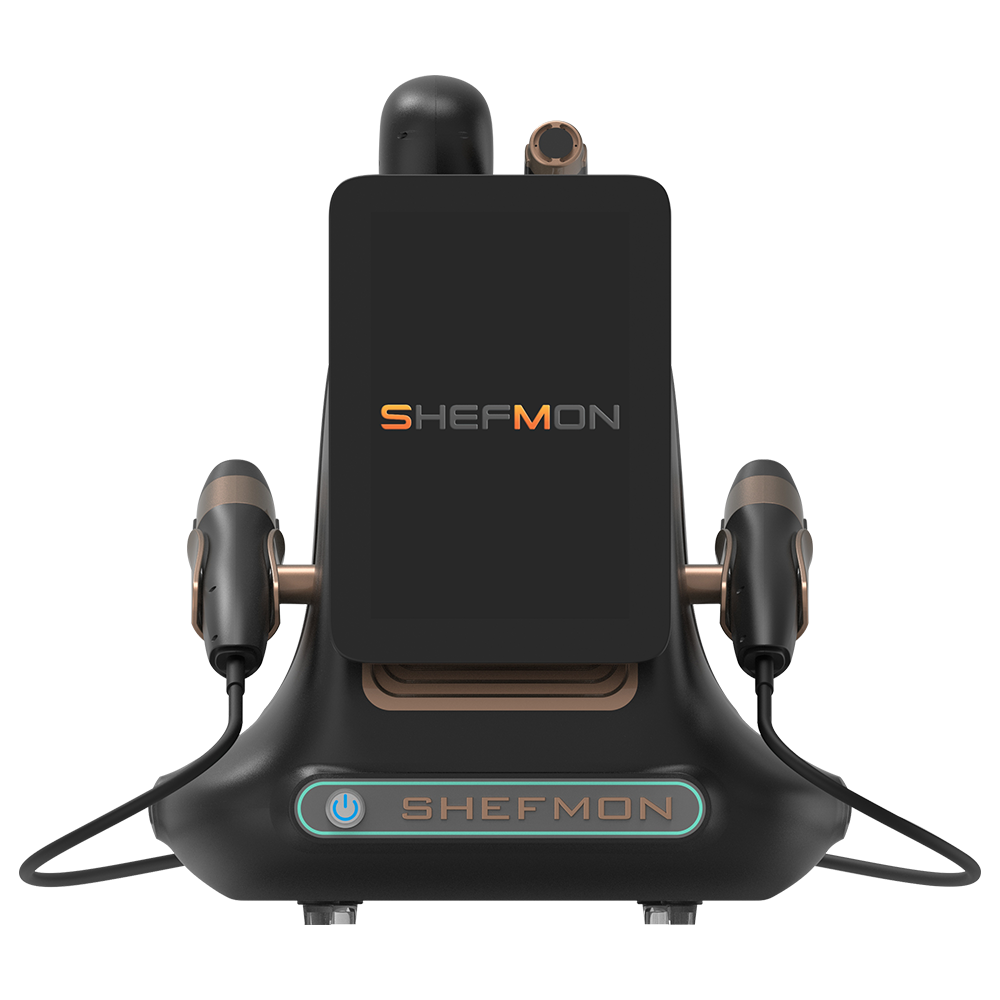
| Body-sculpting or wellness business | 高周波による電磁刺激 | A0241 RF EMS body system | Which handles and options are standard, and what screening and monitoring are needed? |
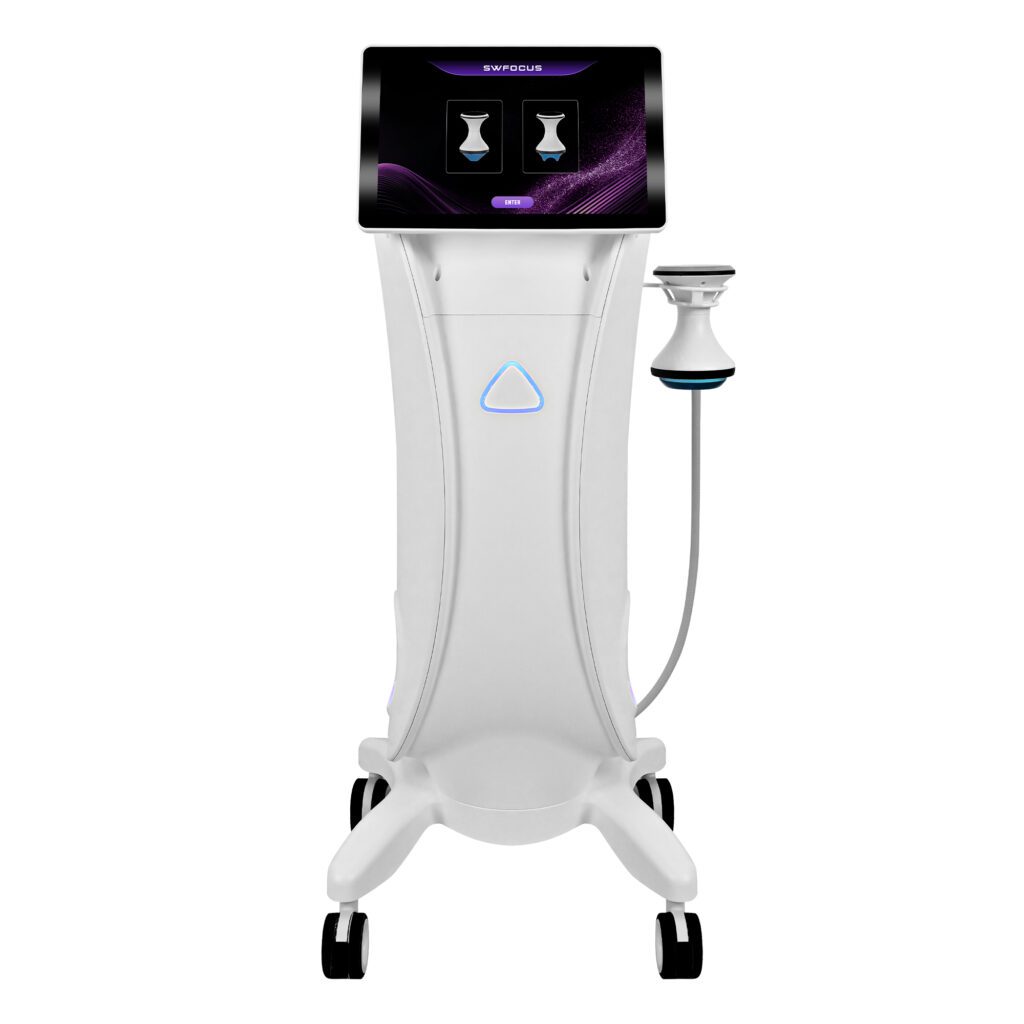
| Physiotherapy or recovery clinic | 集中衝撃波 | SW33集束型衝撃波発生装置 | Does the model, probe range and clinical governance match the intended use? |
These examples demonstrate portfolio breadth; they are not a recommendation that every buyer should order all six systems. A professional supplier should narrow the range according to the buyer’s actual business.
4. Functional Principles Matter to Supplier Selection
A supplier that handles several equipment categories must understand that each technology creates a different product and support burden.
Fluid, suction and multifunction facial systems
Hydro facial platforms combine liquid pathways, pumps, suction, bottles, filters and multiple handpieces. Supplier support should cover compatible solutions, cleaning, flushing, seals, tubing and replacement components.
Optical and laser systems
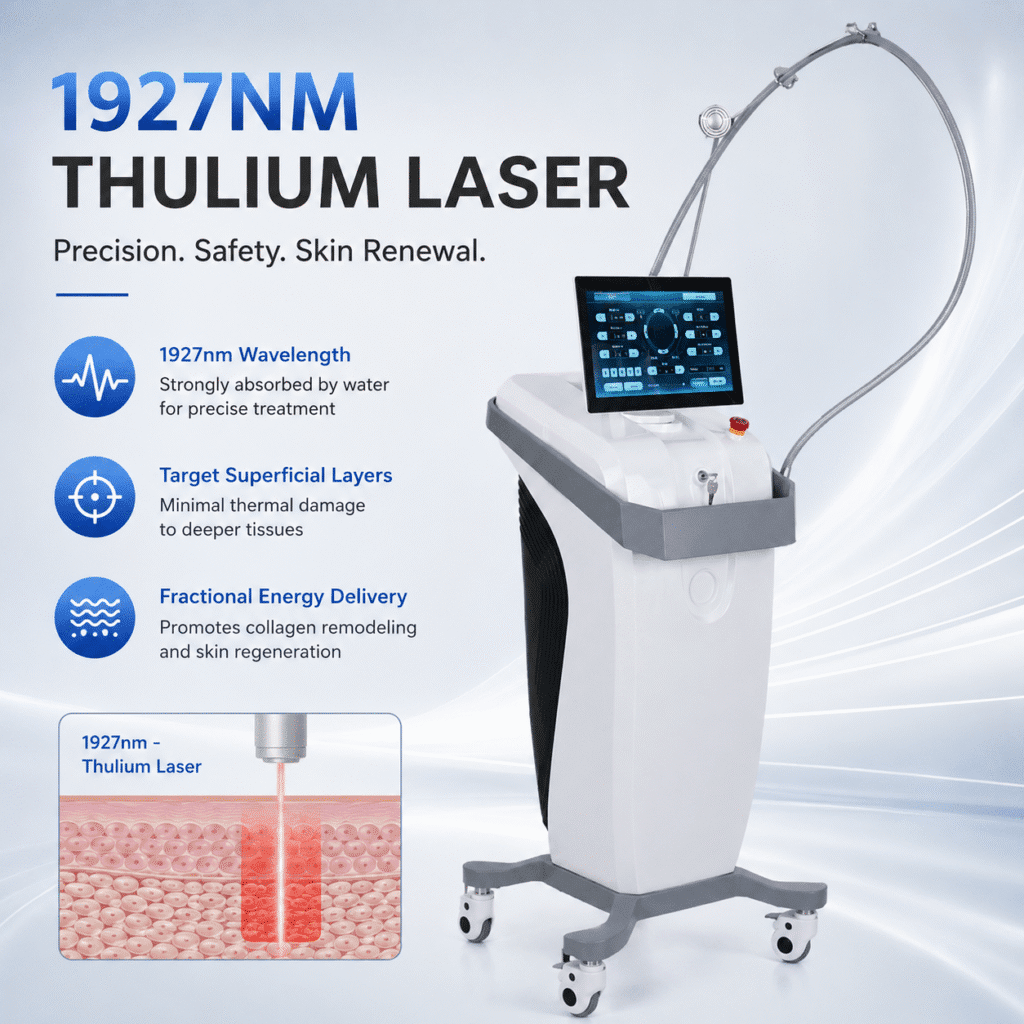
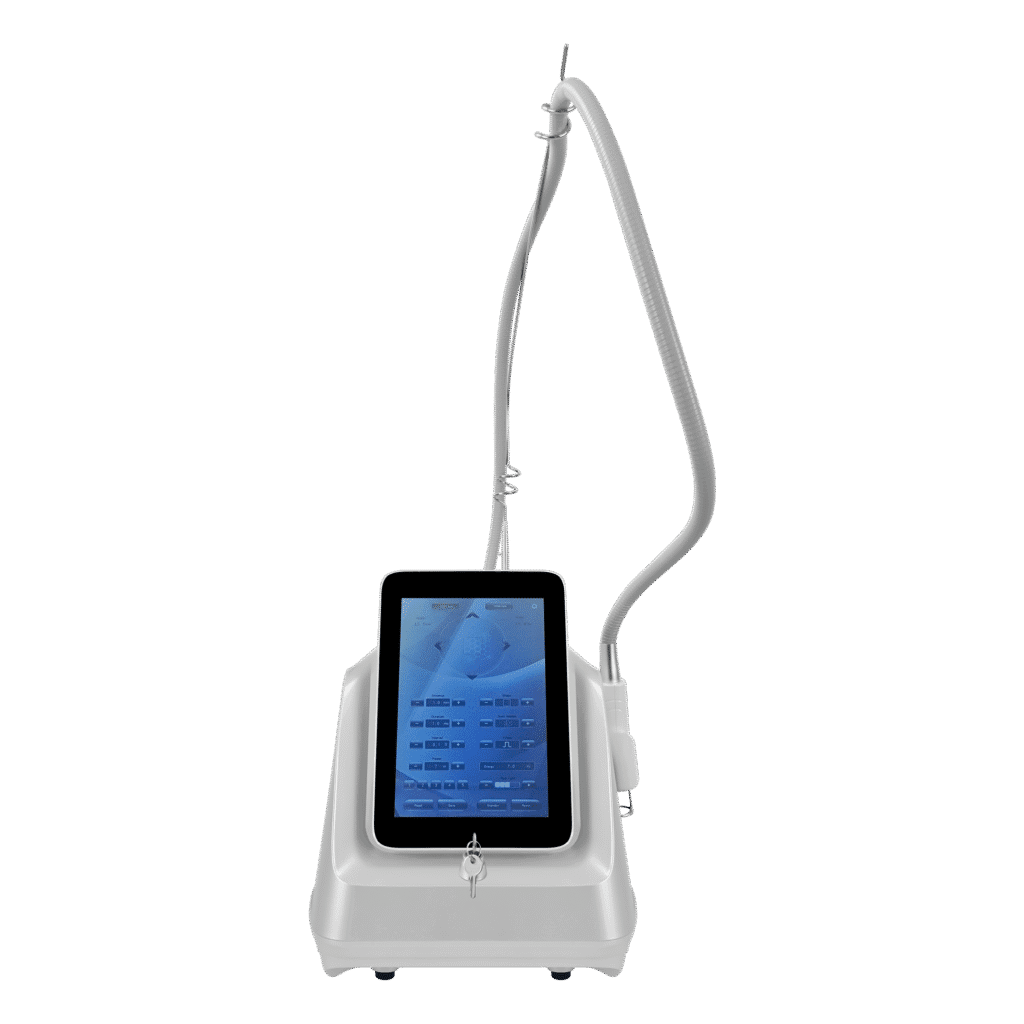
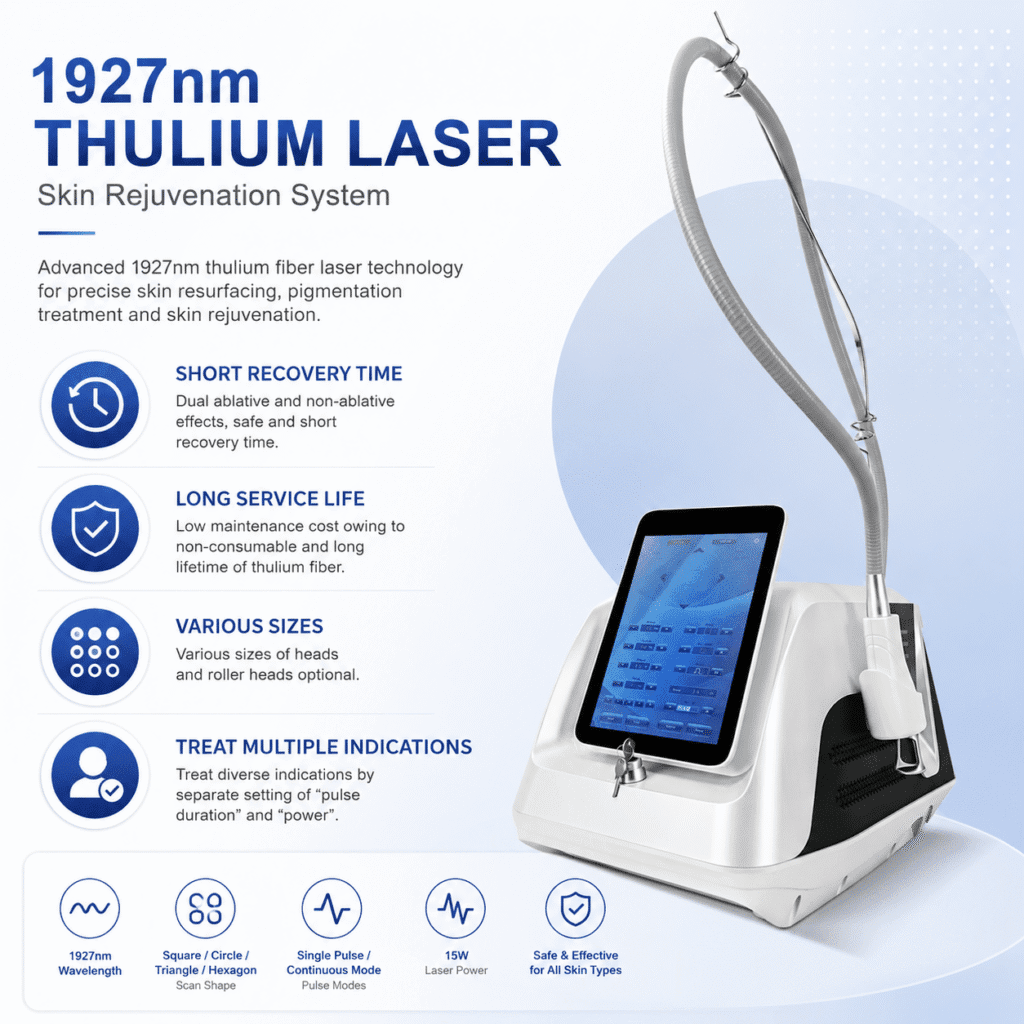
Diode, Nd:YAG, CO2, thulium and other laser platforms require precise identification of wavelength, handpiece, spot size, pulse controls, cooling and safety documentation. A product title is not enough to define a laser configuration.
RFマイクロニードリングシステム
MNRF devices combine needle penetration with radiofrequency energy. The supplier must identify compatible cartridges, handle configuration, depth controls, cleaning limits and single-use components. Global buyers also need to verify professional and regulatory requirements in their destination market.
Controlled cooling systems
Cryolipolysis equipment depends on temperature control, vacuum, applicator shape, protective consumables and fault monitoring. The supplier should explain which cups are included and how replacements are identified.
Electromagnetic muscle-stimulation systems
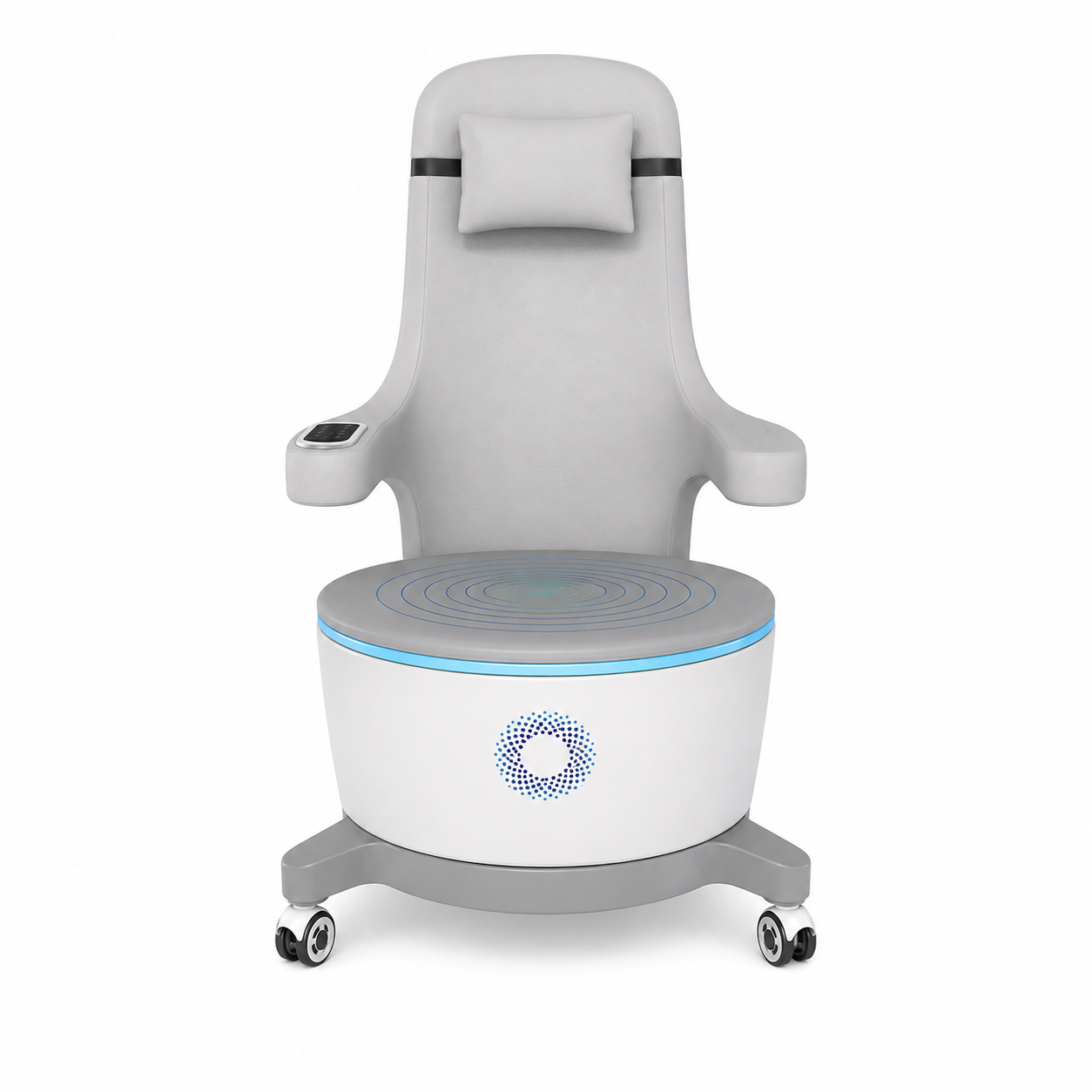
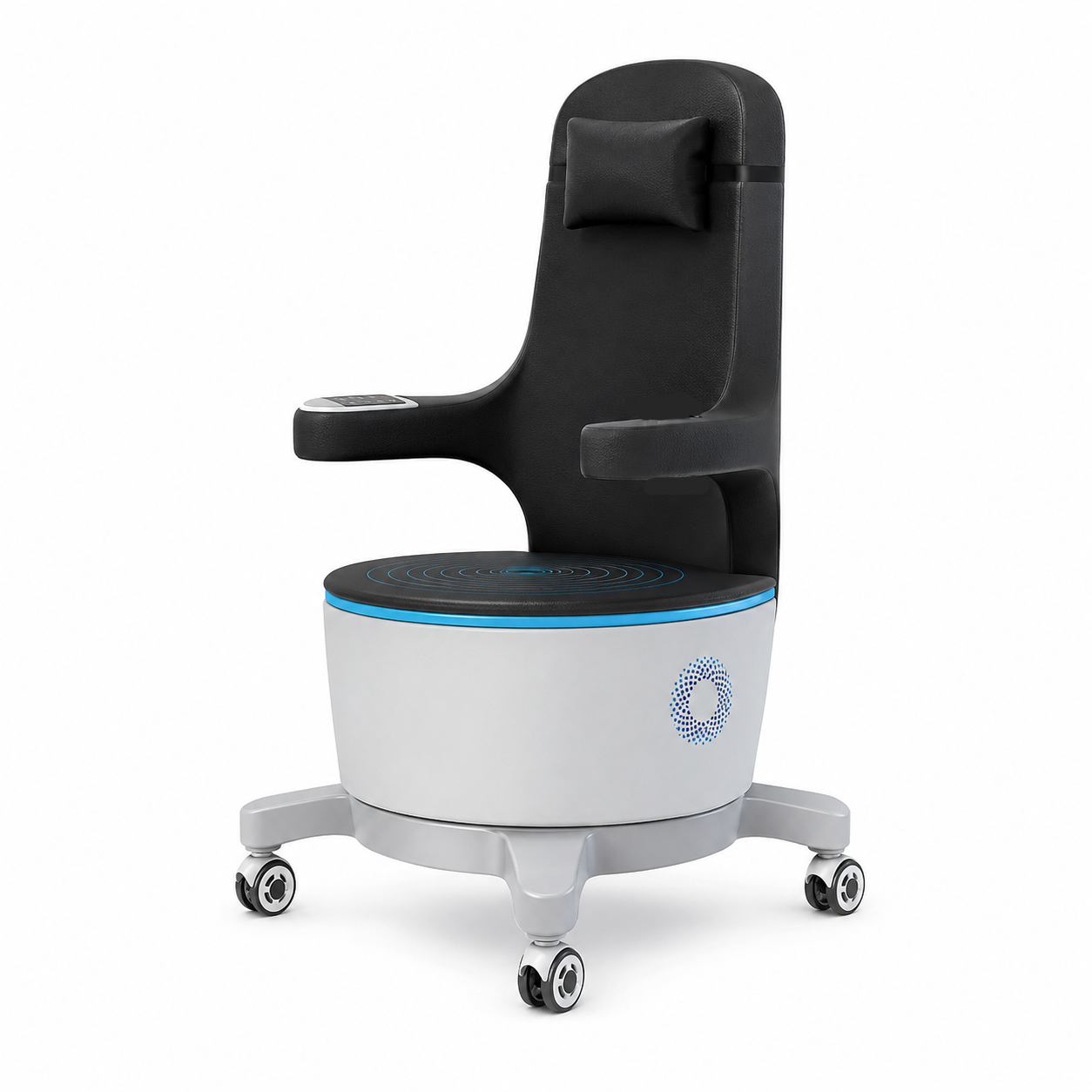
EMS body systems use electromagnetic fields to produce muscle contractions, sometimes with RF-related functions. Handle count, optional applicators, cooling, placement and electrical requirements must be confirmed rather than inferred from a family name.
Acoustic and shockwave systems
Radial pressure-wave and focused shockwave systems are not interchangeable. A supplier should clearly identify the generation method, probe or depth system and professional use case.
This technical separation is one reason global buyers benefit from a supplier with category-specific product records, not just a multilingual sales catalog.
5. Standard Product, Configured Product or OEM/ODM Project?
The buyer should define the purchasing path at the beginning.
| Supply path | どのような変化が起こりましたか? | 最適なフィット感 | 主要コントロールポイント |
|---|---|---|---|
| Standard product | Little or no change from the current supplier configuration | Single clinics, salons and buyers testing a category | Confirm the exact standard contents and destination-market suitability |
| Configured product | Selected handpieces, voltage, plug, language, color or accessory package | Distributors and businesses with a defined option set | Freeze a configuration code and quotation attachment |
| OEM/private label | Logo, labels, interface, packaging or manuals within an existing platform | Brands and distributors building their own line | Approve every branded file and legal responsibility |
| ODM/development | Exterior, mechanical layout, functions, connections or broader product design | Established buyers with clear requirements and development capacity | Use staged design, prototype, validation and production approvals |
Confusion between these paths creates quotation disputes. A buyer who expects a new housing and custom user interface is not placing a normal logo order. A buyer who selects a different handpiece set does not necessarily need a full ODM project.
6. SHEFMON OEM and ODM Capabilities
現在 SHEFMONのOEM/ODMページ describes customization across exterior design, mechanical design, internal component layout, airflow, wiring, handpiece connections, structure, 3D modeling, prototyping and engineering validation.
It also presents brand-related options such as:
- casing shape, color and finish;
- indicator and button layout;
- logo and product labels;
- system language and user-interface content;
- handpiece and accessory configuration;
- packaging and manual customization;
- prototype development and review.
Not every option applies to every product or order quantity. Buyers should request a written feasibility review showing what can be changed, what remains standard, which approvals are required and whether the change affects testing, documentation, cost or schedule.
7. Start With a Complete Buyer Requirement Brief
A professional enquiry should give the supplier enough information to recommend a relevant configuration.
含む:
- destination country and intended sales region;
- buyer type and business model;
- target customer group;
- 想定されるサービスカテゴリー。;
- preferred model or technology, if known;
- required functions and excluded functions;
- operator qualifications and service environment;
- voltage, frequency and plug;
- preferred language and interface requirements;
- desired handpieces and accessories;
- logo, color, packaging and manual requirements;
- expected order quantity and repeat-order outlook;
- document and labeling requirements;
- target shipment window, without assuming availability;
- training, spare-parts and after-sales expectations.
If the buyer is unsure which product fits, the brief should explain the business problem rather than selecting a model from an image. SHEFMON can then compare current categories and identify which questions still need answers.
8. Build a Model-Specific Quotation
A quotation should define the product well enough that the buyer can compare it with the delivered unit.
At minimum, request:
- exact model code and commercial name;
- configuration or revision identifier;
- main unit quantity;
- included handles, cartridges, probes, cups or tips;
- optional accessories listed separately;
- power, voltage, frequency and plug;
- ソフトウェアと言語;
- logo, labels and packaging scope;
- consumable starter quantity;
- unit and packaging dimensions when logistics planning requires them;
- document list;
- training method;
- warranty terms and exclusions;
- spare-parts and technical-support route;
- payment, production, inspection and shipment terms;
- quotation validity and change procedure.
Do not accept a quotation that says only “one beauty machine with accessories.” The accessory list is part of the product definition.
9. Sample and Prototype Approval
For a standard purchase, the buyer may approve current product photos, videos, specification sheets and a pre-shipment inspection plan. For configured or branded orders, an approval sample may be appropriate. A true ODM project normally needs staged prototype reviews.
Approval should cover:
- machine appearance and color;
- logo placement and label text;
- interface language and screen content;
- handle and accessory identification;
- boot sequence and available functions;
- packaging layout and carton marks;
- manual and quick-start materials;
- 電気的構成;
- basic functional test results;
- open issues and approved deviations.
Use a signed or otherwise controlled approval record. Chat messages scattered across several contacts are difficult to audit when the production team needs one final answer.
10. Quality Control Buyers Should Verify
その SHEFMON品質管理ページ describes inspection of incoming materials before storage, circuit-board aging and power testing, computer burn-in programs, precision assembly, function aging and multiple prototype inspections. It also mentions ERP-based management for problem tracing.
These public descriptions help buyers understand the general control stages, but they do not replace model-specific evidence. Ask what records are available for the actual product and order.
Useful verification points include:
- incoming inspection for critical components;
- supplier and component identification;
- assembly checkpoints;
- electrical safety and power-on tests;
- software and interface checks;
- handle, applicator and accessory tests;
- cooling, vacuum, fluid, RF, laser, EMS or acoustic functional checks as applicable;
- aging or burn-in conditions;
- cosmetic inspection;
- serial-number assignment;
- final accessory and packaging verification;
- nonconformity and rework records;
- pre-shipment inspection evidence.
The test plan should match the technology. A hydro facial machine, diode laser and cryolipolysis system do not need identical functional tests.
11. Verify Compliance by Exact Model and Market
Global buyers should avoid broad statements such as “the factory has CE and FDA.” Regulatory status applies to defined products, intended uses, manufacturers, documents and markets. It may not automatically cover every model, option or private-label version.
Before ordering, request the documents relevant to the exact configuration and independently verify them where possible. Check:
- legal manufacturer and product identity;
- model number and variants covered;
- intended use and claims;
- applicable standards or test reports;
- issuing body, report number and validity;
- label and manual consistency;
- destination-market registration or importer responsibilities;
- private-label and authorized-representative implications;
- language and local warning requirements.
Do not place a certification logo on packaging or advertising until its permitted use is confirmed. The buyer and supplier should also agree who owns registration, translations and post-market responsibilities.
12. Marketing Content Must Match the Approved Product
A professional supplier should provide accurate product photos, configuration information and technical descriptions. The buyer should then adapt claims to local rules and the exact device.
避ける:
- universal results for every client;
- unsupported percentages or treatment counts;
- claims that eliminate all risk or side effects, or promises of indefinite results;
- medical indications outside the approved scope;
- before-and-after images without traceable consent and context;
- calling every acoustic system focused shockwave;
- implying that all wavelengths, handles or probes are included;
- using certification logos as general marketing decoration.
For distributors, a controlled product-data sheet is more valuable than dozens of promotional captions that contradict one another.
13. Branding, Packaging and Documentation Control
Private-label projects should use an approval table for every branded asset.
| 資産 | Buyer supplies | Supplier prepares | Final approval checks |
|---|---|---|---|
| ロゴ | Vector artwork and brand rules | Placement mockup | Size, color, position and production method |
| 製品ラベル | Legal company and market information | Layout and print proof | Model, ratings, symbols, warnings and traceability |
| ユーザーインターフェース | Approved terminology and translations | Screen implementation | Language accuracy, function names and consistency |
| マニュアル | Required language and market content | Product-specific draft | Configuration, warnings, operation and maintenance |
| パッケージ | Brand assets and shipping needs | Box and insert layout | Contents, carton marks and protection |
| Marketing sheet | Approved claims and buyer audience | Product presentation | Exact configuration and destination-market wording |
Translations should be reviewed by someone who understands both the language and the technology. A literal translation can change a warning, parameter name or intended-use statement.
14. Training and Handover
その SHEFMONの注文プロセス describes training through live instruction, in-person methods and tutorial videos. Buyers should agree on the actual training package before shipment.
A useful handover can include:
- product identification and configuration review;
- installation and electrical checks;
- startup and shutdown;
- handle, probe or applicator setup;
- interface and parameter explanation;
- contraindications and warnings from the current manual;
- 清掃および定期メンテナンス。;
- consumable replacement;
- common error messages and first-line troubleshooting;
- records, serial numbers and service contacts;
- assessment or competency confirmation where appropriate.
Training on machine controls does not grant a professional license or authorize a clinical procedure. The buyer remains responsible for local operator qualifications and clinical governance.
15. After-Sales Service and Spare Parts
After-sales support should be converted from a general promise into a documented process.
確認する:
- warranty start date, duration and exclusions;
- which components are consumables or wear parts;
- how faults are reported;
- required photos, videos, logs or error codes;
- remote diagnostic process;
- parts shipping responsibility and cost;
- repair or replacement decision process;
- return authorization and transport risk;
- availability of common spare parts;
- software update policy;
- service support after the warranty period;
- escalation contact and record retention.
For distributors, spare-parts planning should follow the installed product base. Stocking random parts is less useful than knowing which pumps, handpieces, cables, boards, seals, cartridges or applicators support each active model revision.
16. International Shipping and Delivery Planning
SHEFMON’s public ordering page describes contact, requirement discussion, payment, packaging, shipment, receipt, training and after-sales steps. Actual timing depends on the model, stock, customization, quantity, inspection, destination and transport method, so the commercial agreement should state project-specific dates rather than relying on a general webpage.
The buyer and supplier should confirm:
- Incoterm and named place;
- freight mode and forwarder responsibility;
- export packaging and moisture or shock protection;
- carton and pallet dimensions;
- batteries, liquids or other restricted contents;
- commercial invoice and packing list details;
- HS-code discussion without treating it as legal customs advice;
- insurance responsibility;
- importer-of-record responsibility;
- customs, tax and local delivery costs;
- inspection point before dispatch;
- tracking and receipt inspection process;
- procedure for visible damage or missing cartons.
Do not promise a delivery date before the configuration and shipping route are confirmed.
17. Supplier Fit by Buyer Type
Salons and small beauty businesses
Prioritize a manageable device, clear service role, simple daily maintenance and reliable consumable access. Avoid purchasing several advanced platforms before the team can use and maintain the first one.
Aesthetic clinics and med spas
Prioritize technical documentation, professional scope, treatment controls, infection prevention, complication planning and model-specific training. A high specification does not compensate for weak governance.
ボディコントゥアリングセンター
Separate cooling, mechanical care and electromagnetic stimulation. Compare applicator capacity, client screening, room turnover, consumables and maintenance by technology.
Distributors and regional brands
Prioritize configuration control, document verification, demo strategy, spare parts, localized manuals, channel positioning, repeat-order consistency and after-sales capability. Start with a range that the team can explain and support.
18. A Supplier Evaluation Scorecard
| 評価対象領域 | Evidence to request | 警告標識 |
|---|---|---|
| 製品適合性 | Requirement-based recommendation and comparison | Same “best machine” recommended to every buyer |
| 構成 | Detailed quotation and accessory list | Options described only in chat or images |
| 品質管理 | Model-relevant test stages and inspection evidence | General factory slogan without order-level checks |
| 文書 | Exact model and market scope | One certificate claimed to cover the whole catalog |
| OEM/ODM | Feasibility, approvals and change control | Every request accepted without technical review |
| トレーニング | Defined content, method and materials | Controls demonstrated without safety or maintenance |
| アフターサービス | Written reporting and resolution path | No serial-number or fault-record process |
| Repeat orders | Revision and configuration control | Substitutions made without buyer approval |
Score the supplier using evidence, not only speed of reply or sample appearance.
19. Red Flags Global Buyers Should Avoid
- no exact model or configuration on the quotation;
- certification claims that cannot be matched to the product;
- inconsistent specifications across website, manual and invoice;
- refusal to identify standard and optional accessories;
- pressure to pay before configuration confirmation;
- private-label changes made without artwork approval;
- no cartridge, applicator or consumable continuity plan;
- no written cleaning, maintenance or fault procedure;
- promises of universal results or unrestricted use;
- no serial-number or batch traceability;
- unexplained component substitution;
- no process for damaged shipments or warranty claims.
One warning sign does not always prove that a supplier is unsuitable, but it should trigger a documented clarification before the order progresses.
20. How to Send an Effective Enquiry to SHEFMON
使用する SHEFMON連絡先ページ 含まれるもの:
- country and buyer type;
- target beauty or wellness service;
- shortlisted category or model;
- required configuration and accessories;
- voltage, plug and interface language;
- standard, configured, OEM or ODM path;
- branding and packaging requirements;
- quantity and expected repeat demand;
- required product and compliance documents;
- training, warranty and spare-parts expectations;
- preferred shipping destination and timing;
- questions that must be answered before quotation approval.
This brief helps SHEFMON respond with a relevant model and a more complete quotation instead of a generic product list.
よくある質問
1. What is a professional beauty machine supplier?
It is a supplier that can match technology to the buyer’s business, define configurations, support documentation and customization, control quality and provide a clear training, delivery and after-sales process.
2. What beauty equipment categories does SHEFMON supply?
SHEFMON’s current portfolio includes Hydra facial systems, HIFU, laser and IPL, RF microneedling, cryolipolysis, EMSlim, Endos Velapro, RF cavitation, shockwave and physiotherapy equipment, plus application-based categories.
3. Is SHEFMON a manufacturer or only a trading supplier?
SHEFMON’s About and OEM/ODM pages describe the company as a beauty equipment designer and manufacturer with production and customization services. Buyers should still perform normal supplier due diligence and verify evidence relevant to their order.
4. Can SHEFMON customize beauty machines for private-label brands?
The public OEM/ODM page lists exterior, mechanical, interface, language, logo, packaging, manual, prototype and development options. Feasibility, quantity, cost and testing impact depend on the product and requested change.
5. What should be included in a beauty machine quotation?
The quotation should identify the model, revision or configuration, included handles and accessories, voltage, plug, language, branding, consumables, documents, training, warranty, payment and shipment terms.
6. How should global buyers verify beauty equipment certificates?
Match each certificate or report to the legal manufacturer, exact model, intended use, standard, issuing body and destination market. Do not assume that one document covers every model or private-label version.
7. Should a buyer order a sample before a bulk order?
A sample or prototype review can be useful for configured, branded or newly developed products. The appropriate approval process depends on customization, quantity, risk and the buyer’s existing experience with the model.
8. What after-sales questions should buyers ask?
Ask about warranty terms, exclusions, fault reporting, remote diagnosis, parts supply, repair or replacement decisions, freight responsibility, software updates and support after warranty.
9. Can one supplier provide machines for salons, clinics and body centers?
Yes, if the product line is broad enough and each buyer receives a category-specific recommendation. The supplier should not treat basic facial systems, professional lasers and body technologies as one undifferentiated range.
10. How can distributors keep repeat orders consistent?
Use model and revision identifiers, approved configuration sheets, artwork records, serial numbers, change notices and incoming inspection. Any component or specification change should be reviewed before shipment.
結論
A professional beauty machine supplier helps global aesthetic businesses control the entire purchase, not just the product price. The relationship begins with buyer qualification and technology selection, continues through configuration, documentation, sample approval, production and inspection, and remains active through delivery, training, spare parts, warranty and repeat orders.
SHEFMON offers a broad beauty equipment portfolio and publicly describes design, production, OEM/ODM, quality-control, ordering, training and after-sales capabilities. Buyers should use those resources as the start of due diligence, then request model-specific evidence and written commercial terms for the exact project.
探検する シェフモンの美容機器, それをレビューする OEM/ODM機能 そして 品質管理プロセス、 それから シェフモンに連絡してください with a detailed requirement brief for a relevant quotation.