









美容サロンがレーザー機器の購入を検討する際、価格だけを基準に決定することはほとんどない。.
サロンのオーナーは最初の会話では興奮しているように見えるかもしれないが、その興奮の裏にはたいてい多くの懸念が潜んでいる。
- このデバイスは顧客にとって安全でしょうか?
- 治療効果は十分に目に見える形で現れるだろうか?
- 私のスタッフはそれを正しく操作できますか?
- 顧客は痛み、火傷、色素沈着について苦情を申し立てるだろうか?
- この機械は私の地域で合法的に使用できますか?
- ハンドピースやランプはどのくらい持ちますか?
- 機械が故障したらどうなりますか?
- 投資額を回収できますか?
- 支払い後もサプライヤーはサポートを続けてくれるのでしょうか?
美容機器販売業者にとって、こうした懸念を理解することは不可欠です。顧客が自分の気持ちを理解してもらえたと感じれば、販売業者への信頼が高まり、適切な機器を選び、長期的な関係を築く可能性が高まります。.
このガイドでは、美容サロンのお客様がレーザー機器を購入する際に抱える最も一般的な不安と、販売代理店がどのように専門的に対応できるかについて説明します。.
おすすめのSHEFMONカテゴリー:
レーザー機器は、基本的な美容機器よりも大きな決断のように感じられる理由
レーザー機器は、洗顔器、保湿器、または一般的なボディマシンとは異なります。.
レーザー機器は、より強力なエネルギー、目に見える肌への反応、そして高い顧客期待と関連付けられています。ダイオードレーザー脱毛機、IPLシステム、ピコ秒レーザー、またはCO2フラクショナルレーザーは、サロンがより付加価値の高いサービスを提供するのに役立つ可能性がありますが、同時に購入前に多くの疑問が生じることにもなります。.
そのサロンは単にハードウェアを購入しているだけではない。.
購入しているもの:
- 新しいサービスメニュー
- スタッフ研修の責任
- 顧客の安全に対する責任
- 治療室のワークフロー
- メンテナンスとスペアパーツの計画
- マーケティング上の主張
- アフターサービスへの依存
- 長期的な収益性
販売代理店にとって最適な販売戦略は、次のように言うことではありません。
“「心配しないで、すべて簡単だよ。」”
より良い戦略は次のとおりです。
“「お客様のご懸念はもっともです。最適なレーザーシステムを選定する前に、安全性、操作性、コスト、収益性、アフターサービスなどを確認させてください。」”
その答えは信頼を築く。.
懸念事項1:レーザーは私の顧客にとって安全でしょうか?
真剣にサロン経営に取り組む人にとって、安全性は通常、最優先事項です。.
彼らは以下のことを心配している。
- 火傷
- 水ぶくれ
- 色素沈着の変化
- 傷跡
- 眼の損傷
- 過度の痛み
- 治療後の赤み
- 顧客からの苦情
- 否定的なレビュー
FDA(米国食品医薬品局)は、医療や皮膚科処置に使用されるレーザーは、不適切な使用や不適切な状況下での使用により、痛み、感染、瘢痕形成、皮膚の色素沈着などのリスクを伴う可能性があると説明しています。また、FDAはレーザー製品を危険度レベル別に分類しており、危険度の高いレーザーほど、照射が適切に管理されない場合の傷害リスクが高くなります。.
サロンの購入者にとって、これはレーザー機器が使用不可能という意味ではありません。安全性を適切に管理する必要があるという意味です。.
販売業者は、包括的なシステムを通じて安全性を説明する必要がある。
- 適切なデバイスの選択
- クライアントスクリーニング
- 訓練を受けたオペレーター
- 正しいパラメータ
- 波長に適した目の保護具
- 必要に応じて皮膚冷却を行う
- 治療室の管理
- アフターケアの説明
- メンテナンスと清掃
- 現地の法令遵守
販売代理店の対応は良好でした。
“「レーザー機器は強力なビジネスツールとなり得ますが、適切なスクリーニング、保護メガネの着用、パラメータ制御、アフターケアを備えた訓練を受けたスタッフが操作する必要があります。サービス開始前に、安全に関する手順をご理解いただけるようサポートいたします。」”
次のような発言は避けてください。
“「完全に安全で、皮膚をやけどすることはありません。」”
そのような主張はリスクを生み出す。.
懸念事項2:治療結果は十分なものになるだろうか?
美容サロン側は、その機械が顧客の期待する結果をもたらさないのではないかと懸念している。.
この懸念は特に以下のような場合に多く見られます。
- 脱毛機
- タトゥー除去マシン
- 色素沈着装置
- ニキビ跡治療器具
- 肌の若返りレーザー
- CO2フラクショナルレーザー
サロンのオーナーは次のような質問をするかもしれません。
- クライアントは何回のセッションを必要としますか?
- 髪はまた生えてくるだろうか?
- タトゥーは本当に消えるものなのか?
- 色素沈着は元に戻ることがありますか?
- ニキビ跡は除去できますか?
- 顧客はパッケージを購入するのに十分な改善点を実感できるだろうか?
販売代理店は非現実的な回答を避けるべきである。.
例えば:
- レーザー脱毛は通常、1回の施術で永久的な効果が得られるというものではなく、複数回の施術コースとして販売されています。.
- タトゥーの色褪せ具合は、インクの色、深さ、密度、経過時間、そしてクライアントの反応によって異なります。.
- 色素沈着に関する懸念事項は、慎重な評価と日焼け対策に関する教育が必要です。.
- ニキビ跡や肌の質感の改善には、通常、段階的な計画と現実的な期待が必要です。.
- CO2を用いた表面再生治療には、ダウンタイムやアフターケアが必要となる場合があります。.
より良い販売メッセージ:
“「この機器は専門的な治療プログラムをサポートできますが、結果はクライアント、症状、パラメーター、施術者のスキル、治療計画によって異なります。即効性を約束するのではなく、カウンセリングとフォローアップを含むパッケージ販売をお勧めします。」”
これは、サロンが紛争を減らし、よりプロフェッショナルな販売を行うのに役立ちます。.
懸念事項3:私のスタッフは操作方法を習得できるだろうか?
多くのサロンはレーザー治療に興味を持っているものの、スタッフの準備が整っていないのではないかと懸念している。.
この懸念はもっともだ。.
レーザー操作は単にボタンを押すだけではありません。スタッフは以下の点を理解しておく必要があります。
- デバイスの起動とシャットダウン
- ハンドピースの使用
- 治療モード
- エネルギー設定
- パルス幅または周波数
- 肌タイプの診断
- 禁忌事項
- 必要に応じてスポットテストまたはパッチテストを実施
- 冷却技術
- 目の保護
- 緊急停止
- 清掃とメンテナンス
- アフターケアに関するコミュニケーション
レーザーの種類によって、必要な訓練は異なります。.
| デバイスの種類 | 典型的なサロンの悩み | 販売代理店の説明 |
|---|---|---|
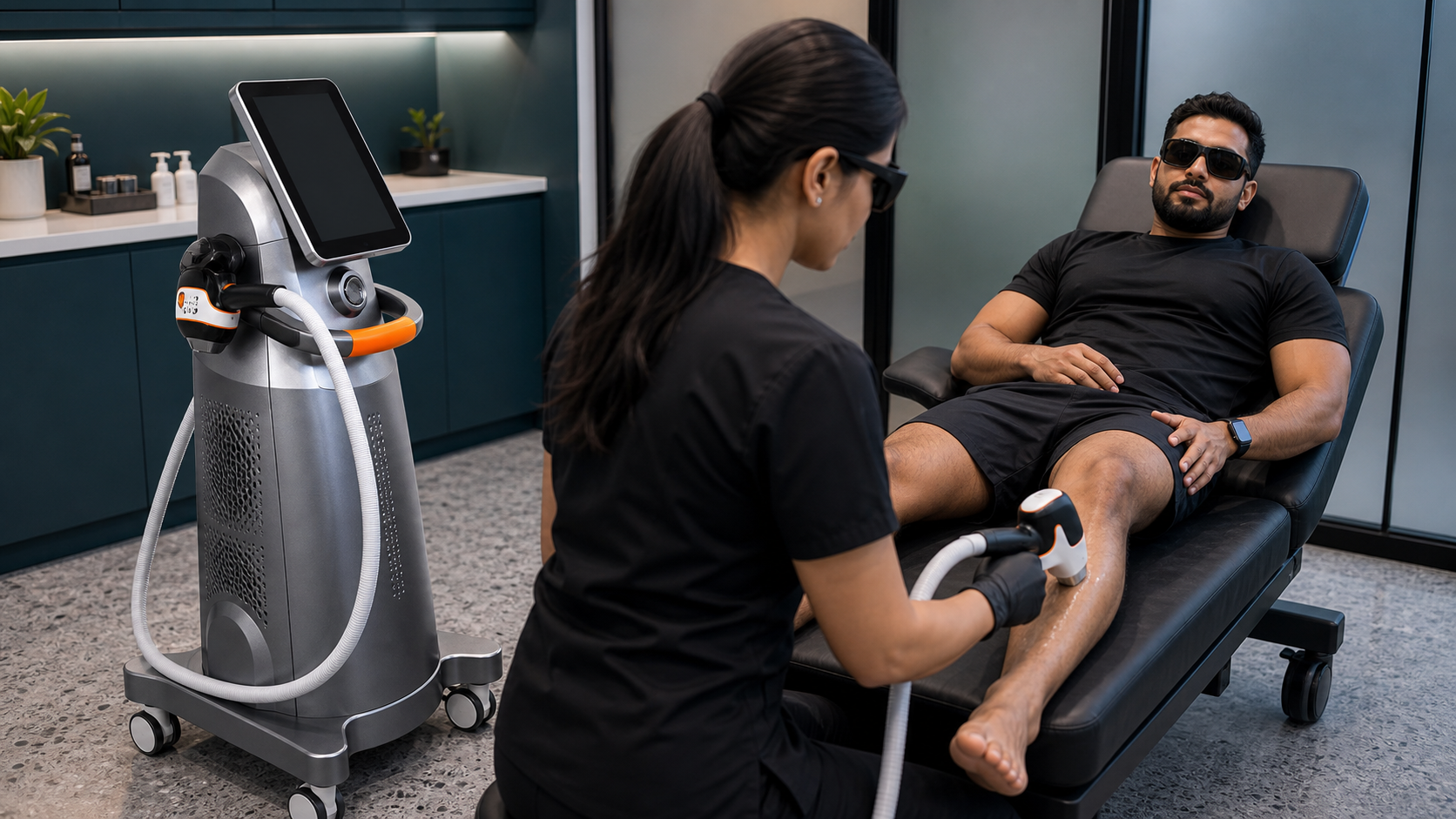
| ダイオードレーザー脱毛 | スタッフが毎日操作できますか? | 訓練を受けたサロンや脱毛スタジオに適していますが、皮膚スクリーニング、冷却、および保護メガネに関するトレーニングが必要です。 |
| IPL / SHR | レーザーよりも簡単ですか? | 実用的な入門プラットフォームだが、フィルター、設定、肌タイプのトレーニングは依然として必要である |
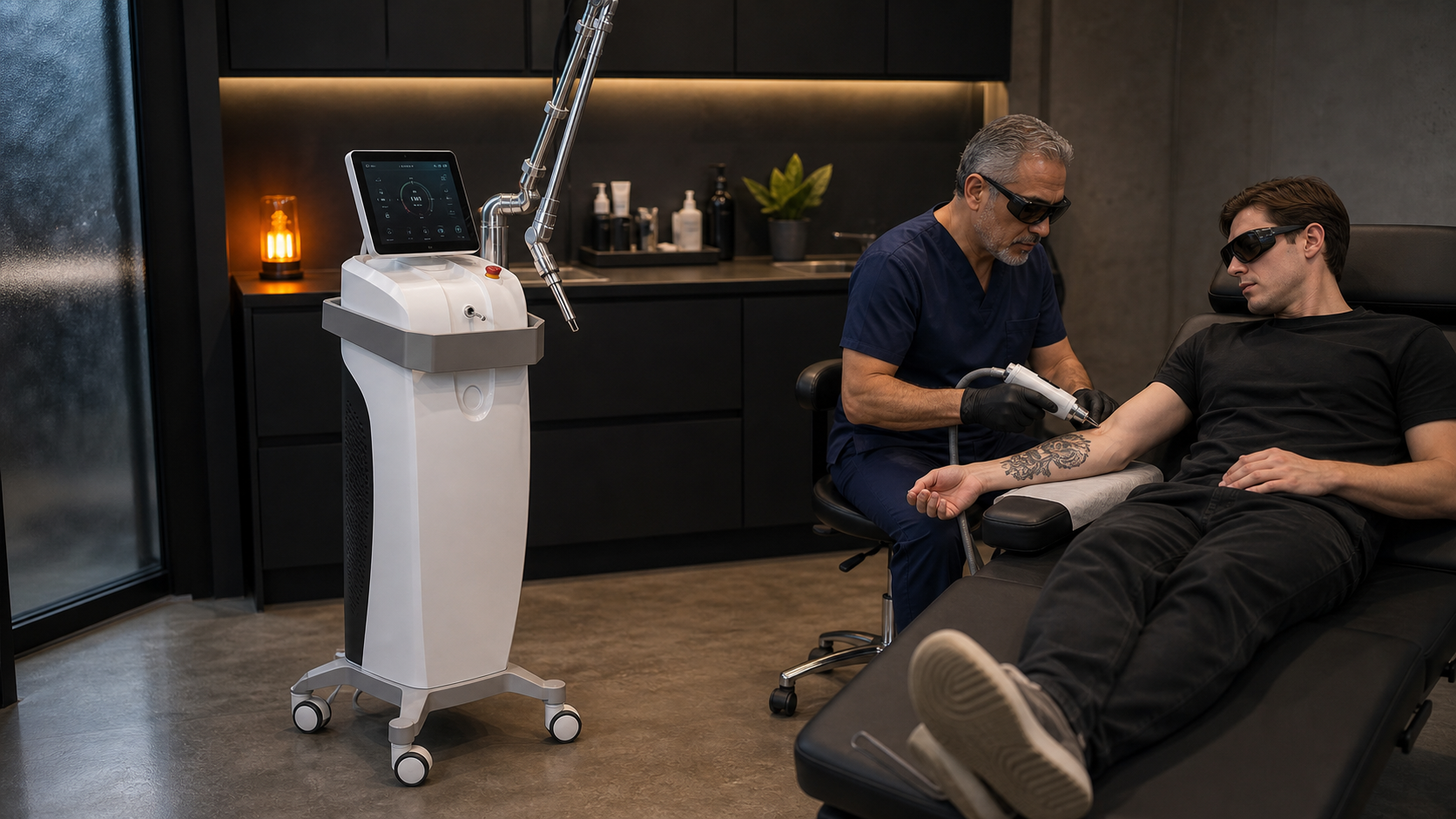
| ピコ秒レーザー/Qスイッチレーザー | タトゥーを安全に除去することはできますか? | 波長、色素、テストスポット、眼鏡、複数回のセッションに関する期待値トレーニングが必要です |
| CO2フラクショナルレーザー | 一般的なサロンに適していますか? | より高い基準。アフターケア能力を備えたクリニックや高度な皮膚科センターに適している。 |
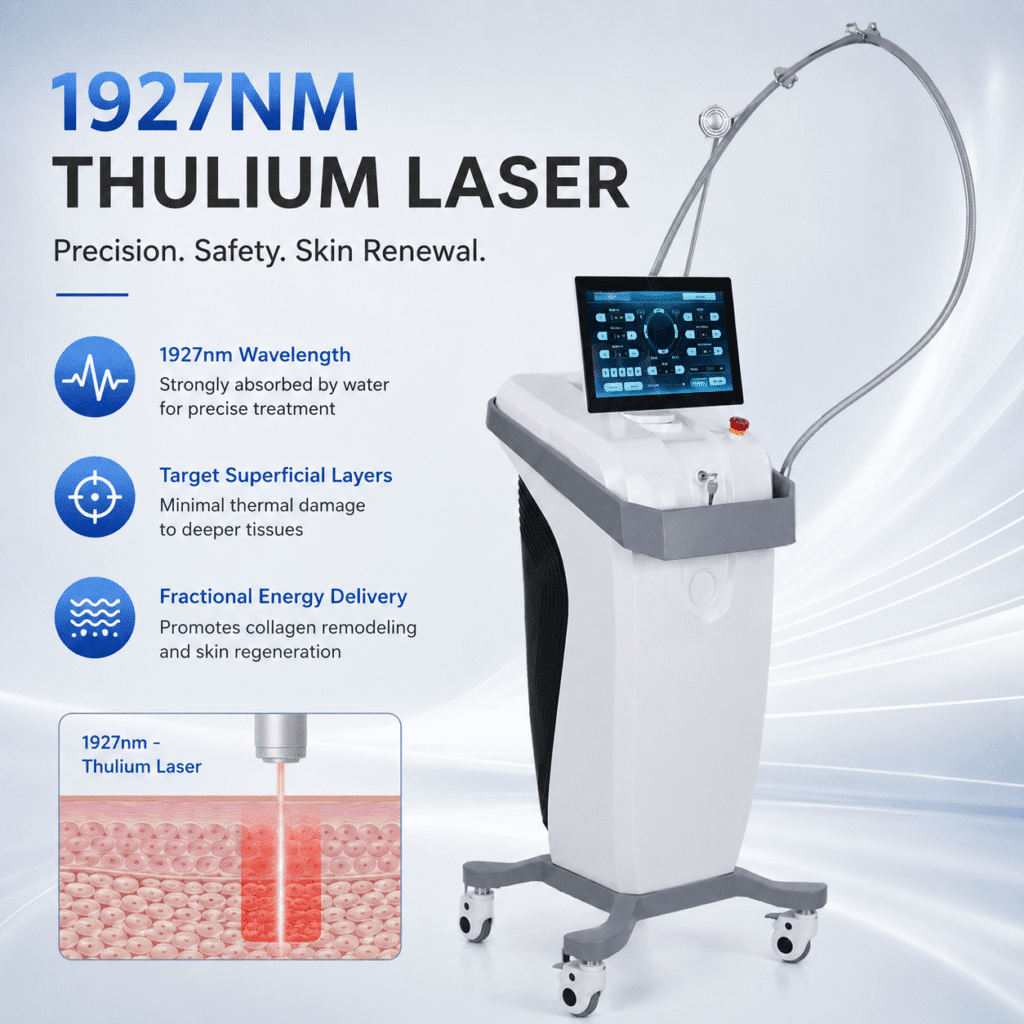
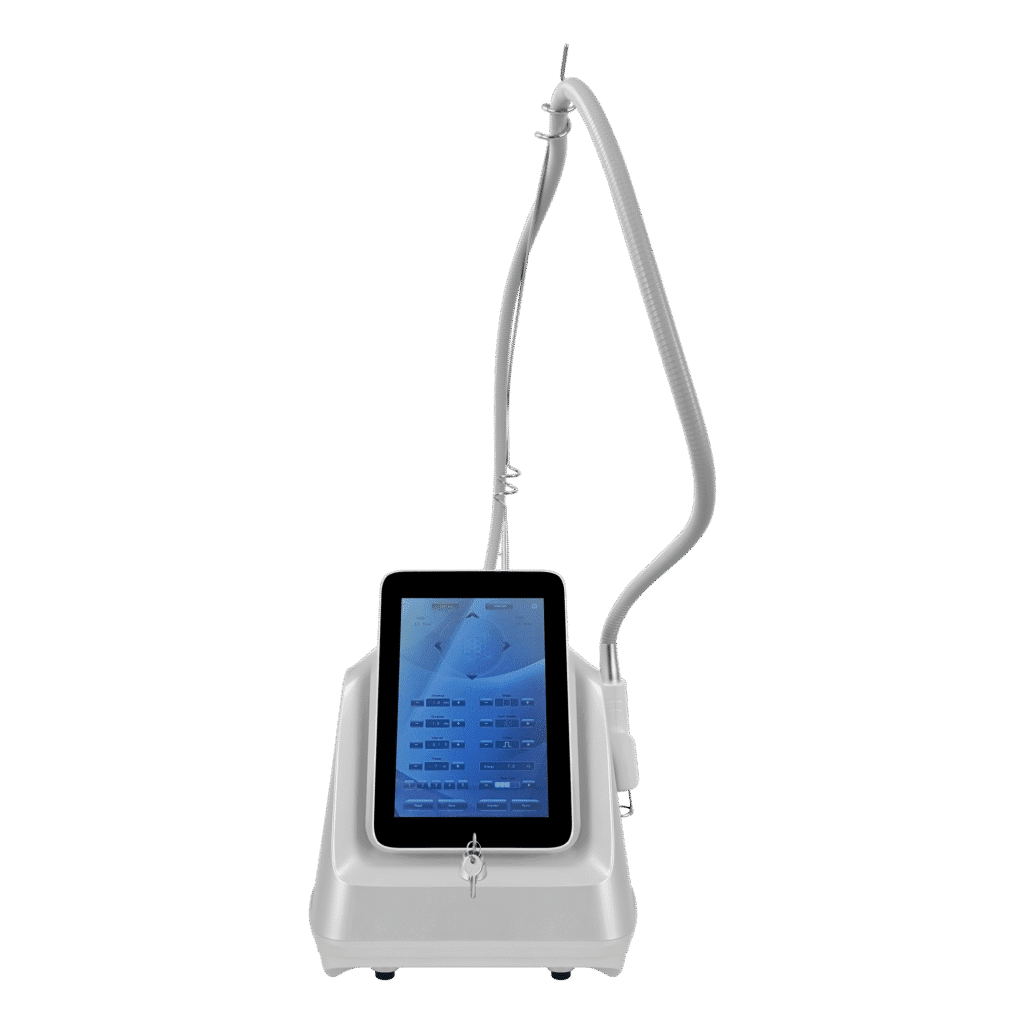
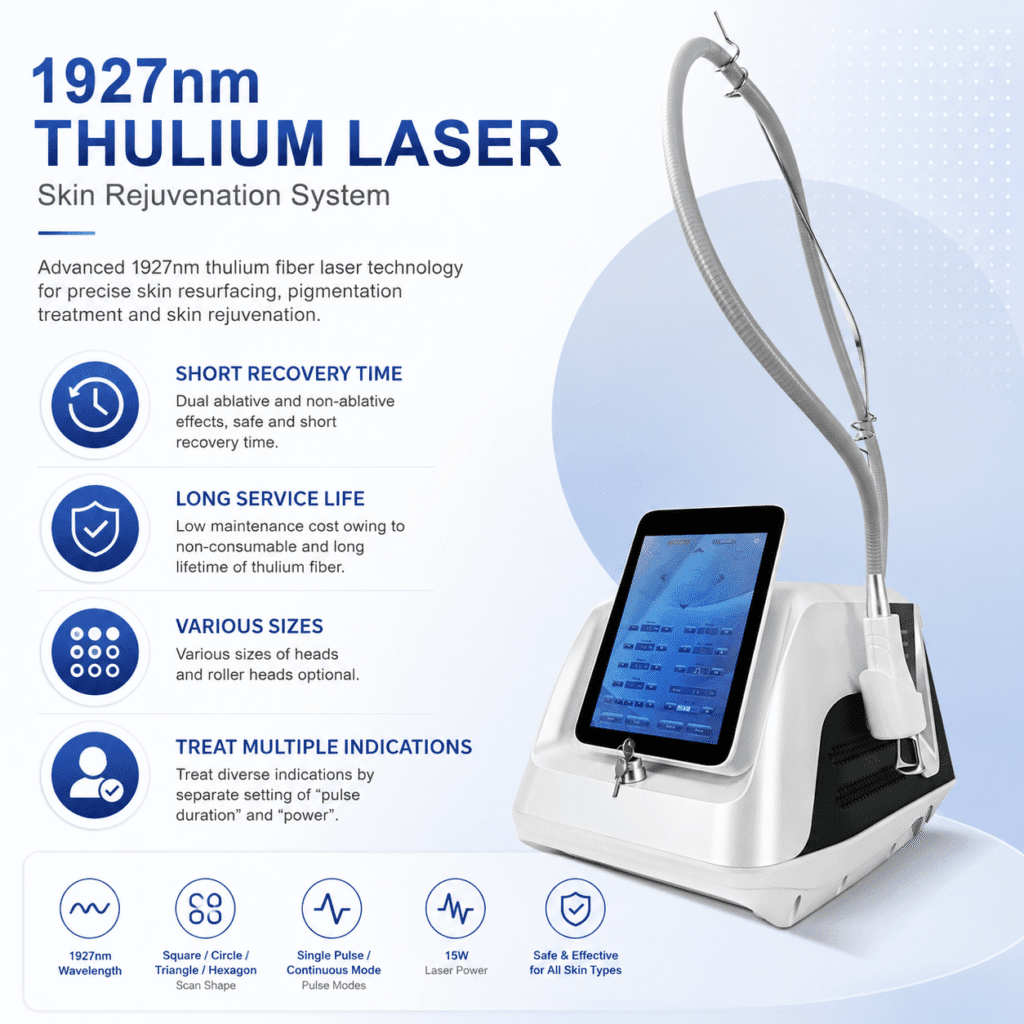
| ツリウム/フラクショナルレーザー | 色素沈着や若返りに使用できますか? | モデル固有のトレーニングと慎重な顧客選定が必要 |
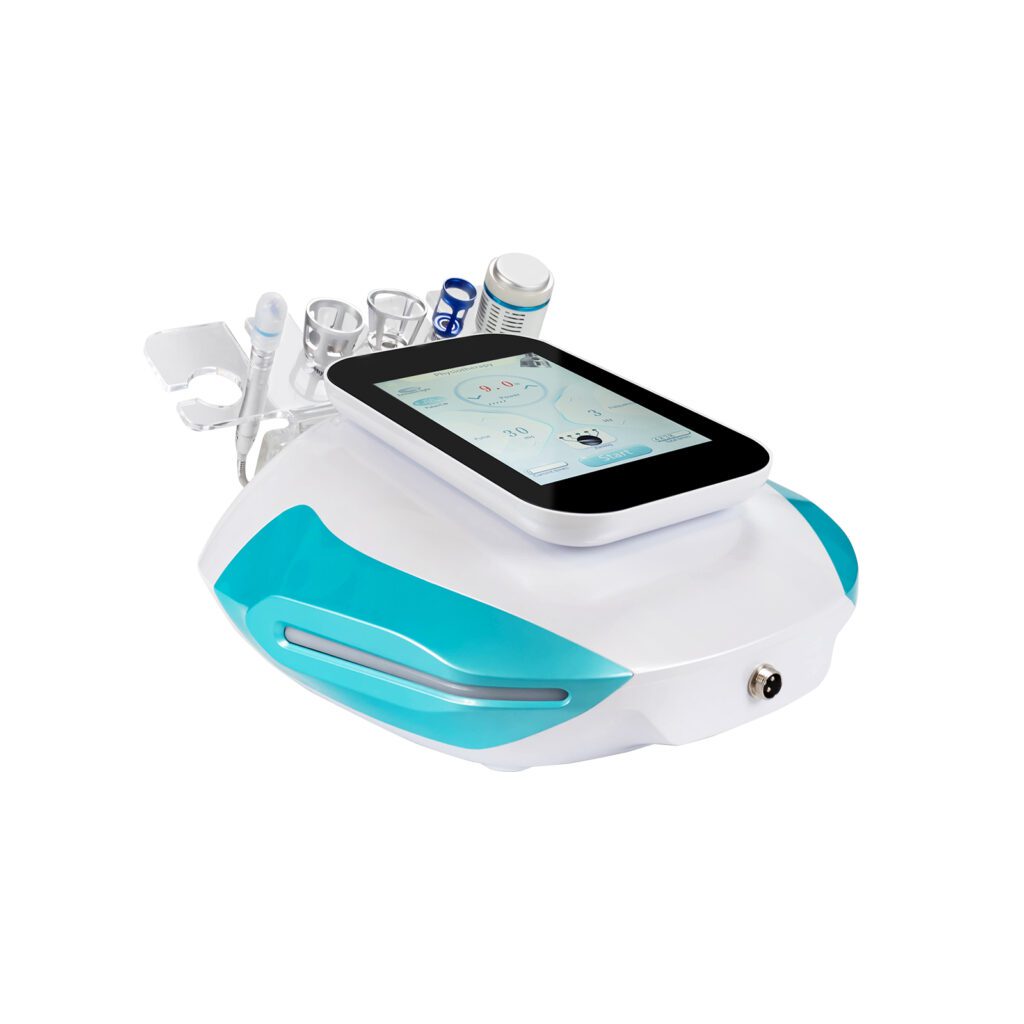
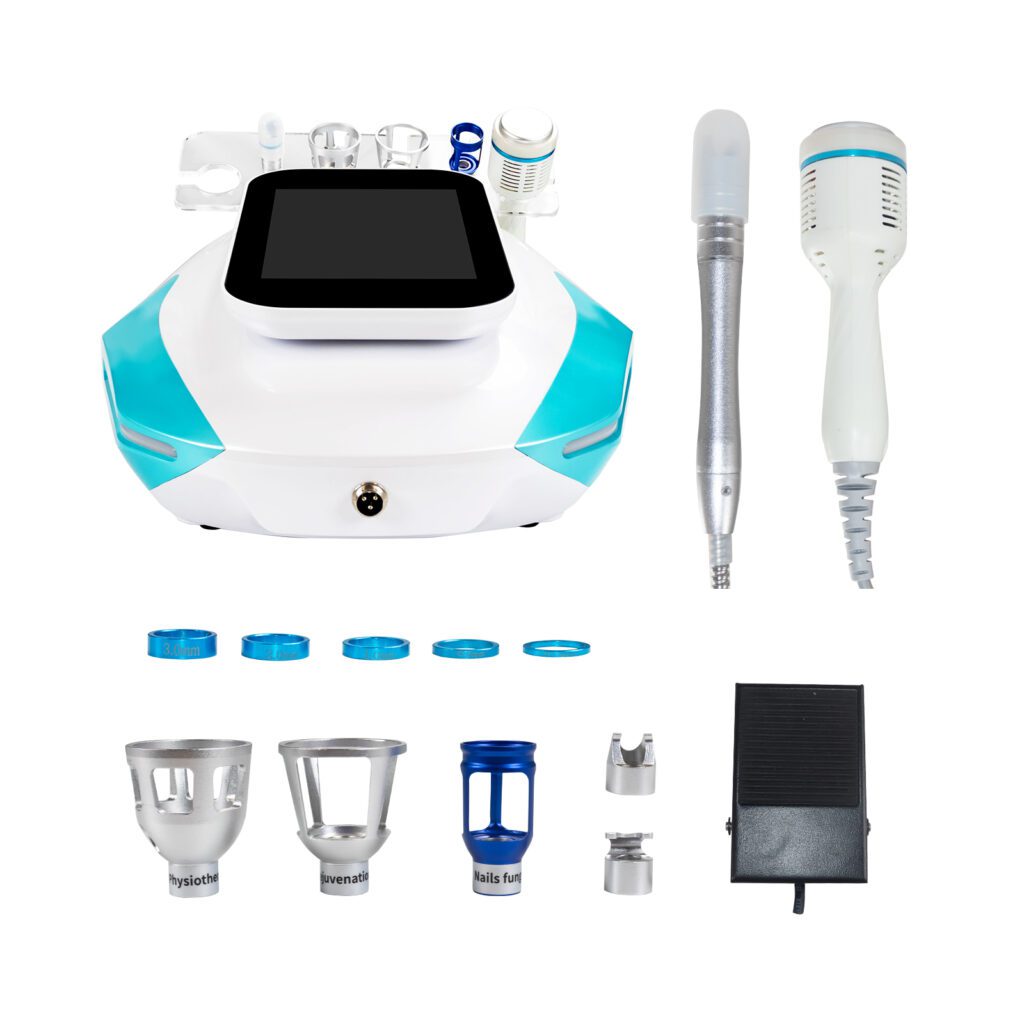
SHEFMONのおすすめ商品例:
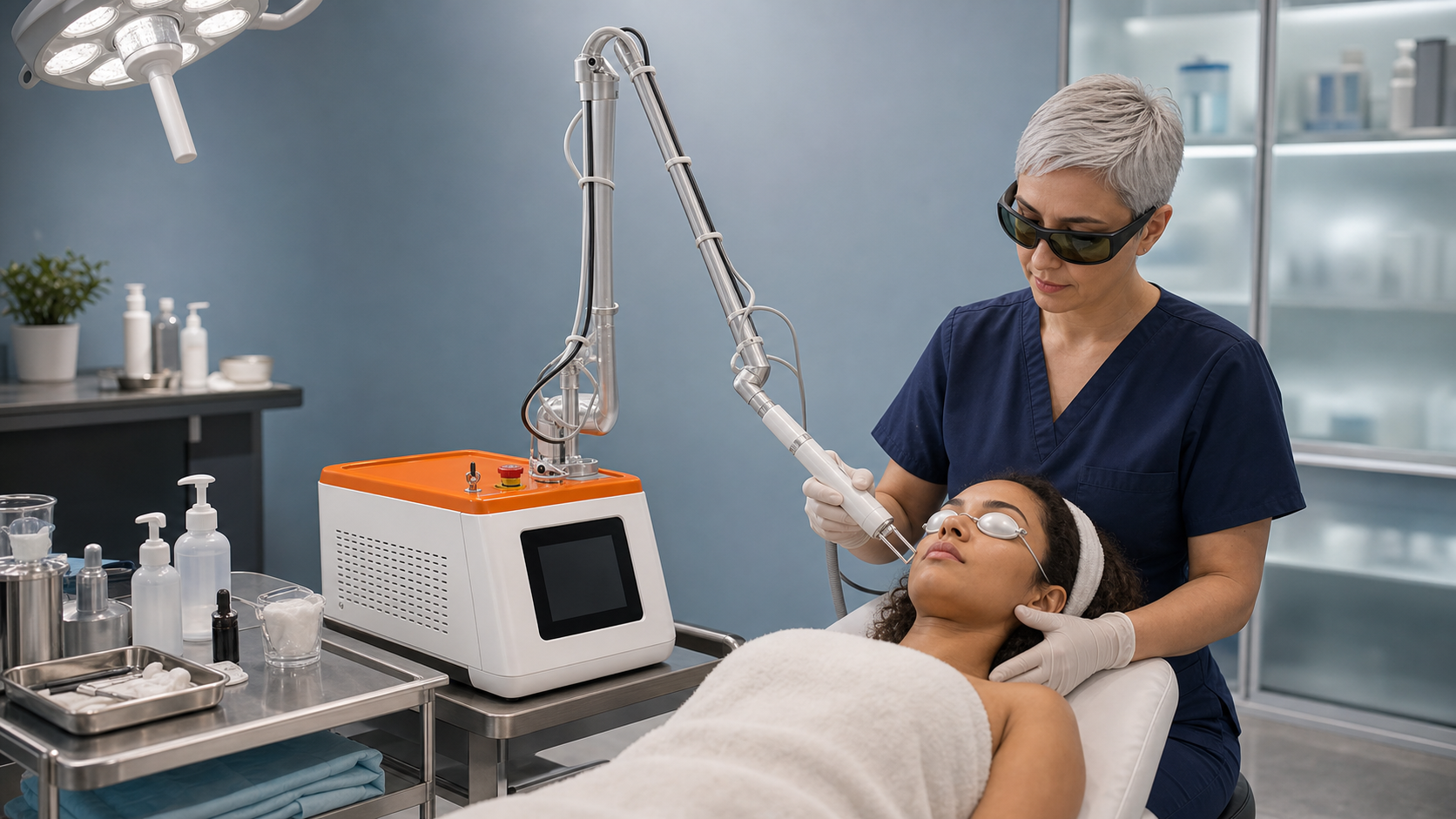
販売代理店の対応は良好でした。
“「レーザーの種類は、スタッフの経験に基づいて選択すべきです。脱毛サロンであればダイオードレーザーから始めるのが良いでしょうし、傷跡専門クリニックであれば、トレーニング、アフターケア、コンプライアンスを確認した上でCO2レーザーを検討するのが良いでしょう。」”
懸念事項4:この機器は私のサロンで使用するのに合法ですか?
これは最も重要な質問の一つです。.
レーザーの操作規則は、国、地域、機器の種類、サービスの種類によって異なります。.
市場によっては、訓練を受けたサロンスタッフが特定の脱毛レーザーを操作することが認められている。一方、他の市場では、一部の施術について、医師の監督、特定の免許、施設登録、または医師による施術が義務付けられている。.
販売業者は、万人に通用する単一の答えを約束すべきではない。.
次のような発言は避けてください。
- どのサロンでもどこでも使用できます
- ライセンスは一切必要ありません
- 現地での登録は不要です
- 当社の工場証明書があれば、どの国でも合法的に事業を行うことができます。
より安全な説明:
“「弊社では機器情報、製品トレーニング、技術サポートを提供できますが、レーザーサービスを開始する前に、現地のライセンス、事業者の業務範囲、施設規則、広告に関する要件などを確認する必要があります。」”
この回答は正直であり、双方の立場を守るものである。.
懸念事項5:顧客は痛みやダウンタイムについて不満を言うだろうか?
顧客体験はサロン経営者にとって重要である。.
彼らは顧客が次のような気持ちになるのではないかと心配している。
- 熱が強すぎる
- 鋭い痛み
- 赤み
- 腫れ
- 表面の固まり
- 感度
- ダウンタイム
- 皮膚反応を見て恐怖を感じる
不快感の程度や使用停止時間は、機器の種類によって異なります。.
| デバイスカテゴリ | 顧客体験に関する懸念 | 説明方法 |
|---|---|---|
| ダイオード脱毛 | 熱、パチッという感覚、敏感さ | 冷却と適切な設定は快適さに役立つが、感覚は人によって異なる |
| IPL / SHR | 温かさ、赤み、色素反応 | スクリーニングと保守的な環境は重要です |
| ピコ/Qスイッチ | パキッという感覚、白化、赤み、かさぶた | 複数回のセッションに対する期待とアフターケアは重要です |
| CO2フラクショナルレーザー | 赤み、かさぶた、ダウンタイム、創傷ケアスタイルのアフターケア | ダウンタイムとフォローアップについて説明できるサロンやクリニックにのみ適しています。 |
| フラクショナルスキンレーザー | 赤み、敏感さ、色素沈着のリスク | 肌質と日焼け対策は重要 |
販売代理店の対応は良好でした。
“「快適さやダウンタイムは、お客様や施術の強度によって異なります。施術前に予想される肌の反応について説明し、施術後にはアフターケアの指示を提供する必要があります。」”
次のような発言は避けてください。
“「痛みも、ダウンタイムも、副作用も一切ありません。」”
それはプロのレーザー販売メッセージではありません。.
懸念事項6:機械は簡単に壊れるだろうか?
サロン経営者は現実的だ。.
彼らは、その機械がビデオではうまく動作するかもしれないが、実際の日常的な運用では故障するのではないかと懸念している。.
よくある心配事としては、以下のようなものがあります。
- ハンドピースの故障
- 数ヶ月使用後、エネルギー出力が低下した。
- 冷却システムの問題
- 水流警報
- 画面エラー
- ランプまたはチューブの交換
- ケーブルの損傷
- トリガー失敗
- ソフトウェアエラー
- トラブルシューティングが困難
レーザー機器においては、信頼性は安全性と収益の両方に影響を与える。.
機械が故障した場合、サロンは以下の損失を被る可能性があります。
- 任命収入
- 顧客からの信頼
- パッケージ更新
- 従業員の信頼
- マーケティングの勢い
販売代理店は、機械を単なる製品としてではなく、稼働する資産として説明すべきである。.
購入者にとって役立つ質問:
- 本体の保証期間はどれくらいですか?
- 付属品の保証期間はどれくらいですか?
- ハンドピースは別途保証対象となりますか?
- 交換が必要な消耗品は何ですか?
- どのようなスペアパーツが入手可能ですか?
- リモートでのトラブルシューティングは可能ですか?
- 診断には通常どのくらい時間がかかりますか?
- 販売代理店は現地でスペアパーツを保管できますか?
- サロンはどのようなメンテナンスを行う必要がありますか?
販売代理店の対応は良好でした。
“「購入前に、保証内容、付属品の適用範囲、スペアパーツ、メンテナンス手順、修理プロセスなどを確認しておくべきです。これにより、ダウンタイムを削減し、収益を守ることができます。」”
懸念事項7:ハンドピース、ランプ、消耗品の費用はいくらですか?
この懸念は、サロンの利益に直接影響を与える。.
多くのサロンは機械の価格だけに注目しがちですが、長期的な利益は付属品や消耗品のコストにも左右されます。.
レーザー関連の費用項目には以下が含まれる場合があります。
- ダイオードレーザーハンドピース
- IPLランプ
- キセノンランプ
- レーザー管
- CO2レーザー管
- 治療のヒント
- 保護レンズ
- フィルター
- ハンドピースウィンドウ
- 冷却水
- 浄水器
- フットスイッチ
- ケーブル
- 表面再生作業用排煙フィルター
- 眼鏡の交換
- サービスパーツ
最も安い機械が必ずしも最も収益性の高い機械とは限らない。.
ハンドピースが早期に故障したり、ランプの交換費用が不明確だったりすると、サロンは後々利益を失う可能性がある。.
販売業者は以下を説明する必要があります。
- 予想交換サイクル
- 付属品保証
- 消耗品コスト
- 推奨スペアパーツ
- ローカル株式戦略
- アクセサリーを保護するためのメンテナンス習慣
- 保証対象外となる損害とは?
販売代理店の対応は良好でした。
“「機械の価格だけでなく、ハンドピースの寿命、ランプの交換費用、消耗品、スペアパーツ、修理費用も計算に入れるべきです。付属品の供給が確実な安定した機械は、交換費用が不確実な安価な機械よりも収益性が高いでしょう。」”
これは強力なB2Bセールスポイントです。.
懸念事項8:この機械でサロンは利益を上げられるのか?
サロンオーナーは皆、最終的にはこう自問する。
“「投資額を回収するにはどれくらい時間がかかりますか?」”
利益に関する懸念事項は以下のとおりです。
- 機械価格
- 資金調達の圧力
- 地域サービス料金
- 顧客需要
- パッケージデザイン
- スタッフ研修時間
- 消耗品コスト
- 維持費
- 修理リスク
- マーケティング予算
- 治療室の収容人数
- 他のサロンとの競争
販売代理店は、現地の市場データなしに、固定の投資回収期間を約束すべきではない。.
そうではなく、サロンが現実的なモデルを算出するのを手助けすべきだ。.
ROIに関する質問例:
- そのサロンは最初にどのサービスを販売するだろうか?
- 現地での1セッションあたりの料金はいくらですか?
- 通常、パッケージ販売されるセッション数はいくつですか?
- そのサロンは1日に何人の顧客に対応できますか?
- 人件費はいくらですか?
- 1回のセッションで消費される消耗品は何ですか?
- 予想されるメンテナンス費用はいくらですか?
- そのサロンはどのようにして最初の顧客を獲得するのだろうか?
- 既存の顧客もレーザーパッケージにアップグレードできますか?
より良い販売メッセージ:
“「弊社はサービスパッケージの設計や収益シナリオの予測をお手伝いできますが、実際の利益は地域ごとの価格設定、顧客の流れ、スタッフのスキル、マーケティング、機械の稼働率などによって左右されます。」”
これは、利益保証の主張よりも信頼できるように聞こえる。.
懸念事項9:顧客が新しいサービスを信頼しない場合はどうなるか?
一部のサロン経営者は、顧客がすぐにレーザー治療を受けるのをためらうのではないかと懸念している。.
これは特に、サロンが主に以下のサービスを提供している場合に当てはまります。
- フェイシャル
- ワックスがけ
- マッサージ
- ボディトリートメント
- 保湿トリートメント
- 基本的なスキンケア
サロン側は、顧客に対して段階的に教育を行う必要があるかもしれない。.
販売代理店は、簡単なサービス入力方法を提案することで支援できます。.
例えば:
- 脱毛サロンでは、ダイオードレーザーによる脱毛パッケージを提供している。.
- 地域によっては、フェイシャルサロンはIPLフォトフェイシャルや肌の若返りサービスから始めることができる。.
- タトゥースタジオや色素クリニックは、研修を受けた後にピコレーザーを導入することができる。.
- 高度なスキンケアセンターでは、CO2フラクショナルレーザーを専門的な肌再生治療として位置づけることができます。.
マーケティングは、現実的な顧客の懸念事項に焦点を当てるべきである。
- 不要な毛
- シェービングによる肌荒れ
- 埋没毛の外観
- タトゥーの退色
- 色素の外観
- ざらざらした質感
- ニキビ跡の見た目
- 肌質の改善
販売代理店の対応は良好でした。
“「すべてのサービスを一度に開始しないでください。まずは既存の顧客層に合ったレーザーサービスから始め、スタッフと顧客が技術に慣れてきたら、パッケージサービスを構築していきましょう。」”
懸念事項10:サプライヤーは支払い後もサポートしてくれるだろうか?
これは、最も深刻な隠れた懸念事項の一つである。.
サロンの仕入れ担当者は、仕入先が支払い前にはすぐに返信してくるものの、納品後に連絡が途絶えてしまうのではないかと心配することが多い。.
彼らは以下の支援を求めている:
- インストール
- 起動する
- トレーニング
- パラメータに関する質問
- エラーコード
- アクセサリー
- 保証請求
- スペアパーツ
- 修理ガイド
- 船積書類
- 新入社員研修
- マーケティングサポート
販売代理店にとって、アフターサービスは単なるサービス上の約束ではなく、販売上の優位性となる。.
SHEFMONは以下のような場所に配置できます。
- 製品選択サポート
- OEM/ODM供給能力
- レーザーカテゴリオプション
- トレーニングサポート
- アフターサービスコミュニケーション
- 付属品およびスペアパーツの供給
- グローバル配送サポート
- 販売代理店との協力
販売代理店の対応は良好でした。
“「ご購入は納品で終わりではありません。機械がお客様のビジネスで継続的に稼働できるよう、トレーニング、操作指導、メンテナンス、保証に関する連絡、スペアパーツの計画など、あらゆる面でサポートいたします。」”
懸念事項11:サロンはまずどのレーザー機器を選ぶべきか?
レーザーの種類が多岐にわたるため、多くのサロンが混乱している。.
販売代理店は、サロンのビジネスモデルに合った機器を選定すべきである。.
| サロンタイプ | 主な懸念事項 | より良い最初のデバイス方向 |
|---|---|---|
| ワックス脱毛サロン | 脱毛収入の代替またはアップグレード | ダイオードレーザー脱毛 |
| 総合美容サロン | 新たな高付加価値サービスを求めているが、経験は限られている | トレーニングと現地の規則に応じて、IPL/SHRまたはダイオードレーザーを使用する。 |
| 脱毛スタジオ | スピード、快適さ、そして繰り返し使えるパッケージが必要 | 安定した冷却機能とハンドピースサポートを備えたダイオードレーザー |
| 皮膚管理センター | 若返りと肌質改善のサービスを求めている | 機能に応じて、IPL、ツリウム/フラクショナルプラットフォーム、または非レーザーサポートデバイス |
| タトゥースタジオ | タトゥーの色を薄くするサービスを希望する | 強力なトレーニングを受けたピコレーザーまたはQスイッチレーザー |
| 色素沈着クリニック | 顔料サービスメニューを希望します | ピコ/Qスイッチレーザーまたは関連レーザープラットフォームを慎重に選定 |
| ニキビ跡クリニック | 表面の再仕上げとテクスチャリングサービスを希望 | CO2フラクショナルレーザー、MNRF、および回復装置 |
| 初心者向けサロン | レーザーに関する経験がない | 慎重に始めてください。最初のデバイスとして高閾値CO2レーザーは避けてください。 |
販売代理店は、すべてのサロンに同じ機械を販売すべきではない。.
優れた販売原則:
最適なレーザーとは、サロンの顧客層、スタッフのスキル、サロンのレイアウト、サービスメニュー、そして地域の規制に適合するものです。.
懸念事項12:サロンはどのようにして悪い口コミを避けることができるでしょうか?
悪い口コミは、サロン経営者にとって大きな不安要素だ。.
レーザー関連の苦情は、主に以下のようなケースから寄せられます。
- 非現実的な約束
- 協議不足
- 顧客選択の誤り
- 設定がアグレッシブすぎる
- 弱い冷却
- 不十分なアフターケアの説明
- 治療前に説明されなかった目に見える皮膚反応
- 問題発生後のサポートの遅延
- パッケージ販売後の機械停止時間
販売代理店は、サロンが標準的なワークフローを作成するのを支援することで、この懸念を軽減できる。.
推奨されるワークフロー:
- 相談
- 皮膚の状態と悩みの評価
- 禁忌スクリーニング
- 同意書
- 必要に応じてパッチテストを実施
- 保存的治療を第一選択とする
- パラメータ記録
- アフターケアの説明
- フォローアップメッセージ
- メンテナンスとパッケージレビュー
このワークフローにより、サロンのプロフェッショナルな印象が高まり、不必要なトラブルも減少します。.
販売代理店向け営業会話フレームワーク
サロンからレーザー機器について問い合わせがあった場合、販売代理店は以下の手順に従うことができます。
ステップ1:サロンの主な事業内容を特定する
聞く:
- 現在、最も売れているサービスは何ですか?
- 既に脱毛、色素沈着、タトゥー、ニキビ跡の治療を依頼されているお客様はいらっしゃいますか?
- お客様からレーザー治療のご要望はありますか?
- あなたの市場では、どのくらいの価格帯が受け入れられますか?
ステップ2:スタッフと部屋の状況を確認する
聞く:
- 誰がその機械を操作するのか?
- 彼らは以前にレーザー治療やIPL治療を受けたことがありますか?
- 個室の施術室はありますか?
- 眼鏡やアクセサリーを適切に保管できますか?
- 術後ケアやフォローアップは対応できますか?
ステップ3:デバイスカテゴリを一致させる
最も高価な機器を安易に勧めてはいけません。.
マッチ:
- 脱毛用ダイオードレーザー事業
- IPL/SHRは、適切なエントリーライトベースのメニューを提供します。
- タトゥーおよび色素チャネル用のピコ/Qスイッチ
- 高度な皮膚再生治療施設向けCO2フラクショナルレーザー
- 初心者向けサロンのサポート機器またはメンテナンスパッケージ
ステップ4:安全とトレーニングについて説明する
研修を福利厚生の一部に組み込む。.
説明する:
- 操作ガイド
- パラメータ教育
- クライアントスクリーニング
- アイウェア
- アフターケア
- メンテナンス
- 地域における法令遵守に関する注意喚起
ステップ5:総費用を説明する
含む:
- 機械価格
- 配送
- アクセサリー
- 消耗品
- ハンドピースまたはランプの交換
- 保証
- 修理プロセス
- スペアパーツ
ステップ6:サービスパッケージを作成する
サロンがその機器をビジネスとして販売できるよう支援してください。.
例えば:
- レーザー脱毛コース
- 脇毛+ビキニラインパッケージ
- 全身脱毛会員
- タトゥーの色褪せに関する相談パッケージ
- 色素沈着外観管理プログラム
- ニキビ跡の質感改善プログラム
- 肌の再生と回復のためのパッケージ
これにより、その機械は収益を生み出すシステムへと変化する。.
購入者からよく寄せられる質問への回答方法
“「顧客を失うことになるだろうか?」”
答え:
“「火傷のリスクは、適切な顧客スクリーニング、保守的な環境設定、冷却、保護メガネの着用、トレーニング、アフターケアによって低減されるべきである。いかなる専門業者も、リスクゼロを謳うべきではない。」”
“「何回のセッションが必要ですか?」”
答え:
“「施術回数は、治療の種類、お客様の反応、サービスプランによって異なります。すべての方に一定の結果をお約束するよりも、カウンセリングとフォローアップを含むパッケージ販売をお勧めします。」”
“「使いやすいですか?」”
答え:
“「機械の操作インターフェースはトレーニングで習得できますが、レーザー操作には、スクリーニング、パラメータの選択、目の保護、アフターケア、メンテナンスも必要です。」”
“「もし機械が故障したらどうなるの?」”
答え:
“「ご購入前に、保証条件、付属品の適用範囲、リモートトラブルシューティング、スペアパーツ、修理手順などを確認し、納品後のサポート体制についてご理解いただけるようにいたします。」”
“「私は稼げるだろうか?」”
答え:
“「レーザーサービスは大きな収益を生み出す可能性を秘めていますが、利益は地域ごとの価格設定、顧客の流れ、パッケージデザイン、消耗品、スタッフのスキル、機械の稼働率などによって左右されます。当社は、お客様が現実的なサービスプランを策定できるようお手伝いいたします。」”
“「永久的な除去を宣伝してもいいですか?」”
答え:
“「お住まいの地域の広告規制にもよりますが、『長期的な脱毛効果』や『脱毛プログラム』といった、より安全な表現を使う方が良いでしょう。効果を保証するような謳い文句は避けてください。」”
販売業者が避けるべき主張
| 言うのを避ける | より安全な代替品 |
|---|---|
| 完全に安全です | 安全性は、スクリーニング、環境、トレーニング、アフターケアに左右される。 |
| 痛みはない | 快適さのレベルは、クライアントと治療の種類によって異なります。 |
| ダウンタイムなし | ダウンタイムは、デバイスの種類と治療の強度によって異なります。 |
| 永久除去保証 | 長期的な脱毛プログラムをサポートします |
| 1回のセッションで問題が解決します | 結果とセッション数は変動します |
| トレーニングは不要です | 専門的な操作訓練が必要です |
| すべての肌タイプに効果があります | 肌質と日焼けの状態を評価する必要があります |
| メンテナンス費用なし | メンテナンス、付属品、消耗品は計画的に準備する必要があります。 |
| どのサロンでも操作できます | 現地の規則とオペレーターの資格を確認する必要があります |
| サプライヤー証明書が現地の法令遵守に取って代わる | 購入者は、現地のライセンスおよび施設要件を確認する必要があります。 |
販売代理店がサロンへの販売前に準備すべきこと
優秀な販売代理店は、以下の準備をすべきです。
- 製品比較表
- サービスメニューの提案
- 運用訓練概要
- 安全チェックリスト
- 禁忌事項に関する注意喚起
- 眼鏡の説明
- メンテナンスチェックリスト
- 消耗品およびスペアパーツ一覧
- 保証内容の説明
- ROIワークシート
- アフターサービスに関するお問い合わせプロセス
- 配送および通関書類のサポート
- 法令遵守に基づくマーケティング用語の例
これらの資料は、サロン側が販売代理店が単に機械を販売しているだけでなく、サービス事業の構築を支援してくれていると感じるのに役立ちます。.
最終回答
美容サロンの顧客は通常、安全性、目に見える効果、スタッフの操作能力、現地の法令遵守、痛みやダウンタイム、顧客からの苦情、機械の信頼性、ハンドピースや消耗品のコスト、修理サポート、そして機器が利益を生み出すかどうかについて最も懸念しています。.
販売代理店にとって、これらの懸念に答える最善の方法は、それらを軽視することではなく、レーザー機器の背後にあるビジネスシステム全体を説明することです。
- サロンのサービスメニューに適したデバイスを選択してください
- 列車の運転士を適切に
- 治療前にクライアントをスクリーニングする
- 波長に適した眼鏡を使用する
- パラメータを保守的に設定する
- 結果とアフターケアについて現実的に説明する
- 購入前に消耗品とスペアパーツを計算する
- 保証および修理サポートを提供する
- サロンが収益性の高いトリートメントパッケージを設計するのを支援する
- 購入者に現地の規制を確認するよう促す
販売代理店がこれらの点を明確に説明すれば、サロン側はより安心感を覚え、サプライヤーへの信頼度が高まり、単に最も安いものを選ぶのではなく、適切なレーザー機器を購入する可能性が高くなります。.
よくある質問
サロンがレーザー機器を購入する際に最も懸念する点は何ですか?
最も重視されるのは通常、顧客の安全であり、次いで治療結果、スタッフの研修、修理サポート、そして利益の確保である。.
美容室は主に価格について心配しているのでしょうか?
価格は重要ですが、真剣にサロンで機器を購入する顧客は、安全性、有効性、ダウンタイム、保証、ハンドピースの寿命、消耗品、スペアパーツ、アフターサービスなども重視します。.
サロンが最初に導入しやすいレーザー機器はどれですか?
多くのサロンにとって、ダイオードレーザー脱毛やIPL/SHRは、CO2フラクショナルレーザーよりも導入しやすい分野かもしれません。しかし、最適な選択は、地域の規制、スタッフの研修、そして顧客のニーズによって異なります。.
初心者向けのサロンはCO2フラクショナルレーザーを購入すべきでしょうか?
通常、最初のレーザー機器としては適していません。CO2フラクショナルレーザーは操作閾値が高く、より綿密なカウンセリング、アフターケア、およびダウンタイム管理が必要です。.
販売業者は安全性についてどのように説明すべきでしょうか?
安全性をシステムとして説明する必要がある。具体的には、顧客のスクリーニング、訓練を受けた施術者、適切なパラメーター、保護メガネ、必要に応じた冷却、施術室の管理、アフターケア、メンテナンスなどである。.
ハンドピースや消耗品はサロンの利益に影響しますか?
はい。ハンドピースの寿命、ランプ交換費用、レーザー管のコスト、フィルター、保護レンズ、保護メガネ、スペアパーツなど、すべてが長期的な利益に影響を与える可能性があります。これらのコストについては、購入前に十分に話し合う必要があります。.
販売代理店はどのようにしてサロンからの信頼を高めることができるでしょうか?
販売代理店は、明確な研修サポート、現実的なクレーム対応、保証条件、スペアパーツの計画、メンテナンスに関するガイダンス、サービスパッケージのアイデア、および地域の法令遵守に関する注意喚起を提供することで、信頼を高めることができます。.
使用した資料
- SHEFMONレーザーIPL: https://shefmon.com/beauty-machines/laser-ipl/
- SHEFMON A0426 755/1064/810/940nm ダイオードレーザー脱毛美容機器: https://shefmon.com/product/a0426-755-1064-810-940nm-diode-laser-hair-removal-beauty-machine/
- SHEFMON A0507 1064nm 532nm Qスイッチ スーパーピコ秒ピコシュアYAGレーザー タトゥー除去: https://shefmon.com/product/a0507-1064nm-532nm-q-switched-super-picosecond-picosure-yag-laser-tattoo-removal/
- SHEFMON A0529 プロフェッショナルニキビ跡除去用10600nm CO2フラクショナルレーザー機器: https://shefmon.com/product/a0529-professional-acne-scar-removal-10600nm-co2-fractional-laser-equipment/
- FDA承認の医療用レーザー: https://www.fda.gov/radiation-emitting-products/surgical-and-therapeutic-products/medical-lasers
- FDA(米国食品医薬品局)のレーザー製品および機器: https://www.fda.gov/radiation-emitting-products/home-business-and-entertainment-products/laser-products-and-instruments
- OSHA(米国労働安全衛生局)のレーザー危険性: https://www.osha.gov/laser-hazards/hazards
- 米国皮膚外科学会:レーザーリサーフェシング: https://www.asds.net/skin-experts/skin-treatments/laser-resurfacing