








最適化されたソリューション、専門的なバルブの知識、業界ニュースを共有する

ご希望の用語やキーワードを入力すると、検索結果に関連記事が表示されます。お探しの回答が見つからない場合は、お気軽にお問い合わせください。喜んでお手伝いいたします。または、beauty@shefmon.comまで直接メールでお問い合わせください。

コールドプラズマとRFマイクロニードリング:違いは何?

Non-invasive aesthetic technologies are evolving quickly, and two treatments that are often compared in modern clinics are cold plasma facial systems そして RFマイクロニードリング装置. While both aim to improve skin quality, acne, and signs of aging, they operate on completely different biological mechanisms. Understanding these differences is essential for clinics, distributors, and practitioners when choosing the right technology for different patient needs.

Cold Plasma vs RF Microneedling What’s the Difference - shefmon

1. Technology Principles: Surface Bio-Stimulation vs Deep Dermal Remodeling

1.1 Cold Plasma: Non-Thermal Surface Regeneration

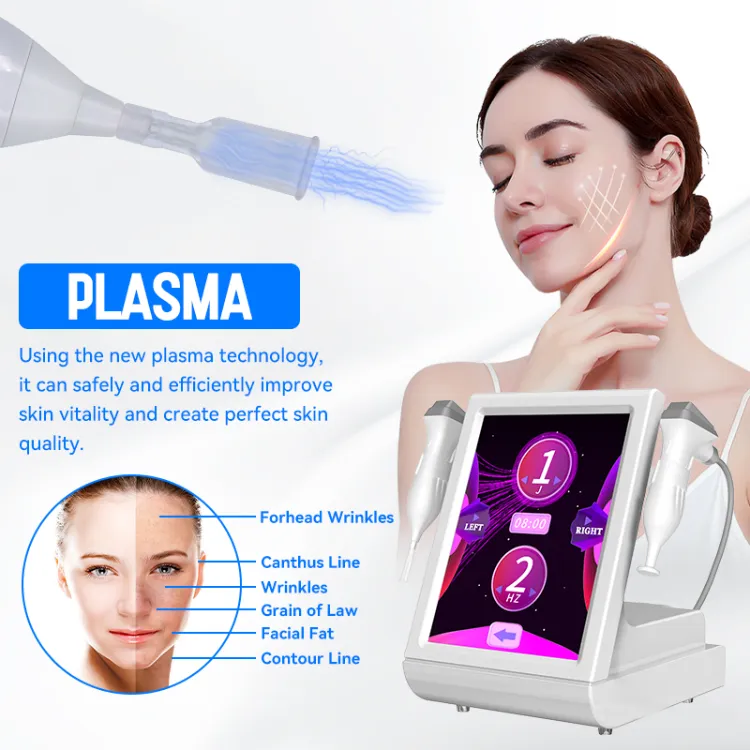
Cold plasma is an ionized gas applied at near-room temperature that interacts primarily with the skin surface and epidermal layers. It generates reactive particles that help reduce bacteria, calm inflammation, and stimulate mild cellular regeneration.

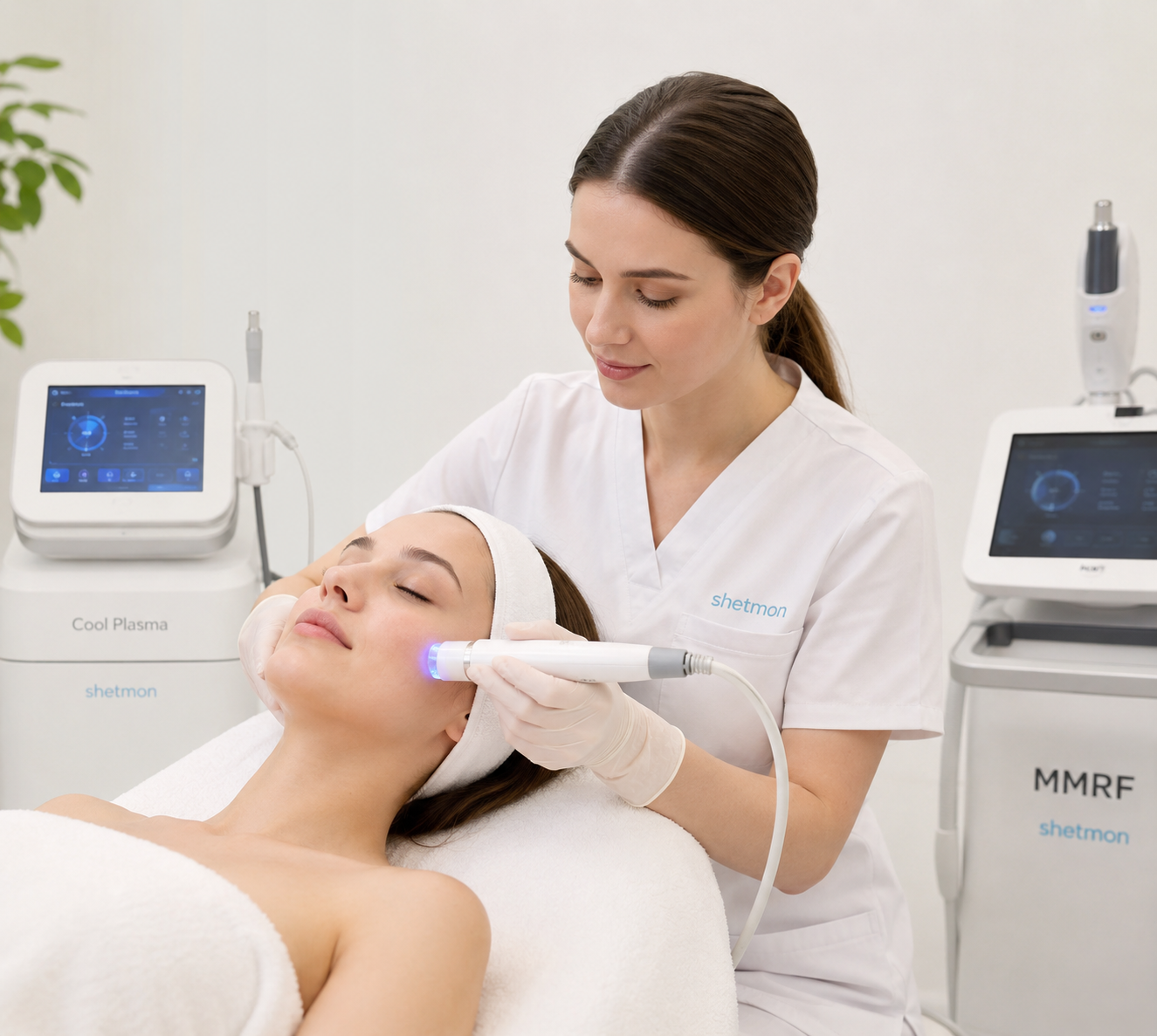
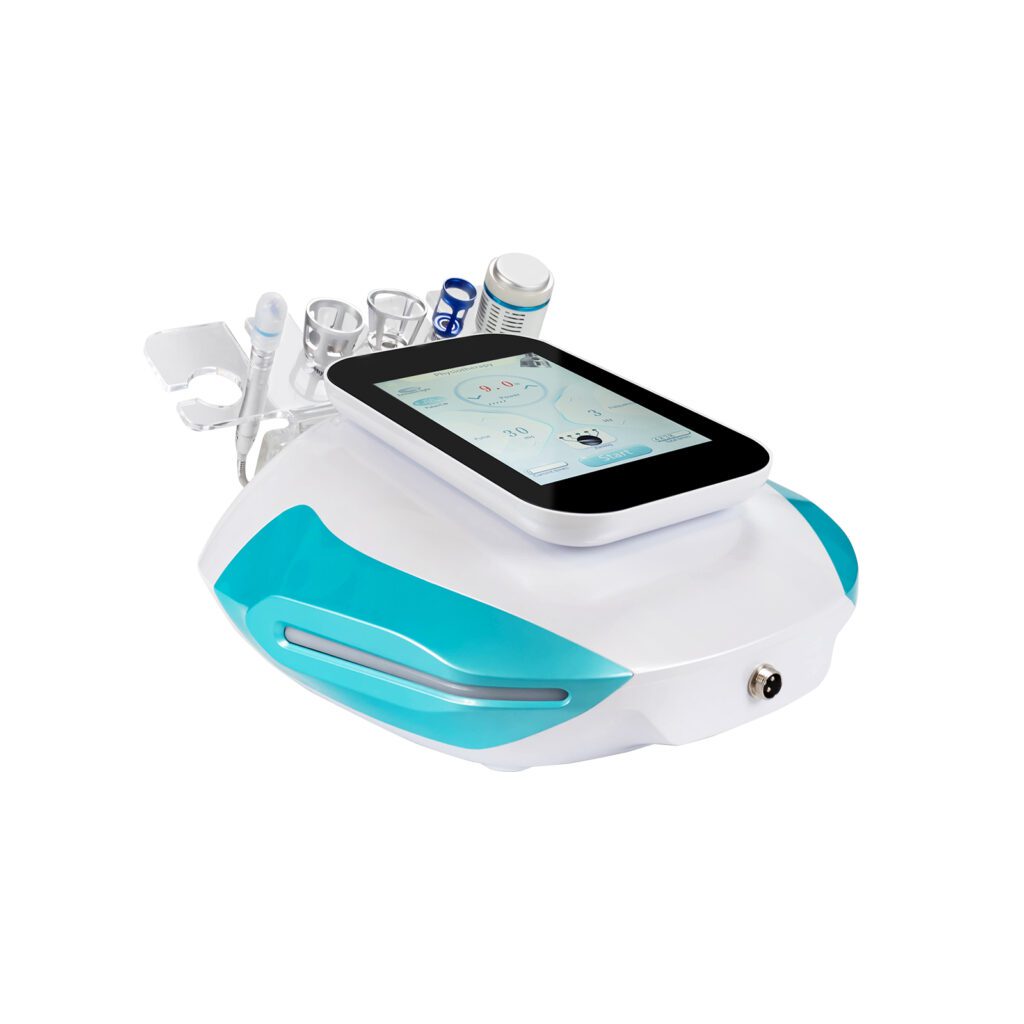
In clinical use, a system like the Shefmon Cool Plasma Cold Fusion Facial Device A0145 delivers controlled plasma energy without heat damage. This makes it especially suitable for sensitive or acne-prone skin where barrier safety is a priority.

Key mechanisms include:

  • Antibacterial action against acne-causing microorganisms
  • Reduction of inflammation and redness
  • Stimulation of superficial skin renewal
  • Improved absorption of skincare actives

Cold plasma is therefore best described as a surface-level bio-rebalancing treatment rather than a deep structural one.

1.2 RF Microneedling: Controlled Injury + Deep Thermal Energy

RF microneedling combines two technologies:

  1. Mechanical micro-injuries via ultra-fine needles
  2. Radiofrequency (RF) thermal energy delivered into the dermis

A device such as the Shefmon MMRF Deepth 8 Microneedling RF Device A0152 penetrates the skin at controlled depths and delivers heat directly into deeper tissue layers. This triggers a stronger wound-healing response and significant collagen remodeling.

Mechanism highlights:

  • Microchannels stimulate natural repair response
  • RF energy heats dermis (collagen contraction)
  • Long-term collagen and elastin production
  • Structural tightening of skin layers

Unlike cold plasma, RF microneedling is a deep dermal remodeling technology.

2. Treatment Depth and Biological Effects

2.1 Cold Plasma: Epidermis-Focused Action

Cold plasma primarily affects the outer skin layers. Its biological impact is indirect but powerful in terms of:

  • Skin microbiome balance
  • Surface inflammation control
  • Barrier repair
  • Post-treatment recovery support

Because it does not rely on heat or penetration, downtime is minimal and it is generally suitable for a wide range of skin types, including sensitive skin.

2.2 RF Microneedling: Dermis-Level Transformation

RF microneedling works deeper—typically into the dermis where collagen fibers and fibroblasts reside. The controlled thermal energy can reach temperatures that induce collagen contraction and remodeling.

This makes it especially effective for:

  • 深いニキビ跡
  • Skin laxity (jawline, cheeks, neck)
  • しわの軽減
  • 毛穴の拡大

However, because it creates controlled micro-injuries and heat, recovery time is longer than cold plasma treatments.

3. Clinical Applications and Treatment Goals

3.1 When Cold Plasma Is the Better Choice

Cold plasma is ideal for clinics targeting:

  • Acne-prone or inflamed skin
  • Sensitive skin clients
  • Post-treatment recovery protocols
  • Skin barrier repair programs
  • Mild rejuvenation and glow enhancement

その Shefmon A0145 cold plasma system is often positioned as a standalone facial treatment or complementary therapy after more intensive procedures like lasers or peels.

Typical outcomes:

  • Calmer skin appearance
  • Reduced redness and breakouts
  • Healthier skin surface environment

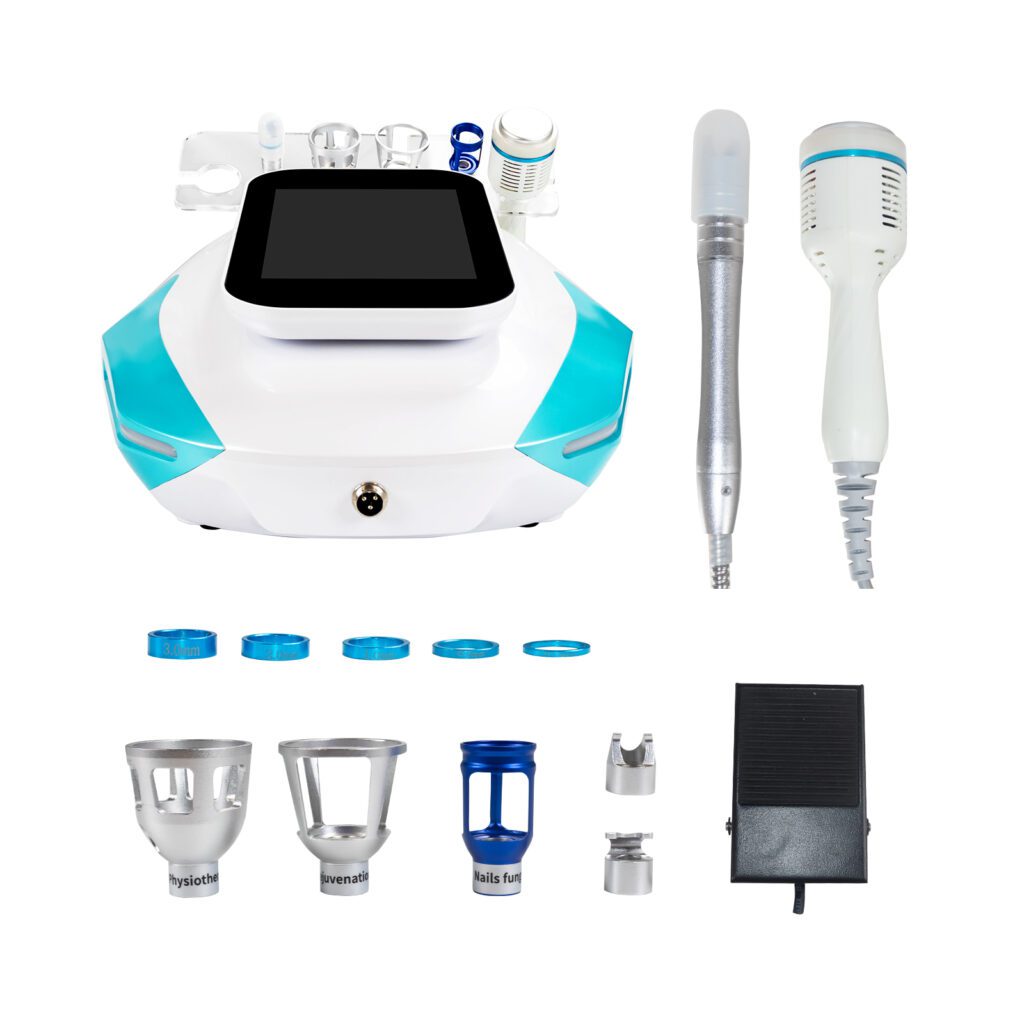
10 in 1 冷プラズマ装置 アンチエイジングスキンリフトアップ温冷プラズママシン

3.2 When RF Microneedling Is the Better Choice

RF microneedling is preferred for structural concerns that require deeper remodeling, such as:

  • Acne scars (moderate to severe)
  • 小じわやシワ
  • 弾力性の喪失
  • Enlarged pores with skin laxity

その Shefmon A0152 RF microneedling system is designed for more advanced anti-aging protocols where visible tightening and collagen rebuilding are priorities.

Expected outcomes:

  • 肌のハリがアップ
  • 輪郭の鮮明度が向上しました
  • Long-term collagen stimulation
  • More significant anti-aging effects

4. Downtime, Comfort, and Safety Profile

4.1 Cold Plasma: Minimal Downtime

Cold plasma treatments typically involve:

  • No pain or mild warming sensation
  • No visible injury to skin surface
  • 回復時間はほとんど、あるいは全くない
  • Suitable for frequent sessions

This makes it highly attractive for maintenance treatments and high-volume clinics.

4.2 RF Microneedling: Controlled Recovery Phase

RF microneedling generally involves:

  • Redness and mild swelling for 1–3 days
  • 一時的な敏感さ
  • Mild pinpoint micro-injuries
  • Longer recovery compared to cold plasma

However, this downtime corresponds to stronger collagen remodeling effects.

5. Key Difference: Depth Determines Outcome

The fundamental difference between these two technologies is simple:

  • Cold Plasma = Surface healing + antimicrobial + barrier repair
  • RF Microneedling = Deep dermal remodeling + tightening + collagen induction

Cold plasma focuses on skin health and environment, while RF microneedling focuses on structural transformation.

結論

Cold plasma and RFマイクロニードリング are not competing technologies—they serve different layers of skin biology and different clinical goals. Cold plasma is best suited for gentle rejuvenation, acne management, and post-treatment recovery. RF microneedling, on the other hand, is a more intensive solution for aging, scarring, and skin laxity. For modern aesthetic clinics, combining both systems—such as using cold plasma for calming and recovery and RF microneedling for structural repair—can create a more complete treatment ecosystem.

人気商品