








Les technologies esthétiques non invasives évoluent rapidement, et deux traitements sont souvent comparés dans les cliniques modernes : systèmes faciaux au plasma froid et Dispositifs de micro-aiguilletage RF. Bien que les deux traitements visent à améliorer la qualité de la peau, l'acné et les signes du vieillissement, ils agissent sur des mécanismes biologiques totalement différents. Il est essentiel pour les cliniques, les distributeurs et les praticiens de comprendre ces différences afin de choisir la technologie la plus adaptée aux besoins de chaque patient.
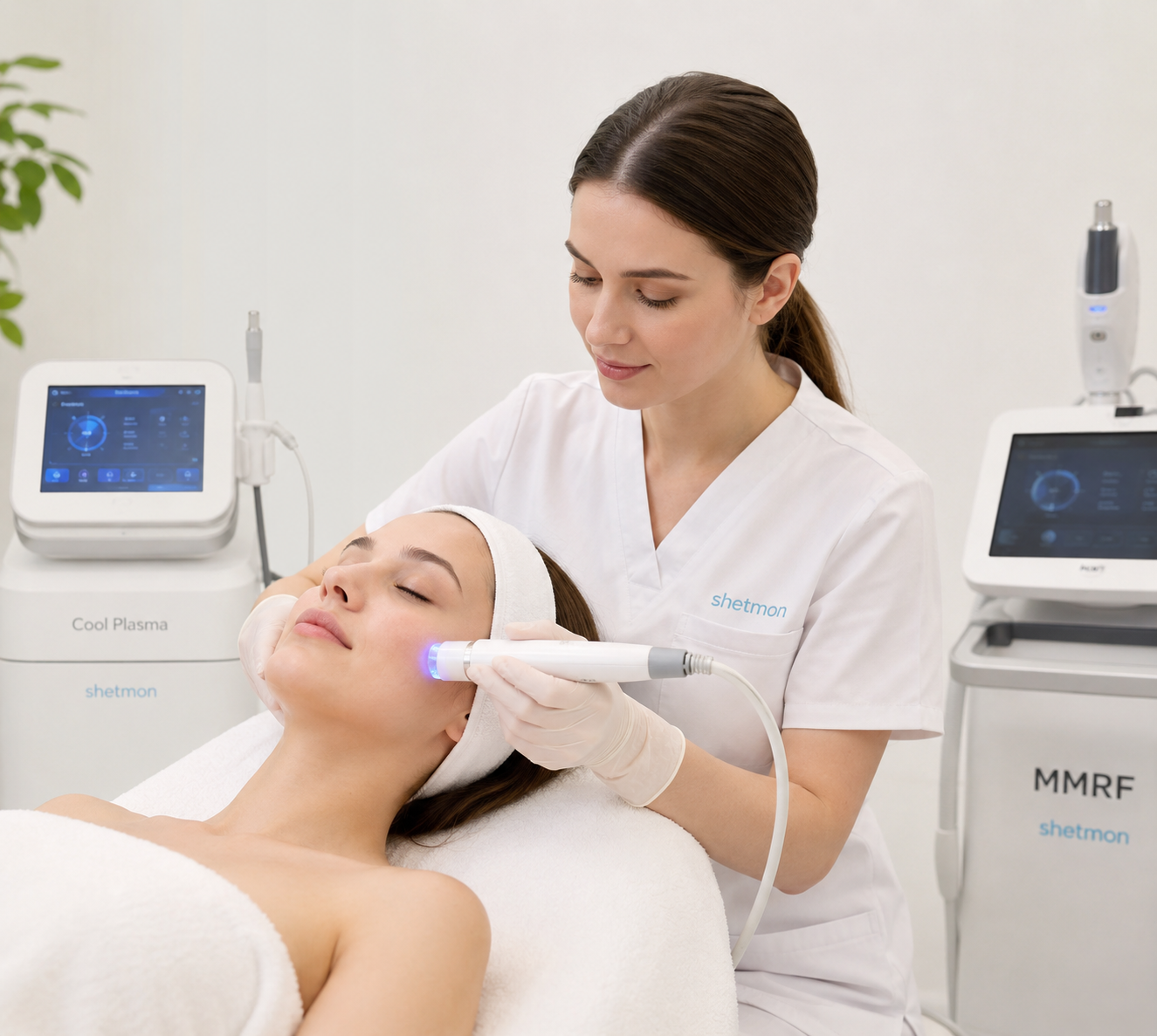
1. Principes technologiques : Biostimulation de surface vs Remodelage dermique profond
1.1 Plasma froid : régénération de surface non thermique
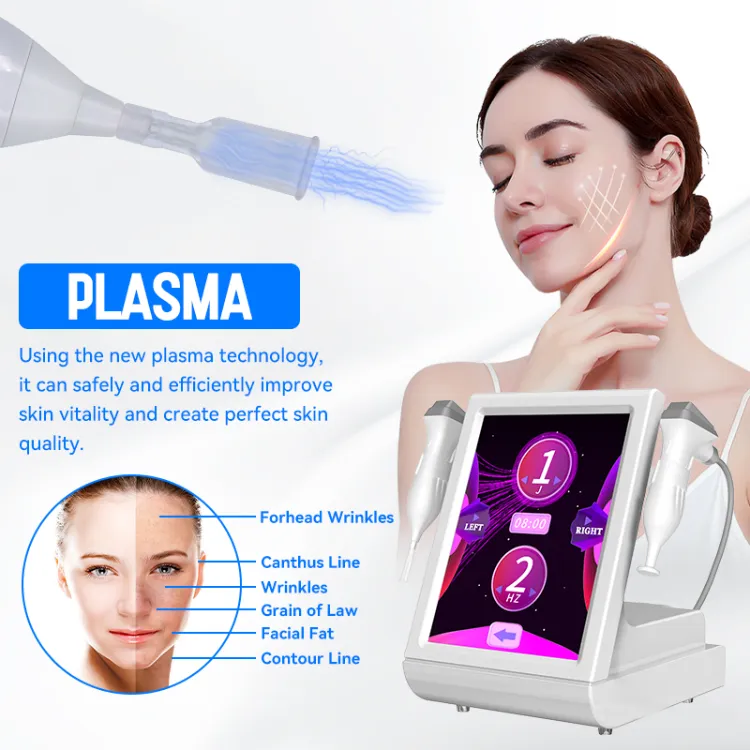
Le plasma froid est un gaz ionisé appliqué à une température proche de la température ambiante qui interagit principalement avec le surface de la peau et couches épidermiques. Elle génère des particules réactives qui contribuent à réduire les bactéries, à calmer l'inflammation et à stimuler une légère régénération cellulaire.
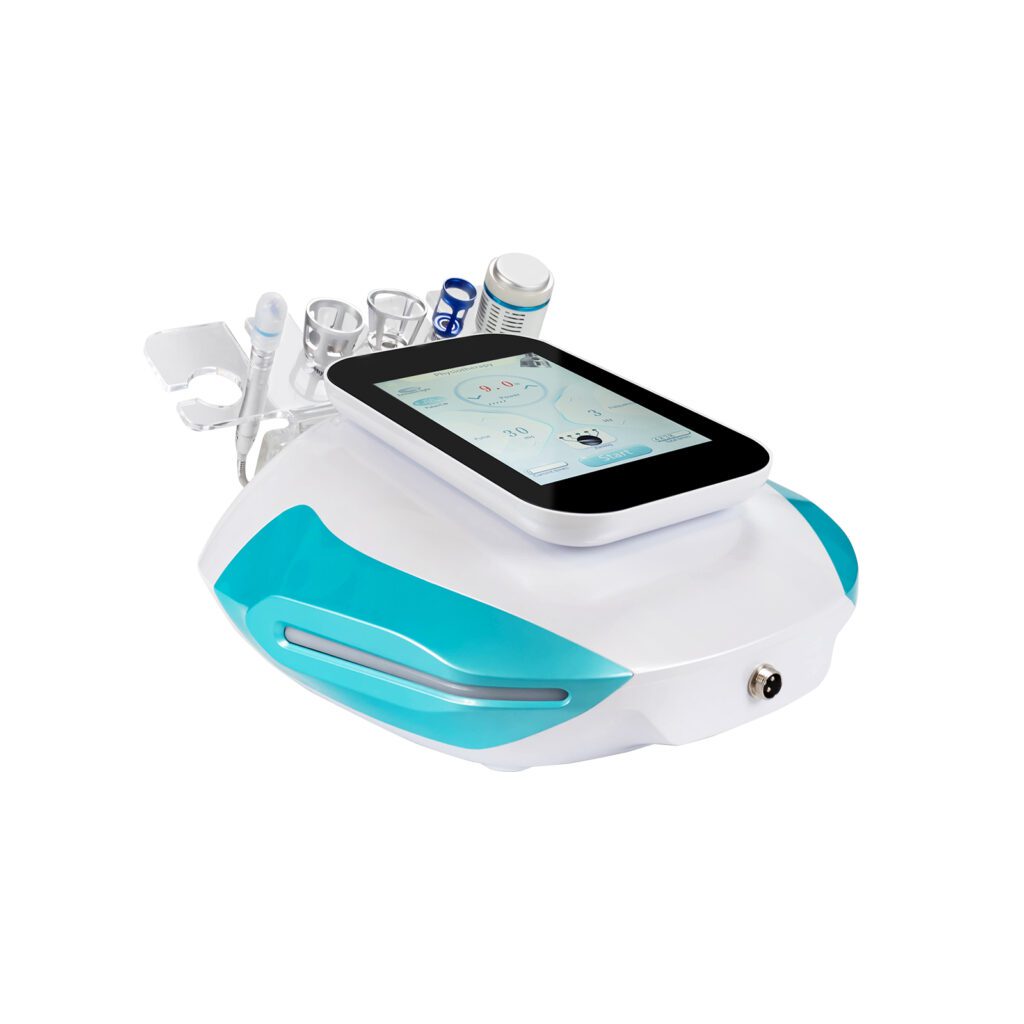
En pratique clinique, un système comme le Appareil de soin du visage à plasma froid Shefmon A0145 Ce procédé génère une énergie plasma contrôlée sans endommager la peau par la chaleur. Il est donc particulièrement adapté aux peaux sensibles ou à tendance acnéique, pour lesquelles la préservation de la barrière cutanée est primordiale.
Les principaux mécanismes comprennent :
- Action antibactérienne contre les micro-organismes responsables de l'acné
- Réduction de l'inflammation et des rougeurs
- Stimulation du renouvellement cutané superficiel
- Absorption améliorée des actifs de soin de la peau
Le plasma froid est donc mieux décrit comme un traitement de bio-rééquilibrage superficiel plutôt qu'une profonde crise structurelle.
1.2 Microneedling par radiofréquence : Lésion contrôlée + Énergie thermique profonde
Le microneedling RF combine deux technologies :
- micro-lésions mécaniques induites par des aiguilles ultra-fines
- Énergie thermique par radiofréquence (RF) délivrée dans le derme
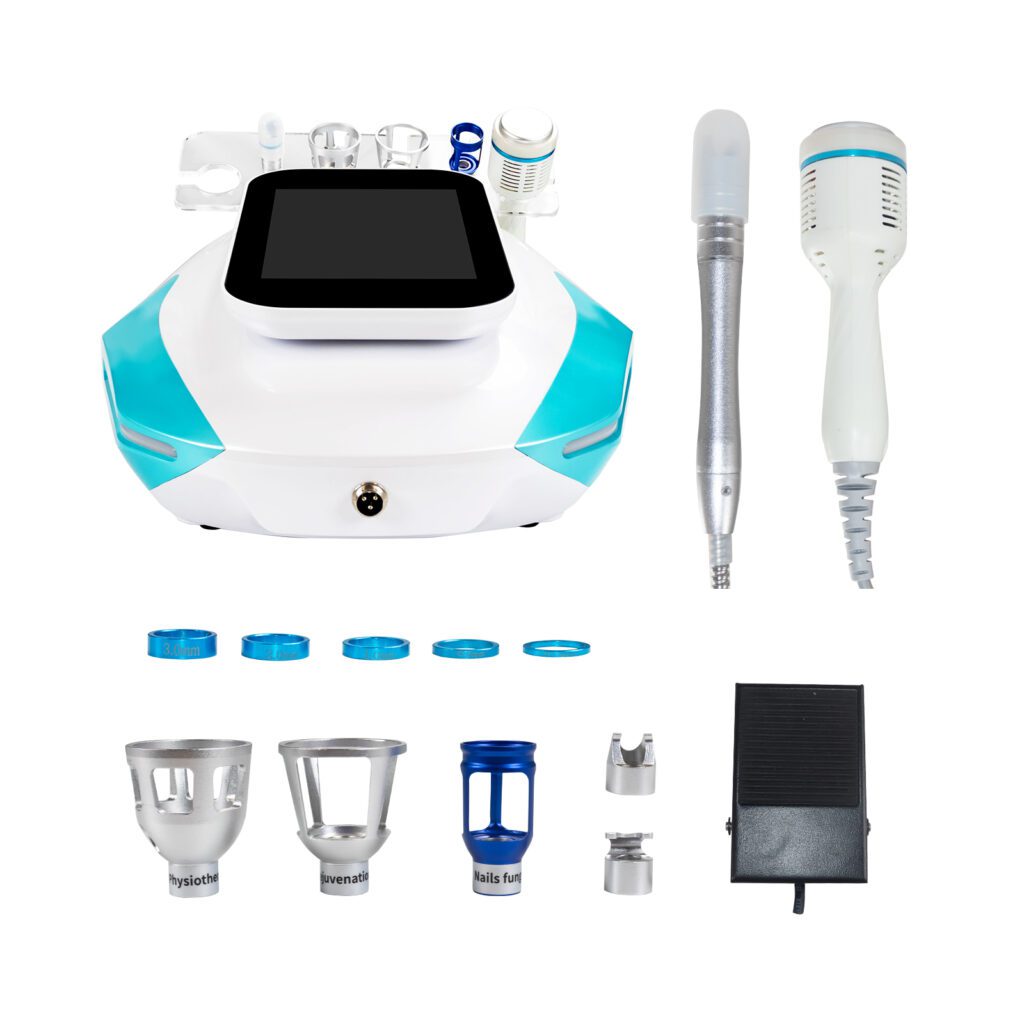
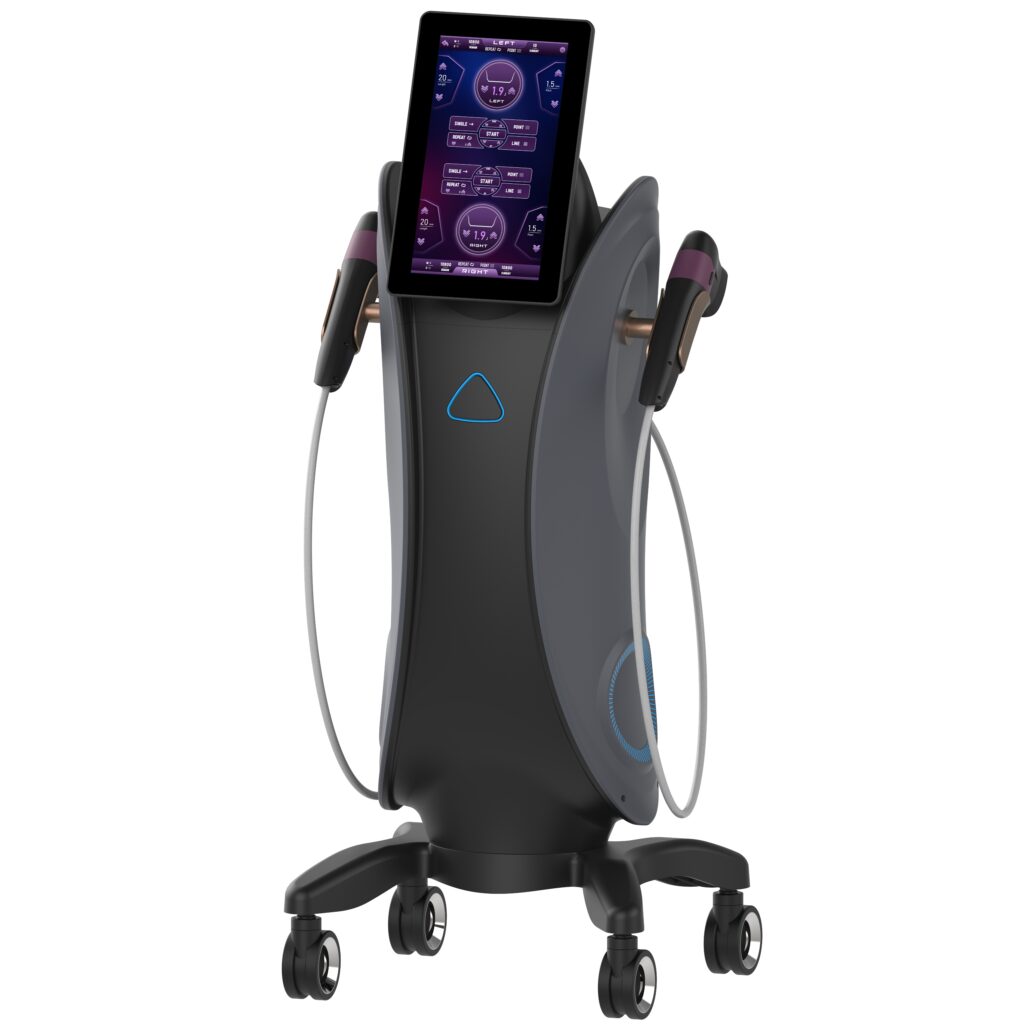
Un appareil tel que le Dispositif de micro-aiguillage RF Shefmon MMRF Deepth 8 A0152 Elle pénètre la peau à des profondeurs contrôlées et diffuse la chaleur directement dans les couches tissulaires profondes. Ceci stimule la cicatrisation et induit un remodelage significatif du collagène.
Points saillants du mécanisme :
- Les microcanaux stimulent la réponse de réparation naturelle
- L'énergie RF chauffe le derme (contraction du collagène).
- Production à long terme de collagène et d'élastine
- Resserrement structurel des couches cutanées
Contrairement au plasma froid, le microneedling RF est une technique technologie de remodelage cutané profond.

2. Profondeur du traitement et effets biologiques
2.1 Plasma froid : Action ciblée sur l’épiderme
Le plasma froid affecte principalement les couches superficielles de la peau. Son impact biologique est indirect mais puissant, notamment en ce qui concerne :
- équilibre du microbiome cutané
- Contrôle de l'inflammation superficielle
- Réparation des barrières
- Soutien au rétablissement post-traitement
Comme elle ne repose ni sur la chaleur ni sur la pénétration, le temps de récupération est minimal et elle convient généralement à une large gamme de types de peau, y compris les peaux sensibles.
2.2 Microneedling RF : Transformation au niveau du derme
Le microneedling par radiofréquence agit plus profondément, généralement dans le derme où se trouvent les fibres de collagène et les fibroblastes. L'énergie thermique contrôlée peut atteindre des températures qui induisent la contraction et le remodelage du collagène.
Cela le rend particulièrement efficace pour :
- Cicatrices d'acné profondes
- Relâchement cutané (mâchoire, joues, cou)
- Réduction des rides
- Pores dilatés
Cependant, comme elle crée des micro-lésions contrôlées et de la chaleur, le temps de récupération est plus long que pour les traitements au plasma froid.
3. Applications cliniques et objectifs du traitement
3.1 Quand le plasma froid est le meilleur choix
Le plasma froid est idéal pour les cliniques ciblant :
- Peau sujette à l'acné ou enflammée
- Clients à la peau sensible
- Protocoles de récupération post-traitement
- programmes de réparation de la barrière cutanée
- Rajeunissement léger et rehaussement de l'éclat
Le Système à plasma froid Shefmon A0145 est souvent présenté comme un soin du visage seul ou thérapie complémentaire après des interventions plus intensives comme les lasers ou les peelings.
Résultats typiques :
- Une peau plus apaisée
- Réduction des rougeurs et des éruptions cutanées
- environnement de surface cutanée plus sain
3.2 Quand le microneedling par radiofréquence est le meilleur choix
Le microneedling par radiofréquence est privilégié pour les problèmes structurels nécessitant un remodelage plus profond, tels que :
- Cicatrices d'acné (modérées à sévères)
- Rides et ridules
- Perte d'élasticité
- Pores dilatés et relâchement cutané
Le Système de micro-aiguillage RF Shefmon A0152 Il est conçu pour les protocoles anti-âge plus avancés où le raffermissement visible et la reconstruction du collagène sont prioritaires.
Résultats attendus :
- Texture de la peau plus ferme
- Définition des contours améliorée
- Stimulation du collagène à long terme
- Des effets anti-âge plus importants
4. Profil des temps d'arrêt, du confort et de la sécurité
4.1 Plasma froid : Temps d’arrêt minimal
Les traitements au plasma froid impliquent généralement :
- Aucune douleur ni sensation de légère chaleur
- Aucune lésion visible à la surface de la peau
- Temps de récupération quasi inexistant
- Adapté aux séances fréquentes
Cela le rend très intéressant pour les traitements d'entretien et les cliniques à fort volume d'activité.
4.2 Microneedling par radiofréquence : Phase de récupération contrôlée
Le microneedling par radiofréquence implique généralement :
- Rougeurs et léger gonflement pendant 1 à 3 jours
- sensibilité temporaire
- micro-lésions légères et ponctuelles
- Récupération plus longue comparée au plasma froid
Cependant, cette période d'inactivité correspond à des effets de remodelage du collagène plus marqués.
5. Différence clé : la profondeur détermine le résultat
La différence fondamentale entre ces deux technologies est simple :
- Plasma froid = Guérison de surface + antimicrobien + réparation de barrière
- Microneedling par radiofréquence = Remodelage cutané profond + raffermissement + induction de collagène
Le plasma froid se concentre sur santé de la peau et environnement, tandis que le microneedling par radiofréquence se concentre sur transformation structurelle.
Conclusion
Plasma froid et Micro-aiguilletage RF Il ne s'agit pas de technologies concurrentes ; elles agissent sur différentes couches de la biologie cutanée et répondent à des objectifs cliniques distincts. Le plasma froid est particulièrement adapté au rajeunissement doux, au traitement de l'acné et à la récupération post-traitement. Le microneedling par radiofréquence, quant à lui, est une solution plus intensive pour lutter contre le vieillissement cutané, les cicatrices et le relâchement de la peau. Pour les cliniques esthétiques modernes, l'association des deux systèmes – par exemple, l'utilisation du plasma froid pour apaiser et favoriser la récupération, et du microneedling par radiofréquence pour la réparation structurelle – permet de proposer une approche thérapeutique plus complète.