Entering a new beauty equipment market creates a difficult product decision. A distributor can begin with facial devices that serve salons and skin studios, specialist hair-removal equipment for qualified practices, or body systems for contouring centers and med spas. Launching all three categories at once may spread demonstration, training, inventory, and after-sales resources too thin.
The best starting category depends on the buyers already present in the market, the services they understand, local operating requirements, configuration complexity, delivery expectations, and the distributor’s ability to support the equipment. Product popularity in another country does not establish the right launch sequence.
このガイドでは、関連するものを比較します。 SHEFMONの美容機器カテゴリー and provides a practical way to decide whether a new market should begin with facial, hair-removal, or body equipment.
エグゼクティブサマリー
- Start with facial equipment when the market contains many salons or skin studios, buyers need an understandable first device service, and the distributor wants a standardized demonstration and supply process. The A0648 hydro microdermabrasion system is a relevant foundation; A0272-F can become a separate facial expansion.
- Start with hair-removal equipment when demand is concentrated among qualified specialist businesses, buyers accept a configuration-led sale, and the distributor can support laser-specific room, operator, protective, and technical requirements. A0423 is the representative SHEFMON model.
- Start with body equipment when the market has established body studios, med spas, or contouring centers and buyers can distinguish between multifunction body care, muscle-focused stimulation, and localized cooling. B0155, A0241, and S9 should be presented as different modalities.
Use a controlled launch: choose one primary category, test it with qualified buyers, standardize the offer, and add the second category only after sales and support evidence is available. A market-entry portfolio should be narrow enough to explain and strong enough to operate.
1. Define the New Market Before Choosing Products
“New market” can mean a new country, territory, buyer segment, sales channel, or service category. Define the scope precisely:
- destination country or local territory;
- cities or regions covered;
- salons, med spas, clinics, hair-removal practices, or body centers targeted;
- direct sales, reseller sales, showroom, ecommerce inquiry, or project sales;
- local sales and technical staff;
- expected voltage, plug, language, and documentation;
- import and device-classification route; and
- launch period and available demonstration resources.
A distributor entering a new country with existing salon relationships faces a different decision from a reseller entering the body-contouring segment in its current city.
2. Choose a Beachhead Category
A beachhead category is the first product family used to learn the market and build a repeatable sales process. It should have:
- an identifiable buyer group;
- a service role buyers already understand or can learn easily;
- a manageable configuration;
- a practical demonstration path;
- achievable training and after-sales support;
- an accessory and consumable plan; and
- a logical expansion category.
The first category does not need to cover the entire market. Its purpose is to establish qualified demand, customer relationships, configuration knowledge, and support capability.
3. Use a Market-Entry Scorecard
Score facial, hair-removal, and body categories against the same criteria.
| 要素 | 質問 | Strong signal |
|---|---|---|
| Buyer density | Are enough target businesses reachable? | A defined, contactable group with relevant services |
| Qualified demand | Are buyers planning purchases, or only showing interest? | Repeated inquiries with service, timing, and configuration details |
| Service familiarity | Can buyers explain how the category fits their menu? | Existing client demand and recognizable service language |
| Professional readiness | Do operators and facilities meet the category’s requirements? | Trained staff, appropriate rooms, screening, and local authorization |
| 構成 | Can a launch SKU be standardized? | One common package or a controlled option set |
| Demonstration | Can the distributor show the category responsibly? | Trained demonstrator, complete unit, and structured agenda |
| サポート | Can the team install, train, troubleshoot, and supply consumables? | Named ownership, materials, parts, and escalation process |
| ロジスティクス | Is the unit practical to import, store, and deliver? | Known packaging, lead time, handling, and local preparation |
| 拡大 | Does the category lead to a relevant next product? | A second service family for the same buyer base |
Weight the criteria according to the market. Professional readiness may carry more weight for laser or clinical categories than it does for a salon facial foundation.
4. Compare Facial, Hair and Body Entry Routes
| Entry route | Primary buyers | 主な利点 | Main challenge | 代表的なモデル |
|---|---|---|---|---|
| Facial | Facial salons, beauty studios, med spas | Clear starter service and potentially broad buyer base | Crowded positioning and need for a coherent menu story | A0648, then A0272-F |
| 脱毛 | Specialist hair-removal practices and qualified multi-service businesses | Focused service identity and strong specialist positioning | Configuration, room, operator, protective, and local-rule requirements | A0423 |
| 体 | Body studios, contouring centers, med spas | Several differentiated modality choices | Buyers may confuse technologies and broad outcome claims | B0155, A0241, S9 |
This comparison describes commercial routes. It does not predict which category will sell best in a particular country.
5. When Facial Equipment Is the Best Starting Point
Facial equipment can be a practical first category when:
- the market has a large reachable base of facial salons and skin studios;
- buyers are seeking their first professional device or a clearer maintenance menu;
- a standard configuration can serve many accounts;
- demonstrations can be delivered consistently;
- solutions, tips, accessories, cleaning, and training can be supported; and
- the distributor plans to expand later into a separate facial or body category.
Facial equipment is not automatically the easiest route. The market may contain many similar offers, so the distributor must explain the service role, configuration, supplies, and support more clearly than competitors that rely on feature count.
6. Use A0648 as a Facial Foundation
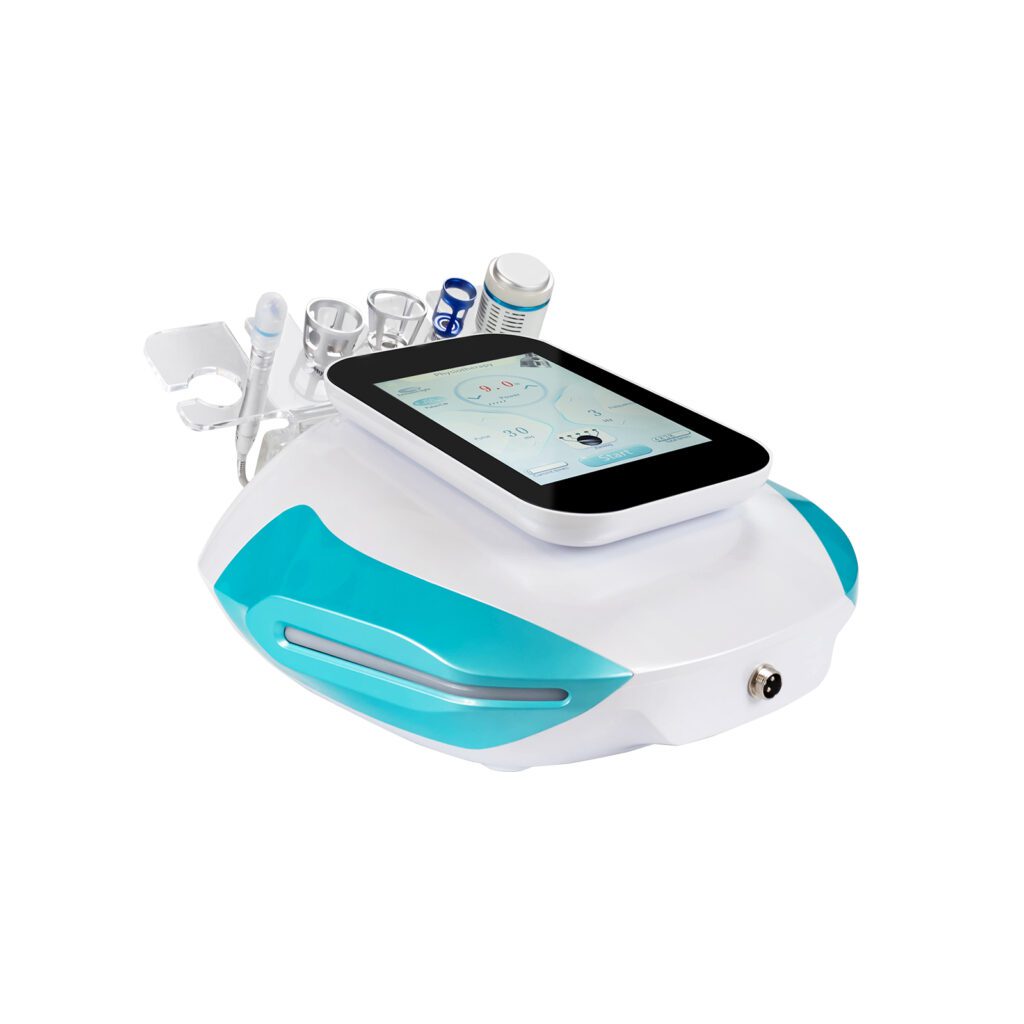
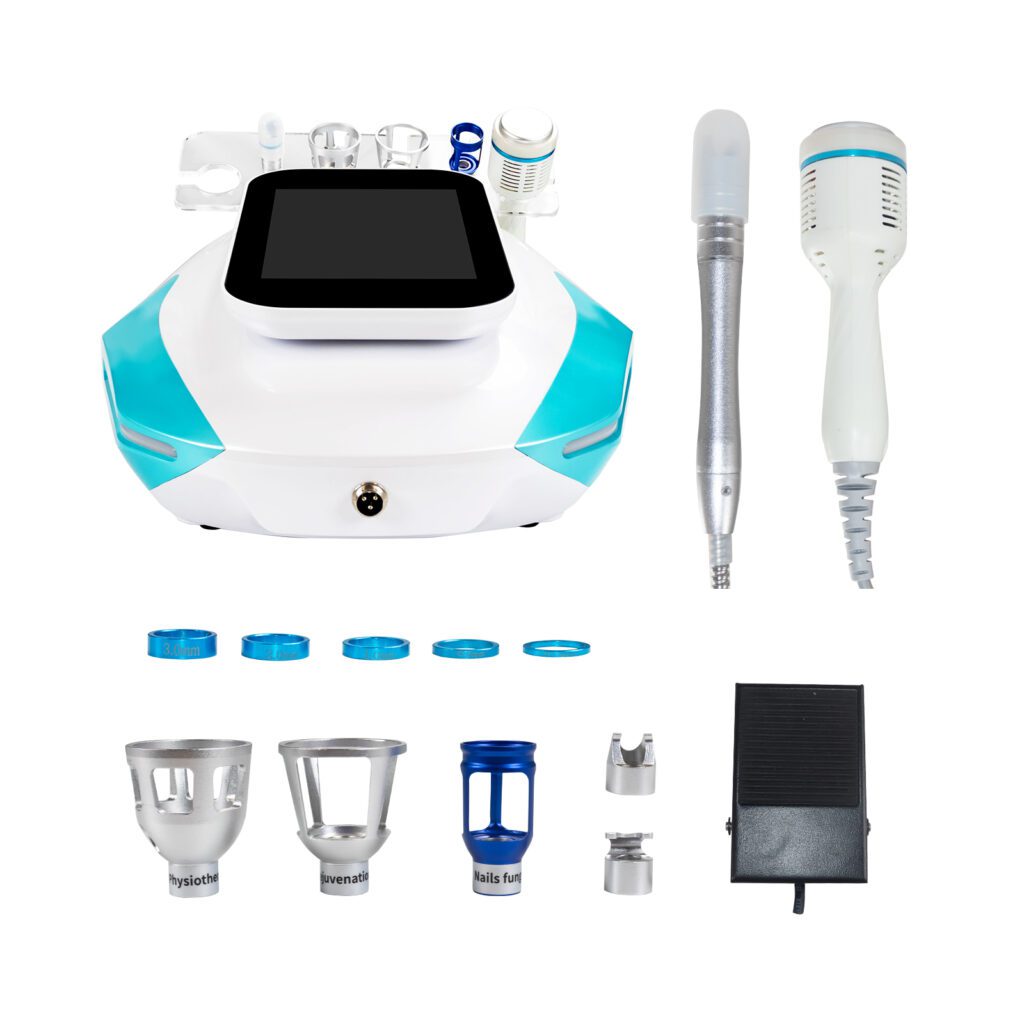
その A0648 9-in-1 hydro microdermabrasion system can anchor a new-market facial range. Its role is a cleansing and hydration-oriented platform incorporating exfoliation, vacuum-assisted extraction, and hydration steps selected within the operator’s training.
For market entry, define one launch configuration. Document the supplied functions and accessories, voltage and plug, solution and consumable requirements, cleaning workflow, training, packaging, delivery, and after-sales route. Present the system through a clear facial service rather than the “9-in-1” label alone.
A0648 is especially relevant when the distributor needs a product that can be shown to several salon profiles without creating many SKUs at launch.
7. Add A0272-F After Facial Demand Is Established
その A0272-F facial electrical stimulation and RF system can become the second facial category for established salons and med spas. It supports a facial tone and contour consultation rather than cleansing and hydration.
Add it when buyers already understand the facial foundation and qualified inquiries show demand for another facial objective. Create separate demonstrations, menu descriptions, setup guidance, screening boundaries, and operator workflows.
Do not present A0648 and A0272-F as a required same-day combination. They can build a broader business portfolio while remaining separate service families.
8. Facial Market-Entry Offer Structure
| Offer element | Launch content | Expansion content |
|---|---|---|
| Core model | A0648 standard configuration | A0272-F specified configuration |
| 買い手 | Facial salon or beauty studio | 既存のサロンまたはメディカルスパ |
| サービス役割 | Cleansing and hydration-oriented facial care | Facial tone and contour consultation |
| Demo focus | Workflow, functions, cleaning, supplies | Application setup and category differentiation |
| Sales asset | Starter configuration and room checklist | Comparison with the existing facial menu |
| Supply model | Stock or rapid-order if demand supports it | Demo-led or order-led until demand repeats |
This route gives the distributor a focused first offer and a logical growth story without adding unrelated categories immediately.
9. Risks of Starting with Facial Equipment
Facial categories can attract many unqualified price inquiries. The distributor should avoid competing only through function count, promotional price, or broad claims.
Other risks include inconsistent consumable supply, unclear cleaning processes, overlapping hydro models, weak differentiation between salon and med-spa buyers, and launching too many configurations. Control these risks through one defined SKU, buyer-specific content, a demonstration checklist, and a documented supply plan.
If qualified local demand concentrates in specialist hair removal or body contouring, a facial-first strategy may use resources without reaching the strongest buyers.
10. When Hair-Removal Equipment Is the Best Starting Point
Hair-removal equipment can lead a new-market launch when:
- the distributor can identify qualified specialist operators and businesses;
- local rules for the device, operator, and facility are understood;
- buyers are comfortable with a consultation-led, configuration-specific purchase;
- the sales team can explain wavelength, spot size, cooling, room, and protective requirements;
- technical support is prepared for the selected system; and
- demand is strong enough to justify a demonstration or specialist campaign.
This route can create a clear market identity. It also carries a higher qualification burden than a general salon facial offer.
11. Use A0423 as the Hair-Removal Entry Platform
その A0423ダイオードレーザー is the representative SHEFMON model for a specialist hair-removal launch. Its page lists multiple wavelength and spot-size choices.
The distributor should not advertise “A0423 available” without naming the configuration. Confirm wavelength selection, spot size, handle power, cooling arrangement, voltage, plug, supplied accessories, protective equipment planning, documentation, and training scope.
A demonstration unit can support the market launch if its configuration is clearly documented. Customer units may be configured to order until purchasing data shows that one specification repeats.
12. Build a Hair-Removal Buyer Qualification Path
A laser inquiry form should ask:
- business type and professional setting;
- operator background and local authorization;
- intended treatment areas and client profiles;
- existing laser experience;
- room, power, cooling, and protective arrangements;
- preferred wavelength and spot-size configuration;
- expected service volume;
- training and technical-support needs; and
- planned launch date.
The American Academy of Dermatology states in its laser hair removal FAQs that treatment commonly involves multiple sessions and that results and risks vary. Marketing should reflect realistic client communication and experienced operation.
13. Hair-Removal Market-Entry Offer Structure
The initial offer can include:
- one documented A0423 demonstration configuration;
- a wavelength and spot-size comparison form;
- laser-room and electrical checklist;
- protective-equipment planning;
- approved service-positioning language;
- operator and local-requirement questions;
- technical training and support scope; and
- configure-to-order customer units.
The distributor can add stock only after verified orders converge on one configuration and local delivery speed materially affects conversion.
14. Risks of Starting with Hair Removal
Hair-removal equipment may narrow the reachable buyer base. Buyers without the right operator, facility, or local permission should not be treated as sales opportunities for the category.
Configuration errors can also create expensive mismatches. A wavelength or spot-size option shown on a product page should not be assumed to be standard. Demonstrations must be controlled, and staff should know when to escalate technical or professional questions.
If the distributor lacks laser experience, the first workstream is capability development. Adding the model to a catalog does not create a responsible market-entry offer.
15. When Body Equipment Is the Best Starting Point
Body equipment can lead when:
- the market contains established body studios, med spas, or contouring centers;
- buyers already understand the difference between body modalities;
- the distributor has staff who can explain technology-specific workflows;
- sufficient showroom, storage, delivery, and demonstration capacity is available;
- client screening and follow-up expectations can be communicated; and
- a single modality has stronger qualified demand than a general beauty catalog.
The first body decision is not simply “which slimming machine?” It is which service principle fits the market: multifunction body care, muscle-focused stimulation, or localized cooling.
16. Use B0155 for Multifunction Body Care
その B0155 デスクトップエンドス ベラプロ lists vacuum roller, RF, rotating massage, and 80K cavitation functions. It can anchor a body-market launch aimed at salons and studios that want several related functions in one platform.
The entry offer should include a handle map, defined menu roles, setup, cleaning, storage, suitability questions, and operator workflows. Avoid suggesting that every function belongs in every appointment.
B0155 may be the most suitable starting route when buyers prefer a flexible platform and the distributor can support several handle workflows without adding multiple machines.
17. Use A0241 for a Muscle-Focused Market
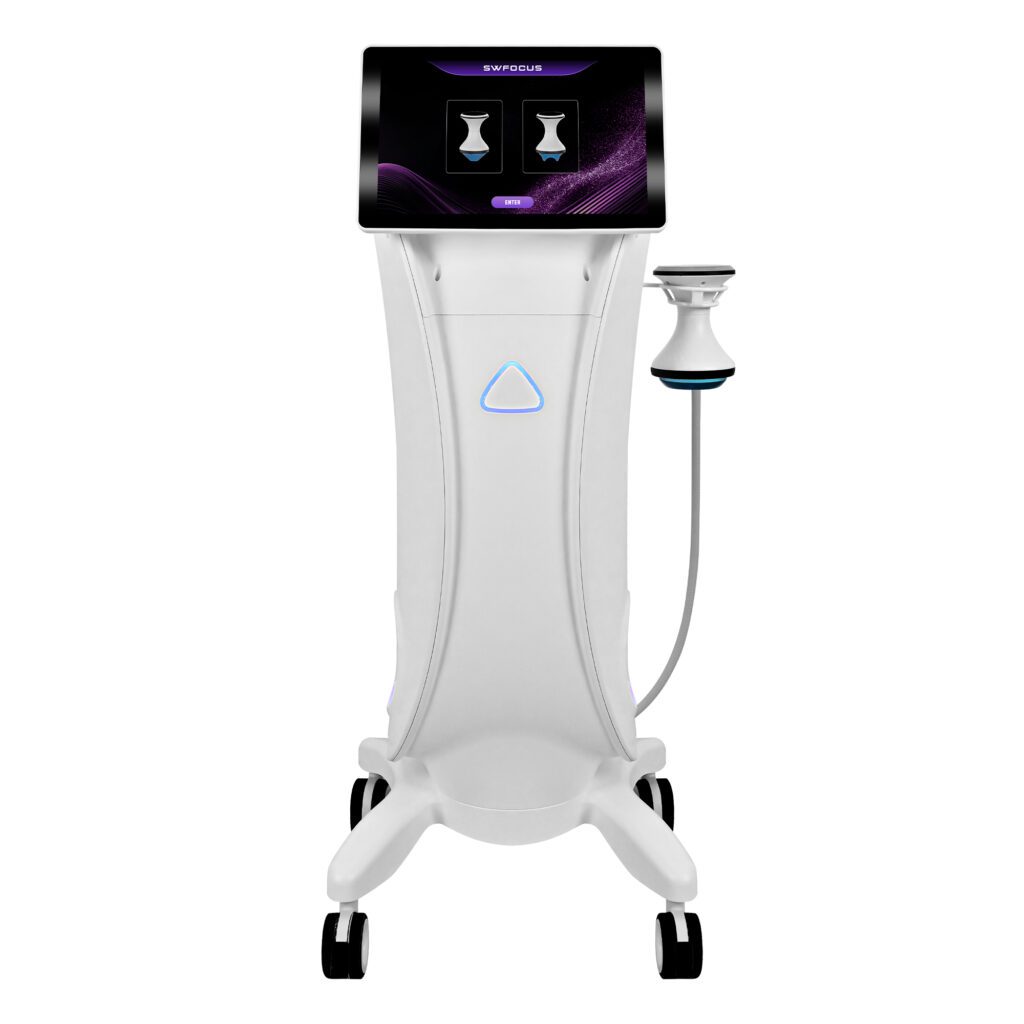
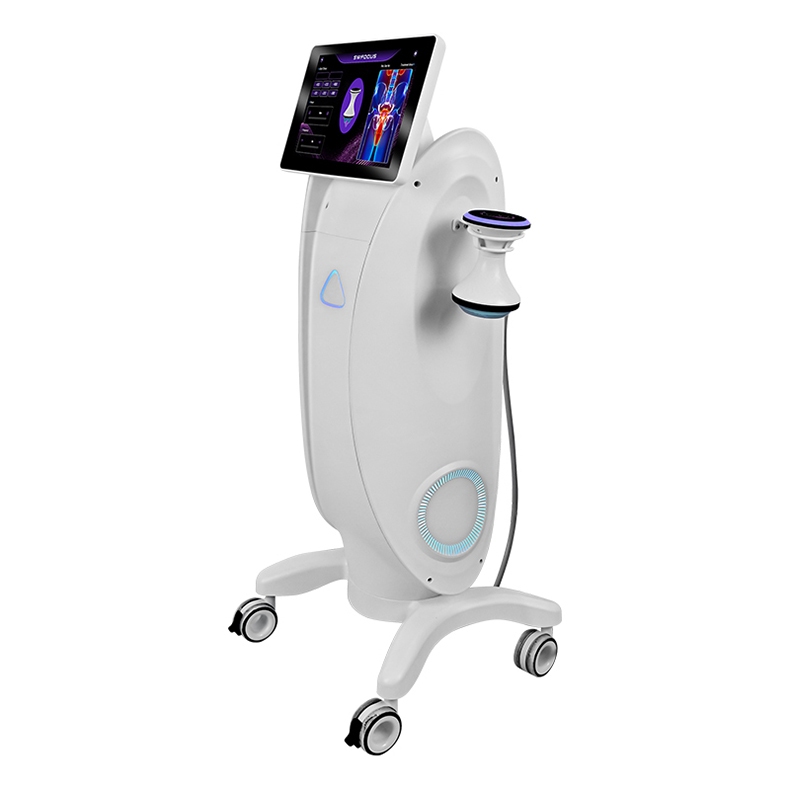
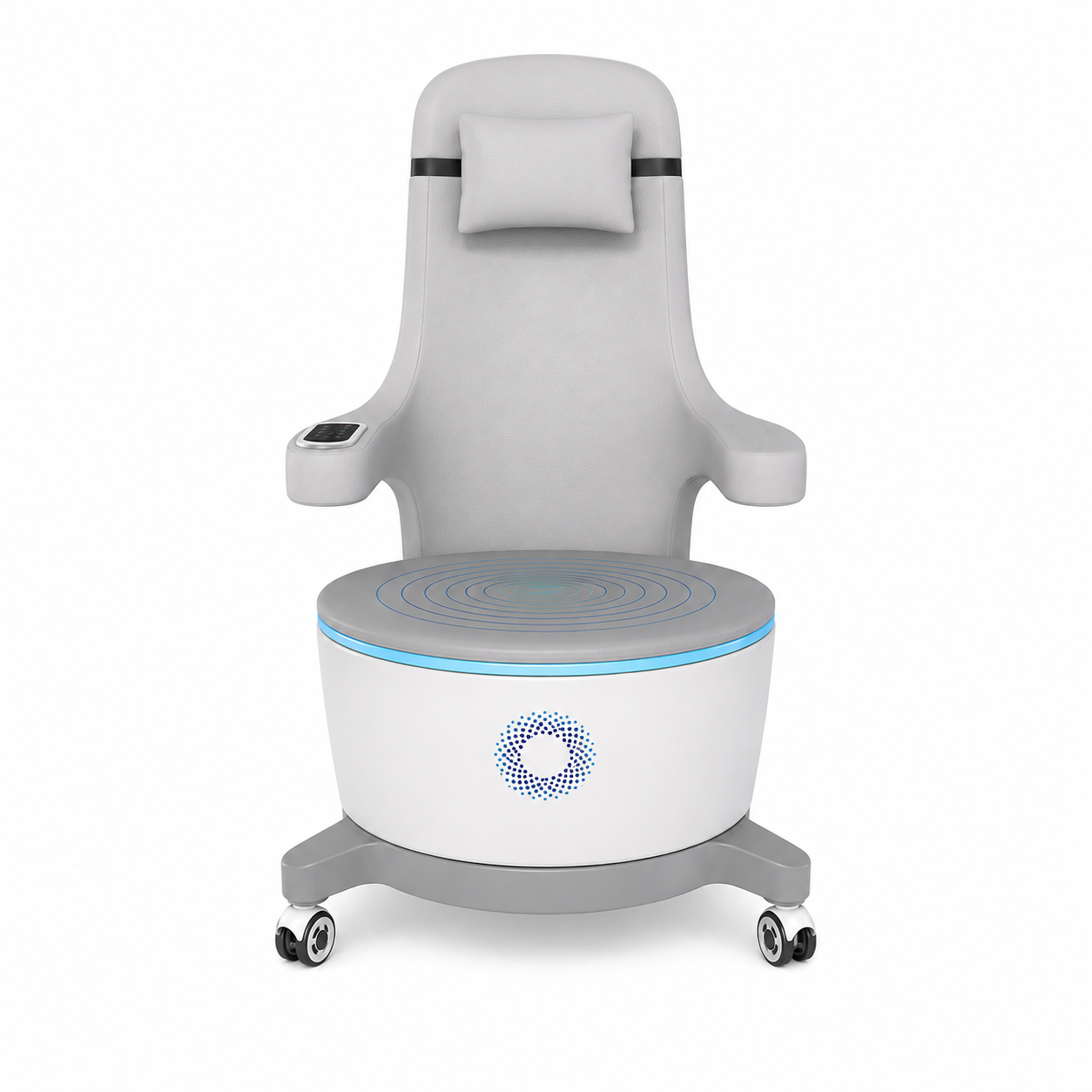
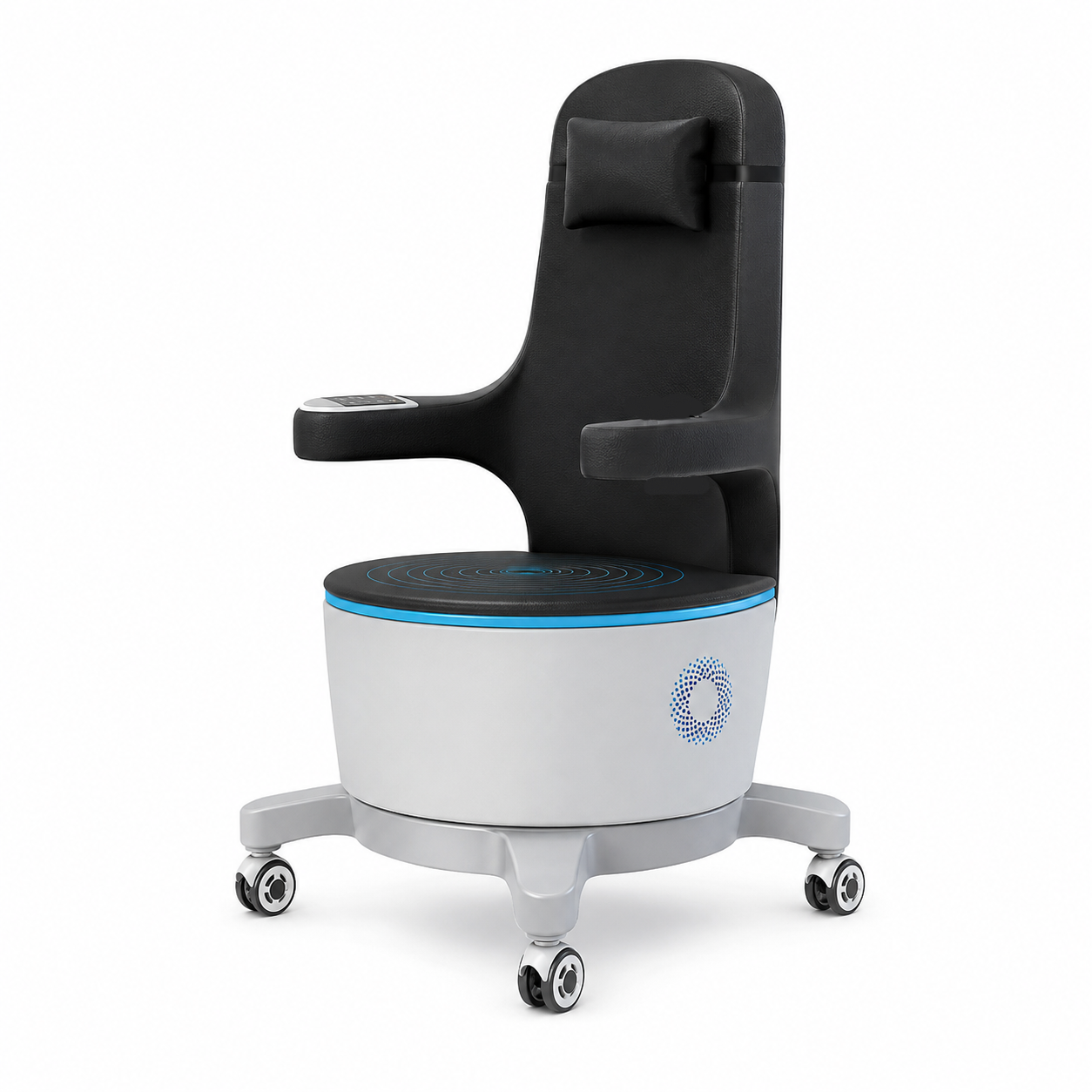
その A0241 electromagnetic stimulation and RF system can lead a specialist body launch where qualified buyers want a muscle-focused category.
Confirm the included and optional handles, application setup, room and power requirements, staff training, screening process, documentation, and supply status. The demonstration should explain the service principle and buyer fit rather than relying on exercise-equivalent claims or fixed outcome percentages.
This route is strongest when the distributor has a clearly identified body-business segment and can support the device after sale.
18. Use S9 for a Localized Cooling Market
その S9クライオリポリシスシステム can represent a vacuum-assisted localized cooling category with multiple applicator options.
The market-entry package should specify the applicators, accessories, operating configuration, voltage, client screening, monitoring, follow-up, staff preparation, and technical support. Present it as a localized contour service rather than a general weight-loss machine.
その FDA overview of non-invasive body contouring technologies discusses limitations and possible complications. Buyers should understand that suitability and results vary and that appropriate procedures are required.
19. Compare the Three Body Entry Options
| Decision area | B0155 | A0241 | シーズン9 |
|---|---|---|---|
| サービス方向 | 多機能ボディケア | Muscle-focused stimulation with RF | Localized vacuum-assisted cooling |
| Likely buyer | Salon or body studio | Body-focused studio or med spa | Qualified contouring center |
| Configuration focus | Handle workflows | Included and optional handles | Applicator package |
| Demo requirement | Explain each relevant function | Show setup and application planning | Explain applicator selection and monitoring |
| Main support burden | Multiple-function training | Setup, screening, and room requirements | Screening, applicators, monitoring, and follow-up |
Choose the modality with the strongest qualified buyer evidence. The market does not need all three systems at launch.
20. Risks of Starting with Body Equipment
Body categories are often marketed with broad and overlapping claims, which can make buyer comparisons unreliable. Different technologies may be treated as interchangeable even though their workflows, screening, application components, and client expectations differ.
Body systems can also require more showroom and storage space, more complex demonstrations, multiple applicators or handles, and deeper client-suitability education. A distributor should build technology-specific content and support rather than presenting one generic body-equipment campaign.
If buyers cannot explain which modality they want and why, begin with education and qualified discovery rather than inventory.
21. Decide with a Weighted Category Matrix
Create a local score from 1 to 5 for each factor, then apply weights that reflect the launch strategy.
| 要素 | Suggested weight | Facial | 脱毛 | 体 |
|---|---|---|---|---|
| Reachable qualified buyers | 20% | Score locally | Score locally | Score locally |
| Professional and regulatory readiness | 15% | Score locally | Score locally | Score locally |
| Repeatable configuration | 10% | Score locally | Score locally | Score locally |
| Demonstration capability | 10% | Score locally | Score locally | Score locally |
| Training and after-sales readiness | 15% | Score locally | Score locally | Score locally |
| 消耗品および付属品 | 10% | Score locally | Score locally | Score locally |
| Logistics and storage | 10% | Score locally | Score locally | Score locally |
| Expansion opportunity | 10% | Score locally | Score locally | Score locally |
Do not insert invented market scores. Gather evidence from qualified interviews, local rules, sales capability, logistics, and actual inquiries.
22. Validate Demand Before Committing Inventory
Use a structured validation sequence:
- identify and interview target businesses;
- publish category-specific content and qualification forms;
- collect requested configurations and purchase timing;
- hold focused demonstrations or online technical sessions;
- issue quotations only from complete requirements;
- record reasons for proceeding, postponing, or declining;
- test one demo or controlled stock configuration; and
- expand only after repeat qualified evidence.
Search volume and social engagement can support research, but inventory decisions need buyer and configuration data.
23. Choose the Right Supply Model for Launch
| Supply model | Best use in a new market | 例 |
|---|---|---|
| Standard Stock | Repeated demand for one configuration and prepared support | A0648 where facial-salon demand is validated |
| Demo Stock | Buyers need physical explanation before ordering | A0272-F, B0155, A0423, or selected body system |
| Configure to Order | Technical options vary | A0423 and S9 customer units |
| Special Order | Advanced or lower-frequency category requiring deeper review | A0204 or A0152 after relevant market validation |
Availability labels should state the exact SKU, configuration, and location. A demo unit is not automatically saleable stock.
24. Localize the Category, Not Just the Language
Translation is only one part of localization. Adapt:
- buyer names and service terminology;
- voltage, frequency, and plug;
- software and manuals;
- labeling and import documentation;
- local device classification;
- operator and facility requirements;
- advertising language;
- consultation and consent expectations;
- logistics and delivery; and
- technical-support channels.
Keep product facts consistent, but organize the buying path around local business conditions. Do not publish claims that are acceptable on another website without reviewing their use in the target market.
25. Build Category-Specific Sales Assets
For the chosen launch category, prepare:
- a buyer-specific landing page;
- a category comparison sheet;
- representative model page;
- standard and optional configuration list;
- qualification form;
- demonstration agenda;
- room and setup checklist;
- consumable and accessory plan;
- quotation template;
- training and support outline; and
- common-question guide for sales staff.
Prepare the second category only after the first set of assets has produced useful buyer data.
26. Plan the Second Category
The second category should use relationships and capabilities established by the first.
After a facial-first launch
Add A0272-F for a separate facial direction, B0155 for salons expanding into body care, or A0423 only if qualified hair-removal demand and support exist.
After a hair-first launch
Add A0648 as a skin-maintenance category when the same businesses want broader services, or add a second laser configuration after demand data supports it.
After a body-first launch
Add another body modality only when its service principle is distinct and buyers can support it. A facial foundation may be a better second category for body studios expanding into face-and-body services.
Expansion should follow buyer evidence, not a predetermined schedule.
27. Three Example Market-Entry Scenarios
Salon-dense urban market
Begin with A0648, one standard configuration, a facial-service demonstration, and recurring-supply plan. Test A0272-F as the next facial category after qualified salon demand is established.
Specialist hair-removal market
Use A0423 as the anchor, keep one documented demo configuration, and supply customer units after wavelength, spot size, room, operator, and local requirements are confirmed.
Established body-services market
Interview body studios to determine whether demand favors multifunction care, muscle-focused stimulation, or localized cooling. Launch B0155, A0241, or S9 as one clearly defined modality before introducing another.
These scenarios illustrate decision logic and do not claim which market will generate the highest sales.
28. Measure the First Six Months
Track the launch by category and configuration:
- qualified inquiries;
- buyer types and cities;
- requested service roles;
- configurations requested;
- demonstrations completed;
- quotations issued from complete requirements;
- quotation-to-order conversion;
- time to finalize specifications;
- installation and training workload;
- consumable and accessory demand;
- technical-support cases; and
- requests for the next category.
Do not interpret unqualified lead volume as product-market fit. A smaller number of prepared buyers can provide more useful market evidence.
29. Common New-Market Launch Mistakes
Launching facial, hair and body together
The team may lack enough category knowledge, demonstration assets, content, and support to present all three well.
Copying the range used in another country
Buyer structure, local rules, service language, voltage, logistics, and professional readiness may differ.
Choosing from product price alone
The lower-priced option can still be difficult to configure, demonstrate, supply, or support.
Treating general interest as qualified demand
A serious opportunity includes business type, intended service, operator, configuration, timing, and local readiness.
Stocking multiple variants at launch
Begin with one standard or demonstration configuration and supply variants against confirmed requirements.
Using one body message for different technologies
B0155, A0241, and S9 need separate service roles and buyer qualification.
Adding advanced devices before support is ready
A0204 focused HIFU and A0152 RF microneedling require deeper qualification and should follow a deliberate med-spa or clinical market review.
30. New-Market Category Checklist
Before choosing the launch category, confirm:
- Is the market scope defined?
- Which buyer group is reachable now?
- Which service demand is repeated and qualified?
- Do local rules allow the proposed operator and setting?
- Can the distributor standardize or control the configuration?
- Is a demonstration unit necessary and supportable?
- Are accessories, consumables, cleaning, and replacements planned?
- Can the sales team explain the technology without broad claims?
- Is installation, training, and technical escalation prepared?
- Should the model be stocked, demonstrated, configured to order, or special ordered?
- What evidence will determine the second category?
- When will the launch decision be reviewed?
よくある質問
1. Should a new beauty equipment market start with facial devices?
Facial devices are a strong starting option when salons and skin studios form the most reachable qualified buyer base and the distributor can support a standardized facial platform, supplies, demonstrations, and training.
2. Which SHEFMON model can anchor a facial-first launch?
A0648 can anchor a cleansing and hydration-oriented facial range. The distributor should define its exact package, consumables, cleaning workflow, voltage, training, and support before launch.
3. When should a distributor start with hair-removal equipment?
Begin with hair removal when qualified specialist businesses show repeated demand and the distributor understands configuration, operator requirements, laser-room planning, protective measures, technical support, and local rules.
4. Is A0423 suitable for standard stock in a new market?
It may be better to keep one documented demonstration configuration and supply customer units to order initially. Stock becomes more reasonable when one wavelength and spot-size package repeats in verified orders.
5. When is body equipment the best entry category?
Body equipment can lead when established body studios, med spas, or contouring centers are reachable and the distributor can support one clearly defined modality with suitable demonstrations, screening guidance, components, and after-sales service.
6. How should distributors choose between B0155, A0241, and S9?
Choose from the desired service direction: multifunction body care, muscle-focused stimulation with RF, or localized cooling. Compare buyer demand, setup, screening, components, room requirements, and support burden.
7. Should a new market launch all three categories?
Usually a controlled launch with one primary category produces clearer demand and support evidence. Additional categories can follow when the first offer is repeatable and the team has sufficient resources.
8. What should be localized before selling beauty devices?
Review service terminology, buyer pathway, voltage, plug, software, manuals, labeling, documentation, classification, operator rules, advertising, delivery, and technical support.
9. How long should a distributor test the first category?
Use a period long enough to reflect the local sales cycle, then review qualified inquiries, configurations, demonstrations, quotations, orders, training, support, and requests for expansion. There is no universal duration.
10. What information should be sent to SHEFMON for a new-market recommendation?
Send the country or territory, target buyer types, local service demand, operator and facility requirements, preferred category, voltage and plug, demo and stock plans, launch timing, and support capacity.
結論
The right first beauty device category depends on the market the distributor can reach and support. Facial equipment offers a practical route when salons need a clear foundation. Hair-removal equipment creates a specialist position when qualified buyers and laser-specific capabilities are available. Body equipment can lead where established studios understand and demand a particular modality.
A0648 and A0272-F support a staged facial route. A0423 anchors a configuration-led hair-removal offer. B0155, A0241, and S9 represent different body directions. The distributor should choose one beachhead, validate it through qualified buyers, and expand from evidence rather than trying to display a complete catalog on day one.
ブラウズ SHEFMONの美容機器カテゴリー または シェフモンに連絡してください with your destination market, buyer segments, local requirements, preferred launch category, and supply plan to compare a focused market-entry range.