









最適化されたソリューション、専門的なバルブの知識、業界ニュースを共有する
ご希望の用語やキーワードを入力すると、検索結果に関連記事が表示されます。お探しの回答が見つからない場合は、お気軽にお問い合わせください。喜んでお手伝いいたします。または、beauty@shefmon.comまで直接メールでお問い合わせください。
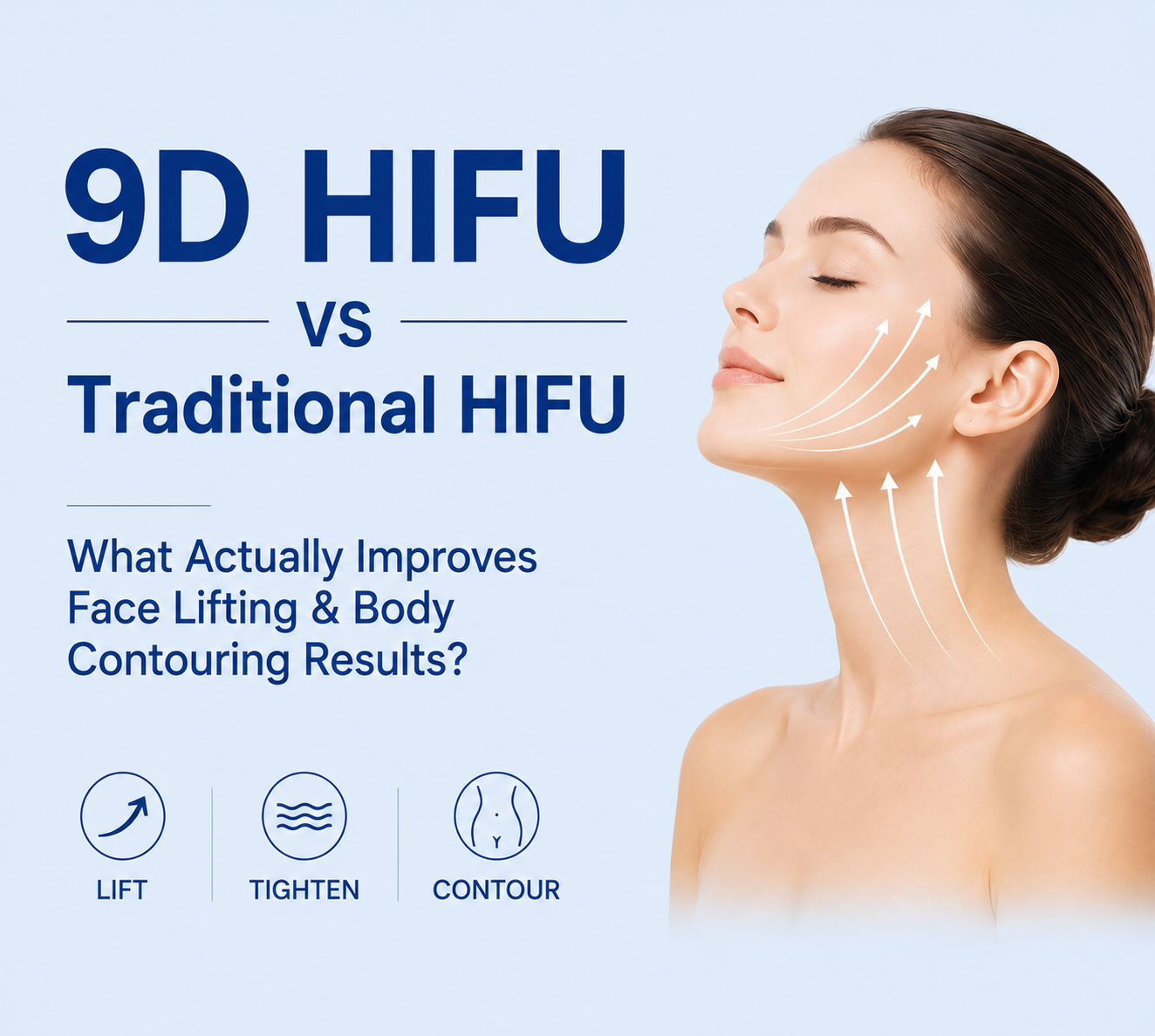
9D HIFUと従来型HIFU:顔のリフトアップとボディライン形成の効果を実際に向上させるのはどちら?
- シェフモン
Non-surgical lifting treatments continue to dominate the aesthetic industry as more clients search for visible skin tightening and contouring without surgery or long recovery periods. Among these technologies, HIFU remains one of the most recognized options for facial lifting and body shaping. However, as newer systems such as 7Dおよび9D HIFU enter the market, many people are confused about what these newer generations actually change. Are they simply marketing upgrades, or do they improve treatment precision, comfort, and results in meaningful ways? Understanding how modern multi-line HIFU systems work can help explain why newer technologies are becoming increasingly popular in clinics worldwide.

1. Why Earlier HIFU Treatments Sometimes Felt Slow or Uncomfortable
Traditional HIFU systems focused ultrasound energy into specific tissue layers to stimulate collagen contraction and skin tightening. Although effective for many patients, earlier-generation systems often had limitations such as:
- Longer treatment times
- Higher discomfort levels
- Limited treatment flexibility
- Smaller treatment coverage areas
- Less efficient body contouring performance
Because older systems delivered fewer treatment points with each pulse, procedures could become time-consuming, especially for larger areas such as the abdomen or thighs.
In addition, inconsistent energy distribution sometimes reduced treatment comfort while limiting overall lifting efficiency.
As aesthetic clinics looked for faster and more customizable solutions, manufacturers developed multi-line HIFU technologies designed to improve treatment speed and precision.
2. What Makes 9D HIFU Different From Earlier HIFU Systems
One of the biggest differences with newer-generation 9D HIFU systems is the use of multi-line energy delivery. Instead of creating fewer isolated treatment points, modern systems can generate multiple lines and thermal points simultaneously.
This wider and more efficient treatment coverage may help support:
- Faster procedures
- より均一なエネルギー分布
- Improved lifting consistency
- Greater treatment efficiency
- Better patient comfort
Modern systems are also designed with multiple cartridge depths so practitioners can target several anatomical layers during the same session.
These layers commonly include:
- 表皮
- 真皮
- SMAS層
- 皮下脂肪層
This multi-depth approach allows treatments to address both skin laxity and localized fat concerns simultaneously.
3. Why Treatment Depth Matters in HIFU Procedures
Different tissue layers contribute to aging and contour changes in different ways. One reason newer HIFU systems are considered more versatile is their ability to target multiple depths according to treatment goals.
3.1 Superficial Skin Tightening
Shallower cartridges are generally used for improving surface-level concerns such as:
- 細かいシワ
- Skin texture
- 軽度のしわ
- Pore appearance
- Early skin laxity
These treatment depths mainly stimulate collagen remodeling within the upper dermal layers.
3.2 SMAS Layer Lifting
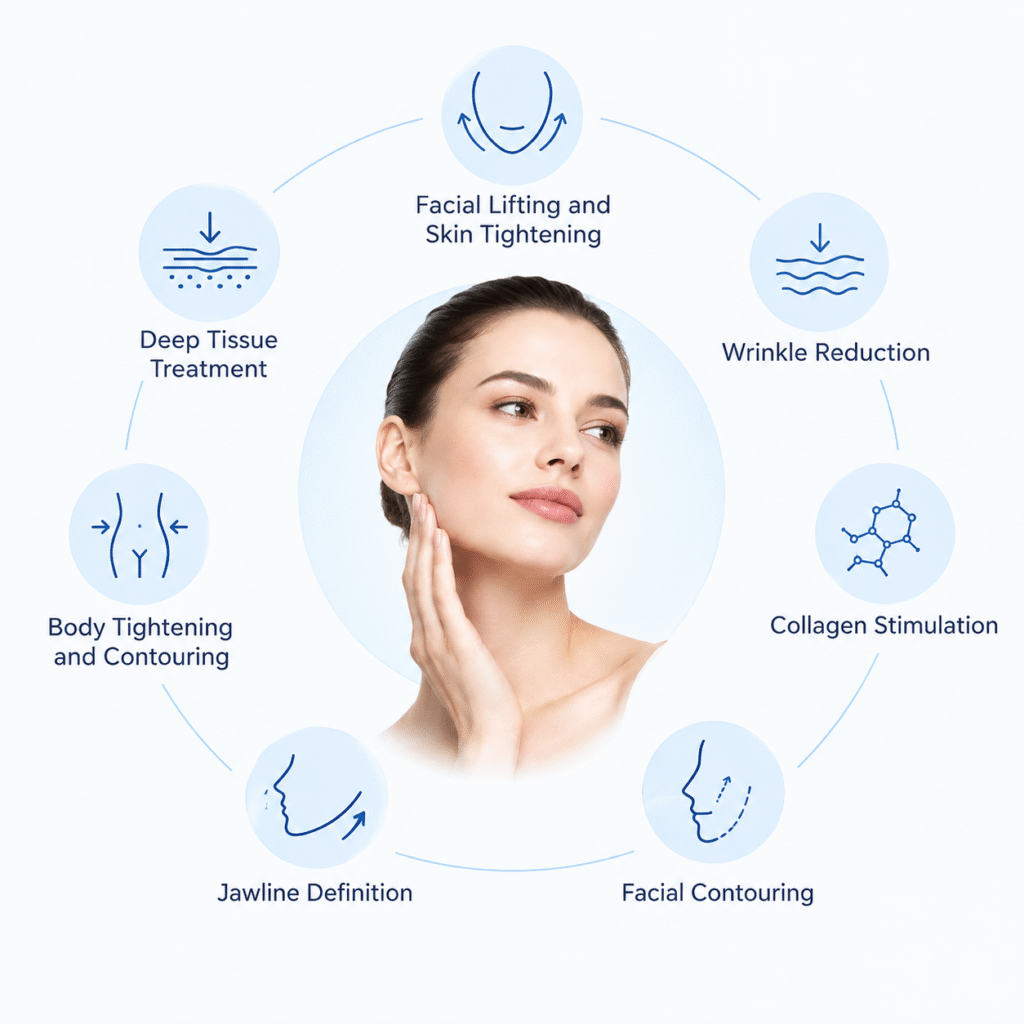
The SMAS layer plays a major role in facial structural support. As collagen and elasticity decline with age, the lower face and jawline often begin to sag.
Mid-depth HIFU cartridges are commonly used for:
- 顎のラインを引き締める
- 頬のリフトアップ
- 首の引き締め
- 顔の輪郭定義
Focused ultrasound energy creates thermal coagulation zones beneath the skin, which may trigger gradual tissue contraction and collagen regeneration over time.
3.3 Body Fat and Contouring Treatments
Deeper HIFU cartridges are increasingly used for non-invasive body contouring procedures.
These applications may target:
- Abdomen fat pockets
- Double chin areas
- 武器
- 太もも
- Hip areas
- 下腹部
The goal is to support gradual contour improvement while minimizing disruption to surrounding tissue.

4. Why Multi-Handle HIFU Platforms Are Becoming More Popular
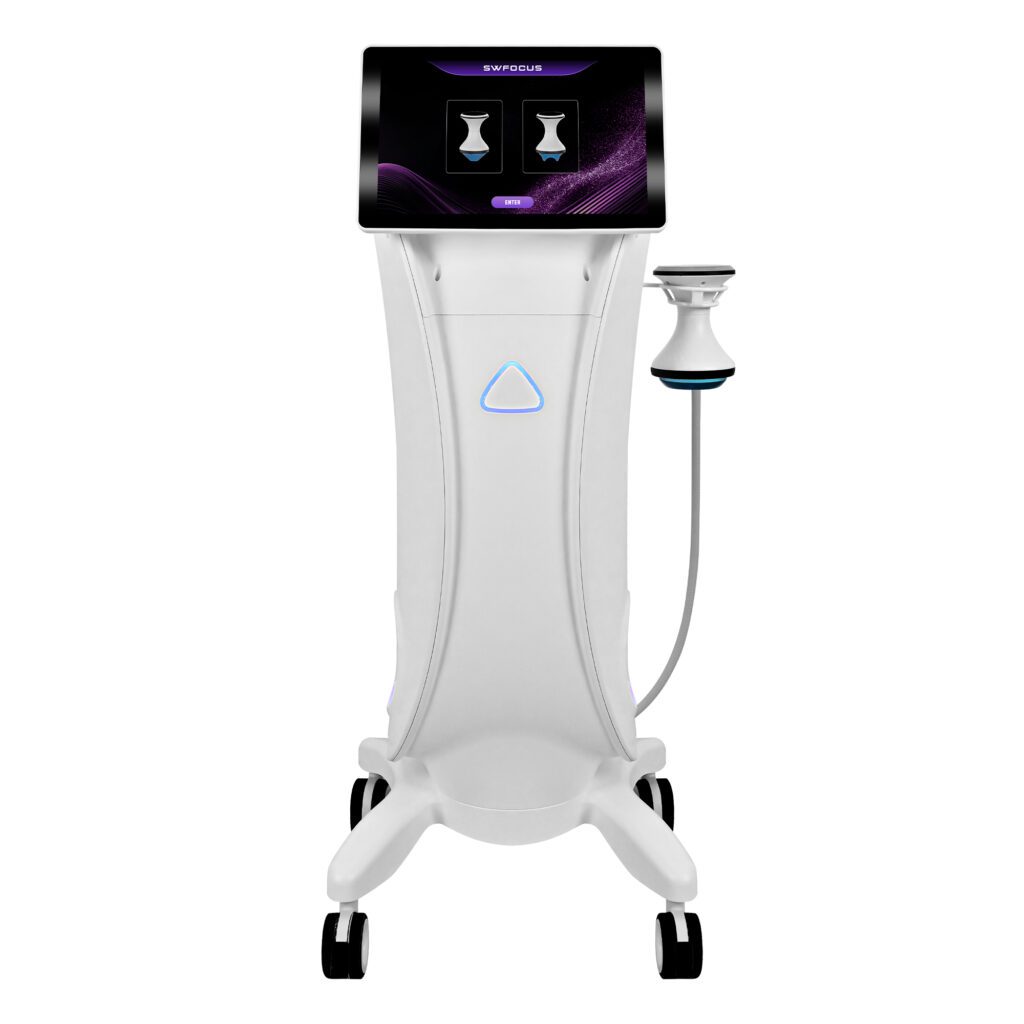
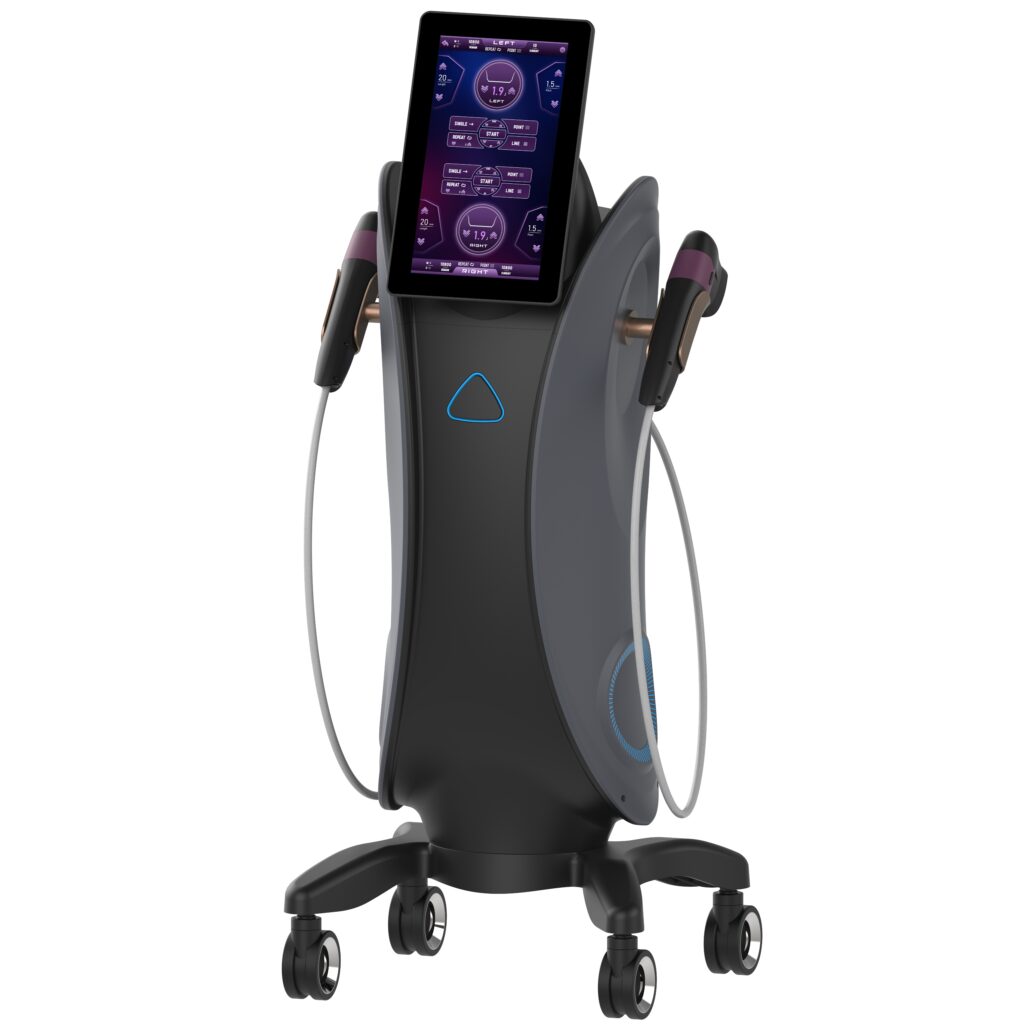
Modern aesthetic clinics increasingly prefer multifunctional HIFU systems because they allow practitioners to combine different treatment modalities within one platform.
Newer systems may include optional technologies such as:
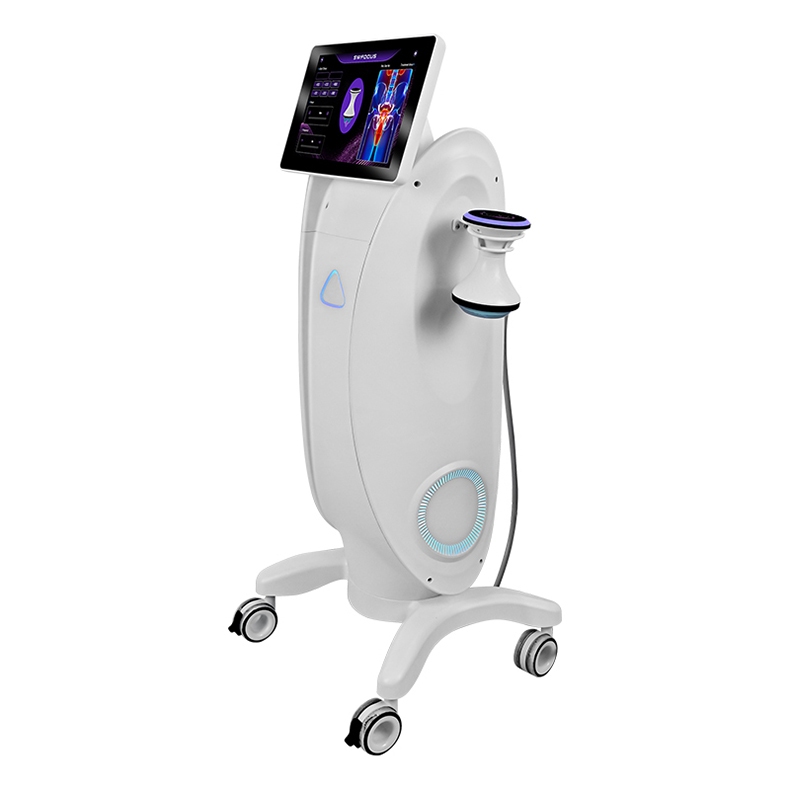
- 膣HIFU
- Vmax HIFU
- 脂肪吸引HIFU
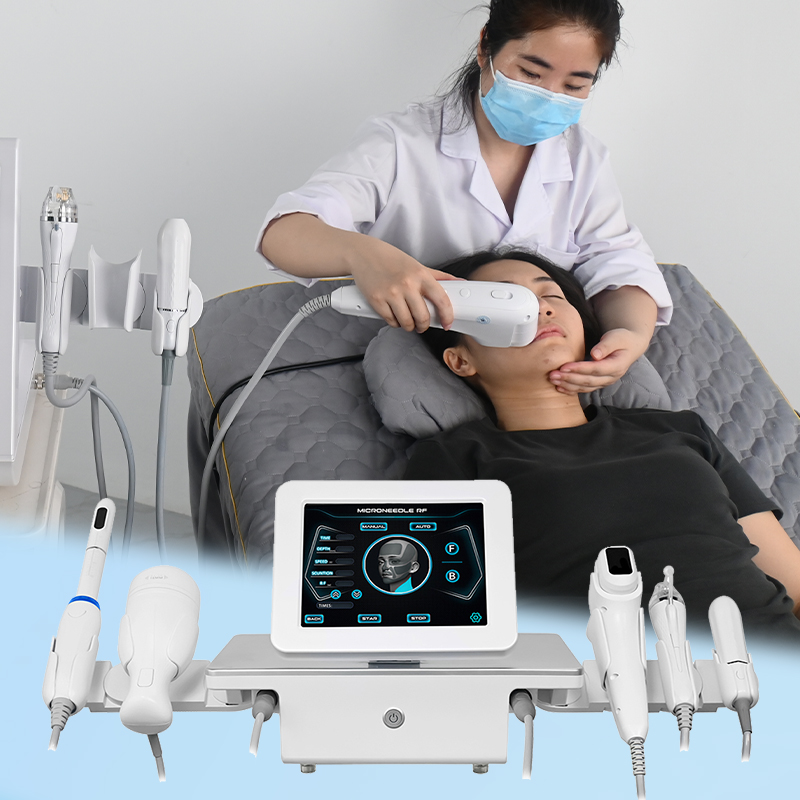
- マイクロニードルRF
This multifunctional design helps clinics expand treatment applications without requiring multiple standalone devices.
4.1 Vaginal HIFU Applications
Vaginal-focused ultrasound treatments are designed to stimulate collagen remodeling within internal tissue structures.
These treatments are often discussed for concerns involving:
- Tissue laxity
- Postpartum support
- Intimate wellness treatments
4.2 Microneedle RF Combination Treatments
Microneedle RF is frequently combined with HIFU because the technologies target different skin depths and treatment goals.
While HIFU focuses deeper beneath the skin, microneedle RF commonly addresses:
- Surface texture
- ニキビ跡
- 毛穴の拡大
- 細かいしわ
This layered approach reflects the growing trend toward combination treatment protocols in modern aesthetic medicine.
5. Why Results From HIFU Continue Improving Over Time
Unlike fillers or surgical lifting procedures, HIFU works by stimulating the body’s natural regenerative processes rather than creating immediate volume changes.
After treatment, thermal coagulation zones trigger collagen remodeling that gradually develops over several weeks and months.
Many patients notice:
- Early tightening shortly after treatment
- 2~3ヶ月にわたる継続的な改善
- Progressive contour enhancement
- Firmer skin texture over time
Because collagen regeneration is gradual, the final results often appear more natural compared with abrupt cosmetic changes.
For many patients, this gradual improvement is considered one of the main advantages of non-invasive ultrasound lifting technologies.

6. Why HIFU Is Expanding Beyond Facial Rejuvenation
Although facial lifting remains one of the most common HIFU applications, newer systems are increasingly being used for body contouring and localized fat management.
Clients today are often looking for treatments that address:
- 軽度の皮膚のたるみ
- Stubborn fat pockets
- 顎のラインの定義
- 首の老化
- Post-weight-loss contour concerns
Multi-depth HIFU systems allow practitioners to customize treatment protocols based on both skin quality and body contour goals.
This flexibility has made advanced HIFU platforms increasingly attractive for clinics seeking broader treatment versatility.
結論
The evolution from traditional HIFUシステム to modern 7D and 9D technologies reflects the growing demand for faster, more precise, and more customizable non-invasive aesthetic treatments. By combining multi-line ultrasound delivery, multiple treatment depths, and optional multifunctional applications, newer HIFU systems are designed to improve treatment efficiency while addressing both skin tightening and body contouring concerns. As patients continue searching for non-surgical alternatives with natural-looking results and minimal downtime, advanced HIFU technologies are becoming an increasingly important part of modern aesthetic treatment strategies.
よくある質問
What is the difference between traditional HIFU and 9D HIFU?
9D HIFU uses multi-line energy delivery and wider treatment coverage to improve treatment speed and efficiency compared with earlier systems.
Can HIFU reduce fat as well as tighten skin?
Yes. Deeper cartridges are commonly used for localized body contouring and fat reduction treatments.
Why are different cartridge depths important?
Different tissue layers require different treatment depths to address skin tightening, collagen stimulation, and body contouring goals effectively.
How long do HIFU results last?
Many patients see gradual improvements over several months, and results may last one to three years depending on skin condition and maintenance.
Is HIFU only used for facial lifting?
No. Modern systems are also widely used for body contouring areas such as the abdomen, thighs, arms, and double chin.