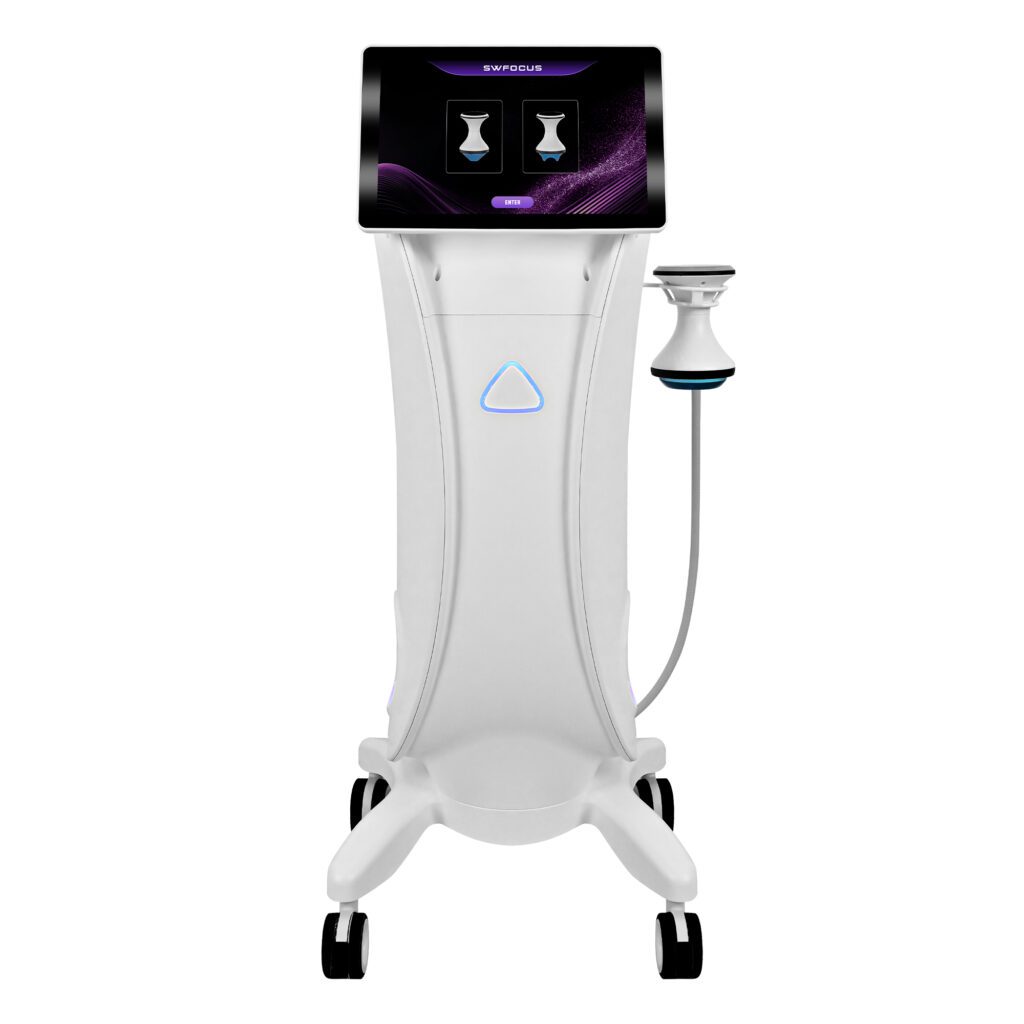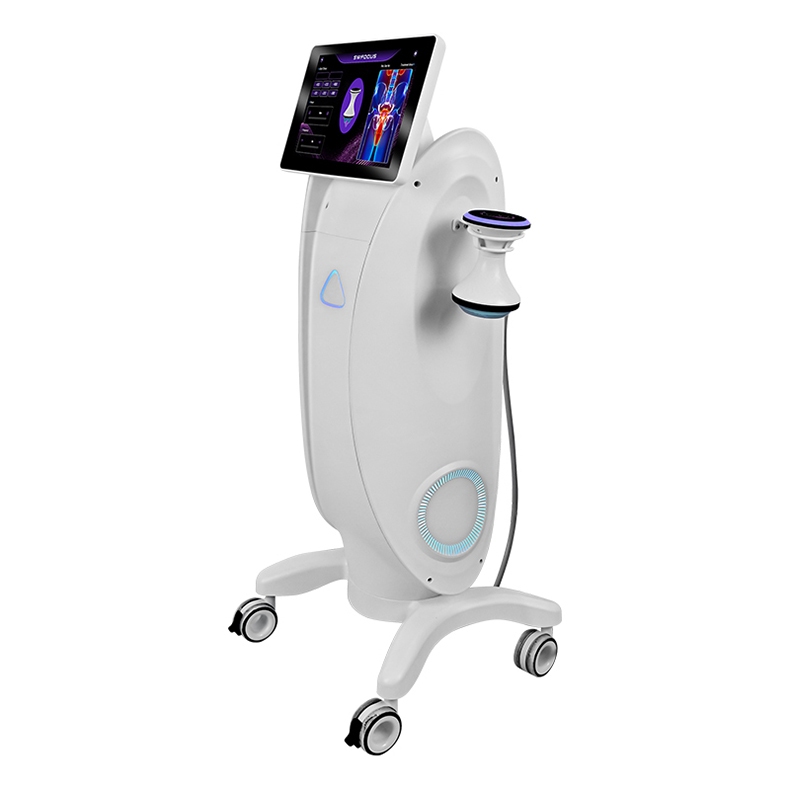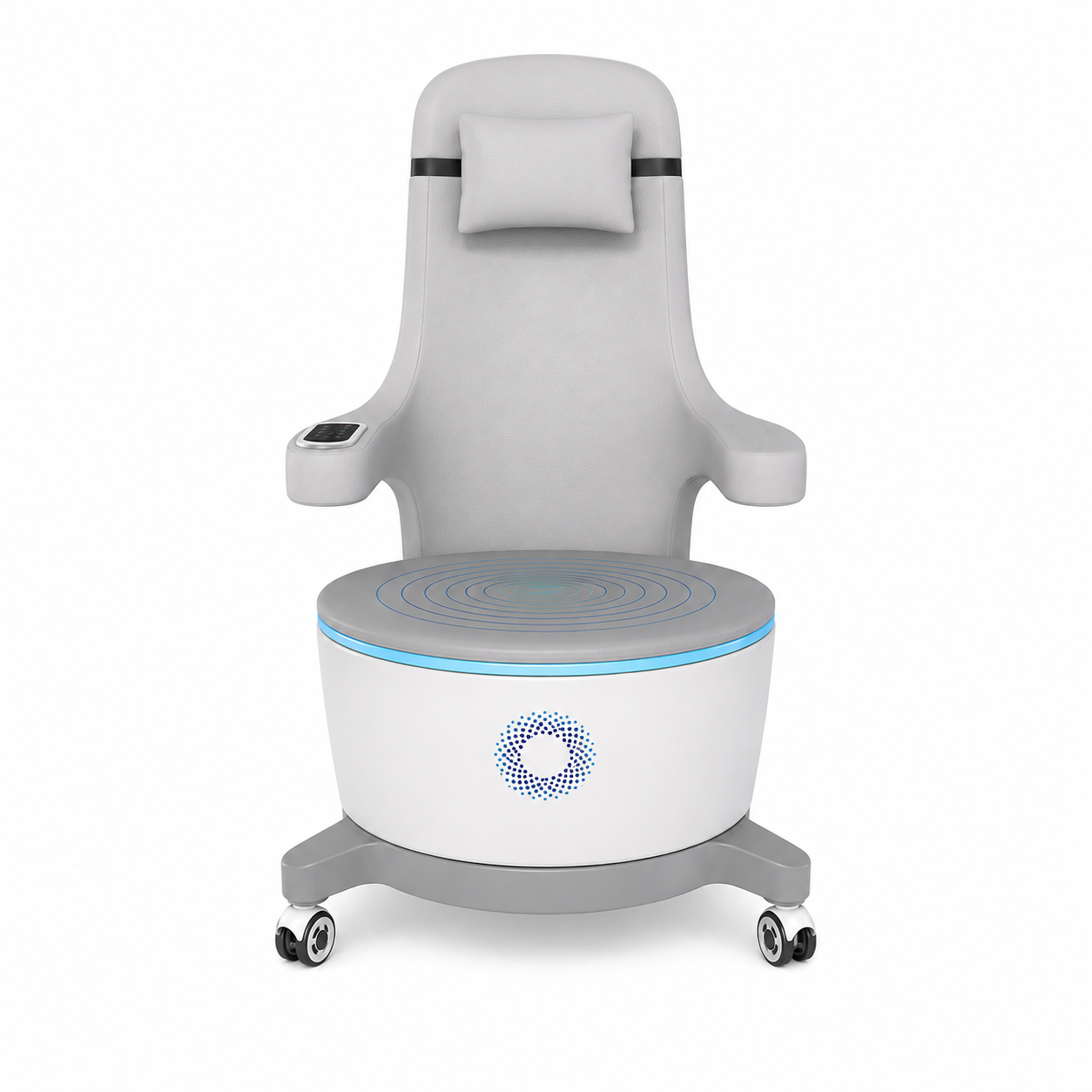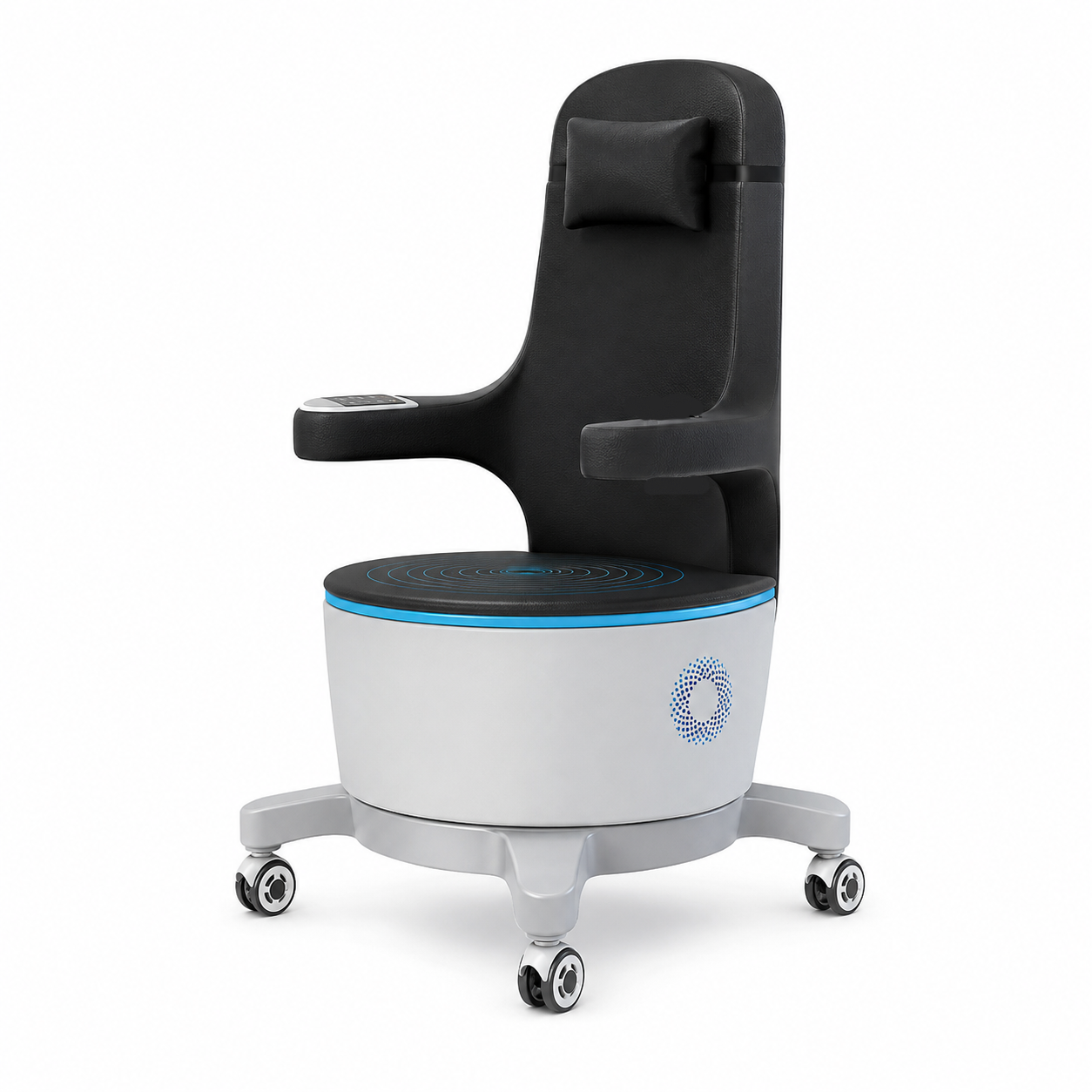








Perché la Cina domina il settore globale delle apparecchiature per la bellezza
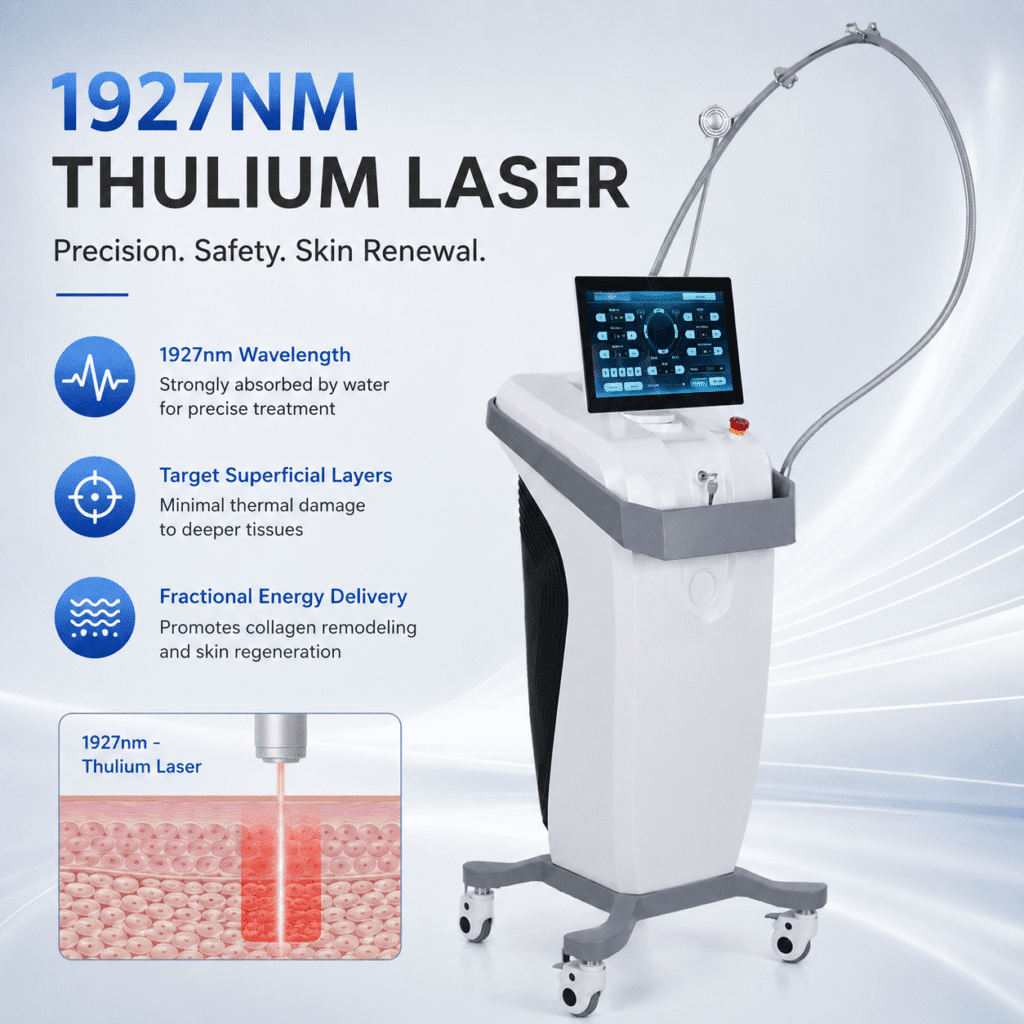
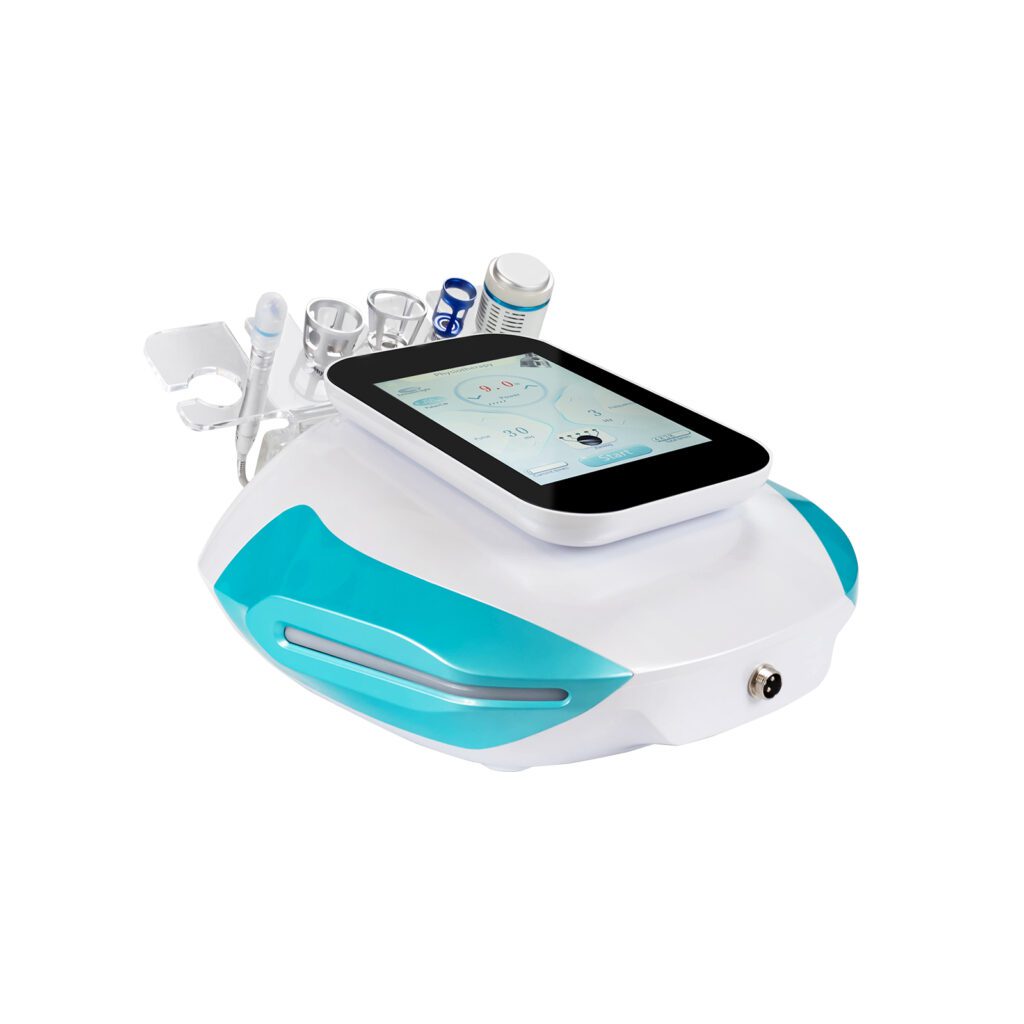
La Cina si è trasformata nella potenza manifatturiera dell'industria globale della bellezza. Entrando in qualsiasi clinica estetica, centro benessere o salone di bellezza del mondo, è molto probabile che l'apparecchiatura al suo interno sia stata prodotta in Cina o assemblata utilizzando componenti cinesi. Il motivo è sorprendentemente semplice: la Cina combina in un unico ecosistema una capacità produttiva su larga scala, costi di produzione accessibili, rapida innovazione e catene di approvvigionamento consolidate. Città come Guangzhou, Pechino, Shenzhen e Weifang sono diventate centri nevralgici per la produzione di dispositivi estetici, consentendo alle fabbriche di reperire rapidamente i componenti e ridurre drasticamente i costi di produzione.
Un altro vantaggio fondamentale è la flessibilità. Le fabbriche cinesi di apparecchiature per la bellezza sono molto più aperte alla collaborazione OEM e ODM rispetto ai produttori di molti paesi occidentali. Ciò significa che gli importatori possono personalizzare i colori delle macchine, le interfacce software, i loghi, il packaging e persino le funzioni di trattamento. Per le aziende che cercano di costruire il proprio marchio di bellezza a marchio privato, questa è un'enorme opportunità. Invece di investire milioni in ricerca e sviluppo e impianti di produzione, gli acquirenti possono collaborare con produttori esperti e lanciare prodotti con la propria identità di marchio.
I fornitori cinesi si muovono con incredibile rapidità anche in termini di innovazione. Quando una nuova tendenza nel settore della bellezza diventa popolare, che si tratti di criolipolisi, scolpitura muscolare con EMS, lifting con HIFU o microneedling a radiofrequenza, i produttori cinesi sviluppano rapidamente macchinari competitivi per i mercati internazionali. Questa rapidità di risposta consente a distributori e proprietari di cliniche di accedere alle tecnologie più innovative senza dover attendere anni che i produttori occidentali si adeguino. Persino i grandi marchi internazionali del settore cosmetico si affidano sempre più alle fabbriche OEM cinesi proprio grazie a questa efficienza produttiva.
Allo stesso tempo, la concorrenza tra le fabbriche cinesi è agguerrita. Gli acquirenti possono confrontare più fornitori e negoziare i prezzi in modo più efficace rispetto a molti altri Paesi. Questo contesto competitivo spinge le fabbriche a migliorare la tecnologia, l'assistenza clienti e il controllo qualità. Tuttavia, significa anche che gli acquirenti devono distinguere attentamente tra produttori affidabili e società commerciali inesperte che si spacciano per fabbriche.
Vantaggi dei produttori cinesi di apparecchiature per la bellezza
I produttori cinesi offrono diversi vantaggi pratici agli importatori:
| Vantaggio | Vantaggi per gli acquirenti |
|---|---|
| Prezzi competitivi | Margini di profitto più elevati |
| Supporto OEM/ODM | Opportunità di private label |
| Produzione veloce | Tempi di consegna più brevi |
| Ampia gamma di prodotti | Approvvigionamento dei fornitori più semplice |
| Produzione su scala | Sostiene la crescita aziendale |
| Certificazioni internazionali | Accesso più agevole al mercato |
Apparecchiature per la cura della persona di successo esportate in tutto il mondo.
Tra le apparecchiature per la cura della persona più comunemente importate dalla Cina figurano:
- Macchine per la depilazione laser a diodo
- Sistemi di scultura corporea EMS
- Macchine per il congelamento del grasso con criolipolisi
- dispositivi HIFU per il rassodamento della pelle
- Macchine per microneedling RF
- Sistemi Hydra Facial
- Apparecchiatura per fotoringiovanimento IPL
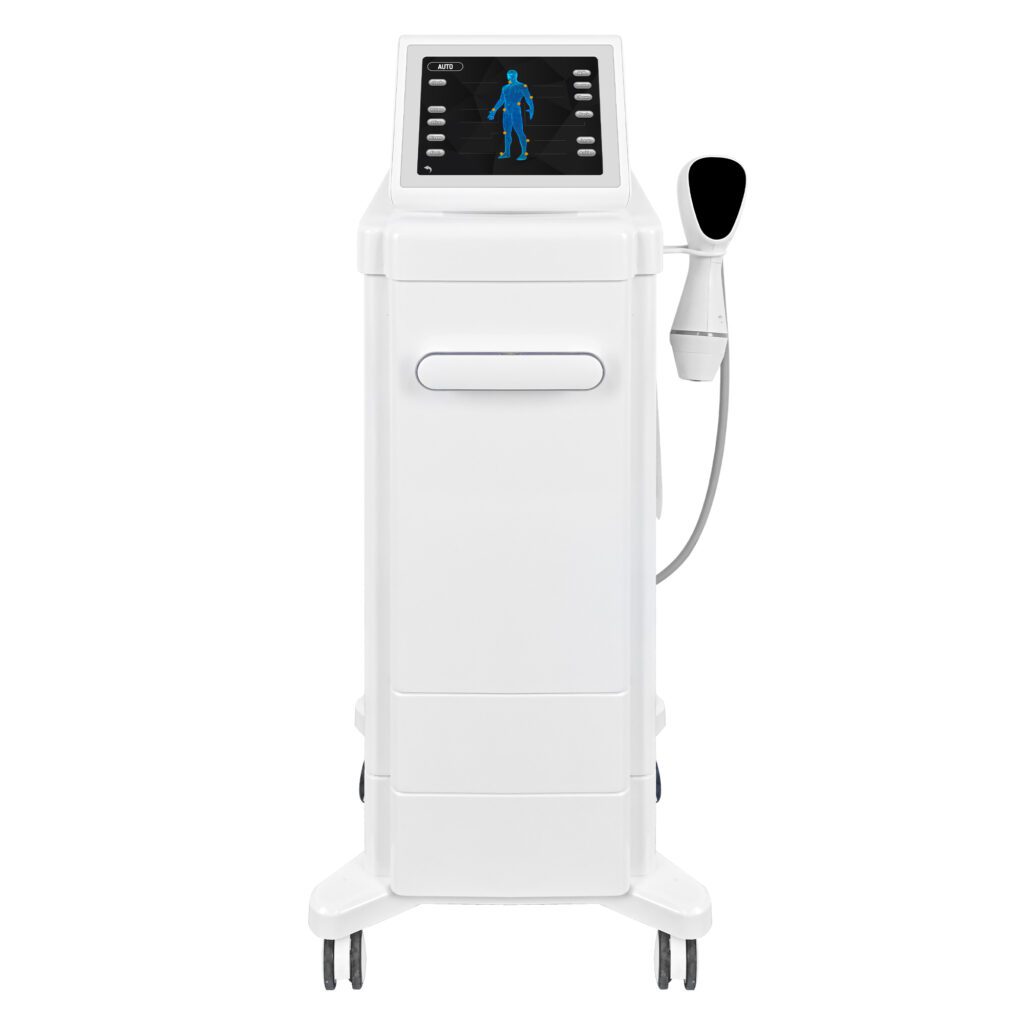
- Dispositivi per la terapia ad onde d'urto
- Sistemi di terapia endosferica
- Macchine laser frazionate a CO2
Comprendere le categorie di apparecchiature per la bellezza prima dell'importazione
Prima di effettuare il primo ordine, è fondamentale comprendere che le apparecchiature per la bellezza rientrano in diverse categorie normative. È proprio in questo ambito che molti nuovi importatori commettono errori costosi. Un semplice vaporizzatore per il viso e un apparecchio laser a diodi vengono trattati in modo molto diverso dalle autorità doganali e sanitarie. Se si importa la categoria sbagliata senza la certificazione adeguata, la spedizione potrebbe subire ritardi, essere respinta o addirittura confiscata.
I dispositivi medico-estetici sono generalmente soggetti a normative più severe perché interagiscono con il corpo umano utilizzando laser, radiofrequenze, ultrasuoni o energia elettromagnetica. Apparecchiature come i sistemi HIFU, i laser a diodi, i laser a CO2 e i dispositivi di microneedling a radiofrequenza possono richiedere l'approvazione della FDA negli Stati Uniti o la certificazione CE in Europa, a seconda di come vengono commercializzate. Le linee guida della FDA stabiliscono chiaramente che i dispositivi medici importati devono essere conformi alle normative statunitensi e possono essere sequestrati se non soddisfano i requisiti.
Le apparecchiature per saloni di bellezza e spa sono generalmente soggette a minori restrizioni. Lettini per trattamenti viso, maschere per terapia a LED, analizzatori cutanei, dispositivi per idrodermoabrasione e poltrone estetiche sono spesso più facili da importare perché considerati apparecchiature cosmetiche o per il benessere piuttosto che dispositivi medici. Ciononostante, le certificazioni di sicurezza elettrica rimangono importanti. Gli acquirenti dovrebbero sempre richiedere i rapporti di collaudo e la documentazione di conformità prima della spedizione.
I dispositivi di bellezza per uso domestico rappresentano un'altra categoria in crescita. Dispositivi portatili per la tonificazione EMS, sistemi IPL portatili, strumenti per il lifting del viso e dispositivi per il ringiovanimento della pelle stanno riscuotendo un enorme successo grazie al marketing sui social media e all'e-commerce. Questi prodotti spesso richiedono standard di imballaggio, norme di etichettatura e conformità per il trasporto delle batterie differenti. Gli importatori che puntano alle vendite su Amazon o Shopify devono prestare particolare attenzione alla qualità dell'imballaggio, ai manuali di istruzioni e ai requisiti di conformità locali.
L'approccio più intelligente è definire chiaramente il proprio mercato di riferimento prima di acquistare le attrezzature. Il vostro target di riferimento sono cliniche mediche? Saloni di bellezza? Consumatori privati? Ogni mercato ha standard di conformità, margini di profitto e considerazioni di spedizione differenti. Scegliere la categoria giusta fin da subito evita costose complicazioni in seguito.
Come trovare fornitori affidabili di apparecchiature per la bellezza in Cina
Trovare un fornitore affidabile è probabilmente la parte più importante dell'intero processo di importazione. Un produttore professionale può contribuire alla crescita della tua attività per anni, mentre un fornitore inaffidabile può distruggere la tua reputazione dopo una sola spedizione. La difficoltà sta nel fatto che molti fornitori online sembrano affidabili a prima vista. Siti web accattivanti, certificati falsificati, video di fabbrica fasulli e tattiche di vendita aggressive sono purtroppo molto comuni nel settore delle apparecchiature per la bellezza.
Una delle prime cose che gli acquirenti dovrebbero capire è la differenza tra una fabbrica e una società commerciale. Le fabbriche producono direttamente i macchinari, mentre le società commerciali si limitano ad acquistare prodotti da altri produttori e a rivenderli. Le società commerciali non sono sempre negative, ma lavorare direttamente con una fabbrica di solito offre prezzi migliori, un supporto tecnico più solido e una maggiore facilità di personalizzazione. Le fabbriche vere e proprie sono in genere in grado di fornire video di produzione, foto della linea di assemblaggio, interviste con gli ingegneri e ispezioni video in diretta.
Gli acquirenti dovrebbero inoltre verificare attentamente i dati di registrazione dell'azienda. Richiedete la licenza commerciale, la licenza di esportazione, le certificazioni ISO e i certificati di prodotto. Confrontate i nomi delle aziende sui vari documenti per assicurarvi che tutto corrisponda. Alcuni fornitori disonesti utilizzano certificati appartenenti ad altre aziende. Questa pratica è più diffusa di quanto molti nuovi importatori si rendano conto.
Un'altra strategia intelligente è quella di organizzare un'ispezione video dello stabilimento. Grazie ai moderni strumenti di comunicazione, gli acquirenti possono richiedere tour video in diretta che mostrino le linee di produzione, i magazzini, le sale di collaudo e le aree di confezionamento. Un produttore serio di solito accoglie favorevolmente questa richiesta perché contribuisce a instaurare un rapporto di fiducia. I fornitori che evitano le ispezioni in fabbrica o che accampano continuamente scuse dovrebbero destare immediatamente sospetti.
Fabbrica contro società commerciale
Ecco alcune differenze principali a cui gli acquirenti dovrebbero prestare attenzione:
| Fabbrica | Società commerciale |
|---|---|
| Possiede linee di produzione | Fonti provenienti dalle fabbriche |
| Migliore personalizzazione | Controllo tecnico limitato |
| Prezzi più bassi | Margine di profitto più elevato |
| Supporto tecnico diretto | Comunicazione orientata alle vendite |
| Controllo di qualità più stabile | Dipende da terze parti |
Come verificare un produttore
Certificazioni e conformità
Richiedi sempre:
- Certificati CE
- Registrazione presso la FDA, se applicabile.
- Certificazione ISO 13485
- Rapporti di prova EMC e LVD
- Manuali di prodotto e documenti di sicurezza
Audit di fabbrica e videoispezioni
Un'ispezione adeguata dovrebbe includere:
- Officina di produzione
- processo di collaudo della macchina
- Reparto imballaggio
- Inventario di magazzino
- Dipartimento di Ricerca e Sviluppo
- Condizioni di lavoro dei dipendenti
Certificazioni e normative importanti
La normativa è spesso il principale ostacolo per chi importa apparecchiature per il settore estetico. Potreste trovare un macchinario a un prezzo interessante, ma se privo delle certificazioni necessarie, importarlo legalmente può diventare estremamente difficile. I requisiti di conformità variano da paese a paese, pertanto gli acquirenti devono informarsi sulle normative locali prima di effettuare l'ordine.
Per gli importatori statunitensi, la FDA svolge un ruolo fondamentale nella regolamentazione dei dispositivi medici e dei prodotti elettronici che emettono radiazioni. Secondo le linee guida della FDA, i dispositivi medici importati devono essere conformi alle normative statunitensi applicabili prima di poter essere immessi sul mercato. Le apparecchiature che utilizzano laser, radiofrequenza, ultrasuoni o tecnologie elettromagnetiche potrebbero richiedere la registrazione presso la FDA, la registrazione dello stabilimento o persino l'autorizzazione 510(k), a seconda dell'uso previsto e delle dichiarazioni di marketing.
Il mercato europeo richiede generalmente la certificazione CE. La marcatura CE indica che il prodotto è conforme agli standard europei in materia di sicurezza, salute e ambiente. Gli acquirenti che si rivolgono a distributori europei dovrebbero verificare che il certificato CE sia stato rilasciato da un organismo notificato legittimo e non da un'azienda di test fasulla. Purtroppo, in alcuni settori sono diffusi certificati CE contraffatti a basso costo.
Le certificazioni ISO sono importanti anche perché attestano l'esistenza di sistemi di gestione della qualità. La norma ISO 13485 è particolarmente preziosa per i produttori di dispositivi medici, in quanto si concentra sugli standard di produzione delle apparecchiature mediche. Gli importatori che collaborano con fabbriche certificate riscontrano generalmente meno problemi di qualità e procedure di sdoganamento più agevoli.
Un altro aspetto cruciale è rappresentato dai test di sicurezza elettrica. Le apparecchiature per la cura della persona spesso utilizzano alta tensione, sistemi di raffreddamento, energia a radiofrequenza o emissioni laser. Apparecchiature testate in modo inadeguato possono creare seri rischi per la sicurezza di cliniche e pazienti. Per questo motivo, gli acquirenti professionisti esaminano sempre attentamente i rapporti di prova, anziché fidarsi ciecamente delle affermazioni di marketing.
Un interessante cambiamento in atto nell'industria cosmetica globale è la crescente enfasi sulla qualità della produzione e sull'automazione. Le moderne fabbriche cinesi stanno investendo massicciamente in sistemi di produzione intelligenti, tecnologie di ispezione basate sull'intelligenza artificiale e linee di produzione automatizzate per competere a livello globale. Questa tendenza sta aiutando i produttori cinesi più rinomati a migliorare significativamente la coerenza e l'affidabilità dei prodotti.
Personalizzazione OEM e ODM per apparecchiature di bellezza.
I servizi OEM e ODM sono uno dei motivi principali per cui le aziende importano apparecchiature per centri estetici dalla Cina anziché acquistarle da distributori locali. Questi servizi consentono agli acquirenti di creare prodotti unici con il proprio marchio senza dover costruire stabilimenti di produzione propri. Per cliniche estetiche, distributori e venditori online, ciò rappresenta un notevole vantaggio competitivo.
OEM sta per Original Equipment Manufacturing (Produzione di Apparecchiature Originali). In parole semplici, la fabbrica produce macchine utilizzando il tuo logo, marchio, imballaggio e preferenze di design. ODM fa un ulteriore passo avanti consentendo una personalizzazione più approfondita del prodotto, inclusi interfacce software, funzioni della macchina, colori, layout dello schermo e protocolli di trattamento.
Le apparecchiature per la bellezza a marchio privato aiutano le aziende a costruire una riconoscibilità del marchio a lungo termine. Invece di vendere macchine generiche che i concorrenti possono facilmente copiare, le aziende creano la propria identità professionale. Un apparecchio per la scultura del corpo a laser a diodi o EMS personalizzato con una confezione di marca appare immediatamente più pregiato agli occhi di clienti e distributori.
I produttori cinesi sono particolarmente forti nella cooperazione OEM/ODM perché producono già grandi quantità di apparecchiature per clienti internazionali. Molte fabbriche offrono quantitativi minimi d'ordine sorprendentemente flessibili rispetto ai produttori occidentali. Le piccole imprese possono spesso iniziare con solo una o due unità personalizzate prima di passare a ordini all'ingrosso più consistenti.
Personalizzazione del marchio e del logo
Le opzioni di personalizzazione OEM più comuni includono:
- Stampa del logo della macchina
- Branding della schermata iniziale
- Imballaggi personalizzati
- Manuali utente
- Valigette da volo
- Materiali di marketing
Personalizzazione del software e dell'interfaccia
La personalizzazione ODM avanzata può includere:
- sistemi multilingue
- Parametri di trattamento personalizzati
- riprogettazione dell'interfaccia utente
- Impostazioni specifiche per paese
- Integrazione del marchio della clinica
Per le aziende interessate alla produzione di apparecchiature di bellezza OEM/ODM, Attrezzature di bellezza SHEFMON Offre soluzioni personalizzate per cliniche, distributori e marchi di bellezza in tutto il mondo.
Scegliere il metodo di spedizione più adatto
La spedizione internazionale di apparecchiature per la bellezza non si limita alla scelta dell'opzione di trasporto più economica. Le grandi macchine estetiche sono pesanti, delicate e costose, il che significa che eventuali errori durante il trasporto possono rivelarsi estremamente onerosi. Gli acquirenti devono quindi valutare attentamente velocità, sicurezza, procedure doganali e budget nella scelta del metodo di spedizione.
Il trasporto aereo è solitamente la soluzione più rapida. Le apparecchiature estetiche di piccole dimensioni o urgenti possono arrivare entro pochi giorni, a seconda del paese di destinazione e delle procedure doganali. Le cliniche che necessitano di attrezzature in tempi brevi spesso preferiscono la spedizione aerea, nonostante i costi più elevati. Il trasporto aereo riduce inoltre il rischio di esposizione prolungata all'umidità durante il trasporto, che può danneggiare i componenti elettronici sensibili.
Il trasporto marittimo rimane la scelta più economica per spedizioni di grandi dimensioni o ordini all'ingrosso. I container riducono drasticamente i costi di trasporto per attrezzature pesanti come macchine per criolipolisi, sistemi di modellamento EMS o arredi per saloni di bellezza. Tuttavia, il trasporto marittimo richiede tempi molto più lunghi, spesso diverse settimane o addirittura mesi a seconda delle rotte e della congestione portuale.
La spedizione DDP sta diventando sempre più popolare tra gli importatori di apparecchiature per la bellezza. DDP significa "Delivered Duty Paid" (consegna con dazi pagati) e consente ai fornitori o agli spedizionieri di occuparsi dello sdoganamento, delle tasse di importazione e della consegna finale. Questa opzione è particolarmente interessante per chi è alle prime armi, perché semplifica notevolmente il processo di importazione. Invece di gestire autonomamente le pratiche doganali, gli acquirenti ricevono le apparecchiature quasi come se si trattasse di una spedizione nazionale.
Trasporto aereo vs trasporto marittimo
| Metodo di spedizione | Ideale per | Velocità | Costo |
|---|---|---|---|
| Trasporto aereo | Ordini urgenti | Veloce | Alto |
| trasporto marittimo | Spedizioni all'ingrosso | Lento | Basso |
| Corriere Espresso | Piccoli dispositivi | Molto veloce | Molto alto |
| DDP Shipping | Principianti | Moderare | Moderare |
Spiegazione delle spedizioni DDP
La spedizione DDP spesso include:
- Esportare benzina
- Trasporto merci internazionale
- Sdoganamento
- tasse di importazione
- Consegna porta a porta
Ciò riduce la complessità per gli importatori alle prime armi e minimizza le sorprese doganali.
Sdoganamento e dazi di importazione
Lo sdoganamento è la fase che mette in agitazione molti importatori, e a ragione. Anche se il fornitore spedisce l'attrezzatura correttamente, le autorità doganali hanno comunque il potere di ispezionare, ritardare o respingere le spedizioni se la documentazione è incompleta o se vengono violate le normative.
La FDA spiega che i dispositivi medici importati devono essere sottoposti a verifica per accertarne l'ammissibilità nel commercio statunitense e che l'ingresso può essere rifiutato se risultano pericolosi, con etichettatura errata o non conformi. Ciò significa che gli importatori devono preparare la documentazione con cura ancor prima che la spedizione lasci la Cina.
Documenti di importazione richiesti
I documenti più comuni includono:
- Fattura commerciale
- Lista imballaggio
- polizza di carico
- Certificati CE/FDA
- Manuale utente
- codici HS
- Certificato di origine
Problemi doganali comuni
Le problematiche doganali tipiche includono:
- Codici HS errati
- Certificazioni mancanti
- Dichiarazioni false sui prodotti
- Fatture incomplete
- Richieste mediche non approvate
- Etichettatura errata
Collaborare con un broker doganale esperto può far risparmiare moltissimo tempo e stress. Molti importatori di successo si affidano ai broker perché le normative sono in continua evoluzione.
Analisi dei costi di importazione di apparecchiature per la cura della persona
Molti acquirenti alle prime armi si concentrano solo sul prezzo di fabbrica, ma il costo reale dell'importazione comprende molto più del solo macchinario. Spedizione, dazi doganali, tasse, assicurazione, magazzinaggio, certificazione e assistenza post-vendita incidono tutti sulla redditività.
Costo del prodotto
Il prezzo di fabbrica dipende da:
- Tecnologia meccanica
- Quantità dell'ordine
- Personalizzazione
- Accessori inclusi
- Termini di garanzia
Spese di spedizione, tasse e costi nascosti
I potenziali costi aggiuntivi includono:
- Spese di trasporto
- dazi doganali
- Tasse di movimentazione portuale
- Costi di ispezione
- Consegna locale
- Assicurazione
- commissioni per bonifico bancario
Una macchina che inizialmente sembra economica potrebbe in realtà diventare costosa una volta aggiunti i costi di logistica e conformità.
Consigli per evitare truffe e fornitori di bassa qualità
Il settore delle apparecchiature per la bellezza vanta produttori eccellenti, ma purtroppo attrae anche truffatori, poiché le macchine sono costose e gli acquirenti internazionali sono più difficili da verificare. Gli importatori devono prestare la massima attenzione durante l'intero processo di approvvigionamento.
Non fidatevi mai dei fornitori solo perché hanno siti web accattivanti o team di vendita aggressivi. Una verifica reale è più importante del marketing. Testate sempre la qualità della comunicazione, le competenze tecniche e la coerenza delle risposte. Le fabbriche professionali di solito rispondono in modo chiaro alle domande tecniche, anziché eludere i dettagli.
Evitate di pagare 100% in anticipo prima della produzione. La maggior parte delle fabbriche affidabili accetta pagamenti rateali, come ad esempio un acconto di 30% e il saldo di 70% prima della spedizione. Gli acquirenti dovrebbero inoltre richiedere video di collaudo della macchina prima del pagamento finale.
Affidarsi a terze parti per le ispezioni è un altro investimento intelligente. Spendere qualche centinaio di dollari per servizi professionali di controllo qualità può prevenire perdite future del valore di migliaia di dollari. Pensate alle ispezioni come a un'assicurazione per la vostra attività.
Gli importatori dovrebbero inoltre evitare prezzi sospettosamente bassi. Se un fornitore offre prezzi nettamente inferiori rispetto alla concorrenza, di solito c'è un motivo. Componenti economici, pezzi ricondizionati, certificazioni false o un'assistenza post-vendita inesistente spesso spiegano la differenza.
Miglior produttore cinese di apparecchiature per la bellezza per OEM/ODM
Trovare un partner di produzione a lungo termine è molto più vantaggioso che limitarsi a scegliere la macchina più economica. I fornitori affidabili aiutano le aziende a crescere offrendo qualità costante, supporto tecnico, personalizzazione e innovazione continua.
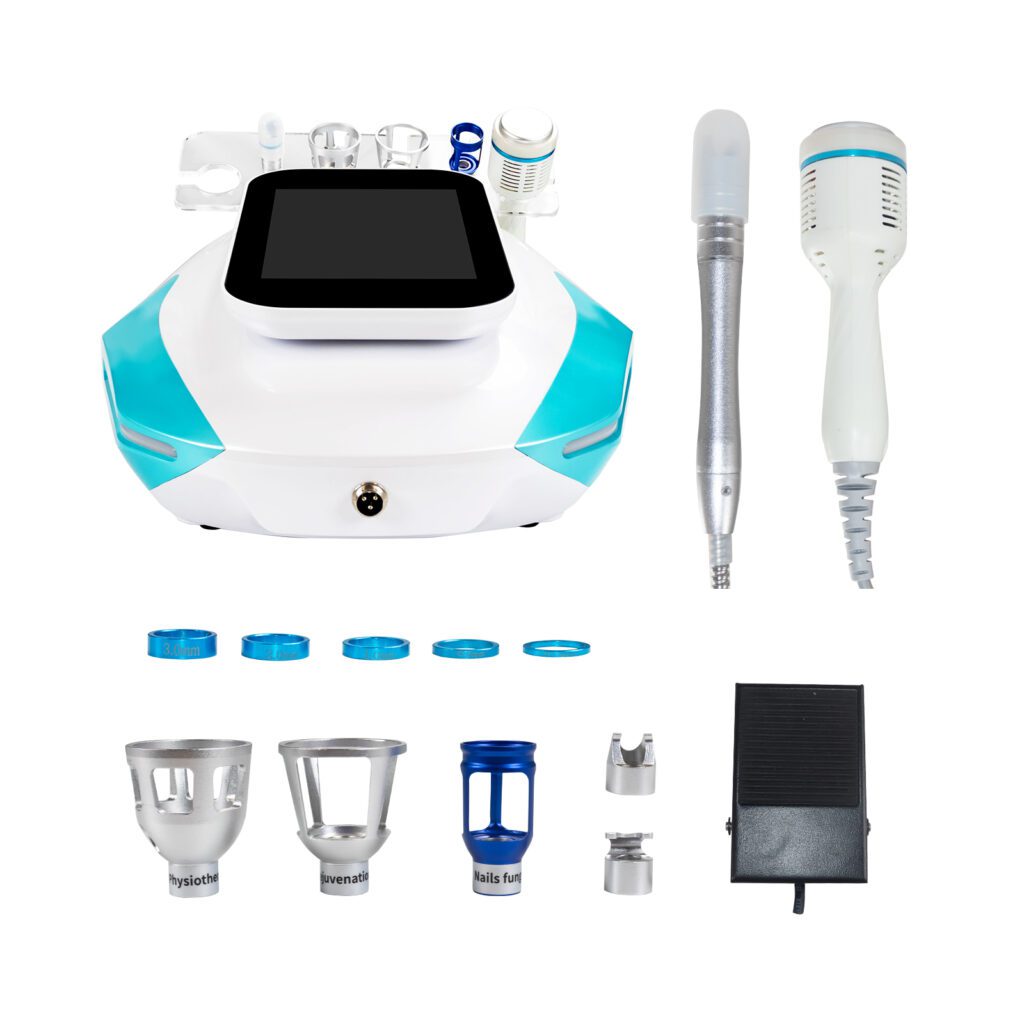
SHEFMON BEAUTY è un esempio di produttore cinese di apparecchiature estetiche professionali che offre servizi OEM e ODM a distributori, cliniche e marchi di bellezza a livello globale. L'azienda fornisce una vasta gamma di apparecchiature estetiche, tra cui sistemi laser a diodi, macchine per la modellatura EMS, dispositivi HIFU, sistemi di microneedling a radiofrequenza, macchine per criolipolisi, apparecchiature Hydrafacial e dispositivi per fisioterapia.
Le categorie di prodotti più popolari includono:
- Macchine per la depilazione laser a diodo
- Apparecchiature per terapia endosferica
- Dispositivi desktop per endosfere
SHEFMON supporta anche:
- Personalizzazione del logo
- Produzione OEM/ODM
- Formazione tecnica
- Spedizione globale
- Servizi di controllo qualità
- Supporto post-vendita
Per gli importatori che desiderano creare marchi di bellezza a marchio privato, collaborare con una fabbrica OEM esperta può ridurre drasticamente i costi di sviluppo e accelerare l'ingresso nel mercato.
Conclusione
Importare apparecchiature per la bellezza dalla Cina può rivelarsi una strategia aziendale incredibilmente redditizia se gestita correttamente. L'ecosistema manifatturiero cinese offre prezzi competitivi, tecnologie avanzate, personalizzazione rapida e produzione scalabile che molti fornitori internazionali semplicemente non sono in grado di eguagliare. Cliniche, saloni, distributori e venditori online di tutto il mondo continuano ad approvvigionarsi dalle fabbriche cinesi perché la proposta di valore rimane estremamente vantaggiosa.
Il successo, tuttavia, dipende dalla preparazione. Gli acquirenti devono verificare attentamente i fornitori, comprendere i requisiti di certificazione, scegliere i metodi di spedizione più adatti e gestire correttamente la conformità doganale. Saltare questi passaggi può far risparmiare tempo inizialmente, ma spesso crea problemi costosi in seguito. Gli importatori più avveduti considerano l'approvvigionamento come la costruzione di una partnership a lungo termine, piuttosto che come una transazione una tantum.
Con la crescente domanda globale di trattamenti estetici, l'importazione di apparecchiature per la bellezza dalla Cina diventerà probabilmente ancora più comune. Le aziende che comprendono tempestivamente questo processo ottengono un significativo vantaggio competitivo in termini di prezzi, branding e disponibilità dei prodotti.
Domande frequenti
1. Le apparecchiature per trattamenti estetici provenienti dalla Cina richiedono l'approvazione della FDA?
Alcuni dispositivi per la cura della persona potrebbero richiedere la registrazione o l'autorizzazione della FDA a seconda dell'uso previsto e della tecnologia impiegata. I dispositivi laser, a radiofrequenza, a ultrasuoni e quelli per la medicina estetica sono spesso soggetti a normative più severe negli Stati Uniti.
2. Qual è il metodo di spedizione più sicuro per le apparecchiature di bellezza?
La spedizione DDP è spesso l'opzione più sicura e semplice per i principianti, poiché il fornitore o lo spedizioniere si occupa dello sdoganamento, delle tasse e della consegna.
3. Come posso verificare se un fornitore cinese è una vera fabbrica?
Richiedete licenze commerciali, video di fabbrica, ispezioni dal vivo, certificazioni ISO e foto di produzione. I tour virtuali degli stabilimenti sono particolarmente utili.
4. Il trasporto marittimo è più economico del trasporto aereo per le apparecchiature estetiche?
Sì. Il trasporto marittimo è generalmente molto più economico per attrezzature pesanti e ordini di grandi quantità, anche se la consegna richiede tempi significativamente più lunghi.
5. Posso personalizzare le apparecchiature per la bellezza con il mio marchio?
Sì. Molti produttori cinesi offrono servizi OEM e ODM, tra cui stampa del logo, personalizzazione dell'imballaggio, branding del software e personalizzazione dell'interfaccia.