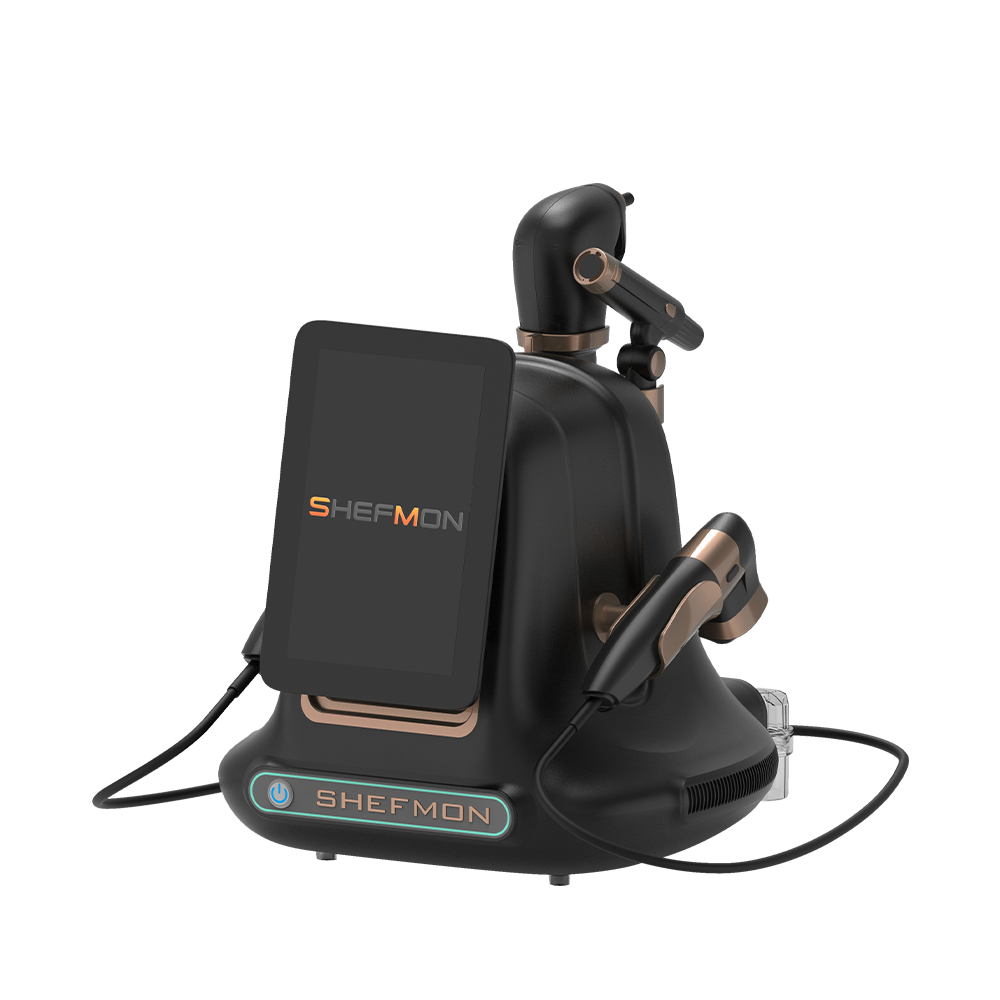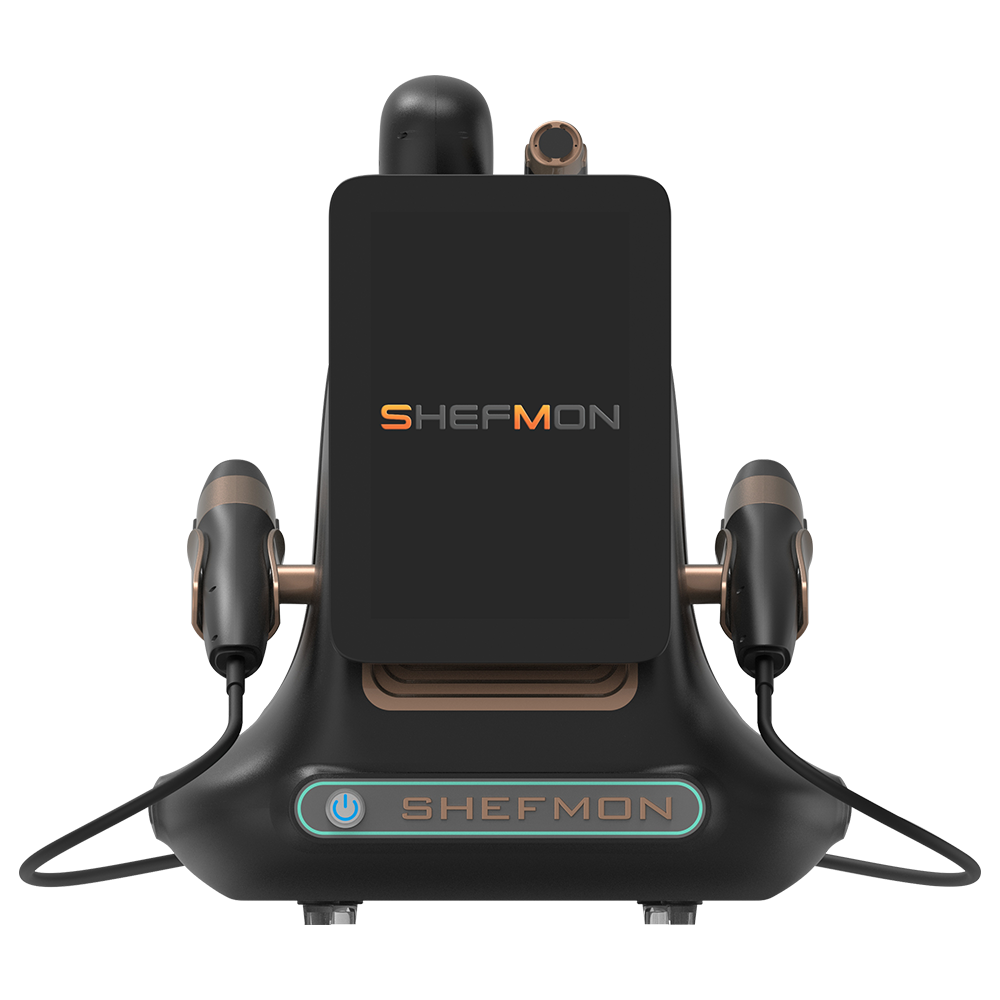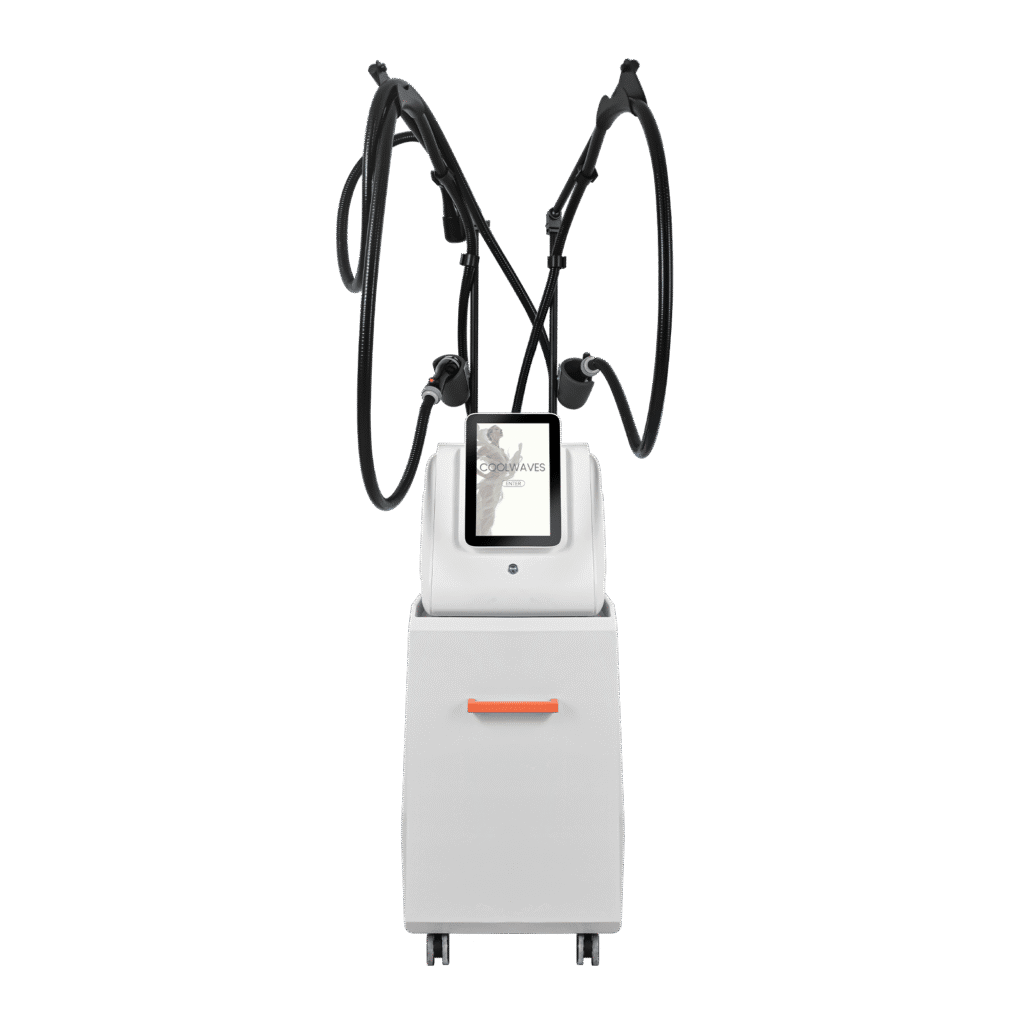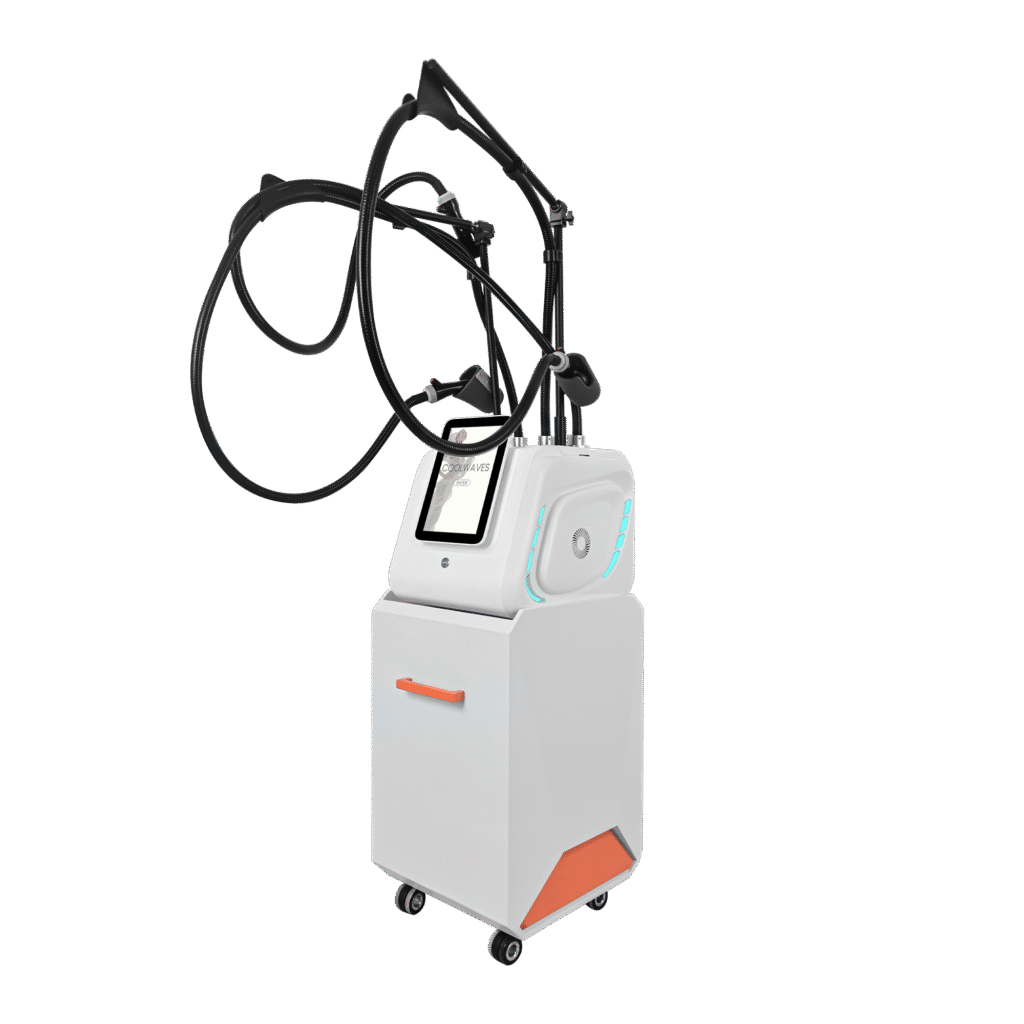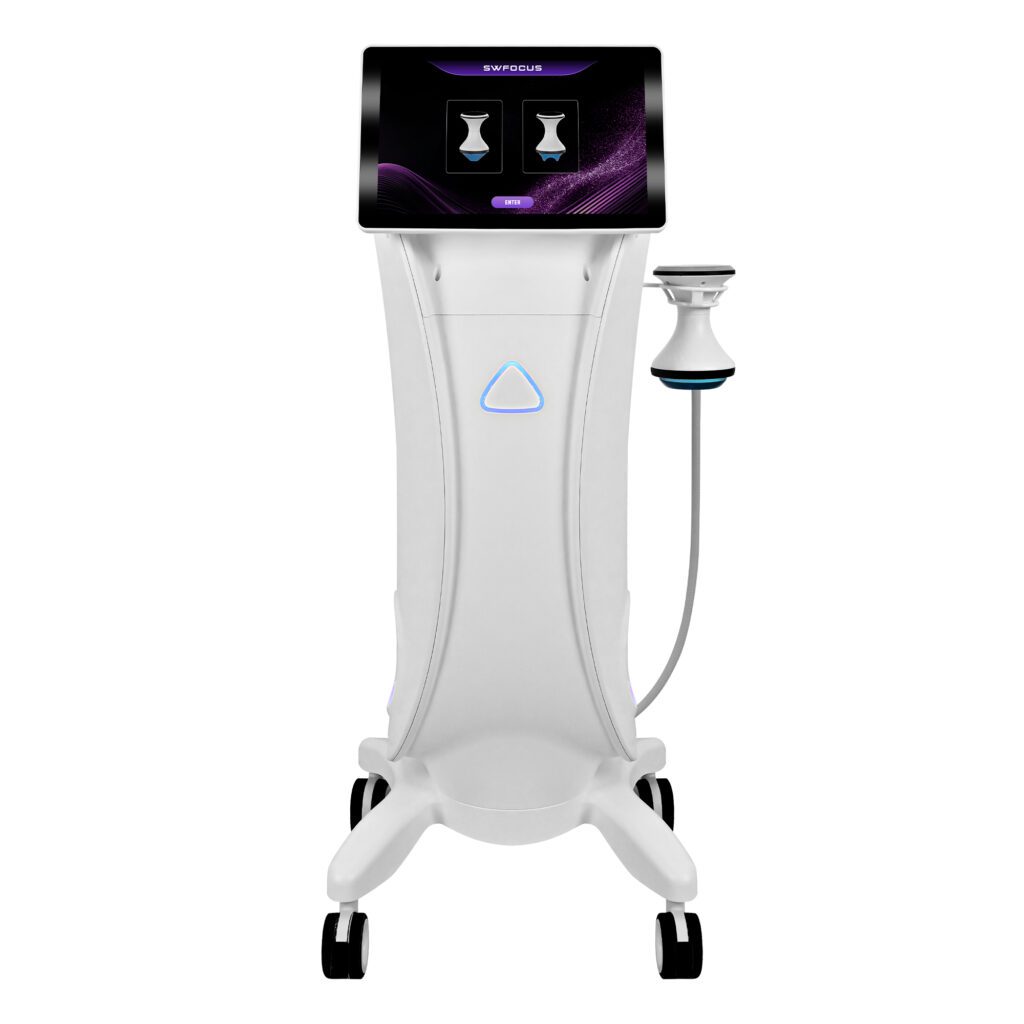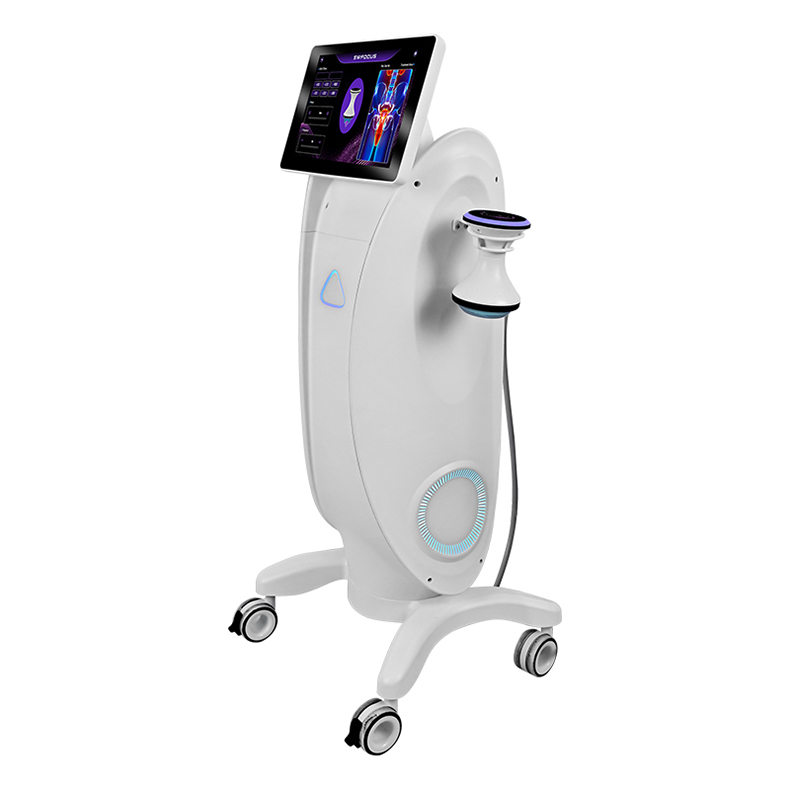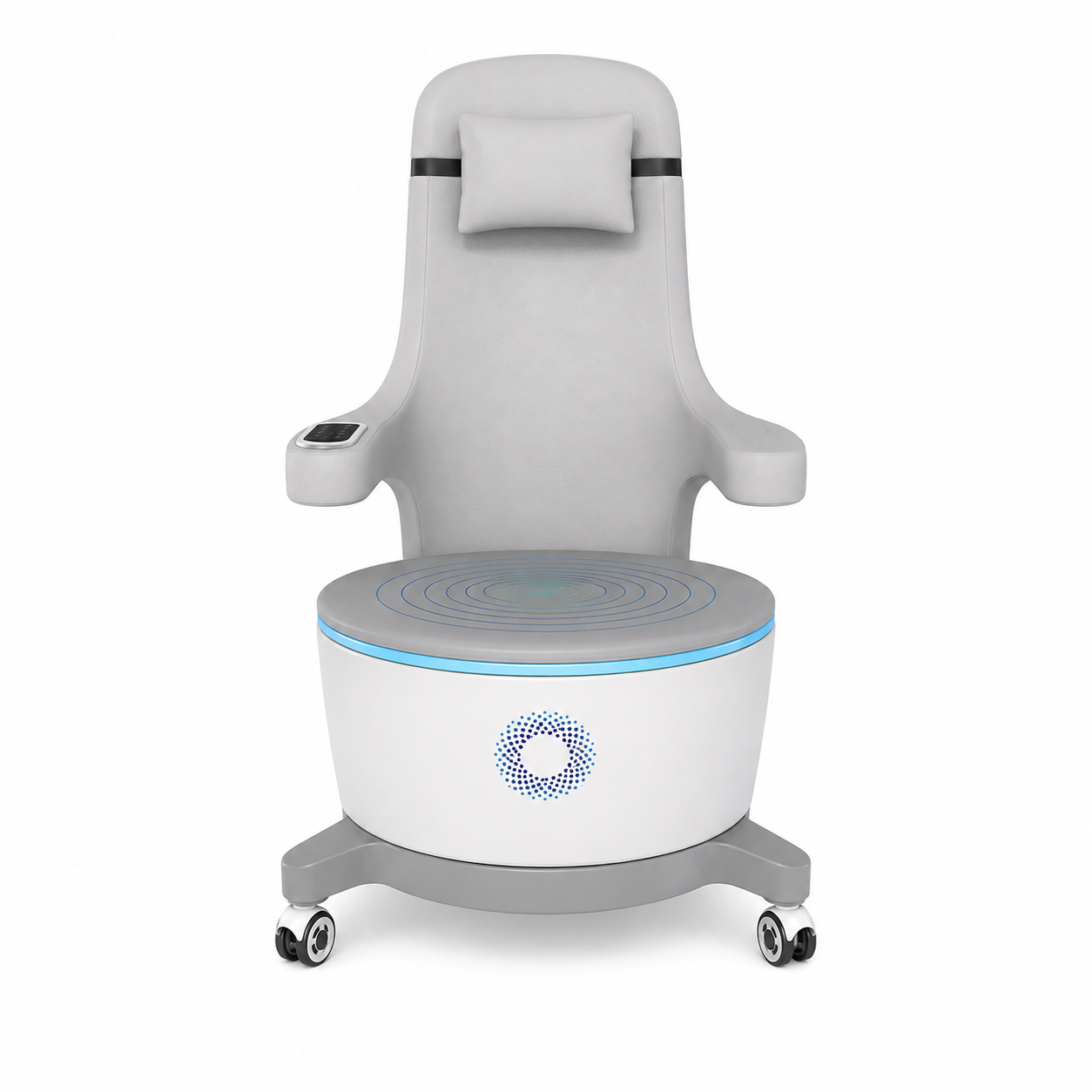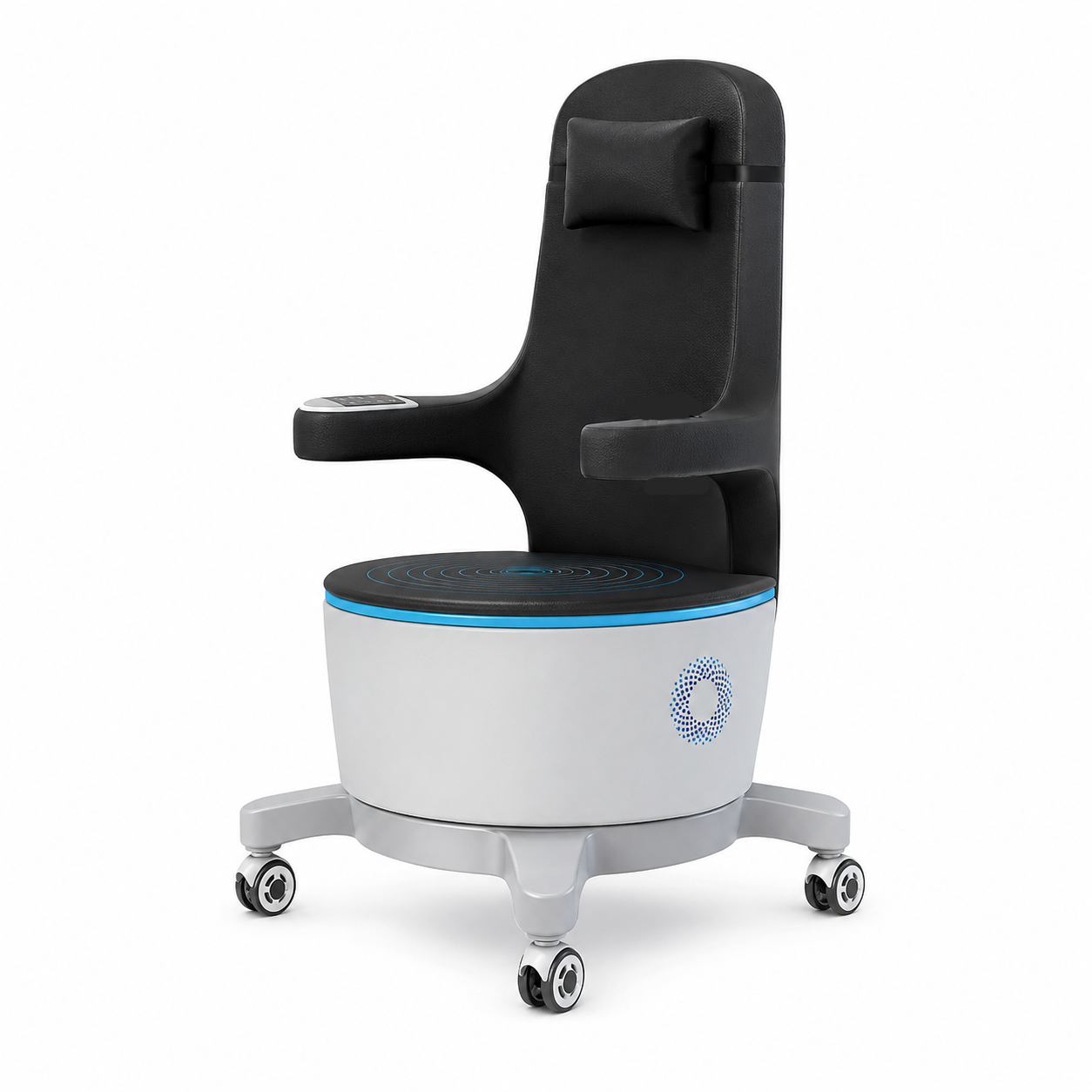
Launching a private-label beauty equipment line involves more than placing a logo on an existing machine. The buyer must choose the right base platform, define the customization scope, approve samples, control product documents, verify destination-market requirements and build training, warranty and spare-parts support around the finished product.
SHEFMON’s beauty equipment OEM and ODM services are designed for distributors, importers, aesthetic brands, salon groups and professional equipment buyers that want to localize an existing product or develop a more differentiated platform. The current service page describes support for exterior and mechanical design, engineering development, prototypes, housing, logo, system language, operator interface, function configuration and customized manuals.
This guide explains the difference between OEM and ODM, what SHEFMON can customize, how a project can move from concept to production, and what buyers should confirm before approving an order. The exact options, minimum order quantity, development cost, schedule and documentation depend on the selected device and project.
Sintesi
- OEM normally begins with an existing beauty equipment platform and adapts selected brand, language, packaging, interface or configuration elements.
- ODM involves deeper design and development, potentially including exterior, structure, handpiece, internal layout, software workflow or function changes.
- SHEFMON publicly describes customization of machine housing, colors, materials, logos, system languages, operator interfaces, functions and instruction manuals.
- Its OEM/ODM page also discusses mechanical design, airflow, wiring, shock absorption, handpiece connections, fluid pathways, electrode design, prototypes and engineering validation.
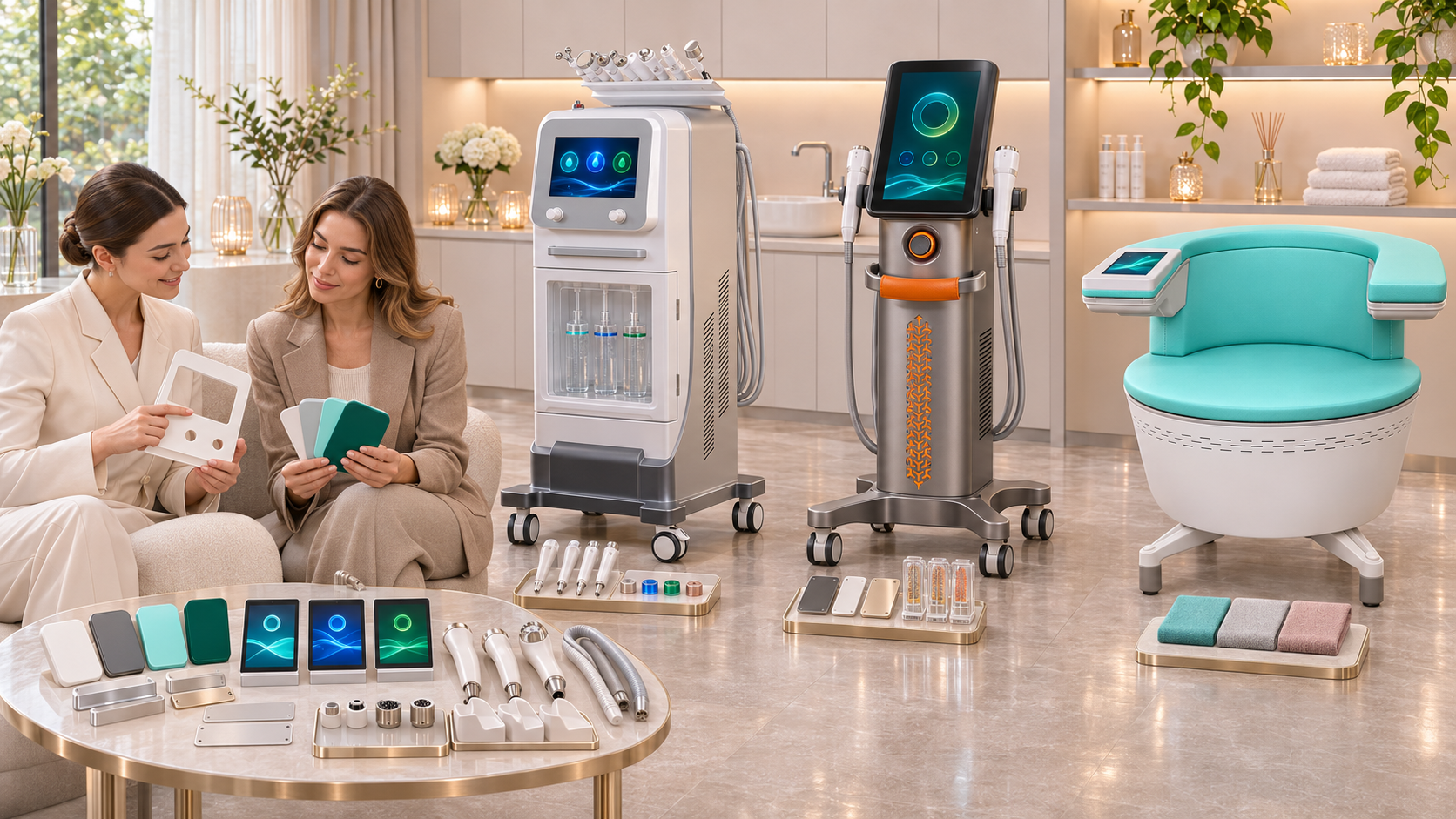
- Beauty equipment categories available for customization include facial care, HIFU, MNRF, laser, cryolipolysis, EMS body sculpting, roller body care, pelvic-floor systems and shockwave or recovery equipment.
- The safest route for a new brand is usually to approve a stable base model before investing in deep structural or functional changes.
- Every project needs a written product-requirement document, exact configuration, sample approval, version-controlled artwork and defined change-control process.
- Certificates, test reports, labels and manuals must match the exact legal manufacturer, model, intended use and destination market; a general factory certificate is not automatically sufficient.
- A private-label buyer becomes responsible for local claims, training, warranty communication, complaints and product support under its brand.
- MOQ, lead time, warranty and tooling terms should be confirmed in the project quotation rather than taken from a general website statement.
1. What Do Beauty Equipment OEM and ODM Mean?
OEM and ODM are often used together, but they describe different levels of factory involvement and buyer control.
OEM: adapting an established platform
In a typical beauty equipment OEM project, the factory already has a working product platform. The buyer selects the model and requests approved changes such as:
- private-label logo and nameplate;
- housing color or finish;
- startup screen and interface branding;
- system language;
- product labels and model name;
- packaging, manual and warranty-card artwork;
- approved handle, applicator or accessory combinations;
- destination-market voltage and plug.
OEM can shorten development because the underlying product exists, but it still requires sample approval and document control. A new logo does not remove the need to verify the machine, accessories, software, labels and local requirements.
ODM: developing a more differentiated product
ODM begins when the buyer needs changes beyond ordinary branding or configuration. Depending on technical feasibility, this may include:
- a new exterior or enclosure;
- revised internal component layout;
- altered handpiece ergonomics;
- a different interface flow;
- new accessory or electrode design;
- revised fluid or air pathways;
- a new combination of approved functions;
- prototypes, engineering tests and trial production.
ODM creates more differentiation but also introduces more engineering, validation, cost, schedule and compliance risk. The buyer and manufacturer must define who owns the design, tooling, software, test data and future revisions.
2. OEM vs ODM at a Glance
| Decision area | Attrezzature di bellezza OEM | ODM beauty equipment |
|---|---|---|
| Starting point | Existing factory model or platform | Buyer concept, modified platform or new design direction |
| Typical changes | Logo, color, language, labels, packaging, interface branding, accessory package | Exterior, structure, handpiece, internal layout, interface workflow, selected functions or new accessories |
| Development effort | Lower to moderate | Da moderato ad alto |
| Sample process | Branded or configured sample | Engineering prototype followed by validated sample |
| Utensili | Often limited | May require molds, fixtures or custom components |
| Documentation impact | Labels, manuals and configuration documents need updating | Technical files, testing, risk review and market documents may require substantial revision |
| Programma | Usually shorter, subject to stock and artwork | Usually longer because design and validation are involved |
| Migliore vestibilità | New private-label line or proven standard model | Brand with validated demand and a clear differentiation requirement |
| Main risk | Treating logo changes as a complete brand system | Underestimating engineering, validation, IP and compliance work |
The words themselves are less important than the written scope. Two suppliers may use “OEM” and “ODM” differently. Buyers should define every requested deliverable rather than relying on a label.
3. Who Should Use SHEFMON OEM/ODM Services?
Distributori di attrezzature per la bellezza
Distributors can use OEM to create a recognizable local product line and reduce direct comparison with generic listings. They also need local training, warranty, repair and spare-parts systems to support the branded machines.
Importers and wholesalers
Importers may need consistent voltage, plugs, labels, packaging, language and documentation across repeat orders. Configuration control and logistics efficiency often matter more than deep design changes.
Aesthetic equipment brands
An established brand may use ODM to create a different enclosure, user interface, handpiece or product family. It should bring market evidence and a detailed product brief rather than asking the factory to “make something unique” without specifications.
Salon and clinic groups
Chains may want standardized devices, screen language, operator materials and service support across multiple locations. They should confirm whether the customized model can be installed, trained and maintained consistently at every site.
Training academies
Training organizations may require consistent model names, manuals, software screenshots and accessory packages. Customization must not turn unverified teaching content into official device instructions.
4. SHEFMON Product Categories for OEM/ODM Projects
Il corrente SHEFMON beauty equipment portfolio covers multiple professional categories.
| Categoria di prodotto | Direzione rappresentativa | Common OEM focus | Deeper ODM considerations |
|---|---|---|---|
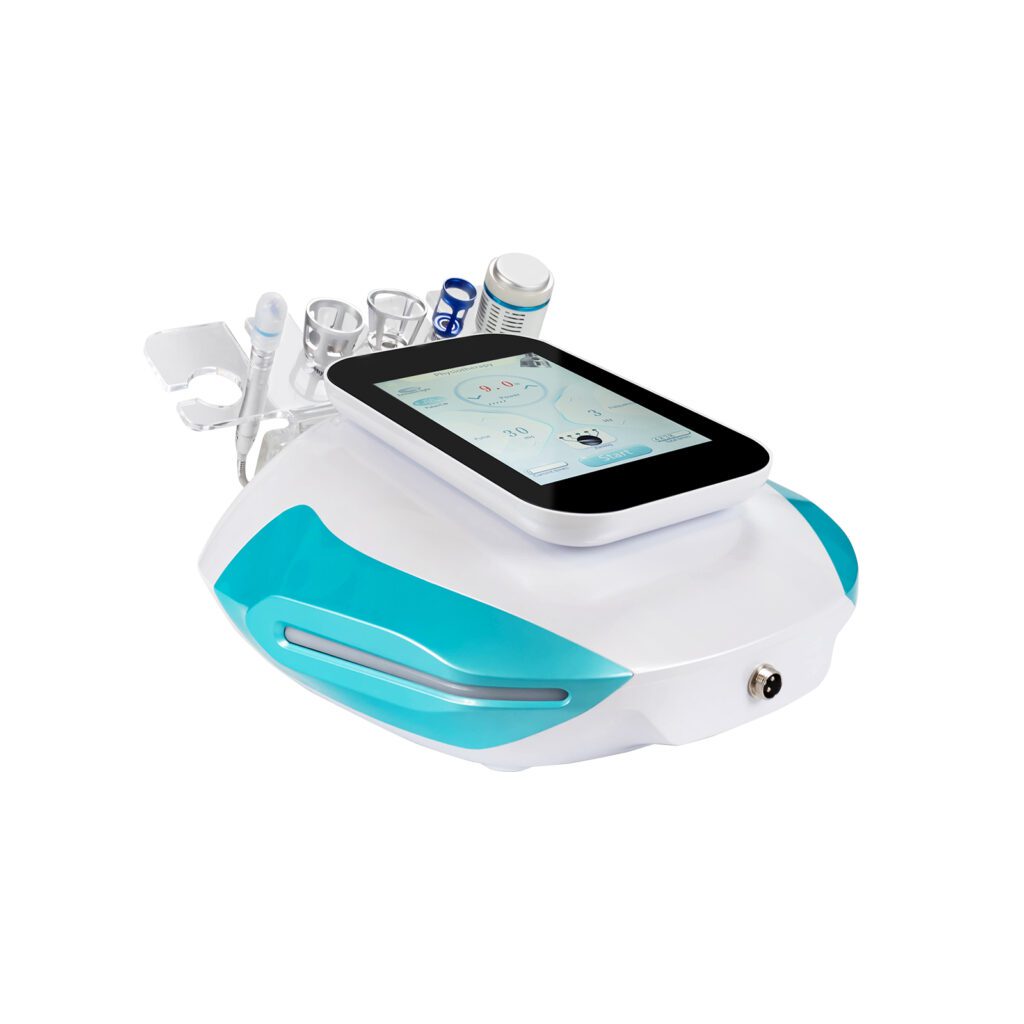
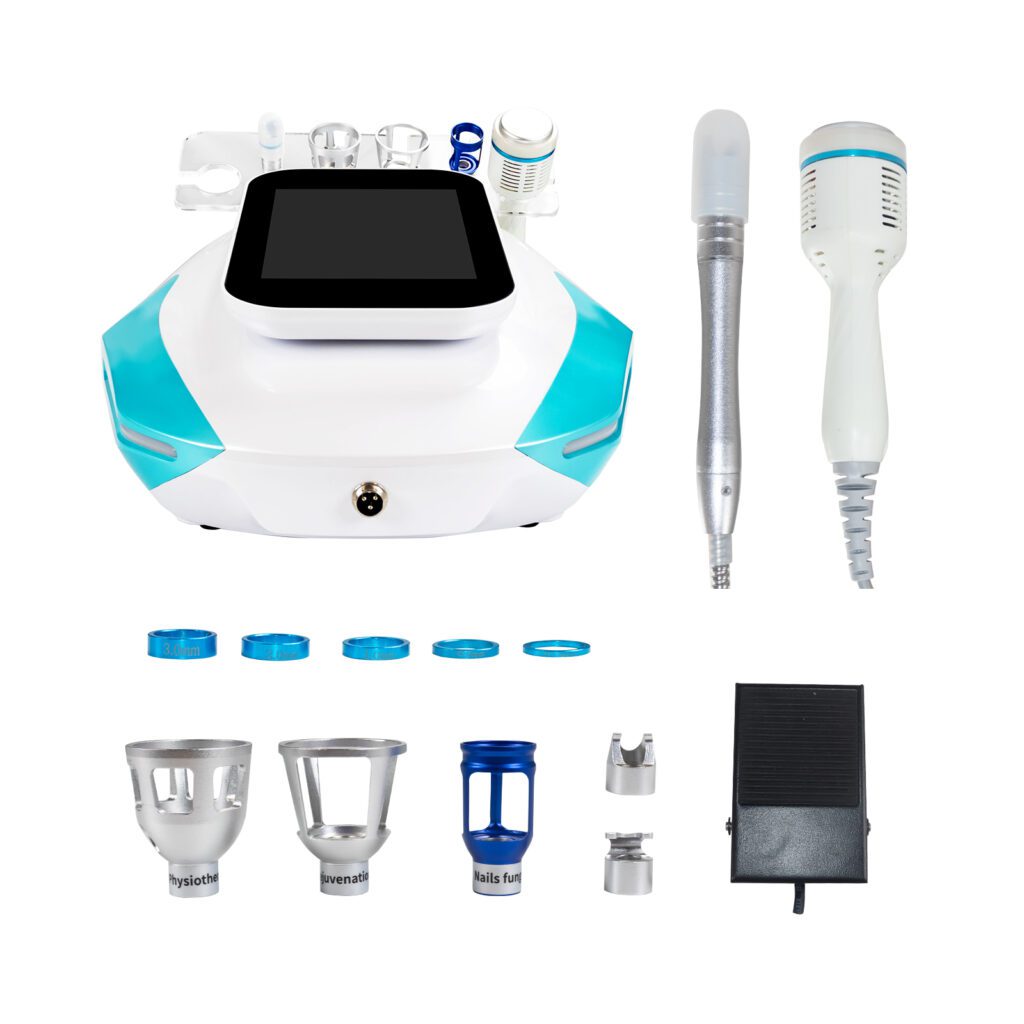
| Hydro facial and skin care | A0648, cool plasma and multifunction facial systems | Logo, color, bottles, tips, interface, manual and packaging | Fluid pathways, handpiece design and enclosure layout |
| HIFU | Face and body focused-ultrasound platforms | Branding, language, cartridges and accessory package | Handpiece ergonomics, interface workflow and approved configuration |
| Microneedling RF | A0152 and A0157 MNRF systems | Housing, interface, language, cartridge package and documents | Electrode, handpiece or software changes require strong validation |
| Epilazione laser a diodo | Multi-wavelength hair-removal platforms | Logo, language, handpiece option, eyewear and packaging | Cooling, power, optics or emission changes require engineering and safety review |
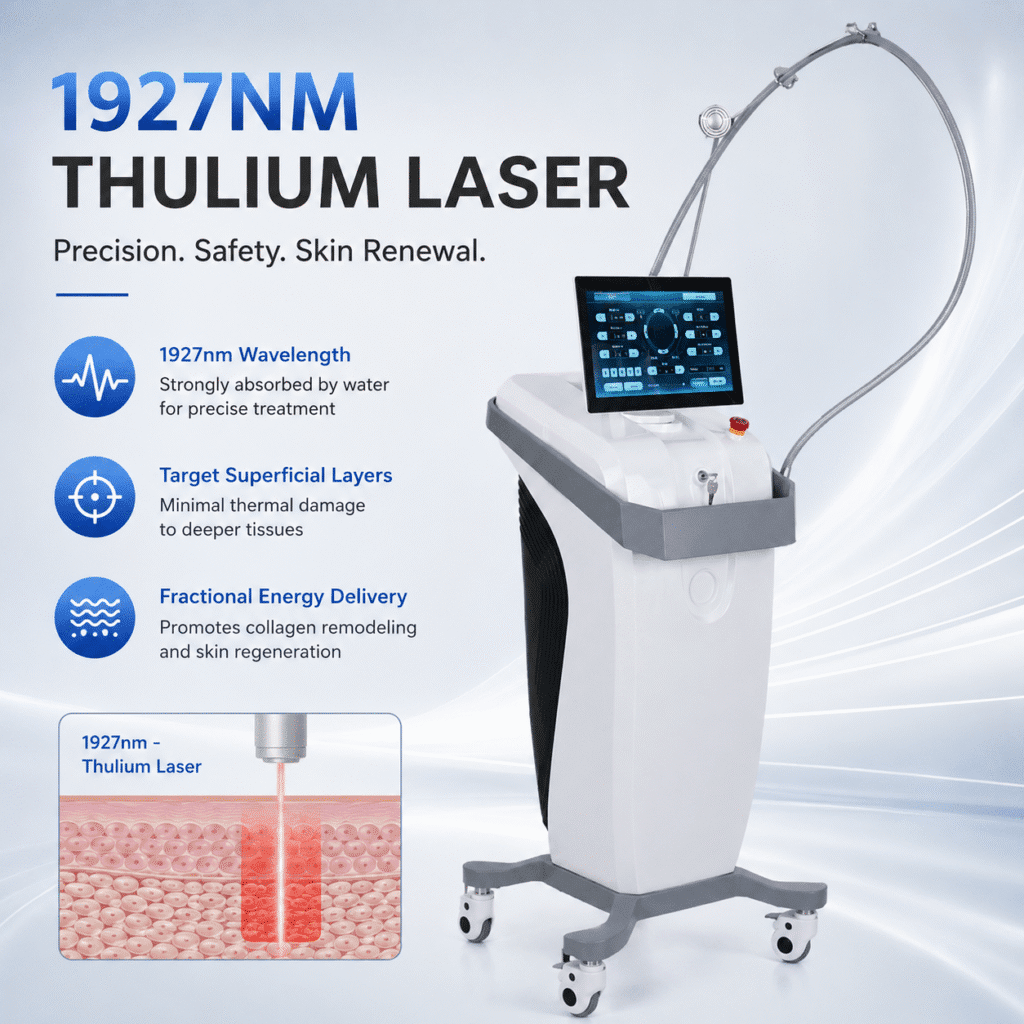
| Aesthetic laser | Picosecond, CO2 fractional and thulium systems | Brand presentation, language, accessories and manuals | Wavelength, optical, software or delivery-system changes are high-governance work |
| Criolipolisi | Portable, vertical and combination systems | Applicator package, logo, color, language and consumables | Cooling control, applicator or internal pathway changes need technical validation |
| EMS and body sculpting | EMSlim and RF EMS platforms | Handle count, housing, interface, language and packaging | Coil, power, RF or treatment-mode changes require engineering review |
| Roller body care | Endos Velapro and RollerZERO directions | Color, logo, roller set, suit or accessory package | Roller mechanics, motor, handpiece and enclosure development |
| Pelvic-floor equipment | EMS chair platforms | Upholstery color, logo, interface, language and documentation | Field, coil, chair structure or intended-use changes require careful validation |
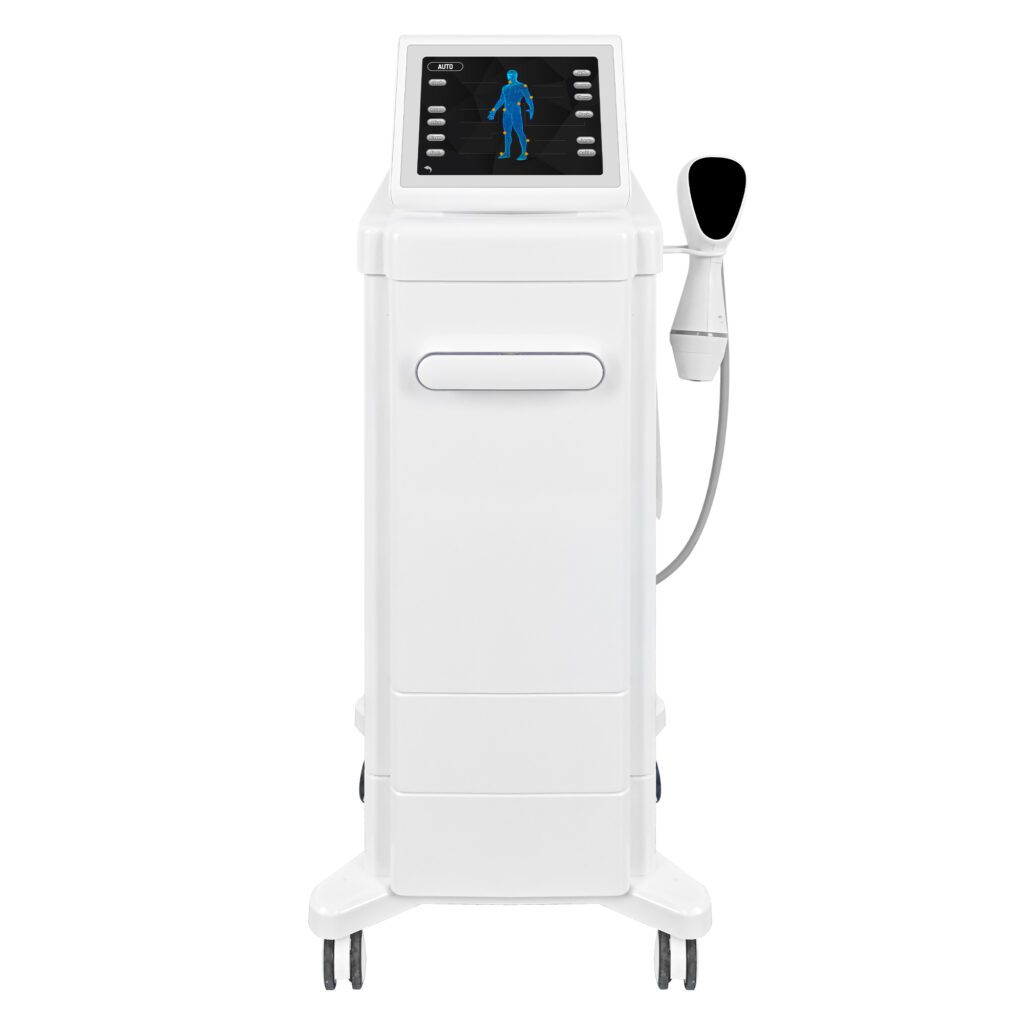
| Shockwave and recovery | Focused or radial shockwave, RF and PMST systems | Branding, applicator package, interface and manuals | Energy delivery, probes and combined technologies require technical review |
This portfolio breadth allows a distributor to build one brand across facial, body and recovery categories. It also increases the need for product-family governance: model names, colors, interface rules and documents should be consistent without hiding important technical differences.
5. Exterior and Housing Customization
The SHEFMON OEM/ODM page describes exterior design covering casing shape, color matching, material finishes, indicator lights and button layout. It also describes machine-housing design as part of brand presentation.
Possible project items include:
- housing color and surface finish;
- panel and accent colors;
- logo size, location and application method;
- indicator-light color and position;
- control-button layout;
- handle holders and accessory storage;
- wheel, base and structural appearance;
- material and cleaning compatibility;
- model-family design language.
Appearance cannot be separated from daily use. A beautiful housing that blocks airflow, makes cleaning difficult, weakens handpiece support or increases shipping damage is not a successful design. The sample review should therefore test ergonomics, stability, ventilation, access to connectors, cleaning and packaging—not only color.
6. Logo, Nameplate and Private-Label Branding
The public page describes logo methods including screen printing, laser engraving and metal plating. The correct method depends on the housing material, finish, placement, cleaning chemicals and order quantity.
The brand package may include:
- front and side logos;
- metal or printed nameplate;
- screen startup logo;
- model name and serial label;
- carton and accessory labels;
- manual, quick-start guide and warranty card;
- QR code for local support;
- distributor contact details where legally appropriate.
Before production, approve the exact artwork file, dimensions, color standard, position and proof. A distributor should also complete trademark checks in its intended market. The factory applying a logo does not establish that the buyer owns or may lawfully use the mark.
7. System Language and Operator Interface
SHEFMON’s OEM/ODM page describes multi-language integration and customization of interface layout, graphics, icons, colors and user flow.
Localization should cover more than translating individual words. Review:
- startup and shutdown screens;
- mode names and parameter labels;
- units and numerical formats;
- warnings, alarms and error messages;
- accessory identification;
- maintenance prompts;
- confirmation and emergency screens;
- screenshots in the user manual;
- future firmware update compatibility.
The buyer should provide an approved terminology list and have a technically competent native-language reviewer check the final software. Automatic translation can turn safety information into ambiguous instructions.
Interface customization also needs version control. Record the software version, language package and approved screenshots. Confirm how customized software will be supported when the base platform receives a later update.
8. Function and Configuration Customization
The SHEFMON page states that function customization may include adding or removing technologies, adjusting levels or creating modes. These requests require the most caution.
Not every technically possible change should be commercialized. Adding RF, EMS, LED, microcurrent, laser or another energy source can affect:
- electrical design and cooling;
- energy output and calibration;
- electromagnetic compatibility;
- software e allarmi;
- controlli dei rischi;
- labels and instructions;
- intended use and claims;
- testing and destination-market documents;
- operator training and service.
A responsible project begins with an engineering feasibility review. The buyer should ask which changes are cosmetic, which alter configuration and which create a technically or legally different device.
Accessory customization can be more practical than changing core functions. For example, a buyer may select an approved handle set, applicator package, cartridge assortment, eyewear kit, plug, starter consumables or spare-parts bundle without altering the underlying technology.
9. Mechanical Design and Engineering Development
SHEFMON’s OEM/ODM page describes internal component layout, circuit-board security, airflow, moisture protection, wiring, shock absorption, electrode interfaces, handpiece connections and structural frames. It also refers to CAD, 3D modeling, prototype testing and engineering validation.
An ODM engineering brief should define:
- expected device size and weight;
- normal operating environment;
- electrical supply;
- internal heat and airflow requirements;
- handpiece and accessory count;
- connector locations;
- cable routing and strain relief;
- liquid or air pathways where applicable;
- load, vibration and transport conditions;
- cleaning and material compatibility;
- maintenance and service access;
- user-interface hardware;
- packaging constraints.
Design reviews should include manufacturing, quality, service and regulatory perspectives. A component may work in a prototype yet be difficult to assemble, inspect or replace in mass production.
10. Prototypes and Sample Approval
A sample is not merely a sales demonstration. It is the reference that connects the buyer’s request with future production.
The approval process should check:
- exterior, color, logo and nameplate;
- dimensions, materials and finish;
- voltage, plug and internal configuration;
- screen, language and software version;
- every handpiece, applicator and accessory;
- output and functional test results;
- alarms and safety controls;
- labels, manual and packing list;
- packaging protection;
- Istruzioni per la pulizia e la manutenzione;
- spare parts and consumables.
Record discrepancies and revision numbers. After approval, preserve a signed specification, photographs, software version, artwork files, packing list and, when practical, a physical reference sample.
Never approve a bulk order based only on a showroom model if the production configuration differs.
11. The SHEFMON OEM/ODM Project Workflow
| Palcoscenico | Buyer input | SHEFMON/factory output | Approval gate |
|---|---|---|---|
| 1. Market brief | Country, buyer type, product category, price level and quantity | Initial product and platform recommendations | Target market and base category agreed |
| 2. Base-model selection | Required functions, room and operator needs | Model comparison and configuration options | Exact base model selected |
| 3. Requirement document | Logo, color, language, interface, accessories, packaging and documents | Feasibility review and scoped proposal | Written scope approved |
| 4. Commercial quotation | Trial and repeat quantities, delivery destination | Product, engineering, tooling, sample and freight costs | Terms and responsibilities agreed |
| 5. Design | Brand files, terminology and packaging content | Drawings, renderings, UI mockups and artwork | Design files approved |
| 6. Sample/prototype | Review criteria and testing plan | Physical sample or engineering prototype | Function and appearance approved |
| 7. Validation | Destination-market and performance requirements | Test and inspection evidence | Release for production |
| 8. Production | Purchase order and approved files | Manufacturing, assembly and QC | Pre-shipment inspection passed |
| 9. Delivery | Shipping instructions and import documents | Packing, tracking and document package | Shipment accepted |
| 10. Post-sale | Training, fault and spare-parts workflow | Technical support and repeat-order coordination | Continuous improvement and change control |
The sequence may vary, but the approval gates should remain. Skipping the requirement or sample stage usually creates expensive corrections later.
12. Quality Control for Customized Beauty Equipment
Customization adds variables. A standard model may have an established assembly and test process, while a custom housing, software package or accessory set creates new opportunities for mismatch.
IL SHEFMON Quality Control page describes raw-material inspection, circuit-board aging and power testing, computer burn-in, precision assembly and multiple mechanical inspections. An OEM/ODM project should connect these factory controls to the approved custom specification.
| Quality stage | Custom-project check |
|---|---|
| Incoming materials | Correct housing color, finish, logo components, custom parts and approved suppliers |
| Subassembly | Board version, wiring, cooling, pumps, connectors and custom mechanical parts |
| Software | Correct language, brand screen, modes, limits, alarms and version number |
| Test funzionali | Every handpiece, applicator, button, output and safety control in the approved configuration |
| Appearance inspection | Logo position, color match, surface condition, labels and serial information |
| Document inspection | Manual, quick guide, packing list, warranty material and market labels match the unit |
| Packaging test | Correct accessories, protection, carton marks and shipment configuration |
The buyer should define acceptance criteria and request order-specific inspection evidence. A general “QC passed” label cannot prove that every customization item is correct.
13. Documentation and Destination-Market Responsibilities
OEM branding can affect labels, manuals, economic-operator information, claims and regulatory responsibility. ODM changes can also affect testing and technical documentation.
Before approving a project, determine:
- the legal manufacturer named on the device and documents;
- brand owner and model name;
- intended use and sales claims;
- destination countries;
- applicable device classification or product rules;
- required labels, warnings and languages;
- test reports and certificates that cover the exact configuration;
- importer or authorized-representative responsibilities;
- complaint and adverse-event process;
- document retention and change notification.
Do not assume that a certificate for a standard model automatically covers a redesigned enclosure, changed function, new accessory or private-label model name. Obtain qualified destination-market advice where necessary.
Claims are especially important. A private-label brand should not convert a cosmetic or wellness device into a medical treatment through its website language without verifying the legal and evidentiary consequences.
14. Manuals, Packaging and Training Materials
SHEFMON describes customized printed or digital manuals with brand logos, product images and multilingual content. A complete launch package may include:
- manuale utente;
- Guida rapida;
- installation checklist;
- accessory and packing list;
- cleaning and maintenance guide;
- warranty card;
- technical-support contact card;
- training presentation or video;
- product specification sheet;
- distributor sales sheet;
- compliant photography and interface screenshots.
The manual must match the delivered product. If the software, handpiece or parameter range changes, screenshots and instructions must also change. Marketing materials should remain separate from safety-critical operating instructions.
Packaging development should address protection as well as branding. Review internal foam, accessory restraint, moisture protection, carton strength, crate requirements, labels, gross weight and handling marks for the selected shipping method.
15. MOQ, Cost and Lead Time
There is no responsible universal MOQ or lead time for all beauty equipment OEM and ODM projects. They depend on:
- base model and stock availability;
- type of logo process;
- custom color or material batch;
- packaging print quantity;
- language and software work;
- accessory configuration;
- molds, tooling and custom components;
- prototype and test requirements;
- destination-market documentation;
- production schedule and shipment method.
Ask SHEFMON to separate:
- unbranded sample quantity and cost;
- branded sample quantity and setup fee;
- trial-order MOQ;
- production MOQ;
- tooling and engineering fees;
- packaging MOQ;
- estimated sample schedule;
- mass-production schedule after sample approval;
- inspection and freight timing.
Do not promise a local launch date until artwork, sample approval, production and transport schedules are confirmed in writing.
16. Intellectual Property and Commercial Terms
ODM projects should define ownership before development begins. The agreement may need to address:
- buyer-provided trademarks and artwork;
- factory background technology;
- ownership of new industrial design;
- mold and tooling ownership;
- software and source-code rights;
- exclusive or nonexclusive configurations;
- territory and sales channels;
- confidentiality;
- use of project images in factory marketing;
- production after the relationship ends;
- repair and spare-parts continuity.
Exclusivity should be specific. Define the product, configuration, country, channel, order commitment and duration. A vague promise of an “exclusive machine” is difficult to enforce and may not cover visually similar models.
17. After-Sales Support for Private-Label Brands
The end customer will usually contact the local brand or distributor first. The OEM/ODM buyer therefore needs a service system before products ship.
Confermare:
- console and accessory warranty terms;
- exclusions and consumable status;
- fault-report template;
- remote diagnostic process;
- replacement-part authorization;
- repair videos and technical manuals;
- return and freight responsibility;
- parts recommended for local stock;
- support after warranty expiry;
- discontinued-model and software support;
- complaint and serious-incident escalation.
Training should cover sales, operation and service separately. A sales representative needs accurate positioning. An operator needs safe use and cleaning instruction. A technician needs fault isolation, approved replacement steps and access to parts.
18. A Staged Customization Strategy
| Palcoscenico | Recommended scope | Ideale per |
|---|---|---|
| Stage 1: Product validation | Standard sample, market and user testing | Buyer evaluating a new category |
| Stage 2: Light OEM | Logo, nameplate, labels, manual and packaging | Nuovo distributore di marchi privati |
| Stage 3: Localization | Language, interface branding, plug, voltage and accessory kit | Brand with confirmed local sales |
| Stage 4: Product-family system | Consistent colors, model names, documents, training and service | Distributor building several categories |
| Stage 5: ODM development | Exterior, mechanics, interface, handpiece or selected functions | Experienced brand with validated demand and development budget |
This staged approach limits early inventory and engineering risk. A brand should move into deeper ODM because customer evidence shows a real unmet need—not only because a unique-looking machine seems easier to market.
19. What to Include in Your First Inquiry
A useful OEM/ODM inquiry should include:
- company, country and sales channel;
- target buyers: salons, clinics, distributors or consumers;
- selected product category or SHEFMON model;
- intended use and planned marketing position;
- trial and annual quantity estimates;
- target price range;
- voltage, plug and system language;
- logo, color and packaging requirements;
- interface and function requests;
- required handles, cartridges or accessories;
- destination-market document needs;
- desired sample and launch dates;
- training, warranty and spare-parts expectations.
Buyers can use the processo di ordinazione SHEFMON E contact page to begin the discussion. A detailed brief allows the factory to separate standard options from changes requiring engineering work.
20. Questions to Ask SHEFMON Before Approval
- Is this request OEM, configuration customization or full ODM development?
- Which existing base model is being used?
- Which proposed changes affect technical testing or documents?
- What is standard, optional and newly developed?
- What are the sample, trial-order and production MOQs?
- Which engineering, tooling, software and artwork fees apply?
- What exact files and approvals must the buyer provide?
- Which model-specific certificates or test reports are available?
- Who is the legal manufacturer and who controls the technical file?
- What is the sample and production schedule after each approval gate?
- How will repeat-order component or software changes be communicated?
- Which consumables and spare parts should be ordered with the first shipment?
- What are the written warranty and repair terms?
- Who owns molds, designs, software and customized artwork?
- What training and post-sale support are included?
Domande frequenti
1. What beauty equipment OEM services does SHEFMON offer?
SHEFMON publicly describes customization including machine housing, color, logo, system language, operator interface, functions, manuals, packaging-related presentation and selected configurations. Availability depends on the model and order.
2. Qual è la differenza tra apparecchiature per la bellezza OEM e ODM?
OEM typically adapts an established product with branding, language, packaging or configuration changes. ODM involves deeper design and engineering, such as a new enclosure, internal layout, handpiece, interface workflow or selected function development.
3. Can SHEFMON put my logo on a beauty machine?
Its OEM/ODM page describes logo customization through methods such as screen printing, laser engraving and metal plating. The exact method, placement, MOQ and cost should be approved for the selected housing.
4. Can machine color and housing be customized?
Yes, SHEFMON publicly describes color, material finish, casing and housing customization. More extensive structural changes may require ODM engineering, tooling, samples and validation.
5. Can the software language and interface be customized?
SHEFMON describes multilingual systems and customization of interface layout, icons, colors and user flow. Buyers should approve terminology, screenshots, software version and future update support.
6. Which beauty equipment categories support OEM/ODM?
Potential categories include facial care, HIFU, RF microneedling, diode laser, aesthetic laser, cryolipolysis, EMS, roller body care, pelvic-floor and shockwave equipment. The feasible scope varies by technology and model.
7. What is the MOQ for customized beauty equipment?
There is no single MOQ for all projects. Logo, packaging, color, software, tooling and engineering changes can have different minimum quantities. Request separate sample, trial and production terms.
8. How long does an OEM or ODM project take?
Timing depends on the base model, design scope, artwork, software, prototype, testing, documentation, production and shipping. Confirm a milestone schedule after the written requirements are approved.
9. Do existing certificates automatically cover a private-label or customized model?
Not necessarily. Coverage depends on the document, legal manufacturer, model name, configuration, intended use and market. Deeper changes may require updated testing or documentation.
10. How should a distributor start a SHEFMON OEM/ODM project?
Begin with the target market, buyer type, product category, base model, estimated quantities and a written list of brand, language, interface, accessory, document and support requirements. Then request feasibility, sample and production quotations.
Conclusione
SHEFMON’s beauty equipment OEM and ODM services can support projects ranging from straightforward private labeling to exterior, mechanical, interface and selected function development. The strongest projects begin with a suitable base product and add only the customization that creates measurable value for the target market.
For a new distributor, this may mean logo, language, packaging, manuals and a reliable accessory package. For an established brand, it may mean a consistent product family or a validated ODM platform with distinctive design and workflow. In both cases, quality control, documentation, sample approval, IP terms, change control and after-sales support are part of the product—not administrative details added later.
Review SHEFMON’s current Capacità OEM/ODM, explore the beauty equipment portfolio E contattare SHEFMON with a detailed product brief to confirm feasibility, MOQ, cost, schedule, documentation and support for the intended project.