







The sports recovery market is experiencing steady global growth as more people prioritize physical wellness, active lifestyles, and non-invasive recovery solutions. What was once a niche sector serving professional athletes has expanded to include fitness enthusiasts, runners, cyclists, office workers, and aging populations seeking better mobility and physical performance.
For distributors, this shift presents an attractive business opportunity. Instead of focusing solely on beauty equipment or traditional rehabilitation devices, distributors can expand into sports recovery by offering advanced therapy technologies that meet the needs of physiotherapy clinics, chiropractic centers, wellness studios, fitness recovery facilities, and multidisciplinary healthcare practices. Choosing versatile equipment and partnering with an experienced OEM manufacturer can help distributors enter this market more efficiently while building long-term business growth.
1. Why Is the Sports Recovery Market Growing?
1.1 Recovery Is Becoming Part of Everyday Wellness
Sports recovery is no longer limited to elite athletes. More consumers now participate in strength training, running, cycling, yoga, and recreational sports, creating greater demand for equipment that supports muscle recovery, mobility, and overall physical wellness.
At the same time, long hours of desk work and sedentary lifestyles have increased complaints related to neck tension, shoulder stiffness, lower back discomfort, and muscle fatigue. Rehabilitation and recovery services are therefore attracting a broader customer base than ever before.
For distributors, this means rehabilitation equipment can serve multiple industries rather than a single niche market.
1.2 Non-Invasive Technologies Continue to Gain Popularity
Many clinics and wellness centers are investing in technologies that complement conservative rehabilitation programs without surgery or lengthy recovery periods. Non-invasive therapy equipment allows practitioners to expand their service offerings while providing clients with comfortable treatment options.
As demand continues to increase, distributors have an opportunity to supply equipment that supports both rehabilitation and wellness applications.
2. Which Customers Should Distributors Target?
One of the advantages of entering the sports recovery market is the diversity of potential customers. Professional rehabilitation equipment is suitable for various business models, including:
- Physiotherapy clinics
- Chiropractic centers
- Sports rehabilitation facilities
- Wellness and recovery studios
- Fitness recovery centers
- Professional sports training facilities
- Multidisciplinary healthcare practices
Each customer group has different treatment priorities, making versatile equipment particularly attractive. Distributors that offer flexible product solutions are better positioned to meet these varying requirements.
3. Build a Product Portfolio That Solves Different Recovery Needs
3.1 Shockwave Therapy for Soft Tissue Recovery
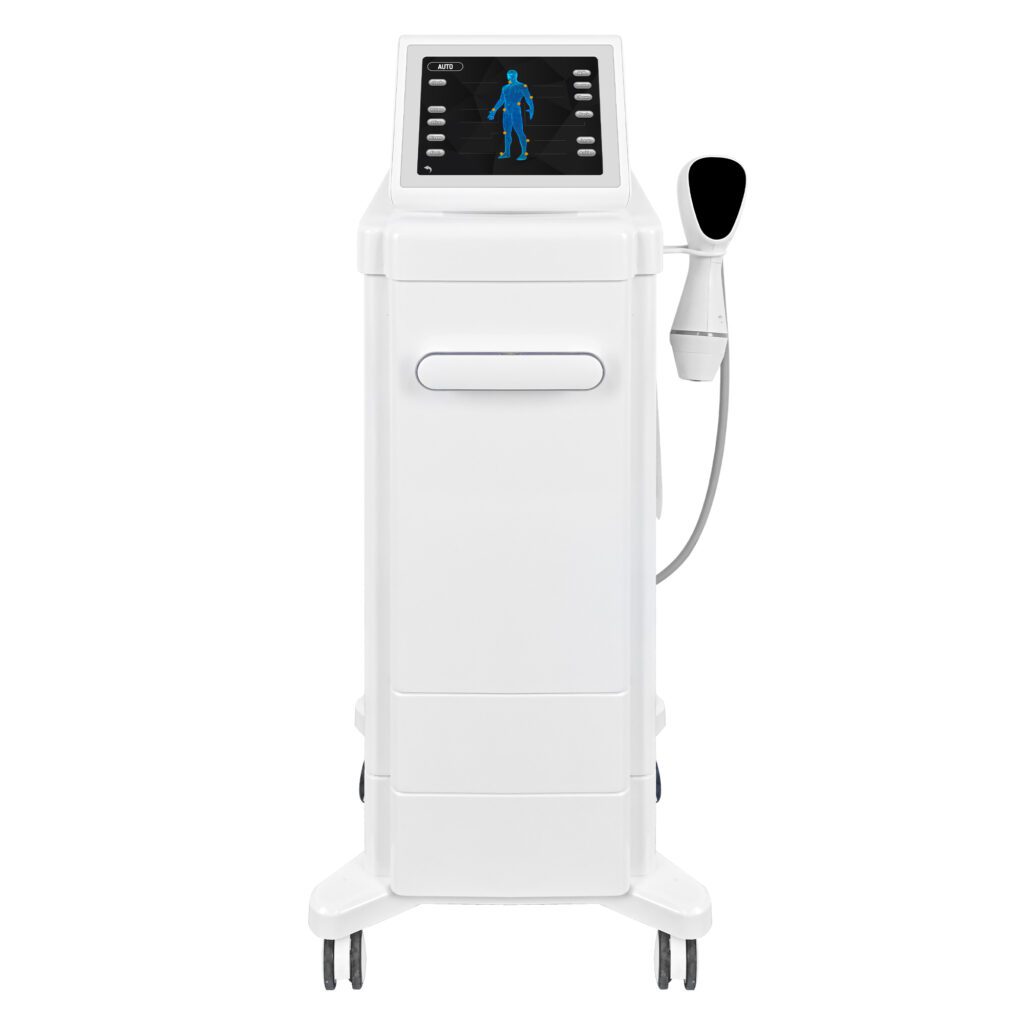
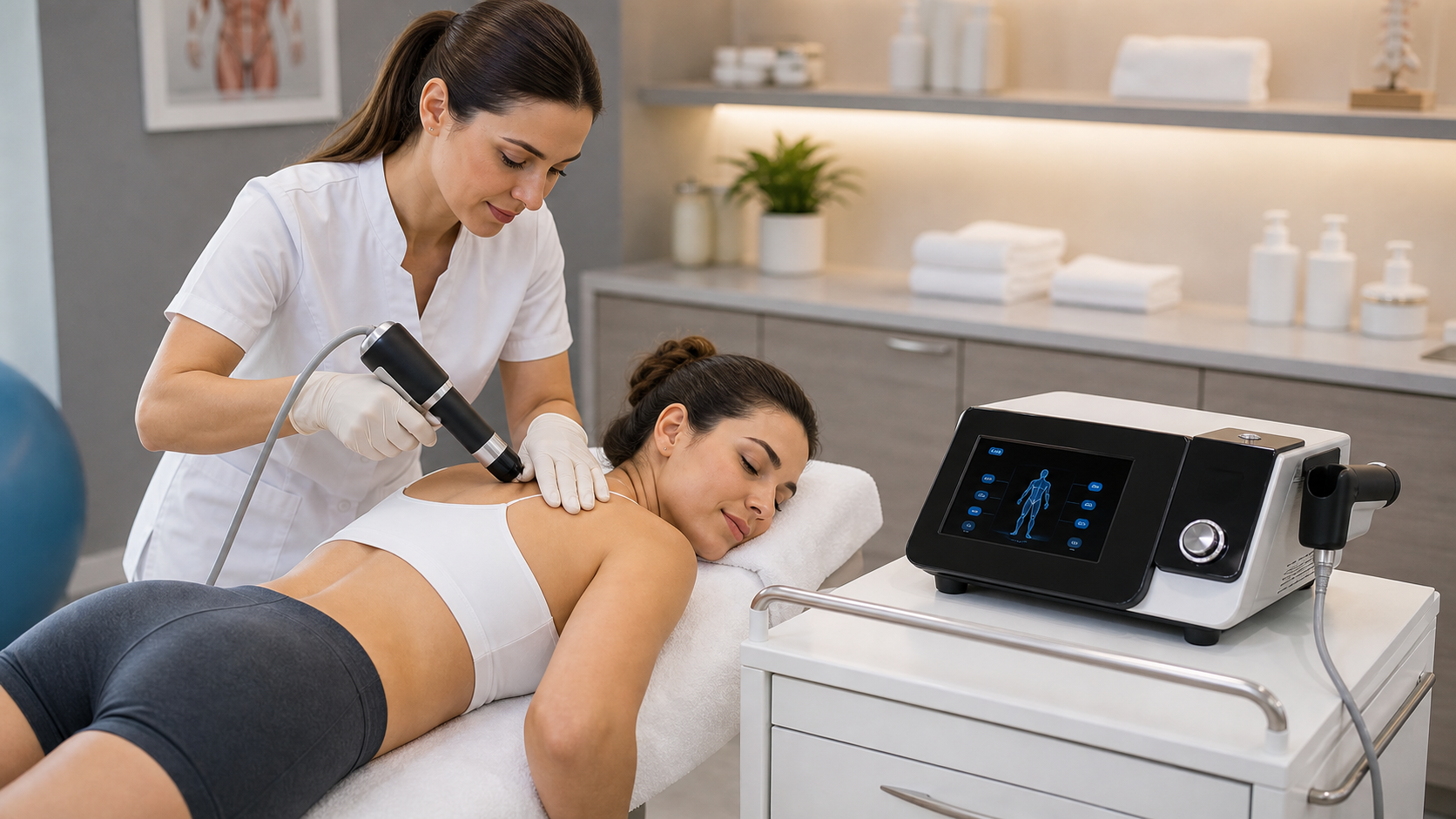
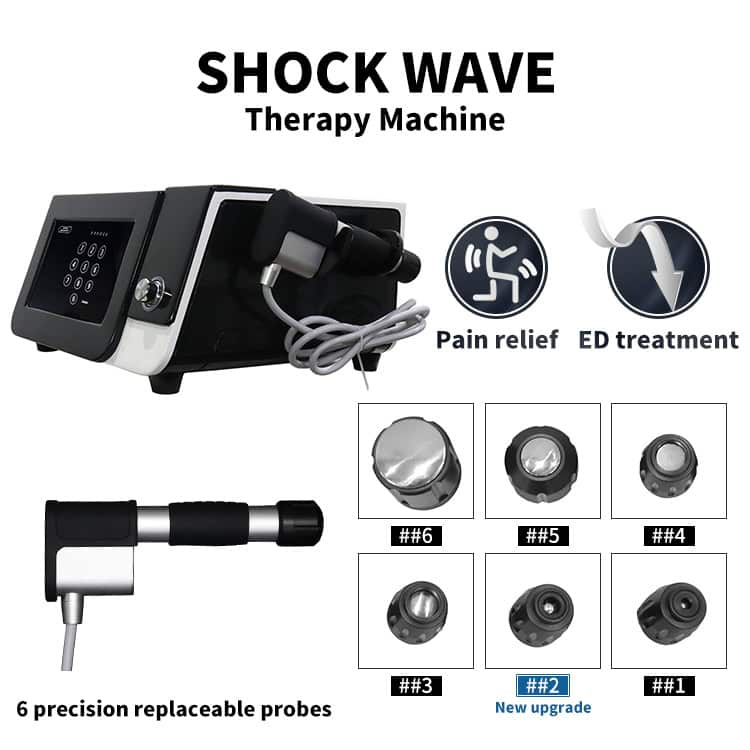
Shockwave therapy is one of the most widely adopted technologies in rehabilitation. Using ballistic radial shockwaves, the treatment delivers controlled mechanical pulses into targeted tissue to support local circulation, tissue recovery, mobility improvement, and relief of chronic muscle and tendon discomfort.
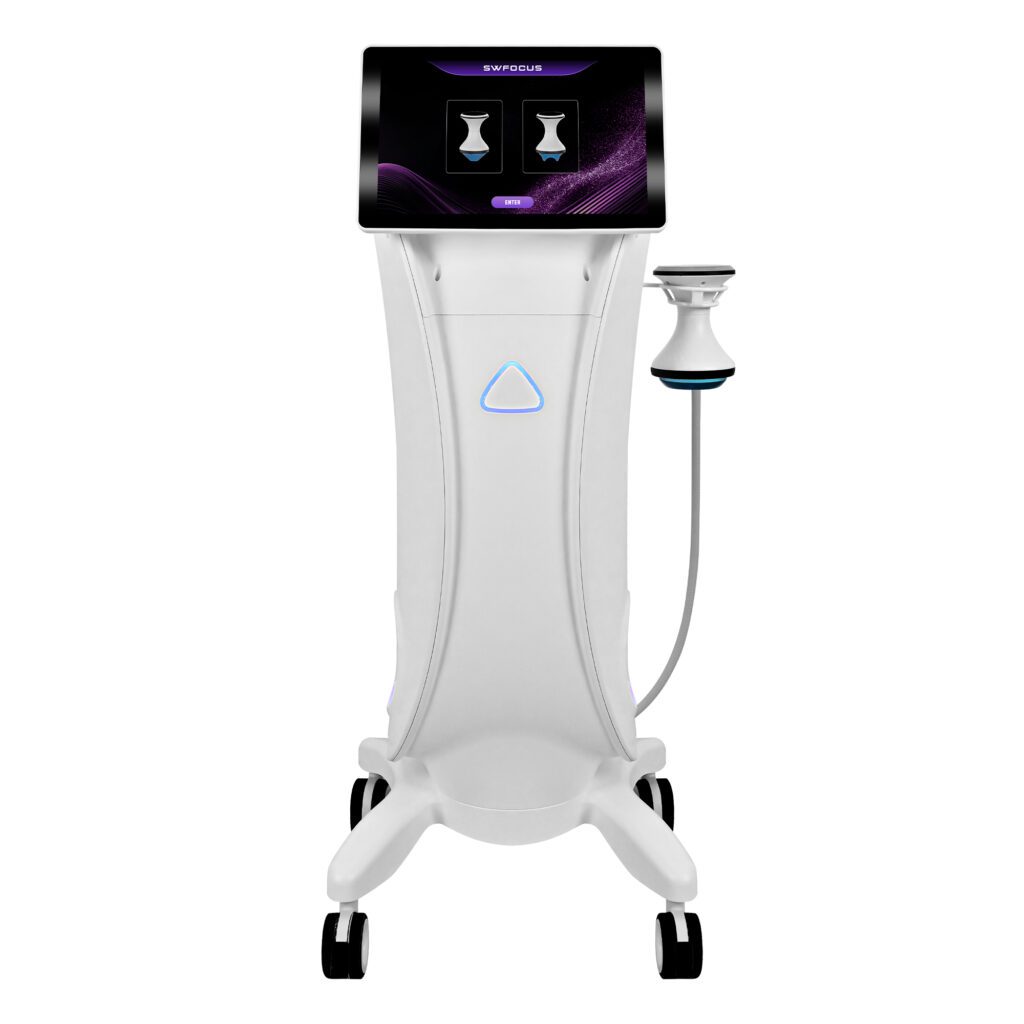
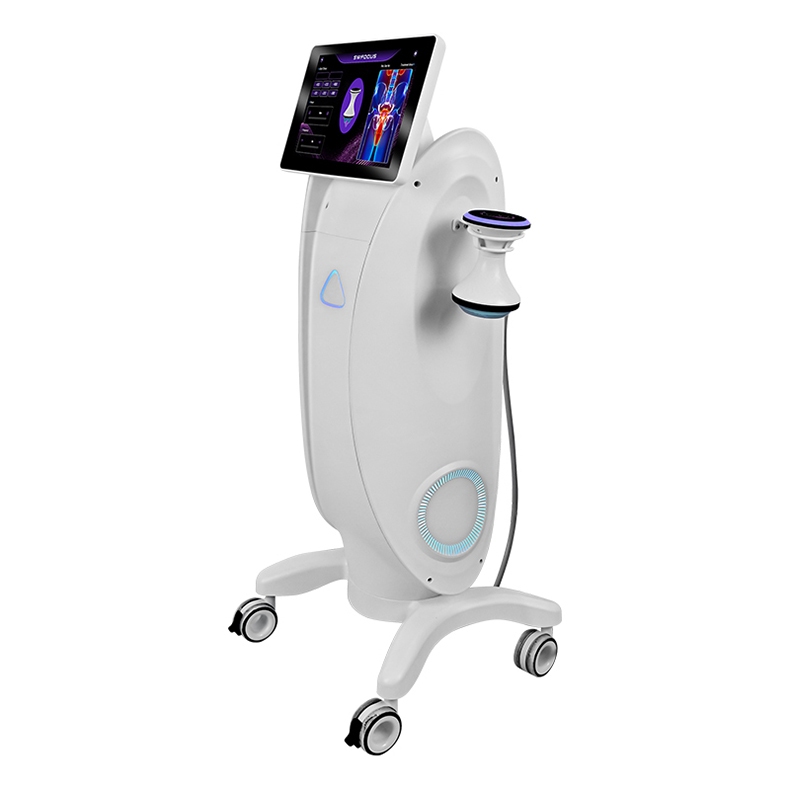
The SHEFMON SW12 Pneumatic Shockwave Therapy Machine combines radial shockwave therapy with TECAR therapy and laser therapy in one system. Instead of purchasing three separate devices, clinics can perform different rehabilitation therapies using a single platform, improving equipment utilization while optimizing treatment room space.
Its adjustable 1–10 bar pressure range and 1–16 Hz frequency settings also allow practitioners to customize treatments according to different body areas and recovery objectives.
3.2 PMST and Magnetotherapy Expand Treatment Options
Different rehabilitation providers have different clinical preferences. Some may wish to complement shockwave therapy with additional physical therapy technologies.
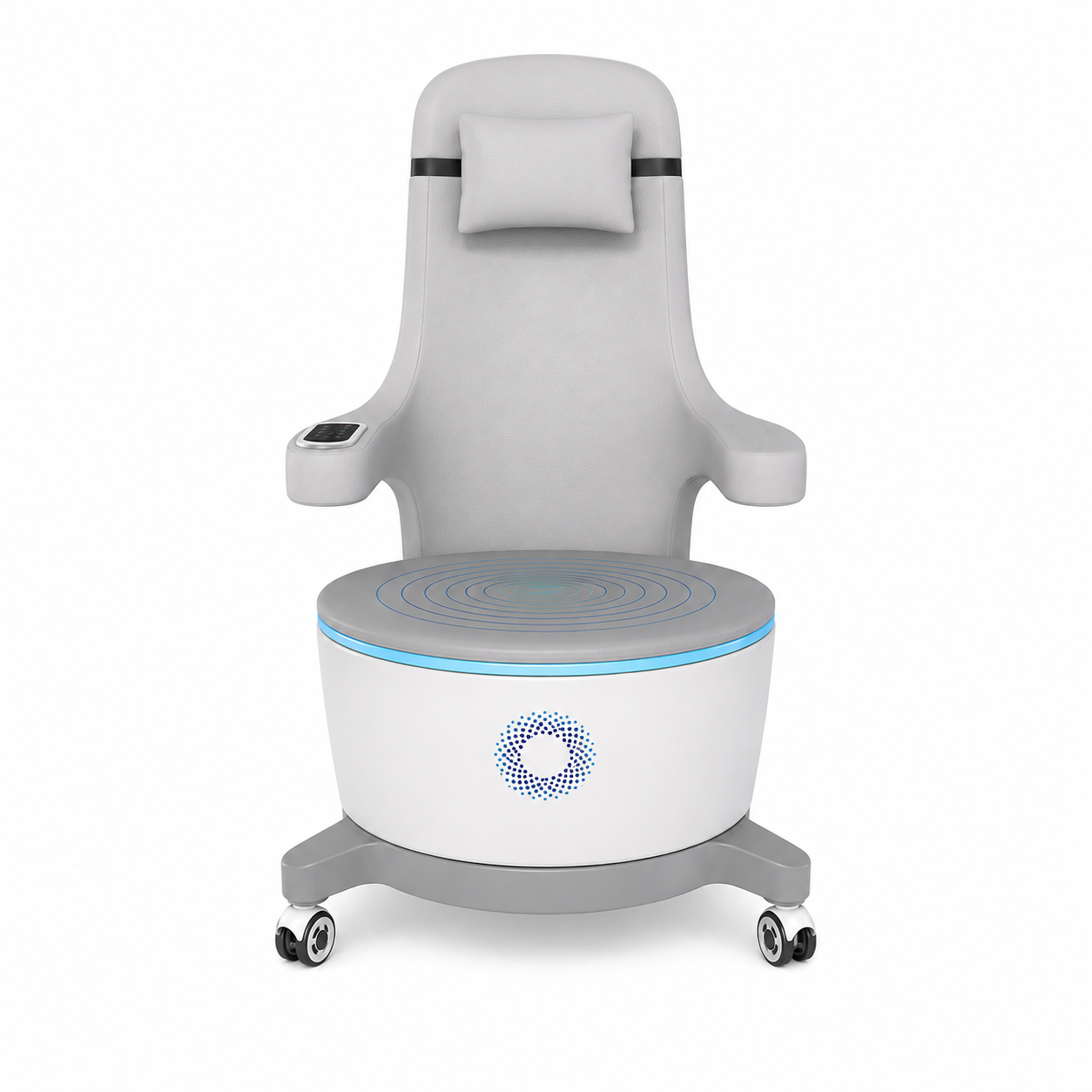
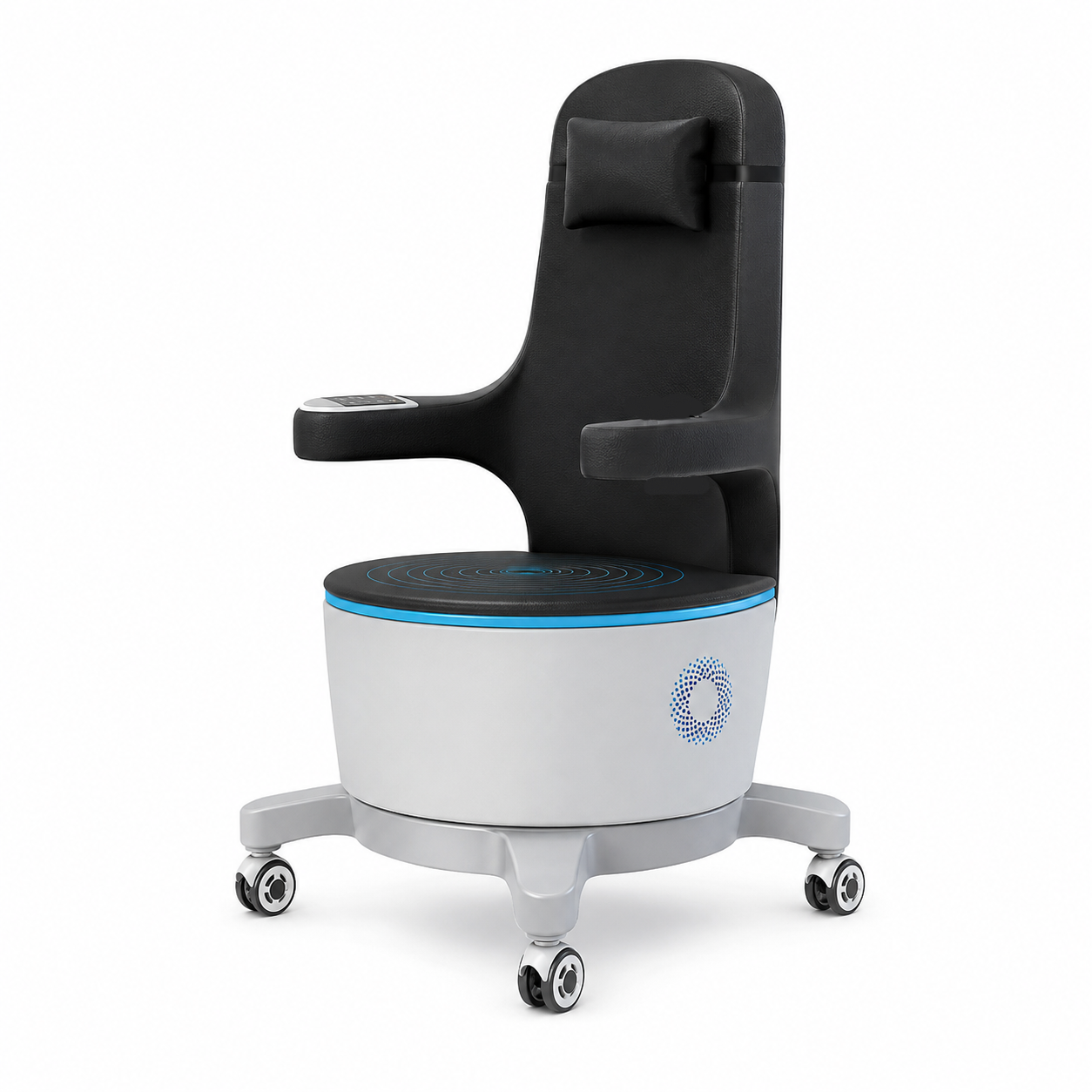
The SHEFMON A0275E 3-in-1 Combination Machine integrates PMST (Pulsed Electromagnetic Stimulation Therapy), shockwave therapy, and magnetotherapy into one platform. This combination provides practitioners with greater flexibility when designing treatment plans while allowing clinics to offer a broader range of rehabilitation services without investing in multiple standalone systems.
3.3 Multifunctional Equipment Creates More Value
Many buyers now prefer multifunctional rehabilitation systems because they can:
- Reduce equipment investment
- Save treatment room space
- Simplify staff training
- Increase equipment utilization
- Expand available treatment services
For distributors, multifunctional platforms offer stronger value propositions and make it easier to meet the purchasing preferences of different clinics.
4. What Features Do Professional Buyers Value Most?
4.1 Flexible Treatment Parameters
Professional rehabilitation equipment should provide adjustable settings that allow practitioners to tailor treatments for different conditions and treatment goals.
Features such as adjustable pressure, frequency, treatment modes, and interchangeable applicators increase equipment versatility and allow one machine to serve multiple rehabilitation applications.
4.2 Stable Performance for Daily Clinical Use
Reliability is essential for clinics that perform treatments every day.
Professional buyers often look for equipment with stable energy output, intuitive operation, durable components, and consistent treatment performance. These factors contribute to smoother daily operation and greater confidence for practitioners.
4.3 Reliable Technical Support
Equipment purchasing is a long-term investment, making after-sales service an important consideration.
Distributors should work with manufacturers that provide:
- Online technical support
- Video operation guidance
- Training materials
- Spare parts support
- Long-term technical assistance
Comprehensive support helps distributors provide better service while strengthening customer relationships.
5. Why OEM and Private Label Services Help Distributors Grow
Many distributors aim to build their own brands rather than simply reselling generic equipment.
Partnering with an experienced OEM and ODM manufacturer allows distributors to customize products while reducing development time and manufacturing costs.
SHEFMON provides customization services that include:
- Private logo branding
- Machine appearance customization
- User interface and language customization
- Packaging and user manual customization
- Marketing support
- Technical training
- Online after-sales support
These services help distributors create differentiated products while adapting to the requirements of different regional markets.
6. Questions Every Distributor Should Ask Before Choosing a Supplier
Selecting the right manufacturing partner is just as important as selecting the right equipment.
Before making a purchasing decision, distributors should consider the following questions:
6.1 Does the Manufacturer Offer a Complete Product Portfolio?
Working with a supplier that offers multiple rehabilitation technologies makes future business expansion much easier.
6.2 Are OEM and Private Label Services Available?
Customization allows distributors to strengthen their own brand identity and improve competitiveness.
6.3 Is Technical Support Provided After Delivery?
Training, troubleshooting assistance, and spare parts availability help distributors provide better long-term service.
6.4 Can the Equipment Meet Different Customer Needs?
Multifunctional platforms provide greater flexibility because they can serve physiotherapy clinics, chiropractic centers, recovery studios, and wellness facilities with different treatment requirements.
7. Expand Your Business with a Long-Term Strategy
Successful distributors rarely rely on a single product. Instead, they gradually build a complete rehabilitation equipment portfolio that addresses different customer needs.
Starting with multifunctional platforms such as the SHEFMON SW12, which combines shockwave, TECAR, and laser therapy, or the SHEFMON A0275E, which integrates PMST, shockwave therapy, and magnetotherapy, allows distributors to serve a wider range of professional customers from the beginning. As business grows, complementary rehabilitation technologies can be added to create a more comprehensive product offering.
This strategy not only reduces investment risk but also helps establish long-term partnerships with clinics that continue expanding their rehabilitation services.

Conclusion
The sports recovery market offers significant opportunities for distributors looking to diversify beyond traditional beauty equipment. Growing demand from physiotherapy clinics, chiropractic centers, wellness studios, fitness recovery facilities, and multidisciplinary practices is creating a need for reliable, non-invasive rehabilitation technologies that support a variety of treatment programs.
By offering multifunctional physiotherapy systems such as the SHEFMON SW12 and SHEFMON A0275E, distributors can provide flexible rehabilitation solutions while simplifying equipment purchasing for their customers. Combined with OEM and private label services, technical training, and long-term after-sales support, partnering with SHEFMON enables distributors to enter the sports recovery market with confidence and build a sustainable rehabilitation equipment business.
FAQ
1. Why is the sports recovery market attractive for distributors?
The market serves a wide range of professional customers, including physiotherapy clinics, chiropractic centers, sports rehabilitation facilities, wellness studios, and fitness recovery centers. Continued demand for non-invasive recovery technologies creates long-term business opportunities.
2. Why are multifunctional rehabilitation machines becoming more popular?
Multifunctional systems combine several rehabilitation technologies into one platform, helping clinics save space, improve equipment utilization, simplify management, and expand their service offerings.
3. Does SHEFMON provide OEM and private label services for rehabilitation equipment?
Yes. SHEFMON offers OEM and private label solutions, including logo customization, machine appearance customization, interface and language customization, packaging, technical training, and comprehensive after-sales support for distributors worldwide.