
Beauty device sales conversations often move faster than the available evidence. A buyer may ask whether a handle is included, whether a cartridge fits a particular configuration, whether a model suits a small room, whether a regional version is available, or how quickly an order can be supplied. When the answer is scattered across messages or still being checked, an enthusiastic response can become an unintended sales commitment.
An unresolved-question register keeps the team accurate without stopping useful sales progress. It records each open question, explains why the answer matters, assigns an owner, defines acceptable evidence, and shows which action is blocked until resolution. This guide explains how distributors and multi-stakeholder buying teams can control open questions before making recommendations, scheduling demonstrations, issuing quotations, confirming configurations, or promising supply.
Executive Summary
- Capture an unresolved question whenever a missing answer could change product fit, configuration, market eligibility, supply, price, timing, or buyer expectations.
- Write one precise question per record and link it to the affected buyer, model, configuration, site, and sales stage.
- Separate facts, assumptions, provisional answers, and verified resolutions.
- Classify questions by category, materiality, urgency, and the commitment they block.
- Give every question an owner, evidence requirement, due date, escalation route, and current status.
- Do not close a question with a verbal opinion when the decision requires current product, compatibility, market, site, supply, or commercial evidence.
- Use conditional buyer language while a noncritical item is open; stop the affected commitment when a material question remains unresolved.
- Apply model-specific question sets for A0648, A0423, A0426, A0204, A0152, and B0155.
- Reopen resolved questions when the model, configuration, market, operator, site, quantity, or evidence changes.
- Analyze recurring questions to improve product data, option libraries, training, quotation templates, and buyer discovery.
1. What Counts as an Unresolved Beauty Device Question?
An unresolved question is a material information gap that prevents the team from making a reliable statement or decision about a beauty device opportunity.
Examples include:
- Which model is actually being compared?
- Is the requested handle compatible with that model and revision?
- Is the component included, optional, special order, or unavailable?
- Which voltage and language profile applies to the destination?
- Does the proposed package fit the buyer’s service goal?
- Is the intended operator and setting appropriate for the category?
- Has the room and utility profile been verified?
- Which consumables are needed at opening and for reorders?
- Is the quoted quantity available under the stated timing?
- Which quotation revision contains the approved configuration?
The question remains open until the required evidence is available and an authorized person records the answer and its scope.
2. Why a Question Register Is Better Than a General Notes Field
A general notes field can store uncertainty but cannot manage it. A proper question record has:
- one defined question;
- an affected decision or commitment;
- materiality and urgency;
- owner and reviewer;
- evidence required for closure;
- due date;
- status;
- current provisional position;
- final answer and source;
- expiry or reopening trigger;
- downstream records that need updating.
This structure allows sales, product, technical, operations, supply, and commercial teams to see the same open work.
3. Distinguish Questions from Exceptions and Tasks
| Record type | Purpose | Example |
|---|---|---|
| Unresolved question | Finds a reliable answer | Is this handle compatible with the selected A0423 configuration? |
| Exception request | Seeks permission to depart from an approved rule | May this unlisted handle be offered for this buyer? |
| Task | Performs an agreed action | Update the quotation after compatibility is confirmed |
| Decision record | Preserves an authorized conclusion | Purchasing team approved the revised model and package |
| Issue or incident | Manages an actual operational problem | Delivered component does not match the accepted configuration |
A question may lead to an exception, task, or decision. Keep the records linked rather than changing the question into an ambiguous all-purpose note.
4. Identify the Sales Commitment at Risk
Not every open question blocks the same action. Define the commitment ladder.
| Commitment stage | Example promise | Minimum evidence needed |
|---|---|---|
| Category direction | “This device family fits your service goal.” | Confirmed business need, buyer setting, category boundaries |
| Model shortlist | “These two models are suitable candidates.” | Mandatory requirements, model identity, major constraints |
| Recommendation | “This model and package are our preferred option.” | Buyer fit, configuration rationale, site and operator evidence |
| Demonstration | “This demonstration represents the offered package.” | Exact demo and proposed configuration relationship |
| Quotation | “This is what will be supplied at these terms.” | Model, configuration, quantity, market, price, exclusions, review |
| Supply statement | “This item can be provided under the stated timing.” | Current availability and logistics evidence with date |
| Order confirmation | “This accepted offer is ready for fulfillment.” | Reconciled buyer acceptance, commercial terms, and order baseline |
Tag every question with the earliest commitment it blocks. The team can continue unrelated work while protecting the affected decision.
5. Define Question Categories
Use controlled categories:
- buyer identity and authority;
- business or service need;
- device category;
- model identity;
- configuration;
- compatibility;
- component classification;
- consumables and reorders;
- site and utilities;
- operator, training, and professional setting;
- market, voltage, language, and documents;
- product data or buyer-facing claim;
- demonstration;
- quantity and site allocation;
- supply and logistics;
- price and commercial terms;
- approval and decision path;
- order and installed-base handoff.
Categories support routing and reporting. A question can have one primary category and several impact tags.
6. Assign Materiality Levels
| Level | Definition | Commitment rule |
|---|---|---|
| Critical | Wrong answer could create an unsuitable, invalid, or materially misleading offer | Block all affected commitments immediately |
| Major | Answer can change model, configuration, site, quantity, price, or timing | Block recommendation or quotation in the affected scope |
| Moderate | Answer affects a noncore option, document, or planning detail | Continue conditionally with clear disclosure |
| Minor | Informational detail does not change buyer decision or supplied package | Track without delaying unrelated work |
Materiality should follow impact, not the seniority of the person asking. A small component question can be Critical if it determines compatibility.
7. Use Clear Question Statuses
| Status | Meaning |
|---|---|
| New | Question captured but not yet triaged |
| Assigned | Owner and evidence requirement are set |
| Researching | Evidence is being collected |
| Waiting on Buyer | Buyer or site information is required |
| Waiting on Product/Technical | Model, configuration, or compatibility evidence is required |
| Waiting on Supply/Commercial | Availability, delivery, price, or term evidence is required |
| Provisional Answer | Working answer exists but is insufficient for final commitment |
| Resolved | Required evidence and authorized answer are recorded |
| Escalated | Due date, conflict, or risk requires higher review |
| Closed Not Applicable | Scope changed and the answer is no longer needed |
| Reopened | Earlier answer no longer applies |
Avoid a generic Pending status. It does not show where the work sits or what should happen next.
8. Build the Minimum Question Record
Each entry should include:
- question ID;
- exact question;
- buyer, opportunity, and contact;
- device category;
- model and configuration revision;
- affected site and market;
- source of the question;
- category and materiality;
- commitment blocked;
- current status;
- owner and reviewer;
- evidence required;
- due date and escalation date;
- provisional answer, if any;
- final answer;
- evidence source and date;
- answer scope and expiry;
- linked shortlist, recommendation, demo, quote, exception, decision, or order records.
Use structured fields for routing and reporting. Use narrative text for the reasoning behind the final answer.
9. Write Questions That Can Be Resolved
Weak:
Check laser details.
Better:
For the proposed A0426 configuration for Site 03, which handle-power and spot-size options are included, and which are selectable additions under the destination market profile?
A strong question identifies:
- the exact object;
- the buyer or site context;
- the missing relationship or fact;
- the evidence needed;
- the decision affected.
Split compound questions when different people or sources must answer them.
10. Define Acceptable Evidence Before Research Begins
Evidence may include:
- a current official product page;
- approved model or configuration record;
- controlled component list;
- written compatibility confirmation;
- market and electrical profile;
- current product-data notice;
- verified room or utility record;
- named operator and training record;
- current availability or logistics record;
- approved price list or commercial decision;
- buyer-confirmed requirement or site information;
- demonstration record for the exact configuration.
Screenshots without source context, previous quotations, memory, and informal names may help locate evidence. They should not close a material question by themselves.
11. Separate Provisional Answers from Resolutions
A provisional answer allows planning while protecting the commitment boundary.
Record:
- proposed answer;
- confidence level;
- assumptions;
- evidence still required;
- actions allowed;
- actions blocked;
- expiry date;
- owner of final verification.
Example:
Provisional: A0423 appears to support the requested category, but the selected handle and spot-size package is not yet verified. Category discussion may continue; quotation release is blocked.
Do not let provisional answers flow into buyer-facing documents as confirmed facts.
12. Assign Ownership to the Team That Can Resolve the Question
| Question type | Typical owner |
|---|---|
| Buyer goal, quantity, timing, authority | Sales or account team |
| Model identity and product description | Product team |
| Compatibility and configuration | Technical team |
| Room, utilities, storage, workflow | Operations or site team |
| Operator and advanced-setting requirements | Appropriate professional or category reviewer |
| Market, voltage, language, documents | Product/market operations |
| Availability and logistics | Supply or logistics team |
| Price, validity, discount, payment | Commercial or finance team |
| Final offer release | Quotation approver |
Assign one accountable owner even when several teams contribute. Shared ownership often becomes no ownership.
13. Set Due Dates and Escalation Rules
Base due dates on:
- materiality;
- buyer decision date;
- quotation or demonstration deadline;
- evidence source availability;
- number of teams involved;
- market or site dependencies;
- risk of making an incorrect statement.
Escalate when:
- a Critical or Major question passes its due date;
- sources conflict;
- the answer changes an issued offer;
- the buyer asks for an immediate commitment;
- no authorized owner accepts the question;
- a repeated question reveals missing standard data;
- the opportunity advances while the block remains open.
Escalation changes visibility and priority. It does not turn a missing answer into approval.
14. Use Stop, Continue, and Conditional Rules
For each question, choose one operational rule:
- Stop: the affected recommendation, demo, quote, supply statement, or order cannot proceed.
- Continue unrelated work: discovery, category education, or other confirmed product work may continue.
- Continue conditionally: a draft may proceed with visible assumptions, but release or buyer commitment remains blocked.
- Close Not Applicable: the question no longer affects the revised scope.
These rules prevent one open detail from stopping an entire sales process while ensuring the team does not cross the commitment boundary.
15. Use Buyer-Facing Conditional Language
Accurate language includes:
- “We are confirming the exact included handle and will update the configuration schedule before quotation.”
- “The model remains on the shortlist; the destination electrical profile is still under review.”
- “This delivery timing is provisional and will be confirmed with the final quantity and destination.”
- “The demonstration covers this function, while the offered package is still being finalized.”
- “The cartridge relationship must be verified before it can appear as an approved option.”
Avoid phrases such as “should be fine,” “probably included,” “same as the other model,” or “we can promise that later.”
16. Build Stage Gates Around Open Questions
Before shortlisting
Resolve buyer type, service goal, category, major site constraints, and destination market.
Before recommendation
Resolve mandatory requirements, model identity, primary configuration, operator, room, and material alternatives.
Before demonstration
Resolve demo model/configuration, evaluation questions, attendees, and relationship to the proposed package.
Before quotation
Resolve model, configuration, included items, options, consumables, quantity, voltage, destination, price basis, exclusions, and required approvals.
Before order confirmation
Resolve quotation revision, buyer acceptance, supply basis, delivery data, site allocation, conditions, and downstream handoff.
Each gate should query the register for unresolved Critical and Major items in its scope.
17. Track A0648 Facial-System Questions
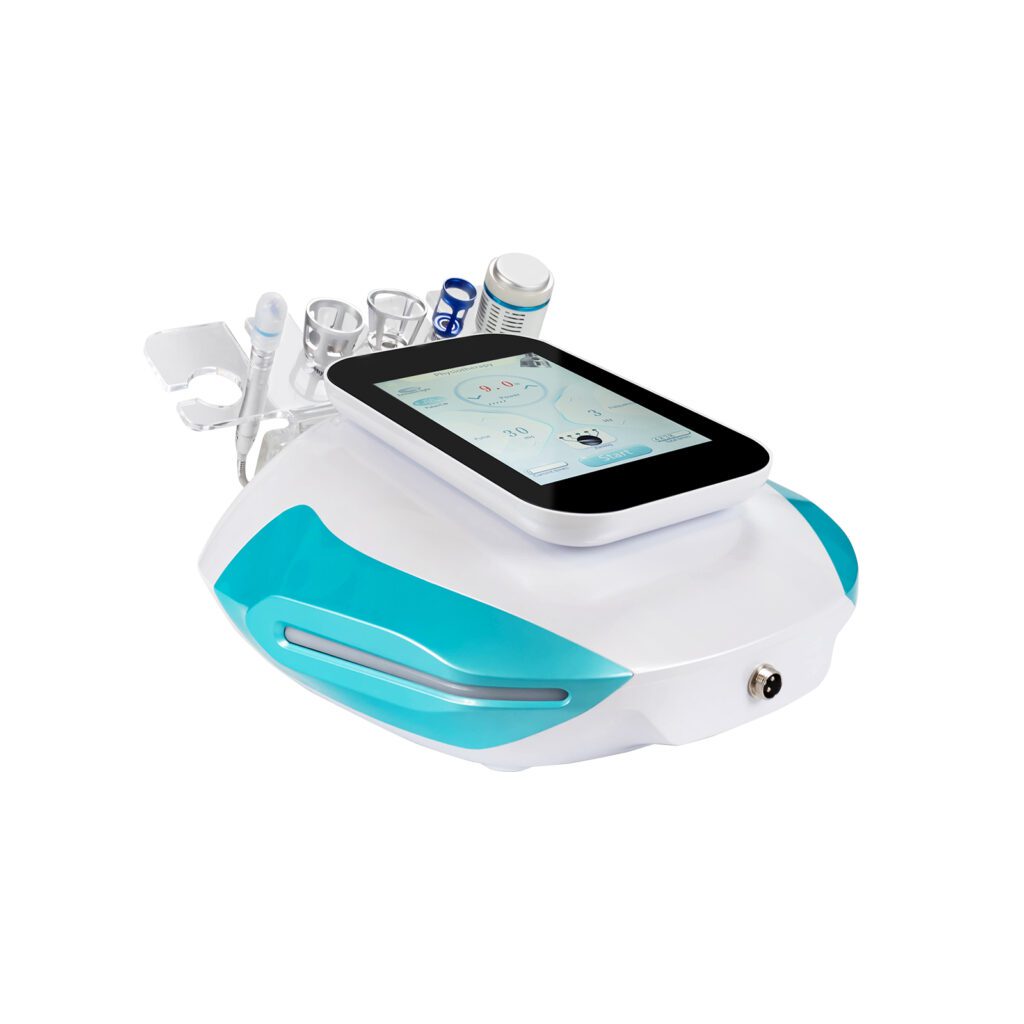
The SHEFMON A0648 9-in-1 hydro and diamond microdermabrasion system is positioned around multifunction facial care, including cleansing, exfoliation, extraction, and hydration-oriented workflows.
Common open questions include:
- Which tools are included in the proposed configuration?
- Which functions will the buyer use in the service menu?
- Are photographed accessories part of the supplied package?
- Which tips, solutions, and opening quantities are included?
- Who owns cleaning and reorder tasks?
- Does the room support the planned solution and storage workflow?
- Which electrical and market profile applies?
Do not let “9-in-1” replace the exact package schedule.
18. Track A0423 and A0426 Laser Questions
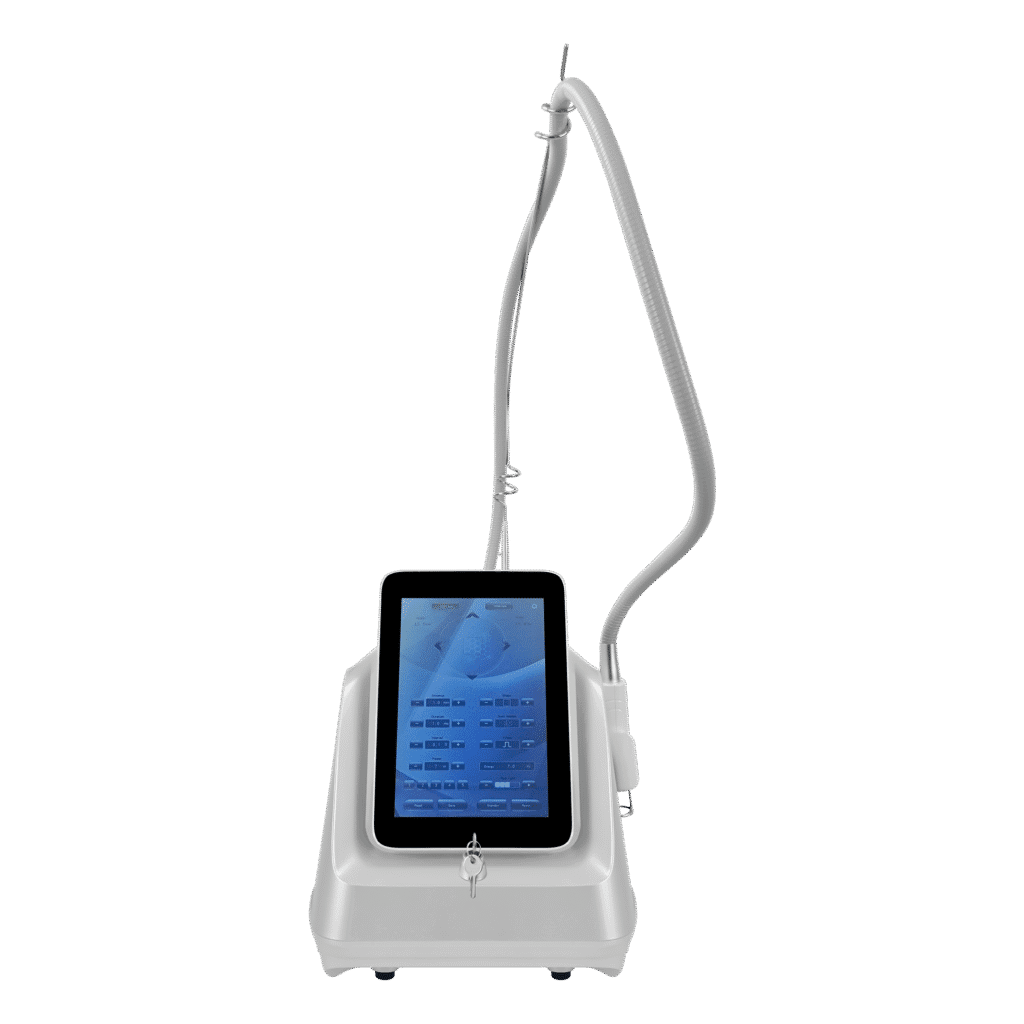
The SHEFMON A0423 and SHEFMON A0426 pages list details involving wavelengths, handle power, spot sizes, cooling, voltage, and physical format.
Track:
- Which exact model is being offered?
- Which wavelength profile is selected?
- Which handle power and spot size belong to the configuration?
- Are selected options included or separately priced?
- Does the room support the model’s physical and electrical profile?
- Which operator and professional setting were assessed?
- Does the demonstrated model match the offered model?
- Which market and document profile applies?
- Has any A0423-to-A0426 substitution been formally reviewed?
Never merge the two models into one quotation line while these questions remain open.
19. Track A0204 HIFU Questions
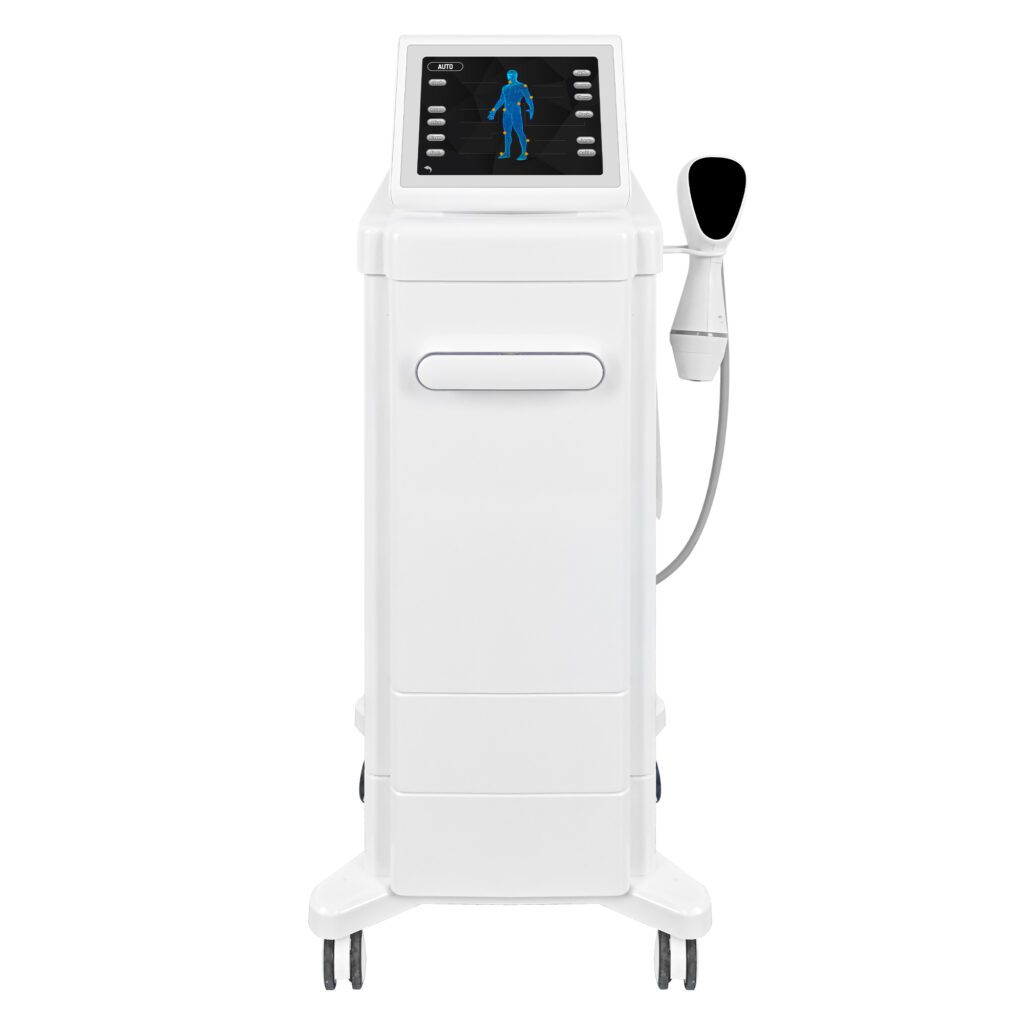
The SHEFMON A0204 multifunction HIFU system belongs in an advanced-service pathway.
Questions may cover:
- intended professional setting and operator;
- approved service role;
- selected handles or modules;
- standard and optional cartridges;
- cartridge compatibility and opening quantities;
- consultation, records, aftercare, and training;
- room and storage;
- consumable reorder ownership;
- relevant local review.
An unresolved handle-cartridge relationship should block configuration and quotation commitment.
20. Track A0152 RF-Microneedling Questions
For the SHEFMON A0152 desktop RF-microneedling system, the model page lists multiple needle-head formats, adjustable computerized depth settings, alternative handle arrangements, and intended face or body areas.
Track:
- selected handle arrangement;
- compatible needle-head types;
- included opening quantities;
- future reorder units;
- hygienic storage and disposal workflow;
- intended operator and professional setting;
- consultation, records, aftercare, and follow-up;
- training and authorization;
- market profile and local review.
Do not confirm needle supply based only on a general device name. Tie the answer to the exact installed configuration.
21. Track B0155 Body-Care Questions
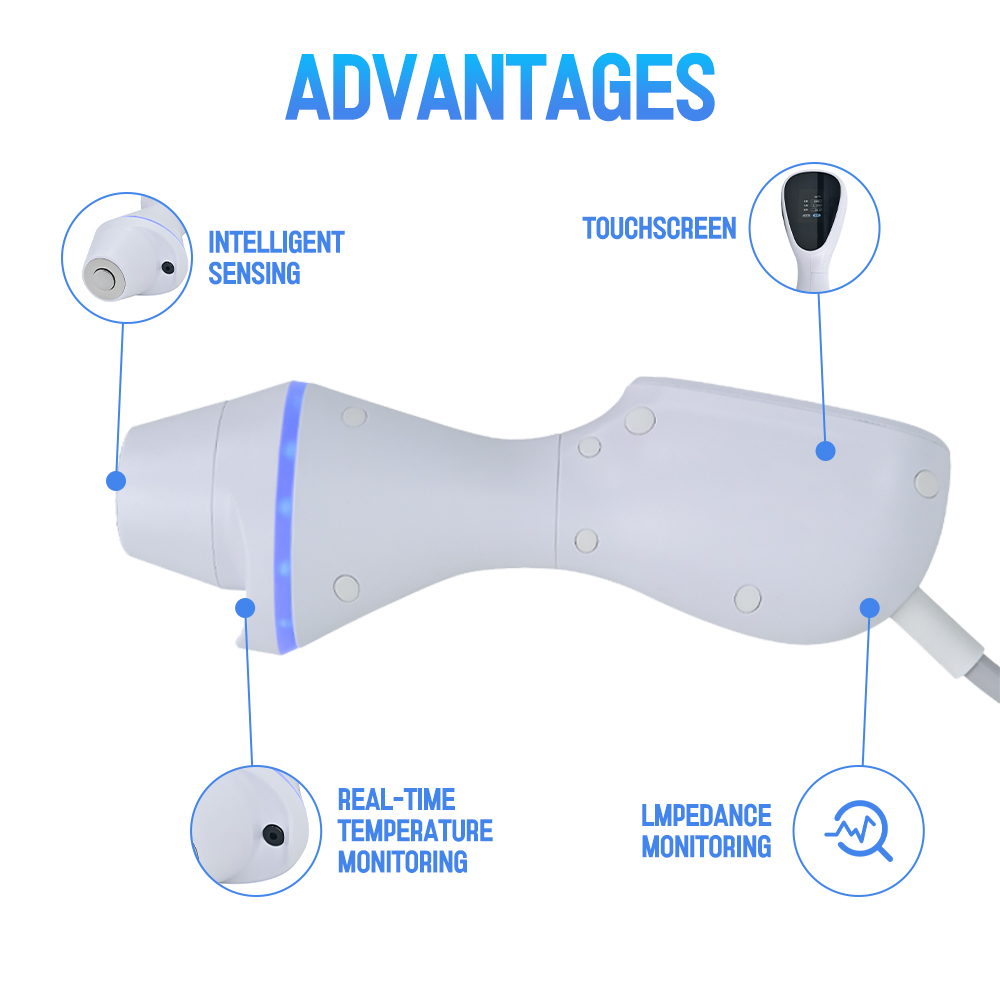
The SHEFMON B0155 desktop body-care system combines several functions, including vacuum, rollers, RF, light, and cavitation, across handles intended for body zones and smaller areas.
Questions may include:
- Which handle set is included?
- Which target areas and service tiers are planned?
- Does the buyer need a focused or broader package?
- Is there overlap with installed body equipment?
- Can the room support device movement and handle storage?
- Who manages cleaning and opening supplies?
- How will appointment capacity affect quantity?
- Which options are standard, optional, or subject to confirmation?
An undefined handle set should block the final body-package quotation.
22. Track Multi-Device Package Questions by Service Role
For a complete beauty equipment package, separate open items by role:
| Service role | Typical unresolved question |
|---|---|
| Core facial | Which functions and tools define the opening menu? |
| Hair removal | Which exact laser model, handle, room, and operator apply? |
| Advanced skin | Which category, professional pathway, handles, cartridges, or heads are approved? |
| Body care | Which target areas, handles, room, and booking plan justify the package? |
Also track cross-package questions about room competition, staff training load, consumable ownership, rollout order, and overlapping services.
23. Track Multi-Location Questions at Group and Site Level
Create group questions for:
- network service standard;
- baseline model and configuration;
- approved variants;
- central purchasing and support;
- rollout sequence.
Create site questions for:
- room and electrical readiness;
- intended operators;
- installed equipment;
- market profile;
- quantity;
- storage and cleaning;
- launch date;
- local exceptions.
Do not close a site question with a headquarters answer unless the site is permitted to inherit that value and the inheritance is verified.
24. Handle Conflicting Answers
When sources disagree:
- keep the question open;
- record each source, version, and date;
- identify the exact conflict;
- stop the affected commitment;
- assign the authorized resolver;
- preserve the rejected answer and reason;
- update dependent records after resolution;
- review whether the conflict exists elsewhere.
Do not select the answer that makes the fastest sale. Conflicts often reveal outdated pages, uncontrolled spreadsheets, or configuration differences.
25. Close Questions with a Resolution Record
A resolution should contain:
- final answer;
- exact scope;
- model and configuration revision;
- buyer, site, and market applicability;
- evidence and date;
- resolver and reviewer;
- assumptions that remain;
- actions unlocked;
- records to update;
- expiry or next review date;
- reopening triggers.
“Answered in chat” is not a sufficient closure note for a material question.
26. Reopen Questions When Context Changes
Reopen when:
- model or configuration changes;
- a handle, cartridge, needle head, tip, or applicator changes;
- buyer service goal changes;
- site or operator changes;
- destination market changes;
- quantity or rollout wave changes;
- product source is revised;
- answer validity expires;
- demonstration reveals a mismatch;
- quotation or bundle is revised;
- availability or commercial terms change materially.
Link the reopened record to the previous resolution so the team can see why the answer no longer applies.
27. Convert Repeated Questions into Controlled Data
Repeated questions may indicate that the answer belongs in:
- product master data;
- configuration matrix;
- compatibility table;
- option library;
- buyer discovery form;
- site-readiness checklist;
- market overlay;
- quotation template;
- training material;
- FAQ for sales teams.
Review the evidence and ownership before publishing a reusable answer. Frequency alone does not prove correctness.
28. Build Team Views and Alerts
Sales view
Question, buyer, materiality, blocked commitment, owner, due date, provisional language, and next action.
Product/technical view
Model, configuration, compatibility, source conflict, evidence need, and affected opportunities.
Operations/site view
Room, utilities, operators, storage, workflow, rollout, and local conditions.
Supply/commercial view
Quantity, availability, delivery, price, validity, payment, and affected quote revisions.
Management view
Critical open items, overdue questions, recurring categories, resolution time, source conflicts, and commitments prevented.
Send alerts for due dates, escalations, expired answers, and opportunities advancing with blockers.
29. Measure Question-Management Quality
Useful measures include:
- open questions by materiality, category, model, market, and owner;
- overdue Critical and Major questions;
- median resolution time by category;
- questions reopened after context changes;
- quotations released with unresolved blockers;
- revisions caused by late answers;
- buyer commitments corrected after issue;
- repeated questions converted into controlled data;
- conflicting sources and their root causes;
- closed questions without sufficient evidence;
- opportunities delayed by buyer versus internal information gaps.
The objective is not to close every question quickly. It is to produce reliable answers before the affected commitment.
30. Unresolved Question Checklist
Before making a sales commitment, confirm that:
- the exact question is recorded;
- buyer, model, configuration, site, and market scope are identified;
- category and materiality are assigned;
- the blocked commitment is explicit;
- one accountable owner is assigned;
- acceptable closure evidence is defined;
- due and escalation dates are set;
- assumptions and provisional answers are labeled;
- buyer-facing conditional language is accurate;
- conflicting sources remain open until resolved;
- Critical and Major blockers are checked at each sales gate;
- resolution identifies scope, source, date, resolver, and reviewer;
- linked shortlists, recommendations, demos, quotes, exceptions, and orders are updated;
- expiry and reopening triggers are defined;
- recurring questions are reviewed for standardization.
Frequently Asked Questions
1. When should a beauty device question enter the register?
Add it when a missing answer could change product fit, configuration, compatibility, site readiness, market profile, supplied package, price, timing, approval, or buyer expectations.
2. Does every buyer question need a formal record?
Routine questions with current approved answers may be handled normally. Create a record when the answer is unavailable, conflicting, material, buyer-specific, or dependent on verification.
3. Can sales continue while a question is unresolved?
Yes, for unrelated work or under a clearly defined conditional path. The affected recommendation, quotation, supply statement, or order must remain blocked when the question is material.
4. What is the difference between a provisional answer and a resolved answer?
A provisional answer supports limited planning but still depends on assumptions or missing evidence. A resolved answer meets the defined evidence standard and is recorded by the authorized owner for a stated scope.
5. Who should own compatibility questions?
Assign them to the technical or product role authorized to verify the exact model, configuration, component, revision, and market relationship. Sales can provide the buyer context but should not infer compatibility.
6. How should an urgent buyer request be handled?
Escalate the question, prioritize evidence collection, and explain the confirmation boundary to the buyer. Urgency should not convert uncertainty into a promise.
7. What happens when two sources provide different answers?
Keep the question open, document the conflict, stop the affected commitment, and obtain a resolution from the authorized source. Update other records that may contain the rejected answer.
8. Should resolved questions ever be reopened?
Yes. Reopen them when the model, configuration, component, market, site, operator, quantity, source, or validity period changes materially.
9. Can one answer apply to several buyers?
Only when the answer is based on controlled reusable data and each buyer matches its model, configuration, market, and use scope. Buyer-specific answers should remain narrow.
10. When should a recurring question become standard sales data?
After the answer, ownership, scope, evidence, version, review cycle, and downstream use are formally approved in the relevant product, configuration, compatibility, market, or quotation record.
Conclusion
Tracking unresolved beauty device questions protects both sales speed and accuracy. The team can continue discovery and buyer education while stopping only the recommendation, quotation, supply statement, or order decision that depends on missing evidence.
Use one question register to make open work visible across sales, product, technical, operations, supply, and commercial teams. Review relevant facial, hair-removal, advanced skin, and body-care categories in the SHEFMON beauty device collection. When a product, configuration, component, compatibility, market, or supply question needs current confirmation, contact SHEFMON before making the affected sales commitment.