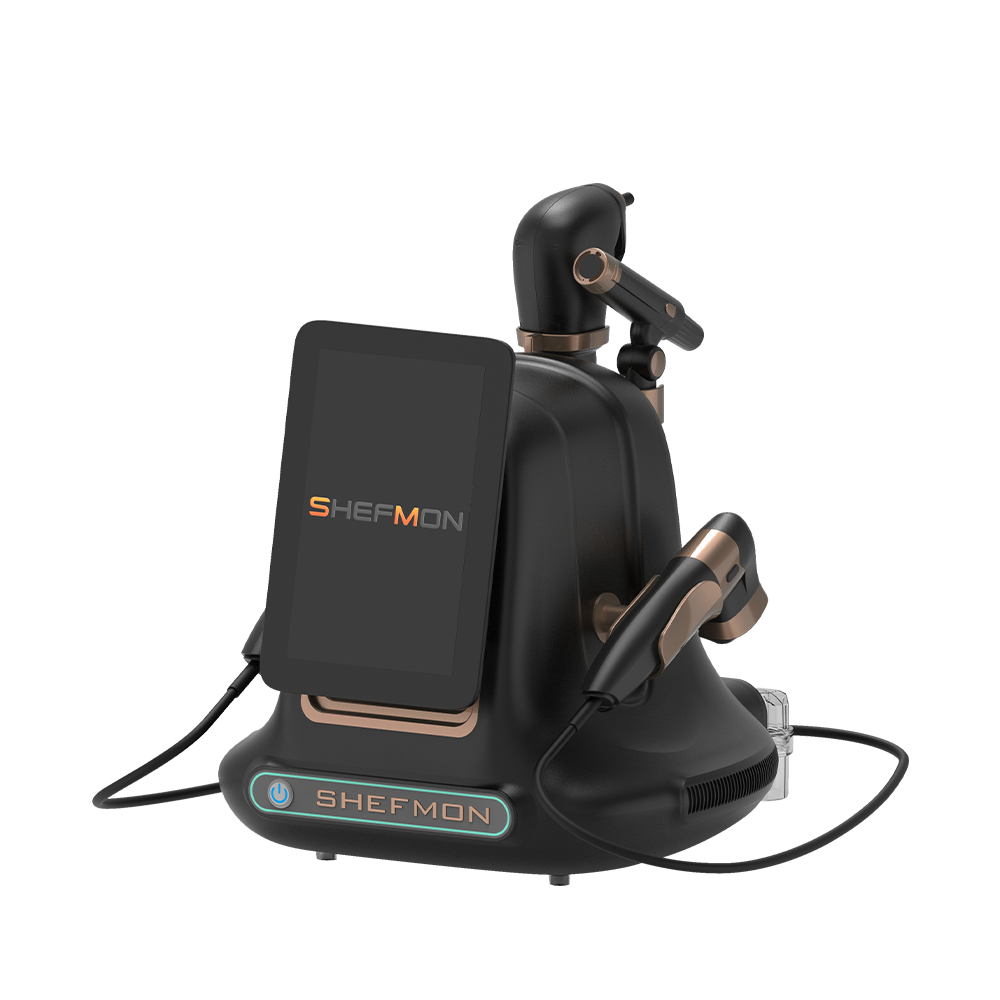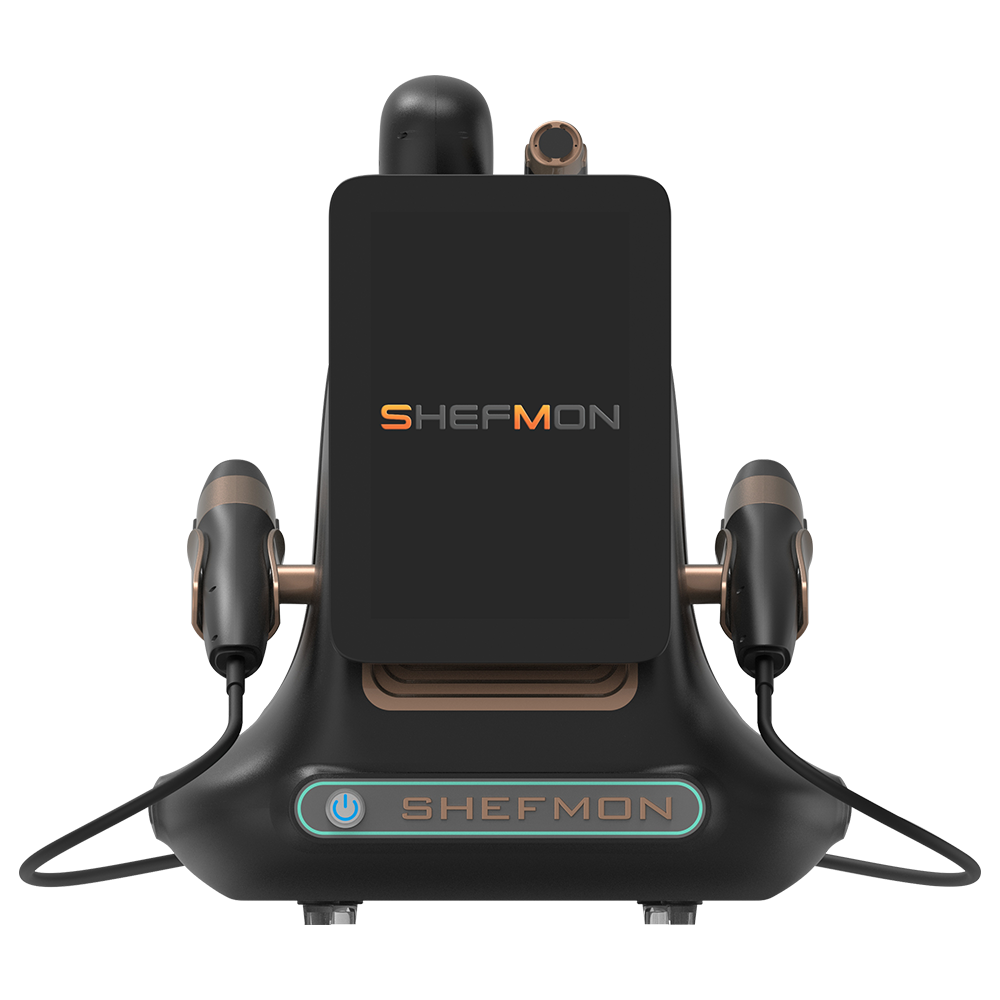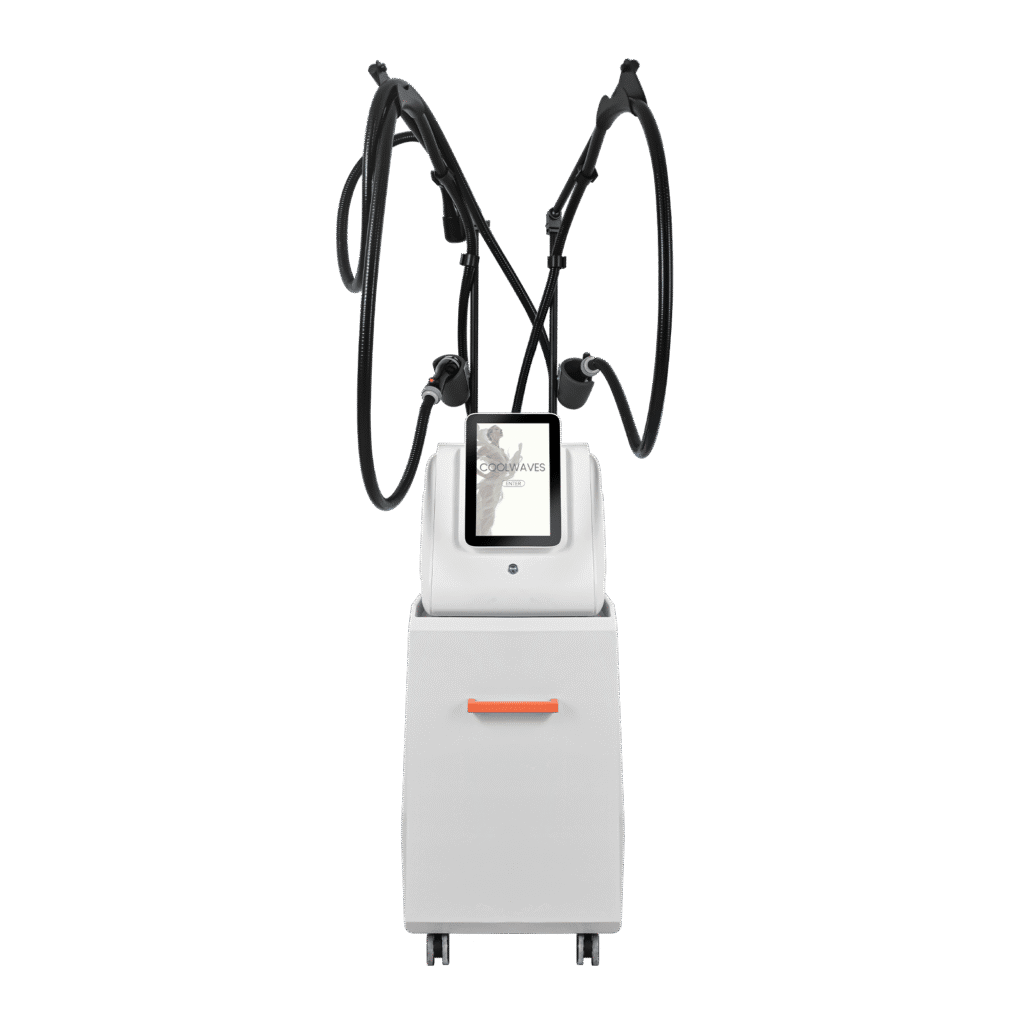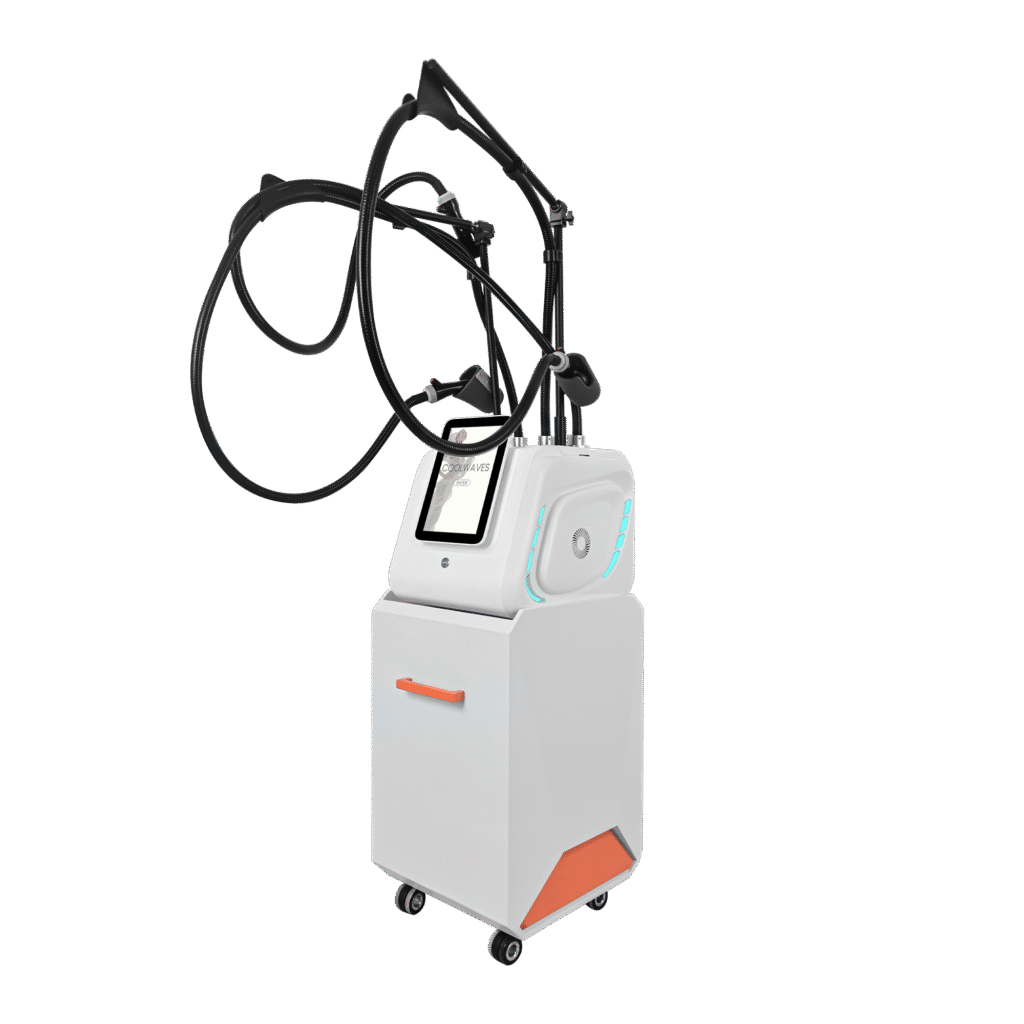
A distributor may have the right beauty device categories and still place its demonstration units in the wrong regions. One office may hold several underused systems while another team repeatedly travels long distances, borrows incomplete equipment, or asks buyers to make decisions without seeing the relevant device.
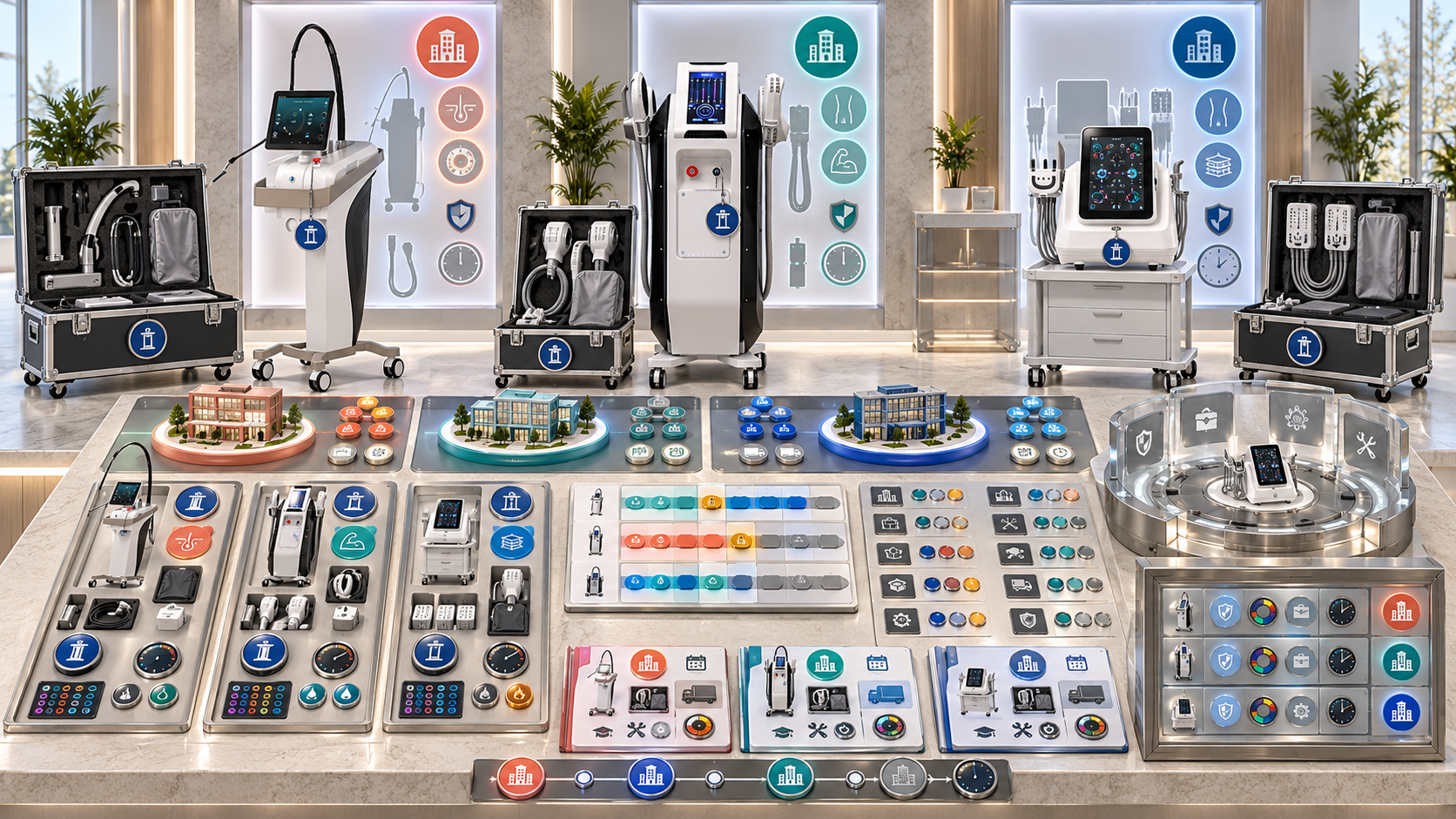
Regional demo allocation solves a physical asset problem. It assigns each identifiable unit to a base location, a coverage role, a booking process, and a responsible team. It also defines when that unit can rotate, which configuration it represents, and what must happen before it supports a buyer presentation.
This guide explains how distributors can allocate SHEFMON beauty devices across sales territories without treating every region alike. It covers regional demand, fixed and rotating units, readiness gates, transport, accessories, handoffs, measurement, and reallocation.
Executive Summary
Allocate demo units with a region-by-region operating model:
- Define the job of each physical asset. Record its serial number, exact configuration, base region, coverage radius, custody owner, and permitted demo type.
- Score regions using qualified demand. Count completed buyer profiles, relevant demonstrations, configuration-ready quotations, and supported opportunities rather than raw inquiries alone.
- Keep common categories close to repeat demand. A facial platform such as A0648 may justify a fixed unit in a territory serving many salons, while advanced or lower-frequency systems may remain at a specialist hub.
- Use rotation for uneven demand. A scheduled regional circuit can give several teams access to one unit without creating uncontrolled transfers.
- Require readiness before allocation. A region needs a trained presenter, appropriate facilities, complete accessories, documented operating boundaries, and a support route.
- Measure useful access, not possession. Review qualified demonstrations, quote-ready handoffs, unit-days available, travel time, downtime, cancellations, and configuration errors.
- Rebalance on defined triggers. Move, add, sell, or retire a demo asset when sustained evidence shows that its current placement no longer serves the regional plan.
The practical goal is to give qualified buyers access to the right device while keeping the demonstrated configuration, sales material, quotation, and delivered order aligned.
1. Separate Portfolio Choice from Physical Unit Allocation
A demonstration portfolio answers, “Which models should the distributor be able to present?” Regional allocation answers, “Where should each physical unit be based, who controls it, and which territories can book it?”
This distinction matters when a distributor operates several offices, partners, warehouses, or field teams. Two regions may both need access to hydro facial, diode laser, and body-care categories, but they do not necessarily need three permanent units each. One territory may justify a fixed facial device and shared specialist access. Another may require a body platform locally because travel distances make rotation impractical.
Treat every demo machine as an individual asset. “One diode laser in the north” is incomplete. The allocation record should identify the actual unit, its wavelength and handpiece configuration, its normal location, its transport kit, and the team authorized to demonstrate it.
2. Create Clear Demo Asset Classes
Classify units before assigning regions. The class defines availability and prevents local teams from making conflicting promises.
| Demo asset class | Normal location | Best use | Key control |
|---|---|---|---|
| Fixed regional unit | One office or showroom | Frequent qualified appointments in a stable territory | Local custody and monthly utilization review |
| Shared hub unit | Central or specialist office | Configuration-sensitive or advanced presentations | Qualification gate and specialist calendar |
| Rotating regional unit | Moves on a published circuit | Demand spread across several territories | Transfer checklist, buffer days, and route owner |
| Event unit | Stored centrally between campaigns | Exhibitions, open days, and planned launches | Event approval, transport case, and return inspection |
| Training-only unit | Technical or education site | Internal capability development | Clearly excluded from buyer-facing condition claims |
| Temporary evaluation unit | Approved buyer or partner site | Time-limited business evaluation | Written scope, custody, condition, and return date |
Do not allow one asset to change class informally. If a fixed showroom unit is sent to an event, update the central calendar and give its home region a replacement plan. If a training unit appears in a buyer demonstration, disclose its role and condition accurately.
3. Build a Regional Demand Profile
Create one profile for each territory before distributing equipment. Use a common time window so regional comparisons remain fair.
Record:
- priority buyer types, such as facial salons, med spas, skin clinics, body studios, or local resellers;
- qualified inquiries by device category;
- buyer projects that reached a documented configuration;
- demonstrations requested, completed, cancelled, or delayed;
- quotations issued after a demonstration;
- travel distance between demand centers and the nearest suitable unit;
- local presenter and technical capability;
- room, power, storage, cleaning, and security readiness;
- event calendar and partner activity;
- installed customer base and expected referral opportunities; and
- local support capacity for the categories being presented.
Raw lead volume is a weak allocation signal. A region with 100 vague inquiries may have less need than a region with 12 complete projects requiring the same physical demonstration. Keep demand quality visible.
4. Score Regions with Evidence That Predicts Demo Use
A simple weighted score makes allocation discussions more consistent. The example below is a planning framework, not a universal formula.
| Factor | Example weight | Evidence to review |
|---|---|---|
| Qualified category demand | 25% | Complete buyer profiles and relevant service plans |
| Demonstration dependency | 20% | Opportunities delayed because buyers need to see format, handles, or workflow |
| Quote progression | 15% | Demonstrations that produce an approved configuration or quotation brief |
| Travel and access | 15% | Distance, transfer cost, delivery reliability, and regional geography |
| Team readiness | 10% | Presenter authorization and technical support availability |
| Facility readiness | 5% | Suitable room, power, storage, security, and cleaning controls |
| Strategic coverage | 5% | New territory, partner network, or scheduled campaign with a defined objective |
| Asset care record | 5% | Timely checks, complete kits, accurate logs, and low avoidable downtime |
Use the score to support judgment, not replace it. A territory should not receive an advanced unit merely because its commercial score is high if it cannot demonstrate the device responsibly. Readiness is a gate as well as a score.
5. Set a Coverage Model for Each Region
Choose how buyers in each territory will access a demo:
- local fixed access: the unit stays in the region and supports recurring appointments;
- scheduled hub access: qualified buyers travel to a central demonstration center;
- specialist visit: the unit and authorized presenter travel together;
- regional rotation: the asset moves through several offices on planned dates;
- event access: the category appears only at selected campaigns;
- virtual-first access: product walkthrough, configuration review, and video inspection precede any physical session.
Define a practical service radius rather than drawing a simple circle on a map. Travel time, transport risk, road conditions, flight schedules, border procedures, and technician availability can matter more than distance. A hub that looks close geographically may still be unreliable for short-notice appointments.
6. Allocate Core Categories Near Repeat Demand
Core units should explain services that many qualified buyers in the region understand and can realistically add.
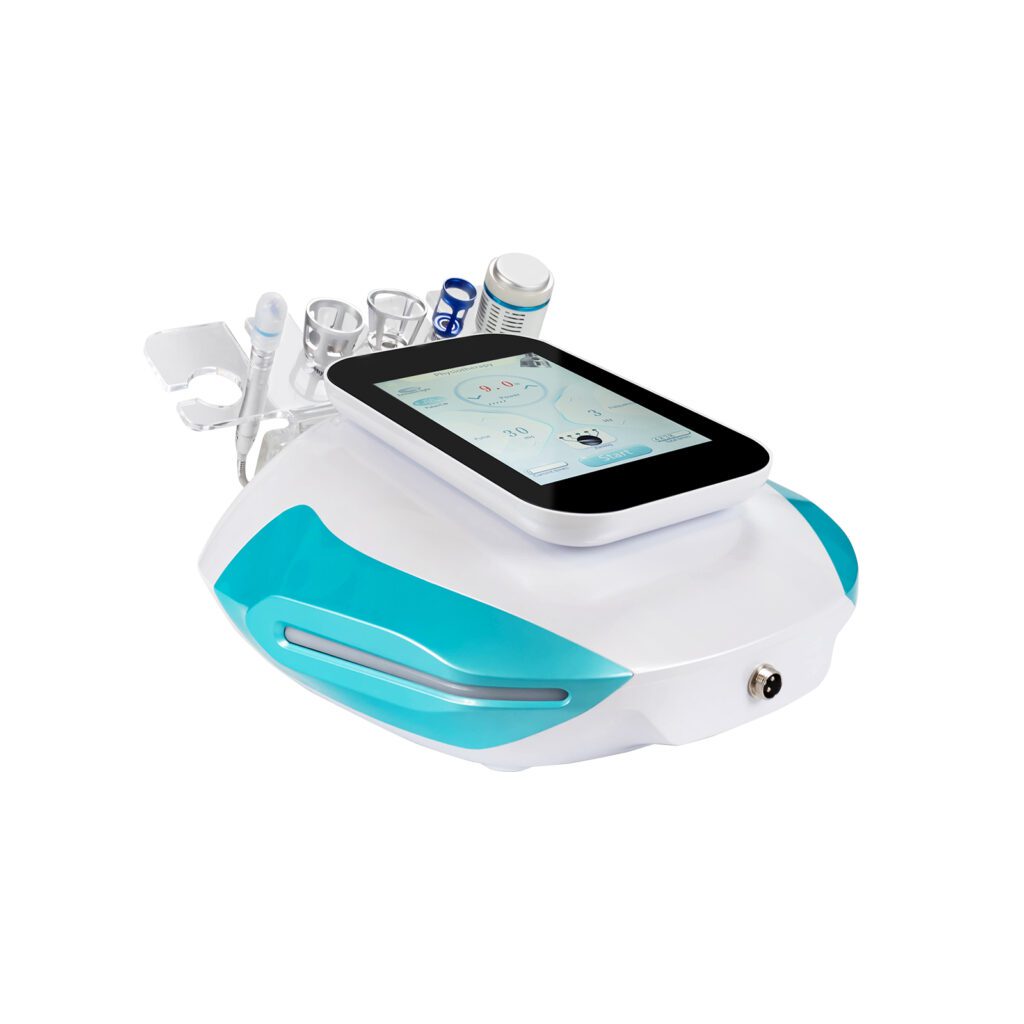
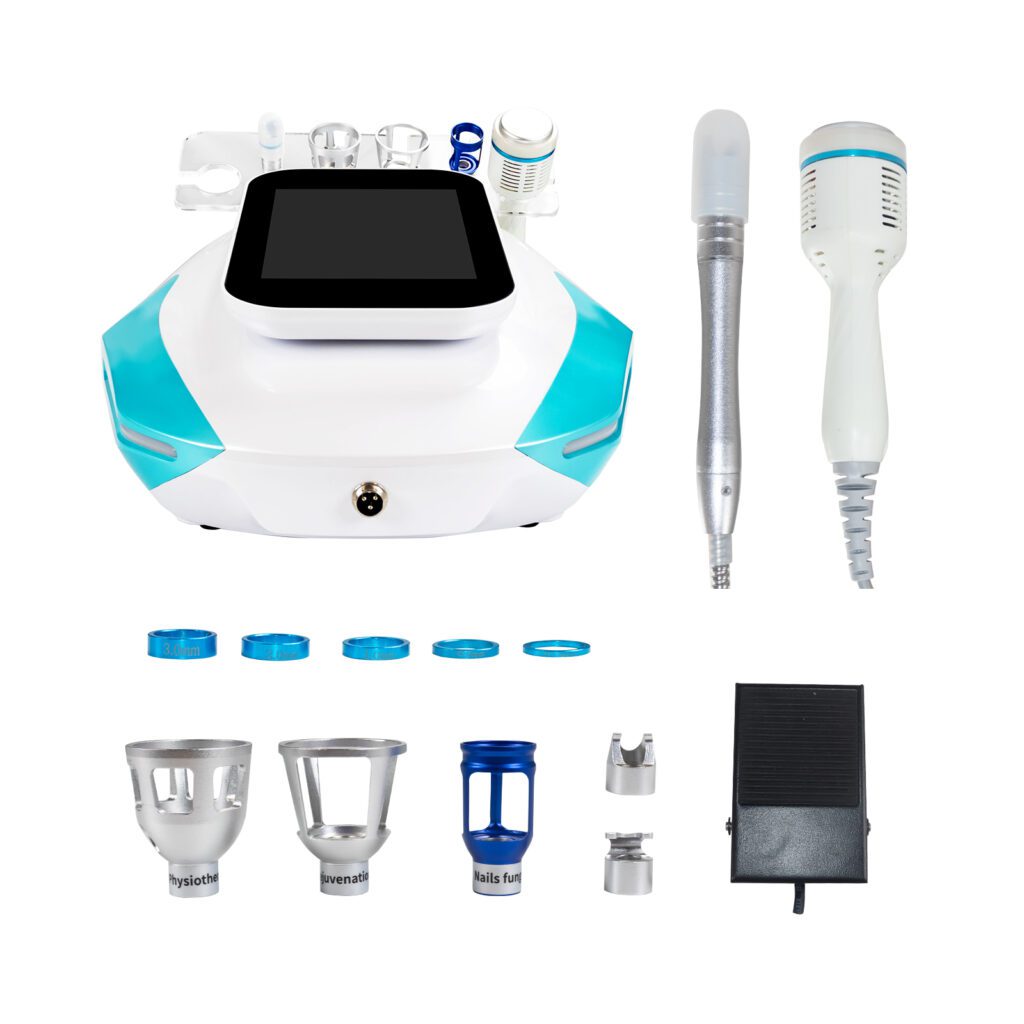
The A0648 9-in-1 hydro microdermabrasion system can serve as a regional facial anchor where salons and beauty studios regularly evaluate cleansing and hydration-oriented platforms. A fixed A0648 may be justified when the team can demonstrate its format, functions, accessories, setup, tip and solution planning, cleaning responsibilities, and menu role frequently enough to keep the unit productive.
One A0648 does not need to sit in every office. A dense group of nearby territories may share a hub unit, while a remote region with steady qualified demand may need its own. The allocation decision should reflect access and use, not the prestige of having a showroom machine.
7. Keep Configuration-Sensitive Categories Under Tighter Control
Hair-removal and advanced facial devices often require more configuration and operating context than a general product display.
The A0426 diode laser hair-removal device lists 755, 810, 940, and 1064 nm wavelengths. A regional demo record must state the exact version represented, handpiece and spot-size details, cooling arrangement, electrical specification, included accessories, and protective setup. The physical sample cannot imply that every available option is included in every quotation.
Allocate this category only where qualified staff, suitable premises, protective controls, and local requirements are addressed. If several regions have occasional interest, keep the unit at a specialist hub and schedule accompanied visits. That preserves technical consistency and avoids sending a configuration-sensitive asset without the people or information required to explain it.
8. Match Body Demo Units to the Regional Buyer Mix
The B0155 Desktop Endos Velapro lists vacuum roller, RF, rotating massage, and 80K cavitation functions. It can represent multifunction body care for territories serving body studios and salons expanding beyond facial services.
A body unit needs enough regional demand to justify its larger movement and accessory-control burden. Review the number of suitable buyer projects, room-access conditions, case dimensions, handle inventory, cleaning needs, and local presenter skill. In a territory dominated by facial salons, B0155 may work better as a quarterly rotation or event unit. In a body-service cluster, a fixed unit may shorten the path from consultation to an accurate package discussion.
The demo agenda should separate the platform’s functions and show their potential menu roles. It should not imply that every function belongs in one appointment or that a demonstration defines a treatment protocol.
9. Use Specialist Hubs for Advanced Categories
Some categories should remain concentrated even when several regions sell them.
The A0204 9D/7D focused HIFU system and the A0152 RF microneedling system fit a specialist allocation path. These devices require careful explanation of applicators or cartridges, selected configuration, professional boundaries, consumable planning, room workflow, training, and local authorization.
A central unit can support:
- remote product and configuration walkthroughs;
- scheduled sessions for pre-qualified buyers;
- accompanied regional visits;
- internal presenter development;
- comparison of standard and optional components; and
- technical review before a quotation is released.
The hub model may create more travel, but it can improve explanation quality and configuration control. Only decentralize an advanced demo after a region demonstrates sustained demand and complete readiness.
10. Create a Minimum Record for Every Physical Unit
The demo register should identify what exists, where it is, and whether it is ready.
| Record field | Why it matters |
|---|---|
| Asset ID and serial number | Distinguishes the physical unit from the model family |
| Model and exact configuration | Connects the demo to product data and quotation choices |
| Demo class and status | Shows whether it is fixed, rotating, at an event, unavailable, or retiring |
| Base region and current location | Prevents conflicting location records |
| Custody owner | Identifies the person accountable for condition and completeness |
| Authorized presenters | Prevents unsupported or improvised sessions |
| Included handles and accessories | Confirms what the unit can accurately represent |
| Electrical and plug details | Supports venue and transport planning |
| Consumables and component status | Prevents incomplete demonstrations |
| Last inspection and next service date | Keeps maintenance visible in scheduling |
| Condition notes and images | Establishes transfer and return condition |
| Booking history and next reservation | Supports capacity planning |
Use one central record. Local spreadsheets, chat messages, and memory should not create competing answers about location or availability.
11. Make the Demonstrated Configuration Visible
Attach a concise configuration card to the unit and its digital record. It should show:
- model name and demo asset ID;
- installed or included handles, applicators, cartridges, and accessories;
- standard components represented;
- optional items physically present;
- optional items explained but not present;
- consumables used for presentation;
- electrical version and plug;
- software or interface version when relevant; and
- date of the most recent configuration verification.
The presenter should use this card during the session. The quotation team should receive the same information after the session. If the buyer requests a different option, record it as a requirement rather than quietly treating the demo configuration as the order configuration.
12. Apply a Regional Readiness Gate
Before assigning a unit, confirm that the territory can care for it and use it well.
Team readiness
The region has an authorized presenter who understands device role, configuration boundaries, setup, routine checks, cleaning, and escalation. Technical help is available within a defined response route.
Site readiness
The demonstration location has suitable power, space, ventilation where relevant, storage, access control, cleaning arrangements, and safe visitor flow. Mobile presentations have an approved venue checklist.
Commercial readiness
The regional team can qualify buyers, run a structured agenda, document requirements, and hand the result to the quotation process.
Asset readiness
The unit is inspected, complete, within its maintenance plan, correctly labeled, and supported by current product material.
If one gate fails, retain the opportunity and change the access method. Use a hub presentation, virtual walkthrough, or accompanied visit until the region is ready.
13. Build a Central Booking Calendar
The calendar should show the asset, location, travel, setup, session, return inspection, and maintenance time. Avoid booking only the customer-facing hours.
A complete reservation includes:
- qualified buyer and business type;
- category and decision objective;
- requested model and configuration questions;
- demo format and venue;
- assigned presenter and technical contact;
- shipping or travel dates;
- setup and inspection buffer;
- accessories and consumables required;
- expected commercial next step; and
- post-demo record owner and deadline.
Protect buffer days after long-distance transfers. A device arriving the morning of an important demonstration leaves no time to resolve damage, missing components, or venue incompatibility.
14. Use Priority Rules for Booking Conflicts
Publish the decision order before two regions request the same unit.
A practical sequence can be:
- confirmed qualified buyer session with documented requirements;
- approved event with multiple relevant appointments already scheduled;
- presenter or technical training required for an upcoming buyer project;
- regional campaign supported by a complete follow-up plan;
- exploratory display or unqualified open-house request.
The largest projected sale should not automatically win. Consider readiness, probability of a useful decision, transport risk, existing commitments, and the availability of a credible virtual alternative. Record the reason for high-impact overrides so regional teams trust the process.
15. Design a Predictable Rotation Schedule
Rotation works when teams can plan around it. Use recurring windows such as a monthly or quarterly circuit instead of moving the asset whenever someone asks.
For each stop, define:
- arrival and receipt inspection;
- presenter refresher if needed;
- confirmed appointment list;
- event or showroom period;
- cleaning and condition review;
- packing and dispatch date;
- receiving region and named custodian; and
- contingency location if the next region is not ready.
Set a minimum useful stay. Moving a unit for one weakly qualified appointment may consume more capacity than it creates. Regional teams can group suitable buyers into a focused demonstration week.
16. Control Cross-Region Transfers and Custody
Every handoff should close one custody period and open another. Use signed or digitally acknowledged transfer records.
The sending team should verify:
- serial number and configuration card;
- external condition and operating check;
- complete handle, cable, accessory, and document list;
- consumables removed, retained, or replenished;
- transport locks and protective packing;
- case count and seal numbers if used;
- destination contact and delivery window; and
- known issues or restrictions.
The receiving team repeats the count and condition check before accepting custody. Report damage, mismatch, or missing items immediately. Do not wait until the next buyer session.
17. Plan Accessories, Consumables, and Replacement Components
A unit is not demo-ready merely because the console arrived. Create a model-specific kit and distinguish reusable accessories, single-use presentation items, cleaning supplies, protective items, and replacement components.
Keep common low-value supplies in the regions that use them. Keep configuration-sensitive or costly components under central control when demand is occasional. For rotating units, define a replenishment point and an owner. The last region should not pass an incomplete kit to the next one.
For A0204 and A0152 discussions, record the exact cartridges, tips, needles, or related consumables being shown. For A0426, record the actual handpiece and optical configuration. For B0155, keep a handle map and physical count. These records support both the demonstration and the later quotation.
18. Link Maintenance and Downtime to the Allocation Plan
Schedule care based on both time and use. A frequently transported event unit may need more condition checks than a fixed showroom unit even if their demonstration counts are similar.
Track:
- operating hours or session count when available;
- transfer count and distance;
- recurring faults or loose connections;
- damaged cases, cables, handles, or accessories;
- missed sessions caused by equipment condition;
- repair status and expected return date; and
- availability of a substitute unit.
Do not leave a failed asset visible as “bookable.” Change its status immediately and notify affected regions. The SHEFMON after-sales support overview can support discussion of training, warranty, troubleshooting, spare-parts planning, and service routes, while the distributor should document its own regional response process.
19. Allocate Event Units with a Defined Commercial Purpose
Exhibitions and open days can absorb demo capacity without producing useful decisions. Approve an event allocation only when the requesting team defines:
- target buyer profiles;
- category message;
- exact device and configuration;
- responsible presenter;
- scheduled consultations or qualification method;
- transport, setup, security, and packing plan;
- lead capture fields;
- post-event follow-up owner; and
- measurable next step.
A busy booth is not proof that the unit was well allocated. Review qualified conversations, configuration reviews, follow-up meetings, and quotation-ready records after the event.
20. Connect Every Demo to a Quote-Ready Handoff
The demonstration ends when the sales team can document what the buyer needs, not when the device is switched off.
The handoff should include:
- buyer type, locations, and intended service category;
- model demonstrated and demo asset ID;
- exact configuration shown;
- requested differences from the shown unit;
- room, electrical, staffing, and training constraints;
- accessories and consumables discussed;
- delivery and support questions;
- unresolved technical or local-compliance questions;
- preferred package and alternatives; and
- next decision date and responsible salesperson.
Use current comparison sheets, sales decks, and quotation data. If the demo card says one configuration and the offer shows another, resolve the difference before order confirmation.
21. Build a Practical Multi-Region Allocation Map
The following example shows how one distributor might assign a small fleet. It is illustrative and should be adapted to real demand.
| Region profile | Local fixed unit | Shared access | Reasoning |
|---|---|---|---|
| Dense salon market | A0648 | A0426 and B0155 from hub | Frequent facial demand supports local access; specialist categories remain scheduled |
| Body-service cluster | B0155 | A0648 on rotation; advanced systems at hub | Body projects justify local handle and workflow demonstrations |
| Emerging territory | None initially | Quarterly A0648 rotation and virtual-first consultations | Tests qualified demand before capital is committed |
| Multi-city med-spa territory | A0648 | Accompanied A0426 visits; A0204/A0152 at specialist hub | Mix of routine and advanced demand needs layered access |
| Regional event center | Event-ready A0648 or B0155 | Other units by approved campaign | Logistics capacity supports temporary presentations, not automatic permanent placement |
This map does not prescribe clinical combinations or buyer eligibility. It shows access roles for commercial demonstrations.
22. Measure Allocation Performance
Use a dashboard that separates access, commercial progression, reliability, and cost.
| Metric | What it reveals | Common misreading |
|---|---|---|
| Qualified demos completed | Relevant use of the asset | Counting casual visitors as equal sessions |
| Quote-ready handoffs | Whether sessions create usable requirements | Treating every follow-up email as progress |
| Demonstration-to-quotation progression | Commercial movement after the session | Assuming the demo alone caused the result |
| Available unit-days | Capacity after travel, repair, and setup | Counting days when the asset could not be booked |
| Utilized unit-days | Productive use of available capacity | Rewarding possession instead of useful appointments |
| Travel days per qualified demo | Access efficiency | Ignoring difficult territory geography |
| Avoidable cancellations | Planning and readiness quality | Combining buyer cancellations with equipment failures |
| Downtime | Reliability and maintenance burden | Hiding transport-related damage inside general service data |
| Configuration discrepancies | Accuracy between demo and offer | Counting corrected errors only after order confirmation |
| Cost per qualified demo | Comparative allocation cost | Treating it as a guaranteed profitability measure |
Review results by category and region. A body device and a facial platform may have different reasonable usage patterns. Compare against each unit’s intended role.
23. Rebalance Units on Defined Triggers
Review allocation quarterly or after major market changes. Consider moving or adding a unit when:
- qualified appointments repeatedly exceed available capacity;
- travel time causes persistent delays or cancellations;
- one region consistently borrows the same category;
- local staff and facilities have become ready;
- an emerging territory produces complete, supported buyer projects;
- the current base region has sustained low use;
- the buyer mix shifts toward another category;
- maintenance burden makes frequent transport impractical; or
- a new support location changes the best coverage pattern.
Use several periods of evidence unless an urgent operational issue requires action. One successful event does not automatically justify permanent placement.
24. Sell, Replace, or Retire Demo Assets Transparently
Demo units age through handling, transport, interface changes, cosmetic wear, and configuration updates. Define exit criteria before condition declines.
Possible decisions include:
- refresh the unit and retain it in its present role;
- move it from fixed display to internal training;
- replace it with a current configuration;
- sell it with its demo status, condition, included components, inspection, support terms, and pricing clearly documented; or
- retire and dispose of it through the appropriate process.
Remove the asset from calendars, decks, comparison sheets, and region records when its demo role ends. A retired unit should not remain available through an old booking link.
25. Regional Demo Allocation Checklist
Before approving a placement or transfer, confirm:
- ☐ The physical unit, serial number, and exact configuration are recorded.
- ☐ Its demo class, base region, coverage area, and custodian are clear.
- ☐ Qualified regional demand supports the chosen access model.
- ☐ The presenter, technical route, facility, and commercial process pass the readiness gate.
- ☐ Accessories, consumables, documents, and protective items are complete.
- ☐ The central calendar includes travel, setup, inspection, and maintenance buffers.
- ☐ Sending and receiving teams use the same transfer checklist.
- ☐ The demo configuration can flow into a quote-ready handoff.
- ☐ Performance metrics and review dates are assigned.
- ☐ Reallocation, sale, and retirement decisions will update all connected records.
FAQ
1. Should every distributor region have its own demo unit?
No. A region needs reliable access, not necessarily permanent possession. Fixed units suit recurring qualified demand and ready local teams. Shared hubs, planned rotations, accompanied visits, and virtual-first presentations can serve lower-frequency territories more efficiently.
2. Which beauty device is a practical regional anchor?
A0648 can be a practical facial anchor for a region serving many salons and beauty studios because it supports a clear cleansing and hydration-oriented category discussion. The decision still depends on qualified demand, presenter readiness, facility suitability, and support capacity.
3. When should a demo unit rotate between regions?
Use rotation when several territories have meaningful but uneven demand and none justifies permanent placement. Publish the route, require confirmed appointments, include transfer buffers, and assign custody at every stop.
4. How should distributors choose between a regional unit and a central hub?
Compare demand frequency, buyer access, travel time, configuration complexity, staff expertise, facility readiness, and maintenance burden. Common categories may sit regionally, while advanced or configuration-sensitive systems often benefit from a specialist hub.
5. Can a sales region borrow a unit for a trade event?
Yes, if the event has a defined buyer profile, presentation objective, trained presenter, appointment or qualification plan, secure transport, complete configuration record, and post-event follow-up owner. The home region’s existing bookings must also be protected.
6. What information must follow a demo unit across regions?
The transfer should include its asset ID, serial number, model, exact configuration, condition, accessory count, electrical details, inspection status, known issues, maintenance schedule, custody owner, and next reservation.
7. How can a distributor prevent the demo from creating a wrong quotation?
Show a configuration card during the session and attach it to the buyer handoff. Record which options were physically present, which were only discussed, and what the buyer actually requested. The quotation team should reconcile every difference before sending the offer.
8. Which metrics show whether a region should keep its unit?
Review qualified demonstrations, quote-ready handoffs, available and utilized unit-days, travel time, cancellations, downtime, configuration errors, and cost per qualified session. Use the pattern across several periods rather than one event or one order.
9. What happens if a region has demand but lacks trained staff?
Keep the opportunity and change the demo method. Use an authorized specialist, an accompanied visit, a hub session, or a virtual configuration review while the local team completes its readiness path.
10. When should a distributor add a second unit of the same model?
Add another unit when sustained qualified demand exceeds usable capacity, travel or booking conflicts repeatedly delay decisions, the receiving region passes all readiness gates, and a second asset is more practical than better scheduling or rotation.
Conclusion
Regional demo allocation is an asset-access system. Each beauty device needs an identifiable configuration, a base location, a custody owner, a booking role, a readiness standard, and a measurable commercial purpose.
Keep frequently requested categories close to qualified demand, centralize advanced presentations when specialist control is valuable, and use predictable rotation to cover developing territories. Then connect every demonstration to an accurate requirement record and quotation handoff.
To plan a regional demonstration fleet, review the SHEFMON beauty device range and contact SHEFMON with your target buyer groups, territories, priority categories, existing demo units, staff capability, event schedule, and support coverage. SHEFMON can help identify relevant models and the product information needed for a clear regional demo plan.