Why China Leads the Global Beauty Equipment Industry
China’s dominance in beauty equipment manufacturing did not happen overnight. It is the result of decades of investment in industrial infrastructure, supply chain optimization, and manufacturing specialization. Walk into almost any beauty trade show today and you will see hundreds of Chinese suppliers showcasing everything from HIFU facial lifting systems to cryolipolysis machines and RF microneedling devices. The variety is staggering, almost like stepping into a futuristic beauty laboratory where every possible skincare problem already has a machine waiting to solve it.
One of the biggest reasons behind China’s success is scale. According to industry research, the Chinese hairdressing and beauty appliance manufacturing industry involves more than 1,100 enterprises and employs around 380,000 people. That level of industrial concentration creates enormous efficiencies. Factories can source components quickly, reduce production costs, and speed up delivery times in ways that smaller manufacturing ecosystems simply cannot match.
China also benefits from deeply integrated supply chains. Need a touchscreen display, laser handle, cooling system, packaging box, PCB board, or aluminum housing? Suppliers for all those components are often located within the same industrial region. This tight ecosystem dramatically reduces lead times and manufacturing costs. It is similar to having every ingredient for a gourmet meal sitting on the same kitchen counter rather than scattered across different cities.
Another key advantage is adaptability. Chinese beauty equipment factories are incredibly responsive to market trends. When at-home skincare devices exploded in popularity, manufacturers rapidly expanded production lines for portable facial tools and smart skin analyzers. When body contouring treatments became trendy on TikTok and Instagram, factories quickly introduced new EMS sculpting systems and fat-freezing devices. This flexibility has helped Chinese manufacturers stay ahead in a rapidly changing beauty market.
Industry reports suggest China’s beauty tools market could grow from approximately $8.62 billion in 2025 to more than $32 billion by 2035. That projection highlights how beauty technology is no longer a niche industry. It is becoming a central pillar of the broader global wellness economy.
Types of Beauty Equipment Manufactured in China
A modern China beauty equipment factory typically produces an astonishing variety of devices. Some factories focus only on professional medical aesthetic systems, while others manufacture consumer-grade beauty tools for home use. The diversity is one of the reasons international buyers continue sourcing from China year after year.
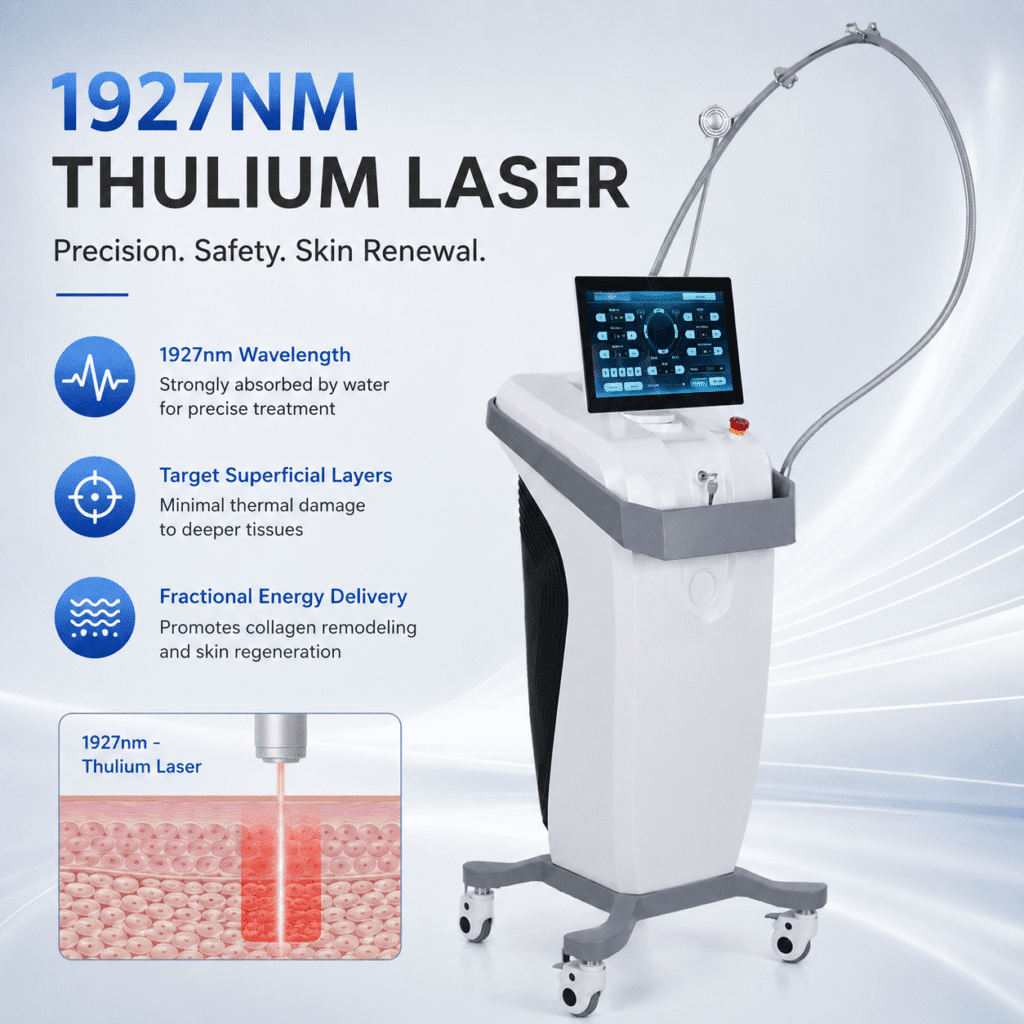
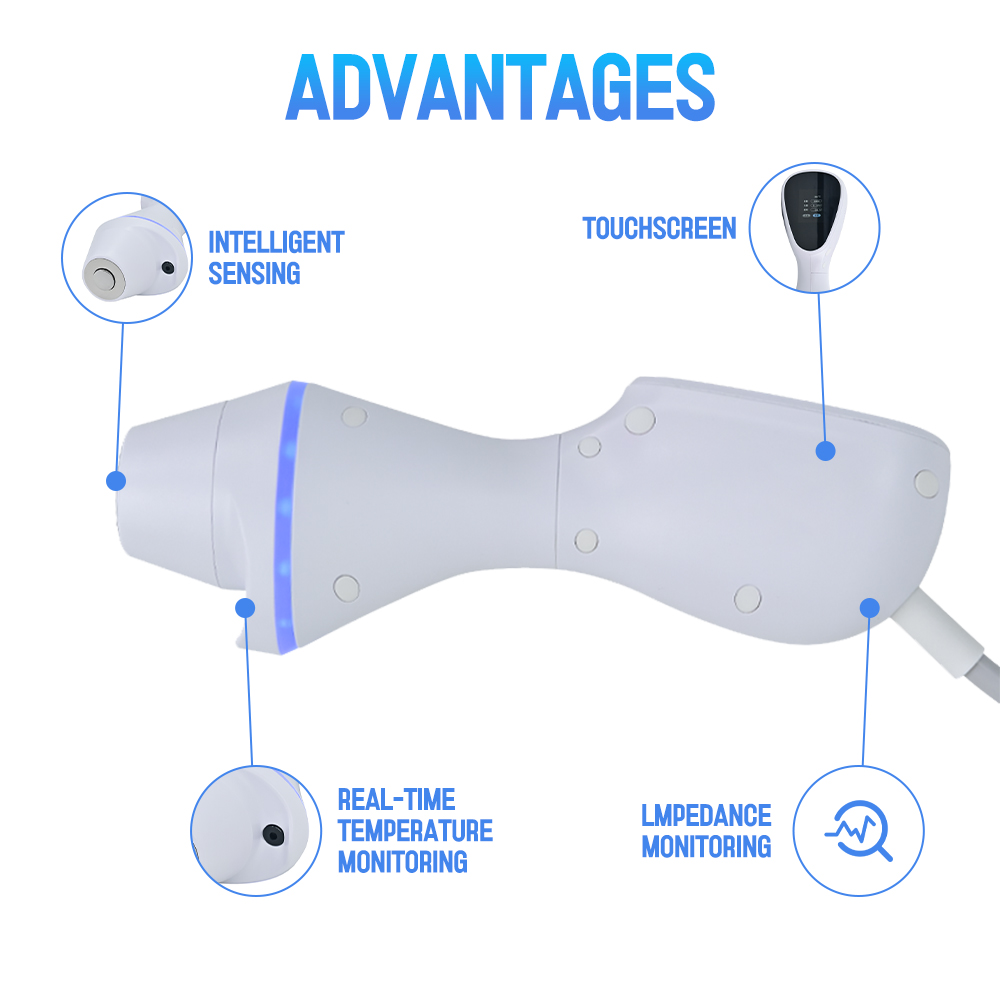
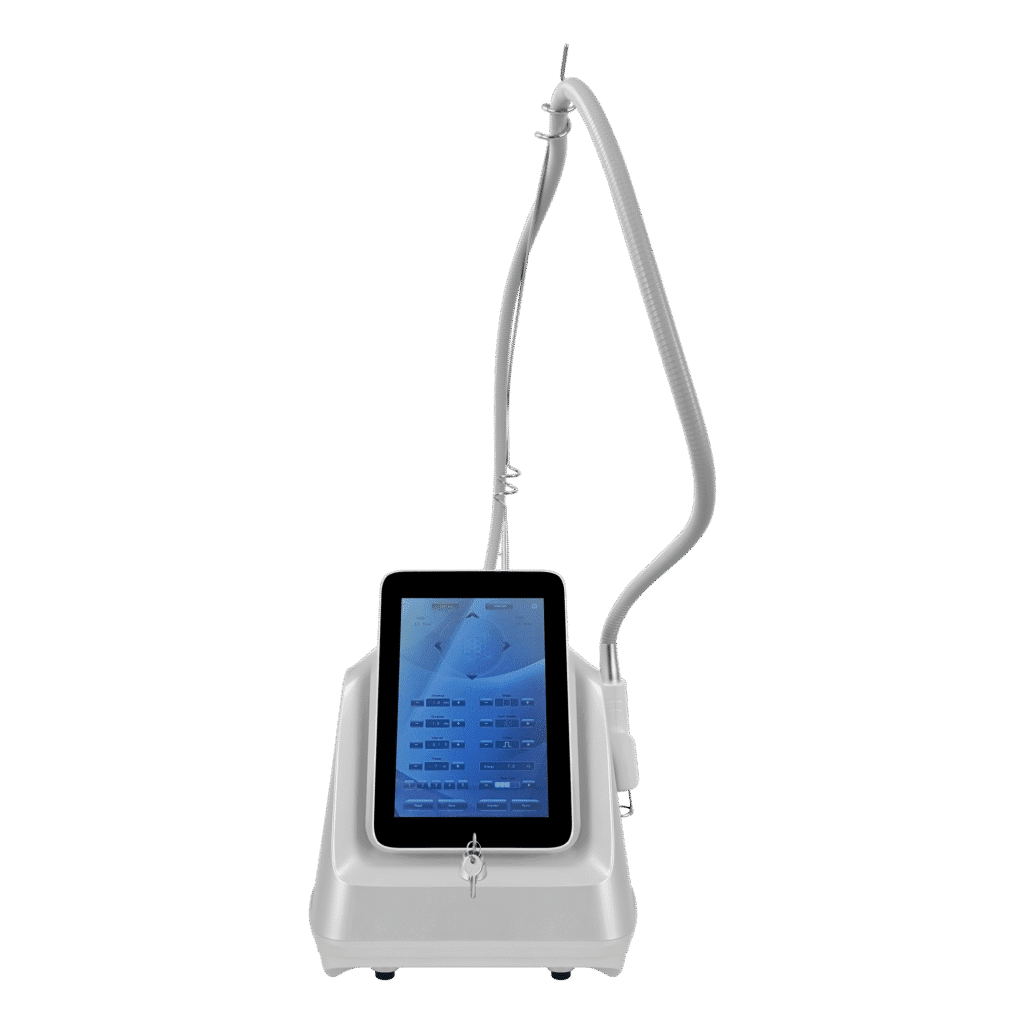
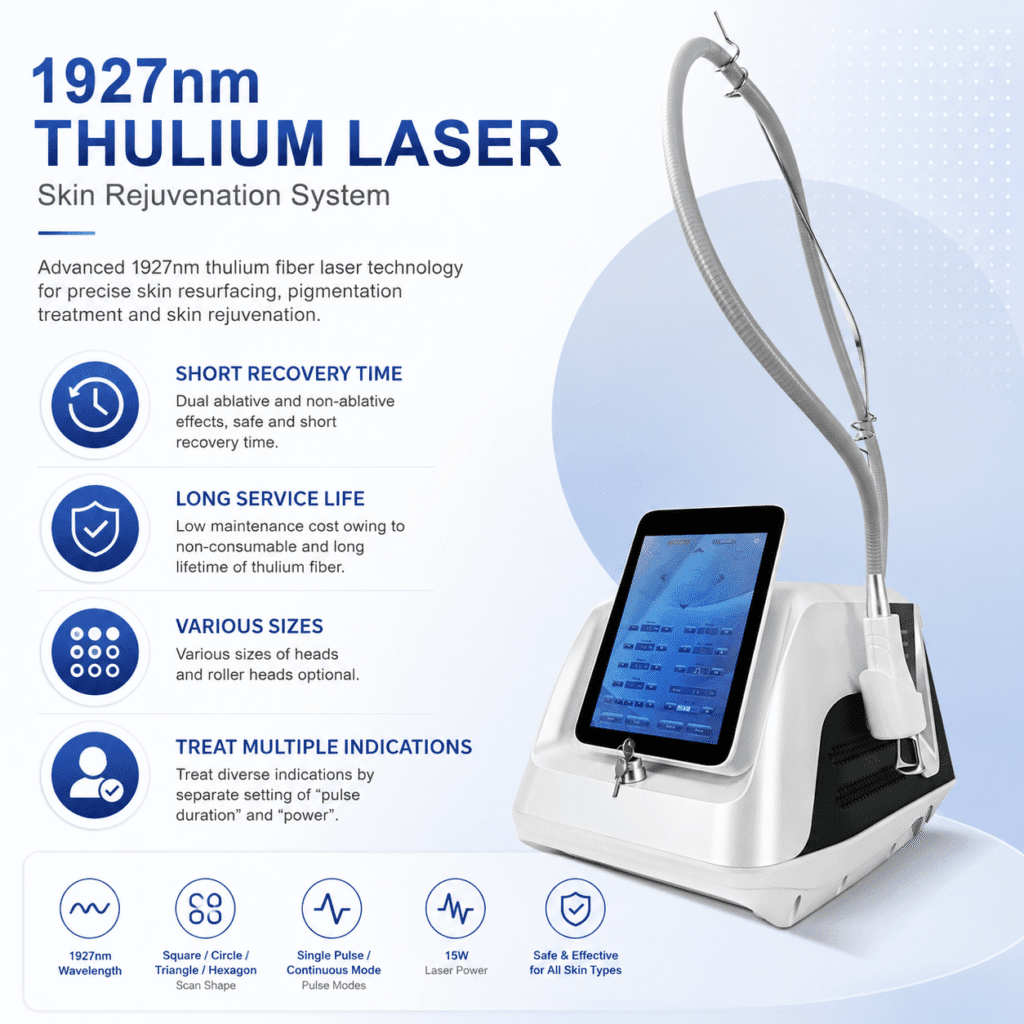
Laser beauty machines are among the most popular export categories. Chinese factories manufacture diode laser hair removal systems, picosecond lasers, IPL devices, and fractional CO2 laser machines used for skin resurfacing and scar reduction. For example, manufacturers in Guangdong and Shandong now offer professional diode laser machines with advanced cooling systems and multi-wavelength technology aimed at clinics and salons worldwide.
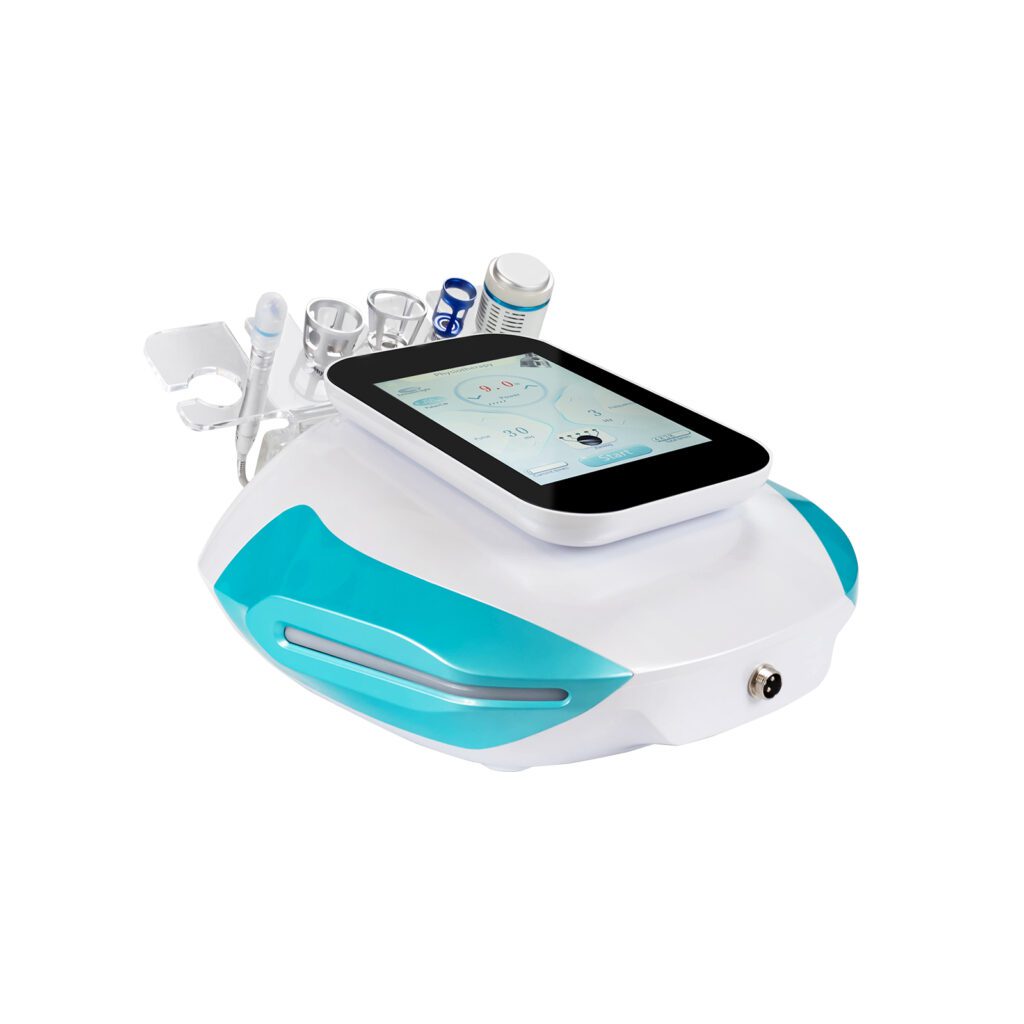
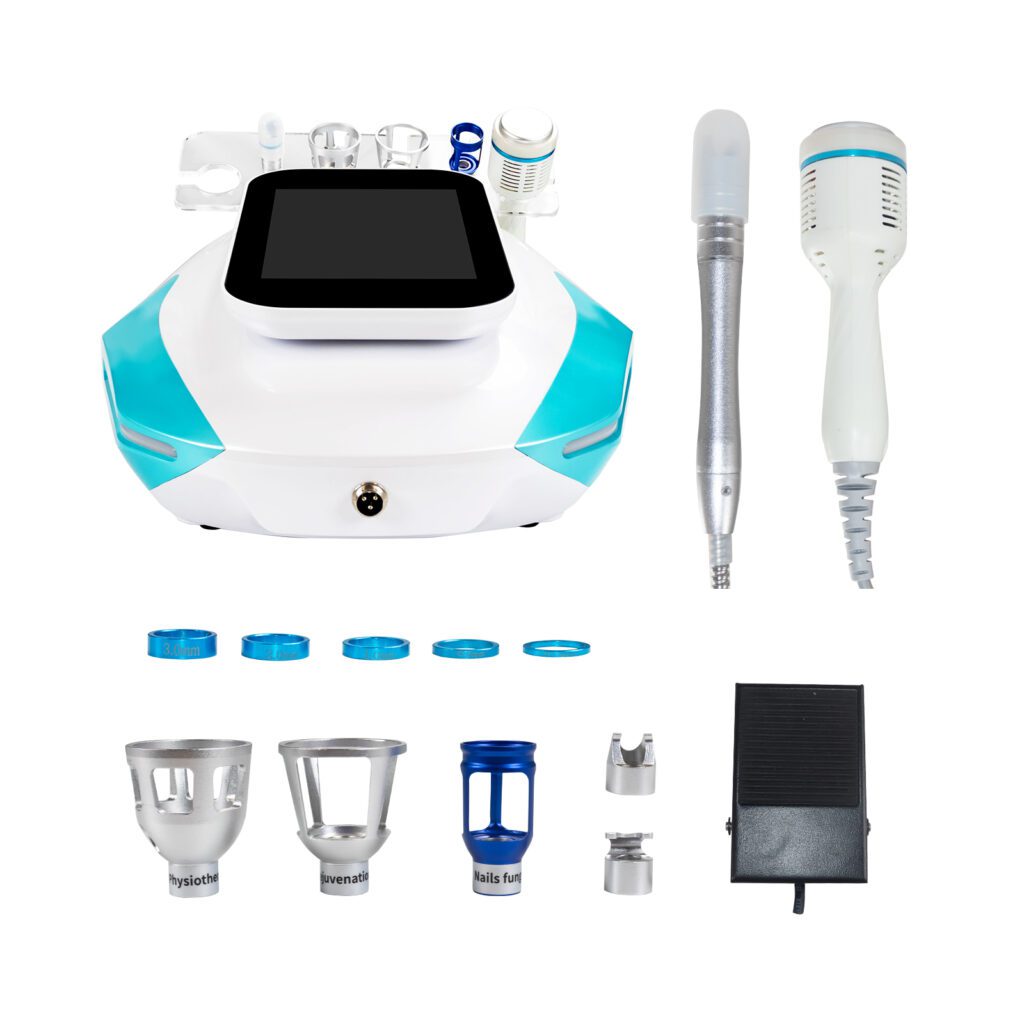
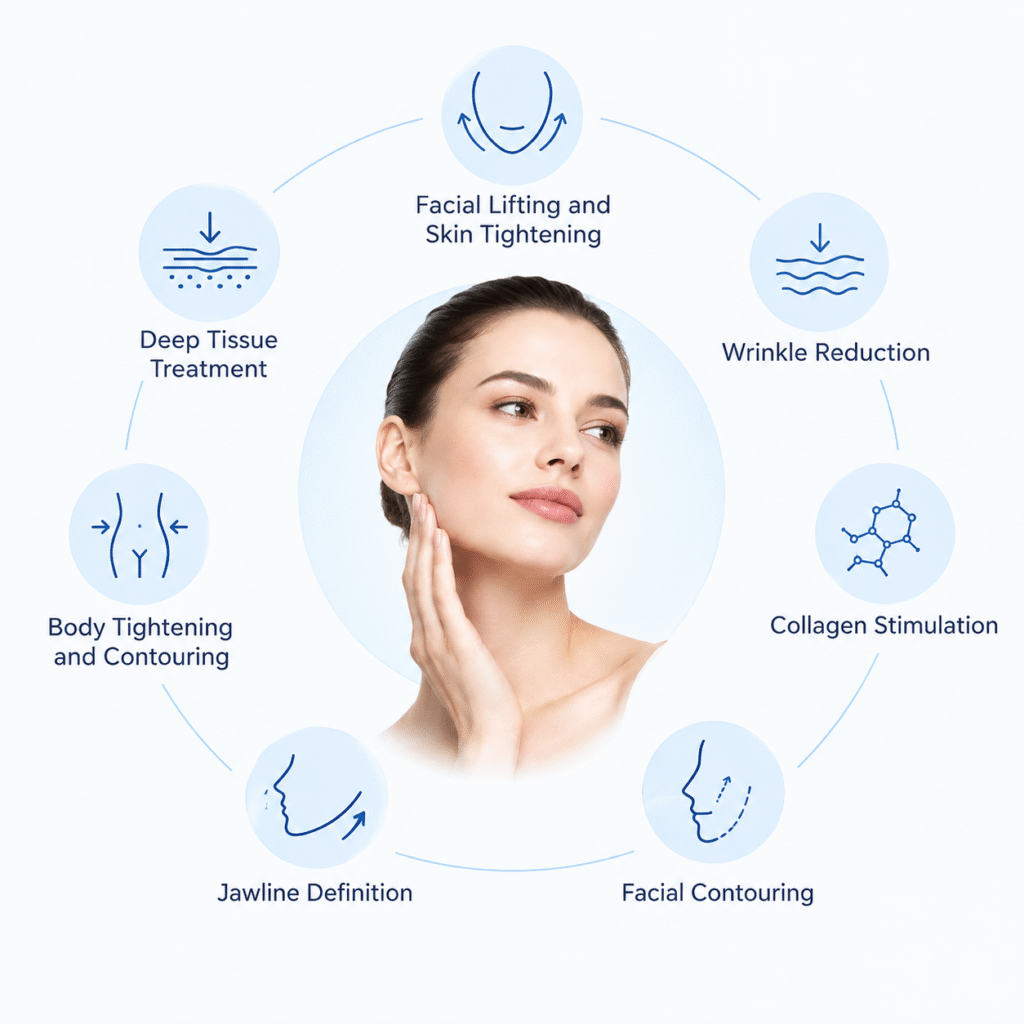
Skin rejuvenation equipment is another massive category. HIFU systems, RF microneedling devices, oxygen therapy machines, hydro facial systems, and LED phototherapy devices are now widely produced across China. These devices target anti-aging, wrinkle reduction, skin tightening, hydration, and acne treatment. Some newer systems combine multiple technologies into one machine, allowing clinics to perform several treatments using a single platform. It is almost like turning a smartphone into an entire beauty clinic packed inside one device.
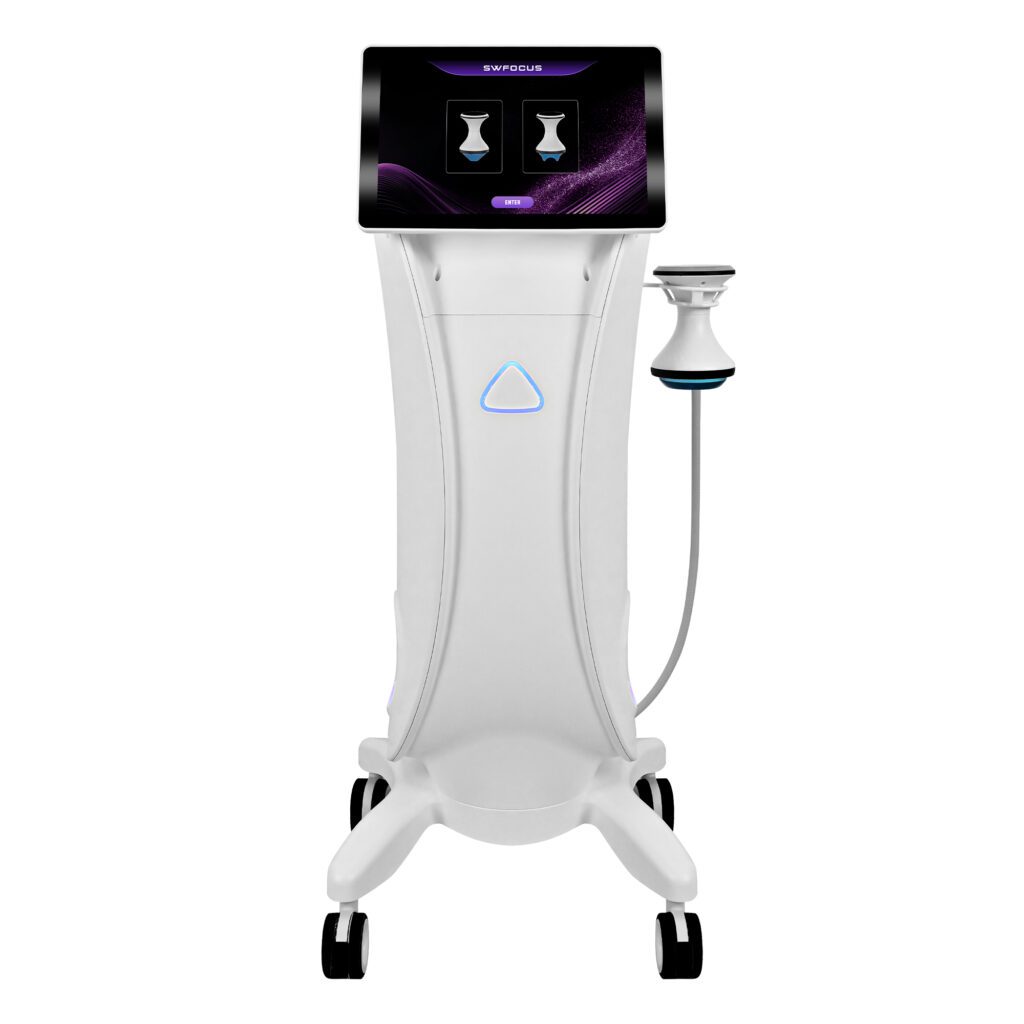
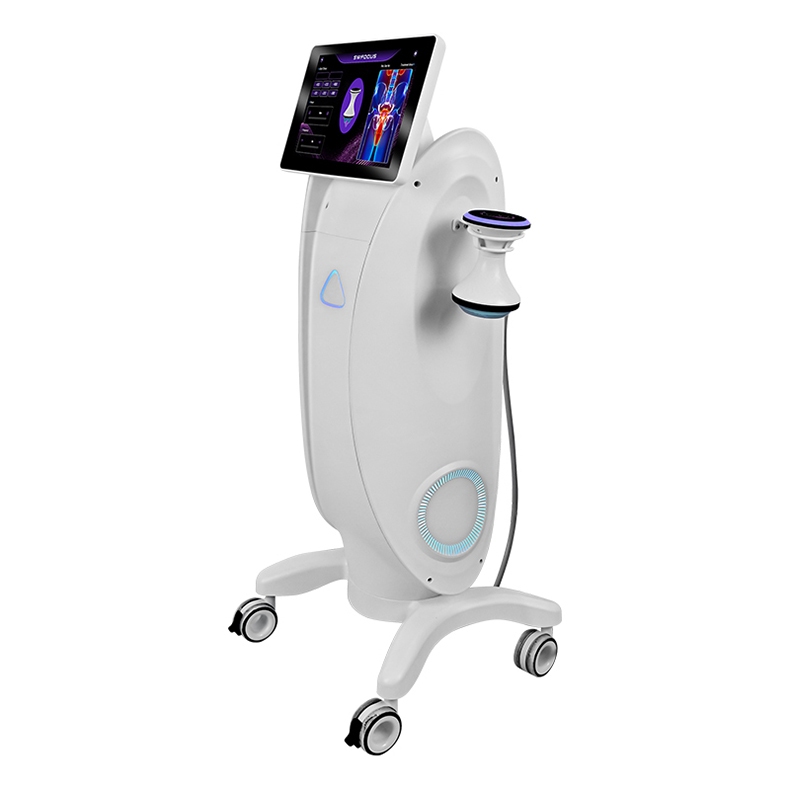
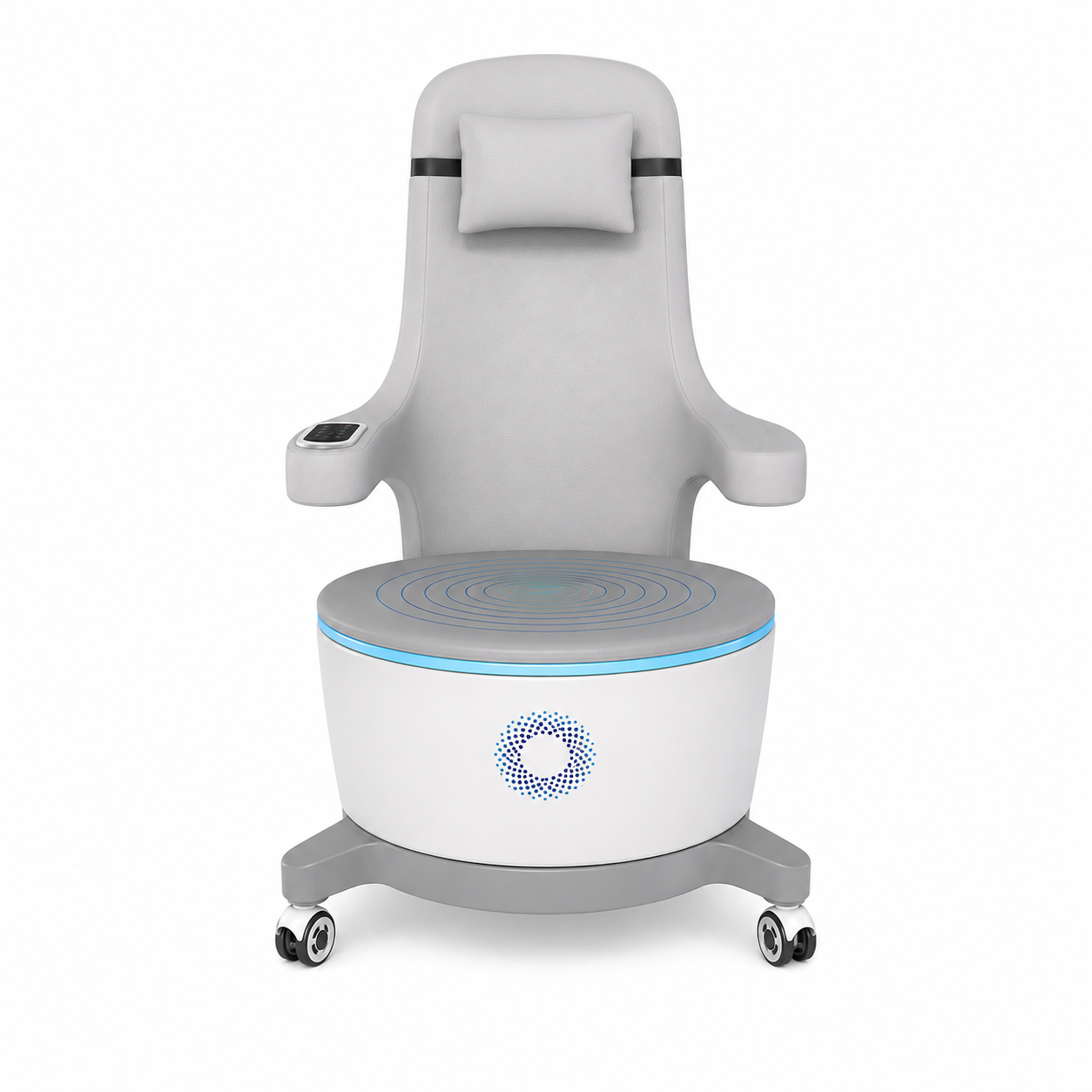
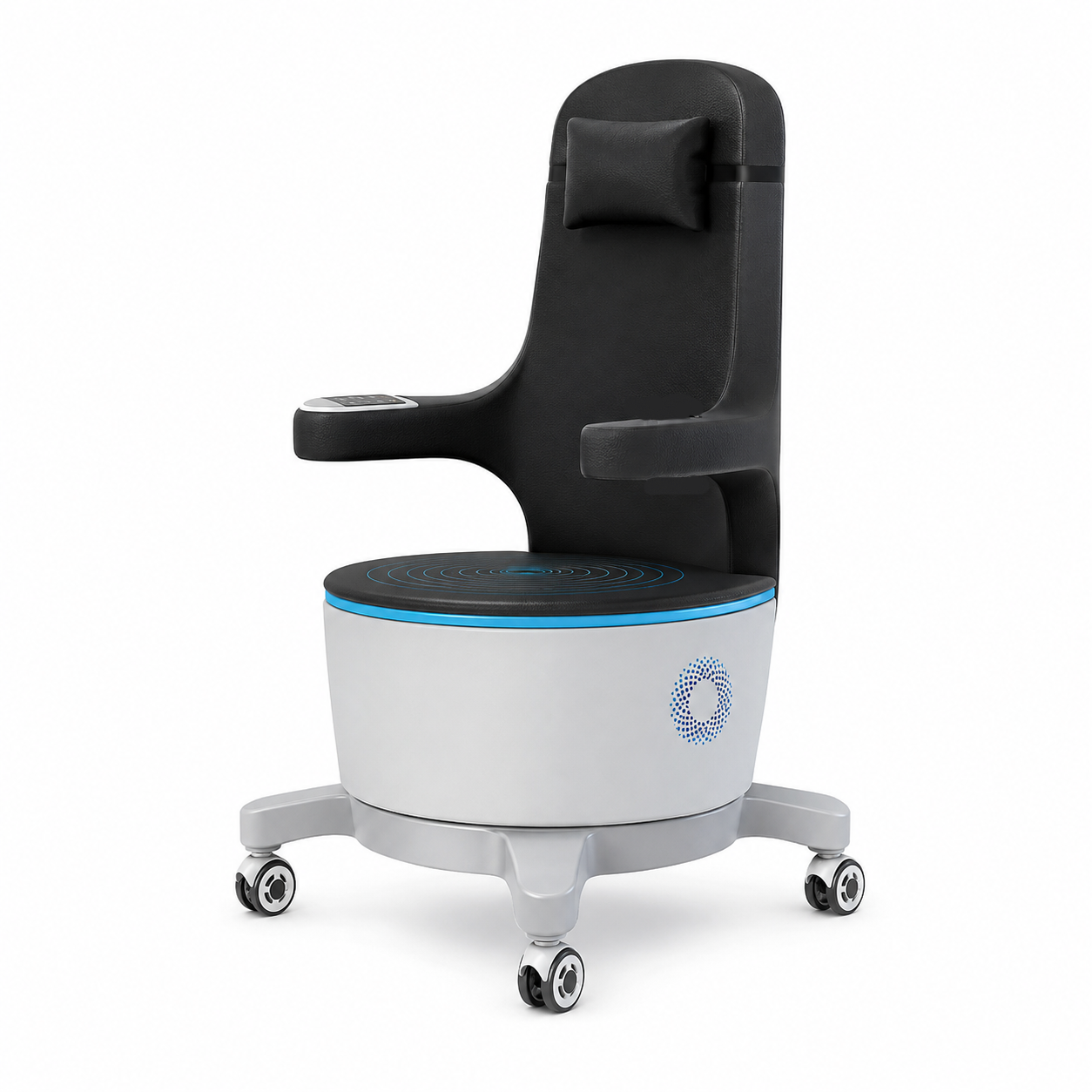
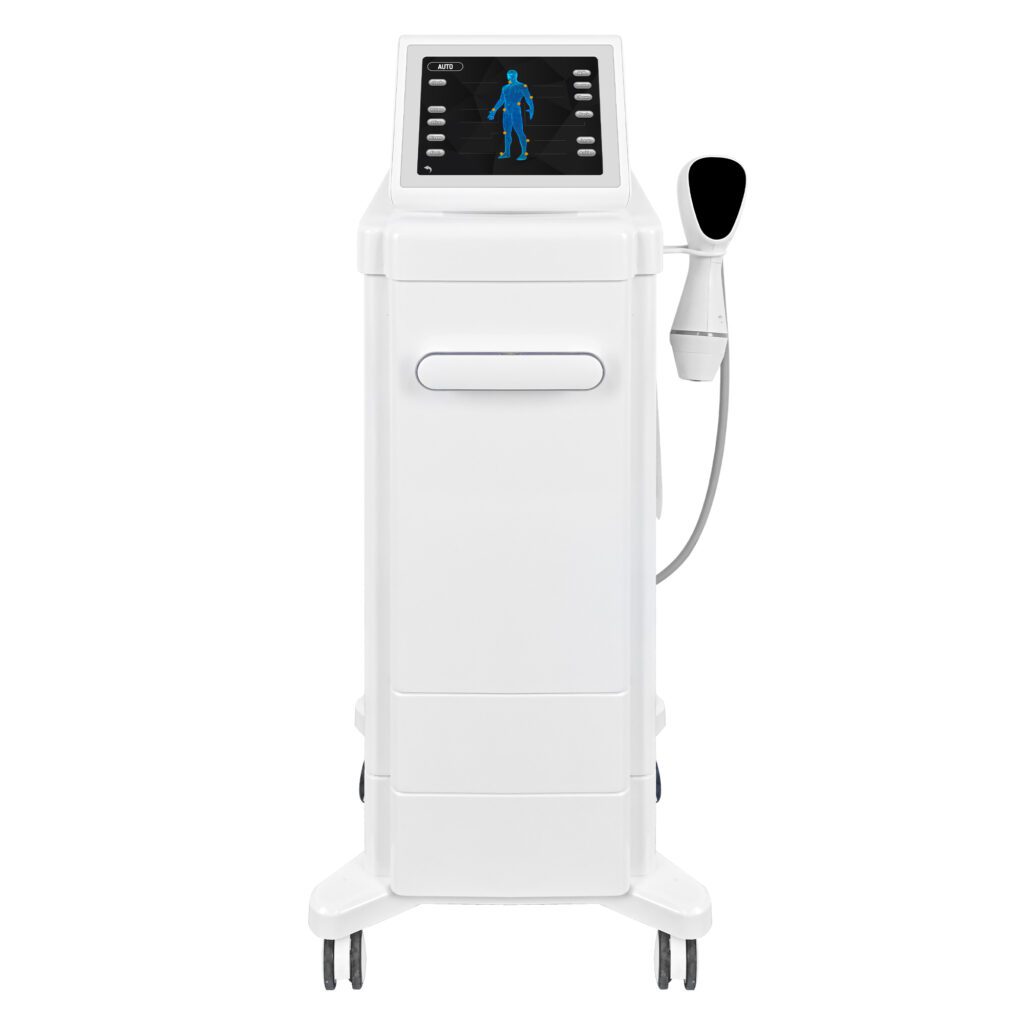
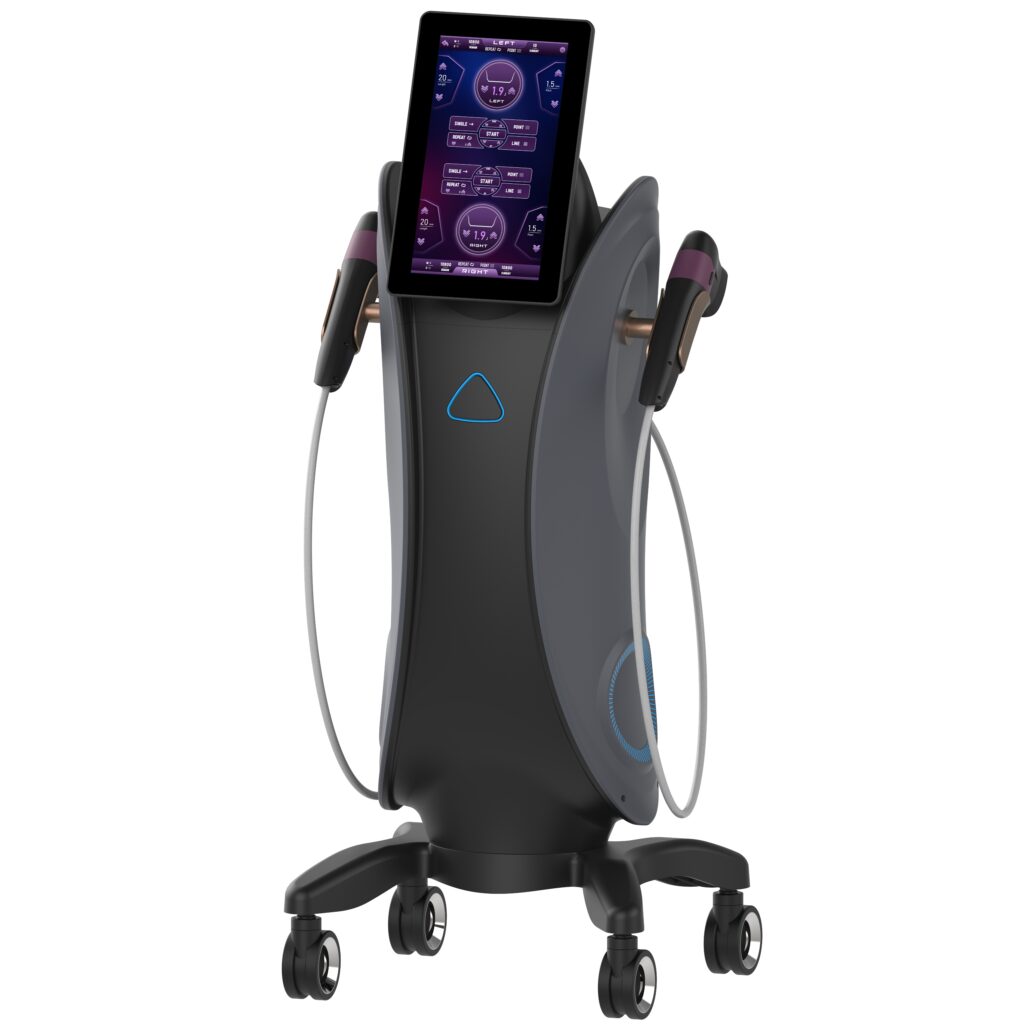
Body contouring equipment has also experienced explosive growth. EMS muscle sculpting systems, cryolipolysis fat-freezing devices, vacuum slimming machines, and cavitation equipment are increasingly common in Chinese factories. As consumer demand for non-invasive cosmetic treatments rises, manufacturers continue investing heavily in R&D to improve safety, treatment speed, and user comfort.
The market has also shifted toward smarter devices. AI skin analyzers capable of scanning hydration levels, pigmentation, and wrinkles are becoming increasingly popular. Some devices now integrate mobile apps and cloud-based treatment tracking systems, reflecting how beauty technology is merging with digital health trends.
Interestingly, many factories now support OEM and ODM production. That means international businesses can customize machine designs, packaging, branding, interfaces, and even software features. This flexibility is a huge advantage for distributors and private-label brands looking to create differentiated products without building their own manufacturing facilities.
The Rise of Smart Factories in China’s Beauty Industry
The phrase “Made in China” used to make some buyers think only about mass production and low labor costs. Today, the reality is much more sophisticated. Many Chinese beauty equipment factories are evolving into highly automated smart manufacturing centers powered by robotics, AI inspection systems, and digital production management platforms.
One striking example comes from the beauty brand Florasis, which recently launched an advanced smart factory in Hangzhou featuring laser-guided robotics, AI-based defect detection, and intelligent energy management systems. While Florasis focuses more on cosmetics than devices, the same automation trend is spreading rapidly through the beauty equipment manufacturing sector.
Automation solves several challenges at once. It improves consistency, reduces human error, increases production speed, and lowers long-term manufacturing costs. In beauty equipment manufacturing, precision matters enormously. A slight inconsistency in a laser calibration system or RF energy output can affect treatment results and safety. Automated assembly and testing help manufacturers maintain tighter quality control standards.
China is also aggressively expanding industrial robotics adoption. Reports indicate the country installed nearly 295,000 industrial robots in a single year, far exceeding the United States. This robotics boom directly impacts industries like beauty equipment manufacturing, where factories increasingly rely on automated welding, assembly, and inspection systems.
AI-powered quality control has become another important trend. Cameras and machine-learning systems now inspect machine housings, internal circuits, and display panels for defects at speeds impossible for manual workers to match. Think of it like giving factories a superhuman pair of eyes that never get tired or distracted.
Sustainability is becoming a priority as well. Some factories are integrating solar power systems, energy-efficient production lines, and recyclable packaging materials into their operations. Global buyers increasingly care about ESG standards, and Chinese manufacturers understand that sustainability is becoming a competitive advantage rather than just a marketing buzzword.
The smart factory transformation signals something bigger: Chinese manufacturers are moving up the value chain. They are no longer simply manufacturing equipment designed elsewhere. Many are actively innovating, designing proprietary technologies, and competing globally on performance and quality.
OEM and ODM Beauty Equipment Manufacturing
One of the strongest advantages of working with a China beauty equipment factory is access to OEM and ODM manufacturing services. These business models have helped thousands of international beauty brands enter the market quickly without building expensive production facilities from scratch.
OEM, or Original Equipment Manufacturing, allows buyers to purchase existing machine designs and apply their own branding. ODM, or Original Design Manufacturing, goes further by allowing custom product development based on a client’s specifications. For entrepreneurs and distributors, this flexibility is incredibly valuable.
Imagine trying to launch a beauty technology brand entirely on your own. You would need engineers, compliance experts, industrial designers, sourcing specialists, and manufacturing facilities. That could cost millions of dollars before selling even one machine. Chinese OEM and ODM factories dramatically lower that barrier to entry.
Many factories now offer complete turnkey services that include:
- Custom branding and logos
- Packaging design
- User manual localization
- Software customization
- Marketing materials
- Technical training
- After-sales support
This is why so many aesthetic equipment brands around the world actually manufacture their devices in China, even if the branding appears European or American.
Private-label beauty devices have become especially popular in recent years. Social media influencers, skincare clinics, and wellness startups increasingly launch branded beauty devices targeting niche audiences. Chinese manufacturers make this possible by supporting low minimum order quantities and rapid prototyping.
There is also a speed advantage. Chinese factories can often move from concept to production in just a few months. In fast-moving industries driven by beauty trends and influencer culture, speed matters enormously. Missing a trend by six months can mean losing significant market opportunities.
That said, buyers should carefully vet manufacturing partners. Not all factories offer the same quality standards, certifications, or technical capabilities. Choosing the wrong supplier can create serious problems involving product safety, compliance, or delivery delays.
Certifications and Compliance Standards
When sourcing beauty equipment from China, certifications are not just paperwork. They are critical indicators of quality, safety, and international market readiness. Professional buyers today pay close attention to whether a factory holds certifications such as ISO 9001, ISO 13485, CE marking, and FDA registration.
ISO 9001 focuses on quality management systems, while ISO 13485 specifically relates to medical device manufacturing. Factories with these certifications typically maintain stricter documentation, traceability, and production controls. Several beauty equipment manufacturers in China already hold ISO certifications for their operations.
CE certification is especially important for products entering the European market. It indicates that the equipment complies with EU safety, health, and environmental requirements. FDA clearance or registration becomes essential for certain products entering the United States.
The challenge is that certification alone does not guarantee quality. Some inexperienced buyers assume seeing a CE logo automatically means the product is reliable. Smart buyers verify certificates directly, request testing reports, and sometimes conduct independent factory audits before placing large orders.
Medical-grade beauty equipment requires even stricter oversight. Devices involving lasers, radio frequency energy, ultrasound, or skin penetration must meet high technical standards to ensure patient safety. Reputable factories usually perform multiple rounds of calibration and safety testing before shipping products internationally.
Many global distributors now hire third-party inspection agencies to evaluate Chinese factories before cooperation begins. These inspections examine manufacturing processes, quality control systems, warehouse conditions, employee training, and production capacity. Think of it like checking under the hood before buying a luxury sports car. The outside appearance might look impressive, but the real value lies in what is happening internally.
Compliance standards are becoming increasingly important because international regulations continue tightening. Buyers who prioritize certified manufacturers reduce long-term risks involving customs issues, product recalls, or legal disputes.
Best Manufacturing Cities for Beauty Equipment in China
Not all Chinese manufacturing regions specialize in the same products. Certain cities have emerged as major hubs for beauty equipment production, each with its own strengths and industrial ecosystem.
Guangzhou is widely considered one of the most important centers for beauty equipment manufacturing and wholesale trade. The city hosts massive beauty expos, wholesale markets, and factory clusters focused on aesthetic devices, salon equipment, skincare packaging, and OEM production. Many international buyers visit Guangzhou specifically to source beauty products and equipment directly from manufacturers.
The Guangzhou region benefits from excellent logistics infrastructure, proximity to ports, and a highly developed supplier network. Factories there commonly produce HIFU systems, hydro facial machines, RF devices, slimming machines, and salon equipment.
Beijing also has a strong presence in the professional medical aesthetic equipment market. Some manufacturers there focus on higher-end clinical devices such as fractional lasers and advanced skin treatment systems. The region often attracts companies investing heavily in R&D and medical technology integration.
Shandong Province has become another growing manufacturing hub, especially for laser beauty equipment and EMS body contouring devices. Factories in cities like Weifang now export beauty equipment globally and often emphasize large-scale production capacity.
Shenzhen plays a unique role because of its electronics ecosystem. Smart beauty devices involving AI sensors, mobile connectivity, and advanced digital interfaces frequently rely on Shenzhen’s electronics supply chain. If beauty technology is becoming the intersection of skincare and consumer electronics, Shenzhen is one of the places where that fusion happens fastest.
Choosing the right region often depends on the buyer’s priorities. Some cities excel at cost efficiency, others at innovation, and others at export logistics. Understanding regional specialization can help buyers find more suitable suppliers and negotiate better terms.
How to Choose the Right China Beauty Equipment Factory
Finding the right factory is a little like dating before marriage. Everything may look perfect during the first conversation, but long-term success depends on compatibility, transparency, and trust. Choosing the wrong manufacturing partner can lead to shipment delays, quality issues, damaged reputation, and expensive legal headaches.
The first step is evaluating production capability. Buyers should ask detailed questions about monthly production volume, R&D capacity, employee count, testing procedures, and export experience. A professional factory should easily provide this information.
Factory audits are highly recommended, especially for large orders. If visiting in person is not possible, third-party inspection services can verify production conditions and operational legitimacy. Video factory tours have also become more common since the pandemic.
Sample testing is another critical step. Never rely solely on product photos or brochures. Testing actual machines allows buyers to evaluate:
- Build quality
- User interface performance
- Energy output consistency
- Cooling systems
- Noise levels
- Packaging quality
- Ease of operation
Communication quality matters too. Factories that respond slowly, avoid technical questions, or provide vague answers may create future problems. Strong communication often reflects stronger internal organization.
Buyers should also examine after-sales support capabilities. Beauty equipment often requires technical maintenance, software updates, spare parts, and user training. Factories offering long-term support usually create more stable business partnerships.
Pricing should never be the only deciding factor. Extremely low prices sometimes indicate shortcuts involving lower-quality components or weak testing standards. In beauty technology, reliability and safety matter far more than saving a few hundred dollars on a machine.
Experienced importers often compare multiple suppliers before making decisions. They evaluate certifications, warranties, export history, customer reviews, and product innovation. The goal is not simply finding the cheapest supplier. It is finding the most reliable long-term manufacturing partner.
Pricing Trends and Market Competition
Pricing in China’s beauty equipment industry remains highly competitive, but the market is changing. Years ago, low prices were the main selling point. Today, buyers increasingly prioritize quality, certifications, software features, and branding support alongside pricing.
Entry-level beauty machines can still be surprisingly affordable. Certain HIFU or RF microneedling devices are listed between $750 and $1,200 depending on specifications and order quantity. Professional laser systems, however, often range from several thousand dollars to much higher for advanced medical-grade platforms.
Competition among factories is intense. Thousands of manufacturers compete for international buyers, especially through platforms like Made-in-China and trade expos such as the Canton Fair. This intense competition pushes factories to continuously improve product features, customization options, and customer service.
At the same time, global trade tensions and tariffs create uncertainty. Some Chinese manufacturers are diversifying export markets toward Southeast Asia, Europe, Latin America, and the Middle East to reduce dependence on the U.S. market.
Technology is also reshaping pricing structures. Automated production lines help reduce labor costs, while AI-driven manufacturing improves efficiency. Factories that successfully adopt automation can often maintain competitive pricing without sacrificing quality.
Interestingly, buyers today are often willing to pay more for premium Chinese equipment compared to several years ago. That reflects growing confidence in Chinese manufacturing quality, especially among factories investing heavily in R&D and compliance standards.
Future Trends in China Beauty Equipment Manufacturing
The future of the China beauty equipment factory industry looks incredibly dynamic. Beauty technology is evolving rapidly, and Chinese manufacturers appear determined to stay at the forefront of innovation.
One major trend is AI integration. Smart skin analysis, personalized treatment algorithms, and cloud-connected devices are becoming increasingly common. Beauty equipment is starting to resemble health-tech devices rather than simple salon tools.
Home-use beauty devices are expected to grow strongly as consumers continue seeking convenient skincare solutions. Portable RF devices, LED masks, and compact laser systems are already gaining popularity among younger consumers.
Sustainability will likely become another major competitive factor. Eco-friendly packaging, energy-efficient production, and recyclable device materials may soon influence purchasing decisions as much as technical performance.
Cross-border e-commerce will continue expanding opportunities for private-label brands. Entrepreneurs can now launch beauty device brands globally with relatively low startup costs thanks to Chinese OEM and ODM factories.
The industry may also see increased consolidation. Larger manufacturers with stronger certifications, automation capabilities, and international compliance expertise could gradually dominate global exports while smaller factories struggle to compete.
At the same time, technological competition with Korean, Japanese, European, and American beauty brands will intensify. Chinese manufacturers are no longer content with being low-cost suppliers. Many aim to become global technology leaders in aesthetics and wellness equipment.
Conclusion
The modern China beauty equipment factory is far more advanced than many people realize. What began as a manufacturing advantage built on scale and low costs has evolved into a sophisticated ecosystem driven by automation, R&D, smart manufacturing, and global market responsiveness.
Chinese factories now produce some of the world’s most widely used aesthetic devices, from laser hair removal systems to AI-powered skincare tools. Their ability to combine affordability, customization, rapid production, and technological innovation has made China the dominant force in the global beauty equipment industry.
For buyers, the opportunities are enormous. Clinics, salons, distributors, and private-label entrepreneurs can access a vast manufacturing network capable of supporting everything from startup brands to large-scale global distribution. The key is choosing reliable partners, prioritizing quality and certifications, and understanding how to navigate the evolving market landscape.
As beauty technology continues blending with AI, wellness, and smart consumer electronics, China’s manufacturing ecosystem is likely to become even more influential. The factories shaping the future of aesthetics are not just producing machines anymore. They are helping redefine how the world experiences beauty itself.
FAQs
1. Why are most beauty equipment products manufactured in China?
China offers large-scale manufacturing infrastructure, competitive pricing, integrated supply chains, and strong OEM/ODM capabilities. These advantages allow factories to produce beauty equipment efficiently and at lower costs than many other countries.
2. Are Chinese beauty equipment factories reliable?
Many Chinese factories are highly reliable and hold certifications such as ISO 9001, ISO 13485, and CE compliance. Buyers should still perform factory audits, sample testing, and certification verification before placing large orders.
3. Which city in China is best for sourcing beauty equipment?
Guangzhou is one of the top sourcing hubs for beauty equipment due to its factory clusters, beauty expos, and supplier ecosystem. Shenzhen, Beijing, and Shandong are also important manufacturing regions.
4. What is the difference between OEM and ODM beauty equipment manufacturing?
OEM manufacturing uses existing product designs with customized branding, while ODM manufacturing involves custom product development based on the buyer’s specifications and ideas.
5. What are the most popular beauty machines exported from China?
Popular exports include diode laser hair removal machines, HIFU devices, RF microneedling systems, cryolipolysis slimming machines, hydro facial equipment, EMS body sculpting devices, and AI skin analyzers.