









HIFU can hurt more than clients expect because many people hear “non-invasive” and assume it means “painless.”
That is not always true.
HIFU does not cut the skin and usually has little to no social downtime, but it still delivers focused ultrasound energy into deeper tissue layers. Clients may feel heat, tingling, prickling, zapping, pressure or deep tenderness during treatment.
The honest explanation is:
HIFU can be uncomfortable because it targets deeper support layers beneath the skin, especially around the jawline, chin, cheekbones, neck and bony areas. Pain level depends on treatment depth, energy level, line density, area treated, client sensitivity, anxiety and operator technique.
For clinics and distributors, this topic matters because unrealistic comfort promises can create complaints.
Do not say:
- HIFU is painless
- no discomfort at all
- everyone can tolerate it easily
- higher energy always means better results
- pain means the treatment is working perfectly
Better wording is:
“HIFU is non-surgical, but clients may feel heat, tingling or short deep sensations during energy delivery. Comfort varies by person and treatment area. A trained operator should adjust the plan based on client tolerance, treatment depth and safety.”
The Short Answer
| Why HIFU may hurt | What clients feel | How clinics should explain it |
|---|---|---|
| Deep energy delivery | Deep heat, zaps, prickling | HIFU targets support layers beneath the surface |
| Treatment near bone | Sharp or intense sensation | Jawline, chin and cheekbone areas can feel more sensitive |
| Cartridge depth | Different sensation by depth | 1.5 mm, 3.0 mm and 4.5 mm layers feel different |
| Energy level | Stronger heat or discomfort | Settings should match client tolerance and treatment plan |
| Line density | Repeated sensation in one area | More lines can feel more intense |
| Client anxiety | Pain feels worse | Clear explanation reduces fear |
| Poor expectation setting | Client feels surprised | Explain discomfort before treatment |
| Operator technique | Uneven comfort experience | Training and mapping matter |
The biggest reason clients complain is not always the pain itself.
Often, it is the surprise.
If the client expected a relaxing facial and instead feels deep zaps along the jawline, the treatment can feel much worse emotionally.
Why “Non-Invasive” Does Not Mean Painless
Many clients misunderstand the word “non-invasive.”
Non-invasive usually means the treatment does not involve surgical cutting, injections or open wounds.
It does not mean the body feels nothing.
HIFU uses focused ultrasound energy to create controlled heating in targeted tissue layers. That energy delivery can trigger strong sensations even though the skin surface is not cut.
The official Ultherapy FAQ says patients may feel heat and/or tingling as ultrasound energy is delivered, and that comfort levels vary from person to person.
The FDA’s focused ultrasound guidance for aesthetic use identifies risks related to focused ultrasound, including thermal injury, mechanical injury, use error and pain-related concerns.
This supports a simple sales rule:
Non-invasive should be explained as non-surgical, not painless.
Reason 1: HIFU Targets Deeper Layers
Basic facials work mainly on the skin surface.
HIFU works deeper.
Depending on the device and cartridge, HIFU may target different depths such as:
- 1.5 mm for superficial skin layers
- 3.0 mm for dermal support
- 4.5 mm for SMAS-level lifting support
- deeper cartridges for body areas depending on device configuration
The deeper the energy is focused, the more intense the sensation may feel for some clients.
This is especially true around areas where deeper tissue is close to bone or where nerves are more sensitive.
For clients, the feeling can be surprising because the skin surface may look calm while the sensation is deep.
Reason 2: Jawline and Bone Areas Are More Sensitive
Many clients feel HIFU most strongly around:
- jawline
- chin
- cheekbones
- forehead
- temples
- neck
- under-chin area
These areas may feel more sensitive because tissue thickness, bone proximity and nerve distribution vary across the face.
When ultrasound energy is delivered near bony structures, clients may feel a sharper or more electric-like sensation.
This does not automatically mean something is wrong.
However, the operator should listen to client feedback and avoid aggressive treatment over sensitive or inappropriate areas.
Reason 3: Different Cartridge Depths Feel Different
HIFU pain is not one uniform feeling.
Different depths can create different sensations.
| Cartridge depth | Common positioning | Possible sensation |
|---|---|---|
| 1.5 mm | Superficial skin support | Warm, prickly or sharp surface sensation |
| 3.0 mm | Dermal support | Deeper heat or tingling |
| 4.5 mm | SMAS-level lifting support | Deep zaps, pressure or tenderness |
| Body cartridges | Body contouring or deeper tissue areas | Strong heat, pressure or deep sensation |
Clients may tolerate one depth well and find another depth more uncomfortable.
For example, a client may feel fine with 3.0 mm lines but find 4.5 mm along the jawline much more intense.
This is why treatment mapping and cartridge selection matter.
Reason 4: Higher Energy and More Lines Can Increase Discomfort
Some clients believe higher energy always means better results.
That is too simple.
HIFU treatment intensity depends on several factors:
- energy level
- number of lines
- cartridge depth
- treatment area
- spacing between lines
- number of passes
- tissue thickness
- client tolerance
Higher energy or dense line coverage can make the treatment more uncomfortable.
A trained operator should not chase pain as proof of quality.
The goal is a suitable treatment plan, not maximum discomfort.
Good clinic wording:
“We adjust energy and line planning according to your anatomy, treatment goal and comfort level. Stronger is not always better; appropriate treatment is better.”
Reason 5: Clients Are Often Not Prepared Mentally
Expectation strongly affects pain perception.
If a client expects a relaxing, spa-like facial, HIFU can feel shocking.
If the client expects brief but manageable deep sensations, the same treatment may feel more acceptable.
Aesthetic Surgery Journal guidance on microfocused ultrasound with visualization discusses the importance of patient education and comfort management, noting that inadequate information about discomfort can worsen the experience.
This is one of the easiest problems to fix.
Before treatment, clinics should explain:
- where clients may feel more discomfort
- what the sensation may feel like
- that discomfort comes in short pulses
- that comfort varies by person
- that the operator can pause if needed
- that pain should be communicated
- that no client should be forced to tolerate excessive discomfort
Prepared clients are usually more cooperative and less likely to feel betrayed by the experience.
Reason 6: Some Clients Are More Sensitive Than Others
Pain tolerance is personal.
HIFU may feel stronger for clients who have:
- low pain tolerance
- anxiety about machines
- lack of sleep
- high stress
- sensitive skin
- thin facial tissue
- low body fat in certain facial areas
- previous bad treatment experience
- strong fear of heat or zapping sensations
- treatment close to menstruation or other sensitivity periods
Clinics should not dismiss a client as “too sensitive.”
Instead, the operator should treat pain feedback as useful information.
Comfort management is part of professional service.
Reason 7: Poor Technique Can Make HIFU Feel Worse
Operator technique affects comfort.
HIFU may feel worse when:
- cartridge contact is poor
- gel use is insufficient
- the operator moves too quickly
- the treatment map is not clear
- sensitive zones are overtreated
- energy is too high for the area
- line overlap is excessive
- the client is not given pauses
- contraindications are not reviewed
- the operator does not understand facial anatomy
The FDA’s focused ultrasound guidance discusses use error as a risk area for focused ultrasound aesthetic systems.
This is why distributor training matters.
HIFU should not be sold as a device that needs no training.
Reason 8: Some Areas Need Lower Expectation and Gentler Planning
Not every area should be treated the same way.
| Area | Comfort note |
|---|---|
| Jawline | Often more sensitive because of bone and nerve proximity |
| Chin and under-chin | Can feel deep or zapping |
| Cheekbones | May feel sharper because of bone proximity |
| Neck | Requires careful planning and comfort monitoring |
| Forehead | Can feel intense because of thin tissue |
| Body areas | Deeper cartridges may create stronger pressure or heat |
This does not mean HIFU should be avoided in all these areas.
It means the operator should map carefully, select cartridge depth responsibly and communicate before treating sensitive zones.
How Clinics Should Explain HIFU Pain Before Treatment
Clients should hear a clear explanation before the machine touches the skin.
Good script:
“HIFU is non-surgical and usually has minimal downtime, but it is not always painless. During treatment, you may feel heat, tingling, prickling or short deep zaps, especially around the jawline, chin and cheekbone areas. The sensation usually happens during energy delivery and then passes. Please tell us if anything feels too intense, so we can pause and adjust.”
This script does three important things:
- prevents surprise
- gives the client permission to speak
- positions comfort adjustment as professional, not as failure
What Clinics Should Not Say
| Avoid saying | Why it creates risk | Safer alternative |
|---|---|---|
| HIFU is painless | Many clients feel discomfort | HIFU is non-surgical, but comfort varies |
| Pain means it works | Encourages clients to tolerate too much | Energy sensation can occur, but treatment should remain manageable |
| Higher energy is always better | May lead to overtreatment | Settings should match the treatment plan and tolerance |
| Everyone can handle it | Dismisses sensitive clients | We assess comfort and adjust when needed |
| No side effects | Not accurate | Temporary redness, tenderness or tingling may occur |
| No training needed | Unsafe sales message | Professional training and mapping are important |
Safe language protects both the clinic and the distributor.
How to Reduce Unexpected HIFU Pain
Clinics can reduce unpleasant surprises by improving process.
Practical steps include:
- Explain the sensation before treatment.
- Identify sensitive areas in advance.
- Start with conservative settings when appropriate.
- Use proper gel and cartridge contact.
- Treat with clear mapping.
- Communicate during each area.
- Offer short pauses.
- Avoid excessive line overlap.
- Adjust energy according to tolerance and tissue area.
- Provide aftercare instructions.
The goal is not to make every client feel nothing.
The goal is to make treatment predictable, controlled and professionally managed.
Does More Pain Mean Better HIFU Results?
No.
More pain does not automatically mean better results.
HIFU results depend on correct energy delivery, depth, line planning, client suitability, tissue response and aftercare.
Pain is only a sensation.
A client can feel strong pain from poor technique, wrong depth or over-treatment. That does not mean the result will be better.
Clinics should never use pain as the main proof of effectiveness.
Better wording:
“A strong sensation may happen during HIFU, but the goal is accurate energy delivery and client safety, not maximum pain.”
How Distributors Should Explain HIFU Comfort
Distributors selling HIFU machines should avoid overselling comfort.
Do not say:
- no pain
- no training needed
- safe for everyone
- highest energy gives best result
- customers will not complain
Say:
“HIFU can create heat, tingling or deep zapping sensations because it delivers focused ultrasound energy below the skin surface. Comfort depends on cartridge depth, treatment area, settings and client sensitivity. Training, treatment mapping and expectation management are important.”
This makes the distributor sound more professional.
It also helps salons avoid complaints after purchase.
SHEFMON HIFU Positioning
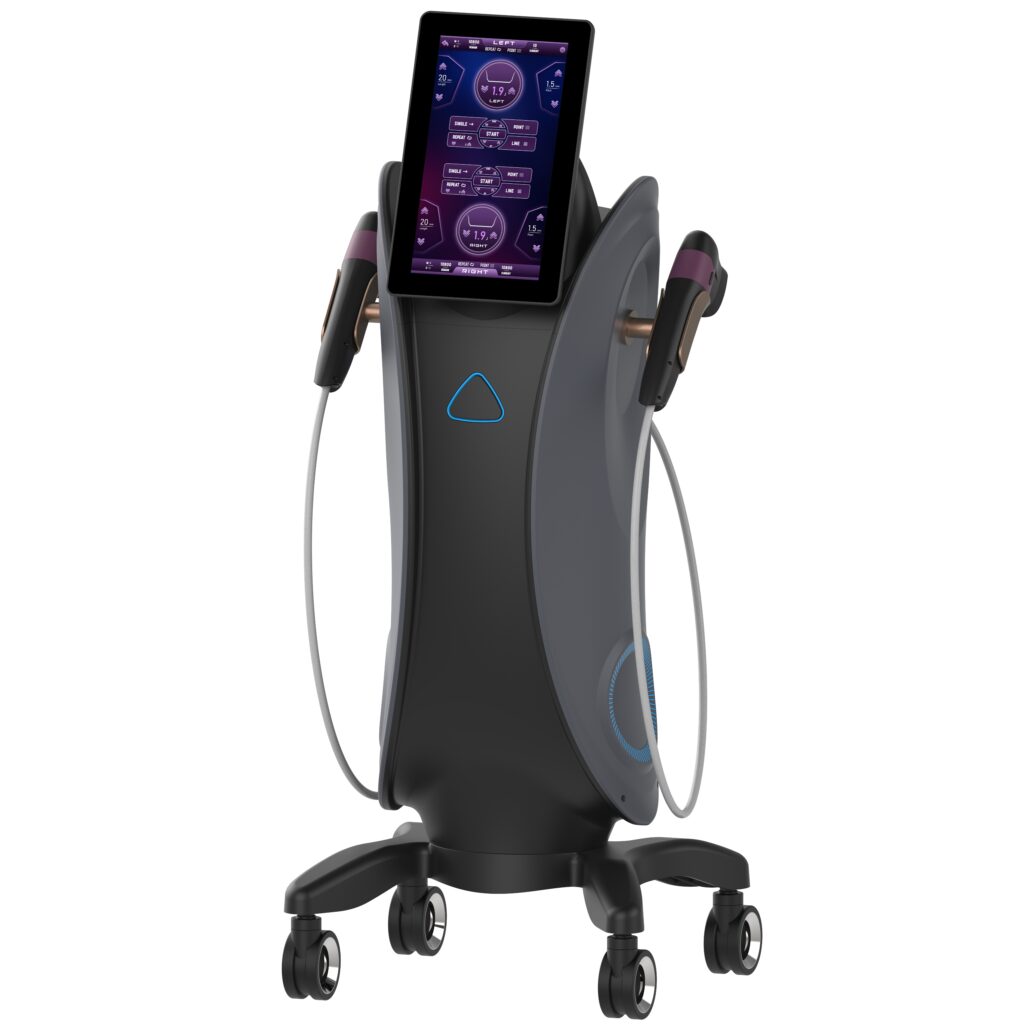
SHEFMON HIFU machines, including 7D and 9D HIFU platforms, can help salons, med spas and distributors build premium anti-aging service menus.
SHEFMON HIFU content emphasizes:
- cartridge depth selection
- treatment mapping
- face and body package planning
- anti-aging positioning
- training
- client screening
- realistic expectations
- warranty and after-sales support
For comfort communication, the best distributor message is:
“Modern 7D/9D HIFU systems can support more efficient treatment planning and improved client experience compared with older-style HIFU positioning, but HIFU should still be explained as a professional energy-based treatment that may cause temporary heat, tingling or deep sensations.”
This avoids overpromising and helps the buyer sell responsibly.
Final Answer
HIFU hurts more than clients expect because many people confuse “non-invasive” with “painless.”
HIFU delivers focused ultrasound energy into deeper tissue layers, and clients may feel heat, tingling, pressure, prickling or short deep zaps, especially around the jawline, chin, cheekbones, forehead, neck and other sensitive or bony areas.
Pain level depends on cartridge depth, energy settings, line density, treatment area, tissue thickness, client anxiety, pain tolerance and operator technique.
The best way to reduce complaints is not to promise no pain.
The best way is to prepare clients honestly, use trained operators, map treatment areas carefully, adjust settings responsibly and explain that comfort varies.
For clinics and distributors, the safest message is:
HIFU is non-surgical and usually has minimal downtime, but it is not always painless. A professional treatment plan should balance comfort, safety, depth, energy and realistic expectations.
FAQ
Is HIFU supposed to hurt?
Some discomfort can happen. Clients may feel heat, tingling, prickling, zapping or deep pressure during energy delivery. Comfort varies by person and treatment area.
Why does HIFU hurt around the jawline?
The jawline can feel more sensitive because of bone proximity, thinner tissue areas and nerve sensitivity. This is a common area where clients may feel stronger zaps.
Does HIFU pain mean the treatment is working?
Not necessarily. Sensation can occur during energy delivery, but more pain does not automatically mean better results.
Is HIFU more painful than RF?
It can be for some clients because HIFU targets deeper focused points, while many RF treatments create a broader warming sensation. Device type and settings matter.
Can HIFU be painless?
Some clients tolerate it very well, but clinics should not promise painless treatment. Comfort varies.
Which HIFU depth hurts most?
Many clients feel deeper cartridges, such as 4.5 mm or body-depth cartridges, more strongly than superficial depths, but this varies.
How can clinics reduce HIFU discomfort?
They can explain sensations before treatment, map areas carefully, adjust settings, use proper contact, offer pauses and monitor client feedback.
Should salons advertise HIFU as no pain?
No. A safer phrase is “non-surgical with minimal downtime, but temporary heat, tingling or deep sensations may occur.”
Is pain a sign of unsafe HIFU?
Not always. Some discomfort is expected. However, severe, unusual or persistent pain should be taken seriously and assessed by a qualified professional.
What should distributors teach salon buyers?
Distributors should teach cartridge depth, treatment mapping, comfort communication, contraindication reminders, aftercare guidance and safe sales wording.