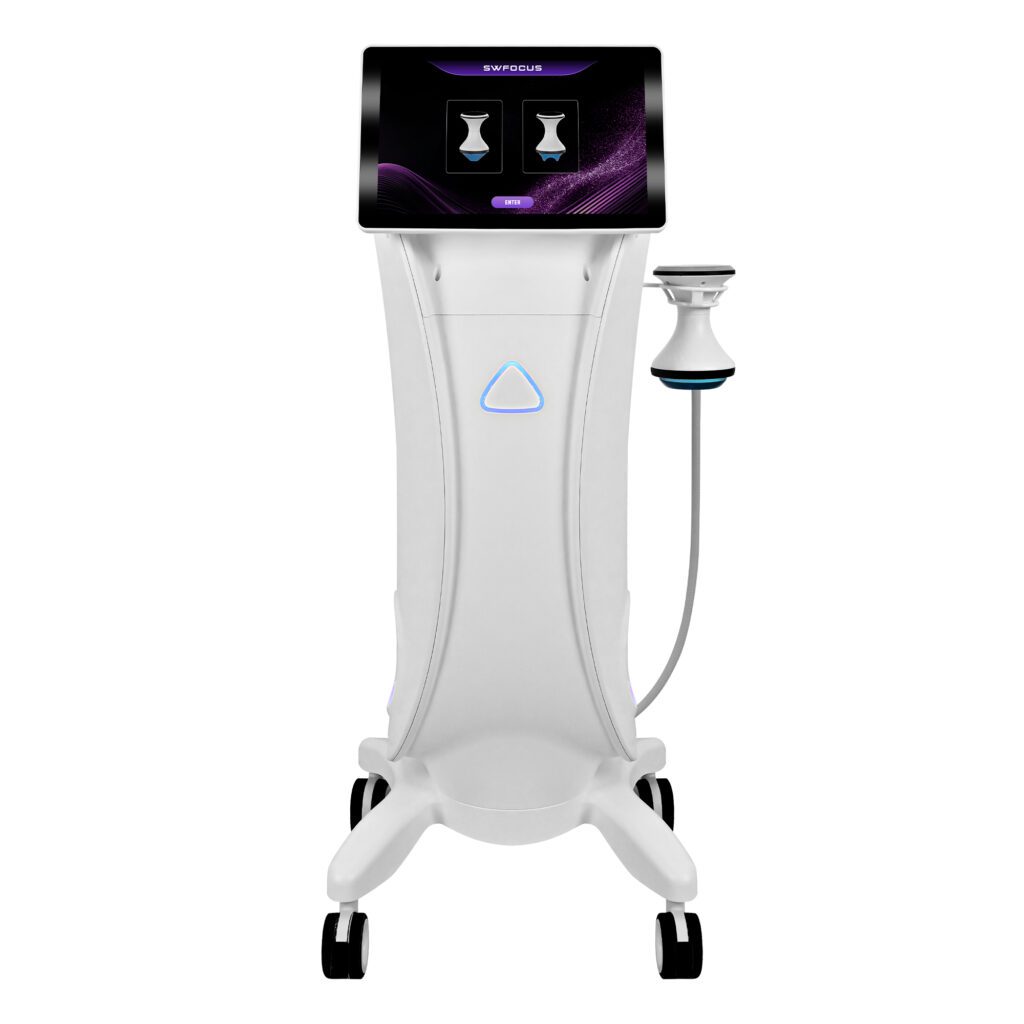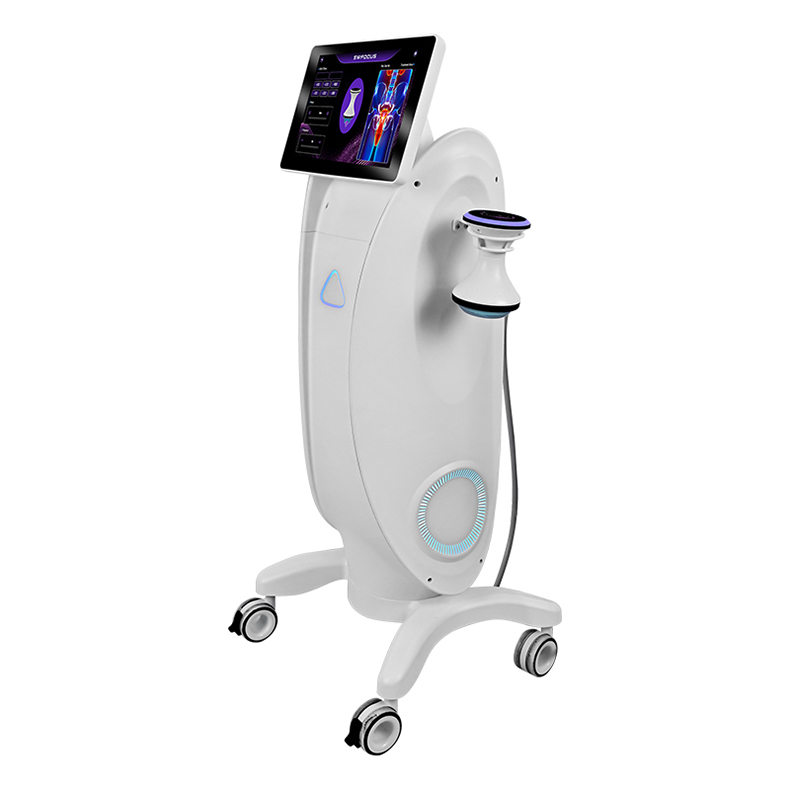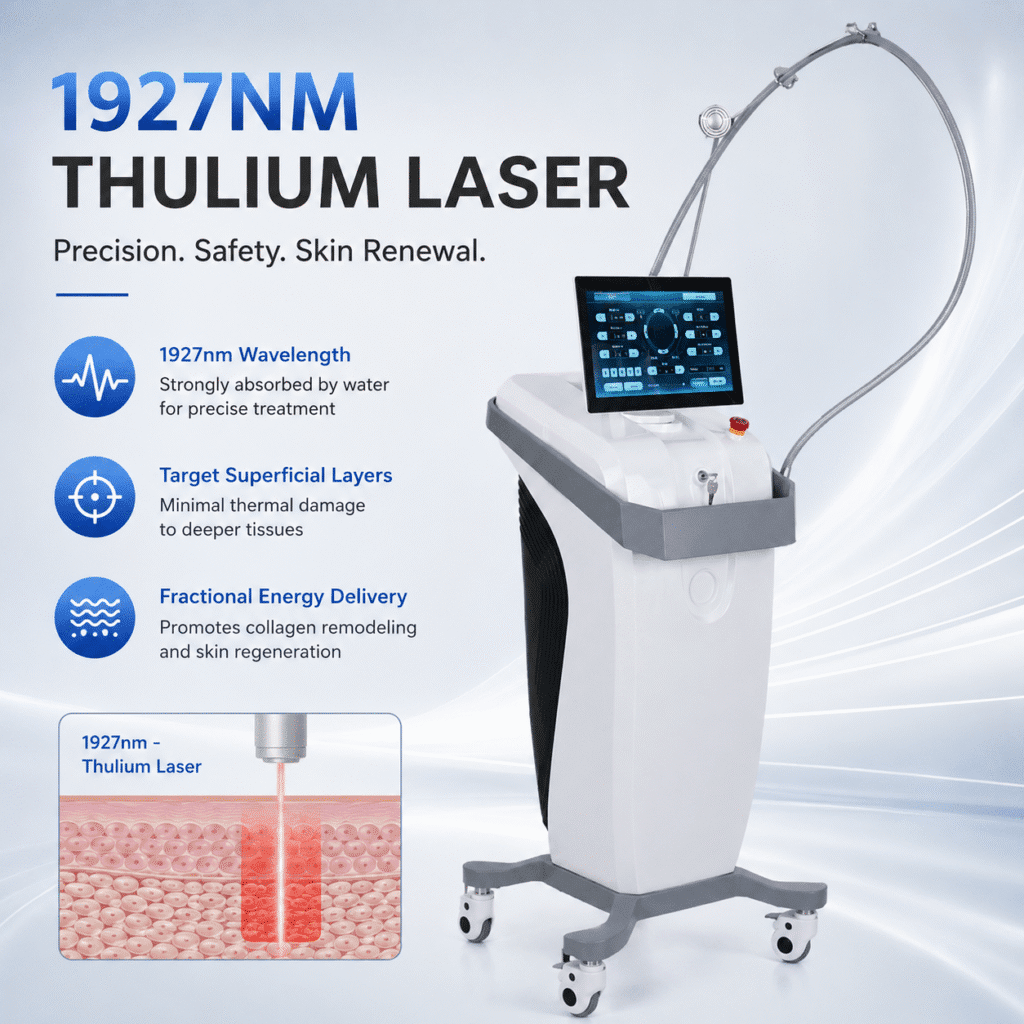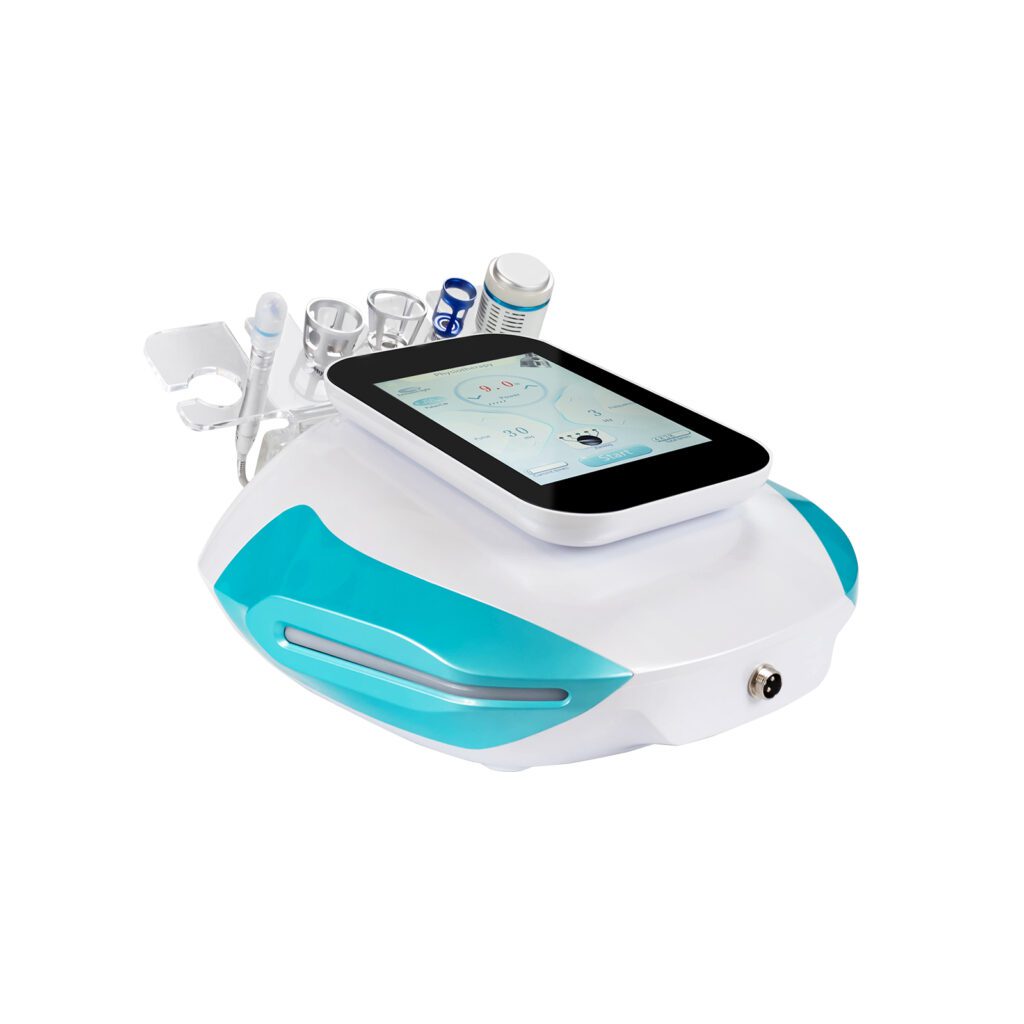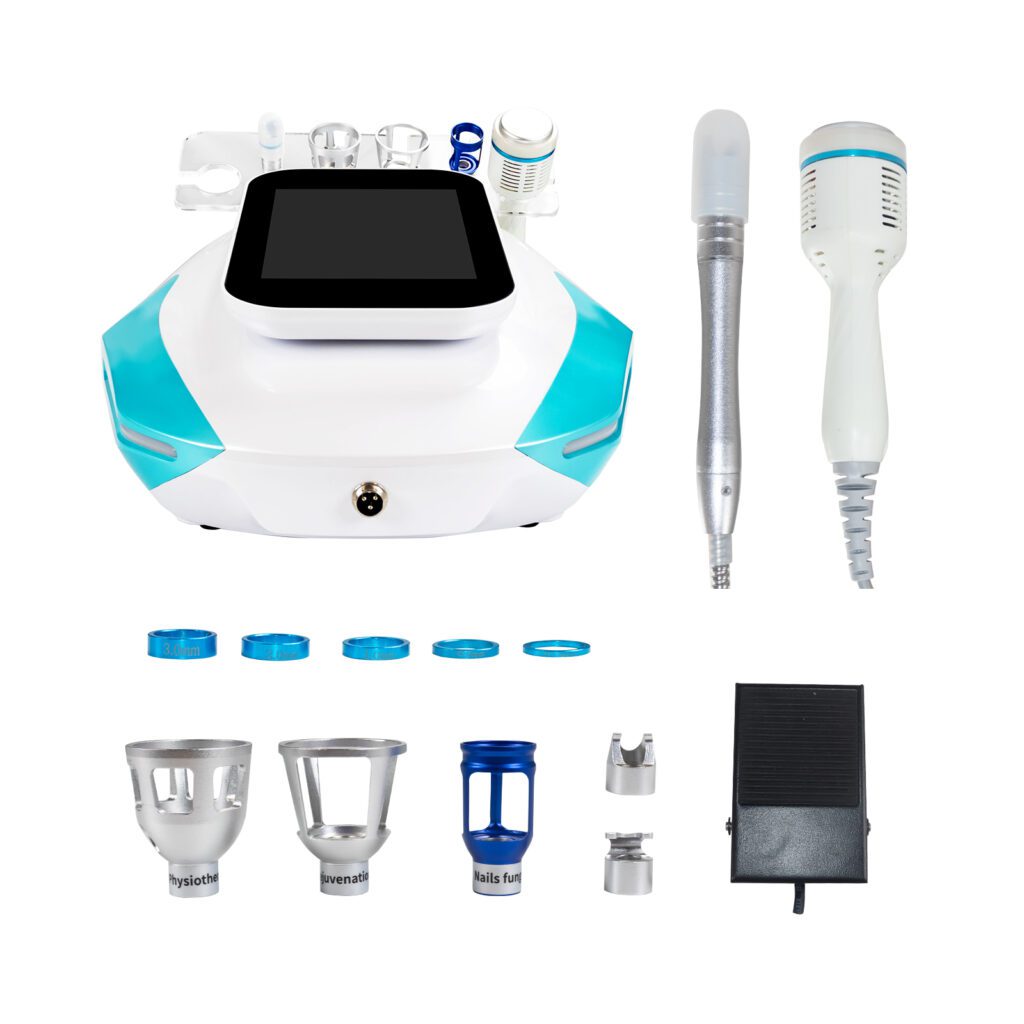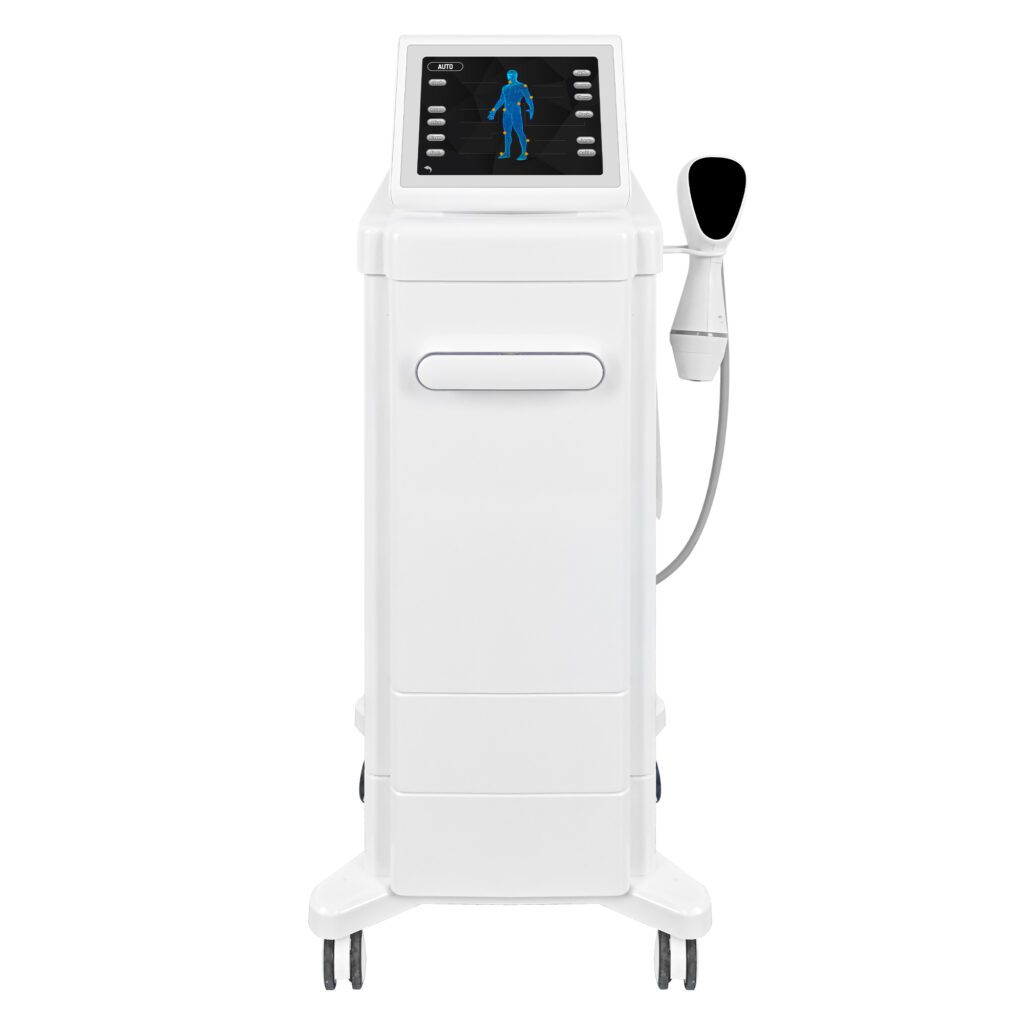










The most confusing thing about shockwave therapy machine price is not the lack of numbers. It is that equipment from completely different technology categories appears under the same search term.
A clinic may find a direct-import machine near US$1,500, a distributor-supported radial system above US$15,000 and a focused platform around US$50,000. All three may be described as professional shockwave equipment. That does not mean the least expensive one is automatically poor, or that the most expensive one will produce a better business. It means the buyer is looking at different wave-generation methods, treatment depths, service structures and regulatory positions.
Before comparing quotations, it helps to separate the market into what it actually contains: pneumatic or ballistic pressure-wave systems, true focused shockwave systems, and combination platforms that add another energy such as radiofrequency.
The Price Search Is Really a Technology Search
In everyday sales language, “shockwave” is often used for both radial pressure wave and focused shockwave. Clinically and technically, those terms should not be treated as interchangeable.
Radial systems commonly use compressed air to accelerate a projectile inside the handpiece. The impact creates a pressure wave that is strongest near the applicator and spreads outward through tissue. These machines are generally more compact, mechanically simpler and less expensive.
Focused systems generate acoustic energy that converges at a selected depth. Depending on the system, the source may be piezoelectric, electromagnetic or electrohydraulic. The hardware and focusing arrangement are more complex, which is one reason focused platforms occupy a higher price tier.
The distinction is not marketing trivia. The UK’s National Institute for Health and Care Excellence describes focused waves as converging at a selected tissue depth, while radial or unfocused waves are generated pneumatically and spread from the surface. NICE also notes that protocols vary by energy density, frequency and the condition being treated.
This is why a US$2,000 radial system and a US$50,000 focused platform should not be placed in one table and judged only by screen size, pressure, frequency or the number of treatment heads.
What Shockwave Therapy Machines Cost in the Current Market
Public 2026 equipment listings show a wide but recognizable price structure. The ranges below are market references, not SHEFMON quotations.
| Equipment position | Typical public 2026–2027 price reference |
|---|---|
| Online direct-import radial or ballistic systems | Sobre US$1,100–US$2,500. Usually hardware-led offers with limited same-country service or clinical support. |
| Value-tier professional radial systems | Sobre US$4,000–US$13,000. Often sold by specialist importers or smaller distributors. |
| Established clinical radial systems | Sobre US$12,000–US$22,000. Local inventory, training, warranty and service account for part of the difference. |
| Focused shockwave systems | Sobre US$25,000–US$62,000. Focusing technology, handpiece design, market authorization and local support materially affect price. |
| Premium electrohydraulic or hospital-positioned platforms | Sobre US$43,000–US$89,000. These sit outside the budget of most independent physiotherapy clinics. |
The ranges overlap because price is not created by technology alone. A value-focused system may cost less than a well-established radial machine. A refurbished premium unit can sit below a new mid-market platform. A factory-direct quotation may not include the local service, financing or regulatory infrastructure built into a distributor’s retail price.
The useful conclusion is narrower: radial machines usually offer the lower entry point, while focused systems normally require a larger capital budget. A buyer should decide which category belongs in the clinic before deciding what price is reasonable.
Where the SHEFMON Shockwave Range Fits
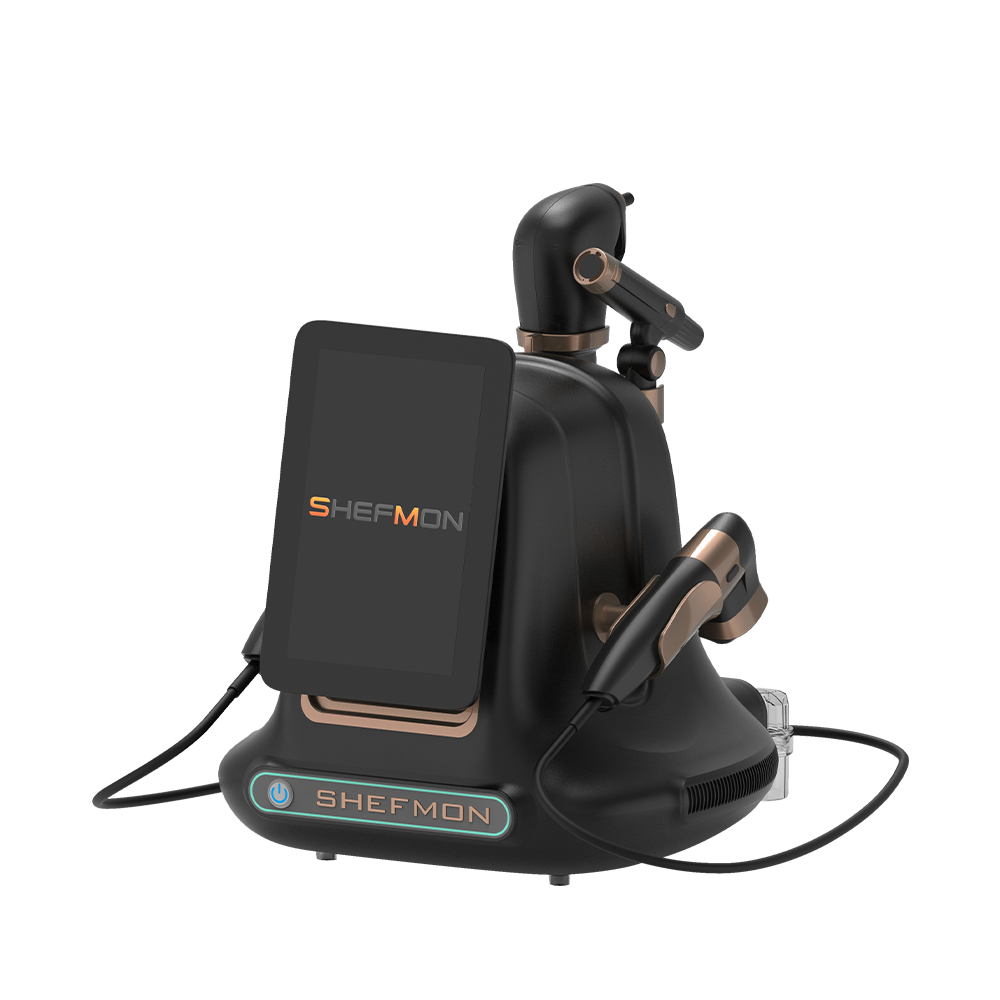
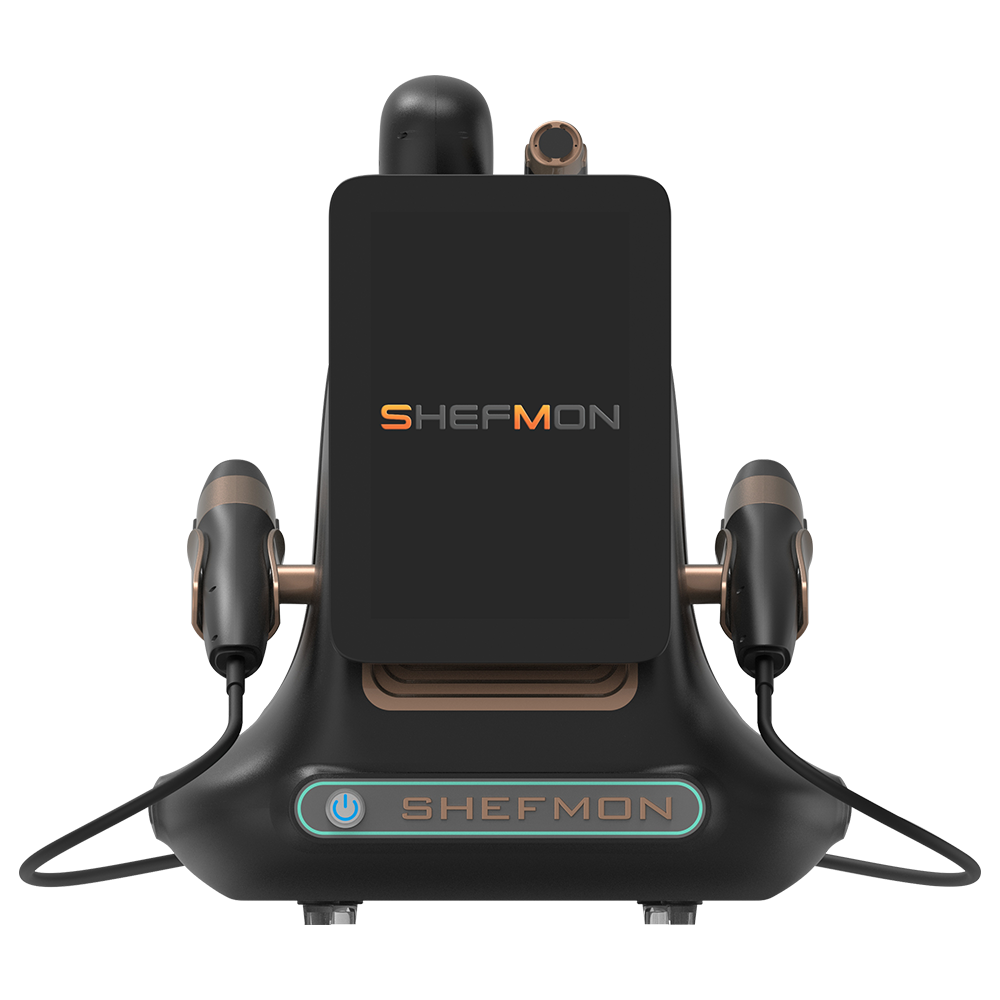
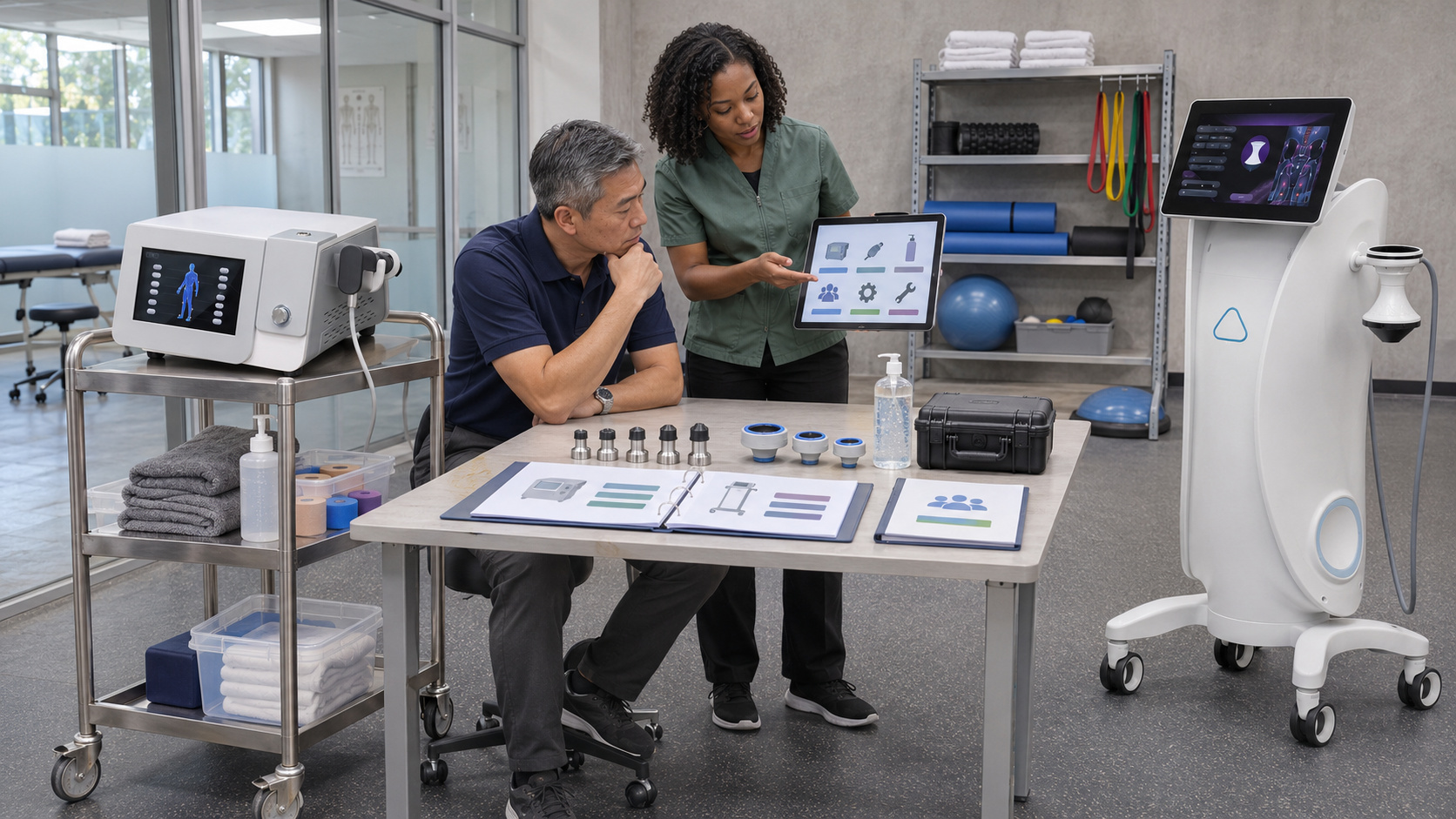
O actual Linha de terapia por ondas de choque e fisioterapia SHEFMON contains more than one technology direction. SW12 and SW30 sit on the ballistic or radial side of the range. SW33 and SW35 are positioned as focused systems.
| Modelo SHEFMON | What the current product page actually describes |
|---|---|
| SW12 | A compressed-air ballistic pressure-wave principle with manual and automatic modes and a listed frequency of 1–21 Hz. |
| SW30 | Radial shockwave plus 448 kHz monopolar RF, with 0.5–10 Bar shockwave pressure, 1–21 Hz frequency and a listed 2–3 cm effective shockwave depth. |
| SW33 | Piezoelectric focused shockwave with eight depth probes covering 4–66 mm, a 13.3-inch main display and a small handpiece touchscreen. |
| SW35 | Focused shockwave equipment with five probe directions covering 5–75 mm, including a dedicated 35–75 mm deep-tissue probe. |
SHEFMON does not publish fixed prices for these models. That is understandable because a factory quotation can change with the handpiece package, accessories, OEM scope, documentation and shipping terms. The technology map still tells a buyer where each machine belongs commercially.
SW12 is the practical entry direction. SW30 is a combination platform for businesses that want radial mechanical stimulation and RF warming in one room. SW33 offers a clearly stated piezoelectric focused architecture with more depth increments. SW35 emphasizes fewer but broader depth ranges, extending to a listed 75 mm.
One Important Correction: “Focused” Is Not Just a Product Name
O SW12 product page currently includes “Focus Shockwave” in the title. Its published working principle, however, describes accelerated compressed air, a ballistic-pressure compressor and kinetic energy transferred into an applicator probe.
That description corresponds to a pneumatic ballistic pressure-wave architecture, not the piezoelectric, electromagnetic or electrohydraulic generation normally used for true focused shockwave.
For a serious clinic or distributor article, the mechanism should take priority over a loose word in the product title. SW12 therefore belongs on the practical ballistic/ESWT side of the range unless model-specific technical documentation establishes another energy source.
This is not a minor wording problem. Focused systems command a higher price precisely because their energy generation and focal behavior are different. Using “focused” as a general synonym for “powerful” makes price comparisons unreliable and can create regulatory or customer-trust problems later.
O Página do produto SW33 is much clearer. It identifies a piezoelectric source and explains that the shockwave is concentrated through a spherical applicator structure at a defined focal point. That is the kind of technical description a focused-shockwave buyer expects to see.
SW12: The Lower-Entry Shockwave Direction
SW12 makes sense for a physiotherapy practice that wants to add a recognizable mechanical therapy without committing to a premium focused platform. Its current page lists two operating modes and a 1–21 Hz frequency range.
Its commercial advantage is simplicity. The treatment story is easy to understand, the machine belongs naturally beside manual therapy and exercise-led rehabilitation, and the starting budget should be closer to the direct-import or value radial market than to the focused tier.
Its weakness is the current public specification depth. The product page uses broad effect claims and gives few of the details that distinguish one professional pneumatic system from another. It does not publicly list the full pressure range, transmitter set, compressor duty cycle, projectile service interval, handpiece shot life or noise level.
That does not make SW12 unsuitable. It means price should reflect the documented configuration rather than marketing language. For buyers who need a straightforward entry machine, a well-supported ballistic system can be a better commercial fit than paying for focused technology that the clinic will rarely use.
SW30: When a Clinic Is Buying Two Service Stories
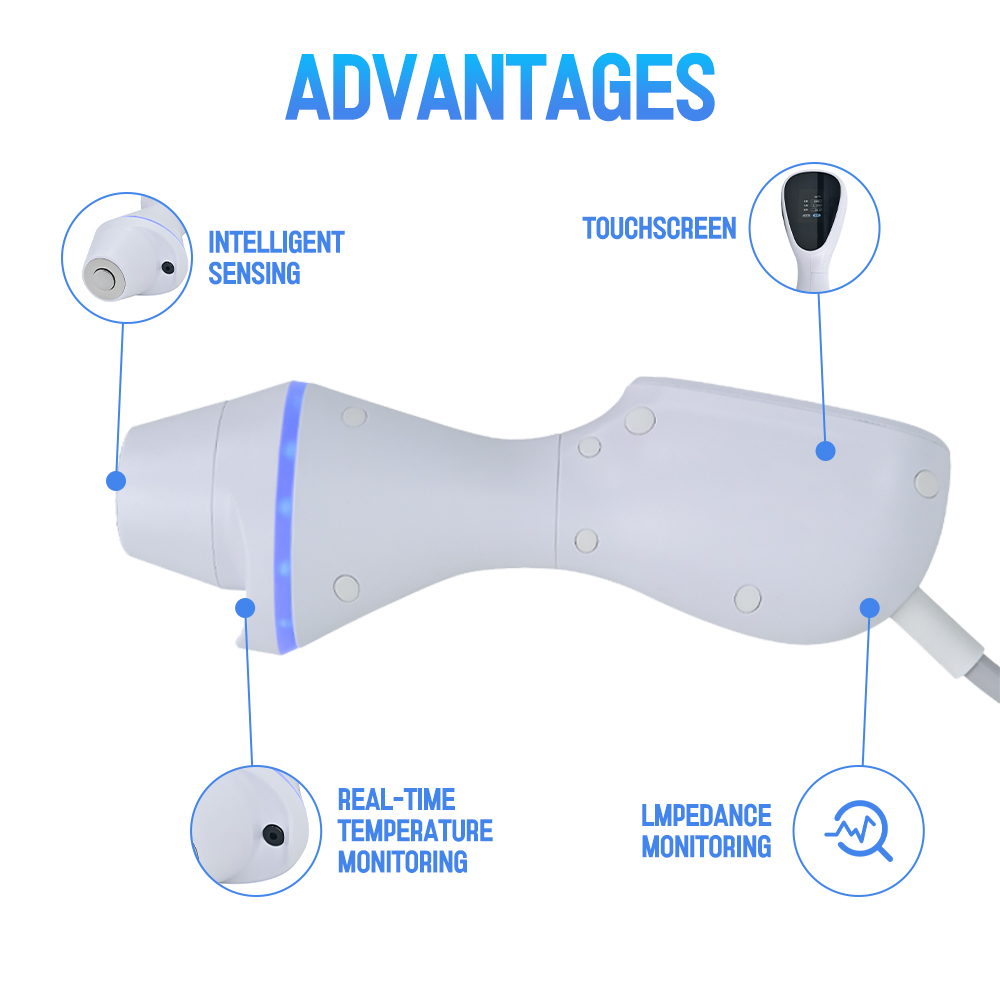
SW30 is not simply a more expensive SW12. It combines radial shockwave with 448 kHz monopolar RF.
The public specifications list 0.5–10 Bar shockwave pressure, 1–21 Hz frequency and an effective shockwave depth of 2–3 cm. The RF side lists a 448 kHz frequency, 10–200 W operating range and 40–45°C temperature control. The current page also describes contact protection, impedance monitoring and touchscreen control through the handpiece.
This changes the business case. A clinic is not buying a second way to create the same shockwave appointment. It is buying mechanical pressure-wave stimulation and controlled RF warming in one platform. That can suit sports-recovery, muscle-relaxation and selected body-care menus where local professional scope allows.
The extra function only deserves an extra price when it will be used. A physiotherapy clinic focused entirely on conventional shockwave work may prefer a dedicated system. A multidisciplinary recovery center may gain more from SW30 because the RF side expands the room’s service language without requiring another console.
One practical limitation is that the current page lists AC 220 V ±15% rather than a universal-voltage version. That matters for market fit, even if experienced importers already know to align equipment and local power standards.
SW33 and SW35: Two Focused Systems, Two Different Product Personalities
SW33 and SW35 belong in the higher-value focused category, but they are not duplicates.
SW33 publicly identifies piezoelectric focused shockwave generation. It lists eight depth probes spanning 4–66 mm, up to 10 Hz operation, dual touchscreens and a handpiece service-life claim of 1.5 million shots. For a buyer comparing operating economics, that shot-life figure is more commercially useful than a long list of treatment claims because it connects the handpiece to future service cost.
SW35 is positioned around five broader depth probes: 5–20 mm, 15–45 mm, 25–60 mm, 35–75 mm and a 5–35 mm specialty direction. Its strongest product story is the 75 mm upper depth listing.
SW33 is easier to position when a clinic values more depth steps, a documented piezoelectric source and detailed interface information. SW35 is easier to position when the buyer wants a simpler probe set with a deeper maximum range.
Maximum depth should not be used as a scoreboard. Deeper is useful only when the intended application, anatomy, professional assessment, device documentation and evidence support it. A clinic working mainly with superficial or mid-depth targets gains nothing from paying for a maximum it never uses.
The Handpiece Determines More of the Real Cost Than the Console
Shockwave equipment has a mechanical life. Projectiles, tubes, transmitters, seals, compressors and therapy heads do not remain new forever. Focused systems introduce their own source-module and handpiece economics.
This is where two machines with similar purchase prices can separate over time. One may have a low console price and a short or expensive handpiece life. Another may cost more at purchase but deliver a documented number of shots before major service.
SW33’s public 1.5-million-shot handpiece claim is therefore relevant, provided the delivered warranty and service terms define what that number covers. For SW12, SW30 and SW35, comparable public life-cycle figures are not currently visible on the product pages.
A clinic does not need a generic buying checklist to understand the implication. The machine’s true cost is the purchase price plus the parts and service required to deliver the number of sessions the business expects to sell. A low price is only a saving if the handpiece remains serviceable and replacement parts stay available.
For distributors, this becomes a product-line decision. Radial systems often create predictable wear-part business. Focused systems can create higher-value service relationships. Both can work, but they produce different after-sales obligations.
Which Budget Fits Which Business?
A single-room physiotherapy clinic adding shockwave for the first time usually has more to gain from a reliable radial or ballistic system than from the deepest focused specification. The staff can integrate it into an existing rehabilitation pathway without building the whole business around one machine. SW12 is the natural SHEFMON starting point.
A sports-recovery or wellness center that already sells warming, muscle-relaxation and body-recovery services may find SW30 more useful. Its value comes from using both technologies, not from presenting RF as an invisible bonus feature.
An orthopedic, sports-medicine or advanced rehabilitation buyer considering focused shockwave is in a different purchasing category. SW33 and SW35 should be evaluated against focused-system requirements, not against the cheapest pneumatic listings. Their higher price position is justified only when the practice has the case mix, professional governance and utilization to support it.
A distributor may reasonably carry all four. The commercial ladder is clear when it is based on technology:
- SW12 for entry ballistic pressure-wave demand;
- SW30 for radial shockwave plus RF;
- SW33 for piezoelectric focused shockwave with more depth options; and
- SW35 for focused shockwave with a 75 mm maximum-depth position.
That is a stronger sales structure than labeling every model “powerful professional shockwave” and allowing the buyer to choose by housing design.
Evidence and Claims Must Follow the Condition, Not the Machine Category
Shockwave therapy is used across musculoskeletal and rehabilitation settings, but the quality of evidence is not identical for every condition. That matters when an equipment page lists a wide range of applications.
For example, updated NICE guidance on shockwave therapy for Achilles tendinopathy says there are no major safety concerns, but the efficacy evidence is inconsistent and limited. NICE recommends special arrangements for governance, consent and audit or research. Its guidance for calcific shoulder tendinopathy is more restrictive and says use should be in the context of research.
A 2026 systematic review comparing focused and radial approaches found no significant overall advantage for one modality across pain, function or range of motion, with the certainty of evidence rated very low to low. That is a useful reminder that focused equipment should not be marketed as automatically superior for every patient or condition simply because it costs more and reaches deeper.
The appropriate message is more credible: radial and focused systems have different physical behavior, and device selection belongs inside a professional assessment and evidence-based care plan. Shockwave should complement clinical reasoning, exercise, rehabilitation and follow-up rather than replace them.
SHEFMON’s public pages also mention applications outside routine musculoskeletal physiotherapy. Those uses require their own device status, professional scope and clinical evidence. They should not be assumed from the presence of a specialty probe or a menu label.
Final View: Decide What Kind of Wave You Are Buying
The shockwave therapy machine market does not have one fair price because it does not contain one kind of machine.
Radial and ballistic systems occupy the accessible end of the professional market. Focused systems cost more because the wave-generation and focusing hardware are different, and premium prices may also include local authorization, training, evidence, service and brand recognition. Combination systems such as SW30 sit between categories because their value depends on a second energy being useful to the same treatment room.
Within the SHEFMON range, SW12 is the practical entry direction, SW30 adds 448 kHz RF to radial shockwave, SW33 provides a clearly described piezoelectric focused platform, and SW35 extends focused probe positioning to a listed 75 mm.
The right purchase is not the machine with the largest number or the lowest quotation. It is the one whose wave type, operating life and clinical position match how the business will actually use it.
Explore the full Linha de terapia por ondas de choque e fisioterapia SHEFMON ou contate SHEFMON for current SW12, SW30, SW33 and SW35 configurations, factory pricing and OEM/ODM options.