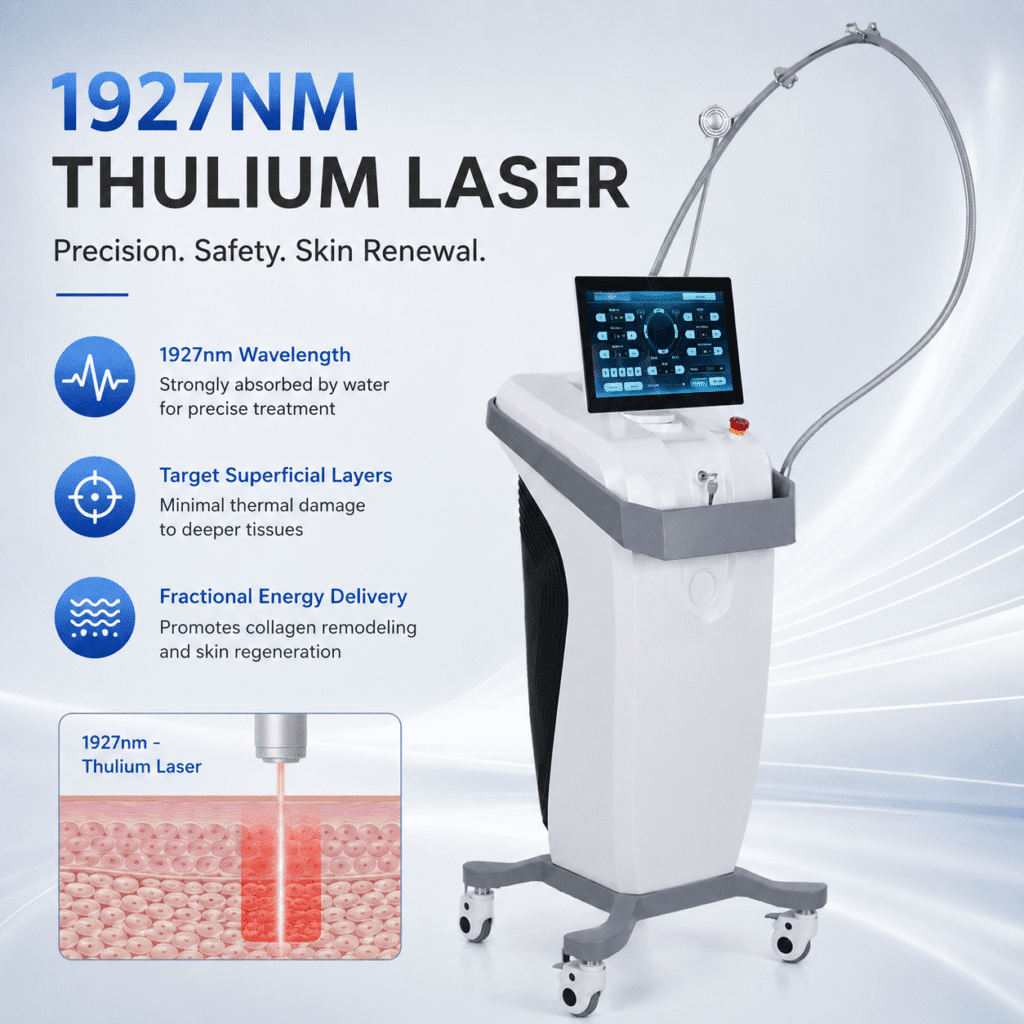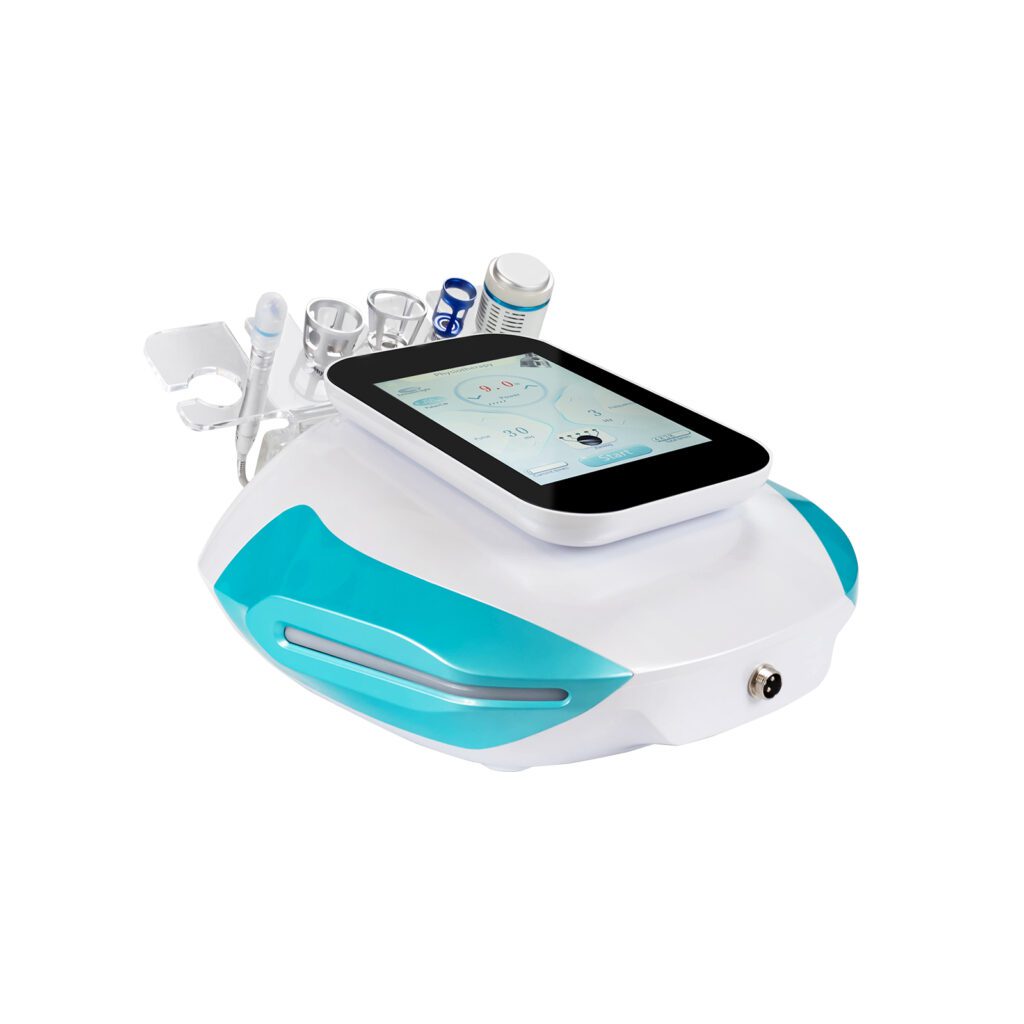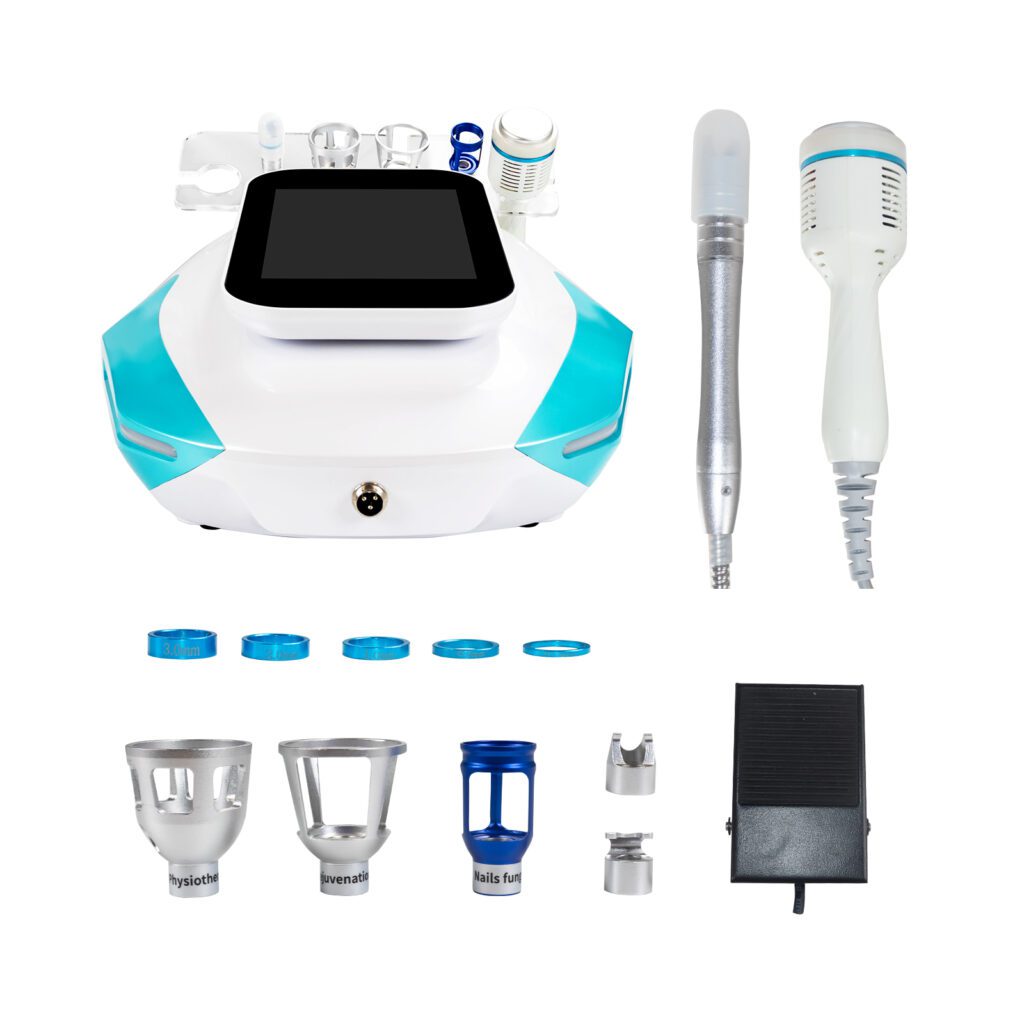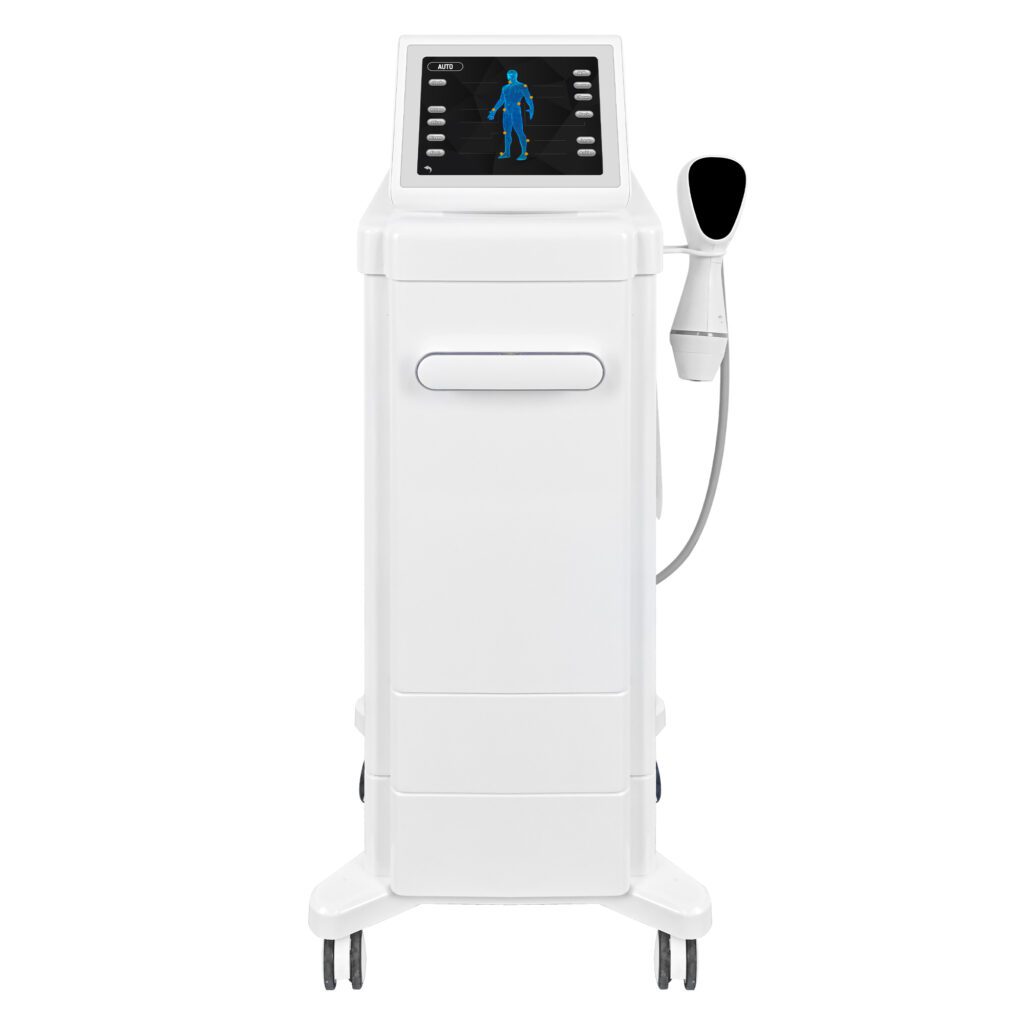









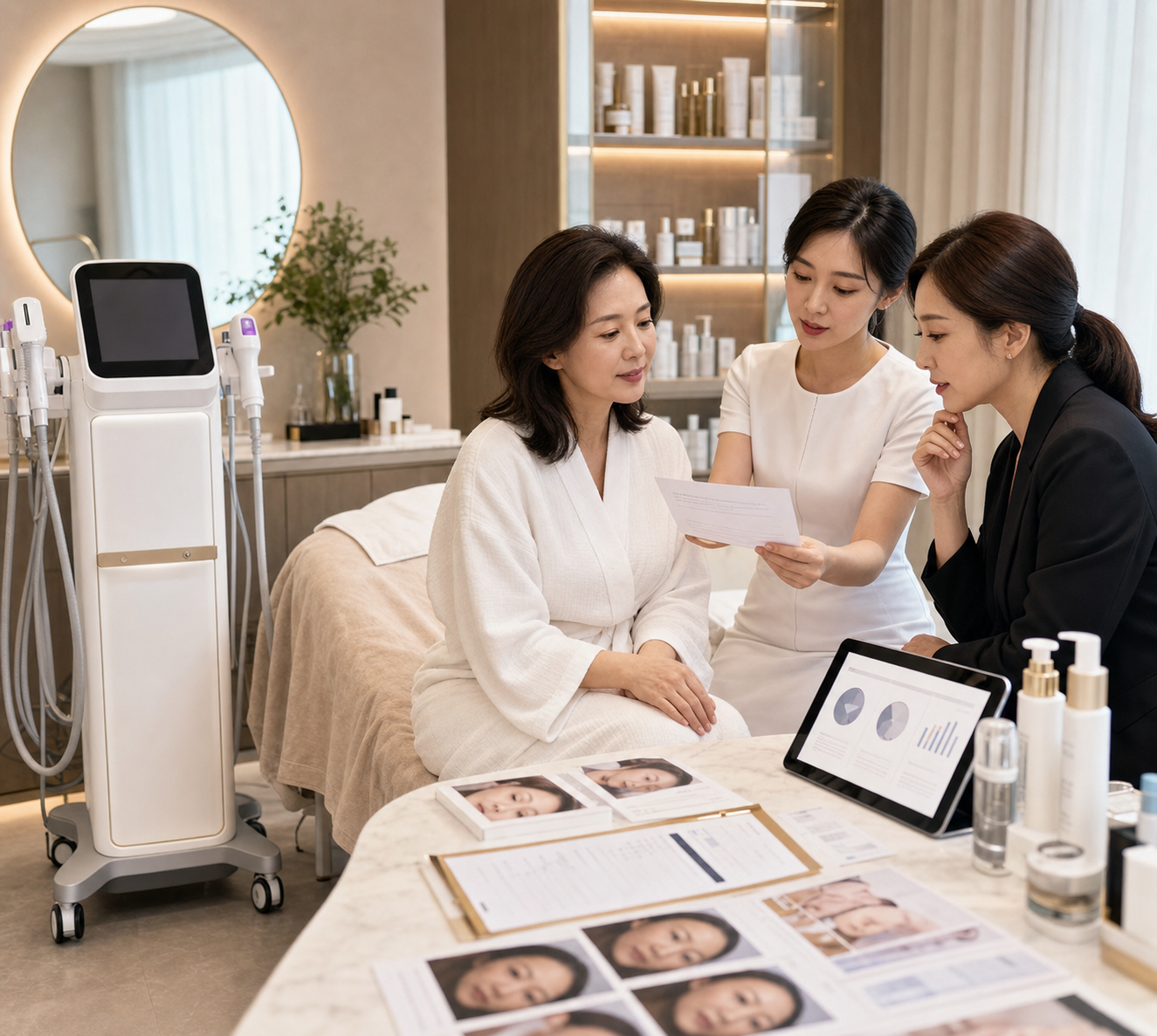
Os projetos de equipamentos antienvelhecimento tornaram-se uma das oportunidades de receita mais importantes para salões de beleza, centros de tratamento de pele, spas, clínicas de estética e distribuidores de equipamentos de beleza. A demanda é impulsionada por clientes mais maduros, clientes mais jovens interessados em cuidados preventivos contra o envelhecimento, maior disposição para pagar por melhorias visíveis e pelo crescimento de serviços estéticos não invasivos.
No entanto, a aceitação do mercado não é automática. Um salão não pode presumir que os clientes comprarão um tratamento antienvelhecimento apenas porque o aparelho utiliza radiofrequência, microcorrente, LED, ultrassom ou outra tecnologia popular. A aceitação real depende da idade do cliente, do poder aquisitivo local, do preço, da confiança, do conforto durante o tratamento, dos resultados esperados, da capacidade de orientação da equipe, da apresentação do tratamento, da segurança e da probabilidade de recompra.
Este relatório analisa a aceitação de mercado de projetos de equipamentos antienvelhecimento em salões de beleza e explica como salões, distribuidores e fabricantes podem avaliar se um projeto de dispositivo antienvelhecimento tem potencial comercial real.
Sumário executivo
Os projetos de equipamentos antienvelhecimento têm um forte potencial de mercado, pois atendem às preocupações de longo prazo dos clientes: linhas finas, flacidez, contorno facial, firmeza, opacidade, qualidade da pele, linhas do pescoço e manutenção da pele madura. Relatórios públicos de mercado também corroboram o crescimento mais amplo de categorias relacionadas. A Grand View Research estima que o mercado global de dispositivos estéticos baseados em energia atingirá US$ 7,5 bilhões em 2025 e projeta um crescimento de US$ 8,1 bilhões em 2026 para US$ 15,7 bilhões em 2033. A Grand View Research também estima que o mercado de tratamentos estéticos não invasivos atingirá US$ 36 bilhões em 2025 e projeta um crescimento de US$ 38,7 bilhões em 2026 para US$ 64,1 bilhões em 2033.
A maior aceitação em salões de beleza geralmente é observada em clientes de 30 a 55 anos, especialmente aqueles que já compram produtos para cuidados com a pele, tratamentos faciais, produtos firmadores, tratamentos faciais premium ou assinaturas de serviços de beleza. Clientes mais jovens, de 25 a 35 anos, podem aceitar projetos iniciais de antienvelhecimento e manutenção, mas geralmente precisam de preços iniciais mais acessíveis e informações mais detalhadas. Clientes com 45 anos ou mais podem aceitar projetos de maior valor se o salão proporcionar confiança, conforto, privacidade e planos de tratamento realistas.
Principais conclusões:
- Os projetos de equipamentos antienvelhecimento são mais fáceis de vender quando apresentados como cursos de tratamento estruturados, e não como sessões isoladas com a máquina.
- Radiofrequência (RF), microcorrente eletromagnética (EMS), LED, análise de pele por inteligência artificial (IA), equipamentos relacionados a ultrassom (onde permitido), hidratação facial, infusão e dispositivos de recuperação podem auxiliar em projetos antienvelhecimento.
- A aceitação por parte dos clientes é maior quando o salão associa o dispositivo a uma preocupação clara, como firmeza, contorno facial, cuidados com o pescoço, qualidade da pele ou prevenção do envelhecimento precoce.
- A análise da pele e o acompanhamento do progresso podem melhorar a confiança e a conversão de encomendas.
- A aceitação dos preços depende do poder aquisitivo local, dos preços da concorrência, da faixa etária dos clientes, do posicionamento da marca do salão e do valor do pacote.
- Os maiores obstáculos são promessas irrealistas, explicações deficientes por parte da equipe, preocupações com a segurança, pouco conforto, preço elevado sem valor claro, suporte pós-venda fraco e falta de acompanhamento visível do progresso.
- Os distribuidores têm oportunidades quando fornecem pacotes de projetos, roteiros de consultoria, calculadoras de ROI, treinamento, orientação sobre conformidade e suporte pós-venda.
1. O que significa a aceitação do mercado para projetos de equipamentos antienvelhecimento
A aceitação do mercado não significa apenas que os clientes estejam interessados em produtos antienvelhecimento. Quase todos os consumidores de produtos de beleza se preocupam com o envelhecimento em algum grau. A verdadeira aceitação significa que os clientes estão dispostos a:
- Compreenda o objetivo do tratamento.
- Confie na recomendação do salão.
- Aceite o preço.
- Experimente a primeira sessão.
- Adquira um pacote de cursos.
- Conclua o plano de tratamento.
- Retorne para manutenção.
- Recomende o projeto a outras pessoas.
Para salões de beleza, o interesse é apenas o primeiro sinal. Pagamento, conversão de pacotes, reservas recorrentes e renovação de assinaturas são indícios mais fortes de aceitação.
Para os distribuidores, a aceitação do mercado significa que os salões conseguem vender o projeto com lucro após a compra do equipamento. Se uma máquina é fácil de demonstrar, mas difícil de ser vendida repetidamente pelos salões, sua aceitação real no mercado é fraca.
2. Por que a demanda por produtos antienvelhecimento é estruturalmente forte
O combate ao envelhecimento não é uma tendência passageira. Está ligado à idade, ao estilo de vida, à cultura da beleza, às redes sociais, à imagem profissional e ao desejo de manter uma aparência jovem a longo prazo.
A procura por produtos antienvelhecimento é sustentada por:
- Crescente conscientização sobre o envelhecimento da pele.
- Demanda por opções de beleza não cirúrgicas.
- Interesse em cuidados preventivos por parte dos clientes mais jovens.
- Clientes maduros com maior poder aquisitivo.
- Atenção das redes sociais ao contorno facial e à qualidade da pele.
- Ampliação do uso de análises de pele e acompanhamento da evolução da pele em salões de beleza.
- Maior aceitação de tratamentos baseados em equipamentos.
- Demanda por projetos de firmeza para pescoço, mandíbula e rosto.
Em comparação com muitos serviços faciais básicos, os tratamentos antienvelhecimento geralmente têm uma margem de preço mais alta, pois os clientes encaram o envelhecimento como uma preocupação tanto emocional quanto visível. Isso torna os equipamentos antienvelhecimento atraentes para salões que desejam aumentar o valor médio das transações.
3. Dificuldades enfrentadas pelos clientes que impulsionam a aceitação.
A maior aceitação dos equipamentos antienvelhecimento ocorre quando os clientes conseguem associar claramente o projeto a uma preocupação pessoal.
As preocupações mais comuns incluem:
- Linhas finas iniciais.
- Flacidez facial.
- Perda de firmeza.
- Linhas do pescoço.
- Contorno da mandíbula desfocado.
- Tom de pele opaco.
- Textura áspera.
- Poros dilatados.
- Ressecamento e menor conforto da pele.
- Elasticidade da pele reduzida.
- Sinais de envelhecimento na área dos olhos.
- Manutenção da pele madura.
O salão deve evitar vender apenas o nome do aparelho. Os clientes são mais propensos a aceitar "firmeza e manutenção do contorno facial" do que "tratamento com radiofrequência". Eles compram a solução para o problema, não o nome do aparelho.
4. Aceitação de mercado por faixa etária
A idade do cliente é um dos fatores de aceitação mais importantes.
Clientes com idades entre 25 e 35 anos:
- Geralmente, aceitam tratamentos antienvelhecimento precoce, melhora da qualidade da pele, hidratação, luminosidade, manutenção do contorno facial e cuidados preventivos.
- Eles podem preferir preços de teste, manutenção mensal e pacotes de preparação para eventos.
- Muitas vezes, eles precisam de educação, pois os sinais de envelhecimento podem ser precoces ou leves.
Clientes com idades entre 35 e 45 anos:
- Geralmente demonstram grande aceitação, pois as linhas finas, a firmeza, o contorno facial e as preocupações com a qualidade da pele tornam-se mais visíveis.
- Eles geralmente têm maior poder aquisitivo e podem aceitar pacotes de cursos.
- Radiofrequência, microcorrente, LED, análise da pele, infusão e programas combinados podem funcionar bem.
Clientes com idades entre 45 e 55 anos:
- Geralmente possuem o maior potencial para produtos de alto valor se houver confiança estabelecida.
- Eles podem se preocupar com rugas mais profundas, flacidez, cuidados com o pescoço, contorno do maxilar, pele seca e manutenção a longo prazo.
- Eles valorizam a consultoria profissional, a privacidade, o conforto e o acompanhamento realista do progresso.
Clientes com 55 anos ou mais:
- Pode aceitar cuidados de manutenção suaves e tratamentos antienvelhecimento focados no conforto.
- Eles podem ser cautelosos em relação a dispositivos agressivos, segurança, dor e tempo de inatividade.
- Os salões de beleza devem priorizar a confiança, o conforto, ambientes conservadores e a avaliação de adequação.
A idade é apenas um guia. Condições da pele, orçamento, estilo de vida, histórico de tratamentos, sensibilidade e cultura local também são importantes.
5. Aceitação de mercado por tipo de salão
A aceitação de equipamentos antienvelhecimento varia conforme o tipo de salão em que atuam.
Salões de beleza comunitários:
- A aceitação é maior para tratamentos suaves como radiofrequência, microcorrente, LED, análise da pele, hidratação e manutenção mensal.
- Os clientes podem ser fiéis, mas sensíveis ao preço.
- Os projetos devem ser fáceis de explicar e confortáveis de entender.
Centros de tratamento de pele padrão:
- Há grande aceitação para análise de pele, radiofrequência, microcorrente, LED, hidratação facial, infusão e cursos antienvelhecimento estruturados.
- Esses centros podem conectar o diagnóstico ao atendimento personalizado.
Centros de tratamento de pele de alta qualidade:
- Há grande aceitação para análises avançadas da pele, radiofrequência profissional, microcorrente, dispositivos relacionados a ultrassom (onde permitido), LED, sistemas de recuperação e pacotes premium.
- Os clientes esperam personalização, privacidade e acompanhamento do progresso.
Clínicas de estética e spas médicos:
- A aceitação pode ser expressiva para sistemas mais avançados baseados em energia ou minimamente invasivos, onde legalmente permitidos.
- Os requisitos de conformidade, qualificação do operador e segurança são mais rigorosos.
Novos salões:
- A aceitação depende de o salão já ter conquistado a confiança do cliente.
- Novos salões devem começar com dispositivos de suporte antienvelhecimento de baixo risco antes de comprar sistemas avançados e caros.
6. Projetos de radiofrequência antienvelhecimento têm alta aceitação, mas precisam de confiança.
Os equipamentos de radiofrequência para tratamentos estéticos são uma das categorias de antienvelhecimento mais reconhecidas. São frequentemente associados à firmeza, tonificação, contorno facial, cuidados com o pescoço e gerenciamento da pele corporal.
A aceitação de RF é forte quando:
- O salão atende clientes com 30 anos ou mais.
- O projeto é vendido como um curso.
- A consulta explica os benefícios realistas.
- A análise da pele ou o acompanhamento do progresso estão incluídos.
- Os funcionários compreendem as contraindicações e os contextos.
- O tratamento é confortável e bem controlado.
- O preço é justificado pelo valor do pacote.
A aceitação de RF enfraquece quando:
- O salão vende o produto como um acessório simples para a máquina.
- Os concorrentes oferecem descontos generosos.
- Os clientes esperam resultados imediatos e impactantes.
- Os funcionários prometem resultados que não correspondem às expectativas.
- O dispositivo possui treinamento ou suporte pós-venda deficientes.
A radiofrequência continua sendo uma ótima oportunidade para salões de beleza, mas precisa ser apresentada de forma cuidadosa.
7. Projetos antienvelhecimento por microcorrente atendem às demandas de prevenção e manutenção.
Os equipamentos de microcorrente EMS costumam ter boa aceitação entre os clientes que desejam manutenção do contorno facial, antienvelhecimento precoce e um tratamento suave baseado em tecnologia.
A microcorrente é adequada para:
- Clientes com idades entre 25 e 45 anos.
- Pacotes antienvelhecimento precoces.
- Manutenção do contorno facial.
- Planos de assinatura mensal.
- Opções adicionais de melhoria incluídas nos tratamentos faciais premium.
- Clientes que preferem tratamentos suaves e não intimidantes.
A aceitação costuma ser maior quando o tratamento é descrito como manutenção, e não como uma transformação radical. Os salões devem explicar que a consistência é importante e que os resultados podem depender da condição da pele, da frequência do tratamento e do plano de cuidados completo.
8. A terapia com luz LED possui forte valor de suporte.
A terapia com luz LED é frequentemente aceita como parte de um programa completo de cuidados com a pele ou de suporte antienvelhecimento. Embora nem sempre seja o item principal e mais caro, aumenta a percepção de abrangência do plano de tratamento.
O LED pode suportar:
- Pacotes de manutenção antienvelhecimento.
- Etapas de recuperação após outros tratamentos.
- Cuidado suave e tranquilizante.
- Programas de melhoria da qualidade da pele.
- Protocolos faciais combinados.
A aceitação do cliente é alta quando a terapia LED é fácil de entender, confortável e incluída em um pacote mais completo. A aceitação é menor quando o salão a vende como um tratamento milagroso isolado, com promessas irreais.
9. Análise de pele por IA melhora a aceitação de projetos antienvelhecimento
A análise da pele por IA pode melhorar a aceitação de tratamentos antienvelhecimento, pois ajuda os clientes a identificar problemas relacionados ao envelhecimento e acompanhar o progresso.
Isso pode ajudar os salões de beleza:
- Exibe linhas finas, textura, poros, pigmentação, vermelhidão ou indicadores de qualidade da pele.
- Explique por que os cuidados antienvelhecimento devem começar cedo.
- Compare os resultados entre várias sessões.
- Elabore um plano de tratamento personalizado.
- Aumentar a confiança no pacote.
- Melhorar a renovação de membros.
Para projetos antienvelhecimento de alto valor, a análise da pele geralmente melhora a conversão, pois os clientes sentem que a recomendação é mais objetiva. No entanto, os salões devem evitar tratar a análise da pele como um diagnóstico médico, a menos que o equipamento e o escopo do negócio o permitam.
10. Os equipamentos relacionados ao ultrassom têm potencial, mas enfrentam maiores barreiras de aceitação.
Os equipamentos de beleza que utilizam ultrassom podem ser utilizados em tratamentos de lifting ou de infusão, dependendo do tipo de aparelho e da finalidade de uso. Embora possam ter um forte apelo premium, a aceitação por parte dos clientes e a aquisição por salões de beleza exigem mais cautela.
As barreiras à aceitação incluem:
- Preço do tratamento mais elevado.
- Mais perguntas de clientes sobre segurança.
- Necessidade de operação por profissionais treinados.
- Conformidade local e âmbito de atuação.
- Expectativa maior por resultados visíveis.
- Processo de educação do cliente mais longo.
Para distribuidores e salões de beleza, os projetos antienvelhecimento relacionados a ultrassom devem ser apresentados com documentação clara, treinamento, alegações realistas e revisão adequada das normas locais.
11. Dispositivos de hidratação facial, infusão e recuperação apoiam a aceitação do envelhecimento.
Nem todos os projetos antienvelhecimento dependem de dispositivos de alta potência. Dispositivos básicos e de suporte também desempenham um papel importante.
Tratamentos faciais com água, infusão de oxigênio, infusão ultrassônica, resfriamento e dispositivos calmantes podem ajudar os salões de beleza:
- Prepare a pele antes dos tratamentos antienvelhecimento.
- Melhore a hidratação e o conforto.
- Apoie o cuidado com as barreiras.
- Criar programas faciais mais completos.
- Aumentar o valor percebido do serviço.
- Reduzir o medo dos clientes em relação a tratamentos avançados.
Para muitos salões, o melhor tratamento antienvelhecimento é um programa combinado: análise da pele, limpeza, infusão, radiofrequência ou microcorrente, LED e um tratamento calmante. Isso é mais fácil de vender do que uma única sessão com um aparelho.
12. Aceitação de Preços para Projetos de Equipamentos Antienvelhecimento
Os projetos antienvelhecimento geralmente têm uma margem de preço mais alta do que os cuidados básicos, mas a aceitação do preço depende de vários fatores.
Os clientes aceitam preços mais altos quando:
- A preocupação é urgente ou emocional.
- O salão goza de grande confiança.
- A consultoria é profissional.
- O projeto está claramente estruturado.
- O tratamento é vendido como um curso com acompanhamento do progresso.
- O dispositivo parece confiável.
- Os funcionários podem explicar resultados realistas.
- O pacote inclui produtos, análise, acompanhamento ou manutenção.
Os clientes rejeitam os preços quando:
- Eles não entendem o valor.
- Eles comparam apenas o tempo de máquina.
- Os concorrentes oferecem grandes descontos.
- Os funcionários usam afirmações vagas ou exageradas.
- O tratamento parece muito curto ou genérico.
- Não há nenhum registro de progresso visível.
Os salões devem testar preços de teste, preços de sessão única, preços de cursos, preços para membros e preços de pacotes premium antes do lançamento em larga escala.
13. A conversão da embalagem é o principal indicador de aceitação.
Para projetos de equipamentos antienvelhecimento, reservas para testes pontuais não são suficientes. A conversão de pacotes é o indicador-chave.
As métricas importantes incluem:
- Tarifa de reserva experimental.
- Taxa de conversão de amostras grátis em embalagens prontas.
- Valor médio do pacote.
- Taxa de conclusão do curso.
- Taxa de remarcação.
- Taxa de renovação de manutenção.
- Taxa de encaminhamento.
- Satisfação do cliente após várias sessões.
Um projeto com muitos clientes em período de teste, mas poucos compradores do pacote completo, pode apresentar comunicação de valor deficiente, preços inadequados, baixo nível de conforto, expectativas irreais ou público-alvo incorreto.
Os tratamentos antienvelhecimento mais eficazes geralmente são vendidos em pacotes de 4, 6 ou 8 sessões, ou com manutenção mensal, dependendo do tipo de aparelho e do posicionamento do salão.
14. Fatores que aumentam a aceitação do mercado
A aceitação do mercado melhora quando os salões oferecem:
- Segmentação clara de clientes.
- Análise da pele antes da recomendação.
- Nomes de projetos simples.
- Alegações realistas.
- Experiência de tratamento confortável.
- Planejamento estruturado do curso.
- Acompanhamento do antes e depois, quando apropriado.
- Treinamento de consultoria para funcionários.
- Profissionalismo visível na sala de tratamento.
- Preços transparentes.
- Explicação detalhada sobre os cuidados pós-venda.
- Lembretes de acompanhamento.
- Suporte para produtos e cuidados domiciliares.
Os clientes são mais propensos a aceitar projetos com equipamentos antienvelhecimento quando sentem que o salão está gerenciando um plano concreto, e não apenas tentando vender uma máquina.
15. Principais Barreiras à Aceitação
As barreiras comuns incluem:
- Resistência ao preço.
- Medo de dor, calor, queimaduras ou efeitos colaterais.
- Dúvidas sobre os resultados.
- Confusão sobre tecnologia.
- Experiência anterior com tratamento inadequado.
- Descontos da concorrência.
- Explicação da equipe bastante frágil.
- Muitos nomes de projetos semelhantes.
- Falta de comprovação ou acompanhamento do progresso.
- Alegações com tom médico que diminuem a confiança.
- Não há instruções claras sobre os cuidados pós-venda.
- Privacidade insuficiente para clientes idosos.
Os distribuidores devem treinar os salões para que possam superar essas barreiras antes do lançamento. Se a equipe não conseguir explicar a segurança, o preço, a lógica do tratamento e os resultados realistas, a aceitação será menor.
16. Como os salões devem testar a aceitação local
Antes de comprar equipamentos antienvelhecimento caros, os salões devem testar a aceitação local.
Métodos úteis incluem:
- Analisar a estrutura etária atual dos clientes.
- Analisar as vendas atuais de produtos e serviços antienvelhecimento.
- Realizar pesquisas com clientes-alvo.
- Realize uma campanha de teste VIP.
- Pacote de teste para pré-venda.
- Pesquise preços e avaliações da concorrência.
- Peça aos funcionários que registrem as objeções dos clientes.
- Teste os nomes e preços dos projetos.
- Utilize consultas de análise de pele.
- Acompanhe a conversão de testes em embalagens.
O sinal mais forte é o comportamento do cliente. Se os clientes reservam, pagam, compram pacotes, devolvem e renovam, a aceitação é real.
17. Pesquisa de concorrentes para projetos antienvelhecimento
A pesquisa de concorrentes ajuda os salões a entender se os clientes locais já aceitam tratamentos com equipamentos antienvelhecimento.
Os pontos de pesquisa incluem:
- Quais salões de beleza ou clínicas de estética oferecem tratamentos com radiofrequência, microcorrente, LED, ultrassom, laser ou para firmeza da pele?.
- Quais são os nomes dos tratamentos que eles usam?.
- Quais são os preços que eles cobram.
- Se eles vendem cursos ou sessões individuais.
- O que as avaliações mencionam.
- Seja por reclamações de clientes sobre excesso de vendas ou resultados insatisfatórios.
- Se o projeto é promovido de forma consistente ou apenas por meio de descontos.
- Independentemente de o mercado ser premium, de gama média ou orientado para o preço.
Se os concorrentes oferecem tratamentos antienvelhecimento a preços estáveis e recebem boas avaliações, é possível que já exista aceitação local. Se os concorrentes oferecem descontos constantes, o salão deve ter cautela.
18. O ROI determina a disposição do salão em comprar equipamentos antienvelhecimento.
Mesmo que os clientes aceitem tratamentos antienvelhecimento, os salões ainda precisam calcular o retorno sobre o investimento (ROI) dos equipamentos.
Os fatores de ROI incluem:
- Preço de compra da máquina.
- Treinamento e instalação.
- Consumíveis.
- Horário da equipe.
- Tempo no quarto.
- Manutenção e reparo.
- Preço do tratamento.
- Conversão de pacotes.
- Volume de tratamento semanal.
- Sessões de equilíbrio financeiro.
- Período de retorno do investimento.
Os dispositivos antienvelhecimento podem gerar receitas expressivas, mas somente quando o salão tiver um número suficiente de clientes em potencial e a equipe estiver capacitada para vender os tratamentos. Os distribuidores devem fornecer calculadoras de ROI e exemplos conservadores, em vez de apenas projeções otimistas de receita.
19. A conformidade e o risco de sinistros afetam a aceitação.
Os projetos de equipamentos antienvelhecimento frequentemente incluem alegações sobre firmeza, lifting, redução de rugas, elasticidade da pele, colágeno, contorno corporal ou rejuvenescimento cutâneo. Essas alegações podem gerar riscos regulatórios e publicitários.
A FDA observa que os dispositivos estéticos podem ser regulamentados dependendo da finalidade de uso e se afetam a estrutura ou a função do corpo. A FTC afirma que as alegações relacionadas à saúde devem ser verdadeiras, não enganosas e comprovadas.
Salões de beleza e distribuidores devem evitar alegações sem comprovação, tais como:
- Remoção de rugas garantida.
- Elevação permanente.
- Tratamento médico fora do âmbito do salão de beleza.
- O resultado é o mesmo para todos os clientes.
- Sem risco.
- Transformação instantânea.
- Alegações de perda de gordura sem comprovação adequada.
Alegações responsáveis melhoram a aceitação a longo prazo porque os clientes têm menos probabilidade de se sentirem enganados.
20. Segurança, conforto e confiança são fundamentais.
Os tratamentos antienvelhecimento geralmente envolvem calor, luz, corrente elétrica, vibração, agulhas ou outras tecnologias, dependendo do aparelho. Os clientes podem ter preocupações com a segurança, especialmente os mais velhos ou aqueles com pele sensível.
Os salões devem oferecer:
- Triagem clara de contraindicações.
- Explicação do dispositivo em linguagem simples.
- Ambientes conservadores para clientes adequados.
- Ambiente de tratamento limpo.
- Operadores treinados.
- Verificações de conforto durante o tratamento.
- Instruções de cuidados posteriores.
- Registros de tratamento.
- Encaminhamento a profissionais de saúde qualificados quando a questão estiver fora do âmbito de atuação do salão.
Conforto e confiança não são fatores secundários. Eles afetam diretamente a fidelização do cliente.
21. Oportunidades para Distribuidores
A aceitação do mercado de equipamentos antienvelhecimento cria fortes oportunidades para distribuidores.
Os distribuidores podem fornecer:
- Pacotes de projetos antienvelhecimento por radiofrequência.
- Pacotes de manutenção de microcorrente.
- Pacotes de análise de pele com IA.
- Pacotes de recuperação de LED e suporte antienvelhecimento.
- Sistemas de hidratação facial e rejuvenescimento aprimorados.
- Protocolos de tratamento.
- Roteiros de consulta.
- Modelos de precificação.
- Calculadoras de ROI.
- Planos de campanha de teste.
- Treinamento de pessoal.
- Orientações sobre reivindicações e conformidade.
- Peças de reposição e suporte pós-venda.
O distribuidor que ajuda os salões a venderem tratamentos antienvelhecimento terá um valor de longo prazo maior do que o distribuidor que vende apenas o equipamento.
22. Oportunidades para Fabricantes
Os fabricantes podem melhorar a aceitação de equipamentos antienvelhecimento projetando produtos que levem em consideração o funcionamento em salões de beleza.
As principais direções de desenvolvimento incluem:
- Produção de energia estável.
- Melhor controle de temperatura ou intensidade.
- Peças de mão confortáveis.
- Interface de usuário clara.
- Protocolos predefinidos.
- Funções do registro de tratamento.
- Alertas de segurança.
- Manutenção mais fácil.
- Manuais e vídeos de treinamento robustos.
- Embalagens melhores para salões de beleza de alto padrão.
- Inclui dispositivos de análise ou recuperação.
- Indicação clara do uso pretendido e das reivindicações.
O desempenho do hardware é importante, mas a usabilidade no salão é igualmente importante.
23. Categorias de produtos com forte potencial de aceitação
Categorias de forte ou crescente aceitação incluem:
- Equipamento de radiofrequência para o rosto e pescoço.
- Equipamento de microcorrente EMS.
- Sistemas de terapia com luz LED.
- Dispositivos de análise de pele com inteligência artificial.
- Aparelhos de hidratação facial e hidrodermoabrasão.
- Dispositivos para infusão de oxigênio e soro.
- Aparelhos refrescantes e calmantes.
- Dispositivos relacionados a ultrassom, onde permitidos.
- Dispositivos de radiofrequência corporal e de contorno corporal em mercados validados.
- Sistemas digitais de registro de tratamento.
Para novos distribuidores ou pequenos salões, pontos de entrada de menor risco podem incluir análise de pele, LED, microcorrente, radiofrequência suave e hidratação. Para distribuidores já estabelecidos e centros de alto padrão, radiofrequência profissional, análise de pele avançada e plataformas antienvelhecimento premium podem oferecer oportunidades mais promissoras.
24. Sinais de alerta que indicam baixa aceitação
Salões de beleza e distribuidores devem ter cautela ao:
- Os clientes só aceitam testes gratuitos.
- A taxa de conversão de pacotes é baixa.
- Os funcionários precisam de muita pressão de vendas.
- O projeto depende de afirmações exageradas.
- Os concorrentes locais oferecem descontos agressivos.
- Os clientes estão preocupados com a segurança e os funcionários não sabem responder.
- O dispositivo não possui um grupo de clientes-alvo claramente definido.
- O tratamento é muito caro para o mercado local.
- O salão tem poucos clientes maduros.
- O fornecedor não oferece treinamento nem serviço pós-venda.
- O retorno sobre o investimento depende de um volume diário irrealista.
Sinais iniciais fracos devem ser corrigidos antes de comprar mais máquinas ou expandir a distribuição.
25. Perspectivas de mercado para os próximos 3 a 5 anos
A aceitação de equipamentos antienvelhecimento provavelmente permanecerá forte nos próximos 3 a 5 anos, mas o mercado se tornará mais profissional.
Tendências prováveis:
- Maior demanda por projetos de radiofrequência e de consolidação.
- Maior preocupação com medidas antienvelhecimento preventivas entre clientes de 25 a 35 anos.
- Clientes mais maduros que compram pacotes de cursos.
- Maior utilização de análises de pele por IA antes de recomendações antienvelhecimento.
- Mais protocolos combinados utilizando limpeza, hidratação, radiofrequência, microcorrente, LED e recuperação.
- Maior atenção ao pescoço, à linha do maxilar e ao contorno facial.
- Alegações mais cautelosas e treinamento em segurança.
- Maior concorrência entre distribuidores focada em serviços.
- Compras para salões de beleza com foco no retorno sobre o investimento (ROI).
- Maior segmentação entre salões comunitários e centros de alto padrão.
A oportunidade continua forte, mas apenas para fornecedores e salões que conseguirem transformar a demanda por tratamentos antienvelhecimento em projetos de serviços confiáveis, recorrentes e lucrativos.
26. Recomendações Estratégicas para Salões de Beleza
Os salões de beleza devem:
1. Analisar a estrutura etária e o poder de compra dos clientes.
2. Comece com as preocupações mais comuns relacionadas ao envelhecimento.
3. Utilize a análise da pele para aprimorar a consulta.
4. Agrupe os dispositivos antienvelhecimento em cursos.
5. Testar preços antes do lançamento completo.
6. Monitore a conversão de versões de avaliação em embalagens comerciais.
7. Treine a equipe para explicar os resultados de forma realista.
8. Evite afirmações exageradas.
9. Escolha dispositivos com suporte pós-venda confiável.
10. Meça o ROI e a utilização do equipamento mensalmente.
O salão deveria vender serviços de rejuvenescimento, e não apenas tempo de uso de aparelhos antienvelhecimento.
27. Recomendações estratégicas para distribuidores
Os distribuidores de equipamentos de beleza devem:
1. Segmentar produtos antienvelhecimento por tipo de salão.
2. Oferecer linhas de produtos antienvelhecimento de entrada, padrão e premium.
3. Integre dispositivos de radiofrequência, microcorrente, LED, análise da pele, hidratação e recuperação.
4. Oferecer pacotes de lançamento para salões de beleza.
5. Ofereça roteiros de consultoria e precificação.
6. Treinar a equipe sobre contraindicações e alegações realistas.
7. Mantenha peças de reposição e peças de mão disponíveis.
8. Forneça calculadoras de ROI conservadoras.
9. Ajudar os salões a testar a aceitação dos clientes locais.
10. Elabore estudos de caso a partir da utilização real em salões de beleza.
Distribuidores que oferecem suporte a projetos podem capturar mais valor do que distribuidores que competem apenas com base no preço de atacado.
Conclusão
Os projetos de equipamentos antienvelhecimento para salões de beleza têm um forte potencial de aceitação no mercado, pois atendem às preocupações visíveis dos clientes, justificam preços mais altos para os tratamentos e podem ser comercializados por meio de pacotes de cursos e planos de assinatura. Radiofrequência, microcorrente, LED, análise de pele por IA, hidratação facial, infusão, dispositivos de recuperação e sistemas selecionados relacionados a ultrassom desempenham papéis importantes no desenvolvimento de projetos antienvelhecimento.
A maior aceitação ocorre quando os salões se concentram nas faixas etárias corretas, utilizam consultoria profissional, definem pacotes de tratamentos claros, acompanham o progresso, praticam preços realistas, treinam bem a equipe e evitam promessas exageradas.
Para distribuidores e fabricantes, a oportunidade não se limita à venda de dispositivos antienvelhecimento. A oportunidade maior reside em ajudar os salões de beleza a criar sistemas de serviços antienvelhecimento que os clientes compreendam, em que confiem, comprem, realizem e renovem.
Perguntas frequentes
Os projetos de equipamentos antienvelhecimento são bem aceitos pelos clientes de salões de beleza?
Sim, projetos de equipamentos antienvelhecimento podem ter grande aceitação, especialmente entre clientes de 30 a 55 anos. A aceitação é maior quando o projeto é explicado com clareza, tem preço realista, é apresentado como um curso e conta com o apoio de confiança e acompanhamento do progresso.
Quais equipamentos de beleza antienvelhecimento são mais fáceis de vender para os salões?
Radiofrequência (RF), microcorrente eletromagnética (EMS), terapia com luz LED, análise de pele por inteligência artificial, hidratação facial, infusão de oxigênio, infusão ultrassônica e dispositivos de recuperação são geralmente mais fáceis de integrar em projetos antienvelhecimento em salões de beleza. Dispositivos mais avançados exigem treinamento mais aprofundado e revisão de conformidade.
Como os salões de beleza podem testar a aceitação local antes de comprar equipamentos antienvelhecimento?
Os salões podem testar a aceitação por meio de pesquisas com clientes, testes VIP, pré-vendas, consultas de análise de pele, pesquisa de concorrentes, testes de preços e acompanhamento da conversão de testes em pacotes de produtos.
Por que os projetos de equipamentos antienvelhecimento precisam de preços fixos?
Os resultados antienvelhecimento geralmente são alcançados por meio de tratamentos repetidos e manutenção. Os pacotes de tratamentos ajudam os clientes a se comprometerem com um plano e auxiliam os salões a otimizarem o uso de equipamentos, o retorno sobre o investimento e a fidelização de clientes.
Quais são os riscos que afetam a aceitação de equipamentos antienvelhecimento no mercado?
Os principais riscos incluem alegações exageradas, preocupações com a segurança, treinamento inadequado da equipe, pouco conforto, preços altos sem valor claro, baixa conversão de pacotes, descontos agressivos da concorrência e serviço pós-venda deficiente.